A single destination for timely, editor-curated robotics news from around the world.
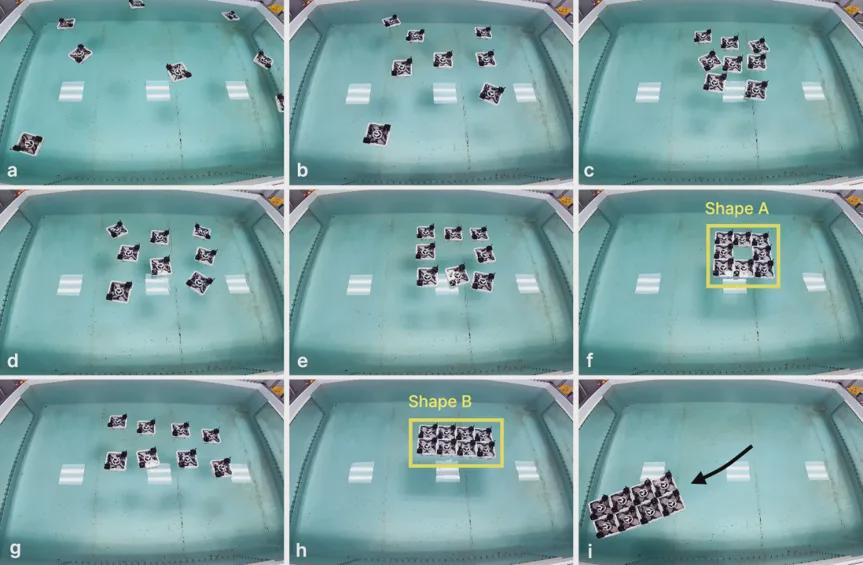
A team from MIT, along with collaborators from the University of Wisconsin-Madison, KU Leuven, and Politecnico di Milano, has developed a fleet of eight modular robot boats capable of transforming and navigating water autonomously. Each boat measures 21 cm on each side and can connect to form larger floating platforms, demonstrating advanced coordination without remote control. The significance of this development lies in its potential applications in complex environments where traditional navigation methods may fail. The robots can autonomously handle positioning, collision avoidance, and movement control, adapting their configurations based on tasks, similar to how fire ants form rafts during floods. Looking ahead, the research team has categorized their system as a Modular Self-Reconfigurable Robot (MSRR) system, which allows for dynamic reconfiguration and enhanced functionality. No further timeline was disclosed at the time of publication.
leaderobot.com By Leaderobot Jul 14, 2026 Modular Robotics Autonomous Systems Water Navigation Distributed Control Robotics Research
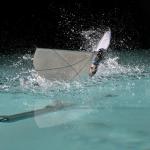
Engineers from MIT and EPFL have created a flapping-wing aerial-aquatic vehicle (FAAV) inspired by puffins. Weighing under 300 grams, the robot features a central fuselage, flexible wings, and a steerable tail. Field tests in Lake Geneva demonstrated its ability to swim and then take flight, showcasing its dual-medium capabilities. This innovation is significant for oceanography and marine biology, as it allows for cost-effective data collection from both air and water. The FAAV can fly at speeds of 6 meters per second and swim at 1 meter per second, providing a versatile tool for researchers. The design mimics the natural mechanics of birds, which maintain similar physical dynamics in both environments by adjusting their speed. Looking ahead, the team aims to refine the robot's ability to breach the water's surface, a challenging transition requiring a precise 70-degree pitch. No further timeline was disclosed at the time of publication, but the potential applications for environmental monitoring and research are substantial.
InterestingEngineering.com By Mrigakshi Dixit Jul 09, 2026 AI and Robotics
Recent advancements in monocular visual simultaneous localization and mapping (SLAM) have been applied to underwater bionic robotic fish. This approach integrates image enhancement techniques with deep feature matching to improve the robustness of navigation and mapping in aquatic environments. The significance of this development lies in its potential to enhance the operational capabilities of underwater robotic systems. By leveraging advanced image processing and machine learning techniques, the integration aims to address challenges faced in underwater navigation, such as low visibility and dynamic environments. Looking ahead, further research and testing will be crucial to refine these techniques and ensure their effectiveness in real-world underwater applications. No further timeline was disclosed at the time of publication.
JournalofFieldRobotics By Haojie Lian, Fan Li, Yixiang Sui, Huijie Dong, Bin Wang, Leilei Chen Jul 20, 2026 RESEARCH ARTICLE
Blueprint Subsea and Nortek have partnered to enhance underwater navigation for divers, particularly in scenarios where Global Navigation Satellite System (GNSS) signals are unavailable. This collaboration focuses on improving the reliability of navigation systems that depend on precise sensor data. Blueprint's Artemis diver navigation systems will utilize Nortek's Doppler Velocity Logs (DVLs) to provide accurate velocity information, ensuring divers can maintain their course even in challenging conditions. The initiative aims to bolster safety and efficiency in underwater operations, reflecting a growing need for advanced navigation solutions in the maritime industry.
ROVplanet.com By ROV Planet Dec 04, 2025 navigation divers tactical missions blueprint subsea nortek
Sonardyne's underwater positioning and tracking technology has been selected for integration into three new oceanographic research vessels, part of the National Science Foundation's Regional Class Research Vessel (RCRV) construction program. This decision underscores the NSF's commitment to advancing marine research capabilities. The vessels, designed to enhance scientific exploration and data collection in oceanographic studies, will be constructed in the coming years. By utilizing Sonardyne's innovative technology, the NSF aims to improve the accuracy and efficiency of underwater navigation and data acquisition, ultimately supporting a wide range of research initiatives. The program reflects a significant investment in the future of ocean science, addressing the growing need for advanced research tools in understanding marine environments.
ROVplanet.com By ROV Planet Oct 23, 2025 sonardyne underwater positioning tracking us academic research fleet
NORBIT, a technology company, has announced its acquisition of Water Linked, a Trondheim-based firm known for its expertise in underwater navigation and imaging technologies tailored for remotely operated vehicles (ROVs), autonomous underwater vehicles (AUVs), and uncrewed surface vessels. This strategic move, finalized recently, aims to enhance NORBIT's capabilities in the maritime technology sector. By integrating Water Linked's innovative solutions, NORBIT seeks to strengthen its position in the growing market for underwater technology, driven by increasing demand for advanced navigation and imaging systems in various marine applications. The acquisition is expected to facilitate the development of new products and services, ultimately benefiting customers in the maritime industry.
ROVplanet.com By ROV Planet Jun 22, 2026 water linked norbit
Blue Abyss has signed a Memorandum of Understanding (MOU) with Sonardyne International Ltd., a leading company in underwater navigation, positioning, and sensing technologies. This partnership aims to enhance the capabilities of Blue Abyss in the field of underwater exploration and technology development. The agreement was finalized recently, marking a significant step for both organizations in advancing their respective missions. By collaborating, Blue Abyss seeks to leverage Sonardyne's expertise to improve its offerings and contribute to innovations in underwater operations.
ROVplanet.com By ROV Planet May 02, 2025 blue abyss sonardyne memorandum of understanding
Sonardyne has solidified its position as a leader in underwater navigation and positioning with a significant new order from Ashtead Technology, a global provider of subsea solutions. The order involves Sonardyne's advanced Fusion 2 platform and 6+ technology, which are expected to enhance operational capabilities in subsea environments. This development underscores the growing demand for innovative underwater technologies in the industry. The partnership aims to leverage Sonardyne's expertise to improve the efficiency and accuracy of subsea operations, reflecting a broader trend towards technological advancement in underwater exploration and maintenance.
ROVplanet.com By ROV Planet Mar 09, 2026 sonardyne ashtead technology fusion 2 lbl
Researchers from Nanyang Technological University in Singapore and Waseda University in Japan have developed a unique application for cyborg Madagascar hissing cockroaches. By outfitting these insects with miniature diving suits, they can now navigate underwater for up to three hours, providing innovative solutions for disaster rescue operations. This advancement is significant as it combines living organisms with electronic devices, allowing the cockroaches to utilize their own muscle and nervous systems for movement. Unlike purely mechanical robots, these cyborg cockroaches have a lower energy consumption, making them more efficient for tasks in challenging environments, such as underwater scenarios. The research team is currently enhancing these cyborg cockroaches with miniature sensors, cameras, and advanced navigation systems. In the future, they may be deployed in disaster situations like floods or earthquakes to access hard-to-reach areas, helping rescue teams locate trapped individuals. No further timeline was disclosed at the time of publication.
leaderobot.com By Leaderobot Jul 13, 2026 Cyborg Insects Disaster Rescue Technology Underwater Robotics Microelectronics
A group of palm-sized square robots autonomously converge, lock together, and form a temporary floating bridge within minutes. This innovative achievement comes from MIT's Computer Science and Artificial Intelligence Laboratory (CSAIL) and was recently published in Nature Communications. Inspired by fire ants, these robots utilize decentralized control, allowing them to coordinate movements without a central command, enhancing their scalability. Each FloatForm robot measures 21 centimeters on each side and is equipped with propellers, sensors, and magnetic locks. The robots can synchronize their movements by exchanging positions with neighbors, making the planning complexity dependent on local interactions rather than the total number of robots. Simulations indicate that the framework can smoothly scale up to 64 units, showcasing significant potential for various applications. The team has successfully tested the robots in controlled environments, achieving a 90% success rate with four robots and 70% with eight in completing tasks autonomously. Future developments will focus on integrating GPS or visual navigation and mechanical locking for real-world applications, including floating markets and emergency bridges in urban areas with waterways. No further timeline was disclosed at the time of publication.
leaderobot.com By Leaderobot 6 hours ago Robotics Autonomous Systems Modular Robotics Water Navigation
The Journal of Field Robotics has published an early view article discussing the challenges of online localization for autonomous underwater vehicles (AUVs) in the presence of current disturbances. This research highlights the difficulties faced by AUVs when global references are not available, which is crucial for their navigation and operational efficiency. Understanding how current disturbances affect AUV localization is significant as it directly impacts the effectiveness of underwater missions. Accurate localization is essential for various applications, including environmental monitoring, underwater exploration, and military operations. The findings from this study could lead to improved algorithms and technologies that enhance the reliability of AUVs in challenging underwater environments. Future research should focus on developing advanced localization techniques that can mitigate the effects of current disturbances on AUVs. As underwater exploration continues to grow, the demand for reliable AUV navigation systems will increase. No further timeline was disclosed at the time of publication.
JournalofFieldRobotics By Cody A. Marquardt, HeonYong Kang Jul 15, 2026 RESEARCH ARTICLE
MFE Offshore, based in Houston, has announced its partnership with Swiss robotics developer Hydromea to distribute the Hydromea EXRAY underwater inspection ROV. This agreement, made public on July 9, 2026, enhances MFE Offshore's subsea portfolio, which was launched earlier this year. The EXRAY offers a tetherless alternative for underwater inspections, reducing costs and risks associated with traditional methods. The significance of this partnership lies in the EXRAY's ability to provide efficient and safe data collection in challenging underwater environments. As stated by Wendy Post, general manager of MFE Offshore, the demand for advanced inspection technologies is increasing as operators face more complex underwater challenges. The EXRAY's capabilities, including real-time control and live HD video transmission, position it as a valuable tool for energy operators. Looking ahead, MFE Offshore will showcase the EXRAY during a Demo Day on July 16 at its Houston facility, allowing potential customers to see the ROV in action. This event highlights MFE Offshore's commitment to bringing innovative inspection solutions to the energy sector, with no further timeline disclosed at the time of publication.
Dronelife.com By Ian McNabb Jul 13, 2026 Drone News Drone News Feeds Inspection News seadrones underwater drones
Researchers from MIT and EPFL have created a flapping robot capable of transitioning between water and air without legs. Weighing approximately 250 grams, the robot features a streamlined body, two flexible wings, and a controllable tail. It can flap its wings at frequencies of up to 6 Hz underwater and 5.2 to 11 Hz in the air, mimicking the behavior of diving birds, as detailed in a recent Science publication. This innovation is significant as it addresses the complex physical challenges of transitioning from water to air, a feat that most diving birds achieve with the aid of their legs. The robot's flexible wings reduce drag and allow for a higher flapping frequency underwater compared to rigid wings. This design not only enhances its swimming efficiency but also aligns with biological observations of diving birds, providing insights into their locomotion strategies. Looking ahead, the research team is exploring optimal wing configurations and has tested various sizes and stiffnesses. Future experiments will focus on the robot's ability to transition from water to air solely through wing flapping, a critical milestone that could reveal more about the mechanics of avian flight and inspire advancements in robotic design. No further timeline was disclosed at the time of publication.
leaderobot.com By Leaderobot Jul 11, 2026 Flapping Robots Aerial Robotics Aquatic Robotics Bio-inspired Engineering
MIT and EPFL have developed the Flapping-wing Aerial-Aquatic Vehicle (FAAV), weighing just 250 grams. This innovative robot can navigate both air and water, achieving a cruising speed of 6.3 meters per second in the air and 1 meter per second underwater. Remarkably, it can take off from water using only its wings, without any additional propulsion systems. The significance of the FAAV lies in its ability to overcome the challenges of transitioning between air and water, which have historically hindered the development of amphibious robots. The wings of the FAAV passively deform underwater, allowing for efficient movement and reduced motor load. This design enables the robot to exploit the surface tension of water for takeoff, a feat that has been difficult for previous models reliant on complex propulsion mechanisms. Looking ahead, the research team aims to complete the full flight-dive-flight cycle, which is yet to be validated. The FAAV has already demonstrated its capability to breach the water's surface, marking a significant milestone in the evolution of cross-medium robotic systems. No further timeline was disclosed at the time of publication.
leaderobot.com By Leaderobot Jul 10, 2026 Flapping Robots Aerial-Aquatic Vehicles Robotics Marine Technology
Swedish innovator Njord Survey has selected Sonardyne's advanced navigation technology to enhance the capabilities of its ecoSUB Robotics autonomous underwater vehicles (AUVs). This collaboration aims to revolutionize subsea survey operations, making them more efficient and environmentally friendly. The integration of Sonardyne's technology is expected to take place in the coming months, with the goal of improving data accuracy and operational efficiency in underwater surveys. By leveraging cutting-edge navigation solutions, Njord Survey seeks to address the growing demand for sustainable and precise subsea exploration methods.
ROVplanet.com By ROV Planet Mar 31, 2026 njord survey sonardyne navigation ecosub auvs
Deep Ocean Search (DOS), a prominent company in deep-sea exploration, has partnered with Exail to enhance its navigation and acoustic positioning for forthcoming missions. This collaboration will see DOS utilize Exail's advanced Rovins 9-DVL navigation system and Gaps M7 acoustic positioning system, which are designed to operate at depths of up to 6,000 meters. The integration of these technologies is expected to significantly improve DOS's operational capabilities in challenging underwater environments, facilitating more precise and efficient exploration efforts.
ROVplanet.com By ROV Planet Sep 11, 2025 exail deep ocean search navigation and positioning systems for deep-sea missions
Advanced Navigation is hosting exclusive 15-minute one-on-one workshops at the Ocean Business event in Southampton, aimed at addressing specific navigation challenges related to remotely operated vehicles (ROVs) and autonomous underwater vehicles (AUVs). Scheduled during the event, these sessions will provide participants with the opportunity to troubleshoot integration issues unique to subsea operations and enhance their technology stack for improved autonomy and operational efficiency. Attendees are encouraged to bring their current or planned setups for tailored guidance from specialists. With limited slots available, interested individuals are urged to reserve their sessions promptly to secure a spot.
ROVplanet.com By ROV Planet Apr 03, 2025 advanced navigation's integration station at ocean business 2025
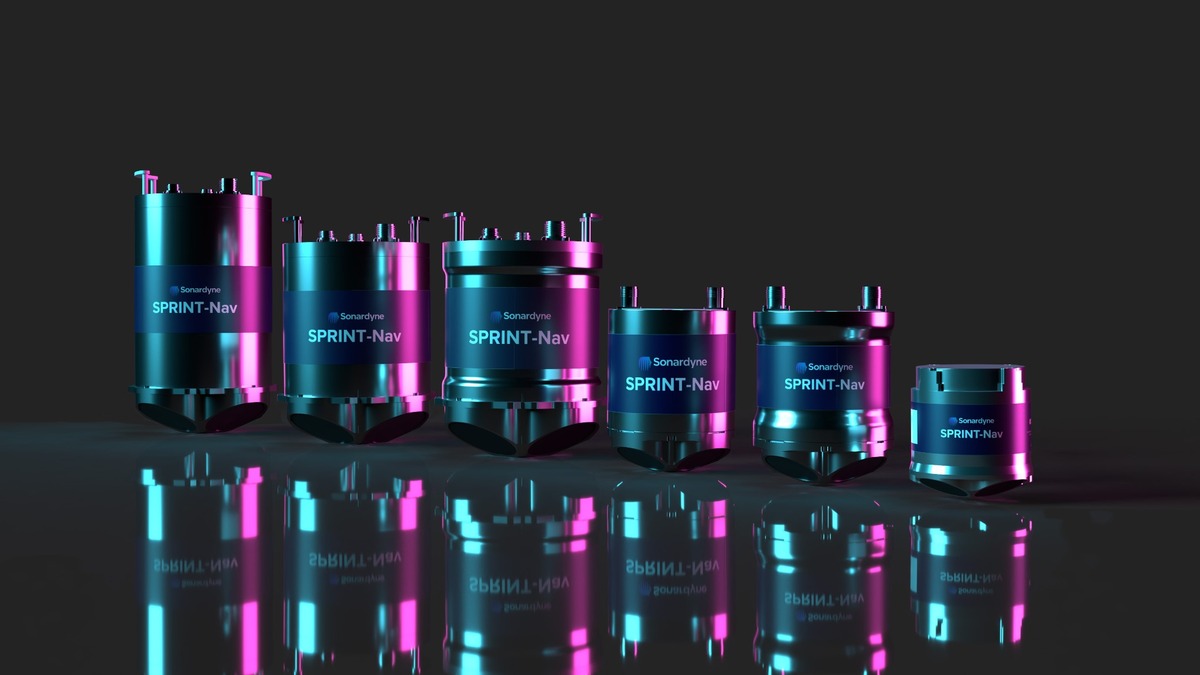
Sonardyne International Ltd has unveiled the SPRINT-Nav U, a groundbreaking hybrid acoustic-inertial navigator tailored for compact marine robotic platforms. This innovative device, recognized as the world's smallest of its kind, aims to enhance navigation capabilities in various underwater applications. The launch took place in October 2023, showcasing Sonardyne's commitment to advancing marine technology. By integrating both acoustic and inertial navigation systems, the SPRINT-Nav U offers improved precision and reliability, addressing the growing demand for efficient navigation solutions in the field of marine robotics.
ROVplanet.com By ROV Planet Mar 24, 2025 sonardyne small marine robotics navigation launch sprint-nav u
A groundbreaking technology known as “Sonar-MASt3R” has been developed to enhance underwater mapping capabilities by integrating sonar and visual data. This innovative system is capable of producing real-time 3D maps, significantly improving navigation and exploration in challenging environments, including cloudy water conditions. The technology was unveiled in October 2023, showcasing its potential to revolutionize marine research and underwater operations. By combining different data sources, Sonar-MASt3R addresses the limitations of traditional mapping methods, offering clearer and more accurate representations of underwater landscapes. This advancement is expected to benefit various sectors, including environmental monitoring, maritime safety, and underwater archaeology, by providing researchers and professionals with reliable tools for better decision-making in aquatic environments.
MITNews By Jennifer Chu | MIT News Jun 11, 2026 Research Robotics Computer vision Imaging Sensors Oceanography and ocean engineering
Researchers have developed an enhanced dynamic window approach for unmanned underwater vehicles (UUVs), aimed at improving their navigation capabilities in challenging environments. This innovative method focuses on optimizing obstacle avoidance, which significantly increases the success rates of UUV operations while simultaneously reducing energy consumption. The advancements in this technology are particularly relevant for missions that require precise maneuvering in complex underwater landscapes, such as search and rescue operations, environmental monitoring, and underwater exploration. By integrating this new approach, UUVs can better adapt to dynamic conditions, ensuring safer and more efficient missions. The findings were presented in October 2023, highlighting the potential for this technology to revolutionize underwater vehicle navigation.
AZOrobotics.com May 20, 2026
Ivy Mahncke, an intern at Lincoln Laboratory, has successfully developed and tested innovative algorithms designed to enhance navigation for both human divers and underwater robots. This project aims to improve safety and efficiency in underwater exploration and operations, addressing challenges faced in complex aquatic environments. Mahncke's work, which took place during her internship, showcases the potential for advanced technology to assist in deep-sea missions and research. By leveraging data and sophisticated programming techniques, she has created solutions that could significantly aid divers and robotic systems in accurately maneuvering through challenging underwater terrains.
Robohub.org By MIT News Mar 12, 2026
Metron Inc., a leader in autonomous software for defense and commercial sectors, and Cellula Robotics Ltd., known for its robotic undersea platforms, successfully completed a multi-mission open-water demonstration off the coast of Vancouver, Canada. This sea trial, held recently, highlighted the effective integration of Metron's Autonomous Navigation Command and Control (ANCC) software with Cellula's Guardian Unmanned Underwater Vehicle (UUV). The Guardian is designed for long-duration missions and can carry multiple payloads, enhancing mission success in challenging environments. Equipped with advanced hydrogen fuel cell technology, the Guardian boasts operational ranges of up to 5,000 kilometers and endurance of 45 to 60 days, significantly outperforming similar battery-powered systems. This demonstration represents the culmination of a yearlong collaboration involving UUV operations that combined Cellula's platforms with Metron's innovative software solutions.
ROVplanet.com By ROV Planet Jul 22, 2025 metron cellula robotics multi-mission open-water uuv demonstration ancc-guardian
A research team from Peking University, headed by Professor Xie Guangming, has developed a groundbreaking biomimetic octopus gripper capable of transitioning between soft and hard states in less than one second. This advancement enhances the efficiency of underwater robotic operations, enabling more effective and energy-efficient execution of tasks. The team's findings were published in the journal 'Cyborg and Bionic Systems', highlighting the potential applications of this technology in various underwater environments.
leaderobot.com By Leaderobot May 20, 2026 Underwater Robotics Soft Robotics Biomimetic Design Robotic Grippers
A groundbreaking development in marine ecology has emerged with the introduction of the CUREE underwater robot, which autonomously identifies marine life hotspots in the Caribbean. Utilizing advanced auditory and visual sensors, this innovative technology significantly enhances ecological monitoring and contributes to a deeper understanding of coral reef ecosystems. The findings and capabilities of the CUREE robot were detailed in the latest issue of Science Robotics, showcasing its potential to revolutionize the way researchers study and protect marine environments. By providing precise data on marine biodiversity, the CUREE robot aims to support conservation efforts and promote sustainable practices in the region.
leaderobot.com By Leaderobot May 20, 2026 Underwater Robotics Marine Biology Ecological Monitoring AI Technology
A team of researchers is advancing the capabilities of collaboration between divers and autonomous underwater vehicles (AUVs) for maritime missions. This initiative, which began in late 2023, aims to enhance operational efficiency and safety in underwater exploration and tasks. The research is taking place at a leading marine technology institute, where experts are focused on creating innovative hardware and sophisticated algorithms that facilitate seamless communication and coordination between human divers and AUVs. The motivation behind this development stems from the increasing complexity of underwater missions, which require precise teamwork to navigate challenging environments and accomplish objectives effectively. By integrating advanced technology, the researchers hope to improve the overall effectiveness of maritime operations, making them safer and more efficient for both divers and AUVs alike.
MITNews By Ariana Gaines | Lincoln Laboratory Apr 14, 2026 Research Sensors Lincoln Laboratory Oceanography and ocean engineering Robotics Computer science and technology
The Global Underwater Hub (GUH), a prominent organization dedicated to the advancement of the UK's underwater industries, has introduced a new Underwater Robotics and Autonomy Forum. This initiative aims to foster collaboration and drive innovation within the subsea robotics sector. The forum is expected to serve as a platform for industry stakeholders to share insights, develop new technologies, and enhance operational efficiencies in underwater robotics. By bringing together experts and businesses, GUH seeks to position the UK as a leader in this rapidly evolving field, responding to the growing demand for advanced underwater solutions. The launch of the forum marks a significant step in GUH's ongoing efforts to support the development of the underwater economy and address the challenges faced by the industry.
ROVplanet.com By ROV Planet Mar 17, 2026 events global underwater hub (guh) underwater robotics and autonomy forum
The Baltic Sea, long known to be contaminated with remnants of munitions from past conflicts, is the focus of ongoing research aimed at identifying the locations and conditions of these underwater hazards. Three major initiatives at the national, Baltic Sea, and European levels are currently underway to enhance understanding and develop technologies for the safe identification of submerged munitions. The GEOMAR Helmholtz Centre for Ocean Research Kiel is actively participating in these efforts through a series of expeditions. The first of these missions has commenced aboard the research vessel ALKOR, which is testing and refining advanced mapping and analysis techniques. This initial expedition is concentrating on specific areas within German and Danish waters, particularly around the Flensburg Fjord/Lille Belt, west of Bornholm, and the Bay of Lübeck. The goal of these projects is to consolidate existing knowledge and improve safety measures regarding the munitions that pose environmental and navigational risks in the Baltic Sea.
ROVplanet.com By ROV Planet Mar 24, 2025
Ant Group has unveiled its latest advancements in robotics technology with the launch of LingBot-Vision and LingBot-Depth 2.0, sophisticated visual models designed to enhance robots' ability to perceive transparent and reflective objects. This development, announced recently, marks a significant improvement over traditional models by emphasizing the understanding of boundaries and spatial relationships, thereby boosting robotic performance in intricate environments. The decision to make these models open-source is intended to foster innovation and improve navigation and interaction capabilities for robots in everyday scenarios.
leaderobot.com By Leaderobot Jul 08, 2026 Robotic Vision AI Machine Learning Computer Vision
The Journal of Field Robotics has published an early view article that explores advancements in robotic technology and its applications in various fields. This publication, released in October 2023, highlights the innovative research conducted by a team of engineers and scientists aiming to enhance the efficiency and capabilities of robotic systems. The study focuses on the integration of artificial intelligence and machine learning to improve navigation and decision-making processes in autonomous robots. Researchers conducted extensive field tests to evaluate the performance of these systems in real-world environments, demonstrating significant improvements over previous models. The findings are expected to impact industries such as agriculture, manufacturing, and disaster response, where robotic assistance can lead to increased productivity and safety. This research underscores the growing importance of robotics in addressing complex challenges and advancing technological solutions across multiple sectors.
JournalofFieldRobotics By Chao Wang, Yixian Wang, Zonggang Li, Xiaolong Wang, Desheng Liu, Huifeng Kang, Yanhui Wang Jul 05, 2026 RESEARCH ARTICLE
Researchers are making significant strides in developing unmanned aerial vehicles (UAVs), or drones, capable of executing the challenging maneuver of transitioning from water to air. This complex task, often performed effortlessly by birds and marine animals like mobula rays, has proven to be a formidable challenge for drone technology. As of October 2023, advancements in engineering and design are being explored to enhance the capabilities of these aerial vehicles, aiming to improve their performance in various applications, including search and rescue missions, environmental monitoring, and recreational use. The ongoing research highlights the potential for drones to operate in diverse environments, ultimately expanding their utility and effectiveness in real-world scenarios.
TechXplore:Robotics Jun 15, 2026 Robotics
Remotely operated underwater vehicles (ROVs) face significant challenges when navigating cloudy and turbulent waters, as sediment disturbance can severely impair visibility for onboard cameras. This issue arises when ROVs settle on the seafloor or dig through sand beds, leading to the creation of sediment clouds that obscure their view. Consequently, operators often have no choice but to pause operations and wait for the marine dust to settle before the vehicles can safely continue their exploration or tasks. This limitation highlights the complexities of underwater operations and the need for advancements in technology to enhance visibility in such challenging conditions.
TechXplore:Robotics Jun 11, 2026 Robotics
A research team led by Barbara Mazzolai at the Istituto Italiano di Tecnologia (IIT) has unveiled an innovative octopus-inspired soft robotic arm. This development, which emerged from the Bioinspired Soft Robotics unit, showcases advanced technology that allows the robotic arm to autonomously grasp objects in challenging environments, including underwater. The arm's artificial suction cups are equipped with sensors that can detect contact and assess the intensity and direction of applied forces. This breakthrough, announced recently, highlights the potential of oceanic biology to inspire future robotics solutions, emphasizing the importance of nature as a model for technological advancements.
TechXplore:Robotics Jun 08, 2026 Robotics
University of Florida researchers are advancing underwater communication technology by deploying robots in various aquatic environments, from the shallow shores of Lake Wahlberg to the depths of the ocean. This initiative aims to enhance the robots' ability to communicate effectively in challenging, murky conditions. The project, which began recently, leverages innovative techniques to improve data transmission and interaction among robots operating in diverse water conditions. By refining these communication methods, the researchers hope to facilitate more efficient underwater exploration and data collection, potentially benefiting fields such as marine biology, environmental monitoring, and search and rescue operations.
TechXplore:Robotics May 29, 2026 Robotics
Zero Zero Robotics has introduced the Hover AQUA, a groundbreaking flying camera specifically engineered for water sports enthusiasts. This innovative device boasts an IP67 rating for dust and water resistance, ensuring it can withstand harsh aquatic environments. Weighing under 250 grams, the Hover AQUA is designed with positive buoyancy, allowing it to take off from and land directly on water. Additionally, it offers impressive video capabilities, recording in 4K resolution at 100 frames per second. The launch of this unique camera marks a significant advancement in aerial photography technology, catering to the growing demand for high-quality imaging in water-based activities.
PanDaily.com By [email protected] (Pandaily) May 29, 2026 Gadgets
Underwater inspections of bridge foundations have been identified as one of the most perilous tasks in the field of civil engineering. Conducted by specialized divers and engineers, these inspections are crucial for ensuring the structural integrity and safety of bridges. The inspections typically take place during scheduled maintenance periods, which can vary throughout the year depending on weather conditions and operational requirements. The inspections are primarily carried out in various locations across the country, where aging infrastructure poses significant risks to public safety. The motivation behind these inspections stems from the need to prevent catastrophic failures and to comply with regulatory standards that mandate regular assessments of bridge conditions. To perform these inspections, teams utilize advanced technology, including remotely operated vehicles (ROVs) and sonar imaging, which allow for detailed examinations of underwater structures without compromising diver safety. Despite these innovations, the inherent risks associated with underwater work, such as strong currents and visibility challenges, remain a concern for professionals in the field. As infrastructure continues to age, the demand for thorough inspections is expected to increase, highlighting the importance of ongoing training and the development of safer inspection methods. This proactive approach aims to enhance the safety of bridges and ensure the reliability of transportation networks for the public.
InterestingEngineering.com By Munis Raza May 25, 2026
A recent study published in the Journal of Field Robotics highlights advancements in autonomous robotic navigation. Researchers from a leading university conducted experiments to improve the efficiency and accuracy of robots in complex environments. The study, released in early October 2023, focused on various terrains, including urban settings and natural landscapes, to assess how robots can better adapt to their surroundings. The motivation behind this research stems from the increasing demand for autonomous systems in industries such as agriculture, logistics, and disaster response. By enhancing the navigation capabilities of robots, the researchers aim to facilitate their deployment in real-world applications, ultimately improving operational efficiency and safety. The team utilized a combination of machine learning algorithms and sensor technologies to develop a new navigation framework. This innovative approach allows robots to process environmental data in real-time, enabling them to make informed decisions and navigate obstacles more effectively. The findings suggest that these advancements could significantly reduce the time and resources required for robots to complete tasks in unpredictable environments. As the field of robotics continues to evolve, this research represents a crucial step towards more reliable and versatile autonomous systems, paving the way for broader applications in various sectors.
JournalofFieldRobotics By Subham Kumar Shaw, Prasanna Muppidwar, Jagadeesh Kadiyam May 10, 2026 SURVEY ARTICLE
Researchers at Peking University’s Intelligent Biomimetic Design Lab have unveiled a groundbreaking bio-signal framework that reveals the multifaceted roles of fish muscles beyond mere swimming. Led by Professor Xie Guangming from the School of Advanced Manufacturing and Robotics, the study involved twin brothers Waqar Hussain Afridi and Rahdar Hussain Afridi. Their research utilized electrical signals from fish muscles to reconstruct body postures, assess surrounding flow conditions, and apply biological principles to the development of robotic systems. Conducted recently, these findings pave the way for advancements in biological telemetry, locomotion research, and bio-inspired underwater robotics, highlighting the potential for innovative applications in these fields.
TechXplore:Robotics Apr 27, 2026 Robotics
A recent study published in the Journal of Field Robotics highlights advancements in autonomous robotic navigation systems. Researchers from a leading robotics institute conducted experiments to enhance the efficiency and accuracy of robots in complex environments. The findings, released in early October 2023, demonstrate significant improvements in how robots interpret and navigate their surroundings, particularly in challenging terrains such as forests and urban areas. The motivation behind this research stems from the increasing demand for autonomous systems in various sectors, including agriculture, disaster response, and urban planning. By refining navigation algorithms, the team aims to enable robots to operate more effectively in real-world scenarios, thereby expanding their practical applications. The study involved extensive field tests where robots were subjected to diverse environmental conditions. Through a combination of machine learning techniques and real-time data processing, the researchers were able to enhance the robots' decision-making capabilities, allowing them to adapt to unforeseen obstacles and optimize their routes. This breakthrough not only promises to improve the functionality of robotic systems but also paves the way for future innovations in autonomous technology, potentially transforming industries reliant on robotic assistance. The implications of this research could lead to safer and more efficient operations in environments that are currently challenging for robotic systems to navigate.
JournalofFieldRobotics By Angel Kitone, Mohammed Anteet, Pawandeep S. Matharu, Yara Almubarak Apr 19, 2026 SURVEY ARTICLE
In May 2026, researchers published a significant study in the Journal of Field Robotics, detailing advancements in robotic technology. The study, appearing in Volume 43, Issue 3, pages 1679-1692, highlights innovative methodologies for enhancing robotic navigation and autonomy in complex environments. Conducted by a team of experts in robotics and artificial intelligence, the research aims to address the growing demand for efficient and reliable robotic systems in various industries, including agriculture, manufacturing, and disaster response. The motivation behind this research stems from the increasing reliance on robotics in everyday applications and the need for these systems to operate effectively in unpredictable settings. By employing advanced algorithms and machine learning techniques, the researchers demonstrated how robots can improve their decision-making processes and adapt to changing conditions in real-time. The findings are expected to have a profound impact on the future development of autonomous robots, paving the way for more sophisticated applications that can enhance productivity and safety across multiple sectors. As the field of robotics continues to evolve, this study represents a crucial step toward achieving greater autonomy and efficiency in robotic systems.
JournalofFieldRobotics By Huanyin Zhou, Yiping Li, Kaizhou Liu, Hongli Xu Apr 08, 2026 RESEARCH ARTICLE
A recent study published in the Journal of Field Robotics highlights advancements in autonomous robotic navigation. Researchers from a leading robotics institute conducted experiments to enhance the efficiency of robots in complex environments. The study, released in early October 2023, focuses on the integration of advanced algorithms that allow robots to better interpret their surroundings and make real-time decisions. The research was carried out in various challenging terrains, including urban settings and natural landscapes, to test the robots' adaptability. The motivation behind this work stems from the growing demand for autonomous systems in sectors such as agriculture, search and rescue, and urban planning. By improving navigation capabilities, the researchers aim to facilitate the deployment of robots in scenarios where human intervention is limited or dangerous. Through a series of simulations and field tests, the team demonstrated that the new algorithms significantly reduced the time taken for robots to complete tasks while increasing their accuracy in obstacle avoidance. This breakthrough could lead to more reliable and efficient robotic systems, paving the way for wider applications in everyday life. The findings underscore the potential of robotics to transform various industries by enhancing operational efficiency and safety.
JournalofFieldRobotics By Rajesh Kannan Megalingam, Kusumanchi Surya Shanmukh, Aditya Ashvin, Pochareddy Nishith Reddy, Aryan Kurungadathil, Shree Rajesh Raagul Vadivel Jun 16, 2026 RESEARCH ARTICLE
A recent study published in the Journal of Field Robotics highlights advancements in autonomous robotic systems designed for agricultural applications. Researchers from various institutions collaborated to develop innovative algorithms that enhance the efficiency and effectiveness of robots in crop monitoring and management. The findings, released in early October 2023, demonstrate how these technologies can significantly reduce labor costs and improve yield predictions, addressing the growing demand for sustainable farming practices. The research was conducted in various agricultural settings, showcasing the robots' adaptability to different environments and crops. By integrating machine learning and real-time data analysis, the team aims to provide farmers with tools that not only optimize their operations but also contribute to environmental sustainability. This study marks a significant step forward in the integration of robotics into agriculture, promising to transform traditional farming methods and support food security in the face of global challenges.
JournalofFieldRobotics By Yelena Randall, Ori Lifschitz, Tali Treibitz Jul 08, 2026 RESEARCH ARTICLE
The 2026 Zhangjiang EAI Conference is set to highlight the practical applications of robotics across various industries, with a focus on tasks such as delivery, inspection, and collaboration. Scheduled to take place in Zhangjiang, the event will feature demonstrations of robots executing real-world functions, including water delivery and navigation through complex environments. By showcasing these capabilities, the conference aims to illustrate the significant role of embodied intelligence in enhancing supply chain efficiency. The initiative seeks to bridge the gap between advanced technology and its practical uses, underscoring the growing importance of robotics in everyday operations.
leaderobot.com By Leaderobot Jun 15, 2026 Robotics Supply Chain Automation Embodied Intelligence Industrial Applications
IEEE Spectrum robotics has released its weekly roundup of notable robotics videos and events. Among the highlights is the introduction of "Roadrunner," a new bipedal wheeled robot prototype that can switch between various locomotion modes, designed for enhanced navigation. Weighing approximately 15 kg, it features symmetric legs that can adapt for obstacle avoidance and movement management. NASA has announced two ambitious missions: SkyFall, which will deploy next-generation helicopters on Mars to scout landing sites and map subsurface water ice, and MoonFall, aimed at preparing for future Artemis missions by sending drones to explore the lunar South Pole. These drones will operate independently for 14 Earth days, surveying challenging terrains. In research advancements, a team from MIT has developed Electrofluidic Fiber Muscles, a new class of soft and flexible artificial muscles for robots and wearables, promising improved agility and integration into textiles. Additionally, the open-source quadruped robot MEVIUS2 has been unveiled, capable of climbing stairs and steep slopes. Other innovations include a wristband from MIT that allows users to control a robotic hand through their own movements, and a cooking robot from Zhejiang Lab that autonomously processes ingredients and performs cooking tasks with high precision. The CMU Robotics Institute is set to host a seminar by Hadas Kress-Gazit from Cornell, focusing on the role of formal methods in robotics amidst the rise of big data.
Spectrum.ieee.orgAutomaton By Evan Ackerman Mar 27, 2026 Video-friday Nasa Bipedal-robots Quadruped-robots Artificial-muscles Humanoid-robots
Cellula Robotics, a prominent developer of autonomous subsea robotic systems, has selected Sonardyne's navigation and positioning technology for its long-range autonomous underwater vehicle (AUV) platforms. This partnership aims to enhance the operational capabilities of Cellula's AUVs, allowing for more precise navigation and positioning in underwater environments. The integration of Sonardyne's advanced technology is expected to significantly improve the efficiency and effectiveness of subsea operations, addressing the growing demand for reliable and sophisticated underwater exploration and data collection. The collaboration marks a strategic move for Cellula Robotics as it continues to innovate in the field of autonomous underwater systems.
ROVplanet.com By ROV Planet Mar 11, 2026 cellula robotics sonardyne long-range auvs navigation avtrak 6 ranger 2 ultra-short baseline
Micro and small autonomous underwater vehicles (AUVs) are increasingly recognized for their ability to integrate various sensors and navigation systems, making them particularly suitable for operations in coastal waters. Their deployment and operation are straightforward, which enhances their appeal for marine exploration. However, successful exploration and mapping of survey targets often necessitate the use of multiple sensing techniques. Furthermore, there is a growing demand for close-range, high-resolution inspections, a task that has traditionally been handled by remotely operated vehicles (ROVs). This shift highlights the evolving capabilities of AUVs in marine applications, as they seek to meet the complex requirements of underwater surveying and inspection.
ROVplanet.com By ROV Planet Apr 21, 2025 multimodal mapping exploration inspection sparus ii auv iqua robotics
Greensea IQ recently conducted a successful demonstration of its autonomous Unexploded Ordnance (UXO) detection and classification technology at the former Maine Bombing Area. The event showcased the capabilities of the Bayonet 350 Autonomous Underwater Ground Vehicle (AUGV), which operated effectively in surf, shallow water, and nearshore environments while towing a specialized UXO detection sensor sled. This demonstration highlighted the vehicle's ability to collect reliable, high-accuracy data and perform autonomous operations in challenging coastal conditions. The initiative aims to enhance safety and efficiency in identifying and managing unexploded ordnance, addressing a critical need for effective UXO detection in various maritime environments.
ROVplanet.com By ROV Planet Mar 24, 2026 greensea iq autonomous uxo detection bayonet 350 live deployment autonomous underwater ground vehicle (augv)
On July 11, Ukraine reported that its aerial drones struck 28 Russian vessels in the Sea of Azov, part of an ongoing campaign that has targeted nearly 80 ships since July 6. This includes a significant number of oil tankers from Russia's shadow fleet, leading to a temporary halt in shipping through the Don-Azov Channel, a crucial navigable waterway for grain exports. The significance of these attacks lies in their impact on Russia's maritime operations and economy. Analysts noted that approximately 25% of Russia's wheat exports, the world's largest exporter of the grain, transit through the Sea of Azov. The strikes have prompted Russia to suspend new vessel transit applications through the Kerch Strait and halt navigation on the Don-Azov Canal, further isolating the Crimean peninsula and disrupting Russian energy supplies. Looking ahead, the Ukrainian military's 414th Separate Unmanned Strike Aviation System Brigade, known as “Magyar’s Birds,” continues to execute operations targeting Russian naval assets and infrastructure. The brigade's campaign, dubbed “Operation ‘Crimean Switch Off,’” aims to weaken Russian capabilities in the region. No further timeline was disclosed at the time of publication.
TheWarZone By Howard Altman Jul 11, 2026 News & Features Air Around The Globe Drones Europe Russia
On May 4, 2026, the U.S. military conducted a targeted strike in the Strait of Hormuz, a strategic waterway crucial for global oil transportation. This operation was part of an ongoing effort to counter escalating threats from regional adversaries, particularly amid rising tensions in the Middle East. The strike aimed to neutralize specific military assets believed to be involved in hostile activities against U.S. interests and allies in the region. The decision to launch the strike followed a series of provocations, including attacks on commercial vessels and threats to shipping lanes, which prompted U.S. officials to act decisively to ensure maritime security. The operation involved precision airstrikes, utilizing advanced technology to minimize collateral damage while effectively targeting the identified threats. Military analysts noted that this action underscores the U.S. commitment to maintaining freedom of navigation in international waters and deterring aggression from hostile forces. As the situation continues to evolve, the U.S. military remains on high alert, prepared to respond to any further escalations in the region.
InterestingEngineering.com By Sujita Sinha May 05, 2026
Greensea IQ has unveiled Bayonet Insight, a new post-processing software toolset designed for its maritime robotics software products utilized by defense forces. Announced today, this innovative tool enhances the functionality of various systems, including Bayonet Autonomous Underwater Ground Vehicles (AUGVs), EOD Edge, and EOD Workspace on Mission Specialist Defender ROVs from VideoRay, as well as RNAV diver navigation systems from STIDD Systems and Bayonet Underwater Control (BUC) systems. Additionally, it supports Greensea's EverClean robots used for ship maintenance and inspection. The development of Bayonet Insight was driven by the urgent demand from operators for quicker access to mission insights, ensuring that critical information is available while it remains relevant.
ROVplanet.com By ROV Planet Mar 09, 2026 greensea iq
The Royal Navy has received its first advanced Maritime Mine Counter Measure (MMCM) system, marking a significant enhancement in British defense capabilities. This delivery is part of a broader initiative aimed at improving the safety of sailors and strengthening the UK's maritime security. The introduction of this cutting-edge technology comes as part of ongoing efforts to modernize naval operations and address emerging threats in maritime environments. The system is expected to play a crucial role in countering underwater mines, thereby ensuring safer navigation for naval vessels.
ROVplanet.com By ROV Planet Mar 14, 2025 usv autonomous mine hunting system delivery uk royal navyRSF defines a common language for robot service capability, lifecycle operations, certification pathways, and service-provider networks.