Industry Briefing
A single destination for timely, editor-curated robotics news from around the world.

Lockheed Martin Enhances Decision Advantage for Warfighters with Advanced Missile Defense Systems
Lockheed Martin is addressing the urgent need for commanders to access trustworthy mission data instantaneously. In modern warfare, the ability to quickly interpret intelligence reports is critical, as every moment spent analyzing information can provide adversaries with an opportunity to act. The company is engineering decision advantage through integrated capabilities, ensuring that secure information translates into a tactical edge. The Space-Based Infrared System (SBIRS) has been a cornerstone of U.S. missile warning and tracking, showcasing Lockheed Martin's expertise in this domain. The introduction of the Next-Generation OPIR GEO (NGG) aims to enhance sensing capabilities against emerging threats, including hypersonic weapons. Built on the LM2100 Combat Bus™, NGG is designed for advanced survivability, ensuring that critical information is delivered where it is needed most. Lockheed Martin's Transport Layer satellites, utilizing the LM50 bus, are pivotal in providing secure, low-latency communications that facilitate rapid data distribution across the force. As the U.S. Space Force develops a Resilient Missile Warning/Missile Tracking layer in MEO, Lockheed Martin is competing for the Epoch 2 contract, demonstrating its commitment to advancing missile defense architecture and maintaining operational superiority.
Space Sponsored Post GEO Lockheed Martin Lockheed Martin Space MEO
Starmind's Orbital Compute vs. Terrestrial Data Centers: Analyzing Resource Advantages
Starmind's orbital compute technology presents a significant advantage over traditional ground-based data centers by eliminating constraints related to land, water, and grid permitting. While terrestrial data centers are currently cheaper and faster to construct, with U.S. data center spending reaching $85.3 billion in 2026, Starmind's approach focuses on addressing the growing resource limitations faced by hyperscale facilities. The significance of Starmind's technology lies in its ability to sidestep the increasing challenges of land and water usage. For instance, a 100 MW data center can consume approximately 530,000 gallons of water daily for cooling, while Starmind's AI1 utilizes deployable liquid radiators that require no water. This structural advantage could resonate with investors as the demand for AI computing continues to escalate, potentially leading to annual water withdrawals of up to 1.7 trillion gallons by 2027. Looking ahead, Starmind's next milestones include the launch of AI1 prototypes scheduled for early 2027. However, the technology's claims regarding cooling efficiency and operational reliability remain unverified until real flight data is available. As the industry evolves, the competition between orbital and terrestrial solutions will become increasingly relevant, particularly in the context of resource management and sustainability.
Ocado Group Highlights Decision-Making Over Robots in Warehouse Automation
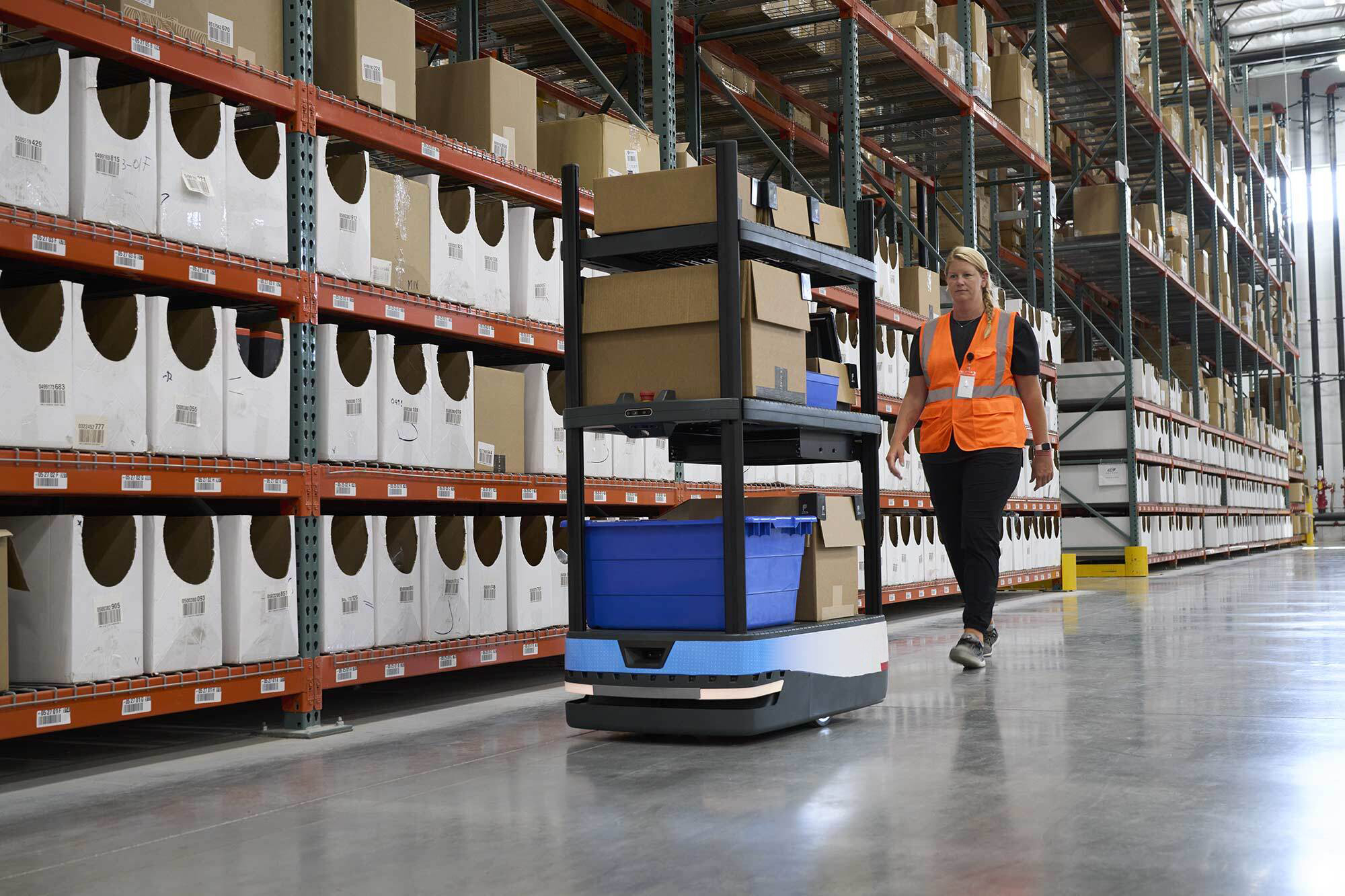
Ocado Group emphasizes that the future of warehouse automation lies in intelligent decision-making rather than merely increasing the number of robots. As 3PLs, retailers, and e-commerce operators face challenges such as tighter service levels and unpredictable demand, the focus is shifting towards orchestrating operations effectively. Autonomous mobile robots (AMRs) have proven their ability to enhance productivity, but the real challenge is coordinating tasks and workflows seamlessly. The Ocado IQ system exemplifies this shift by continuously evaluating operational factors and adjusting workflows in real-time, ensuring that all aspects of warehouse operations work in harmony. This intelligent orchestration allows for a leaner fleet of robots, reducing congestion and improving overall efficiency on the warehouse floor. The integration of manual and automated processes further enhances visibility and coordination across the operation. Looking ahead, the demand for adaptable automation solutions will grow as 3PLs and retailers navigate complex order profiles and service commitments. The ability to configure automation platforms to meet diverse needs without extensive reconfiguration will be crucial. No further timeline was disclosed at the time of publication.
AMR and AGV Automation Systems and Shuttles Jobs and Training Magazine Features Materials Handling Warehousing
BYD Enters Humanoid Robotics Market, Challenging Hyundai's Early Advantage
BYD, the world's largest electric vehicle manufacturer, has officially entered the humanoid robotics sector, aiming to leverage its integrated supply chain to reduce production costs. This move intensifies competition for early entrants like Hyundai Motor Group, which must lower manufacturing expenses to maintain its market position. BYD's strategy focuses on establishing a presence in retail and service humanoid robots before expanding into industrial robotics globally. In contrast, Hyundai plans to mass-produce its Atlas humanoid robot for factory use by 2028 but faces challenges from union opposition in South Korea, limiting its testing primarily to the U.S. market. BYD is set to unveil its first bipedal humanoid robot, codenamed “Xiao Di,” at its DiSpace center in Zhengzhou. The robot is designed for customer interaction in dealerships, with potential commercial viability in one to two years. Observers will be watching how BYD's retail-first approach contrasts with Hyundai's factory-focused strategy amid a competitive landscape in the robotics market.
All News
U.S. Drone Industry Transitions to Agile Manufacturing Amid Rising Demand
The U.S. drone industry is evolving, driven by government policies and increasing commercial demand, prompting manufacturers to accelerate their production processes. This shift is not only transforming supply chains but also how companies approach product development, emphasizing agility and specialized teams for rapid problem-solving. As manufacturers adapt, the focus has expanded beyond traditional airframe development to include critical areas such as software engineering and systems integration. Godfrey Nolan, President of RIIS, noted that the industry has matured significantly, moving from basic mobile applications to sophisticated command-and-control platforms for sectors like oil and utilities. Looking ahead, the integration of hardware, flight software, and operational workflows will be crucial for success in the U.S. drone market. While enhancing manufacturing capacity remains essential, Nolan highlights that software and systems integration are becoming equally vital challenges for manufacturers aiming to deliver reliable, domestically developed aircraft. No further timeline was disclosed at the time of publication.
defense Drone Manufacturing Drone News Drone News Feeds drone technology News
Perry Ellis Enhances Fulfillment Accuracy and Reduces Chargebacks with RFID Technology
Perry Ellis International has improved its fulfillment accuracy and reduced costly shipment errors by implementing automated outbound verification using RFID technology. This initiative addresses the significant financial impact of chargebacks and compliance penalties that apparel brands face due to shipment discrepancies. The company recognized that ensuring every shipment arrives as expected is crucial in a highly competitive retail landscape. By collaborating with Clustag, Perry Ellis deployed a solution that integrates intralogistics automation and RFID technology, leading to a 17% reduction in outbound discrepancies and improved inventory accuracy. Looking ahead, the success of this RFID deployment underscores the importance of accurate fulfillment in retail. As retailers demand higher compliance standards, the ability to verify shipments before they leave the distribution center will be essential for maintaining profitability and enhancing customer satisfaction. No further timeline was disclosed at the time of publication.
Computing and Scanners eFulfilment IT in Logistics Clustag Perry Ellis International rfid
Impact of Automated Ball-Strike System on Player Performance in Korean Baseball League
A recent study from the University of Michigan analyzed data from the Korean Baseball Organization (KBO) before and after the introduction of the Automated Ball-Strike (ABS) system. The findings revealed that star hitters performed significantly worse under the ABS, with fewer walks and more strikeouts compared to average hitters. Specifically, a star hitter struck out nearly three more times and walked nearly two fewer times per 100 at-bats than an average player. This shift is attributed to the elimination of human bias in umpiring, as noted by the study's lead author, Song Ji-min. Prior to the ABS, umpires may have favored well-known players during close calls due to unconscious bias. The KBO plans to implement the ABS fully in 2024, utilizing camera and pitch-tracking technology to determine ball placement, thereby neutralizing the star effect. Interestingly, the study found that high-level pitchers did not exhibit the same decline in performance. Researchers speculate this may be due to fewer measurable opportunities for pitchers to show a similar drop. The implications of this study extend beyond baseball, suggesting that automated evaluation systems could reduce bias in various fields, such as hiring and performance assessments, where high-status individuals often receive unintentional advantages.
Automated Umpiring Sports Technology Bias Reduction Baseball Analytics
The Advantages for OEMs Collaborating with Skilled Robotics Integrators
A proficient robotics integrator serves as a vital link between robot manufacturers and customers' operational needs. By leveraging their deep understanding of technology, integrators facilitate the effective application of robotic solutions in real-world scenarios. This collaboration is essential as it ensures that the unique requirements of customers are met while maximizing the potential of robotic technology. OEMs benefit from this partnership by gaining insights into customer operations, leading to tailored solutions that enhance productivity and efficiency. Looking ahead, the role of integrators will continue to evolve as they adapt to emerging technologies and customer demands. OEMs should monitor these developments to optimize their strategies and maintain a competitive edge in the robotics market.

Fleet-Capable Downward Drilling Robot Launches with 10x Speed Advantage
A new fleet-capable downward drilling robot has been launched, achieving drilling speeds up to 10 times faster than traditional methods. This innovation has significantly reduced construction timelines by an impressive 190 weeks across 26 major projects, marking a substantial advancement in construction technology for data centers. The introduction of this robot is significant for the construction industry, particularly in the data center sector, where efficiency and speed are critical. Media outlets, including Fast Company, have highlighted the robot's potential to transform construction processes, emphasizing its ability to drastically accelerate project timelines and improve overall productivity. Looking ahead, industry professionals are keen to observe the robot's performance in upcoming projects and its impact on construction efficiency. No further timeline was disclosed at the time of publication regarding future deployments or additional features planned for this innovative technology.
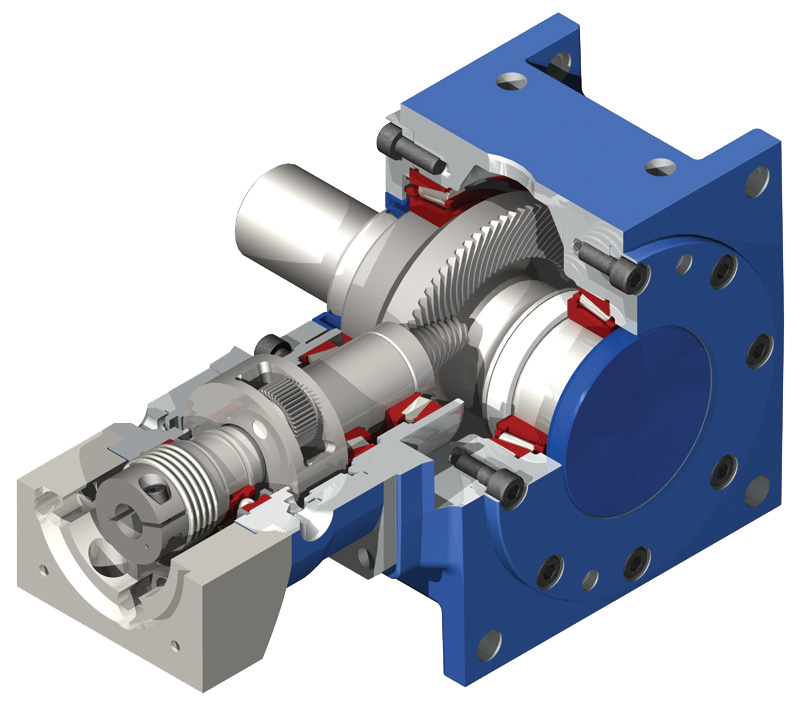
Advantages of hypoid gearing over worm, bevel and bevel-planetary
Engineers in the field of mechanical design often face challenges in achieving an optimal balance between torque capacity and mechanical efficiency when utilizing right-angle gearing. A recent analysis highlights hypoid gearing as a superior alternative, providing a more favorable combination of mechanical efficiency, load-carrying capability, and a versatile single-stage ratio range. This insight into hypoid gearing's advantages over traditional options such as worm, bevel, and bevel-planetary gears was published on The Robot Report, underscoring its potential to enhance performance in various engineering applications.
Sponsored Content GAM sponsored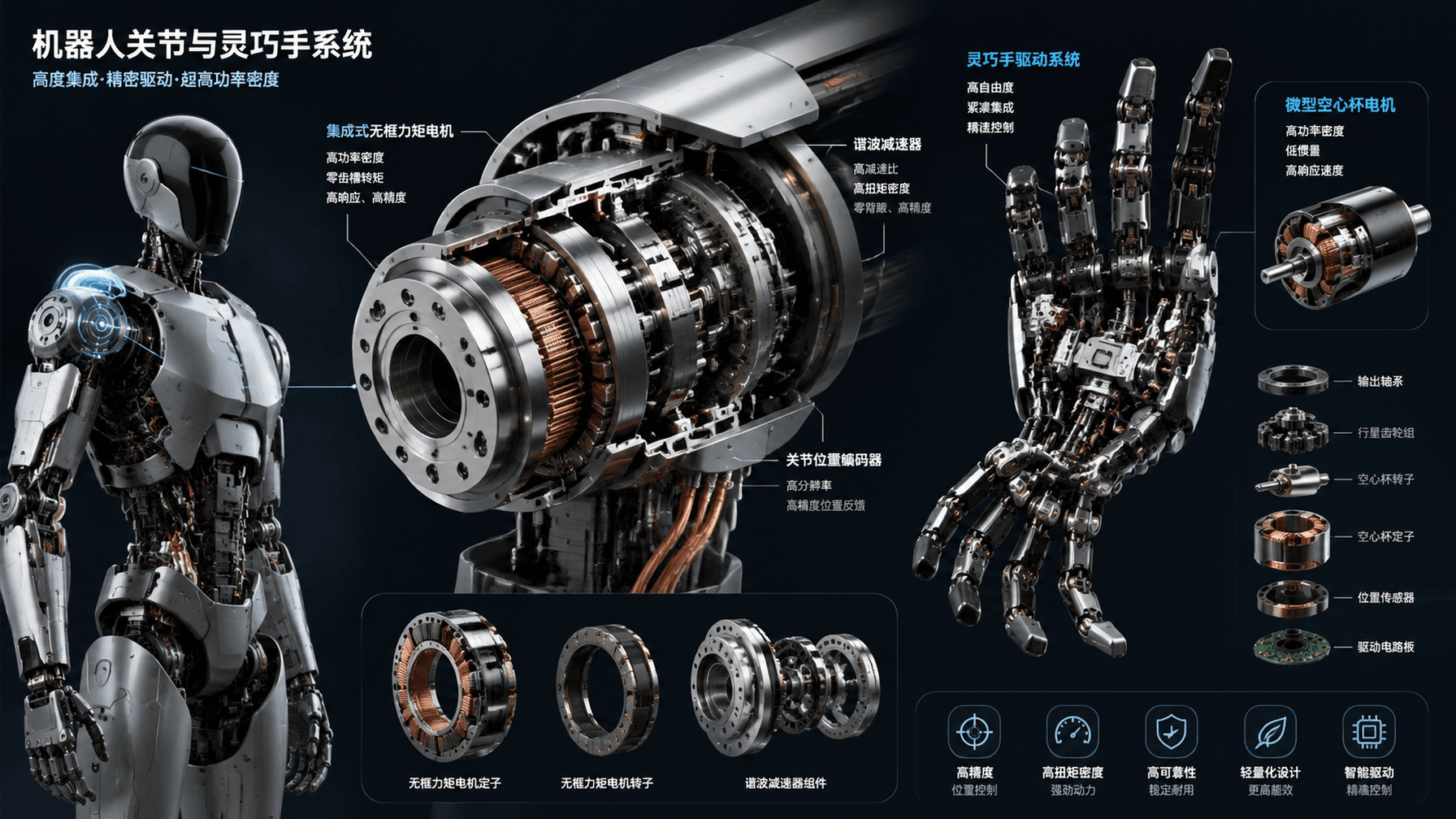
Nearly 20 Chinese Motor Makers Race for Humanoid Robot First-Mover Advantage
In a growing trend within the technology sector, nearly 20 Chinese publicly listed motor companies are actively engaging in the humanoid robot supply chain. This competitive landscape has seen frameless torque motors and hollow cup motors rise to prominence as the leading technical solutions for robotics applications. As the demand for advanced robotics continues to increase, these companies are positioning themselves to capitalize on the burgeoning market, driven by innovations in motor technology that enhance the performance and capabilities of humanoid robots. The developments are occurring against a backdrop of rapid advancements in artificial intelligence and automation, which are reshaping industries and creating new opportunities for growth in the robotics field.
HumanoidRobotics
How Cold Chain Operators Are Turning Energy Flexibility Into a Competitive Advantage
Cold storage facilities, known for their high energy consumption, face increasing challenges as the cost of electricity becomes more dependent on consumption timing rather than just the volume used. This shift in energy pricing creates a difficult situation for operators who have traditionally viewed electricity costs as fixed. As refrigeration systems must run continuously to maintain product integrity, the significant energy load required raises concerns about operational expenses and sustainability. The industry is now compelled to adapt to these changing dynamics, prompting a reevaluation of energy management strategies to mitigate costs and enhance efficiency.
Business Logistics automation news cold chain cold chain logistics cold storage
Omnidirectional Mobile Robotics: Foundations, Advantages, and Industrial Applications
In response to the increasing demands for agile workflows and optimized operational efficiency in industrial applications, businesses are increasingly turning to omnidirectional mobile robotics. This technology is recognized as a crucial strategic investment for enhancing productivity and ensuring millimeter precision in coupling operations. As industries evolve and seek to streamline processes, the integration of these advanced robotics is becoming essential for maintaining competitive advantage. The trend reflects a broader shift towards automation and innovation in the manufacturing sector, highlighting the importance of adapting to modern operational needs.

How SMEs can use automation to their advantage
In 2026, small and medium-sized businesses in the U.S. are facing significant challenges as they navigate rising operational costs while meeting customer demands for quicker responses. With over 36 million small businesses in the country, many are still dependent on manual processes, which can lead to increased administrative burdens and reduced focus on revenue-generating activities. As the business landscape evolves, it becomes crucial for these enterprises to adopt more efficient systems to streamline operations and enhance customer service. The pressing need for modernization stems from the competitive market environment, where agility and responsiveness are key to survival and growth.
Automation Business AI for business automated workflows automation news automation software
The Strategic Advantage of Rapid Deployment Weather Tracking for Critical Sectors
Field operations across various sectors, including construction and emergency response, are increasingly challenged by unpredictable weather patterns that can compromise safety and hinder progress. As traditional weather forecasts often fail to accurately predict localized storms, the reliance on fixed-location radar stations has become problematic due to their frequent blind spots. This situation underscores the urgent need for more advanced weather monitoring solutions to enhance operational safety and efficiency. By addressing these gaps in forecasting, organizations can better prepare for adverse weather conditions, ultimately improving outcomes in critical field operations.
Communications Infrastructure atmospheric monitoring automation news autonomous systems aviation safety
Why Nuro thinks being a robotaxi ‘second mover’ gives it an advantage
Waymo, a subsidiary of Alphabet, continues to dominate the robotaxi industry with a fleet of more than 3,000 autonomous vehicles operating in at least ten cities across the United States. As competitors like Tesla, Zoox, Avride, and Motional strive to close the gap, the question arises whether being second in this rapidly evolving market might offer strategic advantages. Nuro, another player in the autonomous vehicle sector, is exploring this notion, suggesting that the race for leadership may not be the only path to success in the burgeoning field of driverless transportation.
Autonomous Cars Report Transportation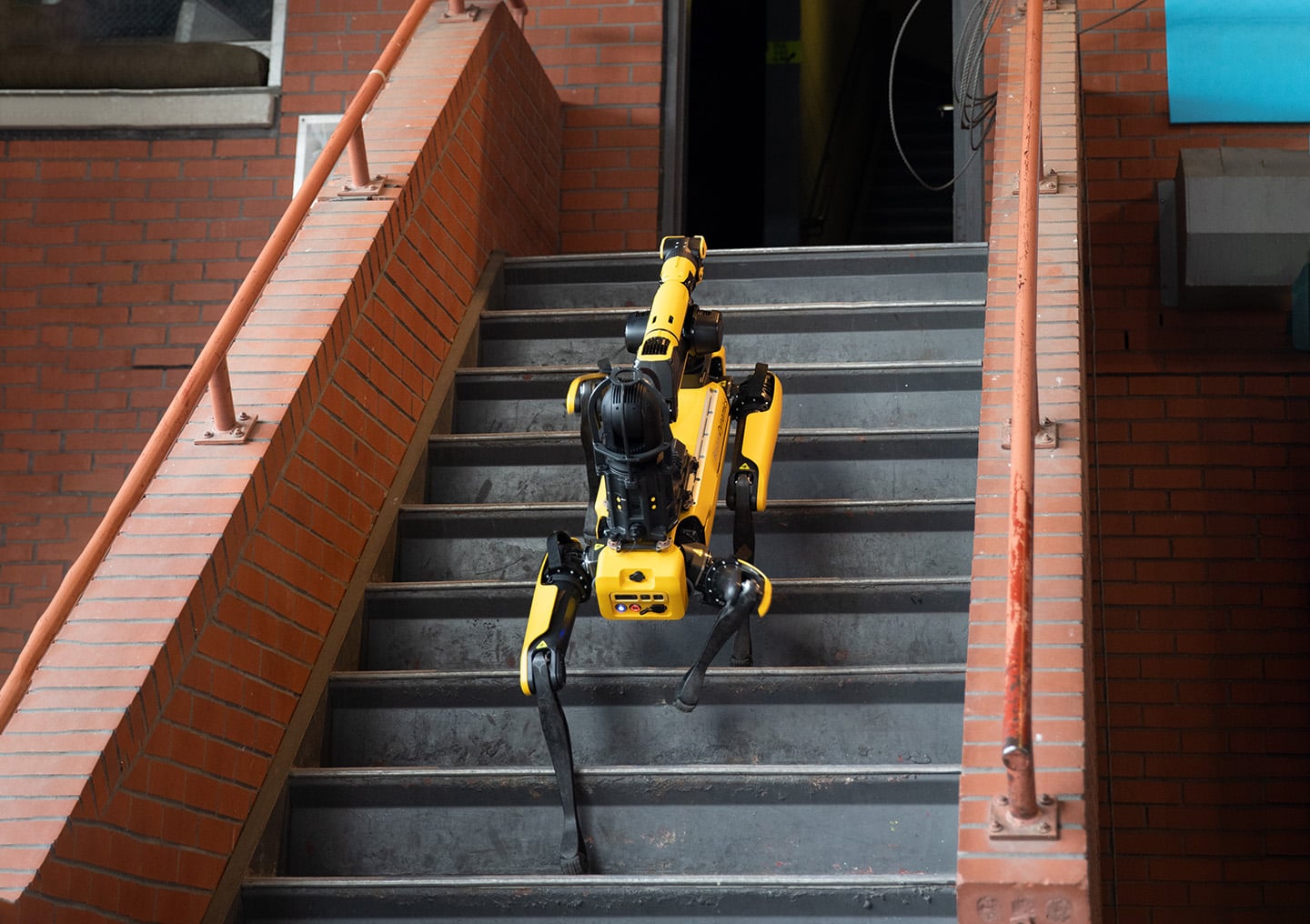
Giving First Responders an Advantage with Autowalk | Boston Dynamics
Public safety agencies are increasingly utilizing Spot, an advanced robotic technology, to enhance their emergency response strategies. By mapping out facilities prior to potential crises, these agencies aim to provide responding teams with critical information and a strategic advantage during emergencies. This proactive approach allows for better preparedness and more efficient management of incidents, ultimately improving safety outcomes. The implementation of Spot's mapping capabilities is expected to streamline operations and facilitate quicker decision-making when emergencies arise.

Advantages of Pre-assembled Conveyor Modules
Pre-assembly is becoming an essential strategy for project integrators aiming to enhance efficiency and consistency in their deployments. By streamlining the assembly process, this approach allows for tighter project schedules, enabling teams to deliver results more reliably across various geographic locations. As organizations face increasing demands for timely and uniform project execution, the adoption of pre-assembly techniques is seen as a crucial step in meeting these challenges. This method not only optimizes workflow but also ensures that quality standards are maintained, ultimately benefiting both integrators and their clients.

Interview: ‘AI delivers clear advantages over generic foundational models’
Hamid Montazeri is advancing the field of “physical AI,” a specialized form of artificial intelligence aimed at functioning effectively in unpredictable and rapidly changing environments. This innovative approach seeks to enhance the capabilities of AI systems, enabling them to adapt and respond to real-world challenges more efficiently. Montazeri's work is particularly relevant in sectors where quick decision-making and adaptability are crucial, such as robotics and autonomous systems. By focusing on domain-specific applications, he aims to bridge the gap between theoretical AI concepts and practical implementations, ultimately improving the performance and reliability of AI technologies in various industries.

Flexible automation: competitive advantage in every situation
In a rapidly evolving business landscape, the demand for automation solutions that are both effective and adaptable is becoming increasingly critical. As companies strive to enhance operational efficiency and meet specific business requirements, the need for flexible automation tools has emerged as a priority. This shift is particularly relevant as organizations seek to leverage technology to navigate challenges and optimize processes. By focusing on solutions that can be tailored to unique operational needs, businesses aim to ensure that their automation strategies not only drive productivity but also align with their overall goals. This trend highlights the importance of innovation in automation technology, as firms look for ways to integrate these solutions seamlessly into their existing frameworks. As of October 2023, the emphasis on developing versatile automation systems is expected to shape the future of business operations.
Robotics needs a service framework.
RSF defines a common language for robot service capability, lifecycle operations, certification pathways, and service-provider networks.
Join the RobotToday community on LinkedIn
Daily robotics news, in-depth analysis, conference highlights, and discussions with professionals worldwide.