Industry Briefing
A single destination for timely, editor-curated robotics news from around the world.

Hanwha and Magnet Defense to Begin Construction of New MUSV This Fall
Hanwha and Magnet Defense have announced plans to commence construction on a new Medium Unmanned Surface Vehicle (MUSV) this fall. The two companies formalized their collaboration through a memorandum of understanding signed in April, which outlines their commitment to developing this advanced maritime technology. The development of the MUSV is significant as it represents a strategic partnership aimed at enhancing capabilities in unmanned maritime operations. This initiative is expected to contribute to advancements in naval defense technology, reflecting the growing importance of unmanned systems in modern military applications. Looking ahead, testing of the MUSV is scheduled for next year, marking a critical phase in the project. Stakeholders will be keen to monitor the progress of this collaboration and its implications for the defense sector, particularly in the context of increasing investments in unmanned vehicle technologies.
Naval Warfare Drones Hanwha Hanwha Defense USA Magnet Defense MUSV
U.S. Departments of Energy and Defense Showcase Automated Manufacturing at IMTS 2026
Leaders from the U.S. Departments of Energy and Defense will showcase live production and flight demonstrations of quadcopter drones and the 11-foot-tall Aires Tide test flight vehicle at The International Manufacturing Technology Show 2026. This event will highlight how advanced manufacturing technologies can enhance the speed and flexibility of U.S. defense production. The demonstration, taking place at the AMT Emerging Technology Center, will feature a full-scale manufacturing cell developed by the DOE’s Manufacturing Demonstration Facility at Oak Ridge National Laboratory. This cell integrates automation with both subtractive and additive manufacturing to produce quadcopter airframes, which will be flown in a secured area, showcasing the potential of these technologies in national security applications. Looking ahead, the project exemplifies the Genesis Mission, a DOE initiative aimed at leveraging AI and advanced computing for rapid scientific discovery and national security solutions. No further timeline was disclosed at the time of publication.
Factory / Design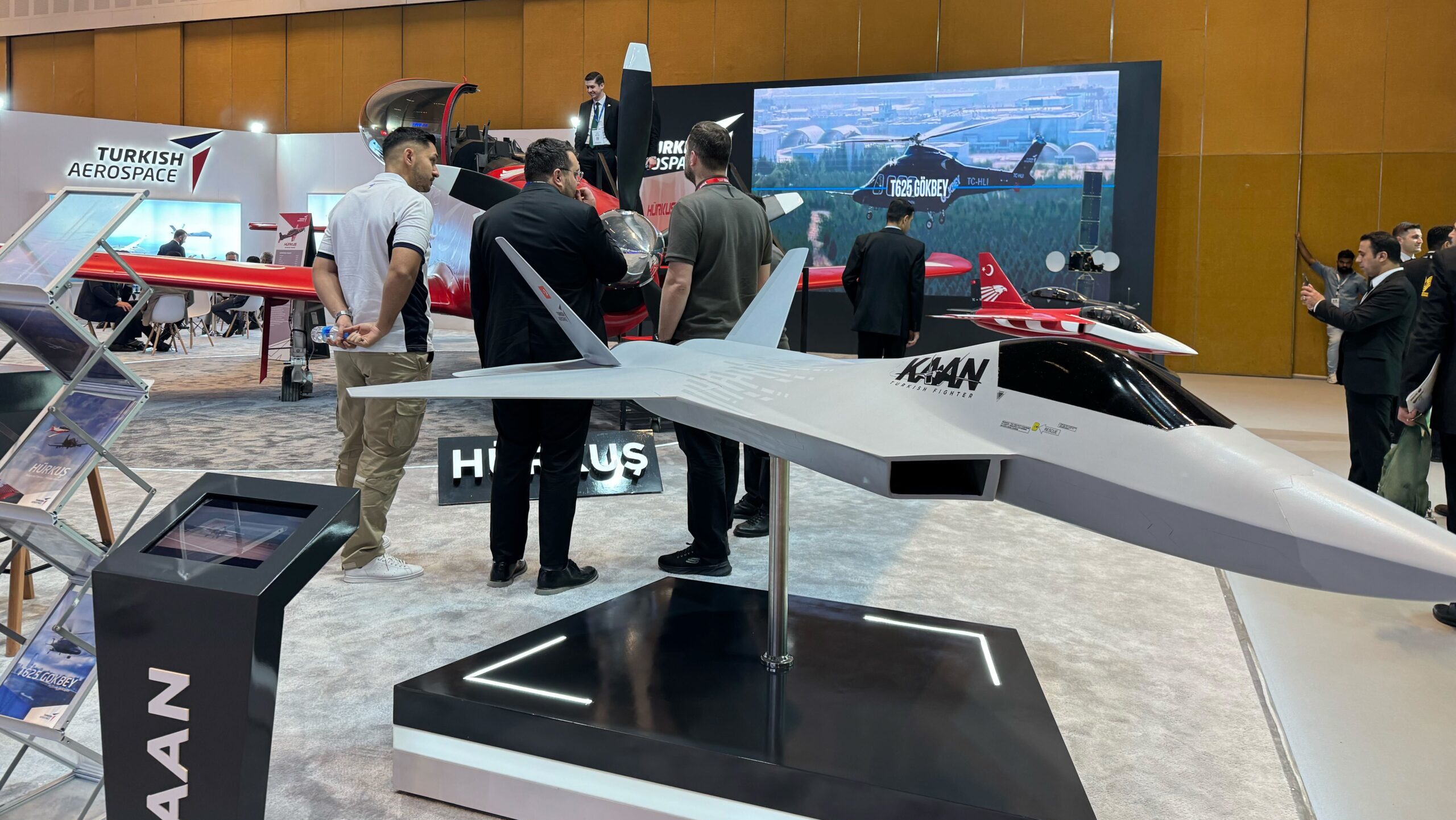
Mecca Pact: A Comprehensive Defense Agreement Enhancing Turkish Industry and Trilateral Ecosystem
The Mecca Pact, involving Saudi Arabia, Turkey, and Pakistan, is being recognized as more than just an arms-export agreement. Experts emphasize its broader implications for defense collaboration among the three nations. This agreement is significant as it aims to strengthen the defense capabilities of the participating countries while fostering a trilateral ecosystem that could enhance regional security and economic cooperation. The pact is expected to drive advancements in the Turkish defense industry, benefiting from shared technologies and resources. Looking ahead, stakeholders will be monitoring the implementation of the Mecca Pact and its impact on defense production and collaboration among Saudi Arabia, Turkey, and Pakistan. No further timeline was disclosed at the time of publication.
Air Warfare Global Land Warfare air defense Air Force Army
Feinberg Requests Defense Industry CEOs to Involve Board Members in Briefings
The Pentagon's Deputy Secretary, Kathleen Feinberg, has made an unprecedented request for defense industry CEOs to involve their board members in upcoming discussions. This move is seen as a strategic maneuver by Feinberg to enhance collaboration and communication within the defense sector. This request is significant as it reflects a shift towards greater transparency and engagement between defense firms and their leadership teams. By including board members in these discussions, Feinberg aims to foster a more comprehensive understanding of the challenges and opportunities facing the defense industry. Looking ahead, it will be important to monitor how this initiative influences decision-making processes within defense companies and whether it leads to more effective strategies in addressing industry challenges. No further timeline was disclosed at the time of publication.
Pentagon Business & Industry Byron Callan Honeywell Aerospace Stephen Feinberg
Japanese Startups Enter Defense Drone Market Amid Domestic Manufacturing Push
Japanese startups are increasingly engaging in defense drone production, driven by Prime Minister Sanae Takaichi's initiative to reduce reliance on China and bolster local manufacturing capabilities. This shift highlights the strategic importance of drones in modern warfare, as evidenced by the P1-SUN Long Interceptor Drone developed by Ukrainian company SkyFall. The move into defense drones is significant as it reflects Japan's broader defense strategy and the growing recognition of the need for self-sufficiency in military technology. With companies like Anduril and Terra Drone exploring opportunities in Japan, the landscape for defense technology is evolving, potentially leading to enhanced collaboration and innovation in the sector. Looking ahead, the focus will be on how these startups can establish themselves in a competitive market and the potential partnerships that may arise. No further timeline was disclosed at the time of publication.

Eric Fanning Discusses Budget and U.S. Defense Industry Health at Farnborough Airshow
In a recent interview at the Farnborough Airshow, Eric Fanning, the head of the Aerospace Industries Association, addressed key issues affecting the U.S. defense industry. He highlighted the importance of budget considerations amidst ongoing developments in aerospace and defense. Fanning's insights are crucial as they reflect the current state of the defense sector, particularly in light of the airshow's activities, which showcase advancements and innovations in military technology. His leadership role positions him to provide a comprehensive overview of the industry's challenges and opportunities. Looking ahead, stakeholders in the defense industry should monitor budgetary decisions and their implications for future projects and collaborations. No further timeline was disclosed at the time of publication.
Air Warfare Congress Aerospace Industries Association Air Force Break Out Video budget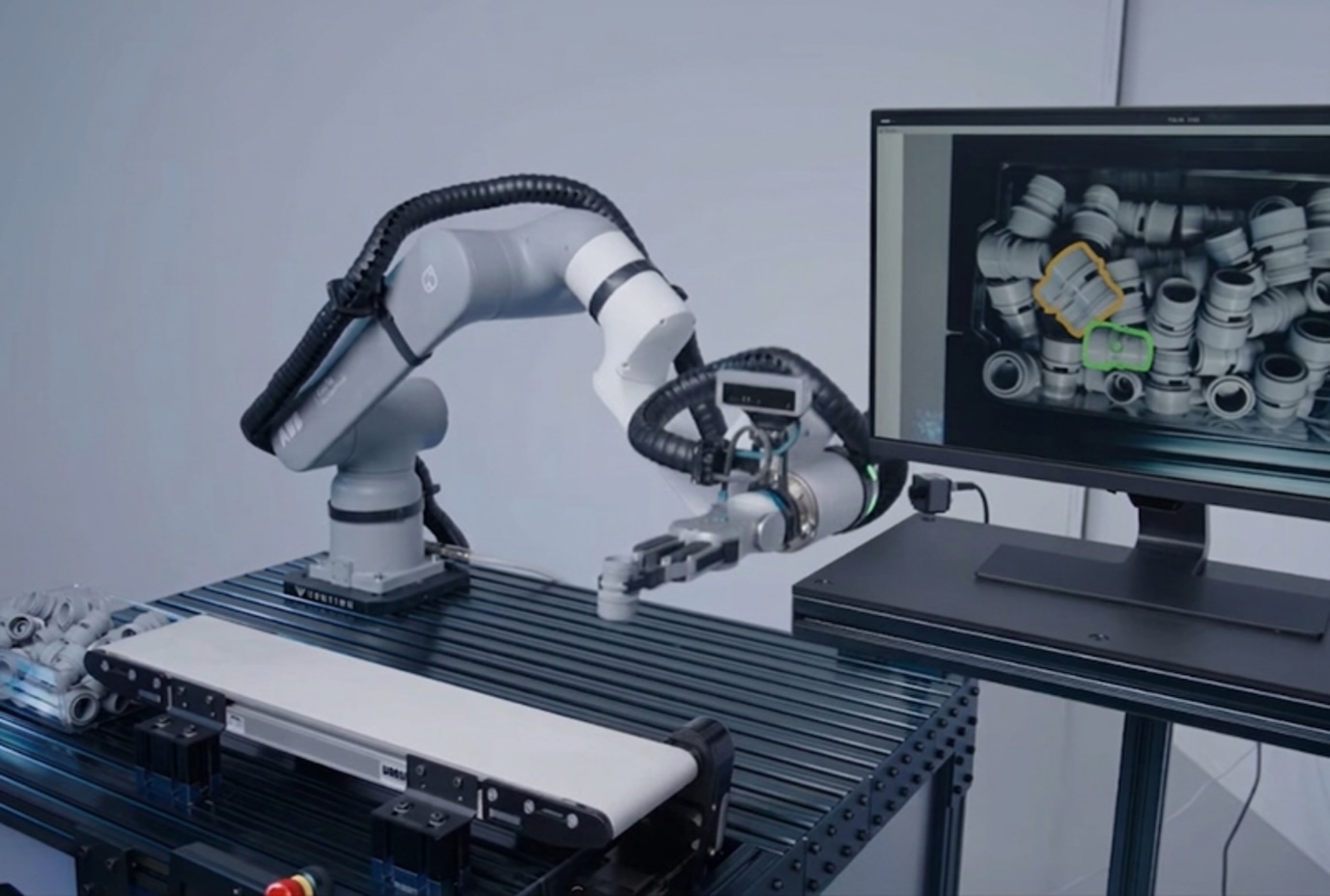
Japan and US Face Critical Decisions in Missile Defense Cooperation Ahead of FY2027 Budget
The United States and Japan are at a pivotal moment in their bilateral air and missile defense cooperation, particularly as Japan prepares its FY2027 budget and key strategic documents. This relationship, which has evolved since Japan adopted the Patriot air defense system in the 1980s, now includes advanced technologies like Aegis ships and the Glide Phase Interceptor for hypersonic defense. Japan's defense expenditures have reached $58 billion, reflecting a commitment to enhancing its missile defense capabilities. However, challenges remain, particularly regarding the modernization of the Patriot system, which is hindered by compatibility issues with the new 360-degree Lower Tier Air and Missile Defense Sensor (LTAMDS). The urgency of these developments is underscored by the increasing threats from aerial attacks, necessitating improved detection and tracking capabilities. Looking ahead, the decisions made in the upcoming strategic documents will significantly influence the future of Japan's missile defense strategy. The potential split on Patriot modernization poses a risk to the effectiveness of the defense relationship, making it crucial for both nations to navigate these complexities effectively. No further timeline was disclosed at the time of publication.
Air Warfare Land Warfare Opinion aegis Air Force AMRAAM
MIT Researchers Selected for Funding in US Department of Energy’s Genesis Mission Phase I
MIT researchers have been chosen to participate in the U.S. Department of Energy’s Genesis Mission, with 15 collaborative projects receiving funding under Genesis Phase I. This national initiative aims to create a powerful integrated science discovery platform that leverages AI, supercomputing, and quantum systems to drive advancements in energy and scientific discovery. The Genesis Mission is significant as it fosters collaboration between universities, industry, and national laboratories, aligning research efforts with national priorities. Ian A. Waitz, MIT’s vice president for research, emphasized the importance of this initiative in catalyzing innovation for the benefit of both the nation and the world. Looking ahead, projects that demonstrate promising pathways for transformative capabilities may receive further funding from the DOE. Six projects will be led by MIT principal investigators, while MIT researchers will also contribute to nine additional projects led by other institutions, showcasing a robust collaborative effort in advancing scientific capabilities.
Funding Artificial intelligence Quantum computing Laboratory for Nuclear Science Plasma Science and Fusion Center Research Laboratory of Electronics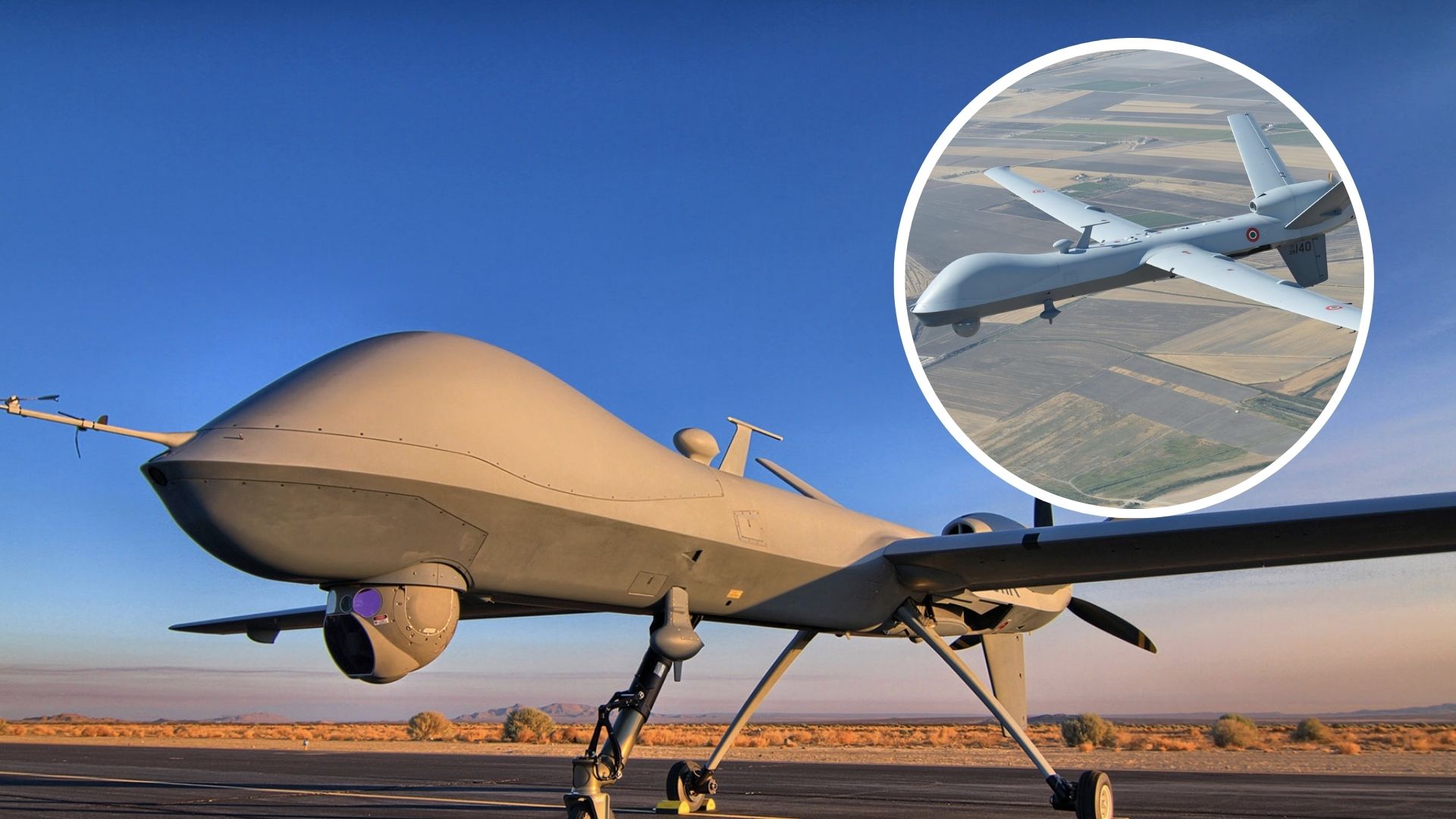
U.S. Department of Defense Launches Massed Modular Aircraft Initiative for Cost-Effective Drones
The U.S. Department of Defense is initiating the Massed Modular Aircraft (MMA) program to develop low-cost combat drones capable of performing missions similar to the MQ-9A Reaper. This initiative reflects a strategic shift towards utilizing affordable, expendable drones in modern warfare, particularly in light of recent conflicts that have exposed the vulnerabilities of high-value aircraft in contested airspace. The Pentagon aims to create a fleet of modular, long-range unmanned aircraft that can be rapidly reconfigured for various missions, significantly reducing operational costs while maintaining effectiveness against advanced enemy defenses. This shift is driven by the need for a more sustainable military approach, as the loss of MQ-9 Reapers during operations against Iran has highlighted the financial burden of relying on expensive platforms. With each MQ-9 costing approximately $30 million, military planners recognize that a strategy focused solely on high-value aircraft is increasingly untenable. The MMA initiative seeks to provide a flexible, risk-tolerant option that can deploy large numbers of drones to overwhelm enemy defenses, thereby ensuring operational capability despite potential losses. Looking ahead, the Pentagon's focus on massed modular aircraft indicates a significant evolution in military tactics. The ability to deploy swarms of low-cost drones could complicate enemy air defenses and enhance reconnaissance and strike capabilities. No further timeline was disclosed at the time of publication, but the emphasis on affordability and modularity suggests a proactive response to the changing dynamics of modern warfare and the need for cost-effective solutions in defense operations.
Military
SimActive CEO Discusses Evolving Defense Mapping Workflows at INTERGEO 2023
At the INTERGEO show in Munich, SimActive CEO Philippe Simard highlighted the increasing importance of speed, usability, and data integration in defense mapping. He emphasized that the value lies not just in the maps themselves but in the actionable information derived from them, particularly in defense scenarios where timely decisions are crucial. Simard pointed out that the geospatial industry is evolving to provide tools that automate the extraction of intelligence from mapping data. This shift is vital for defense organizations, which often face rapidly changing conditions on the ground. He noted that while drones have simplified data collection, processing speed remains a bottleneck, with many products taking too long to deliver actionable insights. Looking ahead, Simard indicated that the demand for rapid, accurate mapping solutions will continue to grow, especially for applications like damage assessment and line-of-sight analysis. He stressed that while speed is essential, accuracy remains critical, albeit with different standards depending on the application, particularly in defense contexts.
Applications Defense defense DL Exclusive Drone News Drone News Feeds
Wingcopter Unveils All-Electric Wingcopter 262 for Tactical Reconnaissance in Defense Sector
Wingcopter has launched the all-electric Wingcopter 262, featuring a wingspan of 262 centimeters (103 inches) and a tactical range of 150 kilometers (93 miles). This new vertical take-off and landing aircraft is designed for defense and security applications, offering up to six hours of flight endurance and a maximum takeoff weight of 10 kilograms (22 pounds). The introduction of the Wingcopter 262 is significant as it enhances reconnaissance capabilities with AI-enabled cameras and resilient navigation for GNSS-denied environments. The aircraft's modular battery system allows for quick mission readiness, making it suitable for persistent aerial surveillance in tactical operations. Wingcopter's experience in unmanned aircraft development underpins this innovative platform. Looking ahead, Wingcopter's new business unit, Wingcopter Security and Defence, aims to expand its portfolio in the defense sector, including logistics and reconnaissance. The company is also collaborating with TAF Industries to support drone production in Ukraine. No further timeline was disclosed at the time of publication.
Defense Drone News Drone News Feeds Military News
Rethinking Air and Missile Defense Due to Concurrent Attacks on US Bases
Recent attacks on US bases during the Iran conflict have highlighted vulnerabilities in air-and-missile-defense systems. Despite high overall effectiveness, these incidents reveal significant gaps that need to be addressed to enhance security measures. The implications of these vulnerabilities are critical for national defense strategies. As threats evolve and become more sophisticated, it is essential for military planners to reassess current defense capabilities and consider upgrades or new technologies to mitigate risks. Looking ahead, the focus will likely shift towards developing more robust air-and-missile-defense systems. Continuous evaluation and adaptation will be necessary to counteract emerging threats effectively. No further timeline was disclosed at the time of publication.
Air Warfare air and missile defense Air Force AMD strategy Counter UAS Counter UAS cUAS
European Group Calls for Increased Vigilance Among Defense Firms Amid Rising Tensions
The Aerospace, Security & Defence Industries Association of Europe has urged defense firms to enhance their vigilance following a series of suspicious incidents. This call for heightened awareness comes as European officials have increasingly implicated Moscow in various activities, raising concerns about security within the defense sector. The emphasis on vigilance is crucial as the geopolitical landscape continues to evolve, with potential threats necessitating a proactive approach from defense companies. The association's statement highlights the importance of safeguarding sensitive information and maintaining operational integrity in light of these developments. Looking ahead, industry stakeholders should monitor the situation closely, as further incidents could prompt additional regulatory measures or changes in operational protocols. No further timeline was disclosed at the time of publication.
Global arson Denmark Drones Europe Germany
Hylenr Technologies Discovers 32 Elements in Nuclear Fusion Experiment for Strategic Applications
Hylenr Technologies, a startup based in Hyderabad, has reported the detection of 32 elements, including rare earths and uranium, through its experimental nuclear fusion system. This finding follows over two years of material analysis linked to their lattice confinement fusion research, suggesting a potential new method for nucleosynthesis. The implications of this discovery are significant, as it could provide an alternative means of producing critical materials that are currently reliant on mining and concentrated supply chains. Hylenr co-founder Siddhartha Durairajan emphasized the potential to engineer the material environment necessary for creating selected elements, which could reshape access to vital resources. Looking ahead, the research team believes that this technology may extend beyond nuclear energy applications, potentially impacting sectors such as electric vehicles, robotics, and defense. No further timeline was disclosed at the time of publication.
Energy
USS Mustin Features Advanced Mk 38 Mod 4 Point Defense System with Dual Guns
The USS Mustin, an Arleigh Burke class destroyer, has been equipped with the Mk 38 Mod 4 Gun Weapon System, which integrates a .50 caliber machine gun atop a 30mm chain gun. This innovative system enhances the ship's firepower and capabilities, particularly in countering drone threats. This upgrade is significant as it addresses previous deficiencies in counter-unmanned aerial systems (C-UAS) and improves performance against surface targets. The Mk 38 Mod 4 is currently unique to the USS Mustin, marking a notable advancement in naval defense technology. Looking ahead, the Navy's continued focus on enhancing point defense systems will be crucial in adapting to evolving threats. No further timeline was disclosed at the time of publication.
Sea Naval Gun Systems Navies News & Features U.S. Navy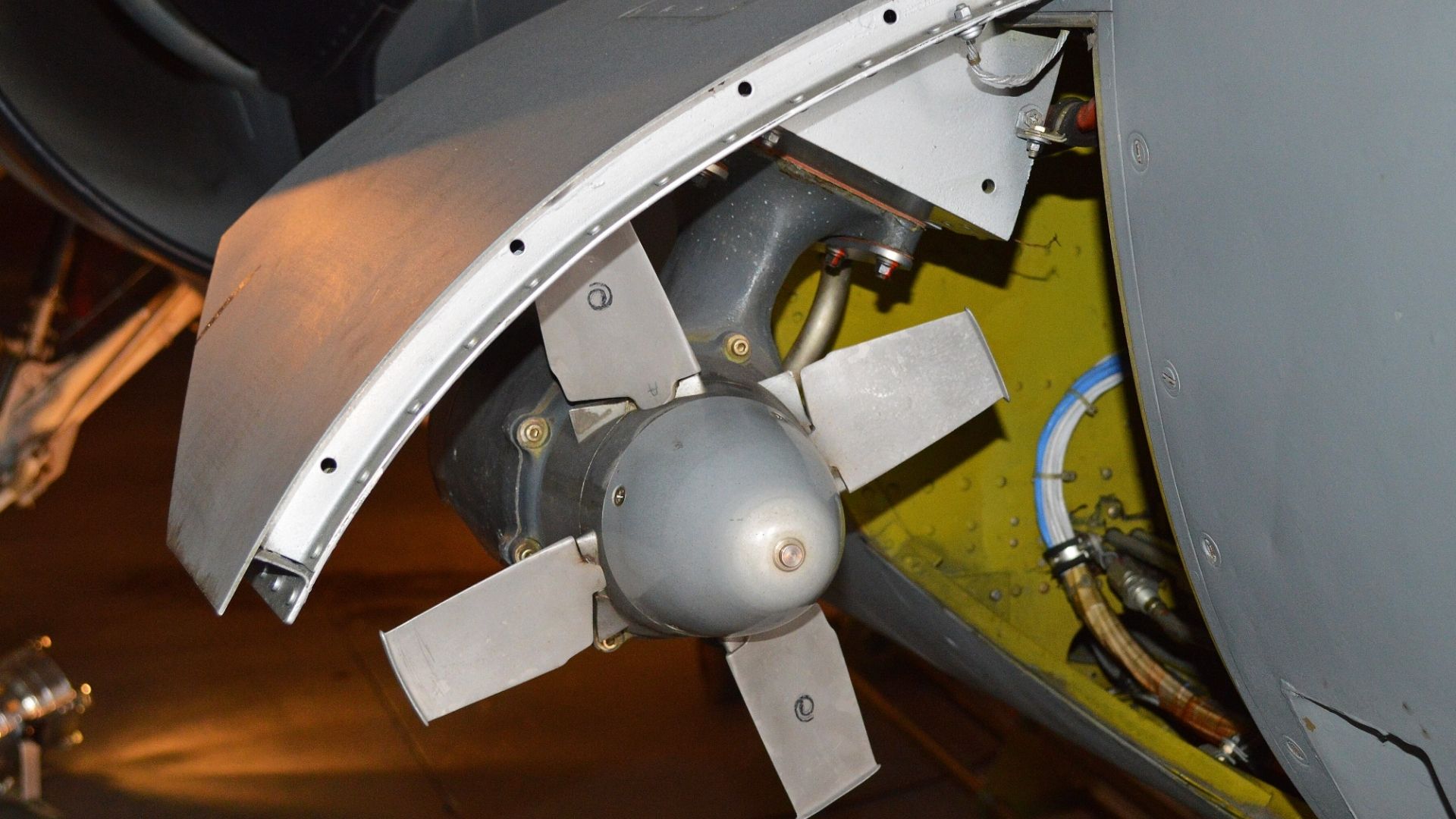
Marotta Controls to Supply Technology for US Navy's Next Generation Jammer Program
Marotta Controls, a US aerospace and defense contractor, has secured contracts to provide technology for two subsystems of the US Navy’s Next Generation Jammer–Low Band (NGJ-LB) program. Announced on September 2, the contracts involve a subcontract with CFD Research Corporation for a ram-air turbine power-generation system and a direct contract from L3Harris Technologies, the prime contractor for the NGJ-LB. The NGJ-LB is designed for the EA-18G Growler, enhancing its electronic warfare capabilities by disrupting enemy air defenses and ground communications. Marotta's involvement marks its entry into the airborne electronic warfare market, supplying equipment for the Turbine Speed Control System, which is crucial for power generation and regulation within the NGJ-LB pod. As the US Navy aims to replace the legacy AN/ALQ-99 Tactical Jamming System, the NGJ-LB program, selected in August 2024 under a $587.4 million contract, is set to deliver operational prototype pods for fleet assessment. No further timeline was disclosed at the time of publication.
Military
China's Updated Defense Law Enhances Military Use of AI and Drones
China's revised defense law is set to facilitate the integration of artificial intelligence and drones into military operations. This legislative change aims to enhance the capabilities of the Chinese military, allowing for more advanced technological applications in defense strategies. The significance of this development lies in its potential to reshape military engagements and defense strategies globally. By embracing AI and drone technology, China is positioning itself to improve its military efficiency and effectiveness, which could have far-reaching implications for international security dynamics. Looking ahead, it will be crucial to monitor how this law influences China's military modernization efforts and its impact on regional and global military balances. No further timeline was disclosed at the time of publication.
Military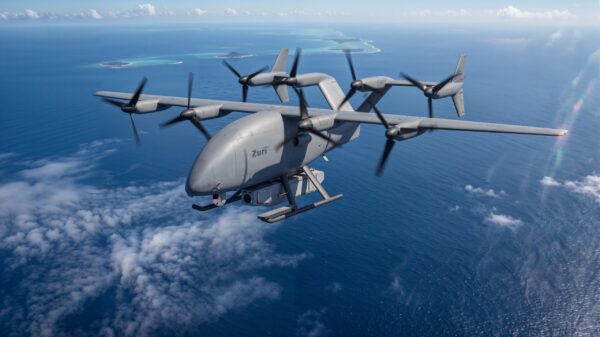
Zuri Unveils Uncrewed Cargo Tiltrotor for Civil and Defense Use in Prague
Czech aircraft manufacturer Zuri has commenced ground testing of its Technology Demonstrator 2.0 in Prague, aiming for flight tests in 2027 and commercial deliveries between 2027 and 2029. The Zuri uncrewed cargo VTOL, a hybrid-electric tiltrotor, is designed to transport over 100 kilograms (220 pounds) across a range of 679 kilometers (422 miles), with a cruising speed of 220 kilometers per hour (137 mph). This innovative aircraft is targeted for offshore operations, disaster relief, and defense logistics, significantly reducing transportation times compared to traditional methods. For instance, a typical 380-kilometer (236-mile) resupply route, which usually takes a road convoy most of a day, can be completed by the Zuri aircraft in just a morning. The Technology Demonstrator 2.0 integrates the full production architecture and is currently undergoing systems integration and ground tests. Looking ahead, Zuri plans to initiate flight testing in early 2027, with commercial deliveries expected between 2027 and 2029. The company has successfully raised €7.6 million (about $8.2 million) since 2018, with the latest funding round of €6 million (about $6.5 million) aimed at supporting the demonstrator and its flight test campaign. No further timeline was disclosed at the time of publication.
Advanced Air Mobility Drone News Drone News Feeds Europe Drone Industry European Union eVTOL
Russia Trials PLOT-40 Floating Defense Platform Against Drone Threats to Maritime Bases
Russia is testing the PLOT-40 floating defense platform to safeguard its ports from Ukrainian drone attacks. This platform, resembling a small pillbox, is equipped with an automatic cannon and is a response to the increasing sophistication of unmanned systems in maritime warfare. The significance of the PLOT-40 lies in its potential to enhance the defense of Russian maritime assets, particularly following recent drone attacks on the Black Sea port of Novorossiysk. As Ukraine intensifies its drone operations, the need for innovative defense solutions becomes critical for protecting extensive maritime facilities. Looking ahead, the PLOT-40 represents a shift towards improvised defense mechanisms in counter-drone warfare. Its simple design may allow for cost-effective deployment, but its lack of mobility and armor raises questions about its effectiveness against larger drones. No further timeline was disclosed at the time of publication.
Military
US Firms Face Challenges as Europe Seeks ITAR-Free Defense Solutions
US companies aiming to access expanding European defense budgets are encountering a significant obstacle: Europe's preference for ITAR-free weaponry. Concerns over the US International Traffic in Arms Regulations (ITAR) have intensified, prompting European nations to seek greater autonomy in their defense procurement strategies. Honeywell Aerospace CEO Jim Currier highlighted this trend, emphasizing the EU's desire for more sovereign control over defense funding and technology. This shift is crucial as skepticism regarding US-European relations grows, leading European partners to increasingly reject ITAR restrictions. Zone 5's chief strategy officer, Tom Kanewske, noted that potential European collaborators are now more inclined to avoid US weapons systems due to fears that ITAR could hinder their technological contributions. This sentiment reflects a broader industry trend towards seeking independence from US-controlled components in defense systems. Looking ahead, the implications of this movement could reshape defense partnerships and procurement strategies across Europe. GA-ASI plans to manufacture Gambit aircraft in Europe, with international procurement expected to begin in 2027. As European nations push for ITAR-free solutions, US firms will need to adapt to this evolving landscape to maintain their foothold in the European defense market. No further timeline was disclosed at the time of publication.
Global Pentagon Business & Industry Eric Fanning Europe FMS. foreign military sales
U.S. Central Command and UAE Establish First Joint Defense AI Task Force
The U.S. Central Command (CENTCOM) and the United Arab Emirates are set to launch Task Force Talon Synapse, a pioneering joint military initiative focused on artificial intelligence. This task force aims to develop AI-powered capabilities for military operations, emphasizing intelligence, infrastructure security, and regional threat monitoring. The formal activation is expected in the coming weeks, with a team of about 20 specialists from both nations operating from Abu Dhabi. This initiative is significant as it reflects a growing commitment from Washington to integrate artificial intelligence into defense operations alongside trusted allies. Unlike traditional defense collaborations that often center on equipment purchases, Task Force Talon Synapse will place technical experts from both countries in a unified operational team, enhancing the speed of testing and deployment of AI-driven military applications. Adm. Brad Cooper highlighted this effort as a historic milestone in U.S.-UAE relations. Looking ahead, the task force will initially focus on three key operational areas: developing AI applications for intelligence support, bolstering critical infrastructure protection, and improving regional security monitoring. The success of this model could shape future U.S. AI partnerships with allied nations, as both countries aim to deliver evolving AI capabilities to military personnel more rapidly. No further timeline was disclosed at the time of publication.
AI and Robotics Military
Thales and Destinus Partner to Enhance Counter-UAS and Air Defense Solutions
Thales has formed a strategic partnership with Destinus to advance counter-unmanned aircraft systems (C-UAS), long-range strike capabilities, and integrated air defense solutions. This collaboration aims to enhance Europe's defense preparedness amid rising security challenges. The integration of Thales' advanced radar and defense technologies with Destinus' interceptor systems is expected to create a robust layered air defense architecture. The partnership is significant as it reflects Europe's commitment to strengthening its defense capabilities in response to evolving aerial threats. By combining their expertise, Thales and Destinus aim to deliver scalable and interoperable defense solutions for European and allied armed forces. This initiative is particularly focused on improving counter-drone capabilities and developing long-range strike systems. Looking ahead, the collaboration will explore advanced ground-based air interception capabilities aligned with NATO's Integrated Air and Missile Defense architectures. The success of this partnership could significantly impact the development of next-generation air defense capabilities for Europe and its allies, reinforcing strategic autonomy in defense technologies.
Military
US Military Faces Ban on Humanoid Robots from Chinese Companies Under New Defense Bill
The US has enacted a defense bill prohibiting the military from procuring humanoid robots linked to China and other foreign adversaries. This measure, part of the National Defense Authorization Act (NDAA), reflects heightened concerns over national security and data privacy regarding foreign autonomous systems. This restriction targets humanoid robots associated with nations such as China, Russia, and Iran, marking a significant escalation in the US-China technology rivalry. The NDAA aims to curb the use of Chinese technology in critical sectors, extending beyond semiconductors and telecommunications to include advanced humanoid robotics. Experts indicate that this military restriction highlights growing apprehension in Washington regarding China's advancements in robotics and AI. While the NDAA focuses on military applications, it suggests a phased approach, potentially leading to broader restrictions on civilian use in the future. No further timeline was disclosed at the time of publication.
Military
ACUA Ocean and Teledyne FLIR Defense Complete UKDI Funded Demonstration of Integrated Tethered UAS and USV
ACUA Ocean and Teledyne FLIR Defense have successfully conducted a two-day demonstration funded by UK Defence Innovation (UKDI). This event showcased the integration of a tethered uncrewed aerial system (T-UAS) and an uncrewed surface vessel (USV) capability, specifically using Teledyne FLIR’s SkyCarrier™ UAS platform and the USV Pioneer. The demonstration validated the operational performance of the combined system in open-ocean conditions, addressing a critical operational gap for the Royal Navy and UK defence. The USV Pioneer, which has already completed multiple ISR contracts, exhibited superior seakeeping capabilities, significantly enhancing maritime intelligence, surveillance, and reconnaissance. Looking ahead, the successful integration of the T-UAS with the USV Pioneer opens avenues for further development and potential commercial deployment. No further timeline was disclosed at the time of publication.
acua ocean teledyne flir defense ukdi funding demonstration tethered uas uncrewed surface vessel (usv)
Over 30 Companies Announce $10 Billion Investment in Pennsylvania Defense Sector
More than 30 companies have pledged approximately $10 billion towards defense technologies, research and development, and job creation in Pennsylvania, as announced by President Donald Trump at the Pennsylvania Defense and Innovation Summit in Carlisle. Key players in this investment include Lockheed Martin, JPMorgan Chase, Hanwha, Kratos, and General Dynamics, focusing on shipbuilding, munitions, artificial intelligence, and robotics, which will support over 4,000 jobs according to Sen. Dave McCormick. This significant investment aligns with the 'Arsenal of Freedom' initiative aimed at revitalizing the defense industrial base under the Defense Department’s New Acquisition Transformation strategy. It also supports Trump’s 'peace through strength' agenda, which seeks to enhance the U.S. military's capabilities in response to global threats. Pennsylvania currently ranks seventh in DOD contract value, with $20.7 billion projected between July 14, 2025, and July 14, 2026, a figure expected to rise to over $34 billion since Trump’s return to office. Looking ahead, Sen. McCormick emphasized the need for collaborative efforts among industry, academia, and Congress to strengthen the defense industrial base. He highlighted the importance of a diverse team including traditional technology innovators and skilled tradesmen, noting a shortage in skilled labor and the need for educational institutions to address this gap. No further timeline was disclosed at the time of publication.

Vertical Aerospace Partners with Near Earth Autonomy for Valo Aircraft's Autonomous Flight Capabilities
Vertical Aerospace has partnered with Near Earth Autonomy to enhance its Valo aircraft with advanced autonomous flight capabilities. This collaboration aims to integrate Near Earth's autonomy software with Honeywell Aerospace's Anthem digital cockpit, facilitating the development of self-flying technology for defense and commercial aviation. The partnership is significant as it allows Vertical to leverage Near Earth's extensive experience in autonomous aviation, which includes systems developed for military applications. By utilizing a shared technology stack, the companies aim to reduce technical risks associated with expanding autonomous features in the Valo aircraft, which is designed for both defense and commercial markets. Looking ahead, Vertical plans to pursue defense programs while also preparing for automated commercial operations. The Valo aircraft, featuring hybrid-electric propulsion, is capable of flying up to 1,000 miles and carrying payloads of up to 2,400 pounds, making it a versatile option for various operational roles. No further timeline was disclosed at the time of publication.
Transportation
Re:Build Manufacturing Launches US-Made Lithium-Ion Battery Packs for UAVs
Re:Build Manufacturing has initiated direct commercial sales of its new lithium-ion battery packs designed for unmanned aerial vehicles (UAVs). This product line includes the Core, Power, and Performance series, which cater to various energy configuration needs. The launch is part of a broader manufacturing expansion at the company's Pennsylvania facility, aimed at producing Group 1, Group 2, and Group 3 unmanned aircraft systems (UAS). The introduction of these battery packs is significant as it addresses supply chain vulnerabilities in domestic aerospace hardware. UAV developers, particularly in dual-use, public safety, and military sectors, face stringent procurement regulations regarding component origins. Re:Build's assembly protocol utilizes non-FEOC battery cells to ensure compliance with National Defense Authorization Act (NDAA) procurement frameworks, thus enhancing the reliability of UAV operations. Looking ahead, Re:Build Manufacturing is set to provide dedicated engineering support for custom energy storage solutions, including Battery Management System (BMS) development. The company's advanced manufacturing facility in New Kensington, spanning 175,000 square feet, is designed to facilitate the transition from UAV prototyping to mass production, addressing common scaling challenges in the industry. No further timeline was disclosed at the time of publication.
Military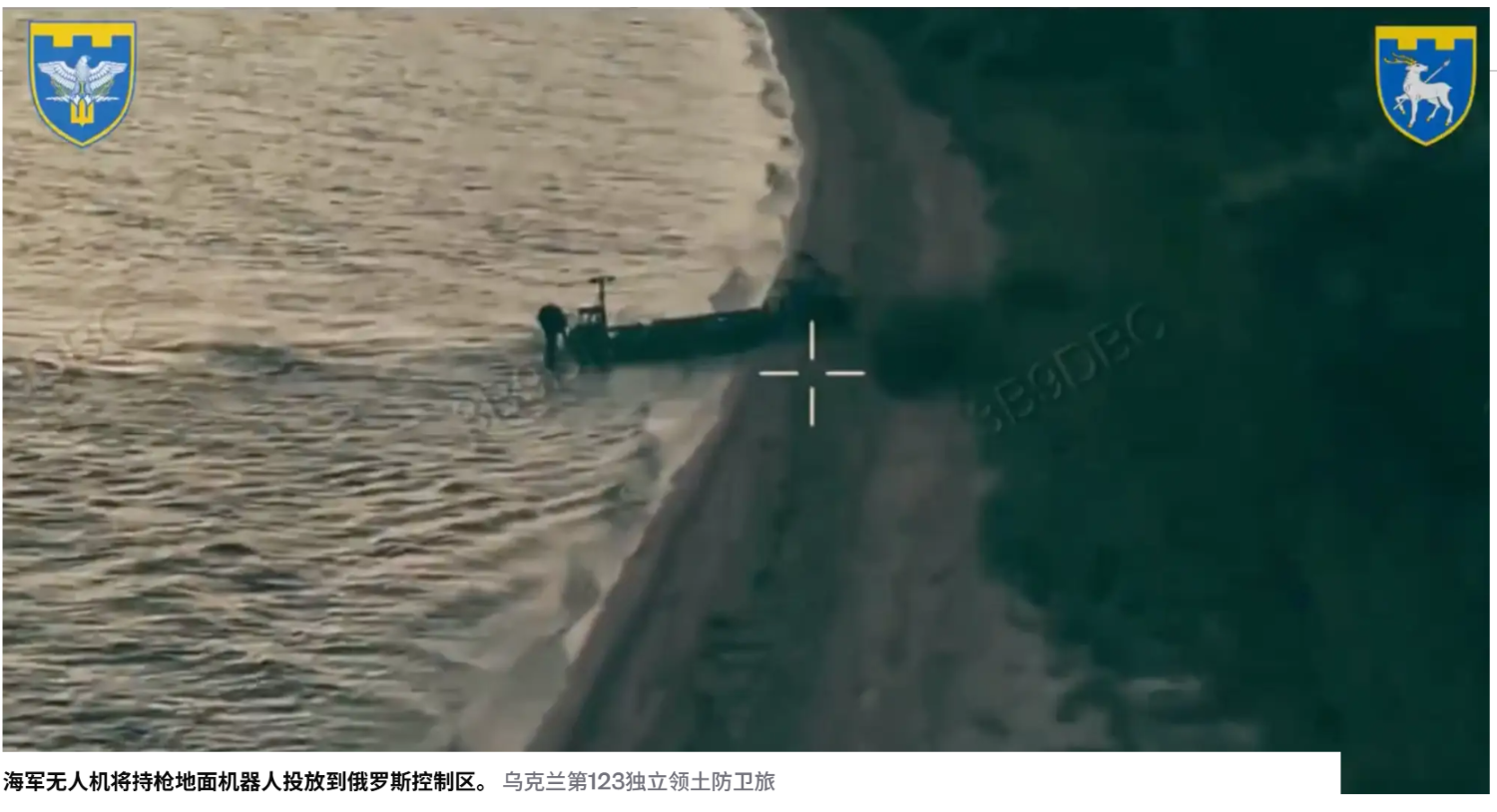
Ukraine's 123rd Territorial Defense Brigade Conducts Historic Amphibious Operation with Unmanned Systems
On July 13, 2026, Ukraine's 123rd Independent Territorial Defense Brigade executed a historic amphibious operation utilizing unmanned systems. This marked the first known joint combat mission involving an unmanned surface vessel (USV) and an unmanned ground vehicle (UGV) in a military context. The operation took place on the Kinburn Spit, an area long controlled by Russian forces, where the USV successfully delivered the UGV to the enemy coast without any human soldiers stepping onto hostile territory. The significance of this operation lies in its demonstration of a new combat paradigm where unmanned systems can effectively replace human soldiers in high-risk scenarios. The UGV, reportedly manufactured by Lviv's Roboneers, was equipped with a PKT 7.62mm machine gun and was able to engage targets after landing. The 123rd Brigade emphasized that this operation is not merely a technological novelty but represents a fundamental shift in warfare, highlighting the potential for machines to undertake dangerous missions. Looking ahead, the use of unmanned systems in military operations is expected to expand, as the Ukrainian military has already received over 1,000 various ground robot systems. The ongoing evolution from traditional amphibious assaults to unmanned operations could redefine the nature of warfare, reducing risks to human soldiers while increasing operational effectiveness.
Unmanned Systems Robotics Amphibious Operations Military Technology
Drone Dominance: The Defense Department’s Push to Build a Scalable U.S. Drone Supply Chain
During the keynote roundtable at XPONENTIAL 2026 this morning, leaders from government and industry convened to discuss a pivotal shift in the U.S. drone sector. The focus of the panel, moderated by Michael Robbins of AUVSI, was on advancing from initial innovation and prototype development to establishing robust industrial production and scrutinizing the supply chain. This transition aims to facilitate rapid military acquisition of drone technology, reflecting the Department of Defense's commitment to enhancing the nation's drone capabilities. The discussions highlighted the urgency of creating a scalable supply chain to support the growing demands of both commercial and military applications in the drone industry.
Defense DL Exclusive Drone Manufacturing Drone News Drone News Feeds Dual Use
Israel Defense Forces Establish New Branch for Unmanned Systems and AI Integration
The Israel Defense Forces (IDF) are launching a new branch dedicated to unmanned systems and artificial intelligence, as announced by Chief of Staff Lt. Gen. Eyal Zamir. This initiative aims to adapt to the rapidly evolving battlefield, emphasizing the integration of robotics, drones, and AI technologies. The establishment of the Unmanned Systems and Artificial Intelligence Branch is a significant step for the IDF, reflecting a strategic shift towards modern warfare capabilities. Zamir highlighted that these advancements will enhance operational effectiveness and save lives, marking a transformative moment for military operations. Looking ahead, the IDF plans to fully inaugurate this new branch by early December. The focus will be on harnessing technologies across land, air, and sea domains, with an emphasis on maritime capabilities as part of the IDF’s broader multi-year plan, Hoshen. No further timeline was disclosed at the time of publication.
Air Warfare Global Land Warfare AI & Autonomy Air Force Army
Military Humanoid Robots in Engineering Validation Phase Amid Global Defense Research Trends
The global embodied intelligence industry is increasingly capturing the attention of national defense research, with humanoid robots expected to enhance their mobility, dexterity, and environmental perception by 2025-2026. Chinese manufacturers dominate the global humanoid robot shipment market, providing a substantial hardware foundation for military research. Various military research institutions are exploring potential battlefield applications, including urban warfare and infiltration, with simulations indicating that usable prototype systems may emerge within 5-10 years. However, despite advancements, there is currently no public evidence that armed humanoid robots have been officially deployed in combat units, as most projects remain in laboratory and training validation phases. The battlefield presents complex conditions that impose stringent reliability and endurance standards, far exceeding those of commercial products. Challenges such as high energy consumption and complex repair processes hinder the operational capabilities of humanoid robots in high-intensity combat scenarios. Tactically, humanoid robots are not the sole optimal solution for battlefield unmanned equipment. More mature technologies like wheeled and tracked vehicles are already fulfilling reconnaissance and logistics roles at lower costs. The dual-use technology approach emphasizes the importance of civilian advancements in robotics for military applications, while military requirements can drive improvements in civilian products. The path forward involves addressing environmental adaptability, energy consumption, and cost issues to ensure humanoid robots can reliably operate in harsh conditions and meet tactical and economic demands.
Humanoid Robots Military Robotics Dual-Use Technology Robotics Research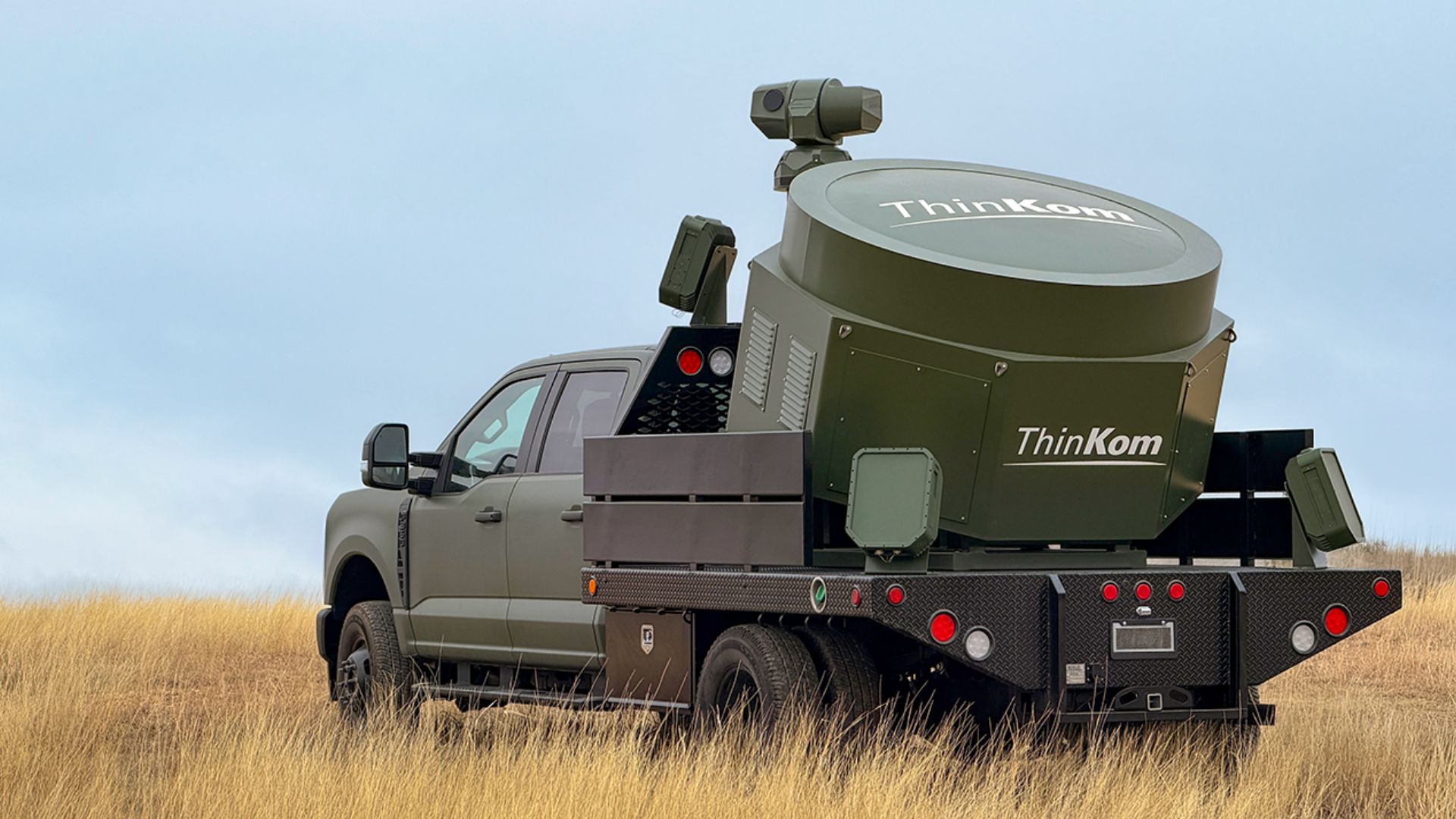
U.S. Army Awards ThinKom $49 Million for Mobile High-Power Microwave Drone Defense System
The U.S. Army has awarded ThinKom Solutions a prototype contract valued at up to $49 million to develop a mobile high-power microwave system aimed at countering drones. Announced on August 19, 2026, this contract will fund the testing of ThinKom’s Alecto system, which is designed to target unmanned aircraft from a moving vehicle. This initiative is significant as it addresses the increasing demand for mobile counter-unmanned aircraft systems (C-UAS) due to the rapid proliferation of drones. The Alecto system utilizes ThinKom’s patented VICTS antenna technology to deliver high-power electromagnetic energy to neutralize Group 1 and Group 2 unmanned aircraft, enabling Army units to respond to threats without halting their operations. Field testing of the Alecto system is scheduled for 2027, allowing the Army to evaluate its performance against emerging drone threats. The results will inform future requirements and potential production decisions, although the current agreement does not guarantee procurement of additional systems beyond the prototype phase.
Military
China Explores Autonomous Defense Systems for Contested Islands in South China Sea
A recent report indicates that China is investigating a maritime defense model utilizing autonomous drones to protect contested islands in the South China Sea. Researchers from the China Coast Guard Academy and Dalian Maritime University propose a network of aerial, surface, and underwater drones, which would create a multi-layered defense system, enhancing surveillance and response capabilities. This shift from traditional defense methods to a system reliant on uncrewed platforms reflects the evolving nature of naval warfare. The economic advantages of deploying inexpensive drones to monitor maritime environments are significant, as they can challenge larger military assets. The interconnected architecture aims to maintain operational capability even if some drones are compromised, emphasizing redundancy in defense strategies. As the South China Sea remains a focal point of territorial disputes among several nations, China's initiative to integrate autonomous systems into its defense strategy could further complicate regional security dynamics. However, it is crucial to note that this concept is still a research proposal and does not confirm the operational deployment of such systems at this time.
Military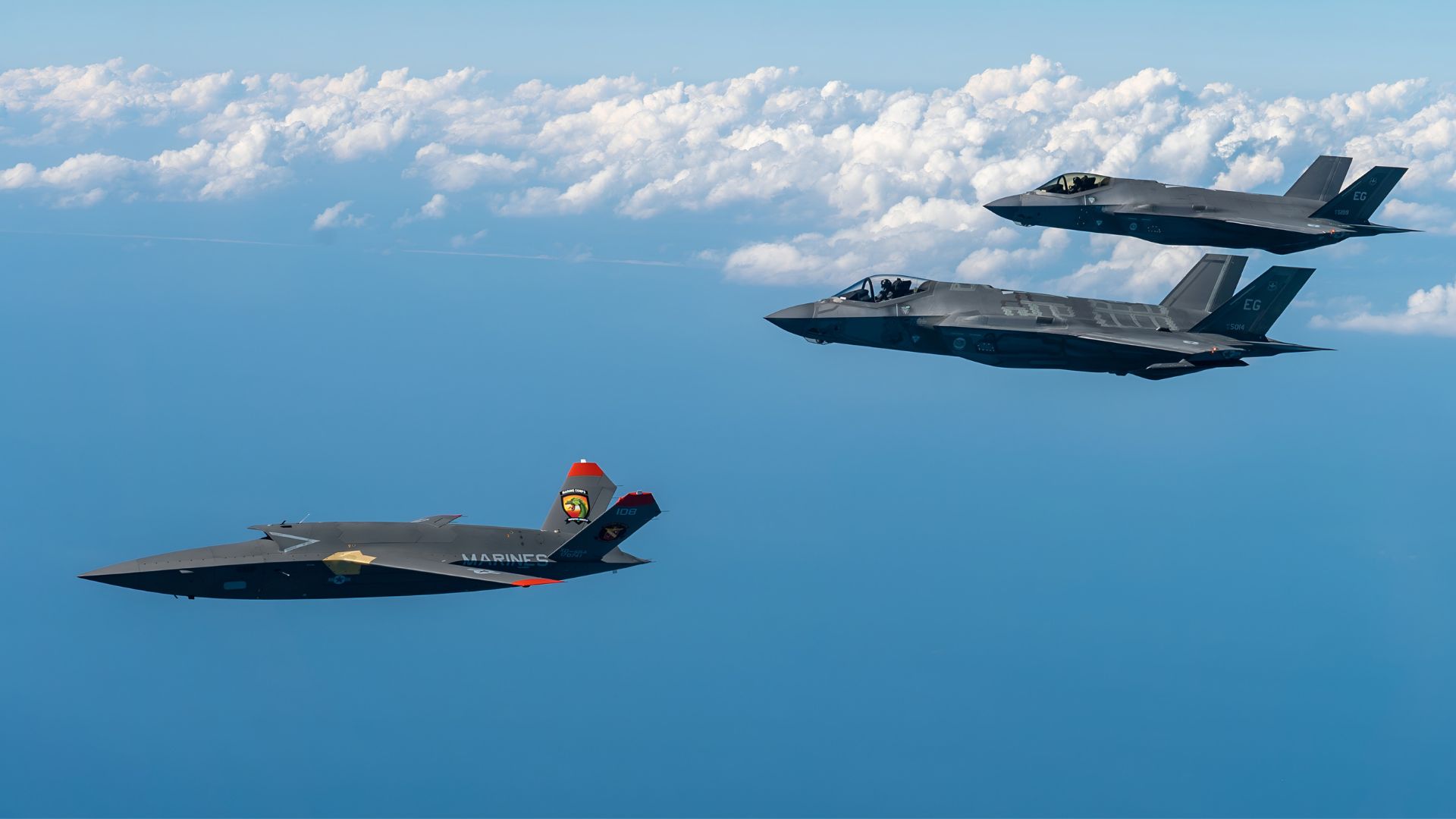
Kratos Defense's Valkyrie Drone Completes Successful Flight with F-35 Fighters
The US military is advancing towards integrating uncrewed aircraft with advanced fighter jets, specifically the F-35 and F/A-18. Kratos Defense & Security Solutions has showcased its XQ-58A Valkyrie drone's capabilities during a recent flight test in Southern California, where it successfully operated alongside Marine Corps fighters. This demonstration is significant as it highlights the potential for autonomous aircraft to enhance mission capabilities in contested airspaces. The Valkyrie's successful launch from a zero-length system and its ability to transition control between different systems underscore the importance of interoperability in military operations. Looking ahead, Kratos plans to scale production of the Valkyrie, aiming for over 150 unmanned aircraft systems by 2026. The ongoing collaboration with Northrop Grumman for the MUX TACAIR program will further adapt the Valkyrie for advanced missions, emphasizing the need for open-architecture systems in modern military aviation.
Military
Neya Systems and GS Engineering Collaborate to Enhance Robotic Construction Equipment for Defense
Neya Systems and GS Engineering have announced a strategic collaboration aimed at advancing robotic and autonomous construction equipment for defense applications. This partnership combines Neya's N-Drive™ autonomy technology with GS Engineering's Remote Expeditionary Autonomous Pioneer (REAPr) unmanned ground vehicle, focusing on creating an integrated solution that enhances operational efficiency in military engineering tasks. The collaboration is significant as it seeks to improve the safety and effectiveness of warfighters by automating the most hazardous and labor-intensive engineering tasks. By leveraging proven autonomy technology and advanced UGV capabilities, the initiative aims to streamline construction processes in defense operations, ultimately contributing to enhanced mission readiness and operational success. Looking ahead, the integration of these technologies is expected to lead to the development of field-ready autonomous solutions that can significantly reduce the risks faced by military personnel. No further timeline was disclosed at the time of publication.
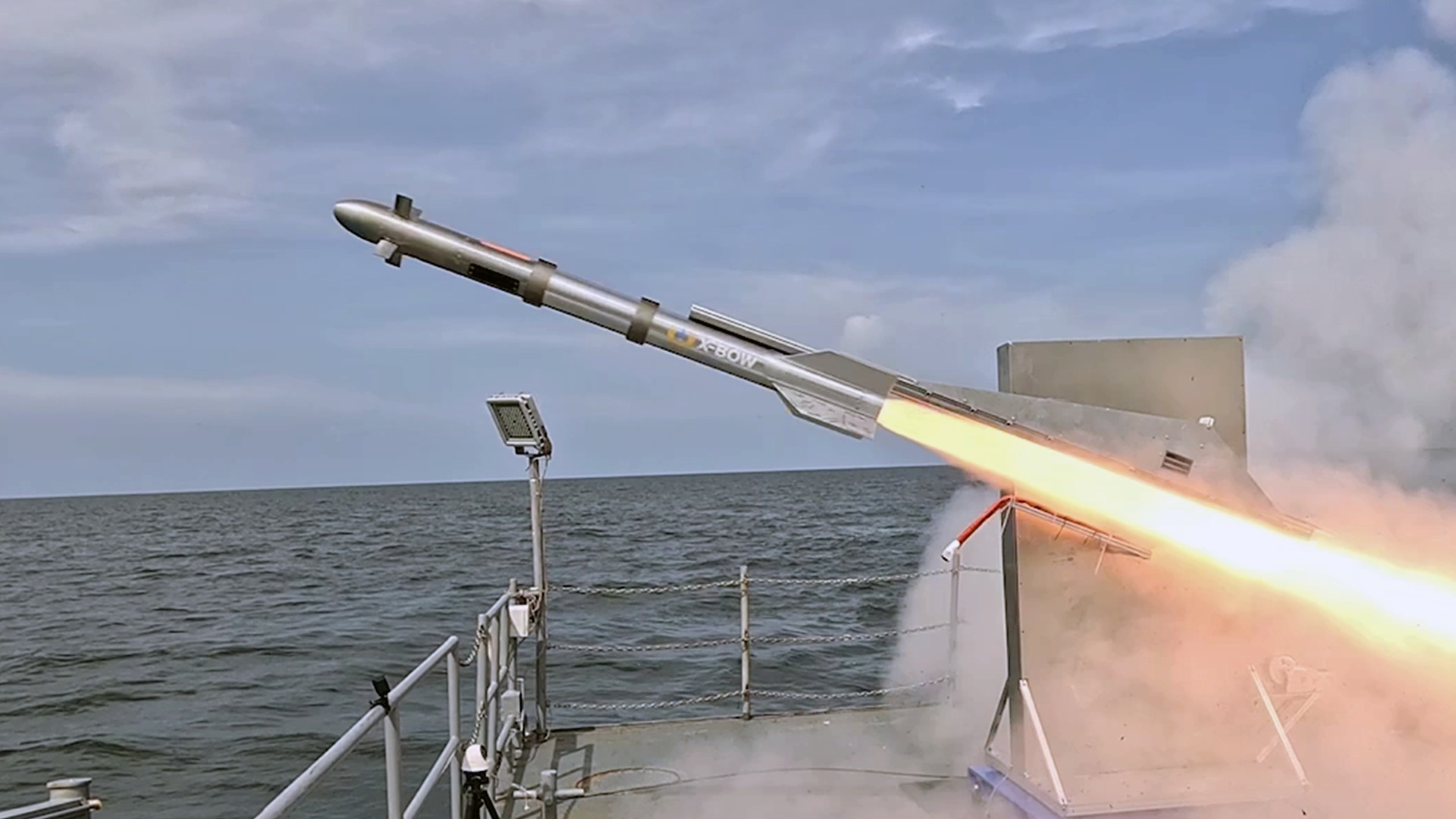
X-Bow Systems Launches Buckler, a Cost-Effective Supersonic Interceptor for Drone Defense
X-Bow Systems, a Texas-based defense company, has unveiled Buckler, a new supersonic interceptor aimed at countering Group 3 drone threats. This system addresses the increasing demand for effective defenses against mass UAV attacks and has successfully completed field testing. The Buckler interceptor is designed to engage Group 3 unmanned aerial vehicles (UAVs), which weigh between 56 and 1,320 lbs and operate below 18,000 feet. Priced under USD 100,000, Buckler combines high-speed performance with a design suitable for large-scale production, making it a cost-effective solution for militaries facing frequent drone assaults. With the successful flight tests validating its propulsion system and overall performance, X-Bow Systems is moving closer to operational deployment of Buckler. The company emphasizes its in-house manufacturing capabilities, which enhance production efficiency and quality control, addressing the industry's reliance on external suppliers for solid rocket motors.
Military
Syensqo Expands Havre de Grace Facility to Boost Aerospace Material Production by 30%
Syensqo, a global aerospace company, is expanding its Havre de Grace facility to enhance its manufacturing capabilities by over 30%. This multi-million-dollar investment aims to strengthen the company's U.S. manufacturing footprint and support the growing demand for advanced material solutions in aerospace, defense, and automotive sectors. The expansion focuses on producing high-performance structural adhesives and surfacing products, crucial for commercial aerospace and space exploration applications. The significance of this expansion lies in Syensqo's commitment to supplying high-performance materials that contribute to safer and more sustainable products across various industries. By reinforcing its global manufacturing network, the company aims to improve supply reliability and efficiency, addressing the increasing customer demand for adhesive and bonding materials. This move is part of Syensqo's broader strategy to lead in advanced materials and sustainable specialty chemicals, particularly in the aerospace sector, which is its largest market. Looking ahead, Syensqo's expansion at the Havre de Grace site marks a pivotal milestone in its growth trajectory. The company is expected to accelerate its efforts in supporting customers as they scale production, particularly in high-performance materials. No further timeline was disclosed at the time of publication, but the investment aligns with Syensqo's ongoing initiatives in electric vehicle batteries and clean energy technologies.
Science
Red Sift CEO Discusses AI's Role in Evolving Cyber Threats and Defense Strategies
In a recent episode of Lexicon, Rahul Powar, CEO of Red Sift, highlighted the transformative impact of artificial intelligence (AI) on cyberattacks. He referenced a recent AI-assisted cyber campaign targeting a Mexican water utility, emphasizing that AI is lowering the barrier for launching sophisticated attacks. This trend is expected to escalate over the next 18 months, posing significant challenges for organizations globally. Powar explained that AI democratizes advanced cyber capabilities, allowing less experienced attackers to leverage tools like large language models for reconnaissance and exploit development. This shift is making it easier for attackers to find vulnerabilities in systems, as they can automate processes that previously required extensive expertise. The imbalance in cybersecurity is growing, as defenders must protect numerous devices and applications while attackers only need to exploit one weakness. Despite the challenges, Powar noted that AI can also empower defenders by helping them identify vulnerabilities before they are exploited. The conversation underscored the dual-edged nature of AI in cybersecurity, with both attackers and defenders adapting to the evolving landscape. No further timeline was disclosed at the time of publication.
AI and Robotics Innovation
SpaceX's Starmind Targets AI Labs with $6.3 Billion Compute Contracts
SpaceX's Starmind is designed to provide wholesale AI compute services to businesses, particularly AI labs and cloud customers, rather than individual consumers. The service operates similarly to AWS, where users benefit from applications running on Starmind without direct subscriptions. The compute capacity of a single AI1 satellite is comparable to one NVIDIA GB300 rack, emphasizing its enterprise-grade capabilities. The significance of Starmind lies in its positioning as a potential fourth hyperscaler, joining the ranks of AWS, Microsoft Azure, and Google Cloud. The Reflection AI contract, valued at $150 million per month, exemplifies the enterprise-focused model, with total payments potentially reaching $6.3 billion through 2029. This contract highlights the growing demand for AI compute resources, particularly from AI-native startups and labs. Looking ahead, the focus will remain on securing additional enterprise contracts as Starmind expands its offerings. No consumer-facing products or subscriptions have been announced, and the current strategy is to cater to businesses with substantial AI workloads. No further timeline was disclosed at the time of publication.

US firm to deliver 3x more production capacity with new campus to meet defense demand
A California-based company is significantly increasing its production capacity in response to a surge in demand from the defense and aerospace sectors. This expansion, announced recently, aims to enhance the company’s ability to deliver critical components and services to meet the needs of these industries. The decision comes amid heightened geopolitical tensions and an increasing focus on national security, which have driven investments in defense capabilities. The company plans to implement advanced manufacturing technologies and streamline operations to boost efficiency and output. This strategic move not only positions the company to capitalize on current market opportunities but also underscores its commitment to supporting national defense initiatives.
Military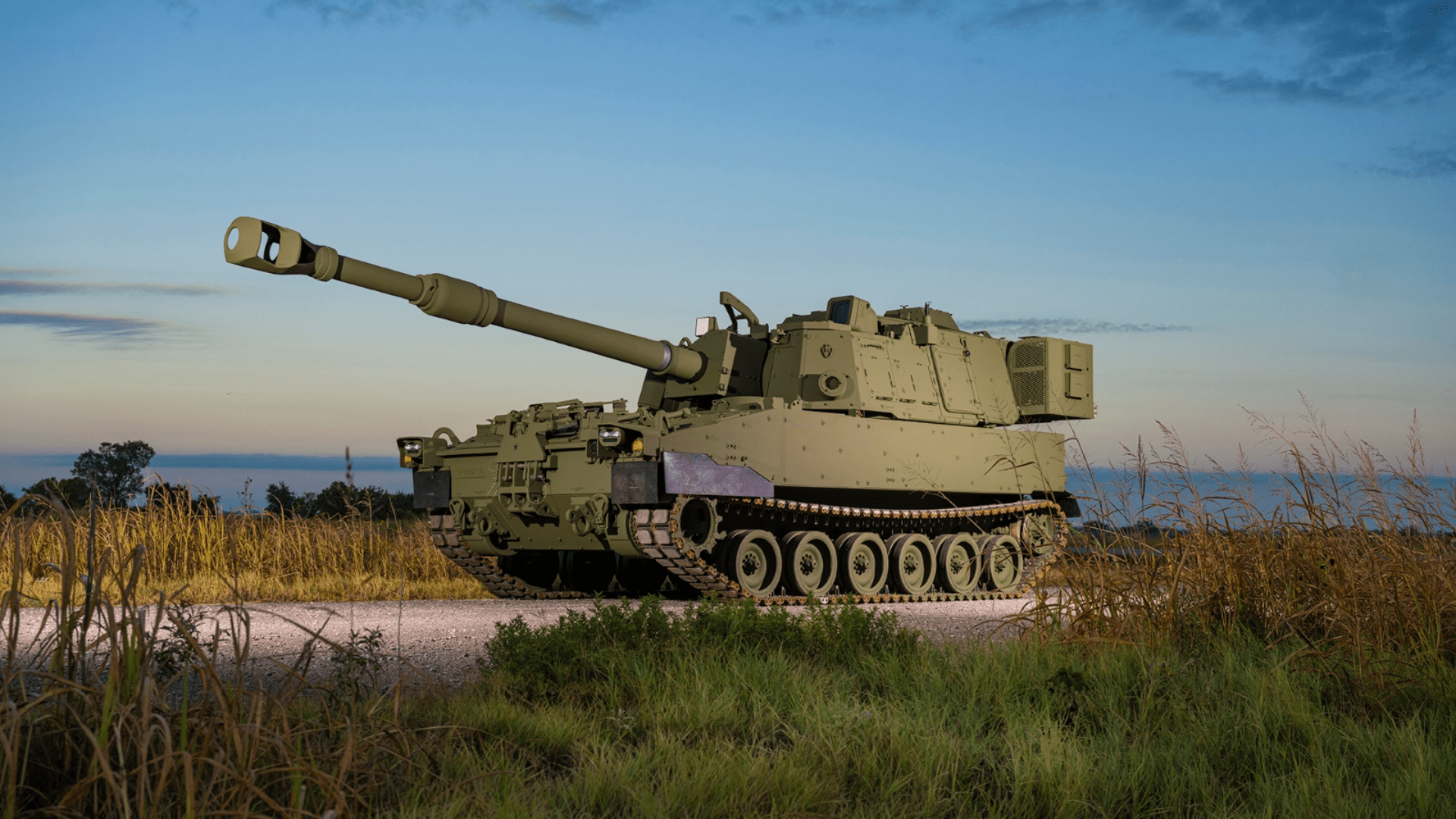
US Army trials LP-CROWS integration on Paladin artillery for drone defense
Engineers at the US Army Yuma Proving Ground are conducting developmental testing of advanced military technologies. This initiative, which began recently, aims to evaluate and enhance the performance of various systems crucial for operational readiness. The testing is part of the Army's ongoing efforts to improve its capabilities and ensure that troops are equipped with the most effective tools for modern warfare. By rigorously assessing these technologies in a controlled environment, the Army seeks to identify potential improvements and address any issues before deployment. The Yuma Proving Ground, known for its vast testing facilities, provides an ideal location for these critical evaluations, allowing engineers to simulate real-world conditions effectively. This testing phase is essential for maintaining the Army's competitive edge and ensuring the safety and effectiveness of its personnel in future missions.
Military
China limits trade with 56 US defense, aerospace firms
The U.S. government has implemented a ban on entities involved in the shipping of products manufactured in China to military-linked companies, which include major firms such as Boeing, Anduril, and MP Materials. This decision, announced recently, aims to strengthen national security by preventing potential military advantages that could arise from the exchange of goods between these nations. The measure reflects ongoing concerns about the influence of foreign entities on the U.S. defense supply chain and is part of a broader strategy to safeguard critical technologies. The enforcement of this ban is expected to impact various sectors, particularly those reliant on international trade with China, as the government seeks to tighten regulations around military procurement and partnerships.
![[Man-ki Kim] Foster dual-use defense tech](/uploads/2026/06/2669837006758506.jpg)
[Man-ki Kim] Foster dual-use defense tech
For much of the 20th century, defense technology evolved within a tightly controlled military-industrial framework, where governments dictated needs, contractors created solutions, and civilian sectors reaped the benefits later. However, this paradigm is shifting. In the contemporary landscape, advancements in technologies such as artificial intelligence, semiconductors, robotics, batteries, cloud computing, autonomous systems, synthetic-aperture radar satellites, and commercial drones are increasingly emerging from the civilian economy. This transformation is reshaping how defense capabilities are developed and integrated, highlighting the growing interdependence between civilian innovations and military applications. As a result, the defense sector is now leveraging these civilian technologies to enhance its operational effectiveness and adaptability in a rapidly changing global environment.
All News
Defense manufacturing readiness hinges on autonomous finishing, says GrayMatter Robotics
A recent review of the Navy's industrial base has revealed a significant demand for 174,000 new workers to support defense manufacturing. In response to this workforce challenge, GrayMatter Robotics has proposed that robotics technology could effectively address the labor shortage. The company emphasizes that the integration of autonomous finishing processes in manufacturing could enhance efficiency and productivity, thereby meeting the urgent needs of the defense sector. As the military seeks to bolster its operational capabilities, the adoption of advanced robotics may play a crucial role in ensuring readiness and sustainability within the industry.
Collaborative Robots Defense / Security Manufacturing Maritime Markets / Industries News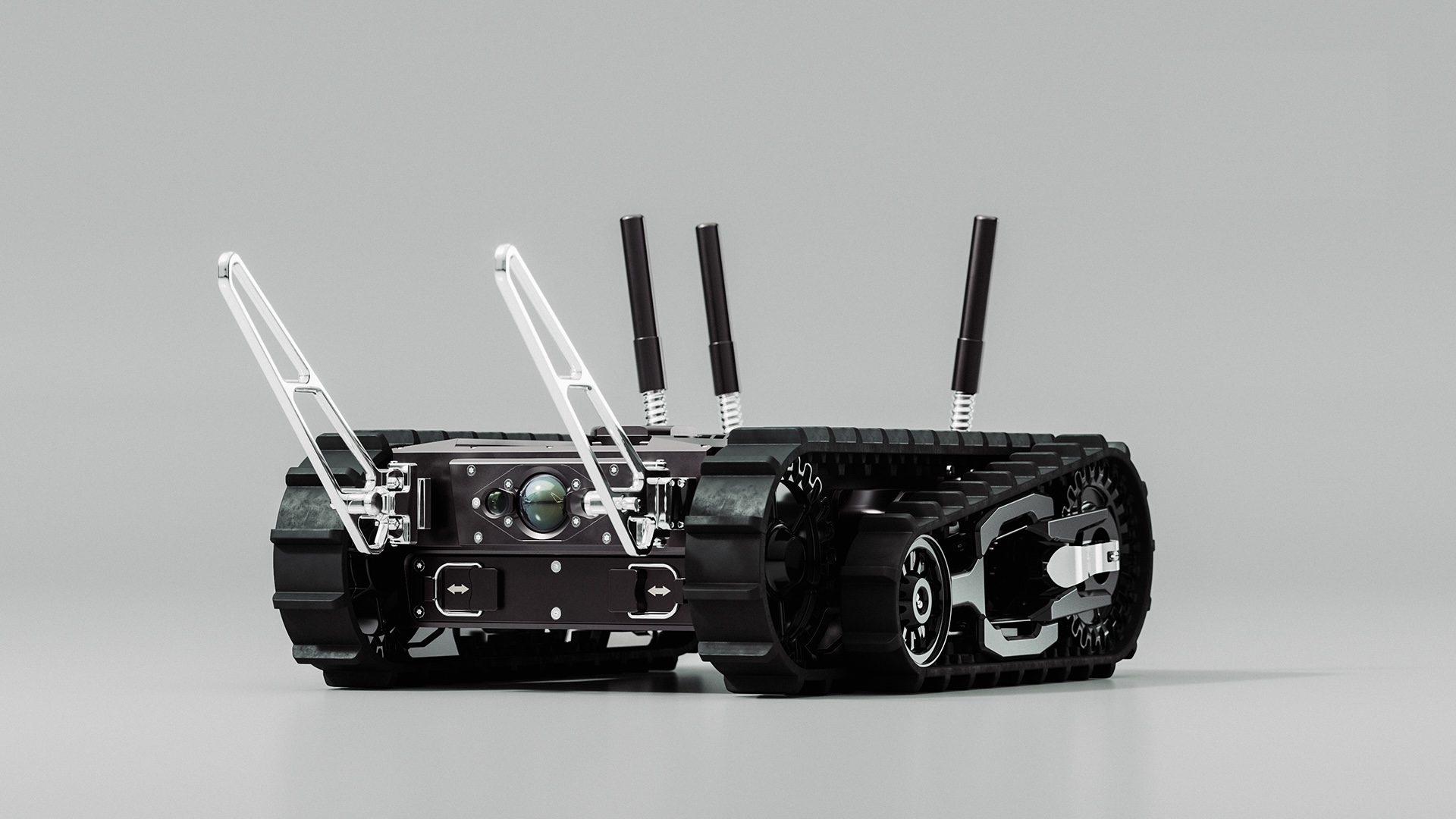
US defense firm unveils 22-pound backpackable robot for bomb disposal teams
AeroVironment, an American defense company, has unveiled the TOM 50 RE, a new lightweight, backpackable uncrewed aerial vehicle (UAV) designed for military applications. The introduction of this advanced drone took place recently, showcasing its capabilities to enhance situational awareness and support ground troops in various operational environments. The TOM 50 RE is engineered to be easily transportable, allowing soldiers to deploy it quickly in the field. This innovation aims to address the growing demand for efficient reconnaissance tools that can operate in challenging terrains and provide real-time intelligence. The development reflects AeroVironment's commitment to advancing drone technology to meet the evolving needs of defense forces worldwide.
Military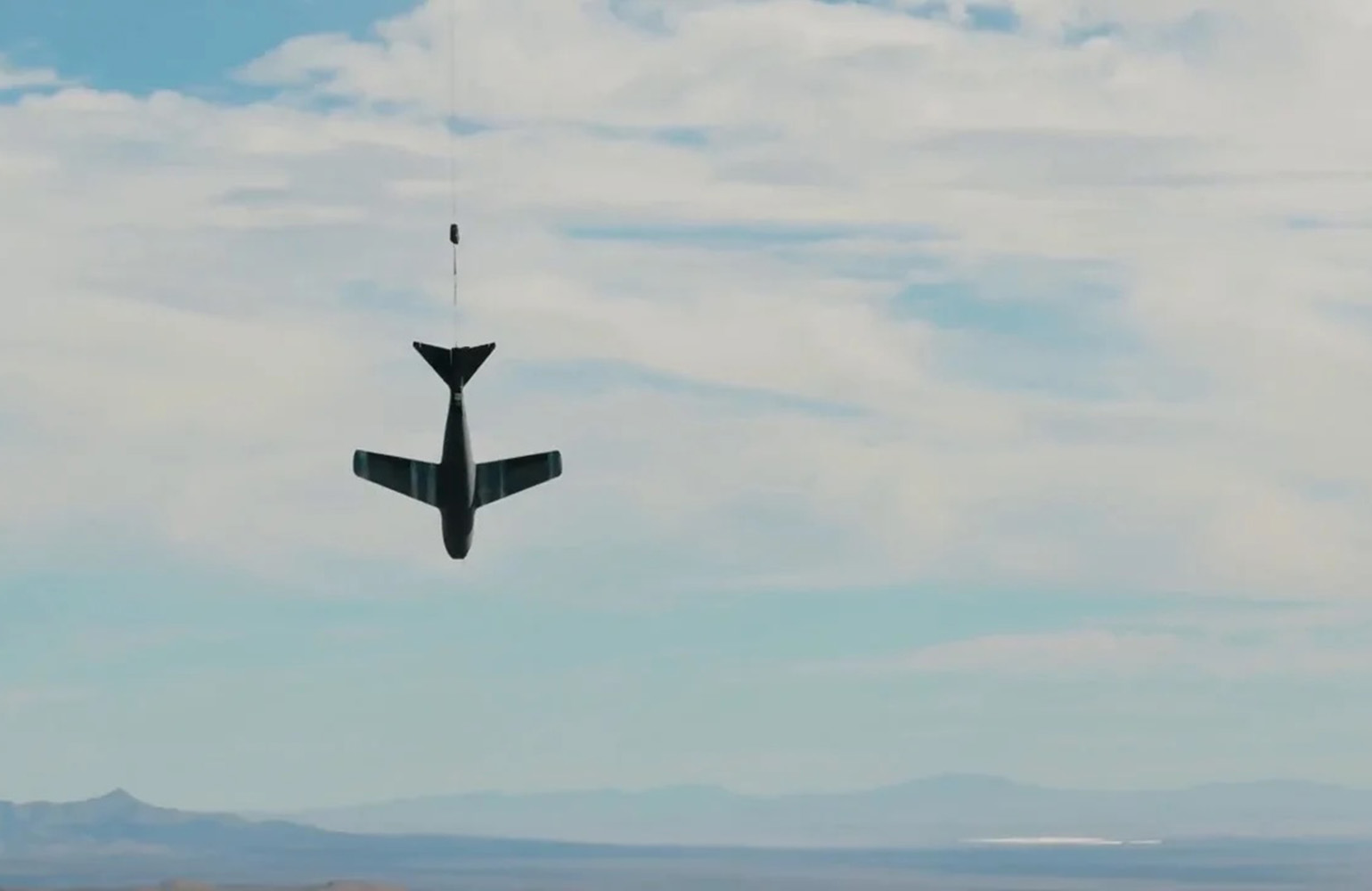
Autonomous defense manufacturer Mach Industries raises $300M
Mach Industries, an autonomous defense manufacturer, has successfully raised $300 million in funding. This significant financial boost will enable the company to expedite the execution of government contracts, enhance its talent acquisition efforts, develop new products, and broaden its operational network. The funding is expected to play a crucial role in advancing Mach Industries' capabilities and expanding its presence in the defense sector.
Defense / Security Drones Financial Investments Manufacturing Markets / Industries
US military’s high-performing defense products could soon be built with next-gen ceramic
A Virginia-based company is poised to enhance research on ceramic materials specifically designed for extreme aerospace and defense applications. This initiative, which aims to improve the performance and durability of materials used in high-stress environments, is expected to significantly contribute to advancements in technology for military and aerospace sectors. The firm plans to leverage its expertise and innovative approaches to develop new ceramic composites that can withstand extreme temperatures and pressures. This research is part of a broader effort to address the increasing demands for advanced materials in defense and aerospace, where reliability and resilience are critical. The project is anticipated to unfold over the coming months, with the potential to reshape material science in these high-stakes industries.

OpenAI releases life sciences AI "GPT-Rosalind" for bio-defense, raising concerns over dual-use risks.
OpenAI has launched the "Rosalind Biodefense" program, utilizing its frontier reasoning model, GPT-Rosalind, specifically designed for life sciences research. Announced recently, this initiative focuses on detecting biological threats for defense purposes. The program will provide approved developers, U.S. government agencies, and allied partner organizations with free access to its API, aiming to enhance biodefense capabilities.

Turkey’s defense industry is leaning into autonomy and targeting Gulf markets
Agnes Helou, the Middle East Bureau Chief, recently reported insights gained from attending Turkey’s SAHA defense expo. The event showcased the latest advancements in defense technology and attracted a diverse array of industry professionals and government officials. Held in Turkey, the expo served as a platform for exhibitors to demonstrate innovations in military equipment and defense systems. The motivation behind the event was to enhance Turkey's defense capabilities and foster international collaboration in the defense sector. Helou's observations highlighted the significance of the expo in promoting Turkey's growing role in the global defense market and its efforts to establish partnerships with other nations. Through a series of presentations and demonstrations, attendees engaged with cutting-edge technologies, reflecting the evolving landscape of defense and security in the region.
Global Air Force Business & Industry Drones Europe Havelsan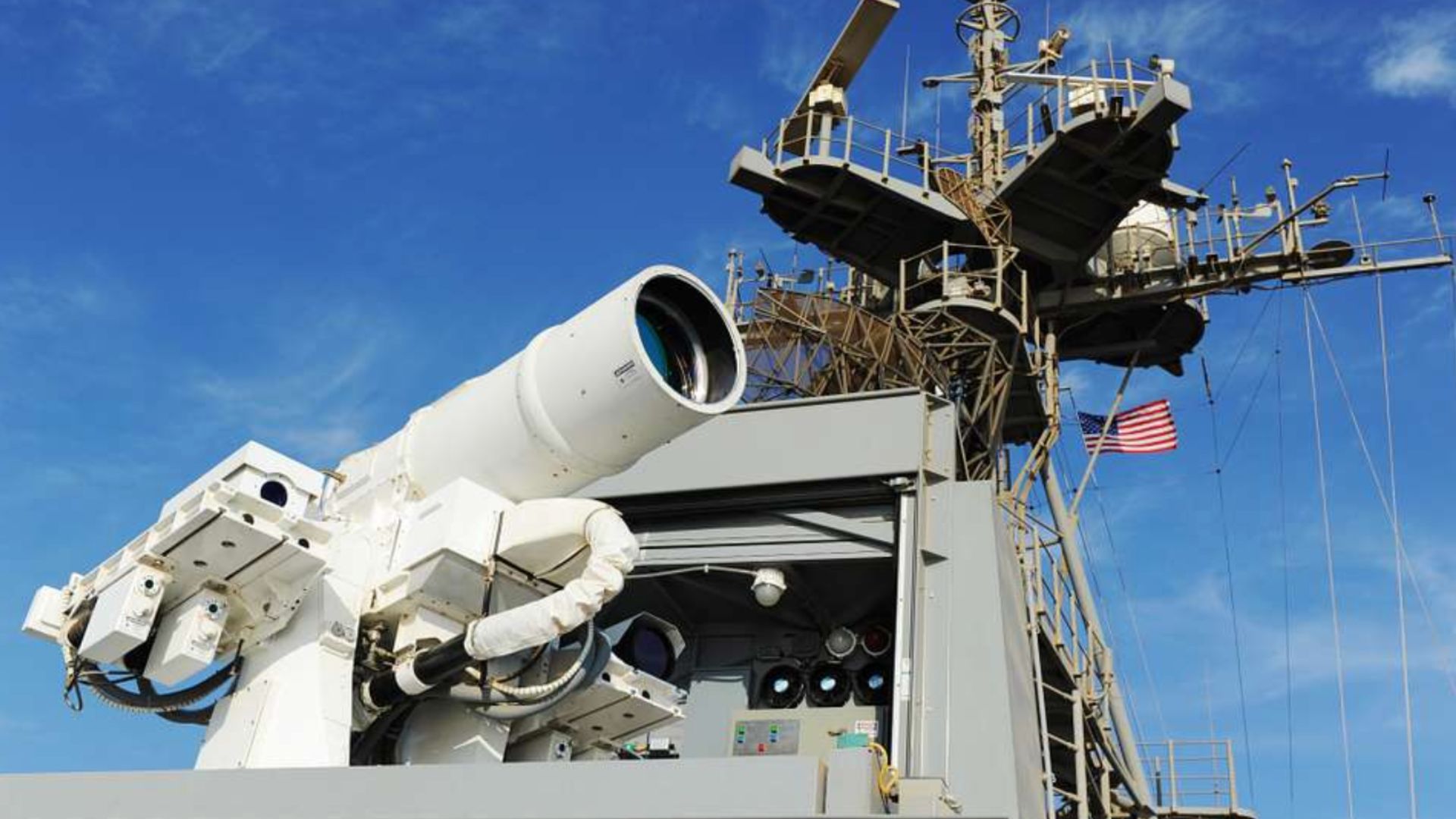
Nine US Navy destroyers that carry laser weapons for drone defense
The U.S. Navy has officially deployed laser weapons aboard its destroyers, marking a significant advancement from previous experimental demonstrations. This deployment, which occurred in October 2023, aims to enhance the Navy's defensive capabilities against various threats, including drones and small boats. The integration of laser technology is part of a broader strategy to modernize military assets and improve operational efficiency. By utilizing directed energy systems, the Navy seeks to provide a cost-effective and precise alternative to traditional munitions, thereby reducing logistical burdens and increasing response times in combat situations. The successful implementation of these systems aboard destroyers underscores the Navy's commitment to innovation and maintaining a technological edge in maritime operations.
Robotics needs a service framework.
RSF defines a common language for robot service capability, lifecycle operations, certification pathways, and service-provider networks.
Join the RobotToday community on LinkedIn
Daily robotics news, in-depth analysis, conference highlights, and discussions with professionals worldwide.