

Industry Briefing
A single destination for timely, editor-curated robotics news from around the world.

Elistair and Exail Collaborate to Enhance Unmanned Surface Vessels with Aerial Surveillance
Elistair and Exail have announced a partnership to integrate the Khronos automated tethered DroneBox with Exail’s DriX unmanned surface vessel (USV). This integration allows maritime operators to achieve persistent aerial surveillance directly from the vessel, significantly extending the range of surface sensors while ensuring personnel safety on shore. The Khronos drone, launched from the DriX, provides continuous aerial surveillance with a flight duration of up to 24 hours at a height of 60 meters. It streams live, encrypted video, enabling real-time imagery even in challenging environments. This enhancement is particularly beneficial for coastal surveillance, port protection, counter-trafficking operations, and search and rescue missions. The integration of the Khronos drone represents a significant advancement in maritime surveillance capabilities. As noted by Elistair's CEO, Guilhem de Marliave, this technology allows for wider coverage and earlier detection without risking crew safety at sea. No further timeline was disclosed at the time of publication.
elistair exail aerial surveillance uav unmanned surface vessels usv
A Multilevel Path Planning Framework for Unmanned Surface Vehicles in Environmental Monitoring
A new multilevel path planning framework has been developed for unmanned surface vehicles (USVs) aimed at enhancing environmental monitoring of uninhabited islands and reefs. This framework utilizes information-driven techniques to optimize navigation and data collection processes in challenging marine environments. The significance of this development lies in its potential to improve the efficiency and effectiveness of environmental monitoring efforts. By employing advanced path planning strategies, USVs can navigate complex terrains and gather critical data, which is essential for conservation and research initiatives in remote areas. Looking ahead, the implementation of this framework could lead to more widespread use of USVs in environmental studies. As researchers and organizations seek innovative solutions for monitoring ecosystems, the advancements in path planning technology will be crucial in facilitating these efforts. No further timeline was disclosed at the time of publication.
RESEARCH ARTICLE
NAWCWD Demonstrates Robotic Towed Connector for Refueling Unmanned Surface Vessel at Sea
The Naval Air Warfare Center Weapons Division (NAWCWD) has successfully demonstrated a robotic towed connector that enables the refueling of unmanned surface vessels (USVs) at sea. This innovation is part of the Blue Water Instrumentation program, aimed at enhancing the operational capabilities of USVs during long-range weapons testing. This advancement is significant as it addresses the challenge of maintaining USVs on station for extended periods without the need for crewed support ships. According to Spencer Holloway, director of BWI’s Future Capabilities Office, the ability to refuel USVs at sea increases mission persistence and coverage, which is crucial for testing hypersonic and precision long-range capabilities. Looking ahead, the successful demonstration, which included the transfer of 400 gallons of fuel during multiple connection cycles, highlights the potential for unmanned refueling to enhance fleet readiness. As noted by Ronald Raymer from U.S. Fleet Forces Command, this capability allows for greater reliance on unmanned vessels in high-threat areas, reducing risks to personnel and enabling more efficient operations.
us navy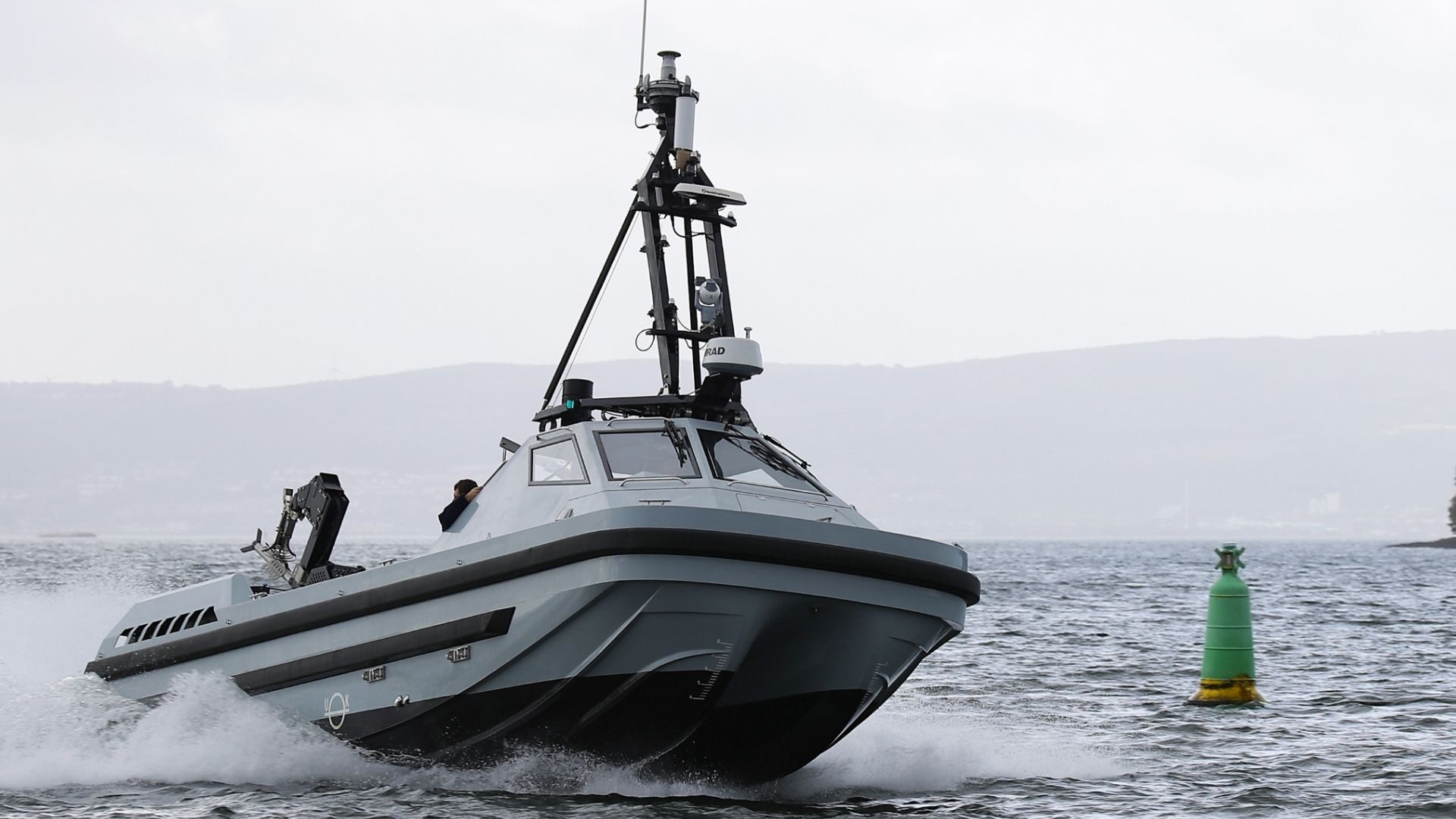
US Navy Demonstrates Robotic Refueling System for Unmanned Vessels at Sea
The US Navy has successfully showcased a robotic system capable of capturing, refueling, and releasing an unmanned surface vessel (USV) at sea. This demonstration, led by the Naval Air Warfare Center Weapons Division, took place off Joint Expeditionary Base Little Creek-Fort Story, Virginia, and involved the T38 USV and a towable refueling system. This innovative capability is significant as it allows USVs to remain deployed for extended missions without the need to return to port for fuel. By reducing the frequency of refueling stops, the Navy can enhance sensor coverage during operations and decrease reliance on crewed support vessels, which is crucial for ongoing testing and operational efficiency. Looking ahead, the robotic refueling system is expected to support the Blue Water Instrumentation program, particularly in trials related to hypersonic systems and precision long-range fires. No further timeline was disclosed at the time of publication.
Innovation Military Science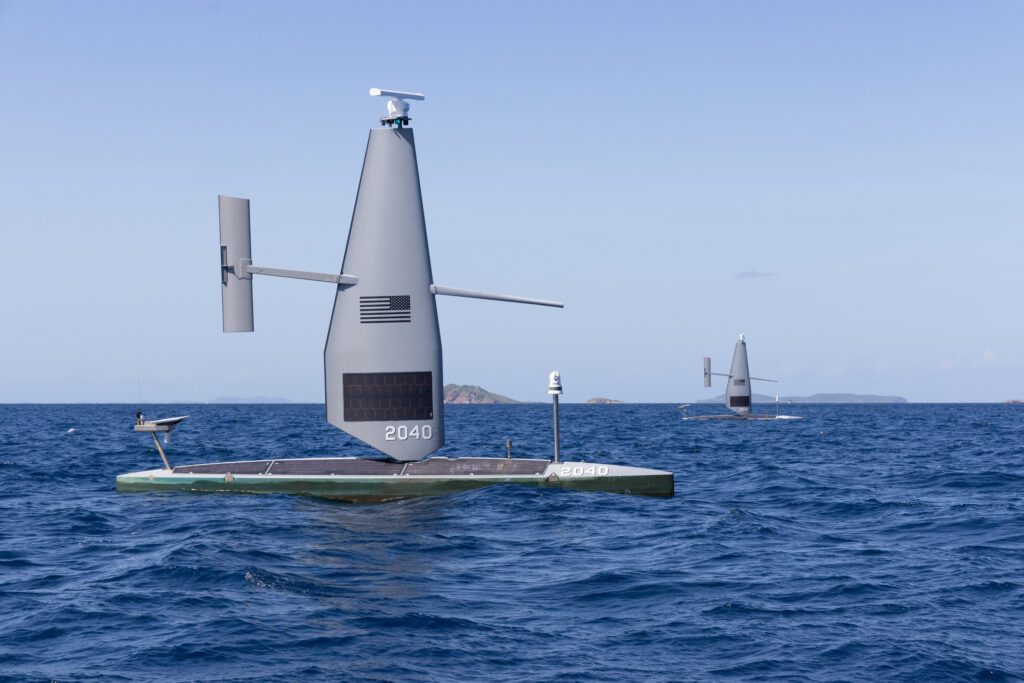
U.S. Navy Utilizes Saildrone Voyager USVs to Seize $81 Million in Cocaine
A Saildrone Voyager unmanned surface vehicle (USV) assisted the U.S. Navy in tracking and intercepting a suspected drug-smuggling vessel in the Caribbean, resulting in the seizure of approximately $81 million worth of cocaine on October 16, 2025. This operation highlights the transition of autonomous maritime systems from experimental platforms to essential tools for real-world security missions. The successful interception underscores the operational capabilities of Saildrone Voyager USVs, which can remain at sea for extended periods, enabling continuous monitoring of vast maritime areas. This capability reduces reliance on crewed vessels and supports the U.S. Navy's counter-narcotics mission in the Caribbean and Eastern Pacific, coordinated by Joint Interagency Task Force South (JIATF-S). Looking ahead, the Navy has awarded Saildrone a $16.3 million task order to continue operating Voyager USVs through 2027. This mission not only demonstrates the effectiveness of unmanned systems in maritime surveillance but also indicates a broader trend of integrating autonomous platforms into naval operations, enhancing mission effectiveness and operational reach.
Applications Defense Drone News Drone News Feeds News safety and security
The future of unmanned surface vessels includes ISR and counter-UAS
Red Cat, a prominent player in the aerial drone industry, has announced the launch of Blue Ops, a new venture focused on the mass production of unmanned surface vehicles (USVs). This strategic move comes as part of Red Cat's ongoing efforts to diversify its product offerings and capitalize on the growing demand for advanced maritime technology. The announcement was made recently, signaling the company's commitment to innovation and expansion within the unmanned vehicle market. By establishing Blue Ops, Red Cat aims to leverage its expertise in drone technology to develop and manufacture USVs that meet the evolving needs of various sectors, including defense, surveillance, and environmental monitoring. The initiative reflects a broader trend in the industry, where companies are increasingly investing in unmanned systems to enhance operational capabilities and efficiency.
Naval Warfare Sponsored Post Blue Ops Counter UAS cUAS gray zone ISR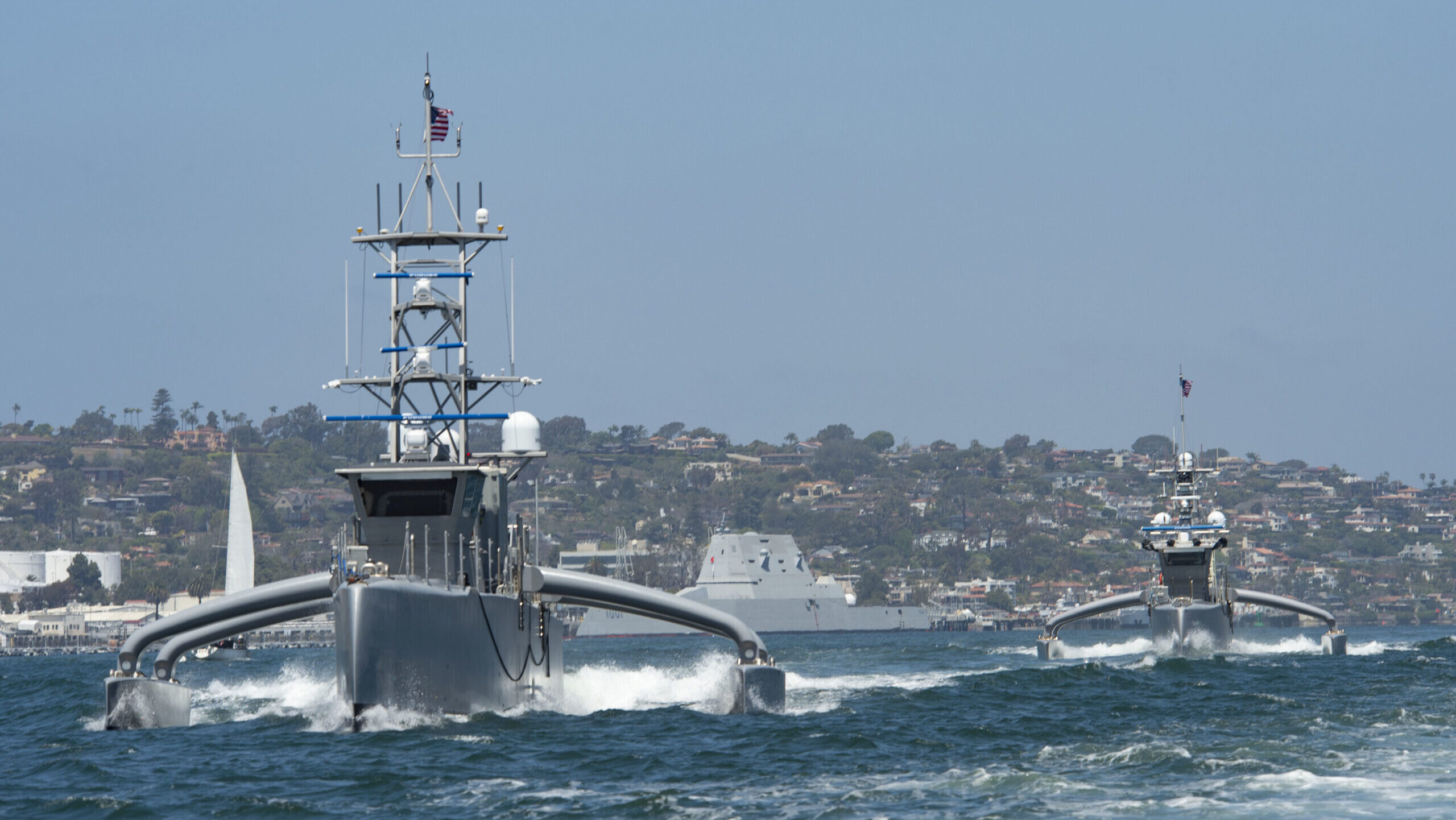
Navy Initiates Phase II for Medium Unmanned Surface Vessel Project, Seeks Innovative Solutions
The Navy has launched Phase II of its medium unmanned surface vessel (MUSV) project, inviting innovative solutions for integration and testing. The solicitation notice, released on September 23, emphasizes the need for adaptable and resilient designs that can address evolving maritime threats. This initiative is significant as it aims to enhance the Navy's capabilities in unmanned operations, with specific requirements for vessels to operate unmanned for at least 10 days and accommodate a payload of two standard 20-foot shipping containers. The focus on open-architecture autonomy and rapid production scalability reflects the Navy's commitment to modernizing its fleet. Looking ahead, vendors with successful proposals will demonstrate their vessels at sea, evaluated on criteria such as speed and fuel efficiency. The Navy's MUSV Marketplace, announced earlier this year, aims to streamline procurement processes for maritime autonomous systems, allowing both new and existing vendors to participate in this evolving landscape.
Naval Warfare Drones MUSV Navy Unmanned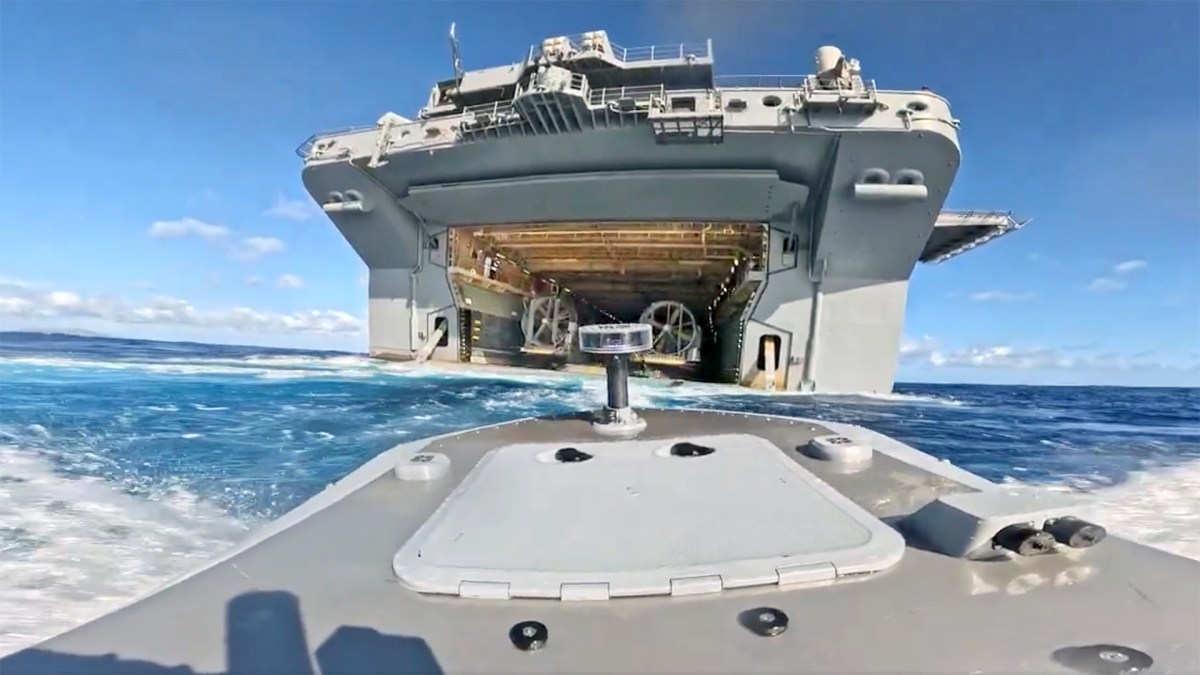
Marine Colonel Advocates for Uncrewed Surface Vessels in Future Deployments
Colonel Chris P. Niedziocha, who led the 31st Marine Expeditionary Unit during its recent Middle East deployment, emphasized the need for uncrewed surface vessels (USVs) in future operations. He noted that the Marines are currently lagging in operationalizing USVs, which are crucial for reconnaissance of contested beach landing areas, a task traditionally handled by the Navy. The increasing global military use of USVs highlights their importance, as demonstrated by Ukraine's effective use of sea drones against Russian naval forces. The U.S. has also employed USVs in combat, including during Operation Epic Fury, where they were used for various missions, including surveillance and search and rescue operations. Niedziocha pointed out that the integration of robotics and autonomy in combat is essential for future military strategies. Looking ahead, Niedziocha sees significant potential for USVs in amphibious operations, particularly for assessing underwater conditions before deploying Marines. The Marines are actively working on developing their own USV capabilities, including counter-mine systems, to enhance their operational effectiveness and safety in contested environments. No further timeline was disclosed at the time of publication.
Sea U.S. Marine Corps Unmanned Surface Vessels (USVs)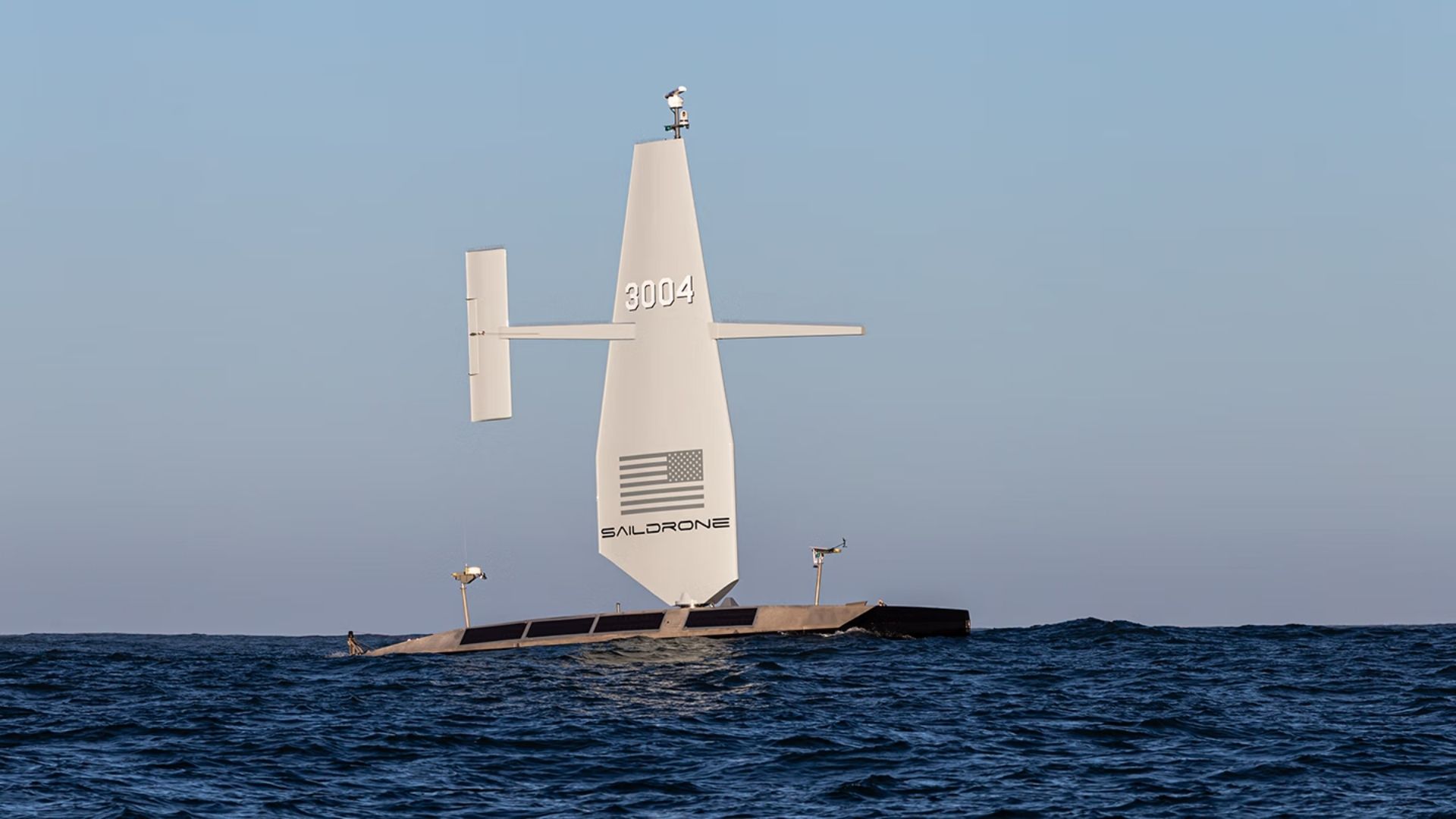
US Navy Awards $10 Million to Saildrone for Atlantic Seabed Mapping with USVs
The US Navy has awarded a $10 million contract to Saildrone to utilize autonomous vessels for mapping the Atlantic Ocean floor. This initiative, assigned by the Naval Oceanographic Office, is set to commence in 2026 and will continue through most of 2027, enhancing military knowledge of critical underwater terrain. This project is significant as it aims to improve safe navigation and support submarine missions, anti-submarine warfare, and critical infrastructure protection. Currently, only 28.7 percent of the world's oceans have been mapped to modern standards, leaving substantial knowledge gaps that can pose operational risks for naval operations. Looking ahead, the deployment of Saildrone's Surveyor unmanned surface vessels will not only provide high-resolution bathymetric data but also measure ocean currents, aiding search-and-recovery operations. No further timeline was disclosed at the time of publication.
Military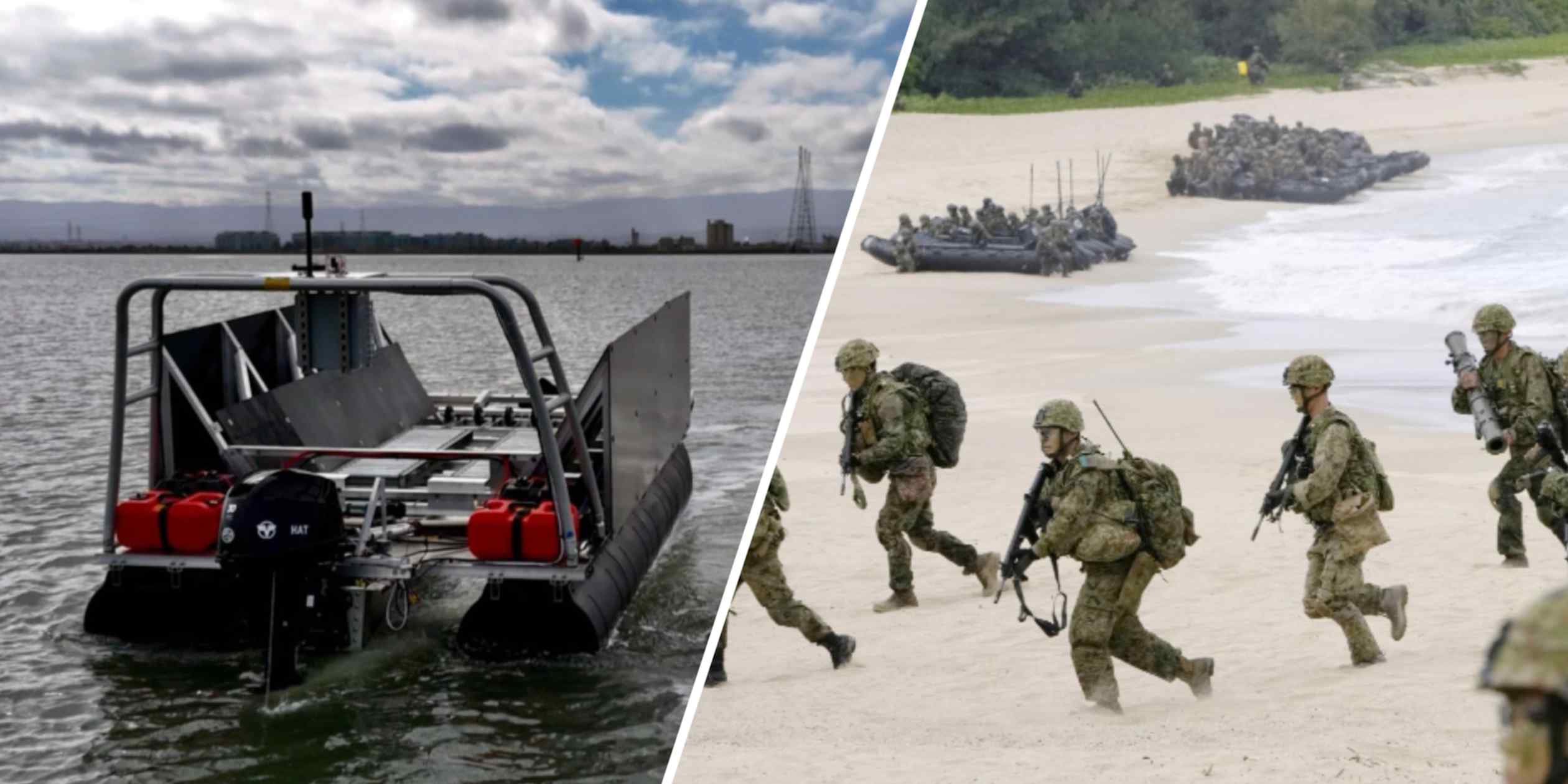
Onomichi Dockyard to Manufacture Uncrewed Surface Vessels for Japan and US Markets
Onomichi Dockyard, a Japanese shipbuilder, has announced plans to start constructing uncrewed surface vessels. The company aims to supply these vessels to Japan's Self-Defense Forces and the U.S. military, marking a significant step into dual-use technologies that serve both civilian and military purposes. This initiative is part of a broader trend among midsize commercial shipbuilders to diversify their offerings and tap into the growing demand for uncrewed maritime solutions. The vessels are designed to deliver supplies to beaches without the need for port infrastructure, highlighting their potential utility in various operational scenarios. Looking ahead, Onomichi Dockyard's entry into the uncrewed vessel market could reshape its business model and open new avenues for collaboration with military and defense sectors. No further timeline was disclosed at the time of publication.

Enhanced Unscented Kalman Filter With Time‐Varying Attenuation Factor for Cross‐Domain Unmanned Surface Vehicle/Autonomous Underwater Vehicle Tracking Using Time‐Direction of Arrival Measurements
The Journal of Field Robotics has recently published an early view article highlighting advancements in robotic technology. This publication, which became available in October 2023, focuses on innovative applications of robotics in various fields, including agriculture, search and rescue, and environmental monitoring. Researchers and engineers are increasingly motivated to enhance robotic capabilities to address complex challenges and improve efficiency in these sectors. The article outlines the methodologies employed in developing these advanced robotic systems, emphasizing the integration of artificial intelligence and machine learning. By showcasing successful case studies and ongoing projects, the journal aims to inform and inspire further research and collaboration within the robotics community.
RESEARCH ARTICLE
Launching a new unmanned surface vessel for mine countermeasures
Eelume and Maritime Robotics have announced a partnership to develop an innovative mine countermeasures solution that integrates current maritime platforms with autonomous systems, aimed at enhancing operational effectiveness. The centerpiece of this collaboration is the Eelume WP960, an unmanned surface vessel (USV) designed to meet the standards of the Norwegian Armed Forces’ vessel strategy. This initiative reflects a growing trend in military operations to leverage advanced technology for improved safety and efficiency in maritime environments. The collaboration is set to advance the capabilities of naval forces in addressing underwater threats, marking a significant step forward in defense technology.
maritime robotics
Bringing Firepower to the Fleet: Lockheed Martin Invests $50M in Saildrone to Advance Unmanned Surface Vehicle Capabilities for US Navy
Lockheed Martin has announced a significant investment of $50 million in Saildrone, Inc., aimed at enhancing the capabilities of unmanned surface vehicles (USVs). This partnership, revealed today, seeks to integrate advanced defense technology with Saildrone's proven USV systems, positioning them for military applications. The collaboration is expected to accelerate the development of these vehicles, equipping them with cutting-edge technology for all-domain defense operations. The investment underscores Lockheed Martin's commitment to advancing defense solutions and reflects the growing importance of innovative technologies in military strategy.
lockheed martin investment saildroneRobotics needs a service framework.
RSF defines a common language for robot service capability, lifecycle operations, certification pathways, and service-provider networks.
Join the RobotToday community on LinkedIn
Daily robotics news, in-depth analysis, conference highlights, and discussions with professionals worldwide.







