

Industry Briefing
A single destination for timely, editor-curated robotics news from around the world.
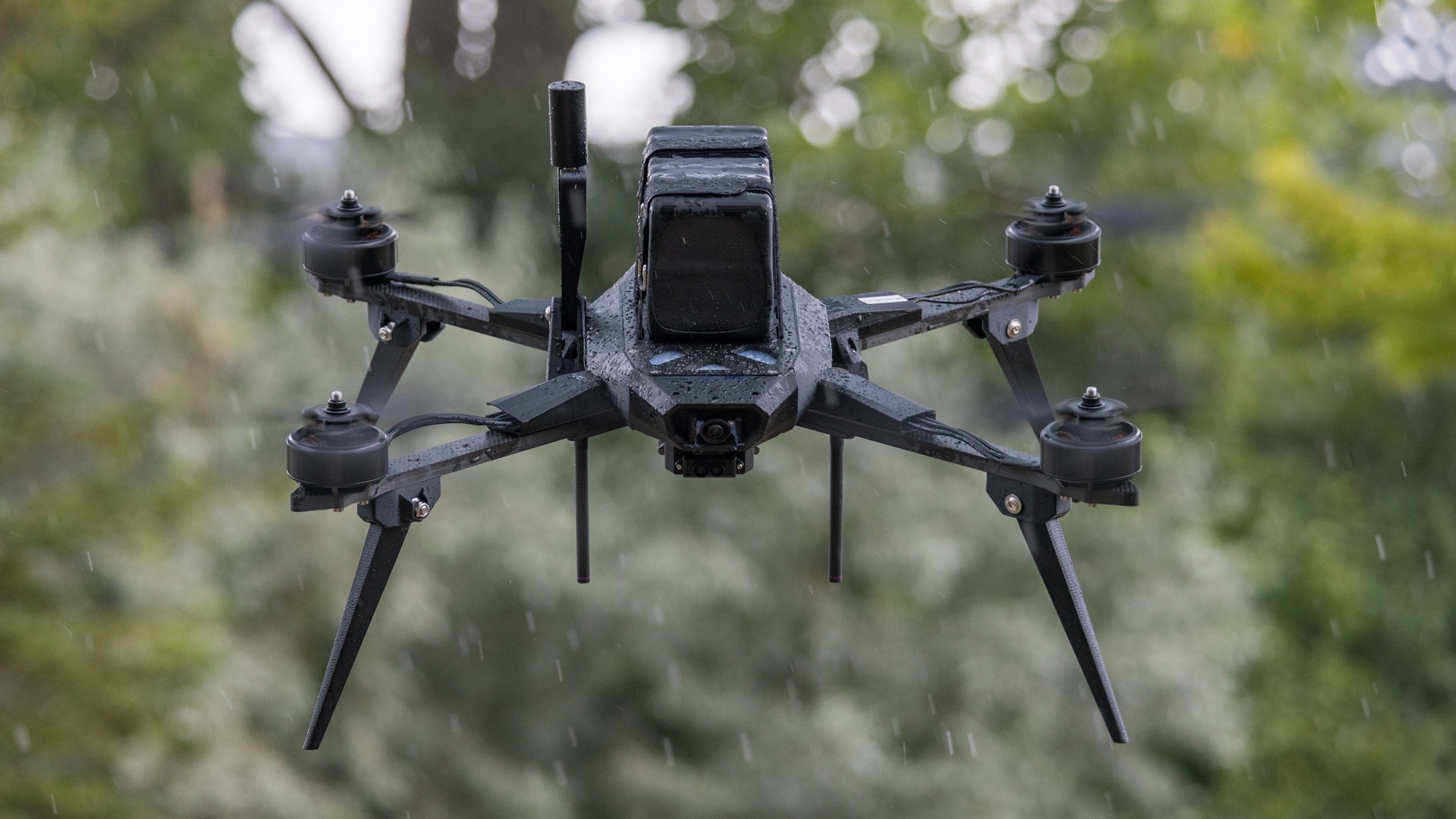
US Department of War Orders 4,000 Kiwi UAVs for Drone Dominance Program
Swarm Defense Technologies has secured a contract from the US Department of War for 4,000 Kiwi one-way attack drones, valued at a minimum of $25 million. This order is part of the Drone Dominance Program, which evaluates small uncrewed aircraft through military testing before prototype orders are placed. The Kiwi drones will be manufactured in Auburn Hills, Michigan. This order is significant as it highlights the increasing reliance on drone technology in military operations. The Kiwi quadcopter is designed for one-way attack missions and can be controlled by a single operator managing multiple drones simultaneously. Adam Wright, President of Swarm Defense Technologies, emphasized that swarming technology allows a single pilot to achieve the effectiveness of multiple pilots in combat scenarios. Looking ahead, Swarm Defense is exploring the adaptability of the Kiwi platform for various missions, including intelligence, surveillance, and reconnaissance. The company is also developing a containerized deployment system for rapid drone launch. No further timeline was disclosed at the time of publication.
Military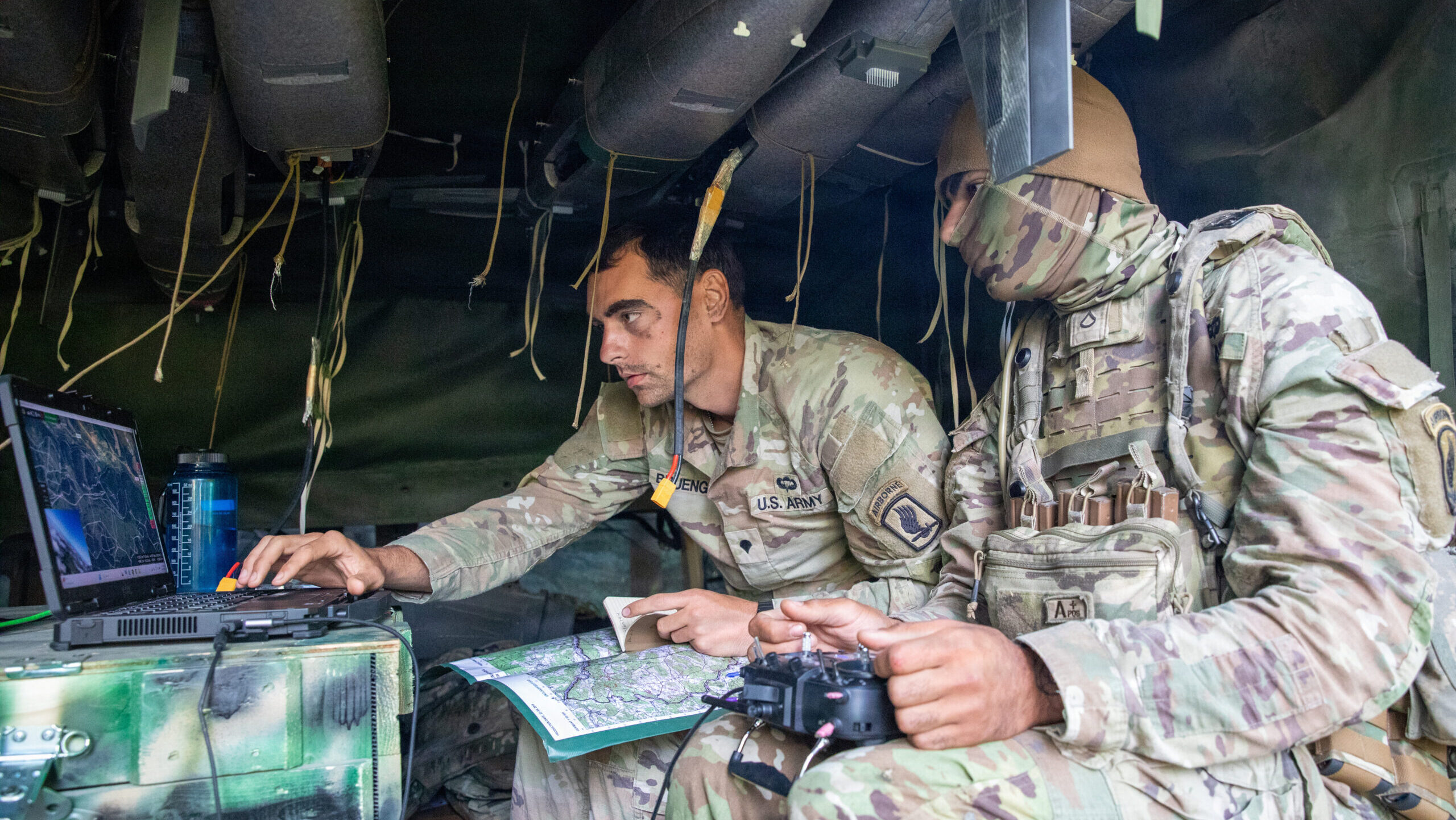
Army Maintains Commitment to UAVs Despite Drone Unit Transition to Infantry
The U.S. Army has decided to revert its drone unit back to infantry, raising concerns among lawmakers regarding the future of its UAV initiatives. Army Chief Technology Officer Alex Miller addressed these concerns, suggesting that the Army may not have communicated the rationale behind the decision effectively. This shift is significant as it reflects the Army's ongoing strategy to integrate UAV technology within its broader operational framework, despite the transition of the drone unit. The Army's commitment to UAVs remains strong, indicating that the service is not abandoning its drone capabilities. Looking ahead, it will be important to monitor how the Army balances its infantry needs with the integration of UAV technology. No further timeline was disclosed at the time of publication.
Air Warfare Land Warfare Air Force Alex Miller Army autonomy
Ukraine Introduces Alexa Spatium Drone Interceptor to Combat Russian UAVs
Ukraine has launched a new jet-powered interceptor drone named Alexa Spatium, aimed at enhancing its air defense capabilities against Russian unmanned aerial vehicles (UAVs). The introduction of the Alexa Spatium is significant as it represents Ukraine's ongoing efforts to bolster its defense systems amid ongoing conflicts involving Russian UAVs. This new technology is expected to improve the country's ability to intercept and neutralize aerial threats. Looking ahead, the effectiveness of the Alexa Spatium in real-world scenarios will be closely monitored, particularly in its operational deployment against Russian UAVs. No further timeline was disclosed at the time of publication.
News
ANKA III Stealth Drone Advances with SÜPER ŞİMŞEK UAVs in Recent Flight Test
Turkish Aerospace Industries (TUSAŞ) has showcased its ANKA III stealth combat drone carrying two SÜPER ŞİMŞEK UAVs in a recent flight demonstration. This flight highlights a new airborne launch concept, allowing the ANKA III to deploy smaller autonomous systems for various missions, including surveillance and electronic warfare. The significance of this development lies in the enhanced capabilities of the ANKA III, which can transport and release UAVs into hostile environments, providing them with altitude and speed for their missions. This advancement builds on previous demonstrations and aligns with Türkiye's strategy for collaborative combat aircraft, enhancing operational flexibility against advanced air-defense systems. Looking ahead, the integration of SÜPER ŞİMŞEK with ANKA III could lead to a multi-layered combat system, potentially involving crewed and uncrewed aircraft working in tandem. While the complete system has yet to be publicly demonstrated, the ongoing progress in these technologies indicates a significant evolution in Türkiye's military aviation capabilities. No further timeline was disclosed at the time of publication.
Military
Sweden Acquires Reconnaissance and Combat UAVs for Integrated Recce-Strike System
Sweden has made a significant procurement of reconnaissance and combat UAVs designed to function together as a recce-strike system. This system will be coordinated through a common software platform, enhancing operational efficiency and effectiveness in military operations. The integration of these UAVs is crucial as it allows for improved reconnaissance capabilities alongside combat operations, thereby streamlining military strategies. The use of common software signifies a move towards more unified and coordinated military systems, which can lead to better resource management and tactical advantages. Looking ahead, the effectiveness of this recce-strike system will depend on the successful implementation of the software and the operational readiness of the UAVs. No further timeline was disclosed at the time of publication.
News
MobileViT-Based Multimodal Perception Enhances UAV Obstacle-Avoidance Path Planning
A recent study published in the Journal of Field Robotics explores a novel approach to obstacle-avoidance path planning for unmanned aerial vehicles (UAVs). This method utilizes MobileViT-based multimodal perception combined with deep reinforcement learning to improve navigation capabilities in complex environments. The significance of this research lies in its potential to enhance UAV operational efficiency and safety. By integrating advanced perception techniques with reinforcement learning, UAVs can better adapt to dynamic obstacles, making them more reliable for various applications, including delivery services and surveillance. Looking ahead, the ongoing development of this technology could lead to more sophisticated UAV systems capable of autonomous navigation in challenging scenarios. No further timeline was disclosed at the time of publication.
RESEARCH ARTICLE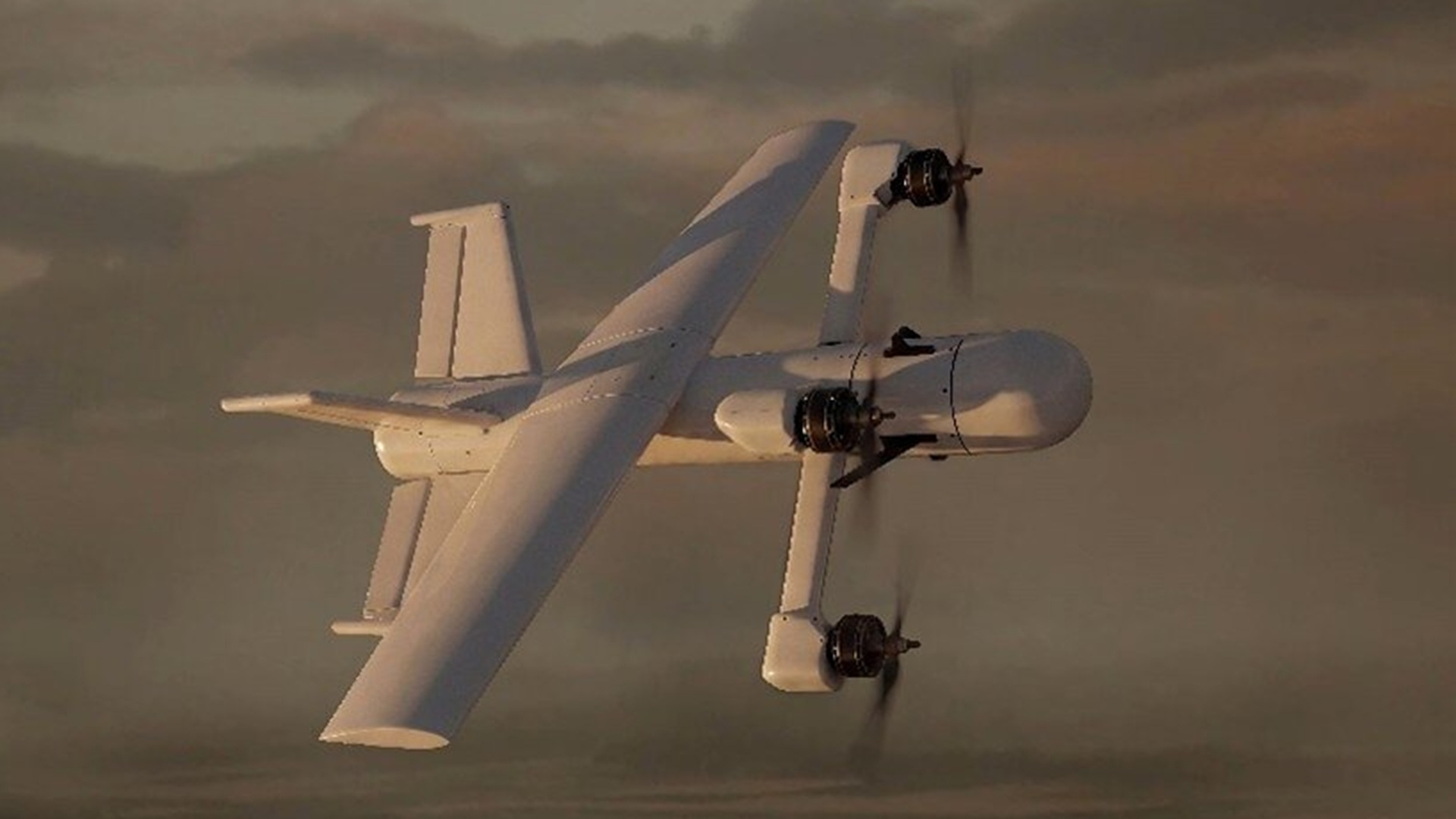
Lockheed Martin Launches Morfius X-rotor, a Reusable Microwave Drone Countermeasure
Lockheed Martin has introduced the Morfius X-rotor, a reusable airborne counter-drone system capable of neutralizing over 50 UAVs in a single mission. Utilizing high-power microwave technology, this system targets and disrupts the electronics of multiple drones simultaneously, making it effective against swarm attacks. The significance of the Morfius X-rotor lies in its ability to maintain low operational costs while delivering high kill rates. As drone swarms increasingly threaten modern military operations, this system offers a cost-effective solution that can be integrated with existing battlefield infrastructure, enhancing its deployment across various military units. Looking ahead, Lockheed Martin is expediting the production of the Morfius platform and its microwave payload, with plans for further flight demonstrations following successful tests in Arizona, California, and Oklahoma. The company aims to enhance the system's capabilities and readiness for deployment in diverse operational environments.
Military
Re:Build Manufacturing Launches US-Made Lithium-Ion Battery Packs for UAVs
Re:Build Manufacturing has initiated direct commercial sales of its new lithium-ion battery packs designed for unmanned aerial vehicles (UAVs). This product line includes the Core, Power, and Performance series, which cater to various energy configuration needs. The launch is part of a broader manufacturing expansion at the company's Pennsylvania facility, aimed at producing Group 1, Group 2, and Group 3 unmanned aircraft systems (UAS). The introduction of these battery packs is significant as it addresses supply chain vulnerabilities in domestic aerospace hardware. UAV developers, particularly in dual-use, public safety, and military sectors, face stringent procurement regulations regarding component origins. Re:Build's assembly protocol utilizes non-FEOC battery cells to ensure compliance with National Defense Authorization Act (NDAA) procurement frameworks, thus enhancing the reliability of UAV operations. Looking ahead, Re:Build Manufacturing is set to provide dedicated engineering support for custom energy storage solutions, including Battery Management System (BMS) development. The company's advanced manufacturing facility in New Kensington, spanning 175,000 square feet, is designed to facilitate the transition from UAV prototyping to mass production, addressing common scaling challenges in the industry. No further timeline was disclosed at the time of publication.
Military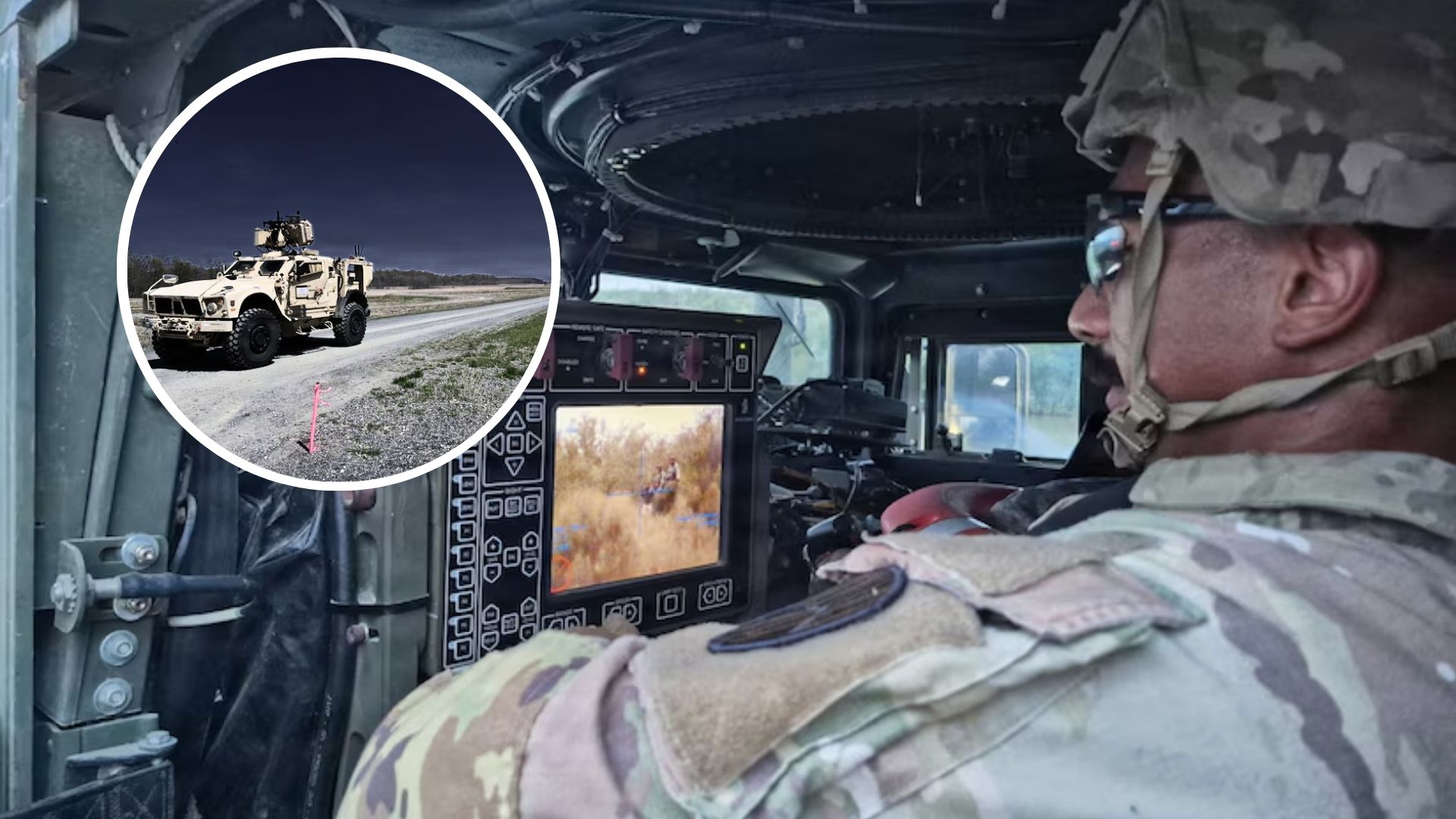
US Army develops advanced counter-drone system capable of engaging UAVs on the move
The U.S. Army has reached a pivotal advancement in counter-unmanned aerial systems (C-UAS) technology, marking a significant step in enhancing national security. This breakthrough was announced on October 15, 2023, during a demonstration at a military facility in Fort Bragg, North Carolina. The development aims to address the increasing threat posed by drones in both military and civilian contexts, driven by the need for effective defense mechanisms against potential aerial attacks. The Army's new C-UAS technology employs advanced radar systems and artificial intelligence to detect, track, and neutralize unauthorized drones swiftly and accurately. This innovative approach not only improves response times but also minimizes collateral damage, ensuring the safety of personnel and infrastructure. The successful demonstration showcased the system's capabilities in real-time scenarios, highlighting its potential for deployment in various operational environments. As drone usage continues to rise, the U.S. Army's commitment to advancing C-UAS technology underscores its proactive stance in safeguarding airspace and maintaining operational superiority. This milestone reflects ongoing efforts to adapt to evolving threats and reinforces the Army's role in national defense.
Military
Poland buys V-Bat UAVs from Shield AI for naval forces
In Ukraine, V-Bat drones have demonstrated resilience against electronic warfare attacks that have successfully incapacitated other unmanned aerial vehicles (UAVs). This development highlights the increasing sophistication of drone technology amid ongoing conflicts, where electronic warfare tactics are commonly employed to disrupt enemy operations. The ability of V-Bat drones to withstand such attacks is significant, as it enhances their operational effectiveness and provides a strategic advantage in the battlefield. The situation underscores the evolving nature of warfare and the critical role that advanced drone systems play in modern military engagements.
Uncategorized Drones Europe Global Navy Poland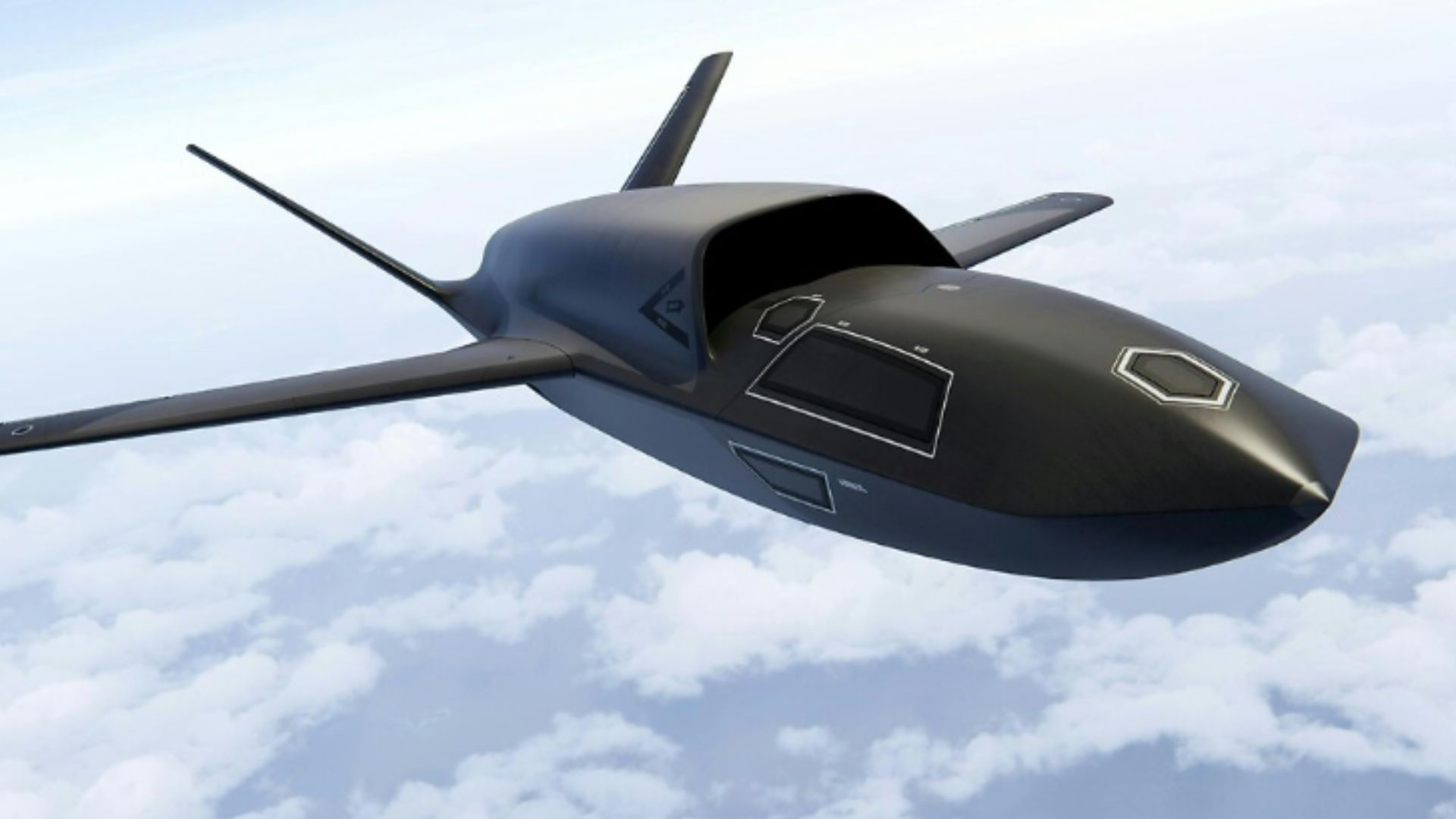
Airbus unveils Ravenstorm drone wingman for combat mission alongside other UAVs
European aerospace firm Airbus is set to unveil its latest drone wingman, the U760 Ravenstorm, at the upcoming Paris Air Show. Scheduled for June 19-25, 2023, this event will showcase the innovative capabilities of the U760 Ravenstorm, designed to enhance military operations by providing advanced support and reconnaissance. The introduction of this drone reflects Airbus's commitment to advancing defense technology and addressing the evolving needs of modern warfare. The U760 Ravenstorm is expected to demonstrate its versatility and effectiveness in various combat scenarios, marking a significant step forward in unmanned aerial systems.
Military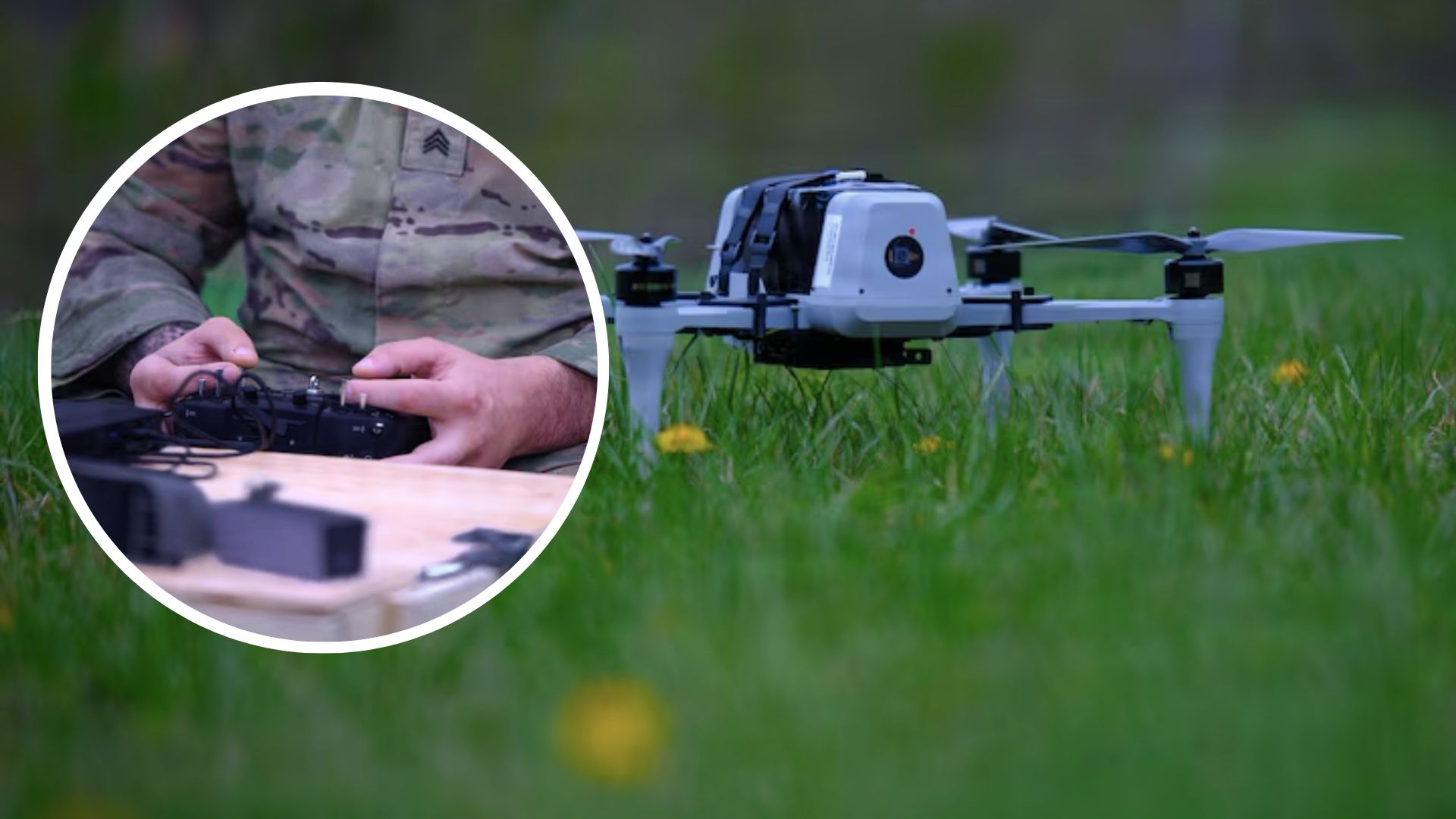
US Army showcases counter-drone system that intercepts hostile UAVs with limited operator input
The U.S. Army is currently engaged in training exercises focused on an advanced counter-drone system, with soldiers from the 10th Mountain Division participating in the initiative. This training, which is taking place at Fort Drum in New York, aims to enhance the Army's capabilities in neutralizing drone threats, a growing concern in modern warfare. The initiative comes in response to the increasing use of drones by adversaries, highlighting the need for effective countermeasures to protect troops and assets. Soldiers are being equipped with new technology and tactics to identify and disable hostile drones, ensuring they are prepared for potential future conflicts where such threats may be prevalent. The training is part of a broader effort to modernize military operations and maintain a strategic advantage in the evolving landscape of warfare.
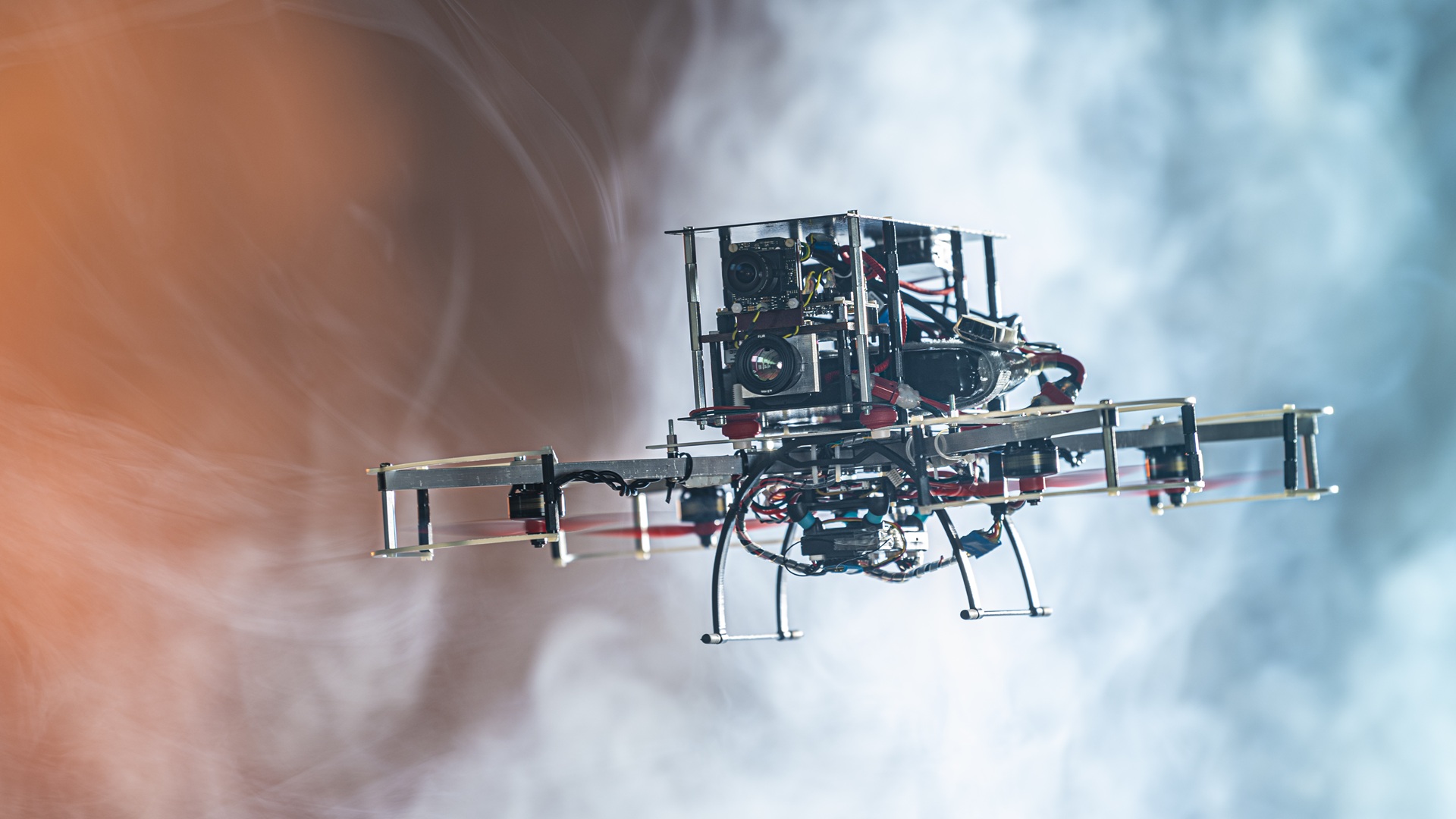
Drone killer launches thin metal chains to take down enemy UAVs in seconds
Researchers in Germany have unveiled an innovative drone interceptor designed to enhance aerial security. This cutting-edge technology employs thin metal chains to effectively capture and neutralize rogue drones, addressing growing concerns over unauthorized drone activities. The development comes amid increasing incidents of drone-related threats, particularly in urban areas and near sensitive infrastructure. The new interceptor was tested successfully in various scenarios, demonstrating its ability to entangle and bring down drones without causing collateral damage. This method not only minimizes risks to surrounding environments but also provides a non-destructive solution to drone interference. The research team aims to contribute to public safety and security by offering a reliable defense mechanism against potential drone misuse. As drone technology continues to advance, the need for effective countermeasures becomes increasingly critical, prompting this significant breakthrough in drone interception capabilities.

Formation Control of UAVs Based on Dynamic Vector Velocity Obstacle Method
A recent study published in the Journal of Field Robotics highlights advancements in autonomous robotic systems designed for agricultural applications. Conducted by a team of researchers from various universities, the study was released in early October 2023. The research focuses on the development of robots capable of performing tasks such as planting, monitoring crop health, and harvesting, which are crucial for enhancing agricultural productivity. The motivation behind this research stems from the increasing demand for food production and the need for sustainable farming practices in the face of climate change. By integrating advanced technologies such as artificial intelligence and machine learning, the researchers aim to create robots that can operate efficiently in diverse agricultural environments. The study outlines the methodologies employed in designing and testing these robotic systems, including field trials that demonstrate their effectiveness in real-world farming scenarios. The findings suggest that these autonomous robots can significantly reduce labor costs and improve crop yields, offering a promising solution to the challenges faced by modern agriculture. As the agricultural sector continues to evolve, this research underscores the potential of robotics to transform farming practices, making them more efficient and sustainable. The implications of these advancements could lead to a new era of agriculture, where technology plays a pivotal role in meeting global food demands.
RESEARCH ARTICLERobotics needs a service framework.
RSF defines a common language for robot service capability, lifecycle operations, certification pathways, and service-provider networks.
Join the RobotToday community on LinkedIn
Daily robotics news, in-depth analysis, conference highlights, and discussions with professionals worldwide.







