

Industry Briefing
A single destination for timely, editor-curated robotics news from around the world.
Maijie Technology Addresses Humanoid Robot Developments and Collaborates with Guangming Laboratory
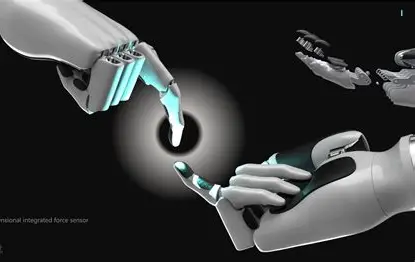
On September 28, Maijie Technology responded to investor inquiries regarding humanoid robots. The company announced a partnership with Guangming Laboratory to establish a joint laboratory focused on micro-drive joints and bionic dexterous hands by 2025. This collaboration aims to leverage their respective technological expertise and industrial advantages to accelerate the application of related technologies. This partnership is significant as it combines Maijie's experience in electronic components with Guangming Laboratory's research capabilities in artificial intelligence and robotics. The micro-drive joints are crucial components in the dexterous hand industry, impacting finger movement precision and force output. Currently, the project is in the research and commercial incubation stage, and it has not yet contributed significantly to the company's performance. Looking ahead, it will be important to monitor whether the joint laboratory can achieve mass production levels for micro-drive joints and whether any dexterous hand manufacturers will adopt Maijie's components. No further timeline was disclosed at the time of publication.
Humanoid Robots Biomimetic Technology Robotics R&D Micro-Drive Joints
Zhuji Power and Dongtu Technology Unveil China's First Humanoid Robot with Domestic Electronics
On September 28, 2026, Zhuji Power and Dongtu Technology launched China's first humanoid robot equipped with domestic electronic architecture in Yichang, Hubei. This robot marks a significant advancement in integrating domestic industrial-grade real-time communication capabilities within complex humanoid robotic systems. The importance of this development lies in its potential to enhance the robot's ability to operate autonomously in complex real-world scenarios. Effective communication within the robot's system is crucial for processing the vast amounts of information generated by perception, decision-making, and motion control, directly impacting control precision and task safety. Looking ahead, the focus will be on whether this domestic electronic architecture can be effectively implemented across more robotic platforms, and whether its performance, power consumption, and development toolchain can meet commercial requirements. No further timeline was disclosed at the time of publication.
Humanoid Robots Domestic Electronic Architecture Industrial Automation AI Technology
Yushu Robotics Presents Chinese Culture and Technology on America's Got Talent Finale
Yushu Robotics, in collaboration with the Chengdu Houmi Silk Dance Troupe and dancer FlyingBug, showcased their talents on the finale of America's Got Talent Season 21. This marked the first time a Chinese team reached the finals in the show's history, with their performance quickly garnering over 6 million views online after the debut. The performance integrated Chinese martial arts with street dance, impressing judges and leading to a direct advancement to the finals after receiving the Golden Buzzer from Sofia Vergara. In the finale, Yushu Robotics featured their G1-W roller-skating robot and G1 humanoid robot, performing complex movements alongside traditional water sleeve dance, highlighting the fusion of technology and culture. Despite facing strong competition and not securing a top position, Yushu Robotics emphasized the importance of their appearance, showcasing Chinese culture and advanced robotics on a global stage. They aimed to demonstrate that humanoid robots can express and create, elevating traditional art forms and making them visible to a worldwide audience.
Humanoid Robots Cultural Performance Robotics Technology Entertainment Technology
Zhang Di of Benmo Technology Unveils Direct Drive Power Revolution
Zhang Di, founder of Benmo Technology, announced a significant shift towards direct drive power solutions, predicting that over 10 billion robots will be integrated into various industries within the next decade. This transition marks a departure from traditional gearbox systems, emphasizing the advantages of direct drive technology, including efficiency, precision, and reduced wear. The importance of this revolution lies in its potential to redefine robotics and automation. As direct drive systems replace millions of gearbox power modules, the industry is witnessing a paradigm shift that promises enhanced performance and reliability. Despite current limitations in peak torque compared to gearbox solutions, direct drive technology is rapidly evolving, with annual performance improvements exceeding 30%. Looking ahead, the development of rare earth materials is expected to play a crucial role in advancing electromagnetic systems, which are projected to undergo rapid iterations in the next three to five years. No further timeline was disclosed at the time of publication.
Direct Drive Technology Robotics AI Rare Earth Materials Automation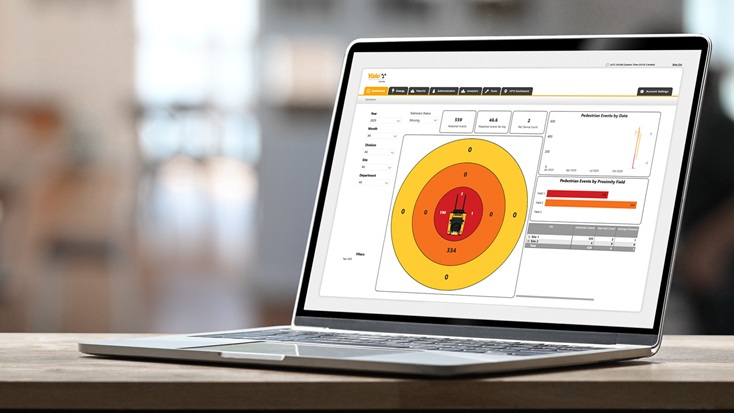
Integrated Technology Enhances Warehouse Equipment Operations and Decision-Making
Recent advancements in integrated technology are transforming warehouse operations by providing comprehensive visibility into equipment performance and workflows. As supply chains evolve and customer demands increase, warehouse leaders are prioritizing the integration of various technologies, such as the Yale Reliant™ Pedestrian Awareness Camera and the Yale Vision Pedestrian Detection Events Dashboard, to enhance operational intelligence. This shift towards connected solutions allows managers to move beyond isolated data points and gain a holistic understanding of how equipment, personnel, and processes interact throughout the day. By leveraging integrated systems, warehouses can identify patterns, streamline workflows, and make informed decisions that improve efficiency and responsiveness. Looking ahead, the trend of embracing integrated technologies is expected to continue, as organizations recognize the importance of connected ecosystems over standalone solutions. No further timeline was disclosed at the time of publication.
Materials Handling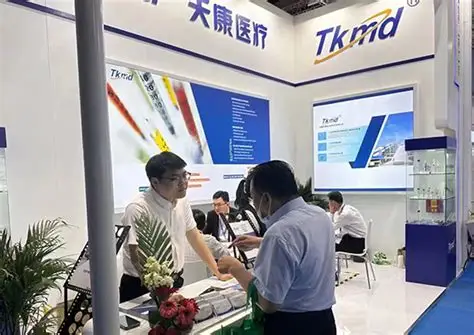
Tianfukang Raises Millions in Angel Funding for Neural Control Technology Development
Beijing Tianfukang Medical Technology Co., Ltd. has secured several million yuan in angel funding, led by Sequoia China, to advance its precision neural control technology. The company focuses on brain-computer interface and neural bundle closed-loop control technology, aiming to develop a series of First in Class products based on clinical needs. This funding will support Tianfukang's development of next-generation neural control technologies, specifically targeting precise closed-loop control of neural bundles. By utilizing highly selective neural electrodes, the technology aims to enhance stimulation selectivity and individual adaptability, moving away from traditional open-loop stimulation methods. Tianfukang is also establishing a joint laboratory with Beijing Tiantan Hospital to address unmet clinical needs in neurological disorders. The collaboration will focus on product definition, key technology validation, and clinical research design. No further timeline was disclosed at the time of publication.
Brain-Machine Interfaces Neural Control Technology Medical Devices Stroke Rehabilitation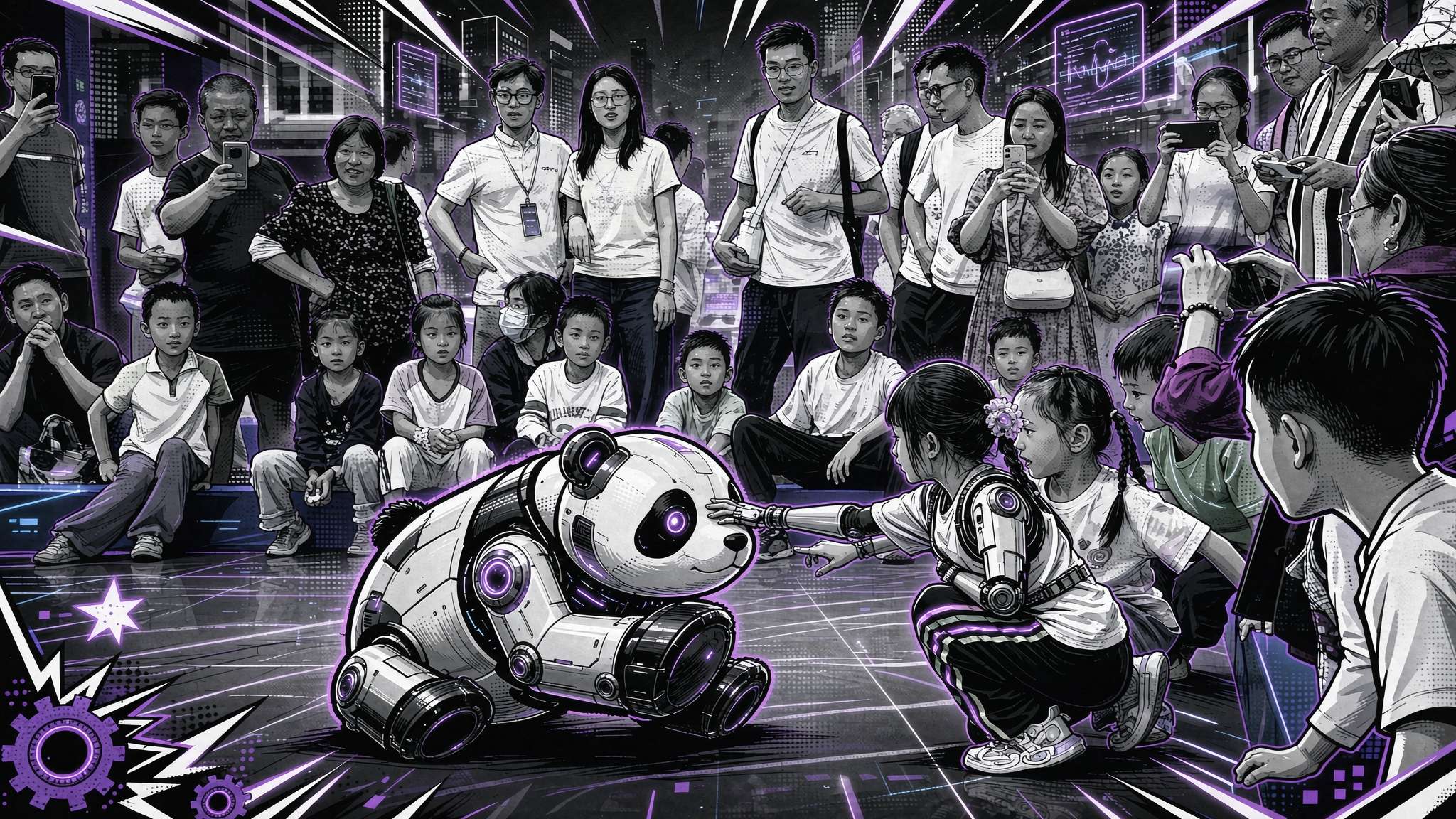
University of Electronic Science and Technology Showcases Robot Exhibition Featuring Panda Robot's Somersaults
The University of Electronic Science and Technology recently hosted a robot exhibition where the Panda Robot's impressive somersaults captured significant attention. This event highlighted advancements in robotics and showcased the university's commitment to innovation in technology. The exhibition is important as it demonstrates the growing interest in robotics and its applications in various fields. The Panda Robot's performance not only entertained attendees but also illustrated the potential of robotics in enhancing human experiences and interactions. Looking ahead, it will be interesting to see how such exhibitions influence the development of robotics and inspire future innovations. No further timeline was disclosed at the time of publication.
Robotics Automation AI
Jingzhi Technology's VIVA Achieves Real-Time Human-Robot Piano Duet Milestone
Jingzhi Technology has launched the VIVA, the world's first robot capable of real-time human-robot piano duets. This milestone marks a significant advancement in robotic music intelligence, evolving from mere precision to artistic expression and creativity. The VIVA robot, enhanced by the CADA system, represents a breakthrough in robotic capabilities, allowing it to not only perform but also learn and adapt musically. This development is crucial as it signifies a shift in robotics towards more sophisticated interactions, where robots can engage in creative processes alongside humans. Looking ahead, the integration of the CADA music model with VIVA suggests a future where robots can continuously improve their musical skills through real-world feedback. No further timeline was disclosed at the time of publication.
Robotic Hands Music Technology AI Human-Robot Interaction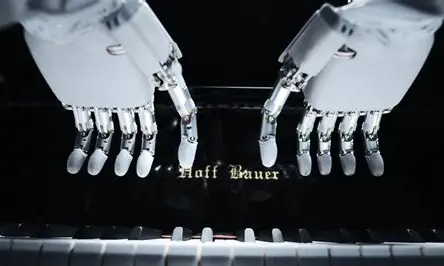
Jingzhi Technology Unveils Agile Hand VIVA in Collaboration with Pianists for Four-Hand Performances
Jingzhi Technology has launched its new Agile Hand VIVA, designed specifically for collaborative four-hand piano performances. This innovative robotic hand aims to enhance musical expression and performance capabilities by working alongside human pianists. The introduction of the Agile Hand VIVA is significant as it represents a step forward in the integration of robotics in the arts, particularly in music. By collaborating with pianists, Jingzhi Technology is not only showcasing the potential of robotics in creative fields but also addressing the growing interest in human-robot interaction in performance settings. Looking ahead, industry observers will be keen to see how the Agile Hand VIVA is received in the music community and whether it can lead to further advancements in robotic applications within the performing arts. No further timeline was disclosed at the time of publication.
Robotics Automation AI
MoYing Technology's Platform Cuts Device Integration Time from 3 Months to 7 Days
Recently, MoYing Technology's industrial intelligence platform was ranked 7th in the 2026 AI Innovation Application Top 50 exemplary cases, becoming the only benchmark enterprise in the field of industrial embodied intelligence. This recognition highlights the platform's innovative underlying technology and its significant value in large-scale industrial applications. The MoYing Baichuan platform addresses industry challenges such as slow robot development and deployment by providing a universal system base. It enables hardware protocol abstraction, product modularization, and scenario templating, allowing different devices to operate under a unified software capability. The integration time for new devices has been reduced from 3 months to as little as 7 days, with mature production line solutions deployable in just 45 days. The platform's unique approach combines large model inference with execution and feedback mechanisms, facilitating the translation of AI decisions into actionable robot commands. This innovation significantly lowers the barriers to robot task orchestration and reduces the workload of repetitive development and on-site debugging, potentially decreasing deployment costs and accelerating scene replication in industrial robotics.
Industrial Intelligence AI Integration Robotics Automation Digital Manufacturing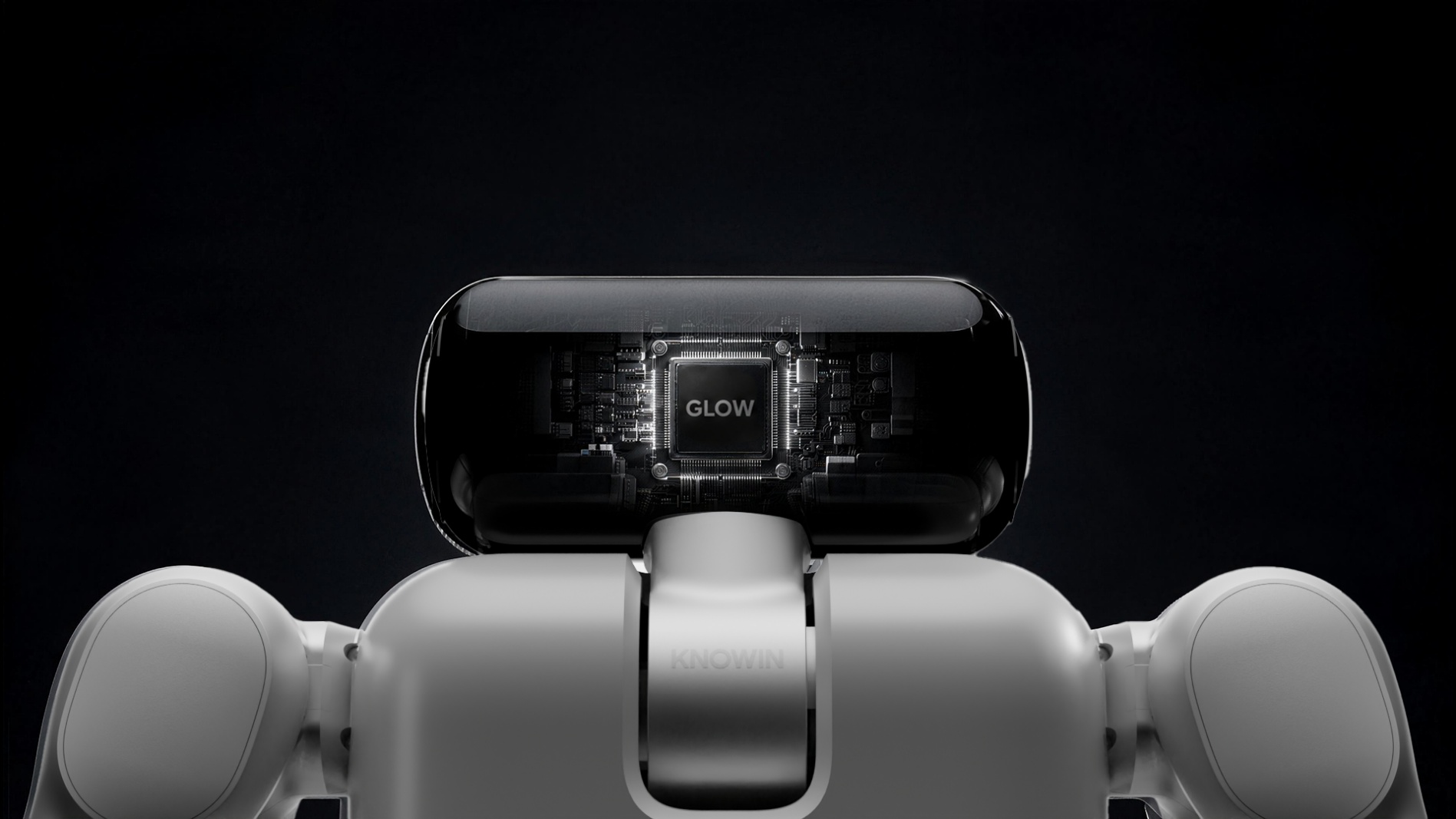
Knowin Unveils GLOW Technology for Enhanced Embodied Intelligence Post-GPT-6
Knowin has introduced its GLOW technology report, which outlines a new generative learning architecture aimed at advancing embodied intelligence. This development follows the release of the GPT-6 Astra model, prompting discussions on the future of robotics and embodied intelligence. GLOW aims to enable robots to learn tasks through a single demonstration, integrating human actions, environmental context, and the robot's state into a cohesive learning process. The significance of GLOW lies in its potential to revolutionize how robots acquire new skills, moving beyond traditional methods that require extensive retraining for each task. By capturing the nuances of human actions and adapting to various objects and environments, GLOW allows for a more versatile and efficient approach to robotic learning. This technology could lead to robots that can perform a wide range of household tasks without needing separate training for each one. Looking ahead, GLOW's ability to generalize across tasks and environments could reshape the landscape of robotics. With its focus on a unified architecture that integrates visual understanding, spatial reasoning, and action generation, GLOW sets a new standard for embodied intelligence. No further timeline was disclosed at the time of publication.
Embodied Intelligence Generative Learning Robotics AI Task Automation
Intrinsic Open Sources Core Robotics Technology for Developers at ROSCon 2026
Intrinsic, Google's industrial robotics and physical AI software company, has announced the open sourcing of foundational components of its robotics platform at ROSCon 2026 in Toronto. This initiative provides developers with access to essential technologies for robot control, motion planning, vision, simulation, and hardware integration, significantly reducing the software and integration workload for robotics teams. The release, known as Intrinsic Core, is designed to enhance the development of industrial robotics and physical AI applications by offering a set of ROS-compatible capabilities. By leveraging the technology used in manufacturing deployments, Intrinsic aims to streamline the development process, allowing developers to utilize components individually or in combination to create new systems or improve existing applications. Key features of the open-source release include a hardware-agnostic real-time control framework, motion planning technology, and pose estimation capabilities. Developers can expect to see advancements in robot behavior adaptability and dynamic part manipulation, making it easier to integrate various hardware configurations without extensive rewrites. No further timeline was disclosed at the time of publication.
Computing News Robot simulation Software cnc automation fanuc
CRRC Launches First Subway Train Featuring Embodied Intelligence Technology at Berlin Expo
On September 22, CRRC unveiled the world's first subway train equipped with embodied intelligence technology at the 15th Berlin International Rail Transport Technology Expo. This train, developed on the VELLINK urban rail vehicle platform, incorporates multiple sensors to create an autonomous perception system capable of real-time condition recognition, anomaly detection, and fault warning. The significance of this innovation lies in its ability to enhance safety and efficiency in urban rail systems. Unlike traditional trains that rely on periodic inspections, this new model reduces weight by approximately 18% and lowers overall energy consumption by over 10%. The embodied intelligence technology allows the train to autonomously perceive and make decisions, marking a significant advancement in rail transport technology. Looking ahead, CRRC also introduced the VELFORCE 2000 kW hydrogen fuel cell hybrid locomotive and the MAGIX intelligent flat car. As artificial intelligence increasingly integrates into vehicle perception and decision-making, the importance of safety assessments will grow. No further timeline was disclosed at the time of publication.
Subway Technology Embodied Intelligence Railway Innovation Hydrogen Fuel Cells Smart Transportation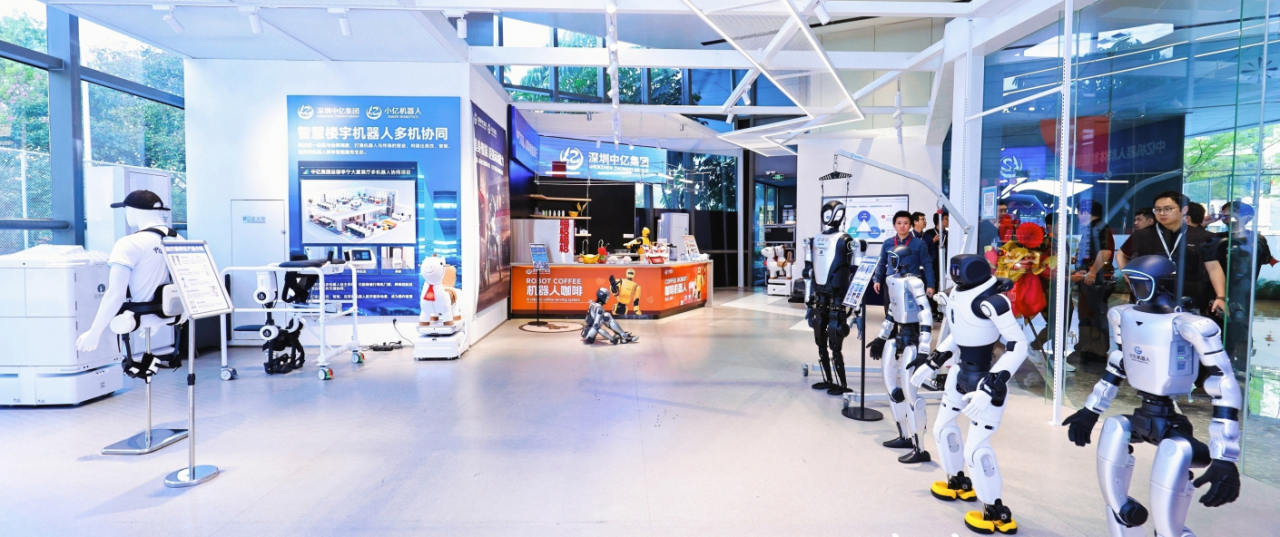
Zhongyi Technology Secures Nearly 100 Million Yuan in Angel Funding for Core Technology Development
On September 21, Zhongyi (Shenzhen) Embodied Technology Co., Ltd. announced the completion of nearly 100 million yuan in angel round funding, led by Andar Intelligent Holdings, with participation from Shen Kong Heng Tian and Beijing Jun Ge Rui. This follows a seed round financing completed just two months prior, with a post-investment valuation exceeding several hundred million yuan. The rapid fundraising within three months is uncommon in the embodied intelligence sector. The funds from this round will be directed towards three core areas: advancing foundational core technologies in embodied intelligence, refining a complete product matrix, and attracting top-tier technical talent to strengthen the company's technological capabilities. Zhongyi will also engage deeply in the establishment of industry standards for robotic physical interaction, promoting collaborative development within the ecosystem. Founded in April 2026, Zhongyi aims to create an 'operating system-level' foundation for the robotics industry, focusing on becoming a provider of intelligent infrastructure. Their self-developed technology architecture includes a three-tier system for global scheduling, regional collaboration, and single-machine control, compatible with mainstream chips. The upcoming 'Tian Gong Ji' service platform, set to launch in 2026, will offer integrated services for robot leasing, secondary development, maintenance, and supply chain support, already securing significant maintenance and leasing orders.
Robotics Operating Systems Embodied Intelligence AI Technology Industrial Automation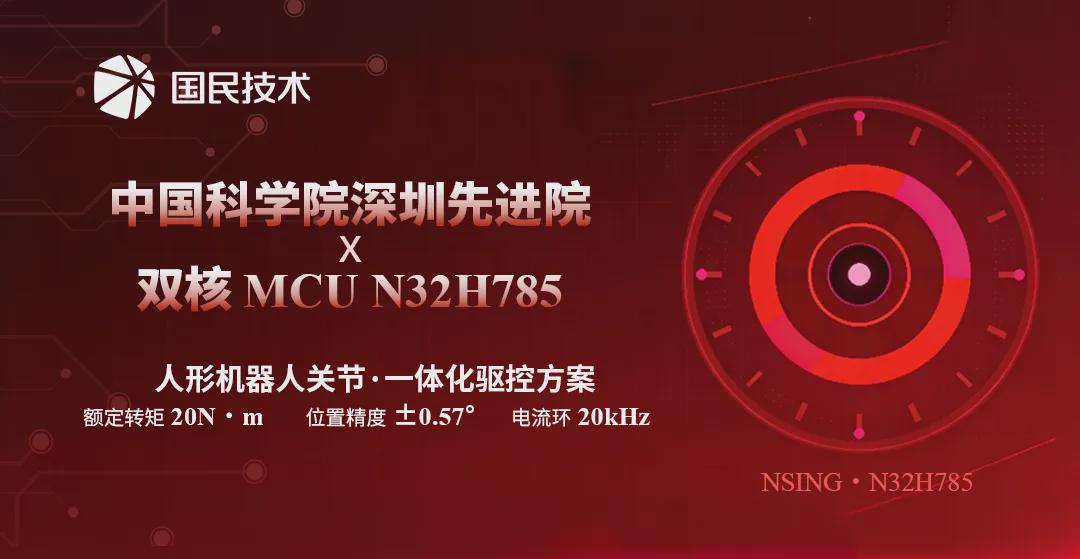
National Technology Launches Advanced Joint Motor Control Solution with Shenzhen Institute of Advanced Technology
National Technology has announced a new generation of integrated joint motor control solutions for humanoid robots in collaboration with the Shenzhen Institute of Advanced Technology. This solution utilizes the high-performance dual-core MCU N32H785, which integrates drive control, a frameless torque motor, dual absolute encoders, a communication module, and a reducer, addressing the challenges of compact and modular design in robotic systems. The humanoid robot market is experiencing significant growth, with global shipments expected to exceed 50,000 units this year, reflecting a year-on-year increase of over 700%. However, the complexity of joint control remains a critical challenge, as each robot contains numerous joints that must perform motor control, encoder processing, multi-protocol communication, and safety protection within tight spaces. The new solution aims to enhance the performance of joint control systems by separating motor control and communication tasks across two dedicated cores, ensuring real-time performance and stability. As the industry continues to evolve, the focus will be on the successful implementation of this technology in mass production scenarios.
Humanoid Robots Motor Control Robotics Technology Embedded Systems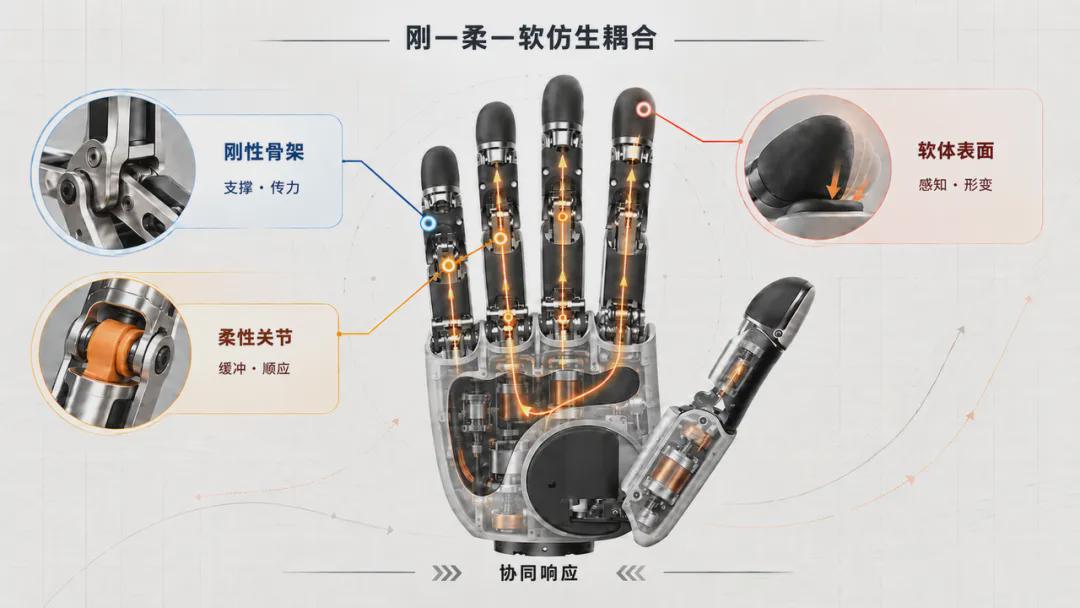
Guoli Intelligent Technology Emerges as a Leader in the Soft Robotics Market
Guoli Intelligent Technology, founded by Dr. Liu Yang, is gaining traction in the soft robotics market, with projections indicating significant growth in China's dexterous hand sales. By 2025, sales are expected to reach approximately 19,200 units, increasing to 70,200 units by 2026, and potentially exceeding 430,000 units by 2030. The company has established itself as a top choice for over 200 global clients, including major players in the electric vehicle sector. Guoli Intelligent's unique bionic coupling technology, which combines rigid, flexible, and soft materials, addresses the challenges posed by traditional single-technology approaches in the industry. This innovative design allows for high performance, longevity, and cost-effectiveness. As the soft robotics market continues to evolve, Guoli Intelligent Technology's advancements in material science and structural design position it well for future growth. The company's ability to balance high degrees of freedom, lightweight construction, and extended lifespan will be critical as it navigates the competitive landscape of the robotics industry. No further timeline was disclosed at the time of publication.
Soft Robotics Bionic Technology Robotic Hands Industrial Automation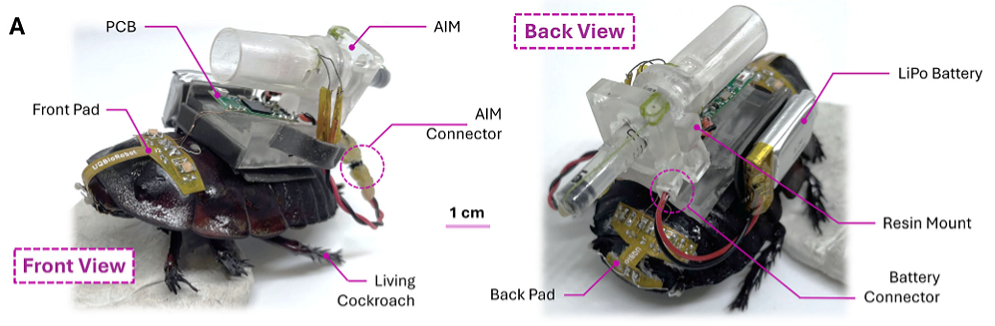
Queensland and New South Wales Universities Develop Automated Injection Technology Using Cockroaches
Researchers from the University of Queensland and the University of New South Wales have developed a novel automated injection system integrated with live cockroaches, enabling them to deliver medication to trapped victims in disaster scenarios. This innovation, termed 'Paraborg,' addresses a critical gap in existing insect robotics, which have primarily focused on search and exploration without effective rescue capabilities. The significance of this development lies in the unique attributes of the giant burrowing cockroach, which can carry hardware weighing 1-2 times its body weight. The automated injection mechanism, designed to be lightweight and minimally invasive, has demonstrated a high success rate in delivering medication through a chemical reaction that generates pressure. This advancement could enhance rescue operations in urban environments following disasters. Looking ahead, the research team has successfully tested the Paraborg's ability to navigate and inject medication with a 72% success rate in controlled environments. Future studies will focus on refining the injection mechanism for human safety and exploring its practical applications in real-world rescue missions. No further timeline was disclosed at the time of publication.
Cyborg Insects Disaster Response Medical Robotics Emergency Rescue Technology
Zhongyi Embodied Technology Secures Nearly Billion-Dollar Angel Round Financing in Five Months
Zhongyi Embodied Technology recently announced the completion of nearly 100 million yuan in angel round financing, led by Andar Intelligent Holdings, with participation from Deep Hong Kong Hengtian and Beijing Junge Rui. Following a seed round that elevated the company's valuation into the hundreds of millions, this angel round significantly boosts its post-investment valuation. The company is simultaneously advancing its Pre-A round financing, with several leading investment institutions expressing clear interest and some already initiating on-site due diligence. This funding round is significant as it reflects a growing trend where industrial capital is increasingly entering the embodied intelligence sector, particularly in manufacturing and automation. The investment from Andar Intelligent, rooted in industrial automation, aims to secure technology teams and enhance capabilities in robotics and heterogeneous collaboration. The financing market is showing two key trends: many newly established startups are securing substantial funding in early rounds, and the proportion of industrial background investors is rising, while purely financial VCs are becoming more cautious. Looking ahead, the overall financing in the domestic embodied intelligence sector is projected to exceed 90 billion yuan in the first half of 2026, marking a fivefold increase compared to the same period in 2025. No further timeline was disclosed at the time of publication.
Embodied Intelligence Investment Trends Industrial Automation Robotics Startup Financing
Yushu Technology Unveils Dex5-S Dexterous Hand Featuring 22 Degrees of Freedom Priced at 39,900 Yuan
Yushu Technology has officially launched the Dex5-S, a new dexterous hand product designed to replicate human hand proportions with a 1:1 scale. This product features a highly biomimetic structure with 22 degrees of freedom, enhancing robotic capabilities for complex and precise tasks. The thumb and little finger each possess five degrees of freedom, while the index, middle, and ring fingers have four each, with the little finger also incorporating a rolling degree of freedom for increased flexibility. The Dex5-S measures 102×187×26 mm and weighs 620 grams, constructed from durable aluminum alloy. It integrates 22 motors for direct and reverse drive, utilizing a dual encoder control scheme. The device supports a wide voltage range of 15V to 65V, with a peak power of 200W. It can handle a single-hand load of 1 kg and a maximum load of 2 kg. To meet high real-time control demands, the Dex5-S is equipped with Gigabit Ethernet, USB, and high-speed 485 communication interfaces, achieving a maximum communication baud rate of 6 Mbps and a control frequency of up to 1000 Hz. In addition to the standard version, Yushu Technology has also introduced the Dex5-S Pro, starting at 39,900 Yuan. The integration of high degrees of freedom, control frequency, and visual interfaces enhances the dexterous hand's performance in embodied intelligent scenarios, particularly in industrial and research tasks requiring precision. This launch addresses the operational capabilities of robots, complementing Yushu's previous advancements in humanoid robotics and motion control.
Dexterous Hands Robotics Industrial Automation AI Mechatronics
Fangqi Technology Completes Angel Funding to Enhance Robotics Knowledge and Learning Systems
On September 21, Fangqi Technology announced the completion of an angel funding round worth tens of millions, with investors including Qidi Star Venture Capital. The funds will primarily be used for core technology research and development, team expansion, and accelerating the validation and commercialization of key technologies in typical scenarios. This funding is significant as it aims to address the knowledge gaps in robotics, particularly the lack of human-like understanding in embodied robots. Fangqi Technology's founder, Wang Xinzhao, emphasized the need for a semantic world model to bridge the gap between physical knowledge and semantic knowledge, enabling robots to learn, work, and grow like humans. Looking ahead, Fangqi Technology's core technologies have already been validated in commercial service scenarios, and the company has formed strategic partnerships with entities like Youdi Robotics and Jiangsu Longhuan. No further timeline was disclosed at the time of publication.
Robotics AI Machine Learning Semantic Models Commercial Automation
Zhishen Technology Achieves Milestone with 15,000 Robots Produced and Secures Funding
Zhishen Technology has successfully produced 15,000 industry-grade embodied intelligence robots as of June 2026. This achievement highlights the company's commitment to scaling production and meeting the demands of high-risk inspection scenarios in sectors such as power and petrochemicals. The significance of this milestone lies in the company's ability to navigate the complex transition from prototype to mass production, a challenge that many companies face. With a focus on self-developed core technologies and components, Zhishen aims to ensure consistency and reliability in its manufacturing processes, which is crucial for meeting market demands. Looking ahead, the company's recent B-round financing, led by Stone Venture, will be pivotal in enhancing its production capacity and capabilities. As the industry shifts towards intelligent and sustainable manufacturing, Zhishen's approach positions it well to capitalize on emerging opportunities in the robotics sector. No further timeline was disclosed at the time of publication.
Embodied Intelligence Robotics Manufacturing Supply Chain AI
Anhui Reveals Key Technology Directions for Smart Connected Vehicles by 2026
On September 20, the Anhui Province announced key technology directions for smart connected new energy vehicles during the 2026 World Manufacturing Conference in Hefei. Liu Xinglong, Deputy Director of the Anhui Automotive Innovation Center, emphasized that AI-driven smart vehicles will dominate the industry, with global new energy vehicle sales expected to reach a penetration rate of nearly 50% by 2030, and 70% in China. Anhui aims to establish itself as an influential center for smart vehicle technology and innovation, focusing on a 1+3 technology system. This includes leveraging AI for deep empowerment and advancing three main areas: smart connectivity technology, new energy and energy-saving technology, and common supporting technologies. The province plans to tackle core AI technologies, including automotive-grade AI chips and integrated operating systems, while promoting AI applications throughout the automotive supply chain. The development of embodied intelligent vehicles, featuring autonomous systems and components, will be a key focus. Each component, such as driving decision-making and energy management, will operate independently yet cohesively. With a strong automotive foundation, Anhui leads the nation in several automotive production metrics, and aims to overcome critical technology challenges in AI chips and operating systems to support this complex integration.
Smart Vehicles AI Technology New Energy Vehicles Autonomous Driving
Shenyi Technology Focuses on Brain-Computer Interface Products for Sleep and Depression Management
Shenyi Technology, founded in May 2025, is developing brain-computer interface products aimed at sleep and depression management. The company secured over 10 million yuan in angel funding in 2026, led by Lihe Venture Capital and Dongguan Biotech. Their approach integrates AI with brain science, focusing on brain function monitoring and intervention. The significance of Shenyi's work lies in its commitment to non-invasive solutions that can reach a broader audience. Their technology encompasses three stages: data collection, understanding, and intervention, creating a closed-loop system for brain health management. This is particularly relevant for conditions like sleep disorders and depression, which require long-term management without invasive procedures. Looking ahead, Shenyi plans to launch three differentiated product lines by 2026, including a portable brain-computer interface for sleep monitoring, a home treatment system for depression, and a non-invasive deep brain neuroregulation system targeting various neurological disorders. No further timeline was disclosed at the time of publication.
Brain-Computer Interfaces Neurotechnology Mental Health Solutions AI in Healthcare
MilliTrack Introduces AMR+ for Enhanced Robot Navigation Using Millimeter Wave Technology
MilliTrack, a South Korean startup, has developed AMR+, an additional positioning system that utilizes millimeter wave radio signals to enhance robot navigation in challenging environments. Traditional systems relying on cameras and LiDAR often fail in dusty, foggy, or brightly lit conditions, which are common in industrial settings. AMR+ supplements existing navigation systems without replacing them, providing a more reliable source of location data. The significance of AMR+ lies in its ability to improve the accuracy of autonomous mobile robots (AMRs) in environments where conventional SLAM (Simultaneous Localization and Mapping) becomes unreliable. MilliTrack claims that AMR+ can achieve a positioning accuracy of 3 centimeters within a 30-meter range, with a latency of less than 100 milliseconds. This dual-layer positioning approach allows robots to switch between their existing navigation systems and AMR+ as needed, ensuring continuous operational reliability. Looking ahead, MilliTrack plans to launch AMR+ in March 2027, with an expected price of around $1,000 for a tracker and a tag, and $200 for additional tags. The technology has already been deployed in over 30 projects in South Korea, demonstrating its potential to enhance industrial robot navigation without the need for extensive infrastructure changes. No further timeline was disclosed at the time of publication.
Autonomous Mobile Robots Positioning Technology Industrial Automation Millimeter Wave Technology
TianGong Robot Collaborates with Human Dancers at Beijing Art and Technology Week
The TianGong robot showcased its dancing abilities alongside human performers during the opening of the Second Beijing Art and Technology Week. According to reports from Beijing Daily, the robot's movements were described as smooth and human-like, captivating many onlookers. This performance highlights the robot's transition from industrial applications to cultural and artistic contexts. Unlike fixed trajectory movements in factories, dance requires continuous, varied, and rhythmic actions that must synchronize with human dancers. The process involved motion capture technology to collect data from human dancers, which was then transmitted to the TianGong robot for learning and rehearsal. The Second Beijing Art and Technology Week aims to merge art and technology, showcasing the robot's capabilities in a public cultural space. The success of the TianGong robot in this performance indicates its advanced motion control and balance algorithms. Future developments to watch include the potential for regular dance performances and the robot's ability to consistently replicate its stage presence.
Robotics Motion Capture Cultural Performance AI Dance Technology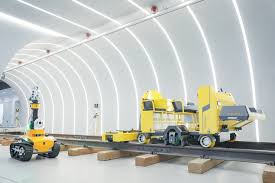
Shenhui Technology Launches Embodied Intelligence Firm in Hangzhou with 70 Million RMB Capital
Shenhui Technology has established a new company, Hangzhou Shenhui Embodied Intelligence Technology Co., Ltd., with a registered capital of 70 million RMB. The company, fully owned by Shenhui Technology, will focus on the development and manufacturing of intelligent robots, including service and industrial robots, as well as artificial intelligence software development. This move signifies Shenhui Technology's strategic shift from specialized inspection robots to a broader range of intelligent robotics applications. The new company aims to diversify its product offerings beyond the existing focus on power and rail inspection robots, catering to various sectors such as industrial, commercial, and service industries. Looking ahead, it remains to be seen whether the new entity will continue to develop familiar industrial inspection scenarios or pivot towards more general applications of embodied intelligence. The establishment of this independent company in Hangzhou aligns with the region's robust talent and supply chain resources in the robotics sector.
Embodied Intelligence Robotics Industrial Automation AI Development
Leopard Imaging to Present Cutting-Edge Embedded Vision Technologies with Future Electronics at World of Technology & Science 2026
Leopard Imaging will exhibit its advanced embedded vision technologies alongside Future Electronics at Booth 9A043 during the World of Technology & Science 2026. The showcased technologies will include stereo vision, thermal imaging, high-performance camera systems, and ultra-compact imaging solutions. This event is significant as it highlights Leopard Imaging's commitment to innovation in embedded vision, catering to various sectors such as robotics, autonomous systems, industrial automation, AIoT, and edge AI applications. The collaboration with Future Electronics underscores the importance of partnerships in advancing technology solutions. Attendees should look for demonstrations of Leopard Imaging's latest offerings, which are designed to enhance performance in critical applications. No further timeline was disclosed at the time of publication.

Top Group and Yuan Sheng Technology Establish Strategic Partnership for Tactile Perception Development
Top Group and Yuan Sheng Technology have signed a strategic cooperation agreement to collaborate on embodied intelligent perception and execution capabilities. This partnership aims to enhance the core technologies of tactile perception for dexterous hands and accelerate the commercialization of embodied intelligence. Previously, in August, Top Group made a strategic investment in Yuan Sheng Technology, marking a shift from financial investment to technical collaboration. Yuan Sheng Technology focuses on tactile infrastructure for embodied intelligence, developing an integrated technology system that includes tactile sensors, data collection, and hardware-software architecture. Their multidimensional tactile technology is characterized by high density, thinness, and the ability to perceive various forces, applicable in scenarios such as dexterous hands and humanoid robots. The company has achieved reliable mass production of automotive-grade tactile sensors, which are now being delivered to well-known clients in robotics and data collection. Top Group has established a dedicated robotics actuator division to enhance its capabilities in core hardware areas such as dexterous hands and precision components. The combination of Top Group's actuators and Yuan Sheng's sensors is crucial for achieving the precise feedback required for delicate operations. The focus of their collaboration is to accelerate the commercialization of embodied intelligence, and it remains to be seen if this partnership can produce replicable delivery cases in practical applications.
Tactile Sensors Embodied Intelligence Robotics Automation Sensor Technology
SETI Institute Proposes Searching Moon Dust for Microscopic Alien Technology
The SETI Institute has proposed a novel idea to search for microscopic technosignatures in moon dust, which may indicate the presence of alien technology. Led by Affiliate Scientist Lewis Pinault, the research suggests that the moon has been accumulating material from space for billions of years, potentially containing traces of ancient technologies. This initiative is significant as it could enhance our understanding of interstellar dust and its effects on lunar geology. Although the study currently reports no evidence of extraterrestrial technology, it emphasizes that the search for these technosignatures is now scientifically testable, especially with upcoming lunar missions like NASA's Artemis program and China's Chang'e series. Researchers aim to analyze about 35 cubic feet of lunar regolith to investigate the presence of durable artificial materials from past civilizations. The findings could provide insights into how advanced technologies might have left behind microscopic debris embedded in the lunar surface over billions of years.
Search for Life Space Exploration
Paxini Leads 51 Standards Initiatives for Embodied Intelligence to Globalize Domestic Technology
Paxini has taken a proactive role in establishing a comprehensive standards system for embodied intelligence, participating in 51 international, national, and industry standards projects. This includes one international standard, 32 national standards, and 18 industry standards, focusing on key areas such as perception, data, and robotics. The establishment of a recognized standards framework is crucial for China's technology sector to enhance its global competitiveness. By leveraging its complete supply chain and advanced R&D capabilities, Paxini aims to fill gaps in domestic technical specifications and contribute to global industrial collaboration. Looking ahead, Paxini's ongoing efforts in standardization will play a significant role in shaping the future of the embodied intelligence industry. No further timeline was disclosed at the time of publication.
Embodied Intelligence Standardization Robotics AI Technology Development
Robotic Dog Demonstrates Autonomous Grocery Shopping Amid Payment Technology Challenges
A robotic dog named 'Tutu' showcased its ability to autonomously find stalls, confirm products, place orders, and make payments at the September Bund Conference. This demonstration marked it as the world's first embodied intelligent product with complete payment capabilities. The significance of this development lies in the challenges of responsibility attribution in autonomous transactions. While traditional payment methods involve clear user intent, the robotic dog must independently assess product quality and pricing, raising questions about accountability in case of errors. Looking ahead, the focus should not solely be on when robotic dogs can replace human shoppers, but rather on how disputes arising from transactions conducted by intelligent agents will be resolved legally. The absence of clear regulatory frameworks for these scenarios poses a significant challenge for the future of embodied intelligent payments.
Robotic Automation AI Payment Systems Financial Technology Risk Management
Bee Technology Highlights Robot Trainer Role for Disabled at Service Trade Fair
On September 9, 2026, Bee Technology showcased its innovations at the China International Service Trade Fair in Beijing, focusing on the theme of empowering disabled individuals through technology. The company presented its MEgo View and MEgo Gripper products, enabling disabled users to participate in robot training and data collection, thus unlocking new employment opportunities as 'robot trainers'. This initiative is significant as it aligns with the recent announcement by the Ministry of Human Resources and Social Security, which introduced new job categories, including 'embodied intelligent robot data collector' and 'robot trainer'. The development of the embodied intelligence industry is creating new job options, allowing disabled individuals to engage in robot training without needing complex programming skills. Looking ahead, the launch of the MEgo Pai app on September 23 will enable disabled individuals to undertake data collection tasks remotely, providing them with income opportunities. Bee Technology aims to explore more data collection scenarios suitable for disabled participation, connecting data needs with employment opportunities and fostering inclusivity in the tech-driven job market.
Robot Training Assistive Technology Data Collection Employment Opportunities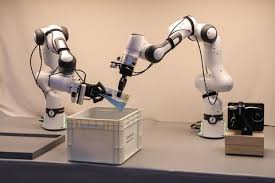
Tactile Sensing Technology Sees Significant Growth in Robotics Sector
Tactile sensing technology is gaining prominence in the robotics industry as humanoid robots transition from exhibition spaces to factory floors. Since 2026, funding in the tactile sensing sector has exceeded 7 billion yuan, with the penetration rate of tactile sensors in commercial humanoid dexterous hands rising from 20% to over 60% this year. This rapid growth is notable within the robotics components sector, highlighting a shift in robotic applications. While visual-language-action models have enhanced robots' environmental understanding and task planning, precision assembly and flexible grasping require tactile feedback for effective force control and slip detection. According to Qianjue Robotics founder Ma Daolin, tactile sensing is essential for high-precision industrial operations. The evolution of technology supports this need, as Qianjue Robotics' VTLA model integrates tactile modalities into traditional frameworks, enabling real-time perception of deformation, texture, and force distribution during contact. Their comprehensive tactile solution expands sensing from fingertips to palms, achieving a sensor density of 125 points per square centimeter and a force accuracy of 0.03 Newtons. As hardware costs decrease and data accumulation accelerates, tactile sensing is becoming a necessary capability in real-world operational scenarios.
Tactile Sensors Humanoid Robots Robotics Technology Industrial Automation
TechNode Group Signs MOU to Expand Technology Cooperation in Central Asia
On September 8, 2026, TechNode Group signed a Memorandum of Understanding (MOU) with The Tech and Khan Tengri Innovation Hub (KTIH) in Astana, Kazakhstan. This agreement aims to foster media, innovation, and cross-border technology cooperation, enhancing TechNode's presence in Central Asia. The partnership is significant as it seeks to bridge technology and innovation networks between Central Asia, China, and Southeast Asia. By leveraging their combined media capabilities and industry networks, the organizations will facilitate connections for Chinese tech companies and local entrepreneurs, promoting regional market exploration and innovation. Looking ahead, the collaboration will focus on content partnerships, industry events, and investment dialogues to strengthen business ties between the regions. No further timeline was disclosed at the time of publication.
News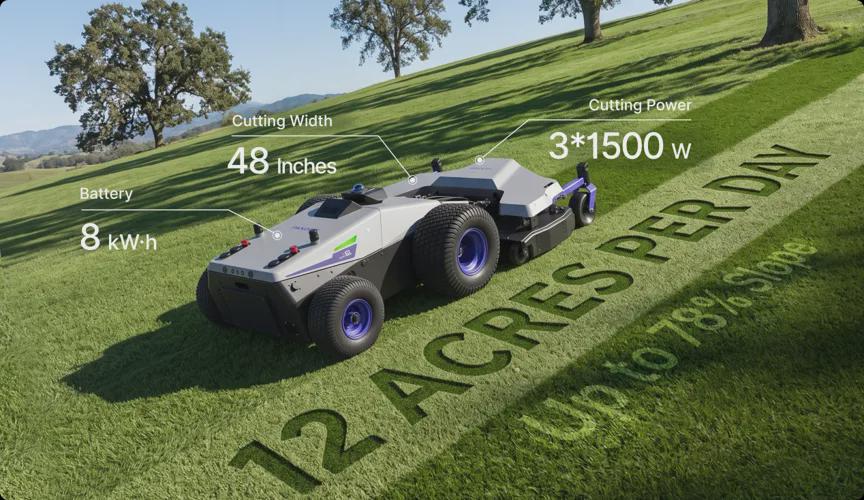
PANDAG Technology Secures Funding to Advance Commercial Lawn Maintenance Robotics
PANDAG Technology, a Chinese commercial lawn maintenance robotics company, has recently completed a significant A-round funding, exclusively backed by Yunshi Capital. The company aims to transform its professional expertise into reusable system capabilities. This spring, a 300-kilogram robotic mower was showcased at the KLPGA, demonstrating its cutting efficiency on golf courses. The importance of PANDAG's innovation lies in addressing the automation gap in large commercial landscapes, such as golf courses and municipal green spaces. Traditional mowing methods are labor-intensive and inefficient, with a reported 60% of landscaping companies facing workforce shortages. PANDAG's approach focuses on creating a scalable solution that integrates professional experience into automated systems, which is essential for enhancing operational efficiency in commercial lawn maintenance. Looking ahead, PANDAG Technology is poised to lead the way in commercial lawn care automation. The company believes that while consumer-grade mowers have gained traction, the commercial sector requires robust systems that can deliver consistent results across various terrains and conditions. No further timeline was disclosed at the time of publication.
Commercial Robotics Lawn Maintenance AI Technology Automation Solutions
Examining the Origins of Haptic Sensing Technology and Its Development Challenges
In the field of robotic haptic sensing, significant breakthroughs have emerged from years of technical accumulation and engineering capabilities. Leading haptic sensor companies have focused on multi-dimensional tactile perception, high-precision torque calculation, and heterogeneous array calibration, establishing a comprehensive intellectual property system. Their efforts have demonstrated that there are no shortcuts in haptic sensing; each aspect must be meticulously developed to create truly usable products. The emergence of new companies in 2026, which quickly introduce concepts like 'magnetized flexible materials' and 'exclusive replaceable electronic skin,' raises concerns. While their product images appear polished and their technical jargon comprehensive, comparisons with open-source projects like ReSkin and AnySkin reveal significant similarities in magnetic circuits, PCB designs, and algorithms. This suggests that some newcomers are attempting to simplify the complex development process into mere replication of existing technologies. To understand the implications of 'open-source rebranding,' it is essential to clarify the technological lineage of ReSkin, AnySkin, and eFlesh. The foundational work by Waseda University's Sugano Laboratory laid the groundwork for magnetic tactile skin technology, influencing subsequent developments by Meta AI and NYU. As these technologies evolve, the focus on low-cost, modular manufacturing continues to shape the future of haptic sensing applications.
Haptic Sensors Open Source Technology Robotics Innovation Technology Transparency
Benmo Technology Achieves Rapid Growth in Robotics Physical Components Market
Benmo Technology has experienced significant revenue growth, increasing from 17.54 million yuan to 282 million yuan in three years, with a compound annual growth rate exceeding 300%. The company focuses on integrated direct-drive joints, eliminating the need for reducers, which reduces energy loss and noise while extending lifespan to 50,000-100,000 hours. As of 2025, Benmo Technology is projected to capture 61.1% of the Chinese consumer robotics direct-drive module market, with shipments of approximately 8.5 million units across various robot categories. The company also operates a wheeled robot business, exporting products to over 50 countries, and has become a leading manufacturer in this sector. Looking ahead, Benmo Technology's dual business model allows for a feedback loop between mass production of power modules and whole machine development. The consumer-grade direct-drive modules are expected to account for 88% of total revenue by 2025. The company is well-positioned to meet future demands for reliable robotic bodies as advanced AI models mature.
Robotics Direct-Drive Modules Embodied Intelligence Robot Manufacturing
The Shift in Pool Robots: Transitioning from Wired to Wireless Technology
The pool robot industry has faced significant challenges over the past year, marked by high return rates and a competitive pricing environment. However, Chinese brands have leveraged wireless technology to disrupt the market, achieving a combined market share of 51.4% in the wireless segment, with Wangyuan Technology leading at 19.7%. This shift is not merely about cost but reflects a precise reconstruction of product forms by the Chinese supply chain. While traditional wired robots are dominated by established players like Maytronics and Fluidra, the wireless segment has seen rapid growth, indicating a significant market transformation. Yet, the technology still struggles with underwater navigation, highlighting a gap between commercial success and technological maturity. As companies like Yuan Ding and Wangyuan focus on enhancing their technological capabilities, the competition is evolving beyond mere pricing strategies. The demand for truly autonomous solutions remains unmet, suggesting that innovation will continue to drive value in the pool robot market. The industry is entering a new phase of competition, moving from shallow waters into deeper technological challenges.
Pool Robots Wireless Technology Market Trends Automation Sensing Technologies
OPEN MIND Partners with FANUC to Enhance 5-Axis Technology for Aerospace Manufacturing
OPEN MIND has joined the FANUC 5-Axis Integrated Technology Initiative, aimed at enhancing manufacturing processes. This collaboration focuses on improving efficiency, accuracy, and repeatability in the production of complex parts. The initiative is particularly significant for the U.S. aerospace market, where precision and reliability are critical. By leveraging advanced 5-axis technology, manufacturers can achieve better outcomes in their production lines, ultimately leading to higher quality products. As the initiative progresses, stakeholders should monitor developments in technology integration and its impact on manufacturing practices. No further timeline was disclosed at the time of publication.

AIR Partners with Elmo Motion Control for Advanced Cargo Drone Technology
AIR VEV Inc. has formed a strategic partnership with Elmo Motion Control Ltd. to integrate high-performance motion control systems into its Heavy Lift UAS. Elmo's Gold HV drive will enhance the AIR 120D cargo drone's electric propulsion motors, ensuring precise control and efficiency. This collaboration aims to optimize the aircraft's performance while minimizing weight and complexity. The significance of this partnership lies in the combination of Elmo's advanced servo drives and AIR's innovative electric aviation design. AIR CEO Rani Plaut emphasized that the selection of Elmo was based on the need for high power density and efficiency in electric aircraft. The integration of Elmo's technology is expected to improve the cargo aircraft's payload capacity and operational efficiency. Looking ahead, the integration of Elmo's Gold HV motor drives is already in progress as part of the AIR 120D development program. AIR is focused on validating the technology against its performance and safety requirements before moving forward with operational deployment. No further timeline was disclosed at the time of publication.
Actuators / Motors / Servos Defense / Security Drones Markets / Industries Motion Control News
Enfu (China) Showcases Innovative Sealing Technology for Robot Longevity at WRC 2026
The 2026 World Robot Conference (WRC) commenced on August 19, 2026, in Beijing, showcasing over 300 exhibitors and more than 2,000 products. Enfu (China) presented its innovative sealing solutions for humanoid and industrial robots, emphasizing the importance of key component technology for precise movement and reliable operation. This event marks a significant shift in the robotics industry, moving from experimental demonstrations to large-scale applications. Enfu's advancements in sealing technology are crucial for enhancing the longevity and performance of robots, particularly in complex humanoid designs that require specialized sealing solutions. Looking ahead, Enfu's commitment to local R&D and its recent establishment of a technology center will enable faster responses to market demands and foster innovation. No further timeline was disclosed at the time of publication.
Sealing Technology Humanoid Robots Industrial Robots Local R&D Robotics Innovation
Dalan Technology Secures Multi-Million Dollar Investment Led by Sequoia China
Dalan Technology, a startup specializing in long-range imaging solutions, has successfully raised tens of millions of U.S. dollars in funding during its angel and Pre-A rounds. This funding round was notably led by Sequoia China, highlighting investor confidence in Dalan's innovative technology. The significance of this funding lies in Dalan Technology's potential to advance long-range imaging capabilities, which are crucial for various applications, including surveillance and autonomous systems. The financial backing from Sequoia China is expected to accelerate Dalan's development and market entry, positioning it as a key player in the imaging technology sector. Looking ahead, industry observers will be keen to see how Dalan Technology utilizes this funding to enhance its product offerings and expand its market reach. No further timeline was disclosed at the time of publication.
News
OpenLoong Master Series Launches to Advance Embodied Intelligence Technology
The OpenLoong Master Series has officially opened registration, aimed at promoting embodied intelligence technology and talent development. Guided by the OpenAtom Open Source Foundation and hosted by the OpenLoong open-source community, this initiative is supported by the National and Local Joint Innovation Center for Humanoid Robots, marking a significant step in addressing technical challenges in the robotics industry. This competition provides a premier platform for developers in the robotics field, focusing on real-world technical barriers in humanoid robot development. The first phase of the competition will center on two core topics: 'Motion Capture and Replication' and 'Embodied Navigation and Perception,' allowing teams to choose one or participate in both, addressing industry pain points such as the scarcity of motion data and poor motion generalization. Participants will utilize monocular cameras to extract human motion features and replicate them in simulation environments. The National and Local Joint Innovation Center will provide high-performance robot models to facilitate deep integration of algorithms with real hardware characteristics. Developers can register through the OpenLoong community website, with dedicated channels for technical support and resources available for participants.
Robotics Open Source Embodied Intelligence Innovation Technical Challenges
Three Key Technology Platforms Launched at Zhongguancun International Robot Industry Park
On August 28, three major technology platforms were officially launched at the Zhongguancun International Robot Industry Park. These platforms include the Robot Testing Service Center, the Robot Sharing Processing Platform, and the Application Scenario Demonstration District. The Robot Testing Service Center aims to address issues related to dispersed testing services and lack of standards, supporting robot testing and assisting companies in formulating national standards while promoting the adaptation of domestically developed robotic operating systems. The Robot Sharing Processing Platform integrates processing equipment and technical resources to provide comprehensive services for core component processing and testing, addressing challenges such as weak processing capabilities and high costs. The Application Scenario Demonstration District offers a testing environment based on real scenarios within the park, helping companies identify technical shortcomings and optimize products, thereby shortening the development-to-commercialization cycle. The park also hosted an Intelligent Robot Industry Acceleration Conference, announcing significant scenarios to drive industry implementation, with over 50 robots currently operating in roles such as delivery, cleaning, inspection, and guiding. No further timeline was disclosed at the time of publication.
Robot Testing Shared Processing Application Scenarios Robotics Industry Technology Platforms
Agri Spray Drones Transitions to Agricultural Drone Manufacturer and Technology Innovator
Agri Spray Drones (ASD) has announced its shift from being a distributor of spray drones to becoming a manufacturer and technology company focused on agricultural drones. This evolution is driven by years of operator experience, which will inform product development, quality control, software, and autonomous systems. This transition is significant as it positions ASD to enhance the quality and innovation of agricultural drone technology in the U.S. market. By taking control of the manufacturing process, ASD aims to improve product reliability and performance, which are critical factors for farmers and agricultural businesses. Looking ahead, ASD's roadmap for U.S. manufacturing and advancements in spray drone technology will be crucial to watch. The company's commitment to integrating operator insights into its product offerings may lead to more effective solutions for agricultural applications. No further timeline was disclosed at the time of publication.

Yushu Technology Founder Highlights Humanoid Robots' Limitations at World Robot Conference
At the World Robot Conference, the founder of Yushu Technology addressed the limitations of humanoid robots, stating their efficiency is only 30% to 50% of human capabilities. He emphasized that the company's ongoing 'physical AI self-evolution' is still in the research phase, far from large-scale application. This candid assessment contrasts with typical expectations for a newly listed company, where founders often project optimism. Instead, he highlighted significant challenges, including the robots' inability to adapt to new environments, which drastically reduces task success rates. Looking ahead, he suggested that for robots to reach a 'ChatGPT moment,' they must operate effectively in 80% of unfamiliar scenarios using voice commands, a milestone that could take two to ten years to achieve. No further timeline was disclosed at the time of publication.
Humanoid Robots AI Robotics Technology Startup Innovation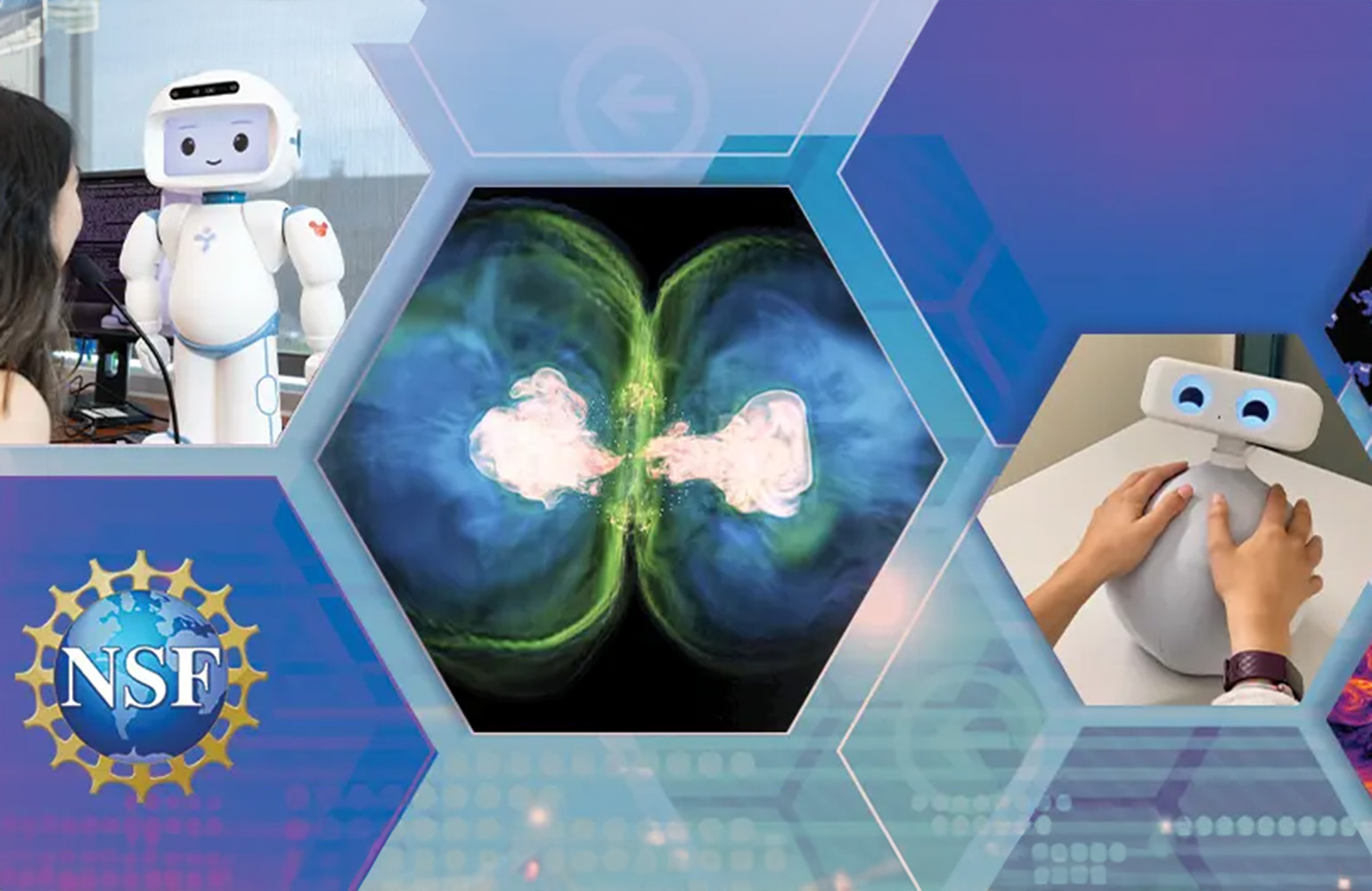
NSF Allocates $90 Million to Establish Three New Technology Centers, Including Robotics Focus
The National Science Foundation (NSF) announced a $90 million investment over five years to establish three new Science and Technology Centers (STCs), with each center receiving $6 million annually. One center, the Center for Human and Robot Co-Adaptation, will be led by The University of Texas at Austin and aims to explore the interaction between humans and robots in various environments. This investment is significant as it seeks to enhance American leadership in science and technology, bolster the STEM workforce, and promote innovation in fields such as AI and robotics. Brian Stone, acting NSF director, emphasized the importance of strong partnerships and skilled workforce in maintaining the U.S. position in global science and technology. Looking ahead, the centers will have the opportunity to compete for an additional five years of funding after the initial period. The NSF's STC program has a history of fostering new fields of discovery and technological advancements, and the upcoming centers are expected to contribute to foundational research and the development of practical solutions for societal benefits.
Academia / Research Financial Human Robot Interaction / Haptics Investments News Research
Yifei Technology Reports Strong Growth Amidst Shifts in the Robotics Industry
Yifei Technology has released its mid-term performance report for 2026, marking its first financial disclosure since its listing on the Hong Kong Stock Exchange on May 18. The company achieved a revenue of 186 million yuan, reflecting a 58% year-on-year increase, with overseas revenue soaring by 318.5% to 22.6 million yuan, accounting for 12.1% of total income. The significance of this growth lies in the evolving landscape of the robotics industry, where local companies are reclaiming market share from foreign brands in sectors such as automotive and electronics. As general-purpose robots become more mature and competitive, the focus has shifted from merely selling robots to integrating them into complex manufacturing environments, which presents unique challenges. Looking ahead, Yifei Technology is not only increasing its focus on core products like embodied intelligence and controllers but is also expanding into new areas such as vision systems and humanoid robots. The company’s strategic partnerships, such as with MiR in South Korea and Swarm Robotics in Saudi Arabia, highlight its commitment to enhancing local operations and adapting to specific industrial conditions.
Industrial Robots Global Expansion Automation Solutions Robotics Technology
Advancements in Smart Solar Technology Enhance Off-Grid Power Efficiency
Recent developments in solar technology focus on optimizing the use of photovoltaic (PV) surfaces rather than merely increasing the number of solar panels. This is particularly vital for off-grid systems, where every watt is crucial for remote locations such as agricultural facilities and telecommunications sites. Innovations like bifacial photovoltaics (PVs) allow for greater energy capture by utilizing both the front and back surfaces of the panels, leading to increased electricity production. The significance of these advancements lies in their potential to improve energy management and efficiency in off-grid applications. Bifacial modules can enhance energy generation by 9% to 15% based on ground conditions, with optimal performance observed with reflective surfaces like white gravel. This shift in focus from traditional monofacial panels to bifacial technology represents a critical evolution in solar energy systems, particularly for users without grid access. Looking ahead, the integration of high-efficiency cell architectures, such as TOPCon and heterojunction technologies, alongside bifacial configurations, promises even greater energy capture. The International Energy Agency indicates that efficiencies exceeding 60% on the rear side of bifacial cells are achievable, highlighting the importance of design and installation in maximizing solar energy potential. No further timeline was disclosed at the time of publication.
Energy Infrastructure Technology battery storage bifacial solar panels energy storage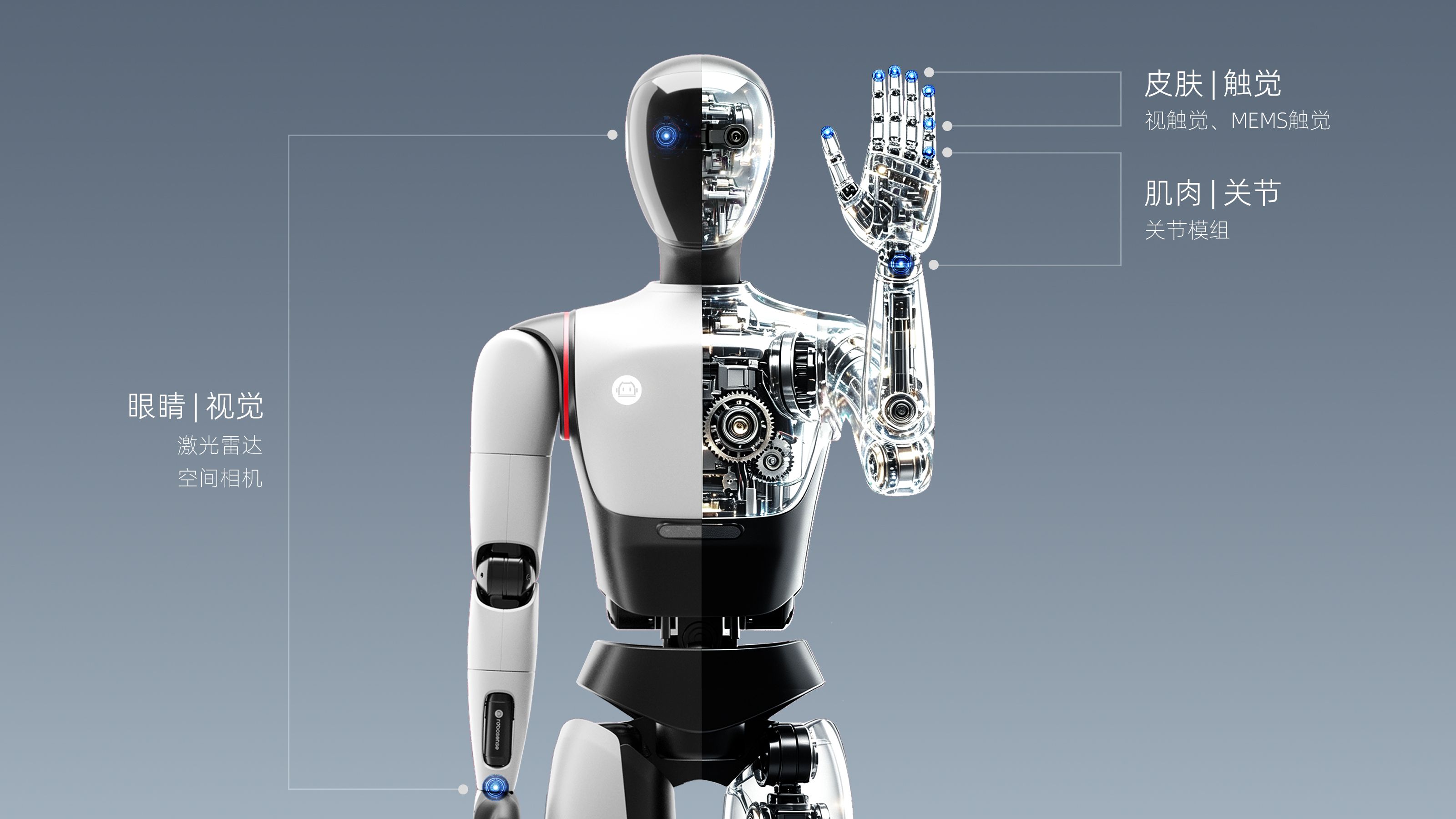
RoboSense Reports Strong Mid-Year Growth in Robotics Technology and Product Deliveries
On August 26, 2026, RoboSense announced its mid-year performance, reporting total revenue of 1.02 billion yuan, a 30.2% increase year-on-year. The company sold 719,200 LiDAR units, marking a 169.6% growth, with 282,600 units sold in the robotics sector, a staggering 510.4% increase. This growth positions RoboSense as a key player in the physical AI era. The significance of this performance lies in RoboSense's strategic shift towards becoming a leading robotics technology platform. The company is leveraging its accumulated LiDAR technology to enhance robotics and data collection capabilities, with new product categories such as 'eyes', 'skin', and 'muscles' for embodied robots. These innovations are expected to improve perception, touch, and execution capabilities in robotics. Looking ahead, RoboSense has entered various stages of commercialization for its new product categories, with significant orders for the spatial camera and plans for mass production by 2027. The company continues to expand its partnerships with leading global robotics firms, enhancing its market position and addressing the growing demand for real-world data in the physical AI industry. No further timeline was disclosed at the time of publication.
LiDAR Technology Robotics Sensor Technology AI AutomationRobotics needs a service framework.
RSF defines a common language for robot service capability, lifecycle operations, certification pathways, and service-provider networks.
Join the RobotToday community on LinkedIn
Daily robotics news, in-depth analysis, conference highlights, and discussions with professionals worldwide.







