Industry Briefing
A single destination for timely, editor-curated robotics news from around the world.
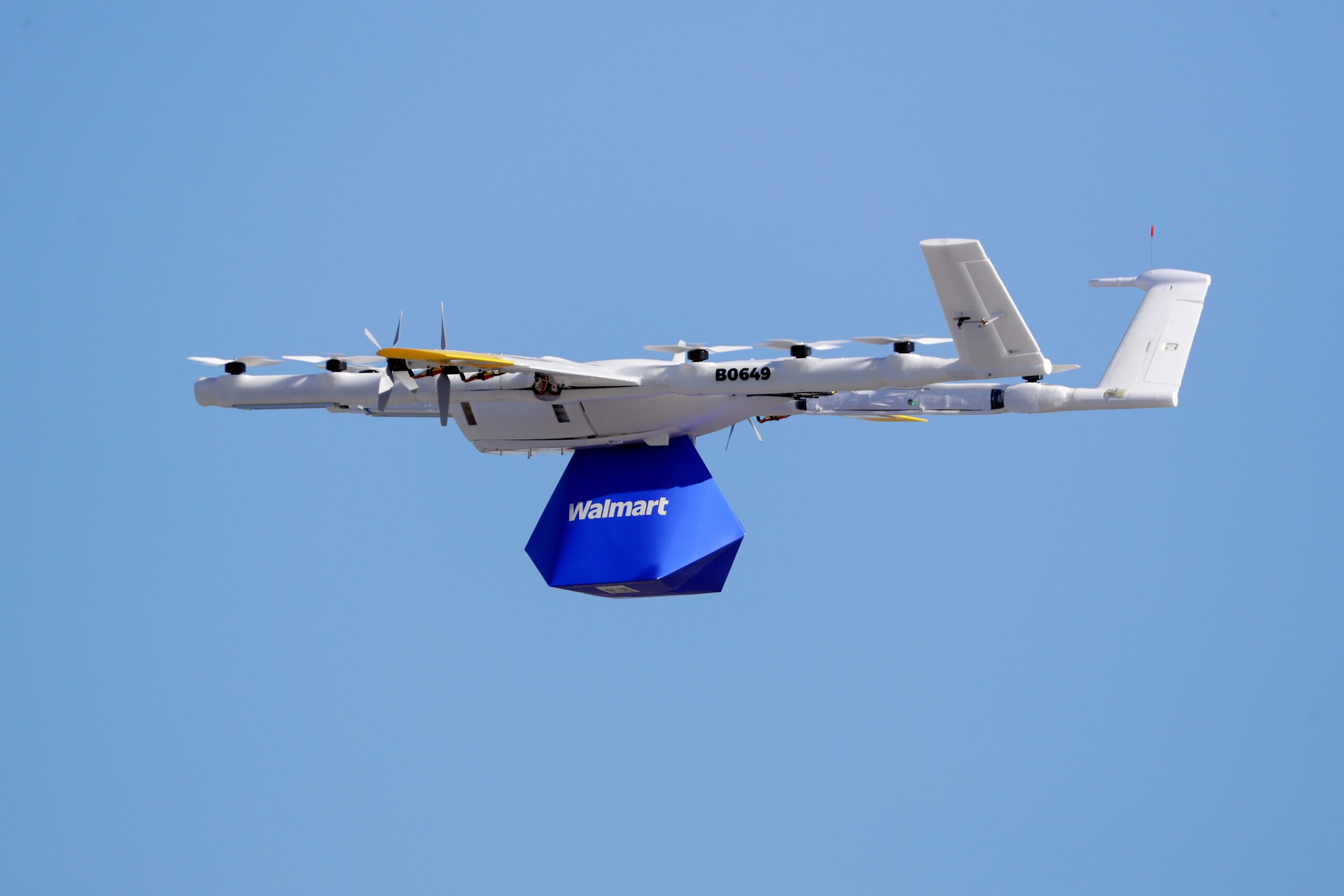
Wing and Walmart Announce Denver and Seattle as New Drone Delivery Markets for 2027
Wing and Walmart have selected the Denver and Seattle metropolitan areas for their upcoming drone delivery services, set to launch in 2027. This expansion will add two significant markets to their existing network, which already serves over three million customers across nearly 20 U.S. metro areas. The inclusion of Denver and Seattle is crucial as it demonstrates the rapid adoption of drone delivery services nationwide. The unique weather conditions in these regions, including Seattle's frequent rain and Denver's cold winters, will test the capabilities of Wing's drone fleet, which can travel at speeds of up to 60 mph and carry packages weighing up to five pounds. Looking ahead, the companies aim to enhance convenience for busy families by delivering a wide range of Walmart products quickly. No further timeline was disclosed at the time of publication.
Applications Delivery Drone News Drone News Feeds Feature 1 News
Frontline Robotics Introduces Frodo, a 6×6 UGV with 93-Mile Range and 25 MPH Speed
Frontline Robotics has unveiled Frodo, a new 6×6 unmanned ground vehicle (UGV) featuring an impressive range of 93 miles and a top speed of 25 mph. This innovative vehicle is designed to enhance operational capabilities in various environments, making it a significant addition to military technology. The introduction of Frodo is crucial as it represents advancements in unmanned vehicle technology, which are increasingly important for modern military operations. The UGV's capabilities could provide strategic advantages in reconnaissance and logistics, addressing the evolving needs of defense strategies. Looking ahead, the military sector will be keen to monitor the deployment and performance of Frodo in real-world scenarios. The effectiveness of this UGV in operational settings will likely influence future developments in unmanned systems and military technology. No further timeline was disclosed at the time of publication.
Military
Satlyt Secures $8 Million Seed Funding to Enable AI Models on Satellites in Orbit
Satlyt, a startup based in Sunnyvale, California, and Nairobi, has announced an $8 million seed funding round led by Non Sibi Ventures. The funding will support the development of software that allows AI models to operate on satellites, facilitating the sharing of substantial computing workloads in space. This initiative is significant as it positions Satlyt as a software layer akin to Android in a market dominated by hardware-focused companies like SpaceX. The startup has already demonstrated its capabilities by running Google DeepMind's Gemma model aboard a Momentus spacecraft, achieving a notable reduction in onboard error transmission, which could lead to significant cost savings for satellite operators. Looking ahead, Satlyt plans to showcase a shared cloud system across two satellites next year and aims to have its software operational on 20% of satellites by the end of the decade. The success of this venture will depend on the increasing number of satellites in orbit, as highlighted by Non Sibi partner Kent Lucas.
Uncategorized AI AI-driven platform capital markets funding funding round
Boston Dynamics Introduces New Four-Finger Hand for Atlas Humanoid Robot's Industrial Tasks
Boston Dynamics, the robotics division of Hyundai Motor Group, revealed a new four-finger hand for its Atlas humanoid robot on Thursday. This advanced hand is designed to enable Atlas to perform complex and continuous tasks, enhancing its versatility in environments where human tools are used. With 13 degrees of freedom, the hand features pressure-based tactile sensors that allow it to adapt grip strength and finger movements based on the object's characteristics. The development of this robotic hand is significant as it addresses the need for humanoid robots to operate effectively in industrial settings. The design focuses on complexity, power consumption, cost efficiency, durability, and maintenance, ensuring that the hand can withstand various operational demands. In demonstrations, Atlas showcased its capabilities by performing tasks such as drilling and manipulating small objects, highlighting the practical applications of the new hand in real-world scenarios. Looking ahead, Boston Dynamics has established the Robotics Metaplant Application Center to further refine Atlas's capabilities. This facility will gather manufacturing data and enhance the robot's learning through simulations and real-world applications. No further timeline was disclosed at the time of publication.
All News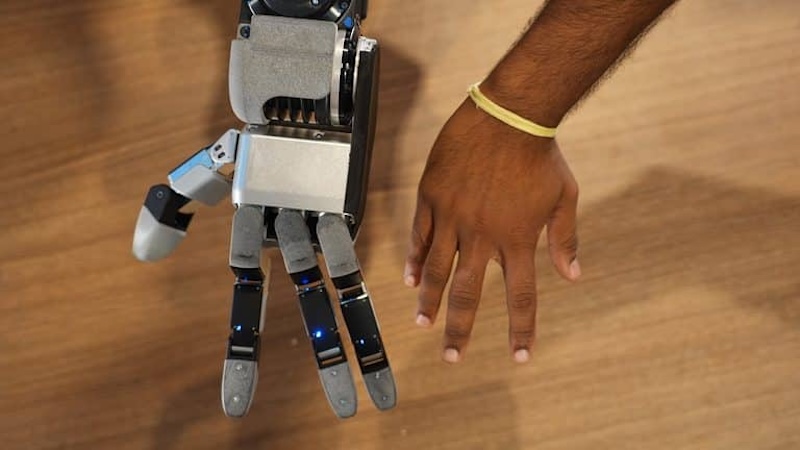
Boston Dynamics Introduces Advanced Four-Finger Hand for Atlas Humanoid Robot
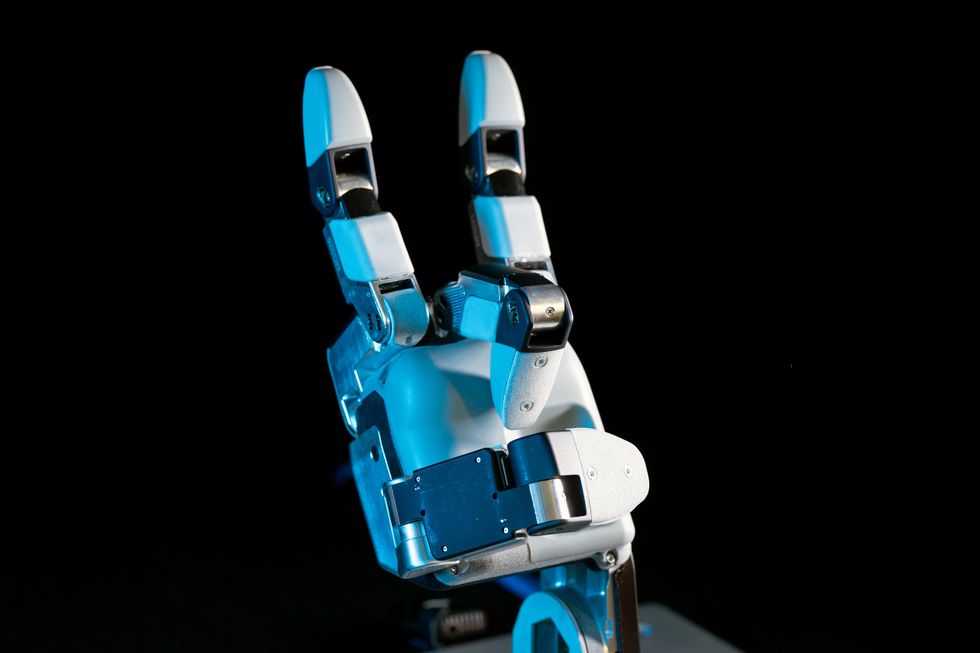
Boston Dynamics has launched a new four-finger hand for its Atlas humanoid robot, enhancing its capabilities for complex manipulation and industrial tasks. This innovative hand features 13 degrees of freedom, including a four-DOF opposable thumb, and incorporates tactile pressure sensors for improved dexterity and strength. The new design allows Atlas to perform intricate tasks such as in-hand object reorientation and tool operation, while the decision to use four fingers instead of five aims to reduce costs and complexity without sacrificing functionality. The hand's size is comparable to that of a large human hand, enabling Atlas to work in environments designed for human operators. Looking ahead, Boston Dynamics is focused on improving the ruggedness and manufacturability of humanoid robots as they prepare for larger-scale production. No further timeline was disclosed at the time of publication.
Boston Dynamics Unveils Redesigned Atlas Robot Hand with Enhanced Functionality
Boston Dynamics has announced a new hand design for its Atlas robot, shifting from research to a scalable product. The redesigned hand, while not resembling a human hand, focuses on ruggedness, reliability, and cost-effectiveness, addressing key challenges in robotic hand design. This new hand features 13 degrees of freedom, doubling the capabilities of its predecessor, and includes the ability for fingers to splay, enhancing its utility for various tasks. Alberto Rodriguez, Director of Robot Behavior at Boston Dynamics, emphasizes the importance of balancing design trade-offs to achieve a functional and manufacturable product. Looking ahead, Boston Dynamics is exploring the necessary adjustments for mass production, aiming for a target of 100,000 units annually. The industry will need to navigate similar trade-offs to ensure the scalability of humanoid robots, as the demand for practical and reliable robotic hands continues to grow.
Robot-hands Boston-dynamics Robotics Atlas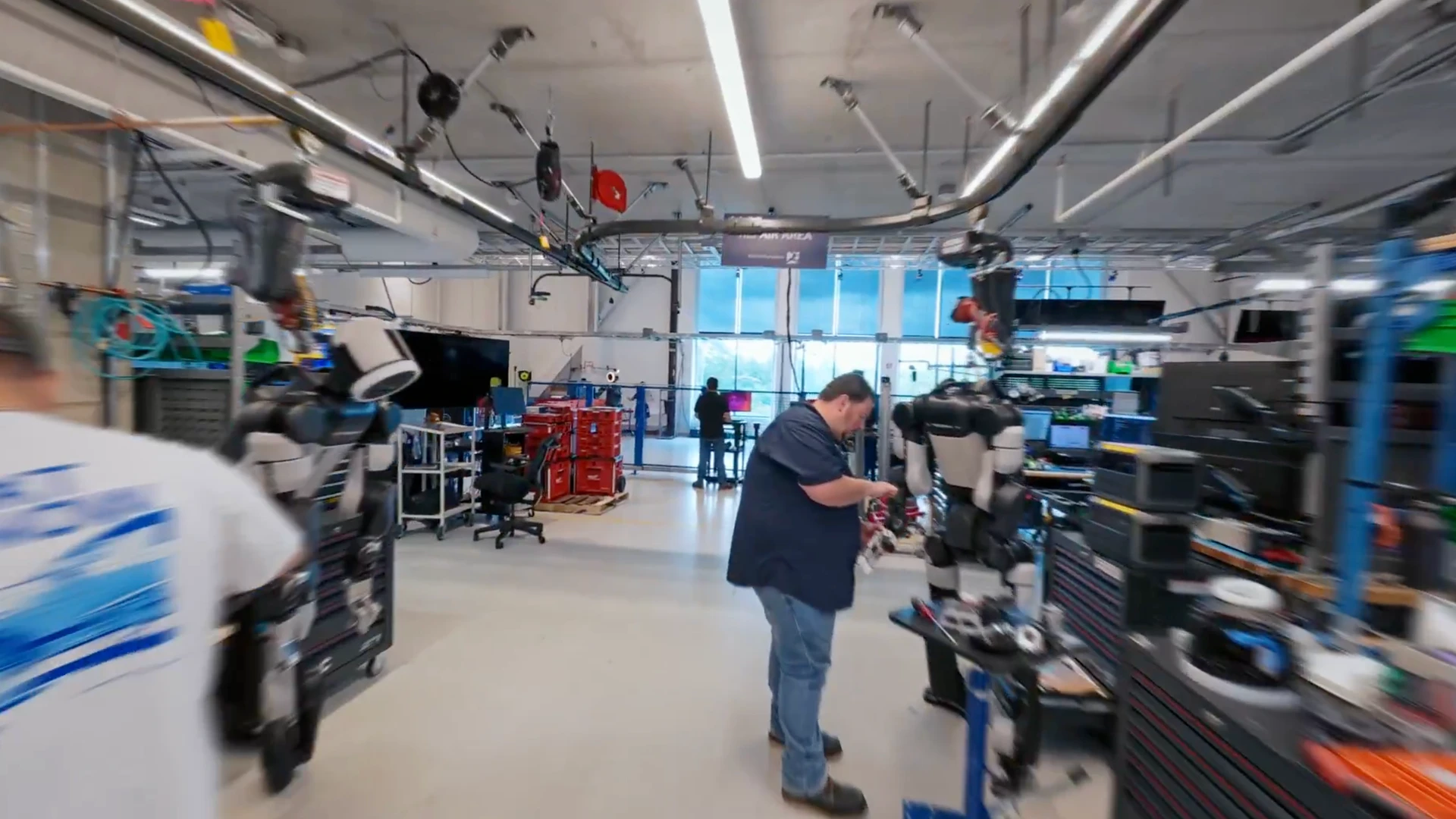
Boston Dynamics Showcases Atlas Production in Drone Tour Amid Recruitment Efforts
Boston Dynamics has released a drone video tour of its Atlas production environment, highlighting the people and equipment involved in creating the humanoid robot. This video, accompanying a recruitment post dated September 29, aims to attract candidates for open positions on its ProtoOps team and other areas within the company. The video provides an engaging look at the manufacturing processes behind Atlas, showcasing various workstations, machining equipment, and the collaborative environment where the robots are built. While it effectively serves as a recruitment tool, it does not disclose specific production metrics or milestones, focusing instead on the tangible aspects of the workplace. Looking ahead, Boston Dynamics is actively recruiting for roles that support the development of commercial humanoids, emphasizing the importance of manufacturing processes and software verification. The company is set to deploy the product version of Atlas in 2026 at Hyundai and Google DeepMind, with plans for a larger facility to enhance training for automotive tasks by 2027.
US South Korea Boston Dynamics
Ukraine's MAUL UGV Enhances CASEVAC Operations Amidst Battlefield Challenges
Modern CASEVAC operations in Ukraine face significant challenges due to the increasing lethality on the battlefield, particularly from the widespread use of drones. The introduction of the MAUL Unmanned Ground Vehicle (UGV) aims to address these issues by providing a safer and more efficient means of casualty evacuation. The MAUL UGV is designed to operate in high-risk environments, enhancing the capabilities of medical teams in the field. Its deployment is crucial as it allows for the transport of casualties while minimizing the exposure of personnel to drone attacks and other threats. This innovation is a response to the evolving nature of warfare in Ukraine, where traditional methods are becoming less effective. Looking ahead, the effectiveness of the MAUL UGV in real-world operations will be closely monitored. Its performance in enhancing CASEVAC operations could set a precedent for future military medical logistics, especially in conflict zones where drone warfare is prevalent. No further timeline was disclosed at the time of publication.
Features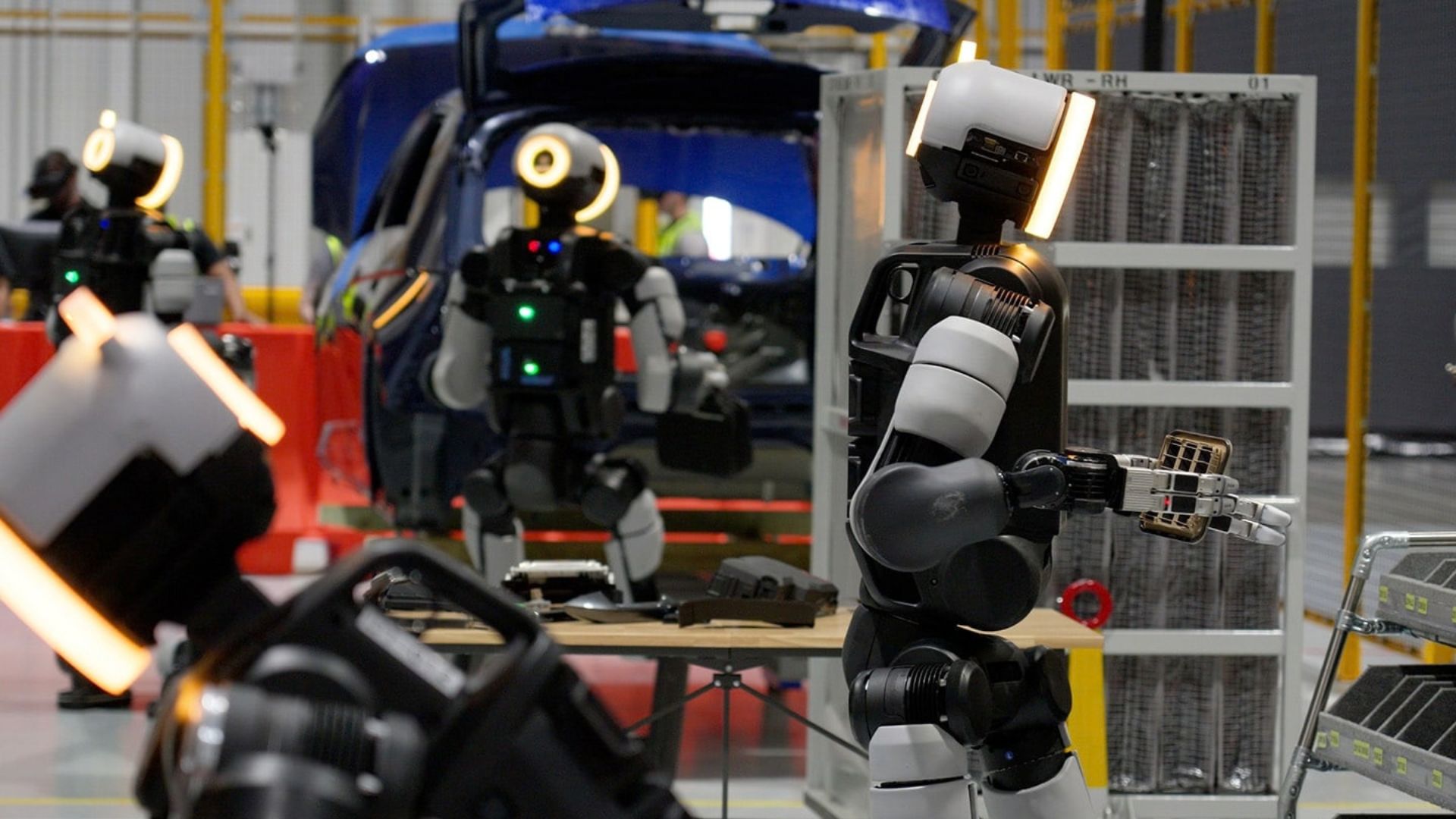
Boston Dynamics Launches Atlas Robot Testing at Hyundai's Metaplant for 25,000 Unit Rollout
Boston Dynamics has initiated testing of its Atlas humanoid robot at the Robotics Metaplant Application Center (RMAC) within Hyundai Motor Group’s Metaplant America in Georgia. This facility aims to serve as a dedicated hub for physical AI and robotics training, with plans for Hyundai to deploy 25,000 Atlas units globally by 2030. The collaboration between Boston Dynamics and Hyundai is significant as it marks a shift towards integrating humanoid robots into manufacturing processes. Atlas is expected to handle complex tasks such as component assembly and heavy lifting, which will enhance productivity and safety in the workplace. The robot's capabilities include lifting up to 50 kg and operating in extreme temperatures, making it suitable for various industrial applications. Looking ahead, the partnership plans to expand testing into non-automotive sectors by relocating operations to a larger facility in 2027. This initiative aims to reduce physical strain on human workers by automating high-risk tasks, while also addressing labor concerns regarding job security in an increasingly automated environment. No further timeline was disclosed at the time of publication.
AI and Robotics
ZS Robotics Launches H125 Four-Way Pallet Shuttle to Enhance Warehouse Operations in the US
ZS Robotics has introduced the H125 four-way pallet shuttle in the Americas, designed to enhance safety and simplicity in warehouse operations. With a chassis height of only 125 mm, this ultra-low profile shuttle aims to meet the needs of system integrators and warehouse operators by improving operational efficiency. The launch of the H125 is significant as it addresses rising real estate and labor costs, skills shortages, and the increasing demand for faster and more accurate deliveries. ZS Robotics' automated storage and retrieval systems (ASRS) provide high-density storage solutions that help companies reduce costs while improving service quality. Looking ahead, the focus will be on how the H125 can transform warehouse operations and its adoption among US system integrators. No further timeline was disclosed at the time of publication.
Milrem Robotics Utilizes Ukraine Battlefield Insights to Enhance Unmanned Systems
Milrem Robotics, based in Tallinn, Estonia, is leveraging battlefield experiences from Ukraine to advance its unmanned ground vehicle technology. The THeMIS platform, which is currently deployed for logistics missions in Ukraine, demonstrates the growing reliance on unmanned systems in high-risk areas, reducing the danger to personnel and providing strategic advantages. The significance of this development lies in the ongoing challenges faced by conventional logistics on the front lines, as highlighted by Milrem's CEO Kuldar Vaarsi. With reconnaissance and attack drones making traditional vehicles vulnerable, Ukrainian forces are increasingly adopting unmanned vehicles for supply transport over distances of 10 to 20 kilometers, with over 200 units expected to be operational by year-end. Looking ahead, Milrem is adapting its designs based on combat feedback, emphasizing simplicity and ease of operation for soldiers with minimal training. The company’s ARCOS software aims to integrate various robotic systems, enhancing interoperability across different platforms, which is crucial for future military operations.
All News
Cute Robot Japanese Kitchen in Milwaukee Permanently Closes After Two Years
Cute Robot Japanese Kitchen, located at 704 S. 2nd St. in Milwaukee's Walker's Point, has announced its permanent closure after approximately two years of operation. The owners, Marc and Janet Boettner, expressed their heartbreak over the decision but stated it was the best course of action for them. The restaurant originally opened in August 2024. This closure highlights the challenges faced by small restaurants in maintaining profitability amid rising costs and fluctuating customer traffic. In contrast, another local establishment, Midwest Sad, announced a shift back to its original downtown location after operating in Walker's Point for about a year. Owner Samantha Sandrin emphasized the need to refocus on their core offerings of baking and community engagement. The contrasting strategies of these two establishments reflect the difficult landscape for small dining businesses. While Cute Robot Japanese Kitchen has opted to close entirely, Midwest Sad is attempting to adapt by returning to a more familiar and cost-effective location. No further timeline was disclosed at the time of publication.
Restaurant Closure Small Business Community Impact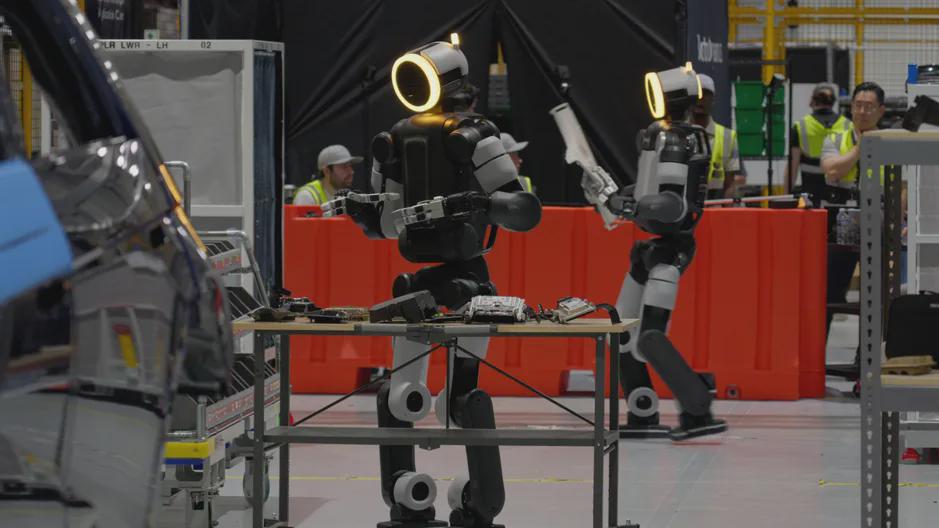
Boston Dynamics Deploys Atlas for Parts Sorting at Hyundai's Metaplant in Georgia
Boston Dynamics has established the Robot Metaplant Application Center (RMAC) at Hyundai Motor Group's Metaplant in Georgia, approximately 25 miles southwest of Savannah. This center serves as a testing and training facility that integrates the Atlas humanoid robot into automotive manufacturing processes, marking a significant step in the deployment of robotics in this sector. The RMAC is a permanent facility designed to collect data and test applications using real automotive parts. It aims to address the challenges faced by humanoid robots in a production environment, where factors like conveyor belt speed and part variability can affect performance. The center will help refine Atlas's operational strategies through data gathered from remote operations, simulations, and real-world interactions. As RMAC begins operations, it will focus on logistics and sorting tasks for automotive components, which require high dexterity and adaptability. The facility is set to expand significantly in the coming year, with plans to increase its size by tenfold and enhance its workforce. This initiative is crucial for advancing the integration of robotics in automotive manufacturing, particularly as the industry shifts towards electric vehicle production.
Humanoid Robots Automotive Automation Robotics Training AI Logistics Automation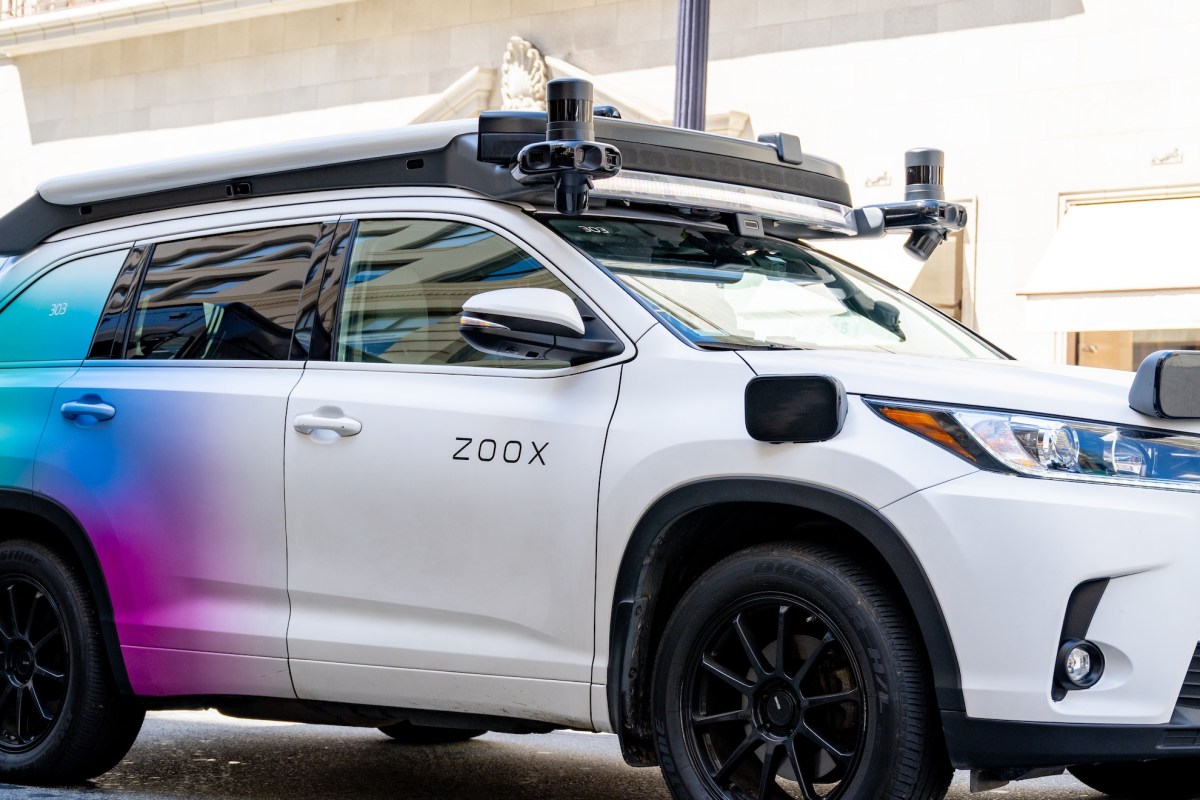
Zoox Halts Atlanta Autonomous Vehicle Testing After Worker Gas Exposure Reports
Zoox has suspended its autonomous vehicle test fleet in Atlanta following reports of potential gas exposure among safety drivers. Workers experienced symptoms consistent with exposure to carbon monoxide, carbon dioxide, or hydrogen sulfide, prompting one employee to file a complaint with the Occupational Safety and Health Administration (OSHA). The agency has since opened an inquiry into the matter. The situation is significant as it raises concerns about worker safety amid Zoox's rapid expansion into new cities, including Las Vegas and San Francisco. Reports indicate that as many as 40 workers may have been exposed to toxic gases, although Zoox claims the number is lower. The incidents have led to increased scrutiny of safety protocols, especially as the company aims to compete with market leader Waymo. Moving forward, it will be important to monitor Zoox's investigation results and the implementation of new safety measures, including the addition of CO2 monitors in vehicles. OSHA has closed its inquiry, but the implications of these incidents on Zoox's operations and reputation in the autonomous vehicle sector remain to be seen.
Transportation autonomous vehicles avs Exclusive robotaxis zoox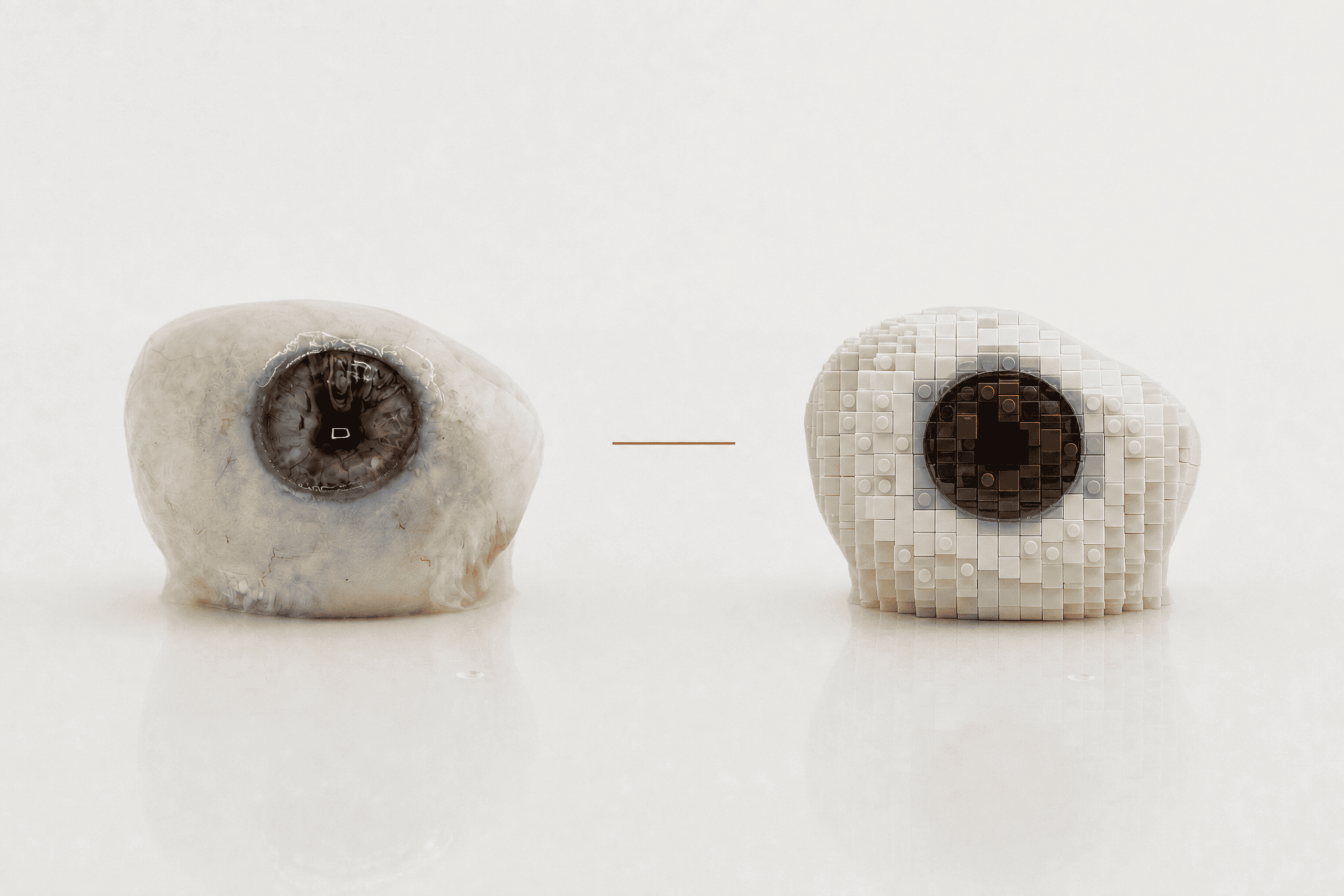
Ambitious Bio Unveils Corpus, a Comprehensive Human Protein Atlas for AI Applications
Ambitious Bio has launched Corpus, a detailed protein map of healthy human tissues, which reportedly enhances protein detection by 28% to 78% in 181 comparisons with existing studies. This advancement allows for the identification of 56% more proteins in shared tissues compared to the Human Protein Atlas, aiding drug developers in assessing potential safety risks related to disease-targeted proteins. The significance of Corpus lies in its potential to fill the data gap in human biology, which is crucial for the advancement of biological AI. As AI technology evolves, the demand for comprehensive biological data becomes increasingly vital for developing effective medical interventions. Ambitious Bio aims to lead in this space by systematically generating reliable biological measurements. Looking ahead, the success of Corpus could pave the way for further innovations in biological AI, as the company continues to build the necessary infrastructure for data generation. No further timeline was disclosed at the time of publication.
AI AI Funding & Investment AI FUNDING & INVESTMENT AI in Healthcare AI Startups Business
Paramount Skydance Settles Lawsuit, Enabling $110 Billion Warner Bros. Discovery Merger
Paramount Skydance has reached a settlement with a coalition of state attorneys general that sought to block its $110 billion merger with Warner Bros. Discovery on antitrust grounds. This lawsuit threatened to delay the acquisition until mid-2027, potentially costing Paramount hundreds of millions in fees. The merger is significant as it combines two major film studios, Paramount and Warner Bros. Discovery, along with a portfolio of TV networks and popular streaming services like Paramount+ and HBO Max. Paramount's CEO, David Ellison, expressed gratitude to the attorneys general for their collaborative approach in reaching a resolution that benefits consumers and the creative community. Looking ahead, Paramount has committed to increasing its domestic production spending by at least $300 million annually and ensuring a significant portion of its films are produced domestically. The company must also adhere to various stipulations regarding film releases and workforce training, with penalties for non-compliance. No further timeline was disclosed at the time of publication.

Hyundai Explores Deployment of Atlas Robots at Czech Manufacturing Plant
Hyundai Motor Group is considering the deployment of Atlas humanoid robots at its Czech manufacturing facility, marking Europe as a strategic testing ground following the US. This initiative aims to validate the robots' operational reliability and workplace integration, potentially leading to a broader rollout in the European market. The Czech plant, Hyundai's only auto manufacturing site in the EU, is already home to 566 operational robots, which have replaced approximately 200 workers over the past two decades. The introduction of Atlas robots could further enhance automation in a region facing labor shortages and an aging workforce, making it a prime location for advanced robotics. While no specific timeline for testing has been disclosed, discussions are ongoing between Hyundai's Czech plant and Boston Dynamics. Experts believe that successful deployment could not only benefit Hyundai's operations but also stimulate demand for humanoid robots across various industries in Europe, a market ripe for innovation.
All News
Boston Dynamics Launches Metaplant Application Center for Atlas Humanoid Training
Boston Dynamics has inaugurated its Robotics Metaplant Application Center (RMAC) near Savannah, Georgia, aimed at training Atlas humanoids for integration into Hyundai's automotive manufacturing processes. This facility will serve as a testbed for developing specific skill sets necessary for general-purpose automation in the automotive sector. The RMAC represents a significant advancement in the collaboration between Boston Dynamics and Hyundai Motor Group, focusing on optimizing supply chain and production capabilities. Zack Jackowski, chief product and technology officer at Boston Dynamics, emphasized the importance of this partnership in pioneering physical AI at an enterprise scale, aiming to enhance productivity and safety in manufacturing. Looking ahead, Boston Dynamics plans to expand Atlas's capabilities to include component assembly by 2030, with the humanoids expected to take on more complex tasks involving repetitive motions and heavy lifting. The RMAC will play a crucial role in refining these applications through real-world training and data collection.
Artificial Intelligence Artificial Intelligence / Cognition Assembly Automotive Food / Beverage Humanoids
Hyundai Considers Czech Factory for Boston Dynamics' Atlas Humanoid Deployment
Hyundai is evaluating the potential of its Czech car factory as a European site for Boston Dynamics' Atlas humanoid, expanding discussions beyond its U.S. factory plans. This was reported by The Korea Herald, highlighting an interview with Petr Michník from Hyundai Motor Manufacturing Czech, who expressed a desire to initiate local testing and operations soon. The significance of this exploration lies in Hyundai's strategy to integrate humanoid robots into its production processes, which could enhance ergonomics, safety, and product quality. While Hyundai has outlined a clear timeline for Atlas deployment in the U.S. starting in 2028, the Czech discussions represent a potential European expansion, although no specific timeline or robot count has been disclosed for the Nošovice plant. Looking ahead, the focus will be on how Hyundai navigates labor acceptance and operational integration of Atlas in Europe. The company's existing automation efforts, with 566 robots already in operation, indicate a foundation for further development. However, careful handling of labor concerns will be crucial as Hyundai moves forward with its humanoid deployment plans.
Hyundai Motor Group Deployment Atlas manufacturing Boston Dynamics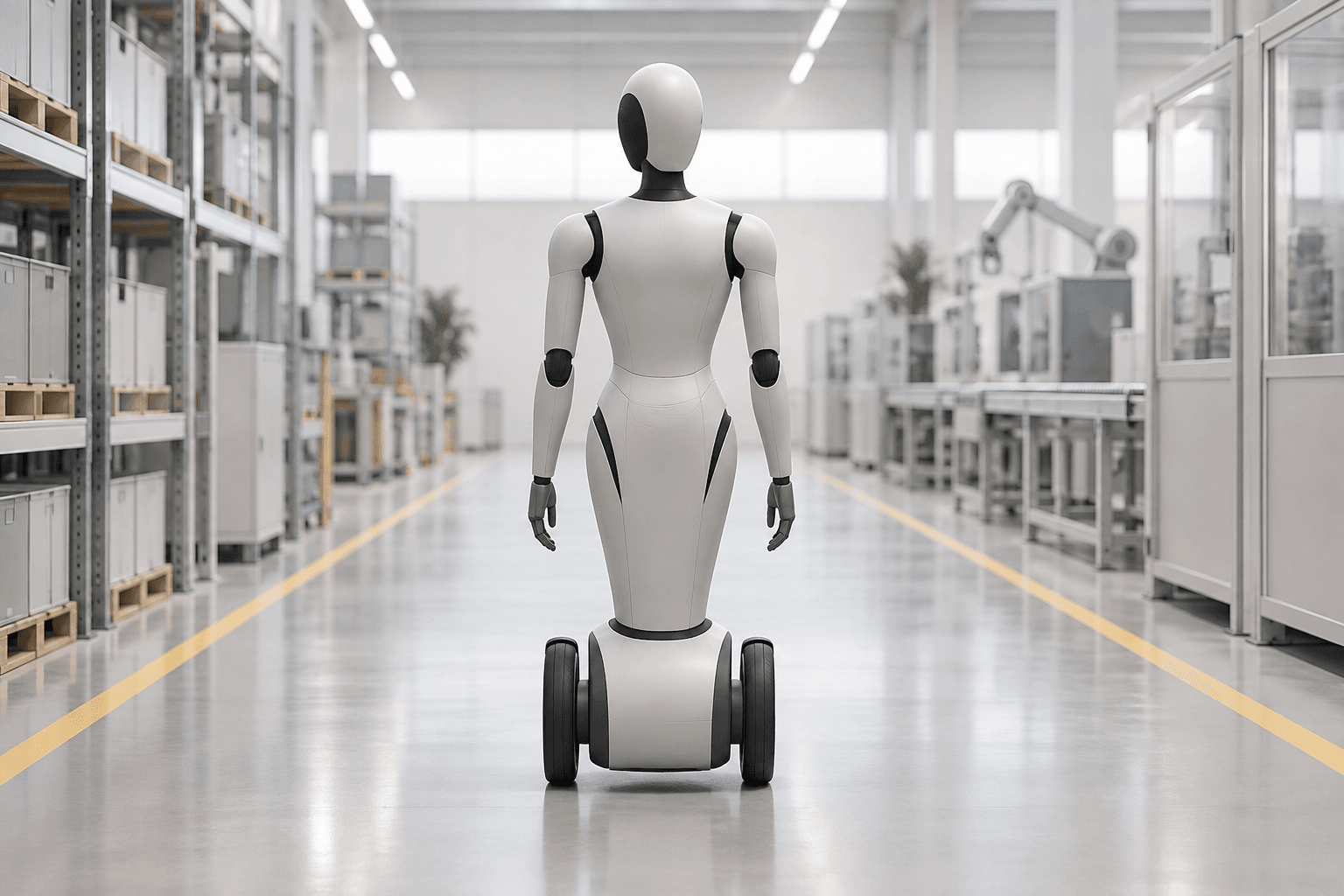
Spirit AI Implements Moz1 Humanoids on CATL and JD.com Production Lines
Spirit AI has deployed its Moz1 wheeled humanoids on production lines at CATL and JD.com. This move marks a significant step in integrating advanced robotics into manufacturing processes. The deployment of Moz1 is crucial as it reflects the growing trend of utilizing humanoid robots in industrial settings, enhancing efficiency and productivity. Gao Yang, the founder of Spirit AI, anticipates a pivotal moment in mid-2027, likening it to a GPT-3 breakthrough for natural-language processing in robot brains. Looking ahead, the industry will be watching closely for developments in natural-language capabilities and how they can further transform robotic applications. No further timeline was disclosed at the time of publication.
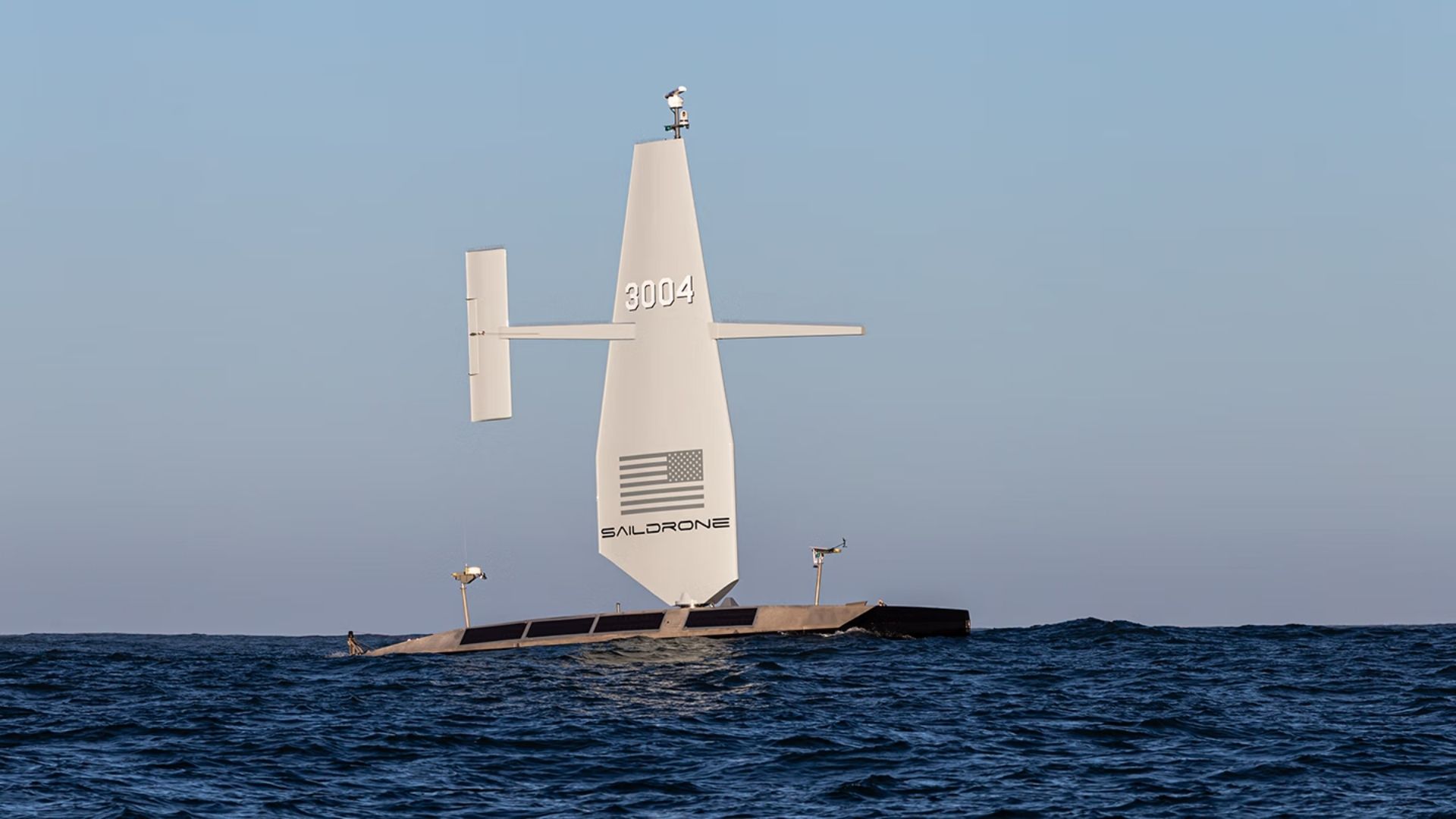
US Navy Awards $10 Million to Saildrone for Atlantic Seabed Mapping with USVs
The US Navy has awarded a $10 million contract to Saildrone to utilize autonomous vessels for mapping the Atlantic Ocean floor. This initiative, assigned by the Naval Oceanographic Office, is set to commence in 2026 and will continue through most of 2027, enhancing military knowledge of critical underwater terrain. This project is significant as it aims to improve safe navigation and support submarine missions, anti-submarine warfare, and critical infrastructure protection. Currently, only 28.7 percent of the world's oceans have been mapped to modern standards, leaving substantial knowledge gaps that can pose operational risks for naval operations. Looking ahead, the deployment of Saildrone's Surveyor unmanned surface vessels will not only provide high-resolution bathymetric data but also measure ocean currents, aiding search-and-recovery operations. No further timeline was disclosed at the time of publication.
Military
TLD Robotics Established Following Alvest's Acquisition of EasyMile to Enhance Autonomous Operations
TLD Robotics has officially launched as a subsidiary of Alvest, integrating EasyMile, TractEasy, and TLD’s driverless operations. This move follows Alvest's acquisition of EasyMile, a leader in autonomous technology, and signifies a strategic consolidation in the autonomous vehicle sector. The formation of TLD Robotics is significant as it combines autonomous software capabilities with industrial vehicle expertise, aiming to streamline deployment and enhance customer support. This integrated approach is expected to strengthen Alvest's position in the growing market for autonomous ground operations. Looking ahead, TLD Robotics is poised to leverage its combined resources to advance its offerings in autonomous vehicle technology. No further timeline was disclosed at the time of publication.
Infrastructure News Transportation airport automation alvest autonomous ground vehicles
U.S. Military's Top Officer Highlights Cislunar Space as New Battlefield
General Dan Caine, the chairman of the Joint Chiefs of Staff, emphasized the need for the U.S. military to prepare for engagements extending into cislunar space during a keynote address at the Air & Space Forces Association's conference on September 16. He noted that the modern battlefield now spans from the seabed to the vicinity of the moon, highlighting the strategic importance of this region as both the U.S. and China plan to establish bases near the moon's south pole. Caine's remarks underscore the urgency for the U.S. military to adapt to potential conflicts in cislunar space, where future operations may not guarantee uncontested access or secure areas. He stressed that maintaining U.S. dominance in space is crucial for ensuring the ability to strike globally and sustain military operations. The Space Force's strategy includes operating weapons in Earth orbit to defend against space-enabled attacks, as confirmed by General Douglas Schiess. As the competition for lunar resources intensifies, particularly with China's advancements in lunar exploration, the U.S. military's focus on cislunar operations will be pivotal. Observers should watch for developments in military strategies and technologies that address the challenges posed by this new frontier. No further timeline was disclosed at the time of publication.
Aerospace Technology
New Venture Capital Judges Announced for TechCrunch Disrupt 2026 Startup Battlefield
TechCrunch has unveiled the latest judges for the Startup Battlefield 200 at Disrupt 2026, scheduled for October 13-15 in San Francisco. These venture capitalists will assess startups not just on their pitches, but on their potential to solve real-world problems and sustain growth. The importance of the judges lies in their ability to evaluate the conviction and execution of founders, which goes beyond polished presentations. For over 15 years, Startup Battlefield has been instrumental in launching companies that have shaped entire markets, and this year's judges will continue that legacy by scrutinizing ambitious startups across various industries. As the event approaches, attendees can gain insights into how seasoned investors assess early-stage companies. No further timeline was disclosed at the time of publication.
Startups Climate Fintech Biotech & Health Venture AI
TLD Robotics Established Following ALVEST's Acquisition of EasyMile and TractEasy
TLD Robotics has officially launched as a new entity under the ALVEST Group, following the acquisition of EasyMile and TractEasy. This merger represents a significant milestone after a decade of collaboration, combining autonomous software and industrial vehicle capabilities to enhance ground operations. The formation of TLD Robotics is crucial as it consolidates expertise in autonomous operations, aiming to leverage ALVEST's strong momentum with 35 global operations and 50,000 autonomous missions. This strategic move is designed to streamline deployment and customer support, positioning the company for scalable growth in the autonomous sector. Looking ahead, TLD Robotics will focus on integrating its resources and expertise to enhance operational efficiency. No further timeline was disclosed at the time of publication.

15-Year-Old Develops BURT, a Turtle-Inspired Underwater Robot with Flippers
Evan Budz, a 15-year-old innovator, created BURT, the Bionic Underwater Robotic Turtle, inspired by a turtle's silent movement in a pond. Unlike traditional underwater drones that use noisy propellers, BURT employs flippers to glide through water without disturbing the environment, making it ideal for ecological research. This innovation is significant as it addresses the limitations of conventional underwater drones, which can scare away fish and disrupt ecosystems. BURT's design allows for quiet operation while autonomously collecting data on ecological stress signals, such as coral bleaching and plastic pollution, using a Raspberry Pi for machine learning. Looking ahead, BURT has already won the Best Innovation Project award at the 2025 Canada Wide Science Fair and competed internationally at the EU Contest for Young Scientists. The project highlights a critical reevaluation of how we observe nature, emphasizing the need for quieter, less intrusive methods in ecological studies.
Underwater Robotics Bionics Environmental Monitoring STEM Education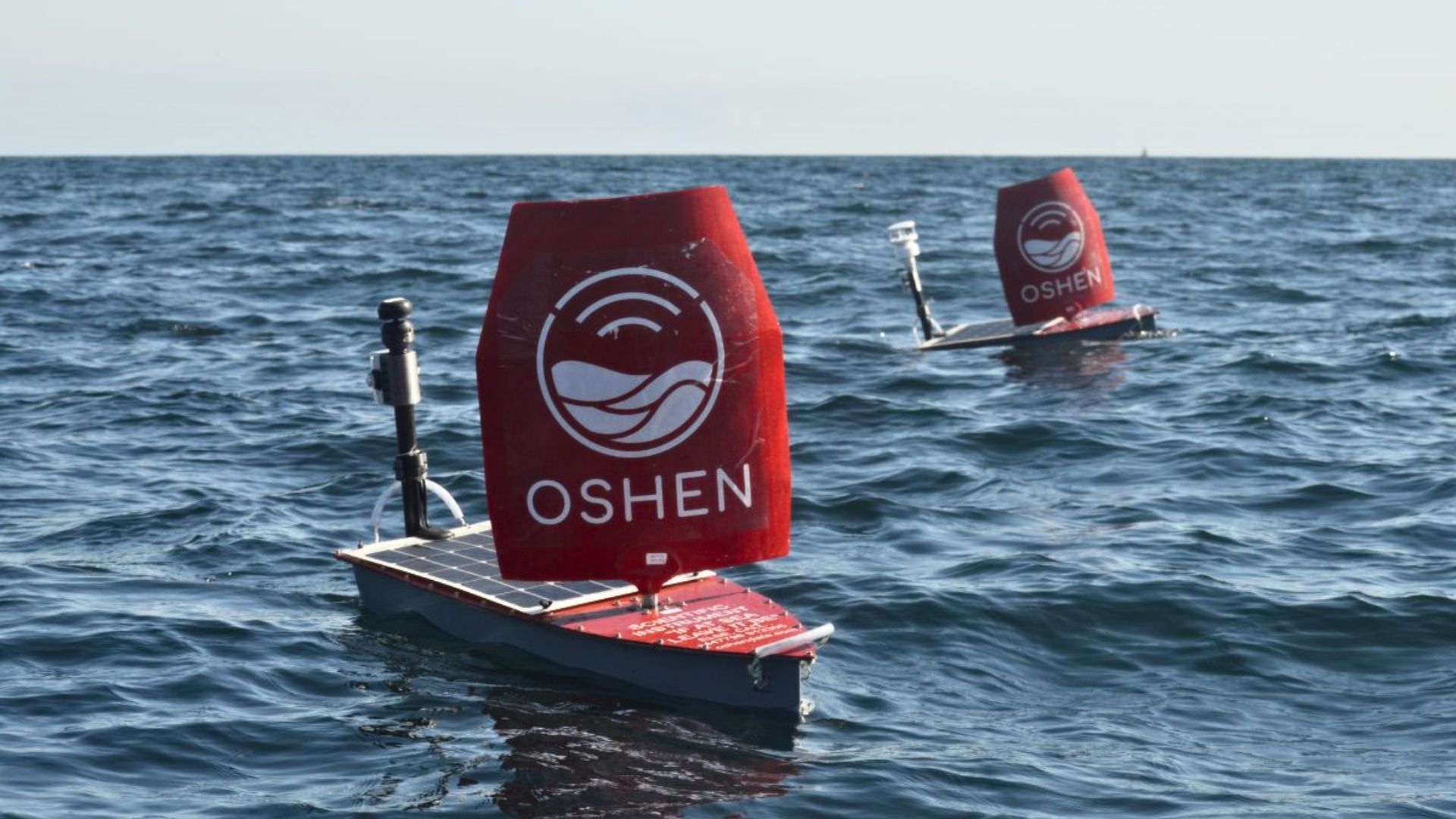
Oshen's Autonomous Sailboat Achieves Historic 3,555-Mile Atlantic Crossing in 127 Days
Oshen's four-foot autonomous sailboat, the C-Star PC13, has successfully completed a 3,555-mile Atlantic crossing, marking a historic achievement in the Microtransat Challenge after over 30 attempts. Departing Gran Canaria on May 7, the vessel reached Barbados in 127 days, navigating through busy shipping routes and challenging weather conditions, including Tropical Storm Dolly. This accomplishment is significant as it represents the first successful completion of the Microtransat, a challenge aimed at advancing the development of robotic boats since its inception in 2010. The PC13's design leverages wind for propulsion while utilizing software for navigation, showcasing the potential of autonomous vessels in maritime applications. Looking ahead, Oshen aims to expand its fleet of C-Stars for various monitoring tasks, including hurricane tracking and climate data collection in the North Atlantic. The company has already demonstrated the capabilities of its vessels in extreme conditions, indicating a promising future for autonomous maritime technology. No further timeline was disclosed at the time of publication.
Transportation
Boston Dynamics Introduces Industrial-Style Head for Atlas Robot Design
Boston Dynamics has redesigned its Atlas robot, incorporating an industrial-style head instead of human-like features. Mechanical engineer Taylor Frey-Baker emphasized that Atlas is intended for industrial environments, thus its appearance should reflect that purpose. The head lacks facial features and includes light rings that communicate the robot's operational status and intentions to nearby workers. This design choice is significant as it prioritizes safety and efficiency in shared workspaces. The head's lighting interface provides immediate visual cues about Atlas's actions, reducing ambiguity in industrial settings. The robot is equipped with HDR stereo cameras that enhance environmental perception, allowing operators to navigate challenging lighting conditions effectively. Looking ahead, the integration of the head as a sensor carrier and status indicator positions Atlas to work safely and predictably alongside human workers in factories and warehouses. No further timeline was disclosed at the time of publication.
Industrial Robots Robot Design Automation Technology Safety Systems
Honeywell Aerospace Agrees to $2 Million Settlement with DOJ Over Cybersecurity Violations
Honeywell Aerospace has reached a $2 million settlement with the Department of Justice (DOJ) regarding allegations of cybersecurity violations. The lawsuit claimed that Honeywell engaged in a fraudulent scheme related to a quantum computing contract awarded in 2020, coinciding with the SolarWinds cyberattack that compromised numerous organizations. The DOJ asserted that Honeywell failed to report cybersecurity incidents and submitted false claims for payment, particularly concerning its Advanced Connected Sustainability Technologies (ACST) unit, which was responsible for safeguarding sensitive government information. This settlement highlights the increasing scrutiny on government contractors regarding compliance with cybersecurity regulations mandated by the Department of Defense (DOD) and the National Institute of Standards and Technology (NIST). The DOD's Cybersecurity Maturity Model Certification program, which has been in development since 2019, requires contractors to report cyber incidents and maintain robust cybersecurity practices. The Honeywell case is part of a broader trend, as the DOJ has pursued several contractors for similar violations, emphasizing the legal risks associated with cybersecurity compliance. Looking ahead, organizations engaged in federal contracts must prioritize cybersecurity compliance to mitigate legal risks. The Honeywell settlement serves as a reminder that cybersecurity deficiencies can have significant implications beyond IT issues, especially as new verification requirements under the Cybersecurity Maturity Model Certification are implemented. No further timeline was disclosed at the time of publication.
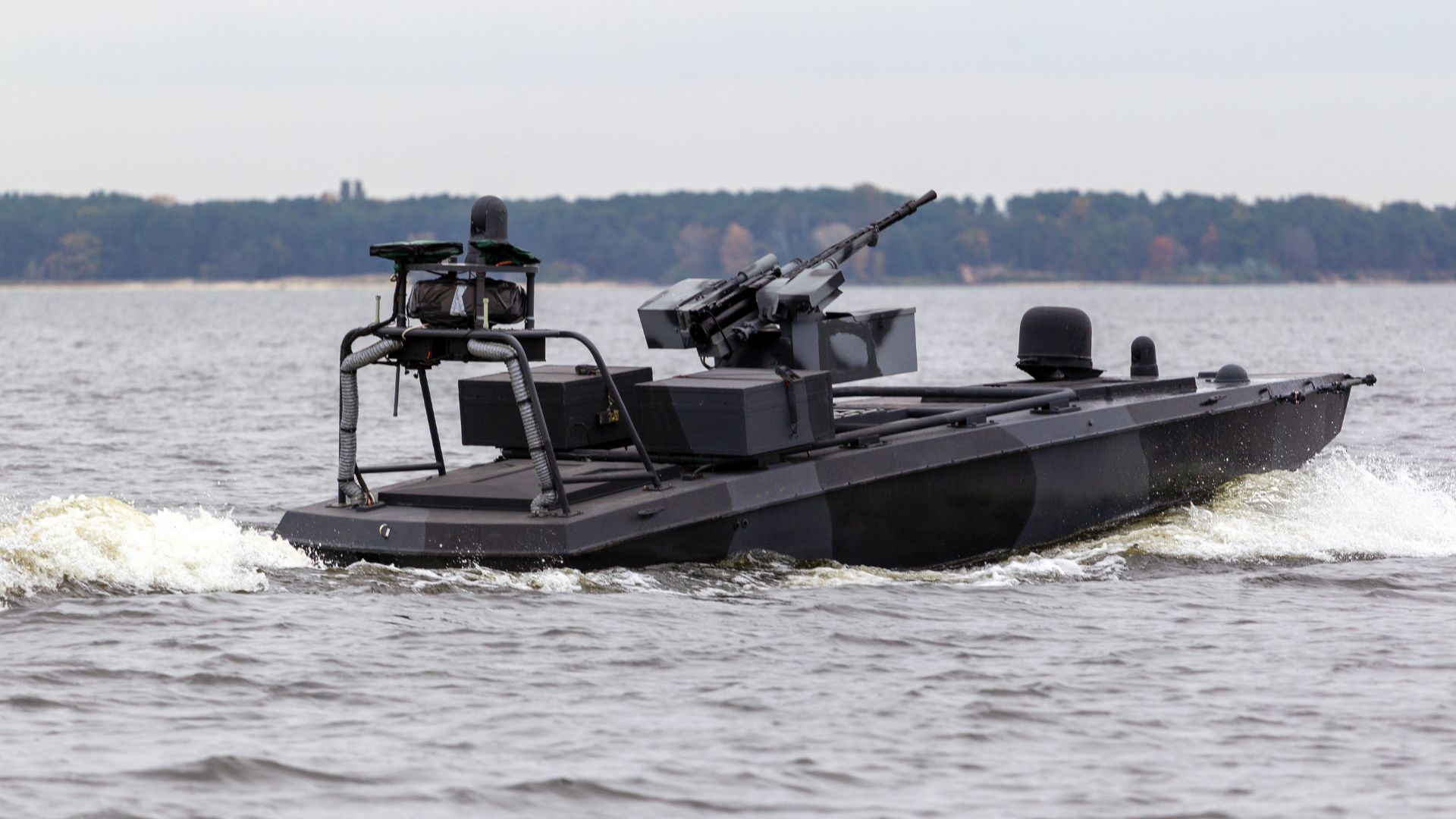
Ukraine's Sargan-3000 USV Engages and Destroys Russian Naval Drone in Historic Battle
On September 12, a Ukrainian unmanned surface vessel (USV) successfully destroyed a Russian naval drone in the Black Sea, marking the first combat between two unmanned boats, according to Ukraine's Navy. The operation involved Ukraine's military intelligence agency, HUR, which identified the Russian vessel prior to the attack by the Sargan-3000 USV, equipped with a 12.7-mm Protector remote weapon station. This incident signifies a pivotal moment in the ongoing Russia-Ukraine War, as both nations increasingly utilize naval drones to target maritime assets. The Ukrainian Navy highlighted the significance of this engagement, stating it represents a new phase in naval warfare. The Russian drone, identified as an improved Orcan type, was designed for explosive attacks and has been actively used against Ukrainian ports and naval targets. Looking ahead, the use of unmanned naval vessels is expected to escalate as both sides adapt to this new combat dynamic. The Sargan-3000, also known as SeaWolf, is a versatile platform capable of various operational roles, including strike missions and electronic warfare. No further timeline was disclosed at the time of publication.
Military
CyberHero Robot League Launches with Arena Battles and Tech Evolution Challenges
The CyberHero Robot League has officially launched in Riyadh, Saudi Arabia, marking the first global humanoid robot sports league and the Middle East's inaugural humanoid robot combat event. The league plans to host its first season across eight cities worldwide, covering regions in the Middle East, Europe, the Americas, and Asia, utilizing the EngineAI T800 humanoid robot, which stands 1.73 meters tall and weighs between 75-85 kilograms. This event is significant as it aims to generate valuable combat data that could drive rapid advancements in hardware and algorithms. However, experts caution that while the league can create entertainment value, it may not be a primary source for breakthroughs in humanoid robot technology. The closed environment of the arena and the specific combat actions limit the applicability of the data to real-world scenarios, making it challenging to transfer insights to general-purpose robotics development. Looking ahead, the CyberHero league faces critical challenges, including the high costs associated with hardware wear and tear, which may restrict technological exploration. The league's success will depend on its willingness to allow high-risk autonomous behaviors in robots and the standardization and openness of the data generated from the events. Without these, it risks becoming merely a showcase rather than a true testing ground for embodied intelligence evolution.
Humanoid Robots Robot Competitions AI Robotics Technology
Boston Dynamics Explains the Functional Design of Atlas' Head for Industrial Use
Boston Dynamics has designed the head of its Atlas robot to serve as a focal point for nearby workers, featuring a lighting interface that indicates its operational state and intended actions. According to Taylor Frey-Baker, a Senior Mechanical Engineer at Boston Dynamics, the design prioritizes function and efficiency over human aesthetics, making it suitable for industrial environments. The head's design includes round light rings that communicate the robot's status from across a factory floor, and its ability to rotate and tilt allows it to indicate its focus direction. This is crucial for Atlas, which is intended for commercial applications requiring broader situational awareness compared to its original research-focused version. The integration of high-definition cameras in the head enhances Atlas's spatial awareness and enables remote operators to view its surroundings in various lighting conditions. As Atlas operates in shared spaces, its head design facilitates clear communication with workers, promoting safety and efficiency in industrial settings. No further timeline was disclosed at the time of publication.
BitLyft Cybersecurity Unveils Agentic Managed Detection and Response Platform with AIR Engine
BitLyft Cybersecurity has officially launched the BitLyft Agentic Managed Detection and Response (AMDR) platform, which is powered by the company's autonomous security operations platform, BitLyft AIR®. This new offering enhances traditional security measures by not only providing quicker alert summaries but also by actively investigating, resolving, and documenting routine cases. The introduction of AMDR is significant as it allows experienced analysts to maintain control over critical decisions that require human judgment and contextual understanding. This approach aims to streamline security operations while ensuring that complex issues are handled by skilled professionals, thereby improving overall cybersecurity effectiveness. Looking ahead, the focus will be on how AMDR integrates with existing security frameworks and the impact it has on operational efficiency. No further timeline was disclosed at the time of publication.

Atlantas Marine Introduces Inflatable ROV Habitats for Hazardous Offshore Environments
Atlantas Marine has launched inflatable habitats designed specifically for their ROV systems, aimed at enhancing operational efficiency in hazardous offshore areas. These habitats provide a controlled workspace, allowing teams to set up and maintain ROVs effectively, addressing the common challenge of limited deck space on vessels. The introduction of these inflatable habitats is significant as they are tailored to meet the unique demands of offshore operations, including compliance with hazardous area classifications. Each unit is portable, can be mobilized quickly, and is constructed from materials that ensure durability and safety in challenging environments. Looking ahead, the first units are set to be shipped to Brazil for deployment on oil platforms. Atlantas Marine has completed testing and is eager to gather performance data from these initial deployments, which will inform future enhancements and operational practices.
atlantas marine inflatable rov habitats hazardous offshore areas
Chinese Military Scientists Support Trump's Battleship Plan with Large-Caliber Gun Defense Against Drones
Chinese military scientists have endorsed a segment of Donald Trump’s proposed battleship fleet, suggesting that large-caliber naval guns could effectively counter drone swarms. Their research indicates that explosive shells could scatter fragments over a wide area, potentially damaging multiple drones in a single shot. This approach aligns with ongoing discussions within the US Navy regarding the need to adapt naval defense strategies in response to the increasing threat posed by inexpensive drones. The significance of this research lies in its implications for naval warfare, particularly as modern warships typically rely on advanced missile systems and lasers. The study highlights the potential for large-caliber guns to serve as area weapons, offering a cost-effective solution to engage swarms of drones without the need for direct hits. The findings suggest that a single shell could damage approximately 1.19 drones in a swarm of 30, emphasizing the need for a reevaluation of ammunition expenditure in the face of mass drone attacks. Looking ahead, the researchers advocate for a comprehensive defense strategy that integrates large-caliber guns with electronic warfare and laser systems. This multi-layered approach could enhance the defensive capabilities of warships, addressing the challenge posed by the cost disparity between inexpensive drones and costly interceptors. No further timeline was disclosed at the time of publication.
Military
Seattle Times and Newsday File Lawsuit Against OpenAI and Microsoft Over AI Training Practices
The Seattle Times and Newsday have initiated legal action against OpenAI and Microsoft, claiming the companies utilized their journalism without authorization to train AI models. The lawsuit highlights concerns that generative AI could disrupt the news industry by consuming original content and producing derivative works for commercial gain. This legal challenge is part of a broader trend of copyright litigation against OpenAI and Microsoft, which began in 2023 with a similar lawsuit from The New York Times. The Seattle Times' involvement is particularly significant as Microsoft and OpenAI have previously funded some of its journalism initiatives, raising questions about the implications of such partnerships in light of the lawsuit. As the case unfolds, it will be important to monitor how it impacts the relationship between AI companies and news organizations, as well as the potential for further legal actions from other publications. No further timeline was disclosed at the time of publication.
AI AI Funding & Investment AI Policy & Regulation Insights AI training business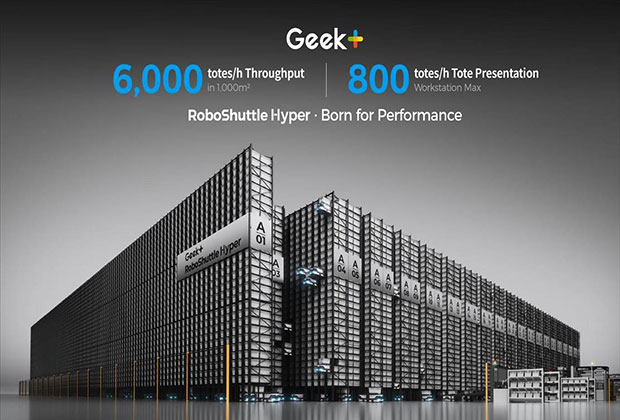
Geekplus Launches Next-Generation RoboShuttle Hyper for High-Throughput Operations
Geekplus (HKEX: 2590) has introduced RoboShuttle Hyper, a cutting-edge tote-to-person climbing autonomous mobile robot (AMR) solution. Designed for high-throughput applications such as B2C e-commerce and cold-chain fulfillment, RoboShuttle Hyper can handle up to 6,000 totes per hour per 1,000 square meters, significantly enhancing operational efficiency. The importance of throughput in fulfillment operations cannot be overstated, and RoboShuttle Hyper is engineered to optimize this metric. With advanced motion-control algorithms and a 1:10 charge-to-discharge ratio, the system ensures high availability during peak times. Its innovative design allows for increased concurrency and reduced congestion, making it a vital tool for modern logistics. Looking ahead, Geekplus continues to innovate in the tote-handling sector, having entered this market in 2018. The company plans to expand its technology offerings further, with the RoboShuttle Air set for launch in 2024 and Robot Arm Picking Stations expected in 2025. No further timeline was disclosed at the time of publication.
Order Picking & Sortation
The Seattle Times and Newsday File Lawsuit Against OpenAI and Microsoft Over AI Training
The Seattle Times and Newsday have initiated legal action against OpenAI and Microsoft, alleging that their journalism is being used without consent to train AI models. The lawsuit warns that the rise of generative AI could irreparably harm the journalism industry, describing it as a 'snake eating its own tail' that threatens the very organizations that create original content. This legal challenge highlights growing concerns within the media sector regarding the impact of AI on journalism. The lawsuit claims that AI tools like ChatGPT and CoPilot are not merely content producers but rather aggressive consumers that exploit human-created content for commercial gain, potentially undermining the sustainability of news organizations. As the legal landscape evolves, it will be crucial to monitor the outcomes of this lawsuit and its implications for the relationship between AI technologies and content creators. No further timeline was disclosed at the time of publication.
AI Media & Entertainment Microsoft Newsday OpenAI
World Labs Launches Atlas World Model for 3D Environment Simulation
World Labs has unveiled Atlas, a new world model aimed at generating, reconstructing, and simulating 3D environments. This model supports Real-to-Sim workflows, allowing robots to navigate and manipulate spaces reconstructed from images or videos. Atlas can create RGB and depth data that robots would encounter, enhancing their operational capabilities. The introduction of Atlas is significant as it enables developers to recreate interactions with various objects and simulate different training scenarios. By using a limited number of real-world recordings, Atlas can generate complex environments, which is crucial for advancing robotic applications. This multimodal model combines text, images, video, and 3D information, providing a comprehensive tool for robotics and beyond. Looking ahead, Atlas is entering early access with select partners and will also enhance future versions of World Labs' Marble world-generation product. The capabilities of Atlas in producing explicit 3D outputs and supporting diverse applications will be key areas to monitor as the technology evolves.
AI AI Use Cases Robotics Atlas real-to-sim World Labs
Microsoft Executive Highlights Need for Innovation Over Memory Chips to Address AI Bottlenecks
Rani Borkar, president of Azure Hardware Systems and Infrastructure at Microsoft, emphasized that merely increasing memory chip production will not alleviate the supply chain bottlenecks affecting AI infrastructure. Speaking at SEMICON Taiwan 2026 in Taipei on September 2, Borkar called for innovative solutions to tackle these limitations. This statement is significant as it underscores the complexity of the challenges facing AI development, which cannot be solved solely by enhancing hardware capacity. The current bottlenecks hinder the scalability and efficiency of AI systems, making it crucial for industry leaders to explore alternative strategies and technologies. Looking ahead, the focus will likely shift towards innovative approaches and technologies that can effectively address the underlying issues in AI infrastructure. No further timeline was disclosed at the time of publication.

MIT Researchers Create Atlas of Brain's Striatum to Aid Drug Development
MIT researchers have developed a comprehensive atlas of neurons in the striatum, a brain region essential for cognitive and motor functions. This atlas identifies 31 subgroups of neurons, including those linked to addiction, depression, and schizophrenia, which could pave the way for new drug treatments for these disorders. The significance of this research lies in its potential to enhance understanding of conditions like Huntington's disease and addiction. By revealing the vulnerabilities of certain neurons to Huntington's disease, the findings could inform the development of targeted therapies. Myriam Heiman, a senior author of the study, emphasizes the importance of this atlas as a foundational resource for future research. Looking ahead, the research team plans to utilize this atlas to further investigate Huntington's disease and opioid use disorder. The study's innovative use of single-cell RNA sequencing and other techniques marks a significant advancement in neuroscience, potentially leading to breakthroughs in drug development for various neurological disorders. No further timeline was disclosed at the time of publication.
Research Brain and cognitive sciences Disease Neuroscience Biology Behavior
OpenAI's ChatGPT Work and Microsoft Outlook Face User Outages
OpenAI's ChatGPT Work has been experiencing significant errors and latency for approximately three hours, affecting user functionality. The company is actively working on a mitigation strategy to resolve these issues. Concurrently, Microsoft reported outages impacting Exchange Online, with users facing degraded functionality across various subscription plans. The outages are notable as both OpenAI and Microsoft are long-time partners, yet the issues appear to be unrelated. Over 1,100 users reported problems with ChatGPT Work, while nearly 4,600 users faced difficulties with Microsoft Outlook, according to Downdetector. OpenAI's ChatGPT account acknowledged the situation, assuring users that a fix is in progress. Looking ahead, it will be important to monitor the resolution of these outages and their impact on user experience. OpenAI's ChatGPT Work, launched in July, aims to assist employees with complex tasks, while Microsoft continues to enhance its Exchange Online services. No further timeline was disclosed at the time of publication.

Microsoft Addresses Multi-Hour Outlook Outage Affecting Exchange Online Users
On Monday, Microsoft confirmed a significant outage impacting Outlook users, leading to email delays, authentication issues, and other disruptions. The company identified the problem as stemming from an authentication component affecting its Exchange Online service, which is crucial for business email and related functionalities. This outage highlights the reliance of many businesses on email services like Outlook and Exchange. User reports began surfacing around 11:30 AM ET, with Downdetector recording over 5,000 reports by 2 PM ET. The issues included failures in sending and receiving messages, searching mailboxes, and other critical workflows. Microsoft is currently testing a remediation strategy on a portion of its infrastructure to resolve the authentication issue. If successful, the solution will be rolled out more broadly. No further timeline was disclosed at the time of publication.
Enterprise email Microsoft Outage Outlook
Ocius Technology Integrates ThayerMahan and Thales Australia Sonar Systems for BlueBottle USVs
Ocius Technology has finalized agreements to incorporate advanced sonar systems from ThayerMahan and Thales Australia into its fleet of Bluebottle uncrewed surface vessels (USVs). The integration includes retractable thin-line acoustic arrays aimed at enhancing intelligence, surveillance, and reconnaissance (ISR) capabilities for the Royal Australian Navy's AUD$176 million Program of Record. This collaboration is significant as it combines Australian maritime technology with advanced acoustic sensing capabilities from the United States, demonstrating a practical application of the AUKUS Pillar II initiative. The deployment of these systems will support ongoing operations for the Australian Maritime Border Command, enhancing maritime surveillance and border protection. Looking ahead, Ocius plans to leverage the adaptable design of the Bluebottle platform to meet diverse mission requirements. No further timeline was disclosed at the time of publication.
ocius thayermahan thales bluebottle usv
Identifying the True Bottleneck in Scaling Operations: The Importance of Accurate Capture
The primary bottleneck in scaling operations is not automation, but rather the accuracy of data capture. As enterprise software evolves from systems of record to systems of action, the ability of AI agents to make decisions hinges on the quality of the captured data. In environments such as warehouses and field operations, the assumption that operations are accurately recorded often fails, leading to significant operational challenges. Discovery interviews conducted with operators from 30 organizations across eight industries revealed consistent limitations in data capture. Issues such as equipment being taken before checkout, unconfirmed returns of calibrated devices, and physical work not being accurately represented in systems highlight a critical capture gap. This gap can exacerbate problems when AI agents are tasked with managing operations based on incomplete or inaccurate records. To address these challenges, the focus must shift to capturing work as it occurs, utilizing methods like scanning tools, documenting damage with photos, and employing voice commands. The principle of capturing first, verifying second, and automating afterward is essential. Future discussions should prioritize whether operations are accurately captured before considering the capabilities of AI agents.
Leaders / Operations Software
Hyundai's Atlas Robot Deployment Sparks Labor Concerns in Korea, Not in the US
Hyundai Motor Group plans to deploy Atlas humanoid robots at its Georgia plant in 2028, highlighting a significant labor debate between Korea and the US. In Korea, union workers are advocating for job protections amid rising automation concerns, while no organized resistance has emerged in Hyundai's nonunion US factories. The Korean union has raised issues regarding the impact of physical artificial intelligence and robotics during labor negotiations, seeking transparency and safeguards against job losses. Although the union has not outright rejected the technology, a tentative agreement acknowledges the necessity of AI and robotics for Hyundai's competitiveness, emphasizing shared information and joint management of the transition. In contrast, the US lacks a comparable collective response, attributed to the weak presence of organized labor in the South and Hyundai's expanding workforce. Experts question whether the current calm will persist as humanoid robots transition from demonstrations to actual factory operations. No further timeline was disclosed at the time of publication.
All News
UK Army Commander Highlights Limitations of Ground Robots in Complex Battlefield Exercises
As military forces worldwide seek to learn from the Ukraine conflict, unmanned ground vehicles (UGVs) are being rapidly integrated into operations. However, a former frontline commander of the UK Army recently concluded that these machines are not always the right tools for the job. During a high-intensity exercise called 'Fusion Program Apex 6' at the National Training Center in California, UGVs were put to the test alongside troops from the UK and US. Colonel John Black from the Yorkshire Regiment noted that despite testing various use cases, significant challenges emerged regarding the practical application of ground robots in combat. Heavy logistical burdens were identified, as many mid-sized UGVs require trailers or flatbed trucks for transport, complicating battlefield mobility. Additionally, energy supply issues, including the need for extra batteries or fuel, further complicate operations. The exercise revealed that ideal operational ranges often fall short in complex terrains, with obstacles confusing most UGVs. Furthermore, maintaining stable remote control connections in a battlefield environment poses significant challenges. Black emphasized that while UGVs may address specific battlefield pain points, they are not universal solutions. The core value of such tests lies in understanding how unmanned systems can integrate into existing combat networks, potentially transforming the nature of warfare.
Unmanned Ground Vehicles Military Robotics Logistics Technology Autonomous Systems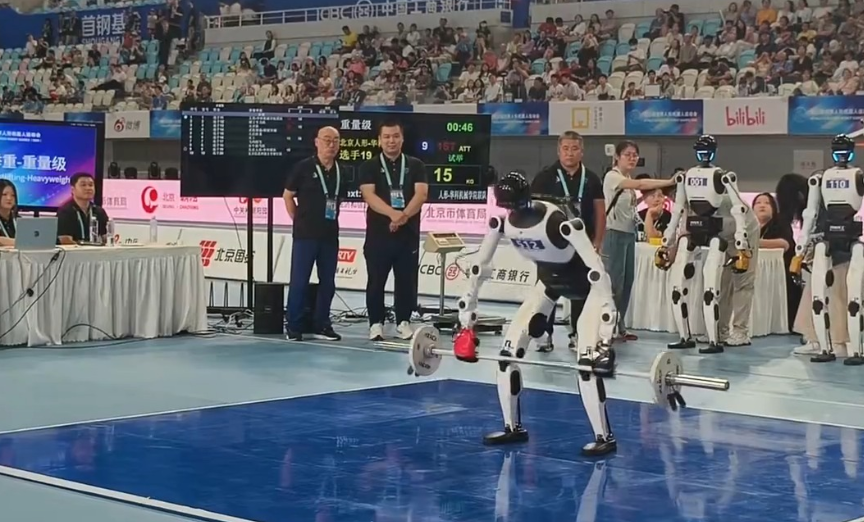
Beijing Humanoid–HUST Team Secures First Weightlifting Title with 16kg Lift
The Beijing Humanoid–HUST team achieved a significant milestone by winning the first humanoid robot weightlifting title, successfully lifting 16 kilograms. The robot initially lifted 15 kilograms before adding weight to complete the impressive 16-kilogram lift. This achievement took place during the second World Humanoid Robot Games, which featured 51 competitions and over 2,000 robots from 16 countries. This victory is notable as it highlights advancements in humanoid robotics and showcases the competitive spirit within the field. The event not only emphasizes the capabilities of humanoid robots but also fosters international collaboration and innovation among participants from various countries. The participation of 16 nations underscores the growing interest and investment in robotics technology. Looking ahead, the success of the Beijing Humanoid–HUST team may inspire further developments in humanoid robotics and weightlifting capabilities. As the World Humanoid Robot Games continue, it will be interesting to observe how other teams respond and innovate in this rapidly evolving field. No further timeline was disclosed at the time of publication.
News Feed
U.S. Restores Arizona Border Crossing for Mexican Cattle Trade
The U.S. Department of Agriculture (USDA) has announced the reopening of the Arizona border crossing for the importation of Mexican cattle. This decision marks a significant step in facilitating trade and ensuring the supply of cattle from Mexico to the U.S. The reopening is crucial for the agricultural sector, as it allows for the resumption of cattle imports, which are vital for meeting domestic demand. The USDA's action reflects ongoing efforts to strengthen trade relations and support the livestock industry amid fluctuating market conditions. Looking ahead, the USDA plans to restore additional crossings along the borders of Chihuahua in New Mexico and Texas in a phased approach. No further timeline was disclosed at the time of publication.
Data-Driven Quality Control Enhances Manufacturing by Preventing Costly Defects
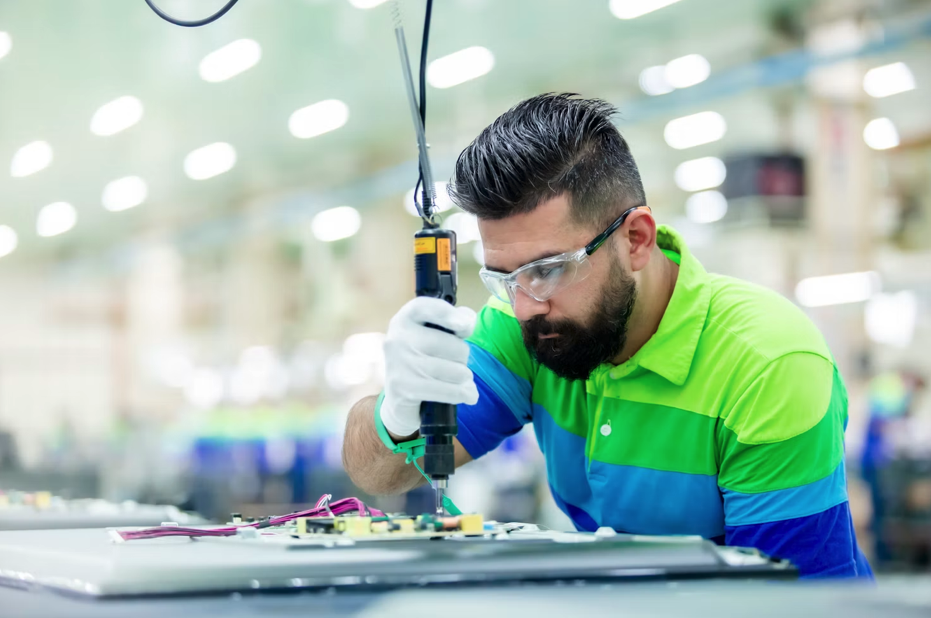
Data-driven quality control is transforming modern manufacturing by identifying variations in processes before defects occur. This proactive approach allows teams to monitor conditions that lead to nonconforming parts, reducing scrap, rework, and delivery pressures while maintaining quality costs. The significance of this method lies in its ability to shift from reactive to proactive quality control. By focusing on process changes rather than merely sorting defective products, manufacturers can prevent issues before they escalate, ultimately protecting production capacity and minimizing hidden costs associated with defects. Looking ahead, the integration of statistical process control (SPC) will be crucial for operators and engineers. By training teams to read control charts and understand process capability, manufacturers can ensure stable processes that meet specifications, thus avoiding the costly errors of mismanaging process variations.
Computing Digital Automation Manufacturing Software continuous improvement data-driven quality controlRobotics needs a service framework.
RSF defines a common language for robot service capability, lifecycle operations, certification pathways, and service-provider networks.
Join the RobotToday community on LinkedIn
Daily robotics news, in-depth analysis, conference highlights, and discussions with professionals worldwide.