

Industry Briefing
A single destination for timely, editor-curated robotics news from around the world.

Gartner Reveals Key Strategic Predictions for 2027 and Future Trends
Gartner has announced its leading strategic predictions for the year 2027 and beyond, focusing on three main categories: the proliferation of robots, the relationship between cost and value, and the concept of unknown unknowns. These predictions aim to guide organizations in navigating future challenges and opportunities in technology and business. The significance of these predictions lies in their potential to shape strategic planning for enterprises across various sectors. By emphasizing the importance of robots in everyday operations, Gartner highlights the increasing integration of automation and robotics in business processes, which can drive efficiency and innovation. Looking ahead, stakeholders should monitor how these predictions influence investment and technology adoption strategies. The insights provided by Gartner could serve as a roadmap for organizations aiming to leverage emerging technologies and adapt to the evolving landscape of business and automation. No further timeline was disclosed at the time of publication.

A Decade After Predicting a $127 Billion Drone Market: Insights and Developments
In 2016, Michael Mazur and Adam Wiśniewski predicted the drone-powered solutions market would reach $127.3 billion. A decade later, they assess the accuracy of their forecast, noting that infrastructure applications have indeed become the largest segment, valued at $45.2 billion. They emphasize that the focus has shifted from hardware to data-driven services, which now comprise approximately 78% of the market. The significance of their prediction lies in its impact on shaping expectations within the commercial drone industry. The authors highlight that their report's terminology, referring to 'drone-powered solutions' rather than just 'the drone market,' has proven prescient. This distinction underscores the growing importance of services over hardware in the industry, as evidenced by the rapid growth from a $1 billion market in 2016 to a fortyfold increase in just ten years. Looking ahead, the authors suggest that the next wave of value in the drone industry may increasingly focus on the data collected rather than the aircraft themselves. No further timeline was disclosed at the time of publication.
DL Exclusive Drone News Drone News Feeds Drones in the News News AI Clearing
US Army's High-Energy Laser Dismantles Cartel Drones, Achieves 75% Activity Reduction
The US Army has successfully destroyed 11 drones linked to cartels within 10 days using its high-energy laser system, leading to a reported 75% decrease in drone activity in the Rio Grande Valley. This deployment, which began on August 25, enables soldiers to permanently disable drones that may pose a threat to military and law enforcement operations. The significance of this technology lies in its ability to ensure that disabled drones cannot return for further surveillance, unlike traditional jamming methods. Army officials noted that since the start of 2026, US forces have intercepted around 300 cartel-related drones, primarily through electronic jamming, but have shifted to using directed energy for immediate threats. This change has reportedly altered drone activity patterns in the region. Looking ahead, the military's continued use of the high-energy laser system may further impact cartel operations. However, the lack of publicly available detection figures leaves the reported 75% reduction without a clear baseline. No further timeline was disclosed at the time of publication.
Military
LG to Launch Next-Generation Nvidia-Powered Humanoid Robot in Early 2027
South Korean electronics leader LG is set to unveil a new bipedal humanoid robot powered by Nvidia's Isaac GR00T in the first quarter of 2027. This development follows a memorandum of understanding signed on August 13 between LG and Nvidia, marking a significant step towards the execution of their collaborative efforts in robotics and AI technologies. The partnership aims to enhance LG's capabilities in AI factories and mobility solutions, leveraging Nvidia's advanced technologies. LG's chairman, Kwang Mo Koo, emphasized the clarity of their goals in AI Factory and Physical AI, while Nvidia's CEO, Jensen Huang, highlighted the transformative potential of physical AI in everyday life. This collaboration is expected to accelerate the integration of AI in various sectors. Looking ahead, LG plans to validate its LG CLOiD wheel-based robots at its washing machine manufacturing line in Tennessee this year. The results will inform further refinements and potential expansions of robot deployments across global production facilities and commercial spaces. No further timeline was disclosed at the time of publication.
Autonomous Vehicles Factories Humanoids News Robotics ai factories
Yale's Tribar Robot Survives 5.7-Meter Fall, Redefining Robotic Resilience
On October 10, a team from Yale University published results in Nature: Machine Intelligence showcasing Tribar, a rolling robot that autonomously moved after falling 5.7 meters onto asphalt. This height marks the highest recorded fall for tensegrity robots. Tribar's design, inspired by architect Buckminster Fuller, utilizes continuous tensile elements and discrete compressive elements to maintain stability. This allows it to absorb impact energy without a rigid shell, making it capable of withstanding high external loads without heavy armor. The research team validated Tribar's performance across various terrains, including grass and ice, and demonstrated its ability to climb slopes and navigate complex paths. The robot's impact resistance and sensor capabilities suggest potential applications in environments where traditional robots struggle. No further timeline was disclosed at the time of publication.
Robotics Impact Resistance Autonomous Systems Disaster Response Planetary Exploration
Atlas Energy to Increase Kodiak-Powered Autonomous Truck Fleet to 100 by Mid-2027
Atlas Energy Solutions is expanding its autonomous truck operations in the Permian Basin, enhancing its oilfield logistics through digital transformation. Collaborating with Kodiak AI, Atlas will increase its driverless proppant delivery program to a second load-out point along its Dune Express sand conveyor system, boosting delivery capabilities and meeting rising customer demand. This expansion is significant as it will grow Atlas's fleet from 28 autonomous trucks as of March 31, 2026, to 100 by mid-2027, with plans to operate on public roads by early 2027. John Turner, CEO of Atlas Energy Solutions, emphasized that this partnership is vital for transforming oilfield sand logistics, aiming to improve efficiency and reduce operational risks for customers. Looking ahead, Atlas's autonomous program has steadily scaled since its initial deployments in 2024. The company has already completed approximately 7,000 loads, hauling over 450,000 tons of sand. The upcoming milestones will depend on regulatory and operational developments as Atlas continues to enhance its service area across Texas and New Mexico.
Autonomous Vehicles Energy News artificial intelligence atlas energy solutions autonomous driving
USAF Chief Wilsbach Discusses Iran Conflict, T-7 Red Hawk, and F-35 Delays
US Air Force Chief of Staff Gen. Kenneth Wilsbach has addressed significant issues during his brief tenure, including the ongoing conflict with Iran and its implications for U.S. military operations. He emphasized the need for enhanced base defense strategies, particularly in light of recent threats that have emerged from the region. Wilsbach highlighted the importance of the T-7 Red Hawk training jet, built by Boeing, amidst concerns regarding its development and operational readiness. He also discussed the F-35 program, noting delays that have rendered some jets non-combat capable due to upgrade issues and missing components. Looking ahead, Wilsbach indicated a shift towards establishing a new career field focused on point defense to better protect airfields from various threats, including drones and missiles. No further timeline was disclosed at the time of publication.
Air Warfare Air Force Boeing collaborative combat aircraft Drones F-35
IndexBox Forecasts 7.7% Growth in Delta Robot Market by 2035, Driven by Food and Electronics
IndexBox has projected that the Delta robot market will experience a growth rate of 7.7% by the year 2035. This growth is primarily attributed to increasing demand in the food and beverage and electronics sectors, which are expected to drive significant investments in automation technologies. The anticipated growth in the Delta robot market is crucial as it highlights the ongoing trend towards automation in various industries. As companies seek to enhance efficiency and reduce operational costs, the adoption of Delta robots is likely to become more prevalent, particularly in sectors that require precision and speed. Looking ahead, stakeholders should monitor advancements in Delta robot technology and their applications in different industries. The focus on food and beverage and electronics sectors will be particularly important, as these areas are poised for substantial growth and innovation in automation solutions. No further timeline was disclosed at the time of publication.
Robotics Automation AI
Robot Dogs Use Insect-Inspired Movements to See Through Obstructions in 17 Milliseconds
A collaborative team from Johannes Kepler University Linz, Free University of Bozen-Bolzano, University of Trento, and University of Sussex has developed a method for robot dogs to mimic insect movements to enhance their visual perception. By performing rhythmic lateral movements, akin to the 'peering' behavior observed in insects like locusts, these robots can effectively see through obstructions such as foliage and debris. This innovation is significant as it addresses a common challenge faced by exploration robots in environments cluttered with obstacles that hinder visual sensors. The research establishes a connection between the peering motion and synthetic aperture sensing, allowing the robots to create a virtual aperture that enhances background signals while blurring out obstructions. Future developments to watch include the potential applications of this technology in various environments, including forests and disaster sites. The research indicates that the synthetic aperture technique is most effective at around 50% obstruction density, suggesting a promising avenue for improving robotic vision in complex terrains. No further timeline was disclosed at the time of publication.
Robotics Computer Vision AI Obstacle Detection
MoYing Technology's Platform Cuts Device Integration Time from 3 Months to 7 Days
Recently, MoYing Technology's industrial intelligence platform was ranked 7th in the 2026 AI Innovation Application Top 50 exemplary cases, becoming the only benchmark enterprise in the field of industrial embodied intelligence. This recognition highlights the platform's innovative underlying technology and its significant value in large-scale industrial applications. The MoYing Baichuan platform addresses industry challenges such as slow robot development and deployment by providing a universal system base. It enables hardware protocol abstraction, product modularization, and scenario templating, allowing different devices to operate under a unified software capability. The integration time for new devices has been reduced from 3 months to as little as 7 days, with mature production line solutions deployable in just 45 days. The platform's unique approach combines large model inference with execution and feedback mechanisms, facilitating the translation of AI decisions into actionable robot commands. This innovation significantly lowers the barriers to robot task orchestration and reduces the workload of repetitive development and on-site debugging, potentially decreasing deployment costs and accelerating scene replication in industrial robotics.
Industrial Intelligence AI Integration Robotics Automation Digital Manufacturing
Research Reveals 12.5 Trillion Tons of Polar Ice Loss Since the 1970s
An international team of researchers has reported a staggering loss of 12.5 trillion tons of polar ice from Greenland and Antarctica since the 1970s. This finding is based on the longest satellite record in history, which spans from 1972 to 2023 and incorporates data from 42 satellite surveys and 27 missions. The majority of the ice loss is attributed to Greenland's ice sheets, with significant implications for global sea levels. The Ice Sheet Mass Balance Inter-comparison Exercise (IMBIE) has provided a comprehensive overview of polar ice loss, revealing over 1.18 inches (3 centimeters) of sea level rise during this period. Researchers noted that 84% of the ice loss resulted from faster-flowing glaciers, while only 16% was due to surface melting. Climate change is identified as the primary driver of this long-term trend, emphasizing the urgent need for global assessments to protect communities vulnerable to climate impacts. Looking ahead, the data indicates that ice loss has intensified since the 1990s, with Greenland experiencing a dramatic increase from 66 billion tons (60 billion tonnes) lost per year in the 1980s to 291 billion tons (264 billion tonnes) in the 2010s. As the world approaches critical climate thresholds, the importance of satellite data in monitoring these changes and informing policy decisions becomes increasingly clear. No further timeline was disclosed at the time of publication.
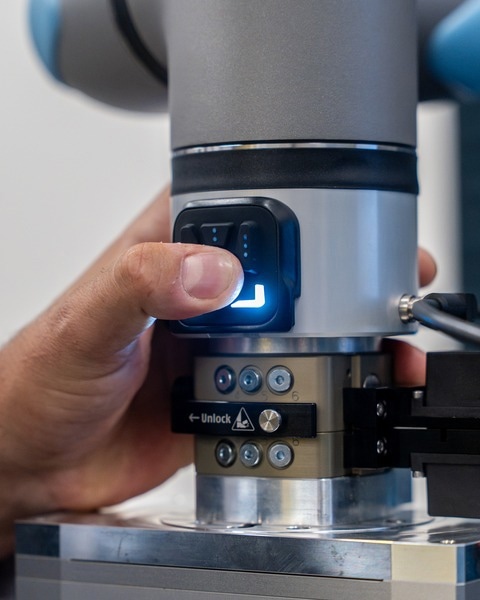
Universal Robots Introduces Completely Redesigned Gen 7 Platform at IMTS 2026
Universal Robots has unveiled its new Gen 7 platform at IMTS 2026, showcasing a completely redesigned robot platform. This launch signifies a significant advancement in robotic technology, reflecting the company's commitment to innovation in automation solutions. The introduction of the Gen 7 platform is crucial as it represents Universal Robots' ongoing efforts to enhance the capabilities and efficiency of robotic systems. This redesign aims to meet the evolving needs of industries seeking advanced automation solutions, thereby reinforcing Universal Robots' position in the market. Looking ahead, industry professionals should monitor the adoption and performance of the Gen 7 platform in various applications. The impact of this new platform on operational efficiency and productivity in automation will be of particular interest to stakeholders in the robotics sector. No further timeline was disclosed at the time of publication.
Spirit AI Anticipates Major Robot Intelligence Advancement by Mid-2027
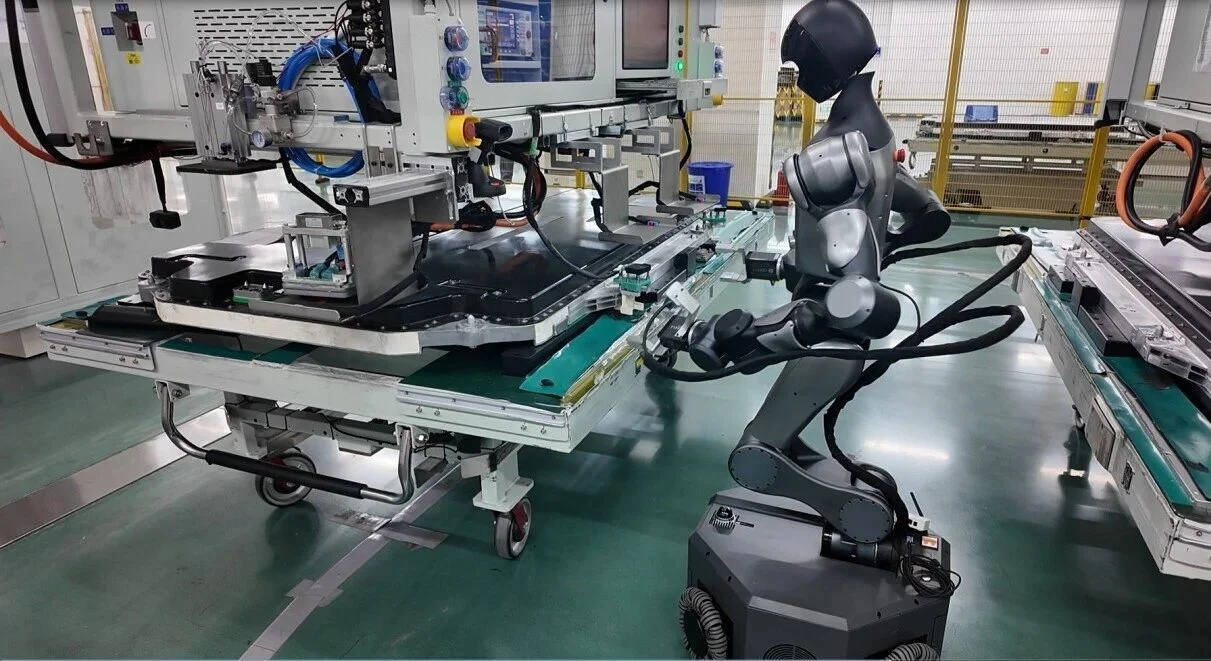
Spirit AI predicts a significant leap in robot intelligence by mid-2027, as stated by co-founder and chief scientist Gao Yang. He noted that while hardware improvements are rapid, software remains a critical weakness in robotics. The company expects to achieve capabilities akin to GPT-3.0, enabling robots to understand natural language requests and perform corresponding physical actions. This advancement is crucial as it could pave the way for industrial applications within the next two years, followed by simpler commercial services. However, Spirit AI acknowledges that developing effective household robots will take considerably longer due to the complexities involved. Currently, their robots have a reported 90% success rate in structured environments, but challenges remain with more complex tasks. Looking ahead, Spirit AI's Moz1 and Moz2 robots are already deployed in industrial settings, with plans to expand into commercial services. The company emphasizes the importance of diverse training data to enhance model performance, indicating a focus on practical applications in real-world scenarios. No further timeline was disclosed at the time of publication.
Artificial Intelligence Spirit AI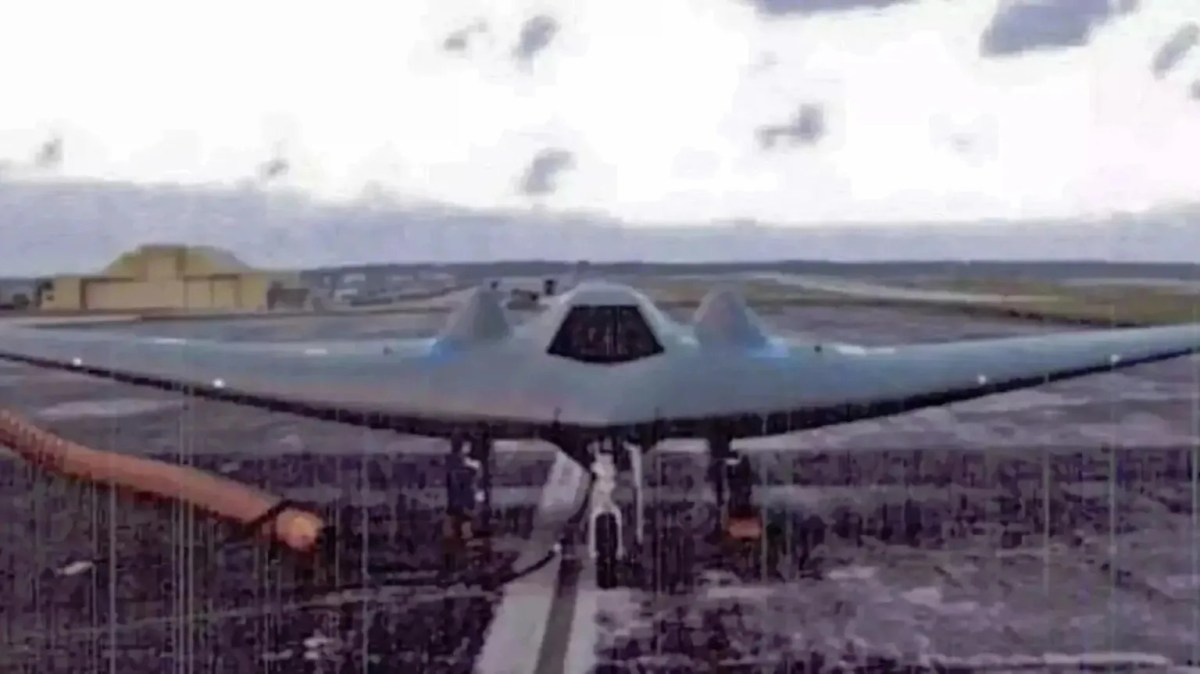
30th Reconnaissance Squadron Receives Award for RQ-170 Sentinel Operations in 2025
The 30th Reconnaissance Squadron of the U.S. Air Force has been awarded the General Atomics Remotely Piloted Aircraft Squadron of the Year for 2025. This recognition highlights the squadron's significant contributions to intelligence, surveillance, and reconnaissance (ISR) missions, particularly involving the stealthy RQ-170 Sentinel drone. This award is notable as the 30th Reconnaissance Squadron, also known as the Blackbirds, operates in a highly classified environment. Their efforts in 2025 included conducting 87 ISR missions across three areas of responsibility, showcasing their operational agility and effectiveness in filling critical intelligence gaps and disrupting enemy networks. Looking ahead, the continued performance of the 30th Reconnaissance Squadron may influence future remotely piloted aircraft capabilities. While details about their specific operations remain classified, the squadron's achievements in 2025 set a high standard for the Air Force's drone units, particularly in the context of evolving military strategies and technologies.
Air Air Forces News & Features RQ-170 U.S. Air Force Unmanned
U.S. Army Tests H-60M Black Hawk Launching Altius-700 Drone Over Mojave Desert
The U.S. Army has successfully tested the H-60M Black Hawk helicopter as a launch platform for the Altius-700 drone during Project Convergence Capstone 6. The test, conducted over California's Mojave Desert, showcased the helicopter's ability to deploy autonomous systems beyond its onboard weapon range, marking a significant shift in its battlefield role. This development is crucial as it enhances the Black Hawk's capabilities, allowing it to carry and launch drones that can autonomously locate and engage targets. The Altius-700, identified as the Army's Long-Range Precision Munition, boasts a range of approximately 100 miles, significantly surpassing traditional helicopter weapons like the AGM-114 Hellfire. Looking ahead, the Army's ongoing tests will further evaluate the Altius-700's performance in various conditions, including extreme heat. The successful integration of these systems could redefine operational strategies, providing U.S. forces with a decisive advantage in future engagements. No further timeline was disclosed at the time of publication.
Military
iRobot Launches Roomba® Max 875 Combo, Its Most Advanced Cleaning Robot Yet
iRobot Corp. has unveiled the Roomba® Max 875 Combo Robot + AutoWash™ Dock, its most sophisticated cleaning robot to date, featuring innovative SealForce™ Vacuuming Technology and a Dual-Action Heated Mopping System. This new robot aims to redefine hands-free cleaning by delivering superior performance in deep carpet cleaning and stain removal. The introduction of the Roomba® Max 875 Combo Robot is significant as it showcases iRobot's commitment to addressing consumer demands for effective cleaning solutions. With over 35 years of robotics engineering, the robot utilizes advanced technologies to enhance cleaning efficiency, including a unique sealing mechanism that improves suction power and airflow. Looking ahead, iRobot continues to push the boundaries of home robotics, focusing on consumer pain points and enhancing user experience. No further timeline was disclosed at the time of publication.

GoPro Acquired by Starman Holding for $285 Million, Expanding into Defense and Aerospace
GoPro has been acquired by Starman Holding for $285 million, marking a significant shift for the company. Previously known for consumer action cameras, GoPro's CEO Nick Woodman now positions the company as a leader in imaging and optical solutions for national security, focusing on defense and aerospace sectors. This acquisition comes shortly after YouTuber Mark 'Markiplier' Fischbach became GoPro's largest shareholder, holding 8.5% of the company. Starman Holding's CEO Charles Tebele emphasized the merger's potential to combine GoPro's optical expertise with Starman's manufacturing capabilities, aiming to bring critical component production back to the U.S. Looking ahead, GoPro plans to maintain its consumer product lines while exploring new opportunities in defense and aerospace consulting. The deal is expected to close by the end of the year, although further details regarding the transition and shareholder plans remain undisclosed.
Cameras Gadgets News Tech
U.S. Predicts Iran War Will Cause Oil Supply Disruptions Until 2027
The ongoing conflict in Iran has now reached its sixth month, leading to renewed concerns over global oil supply disruptions. As a result, consumers worldwide are bracing for potential increases in fuel prices and inflation. This situation is significant as it highlights the interconnectedness of geopolitical events and their impact on the global economy. The anticipated disruptions in oil supply could exacerbate existing inflationary pressures, affecting both consumers and businesses alike. Looking ahead, stakeholders should monitor developments in the conflict and any potential resolutions that may influence oil supply stability. No further timeline was disclosed at the time of publication.

Lockheed Martin's X-62A Achieves 27 Autonomous Intercepts Using Live Sensor Data
Lockheed Martin and the U.S. Air Force Test Pilot School have successfully conducted flight tests where an AI agent autonomously flew the X-62A fighter aircraft. Utilizing live sensor data, the AI executed 27 autonomous intercepts across eight sorties, marking a significant advancement in airborne autonomy systems. This achievement is crucial as it demonstrates the AI's capability to process real-time infrared search and track data, enhancing the operational effectiveness of military pilots. The integration of live sensor feeds allows the AI to make tactical decisions akin to those faced by human pilots during actual missions, potentially reducing pilot workload in complex scenarios. Looking ahead, the successful tests pave the way for future upgrades to the X-62A, including a Mission Systems Upgrade that will enhance integration between sensors and AI agents. This initiative reflects the U.S. military's strategy to incorporate AI as a supportive partner in air combat, improving response times and maneuver execution during critical operations.
AI and Robotics Military
Tesla Faces $2.76 Billion Loss as Carbon Credit Sales Decline After Regulatory Changes
Tesla's revenue from automotive regulatory credits has drastically decreased, bringing in only $146 million in Q2 2026 compared to $400 million to $500 million per quarter in 2025. This decline follows the Working Families Tax Cuts Act, which eliminated penalties for automakers not meeting Corporate Average Fuel Economy (CAFE) standards, rendering Tesla's fuel economy credits nearly worthless. The significance of this change is profound, as it marks the end of a lucrative revenue stream that peaked at $2.76 billion in fiscal 2024. The U.S. Department of Transportation's plans to eliminate the CAFE credit trading program by model year 2028 further threaten Tesla's financial stability. The shift in regulatory stance, influenced by the Trump administration, has led to a reduction in profit margins, with Tesla's automotive gross margin dropping to 16.9% in Q2 2026 from over 20% in previous quarters. Looking ahead, the impact of these regulatory changes on Tesla's profitability will be critical to monitor. The company's net income has already seen a 5% decline year-over-year, totaling approximately $1.11 billion this quarter. No further timeline was disclosed at the time of publication.
Yuequan Bionics Launches Innovative 299.7g Y-Hand M1 with Unique Biomechanical Technology
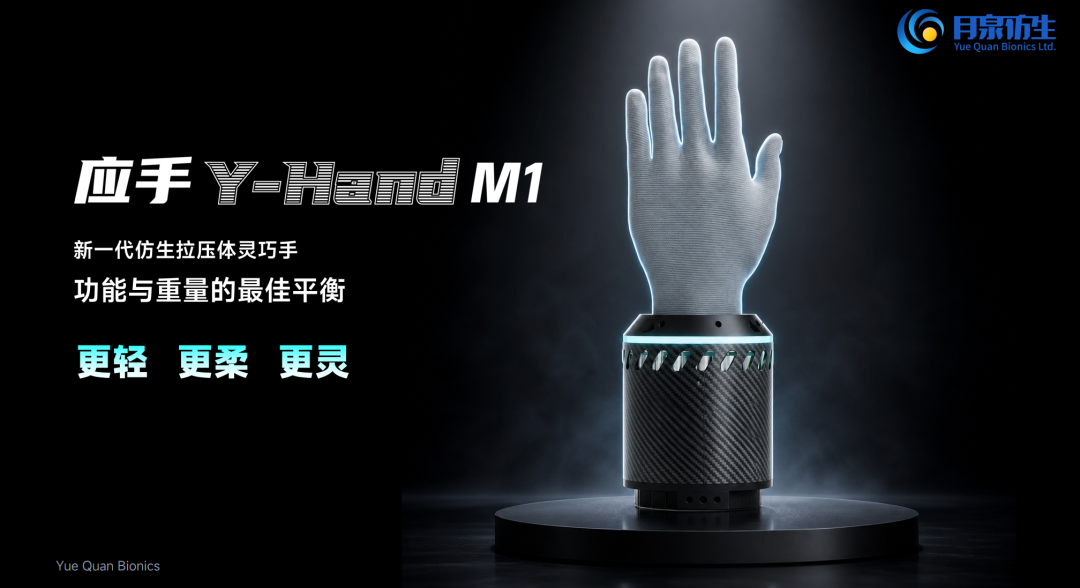
On July 3, Yuequan Bionics unveiled the Y-Hand M1, a dexterous robotic hand weighing 299.7 grams. Unlike competitors that focus on increasing degrees of freedom, the Y-Hand M1 employs a unique bionic tension-compression technology, achieving significant dexterity with only 26 degrees of freedom. This innovation is crucial as the robotics industry grapples with the challenge of balancing performance, cost, and reliability in dexterous hands. The Y-Hand M1 represents a paradigm shift, addressing the industry's 'impossible triangle' where high performance often leads to increased costs and reduced reliability. Looking ahead, the dexterous hand market in China is projected to grow significantly, with sales expected to reach 70,200 units in 2026. As investment in this sector surges, the Y-Hand M1's unique approach may set a new standard for future developments in robotic manipulation technology. No further timeline was disclosed at the time of publication.
Dexterous Hands Bionic Technology Robotics Innovation Embodied Intelligence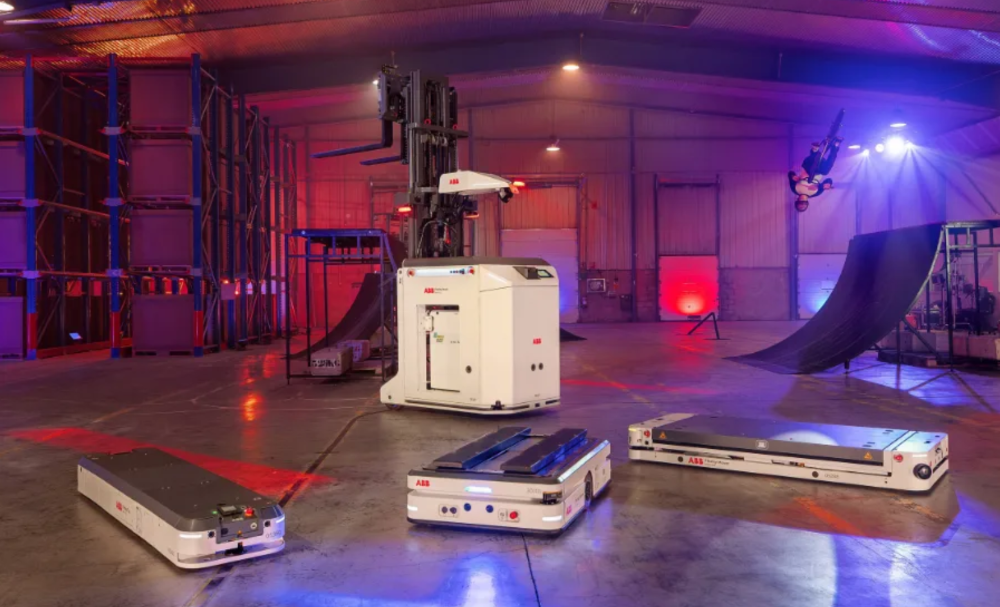
ABB Introduces Flexley Stack F712 AI-Powered Forklift with Visual SLAM Technology
On July 8, ABB Robotics launched the Flexley Stack F712, an AI-driven autonomous forklift utilizing visual SLAM technology. This product completes ABB's lineup of autonomous mobile robots (AMRs), which now includes forklifts, tuggers, and transport vehicles. The F712 can handle various load types, with a maximum capacity of 2000 kg and a lifting height of 8.5 meters, achieving a top speed of 1.7 meters per second under full load. The significance of the F712 lies in its advanced navigation capabilities, which eliminate the need for traditional infrastructure like reflective markers or magnetic strips. With a positioning accuracy of ±10 mm, the F712 can autonomously navigate complex warehouse environments. It integrates seamlessly with the AMR Studio software, allowing for rapid deployment and fleet coordination, reducing debugging time by 20% compared to traditional systems. Looking ahead, the F712 is designed to support various internal logistics tasks, including warehousing and production line operations, and is compliant with the latest ISO and ANSI safety standards. No further timeline was disclosed at the time of publication, but the F712 represents a significant step towards more autonomous and capable robotic solutions in smart manufacturing environments.
Autonomous Forklifts AI Robotics Warehouse Automation Visual SLAM Logistics Technology
Yann LeCun Envisions Major Robotics Paradigm Shift by 2027, Critiques LLMs
Yann LeCun, a prominent figure in AI, recently expressed his concerns about the robotics industry's dependence on Large Language Models (LLMs) during an interview on the Unsupervised Learning podcast. He predicts that by early 2027, the need for a fundamental shift in robotics will be evident, as current methods are deemed a 'dead end' for achieving true physical intelligence. LeCun's critique highlights the inefficiencies of relying on massive datasets and imitation learning, drawing parallels to the unresolved challenges in autonomous driving. He argues that true intelligence requires rapid generalization, unlike current systems that demand extensive data for narrow tasks. His rejection of Vision-Language-Action models stems from their unreliability and data constraints, pushing him to advocate for the Joint Embedding Predictive Architecture (JEPA) through his startup, AMI Labs. Looking ahead, LeCun aims to refine JEPA and demonstrate methodologies for training hierarchical world models within the next 12 to 18 months. He warns that LLMs are 'intrinsically unsafe' for high-stakes environments, emphasizing the need for systems that genuinely understand the physical world rather than merely responding to it. No further timeline was disclosed at the time of publication.
US AMI World-Models Yann-LeCun world-model
Xiaomi Begins Stable Rollout of HyperOS 4 on October 15 for Multiple Devices
Xiaomi is set to initiate the stable rollout of its HyperOS 4 in China starting October 15. The rollout will begin with the Xiaomi 17 series, REDMI K100 Pro, K90 models, and Xiaomi Pad 8 tablets, with further expansions planned through January 2027. This rollout is significant as it marks the introduction of Xiaomi's latest operating system, which is expected to enhance user experience across its devices. The phased approach to the rollout indicates Xiaomi's strategy to ensure stability and performance before a wider release. Looking ahead, users can anticipate updates and improvements as Xiaomi continues to expand the availability of HyperOS 4. The timeline suggests that the rollout will be completed by January 2027, providing ample opportunity for feedback and adjustments during the process.

Camsense Technologies Pursues Hong Kong IPO to Raise $87 Million Despite US Ban
Camsense Technologies is set to raise approximately US$87 million through a Hong Kong IPO, with support from car manufacturer BYD. The company plans to offer 11.58 million shares at HK$58.85 each, with trading expected to commence on September 30. Despite facing a ban from the US, Camsense co-founder Zhou Kun stated that the impact on their operations has been minimal. Existing client product exports and procurement remain normal, and disruptions are limited to new product development schedules. The firm has ensured that research and development progress, as well as order intake, are unaffected. Investors should monitor Camsense's performance post-IPO and its ability to navigate the challenges posed by the US ban. The company's ongoing communication with clients and stable operational status will be crucial in determining its future growth trajectory. No further timeline was disclosed at the time of publication.

Nabuurs Reduces Cleaning Labor by 60-70% with Autonomous Tennant T16AMR Scrubber
Nabuurs Supply Chain Solutions has successfully reduced its cleaning labor requirements by an estimated 60 to 70% through the deployment of an autonomous Tennant T16AMR floor scrubber at its 60,000m² logistics facility in Oosterhout. This initiative, which began in July 2025, followed a thorough trial and ROI analysis aimed at maintaining cleaning standards while minimizing the labor needed for conventional scrubber operations. The introduction of the T16AMR has allowed Nabuurs to achieve consistent cleaning results without the need for a dedicated operator, as the machine autonomously cleans an average of 1,774m² per day. This significant reduction in labor has improved operational efficiency and enabled the company to maintain high cleaning standards across its busy logistics environment. Looking ahead, Nabuurs is considering the potential for rolling out autonomous cleaning solutions to additional sites in the Netherlands, building on the success of the T16AMR at Oosterhout. The collaboration with Tennant continues to evolve, focusing on further enhancing operational efficiency and standardizing cleaning processes across the logistics network.
AMR and AGV Automation Systems and Shuttles IT in Logistics Warehouse Property Warehousing autonomous cleaning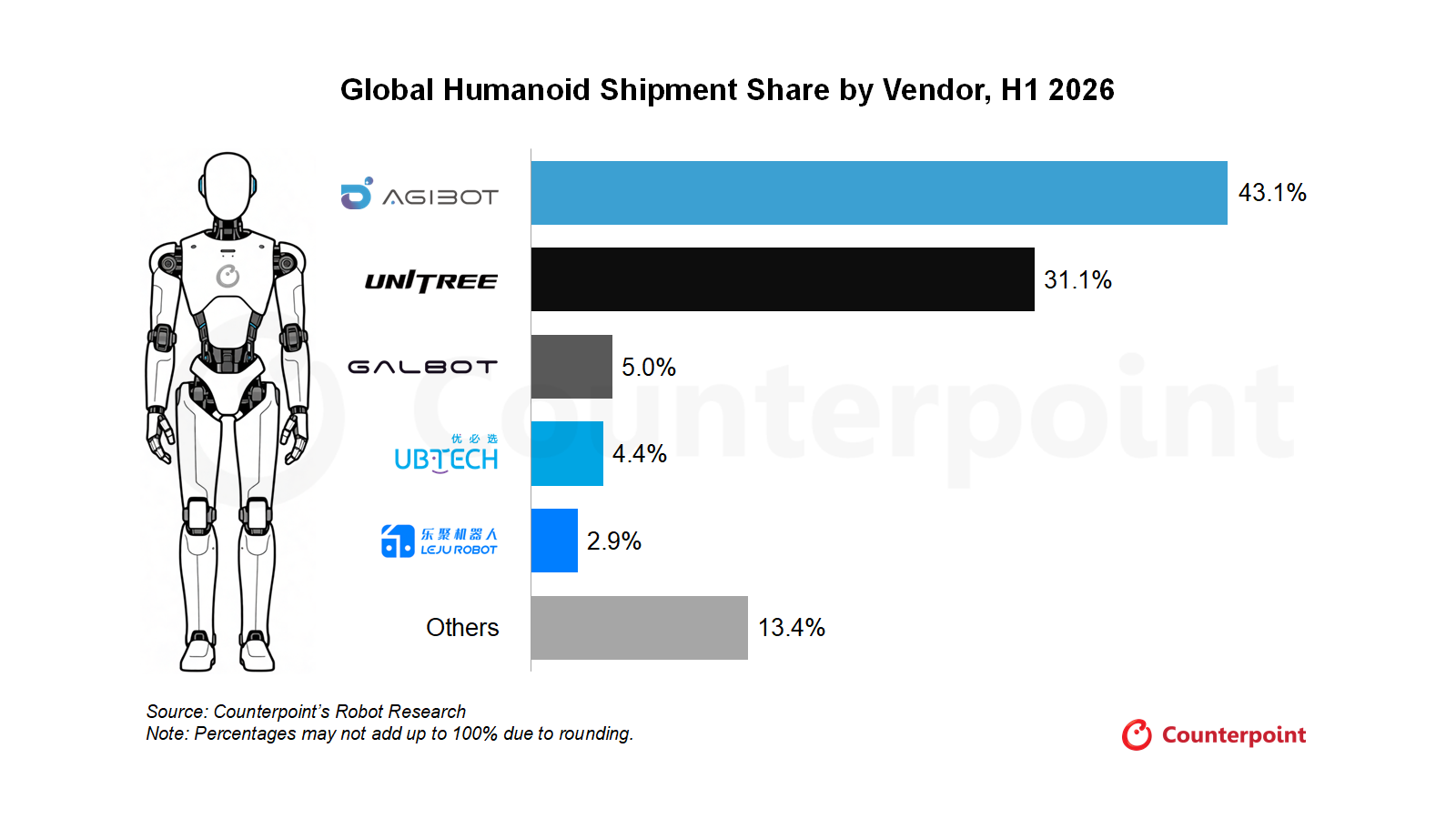
AGIBOT Leads Global Humanoid Robot Shipments in H1 2026 with 9,700 Units Delivered
AGIBOT has secured the leading position in global humanoid robot shipments for the first half of 2026, delivering around 9,700 units and achieving over 43% market share, according to Counterpoint Research. This remarkable growth reflects a nearly 300% increase in the humanoid robot market year-on-year, highlighting the rising demand and deployment of these robots beyond initial pilot projects. Looking ahead, the market is projected to exceed 50,000 units by the end of 2026, indicating a significant expansion in the adoption of humanoid robots across various sectors. No further timeline was disclosed at the time of publication.
Humanoid Robots Robotics Industry AI Technology Manufacturing Commercial Applications
Seven Groundbreaking Medical Innovations Transforming Healthcare Today
Recent years have seen significant advancements in medical technology, transitioning from experimental concepts to practical applications in patient care. Innovations such as CRISPR gene editing and personalized mRNA cancer vaccines are redefining treatment approaches, with Casgevy being the first CRISPR-based medicine approved for sickle cell disease and beta thalassemia. The importance of these developments cannot be overstated, as they represent a shift towards addressing diseases at their genetic roots rather than merely managing symptoms. The use of gene-edited pig organs for transplantation and microneedle patches for immune monitoring further exemplifies the potential to enhance patient outcomes and reduce waiting times for critical treatments. Looking ahead, the ongoing research into stem-cell-derived islet cell therapies and bioengineered living tissues indicates a promising future for regenerative medicine. No further timeline was disclosed at the time of publication.
Health
China's CZ-10B Rocket Recovery Achieves 60-70% Cost Reduction, Ushering in Reusable Era
China's CZ-10B rocket has successfully demonstrated net-based recovery, marking a significant shift towards reusable rocket technology. This achievement is expected to reduce launch costs by 60-70%, transforming the landscape of the space economy. The move from disposable to reusable rockets is crucial as it aligns with the growing demand for cost-effective space access in both commercial and government sectors. This paradigm shift indicates a maturation of the space economy, which is approaching a trillion-yuan valuation. Looking ahead, the implications of this technology could reshape future space missions and investments. No further timeline was disclosed at the time of publication.
Industry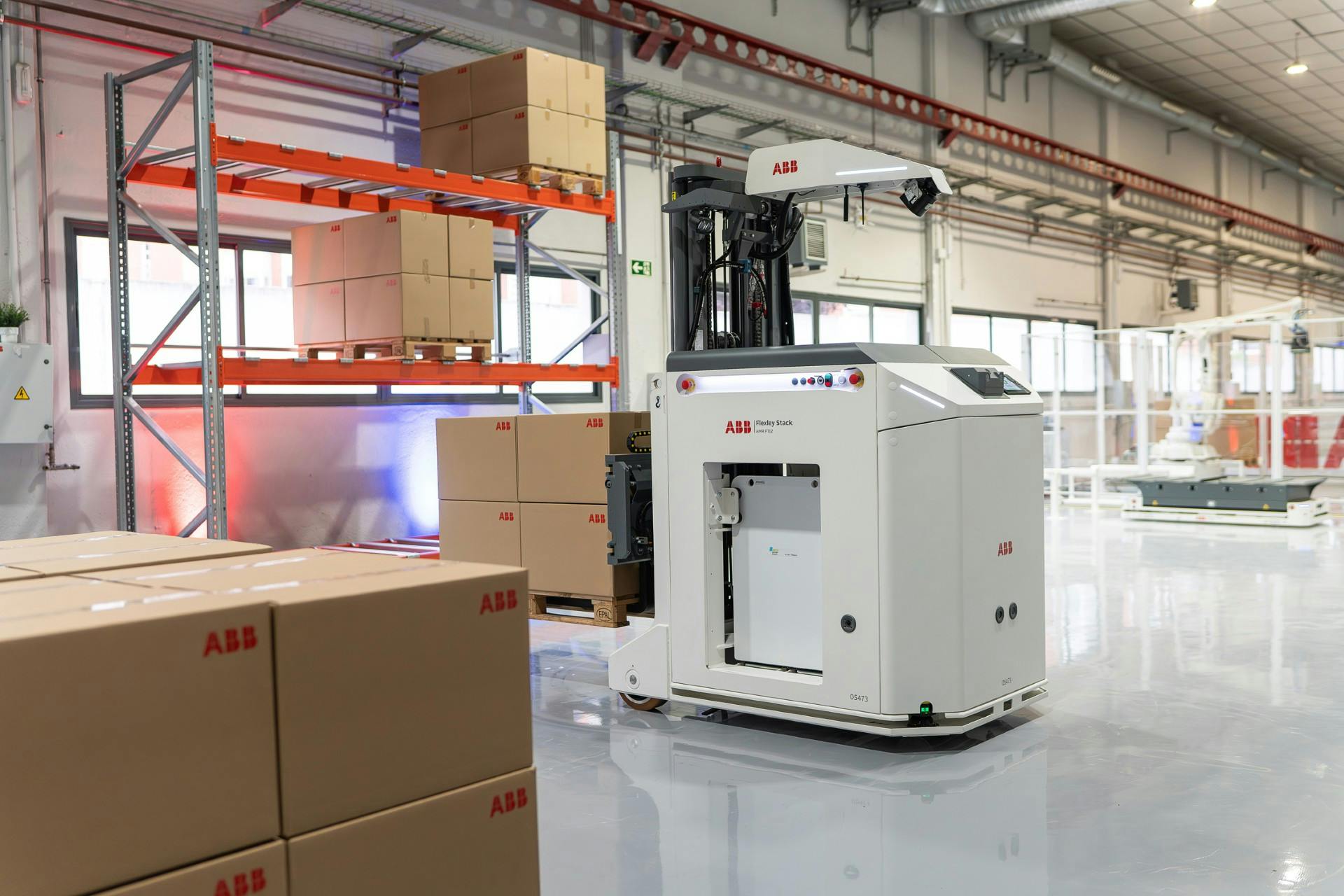
ABB Robotics Introduces Flexley Stack F712 Platform for AI-Driven Autonomous Forklifts
ABB Robotics has launched the Flexley Stack F712 platform, enhancing its AMR portfolio with AI-powered visual technology for autonomous forklifts. This innovation facilitates pallet transport and high-density storage, creating a cohesive ecosystem among ABB’s Visual SLAM AMR types, aimed at improving efficiency in material handling and warehouse operations across various industries, including automotive manufacturing. The introduction of the F712 is significant as it addresses the growing demand for faster and more flexible goods movement in intralogistics, particularly under constraints of limited labor availability. Marc Segura, president of ABB Robotics, emphasized the need for businesses to adapt to increased processing demands while leveraging advanced vision, mobility, and intelligence in their operations. Looking ahead, the Flexley Stack F712 can manage diverse load types and sizes, allowing customers to implement mixed fleets of Visual SLAM-powered vehicles on a unified navigation and fleet management platform. No further timeline was disclosed at the time of publication.
Factory / Analytics
World's First Ultra-High Frame Rate World Model Achieved: Domestic NPU Hits 50FPS with 70% Cost Reduction
A team of Chinese developers has introduced MoWorld, an innovative real-time interactive world model that operates at 50 frames per second without relying on NVIDIA GPUs. This groundbreaking technology utilizes domestic neural processing unit (NPU) technology, which not only lowers inference costs but also improves the immersive experience across various applications, including robotics, gaming, and digital environments. The launch of MoWorld marks a significant advancement in the field, showcasing the potential of homegrown technology to compete with established international standards in high-performance computing.
World Models Real-Time Rendering Domestic NPU AI Technology
SpaceX's Starmind Targets AI Labs with $6.3 Billion Compute Contracts
SpaceX's Starmind is designed to provide wholesale AI compute services to businesses, particularly AI labs and cloud customers, rather than individual consumers. The service operates similarly to AWS, where users benefit from applications running on Starmind without direct subscriptions. The compute capacity of a single AI1 satellite is comparable to one NVIDIA GB300 rack, emphasizing its enterprise-grade capabilities. The significance of Starmind lies in its positioning as a potential fourth hyperscaler, joining the ranks of AWS, Microsoft Azure, and Google Cloud. The Reflection AI contract, valued at $150 million per month, exemplifies the enterprise-focused model, with total payments potentially reaching $6.3 billion through 2029. This contract highlights the growing demand for AI compute resources, particularly from AI-native startups and labs. Looking ahead, the focus will remain on securing additional enterprise contracts as Starmind expands its offerings. No consumer-facing products or subscriptions have been announced, and the current strategy is to cater to businesses with substantial AI workloads. No further timeline was disclosed at the time of publication.
SpaceX IPO Provides Indirect Investment Opportunity in Starmind Project
Starmind does not have a standalone stock or ticker; investors can gain exposure through SpaceX (ticker: SPCX), which began trading on Nasdaq after its IPO on June 12, 2026. Starmind is integrated within SpaceX, contributing to the company's AI and space initiatives, and its performance directly influences SPCX shares. The significance of Starmind lies in its role as a division of SpaceX, which encompasses other projects like Starlink and Starship. As of early July 2026, SPCX shares are trading between $149 and $150, significantly lower than their 52-week high of $225.64. The project’s milestones, such as AI1 prototype updates, can impact SpaceX's stock performance, making it essential for investors to monitor these developments closely. Looking ahead, the early 2027 launch of AI1 prototype satellites is a critical milestone that could provide verifiable data affecting Starmind's valuation and, consequently, SPCX stock. No further timeline was disclosed at the time of publication, but the upcoming events will be pivotal for investors tracking the relationship between Starmind and SpaceX's stock performance.

Starmind's Satellite Technology Achieves 880 Billion Liters in Annual Water Savings
Starmind has announced that its satellite technology can save approximately 880 billion liters of cooling water annually at full scale. This figure is equivalent to the annual household water use of around 6.5 million Americans. The technology operates by utilizing a closed-loop liquid cooling system that eliminates the need for water during its operational life, contrasting sharply with traditional ground data centers that consume vast amounts of water for cooling. The significance of this achievement lies in the growing water consumption crisis faced by data centers, particularly as AI expansion drives demand. In 2025, U.S. data centers consumed nearly one trillion liters of water, highlighting the urgent need for sustainable solutions. Starmind's approach not only addresses direct water usage but also avoids indirect water consumption associated with electricity generation, marking a substantial shift in how computing can be conducted in a resource-efficient manner. Looking ahead, Starmind's deployment strategy includes a projected buildout of 100 GW of orbital compute per year, which could displace an additional 735 billion liters of ground water demand annually. The first tranche of 10,000 satellites is already operational, offsetting approximately 8.8 billion liters of water per year. No further timeline was disclosed at the time of publication.

Starmind's Orbital Compute vs. Terrestrial Data Centers: Analyzing Resource Advantages
Starmind's orbital compute technology presents a significant advantage over traditional ground-based data centers by eliminating constraints related to land, water, and grid permitting. While terrestrial data centers are currently cheaper and faster to construct, with U.S. data center spending reaching $85.3 billion in 2026, Starmind's approach focuses on addressing the growing resource limitations faced by hyperscale facilities. The significance of Starmind's technology lies in its ability to sidestep the increasing challenges of land and water usage. For instance, a 100 MW data center can consume approximately 530,000 gallons of water daily for cooling, while Starmind's AI1 utilizes deployable liquid radiators that require no water. This structural advantage could resonate with investors as the demand for AI computing continues to escalate, potentially leading to annual water withdrawals of up to 1.7 trillion gallons by 2027. Looking ahead, Starmind's next milestones include the launch of AI1 prototypes scheduled for early 2027. However, the technology's claims regarding cooling efficiency and operational reliability remain unverified until real flight data is available. As the industry evolves, the competition between orbital and terrestrial solutions will become increasingly relevant, particularly in the context of resource management and sustainability.

SpaceX Unveils AI1 Satellite Specs for Starmind Constellation with Key Thermal Challenges
SpaceX has introduced the AI1 satellite, the inaugural component of its Starmind constellation, which stands 20 meters tall and has a wingspan of 70 meters. This orbital compute node is designed to deliver computing power equivalent to one NVIDIA GB300 server rack, utilizing a unique cooling system with deployable liquid radiators. The satellite's specifications were revealed during a presentation on June 8, 2026, ahead of SpaceX's IPO. The significance of the AI1 satellite lies in its role as a compute platform rather than a traditional satellite, focusing on running AI inference workloads. The satellite's cooling system, which is critical for its operation in the vacuum of space, is designed to reject heat through infrared radiation. However, independent engineers have raised concerns about the feasibility of the thermal and mass claims made by SpaceX, suggesting that the cooling requirements may exceed practical limits. Looking ahead, SpaceX plans to launch two AI1 prototypes in early 2027, with full-scale production expected to commence later that year at its Gigasat facility in Bastrop, Texas. The ongoing debate regarding the satellite's thermal management capabilities will be crucial to monitor as the project progresses, with no further timeline disclosed at the time of publication.

Amazon AI exec predicts first 'commercially useful' quantum computers in 5-7 years
In a rapidly evolving landscape, major technology companies such as Microsoft, Google, and IBM are intensifying their efforts in the field of quantum computing. This surge in competition is driven by the potential of quantum technology to revolutionize computing power and solve complex problems beyond the capabilities of classical computers. As of October 2023, these industry leaders are investing heavily in research and development, aiming to secure a competitive edge in what many consider the next frontier of computing. The race involves not only advancements in hardware but also the development of software and algorithms tailored for quantum systems. This strategic push reflects a broader recognition of quantum computing's transformative potential across various sectors, including pharmaceuticals, finance, and artificial intelligence. As these tech giants advance their initiatives, the implications for innovation and economic growth are significant, positioning quantum computing as a pivotal area of focus in the tech industry.

7 animal-inspired robots solving real-world engineering challenges
Engineers are increasingly looking to nature for inspiration in developing innovative solutions for movement, efficiency, and survival. This trend reflects a growing recognition of the intricate designs and systems that have evolved over millions of years. By studying various organisms and their adaptations, researchers aim to apply these natural principles to create advanced technologies in fields such as robotics, transportation, and energy efficiency. This biomimicry approach not only enhances performance but also promotes sustainability by utilizing nature's time-tested strategies. As this movement gains momentum, it is expected to lead to groundbreaking advancements that could significantly impact various industries and improve human life.
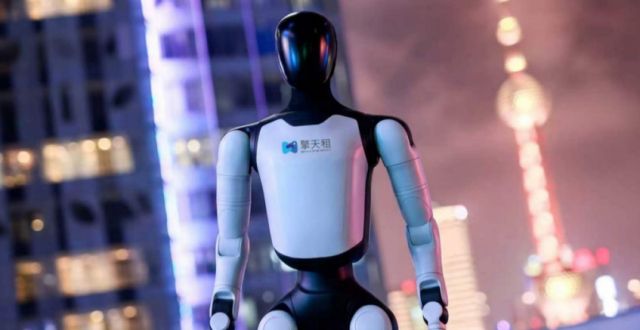
SHAREBOT (Qingtian Rent), a Robot-as-a-Service (RaaS) platform, has completed its Series A and A+ funding rounds, raising hundreds of millions of RMB. The round values the company at 7 billion RMB, officially entering unicorn territory.
SHAREBOT, a prominent player in the robotics industry, has successfully secured hundreds of millions in funding through its Series A and A+ investment rounds. This significant financial boost has propelled the company's valuation to an impressive 7 billion RMB. The funding comes as SHAREBOT transitions from a robot rental platform to a comprehensive Robotics as a Service (RaaS) provider, aiming to enhance its service offerings and expand its market reach. The move is part of a broader strategy to meet increasing demand for robotic solutions across various sectors. This transformation reflects the company's commitment to innovation and its vision for the future of automation.
HumanoidRobotics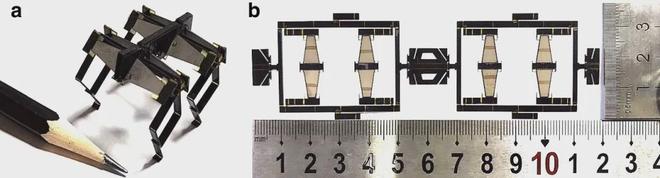
Paper-Folded Robot Achieves 17 Times Its Body Length in Speed: National Defense University’s 1.2g 'Off-Road Little Strong' Featured in Top Journal
Researchers at the National Defense University have developed the PLioBot, a lightweight robot capable of impressive locomotion, reaching speeds of 44.6 cm/s, which is 17.8 times its body length. This innovative paper-folded robot showcases exceptional agility and adaptability, allowing it to navigate diverse terrains effectively. The advancements in its design aim to enhance robotic capabilities in complex environments, potentially benefiting various applications in defense and exploration.
Micro Robotics Foldable Robots Robotics Engineering Bio-inspired Robotics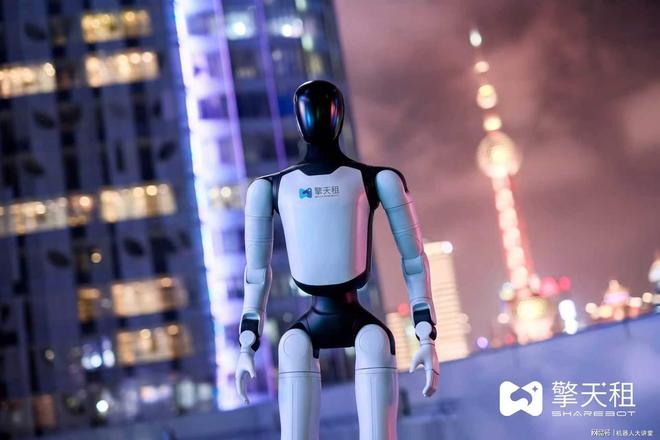
Qingtian Rental Secures Hundreds of Millions in Series A and A+ Financing, Valued at 7 Billion Yuan as a Unicorn
On May 20, Qingtian Rental announced the successful completion of its Series A and A+ financing rounds, securing hundreds of millions in funding and achieving a valuation of 7 billion yuan, which officially designates the company as a unicorn. This significant financial milestone will enable Qingtian Rental to pivot its business strategy towards high-frequency, essential industrial applications. The company aims to enhance its Robot as a Service (RaaS) model, positioning itself for growth in the rapidly evolving robotics market.
Robot as a Service Industrial Robotics Automation Logistics Technology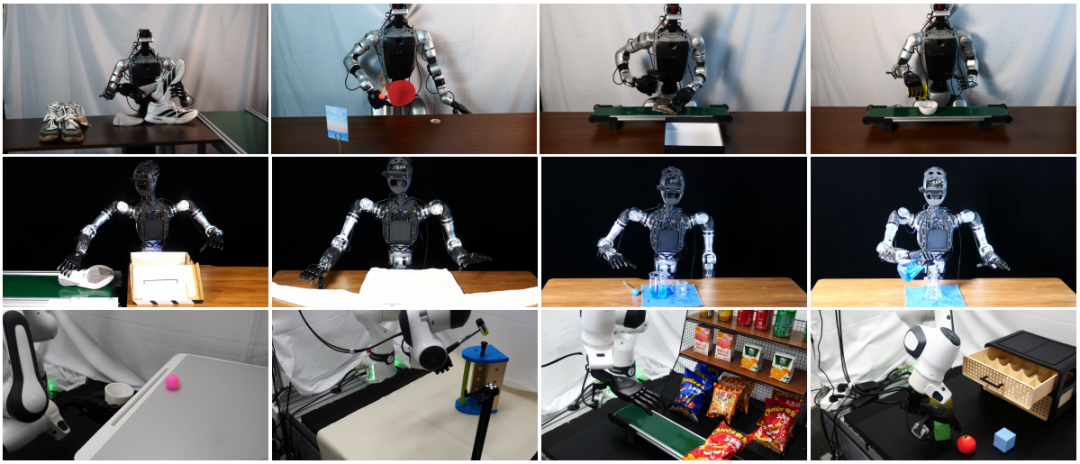
Predicting the World Without Future Frames: BeingBeyond Launches Next-Generation Embodied Intelligence Model Being-H0.7
BeingBeyond has introduced its latest innovation, the Being-H0.7 embodied intelligence model, which revolutionizes the approach to video generation. This new model distinguishes itself by eliminating the need for traditional rendering of future frames, allowing for accurate physical reasoning and dynamic predictions. As a result, Being-H0.7 not only cuts down on training expenses but also ensures a high inference speed. This advancement marks a significant step forward in the field of artificial intelligence, promising enhanced efficiency and effectiveness in various applications.
Embodied Intelligence Robotics AI Machine Learning
Huawei launches Mate 70 Air pre-sale at around $580, powered by Kirin 9020A/9020B chip
Huawei has officially begun pre-orders for its latest smartphone, the Mate 70 Air, which is priced starting at RMB 4,199 (approximately $580). Announced today, this device is being marketed as the thinnest flagship in the history of the Mate series, with a sleek profile measuring just 6.6mm in thickness. The Mate 70 Air features an aerospace-grade titanium alloy frame and ultra-ceramic glass, materials chosen to enhance both durability and weight reduction. This innovative design aims to attract consumers looking for a high-performance yet lightweight smartphone.
News Feed
7-Eleven Japan Taps Telexistence for AI-Powered Humanoid Robots in Stores by 2029
Japanese convenience store giant, in collaboration with robotics firm Telexistence, is set to introduce "Astra," a humanoid robot equipped with a Vision-Language-Action AI model. This initiative, announced recently, aims to address ongoing labor shortages within the retail sector and transform in-store operations. By integrating advanced robotics into their stores, the company seeks to enhance efficiency and improve customer service, responding to the increasing demand for innovative solutions in the face of workforce challenges. The deployment of Astra represents a significant step towards modernizing the convenience store experience, leveraging technology to meet both operational needs and customer expectations.
generative-ai retail automation 7-Eleven TelexistenceRobotics needs a service framework.
RSF defines a common language for robot service capability, lifecycle operations, certification pathways, and service-provider networks.
Join the RobotToday community on LinkedIn
Daily robotics news, in-depth analysis, conference highlights, and discussions with professionals worldwide.







