

Industry Briefing
A single destination for timely, editor-curated robotics news from around the world.

AgiBot and Chimelong to Deploy Over 300 Robots at Hengqin Spaceship Park Starting September 24
AgiBot and Chimelong Group are set to deploy over 300 robots at Chimelong Spaceship Park in Hengqin, beginning September 24. These robots will be utilized across more than 100 interaction points, enhancing visitor experiences through shows, guiding services, retail, and hotel operations. This deployment is significant as it represents a major investment in automation technology within the entertainment sector. By integrating robots into various functions, AgiBot and Chimelong aim to improve operational efficiency and elevate guest interactions, showcasing the potential of robotics in enhancing customer service. Looking ahead, the successful implementation of these robots could pave the way for further automation initiatives in similar venues. No further timeline was disclosed at the time of publication.

Agitbot and Chimelong Group Deploy Over 300 Robots at China's Chimelong Spaceship Park
Agitbot and Chimelong Group have successfully deployed over 300 robots at Chimelong Spaceship Park in China, enhancing entertainment, education, visitor services, and hotel operations. This deployment coincides with Agitbot's milestone of delivering its 20,000th production robot, marking a significant achievement in the robotics sector. The integration of these robots is crucial as it represents the first phase of a broader initiative to implement embodied AI in tourism and hospitality. The robots are designed to engage with visitors through various activities, including guided tours, educational demonstrations, and live performances, thereby enriching the overall guest experience. Looking ahead, Agitbot and Chimelong Group plan to expand the use of robots across additional areas of the park and hotel operations. No further timeline was disclosed at the time of publication.
AI AI Funding & Investment AI Use Cases Robotics AgiBot Chimelong Group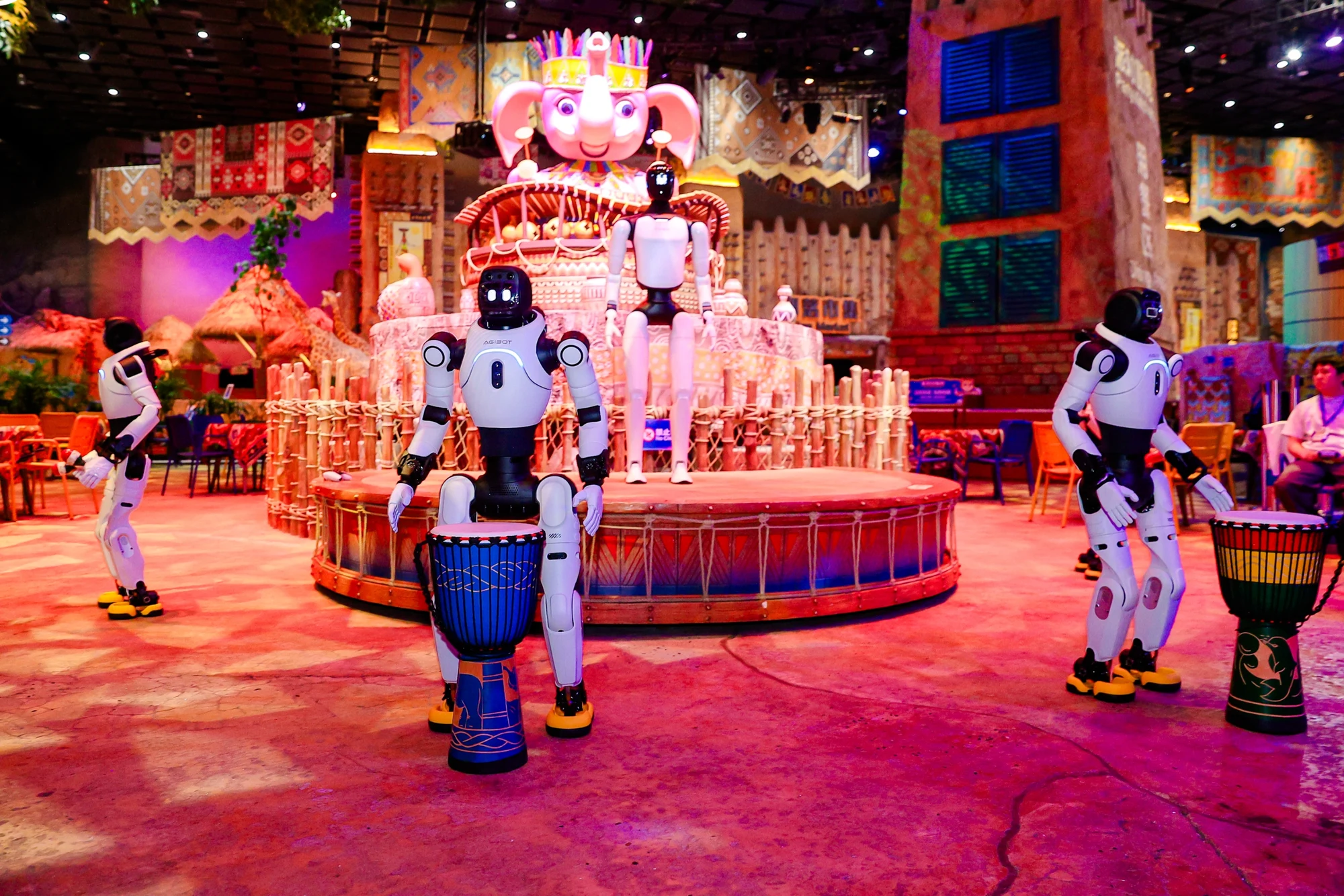
AGIBOT Deploys Over 300 Robots at Chimelong Spaceship Park in Zhuhai, China
AGIBOT has announced the deployment of more than 300 robots at Chimelong Spaceship Park in Zhuhai, China, enhancing visitor experiences through various roles. The robots will engage in martial arts performances, assist with shopping, provide directions, and welcome hotel guests, marking a significant integration of robotics into entertainment and hospitality. This initiative is noteworthy as it combines advanced robotics with diverse applications across entertainment, education, and hospitality, allowing visitors to interact with robots in multiple settings. The project aims to create a seamless experience where guests can witness performances, engage in activities, and receive assistance throughout the park. Looking ahead, the project is structured into seven key areas, including entertainment and hotel services, although specific operational details and the exact number of robots in use at any given time remain undisclosed. No further timeline was disclosed at the time of publication.
Deployment China AGIBOT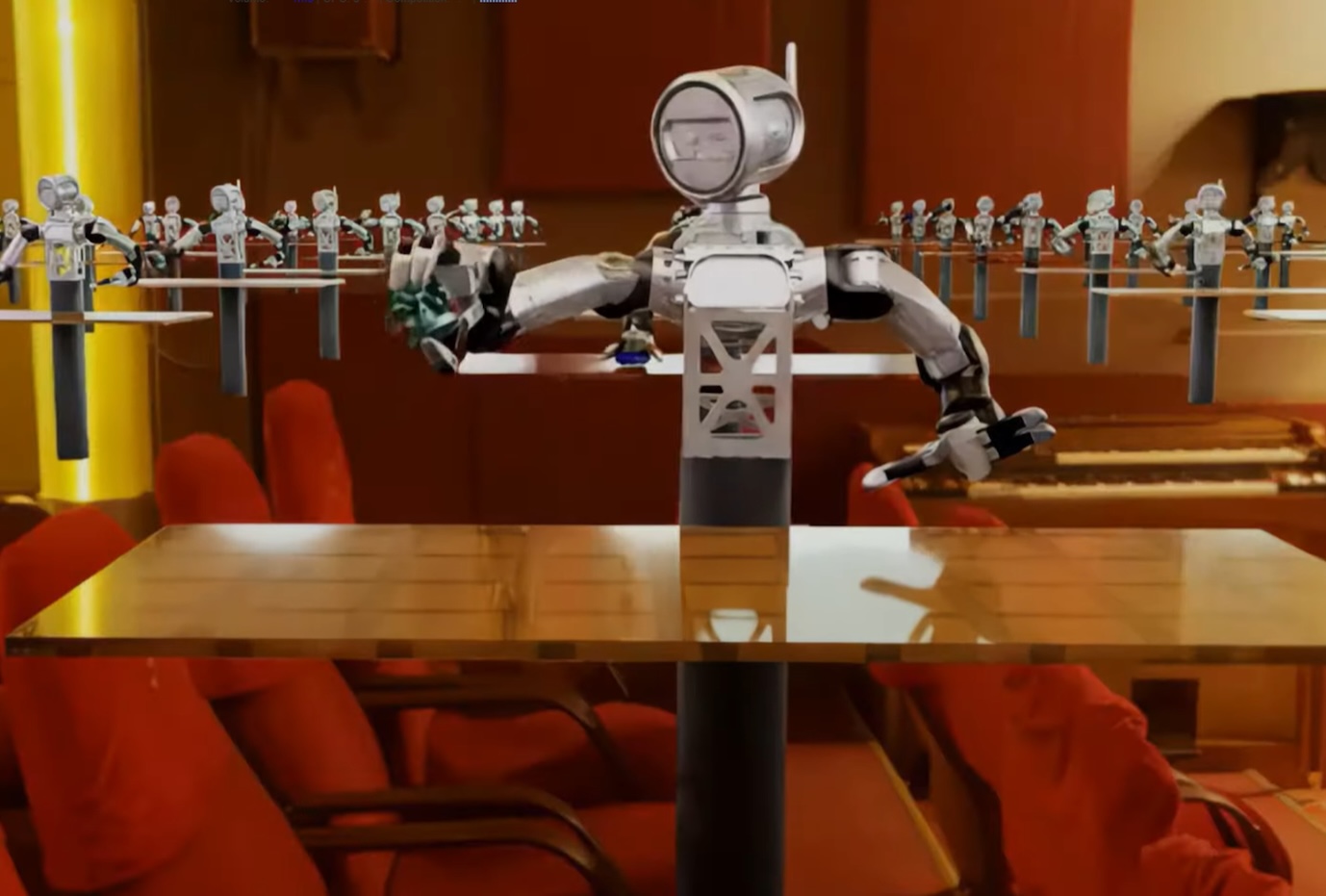
BigWave Robotics Partners with Space Factory to Deploy Humanoid Robots in Construction by 2026
BigWave Robotics, a South Korean AI company, has announced a partnership with modular housing manufacturer Space Factory to deploy humanoid robots in housing production starting in 2026. This initiative marks a significant shift in the construction industry, which has traditionally relied on human expertise, as robots begin to automate complex tasks such as insulation installation. The entry of humanoid robots into the construction sector is crucial as it addresses labor shortages and enhances production efficiency amid rising housing demands. Modular housing, which involves factory prefabrication and on-site assembly, is increasingly seen as a solution to expedite housing construction, and the integration of robotics is expected to further advance this trend towards smart manufacturing. Looking ahead, the success of humanoid robots in various industries will depend on their cost, reliability, and efficiency. While BigWave Robotics is focusing on the construction sector, the broader implications of this technology could lead to its application in logistics, energy maintenance, and public facility management, marking a new era in industrial automation.
Humanoid Robots Construction Automation Smart Manufacturing Modular Housing AI Technology
Hyundai's Louisiana Steel Mill to Supply Materials for Robots and SpaceX Rockets
Hyundai Motor Group Executive Chair Chung Euisun announced that steel from the upcoming Hyundai Steel mill in Louisiana could be utilized beyond automotive applications, potentially in Atlas humanoid robots and SpaceX rockets. This vision was shared during the groundbreaking ceremony for the Hyundai-Posco Louisiana Steel plant, which will initially focus on automotive steel production. The $5.8 billion electric arc furnace facility is set to be Hyundai Steel's first production base in the U.S., with an annual capacity of 2.7 million metric tons, including 1.8 million tons dedicated to automotive steel and 900,000 tons for other uses. Chung's comments reflect a long-term strategy to diversify the mill's output, aligning with Hyundai's plans to deploy Atlas robots in U.S. manufacturing operations by 2028. Looking ahead, Hyundai is cautious about deploying Atlas within the steel mill, emphasizing the need for extensive testing. Chung also highlighted the company's efforts to enhance Atlas' development by reorganizing its structure to accelerate technology adoption and improve capabilities in critical components like actuators and grippers. No further timeline was disclosed at the time of publication.
All News
New Study on Human-Robot Interaction Reveals Insights on Proxemics in Crowded Spaces
A recent large-scale empirical study published in Science Advances by teams from ETH Zürich, SPF, and EPFL examined human-robot interaction (HRI) in crowded environments. Utilizing four real-world datasets across Europe, North America, and Asia, the research established a benchmark for social navigation distances based on density perception and speed dependency. This study is significant as it addresses the ongoing challenge of how robots can comfortably share space with humans, a concept rooted in proxemics. Previous research indicated that pedestrians maintain specific distances from each other, but robots behave differently. The findings suggest that pedestrians tend to give robots more space, which varies with the robot's speed and the density of the crowd. Looking ahead, the CrowdBot dataset, which includes various robot platforms operating at different speeds, will serve as a foundation for future studies. The research team has developed a unified analysis pipeline to quantify behaviors based on movement dynamics and proxemics, paving the way for improved human-robot interactions in public spaces. No further timeline was disclosed at the time of publication.
Human-Robot Interaction Social Navigation Crowd Dynamics Robotics Research
NASA Funds Innovative Project for Robotically Assembled Metamaterial Radars in Space
NASA is funding a novel initiative to explore the construction of large radar antennas in space using robots and modular metamaterials. This project, led by Duke University's David Smith, is part of the 2026 NASA Innovative Advanced Concepts (NIAC) Phase I study, titled Robotically Assembled Electromagnetic Metamaterials for Long-Range Space Situational Awareness. The significance of this project lies in its potential to enhance space surveillance capabilities. Current ground-based radars, like the upgraded Space Fence, can track objects as small as four inches in low Earth orbit, but monitoring smaller objects or those at greater distances poses challenges. By assembling radar components in space, the project aims to overcome the limitations of traditional antennas that must survive launch constraints. Looking ahead, the project will focus on the feasibility of using metamaterials as building blocks for a large electromagnetic aperture. NASA plans to investigate metamaterial designs through numerical modeling while considering the robotic assembly techniques demonstrated by the ARMADAS project. No further timeline was disclosed at the time of publication.
Space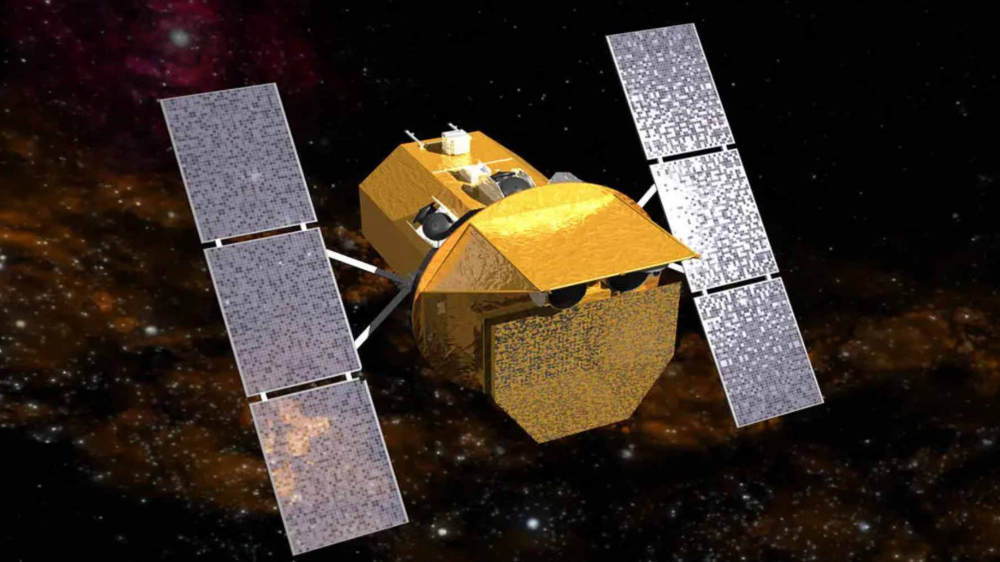
Katalyst Space Technologies Launches LINK to Save Aging NASA Space Telescope
On July 3, Katalyst Space Technologies launched its robotic spacecraft LINK from an aircraft at approximately 40,000 feet over the Pacific Ocean, targeting NASA's Neil Gehrels Swift Observatory. The $500 million satellite is descending towards Earth at an accelerated rate and is expected to re-enter the atmosphere as early as October if no intervention occurs. The Swift Observatory, operational since 2004, has been NASA's 'first responder' to cosmic events, capable of rapidly observing gamma-ray bursts. However, solar activity has caused the Earth's atmosphere to expand, leading to a rapid decay in the satellite's orbit from about 600 kilometers to approximately 360 kilometers. In September 2025, NASA awarded Katalyst a $30 million contract to complete the design and launch process within ten months. If successful, this mission will demonstrate that commercial spacecraft can capture a government satellite without a designated docking interface. This capability is crucial for the Hubble Space Telescope, which is also experiencing orbital decay. The Swift Observatory has paused scientific observations to conserve its orbit, and if all goes well, it may resume scanning the universe in September. The LINK mission highlights the growing issue of space debris and the need for satellite maintenance rather than treating them as disposable assets.
Space Robotics Satellite Recovery Commercial Spaceflight Space Debris Management
SpaceX's Starmind Project: Supplier Strategy and Chip Manufacturing Plans for 2026
SpaceX's Starmind project, aimed at deploying up to 1 million AI satellites, was filed with the FCC on January 30, 2026. The initiative is designed to minimize reliance on external suppliers, with CEO Elon Musk stating that current chip production capabilities only meet 2% of the projected needs. The first satellite, AI1, is set for prototype launches in early 2027, featuring a 70-meter wingspan and a modular payload system that allows for interchangeable chips from various suppliers. The significance of Starmind lies in its ambitious supply chain strategy, which seeks to transition from external hardware suppliers to a fully integrated Musk-owned facility by 2028. The Gigasat manufacturing site in Bastrop, Texas, is expected to be operational by the end of 2027, with plans for high-volume production of the D3 chip, specifically designed for space applications. This approach aims to consolidate chip manufacturing processes under the Terafab joint venture, which has an estimated initial investment of $55 billion. Looking ahead, the next milestone for Starmind is the launch of AI1 prototypes in early 2027, while the full-scale chip production at Terafab is projected to ramp up significantly thereafter. However, analysts express skepticism regarding the feasibility of achieving Musk's ambitious compute goals, which may require substantial investment and time to establish the necessary manufacturing capabilities.

Tesla's Optimus Robots to Support Starmind Satellite Production, Not Maintenance
Tesla's Optimus robots will not be used to repair Starmind satellites in orbit, as confirmed by recent statements from Elon Musk. Instead, these robots are intended to assist in the construction and operation of the Terafab chip manufacturing facility in Texas. The AI1 satellites, designed to disintegrate upon reentry, highlight the company's swap-and-replace strategy rather than traditional maintenance practices. This approach is significant as it reflects a broader trend in satellite management, where mass-produced satellites are replaced rather than repaired. The economics of servicing missions are prohibitive, with the cost of launching a replacement satellite being significantly lower than conducting a repair mission. This model aligns with SpaceX's operational history, where rapid replacement of satellites is more efficient than attempting to maintain them in orbit. Looking ahead, the focus will remain on the production capabilities of the Gigasat factory, which is expected to support the continuous replacement of satellites. No further timeline was disclosed at the time of publication, but the demand for rapid satellite turnover suggests a robust future for Optimus robots in terrestrial manufacturing rather than in-space servicing.
Carnegie Mellon Develops LAMP to Enhance Robot Coordination in Cluttered Spaces
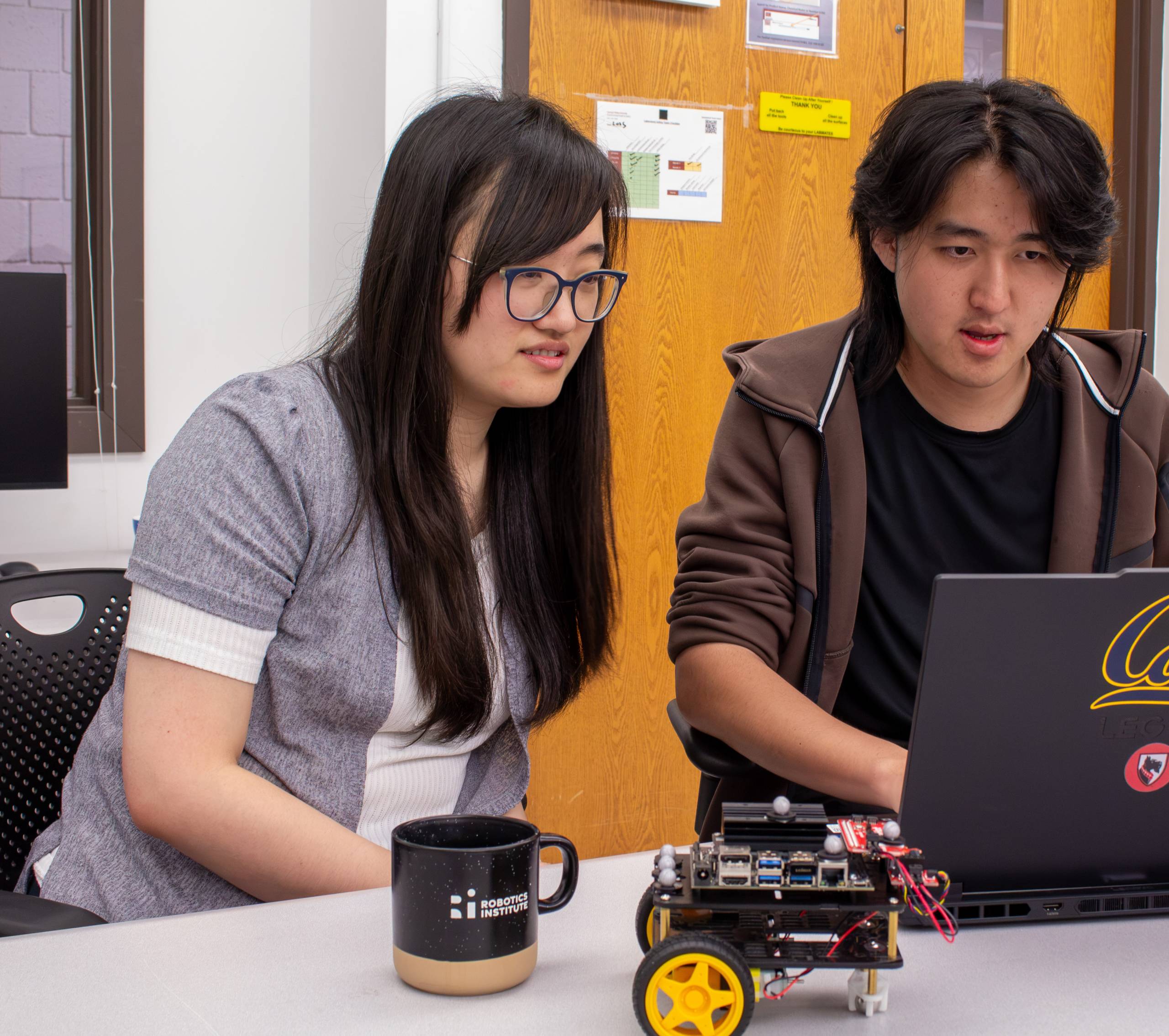
Researchers at Carnegie Mellon University are advancing a system called Long-Horizon Adaptive Manipulation Planning (LAMP) to improve how teams of robots collaborate in cluttered environments. This innovative approach addresses the challenges of multirobot manipulation, particularly in settings like warehouses where obstacles can hinder movement. LAMP enables robots to plan their movements collectively, ensuring they can navigate around obstacles while efficiently transporting objects. This system integrates learned models with search-based planning, allowing robots to adapt their strategies in real-time based on environmental changes, which is crucial for maintaining stability and control during operations. The team successfully demonstrated LAMP's capabilities by having multiple robots transport objects to form the letters “IROS” in a crowded space. This research highlights the potential for enhanced robotic coordination in complex environments, with the system set to be presented at the 2026 IEEE/RSJ International Conference on Intelligent Robots and Systems in Pittsburgh this fall.
Research
China Plans to Use Robot Dogs for Research at 2035 Moon Station
China is preparing to send robot dogs to the Moon as part of its International Lunar Research Station (ILRS) initiative, aiming for completion by 2035. These quadruped robots are envisioned to assist astronauts in research and emotional support, enhancing the human experience in space. The integration of new communication and navigation systems is crucial for this ambitious project, as reported by South China Morning Post. The robot dogs will not only patrol the lunar research station but also aid astronauts in scientific tasks, showcasing a unique partnership between humans and machines in extraterrestrial environments. Looking ahead, the deployment of robot dogs could revolutionize lunar exploration, with their capabilities extending to autonomous operations. As China progresses towards its 2035 goal, the role of these robotic companions in space will be pivotal in ensuring safety and efficiency in lunar research activities. No further timeline was disclosed at the time of publication.
AI and Robotics
BYD to Unveil Functional Humanoid Robots at Di Space This August
BYD has announced plans to debut its humanoid robots at Di Space in August, as reported by the South China Morning Post. This move marks BYD's entry into the humanoid robotics sector, complementing its extensive experience in electric vehicle manufacturing and battery technology. The significance of this development lies in BYD's ability to leverage its manufacturing scale and expertise to produce humanoid robots at a level few competitors can match. With China leading the global humanoid robotics market, BYD's entry is timely, as the industry is expected to grow significantly, potentially reaching a trillion-dollar valuation. Looking ahead, BYD's humanoid robots are expected to perform various tasks in sectors such as manufacturing, warehousing, healthcare, and hospitality. The company's focus on practical and usable robots could provide a competitive edge, allowing them to test and refine their products before broader market release. No further timeline was disclosed at the time of publication.
AI and Robotics
Rise of Collaborative Robots in China: AI-Driven Cobots Transforming Workspaces
China's collaborative robots, or cobots, are gaining traction as they evolve through advancements in machine learning and artificial intelligence. Unlike traditional robots, these cobots are designed to work alongside human employees, enhancing productivity and efficiency in various sectors. The significance of these AI-driven cobots lies in their user-friendly programming, which eliminates the need for coding knowledge. They can be easily operated through natural-language voice commands, gesture controls, and drag-to-teach demonstrations, making them accessible to a broader range of users. As the demand for automation continues to grow, the adoption of cobots is expected to rise. Observers should watch for further developments in their capabilities and integration into workplaces, as these robots could redefine human-robot collaboration in the near future.
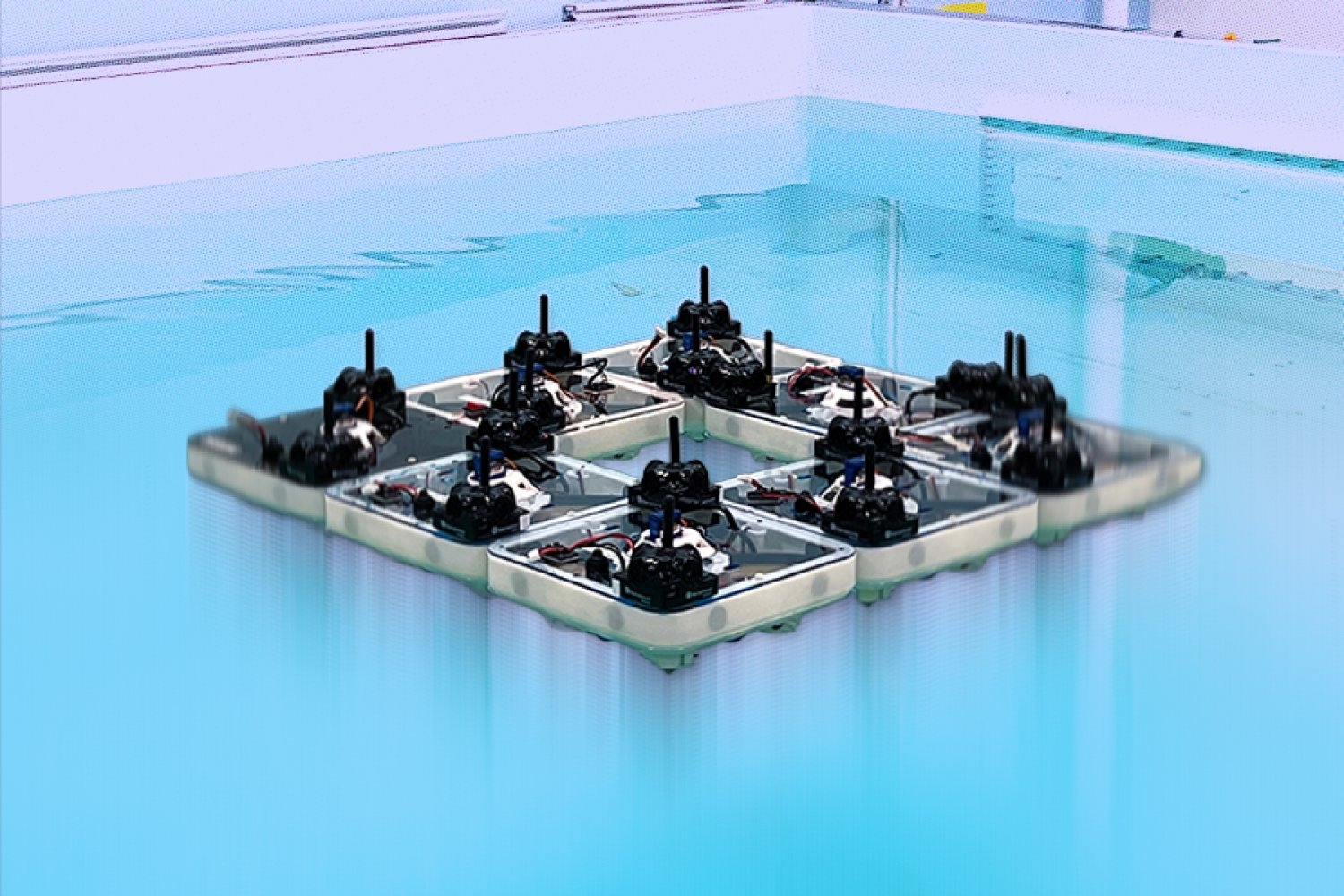
MIT's FloatForm Swarm Robots Create Adaptive Floating Structures for Urban Spaces
MIT researchers have developed FloatForm, a swarm of small robotic boats that autonomously assemble into larger floating structures. Each robot, measuring 21 centimeters square, is equipped with thrusters, sensors, and magnetic latches, allowing them to form bridges, platforms, and other structures with minimal human input. This innovative system aims to transform urban waterfronts into dynamic, programmable spaces, enhancing public infrastructure and emergency response capabilities. The significance of FloatForm lies in its potential to revolutionize how urban areas utilize water surfaces. By mimicking the self-organizing behavior of fire ants, the robots can adaptively create and reconfigure structures on demand, addressing challenges such as traffic alleviation during emergencies or creating temporary public spaces. This modular approach to floating infrastructure could lead to more livable cities by expanding usable public space onto underutilized water areas. Looking ahead, the research team plans to explore further applications of FloatForm in urban environments, with no specific timeline disclosed for future developments. The project builds on previous work with full-size autonomous vessels in Amsterdam, indicating a growing interest in leveraging water for urban mobility and public space expansion. The open-access findings were published in Nature Communications, highlighting the collaborative efforts of MIT's Computer Science and Artificial Intelligence Laboratory and the Senseable City Lab.
Research Robotics Autonomous vehicles Artificial intelligence Computer science and technology Machine learning
Resilient actuator shows potential for space-ready soft robots
Researchers are developing advanced robots designed to operate safely and reliably in extreme environments, including outer space and underwater. These robots are engineered to endure harsh conditions without failure, ensuring their functionality in challenging settings. The initiative, which is part of ongoing efforts in robotics and engineering, aims to enhance the adaptability of these machines, allowing them to respond swiftly to dynamic changes in their surroundings. By focusing on durability and responsiveness, the project seeks to expand the potential applications of robotics in various fields, including exploration and disaster response. The research is ongoing, with significant advancements expected in the coming months as teams work to refine the technology.
Robotics
Control framework lets flexible robots move in tight spaces with less math
Recent discussions in robotics have highlighted the limitations of traditional machines, often characterized by rigid arms and mechanical movements, as exemplified by iconic characters like Optimus Prime and Bumblebee from the "Transformers" franchise. These designs, while visually striking, are impractical for navigating confined and cramped environments. Experts in the field are advocating for the development of more flexible and adaptable robotic systems that can operate effectively in such challenging spaces. This shift in focus aims to enhance the functionality of robots in real-world applications, where versatility and maneuverability are crucial. As the industry evolves, researchers are exploring innovative designs and technologies that could redefine the capabilities of robots, making them more suitable for a variety of tasks in diverse settings.
Robotics
Epson Robots Invests in Blank Beauty to Bring Automation and Retailtainment to the Consumer Space
Epson Robots, recognized as the leading SCARA robot manufacturer globally, announced on May 7, 2025, its innovative approach to automation, which aims to extend manufacturing capabilities beyond traditional factory settings and into the hands of consumers. This strategic shift is designed to empower individuals and small businesses by making advanced robotic technology more accessible. By integrating user-friendly automation solutions into everyday tasks, Epson Robots seeks to enhance productivity and efficiency in various sectors. The initiative reflects a growing trend toward personalized manufacturing, allowing consumers to leverage robotics for their specific needs.
SCARA Retail Automation Consumer Packaged Goods Industrial Robots Customization TechnologyRobotics needs a service framework.
RSF defines a common language for robot service capability, lifecycle operations, certification pathways, and service-provider networks.
Join the RobotToday community on LinkedIn
Daily robotics news, in-depth analysis, conference highlights, and discussions with professionals worldwide.







