Industry Briefing
A single destination for timely, editor-curated robotics news from around the world.
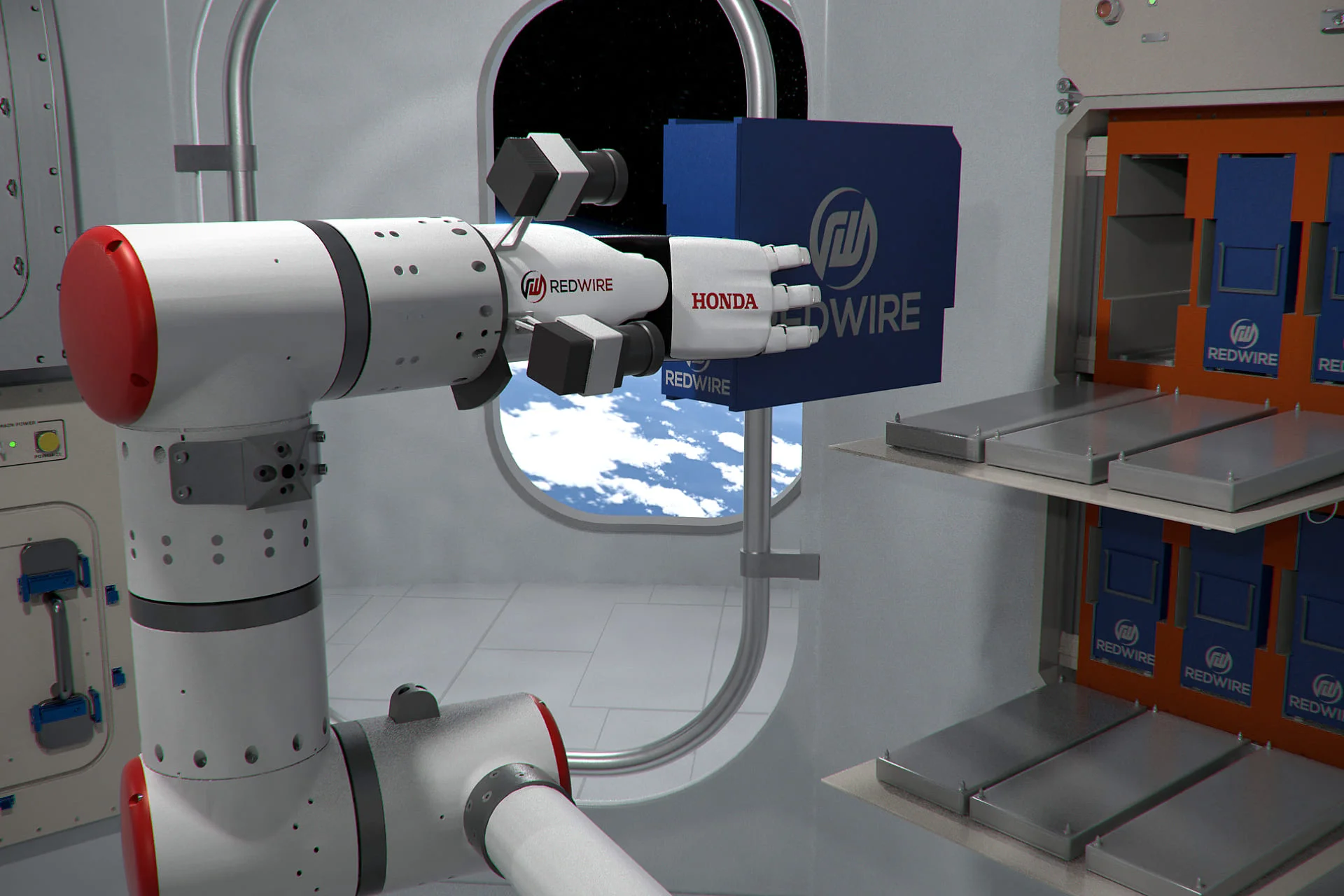
Honda and Redwire Collaborate on Robotic Lab System for Future Space Stations
Honda's U.S. space development team is collaborating with Redwire to create a robotic system designed for future commercial space stations. This system aims to automate laboratory tasks, including sample handling and equipment operation, by integrating Honda's multi-fingered robotic hand with Redwire's STAARK robotic arm. The initiative is timely as NASA transitions from the International Space Station to commercially operated stations, which may require increased automation to optimize astronaut efficiency. The collaboration is significant as it addresses the growing need for automation in low Earth orbit, particularly with the expected reduction in crew sizes and shorter astronaut stays. Honda's dexterous robotic hand, equipped with advanced sensors, is designed to perform delicate tasks, while Redwire's STAARK arm offers the necessary reach and positioning capabilities. This partnership could enhance research operations and support the evolving landscape of commercial space exploration. Looking ahead, Honda and Redwire plan to present their robotic system at the International Astronautical Congress in Antalya, Türkiye, from October 5-9. This event will provide an opportunity to engage with commercial station developers and industry partners, discussing potential applications and further advancements in space robotics.
Business & Markets Enterprise Physical AI collaboration Honda NASA
Honda Investigates Robotics Solutions for Future Commercial Space Station Research
Honda is developing a multi-fingered robotic hand integrated with Redwire's STAARK robotic arm to automate experiment handling and research operations in space. This robotics solution is designed to enhance research capacity while minimizing the time crew members spend on laboratory tasks. The collaboration between Honda and Redwire is significant as it addresses the growing need for efficient research capabilities in orbit, particularly as commercial space stations become more prevalent. By automating certain tasks, this technology could allow astronauts to focus on more complex scientific inquiries. Looking ahead, Honda and Redwire plan to engage with commercial space station developers and potential partners at the 2026 International Astronautical Congress. This meeting could pave the way for future collaborations and advancements in space research automation.
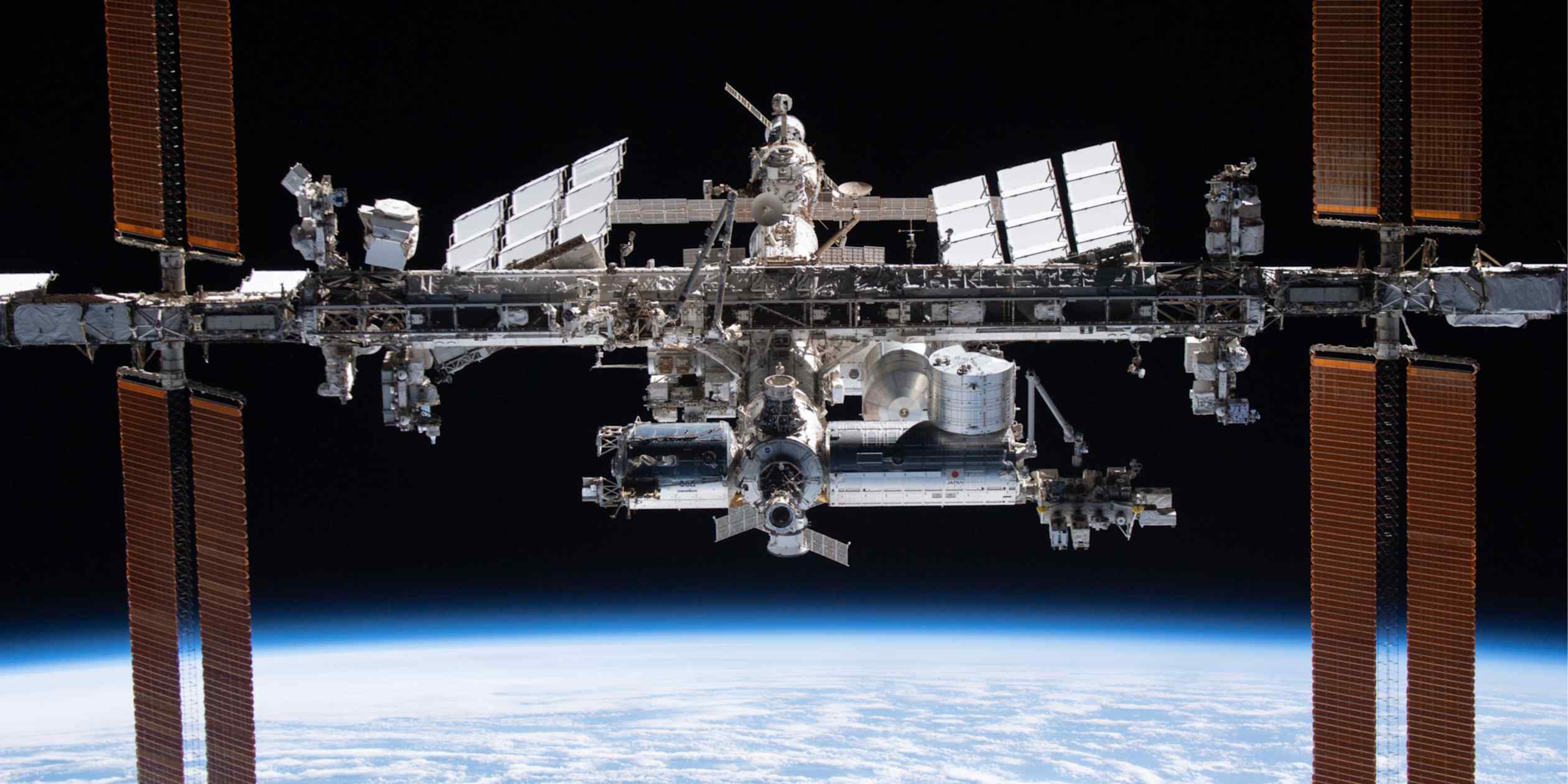
Japan to Host AI Robot Competition on International Space Station to Foster Engineering Talent
Japan is set to host a competition on the International Space Station where teams will control robots using artificial intelligence. This initiative, organized by the Space AI Robotics Association, aims to stimulate advancements in space exploration, AI, robotics, and simulations. The competition is significant as it seeks to cultivate the next generation of space engineers, addressing the growing demand in the space robotics market. By engaging students and professionals in practical applications of AI and robotics, Japan aims to enhance its capabilities in these critical fields. Looking ahead, the competition could lead to increased interest in space-related engineering careers and innovations in AI-driven robotics. No further timeline was disclosed at the time of publication.

KULR Technology Group Chosen by Icarus Robotics for Space Station Robotic Platform
KULR Technology Group, Inc. has been selected by Icarus Robotics to provide its KULR ONE Space battery for the JOY autonomous free-flying robotic platform. This platform is set to be deployed on an upcoming mission to the International Space Station. The collaboration is significant as it highlights KULR's role in advancing energy systems for critical applications in space and robotics. The JOY platform represents a step forward in autonomous space robotics, showcasing the potential for innovative technologies in extraterrestrial environments. Looking ahead, the deployment of the JOY platform aboard the International Space Station will be a key milestone for both KULR and Icarus Robotics. No further timeline was disclosed at the time of publication.

International Space Station Captured During Total Solar Eclipse on August 12, 2026
On August 12, 2026, a total solar eclipse captivated millions as the moon obscured the sun's light. The International Space Station (ISS) added to this spectacle, becoming visible against the sun's face for those with the right equipment. This unique moment allowed skywatchers to witness the silhouette of the ISS as it orbited Earth during the eclipse. The event not only drew attention from people on the ground but also from the astronauts aboard the ISS. Expedition 75 crew members, including NASA and ESA astronauts, experienced the eclipse from their vantage point in space, highlighting the collaborative nature of such astronomical events. The presence of the ISS in the eclipse imagery emphasizes the interconnectedness of human endeavors in space and on Earth. As solar eclipses foster community engagement and shared experiences, this event serves as a reminder of the wonders of our universe. No further timeline was disclosed at the time of publication.
Solar Eclipses Stargazing Eclipses
China Plans to Use Robot Dogs for Research at 2035 Moon Station
China is preparing to send robot dogs to the Moon as part of its International Lunar Research Station (ILRS) initiative, aiming for completion by 2035. These quadruped robots are envisioned to assist astronauts in research and emotional support, enhancing the human experience in space. The integration of new communication and navigation systems is crucial for this ambitious project, as reported by South China Morning Post. The robot dogs will not only patrol the lunar research station but also aid astronauts in scientific tasks, showcasing a unique partnership between humans and machines in extraterrestrial environments. Looking ahead, the deployment of robot dogs could revolutionize lunar exploration, with their capabilities extending to autonomous operations. As China progresses towards its 2035 goal, the role of these robotic companions in space will be pivotal in ensuring safety and efficiency in lunar research activities. No further timeline was disclosed at the time of publication.
AI and Robotics
Kall Morris Inc Tests REACCH System for Space Debris Removal on ISS
Kall Morris Inc (KMI) has successfully tested its robotic system, the Responsive Engaging Arms for Captive Care and Handling (REACCH), aboard the International Space Station (ISS). This innovative technology aims to capture and remove space debris, addressing a critical challenge in the space industry as the amount of non-functional objects in orbit continues to rise. The significance of this development lies in its potential to enhance satellite servicing and debris removal efforts. Space debris, which travels at speeds up to 10 times faster than a bullet, poses a serious threat to operational satellites and future missions. KMI's REACCH system, described as an orbital 'tow truck,' utilizes tentacle-like robotic arms with gecko-inspired adhesive pads to maneuver larger objects without needing to fully grasp them. Looking ahead, KMI is preparing for further testing beyond the ISS, with aspirations to deploy REACCH for operational missions focused on satellite life-extension and debris removal. As the number of satellites in low Earth orbit increases, the demand for effective debris management technologies is expected to grow significantly.
News Space aerospace autonomous robotics commercial space debris removal
SpaceX Launches Dual-Arm Robot to Extend Lifespan of Aging Satellites
On July 21, SpaceX launched a dual-arm space robot named MRV from Cape Canaveral, Florida. Its mission is to extend the lifespan of aging satellites by attaching jetpacks to them in geostationary orbit, preventing them from becoming space debris. The first clients for this service are Luxembourg's SES and Australia's Optus, with each satellite's replacement costing up to hundreds of millions of dollars. This initiative is significant as it marks a shift in how satellites are viewed—not as disposable assets but as reusable ones that can be repaired and refueled. Northrop Grumman, the manufacturer of MRV, has experience in satellite servicing, having previously extended the lives of malfunctioning satellites. The MRV's capabilities may evolve to include repairing and repositioning active satellites and even removing defunct ones from busy orbits. Looking ahead, the success of MRV could pave the way for more advanced satellite servicing technologies. Just two weeks prior, another robotic spacecraft, LINK, was launched to rescue NASA's Swift Observatory, which is at risk of re-entering the atmosphere. As robotics play an increasingly vital role in space operations, the economic landscape of space could be fundamentally transformed.
Space Robotics Satellite Services Orbital Maintenance Space Economy
Cape Canaveral Space Force Station to Receive Anti-Drone Security Enhancements
The Cape Canaveral Space Force Station is set to undergo a significant security overhaul aimed at countering small drone threats. This initiative is part of a broader effort to enhance security across various U.S. spaceports, which are increasingly viewed as critical and busy locations that require advanced protective measures. Current air-defense systems are not adequately equipped to detect and neutralize low-flying drones, necessitating these upgrades. The importance of this upgrade cannot be overstated, as Cape Canaveral is a vital site for U.S. space operations, with approximately 109 launches recorded last year. The potential for drone attacks poses a serious risk, as even a small drone could cause substantial damage to rockets or critical infrastructure, disrupting operations significantly. The Joint Interagency Task Force 401 will implement these enhancements, integrating advanced technologies to improve detection and response capabilities. Looking ahead, the Space Force plans to ramp up launch operations to around 1,000 annually by 2030, making the need for robust security measures even more pressing. The collaboration with the Air Force for operational support personnel is crucial to ensure the effectiveness of these upgrades. No further timeline was disclosed at the time of publication.
Innovation Military
Reddit Rises While Applied Materials and Gemini Space Station Experience Declines
In the latest Stock Movers episode, several drone companies, including AeroVironment Inc. (AVAV), Aevex Corp. (AVEX), and Unusual Machines Inc. (UMAC), saw their stocks rise following the announcement of a proposed 100% tariff on imports of unmanned aircraft systems and components by the Trump administration. Conversely, Applied Materials (AMAT) experienced a decline despite exceeding earnings forecasts, as investor reactions remained subdued even with the stock more than doubling in value this year. Additionally, Gemini Space Station (GEMI) faced a drop due to its earnings report revealing significant losses amid challenging conditions in the crypto market. Reddit (RDDT) saw a rise in its stock price after news broke that it would be included in the S&P 500 index. This inclusion is significant as it reflects the company's growing influence and stability in the market. No further timeline was disclosed at the time of publication.
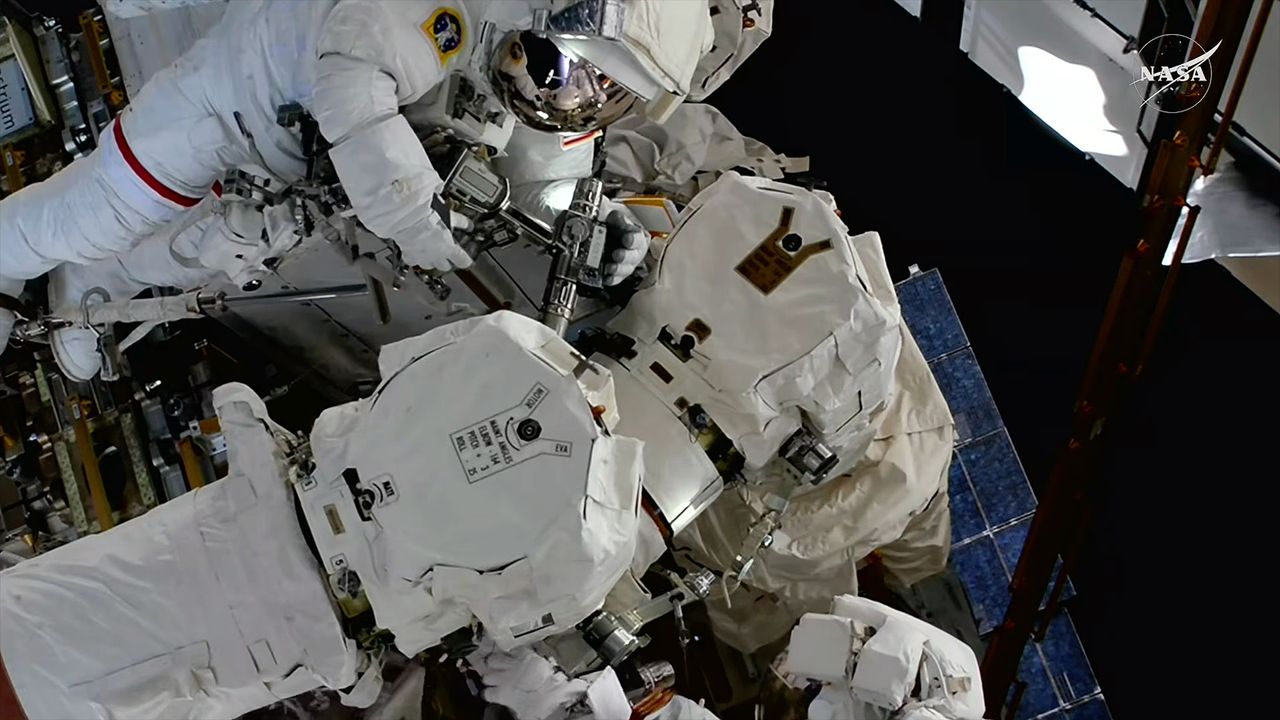
‘Just in time for Canada Day’: Spacewalking astronauts repair space station’s huge Canadarm2
On June 30, 2026, Expedition 74 flight engineers Chris Williams and Jessica Meir successfully completed a seven-hour spacewalk at the International Space Station. The mission involved replacing a wrist joint on the Canadarm2 robot arm, a critical component used for various tasks, including satellite deployment and maintenance of the space station. This repair was essential to ensure the continued functionality of the robotic arm, which plays a vital role in supporting operations and research aboard the ISS. The spacewalk exemplified the ongoing commitment to maintaining and enhancing the capabilities of the station, highlighting the importance of human ingenuity in the challenging environment of space.
International Space Station Space Exploration Missions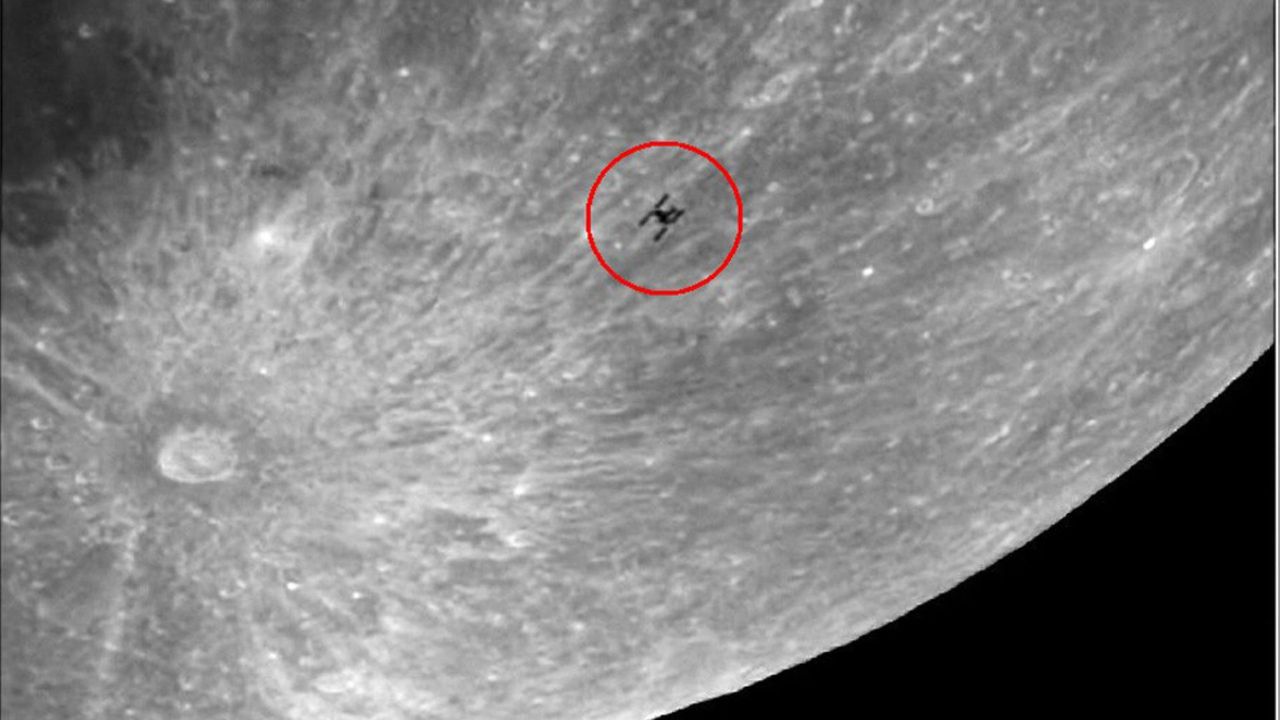
Watch China's Tiangong space station cross the moon in stunning amateur footage
Amateur astronomers captured remarkable footage of the Tiangong space station as it made its transit near Tycho Crater on the Moon. This event took place recently, showcasing the station's impressive journey across the lunar landscape. The footage highlights the growing interest and involvement of amateur astronomers in space observation, as they utilize advanced technology to document significant celestial events. The stunning visuals not only provide a unique perspective on the Tiangong space station but also emphasize the importance of amateur contributions to the field of astronomy.
Astrophotography Stargazing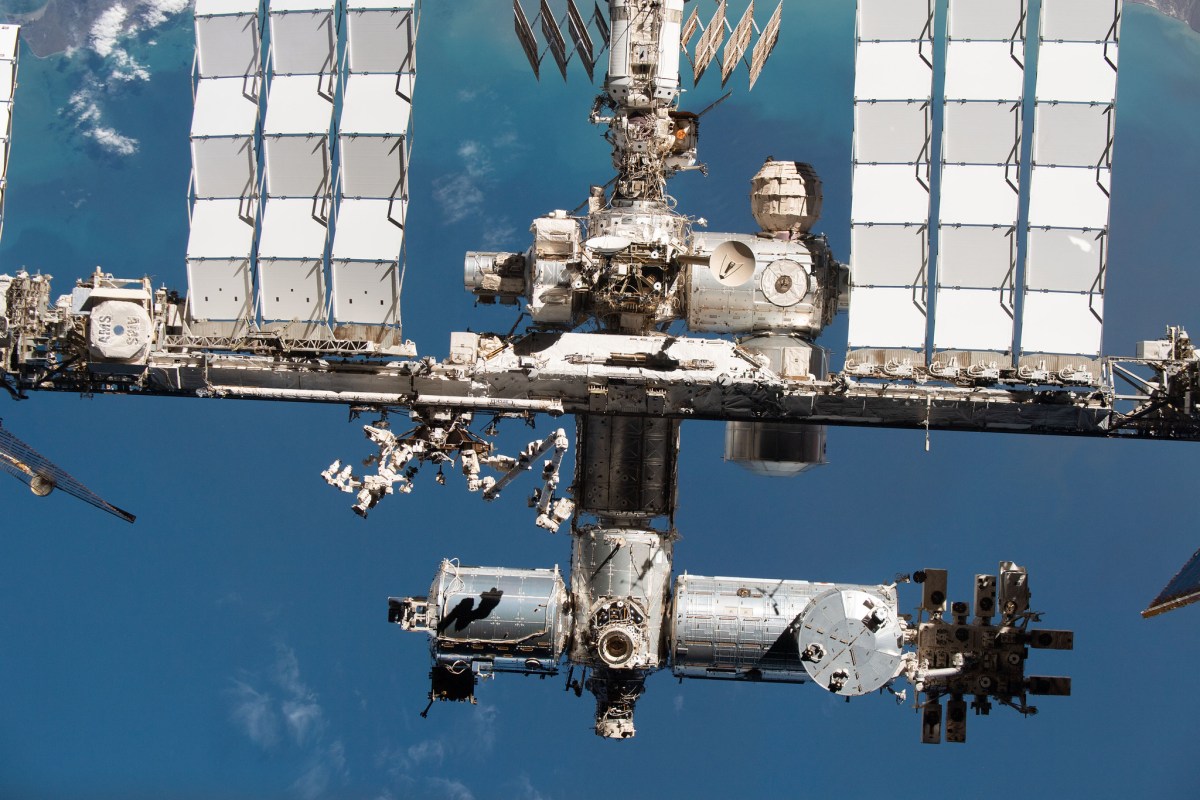
NASA briefly sheltered space station astronauts in SpaceX’s Dragon due to leaks
The Russian space agency Roscosmos has reported the discovery of new leaks in the Russian service module of the International Space Station (ISS). This announcement comes as part of ongoing monitoring and maintenance efforts to ensure the integrity and functionality of the module, which plays a crucial role in supporting the ISS's operations. The leaks were identified during routine inspections, prompting immediate attention from engineers and scientists. The agency has not specified the exact timing of the discovery but emphasized the importance of addressing these issues to maintain the safety and stability of the space station. This development underscores the challenges faced in maintaining aging space infrastructure and highlights the need for continued vigilance in space exploration efforts.
Space crew dragon Dragon international space station NASA SpaceXRobotics needs a service framework.
RSF defines a common language for robot service capability, lifecycle operations, certification pathways, and service-provider networks.
Join the RobotToday community on LinkedIn
Daily robotics news, in-depth analysis, conference highlights, and discussions with professionals worldwide.