Industry Briefing
A single destination for timely, editor-curated robotics news from around the world.

Antioch Secures $32 Million in Series A Funding to Enhance Physical AI Simulation Platform
Antioch has successfully raised $32 million in Series A funding, led by Greylock, to advance its simulation platform tailored for robotics and autonomous systems. This funding will enable Antioch to enhance product development, hire additional engineering talent, and expand simulation capabilities across various physical AI applications, including drones and industrial automation. The significance of this funding lies in Antioch's innovative approach to high-fidelity simulations, which allows physical AI teams to build, test, and validate systems before deploying them in real-world scenarios. By calibrating simulations to customer hardware and leveraging cloud-scale processing, Antioch aims to overcome the limitations of existing simulation platforms, thereby accelerating the development cycle for autonomous systems. Looking ahead, Antioch is already collaborating with notable physical AI teams, including Amazon's Ring, and has established partnerships with Nvidia and cloud provider Nebius. The company, which previously raised $8.5 million in seed funding, is set to utilize this latest investment to further its mission of transforming physical AI testing and deployment through advanced simulation technologies. No further timeline was disclosed at the time of publication.
AI AI Funding & Investment Robotics A* Antioch Box Group
KBC Launches Petro SIM 7.7 for Enhanced Process Simulation with AI/ML Hybrid Modeling
KBC, a Yokogawa company, has introduced Petro SIM 7.7, a cutting-edge process simulation and digital twin platform tailored for engineers and safety specialists in the refining and petrochemical sectors. This platform merges AI/ML-enabled hybrid modeling with first-principles simulation, facilitating informed decision-making while managing digital twins across various energy systems. The significance of Petro SIM 7.7 lies in its ability to combine engineering physics with machine learning, providing a trusted simulation environment for process engineers. Philippa Hayward, product manager for Petro-SIM, emphasized the need for accessible hybrid models to tackle complex challenges without requiring specialized data science skills. Looking ahead, KBC aims to enhance operational decision-making and monitoring across refinery and petrochemical value chains through Petro SIM 7.7 and its associated application, KBC Acuity Process Twin Pro. No further timeline was disclosed at the time of publication.
Factory / Digital Transformation
China's National Robot Vocational School: Merging Simulation with Practical Skills Training
The National Robot Vocational School in Hangzhou has officially opened, focusing on bridging the gap between simulated training and real-world applications. This facility, known as a national-level vocational skills training ground, aims to enhance the practical capabilities of robots by addressing the challenges faced when transitioning from laboratory success to real-world performance. The significance of this initiative lies in its innovative dual-driven testing model, combining real-world scenarios with virtual simulations. With over 140 robots and more than 40 application-oriented training scenarios, the school enables precise data collection and model training, facilitating the development of robots capable of performing tasks in various sectors, including power inspection and logistics. Looking ahead, the robots trained at this facility have already begun to be deployed in real-world settings, such as traffic management and hazardous environment inspections. The implementation of local regulations supporting the development of embodied intelligent robots further underscores the importance of this initiative in advancing practical robotics applications in China.
Robotics Training Embodied Intelligence AI Applications Automation Vocational Education
NVIDIA Launches Open Source GPU-Accelerated Medical Physics Simulation Framework for Healthcare Robotics
NVIDIA has introduced the Medical Physics Simulation framework, an open-source, GPU-accelerated tool designed to aid healthcare robotics developers. This framework allows for the modeling of anatomy-device interactions and the generation of complex scenarios that are difficult to capture in real-world settings. By facilitating in silico testing and training, it aims to streamline the development process and enhance robot behavior. The significance of this framework lies in its ability to provide healthcare robotics developers with a reusable simulation environment, reducing the time needed for custom scene creation. With the integration of anatomy and medical device behavior, along with sensor simulation, developers can more efficiently train and evaluate robot policies. The open-source nature of the framework ensures transparency, enabling teams to adapt it to their specific needs and contribute to its evolution. Looking ahead, the Medical Physics Simulation framework is expected to extend its capabilities to various devices and healthcare robotics domains. The framework's ability to run hundreds of parallel simulations significantly accelerates training times, allowing developers to explore a wider range of scenarios and identify potential failure modes earlier in the development cycle. No further timeline was disclosed at the time of publication.
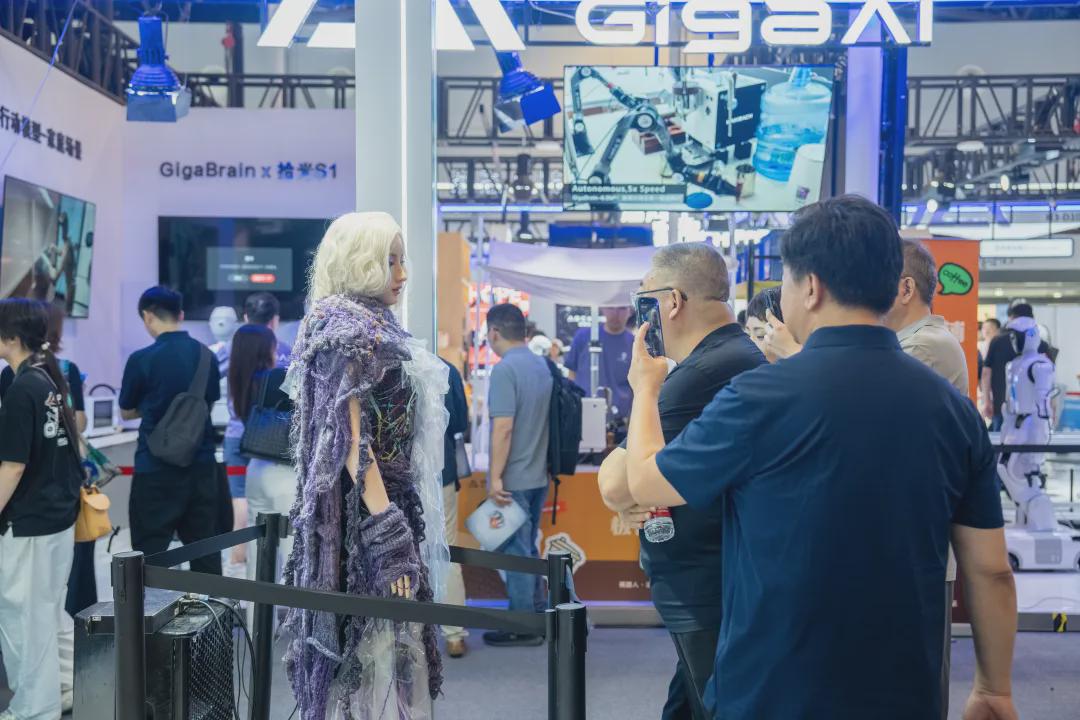
Lingdi Technology Demonstrates Advanced Clothing Simulation at WAIC 2026
At the WAIC 2026, Lingdi Technology showcased a compelling demonstration of robotic arms folding clothes, highlighting the complexities of handling flexible materials. The demonstration illustrated not just the end result of clothing manipulation but emphasized the intricate process of transforming garments into computable digital objects. This involves understanding various fabric properties and how they interact with robotic grippers, which is crucial for real-world applications in households and light industries. The significance of this demonstration lies in addressing the challenges robots face when dealing with flexible, deformable objects. Unlike rigid items, clothing can change shape and state when manipulated, requiring advanced algorithms to adapt to these variations. Lingdi Technology's SynReal World aims to bridge the gap between robotic systems and embodied models by providing a comprehensive data infrastructure for 3D asset generation, simulation training, and automated evaluation, ensuring that models undergo extensive physical interactions in a digital environment before real-world deployment. Looking ahead, the focus on flexible object simulation is critical as robots increasingly enter domestic and industrial settings. The ability to accurately simulate the handling of clothing and other soft materials will be essential for improving efficiency and reducing operational costs. No further timeline was disclosed at the time of publication.
Robotics Fabric Simulation AI Training Automation Soft Robotics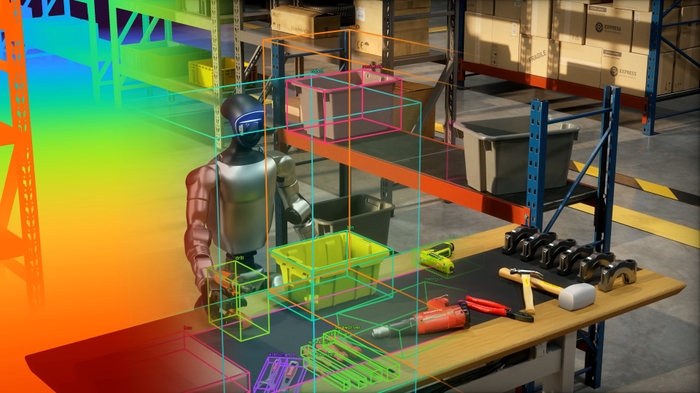
NVIDIA Expands Agent Toolkit with Omniverse Libraries for Enhanced Simulation Capabilities
NVIDIA has announced the integration of NVIDIA Omniverse libraries into the NVIDIA Agent Toolkit, enhancing AI agents' capabilities to prepare 3D content for simulation. This development is crucial as robots and autonomous systems require thorough testing in simulated environments before real-world deployment. The addition of Omniverse libraries allows AI agents to build workflows, inspect scenes, and prepare assets, significantly accelerating the transition from 3D content to simulation-ready environments. Jensen Huang, NVIDIA's CEO, emphasized that the future of physical AI will be rooted in simulation, highlighting the importance of this toolkit in the development of robotics and industrial AI. Software makers like SideFX and PTC are already leveraging these libraries to enhance their applications, integrating features such as sensor simulation and asset validation. As more developers adopt these tools, the focus will be on how they can streamline workflows and improve the efficiency of creating simulation-ready content. No further timeline was disclosed at the time of publication.
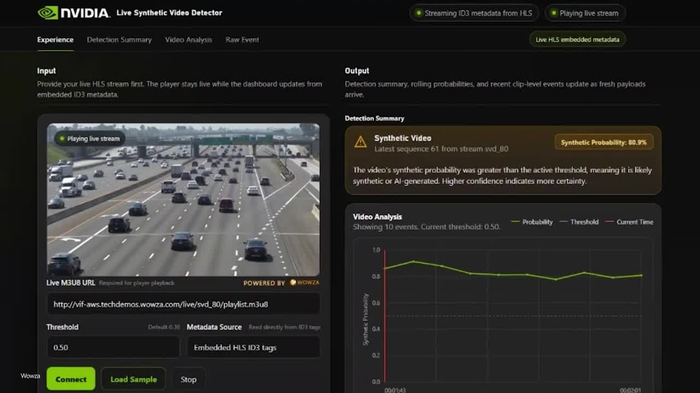
NVIDIA Showcases Advances in Graphics and Simulation at SIGGRAPH Conference
At the SIGGRAPH conference in Los Angeles, NVIDIA is highlighting advancements in graphics and AI technologies. The keynote, featuring NVIDIA leaders, focuses on neural rendering and simulation methods that enhance creative workflows. With the introduction of the Model Context Protocol (MCP), AI agents can now assist artists in various tasks while maintaining human control over creative decisions. This development is significant as it marks a shift in how creative applications operate, making them agent-ready and improving efficiency in the production process. NVIDIA's technologies, including GPU-accelerated tools and real-time simulation, have been pivotal in the creative industries for over two decades, and the MCP is set to further enhance this by integrating AI capabilities directly into existing workflows. Looking ahead, the integration of MCP across creative platforms, including Adobe's expansion of its AI Assistant, indicates a growing trend towards more collaborative AI tools in creative environments. No further timeline was disclosed at the time of publication.
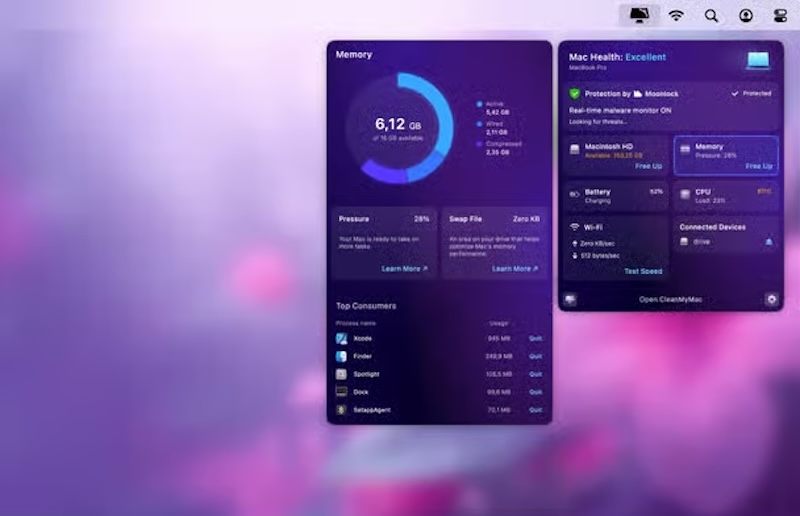
Benchmarking Your Development System for Effective Robotics Simulations
The development of robotics begins long before physical assembly, relying heavily on simulations to validate designs and refine algorithms. These simulations demand significant computational resources, making system benchmarking crucial to identify hardware limitations early in the process. By measuring workstation performance under demanding workloads, engineers can establish a performance baseline that aids in spotting potential bottlenecks. Understanding how different hardware components affect simulation performance is essential for robotics development. Whether using macOS, Windows, or Linux, benchmarking helps determine if slowdowns are due to software changes or hardware limitations. Key components such as the processor, graphics card, memory, and storage play varying roles in performance, and the weakest link can dictate the overall experience. As robotics projects grow in complexity, the need for robust hardware becomes increasingly important. Engineers should focus on comprehensive benchmarking to ensure their systems can handle the demands of their simulations. No further timeline was disclosed at the time of publication.
Components Robot simulation ABB RobotStudio automation cpu delmia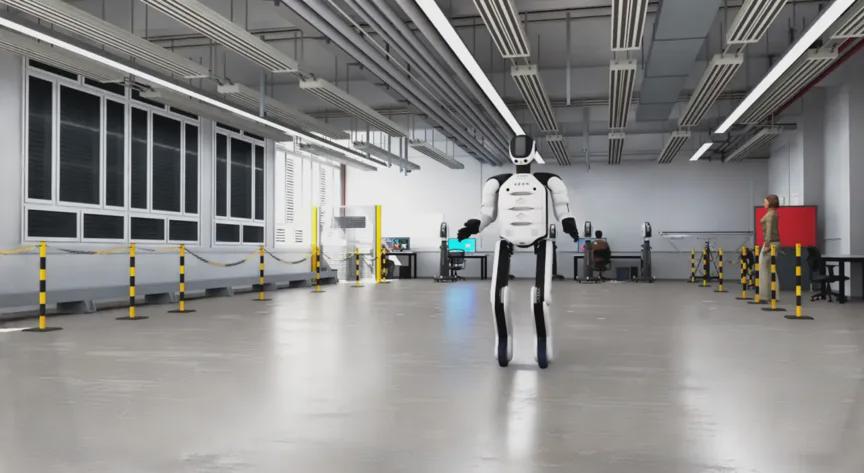
NVIDIA and DeepMind Lead Robotics Simulation Debate with New Industrial Applications
The field of embodied intelligence is witnessing a fierce debate over the best approach to training robots for industrial applications. One faction advocates for simulation-based training, leveraging structured environments to generate synthetic data, while the opposing view emphasizes the necessity of real-world data to handle complex physical interactions and unpredictable scenarios. Key players include NVIDIA, DeepMind, and Intrinsic, each with unique strategies and technologies. NVIDIA's Omniverse platform and Isaac Sim engine exemplify the simulation approach, enabling comprehensive digital twins of factories for training and optimization. Their collaboration with BMW on a digital twin project in Hungary showcases the potential of synthetic data in logistics and robotic movements. However, challenges remain in achieving the necessary fidelity for force control and physical interactions, prompting NVIDIA to seek partnerships with companies like Hexagon Robotics. Conversely, DeepMind's use of the MuJoCo physics engine has demonstrated that pure simulation can achieve industrial-grade precision in specific tasks, such as sorting with known rigid models. Yet, this method's effectiveness is limited to scenarios with minimal contact and force control. Intrinsic aims to transform simulation into a comprehensive development tool for industrial robots, focusing on lowering barriers for small manufacturers. The ongoing challenge of the SIM2REAL gap remains a critical factor in the success of these approaches.
Robotics Industrial Automation Simulation Technology AI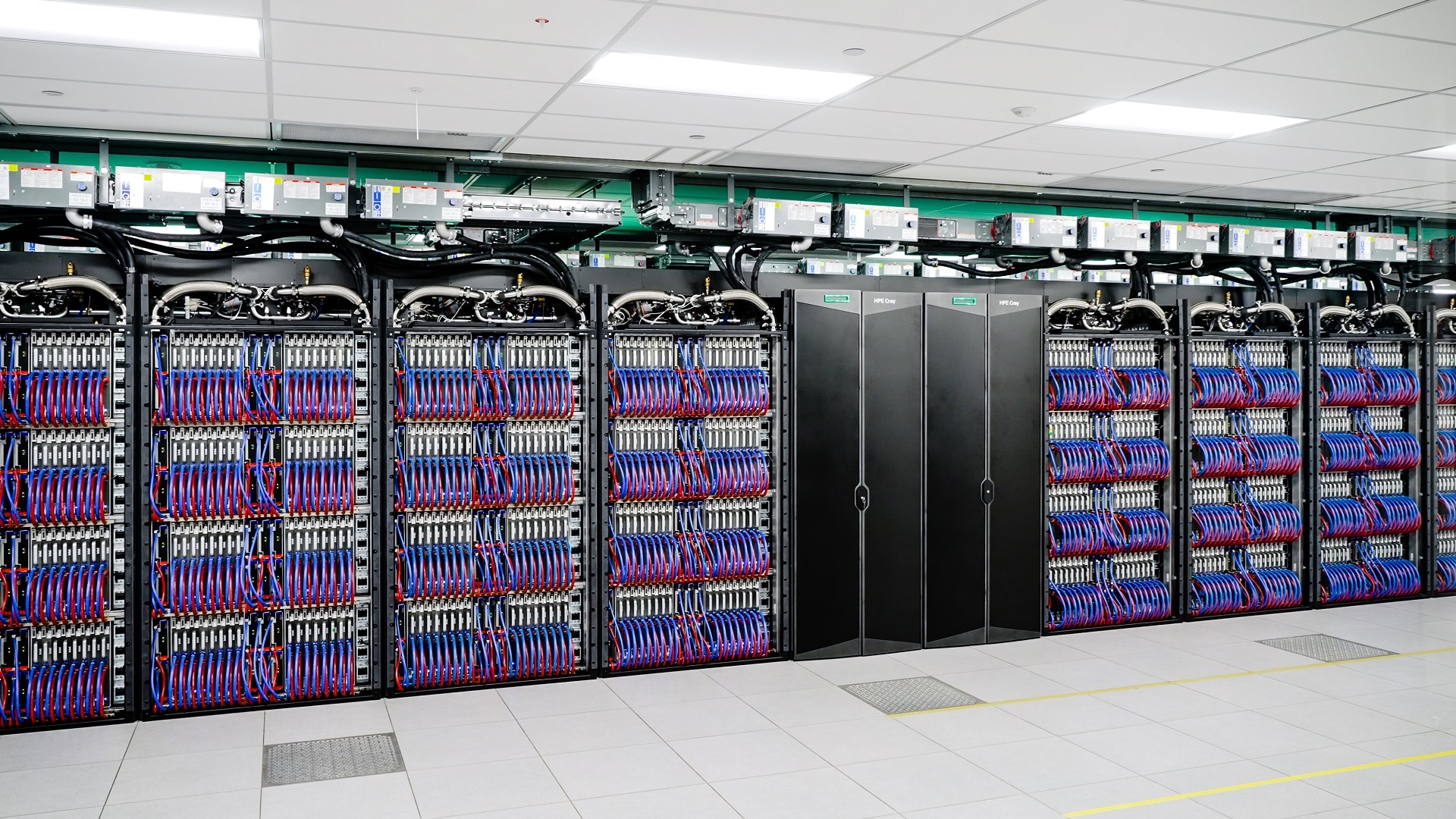
Argonne National Laboratory launches ChemGraph framework for automated chemistry simulations
Researchers at Argonne National Laboratory have introduced ChemGraph, an open-source framework that automates complex computational chemistry simulations using AI agents. Built on the Aurora exascale supercomputer, ChemGraph simplifies the simulation process by allowing users to describe scientific problems in plain language, which the system then translates into computational tasks. This innovation aims to enhance research in materials science, battery design, and combustion systems by streamlining workflows and reducing the need for specialized expertise. The significance of ChemGraph lies in its ability to combine large language models with agent-based automation, enabling researchers to conduct simulations without manually navigating every technical step. By distributing tasks among AI agents, the framework enhances efficiency and reduces costs associated with computational resources. This approach not only improves the accuracy of simulations but also allows for the integration of various scientific software and libraries, ensuring that results are physics-based rather than solely reliant on language model outputs. Looking ahead, ChemGraph's open-source nature has already led to adaptations for other applications, such as X-ray absorption spectroscopy and high-throughput materials screening. The research team envisions further educational applications, providing a platform for professors to teach advanced computational techniques while simplifying the exploration of research questions for students. No further timeline was disclosed at the time of publication.
AI and Robotics
World Labs Launches Atlas World Model for 3D Environment Simulation
World Labs has unveiled Atlas, a new world model aimed at generating, reconstructing, and simulating 3D environments. This model supports Real-to-Sim workflows, allowing robots to navigate and manipulate spaces reconstructed from images or videos. Atlas can create RGB and depth data that robots would encounter, enhancing their operational capabilities. The introduction of Atlas is significant as it enables developers to recreate interactions with various objects and simulate different training scenarios. By using a limited number of real-world recordings, Atlas can generate complex environments, which is crucial for advancing robotic applications. This multimodal model combines text, images, video, and 3D information, providing a comprehensive tool for robotics and beyond. Looking ahead, Atlas is entering early access with select partners and will also enhance future versions of World Labs' Marble world-generation product. The capabilities of Atlas in producing explicit 3D outputs and supporting diverse applications will be key areas to monitor as the technology evolves.
AI AI Use Cases Robotics Atlas real-to-sim World Labs
U.S. Air Force Seeks New Family of Expendable Target Drones for Diverse Threat Simulation
The U.S. Air Force is pursuing a new family of aerial targets designed to replicate a wide range of airborne threats, including stealth fighters and UAV swarms. This initiative aims to create realistic yet cost-effective targets that can be routinely used and destroyed during testing, as outlined in a recent Request for Information (RFI). The Air Force's requirements emphasize the need for these targets to be inexpensive and simple to manufacture, allowing them to be treated as expendable. This marks a shift from existing aerial targets like the QF-16, which is based on a converted fighter aircraft. The new targets are expected to leverage commercial technologies and manufacturing methods to enhance scalability and reduce costs. The proposed systems will cater to various threat categories, with specific requirements for advanced fighter aircraft, including supersonic capabilities and advanced radar cross-section profiles. Responses to the RFI are due by September 28, and the Air Force is particularly interested in non-traditional solutions that can offer advantages over legacy systems.
Air Air Forces Drones News & Features U.S. Air Force
Dexory Leverages Engineering AI to Enhance Simulation Workflows and Capture Knowledge
Dexory is set to utilize Engineering AI in conjunction with SimScale's cloud-native simulation platform to automate simulation workflows and enhance engineering analysis. This initiative aims to identify areas where AI agents can provide significant value in mechanical engineering and product development. The importance of this program lies in its demonstration of how pioneering robotics companies are integrating AI not only into the robots they create but also into the engineering processes that underpin their design and testing. This approach could lead to more efficient workflows and improved product outcomes. Looking ahead, it will be crucial to monitor the outcomes of this initiative and how effectively Dexory can leverage AI to streamline engineering tasks. No further timeline was disclosed at the time of publication.

World Labs Acquires SceniX to Enhance Physical Robot Training Capabilities
On July 22, World Labs, founded by AI pioneer Li Feifei, announced its acquisition of the American robotics simulation startup SceniX. This marks World Labs' first public acquisition since its inception, expanding its focus from 3D world generation to physical robot training. Li Feifei emphasized that spatial intelligence involves interaction, not just perception and generation. Founded in April 2024, World Labs has quickly positioned itself at the forefront of spatial intelligence, securing $230 million in initial funding and an additional $1 billion in early 2026 from major investors like NVIDIA and AMD. Its flagship product, Marble, generates high-fidelity 3D virtual environments from text and images, but the technology has primarily served creative industries, lacking the physical accuracy required for effective robot training. SceniX aims to address this gap by developing a game engine tailored for robotic learning, integrating high-precision physics simulation and sensor modeling. Their research, in collaboration with Columbia University and Google DeepMind, has demonstrated the potential for high-fidelity transfer from simulation to reality. Following the acquisition, the SceniX team will join World Labs to further advance physical simulation and robot training, highlighting the industry's ongoing challenges in generalizing robotic capabilities despite advancements in hardware.
Robotics Simulation Embodied Intelligence AI Technology Physical Robotics Training
Synthium Develops Human-in-the-Loop Simulations for Humanoid AI Models
Synthium is advancing humanoid AI by operating human-in-the-loop simulations that generate essential motion, voice, and reasoning data. This innovative approach allows for more realistic and effective decision-making processes in embodied AI systems. The significance of Synthium's work lies in its potential to enhance the capabilities of humanoid robots, making them more adept at interacting with humans and performing complex tasks. By integrating human feedback into the simulation process, Synthium aims to create AI models that better understand and respond to human behavior. Looking ahead, the development of these simulations could lead to breakthroughs in how humanoid robots are deployed in various sectors. No further timeline was disclosed at the time of publication.
Artificial Intelligence Robotics Startups Nicolas Duval Startup spotlight Synthium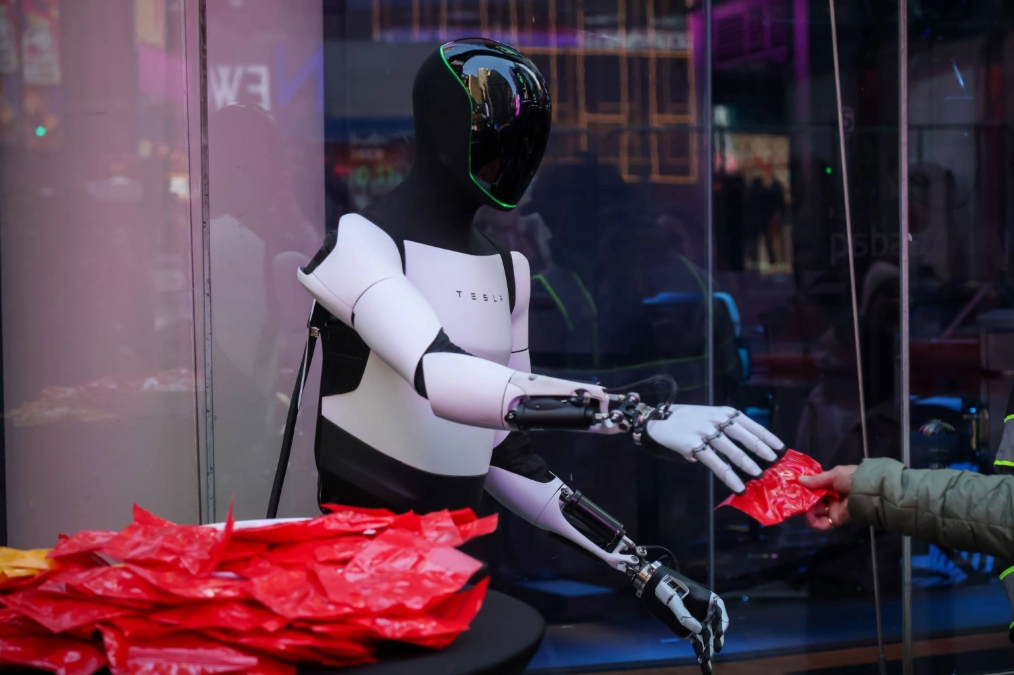
China's Robots Learning Human Skills Through Real-World Simulations
In a discreet industrial park in suburban Beijing, a humanoid robot is meticulously stacking bags of chips on a shelf. Nearby, workers are filming their actions of folding sheets and handling cushions, which will serve as 'textbooks' for the robots. China is undertaking a significant initiative to transition robots from laboratories to simulated environments like supermarkets, factories, and homes to learn human skills, and the scale of this 'internship' is rapidly expanding. This initiative is crucial as robots need to understand the physical world's rules, such as how to hold an egg without breaking it or catch a cup of water before it slips off a tray. Unlike the U.S., which relies on data purchasing and low-cost data collection in countries like India and Vietnam, China has established at least 64 data collection and training centers nationwide, with over 20 more under construction. At the Beijing Humanoid Robot Innovation Center, more than 120 robots are being trained across 30 scenarios in six major sectors, forming a comprehensive 'robot training network' across the country. As hardware advancements continue, Chinese robotics companies are focusing on enhancing their AI capabilities. Yushu Technology is preparing for an IPO, pledging nearly half of its $610 million fundraising to AI model development. By mid-2026, funding in China's embodied intelligence sector has already exceeded 90 billion yuan, five times that of the previous year. With plans to deploy over 1,000 humanoid robots in factories this year and more than 10,000 by 2027, China is leveraging its organizational capabilities to collect data at scale, positioning itself advantageously in the race towards general intelligence.
Humanoid Robots AI Robotics Training Data Collection Automation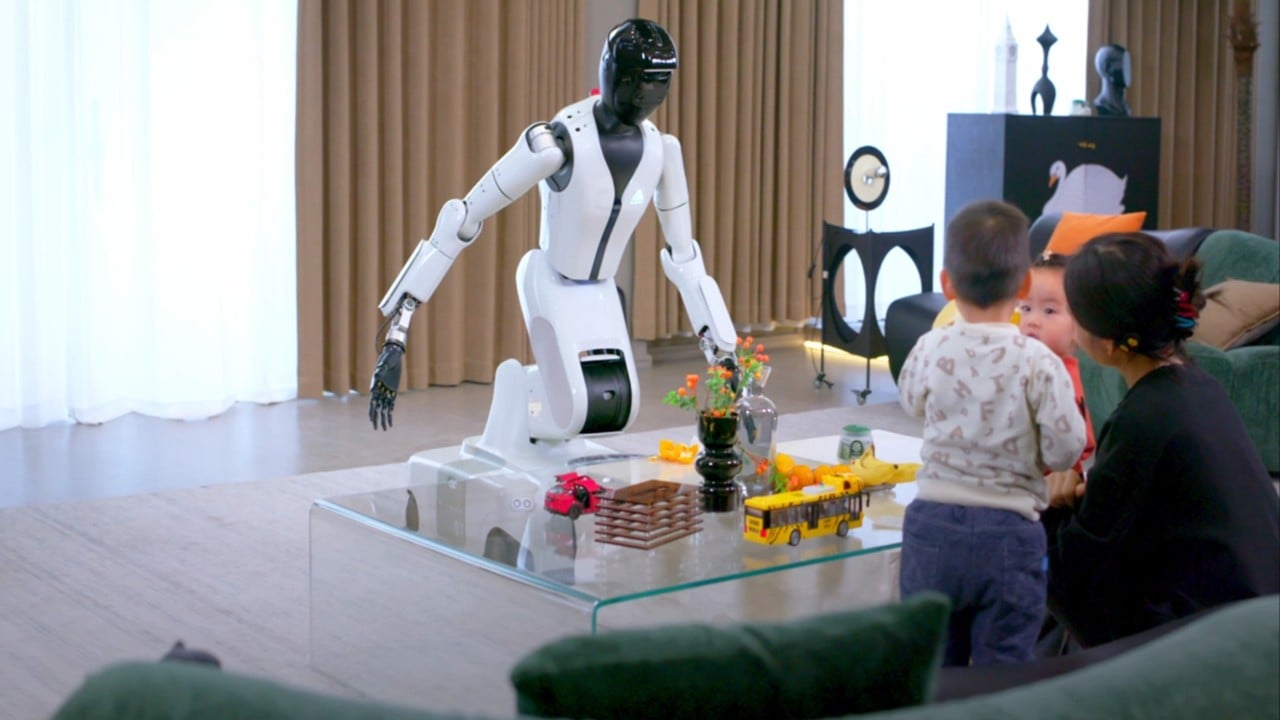
Chinese Companies Explore World Models for AI Simulation of Environments
Artificial intelligence is evolving with a focus on 'world models,' which simulate environmental responses to actions. This shift is gaining traction among Chinese companies, expanding the application of these models beyond traditional physics and robotics. The technology is still developing, with no clear consensus on its final form, indicating a significant area of exploration for AI advancements. The significance of world models lies in their potential to enhance AI's predictive capabilities, allowing systems to anticipate changes in both physical and digital environments. This could lead to improved decision-making processes across various sectors, as companies leverage these models to better understand and interact with their surroundings. The growing interest from major tech firms highlights the competitive landscape surrounding this emerging technology. Looking ahead, the development of world models is expected to progress, although specific timelines for advancements or implementations remain undisclosed. As the industry continues to explore this frontier, stakeholders should monitor the evolution of standards and applications that will shape the future of AI simulation technologies.
Jiying Technology Launches First Zero-Shot Generalizable Physics Model for Engineering Simulations
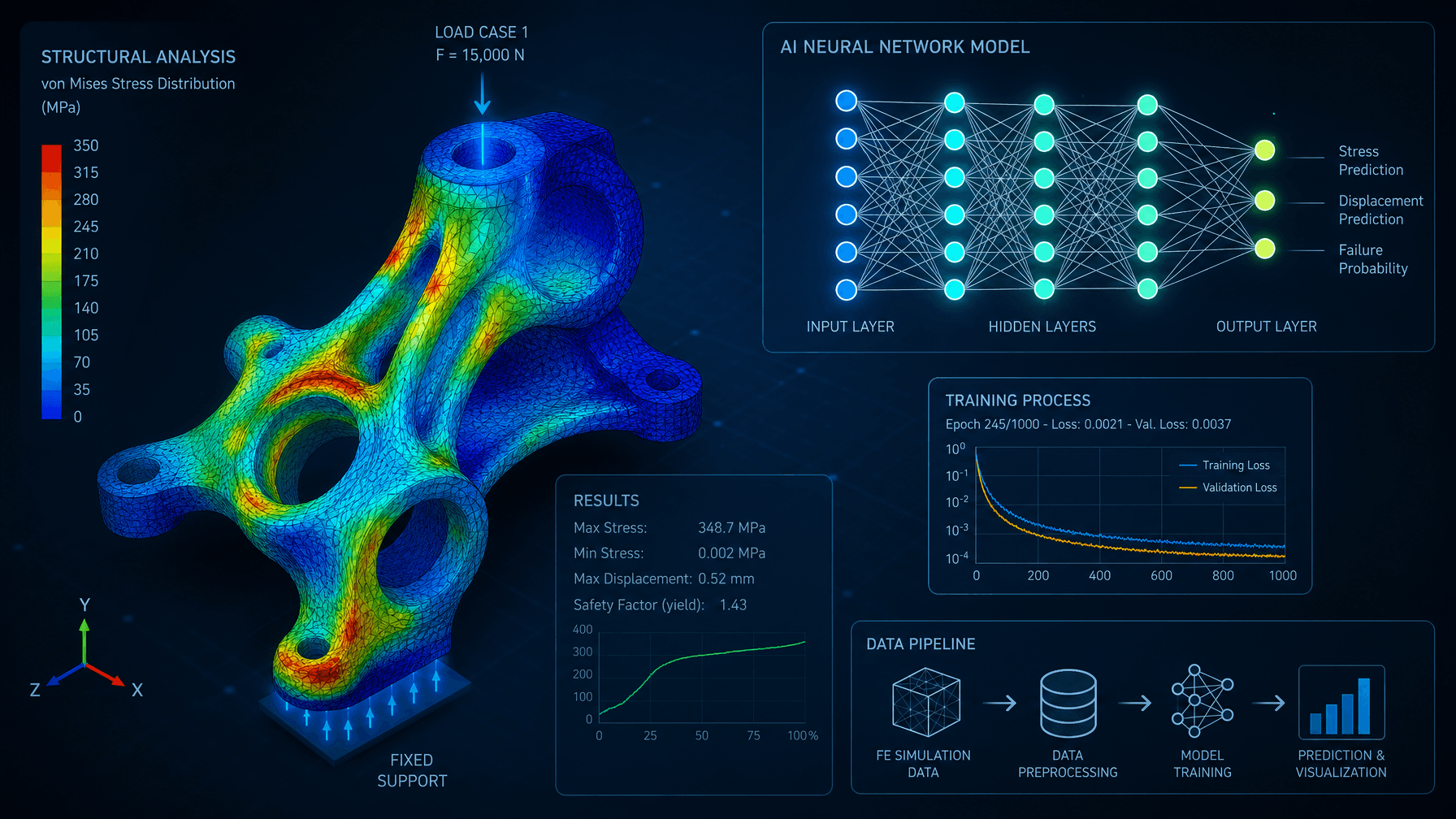
Jiying Technology has unveiled its Jiying 2.0 physics foundation model, which is capable of zero-shot generalization across various geometries, materials, and boundary conditions. This model represents a significant advancement in physics AI, particularly for engineering simulations, and was announced in October 2023. The introduction of the Jiying 2.0 model is crucial as it allows engineers to simulate complex physical scenarios without the need for extensive retraining on specific datasets. This capability can enhance efficiency and reduce the time required for simulations, making it a valuable tool in engineering design and analysis. Looking ahead, industry professionals will be keen to observe how the adoption of the Jiying 2.0 model influences engineering practices and simulation accuracy. No further timeline was disclosed at the time of publication regarding additional features or updates to the model.
Technology
Niantic Spatial adds USDZ export to Scaniverse to streamline robotics simulation workflows
Niantic Spatial has launched USDZ export for its Scaniverse app, enabling robotics developers to convert real-world environments into simulation-ready digital twins for use with Nvidia Isaac Sim. The new capability is designed to help address the long-standing “sim-to-real” gap in robotics, where systems trained in synthetic environments often struggle when deployed in complex, real-world settings. […]
News Robot simulation 3d scanning Autonomous robots digital reconstruction digital twins
The Shift in Physical AI: Qunke Technology Develops a Simulation Data Production Line
Qunke Technology has introduced a pioneering solution to tackle the pressing shortage of high-quality 3D training data, which is vital for the advancement of the physical AI industry. As leading companies in embodied intelligence shift their focus from model architecture to data infrastructure, Qunke's innovative simulation data production line aims to fill this gap. The company’s efforts have been recognized at the European Conference on Computer Vision (ECCV), where three of its groundbreaking research papers were accepted. These contributions are expected to set new benchmarks in the fields of spatial intelligence and data synthesis, further propelling the development of AI technologies.
Embodied Intelligence Simulation Data 3D Training Data AI Benchmarking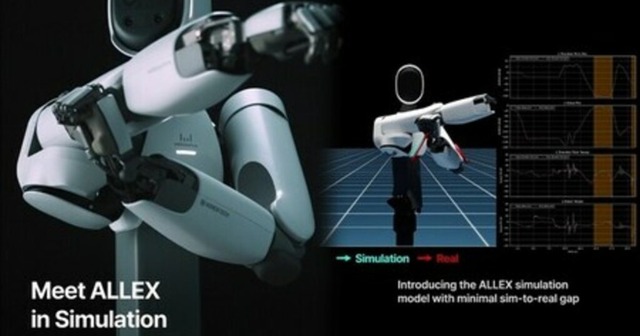
South Korea's WIRobotics unveils simulation model of humanoid "ALLEX," marking a step towards building a physical AI ecosystem.
South Korean robotics company WIRobotics has unveiled a simulation model of its humanoid robot, ALLEX, on June 29, 2026. This announcement coincides with the company's broader initiative to establish a technological roadmap aimed at developing a physical AI ecosystem. By sharing this simulation model, WIRobotics aims to foster innovation and collaboration within the robotics industry, positioning itself as a leader in the advancement of humanoid robotics technology.

WIRobotics Begins Building a Physical AI Development Ecosystem: The First Technology Release Features the ALLEX Simulation Model
ALLEX Technologies has announced plans to sequentially release additional core technologies aimed at enhancing the development of Physical AI. This initiative is set to expand the Physical AI development ecosystem, facilitating high-fidelity Sim-to-Real validation processes. The company aims to create an open environment that supports researchers and robotics developers in their quest to innovate within the field. By fostering collaboration and providing advanced tools, ALLEX Technologies seeks to drive advancements in Physical AI, making it more accessible and effective for various applications.
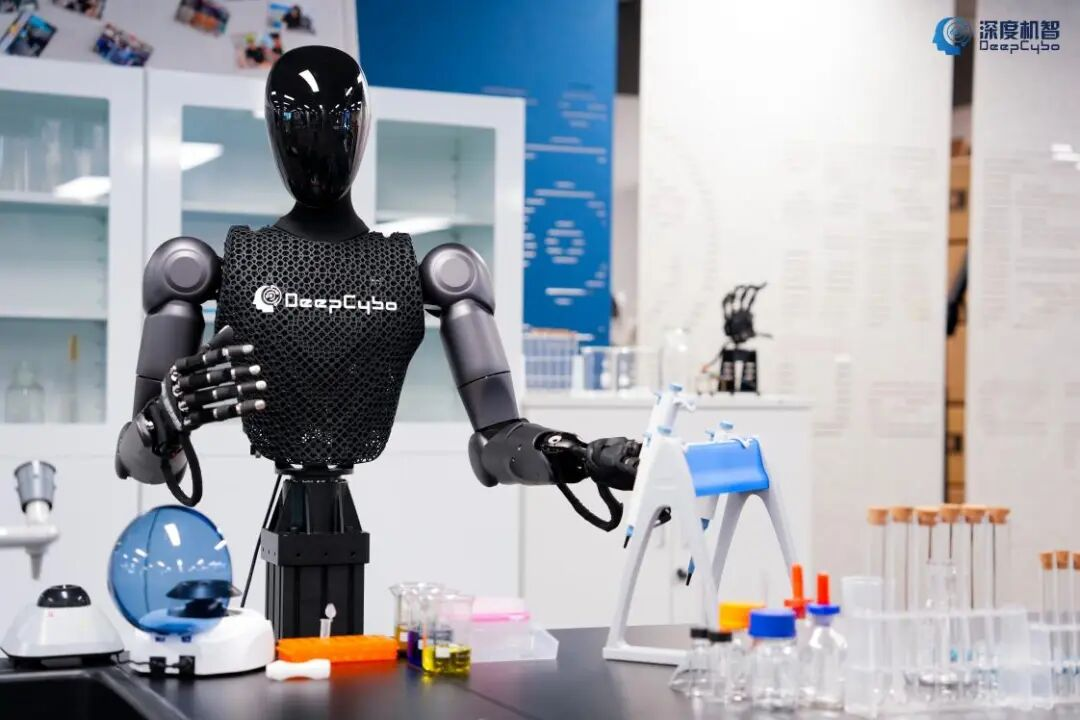
"Not Competing with Real Machines, Not Stacking Simulations: Deep Intelligence Relies on 'Human Learning' to Secure Hundreds of Millions in Financing"
Deep Intelligence, a company focused on advancing artificial intelligence through human learning methodologies, has secured hundreds of millions in financing. This significant funding round, announced recently, highlights the growing interest in AI technologies that prioritize human-like learning processes over traditional machine simulations. The investment aims to enhance Deep Intelligence's research and development efforts, positioning the company as a leader in the AI sector. By leveraging insights from human cognition, Deep Intelligence seeks to create more intuitive and effective AI systems. The financing comes at a time when the demand for innovative AI solutions is surging, driven by various industries looking to integrate smarter technologies into their operations.
Robotics Automation AI
Eclipse Automation launches RealitySync simulation platform
Eclipse Automation has unveiled its innovative RealitySync platform, designed to enable manufacturers to visualize and interact with their future factories before construction begins. This launch, announced recently, aims to enhance the planning and design processes for manufacturing facilities by providing a comprehensive simulation experience. By utilizing advanced technology, RealitySync allows companies to identify potential challenges and optimize workflows, ultimately streamlining the transition from concept to reality. This initiative reflects Eclipse's commitment to advancing manufacturing efficiency and innovation in the industry.
Artificial Intelligence Artificial Intelligence / Cognition Automation Design / Development Markets / Industries News
From Materials Simulation to Experimental Astronomy, New NVIDIA AI Software Unlocks Scientific Discoveries
During the ISC conference taking place this week in Hamburg, NVIDIA unveiled innovative software aimed at accelerating artificial intelligence applications in scientific research. The newly introduced DAQIRI library and ALCHEMI NIM software are designed to enhance processes in various fields, including chemistry, materials discovery, and even the exploration of dark matter. By leveraging advanced AI capabilities, NVIDIA seeks to empower researchers and scientists to achieve breakthroughs more efficiently, addressing the growing demand for faster and more effective scientific solutions.
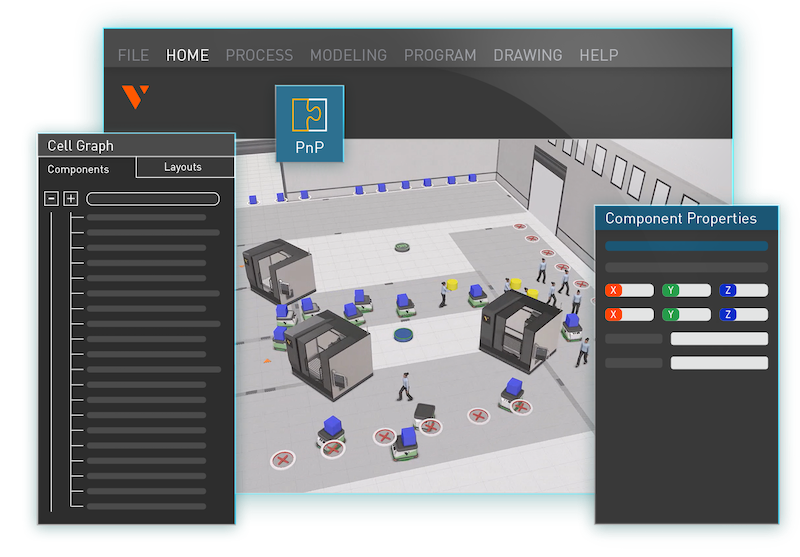
Visual Components launches new version of its factory simulation software
Visual Components, a leader in 3D manufacturing simulation and robot offline programming, has unveiled its latest software, Visual Components 5.1. This significant update aims to assist manufacturers in navigating the increasing complexity of autonomous production environments. Released recently, the new version features enhanced physics simulation for greater accuracy and scalable robot orchestration capabilities. These advancements are designed to streamline operations and improve efficiency in manufacturing processes, responding to the industry's evolving demands for automation and precision.
Computing News Robot simulation Software AGV simulation AMR simulation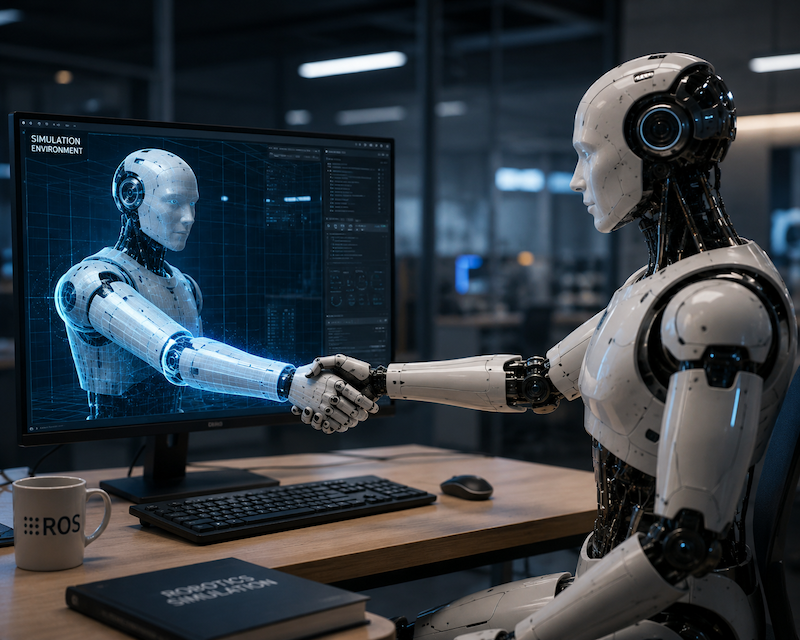
Simulation tools in the ROS ecosystem: Testing and validating robots virtually
In a significant advancement for robotics, researchers are increasingly relying on virtual environments to develop and refine robots before they are deployed in the real world. This trend allows robots, such as those used in warehouses, autonomous vehicles, and humanoid designs, to undergo extensive training and testing in simulated settings. By utilizing these virtual platforms, developers can enhance the robots' navigation and operational skills without the risks and costs associated with real-world trials. This approach not only accelerates the development process but also improves the overall safety and efficiency of robotic systems. As the technology evolves, the reliance on virtual training is expected to grow, paving the way for more sophisticated and capable robots in various industries.
Computing Features Robot simulation Software automation news Autonomous robots
Interview with Columbia professor and co-founder of SceniX Yunzhu Li: ‘Simulation is central’
The robotics industry is currently experiencing a significant influx of investment and media coverage, driven by ambitious projections regarding the future of humanoid machines. Numerous companies have unveiled plans to produce thousands of robots, leveraging recent advancements in artificial intelligence that have heightened expectations for the integration of general-purpose robots into various environments, including factories, warehouses, workplaces, and homes. This surge in interest reflects a growing belief that robots could soon become a standard presence in everyday life. However, amidst the enthusiasm, there are underlying challenges and considerations that the industry must address to realize these ambitious goals.
Artificial Intelligence Features Robotics ai robotics artificial intelligence automation news
AGIBOT WORLD CHALLENGE 2026 Advances Embodied AI Competition from Simulation to Real-Robot Testing at ICRA 2026
A recent competition has marked a significant advancement in the evaluation of embodied artificial intelligence, emphasizing the importance of closed-loop testing with real robots and practical tasks. This shift away from traditional simulation scores aims to establish standardized benchmarks that better reflect the capabilities of AI systems in real-world scenarios. By focusing on tangible outcomes and interactions, the competition seeks to enhance the reliability and applicability of embodied AI technologies. The event, which took place in October 2023, gathered experts and innovators in the field, showcasing the latest developments and fostering collaboration to push the boundaries of AI performance in practical applications.
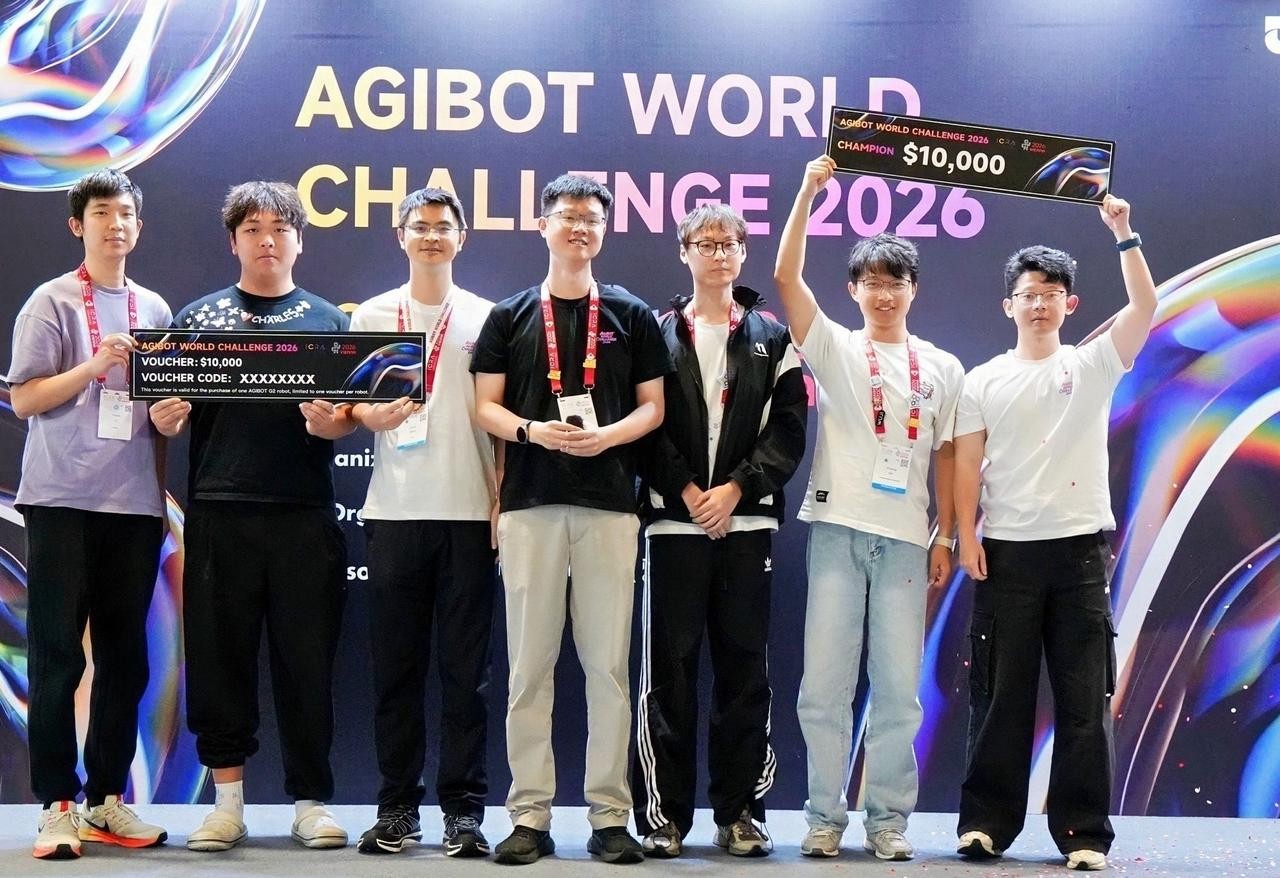
AGIBOT WORLD CHALLENGE 2026 Advances Embodied AI Competition from Simulation to Real
The AGIBOT WORLD CHALLENGE 2026 took place in Vienna, showcasing a pivotal shift in embodied artificial intelligence as it moved from simulation-based assessments to real-robot testing. The event attracted 526 teams from 27 countries, competing across two distinct tracks: Reasoning to Action and World Model. This competition aimed to address practical deployment requirements by emphasizing the execution of real-world tasks and adaptability of AI systems. The focus on tangible applications is expected to significantly enhance the evaluation framework for embodied AI, marking a notable advancement in the field.
Embodied AI Robotics Artificial Intelligence Technology Competition Benchmarking
How Physical AI Is Closing the Gap Between Simulation and the Shop Floor
A new generation of systems is emerging that not only simulates the physical world but also engages in real-time reasoning and actions. This advancement is driven by a sophisticated spatial computing stack that integrates foundation models, AI-generated software, and high-fidelity 3D sensing technologies. These systems aim to enhance interactions with the environment, providing more intuitive and responsive experiences. The development is part of a broader trend in technology aimed at creating smarter, more adaptive solutions across various industries, including gaming, robotics, and virtual reality. As these innovations continue to evolve, they promise to transform how users interact with digital and physical spaces, paving the way for more immersive and effective applications.
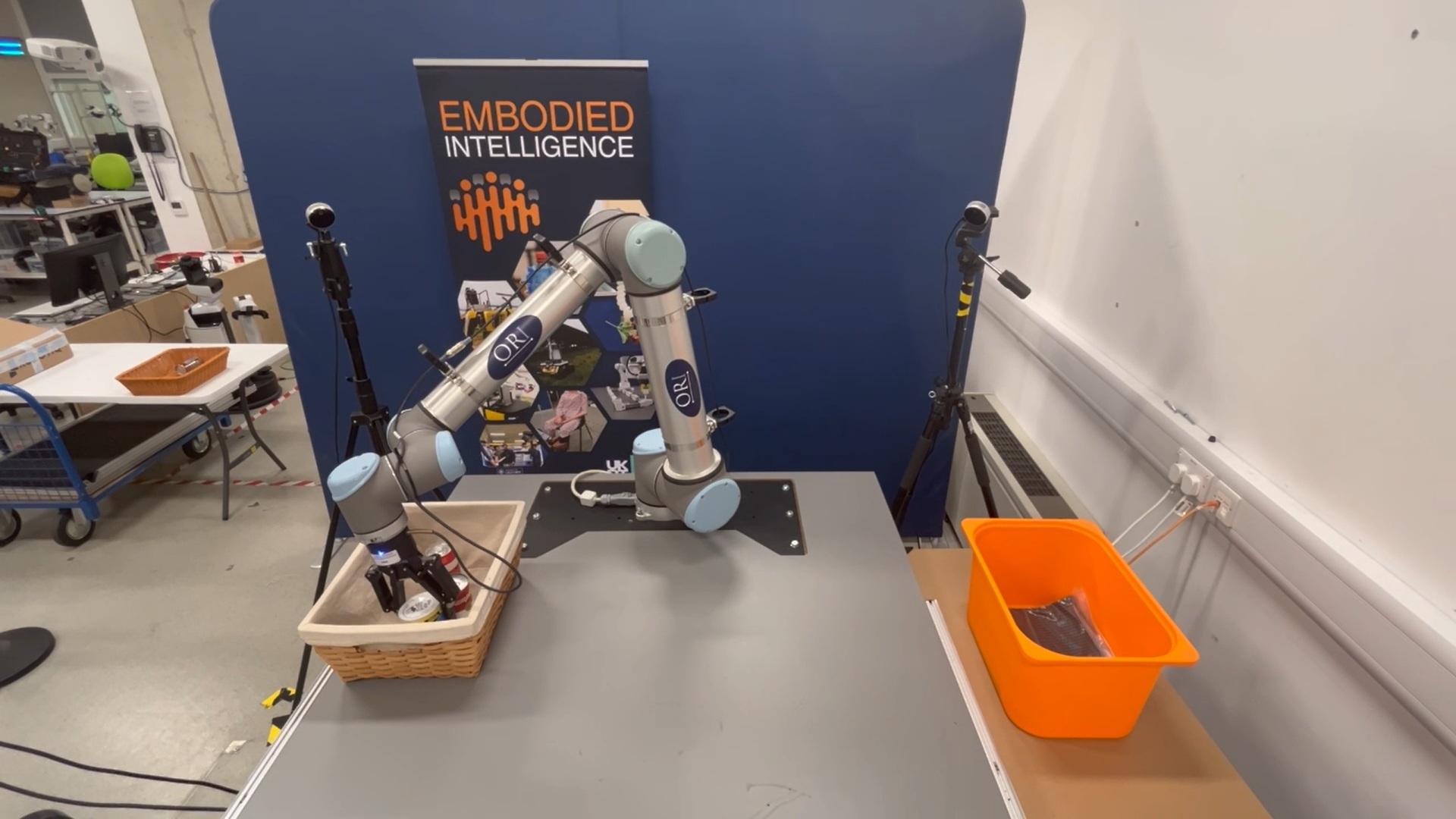
NVIDIA research shows robots trained in simulation can handle real-world tasks
Recent advancements in robotics have led to significant improvements in the reliability of robots trained entirely in simulation. Researchers have found that these simulated robots are now capable of performing tasks with greater accuracy and efficiency in real-world environments. This development comes as a response to the growing demand for automation across various industries, where the ability to seamlessly transition from virtual training to practical application is crucial. The breakthrough was reported in October 2023, highlighting the successful application of simulation-based training methods that allow robots to learn complex tasks without the risks and limitations associated with physical training. By utilizing advanced algorithms and machine learning techniques, these robots can adapt to unpredictable conditions and execute tasks that were once considered too challenging for automated systems. As industries increasingly seek to integrate robotic solutions to enhance productivity and reduce labor costs, the ability of these robots to operate reliably in the real world marks a significant milestone in the field of robotics. The ongoing research aims to refine these training methods further, ensuring that robots can meet the diverse needs of various sectors, from manufacturing to healthcare.

NVIDIA Research Advances Robotics From Simulation to the Real World
At the International Conference on Robotics and Automation (ICRA), NVIDIA Research showcased advancements in robotics that signal a significant shift towards achieving reliable embodied autonomy in real-world applications. This transition marks a departure from traditional controlled demonstrations and scripted automation, emphasizing the need for robots to operate effectively in unpredictable environments. The event, held recently, highlighted eight innovative projects that illustrate how robotics can adapt and function autonomously outside of laboratory settings. This evolution is driven by the increasing demand for robots to perform complex tasks in diverse scenarios, enhancing their utility across various industries. By leveraging cutting-edge technology and research, NVIDIA aims to pave the way for a future where robots can seamlessly integrate into everyday life, improving efficiency and productivity.

Lightwheel AI Raises New Round to Build Physical AI Data and Simulation Infrastructure
A Beijing-based startup has successfully secured new funding to enhance its data and evaluation infrastructure focused on physical artificial intelligence, embodied intelligence, and world models. This investment aims to bolster the company's capabilities in developing advanced technologies that integrate AI with real-world applications. The funding round, which took place recently, reflects growing interest in the potential of AI to transform various industries. By improving its infrastructure, the startup seeks to position itself as a leader in the evolving landscape of intelligent systems, ultimately contributing to more sophisticated and effective AI solutions.
AI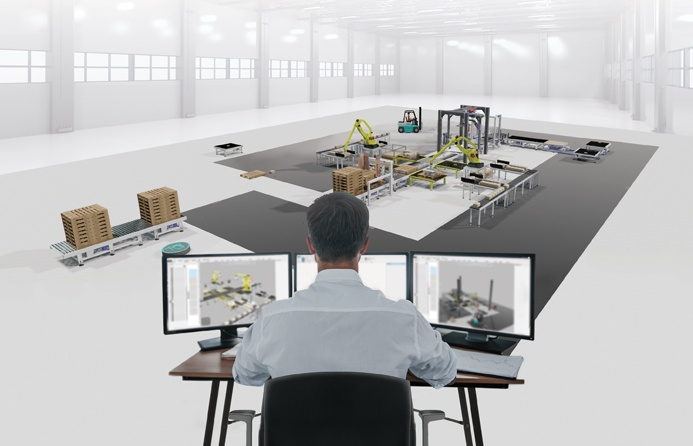
Simulation vs. digital twin: A strategic lens on virtual manufacturing
Visual Components has highlighted the advantages of digital twins and simulation technologies for manufacturers involved in system design and integration, particularly in automation. The discussion, featured in a recent post titled "Simulation vs. Digital Twin: A Strategic Lens on Virtual Manufacturing," emphasizes how these tools can enhance efficiency and accuracy in manufacturing processes. By leveraging virtual models, companies can optimize their operations, reduce costs, and improve overall productivity. The insights shared aim to guide manufacturers in making informed decisions about adopting these technologies to stay competitive in the evolving landscape of virtual manufacturing.
Manufacturing News Opinion Software / Simulation Visual Components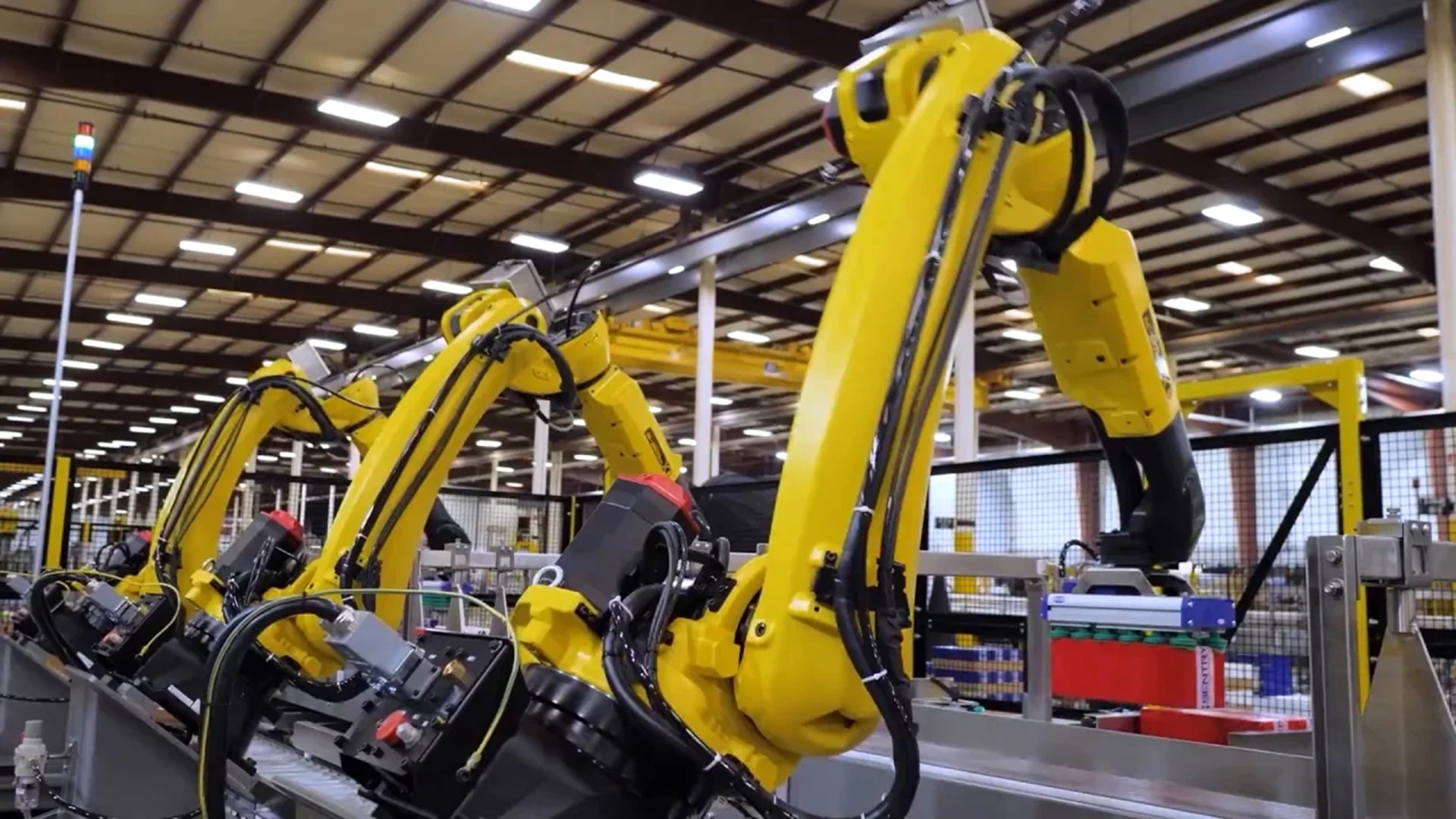
FANUC and NVIDIA build robots that act identically in simulation and reality
Japanese robotics company FANUC has announced an expansion of its partnership with NVIDIA to develop advanced factory robots. This collaboration aims to integrate NVIDIA's artificial intelligence technology into FANUC's robotics systems, enhancing automation capabilities in manufacturing. The announcement was made on October 10, 2023, during a technology conference in Tokyo. The partnership is driven by the increasing demand for smarter and more efficient manufacturing solutions, as industries seek to improve productivity and reduce operational costs. By leveraging NVIDIA's expertise in AI and machine learning, FANUC intends to create robots that can adapt to various tasks and environments, ultimately transforming the landscape of factory automation. The integration process will involve combining FANUC's robotics hardware with NVIDIA's AI software, enabling real-time data processing and decision-making. This innovative approach is expected to lead to significant advancements in the efficiency and versatility of factory robots, positioning both companies at the forefront of the rapidly evolving automation market.
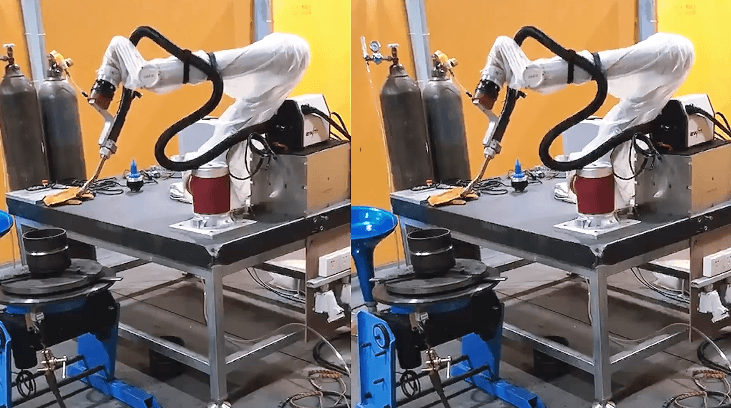
The Future of Welding Cobot Technology: AI Path Planning and Simulation
The welding industry is experiencing a significant digital transformation in response to a global shortage of skilled welders and an increasing demand for high-precision manufacturing. This shift is marked by the introduction of collaborative robots, or welding cobots, which are evolving from traditional automated tools into intelligent partners capable of executing complex welding tasks. These advancements allow small-to-medium enterprises to achieve high-quality welding standards with reduced setup times. Key innovations include AI-driven path planning and vision integration, which address the challenges posed by variability in workpieces. By employing technologies such as "Through-the-Arc" sensing and laser vision systems, these cobots can analyze seams in real-time and adjust their movements to compensate for any misalignments. Additionally, "Lead-through" programming enables human welders to guide the robotic arm, which the AI then refines into a precise trajectory. The use of simulation and digital twin technology further enhances the welding process. Engineers can create virtual models of welding cells to optimize operations without interrupting production. This capability allows for the prediction of thermal effects and minimizes heat distortion, significantly reducing the time required to deploy welding cobots from days to hours. At the forefront of this innovation is JAKA, which is integrating these intelligent features into its collaborative platforms. Their welding cobots, equipped with advanced sensors and motion control, are designed for various welding applications. JAKA also offers a user-friendly software package that simplifies complex path planning, enabling operators to monitor and adjust weld parameters remotely, thereby enhancing craftsmanship while ensuring precision.

Moore Threads and Guangyun Intelligence Partner to Build Domestic Physical AI Foundation with Sovereign Compute and Simulation
Moore Threads and Guangyun Intelligence have announced a strategic partnership aimed at developing a high-confidence synthetic data solution tailored for embodied artificial intelligence. This collaboration will leverage Moore Threads' advanced domestic GPU computing capabilities alongside Guangyun's proprietary simulation platform. The initiative is expected to enhance the effectiveness and reliability of AI systems by providing robust synthetic data, which is crucial for training and improving AI models. The partnership marks a significant step in the evolution of AI technology, reflecting the growing importance of synthetic data in the field.
AI
JUPITER supercomputer breaks world record with 50-qubit quantum simulation
In a groundbreaking achievement, scientists in Germany have successfully simulated a 50-qubit quantum computer, marking the first time this has been accomplished. This significant milestone was made possible through the use of Europe’s advanced exascale supercomputer, JUPITER. The simulation surpasses the previous record of 48 qubits, showcasing the remarkable capabilities of next-generation supercomputers. This development not only demonstrates the progress in quantum computing research but also emphasizes the potential of supercomputing technology in tackling complex computational problems.
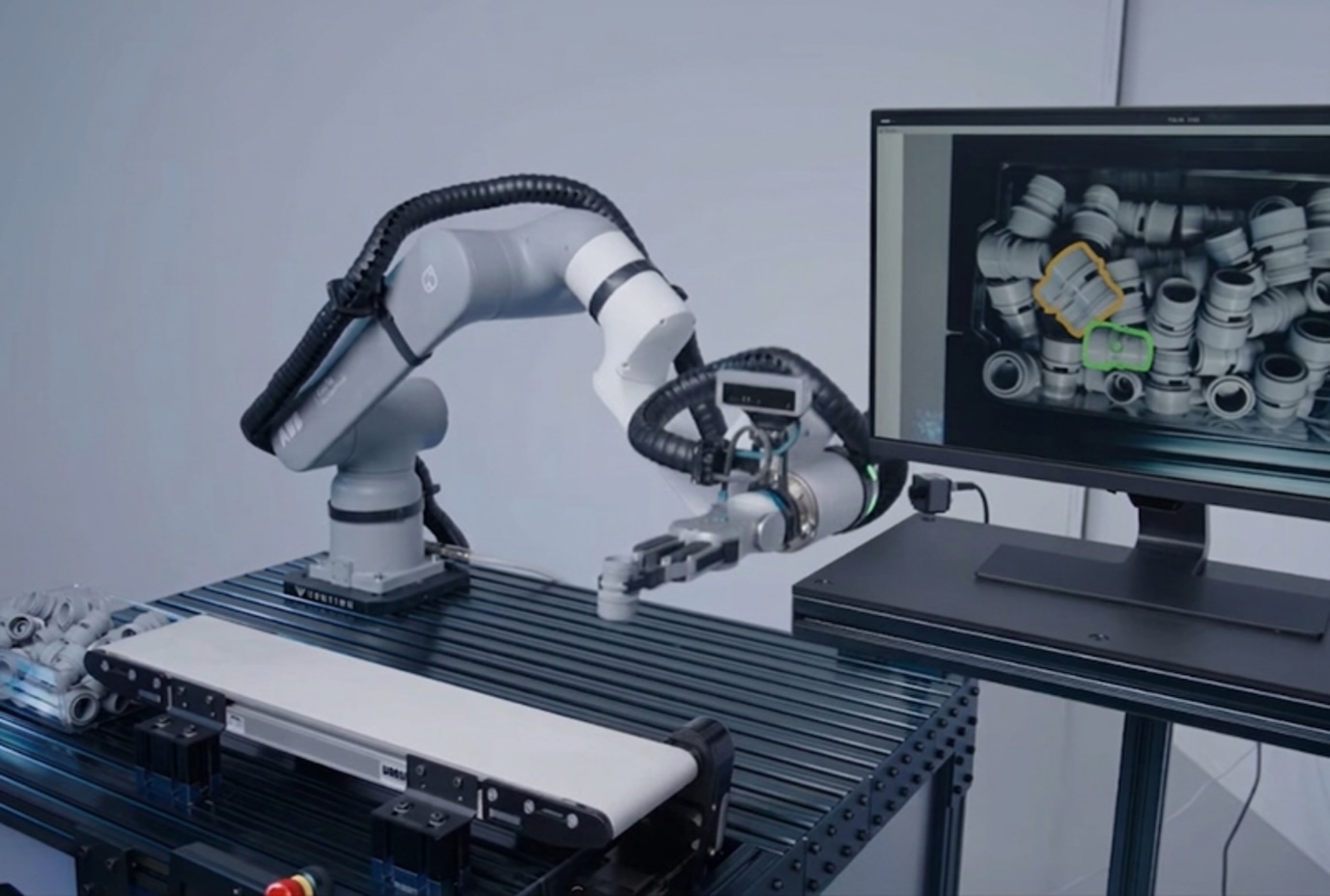
Simulation Platforms for Underwater Robotic Applications: Architectures, Capabilities, and Research Directions
A recent study published in the Journal of Field Robotics highlights advancements in autonomous robotic navigation. Researchers from a leading university conducted experiments to improve the efficiency and accuracy of robots in complex environments. The study, released in early October 2023, focused on various terrains, including urban settings and natural landscapes, to assess how robots can better adapt to their surroundings. The motivation behind this research stems from the increasing demand for autonomous systems in industries such as agriculture, logistics, and disaster response. By enhancing the navigation capabilities of robots, the researchers aim to facilitate their deployment in real-world applications, ultimately improving operational efficiency and safety. The team utilized a combination of machine learning algorithms and sensor technologies to develop a new navigation framework. This innovative approach allows robots to process environmental data in real-time, enabling them to make informed decisions and navigate obstacles more effectively. The findings suggest that these advancements could significantly reduce the time and resources required for robots to complete tasks in unpredictable environments. As the field of robotics continues to evolve, this research represents a crucial step towards more reliable and versatile autonomous systems, paving the way for broader applications in various sectors.
SURVEY ARTICLE
KUKA and Visual Components Drive Next Era of Simulation-driven Automation
KUKA Group, in collaboration with Visual Components, is enhancing the development of simulation-driven solutions aimed at streamlining automation processes. This initiative focuses on improving planning and virtual commissioning, ultimately facilitating smoother operations. By leveraging these advanced solutions, the companies aim to optimize processes from the outset, mitigate risks, and expedite the execution of intricate automation projects. The partnership reflects a commitment to innovation in the automation sector, addressing the growing demand for efficient and reliable automation systems.
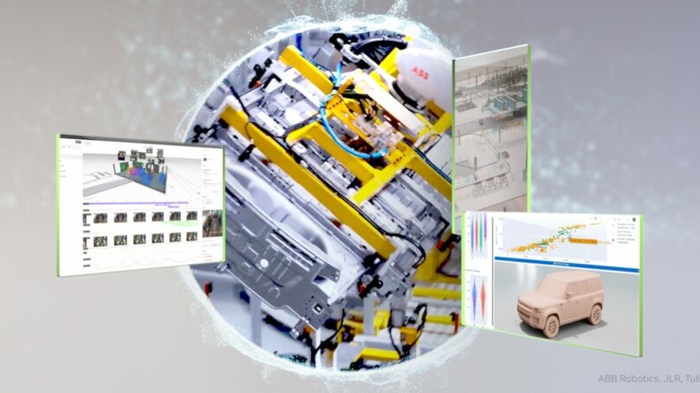
Into the Omniverse: Manufacturing’s Simulation-First Era Has Arrived
In a significant shift for the manufacturing industry, experts are challenging the long-standing reliance on real-world testing as the sole reliable method for product validation. Traditionally, the design-build-test cycle has been anchored in the belief that only through physical testing can products be adequately assessed for performance and safety. However, with advancements in technology and data analytics, industry leaders are advocating for a more integrated approach that incorporates virtual simulations and predictive modeling. This evolution aims to enhance efficiency, reduce costs, and accelerate the development process. As manufacturers increasingly adopt these innovative methodologies, the landscape of product testing is poised for transformation, potentially leading to safer and more reliable products reaching the market faster than ever before. This paradigm shift is gaining momentum as companies seek to adapt to the demands of a rapidly changing market and consumer expectations.
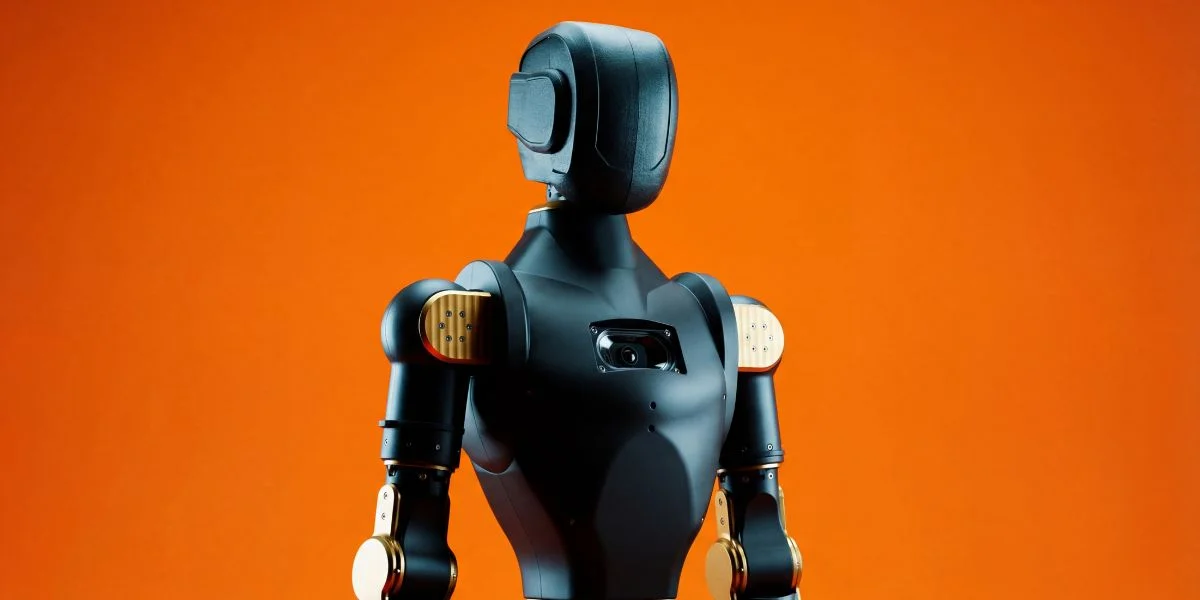
Menlo Research Open-Sources Asimov v1, Releasing CAD and Simulation Files for "The Rest of Us"
Menlo Research has unveiled the complete open-source repository for the Asimov v1 humanoid robot, coinciding with the launch of their "Here Be Dragons" kit. This comprehensive release includes detailed mechanical designs, electrical wiring schematics, and a MuJoCo simulation model, aimed at fostering innovation and collaboration within the robotics community. The initiative, announced recently, seeks to empower developers and researchers by providing them with the necessary resources to advance humanoid robotics. By making these materials publicly accessible, Menlo Research hopes to stimulate further research and development in the field, encouraging a collaborative approach to technological advancement.
open-source Asimov
Modeling and Simulation Approaches for Modern Power System Studies
A free webinar focused on power system modeling and simulation will take place soon, offering insights into various analytical techniques for energy professionals. Participants will learn to construct power system networks programmatically using standard data formats and configure models for specific engineering objectives. The session will cover workflows for quasi-static 8760-hour simulations on an IEEE 123-node distribution feeder, as well as electromagnetic transient (EMT) simulations on transmission system benchmarks, including generator trip dynamics. Attendees will also gain an understanding of comprehensive fault studies, learning how to systematically inject faults into a distribution system and utilize the resulting data to train machine-learning algorithms for automated fault detection and classification. Additionally, the webinar will address the integration of inverter-based resources (IBRs) into the grid, including techniques for frequency scanning and compliance testing for grid-forming converters against established interconnection standards. This event aims to equip energy professionals with the necessary skills and knowledge to enhance their modeling and simulation capabilities in the evolving landscape of power systems. Interested individuals are encouraged to register for the webinar to secure their participation.
Type-webinar Energy Power-system Emt
AGIBOT Introduces Genie Sim 3.0, an Integrated Simulation, Data, and Benchmarking Platform for Embodied AI
AGIBOT has unveiled Genie Sim 3.0, an advanced platform aimed at improving embodied artificial intelligence in robotics. Launched recently, this open-source platform addresses significant challenges in robotics development by incorporating features such as environment generation, data scalability, and standardized evaluation methods. Genie Sim 3.0 enables the creation of 3D environments driven by large language models (LLMs) and includes a comprehensive framework for evaluating robot algorithms. The platform also integrates deeply with reinforcement learning, streamlining the experimentation and deployment processes for robotics. This upgrade is expected to facilitate faster advancements in the field, enhancing the capabilities and efficiency of robotic systems.
Embodied AI Robotics Simulation Reinforcement Learning Data Evaluation
Development of Spatial Path Tracking Algorithm and Controller for a 6‐SPS Stewart Parallel Manipulator: A Simulation and Experimental Study
A recent study published in the Journal of Field Robotics highlights advancements in autonomous robotic systems designed for agricultural applications. Researchers from various institutions conducted the study to address the increasing demand for efficient farming practices amid global food shortages. The findings, released in early October 2023, showcase innovative technologies that enable robots to perform tasks such as planting, harvesting, and monitoring crops with minimal human intervention. The research was conducted in various agricultural settings, demonstrating the robots' adaptability to different environments and crops. By integrating artificial intelligence and machine learning, the robotic systems can analyze soil conditions, weather patterns, and crop health, allowing for precise interventions that enhance productivity and sustainability. This initiative aims to alleviate labor shortages in the agricultural sector and improve food security by optimizing resource use and reducing waste. The study emphasizes the potential of these technologies to transform traditional farming methods, making them more efficient and environmentally friendly. As the agricultural industry faces mounting challenges, the deployment of autonomous robots may play a crucial role in ensuring a stable food supply for the future.
RESEARCH ARTICLE
Interview with Ding Wenchao of Itstone: No VLA, No Simulation, No Remote Control - Itstone's Embodied Brain Has No Plan B
Itstone made headlines at AWE 2026 with the unveiling of its A1 robot, which set a Guinness World Record for sub-millimeter flexible wiring assembly. The company, recognized for tackling complex challenges in robotics, showcased its latest innovation, AWE 3.0, an advanced embodied AI model designed to perform effectively in real-world industrial environments. Unlike previous models, AWE 3.0 operates independently without the need for remote operation data, marking a significant advancement in autonomous robotics. This debut not only highlights Itstone's commitment to pushing the boundaries of technology but also positions the A1 robot as a leading solution in the field of industrial automation.
Embodied Intelligence Industrial Automation Robotics AI Technology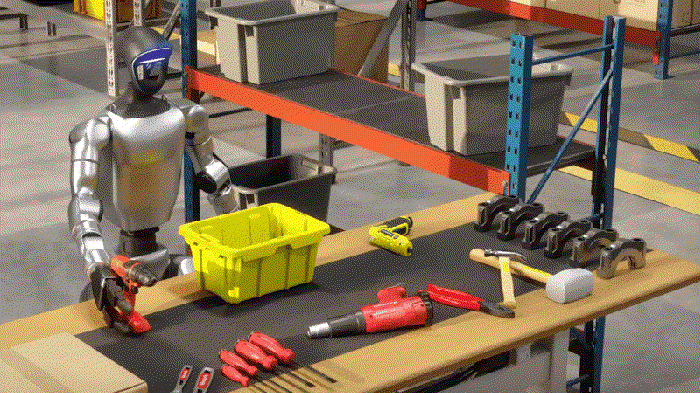
From Simulation to Production: How to Build Robots With AI
NVIDIA has unveiled its latest open models and frameworks designed to enhance cloud-to-robot workflows by integrating simulation, robot learning, and embedded computing. This development, announced in October 2023, aims to streamline the processes involved in robotics, making it easier for developers to create and deploy robotic systems. By leveraging advanced simulation techniques and machine learning, NVIDIA's new offerings are expected to significantly improve the efficiency and effectiveness of robotic applications across various industries. The initiative reflects NVIDIA's commitment to advancing robotics technology and supporting the growing demand for intelligent automation solutions.
NVIDIA DSX Air Boosts Time to Token With Accelerated Simulation for AI Factories
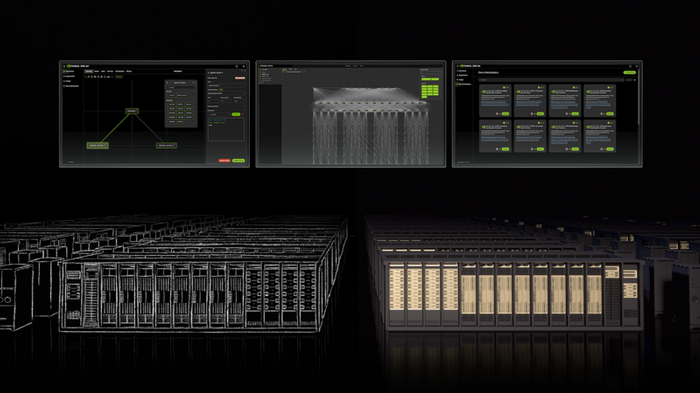
At the GTC 2026 conference in San Jose, NVIDIA founder and CEO Jensen Huang showcased the rapid advancements in artificial intelligence technology, particularly the establishment of AI factories that significantly reduce deployment time from months to mere days. This innovation is seen as a catalyst for the next industrial revolution, highlighting the growing importance of AI in manufacturing and production processes. The event underscored the potential of AI to transform industries by streamlining operations and enhancing efficiency, paving the way for a new era of technological development.
Funding of 1 Billion Yuan! Former NVIDIA Simulation Head Launches Startup, Creating the World's First Embodied Data Unicorn
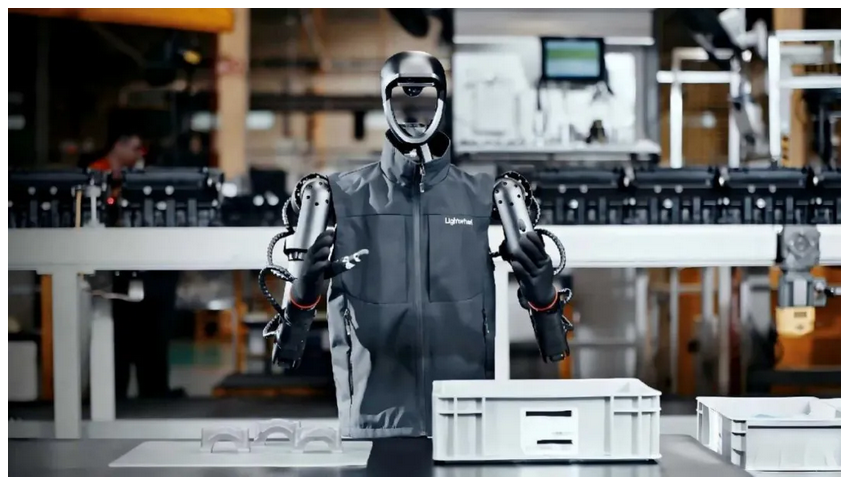
Guanglun Intelligent Technology has achieved a significant milestone by securing 1 billion yuan in funding, marking its status as the first unicorn in the embodied data sector. This funding will support the company's efforts in advancing its innovative physical simulation engine and comprehensive model evaluation system. These technologies are designed to enhance the capabilities of humanoid robots, pushing the boundaries of what is possible in robotics through sophisticated data analysis and simulation techniques. The investment underscores the growing interest and potential in the field of embodied data, positioning Guanglun at the forefront of this emerging industry.
Embodied Intelligence Physical Simulation AI Data Infrastructure Robot DevelopmentRobotics needs a service framework.
RSF defines a common language for robot service capability, lifecycle operations, certification pathways, and service-provider networks.
Join the RobotToday community on LinkedIn
Daily robotics news, in-depth analysis, conference highlights, and discussions with professionals worldwide.