

Industry Briefing
A single destination for timely, editor-curated robotics news from around the world.
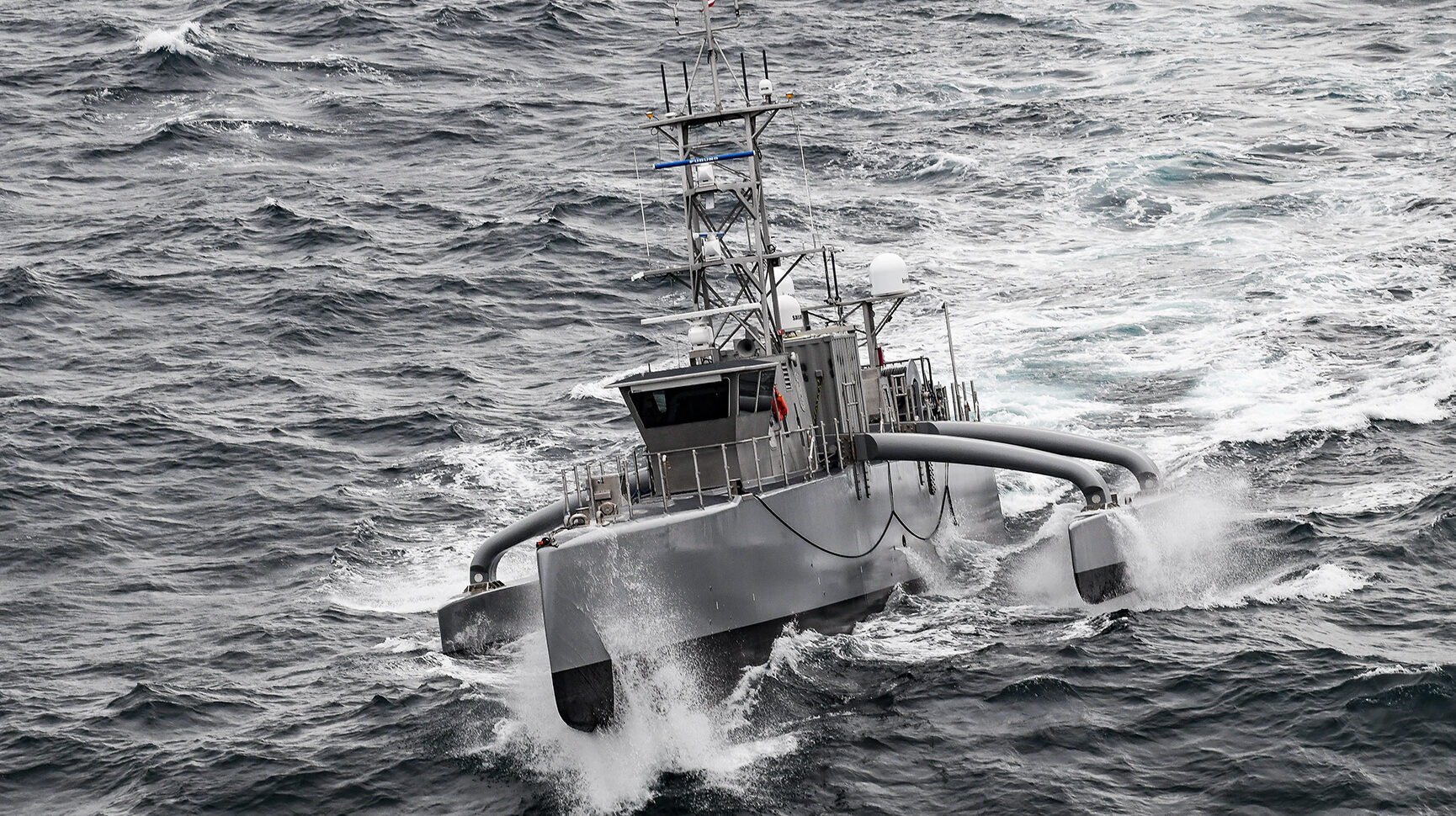
Navy Establishes Robotics and Autonomous Systems Warfighting Development Center in Virginia
The Navy has launched the Robotics and Autonomous Systems Warfighting Development Center (RASWDC) to develop tactics and procedures for unmanned systems. Headquartered at Joint Expeditionary Base Little Creek-Fort Story in Virginia, RASWDC aims to unify efforts across the Navy to enhance operational coherence in unmanned capabilities. This initiative is significant as it aligns with the Navy's broader strategy to integrate robotic and autonomous systems into its operations, as emphasized by Chief of Naval Operations Adm. Daryl Caudle. The RASWDC will work closely with the Direct Reporting Portfolio Manager for Robotic and Autonomous Systems to facilitate the acquisition and deployment of these technologies. Looking ahead, the RASWDC is expected to play a crucial role in ensuring that sailors are equipped with the necessary training and doctrine to effectively utilize unmanned systems. No further timeline was disclosed at the time of publication.
Naval Warfare Adm. Daryl Caudle Drones Navy robotics Unmanned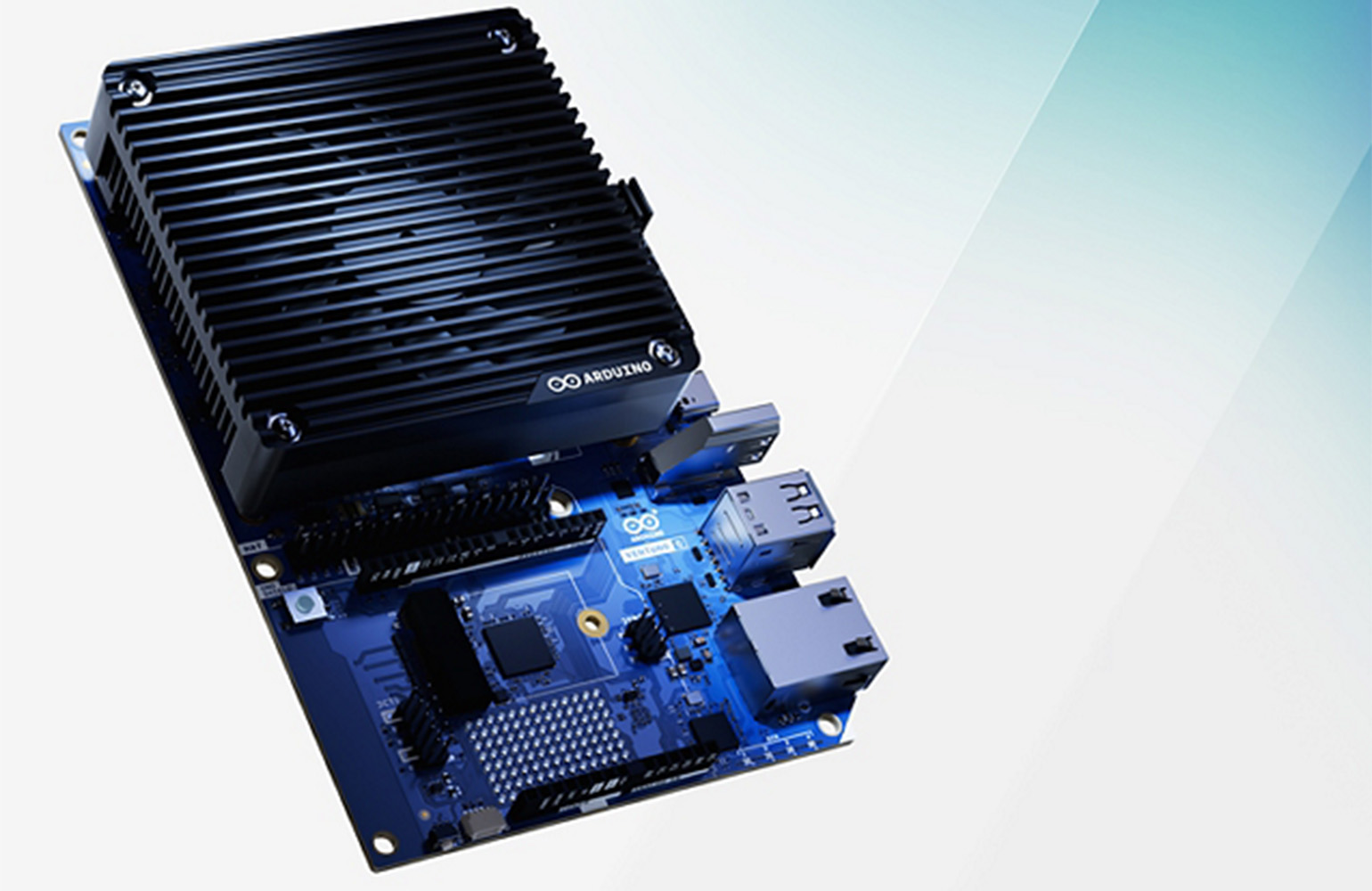
Arduino Launches VENTUNO Q Board to Simplify Robotics Development with Edge AI
Arduino has opened pre-orders for the VENTUNO Q, an edge AI platform featuring a dual-brain architecture that combines a Qualcomm Dragonwing IQ8 processor with an STM32H5 microcontroller. This board aims to streamline robotics development by providing a familiar environment for developers, leveraging Arduino's extensive experience in the robotics sector. The introduction of the VENTUNO Q marks Arduino's first dedicated foray into robotics, building on over 20 years of community-driven robotics development. The board's capabilities, including real-time response and edge computing, address critical challenges in the robotics industry, particularly the need for immediate sensor data interpretation and physical response. Looking ahead, Arduino's focus on accessibility and ease of use is expected to attract a broader range of developers to robotics. The VENTUNO Q is designed to integrate seamlessly with existing Arduino accessories, making it easier for users to prototype and realize their ideas. No further timeline was disclosed at the time of publication.
Development Tools / SDKs / Libraries Mechanical Microprocessors / SoC News Robot Components Technologies
NVIDIA Launches Isaac ROS 5.0 to Enhance Robotics Development with AI Agents
NVIDIA Corporation has unveiled Isaac ROS 5.0 at the ROSCon conference in Toronto, a new suite of GPU-accelerated packages designed to streamline robotics development. This release introduces agentic workflows and platform support, enabling developers to build, customize, and deploy robotics applications more efficiently. Companies like Intrinsic, Mentee Robotics, EKUMEN, and Flexiv are already utilizing this latest version. The significance of Isaac ROS 5.0 lies in its ability to reduce friction in the robotics development process, as highlighted by NVIDIA's product marketing manager, Katie Washabaugh. By integrating computing capabilities, physical AI models, and production-ready libraries, the platform aims to assist nearly 1.3 million ROS users in creating high-performance applications using familiar open-source tools. The enhancements also include support for ROS 2 Lyrical and Ubuntu 24.04, facilitating the adoption of the latest ROS platform. Looking ahead, developers can expect Isaac ROS 5.0 to automate repetitive tasks and streamline the setup process, ultimately accelerating the transition from concepts to functional applications. No further timeline was disclosed at the time of publication.
Artificial Intelligence Artificial Intelligence / Cognition Design / Development News Packaging & Palletizing • Pick-Place ROS / Open Source Solutions
NVIDIA Launches Isaac ROS 5.0 to Enhance Open Source Robotics Development
NVIDIA has released Isaac ROS 5.0, which introduces advanced AI agent capabilities to the ROS developer ecosystem. This latest version also expands open source physical AI libraries and enhances deployment options across the NVIDIA Jetson platform. The significance of this release lies in its provision of new physical AI models and tools that enable developers to create and deploy sophisticated robotics applications. These applications are designed to perceive, reason, and act within dynamic environments, addressing the growing demand for advanced robotics solutions. Looking ahead, developers will likely focus on leveraging the capabilities of Isaac ROS 5.0 to innovate in robotics applications. No further timeline was disclosed at the time of publication.
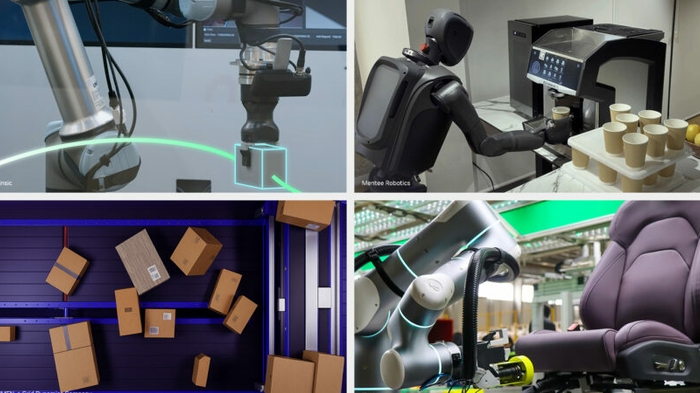
NVIDIA Launches Isaac ROS 5.0 to Enhance Open Source Robotics Development
NVIDIA has unveiled Isaac ROS 5.0 at the ROSCon conference in Toronto, Canada, aimed at advancing robotics applications. This release introduces new agentic workflows and platform support, enabling developers to build and deploy robotics applications more efficiently. With nearly 1.3 million ROS users, NVIDIA Isaac ROS integrates accelerated computing and physical AI models to enhance the development process. The significance of this release lies in its ability to streamline robotics development through the introduction of reusable workflows and agent-ready documentation. These features allow developers and AI agents to collaborate effectively, automating repetitive tasks and accelerating the transition from concepts to functional applications. The integration with ROS Lyrical and Ubuntu 24.04 further supports the adoption of the latest ROS platform while leveraging NVIDIA's computing capabilities. Looking ahead, the robotics community is expected to embrace the agentic approach introduced by Isaac ROS 5.0, which includes new skills for setup and manipulation. The introduction of advanced features, such as the FoundationStereo fine-tuning skill and FoundationPose model, will likely enhance perception and tracking capabilities in robotics applications. No further timeline was disclosed at the time of publication.
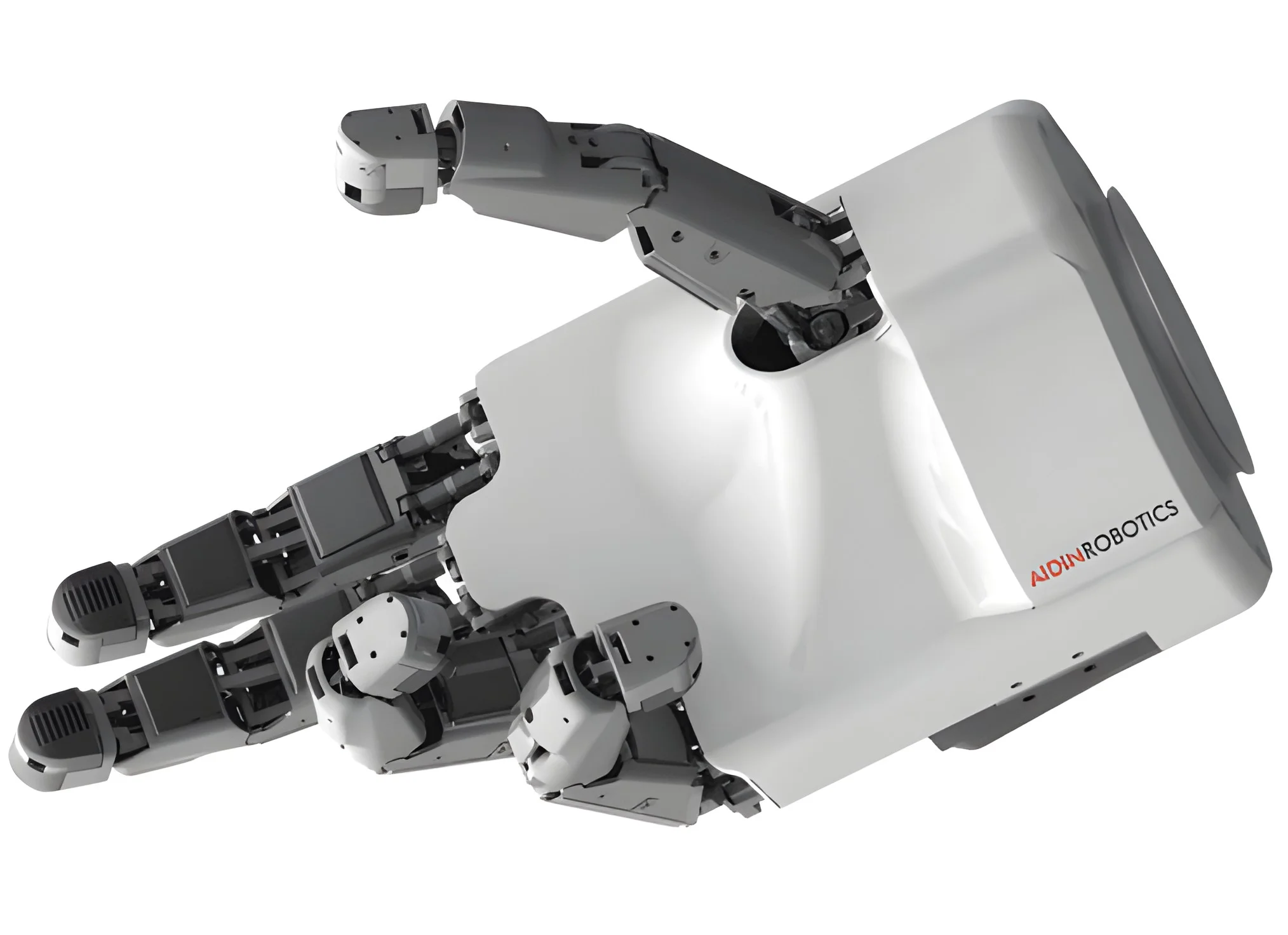
HD Hyundai Robotics Allocates $9.5 Million to Aidin Robotics for Humanoid Development
HD Hyundai Robotics has invested approximately $9.5 million in Aidin Robotics, acquiring an equity stake in the South Korean startup. This investment aims to enhance the development of humanoid components and industrial automation systems, starting with a five-finger robotic hand tailored for shipbuilding and heavy industry. The collaboration is significant as it combines Aidin's advanced force, torque, and tactile sensing technologies with HD Hyundai Robotics' platforms. This integration is expected to facilitate the creation of robotic systems capable of performing complex tasks in shipyards and other industrial environments, ultimately improving efficiency in manufacturing processes. Looking ahead, the partnership plans to conduct field demonstrations before commercializing their innovations. Initial deployments will focus on the shipbuilding sector, with future expansions anticipated into other manufacturing industries and international markets, including U.S. shipyards. No further timeline was disclosed at the time of publication.
AI AI Funding & Investment Robotics Aidin Robotics automation HD Hyundai Robotics
General Robotics Achieves Milestone with GRID for Automating Robot Development Lifecycle
General Robotics has announced a significant advancement for GRID, its robot intelligence platform. This platform is designed to automate the entire lifecycle of robot development and deployment, enhancing efficiency and effectiveness in the process. GRID operates as an agentic system, continuously improving itself and the robots connected to it, which is crucial for the future of robotics. The importance of this development lies in GRID's ability to auto-engineer its processes, including robot onboarding and skill deployment. This capability not only streamlines operations but also allows for rapid adaptation to new tasks and environments, making it a vital tool for industries relying on robotic automation. As companies increasingly seek to integrate advanced robotics into their operations, GRID positions itself as a leader in this transformative technology. Looking ahead, stakeholders in the robotics and automation sectors should monitor further developments from General Robotics regarding GRID. The potential for this platform to redefine how robots are developed and deployed could have far-reaching implications for various industries. No further timeline was disclosed at the time of publication.
AI agents Computing News agentic ai artificial intelligence fanuc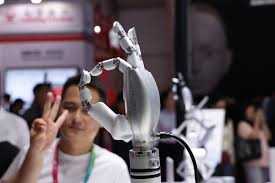
OpenAI's Robotics Evolution: From Early Innovations to Future Humanoid Developments
In 2019, OpenAI released a video showcasing a robotic hand solving a Rubik's Cube. On September 2, 2026, CEO Sam Altman confirmed in a podcast that the company will develop humanoid robots, alongside other forms. Over nine years, OpenAI has revisited robotics three times: initially building robots, then investing in them, and now returning to hands-on development. The significance of humanoid robots lies in their ability to adapt to a world designed for humans, as Altman noted. While OpenAI is optimistic about the home market, it is not an immediate priority. The company has recently made headlines with a $122 billion funding round and plans for an IPO, alongside the establishment of the OpenAI Robotics team, which aims to build a complete hardware team from scratch. Looking ahead, OpenAI's recent hiring efforts indicate a commitment to developing robotics capabilities, with positions covering various technical areas. The company’s advancements in AI, particularly with the release of GPT-6 Astra, are seen as crucial for the future of robotics. No further timeline was disclosed at the time of publication.
Humanoid Robots Robotics Development AI Technology Reinforcement Learning
JAKA Robotics Addresses Patent Claims, Highlights Self-Development in Robotics Technology
On September 2, JAKA Robotics issued an official statement regarding overseas patent litigation, asserting that it does not infringe on the opposing party's patents based on comprehensive technical tracing and patent comparison analysis. This confidence stems from over a decade of the company's full-stack self-developed technology system. The performance of a robot is rooted in hundreds of precision components, including reducers, servo systems, and controllers, which directly influence the machine's accuracy, load capacity, and reliability. As Chinese robotics companies accelerate their entry into the global market, the originality of technology and intellectual property rights are becoming critical competitive factors, making JAKA's self-development path significant in this context. Looking ahead, JAKA Robotics aims to enhance its general intelligent robot capabilities, evolving from collaborative robots to embodied intelligent robots. The company has successfully integrated core components and developed over 60 self-developed collaborative robots in its production base, achieving a closed-loop verification of its technological strength. No further timeline was disclosed at the time of publication.
Collaborative Robots Humanoid Robots AI Robotics Technology
BridgeDP Robotics Secures Significant Pre-A+++ Funding for Universal Robot Operating System Development
BridgeDP Robotics has announced the completion of a Pre-A+++ funding round, led by China Mobile Chain Long Fund, with additional investments from existing shareholders. The funding, amounting to hundreds of millions, will support the development of the RoboCraft AI platform, enhance production capacity for cross-body motion data, and improve motion control models. This funding is crucial as the robotics industry transitions from technology validation to large-scale applications, shifting competition towards foundational infrastructure and platform capabilities. BridgeDP Robotics aims to leverage its expertise in motion control to create a universal robot operating system, addressing the challenges of deploying robots in unstructured environments. Looking ahead, BridgeDP Robotics plans to deepen its core advantages in motion control while building a comprehensive infrastructure that includes the RoboCraft AI platform, a motion data factory, and motion control models. No further timeline was disclosed at the time of publication.
Universal Robot Operating Systems Motion Control AI Robotics Robotics Infrastructure
Robotics Sector Sees Intensive Policy Developments in First Half of 2026
In the first half of 2026, China's robotics and embodied intelligence sector experienced a surge in policy activity. From January to June, key governmental bodies, including the Central Committee and the Ministry of Industry and Information Technology, issued 19 core guiding documents, marking a significant shift from conceptual guidance to standardized, comprehensive implementation. This policy momentum is crucial as it indicates the sector's elevation to a national strategic priority, evidenced by its inclusion in high-level documents. Notably, the integration of robotics into the agricultural modernization plan and the emphasis on AI in manufacturing signal a broader commitment to advancing the industry. Looking ahead, the establishment of a comprehensive standard system for humanoid robots and embodied intelligence, along with the introduction of industry benchmarks, will be pivotal for scaling the sector. The clear policy direction and structured standards suggest a robust framework for future growth and innovation in robotics.
Robotics Embodied Intelligence Policy Development Standardization Industry Growth
Samsung Evaluates Acquisition of International Robotics Startups for Humanoid Robot Development
On July 30, Samsung Electronics publicly announced its evaluation of acquiring overseas robotics startups to accelerate its development and commercialization in the humanoid robot and PhysicalAI sectors. This follows the establishment of the RX (RoboticseXperience) robotics division, which reports directly to CEO Kim Tae-joon, and the appointment of Lee Dong-gun, former head of robotics strategy at Hyundai, to lead this initiative. Samsung's strategy includes setting up research and development centers in key robotics markets such as the United States, China, and Japan. The company has increased its stake in South Korea's Rainbow Robotics to 35%, becoming its largest shareholder, and plans to invest in U.S.-based PhysicalAI company Skild AI by 2025. With a total investment of approximately 19 trillion won in the Gyeongnam region, Samsung aims to establish a humanoid robot production base in Gimhae. As the RX division becomes operational, market expectations suggest that Samsung will significantly accelerate its equity investments and acquisitions in high-quality global robotics startups, focusing on core technologies such as dexterous hands, foundational robot models, and autonomous navigation.
Humanoid Robots Robotics Startups Physical AI R&D Centers Investment Strategy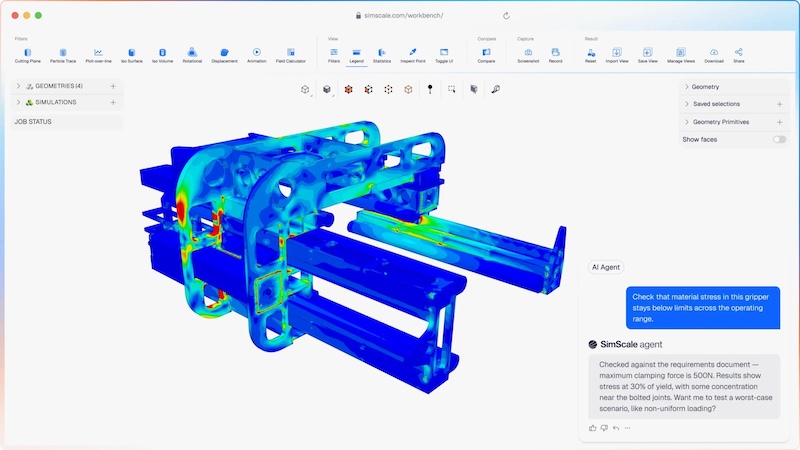
Dexory Implements SimScale’s Engineering AI to Enhance Warehouse Robotics Development
Dexory, a robotics and warehouse data intelligence company, has integrated SimScale’s Engineering AI to streamline the design and testing processes for autonomous warehouse robots. This deployment aims to expedite engineering workflows by enabling quicker identification of structural component failures and facilitating multiple design variations through simulation. The significance of this initiative lies in the growing demand for efficient product development cycles in the warehouse robotics sector, projected to reach $117 billion by 2034. As manufacturers strive to enhance performance and reliability, Dexory's use of Engineering AI reflects a broader trend of embedding AI into engineering processes, which is crucial for maintaining quality while accelerating development. Looking ahead, Dexory's Engineering AI program will automate simulation reporting and enable engineers to conduct parameter sweeps, enhancing the efficiency of design iterations. The initiative not only aims to improve productivity but also seeks to understand AI's potential impact on engineering practices. No further timeline was disclosed at the time of publication.
Engineering News Warehouse robots ai simulation autonomous warehouse robots cloud simulation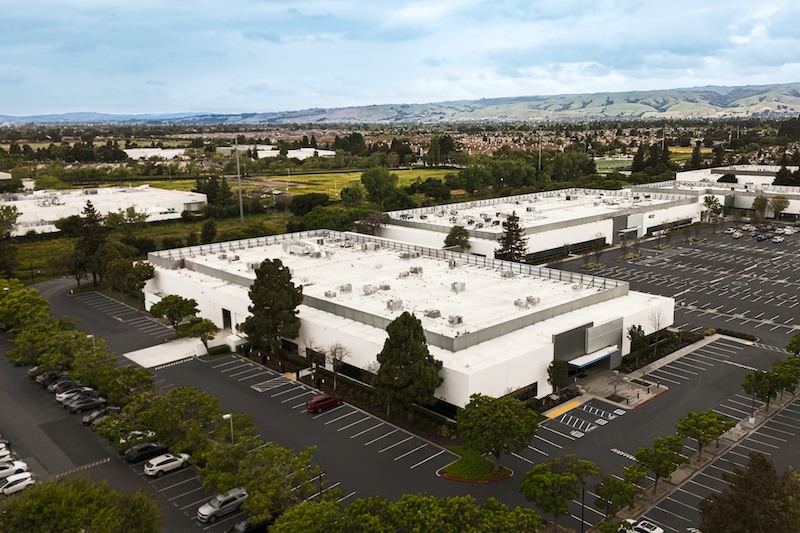
Agility Robotics Launches New Facility in Fremont to Enhance Physical AI Development
Agility Robotics has inaugurated a new facility in Fremont, California, aimed at accelerating advancements in physical AI that enhance customer operations. This 60,000-square-foot site will serve as a hub for software development and AI capabilities, focusing on training and testing technologies that enable the humanoid robot, Digit, to acquire new skills and perform complex tasks in various environments. The establishment of this facility is significant as it positions Agility Robotics in the heart of Silicon Valley, a region known for its AI talent and innovation. The company plans to employ nearly 200 staff members, including experts in hardware engineering and AI/ML software, to drive the development of next-generation AI capabilities that will enhance Digit's safety and productivity in enterprise settings. Looking ahead, Agility Robotics has secured over $300 million in multi-year orders for Digit v5 and has a growing pipeline of more than 30 customers. The Fremont facility is crucial for meeting the increasing demand for humanoid robots in warehouses and manufacturing, as it aims to deliver ongoing safety and productivity improvements in collaboration with human workers. No further timeline was disclosed at the time of publication.
Humanoids Infrastructure News agility robotics ai artificial intelligence
Noetra Initiates Development of Japan's Multimodal AI Foundation Model for Robotics
Noetra, in collaboration with key partners including Sony, SoftBank, NEC, and Honda Motor, has launched extensive R&D for a multimodal foundation model aimed at enhancing AI-enabled robotics in Japan. This initiative is part of a broader effort to develop sovereign AI technologies within the country, supported by investments from 44 companies across various sectors, primarily manufacturing. The significance of this development lies in its potential to position Japan as a leader in physical AI. By creating a robust multimodal foundation model, Noetra aims to improve industrial competitiveness and address societal challenges through advanced AI capabilities, including natural language processing and multimodal data understanding. Looking ahead, Noetra plans to construct AI computing infrastructure with Nvidia's advanced GPUs, with operations expected to commence in June 2028. The phased development will culminate in a comprehensive omni-modal foundation model by fiscal 2028, ultimately striving for a “Real-world Native AI” by fiscal 2030, which will be capable of understanding physical properties in real-world applications.
Artificial Intelligence News Robot simulation ai agents AI infrastructure artificial intelligence
Benchmarking Your Development System for Effective Robotics Simulations
The development of robotics begins long before physical assembly, relying heavily on simulations to validate designs and refine algorithms. These simulations demand significant computational resources, making system benchmarking crucial to identify hardware limitations early in the process. By measuring workstation performance under demanding workloads, engineers can establish a performance baseline that aids in spotting potential bottlenecks. Understanding how different hardware components affect simulation performance is essential for robotics development. Whether using macOS, Windows, or Linux, benchmarking helps determine if slowdowns are due to software changes or hardware limitations. Key components such as the processor, graphics card, memory, and storage play varying roles in performance, and the weakest link can dictate the overall experience. As robotics projects grow in complexity, the need for robust hardware becomes increasingly important. Engineers should focus on comprehensive benchmarking to ensure their systems can handle the demands of their simulations. No further timeline was disclosed at the time of publication.
Components Robot simulation ABB RobotStudio automation cpu delmia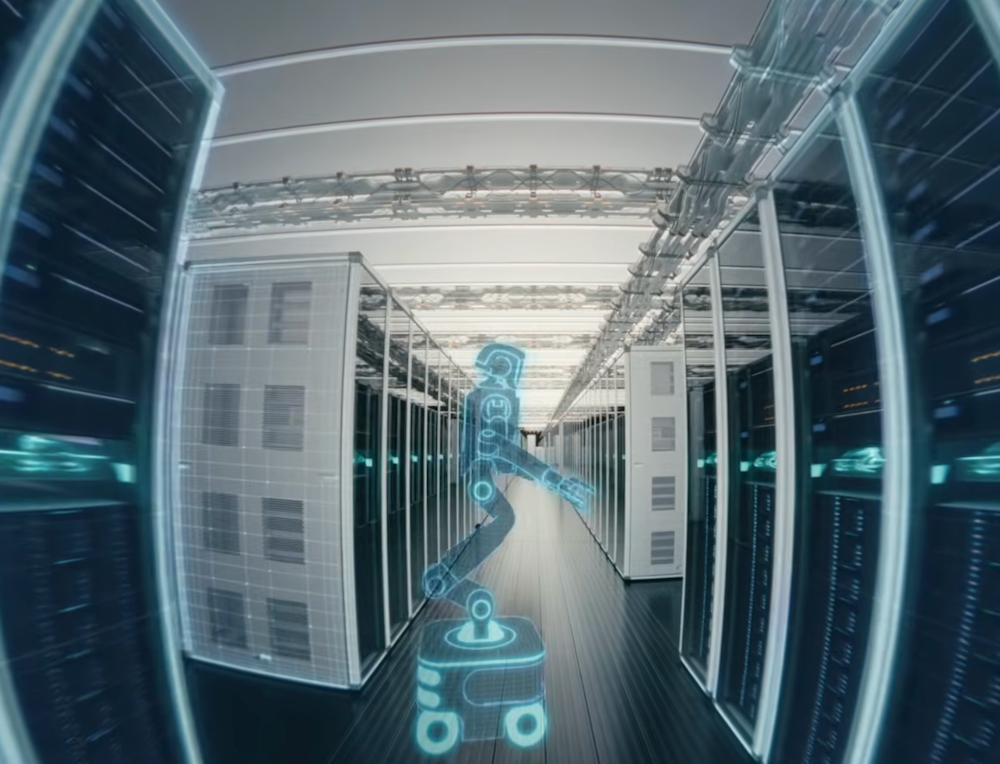
Agility Robotics Explores Development of Wheeled Robots Alongside Digit Humanoid
Agility Robotics recently revealed plans to explore wheeled robots during the launch of Digit 5. CEO Jonathan Hurst confirmed that the company is considering various robot designs, including wheeled options, to meet diverse customer needs and operating environments. This exploration is significant as it marks a potential shift for Agility, which has primarily focused on legged robots. Hurst emphasized that while legged robots are becoming more capable, wheeled robots could provide quicker market entry in certain environments where legged capabilities may not be necessary. No specific timeline for the introduction of a wheeled robot has been disclosed. As Agility continues to commercialize Digit, the company is also navigating a SPAC merger with Churchill Capital Corp. XI, valuing it at $2.5 billion and highlighting the importance of diversifying its product offerings to enhance revenue growth.
Humanoids News Robots / Platforms Agility Robotics robobusiness
XPeng Remains a Strong Contrarian Buy Amid Promising Robotics and EV Developments
XPeng Inc. (XPEV) has been rated as a Buy since July 2026, indicating a potential technical bottom for the stock. The analysis suggests that XPeng continues to be an attractive contrarian investment, particularly due to its advancements in robotics, electric vehicles (EVs), advanced driver-assistance systems (ADAS), and robotaxi technology. The significance of XPeng's position lies in its innovative approach to integrating robotics with EV technology, which could enhance its competitive edge in the rapidly evolving automotive market. As the demand for smart mobility solutions increases, XPeng's focus on robotics and automation may provide substantial growth opportunities, making it a noteworthy player in the industry. Investors should keep an eye on XPeng's future developments in robotics and EVs, as well as its strategic initiatives in the robotaxi sector. No further timeline was disclosed at the time of publication.
XPEV XPNGF Juxtaposed Ideas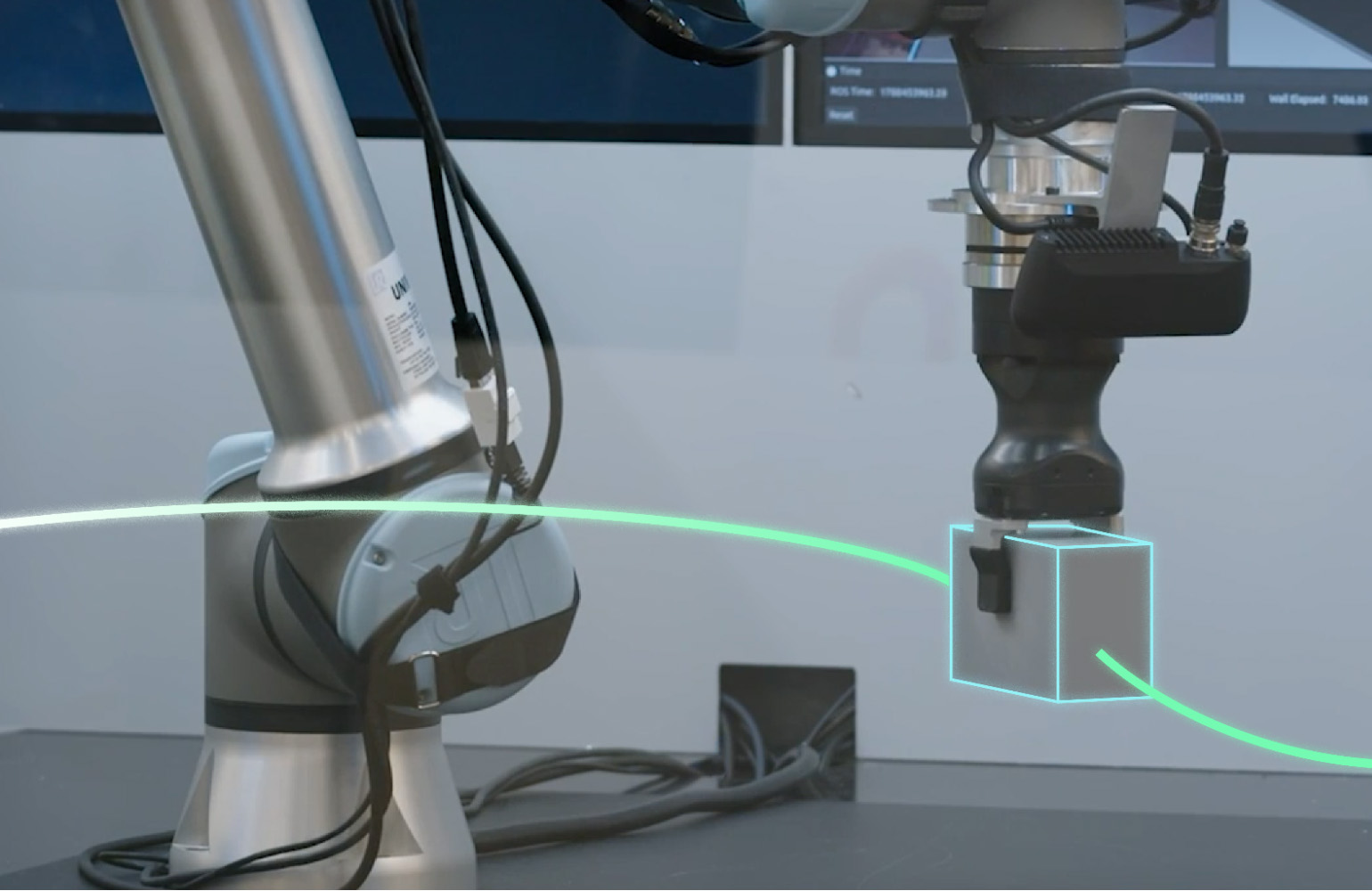
Intrinsic Launches Open-Source Intrinsic Core for Enhanced Robotics Development
Intrinsic has unveiled Intrinsic Core, an open-source set of Robot Operating System-compatible capabilities aimed at simplifying robotic application development. This initiative is designed to reduce the extensive coding time currently required by robotics teams, allowing developers to leverage pre-configured software environments based on real manufacturing deployments. The release of Intrinsic Core is significant as it represents a commitment from Intrinsic to foster community collaboration in robotics. By providing foundational building blocks for robot behavior, the platform enables users to create adaptive AI systems more efficiently. According to Brian Gerkey, CTO of Intrinsic, this move is not just about sharing code but about enhancing the overall robotics ecosystem. Looking ahead, the introduction of Intrinsic Core is expected to accelerate robotics development, making it easier to produce robots. Geoffrey Biggs, CTO of the Open Source Robotics Foundation, emphasized that such platforms will lead to a new era in robotics, where development processes are streamlined and innovation is accelerated. No further timeline was disclosed at the time of publication.
Artificial Intelligence Artificial Intelligence / Cognition Cobot Arms Collaborative Robots Design / Development Industrial Robots
Robo Inc. CEO Teddy Haggerty Discusses Robotics Ecosystem Development
In Episode 262 of The Robot Report Podcast, Teddy Haggerty, founder and CEO of Robo Inc., discusses his efforts to create a new business model that integrates robotics with manufacturing and education. Haggerty emphasizes the evolution of Robostore from a distribution-focused entity to a comprehensive robotics education and deployment platform. This shift is significant as it highlights the importance of localized, solution-first approaches in the robotics industry. By redefining connections between various sectors, Robo Inc. aims to enhance the practical application of robotics in everyday settings, which could lead to increased adoption and innovation. Listeners should watch for further developments from Robo Inc. as it continues to push boundaries in robotics and education. No further timeline was disclosed at the time of publication.
6-Axis Autonomous Mobile Robots (AMRs) Collaborative Robots Humanoids Markets / Industries News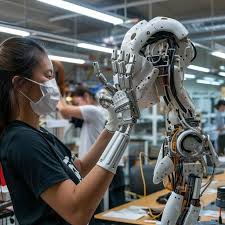
Lumos Robotics Introduces NexCore to Simplify Industrial Robot Skill Development
Lumos Robotics has unveiled Lumos NexCore, an embodied AI platform that significantly reduces the time needed to develop robotic skills from weeks to days. This innovation addresses a critical challenge in industrial robotics, where the gap between robot delivery and reliable task performance often complicates deployment for enterprises. The introduction of NexCore is crucial for factory owners and end customers who face the complexities of making robots work effectively in production environments. Traditionally, deploying a robot requires extensive programming and engineering capabilities, including data collection, algorithm development, and performance validation. NexCore streamlines this process, offering a more plug-and-play experience. Looking ahead, NexCore's integrated workflow allows users to define tasks in natural language, train skills, and deploy capabilities seamlessly. This closed-loop system not only simplifies robotic skill development but also enables continuous optimization, making it easier for enterprises to adapt robots to their specific needs. No further timeline was disclosed at the time of publication.
Computing News Software artificial intelligence embodied ai industrial robotics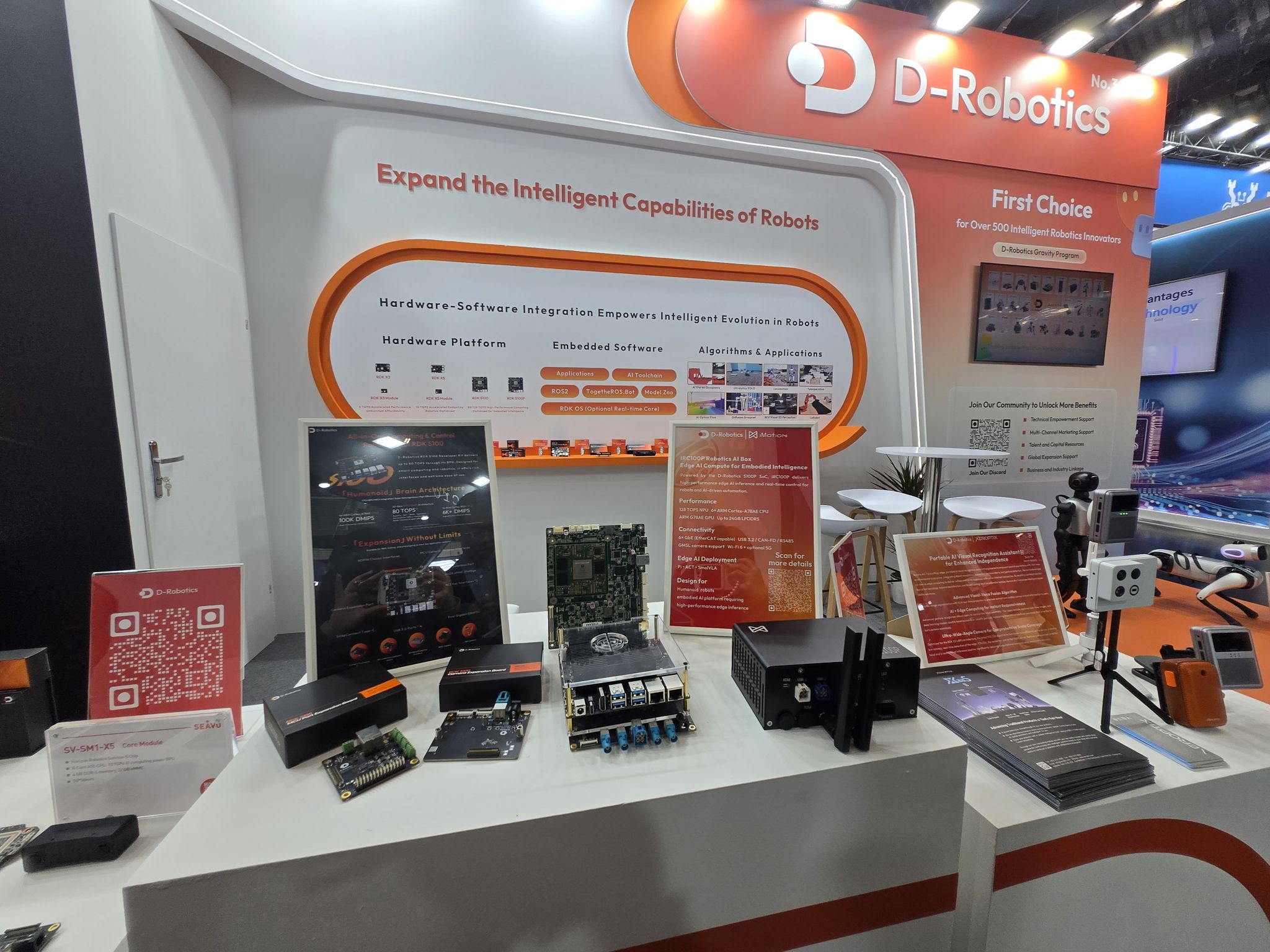
Mirae Asset Leads $400 Million Funding Round for D-Robotics' Robot Development Platform
D-Robotics announced that it has secured $400 million in funding, led by Mirae Asset. This investment aims to enhance the company's platform designed to support the development of robots across established categories and general-purpose humanoid robots. The funding is significant as it underscores the growing interest and investment in robotics technology, particularly in the realm of humanoid robots. D-Robotics' focus on developing a versatile platform could position it favorably in a competitive market, attracting further partnerships and innovations in robot design and functionality. Looking ahead, industry observers will be keen to see how D-Robotics utilizes this funding to advance its platform and what new developments may emerge in the humanoid robotics sector. No further timeline was disclosed at the time of publication.
Artificial Intelligence Investments News Robotics China d-robotics
Maven Robotics Secures $100 Million Series A Funding for Industrial Robotics Development
Maven Robotics has successfully raised $100 million in Series A funding to enhance its industrial robotics platform aimed at logistics and manufacturing. The funding round included participation from RoboStrategy, LocalGlobe, Vine Ventures, and XTX Ventures. Maven is focused on developing a general-purpose robotics system that will expand its applications beyond palletizing and tote handling into more complex material handling and assembly tasks. This funding is particularly significant as it addresses the growing U.S. labor shortages in industrial sectors. Maven's platform integrates hardware, software, and AI, allowing for reliable operation across multiple shifts. The company has already deployed its robots with a Fortune 250 consumer packaged goods company, where they are expected to achieve over 100,000 hours of autonomous operation by the end of 2026. Looking ahead, Maven Robotics aims to surpass 1 million hours of autonomous operation by the end of 2027. The company is entering a robust market, with over $18.8 billion in global venture capital investment in robotics reported in the first half of 2026. This positions Maven to capitalize on the increasing demand for intelligent industrial automation solutions.
AI AI Funding & Investment Robotics funding industrial robotics LocalGlobe
General Robotics GRID Achieves Milestone as First Auto-Engineering Robot Intelligence Platform
General Robotics has announced a significant advancement for its GRID platform, which now auto-engineers its entire development and deployment lifecycle. This milestone allows GRID to streamline processes from robot onboarding to skill deployment, significantly reducing the time and expertise needed for production. The importance of this development lies in its potential to accelerate the transition from pilot projects to full-scale production for customers. By automating the engineering processes, GRID enhances the efficiency of skill creation, AI training, testing, and evaluation, making it easier for organizations to implement robotic solutions. Looking ahead, the industry will be watching how this innovation impacts the adoption of robotics in various sectors. General Robotics' ability to simplify the integration of robots into production environments could set a new standard for robot intelligence platforms. No further timeline was disclosed at the time of publication.

NVIDIA's Acquisition of Hugging Face: Impact on Robotics and AI Development
On September 3, NVIDIA announced its acquisition of Hugging Face for $11.9 billion, with up to $1 billion allocated for talent retention. Hugging Face, known for its extensive open-source AI resources, has 18 million developers, 3 million models, and 500,000 datasets. This acquisition marks a significant shift in the AI landscape, particularly for the robotics sector, which heavily relies on Hugging Face's resources. The acquisition is crucial as Hugging Face has developed a robust data infrastructure for embodied intelligence, including the LeRobot framework and 181 standardized robot datasets. Many robotics companies utilize Hugging Face for their training processes. Despite previous refusals of NVIDIA's investment offers, Hugging Face's leadership recognized the challenges of remaining independent in a competitive market dominated by major tech players. Looking ahead, the acquisition raises questions about Hugging Face's future direction under NVIDIA's ownership. As the robotics industry evolves, stakeholders will be keen to observe how this integration affects the availability and development of AI models and datasets critical for robotics applications. No further timeline was disclosed at the time of publication.
AI Robotics Machine Learning Data Management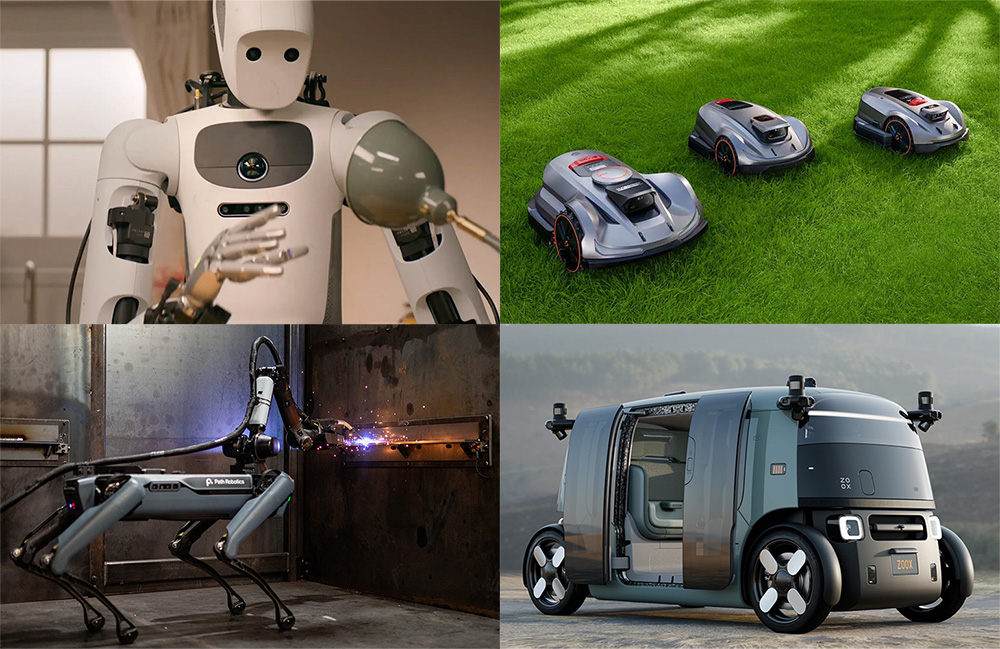
Top 10 Robotics Developments and Funding Highlights from August 2026
In August 2026, significant funding rounds and advancements in humanoid robotics captured attention across the industry. XPeng Motors' Dogotix unit raised over $900 million, achieving a post-transaction valuation exceeding $6.3 billion, marking a notable entry into humanoid robotics for the electric vehicle manufacturer. The construction sector is witnessing increased demand for automation, with SoftBank investing in Gravis Robotics' Series A round, which is touted as the largest in construction robotics history. Meanwhile, Reimagine Robotics is developing AI technology that allows robots to learn on the job, showcasing the potential for broader applications in various industries. Looking ahead, Unitree Robotics made a significant market debut, raising approximately $905 million in its IPO, while Zoox revealed its final design for a driverless robotaxi, signaling advancements in autonomous vehicle technology. No further timeline was disclosed at the time of publication.
Artificial Intelligence Artificial Intelligence / Cognition Automation Autonomous Mobile Robots (AMRs) Collaborative Robots Construction
Renesas Launches Robotics Lab in Beijing for AI Development and Collaboration
Renesas has inaugurated a new robotics lab in Beijing aimed at enabling customers to demonstrate and validate next-generation robotic systems. This facility is part of Renesas' broader initiative to enhance its physical AI capabilities. The establishment of this lab is significant as it allows for collaborative development between Renesas and its clients, fostering innovation in robotic technologies. By providing a space for hands-on experimentation, Renesas aims to accelerate the deployment of advanced robotics solutions in various applications. Looking ahead, stakeholders should monitor how this lab influences the development of robotic systems and the potential partnerships that may arise. No further timeline was disclosed at the time of publication.
Artificial Intelligence News Robotics China Physical AI Renesas Electronics
Renesas Opens Physical AI & Robotics Lab in Beijing to Boost Robotics Development
Renesas Electronics Corporation has officially launched its Physical AI & Robotics Lab in Beijing, China. This new facility is designed to support customers in demonstrating, validating, and co-developing next-generation robotic systems. The establishment of this lab is significant as it will serve as a central hub for executing Renesas' physical AI strategy, facilitating the transition from proof-of-concept to large-scale deployment of advanced robotics solutions. Looking ahead, the lab is expected to play a crucial role in advancing robotics innovation and physical AI applications. No further timeline was disclosed at the time of publication.
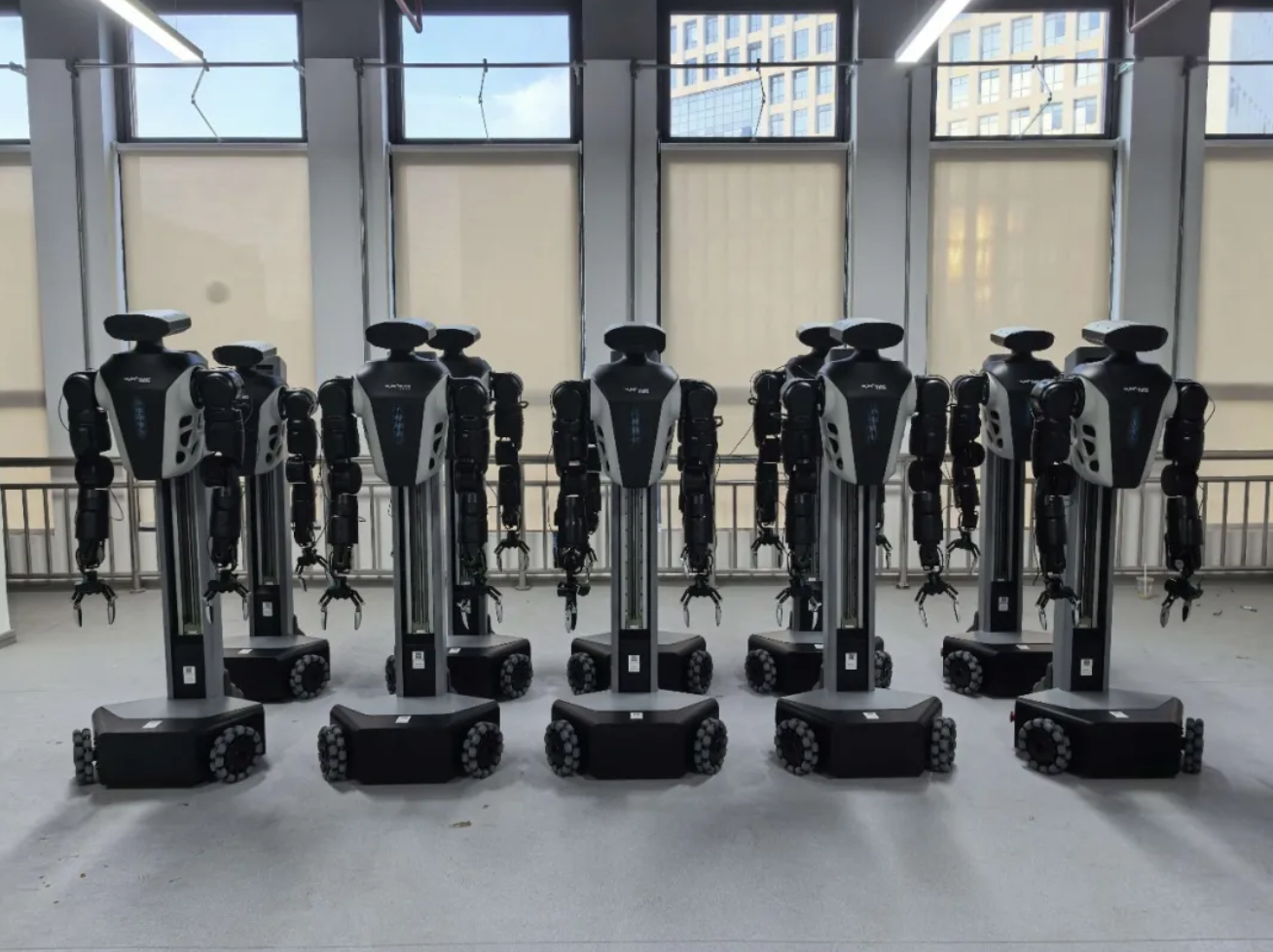
Lingyu Intelligent Secures Significant Pre-A Funding to Advance Robotics Development
Lingyu Intelligent, a provider of embodied intelligence infrastructure, has announced the completion of a multi-hundred million yuan Pre-A funding round. This marks the third funding round since its establishment 15 months ago, totaling four rounds of financing, with previous investors including Inno Fund and Galaxy Innovation Capital. The significance of this funding lies in Lingyu Intelligent's focus on addressing the data scarcity in embodied intelligence, which is seen as a major bottleneck. The company aims to collect high-quality interaction data in real-world scenarios at a low cost, with its TA series robots priced at 100,000 to 200,000 yuan, significantly lower than similar products in the industry. Looking ahead, Lingyu Intelligent has established a strategic partnership with JD.com, becoming a preferred supplier for robotics-related business. The company anticipates approximately 300 million yuan in intended orders and expects to deliver around 1,000 units by 2026, having already achieved mass production with over 100 units delivered in a single month.
Embodied Intelligence Robotics Data Collection AI Technology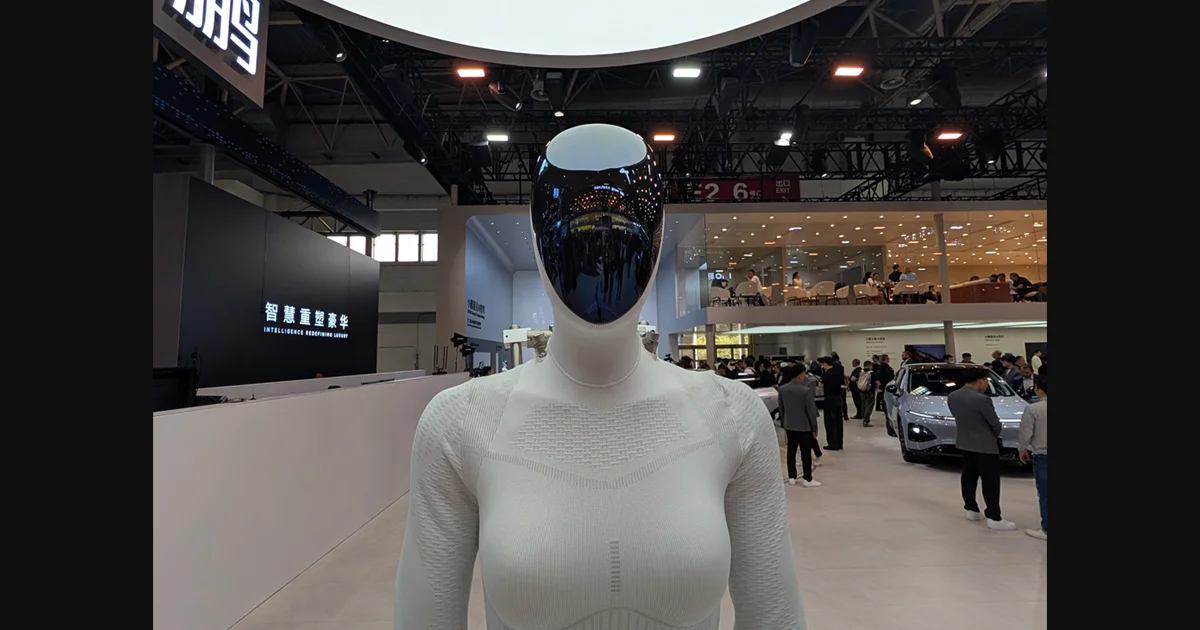
XPENG Robotics Secures Over $900 Million to Advance IRON Humanoid Development
Chinese automaker XPENG has raised over $900 million for its humanoid robotics division, achieving a valuation exceeding $6.3 billion. This funding round, led by IDG Capital and Gaorong Ventures with support from Alibaba and Tencent, is the largest in China's embodied AI sector. The capital will be used to enhance hardware and software research, train physical foundation models, and expand manufacturing capabilities. This significant investment underscores XPENG's commitment to integrating its robotics unit with its existing smart electric vehicle ecosystem, ensuring shared resources and operational efficiencies. The funds will support the establishment of a dedicated humanoid manufacturing hub in Guangzhou, designed to manage the entire lifecycle of the IRON humanoid, from data collection to automated assembly. Looking ahead, XPENG aims to begin mass production of the IRON humanoid by late 2026, following a phased deployment strategy. The updated humanoid features advanced specifications, including 76 degrees of freedom and AI-native architecture powered by proprietary Turing AI chips, positioning it for complex autonomous tasks in various environments.
Market China XPENG
XPENG Robotics Secures Over $900 Million to Propel Humanoid Robot Development
XPENG's robotics division has successfully raised over $900 million, achieving a post-money valuation exceeding $6.3 billion. This funding marks a significant milestone as the largest single-round private financing in China's embodied AI sector. The investment round was spearheaded by prominent global investors, including IDG Capital, with contributions from Gaorong Ventures and strategic backing from Tencent and Alibaba. This financial boost is set to enhance XPENG's capabilities in mass-producing humanoid robots and advancing Physical AI model research and development. Looking ahead, the funding will facilitate XPENG's efforts to drive its general-purpose humanoid robots toward a new phase of global commercialization. No further timeline was disclosed at the time of publication.

Mi Longfeng Discusses Robotics Development Initiatives in Suzhou at WRC 2026
At the 2026 World Robotics Conference in Beijing, Mi Longfeng, Vice President of China-Singapore Group, highlighted the evolving landscape of robotics in Suzhou. Notably, leading exhibitors showcased 'real scenario delivery' across various sectors, including manufacturing and healthcare, emphasizing the importance of reliable data and operational environments for robotics deployment. This shift underscores the necessity for collaborative efforts beyond robotics companies, as industrial parks and operators play a crucial role in facilitating the ecosystem. Mi Longfeng shared insights on the China-Singapore Group's extensive research and development initiatives, which include establishing a dedicated intelligent robotics park and data collection centers in Suzhou. Looking ahead, the focus on embodied intelligence as a key industry trend suggests that the China-Singapore Group will continue to drive research and development efforts in Suzhou's robotics sector. No further timeline was disclosed at the time of publication.
Robotics Industry Research Smart Manufacturing Data Collection Industrial Parks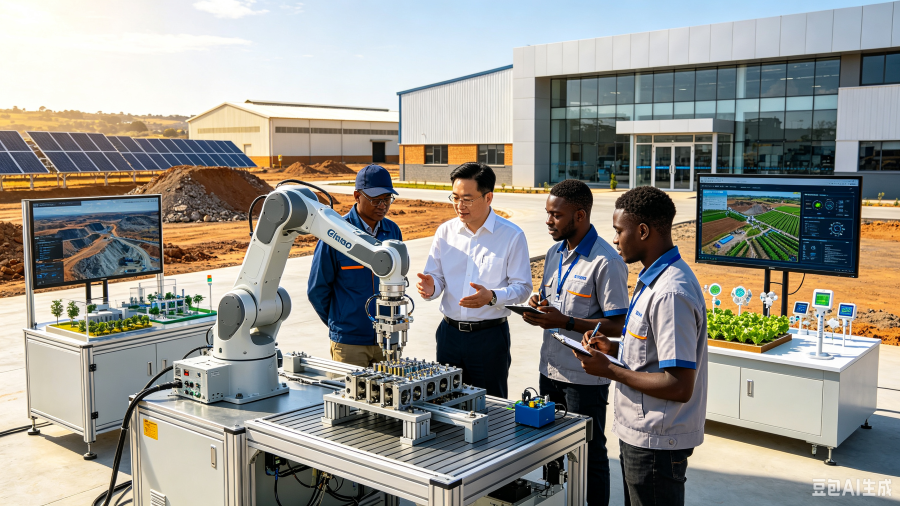
China's Robotics Industry Presents New Opportunities for Africa's Development
As China's humanoid robots begin to perform tasks in factories and warehouses, South African media highlights that this robotics revolution could benefit Africa. The rapid growth of China's robotics sector offers significant development opportunities for African nations in agriculture, healthcare, mining, and manufacturing. According to the International Federation of Robotics, China is expected to install approximately 295,000 new industrial robots in 2024, accounting for 54% of the global total. South African media describes China's robotics development model as a quick cycle of experimentation, cost reduction, and commercial deployment, driven by industrial demand, substantial R&D investment, and strong manufacturing capabilities. The article emphasizes that as African countries collaborate with China in robotics, moving beyond mere imports to assembly, maintenance, and training, they can cultivate new industrial capacities. This partnership could enable Africa to learn from China's long-term investments in manufacturing and innovation, creating a favorable window for collaboration as the continent seeks industrial breakthroughs.
Robotics Automation Agriculture Technology Healthcare Technology Manufacturing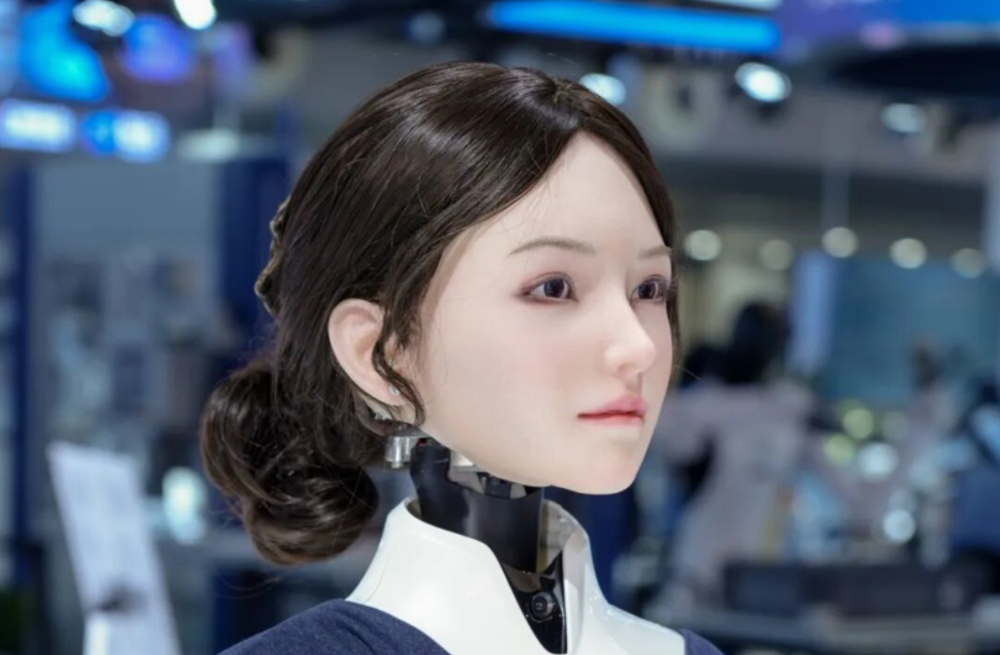
DIGIT Robotics Completes Pre-A Round Funding for Humanoid Robot Development
On August 17, DIGIT Robotics announced the completion of a significant Pre-A round strategic financing, with investments from multiple industrial capital sources and continued support from existing shareholder Tongchuang Weiye. The funding will focus on mass production of biomimetic intelligent products and the ecological development of the RoboEase scene brain. Founded in March 2024 by Shen Jian, who has nearly two decades of experience in the IT industry, DIGIT Robotics aims to advance humanoid robots that can understand human emotions. At the recently concluded WAIC 2026, the company unveiled its next-generation humanoid robot, Xia Lan R03, which features over 40 degrees of freedom in its face, enabling it to express more than 30 complex emotions and support multilingual communication. DIGIT Robotics also offers the general-purpose humanoid robot Xia Qi, the customizable dual-mode robot Xing Xing Xia P2, and the AI singer Xia Lan Ruta. The latter is equipped with a sophisticated biomimetic facial system that synchronizes expressions and emotions in real-time during performances. The RoboEase platform, which allows for the orchestration of intelligent agent services without coding, is currently applied in various public service scenarios, indicating a unique commercialization path for DIGIT Robotics.
Humanoid Robots AI Robotics Public Service Automation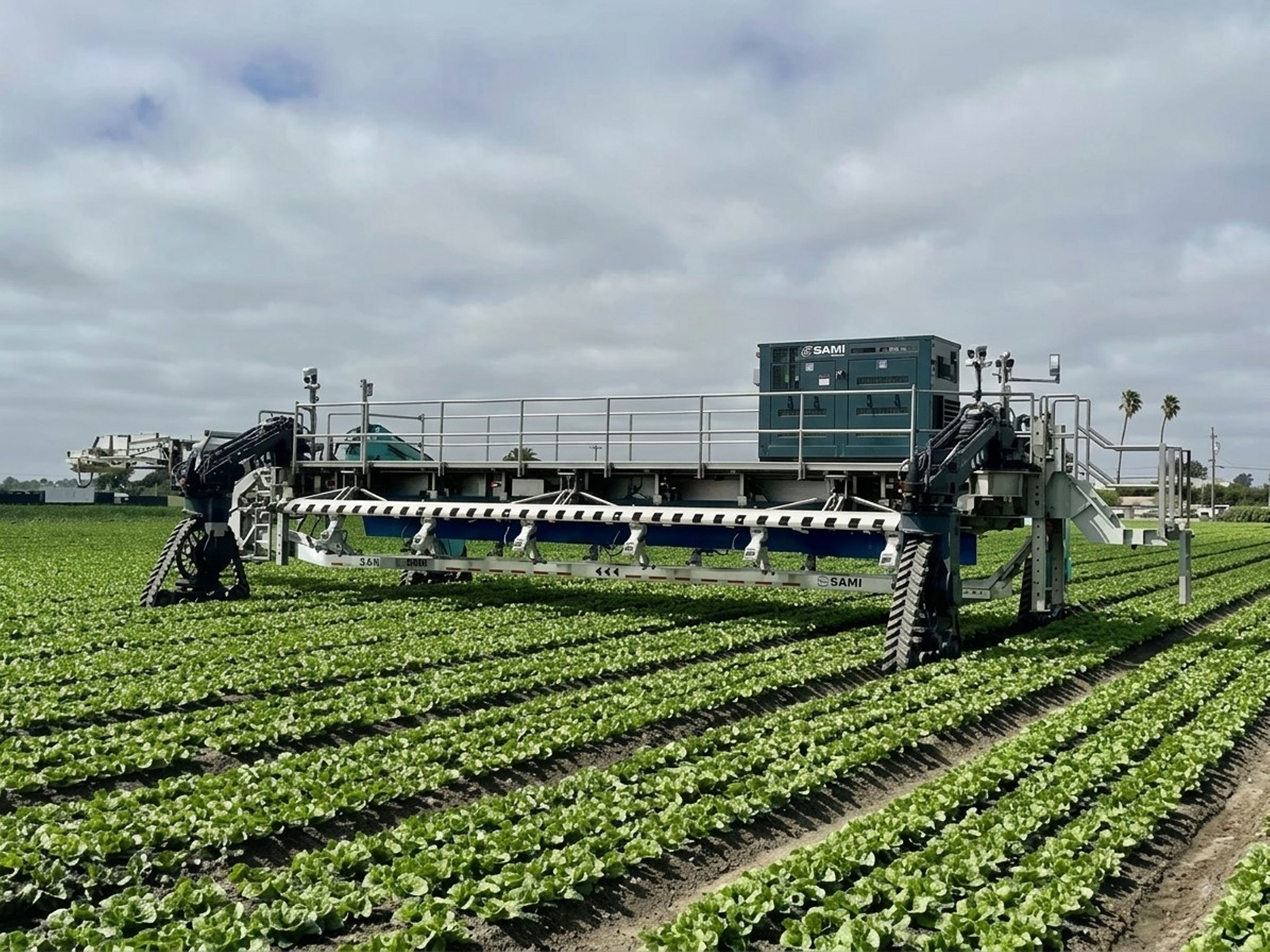
Sami Robotics Advances Broccoli Harvesting with Multi-Crop Platform Development
Sami Robotics, located in Varennes, Québec, has successfully transitioned its broccoli harvesting application from prototype to operational status, utilizing a scalable, multi-arm design. The platform employs 12 to 18 robotic arms that work in parallel to identify and harvest mature vegetables, although specific throughput figures are not disclosed due to varying field conditions. The significance of this advancement lies in Sami Robotics' commitment to automating labor-intensive agricultural tasks through advanced robotics, AI, and data analytics. CEO Pascal Labrecque emphasizes the platform's adaptability for multiple crops and agricultural operations, aiming to enhance efficiency and reduce labor dependency for growers. Looking ahead, Sami Robotics plans to scale commercial deployments while refining its technology. Romaine lettuce is next in line for development, with iceberg lettuce and cauliflower also generating interest. The company envisions a multifunctional platform that could eventually support various agricultural tasks beyond harvesting, although no additional capabilities are currently in development.
Crop solutions Harvest & storage harvest Harvest robot
Ant Group Leads Strategic Investment in Daimeng Robotics for Tactile Sensor Development
On August 11, Shenzhen's Daimeng Robotics announced the completion of a strategic financing round worth hundreds of millions, led by Ant Group, with existing shareholders participating. This marks Daimeng's second significant funding within two months and represents Ant Group's strategic entry into the embodied intelligence sector through component technology. Daimeng, founded by Wang Yu and Duan Jianghua from the Hong Kong University of Science and Technology, focuses on millimeter-level optical tactile sensing and dexterous manipulation technology. As the demand for humanoid robots in China is projected to reach 61.4% in entertainment and educational sectors by 2025, the shift towards precision operations in industrial applications is becoming crucial, highlighting the importance of tactile sensors in enhancing operational accuracy. Daimeng's core strength lies in miniaturizing tactile sensing units to achieve high-resolution capabilities. The company has developed a humanoid optical tactile five-fingered dexterous hand and the Sparky 1 humanoid robot, integrating tactile data into a visual-tactile-language-action framework. This investment by Ant Group is part of a broader strategy to create a comprehensive ecosystem that spans data generation, component supply, and model training, positioning Daimeng as a key player in the tactile sensor market.
Tactile Sensors Robotics Industrial Automation Embodied Intelligence
Bao'an Accelerates Development of Embodied Intelligence in Robotics Industry
In western Shenzhen, an artificial intelligence and robotics industry cluster valued at nearly 60 billion yuan is rapidly emerging. Bao'an, leveraging the Qianhai-Bao'an Embodied Intelligence Port, is establishing a complete ecosystem for embodied intelligence, from 'brain' to 'body'. The region's core advantage lies in a supply chain system that allows entrepreneurs to bring designs and see prototypes within three days. This ecosystem facilitates rapid development for robotics startups, with core components available within five kilometers. The first national AI application pilot base for mobile terminals is located here, along with a global robotics development service center. Companies can seamlessly transition from selection to mass production, significantly reducing time and costs. Bao'an has opened over 500 application scenarios across various industries, providing real-world environments for robotics testing. Companies like Valeo and Xiwangda have reported substantial improvements in production efficiency and defect rates. With over 600 AI and robotics firms, Bao'an is not just chasing trends but transforming the 'robot craze' into industrial capability, focusing on practical applications before expanding further.
Robotics Artificial Intelligence Supply Chain Industrial Automation
Noin Intelligence Raises $70 Million for Advancements in Home Robotics Technology
Noin Intelligence, a company specializing in consumer-grade embodied intelligence, has successfully completed a funding round of 500 million RMB (approximately $70 million). This funding was led by Matrix Partners with participation from Red Dot Ventures, SenseTime, Huaden Technology, and L2F Light Source Entrepreneur Fund. Since its establishment in August 2025, Noin has rapidly completed four funding rounds, highlighting the strong investor interest in its home robotics solutions. The significance of this funding lies in Noin's ambition to address the core challenges of embodied intelligence. As large models transition from the digital to the physical world, the competition will focus on a robot's ability to adapt across various environments and tasks. Noin's approach emphasizes the importance of generalization, which encompasses data, world understanding, task planning, action execution, and real feedback, particularly in the complex home environment. Looking ahead, Noin's GLOW generative embodied model system aims to enhance the robot's generalization capabilities. The system generates first-person embodied data with 3D structure and physical consistency from limited real interactions. This innovative approach allows for the expansion of training distributions, enabling robots to learn from diverse real-world scenarios. No further timeline was disclosed at the time of publication.
Consumer Robotics Embodied AI Home Automation Generative Models
Kong Tao Joins Xiaomi to Lead Foundation Model Development for Robotics
Kong Tao, the former head of the robotics team at ByteDance, has reportedly joined Xiaomi in 2025. He is now leading a team focused on developing foundation models for robots, bringing several colleagues from ByteDance along with him. This move is significant as Xiaomi's robotics division is expanding, currently employing around 200 individuals. The foundation-model team operates independently within the robotics sector, indicating a strategic focus on advanced AI capabilities in robotics. Xiaomi has already launched the Xiaomi-Robotics-1 foundation model and is actively testing humanoid robots in manufacturing settings. Observers should watch for further developments in Xiaomi's robotics initiatives and potential impacts on the competitive landscape in the robotics industry.
News Feed
ROKAE Robotics and SHANTUI Forge Strategic Alliance for Intelligent Construction Machinery Development
On June 17, ROKAE Robotics and SHANTUI Construction Machinery Co., Ltd. signed a strategic cooperation agreement aimed at advancing intelligent construction machinery. This partnership will focus on the joint development of intelligent products and upgrades to production lines, integrating high-end equipment manufacturing with advanced technologies. This collaboration is significant as it seeks to establish a benchmark in the construction machinery sector, enhancing the global competitiveness of China's high-end equipment manufacturing industry. ROKAE Robotics will leverage its expertise in robotics and AI, while SHANTUI will contribute its extensive experience in construction machinery, ensuring a comprehensive approach to innovation. Looking ahead, ROKAE Robotics plans to strengthen its core technologies and explore new applications of robotics and AI. The partnership aims to drive intelligent transformation in the construction machinery industry, with no further timeline disclosed at the time of publication.

HEBI Robotics Secures NASA SBIR Grant to Accelerate Miniaturized Actuator Development
HEBI Robotics has announced the acquisition of a NASA Small Business Innovation Research (SBIR) Phase I contract aimed at advancing its miniaturized high torque density modular actuators. This initiative targets applications in SmallSats and challenging environments, responding to the growing demand for affordable and versatile robotic systems in commercial space endeavors. The significance of this contract lies in its potential to enhance the flexibility and reliability of actuation hardware in space-limited environments, such as CubeSats. HEBI aims to bridge the gap between low-cost hobby servos and expensive custom-designed space robotics, ensuring ruggedness without sacrificing performance, as emphasized by Andrew Willig, HEBI’s director of hardware. Looking ahead, the Phase I award is set to continue until December 2026, allowing HEBI to explore innovative actuation solutions. The company also plans to further develop its existing actuation hardware, making it suitable for both space and terrestrial applications, thereby appealing to a broader market seeking modular actuation solutions for demanding environments.
Actuators / Motors / Servos Aerospace Markets / Industries Motion Control News Hebi Robotics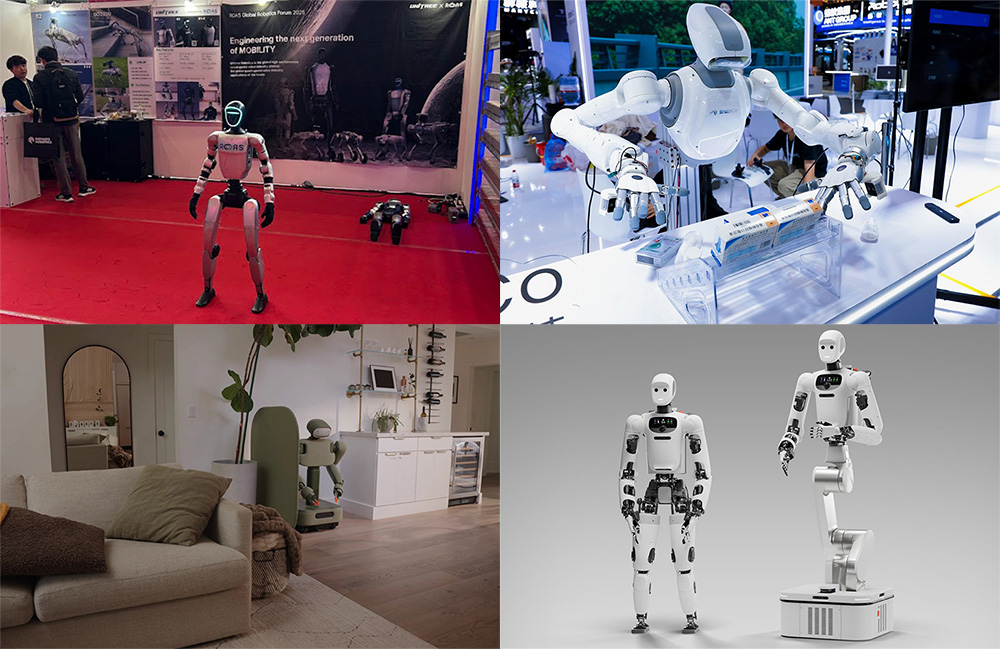
Key Robotics Developments and Funding Highlights from July 2026
In July 2026, significant funding rounds and advancements in robot training captured attention in the robotics sector. AI² Robotics secured approximately $735 million, elevating its valuation to over $2.8 billion, positioning it as a leader in China's physical AI market. Meanwhile, the U.S. government announced new restrictions on importing certain foreign robots, citing national security concerns. The evolving landscape of robotics emphasizes the need for adaptability in robots, moving beyond simple task automation to addressing complex environments. Companies like Humanoid and Walden Robotics are pioneering advancements in robotic manipulation and continuous learning, respectively, showcasing the industry's shift towards physical AI and general-purpose robotics. Looking ahead, the introduction of innovative products such as Apptronik's Apollo 2 humanoid robot and Weave Robotics' Isaac 1 consumer robot highlights the ongoing competition in the market. As investment in robotics continues to grow, stakeholders should monitor regulatory changes and technological advancements that could reshape the industry landscape.
Artificial Intelligence Artificial Intelligence / Cognition Autonomous Mobile Robots (AMRs) Controllers Design / Development Financial
Recent Developments and Challenges in Legged Robotics: A Detailed Overview
Legged robots, once a concept of science fiction, are now capable of delivering packages directly to homes and navigating challenging rescue scenarios. A comprehensive review published in the journal Science Robotics, authored by researchers from leading institutions including ETH Zurich, Stanford University, and NVIDIA, examines advancements in legged robotics across hardware, motion control, autonomy, data, and applications, while also addressing ethical, economic, and policy considerations. This review highlights the evolution of legged robotics, tracing its origins from the 1960s with projects like the hydraulic-powered Walking Truck to the dynamic stability breakthroughs led by Marc Raibert. The transition from static to dynamic stability has enabled quadrupedal robots to carry loads exceeding 180 kilograms, while bipedal robots face challenges due to their reliance on dynamic stability. Looking ahead, the review emphasizes the need for high-torque actuators with low mechanical impedance to enhance performance. Innovations in electric drive systems and sensor miniaturization are paving the way for more capable legged robots. However, challenges remain in manufacturing, durability, and control, particularly for bio-inspired technologies. No further timeline was disclosed at the time of publication.
Legged Robotics Motion Control Autonomy Robotics Research Ethics in Robotics
Addressing the Challenge of Tactile Interaction Data in Robotics Development
The global robotics community is facing a significant challenge: the lack of real physical interaction data, particularly tactile data. While visual datasets and first-person videos are becoming increasingly common, the industry struggles to gather the nuanced feedback from tactile interactions with various materials. Current tactile data collection methods either involve expensive laboratory-grade sensors or rely on simulations that do not accurately reflect real-world physics. Recognizing this challenge, Handzhi Innovation has developed a new approach that balances cost and effective data collection. Founded by prominent figures in robotics research, including Academician Liu Sheng and Dr. Li Miao, the company aims to transform high-precision tactile perception technology into scalable infrastructure. Their HANDX series tactile gloves exemplify this effort, integrating up to 800 high-precision tactile points in a lightweight, flexible design that supports dual-mode transmission and offers significant operational capabilities. The industry is at a crossroads, as it lacks standardized, low-cost, scalable tactile data collection infrastructure. Handzhi Innovation's strategy involves democratizing tactile data collection through widespread use of their gloves in real-world scenarios, significantly reducing marginal costs and increasing data diversity. The accompanying software platform provides a comprehensive toolchain for data management, making it easier for users to engage in tactile data collection without extensive development efforts.
Tactile Data Collection Robotics Technology Data Infrastructure AI Machine Learning
Microagi Partners with Google Cloud to Advance AI Robotics Development
Microagi, a Munich-based AI startup, has announced a collaboration with Google Cloud to enhance the development of robotics that can understand and interact with physical environments. This partnership will leverage Google Cloud's AI infrastructure alongside the NVIDIA Blackwell platform to process extensive physical datasets and train specialized 'embodied AI' models. This collaboration is significant as it aims to accelerate the capabilities of robotics in real-world applications, enabling them to better navigate and respond to their surroundings. By utilizing advanced AI technologies, Microagi seeks to push the boundaries of what embodied AI can achieve in various sectors. Looking ahead, it will be important to monitor the progress of Microagi's model training efforts and the practical applications of their robotics solutions. No further timeline was disclosed at the time of publication.

Ace Robotics Secures Hundreds of Millions in Financing for Embodied AI Development
Chinese robotics company Ace has announced the debut of its embodied AI technology. This development marks a significant step forward in the integration of artificial intelligence within robotics, showcasing Ace's commitment to innovation in this field. The introduction of embodied AI is crucial as it enhances the capabilities of robots, allowing them to interact more effectively with their environments. This advancement could lead to broader applications across various sectors, positioning Ace as a key player in the robotics industry. Looking ahead, Ace has secured several hundred million US dollars in financing in the first half of 2026, which will likely support further research and development in embodied AI. No further timeline was disclosed at the time of publication.
Artificial Intelligence News Robotics Ace Robotics China embodied AI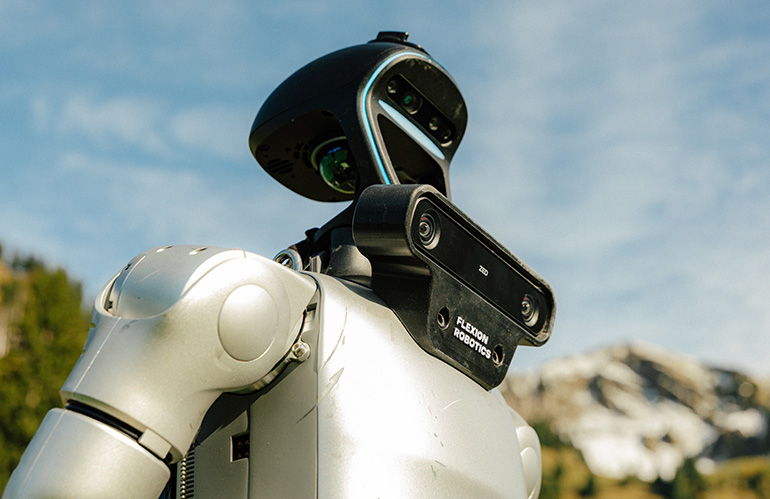
Flexion Develops Reinforcement Learning Platform to Address Teleoperation Issues in Robotics
Flexion is developing a reinforcement learning and sim-to-real platform specifically for humanoid robots. Over the past 18 months, humanoid robotics companies have raised billions, primarily funding human operators to manage robots, which has led to a teleoperation and data challenge within the industry. This reliance on teleoperation as a labor solution raises concerns about the long-term viability of training physical AI systems. The assumption that enough human demonstrations will enable robots to generalize across environments is questionable, especially given that teleoperation datasets are significantly smaller than those used for training language models, creating a growing data gap. Looking ahead, the industry must address the limitations of teleoperation and the dependency on human input for robot training. If humanoid robots require continuous human demonstrations, the original vision of automation may be compromised. No further timeline was disclosed at the time of publication.
Artificial Intelligence Artificial Intelligence / Cognition Controllers Development Tools / SDKs / Libraries Humanoids News
Impossible Metals Announces New Advanced Marine Robotics Hub in Pittsburgh for Mineral Robotics Development
Impossible Metals has unveiled plans to establish an Advanced Marine Robotics Hub in Pittsburgh, aimed at developing dual-use autonomy for ocean science and naval systems. This initiative is part of a broader effort to create a China-free critical-mineral supply chain, leveraging the region's expertise in robotics. The new hub will not only foster innovation in mineral robotics technology but also generate over a dozen high-paying engineering and science jobs in Pennsylvania. This move underscores the importance of local talent in advancing the United States' capabilities in marine robotics and autonomy. Looking ahead, stakeholders should monitor the hub's progress and its potential impact on the critical-mineral supply chain. No further timeline was disclosed at the time of publication.
STMicroelectronics Invests in Oversonic Robotics to Enhance Humanoid Robot Development
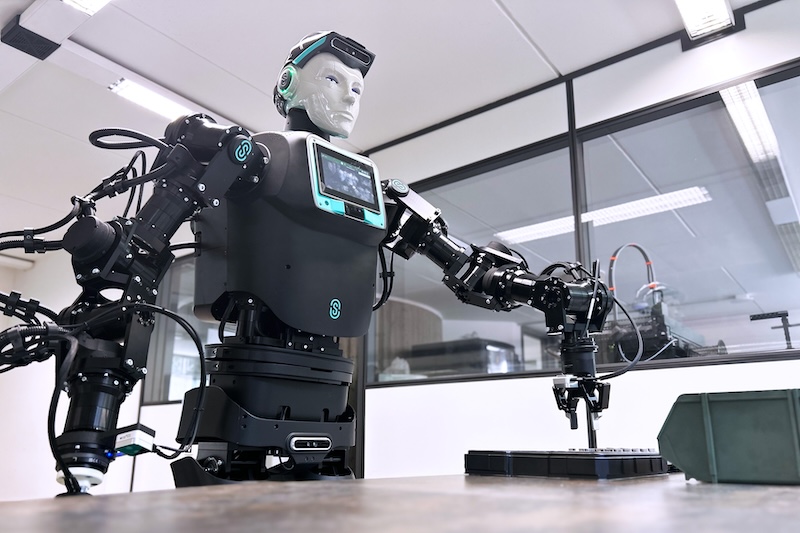
Oversonic Robotics, an Italian cognitive robotics firm known for RoBee, has announced a strategic investment from STMicroelectronics, Fondazione ENEA Tech Biomedical, and SpotInvest. This investment aims to accelerate Oversonic's industrial, technological, and international growth, particularly in the cognitive humanoid robotics sector. The involvement of STMicroelectronics, a leader in semiconductors, is expected to bolster Oversonic's technological advancements and support its expansion into the U.S. market. The partnership will enhance the development of RoBee, the first certified cognitive humanoid robot designed for complex environments, and facilitate applications in manufacturing and healthcare. Looking ahead, Oversonic plans to focus on expanding its technological platform and applications while strengthening its team and industrial capacity. The company views the U.S. as a key market for its cognitive humanoid robotics, aiming for significant growth in both commercial and industrial sectors. No further timeline was disclosed at the time of publication.
Humanoids News artificial intelligence automation cognitive robotics deep tech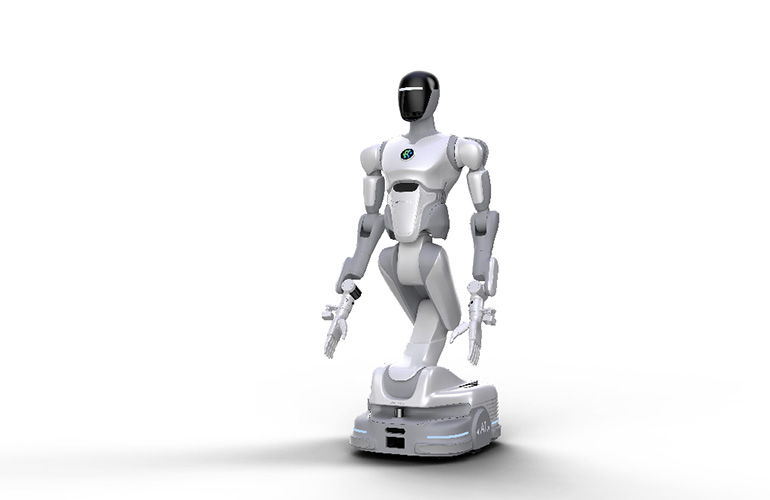
AI² Robotics Secures $735 Million Funding for Wheeled Humanoid Robots Development
AI² Robotics has successfully raised approximately $735 million in a recent funding round, elevating its valuation to around $2.8 billion. The Shenzhen-based company specializes in wheeled humanoid robots, which feature a humanoid torso and five-fingered hands, offering a unique alternative to traditional bipedal systems. This funding round attracted a diverse group of investors, including government-backed entities and major corporations, highlighting the growing importance of physical AI technology in China. The strategic choice to develop wheeled robots instead of bipedal models allows AI² Robotics to focus on mechanical simplicity and durability, making their robots more cost-effective and easier to deploy in public spaces. With over 34 degrees of freedom and a custom lifting mechanism, the robots are designed for various industrial applications, including logistics, manufacturing, and retail. The company’s proprietary Alpha Brain software enhances the robots' capabilities in real-time spatial reasoning and task planning, positioning them as practical solutions in structured environments. Looking ahead, AI² Robotics aims to further penetrate industrial markets while steering clear of the consumer robotics hype. The company is actively deploying its AlphaBot 2 in practical settings, emphasizing its utility in sectors such as biotech and public service. No further timeline was disclosed at the time of publication regarding future funding or product releases.
Artificial Intelligence / Cognition China Financial Humanoids Investments NewsRobotics needs a service framework.
RSF defines a common language for robot service capability, lifecycle operations, certification pathways, and service-provider networks.
Join the RobotToday community on LinkedIn
Daily robotics news, in-depth analysis, conference highlights, and discussions with professionals worldwide.







