

Industry Briefing
A single destination for timely, editor-curated robotics news from around the world.

XTEND AI Robotics, Inc. Receives U.S. Patent for NEST Autonomous Base Station Supporting Robotic Operations
XTEND AI Robotics, Inc. has been granted U.S. Design Patent No. D1,147,179 for its NEST autonomous base station. This patent, issued on September 8, 2026, recognizes the innovative design that allows robotic systems to autonomously deploy, recover, and recharge, thereby enhancing operational efficiency. The significance of this patent lies in its potential to support persistent robotic operations with minimal human intervention. By automating the deployment and recharging processes, XTEND's NEST aims to improve the reliability and effectiveness of robotic systems across various applications, reducing the need for constant human oversight. Looking ahead, industry stakeholders should monitor how XTEND leverages this patent to advance its technology and expand its market presence. The successful implementation of the NEST system could set new standards for autonomous operations in robotics, influencing future developments in the field. No further timeline was disclosed at the time of publication.
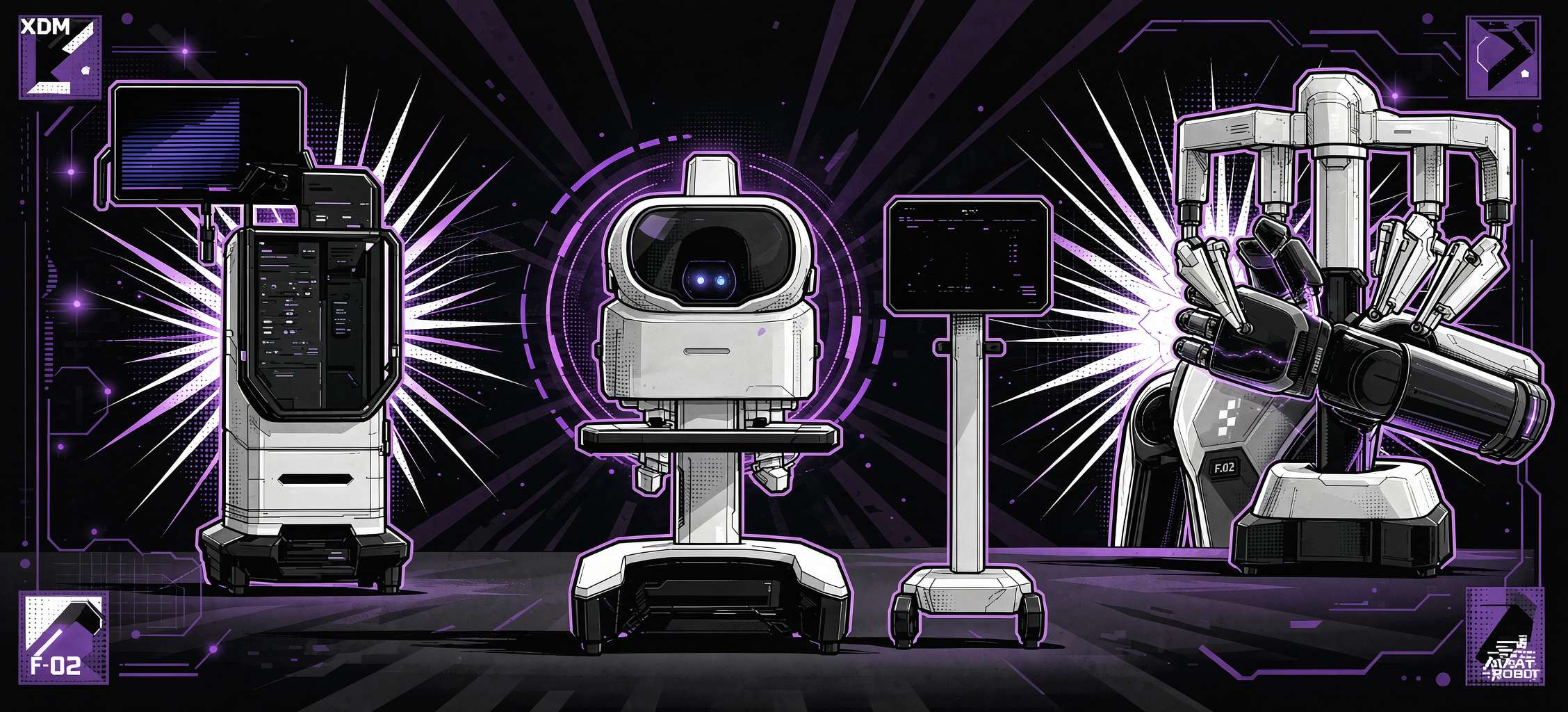
Newport Hospital Becomes First in Rhode Island to Install Da Vinci Surgical Robot Funded by Donations
Newport Hospital has become the first facility in Rhode Island to install the Da Vinci Surgical Robot, specifically the Da Vinci 5 model. This advanced robotic-assisted surgical platform, funded entirely by donations after a year of fundraising, will be utilized for minimally invasive surgeries in urology, gynecology, thoracic, and general surgery. The significance of this installation lies in its enhancement of surgical precision and capabilities within a community hospital setting. According to Tenny Thomas, President and Chief Medical Officer of Newport Hospital, this milestone was made possible through the generous support of the donor community. The Da Vinci 5 offers improved force feedback, imaging, and computing power compared to its predecessors, reinforcing the hospital's commitment to providing advanced surgical options. Looking ahead, the integration of the Da Vinci 5 into Newport Hospital's surgical offerings, alongside the Zimmer Biomet ROSA knee system, highlights the ongoing relevance of specialized surgical robots in clinical practice. While humanoid robots like the Yushu G1 are still in early feasibility studies, the successful deployment of the Da Vinci 5 underscores its position as a leading solution in modern surgical procedures.
Surgical Robotics Minimally Invasive Surgery Healthcare Technology Robotic Surgery
MES Inc. Advises Robotics OEMs to Prioritize Manufacturing Strategy Amid Record Robot Demand
MES Inc., a sourcing and supply chain firm based in Ohio, has reported that industrial robot installations have exceeded 500,000 units for the fourth consecutive year. The company emphasizes the importance of structural aluminum components in determining the scalability of humanoid, mobile, and collaborative robots as the industry transitions from prototypes to mass production. This guidance is crucial as robotics companies face increasing demand for their products. By treating structural aluminum components as a fundamental system decision rather than a mere sourcing task, developers can enhance their manufacturing strategies and better meet the growing market needs. The focus on these components could significantly impact production efficiency and speed. Looking ahead, robotics OEMs are encouraged to lock in their manufacturing strategies before design freezes occur. No further timeline was disclosed at the time of publication.

Robotic Principles Transforming Home Cleaning with Smart Sensors and Self-Maintenance
The consumer robotics landscape is evolving, with a shift from humanoid robots to specialized devices like smart vacuum cleaners. These modern floor-care appliances are integrating robotic principles, enhancing their functionality and efficiency in home cleaning tasks. This transition is significant as it highlights the growing importance of specialized robotics in everyday life. While humanoid robots aim for versatility, specialized devices excel in specific tasks, showcasing how robotics can improve consumer products before general-purpose robots become widely available. Looking ahead, the distinction between specialized and general-purpose robotics will continue to shape the market. As technology advances, consumers can expect even more sophisticated features in home cleaning devices, paving the way for future innovations in robotics.
Home robots Robotics Sensors adaptive automation Autonomous robots cleaning robots
Hunan Province Advances Smart Robotics Industry with New Implementation Guidelines
On August 10, Hunan Province Governor Mao Weiming chaired the 97th executive meeting of the provincial government, where the implementation guidelines for accelerating the development of the smart robotics industry were approved. The guidelines emphasize the deep integration of artificial intelligence with the real economy, highlighting collaborative chains, innovation-driven approaches, and the need for scenario-driven support. The guidelines aim to leverage Hunan's existing strengths in engineering machinery and electronic information to transition technological advantages into the robotics industry chain. Notable companies such as SANY Heavy Industry and Zoomlion are positioned to contribute to this initiative, which seeks to extend existing manufacturing capabilities into robotics rather than starting from scratch. The meeting also discussed the establishment of a supply-demand matching mechanism to facilitate real-world testing of robotic products, addressing a critical challenge for robotics companies. Continued financial, technological, and talent support policies were emphasized to meet the core needs of the early-stage robotics industry. No further timeline was disclosed at the time of publication.
Smart Robotics Artificial Intelligence Construction Machinery Technology Innovation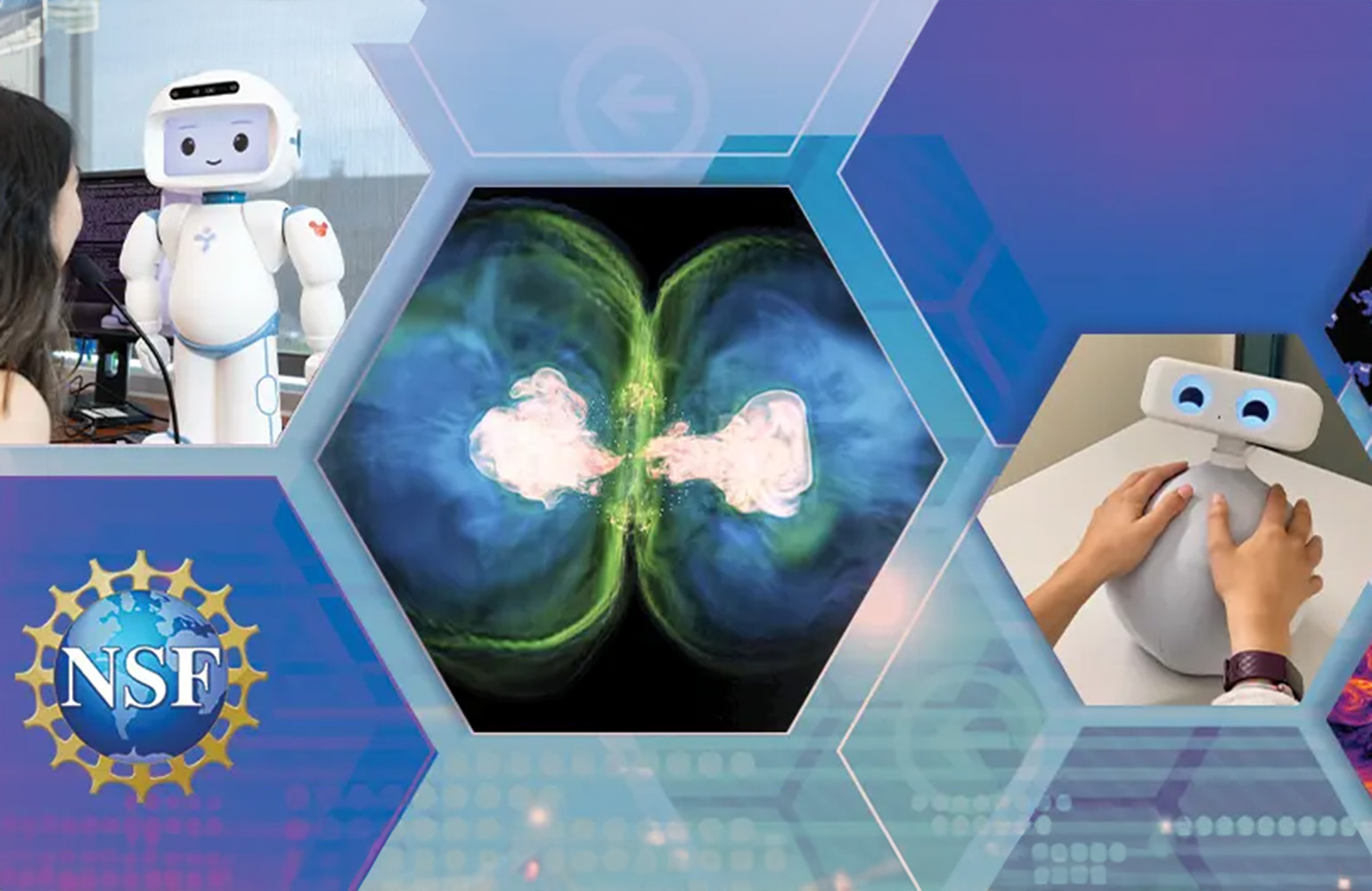
NSF Allocates $90 Million to Establish Three New Technology Centers, Including Robotics Focus
The National Science Foundation (NSF) announced a $90 million investment over five years to establish three new Science and Technology Centers (STCs), with each center receiving $6 million annually. One center, the Center for Human and Robot Co-Adaptation, will be led by The University of Texas at Austin and aims to explore the interaction between humans and robots in various environments. This investment is significant as it seeks to enhance American leadership in science and technology, bolster the STEM workforce, and promote innovation in fields such as AI and robotics. Brian Stone, acting NSF director, emphasized the importance of strong partnerships and skilled workforce in maintaining the U.S. position in global science and technology. Looking ahead, the centers will have the opportunity to compete for an additional five years of funding after the initial period. The NSF's STC program has a history of fostering new fields of discovery and technological advancements, and the upcoming centers are expected to contribute to foundational research and the development of practical solutions for societal benefits.
Academia / Research Financial Human Robot Interaction / Haptics Investments News Research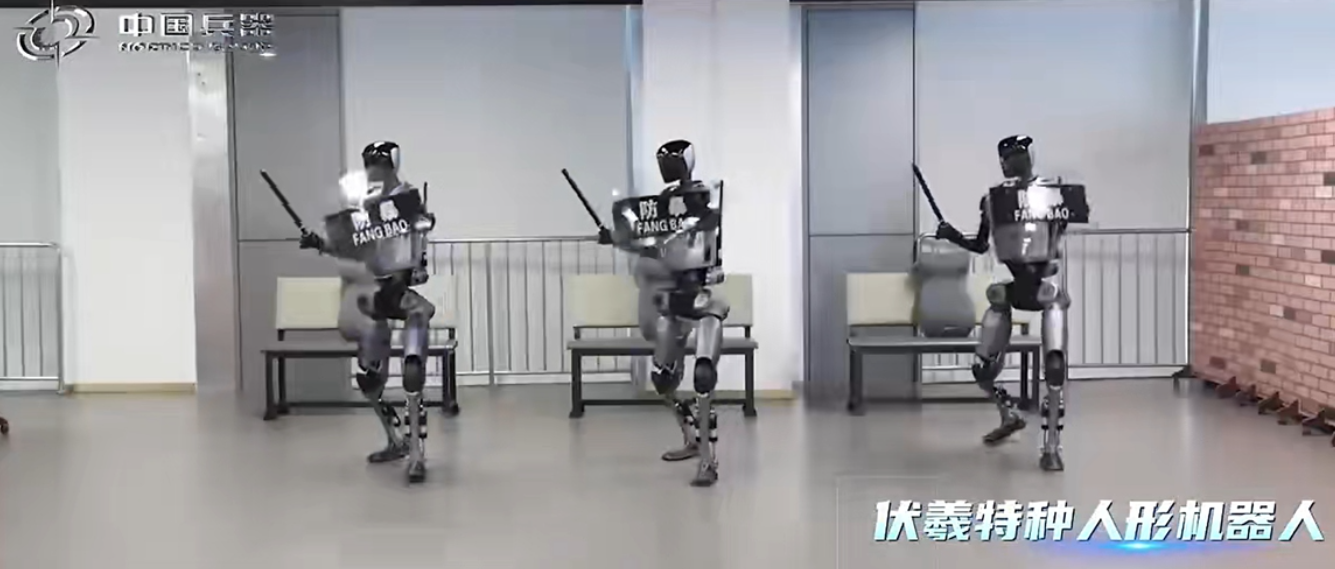
NORINCO Launches Fuxi Humanoid Robot for Remote Operations in Dangerous Environments
On August 19, NORINCO unveiled its full-size humanoid robot, Fuxi, at the 2026 World Robot Conference in Beijing. This robot is designed for remote human control in hazardous areas, utilizing a system that allows operators to replicate their movements in real-time. Fuxi aims to operate in environments where humans cannot or should not go, such as nuclear disaster sites or areas under enemy fire. The significance of Fuxi lies in its advanced capabilities for reconnaissance, intelligent patrolling, and operations in dangerous zones. It can identify personnel and issue alerts, and multiple Fuxi robots can work collaboratively. During the conference, Fuxi demonstrated its ability to perform urban patrols at night, showcasing its practical capabilities in multi-robot management and response. Fuxi is built using entirely domestically developed technology, focusing on human-robot perception and coordination. This development marks a significant step for China in military and special operations robotics, distinguishing itself from consumer and industrial robots. No further timeline was disclosed at the time of publication.
Humanoid Robots Remote Operation Technology Military Robotics Hazardous Environment Robotics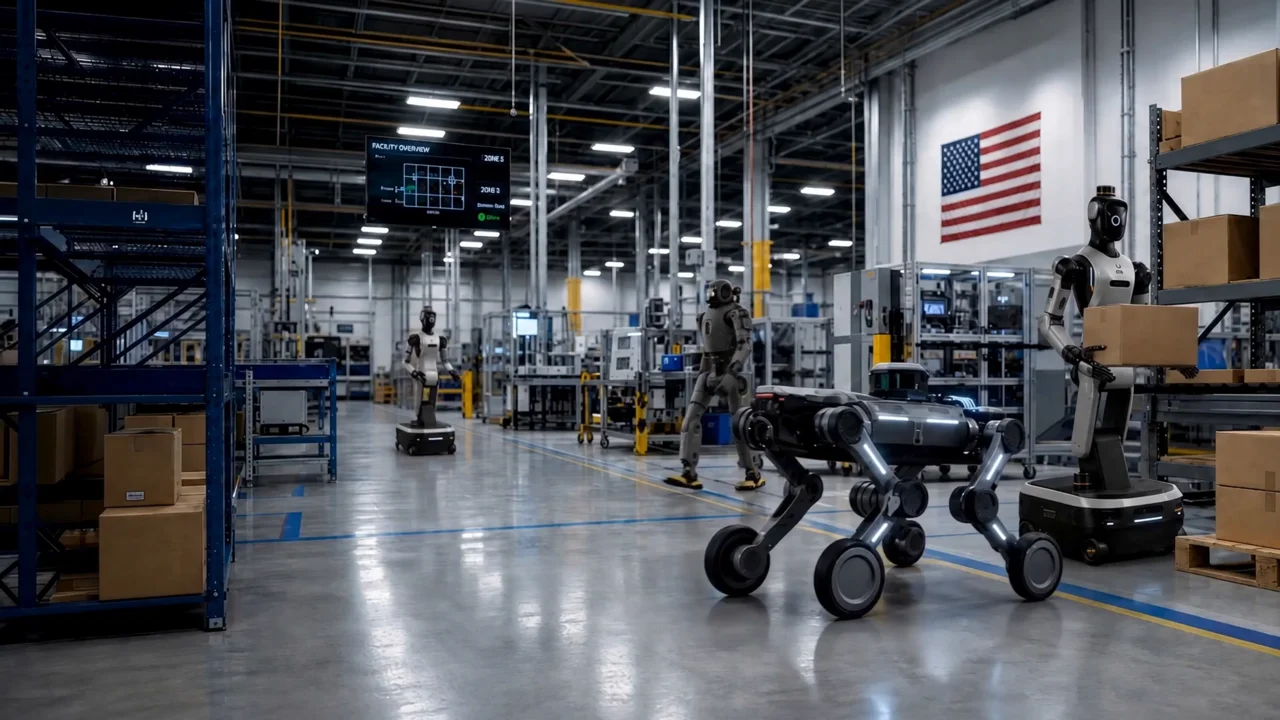
RoboStore Transitions to Robo Inc. Amid U.S. Hardware Import Restrictions
RoboStore has officially rebranded as Robo Inc., marking a significant shift from being a hardware distributor to a U.S.-based robotics manufacturing and systems integration firm. This change comes in response to new Federal Communications Commission (FCC) import bans on foreign advanced robotic devices, which have disrupted the supply chain for companies relying on overseas hardware. The establishment of Robo Inc. is crucial for adapting to the evolving domestic robotics landscape, particularly as the FCC's regulations pose challenges for manufacturers like Unitree, which recently achieved a $904 million IPO. Robo Inc. aims to serve as a compliance buffer by localizing assembly and integration processes, thereby ensuring adherence to U.S. regulations while continuing to import global components. Looking ahead, Robo Inc. plans to open a 66,000-square-foot facility in Long Island, New York, with operations expected to commence in January 2027. This strategic move will allow Robo Inc. to provide U.S.-localized solutions, reinforcing its commitment to navigating regulatory challenges and enhancing the robotics ecosystem in North America.
US Robo Inc RoboStore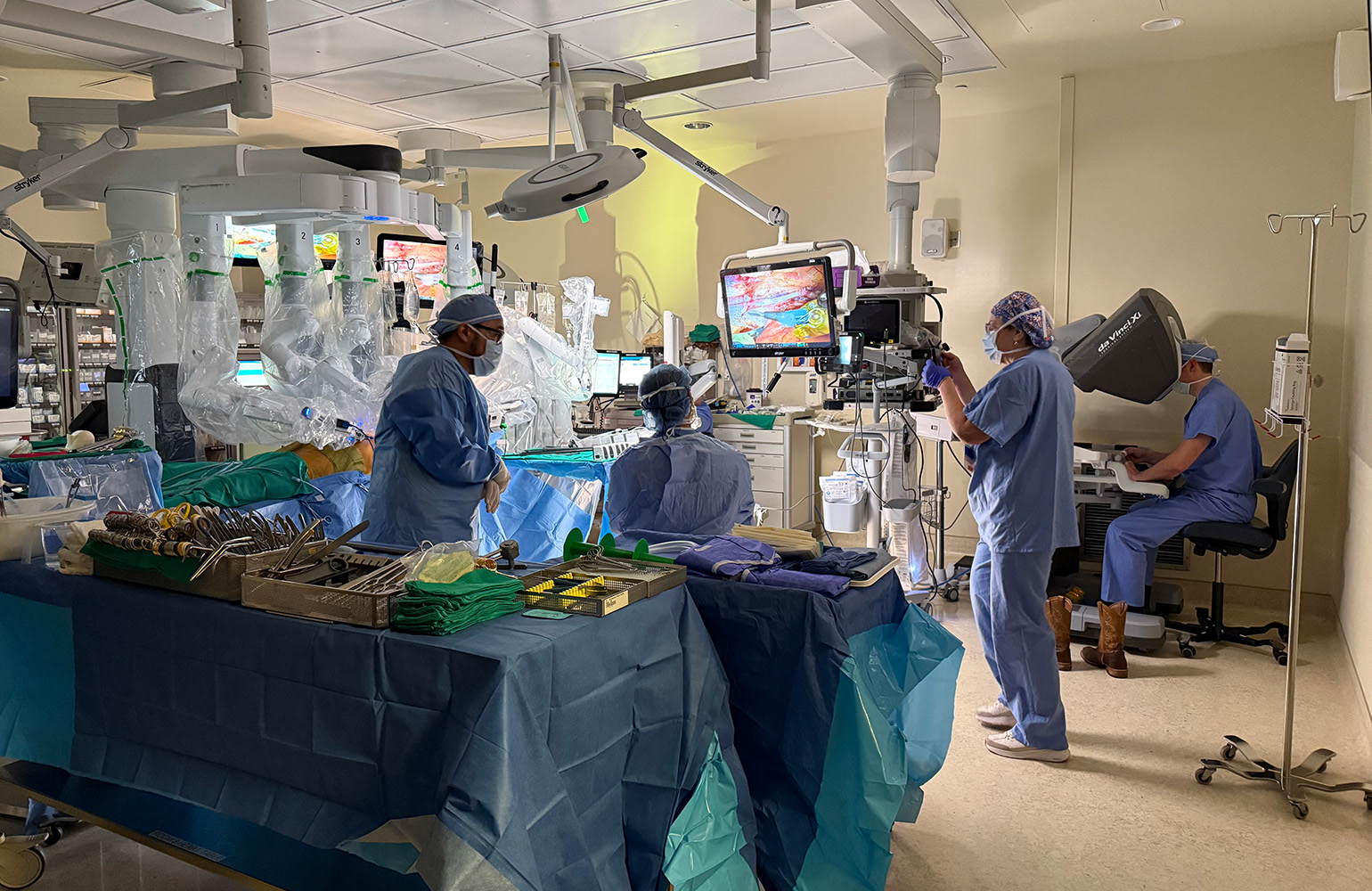
El Camino Health Surgeons Utilize da Vinci Robot for Cardiac Bypass Surgery
Surgeons at El Camino Health Heart and Vascular Institute have begun performing coronary artery bypass grafting (CABG) using Intuitive Surgical's da Vinci robotic system. This innovative approach, led by Dr. Nels Carroll, marks a significant advancement in cardiac surgery, which traditionally involves invasive techniques. The use of robotic assistance in CABG is noteworthy as only 1% of these surgeries globally are performed robotically. Dr. Carroll emphasizes that robotic surgery minimizes the need for large incisions, allowing for smaller openings between the ribs, which leads to quicker recovery times and less pain for patients compared to conventional methods. Looking ahead, the adoption of robotic-assisted CABG could reshape cardiac surgery practices, enhancing patient outcomes and recovery experiences. No further timeline was disclosed at the time of publication.
Artificial Intelligence Artificial Intelligence / Cognition Design / Development Healthcare Robotics Markets / Industries News
Motion Controls Robotics, Inc. Expands Automation Portfolio with New Technologies and Expertise
Motion Controls Robotics, Inc. (MCRI) has announced an expansion of its automation portfolio by integrating new specialized automation technologies and intellectual property. This enhancement includes capabilities in tire manufacturing automation, robotic painting, precision fluid application, surface treatment, and other specialized manufacturing processes. This development is significant as it broadens MCRI's ability to support a wider range of operations within manufacturing plants. By adding experienced personnel with industry expertise, MCRI aims to improve efficiency and effectiveness in various manufacturing applications, thereby strengthening its market position. Looking ahead, MCRI's focus on enhancing its automation capabilities may lead to further innovations and partnerships in the automation sector. No further timeline was disclosed at the time of publication.

A3 Reports Increased Robotics Demand in Q2 2026 Across Various Industries
In Q2 2026, the Association for Advancing Automation (A3) reported a rise in North American robot orders, with 8,940 units valued at $622 million, marking a 4.3% increase in units and a 21.3% increase in revenue compared to Q2 2025. This growth highlights a diversification in robotics demand across industries, despite a 25% decline in automotive OEM orders. Significant gains were observed in sectors such as semiconductors, electronics, and automotive components, which saw increases of 38% and 20%, respectively. Looking ahead, the trend of increasing robot adoption across various industries is expected to continue. Non-automotive customers accounted for 56% of units ordered, and collaborative robots, particularly in healthcare and electronics, are gaining traction, representing a notable portion of automation investments.
Analysis Automotive Cobot Arms Collaborative Robots Food / Beverage Industrial Robots
RoboStore Establishes Robo Inc. to Enhance Robotics Deployment in the U.S.
RoboStore has launched Robo Inc., a U.S.-based robotics manufacturer and systems integrator, to address the growing demand for localized robotics solutions. With over 4,500 customers and experience deploying more than 1,500 robots, Robo Inc. aims to create a platform that complies with American regulations and meets specific operational needs. The establishment of Robo Inc. is significant as it reflects a trend towards localized robotics production amid increasing labor and competitive pressures. According to Teddy Haggerty, CEO of RoboStore and Robo Inc., the new company will focus on providing practical solutions that can be deployed immediately, rather than distant promises of advanced robotics. Looking ahead, Robo Inc. plans to integrate global supply chains with U.S.-based engineering and support services. The company is also committed to addressing cybersecurity concerns by incorporating safety measures into its integration process. No further timeline was disclosed at the time of publication.
Assembly China Healthcare Robotics Humanoids Manufacturing News
Acorn Robot Pioneers Instinct-Based Robot Operation Logic Amid VLA Model Trends
In early 2026, Acorn Robot diverged from mainstream narratives in embodied intelligence, which focused on VLA (Vision-Language-Action) models. The company, founded by a Tsinghua University mechanical engineering professor and his eight doctoral students, is exploring a unique approach centered on operational instincts. This 'bottom-up' strategy aims to endow robots with inherent operational capabilities through interaction with the physical world, rather than relying on extensive data and large models. This innovative direction is significant as it challenges the conventional 'imitation learning' paradigm. Acorn Robot posits that operational behaviors may stem from innate 'internal expectations' rather than explicit action planning. By embedding these instincts into robots, the company believes they can develop stable operational skills autonomously, without needing to mimic vast amounts of human data. As the industry progresses, attention will be on how Acorn Robot's approach addresses challenges such as data scarcity, real-time execution constraints, and the need for hardware-specific adaptations. No further timeline was disclosed at the time of publication.
Robotics Operational Intelligence Tactile Perception AI Models
Pro-Dex Inc Positioned for Growth with Zimmer’s mBos Robot Commercialization Efforts
Long Cast Advisers highlighted Pro-Dex, Inc. (NASDAQ:PDEX) in its Q2 2026 investor letter, noting a 20% earnings increase and a year-to-date return of +19%. Pro-Dex, a global medical device company, focuses on powered surgical instruments and has seen its shares rise 72.87% over the past year, closing at $65.56 on August 7, 2026. The significance of Pro-Dex's position is tied to Zimmer's commercialization of the mBos robot, which could lead to substantial operational benefits for Pro-Dex. The anticipated revenue from mBos sales, estimated at around $1 million per machine, suggests that achieving sales of 609 units could trigger significant financial incentives, enhancing Pro-Dex's corporate value. Looking ahead, the successful launch of the mBos robot could transform Pro-Dex's operating cash flow, positioning it for exceptional growth. No further timeline was disclosed at the time of publication.

RoboStore Launches Robo Inc. to Enhance U.S. Robotics Manufacturing and Integration
RoboStore has officially launched Robo Inc., a new robotics manufacturing and systems integration company based in New York. This initiative aims to support organizations in deploying practical robotic solutions within the U.S., addressing the growing demand for domestic manufacturing and technology security. The establishment of Robo Inc. is significant as it aligns with national efforts to bolster local manufacturing capabilities and secure critical technologies. The new facility, spanning 66,000 square feet, is set to enhance the localization of robotics in the U.S. market, particularly for humanoid and quadruped robots. Looking ahead, Robo Inc. is expected to be fully operational by the first quarter of 2027. This timeline presents an opportunity for stakeholders to monitor advancements in U.S. robotics manufacturing and integration, as well as the potential impact on the industry landscape.

FCC Expands Covered List to Include Foreign Advanced Robotics and Power Inverters
The Federal Communications Commission (FCC) has updated its Covered List to incorporate advanced robotic devices and foreign-produced power inverters. This decision follows assessments by an Executive Branch interagency body that identified these devices as potential threats to national security, citing risks such as supply chain vulnerabilities and cybersecurity concerns. This update is significant as it reflects the FCC's alignment with national security agencies in addressing risks posed by foreign-made technology. The inclusion of advanced robotics and power inverters on the Covered List indicates a proactive approach to safeguarding the United States' critical infrastructure and economic stability from potential disruptions. Moving forward, producers of these devices are encouraged to seek Conditional Approval from the Department of War or the Department of Homeland Security, which may exempt certain models from the restrictions. No further timeline was disclosed at the time of publication.
Economy News advanced robotic devices connected devices covered list critical infrastructure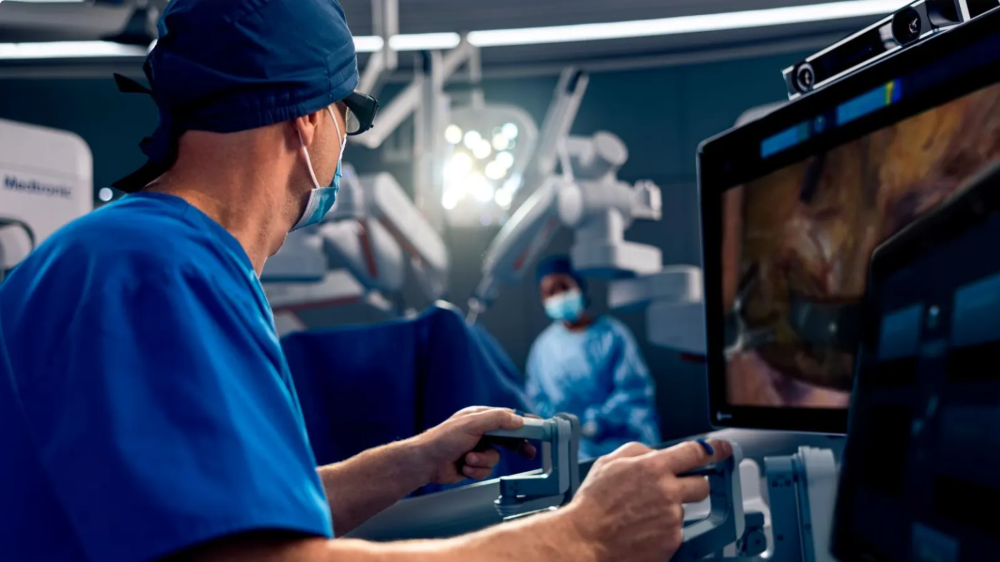
Medtronic Unveils Real-Time AI Platform for Hugo Surgical Robots to Rival Da Vinci
On July 21, Medtronic announced the development of a real-time AI computing platform, the Touch Surgery assistance platform, for its Hugo surgical robot. This platform integrates NVIDIA's computing infrastructure and runs Medtronic's FDA-approved AI application, Instrument Exit Point (IEP), which alerts surgeons when instruments are at risk of going out of view during procedures. This advancement is significant as it redefines safety boundaries in surgical procedures, allowing for enhanced real-time monitoring and decision-making. Medtronic's Chief Technology Officer, Jim Pecher, emphasized that real-time AI represents a fundamental evolution in surgical support, shifting from merely assisting surgeons to enabling smarter, faster actions that have a greater impact. Looking ahead, Medtronic plans to showcase the Touch Surgery platform at the upcoming robotic surgery conference in Florida. While IEP currently offers basic functionality, the company aims to expand its capabilities into laparoscopic surgery and integrate additional AI applications, marking a pivotal step towards cognitive assistance in surgical robotics.
Surgical Robots AI in Healthcare Robotic Surgery Medical Technology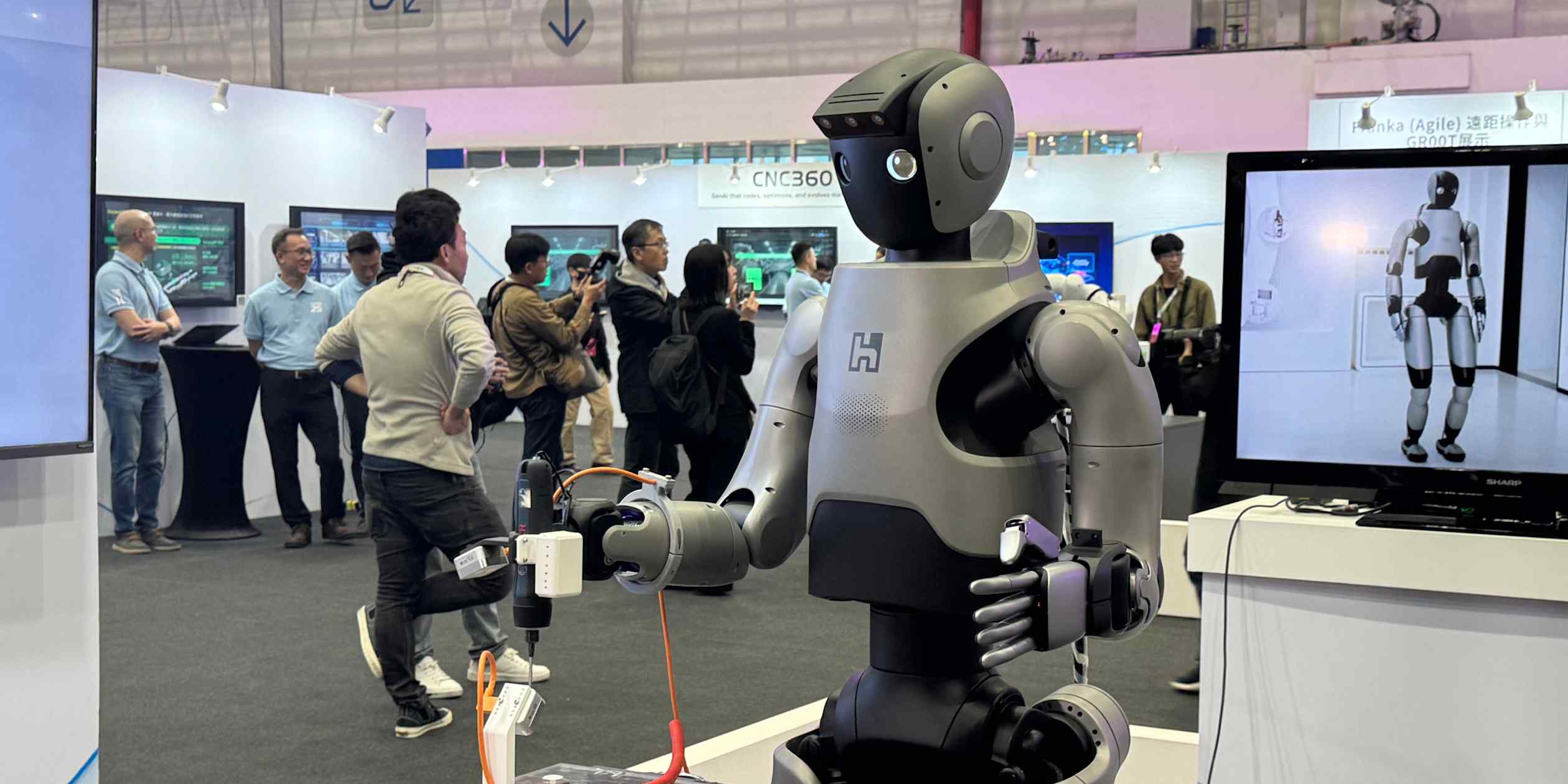
Taiwan's Robotics Industry to Follow Unique Path Distinct from China's Approach
Taiwan is set to enhance its robotics sector, focusing on strengthening its AI technology supply chain while addressing the challenges posed by an aging population. This initiative, led by Taiwan's top technology official Wu Cheng-wen, aims to differentiate Taiwan's approach from China's military-oriented robotics development. The emphasis on building a robust AI supply chain is crucial for Taiwan as it seeks to position itself as a leader in advanced robotics. By prioritizing societal needs, such as support for an aging society, Taiwan's strategy reflects a commitment to innovation that aligns with its democratic values, contrasting sharply with China's focus on military applications. Looking ahead, industry observers will be keen to see how Taiwan's robotics initiatives evolve and whether they can effectively compete with China's advancements. No further timeline was disclosed at the time of publication.

BrainCo Showcases Brain-Controlled Robot Platform at WAIC 2026 Event
BrainCo, a developer of brain-computer interfaces based in Hangzhou, showcased its innovative brain-controlled robot platform during WAIC 2026. This advanced system utilizes an EEG headset to convert neural signals from users into actionable commands for various machines, including humanoid robots, robotic arms, and robot dogs. The significance of this demonstration lies in its potential to revolutionize human-robot interaction by enabling users to control robots through thought alone. By translating imagined actions into physical operations, BrainCo's platform aims to enhance the efficiency and intuitiveness of robotic systems, paving the way for more seamless integration into everyday tasks. Looking ahead, the focus will be on how BrainCo continues to develop this technology and its applications across different sectors. No further timeline was disclosed at the time of publication.
News Feed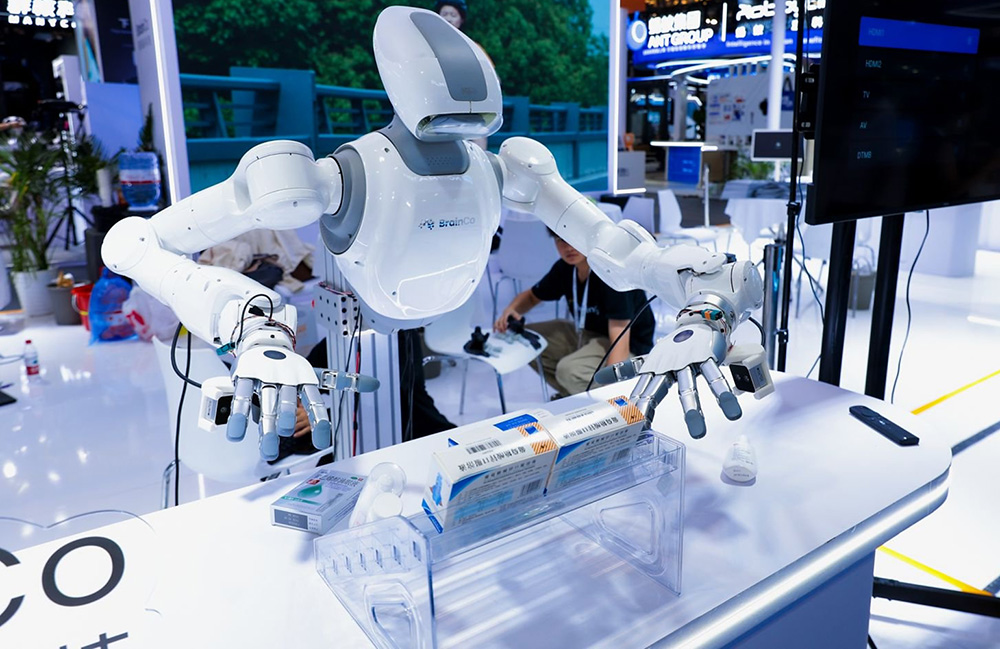
BrainCo Unveils Brain-Controlled Robot AI Platform at 2026 WAIC
BrainCo showcased its innovative brain-controlled robot AI platform at the 2026 World Artificial Intelligence Conference. Users can direct a robotic arm using neural signals captured by a lightweight EEG headset, enabling actions like grasping objects with precision. This technology, developed over a decade, integrates brain-computer interfaces and AI to enhance human-machine collaboration. The significance of this platform lies in its ability to decode user intent and translate it into machine actions in under 200 milliseconds. BrainCo's approach, termed 'neuro-embodied-AI,' allows for compatibility with various commercially available robots, facilitating integration into existing research and development frameworks without the need for proprietary hardware. Looking ahead, BrainCo also introduced its Embodied AI Data Collection Solution, addressing the challenge of obtaining high-quality training data for complex robotic tasks. This system captures both human actions and EEG data, providing a comprehensive dataset for training robots in dexterous tasks. No further timeline was disclosed at the time of publication.
Arms / Manipulators Artificial Intelligence Artificial Intelligence / Cognition Design / Development Healthcare Robotics Human Robot Interaction / Haptics
BrainCo Unveils First Brain-Machine Interface for Controlling Robots at WAIC 2026
At the 2026 World Artificial Intelligence Conference (WAIC), BrainCo launched the world's first brain-controlled robot AI platform. This innovative system utilizes a non-invasive electroencephalogram (EEG) headset to convert human neural activity into executable commands for robots in real-time. The significance of this technology lies in its potential to revolutionize human-robot interaction. By simply thinking about an action, users can control robots to perform tasks such as grabbing or moving objects without verbal commands or button presses. BrainCo's platform is designed to create a 'human-machine co-training' data loop, which will gather extensive data from users to enhance AI's physical world interactions. Looking ahead, BrainCo's brain-machine interface could mark the beginning of a new era in human-robot collaboration. As users engage with the system, the feedback and data collected will be invaluable for refining AI algorithms and improving the overall user experience. No further timeline was disclosed at the time of publication.
Brain-Machine Interface Robotics Artificial Intelligence EEG Technology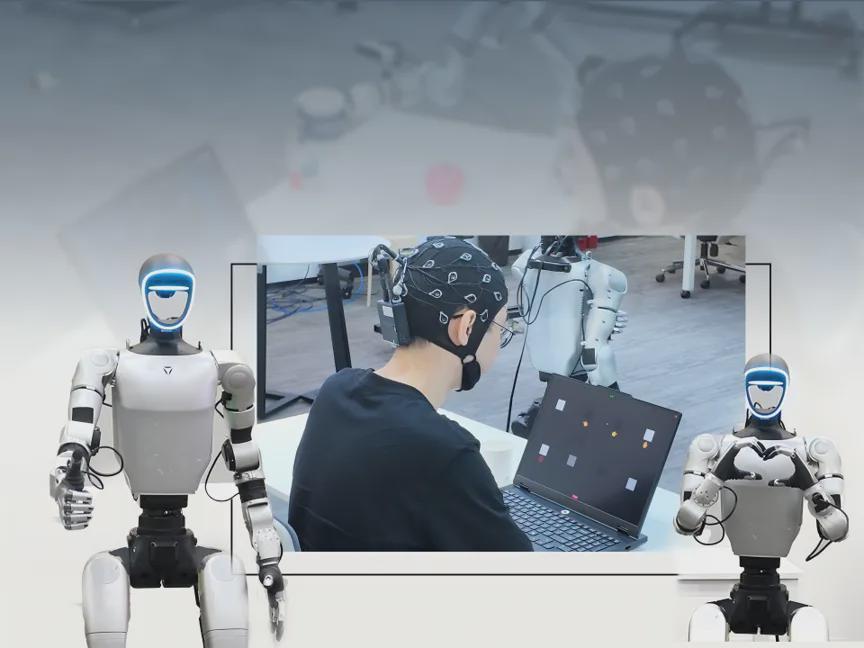
BrainCo Unveils Brain-Controlled Robot Training Platform at WAIC 2026
At the 2026 World Artificial Intelligence Conference (WAIC), BrainCo showcased a brain-controlled robot training platform. This innovative platform allows users to control robotic arms through brainwave signals, enabling actions like pouring water and picking apples without traditional interfaces. The significance of this technology lies in its ability to bridge the gap between human intention and robotic action. By decoding brain signals, the platform facilitates a direct communication pathway, allowing robots to understand and execute tasks based on users' thoughts. This advancement simplifies the integration of brain-machine interfaces with robotics, making it accessible to researchers without specialized backgrounds. Looking ahead, BrainCo's platform supports various robotic types, including humanoid robots and robotic arms, and is adaptable for ongoing developments. Researchers can select robots based on their study focus, whether for grasping tasks or complex human-robot interactions. No further timeline was disclosed at the time of publication.
Brain-Controlled Robots AI Research Neuro-Embodied AI Human-Robot Interaction
BrainCo Unveils First Brain-to-Robot AI R&D Platform at WAIC 2026
BrainCo, a brain-computer interface company, introduced the world's first integrated brain-to-robot AI research and development platform at the WAIC 2026 in Shanghai. This groundbreaking technology enables humans to control robots solely through neural signals, addressing a significant challenge in the robotics sector. The introduction of this platform is crucial as it targets a persistent issue in the robotics industry: the lack of high-quality training data. By leveraging neural signals for robot control, BrainCo aims to enhance the efficiency and effectiveness of robotic systems, potentially transforming how robots are trained and utilized. Looking ahead, industry observers will be keen to see how this innovative platform impacts the robotics landscape and whether it can successfully mitigate the training data shortage. No further timeline was disclosed at the time of publication.

BrainCo Launches Innovative Brain-Controlled Robot Platform at World AI Conference in China
BrainCo, based in Hangzhou, has introduced a groundbreaking robot platform that allows users to control robots using only their thoughts through EEG headsets. This advancement signifies a major step forward in embodied AI technology, where artificial intelligence is integrated into physical machines, enabling them to interact with the real world. The significance of this development lies in its potential to revolutionize human-robot interaction. By utilizing electroencephalogram (EEG) headsets, BrainCo's platform captures brain signals and employs AI algorithms to decode these signals, translating user intentions into robotic actions. This capability could enhance various applications across industries, making robots more intuitive and responsive to human commands. Looking ahead, the platform's compatibility with diverse third-party hardware, including humanoid robots and robotic arms, suggests a wide range of potential use cases. As the competition among global technology firms intensifies in the realm of embodied AI, BrainCo's innovation will be crucial to monitor for its impact on the future of robotics and AI integration. No further timeline was disclosed at the time of publication.
Celebrating 10 Years of ROBOTIK UND PRODUKTION Since Its Launch in 2016
In April 2016, the first print edition of ROBOTIK UND PRODUKTION was launched at the Hannover Messe. Since its inception, the magazine has evolved into a significant media brand within the robotics and production sectors. The growth of ROBOTIK UND PRODUKTION over the past decade highlights its impact on the industry, providing valuable insights and information to professionals in robotics and automation. Its establishment at a major event like Hannover Messe underscores its relevance and commitment to the field. Looking ahead, the continued evolution of ROBOTIK UND PRODUKTION will be crucial as it adapts to the changing landscape of robotics and production technologies. No further timeline was disclosed at the time of publication.
Allgemein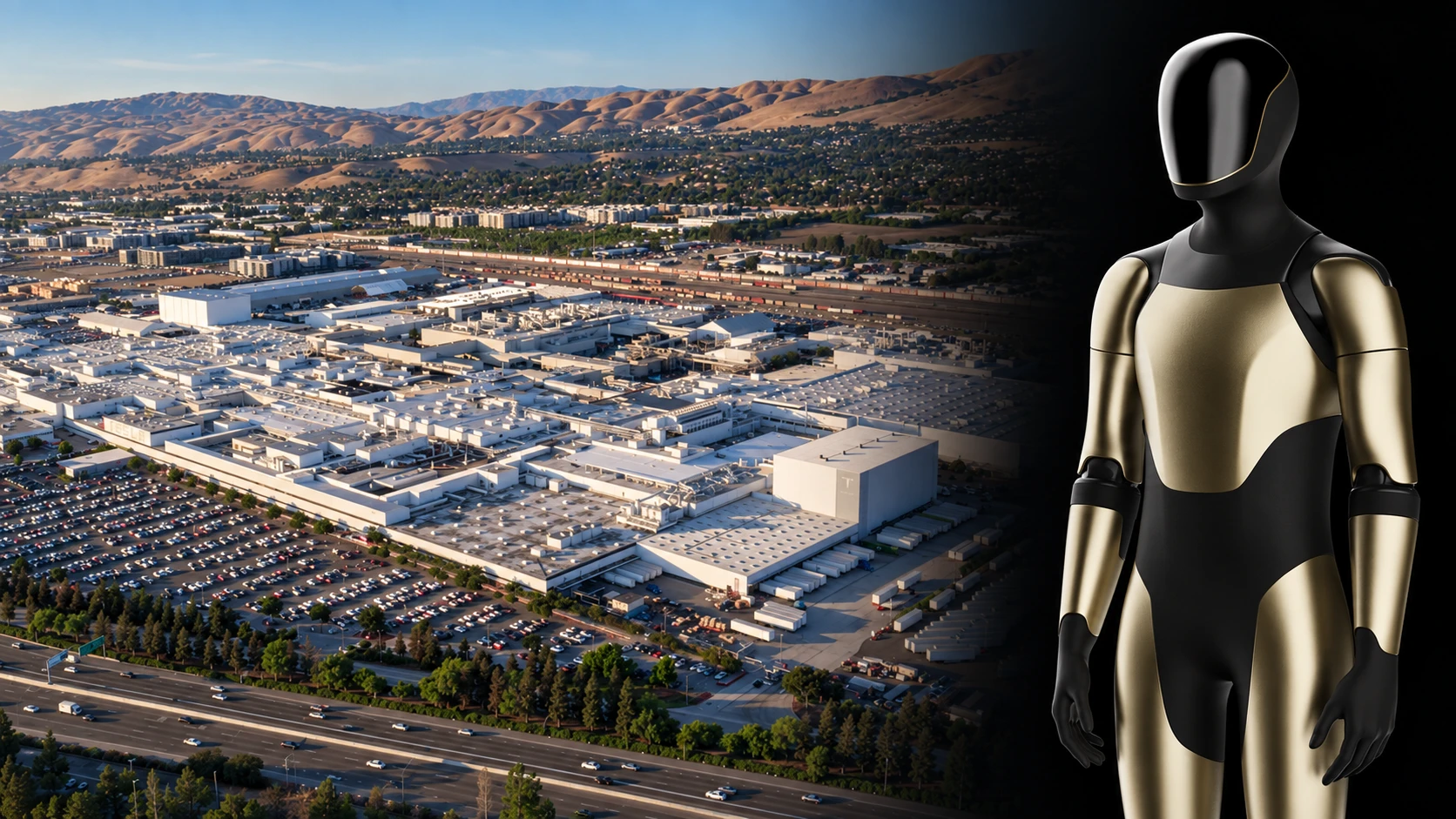
Tesla Increases Weekly Production of Optimus Robots to Hundreds Amid Development Phase
Tesla has ramped up its production of Optimus robots to several hundred units per week at its Fremont facility, according to a report by The Information. This increase marks a significant rise from the few dozen robots produced during earlier small-batch testing in the second quarter. However, these units are still part of a development program and not yet a commercial product. The importance of this production surge lies in Tesla's ambition to establish a continuous automated line capable of producing over 1,000 robots weekly by the end of 2026, with a long-term goal of reaching around 20,000 units per week. Currently, the robots being manufactured are identified as Optimus V3, featuring a lighter design and enhanced camera capabilities, although they are not the final version intended for commercialization. Looking ahead, Tesla's initial strategy involves leasing these robots to select companies with factory or warehouse environments similar to its own. This leasing model would allow Tesla to maintain and upgrade the robots while gathering valuable data for further development. No confirmed delivery schedule or signed leases have been disclosed at this time.
Tesla US Optimus gen 3 Supply Chain
Goldman Sachs Increases Humanoid Robot Shipment Forecast to 6.5 Million by 2035
Goldman Sachs has revised its forecast for global humanoid robot shipments in 2035 from 1.4 million to 6.5 million units, representing a 4.6-fold increase. This adjustment corresponds to a market size of approximately $138 billion, which is a 3.6-fold increase from previous estimates. The report also predicts a significant drop in the average price of humanoid robots, from $41,800 in 2025 to $21,300 in 2035, indicating a nearly 49% decrease over ten years. The implications of these forecasts are substantial, as lower prices are expected to drive higher demand and increased market penetration for humanoid robots. The price reductions are already evident across various categories, including consumer and industrial robots, with some models experiencing price drops of up to 30%. For instance, the price of the Yuzhu R1 has decreased from 39,900 yuan to 29,900 yuan, while the Yuzhu G1 has seen reductions from 99,000 yuan to 85,000 yuan in certain channels. Looking ahead, the industry is witnessing a wave of low-priced humanoid robot launches, which are primarily designed for basic functions such as companionship and entertainment. However, analysts caution that while price reductions are necessary for scaling, they are not sufficient on their own. The true measure of success will depend on the ability of companies to achieve stable repeat orders and production scalability, as current shipments are still largely experimental in nature.
Humanoid Robots Market Forecast Robotics Pricing AI Technology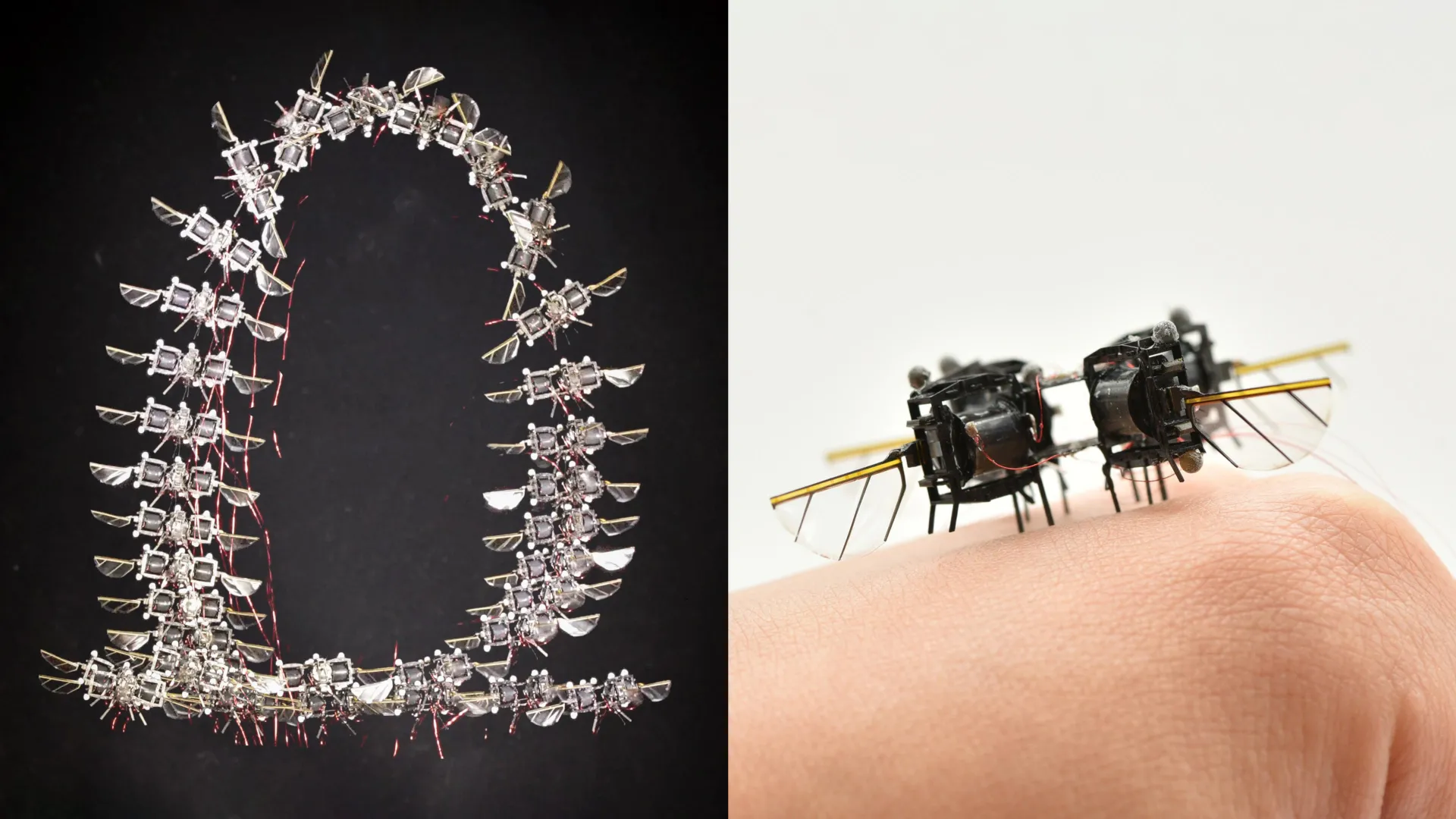
MIT Develops AI-Controlled Flying Robot Achieving 450% Speed Increase
Researchers at MIT have unveiled a new AI-based controller for tiny flying robots, enhancing their speed and agility significantly. This advancement allows these insect-scale robots to perform complex aerial maneuvers, such as body flips, with a speed increase of approximately 450% and acceleration boost of about 250% compared to previous models. The significance of this development lies in the potential applications of these agile robots in search and rescue operations, particularly in navigating through confined spaces in disaster scenarios where larger drones may struggle. The bioinspired control framework enables the robots to mimic the flight performance of insects, making them suitable for challenging environments. Looking ahead, the research team aims to further refine the robot's capabilities, enhancing its robustness and maneuverability. No further timeline was disclosed at the time of publication.

Pace Robotics Experiences Increased Adoption of Centa Painter in Indian Construction Sector
Pace Robotics, a construction robotics company based in India, is witnessing a rise in commercial adoption of its flagship product, Centa Painter. This shift indicates that the construction robotics industry in India is transitioning from mere technology showcases and pilot programs to actual deployment on active construction sites. The growing momentum for Centa Painter is significant as it reflects a broader trend within the Indian construction sector, moving towards the integration of advanced robotics technologies. This transition is crucial for enhancing efficiency and productivity in construction processes, which have traditionally relied on manual labor. Looking ahead, it will be important to monitor how this trend develops and whether other companies in the sector will follow suit in adopting robotics solutions. No further timeline was disclosed at the time of publication.

Eight Departments Launch Action Plan to Boost Smart Home Consumption with Financial Support for Humanoid Robots
On September 14, eight departments, including the Ministry of Commerce, issued an action plan to promote smart home consumption. The plan encourages financial institutions to develop diverse consumer finance products and services tailored to home and decoration needs, leveraging personal consumption loan subsidies to enhance support for smart home loans. This initiative is significant as it aims to stimulate the market for smart home products, particularly focusing on elderly-friendly AI hardware and household service robots. With prices for educational and companion robots reaching 25,999 yuan and 7,172 yuan respectively, consumer finance options are essential for many families to afford these technologies, which are otherwise considered high-cost items. Looking ahead, the effectiveness of this policy in driving sales will depend on banks' willingness to create differentiated products in this category and the ability of robotics companies to reduce prices further. No further timeline was disclosed at the time of publication.
Smart Home Technology Consumer Finance Humanoid Robots AI Devices
Robo Inc. CEO Teddy Haggerty Discusses Robotics Ecosystem Development
In Episode 262 of The Robot Report Podcast, Teddy Haggerty, founder and CEO of Robo Inc., discusses his efforts to create a new business model that integrates robotics with manufacturing and education. Haggerty emphasizes the evolution of Robostore from a distribution-focused entity to a comprehensive robotics education and deployment platform. This shift is significant as it highlights the importance of localized, solution-first approaches in the robotics industry. By redefining connections between various sectors, Robo Inc. aims to enhance the practical application of robotics in everyday settings, which could lead to increased adoption and innovation. Listeners should watch for further developments from Robo Inc. as it continues to push boundaries in robotics and education. No further timeline was disclosed at the time of publication.
6-Axis Autonomous Mobile Robots (AMRs) Collaborative Robots Humanoids Markets / Industries News
Chinese Robotics Component Suppliers See Share Increase Following Tesla Optimus Audit
Shares of Chinese robotics-component suppliers experienced a rise after a report indicated that Tesla Inc. teams had visited China. The purpose of this visit was to audit local suppliers and place additional orders aimed at enhancing the production of the Optimus humanoid model. This development is significant as it highlights Tesla's commitment to scaling up its production capabilities for the Optimus model. By auditing suppliers and increasing orders, Tesla aims to ensure a steady supply chain and improve the efficiency of its manufacturing processes, which is crucial for meeting market demand. Looking ahead, stakeholders will be keen to monitor how these audits and subsequent orders impact the production timeline for the Optimus humanoid model. No further timeline was disclosed at the time of publication.

Agility Robotics Unveils Digit 5 and Introduces Wheeled Robot Concept
Agility Robotics has revealed its latest humanoid robot, Digit 5, which features redesigned legs. Notably, the company also introduced a 'Wheeled Base Concept,' suggesting a potential future for wheeled robots in various environments, such as grocery stores and data centers. This development is significant as it indicates Agility's ambition to diversify its robotic offerings beyond bipedal designs. The 'Wheeled Base Concept' aims to provide quicker access to public-facing tasks, aligning with industry trends that favor efficiency and cost-effectiveness in automation solutions. Looking ahead, Agility plans to make Digit 5 available for early access in the first half of 2027, with general availability expected by the end of that year. However, no specific details regarding the wheeled version's specifications or release timeline have been disclosed, leaving the future of this concept open to speculation.
US Digit Agility Robotics
Challenges in Developing Human-Like Robotic Hands for Household Tasks
Humanoid robots can perform complex movements like backflips, yet struggle with simple tasks such as folding shirts or picking up sponges. This paradox arises because while backflips involve predictable sequences, household tasks are fraught with uncertainty due to the variability of objects and environments. The human hand's dexterity, which combines mechanics, sensing, and control, is difficult to replicate in robots. The challenge lies in the need for robots to understand their grip and the properties of objects they manipulate. A modern robotic hand may have multiple motors, but it requires advanced sensors and software to adjust grip strength and position dynamically. Recent research from Zhejiang University highlights the importance of tactile sensing, achieving an 85% success rate in complex tasks by integrating visual and tactile information with reinforcement learning. Researchers at Ohio State University emphasize that household robots must coordinate their entire body and environment for effective manipulation. Unlike factory robots, which operate in controlled settings, household tasks involve unpredictable variables. This complexity makes the development of robotic hands capable of performing everyday tasks a significant hurdle in humanoid robotics.
AI and Robotics
HII Aims for 15% Increase in Shipyard Throughput Using Robotics for Navy Warships
HII, the largest military shipbuilder in the US, is targeting a 15% increase in shipyard throughput this year to expedite deliveries to the US Navy. The strategy involves workforce expansion, infrastructure upgrades, and enhanced use of technology, particularly physical AI, in shipbuilding operations. Currently, around 40 ships are under construction or modernization at HII's Ingalls and Newport News facilities. This initiative is significant as it highlights the need for skilled workers and modernized production infrastructure to support higher volumes in the US maritime industrial base. HII's plan includes hiring skilled workers, modernizing shipyard infrastructure, and expanding the industrial base for naval construction. Eric Chewning, HII’s executive vice president, emphasized the importance of building on current momentum to deliver ships at an increased pace. Looking ahead, HII plans to outsource over 2 million hours of work in 2026, marking a 178% increase from 2024. This distributed shipbuilding strategy aims to enhance shipbuilding capacity and resilience in the supply chain. As demand for naval vessels grows, HII's approach underscores the critical role of advanced manufacturing technologies in boosting US shipbuilding capacity.
Military
TechCrunch Disrupt 2026 Introduces Real World AI Stage Featuring Nvidia and Robotics
TechCrunch Disrupt 2026 is set to feature a new Real World AI Stage, expanding the focus on AI's intersection with the physical world. This stage will highlight advancements in autonomous hardware, including robotics and their applications in various sectors, from public spaces to conservation efforts. The significance of this new stage lies in addressing the challenges faced by general-purpose robotic intelligence, particularly the data gap that hinders progress. Experts believe that closing this gap is essential for achieving breakthroughs similar to those seen with large language models, making this discussion crucial for the future of robotics and AI. Attendees can expect engaging sessions with industry leaders from companies like Nvidia and Colossal Biosciences, who will explore safety in AI deployment and the ethical implications of reviving extinct species. The event will take place from October 13 to 15 at Moscone West in San Francisco, with further details on the lineup to be announced.
AI Colossal Biosciences nvidia TechCrunch Disrupt
Barclays Predicts Significant Increase in Humanoid Robot Deployments Ahead
Humanoid robots are transitioning from laboratory settings to practical applications, with a notable increase in deployments anticipated in the coming years. Zornitsa Todorova, head of Thematic FICC Research at Barclays, highlighted that the industry is entering a crucial scale-up phase, which is expected to enhance the presence of humanoid robots in various sectors. This surge in humanoid robot deployment is significant as it indicates a growing acceptance and integration of advanced robotics in everyday environments. However, Todorova pointed out that a critical challenge remains: the lack of sufficient real-world training data, which is essential for the effective operation and development of these robots. Looking ahead, stakeholders in the robotics industry should monitor advancements in data collection and training methodologies, as overcoming this hurdle will be vital for the successful scaling of humanoid robots. No further timeline was disclosed at the time of publication.

Waymo Expands Robotaxi Service to Denver, San Diego, and Tampa, Increasing Fleet Size
Waymo has launched its robotaxi service in Denver, San Diego, and Tampa, marking the company's expansion to 14 U.S. cities. The rollout will occur gradually, inviting riders over time while increasing the fleet of self-driving vehicles, which now exceeds 4,000 units, including Jaguar I-Pace hatchbacks and the new Ojai minivan. This expansion is significant as it solidifies Waymo's position as a leader in the U.S. robotaxi market, especially as competitors like Tesla ramp up their own services. Waymo's strategic approach involves thorough mapping and testing before allowing public access, ensuring compliance with local regulations, which can vary significantly across states. Looking ahead, Waymo's growth trajectory appears robust, with plans to launch services in international markets such as London and Munich. The company is also set to operate up to 1,000 autonomous vehicles in Clark County, Nevada, further enhancing its service capabilities and fleet size in the coming year.
Transportation autonomous vehicles Waymo
The Rise of 'Power' in China's Robotics Sector: Distinct Paths Emerging
In recent years, the term 'power' has emerged as a new identity label for robotics companies in China, reflecting a significant trend in the industry. Companies such as Super Dimension Power, Qingzhuo Power, and Future Power are rapidly carving out their niches within the embodied intelligence sector, which emphasizes the necessity of physical action in intelligent systems. This naming trend highlights the essence of embodied intelligence, which requires a physical body to operate in the real world, distinguishing it from traditional AI. The concept of 'power' encompasses narrative, growth, and technological innovation, which are crucial for companies to attract capital and customers while enhancing their technical capabilities. As several robotics startups adopt the 'XX Power' naming convention, it may signal a tribute to established leaders like Boston Dynamics, known for their pioneering work in robotics. The six mentioned 'power' companies, founded between 2022 and 2024, exhibit diverse funding scales and product paths, contributing to a competitive landscape expected to evolve significantly by 2026.
Robotics Embodied Intelligence Technology Innovation Automation
Reservoir Highlights Increased Investability of Agricultural Robotics at Ruggedize Conference
At the Ruggedize conference held at Reservoir Farms in Salinas, industry leaders discussed the evolving landscape of agricultural robotics. According to Reservoir founder Danny Bernstein, advancements in perception technologies, edge computing, AI, and robotics have made the entire system more investable, allowing for machines to be assembled and tested in under six months. The growing availability of off-the-shelf hardware and software has enabled startups to create more flexible agricultural machines. Bernstein emphasized that these machines can now handle multiple crops and tasks, which is crucial for attracting investment. Additionally, Reservoir is fostering innovation through a $10 million R&D partnership with John Deere and is raising $50 million to support early-stage companies in the sector. As the agricultural robotics field becomes increasingly attractive to investors, it is essential to monitor how these developments will impact the speed of commercialization and the overall growth of the industry. No further timeline was disclosed at the time of publication.
Agtech Artificial intelligence Deeptech Investing Startups & funding US & Canada
Unitree's Stock Decline Post-IPO Raises Concerns Over Chinese Humanoid Robotics Bubble
Unitree's stock has experienced significant volatility since its IPO, with a recent drop to 615 yuan, resulting in a market capitalization of 248.8 billion yuan (US$37 billion). This decline follows a peak of 1,100 yuan shortly after its debut on August 19, leading to a staggering loss of 200 billion yuan in market value. The concerns surrounding Unitree's valuation are amplified by the company's high price-to-earnings ratio and the competitive landscape of the humanoid robotics sector, which is still in its early stages. Dong Chen, chief investment officer for Asia at Bank J. Safra Sarasin, expressed skepticism about the sustainability of Unitree's valuation amid increasing competition and market uncertainty. Investors and industry watchers should monitor Unitree's performance closely, particularly as it navigates the challenges of a rapidly evolving market. The company's ability to maintain its market position and justify its valuation will be critical in the coming months. No further timeline was disclosed at the time of publication.

Zhongqing Founder Defends Robotics Strategy After Viral Robot-Kick Incident
Zhao Tongyang, founder of Zhongqing, spoke about the viral video of a robot kicking him during the WRC 2026 event. He emphasized the company's strength-first approach and its commitment to advancing robotics technology. This incident highlights the growing capabilities of robotics, as Zhao described the technology's evolution and its potential impact on the industry. The viral nature of the video has sparked discussions about safety and innovation in robotics. Looking ahead, Zhongqing's focus on its fighting league and its ambition to be the 'Apple of robotics' will be crucial in shaping its future. No further timeline was disclosed at the time of publication.

Pony AI Reports Record Robotaxi Sales as Revenue Increases by 69%
Pony AI Inc. has achieved a record high in robotaxi sales, which now represent one-third of its total revenue. This significant growth reflects the company's successful expansion and increasing demand for its autonomous vehicle services. The surge in robotaxi sales is crucial for Pony AI as it highlights the growing acceptance and reliance on autonomous transportation solutions. With a 69% increase in revenue, the company is positioning itself as a leader in the autonomous vehicle market, capitalizing on the global shift towards smart mobility. Looking ahead, it will be important to monitor Pony AI's continued growth and expansion efforts, particularly in international markets. No further timeline was disclosed at the time of publication.

Cleora Project in Salida, Colorado, Features 65 Robotically Built Homes
A 55-acre residential community named Cleora is emerging in Salida, Colorado, featuring over 65 homes constructed using robotic technology. This initiative, developed by Cleora in collaboration with True North and RIC Robotics, aims to showcase the potential of robotic construction for entire neighborhoods rather than just prototypes. The significance of Cleora lies in its ambition to transform community design and delivery through advanced construction technology. With nearly seven years of research backing the project, the developers have chosen RIC Robotics to implement two autonomous printing systems, marking a substantial deployment of robotic construction in a single residential area. As the first model home by True North is under construction, the project will gradually expand production based on system performance. Observers should watch for how Cleora integrates autonomous construction into a cohesive community while maintaining architectural diversity and cost control, a notable shift from typical standalone 3D-printed homes.
AI and Robotics
North American Robot Orders Reach $622 Million in Q2 2026 Amid Diverse Automation Demand
According to new data from the Association for Advancing Automation (A3), North American companies ordered 8,940 robots worth $622 million in the second quarter of 2026. This marks a 4.3 percent increase in units ordered and a 21.3 percent rise in revenue compared to the same period in 2025. The first half of 2026 saw total orders of 17,995 units valued at $1.166 billion, reflecting a 2 percent growth in units and a 6.6 percent increase in order value over the first half of 2025. The growth in robot orders indicates a broadening demand for automation across various sectors, despite a 25 percent decline in Automotive OEM orders compared to the first half of 2025. Notably, several industries, including Automotive Component and general sectors, experienced double-digit year-over-year gains in robot orders during Q2. Collaborative robots played a significant role, with 2,774 units ordered in the first half, valued at $114 million, representing 15.4 percent of all units ordered. Looking ahead, the strong adoption of collaborative robots in sectors like Life Sciences and Semi & Electronics suggests a continued evolution in the robotics market. As companies adapt to changing demands, it will be crucial to monitor how these trends develop in the latter half of 2026. No further timeline was disclosed at the time of publication.
Business Industry News Robotics Robotics and Automation Robotics News
China's Industrial Robot Exports Increased by 13.2% in First Seven Months of 2023
In the first seven months of 2023, China's industrial robot exports surged by 13.2%, reflecting a significant growth in the robotics sector. The introduction of an independent customs tariff code in January has led to a more than fivefold increase in the export value of intelligent bionic robots within six months. The variety of exported robots is expanding, with cleaning robots accounting for over 70% of exports, while industrial and humanoid robots are rapidly gaining traction. This growth is crucial as it highlights China's shift towards high-end robotics, with applications ranging from autonomous inspections in industrial parks to advanced manufacturing processes. Customs authorities have implemented supportive measures, such as tax reductions and streamlined services, to facilitate the export process for robotics companies. For instance, over 200 tax exemption procedures were processed by Beijing Customs in the first half of the year, saving companies more than 120 million yuan in R&D costs. Looking ahead, the demand for industrial robots is expected to continue expanding across various sectors, including automotive, electronics, and pharmaceuticals. The development of a classification database for robot products and innovative inspection services by customs is likely to further enhance the competitiveness of Chinese robotics on the global stage. No further timeline was disclosed at the time of publication.
Industrial Robots Robot Exports Customs Innovation Automation Technology
North American Robot Orders Rise in Q2 2026 as Automation Demand Expands
In the second quarter of 2026, North American companies placed orders for 8,940 robots worth $622 million, as reported by the Association for Advancing Automation (A3). This marks a 4.3% increase in units ordered and a 21.3% rise in revenue compared to the same period in 2025. The growth in robot orders reflects a broadening demand for automation across various sectors, including semiconductors, automotive components, food and consumer goods, metals, and life sciences. The first half of 2026 saw total orders reach 17,995 units valued at $1.166 billion, indicating a 2.0% increase in units and a 6.6% increase in order value over the first half of 2025. Looking ahead, the continued expansion in robot orders suggests a sustained interest in automation technologies across diverse industries. No further timeline was disclosed at the time of publication.

RoboStore Launches Robo Inc. in Response to US Ban on Chinese Robotics
In response to the US Federal Communications Commission's ban on Chinese humanoid and quadruped robots, RoboStore, North America's largest foreign robot distributor, has announced the establishment of Robo Inc. This new company, located in Long Island, New York, will focus on assembling and integrating robotics systems domestically, with operations expected to begin in January 2027. Robo Inc. aims to bridge the price gap between imported and domestic robotics by sourcing competitive hardware globally and performing assembly, software integration, and security enhancements in the US. The company recognizes that local manufacturing cannot immediately meet the price demands, as evidenced by the significant cost difference between Chinese and US-made humanoid robots. However, Robo Inc. faces challenges due to China's National Intelligence Law, which requires compliance from Chinese manufacturers with intelligence operations. This legal framework raises concerns for federal agencies and defense contractors regarding hardware sourcing. The effectiveness of Robo Inc.'s model will depend on the specific needs and regulatory constraints of its customers.
Robot Manufacturing System Integration Cybersecurity Supply Chain Management
Humanoid Robots' Errors Increase Human Wariness in Expressive Interactions
Recent findings indicate that humans tend to become more suspicious of humanoid robots that exhibit errors, particularly when these robots engage in expressive conversations. This phenomenon highlights the delicate balance between human-like interaction and the potential for mistrust when technology falters. The implications of this research are significant for the development of humanoid robots, especially those designed for social interaction. As these robots become more integrated into daily life, understanding human reactions to their mistakes will be crucial for fostering acceptance and effective communication. Looking ahead, developers and researchers should focus on improving the reliability of expressive humanoid robots to mitigate wariness among users. No further timeline was disclosed at the time of publication.
Consumer & Gadgets
Shenzhen's Robot Exports Increase Tenfold; Huaxia Robot ETF Attracts Significant Inflows
In the first half of 2026, Shenzhen's robot exports reached 6.94 billion yuan, representing a remarkable 10.4-fold increase compared to the previous year. This surge highlights the growing demand for robotics solutions as the sector transitions towards mass production and order validation. The significant rise in exports underscores the importance of Shenzhen as a key player in the global robotics market. Despite a minor decline in the China Securities Robot Index, the Huaxia Robot ETF (562500) saw nearly 600 million yuan in inflows over just ten trading days, reflecting strong investor confidence in the robotics industry. Looking ahead, the continued growth in robot exports and ETF inflows suggests a robust future for the robotics sector. Stakeholders should monitor developments in mass production capabilities and order validation processes, as these factors will likely influence market dynamics. No further timeline was disclosed at the time of publication.
Robot Exports Robot ETF Industrial Robots Humanoid Robots Market TrendsRobotics needs a service framework.
RSF defines a common language for robot service capability, lifecycle operations, certification pathways, and service-provider networks.
Join the RobotToday community on LinkedIn
Daily robotics news, in-depth analysis, conference highlights, and discussions with professionals worldwide.







