

Industry Briefing
A single destination for timely, editor-curated robotics news from around the world.

Greenland Technologies Announces Plans to Enter Robotics Market with New Product Lines
Greenland Technologies Holding Corporation has revealed its intention to expand into the robotics market. The company plans to introduce product lines that include precision components aimed at robot manufacturers and mobile platforms designed for inspection and patrol robots. This expansion is significant as it marks Greenland's strategic move to diversify its offerings beyond transmission and drivetrain systems for material-handling machinery. By entering the robotics sector, Greenland aims to leverage its manufacturing expertise to meet the growing demand for advanced robotic solutions in various applications. Industry watchers should keep an eye on Greenland's development of these new product lines. The company's focus on precision components and mobile platforms could position it competitively within the robotics market. No further timeline was disclosed at the time of publication.

Intrinsic Open Sources Core Robotics Technology for Developers at ROSCon 2026
Intrinsic, Google's industrial robotics and physical AI software company, has announced the open sourcing of foundational components of its robotics platform at ROSCon 2026 in Toronto. This initiative provides developers with access to essential technologies for robot control, motion planning, vision, simulation, and hardware integration, significantly reducing the software and integration workload for robotics teams. The release, known as Intrinsic Core, is designed to enhance the development of industrial robotics and physical AI applications by offering a set of ROS-compatible capabilities. By leveraging the technology used in manufacturing deployments, Intrinsic aims to streamline the development process, allowing developers to utilize components individually or in combination to create new systems or improve existing applications. Key features of the open-source release include a hardware-agnostic real-time control framework, motion planning technology, and pose estimation capabilities. Developers can expect to see advancements in robot behavior adaptability and dynamic part manipulation, making it easier to integrate various hardware configurations without extensive rewrites. No further timeline was disclosed at the time of publication.
Computing News Robot simulation Software cnc automation fanuc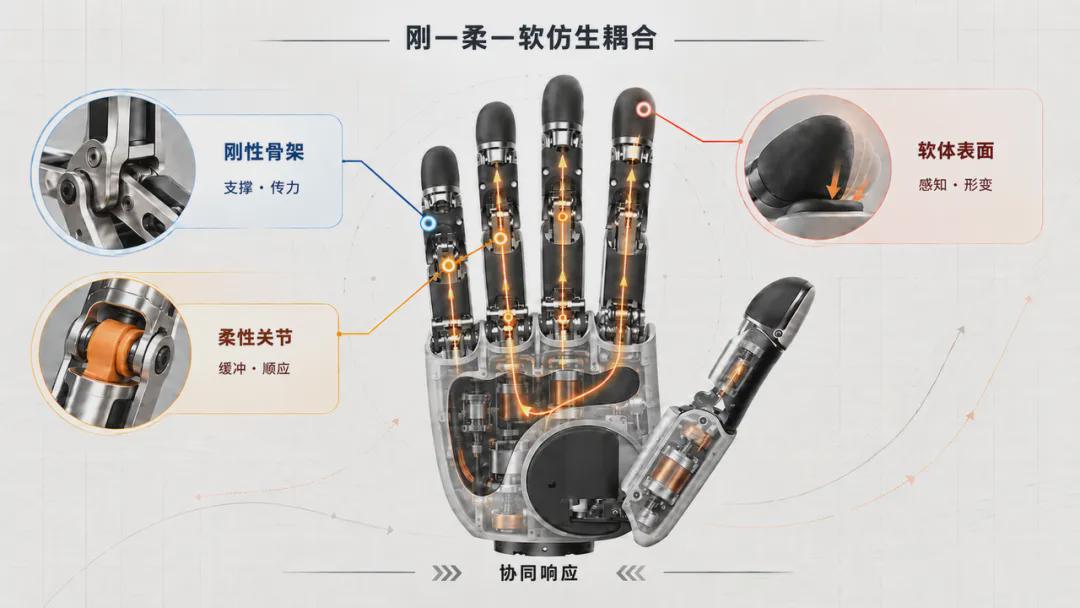
Guoli Intelligent Technology Emerges as a Leader in the Soft Robotics Market
Guoli Intelligent Technology, founded by Dr. Liu Yang, is gaining traction in the soft robotics market, with projections indicating significant growth in China's dexterous hand sales. By 2025, sales are expected to reach approximately 19,200 units, increasing to 70,200 units by 2026, and potentially exceeding 430,000 units by 2030. The company has established itself as a top choice for over 200 global clients, including major players in the electric vehicle sector. Guoli Intelligent's unique bionic coupling technology, which combines rigid, flexible, and soft materials, addresses the challenges posed by traditional single-technology approaches in the industry. This innovative design allows for high performance, longevity, and cost-effectiveness. As the soft robotics market continues to evolve, Guoli Intelligent Technology's advancements in material science and structural design position it well for future growth. The company's ability to balance high degrees of freedom, lightweight construction, and extended lifespan will be critical as it navigates the competitive landscape of the robotics industry. No further timeline was disclosed at the time of publication.
Soft Robotics Bionic Technology Robotic Hands Industrial Automation
Fangqi Technology Completes Angel Funding to Enhance Robotics Knowledge and Learning Systems
On September 21, Fangqi Technology announced the completion of an angel funding round worth tens of millions, with investors including Qidi Star Venture Capital. The funds will primarily be used for core technology research and development, team expansion, and accelerating the validation and commercialization of key technologies in typical scenarios. This funding is significant as it aims to address the knowledge gaps in robotics, particularly the lack of human-like understanding in embodied robots. Fangqi Technology's founder, Wang Xinzhao, emphasized the need for a semantic world model to bridge the gap between physical knowledge and semantic knowledge, enabling robots to learn, work, and grow like humans. Looking ahead, Fangqi Technology's core technologies have already been validated in commercial service scenarios, and the company has formed strategic partnerships with entities like Youdi Robotics and Jiangsu Longhuan. No further timeline was disclosed at the time of publication.
Robotics AI Machine Learning Semantic Models Commercial Automation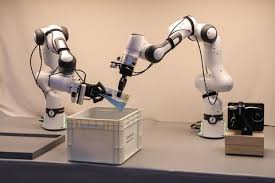
Tactile Sensing Technology Sees Significant Growth in Robotics Sector
Tactile sensing technology is gaining prominence in the robotics industry as humanoid robots transition from exhibition spaces to factory floors. Since 2026, funding in the tactile sensing sector has exceeded 7 billion yuan, with the penetration rate of tactile sensors in commercial humanoid dexterous hands rising from 20% to over 60% this year. This rapid growth is notable within the robotics components sector, highlighting a shift in robotic applications. While visual-language-action models have enhanced robots' environmental understanding and task planning, precision assembly and flexible grasping require tactile feedback for effective force control and slip detection. According to Qianjue Robotics founder Ma Daolin, tactile sensing is essential for high-precision industrial operations. The evolution of technology supports this need, as Qianjue Robotics' VTLA model integrates tactile modalities into traditional frameworks, enabling real-time perception of deformation, texture, and force distribution during contact. Their comprehensive tactile solution expands sensing from fingertips to palms, achieving a sensor density of 125 points per square centimeter and a force accuracy of 0.03 Newtons. As hardware costs decrease and data accumulation accelerates, tactile sensing is becoming a necessary capability in real-world operational scenarios.
Tactile Sensors Humanoid Robots Robotics Technology Industrial Automation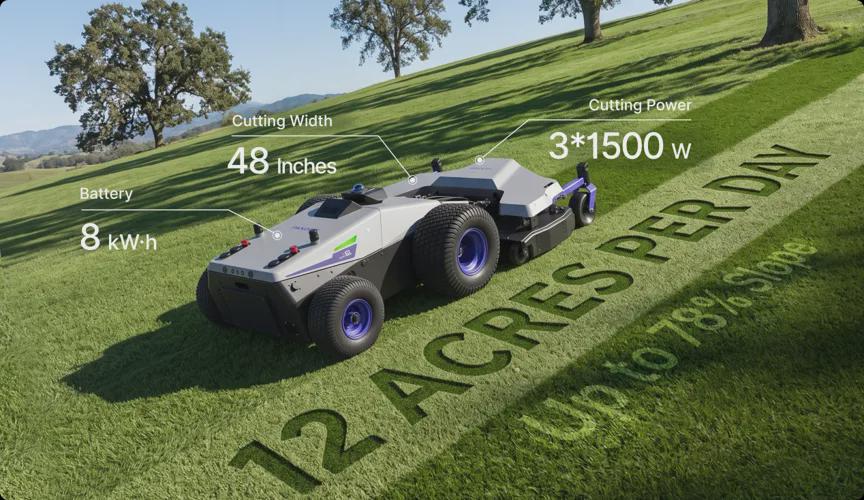
PANDAG Technology Secures Funding to Advance Commercial Lawn Maintenance Robotics
PANDAG Technology, a Chinese commercial lawn maintenance robotics company, has recently completed a significant A-round funding, exclusively backed by Yunshi Capital. The company aims to transform its professional expertise into reusable system capabilities. This spring, a 300-kilogram robotic mower was showcased at the KLPGA, demonstrating its cutting efficiency on golf courses. The importance of PANDAG's innovation lies in addressing the automation gap in large commercial landscapes, such as golf courses and municipal green spaces. Traditional mowing methods are labor-intensive and inefficient, with a reported 60% of landscaping companies facing workforce shortages. PANDAG's approach focuses on creating a scalable solution that integrates professional experience into automated systems, which is essential for enhancing operational efficiency in commercial lawn maintenance. Looking ahead, PANDAG Technology is poised to lead the way in commercial lawn care automation. The company believes that while consumer-grade mowers have gained traction, the commercial sector requires robust systems that can deliver consistent results across various terrains and conditions. No further timeline was disclosed at the time of publication.
Commercial Robotics Lawn Maintenance AI Technology Automation Solutions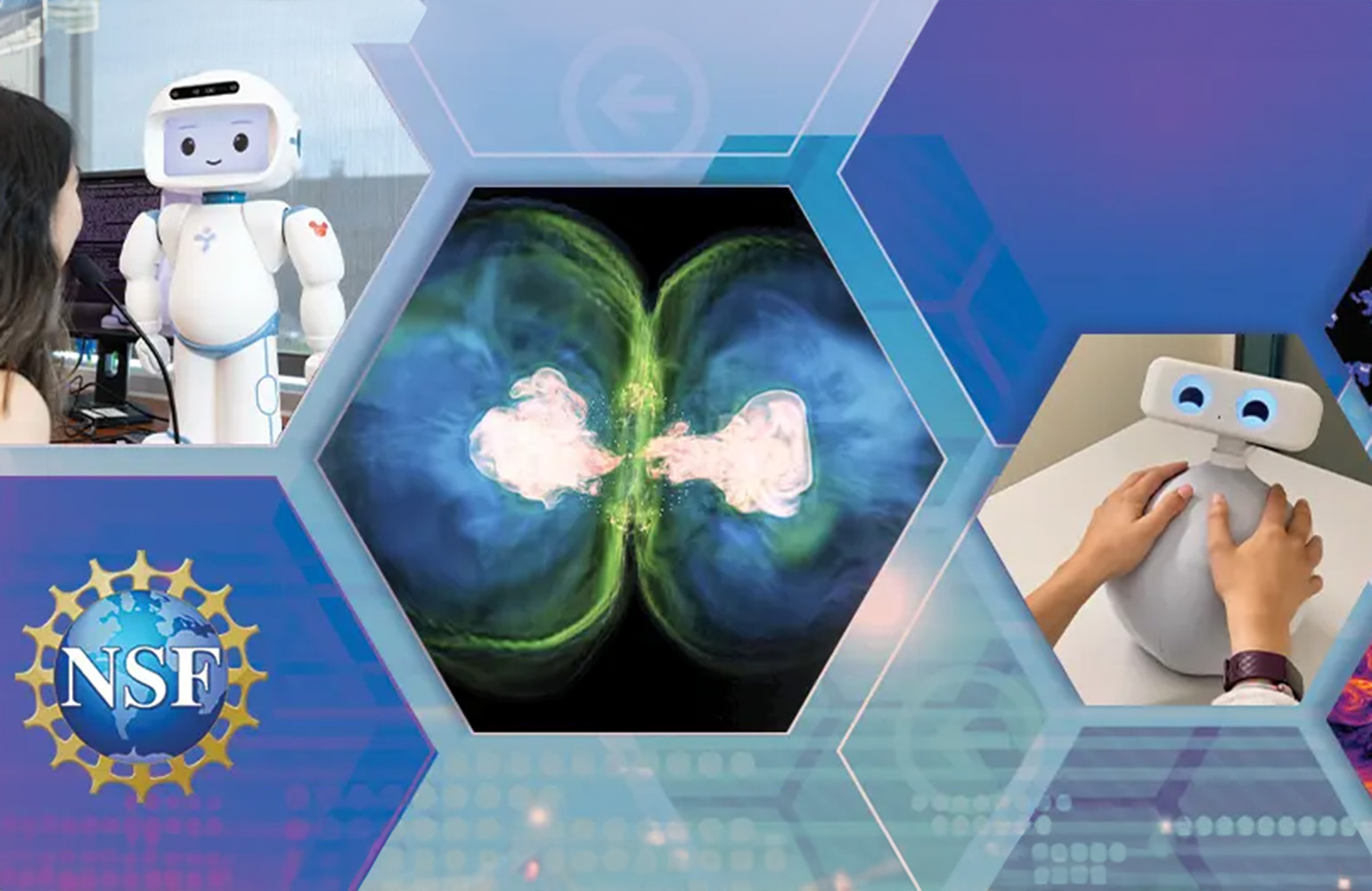
NSF Allocates $90 Million to Establish Three New Technology Centers, Including Robotics Focus
The National Science Foundation (NSF) announced a $90 million investment over five years to establish three new Science and Technology Centers (STCs), with each center receiving $6 million annually. One center, the Center for Human and Robot Co-Adaptation, will be led by The University of Texas at Austin and aims to explore the interaction between humans and robots in various environments. This investment is significant as it seeks to enhance American leadership in science and technology, bolster the STEM workforce, and promote innovation in fields such as AI and robotics. Brian Stone, acting NSF director, emphasized the importance of strong partnerships and skilled workforce in maintaining the U.S. position in global science and technology. Looking ahead, the centers will have the opportunity to compete for an additional five years of funding after the initial period. The NSF's STC program has a history of fostering new fields of discovery and technological advancements, and the upcoming centers are expected to contribute to foundational research and the development of practical solutions for societal benefits.
Academia / Research Financial Human Robot Interaction / Haptics Investments News Research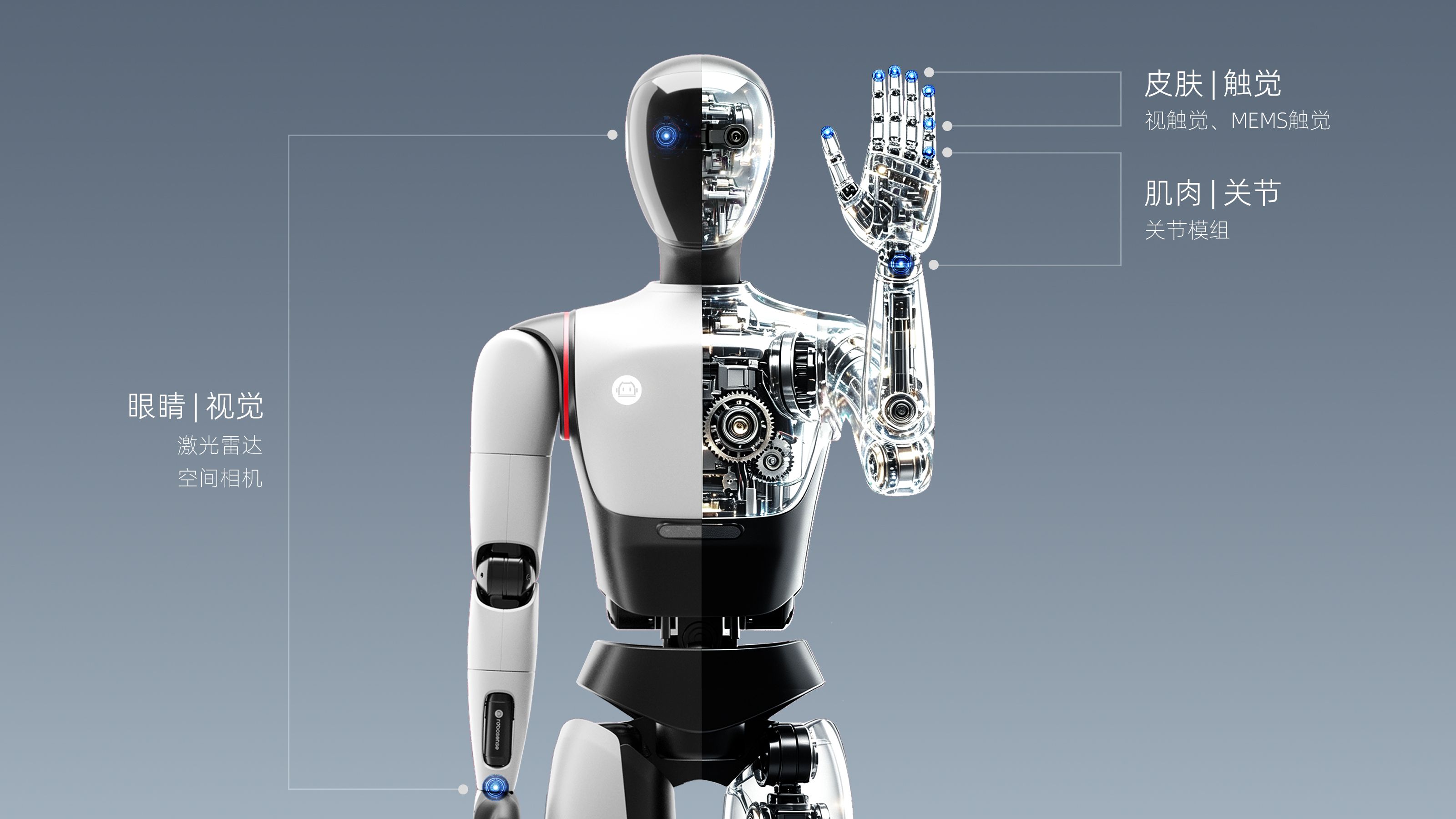
RoboSense Reports Strong Mid-Year Growth in Robotics Technology and Product Deliveries
On August 26, 2026, RoboSense announced its mid-year performance, reporting total revenue of 1.02 billion yuan, a 30.2% increase year-on-year. The company sold 719,200 LiDAR units, marking a 169.6% growth, with 282,600 units sold in the robotics sector, a staggering 510.4% increase. This growth positions RoboSense as a key player in the physical AI era. The significance of this performance lies in RoboSense's strategic shift towards becoming a leading robotics technology platform. The company is leveraging its accumulated LiDAR technology to enhance robotics and data collection capabilities, with new product categories such as 'eyes', 'skin', and 'muscles' for embodied robots. These innovations are expected to improve perception, touch, and execution capabilities in robotics. Looking ahead, RoboSense has entered various stages of commercialization for its new product categories, with significant orders for the spatial camera and plans for mass production by 2027. The company continues to expand its partnerships with leading global robotics firms, enhancing its market position and addressing the growing demand for real-world data in the physical AI industry. No further timeline was disclosed at the time of publication.
LiDAR Technology Robotics Sensor Technology AI Automation
Yushu Technology Debuts on Stock Market, Lei Jun Gains 15.2 Billion in Humanoid Robotics
On August 19, Yushu Technology, recognized as the first publicly traded humanoid robotics company in China, officially listed on the STAR Market. The stock opened at 1,100 CNY per share, surging 629% from its issue price, with a market capitalization briefly exceeding 444.9 billion CNY before closing at 341.8 billion CNY, marking a 460% increase. This significant rise has resulted in a floating profit of over 15.2 billion CNY for Lei Jun, who invested early through Shunwei Capital. Yushu Technology has achieved a remarkable 90% self-research rate for core components within less than a decade and is projected to deliver 5,500 humanoid robots by 2025 with a gross margin of 63.2%. Unlike many competitors relying on financing, Yushu has already turned a profit through robot sales. As Yushu's stock debut revitalizes the humanoid robotics sector, it also highlights the risks involved. The company's valuation is largely supported by its status as the first publicly listed humanoid robotics firm. The next two to three years will be critical for validating performance, as a mismatch between growth and valuation could lead to inevitable corrections. Yushu's projected revenue for 2025 is 1.699 billion CNY, with a net profit of 278 million CNY, resulting in a price-to-sales ratio exceeding 200 times at closing price.
Humanoid Robots Investment Robotics Industry AI Technology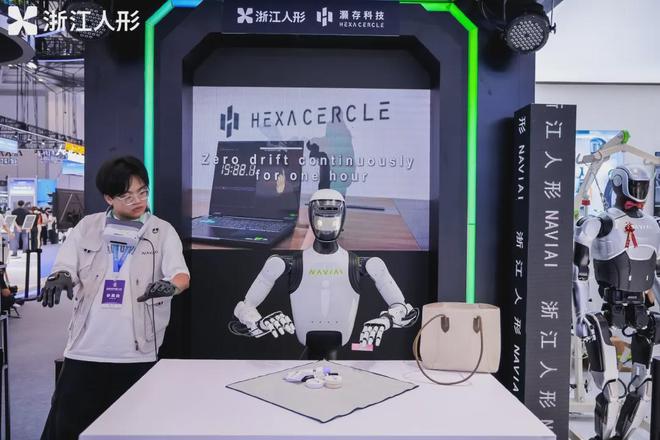
Haocun Technology and Zhejiang Humanoid Robotics Collaborate to Enhance Practical Applications
From August 19 to 23, the World Robot Conference (WRC) was held at the Beiren Yichuang International Exhibition Center, showcasing cutting-edge technologies in humanoid robotics and industrial intelligence. During the event, Zhejiang Humanoid Robotics Innovation Center's humanoid robot NAVIAI demonstrated its capabilities by synchronizing its arm movements with an operator wearing motion data gloves, achieving precise gestures without pre-programmed instructions. This collaboration between Haocun Technology and Zhejiang Humanoid Robotics marks a significant step in addressing the challenges faced by the humanoid robotics industry, which is transitioning from prototype development to practical applications. The partnership aims to overcome bottlenecks in skill transfer, training time, and operational reliability, which have hindered the deployment of humanoid robots in real-world scenarios. Looking ahead, the integration of Haocun Technology's motion perception and data collection capabilities with Zhejiang Humanoid's hardware platform is expected to accelerate the adoption of embodied intelligence technologies. No further timeline was disclosed at the time of publication.
Humanoid Robots Motion Capture Technology Industrial Automation Robotics Collaboration
Diguo Robotics and Zhishen Technology Establish Strategic Partnership for Quadruped Robots
On August 13, Diguo Robotics and Zhishen Technology signed a strategic cooperation framework agreement. The partnership focuses on quadruped robots and embodied intelligence, aiming for deep collaboration in product development, ecosystem building, and marketing. They will leverage real market demands to drive the industrialization of embodied intelligence technology. This collaboration is significant as it marks a shift from traditional hardware cooperation between chip manufacturers and system integrators to a more integrated approach that encompasses product, ecosystem, and marketing dimensions. Diguo Robotics' Xuri S100P intelligent computing chip powers Zhishen's core quadruped robots, enabling efficient data processing and reliable operation in complex scenarios such as power inspections and emergency rescues. Looking ahead, the partnership plans to expand its collaboration beyond the current models to include more of Zhishen's product lines. They aim to develop joint courses, share resources for competitions, and enhance marketing efforts to promote the quadruped robots in various applications, including agriculture and education. No further timeline was disclosed at the time of publication.
Quadruped Robots Smart Computing Robotics Collaboration Industrial Automation
SemiAnalysis Report Reveals Yushu Technology's Strategy to Lead Global Robotics Market
A report by SemiAnalysis on the day of Yushu Technology's IPO indicates that the company is replicating the successful hardware growth paths of BYD and DJI, potentially positioning itself to dominate the global robotics industry. The report highlights Yushu's impressive cost structure, estimating the material cost of its G1 robot at just $8,976. Despite a price drop in overseas markets from over $50,000 to $27,300, the company maintains a gross margin of 67%. Yushu has evolved from a quadruped robot company three years ago to a leader in the humanoid robot market, with plans to deliver its 10,000th humanoid robot soon. Looking ahead, Yushu's revenue is projected to grow by 335.36% year-on-year by 2025, with a gross margin nearing 60%. The company plans to invest approximately 2.02 billion yuan in embodied model research and development. No further timeline was disclosed at the time of publication.
Humanoid Robots Robotics Industry Supply Chain Management Cost Structure AI Technology
Yushu Technology to Launch IPO as Zhejiang's Intelligent Robotics Sector Thrives
Yushu Technology, one of the 'Six Little Dragons of Hangzhou,' is set to begin its IPO on August 10, coinciding with the completion of IPO guidance by Yunshen Technology. This marks a significant moment for Zhejiang's embodied intelligence industry, which is gaining prominence as the first humanoid robot stock in China's A-share market. Zhejiang has emerged as an undisputed hub for embodied intelligence, with over 700 companies in Hangzhou alone. The industry cluster is projected to reach a value of 106.8 billion yuan by 2025, with quadruped and humanoid robots capturing 80% and 50% of the domestic market share, respectively. In the first half of this year, Zhejiang accounted for approximately 60% of the national exports of intelligent bionic robots. Yushu Technology aims to penetrate both consumer and general markets, with revenue expected to soar from 159 million yuan in 2023 to 1.699 billion yuan by 2025. Meanwhile, Yunshen Technology focuses on specialized applications, having deployed quadruped robots in high-risk areas like Switzerland's largest nuclear power plant. As these leading companies prepare for their A-share debut, Zhejiang is transitioning from a robotics manufacturing base to a source of innovation in embodied intelligence.
Embodied Intelligence Humanoid Robots Quadruped Robots Robotics Industry AI Technology
COOWAM Technology Advances Scalable Robotics with New Chief Scientist Appointment
COOWAM Technology is pushing the boundaries of embodied intelligence towards scalable applications in real urban environments. The company operates thousands of robots across over 50 cities globally, accumulating approximately 50PB of physical world data. This data is categorized into dynamic scene data, physical interaction data, and real machine calibration data, which are crucial for enhancing model capabilities. The company emphasizes that the synergy of algorithms, hardware, and scenarios determines operational success, with real data acquisition and efficient transformation directly impacting model iteration speed. COOWAM's proprietary model integrates 'fast and slow thinking' to optimize decision-making and physical interaction, ensuring that robots perform commercially valuable tasks. Dr. Yang Xue, the newly appointed Chief Scientist, aims to drive a systematic evolution of COOWAM, enhancing its capabilities in multimodal design and complex perception. The future evolution will focus on diverse robotic forms and efficient data processing, with a business model that emphasizes real-world impact and customer value. No further timeline was disclosed at the time of publication.
Robotics Embodied Intelligence AI Data Engineering
Zhejiang IPLUSMOBOT Technology Launches NERA Robotics Product Line for Industrial AI
Zhejiang IPLUSMOBOT Technology has introduced the NERA-P omnidirectional chassis and NERA-C controller at the WAIC. This launch aims to standardize navigation and control for autonomous mobile robots (AMRs), establishing a reusable embodied intelligence infrastructure for both humanoid wheeled and quadruped robots. The significance of this development lies in its potential to enhance the capabilities of robots in various industrial applications. By providing a standardized platform, IPLUSMOBOT is positioning itself to facilitate the integration of advanced navigation and control systems across different robotic platforms, which can lead to improved efficiency and versatility in automation. Looking ahead, industry stakeholders should monitor how the adoption of the NERA product line influences the robotics landscape. The focus on embodied AI infrastructure may drive further innovations in robot design and functionality. No further timeline was disclosed at the time of publication.
Industry
KAIST and Stanford Develop Self-Wearing Clothing Using Soft Robotics Technology
Researchers from KAIST and Stanford University have developed a self-wearing garment that can automatically dress a person in about 10 seconds without assistance. This innovative clothing utilizes soft robotics technology, specifically vine robots driven by air pressure, allowing the garment to adapt to the wearer's body shape as it 'grows' onto them. This advancement is significant as it addresses the limitations of traditional robotic dressing solutions, which often require external mechanical arms and complex control systems. The new approach allows for movement during the dressing process, making it more accessible for individuals with mobility challenges, such as the elderly or disabled. Future applications of this technology could extend beyond personal clothing to various fields, enhancing independence for those with physical limitations. No further timeline was disclosed at the time of publication.
Soft Robotics Wearable Technology Assistive Devices Emergency Response
Fujitsu Leads Initiative to Integrate Nvidia Technology in Japanese Robotics and AI
Fujitsu, a prominent Japanese communications company, is spearheading an initiative to integrate Nvidia's technology into artificial intelligence applications. This collaboration aims to merge Japan's advanced manufacturing capabilities in robotics with cutting-edge AI solutions. The significance of this initiative lies in its potential to enhance the efficiency and effectiveness of robotics in various sectors. By leveraging Nvidia's technology, Fujitsu seeks to position Japan at the forefront of the global AI and robotics landscape, showcasing the country's strengths in innovation and manufacturing. Looking ahead, industry stakeholders will be keen to observe the developments stemming from this collaboration. No further timeline was disclosed at the time of publication, but the integration of Nvidia's technology could lead to significant advancements in physical AI applications within Japan's robotics sector.
Robotics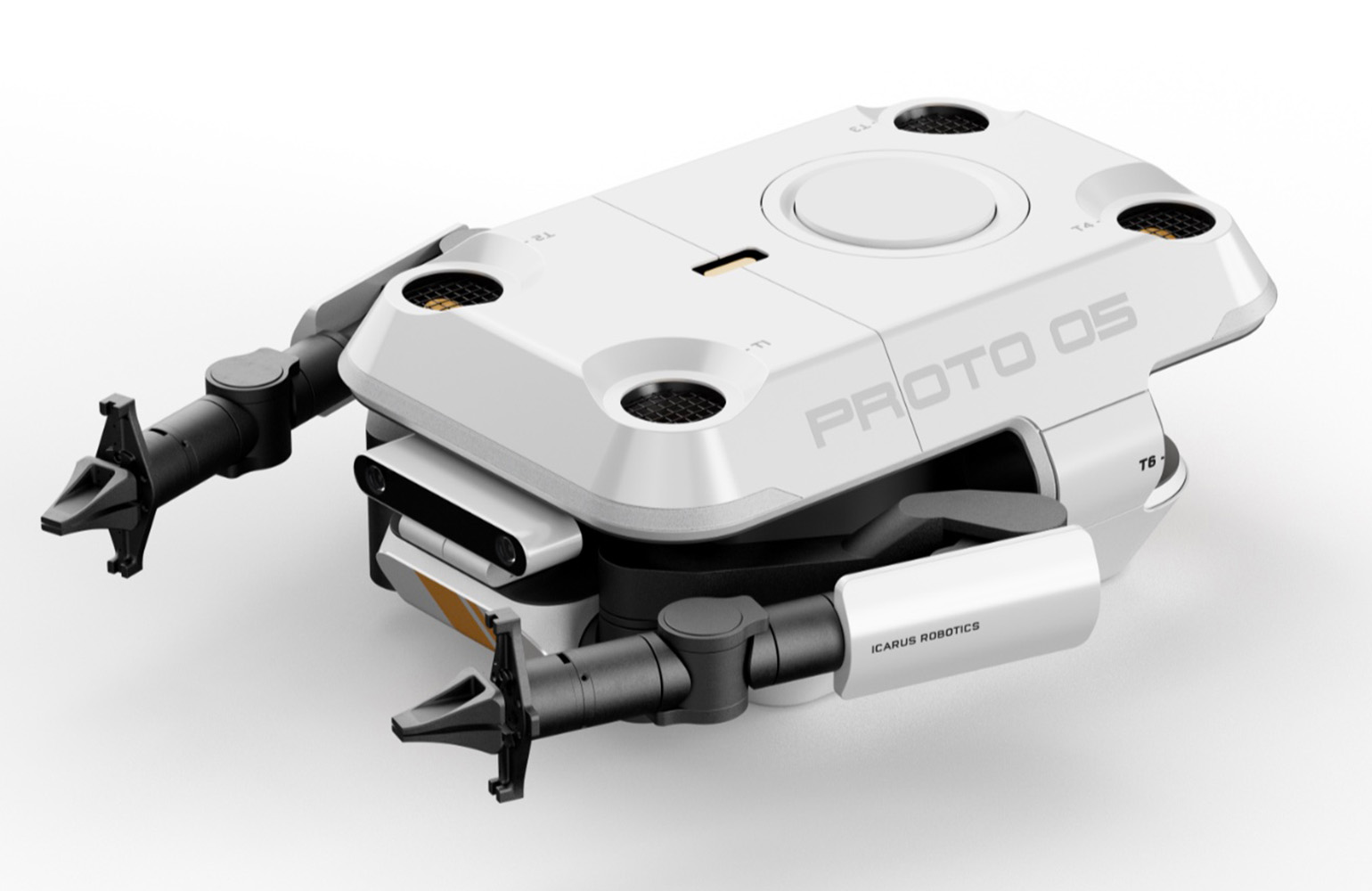
Icarus Robotics Selects KULR Technology for JOY Space Robot's Power System
Icarus Robotics has announced KULR Technology Group as the battery supplier for its autonomous free-flying robot, JOY, which is set to launch to the International Space Station (ISS) in early 2027. KULR will provide its KULR ONE Space (K1S) battery systems, engineered to NASA safety standards, ensuring reliable operation aboard the ISS. The partnership is significant as KULR’s battery technology has already been validated during the Artemis II lunar mission, which enhances the approval process with NASA. Icarus co-founder Ethan Barajas emphasized the importance of flight heritage in the space sector, stating that proven components expedite the approval process, crucial for a startup like Icarus. Looking ahead, JOY, powered by embodied AI, aims to assist astronauts with routine tasks and infrastructure maintenance, allowing them to concentrate on more critical research objectives. No further timeline was disclosed at the time of publication.
Aerospace Batteries / Power Supplies Markets / Industries News Technologies Icarus
Harbin Institute of Technology Professor Establishes PHANES AI to Advance Tactile Robotics
Professor Yang Shuo from Harbin Institute of Technology (Shenzhen) has founded PHANES AI, focusing on human data, tactile perception, and world model research. The startup aims to enable humanoid robots to perform agile full-body movements. A key challenge identified is the gap in current training data, where visual cues do not capture the tactile feedback necessary for successful robotic operations. This initiative is significant as it addresses the limitations of existing robotic training methodologies, which rely heavily on visual data without incorporating tactile information. Recent studies, including NVIDIA's EgoScale, highlight the importance of first-person human operation data in training robots for complex tasks. By leveraging large amounts of human data combined with minimal real-world data, PHANES AI seeks to enhance the success rate of robots in intricate operations. Looking ahead, PHANES AI plans to develop innovative methods for collecting and scaling tactile data through its EgoTouch system, which integrates visual and tactile information. The startup's approach aims to bridge the gap between visual perception and physical interaction, ultimately improving the capabilities of humanoid robots in real-world applications. No further timeline was disclosed at the time of publication.
Humanoid Robots Tactile Perception Robotics AI Data-Centric AI
Fangqi Technology Secures Angel Funding to Advance Generalized Robotics Solutions
On September 21, Fangqi Technology, a developer of embodied intelligence general-purpose brains, announced the completion of an angel round funding exceeding ten million yuan, with investors including Qidi Star Venture Capital. Although the funding amount may not stand out amid the 2026 funding frenzy in the embodied intelligence sector, Liu Bo, General Manager and Managing Partner of Qidi Star, emphasized the importance of exploring low-cost, scalable learning paths for general robots. Fangqi Technology's founder, Wang Xinzhao, who has a PhD from Tsinghua University, aims to create a reusable skills operating system that adapts to various robotic forms. The company’s semantic world model and Turing learning paradigm are designed to bridge the gap between physical and semantic knowledge, enhancing the robots' understanding of actions in specific contexts. The company has already achieved significant recognition, placing second globally in the Stanford Household Challenge BEHAVIOR 2026. Fangqi Technology has established strategic partnerships with publicly listed Youdi Robotics and Jiangsu Longhuan Hotel Property Company, securing nearly ten million yuan in orders. The company views the complex cleaning scenario as a training ground for its technology, focusing on rapid delivery and return on investment. As the market for embodied intelligence continues to grow, Fangqi Technology aims to position itself as a skills platform for multiple robotic manufacturers, addressing the challenges of cross-body migration and data sharing.
Robotics AI Machine Learning Automation
Corvus Robotics Enhances Cold Chain Operations with Corvus One Drone Technology
Corvus Robotics has developed the Corvus One drone specifically for cold chain environments, addressing challenges like thermal management and visibility in extreme conditions. This innovation allows for automated inventory counting in freezers, significantly improving safety and efficiency for warehouse operators. The introduction of the Corvus One drone is crucial as it mitigates the risks associated with manual inventory tasks in cold environments, where worker safety is a concern. By utilizing advanced vision systems and onboard decision-making, the drone can operate autonomously, adapting to changes in the environment without the need for GPS or additional markers. Looking ahead, the focus will be on the continued deployment of Corvus One in various cold chain settings, with an emphasis on enhancing operational efficiency and accuracy. The system's ability to identify inventory discrepancies has already proven valuable, revealing over $2.1 million in discrepancies at a national foodservice distributor site within six months.
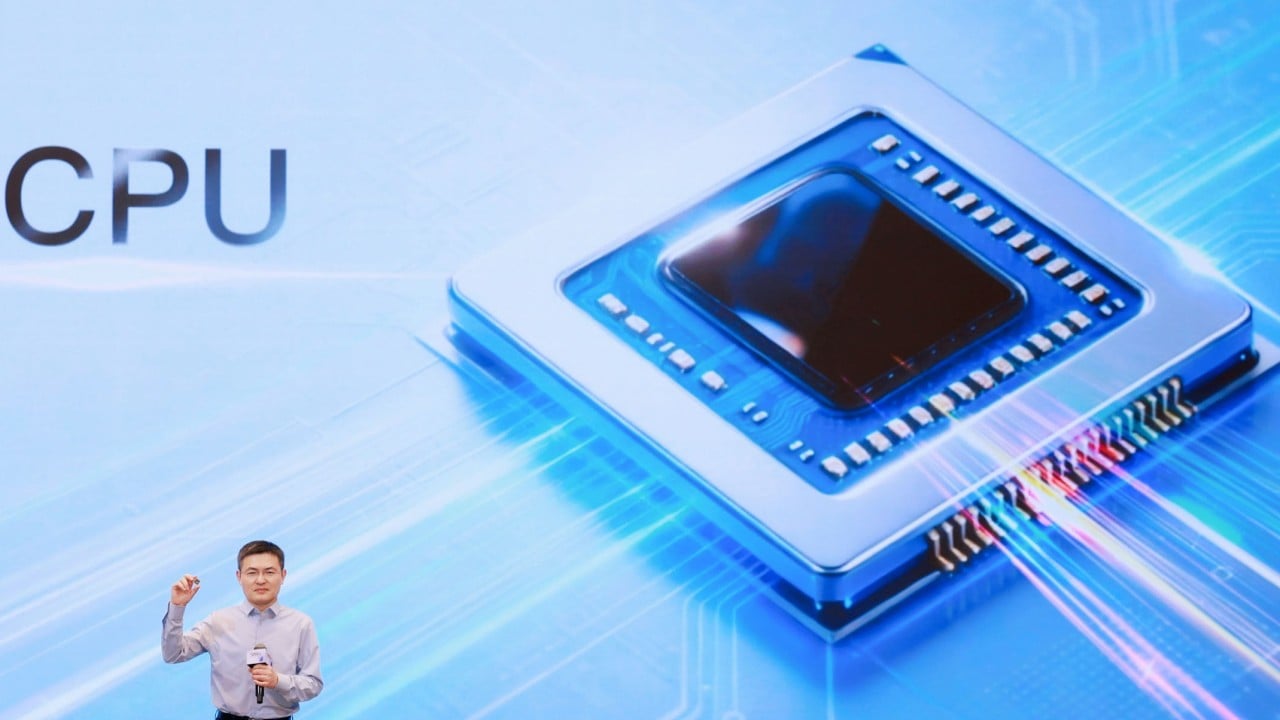
Hygon Information Technology Launches Hygon 1000 Series CPUs for Robotics and Edge AI
Hygon Information Technology has introduced a new line of central processing units (CPUs) aimed at robotics and industrial edge devices. This launch marks the company's strategic move beyond its traditional focus on cloud computing, tapping into the burgeoning market for physical artificial intelligence solutions. The Hygon 1000 series processors are specifically designed for integration into industrial automation systems, including robotics and factory controllers. By enabling local computing and graphics processing, these CPUs aim to enhance the efficiency and performance of embedded devices in various applications. As the demand for edge AI continues to rise, Hygon's entry into this sector is significant. Industry stakeholders should monitor the adoption of the Hygon 1000 series and its impact on the robotics and automation landscape. No further timeline was disclosed at the time of publication.

Hygon Information Technology Expands AI Chip Focus from Data Centers to Robotics Applications
Hygon Information Technology is preparing to launch a new chip aimed at physical-world applications, including robotics. This marks a significant shift from the company's current focus on data centers, as reported by Chinese media. The new chip, an iteration of the CPU1000 series, is designed to fulfill low-power, embedded, and edge computing needs. It targets various physical AI applications, particularly in robotics, machine vision, and intelligent manufacturing, highlighting the growing demand for AI solutions in these sectors. The launch event is scheduled to take place in Shenzhen, where Hygon will promote its vision of integrating computing power into the physical world. No further timeline was disclosed at the time of publication.

Addressing the Fall Challenge in Commercial Robotics with Light REACT Technology
A significant challenge in commercial robotics is the frequent occurrence of falls and malfunctions, which can halt operations and increase maintenance costs. Many potential applications remain unexploited due to the inability of robots to recover from such incidents. On September 9, 2026, Liangyuan Innovation introduced the Light REACT technology, focusing on adapting to faults and disturbances in real-world environments, rather than merely enhancing speed and agility. The importance of this technology lies in its ability to redefine how robots respond to unexpected challenges in various settings, such as factories and homes. Traditional methods rely on pre-set emergency protocols that often fail in unpredictable situations, leading to increased downtime and operational costs. By shifting the focus to in-context learning, Liangyuan aims to enable robots to autonomously adjust to their physical conditions, making them more resilient and capable of functioning in diverse environments. Looking ahead, the success of Light REACT could pave the way for broader adoption of robotics across industries. The shift from a reactive to a proactive approach in fault adaptation is crucial for scaling robotic applications. No further timeline was disclosed at the time of publication.
Robotics Operational Efficiency Adaptive Technology Commercialization
Robotics Must Address Major Ecological and Societal Challenges, Says Catherine Simon
Catherine Simon, an Industrial Digital Advisor at the General Secretariat for Investment, discusses the significant transformations in the robotics industry, from the era of Innorobo to the rise of Physical AI. She emphasizes the potential of service robotics across various sectors, including healthcare, logistics, and agriculture, highlighting its evolution from specialized industrial tools to a General Purpose Technology. The rapid advancement of generative AI and Physical AI is fundamentally changing robotics, moving it beyond niche applications and technological demonstrations. Simon argues that France and Europe have the potential to become global leaders in robotics by adopting a demand-driven strategy that focuses on addressing urgent economic and environmental needs, rather than merely pushing technological advancements. Looking ahead, Simon suggests that identifying promising markets where the demand for robotics is both urgent and substantial will be crucial. France and Europe can leverage a robust industrial ecosystem that includes international corporations, innovative SMEs, and top-tier research laboratories to ensure a seamless transition from innovation to practical applications in the robotics sector.
À la une Humanoide IA Interview Robotique Santé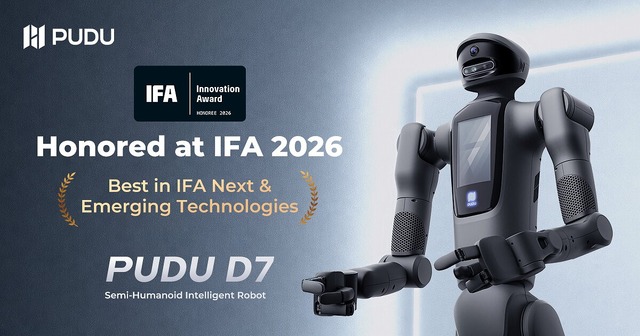
Pudu Robotics' Semi-Humanoid D7 Wins IFA Innovation Award for Emerging Technologies
On September 6, 2026, Pudu Robotics announced that its semi-humanoid service robot, PUDU D7, won the 'Best in IFA Next & Emerging Technologies' category at the IFA Innovation Awards. This recognition highlights the D7's capabilities in mobile navigation, dexterous manipulation, and intelligent sensing, which enable it to perform a wide range of tasks in industrial and commercial environments. The significance of this award lies in the D7's design, which allows it to operate in spaces such as industrial facilities, warehouses, retail stores, and hospitality venues. With a payload capacity of up to 20 kg (44.1 lbs) and a maximum working height of 2 m (6.6 ft), the D7 can handle material transport, product picking, and customer interaction, enhancing operational efficiency and user experience. Looking ahead, Pudu Robotics aims to expand the D7's applications beyond single-use cases, leveraging its autonomous battery swapping feature and advanced sensing systems. The D7 was showcased at IFA 2026 from September 4 to 8, where live demonstrations allowed attendees to experience its interaction capabilities and operational versatility in real-time.

Benmo Technology Achieves Rapid Growth in Robotics Physical Components Market
Benmo Technology has experienced significant revenue growth, increasing from 17.54 million yuan to 282 million yuan in three years, with a compound annual growth rate exceeding 300%. The company focuses on integrated direct-drive joints, eliminating the need for reducers, which reduces energy loss and noise while extending lifespan to 50,000-100,000 hours. As of 2025, Benmo Technology is projected to capture 61.1% of the Chinese consumer robotics direct-drive module market, with shipments of approximately 8.5 million units across various robot categories. The company also operates a wheeled robot business, exporting products to over 50 countries, and has become a leading manufacturer in this sector. Looking ahead, Benmo Technology's dual business model allows for a feedback loop between mass production of power modules and whole machine development. The consumer-grade direct-drive modules are expected to account for 88% of total revenue by 2025. The company is well-positioned to meet future demands for reliable robotic bodies as advanced AI models mature.
Robotics Direct-Drive Modules Embodied Intelligence Robot Manufacturing
Enovis to Acquire eCential Robotics for Over $180 Million to Enhance Surgical Technology
Enovis Corp. has announced a binding offer to acquire eCential Robotics for approximately €155 million, exceeding $180 million. This acquisition aims to integrate eCential's modular surgical robotics platform into Enovis' ASTRA technology platform, enhancing its capabilities in orthopedic surgery. The addition of eCential's robotic technology is significant as it aligns with Enovis' strategy to provide surgeons with diverse technological options. CEO Damien McDonald emphasized that this move will strengthen their market position and expand strategic opportunities in robotic-assisted surgery, addressing evolving market demands. Looking ahead, Enovis plans to finalize the acquisition by the end of 2026, with an initial payment of €176 million and potential additional payments based on performance milestones. The integration of eCential's expertise is expected to accelerate the development of next-generation robotic solutions, particularly in knee and shoulder surgeries, within the next two years.
Financial Healthcare Robotics Markets / Industries Mergers & Acquisitions News Robots / Platforms
JAKA Robotics Addresses Patent Claims, Highlights Self-Development in Robotics Technology
On September 2, JAKA Robotics issued an official statement regarding overseas patent litigation, asserting that it does not infringe on the opposing party's patents based on comprehensive technical tracing and patent comparison analysis. This confidence stems from over a decade of the company's full-stack self-developed technology system. The performance of a robot is rooted in hundreds of precision components, including reducers, servo systems, and controllers, which directly influence the machine's accuracy, load capacity, and reliability. As Chinese robotics companies accelerate their entry into the global market, the originality of technology and intellectual property rights are becoming critical competitive factors, making JAKA's self-development path significant in this context. Looking ahead, JAKA Robotics aims to enhance its general intelligent robot capabilities, evolving from collaborative robots to embodied intelligent robots. The company has successfully integrated core components and developed over 60 self-developed collaborative robots in its production base, achieving a closed-loop verification of its technological strength. No further timeline was disclosed at the time of publication.
Collaborative Robots Humanoid Robots AI Robotics Technology
Locus Robotics Tackles Manipulation Challenges with NeuraGrasp Technology Acquisition
Locus Robotics Corp. has made significant strides in addressing robotic manipulation challenges by acquiring Nexera Robotics, known for its NeuraGrasp technology. This acquisition follows Locus's introduction of Array, a mobile manipulator designed for efficient robotic picking, which was launched in March 2025. The integration of NeuraGrasp's advanced gripping capabilities aims to enhance Locus's ability to handle a wider variety of SKUs in operational environments. The collaboration between Locus and Nexera is timely, as both companies are poised for growth in the robotics sector. Locus's autonomous mobile robots have already completed over 6 billion picks, showcasing their effectiveness in real-world applications. Roy Belak, senior vice president of robotic grasping at Locus, highlighted the importance of deploying NeuraGrasp technology at scale, indicating a strong commitment to innovation and improvement in robotic manipulation. Looking ahead, while no specific timeline has been disclosed for the public unveiling of Array with NeuraGrasp technology, Belak expressed optimism about the integration process. As Locus continues to deploy the initial version of Array, the anticipated enhancements from Nexera's technology could significantly impact the efficiency and versatility of robotic operations in various facilities.
Arms / Manipulators Artificial Intelligence Artificial Intelligence / Cognition Autonomous Mobile Robots (AMRs) Design / Development End Effectors / Grippers
Sunrise Robotics Enhances Automation with ABB's GoFa™ Cobot Technology
Sunrise Robotics has integrated ABB Robotics' GoFa cobot into its autonomous cells to enhance precision manipulation for high-mix manufacturing tasks such as pick & place and machine tending. This collaboration has resulted in a 20% increase in throughput, elevating production from 72 to 90 parts per hour without hardware changes, solely by adjusting motion parameters through software. The significance of this development lies in Sunrise Robotics' ability to deliver intelligent, autonomous robotic cells that are adaptable to human-centric environments. By leveraging GoFa's speed and positional accuracy, the company aims to make automation more accessible and affordable for small and medium-sized manufacturers. The integration of on-board AI and radar-based safety features further enhances operational reliability. Looking ahead, Sunrise Robotics plans to continue optimizing its systems using ABB's technology, which provides long-term reliability and support. The combination of RobotStudio® for remote control and the robust software architecture allows for dynamic responses to environmental changes, ensuring that systems remain operational with minimal downtime. No further timeline was disclosed at the time of publication.
Yifei Technology Reports Strong Growth Amidst Shifts in the Robotics Industry
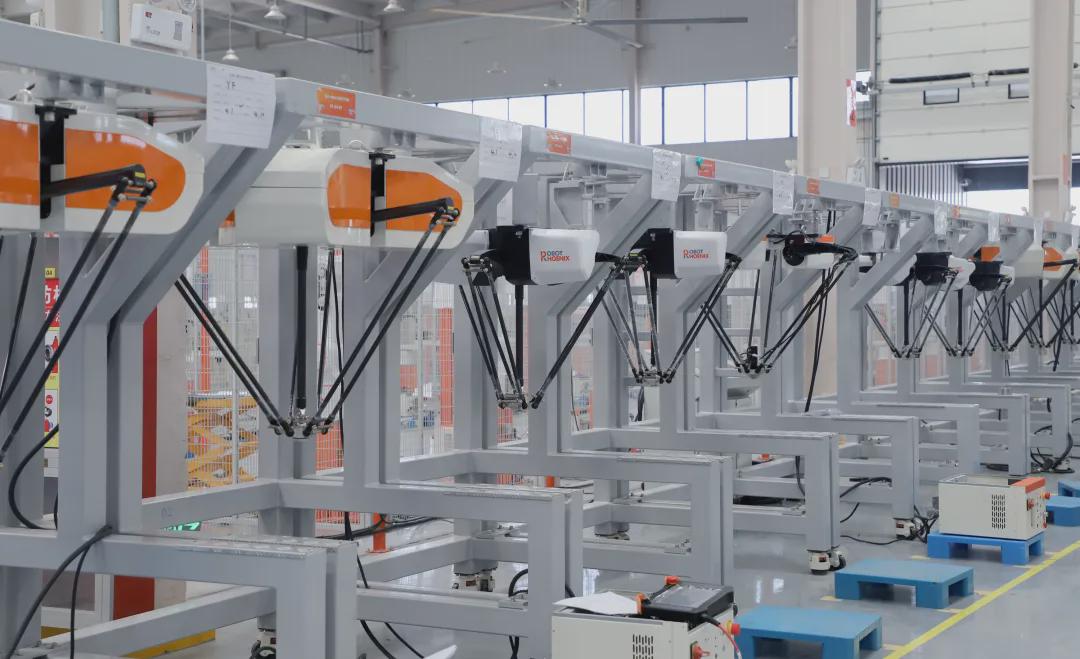
Yifei Technology has released its mid-term performance report for 2026, marking its first financial disclosure since its listing on the Hong Kong Stock Exchange on May 18. The company achieved a revenue of 186 million yuan, reflecting a 58% year-on-year increase, with overseas revenue soaring by 318.5% to 22.6 million yuan, accounting for 12.1% of total income. The significance of this growth lies in the evolving landscape of the robotics industry, where local companies are reclaiming market share from foreign brands in sectors such as automotive and electronics. As general-purpose robots become more mature and competitive, the focus has shifted from merely selling robots to integrating them into complex manufacturing environments, which presents unique challenges. Looking ahead, Yifei Technology is not only increasing its focus on core products like embodied intelligence and controllers but is also expanding into new areas such as vision systems and humanoid robots. The company’s strategic partnerships, such as with MiR in South Korea and Swarm Robotics in Saudi Arabia, highlight its commitment to enhancing local operations and adapting to specific industrial conditions.
Industrial Robots Global Expansion Automation Solutions Robotics Technology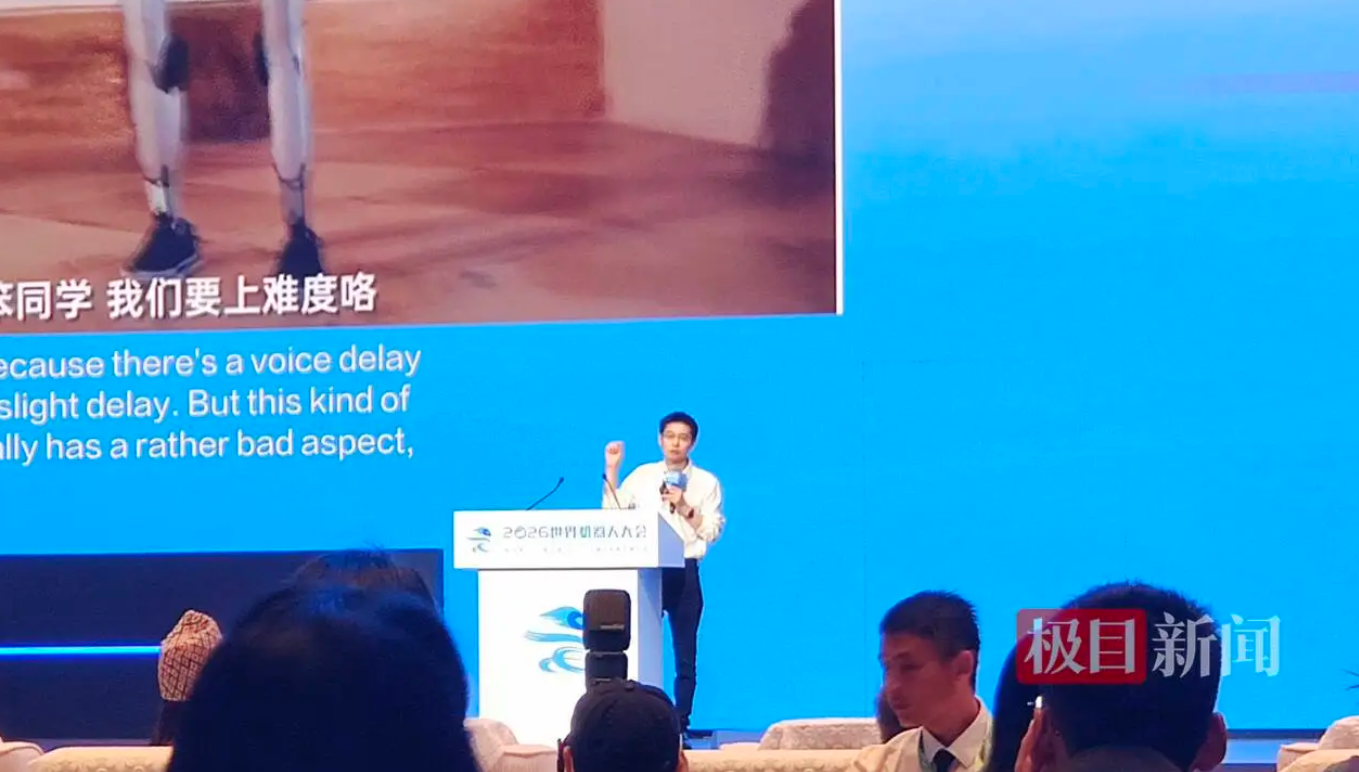
Wang Xingxing Discusses Humanoid Robotics Challenges at WRC Following Yushu Technology's IPO
On August 20, Wang Xingxing, founder of Yushu Technology, spoke at the World Robot Conference (WRC) about the challenges facing humanoid robotics. This followed the company's IPO on the STAR Market, where its stock surged 460% on the first day, reaching a market capitalization of 341.8 billion yuan. Despite this success, Wang emphasized the need for improved efficiency and capability in humanoid robots, stating that current models still lag behind human performance. Wang highlighted the limitations of existing humanoid robots, particularly their need for retraining when faced with new tasks, which hampers efficiency. He pointed out that while robots can perform various tasks, they struggle with precision in the final stages of execution, leading to significant errors. He contrasted the challenges of embodied intelligence with pure language models, noting that physical interactions introduce unique technical difficulties. Looking ahead, Wang set a benchmark for when general-purpose robots could enter homes, suggesting that a robot should be able to understand and complete 80% of tasks from voice commands in unfamiliar environments. He introduced Yushu's latest technology, the Physical AI Robot Self-Evolution V1.0, which aims to enhance development efficiency and speed through automated processes. No further timeline was disclosed at the time of publication.
Humanoid Robots Robotics Technology AI Development Automation
A Scholar's 25-Year Journey in Robotics and Focus on Companion Technology
In 1998, Zhang Fumin attended an international robotics conference in the U.S. with fewer than 400 attendees. Recently, he participated in the same conference in Vienna, which attracted 10,000 participants. Over 25 years, he has witnessed the evolution of the robotics industry but claims to have 'perfectly missed all opportunities for wealth.' Initially focused on model-based control during his PhD, he shifted to entrepreneurship when the industry moved towards data-driven approaches, choosing to develop companion technology rather than humanoid robots. Zhang emphasizes the principle of 'bounded companionship,' advocating for products that do not encourage addiction among minors or serve as substitutes for human interaction. Instead, his aim is to foster connections between people. He illustrates this with a story from Jin Yong's novel, where a character becomes so absorbed in a statue that he neglects real relationships. Zhang believes that while no product can eliminate loneliness, it can help alleviate it, promoting a balance between carbon-based and silicon-based intelligences. In 2023, Zhang returned to China as the director of the Robotics Institute at Hong Kong University of Science and Technology, fully committing to the entrepreneurial path in companion technology. His students have successfully secured funding in underwater embodied intelligence, and he has also achieved funding in the companion technology sector. 'This year is a magic year,' he states, reflecting on the journey ahead.
Companion Robots Robotics Research Human-Robot Interaction AI Technology
Gravis Robotics Secures $200 Million from SoftBank for Autonomous Construction Technology
Gravis Robotics has received a significant $200 million investment from SoftBank, aimed at enhancing its construction technology. The startup focuses on retrofitting existing excavators and heavy machinery to incorporate autonomous and semi-autonomous capabilities, which are essential for modern infrastructure projects. This investment underscores SoftBank's confidence in the potential of physical AI, particularly in the automation of earth-moving equipment. Such advancements are crucial for improving efficiency in infrastructure development, including roads, quarries, and mines, where heavy machinery plays a vital role. Looking ahead, the industry will be watching how Gravis Robotics leverages this funding to further innovate in the construction sector. No further timeline was disclosed at the time of publication.

Yiyou Technology Secures Over $28 Million in Series B Funding for Joint Technology
On August 13, Yiyou Technology, a leading integrated servo joint company in China, announced the completion of over 200 million yuan in Series B financing. This round saw participation from 12 institutions, including prominent investors such as Samsung Ventures and Guofang Venture Capital. This marks the third round of financing for Yiyou Technology this year, with total funding exceeding 500 million yuan. The significance of this funding lies in Yiyou Technology's innovative PHU-F joint module, which can detect torque changes as low as 0.01Nm at an 8kHz frequency. This technology enables robots to have a tactile sense, allowing them to perceive the force they exert. The company has established the world's first fully automated production line for robotic joints, with an annual capacity of 100,000 units, expandable to 300,000 units. Looking ahead, Yiyou Technology has secured over 1.5 million joint orders for 2026, a 15-fold increase compared to the total shipments in 2025. Their client list includes over 500 companies globally, extending their business reach to regions such as Japan, North America, and Southeast Asia. No further timeline was disclosed at the time of publication.
Robotic Joints Automation Technology Funding and Investment Industrial Robotics
Motion Controls Robotics, Inc. Expands Automation Portfolio with New Technologies and Expertise
Motion Controls Robotics, Inc. (MCRI) has announced an expansion of its automation portfolio by integrating new specialized automation technologies and intellectual property. This enhancement includes capabilities in tire manufacturing automation, robotic painting, precision fluid application, surface treatment, and other specialized manufacturing processes. This development is significant as it broadens MCRI's ability to support a wider range of operations within manufacturing plants. By adding experienced personnel with industry expertise, MCRI aims to improve efficiency and effectiveness in various manufacturing applications, thereby strengthening its market position. Looking ahead, MCRI's focus on enhancing its automation capabilities may lead to further innovations and partnerships in the automation sector. No further timeline was disclosed at the time of publication.

Ant Group Leads Strategic Investment in Daimeng Robotics for Tactile Sensor Development
On August 11, Shenzhen's Daimeng Robotics announced the completion of a strategic financing round worth hundreds of millions, led by Ant Group, with existing shareholders participating. This marks Daimeng's second significant funding within two months and represents Ant Group's strategic entry into the embodied intelligence sector through component technology. Daimeng, founded by Wang Yu and Duan Jianghua from the Hong Kong University of Science and Technology, focuses on millimeter-level optical tactile sensing and dexterous manipulation technology. As the demand for humanoid robots in China is projected to reach 61.4% in entertainment and educational sectors by 2025, the shift towards precision operations in industrial applications is becoming crucial, highlighting the importance of tactile sensors in enhancing operational accuracy. Daimeng's core strength lies in miniaturizing tactile sensing units to achieve high-resolution capabilities. The company has developed a humanoid optical tactile five-fingered dexterous hand and the Sparky 1 humanoid robot, integrating tactile data into a visual-tactile-language-action framework. This investment by Ant Group is part of a broader strategy to create a comprehensive ecosystem that spans data generation, component supply, and model training, positioning Daimeng as a key player in the tactile sensor market.
Tactile Sensors Robotics Industrial Automation Embodied Intelligence
Chinese Company Pioneers Direct-Drive Tendon Technology for Humanoid Robotics
In recent years, the global robotics research landscape has shifted focus back to the physical structure of robots, particularly in dexterous manipulation. According to IEEE Robotics and Automation Society, the number of papers on haptic perception, soft robotics, tendon-driven systems, and visuotactile learning is expected to rise significantly by 2025-2026, marking these areas as key research directions at major robotics conferences. This trend is mirrored in the industry, where a report identified that core components accounted for 21.8% of 311 robot financing events in the first half of the year, surpassing other categories. The investment landscape is increasingly gravitating towards manufacturers and component companies, particularly in the dexterous hand sector, which is seen as crucial for overcoming the final barriers to practical robot applications. Suzhou Zhixing Tendon Robotics Technology Co., Ltd. is at the forefront of this innovation, having developed a complete technological pathway from electroactive composites to modular applications. Their direct-drive tendon technology aims to redefine robotic movement by integrating materials into the power system, with products set to be showcased at the World Robot Conference on August 19.
Humanoid Robots Dexterous Manipulation Soft Robotics Tendon-driven Technology AI
ModuTech Secures Pre-A Funding to Advance Touch Perception in Robotics Market
ModuTech, a Shenzhen-based company, has completed a Pre-A funding round worth several million yuan, led by Falcon Investment and Yihua Capital. This funding will support the expansion of their research and development team, production lines, and global business outreach. ModuTech aims to address the challenges of touch perception in robotics, which is crucial for tasks requiring fine manipulation. The touch perception market for humanoid robots is projected to exceed $320 million by 2026, with a growth rate of over 160%. This segment is recognized as the fastest-growing within humanoid robot components. ModuTech differentiates itself by integrating sensor technology with data collection and tactile modeling, creating a comprehensive system that enhances robotic capabilities in precision tasks. As the industry faces challenges with fragmented tactile data, ModuTech's approach includes a multi-modal data system that aligns tactile, visual, and robotic state data. This innovation transforms physical interactions into high-quality, task-level data, enabling sensors to evolve from mere hardware to valuable data sources that inform decision-making in robotics.
Touch Perception Humanoid Robots Industrial Robotics Sensor Technology
Unitree's GD01: A New Era in Robotics with Manned Mech Technology
In 2026, Unitree Robotics made headlines with the GD01, a manned mech featured on the cover of TIME magazine. Standing nearly 2.7 meters tall and weighing around half a ton, the GD01 is touted as the world's first mass-produced manned mech, capable of bipedal and quadrupedal movement. This innovative machine represents a shift in robotics, moving beyond single-purpose designs to versatile platforms that can navigate complex environments. The significance of the GD01 lies in its potential to redefine robotics applications. Unlike traditional robots, the GD01 is not limited to industrial or consumer uses; it is designed to explore intelligent mobility scenarios. Its advanced capabilities allow it to operate in unstructured environments, making it suitable for tasks such as emergency rescue, inspection, and transportation. This evolution in robotics highlights a transition from competition over the robots themselves to competition over their functional capabilities. Looking ahead, the GD01 signals a pivotal moment in the robotics industry, emphasizing the need for machines that can adapt to diverse scenarios. As Unitree continues to innovate, the focus will be on how these advanced robots can tackle real-world challenges and perform increasingly sophisticated tasks in various environments. No further timeline was disclosed at the time of publication.
On the Cusp Highlight Mobility News Robotics
Noin Intelligence Raises $70 Million for Advancements in Home Robotics Technology
Noin Intelligence, a company specializing in consumer-grade embodied intelligence, has successfully completed a funding round of 500 million RMB (approximately $70 million). This funding was led by Matrix Partners with participation from Red Dot Ventures, SenseTime, Huaden Technology, and L2F Light Source Entrepreneur Fund. Since its establishment in August 2025, Noin has rapidly completed four funding rounds, highlighting the strong investor interest in its home robotics solutions. The significance of this funding lies in Noin's ambition to address the core challenges of embodied intelligence. As large models transition from the digital to the physical world, the competition will focus on a robot's ability to adapt across various environments and tasks. Noin's approach emphasizes the importance of generalization, which encompasses data, world understanding, task planning, action execution, and real feedback, particularly in the complex home environment. Looking ahead, Noin's GLOW generative embodied model system aims to enhance the robot's generalization capabilities. The system generates first-person embodied data with 3D structure and physical consistency from limited real interactions. This innovative approach allows for the expansion of training distributions, enabling robots to learn from diverse real-world scenarios. No further timeline was disclosed at the time of publication.
Consumer Robotics Embodied AI Home Automation Generative Models
Ommo Technologies Raises Millions in Series A Funding for Advanced Spatial Awareness Solutions
Ommo Technologies has successfully completed a Series A funding round, securing tens of millions of dollars to enhance its core product, the Permanent Magnetic Spatial Positioning System. This funding, led by Hong Kong Dingpei Group and a well-known fund, with participation from Kangjun Capital, will accelerate the technology iteration and mass production of the system, which is crucial for applications in embodied intelligence, advanced manufacturing, and healthcare. The company's innovative solution addresses a significant challenge in robotics: the inability to determine position in constrained environments where traditional sensors fail, such as when fingers obstruct each other or when handling soft objects. Ommo's founder, Zheng Minjie, has developed a unique magnetic field positioning technology that utilizes a continuously rotating permanent magnet to create a characteristic magnetic field, achieving sub-millimeter precision in 6DoF position and posture data. Ommo's positioning technology is initially being applied in medical surgical navigation, where precision is critical. The company has established an ISO 13485-compliant quality system and is collaborating with over a hundred medical device companies. Beyond healthcare, Ommo is focusing on embodied intelligence, addressing the industry's challenge of scarce three-dimensional operational datasets, which are essential for training robots to perform complex tasks accurately.
Robotics Spatial Awareness Medical Technology AI Automation
HEBI Robotics Secures NASA Contract to Create Compact Actuators for Small Satellites
HEBI Robotics has received a Phase I contract from NASA’s Small Business Innovation Research program to develop compact robotic actuators for small satellites. This initiative aims to design miniature actuators capable of generating significant force while fitting within the constraints of spacecraft, particularly CubeSats, where space and weight are critical factors. The significance of this project lies in its potential to address the limitations of existing robotic hardware, which is often too large or lacks the necessary flexibility for advanced operations. As the commercial space industry grows, there is an increasing demand for affordable and reliable robotic systems that can perform effectively in harsh environments, as highlighted by HEBI Robotics’ director of hardware, Andrew Willig. Looking ahead, the contract, funded through NASA’s SBIR Ignite program, will extend through December 2026. HEBI Robotics plans to explore various motor and gearbox designs to create a compact actuator suitable for space missions, while also considering applications in industrial and field robotics, leveraging technology that can withstand extreme conditions.
Components News Space actuators aerospace commercial space
Agile Robotics Partners with CRRC to Advance Dexterous Manipulation Technology in Industrial Applications
Agile Robotics has signed a technical framework agreement with a subsidiary of CRRC to explore the adaptation, verification, and iteration of dexterous manipulation technology in high-end equipment manufacturing. This collaboration marks a significant breakthrough for the relatively new company, providing access to complex industrial scenarios shortly after completing a multi-million yuan angel round funding. The partnership is crucial as it highlights the growing importance of practical applications over theoretical parameters in the dexterous manipulation industry. While many companies focus on degrees of freedom and complexity, the real challenge lies in creating reliable industrial devices that can operate continuously in factory settings. CRRC, a leader in rail transportation equipment manufacturing, exemplifies the complexities of China's manufacturing landscape, where automation solutions often face limitations. Agile Robotics has developed a product line that includes an 11-degree-of-freedom manipulator, which is now in small-batch production and being marketed. The company aims to meet real market demands while also advancing high-precision operations with a 23-degree-of-freedom product. The collaboration with CRRC may be just the beginning of a broader exploration into the practical applications of dexterous robotics in industrial environments.
Agile Robotics Industrial Automation High-End Equipment Manufacturing Robotic Technology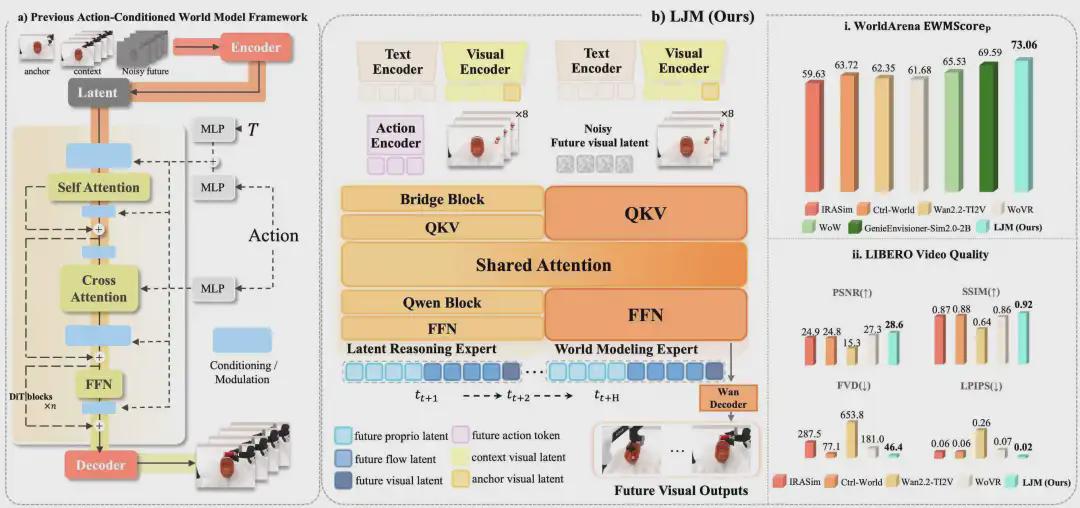
Moke Robotics Achieves Second Place in WorldArena with Innovative LJM Model
Moke Robotics has recently secured the second position in the WorldArena rankings with its LJM (Latent Joint-conditional Model), achieving a score of 73.06, just 0.58 points behind the leader. This model represents a significant advancement in embodied world modeling, addressing the gap between realistic video generation and causal reasoning in physical interactions. The importance of this achievement lies in Moke Robotics' approach to overcoming the limitations of existing models, which often fail to accurately represent the causal relationships in robotic interactions. By focusing on understanding interaction causality before generating visual outputs, Moke Robotics is paving the way for a new path in domestic autonomous research and development. Looking ahead, the implications of the LJM model could reshape how robots interact with the physical world, emphasizing the need for a unified interaction latent space. No further timeline was disclosed at the time of publication.
Embodied AI Causal Reasoning Robotics Technology World Modeling AI Development
Sapphire Technology Introduces EDGE+ Apex Robotics Platform Powered by AMD Ryzen AI Processors
Sapphire Technology has launched the EDGE+ Apex System-on-Module (SOM) and Carrier Robotics Platform, which is powered by AMD Ryzen AI Embedded X100 Series processors. This production-ready hardware platform is designed to enhance the development and deployment of physical AI in autonomous robotics, showcased at AMD Advancing AI 2026 in San Francisco. The EDGE+ Apex platform is engineered for rugged, always-on robotics applications, featuring a COM-HPC module with up to 128GB of LPDDR5x memory. It combines CPU, GPU, and NPU acceleration to support real-time perception and autonomous decision-making, making it suitable for demanding edge AI deployments. Sumit Shah from AMD emphasized that this platform unifies AI and industrial reliability, enabling the next generation of autonomous systems. Developers can leverage an open software ecosystem with familiar AI frameworks while utilizing AMD ROCm and Ryzen AI software. Paul Smith from Sapphire noted that the EDGE+ Apex aims to provide a complete foundation for robotics builders, facilitating a faster transition from prototype to production in challenging environments. No further timeline was disclosed at the time of publication.
Computing Robotics ai at the edge amd amd ryzen ai embedded x100 amd ultrascale+
Yujian's 'Embodied Ecology' Advances Robotics Beyond Traditional Biomimicry
In the past two years, the robotics industry has reached a consensus that the next phase of robotics is to become increasingly human-like. Companies are focusing on developing robots that can mimic human bodies and movements, aiming for integration into human production and daily life. Yujian's foray into hyper-biomimetic creatures, showcased at CES, includes lifelike models like a walking Chinese dinosaur and a breathing dinosaur hatchling, emphasizing interaction and realism. This shift is significant as it moves beyond traditional biomimicry, which primarily addresses appearance and movement fluidity, to a new paradigm that emphasizes the replication of life behaviors. Yujian aims to redefine hyper-biomimetic organisms as embodied intelligent agents capable of perception, decision-making, and action, rather than mere mechanical constructs. This approach opens up new markets and applications beyond consumer toys, targeting larger intellectual property opportunities. Looking ahead, Yujian's focus on cognitive reenactment raises questions about what qualifies as a hyper-biomimetic organism. Their innovative approach integrates embodied cognition, allowing these creatures to respond dynamically to their environment, thus creating a closed loop of perception, understanding, decision-making, and action. No further timeline was disclosed at the time of publication.
Bio-inspired Robotics Embodied Cognition Consumer Robotics Educational Technology
SoftBank Group Corp. Considers Acquisition of Gravis Robotics AG for AI Technologies
SoftBank Group Corp. is reportedly evaluating a potential acquisition of Gravis Robotics AG. This move aligns with SoftBank's strategy to enhance its portfolio in artificial intelligence technologies that support robotics. The acquisition is significant as it highlights SoftBank's ongoing commitment to investing in advanced AI capabilities, which are crucial for the future of robotics. By targeting Gravis Robotics AG, SoftBank aims to strengthen its position in the competitive robotics market. No further timeline was disclosed at the time of publication. Industry observers will be watching closely to see how this potential acquisition unfolds and its implications for both SoftBank and the robotics sector.
Multimodal Robotics Inspired by Biological Systems Explored in Science Robotics
The latest issue of Science Robotics, Volume 11, Issue 116, published in July 2026, delves into the advancements in bioinspired multimodal robotics. This research highlights how biological systems can inform the design and functionality of robotic systems, leading to more versatile and adaptive technologies. The significance of this research lies in its potential to enhance robotic capabilities by mimicking the diverse modalities found in nature. By studying biological organisms, engineers can develop robots that are not only more efficient but also capable of performing complex tasks across various environments, which is crucial for applications in fields such as search and rescue, agriculture, and environmental monitoring. Looking ahead, the ongoing exploration of bioinspired designs in robotics will likely lead to innovative solutions that address current limitations in robotic performance. No further timeline was disclosed at the time of publication.
ReviewRobotics needs a service framework.
RSF defines a common language for robot service capability, lifecycle operations, certification pathways, and service-provider networks.
Join the RobotToday community on LinkedIn
Daily robotics news, in-depth analysis, conference highlights, and discussions with professionals worldwide.







