

Industry Briefing
A single destination for timely, editor-curated robotics news from around the world.

Xiaomi CEO Lei Jun Reveals Upcoming Release of Next-Generation Self-Developed Chip
Xiaomi's CEO, Lei Jun, announced that the company's next-generation self-developed chip is approaching its release. However, specific details such as the launch date, product name, and technical specifications were not disclosed during the announcement. This information was shared in a post that also reviewed Xiaomi's second-quarter performance. The significance of this announcement lies in Xiaomi's increased investment in research and development, which rose by 18.9% year over year to RMB9.2 billion in the last quarter. This commitment to innovation indicates Xiaomi's strategy to enhance its technological capabilities and maintain competitiveness in the market. The anticipation surrounding the new chip reflects the company's focus on advancing its product offerings. Looking ahead, it remains unclear which device will be the first to incorporate this new chip, as Xiaomi has not provided any information on this aspect. No further timeline was disclosed at the time of publication.
News Feed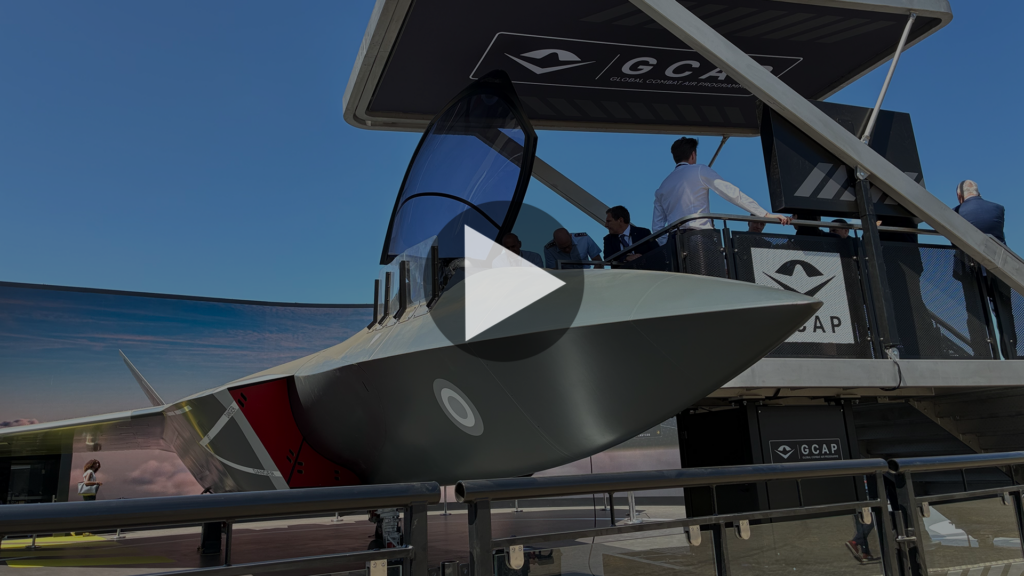
Insights on Europe's Next-Generation Fighter Programs Amid FCAS Collapse
The collapse of the Franco-German-Spanish Future Combat Air System (FCAS) program earlier this year has left Europe with only one sixth-generation manned aircraft in development. Despite this setback, the British-Italian-Japanese Global Combat Air Programme (GCAP) remains a viable option for European fleets moving forward. In addition to GCAP, older aircraft are being considered for upgrades, and the F-35 continues to be a significant presence in the market. Sweden's Saab may also enter the competition, highlighting the ongoing efforts to enhance Europe's domestic production capabilities in the defense sector. As discussions continue among industry experts, including Breaking Defense's Aaron Mehta and Douglas Barrie from the International Institute for Strategic Studies, stakeholders should monitor developments in European airpower initiatives. No further timeline was disclosed at the time of publication.
Air Warfare Air Force collaborative combat aircraft Drones Europe European Airpower Roundtable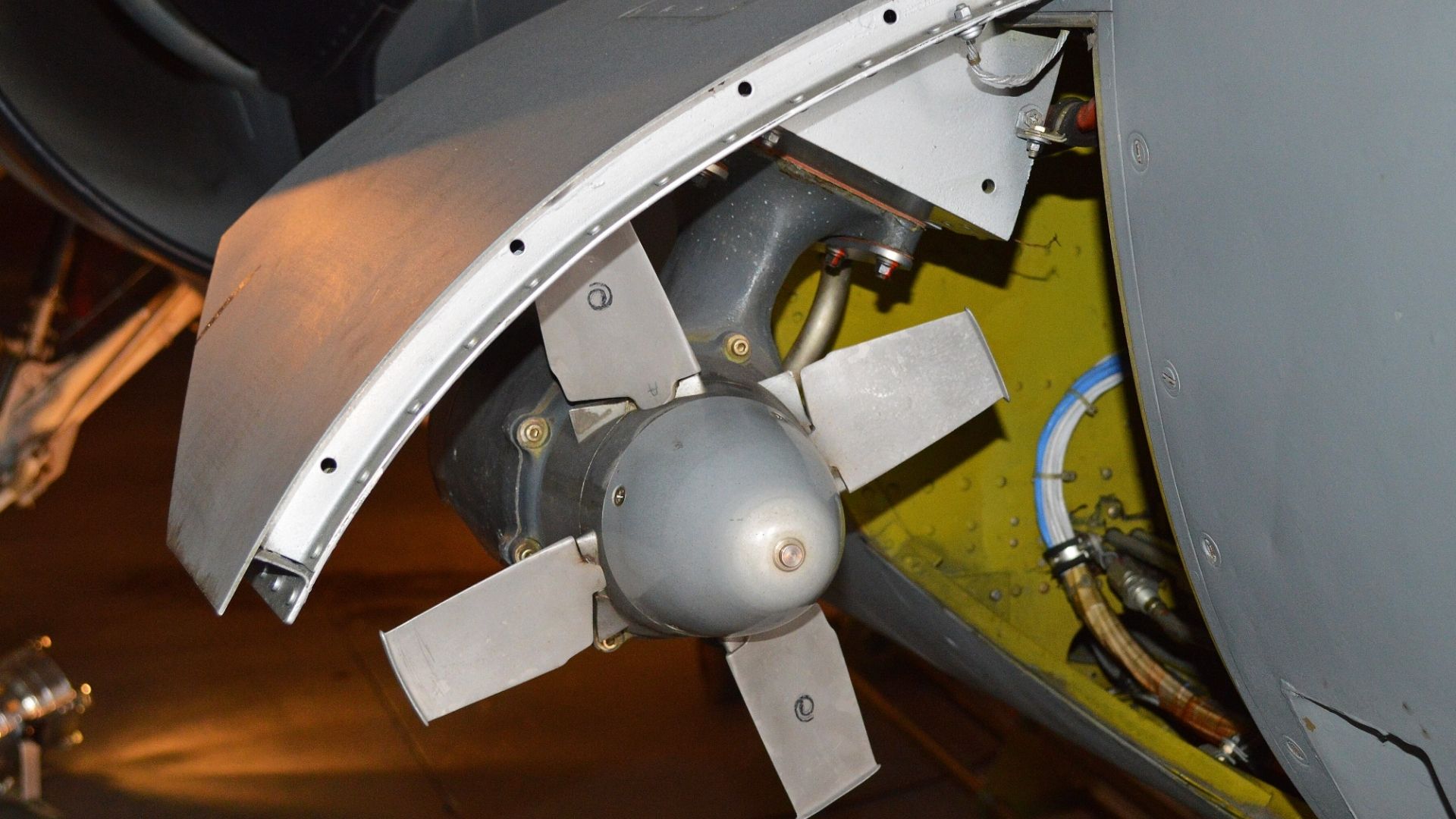
Marotta Controls to Supply Technology for US Navy's Next Generation Jammer Program
Marotta Controls, a US aerospace and defense contractor, has secured contracts to provide technology for two subsystems of the US Navy’s Next Generation Jammer–Low Band (NGJ-LB) program. Announced on September 2, the contracts involve a subcontract with CFD Research Corporation for a ram-air turbine power-generation system and a direct contract from L3Harris Technologies, the prime contractor for the NGJ-LB. The NGJ-LB is designed for the EA-18G Growler, enhancing its electronic warfare capabilities by disrupting enemy air defenses and ground communications. Marotta's involvement marks its entry into the airborne electronic warfare market, supplying equipment for the Turbine Speed Control System, which is crucial for power generation and regulation within the NGJ-LB pod. As the US Navy aims to replace the legacy AN/ALQ-99 Tactical Jamming System, the NGJ-LB program, selected in August 2024 under a $587.4 million contract, is set to deliver operational prototype pods for fleet assessment. No further timeline was disclosed at the time of publication.
Military
Teledyne FLIR OEM Selected for U.S. Army's Next-Gen Thermal Imaging Initiative
Teledyne FLIR OEM has been chosen to support the U.S. Army's Delivering Unmatched Thermal Capability Hastened (DUTCH) initiative, which aims to enhance uncooled thermal imaging technology. This program, led by the Office of the Assistant Secretary of War for Critical Technologies and the U.S. Army Combat Capabilities Development Command (DEVCOM) C5ISR Center, focuses on improving thermal sensor performance while minimizing size, weight, power, and cost (SWaP-C). The DUTCH initiative is significant as it seeks to bolster U.S. thermal sensor capabilities, particularly for applications in uncrewed aerial systems, loitering munitions, and thermal binoculars. Teledyne FLIR OEM will leverage its expertise in uncooled thermal imaging technologies to support the development and demonstration of these systems, which are crucial for future defense programs requiring large quantities of thermal sensors. Looking ahead, the initiative underscores a commitment to secure U.S. manufacturing and supply chains for defense technologies. No further timeline was disclosed at the time of publication, but the focus on domestic production aligns with Department of War priorities for secure microelectronics supply chains and mission-critical technology manufacturing.
Applications defense Defense Drone News Drone News Feeds News
LG to Launch Next-Generation Humanoid Robot Utilizing NVIDIA Isaac GR00T Technology
LG has announced the development of a next-generation bipedal humanoid robot, leveraging NVIDIA's Isaac GR00T technology. This innovative robot is set for a public unveiling in the first quarter of next year. The collaboration between LG and NVIDIA signifies a shift from strategic planning to tangible execution in the robotics field. By utilizing NVIDIA's advanced humanoid foundation model, LG aims to enhance the capabilities of humanoid robots, potentially impacting various applications. As the unveiling approaches, industry watchers should keep an eye on the features and functionalities of this new robot. The integration of NVIDIA's technology could set new standards in humanoid robotics, making it a significant development to follow in the upcoming months.
Air Force Plans Next-Generation Engine Integration Activities by 2030
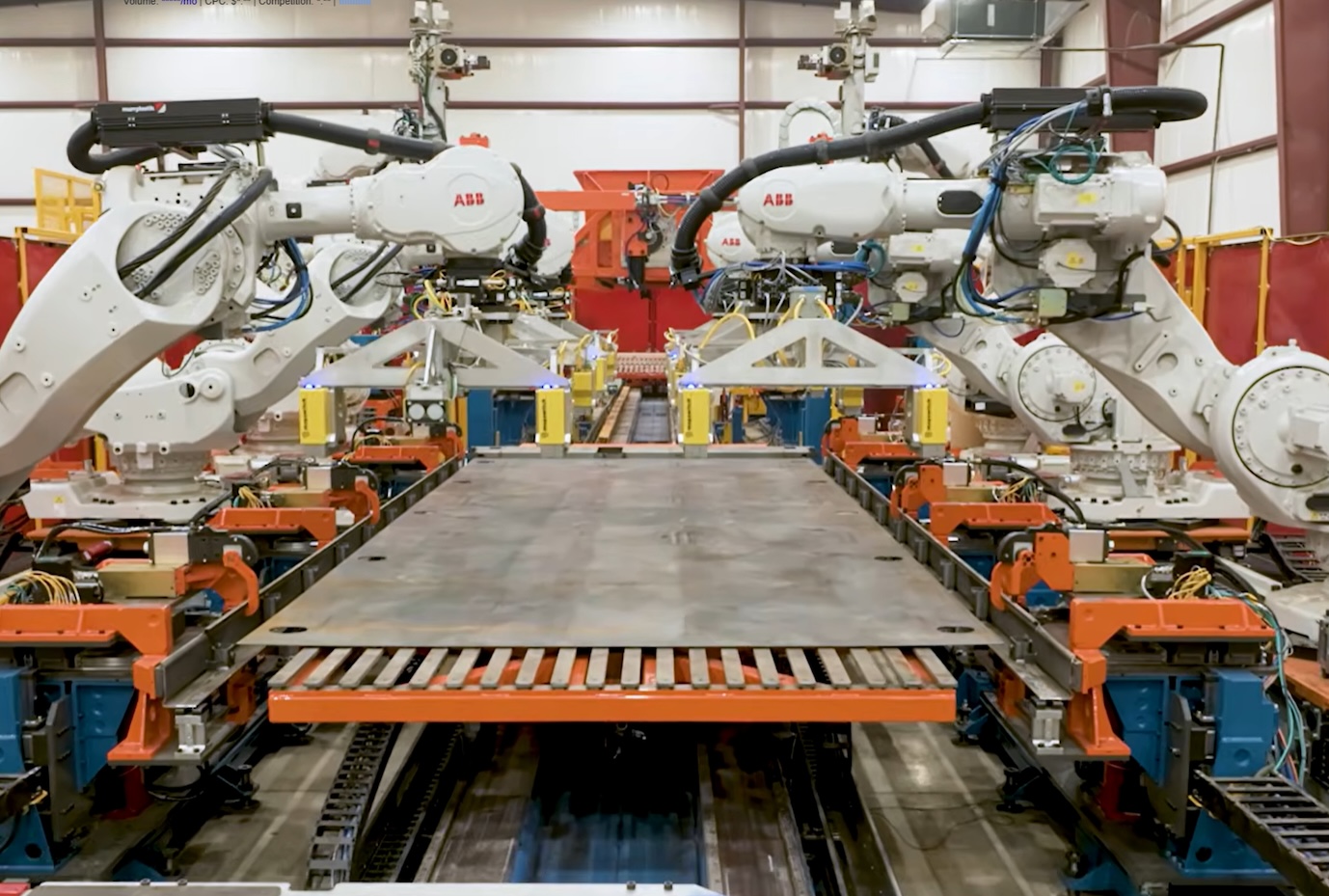
The Air Force anticipates that a next-generation engine will be ready for aircraft integration by the end of the decade, following years of delays. John Sneden, chief of the Air Force’s propulsion directorate, indicated that the Next Generation Adaptive Propulsion (NGAP) program will involve building and testing prototypes from GE Aerospace and Pratt & Whitney, with integration activities expected around 2030. This development is significant as the NGAP program aims to enhance military propulsion capabilities, potentially offering a more fuel-efficient and powerful engine for various aircraft, including the F-47. The program's platform-agnostic design allows for integration into existing aircraft, which could provide the Air Force with advanced propulsion options in the future. Looking ahead, the Air Force is requesting approximately $514 million for the NGAP initiative in fiscal 2027, with funding expected to peak at nearly $906 million in FY28. No specific aircraft has been confirmed for the NGAP engine, but the technology could lead to significant advancements in military aviation capabilities over the next decade.
Air Warfare Air Force Engine Core Upgrade (ECU) F-35 F-35 Block 4 modernization F-47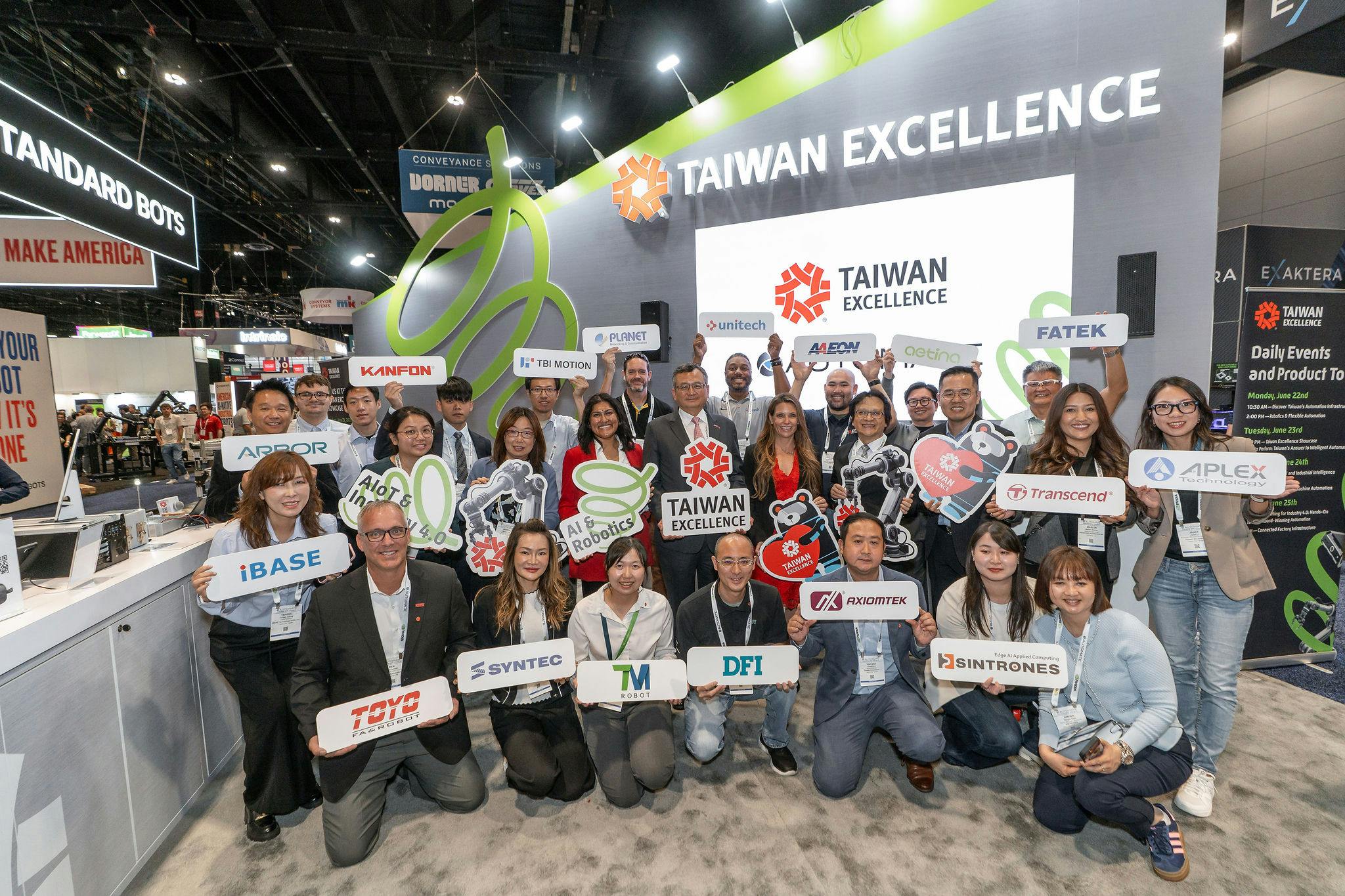
Taiwan's Ecosystem Fuels Next-Gen Manufacturing with Smarter Automation Solutions
The Taiwan Excellence Pavilion showcased 23 exhibitors presenting advanced solutions in edge AI, robotics, and smart manufacturing infrastructure. As manufacturers seek enhanced flexibility and intelligent operations, the integration of technologies across the factory floor is becoming crucial, driving demand for motion control, industrial computing, and machine vision. Taiwan's role as a global contributor in automation technologies is bolstered by its concentrated ecosystem focused on precision engineering and innovation. The Taiwan Excellence Award highlights exceptional Taiwanese products based on research, design, quality, and marketing, reflecting the nation's capability to support intelligent industrial systems. At Automate 2026, the pavilion demonstrated how foundational technologies assist OEMs and manufacturers in creating intelligent production environments. The emphasis on data-driven and AI-enabled automation solutions indicates a shift towards responsive manufacturing, where edge computing plays a vital role in real-time decision-making and advanced applications like predictive maintenance.
Factory / Digital Transformation
RoboParty Launches Open Source Framework for Next-Gen Humanoid Robot Development
In the past two years, the humanoid robot industry has seen numerous impressive demonstrations, but a shift is emerging in the second half of 2026. Companies are now focusing on developing training frameworks, development platforms, data tools, open-source models, and various R&D infrastructures. The competition is evolving from showcasing superior robots to enabling more developers to create robots faster. Recently, RoboParty established RoboParty Lab (RPLab) and introduced Party OS, an open-source embodied intelligence R&D foundation for next-generation humanoid robots. Alongside this, they released three R&D infrastructures: MimicLite, UFO, and hhtools. This move signifies a transition from merely demonstrating capabilities to building a robust R&D ecosystem that fosters collaboration and scalability within the developer community. As humanoid robots move from laboratories to practical applications in factories, warehouses, and homes, the industry is shifting its focus toward creating a reproducible, collaborative, and scalable R&D system. The emphasis is now on sustaining and accelerating development capabilities, marking a significant change in industry dynamics over the past year.
Humanoid Robots R&D Infrastructure Open Source Embodied AI Robot Development Tools
Tutor Intelligence Launches Advanced Cassie and Sonny Robots for Industrial Applications
Tutor Intelligence has introduced the next-generation Cassie and Sonny robots, enhancing their capabilities for material handling and e-commerce fulfillment. The new Cassie robot is fully autonomously mobile, enabling it to navigate between workstations and perform various tasks in factories and warehouses. It has already been utilized for applications such as depalletization and palletization, completing millions of bulk picks across the United States. The advancements in Cassie are significant as they allow for seamless integration into existing facilities without requiring major infrastructure changes. Powered by Tutor's Turing 200-million-parameter foundation model, Cassie can perceive its environment and execute tasks autonomously. The robot is equipped with a four-wheel mobile base, onboard vacuum generation, and multiple LiDAR units for navigation and human detection. Additionally, Tutor has unveiled a new version of Sonny, designed for tasks requiring higher dexterity, particularly in e-commerce fulfillment. Sonny will be the first platform powered by the Ti0 4.5-billion-parameter vision-language-action model, allowing it to autonomously navigate warehouses and manage order fulfillment. No further timeline was disclosed at the time of publication.

SoftBank Robotics Launches Next-Generation Serving Robot 'Servi Q' in Collaboration with Bear Robotics
SoftBank Robotics Corp. has commenced sales of the next-generation serving robot 'Servi Q,' developed in collaboration with Bear Robotics, Inc., starting September 28, 2026, in Japan. The 'Servi Q' will be exclusively sold by SoftBank Robotics globally, leveraging its network for gradual international rollout, while Bear Robotics continues sales in the U.S. and South Korea. The introduction of 'Servi Q' addresses several operational challenges faced by serving robots, such as navigating narrow aisles and carrying drinks stably. With a slim design of 35 cm in width and a minimum passage width of 45 cm, it can maneuver through crowded spaces and reverse in tight spots, enhancing its adaptability to various restaurant environments. Looking ahead, 'Servi Q' is designed to support natural collaboration between humans and robots in environments where traditional robot deployment has been challenging, such as restaurants, hotels, and care facilities. No further timeline was disclosed at the time of publication.

National Technology Launches Advanced Joint Motor Control Solution with Shenzhen Institute of Advanced Technology
National Technology has announced a new generation of integrated joint motor control solutions for humanoid robots in collaboration with the Shenzhen Institute of Advanced Technology. This solution utilizes the high-performance dual-core MCU N32H785, which integrates drive control, a frameless torque motor, dual absolute encoders, a communication module, and a reducer, addressing the challenges of compact and modular design in robotic systems. The humanoid robot market is experiencing significant growth, with global shipments expected to exceed 50,000 units this year, reflecting a year-on-year increase of over 700%. However, the complexity of joint control remains a critical challenge, as each robot contains numerous joints that must perform motor control, encoder processing, multi-protocol communication, and safety protection within tight spaces. The new solution aims to enhance the performance of joint control systems by separating motor control and communication tasks across two dedicated cores, ensuring real-time performance and stability. As the industry continues to evolve, the focus will be on the successful implementation of this technology in mass production scenarios.
Humanoid Robots Motor Control Robotics Technology Embedded Systems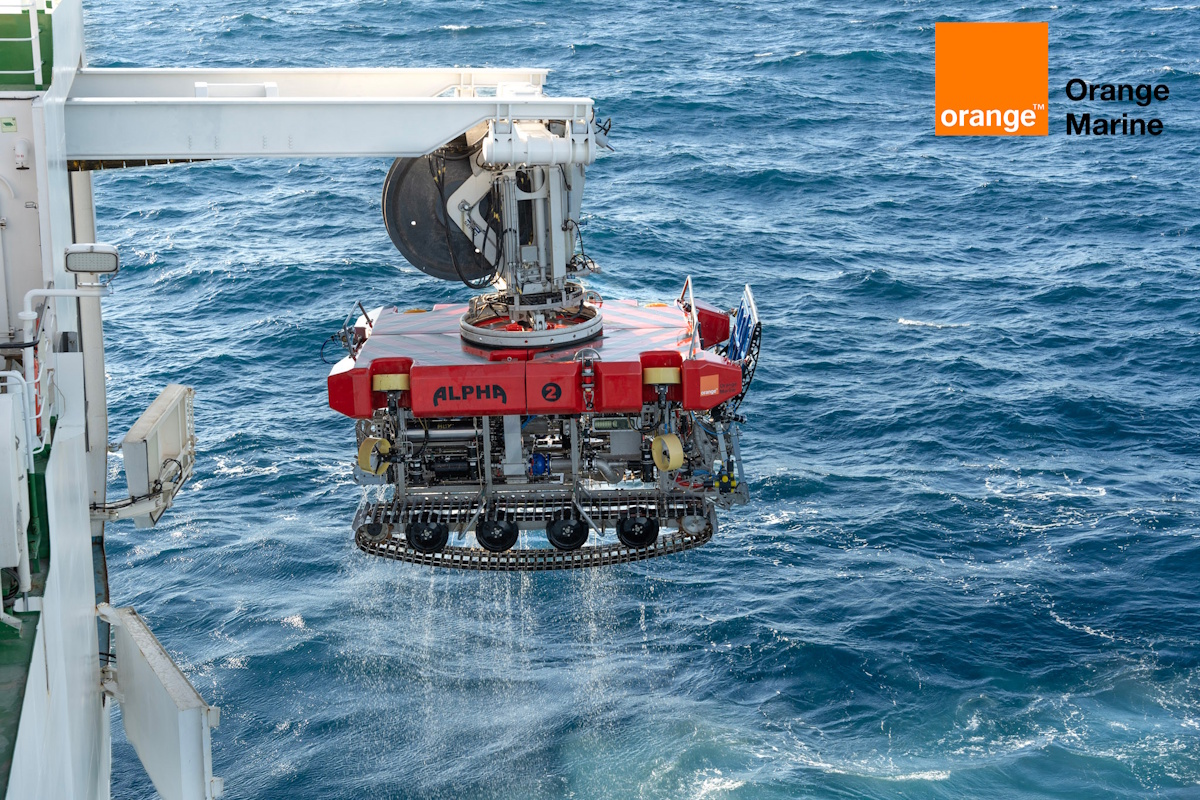
Global Marine Collaborates with Orange Marine for Advanced Alpha ROV on New Vessel
Global Marine has partnered with Orange Marine to supply a next-generation Alpha Remotely Operated Vehicle (ROV) for its new cable maintenance vessel, currently under construction. This collaboration merges Global Marine's extensive subsea cable maintenance experience with Orange Marine's specialized vehicle manufacturing expertise. The Alpha ROV is designed to meet the rigorous demands of telecommunications and power subsea cable operations, featuring 450 kW of power and the capability to operate at depths of 3,000 meters. This advanced vehicle will enhance Global Marine's operational flexibility and efficiency in subsea cable inspection, maintenance, and repair tasks. The new ROV will be deployed on a hybrid-powered cable maintenance vessel, set for delivery in Q4 2029, which signifies a substantial investment in fleet modernization. This initiative positions Global Marine to better support long-term maintenance agreements and capitalize on the growing subsea cable market, as noted by CEO Simon Hibberd.
global marine partnership orange marine alpha rov cable maintenance vessel
RS South Africa Advances Edge AI with NVIDIA Jetson Orin Nano 2 Robotics Computer
RS South Africa is backing the NVIDIA Jetson Orin Nano 2, a compact robotics computer aimed at enhancing edge AI capabilities. This new entry-level platform is designed to provide advanced AI performance while maintaining power efficiency, making it suitable for intelligent machines and robotics applications. The introduction of the Jetson Orin Nano 2 is significant as it opens up new possibilities for robotics and vision AI, allowing developers to create more sophisticated and efficient intelligent systems. The compact design and power-efficient nature of this platform are expected to meet the growing demand for edge AI solutions in various industries. Looking ahead, the NVIDIA Jetson Orin Nano 2 is anticipated to be available in the first half of 2027. Stakeholders in the robotics and AI sectors should monitor its release closely, as it may influence the development of next-generation intelligent machines and applications.
Huawei Cloud and Fulongma Introduce Next-Generation Sanitation Robot with AI Integration
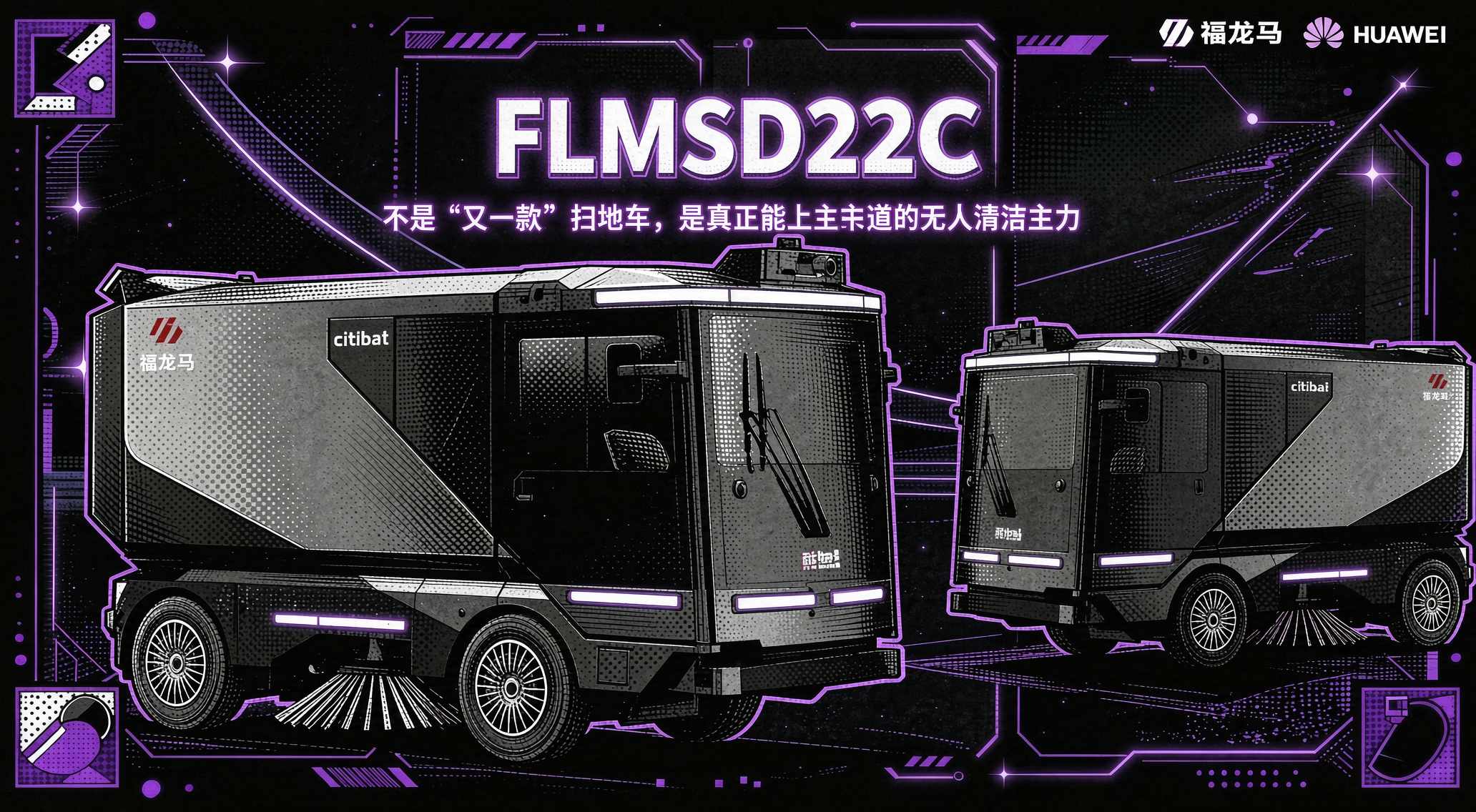
On September 18, during the Huawei Connect 2026 event, Huawei Cloud and Fulongma Group jointly launched a new generation sanitation robot based on the Huawei Cloud CloudRobo embodied intelligence platform. This marks the first public release of an embodied intelligence product since the signing of their cooperation framework, transitioning from strategic consensus to product implementation. The collaboration combines end-to-end autonomous driving and embodied intelligence technologies, leveraging a robust infrastructure that includes large models, computing power, and data loops. Huawei Cloud provides the CloudRobo autonomous driving base, CloudRobo embodied intelligence platform, Ascend cloud-edge computing power, and Octopus data loop toolchain, while Fulongma utilizes real data from over 130 sanitation projects and more than 15,000 connected devices to validate their L4-level products across over 40 cities. Looking ahead, the partners aim to complete end-to-end perception reconstruction by 2026, evolve decision-making capabilities by 2027, and fully integrate the CloudRobo embodied intelligence large model by 2028. This timeline reflects the robot's evolution from executing fixed routes to understanding complex tasks, addressing core challenges in sanitation operations through enhanced task comprehension and intelligent anomaly handling.
Sanitation Robots AI Technology Autonomous Driving Cloud Computing
MISUMI Americas Unveils $50 Million MISUMI Ventures Fund for Hardware and Robotics Startups
MISUMI Americas has launched MISUMI Ventures, a $50 million venture fund aimed at supporting early-stage companies in hardware, robotics, and related sectors. This initiative aligns with MISUMI Group's broader $1 billion global investment vision, providing startups with access to a robust global manufacturing supply chain from day one. The establishment of MISUMI Ventures is significant as it focuses on sectors such as aerospace, medtech, clean energy, and industrial AI, which are critical for technological advancement and innovation. By investing in these areas, MISUMI aims to foster growth and development in industries that are pivotal to the future of manufacturing and automation. Looking ahead, MISUMI Ventures plans to make its first investment by the end of 2026. Stakeholders should monitor the fund's activities closely, as it may influence trends in venture capital investment within the hardware and robotics sectors, potentially shaping the landscape for emerging technologies.

Nanoscience Instruments Partners with BioNavis to Enhance MP-SPR Technology Solutions
Nanoscience Instruments has announced a new partnership with BioNavis, a Finnish leader in Multi-Parametric Surface Plasmon Resonance (MP-SPR) technology. This collaboration aims to leverage BioNavis's innovative technology to provide enhanced scientific instrumentation solutions across North America. The partnership is significant as it combines Nanoscience Instruments' extensive experience in scientific instrumentation with BioNavis's cutting-edge MP-SPR technology. This integration is expected to improve the capabilities of real-time binding kinetics analysis, which is crucial for various applications in biosensing and molecular interactions. Looking ahead, the collaboration is poised to advance the development of next-generation optical biosensors. No further timeline was disclosed at the time of publication.

DataSelf Corp. Launches Enhanced DataSelf ETL+ for Advanced Analytics Solutions
DataSelf Corp. has unveiled the latest version of DataSelf ETL+, an advanced reporting and analytics solution designed for mid-market businesses. This next-generation software integrates powerful AI capabilities to enhance data analytics and reporting processes. The introduction of DataSelf ETL+ is significant as it positions DataSelf Corp. as a leader in the mid-market data warehousing and analytics sector. By leveraging AI, the software aims to provide users with deeper insights and more efficient data management, addressing the growing demand for sophisticated analytics tools in the market. Looking ahead, it will be important to monitor the adoption of DataSelf ETL+ among mid-market companies and its impact on their data-driven decision-making processes. No further timeline was disclosed at the time of publication.

China Advances Toward Integrated Air, Land, and Sea Drone Swarm Systems
China is progressing from large formations of identical drones to a more complex network that coordinates uncrewed systems across air, land, and sea. The China Electronics Technology Group Corporation (CETC) highlights the evolution of drone swarms from mere numbers to distributed systems capable of communication and local decision-making. This shift is significant as it enhances operational capabilities in diverse environments, particularly in military applications. CETC identifies five key capabilities for effective swarm functionality: survivability, situational awareness, planning and decision-making, mission execution, and autonomous learning. While China has made strides in these areas, challenges remain, especially in integrating different types of uncrewed systems. Looking ahead, CETC envisions a heterogeneous swarm that allows various platforms to work together seamlessly. This integration could enable aerial drones, ground vehicles, and maritime systems to share information and resources, enhancing overall mission effectiveness. However, achieving this level of coordination presents substantial technical challenges.
Military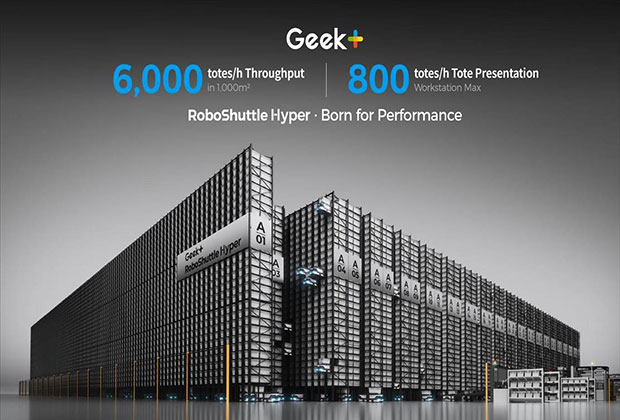
Geekplus Launches Next-Generation RoboShuttle Hyper for High-Throughput Operations
Geekplus (HKEX: 2590) has introduced RoboShuttle Hyper, a cutting-edge tote-to-person climbing autonomous mobile robot (AMR) solution. Designed for high-throughput applications such as B2C e-commerce and cold-chain fulfillment, RoboShuttle Hyper can handle up to 6,000 totes per hour per 1,000 square meters, significantly enhancing operational efficiency. The importance of throughput in fulfillment operations cannot be overstated, and RoboShuttle Hyper is engineered to optimize this metric. With advanced motion-control algorithms and a 1:10 charge-to-discharge ratio, the system ensures high availability during peak times. Its innovative design allows for increased concurrency and reduced congestion, making it a vital tool for modern logistics. Looking ahead, Geekplus continues to innovate in the tote-handling sector, having entered this market in 2018. The company plans to expand its technology offerings further, with the RoboShuttle Air set for launch in 2024 and Robot Arm Picking Stations expected in 2025. No further timeline was disclosed at the time of publication.
Order Picking & Sortation
Figure Partners with Nscale to Deploy 100,000 GPUs for Humanoid Robot AI Training
U.S. robotics company Figure has entered a strategic partnership with UK-based Nscale to secure up to 100,000 GPUs for training its next generation of humanoid robots. This collaboration aims to meet the increasing data and computational demands of developing advanced AI models for general-purpose robotics, utilizing NVIDIA’s Vera Rubin platform. The partnership is significant as it represents an initial commitment of $3.5 billion, with plans to expand to over $6 billion. The deployment of this large-scale computing infrastructure is expected to begin in the second half of 2027 in Barstow, Texas. This investment will support Figure's Helix AI system, enhancing the capabilities of its humanoid robots by processing vast amounts of real-world data. Looking ahead, Figure is also scaling its Index dataset, which has gained over 264,000 downloads globally. This dataset is crucial for training AI models by capturing diverse human activities. The collaboration with Nscale is designed to create a comprehensive infrastructure for physical AI, facilitating the transition from model training to real-world deployment of humanoid robots. No further timeline was disclosed at the time of publication.
AI and Robotics
D-Robotics Showcases Sunrise™ AI Chips at IFA 2026 for Home Robots
At IFA 2026 in Berlin, D-Robotics is highlighting its Sunrise™ AI chips, which power a variety of home robots. Notable products include TCL's hey AiMe companion robot, Vbot's SuperDog quadruped, and the xLean TR1 floor washer, showcasing the versatility of D-Robotics' technology. The significance of D-Robotics' contributions lies in its role as a leading provider of robotics development infrastructure. By equipping numerous robots with its AI chips, the company is influencing the evolution of home robotics, making advanced technology accessible to various manufacturers and enhancing consumer experiences. As IFA 2026 progresses, attention will be on how D-Robotics continues to innovate within the robotics sector. The impact of its Sunrise™ AI chips on the functionality and capabilities of home robots will be closely monitored, as the industry looks to the future of intelligent automation in domestic settings. No further timeline was disclosed at the time of publication.

Mouser Launches Qorvo eBook on RF Solutions for Drones, SATCOM, and IIoT Markets
Mouser Electronics has released a new eBook focusing on RF solutions tailored for modern applications such as drones, satellite communications, and industrial IoT. This resource highlights the evolving landscape of RF systems, emphasizing the need for higher speed, flexibility, and scalability in response to market demands. The eBook addresses the transition from traditional, highly customized architectures to more agile development strategies. This shift is crucial for meeting the rapid timelines associated with next-generation technologies, ensuring that developers can adapt to the fast-paced nature of the industry. As the demand for advanced RF solutions continues to grow, stakeholders should monitor how these developments influence the design and implementation of RF systems. No further timeline was disclosed at the time of publication.

Renesas Opens Physical AI & Robotics Lab in Beijing to Boost Robotics Development
Renesas Electronics Corporation has officially launched its Physical AI & Robotics Lab in Beijing, China. This new facility is designed to support customers in demonstrating, validating, and co-developing next-generation robotic systems. The establishment of this lab is significant as it will serve as a central hub for executing Renesas' physical AI strategy, facilitating the transition from proof-of-concept to large-scale deployment of advanced robotics solutions. Looking ahead, the lab is expected to play a crucial role in advancing robotics innovation and physical AI applications. No further timeline was disclosed at the time of publication.
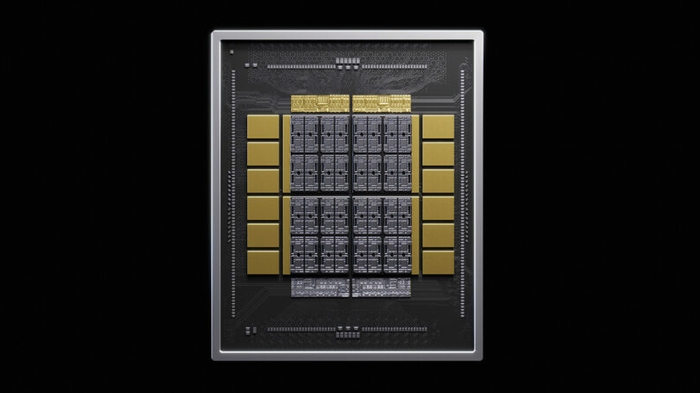
NVIDIA Expands NVLink Fusion with Next-Generation NVHBM High-Bandwidth Memory Technology
NVIDIA has expanded its NVLink Fusion technology by introducing NVIDIA NVHBM, a next-generation high-bandwidth memory designed to enhance AI infrastructure. This innovation aims to meet the increasing demands of AI agents and trillion-parameter workloads by integrating memory performance with compute, storage, and networking in a unified system. The introduction of NVHBM is significant as it offers up to 30% greater memory bandwidth and 15% lower power consumption compared to traditional HBM architectures. By integrating the memory controller into the HBM base die, NVIDIA frees up to 25% more area on the XPU compute die, allowing for more efficient designs. This development is expected to accelerate the deployment of custom AI chips in collaboration with leading memory partners. Amazon's Annapurna Labs will be the first to implement NVHBM technology, enhancing performance for AI workloads with its next-generation Trainium chips. This collaboration signifies a strategic partnership that aims to optimize AWS infrastructure designs. No further timeline was disclosed at the time of publication.

AWS and NVIDIA Expand Collaboration with 2 Million Additional GPUs for AI Infrastructure
Amazon Web Services (AWS) and NVIDIA have announced a significant expansion of their partnership to address the increasing global demand for AI infrastructure. The companies plan to deploy an additional 2 million NVIDIA GPUs across AWS’s global infrastructure, enhancing their collaboration in AI factories, CPUs, networking, and robotics. This move aims to support the growing need for AI workloads, enabling customers to scale their operations in areas such as agentic AI and enterprise automation. This expansion is crucial as organizations transition from pilot projects to full-scale production, necessitating broader model choices and faster data processing capabilities. AWS and NVIDIA's joint efforts will provide customers with the confidence that their infrastructure can support innovative AI applications while maintaining security and reliability. The collaboration builds on 16 years of innovation, reflecting the increasing demand from various sectors, including frontier labs and governments. Looking ahead, AWS and NVIDIA's partnership is set to redefine AI compute capacity, with plans to introduce NVIDIA Blackwell Ultra GPUs and enhance networking performance for large-scale AI training. No further timeline was disclosed at the time of publication.

Aetina Enhances Edge AI with Support for NVIDIA Jetson Orin Nano 2 Platform
Aetina Corporation has announced its support for the NVIDIA Jetson Orin Nano 2, enhancing its edge AI capabilities. This new platform allows for higher-performance generative AI and multimodal inference, which are crucial for compact Physical AI systems. The introduction of the Jetson Orin Nano 2 marks a significant advancement in entry-level edge AI robotics computers. It enables developers to create sophisticated applications such as delivery and inspection drones, robots, and vision AI systems that can perceive their environment and respond in real time. Looking ahead, the integration of the Jetson Orin Nano 2 into Aetina's offerings is expected to drive innovation in the edge AI sector. No further timeline was disclosed at the time of publication.

Galileo Robotics Introduces Next-Generation Galileo X at WRC 2026 with Innovative Mobility System
Galileo Robotics has unveiled the Galileo X at the 2026 World Robot Conference, introducing a revolutionary 'Embodied Ground Mobility System'. This launch signifies a significant advancement in product design and technology, setting a new standard for future ground robots. The introduction of the Galileo X is crucial as it redefines the existing paradigms in robotics, particularly in ground mobility. This innovation positions Galileo Robotics as a leader in the field of embodied intelligence, potentially influencing the development of next-generation robotic solutions. Looking ahead, industry stakeholders will be keen to observe how the Galileo X performs in practical applications and its impact on the robotics market. No further timeline was disclosed at the time of publication.

Kairos Power Initiates NuCAMP to Develop Advanced Nuclear Workforce in America
Kairos Power has launched the Nuclear Center for Advanced Manufacturing and Precast (NuCAMP) to address the workforce challenges in advanced nuclear reactor construction. This initiative is in collaboration with several institutions, including Oak Ridge National Laboratory and the University of Tennessee–Knoxville, and will be based at Kairos Power's Reactor Demonstration Campus in Oak Ridge, Tennessee. The establishment of NuCAMP is crucial as the U.S. aims to deploy advanced nuclear reactors, which necessitate a skilled workforce capable of adhering to stringent manufacturing and construction standards. The center will focus on workforce training, manufacturing development, and collaboration, with an initial exploratory phase lasting 12 months to identify necessary technologies and training programs. Looking ahead, NuCAMP will explore advanced manufacturing technologies such as precast concrete construction and additive manufacturing to enhance nuclear construction processes. The initiative aims to bridge the gap between innovative techniques and regulatory standards, ensuring the successful integration of these technologies into the nuclear industry. No further timeline was disclosed at the time of publication.
Energy
Seeing Machines Introduces Physical AI Platform for Advanced Humanoid Robotics
Seeing Machines Limited has launched its Physical AI Platform, which aims to enhance humanoid robots by leveraging its expertise in human sensing technology. This new platform is designed to facilitate safe and intuitive interactions between humans and machines, building on the company's established leadership in the automotive sector. The introduction of the Physical AI Platform is significant as it represents a shift towards integrating advanced computer vision capabilities into robotics and industrial automation. By applying its Human-Centred AI design philosophy, Seeing Machines is poised to redefine how robots interact with humans, potentially improving safety and efficiency in various applications. Looking ahead, industry stakeholders should monitor the development and deployment of the Physical AI Platform, as it may set new standards for human-robot interaction. No further timeline was disclosed at the time of publication.

LG to Launch Next-Generation Nvidia-Powered Humanoid Robot in Early 2027
South Korean electronics leader LG is set to unveil a new bipedal humanoid robot powered by Nvidia's Isaac GR00T in the first quarter of 2027. This development follows a memorandum of understanding signed on August 13 between LG and Nvidia, marking a significant step towards the execution of their collaborative efforts in robotics and AI technologies. The partnership aims to enhance LG's capabilities in AI factories and mobility solutions, leveraging Nvidia's advanced technologies. LG's chairman, Kwang Mo Koo, emphasized the clarity of their goals in AI Factory and Physical AI, while Nvidia's CEO, Jensen Huang, highlighted the transformative potential of physical AI in everyday life. This collaboration is expected to accelerate the integration of AI in various sectors. Looking ahead, LG plans to validate its LG CLOiD wheel-based robots at its washing machine manufacturing line in Tennessee this year. The results will inform further refinements and potential expansions of robot deployments across global production facilities and commercial spaces. No further timeline was disclosed at the time of publication.
Autonomous Vehicles Factories Humanoids News Robotics ai factories
Cast in Steel Reality Show Launches to Inspire Future Metal Casting Workforce
The Department of Defense has initiated a multimillion-dollar contract that has led to the creation of a metal casting competition, Cast in Steel. This reality show aims to raise awareness of the metal casting trade and inspire a new generation of workers. Six teams from various U.S. schools will compete for a $25,000 cash prize by designing and testing metal tools or weapons, with the season finale airing on YouTube. Cast in Steel is not a new concept, as the competition originally started in 2019, according to Robert Monroe, owner of Social Experiment. The show is produced by the Steel Founders’ Society of America (SFSA), which has been active for over 124 years and focuses on promoting the steel casting industry. The initiative aims to engage college students in metal casting projects, addressing the pressing workforce shortage in the U.S. casting and forging sectors. As the demand for American-made parts rises, the SFSA is increasingly focused on workforce development. The metal casting industry is crucial for various sectors, including automotive and aerospace, as advanced castings are essential for 90% of manufactured durable goods. No further timeline was disclosed at the time of publication.

Analog Devices Reaffirms Strategic Sponsorship with MassRobotics to Support Startups
MassRobotics has announced that Analog Devices, Inc. (ADI) has renewed its role as a strategic sponsor. This partnership focuses on providing MassRobotics startups with direct access to ADI’s advanced technologies, including sensor, signal processing, and power management solutions, aimed at addressing complex hardware challenges. The collaboration is significant as it leverages ADI's Analog Garage, an internal venture and incubator group that combines technical expertise with seed funding. This initiative is designed to transform innovative ideas into viable products, enhancing the capabilities of robotics startups within the MassRobotics ecosystem. Looking ahead, the partnership is expected to foster innovation and accelerate the development of next-generation robotics solutions. No further timeline was disclosed at the time of publication.

Procore Announces Acquisition of DroneDeploy for $845 Million to Enhance Jobsite Insights
Procore Technologies, Inc. has entered into a definitive agreement to acquire DroneDeploy, Inc. for approximately $845 million in cash. This acquisition aims to integrate DroneDeploy's aerial and ground reality capture capabilities into the Procore platform, enhancing jobsite imagery with AI-powered insights and actions. The significance of this acquisition lies in Procore's intention to transform how construction management software operates by leveraging DroneDeploy's technology, which is already utilized on over 3 million jobsites in more than 180 countries. This move is expected to bolster Procore's position as a leader in the construction management sector. Looking ahead, the integration of DroneDeploy's capabilities into Procore's platform will be crucial for improving operational efficiency and decision-making on construction sites. No further timeline was disclosed at the time of publication.

Samsung's Strategic Approach to Next-Generation Robotics Unveiled
Samsung is methodically preparing for its entry into next-generation robotics, focusing on a structured strategy rather than flashy demonstrations. The South Korean conglomerate views robotics as the culmination of decades of investments in electronics, semiconductors, AI, and IoT, positioning itself as a potential leader in the upcoming industrial revolution. The company's extensive background in autonomous mobility, sensors, computer vision, and intelligent assistants highlights its commitment to creating an ecosystem where robots seamlessly integrate into the existing digital environment. Samsung's vertical integration allows it to produce essential components for modern robotics, giving it a strategic advantage in a sector reliant on external suppliers. Samsung's approach emphasizes enhancing user experiences through existing applications rather than developing robots first. The introduction of Ballie, a mobile assistant designed to interact with smart home devices, exemplifies this philosophy. The partnership with Rainbow Robotics further accelerates Samsung's robotics capabilities, leveraging expertise in bipedal locomotion and autonomous mobile robots, signaling a significant shift in the company's technological landscape.
À la une IA Industrie Robotique AMR Ballie
NVIDIA Collaborates with Cadence and Synopsys to Enhance EDA Workflows Using Vera CPU
NVIDIA is partnering with Cadence and Synopsys to optimize electronic design automation (EDA) applications for its Vera CPU. This initiative aims to enhance the design process for next-generation CPUs and GPUs, addressing the increasing complexity of chip design. By deploying Vera across EDA workflows, NVIDIA seeks to accelerate chip production and improve the pace of technological advancements in the industry. The collaboration is significant as it focuses on boosting EDA workloads, which are crucial for semiconductor development. With the Vera CPU architecture, NVIDIA aims to enhance performance in logic simulation, formal verification, and digital implementation, which are vital for validating chip designs. The ability to accelerate these processes can lead to faster product development and a more efficient design cycle. Early testing results indicate that Vera can significantly improve performance in critical EDA applications, with Cadence Jasper and Synopsys VCS showing up to 1.5x higher performance on selected workloads. NVIDIA's ongoing work with these companies on application profiling and system-level tuning suggests a commitment to enhancing engineering productivity across various workflows in the future. No further timeline was disclosed at the time of publication.

SK Group and NVIDIA Forge $500 Billion Partnership for AI Infrastructure and Memory Solutions
SK Group and NVIDIA have announced a comprehensive partnership valued at over $500 billion to develop AI infrastructure in response to rising global compute demands. This collaboration includes plans for AI factory construction and the supply of next-generation AI memory, with the first AI factory expected to launch in 2027. The partnership builds on a longstanding relationship between SK Group and NVIDIA, aiming to enhance AI infrastructure across the Asia-Pacific region, particularly in South Korea. The initiative will leverage NVIDIA's DSX platform and SK hynix's advanced memory technologies to create efficient, large-scale AI services. Looking ahead, the collaboration will not only expand AI infrastructure but also focus on co-developing next-generation AI memory solutions. No further timeline was disclosed at the time of publication.
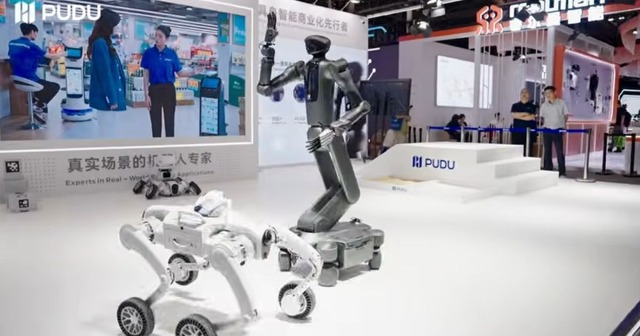
Pudu Robotics Unveils Next-Generation Semi-Humanoid Robot 'PUDU D7' at WAIC 2026 in Shanghai
Pudu Robotics showcased its entire product lineup at the 2026 World Artificial Intelligence Conference (WAIC 2026) held in Shanghai from July 17 to 20, including the world premiere of the next-generation semi-humanoid robot 'PUDU D7'. Attendees had the opportunity to take commemorative photos with 'PUDU D7' and receive unique snapshots from the robot's perspective. The event also featured a multi-robot cooperative demonstration with the quadruped robot 'PUDU D5', which autonomously navigated while avoiding pedestrians. The robots demonstrated their autonomous navigation capabilities on an obstacle course simulating gravel, steps, and slopes, achieving a maximum speed of 5 m/s during drift driving. Use cases for autonomous inspection in complex environments such as power substations and industrial parks were also presented. In addition to 'PUDU D7', Pudu Robotics exhibited various robots including the serving robot 'BellaBot', industrial transport robot 'PUDU T300', and commercial cleaning robots 'PUDU MT1 Max' and 'PUDU CC1 Pro', highlighting their applications across diverse industries such as food service, retail, manufacturing, and logistics. No further timeline was disclosed at the time of publication.
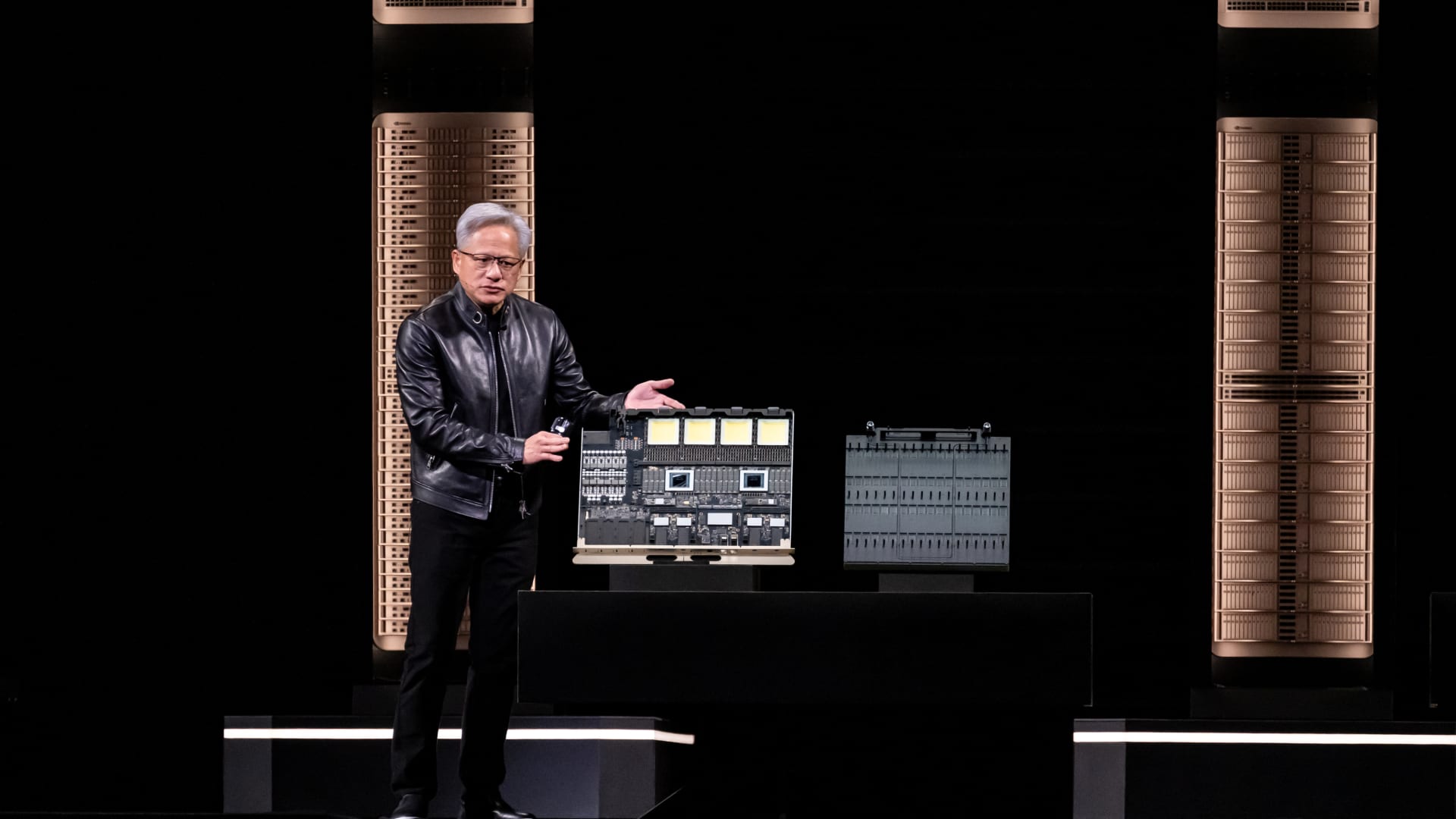
Nvidia Unveils Vera CPU for AI, Challenging AMD and Intel in Server Market
Nvidia has introduced its next-generation CPU, Vera, designed specifically for AI applications, marking its entry into the CPU market. This strategic move positions Nvidia to compete directly with established players AMD and Intel in the AI server sector. The company has begun shipping Vera chips to clients such as OpenAI, Anthropic, and SpaceX, highlighting its commitment to vertical integration in technology. The significance of this launch lies in Nvidia's aim to redefine server architecture by focusing on single-core performance rather than core count, which has been the traditional approach by competitors. With the server CPU market projected to reach $200 billion, Nvidia's Vera chip is expected to play a crucial role in enhancing AI agent performance, offering 50% better efficiency compared to existing x86 chips from Intel and AMD. Looking ahead, Nvidia's strategy to sell complete computing systems rather than just individual chips could reshape the competitive landscape in AI servers. As the demand for AI capabilities continues to grow, the performance and pricing of the Vera CPU will be critical factors to monitor in the evolving market dynamics.

Impossible Metals Announces New Advanced Marine Robotics Hub in Pittsburgh for Mineral Robotics Development
Impossible Metals has unveiled plans to establish an Advanced Marine Robotics Hub in Pittsburgh, aimed at developing dual-use autonomy for ocean science and naval systems. This initiative is part of a broader effort to create a China-free critical-mineral supply chain, leveraging the region's expertise in robotics. The new hub will not only foster innovation in mineral robotics technology but also generate over a dozen high-paying engineering and science jobs in Pennsylvania. This move underscores the importance of local talent in advancing the United States' capabilities in marine robotics and autonomy. Looking ahead, stakeholders should monitor the hub's progress and its potential impact on the critical-mineral supply chain. No further timeline was disclosed at the time of publication.

Robbyant Upgrades and Open-Sources LingBot-VLA 2.0 as a Next-Generation Universal Brain for Embodied AI
While the embodied AI industry is witnessing rapid advancements in hardware and control systems, the lack of a truly universal brain remains a primary bottleneck for industrial-scale deployment. LingBot-VLA 2.0 addresses this critical gap by dramatically expanding its pre-training data and architectural capabilities.

SpaceX Unveils AI1 Satellite Specs for Starmind Constellation with Key Thermal Challenges
SpaceX has introduced the AI1 satellite, the inaugural component of its Starmind constellation, which stands 20 meters tall and has a wingspan of 70 meters. This orbital compute node is designed to deliver computing power equivalent to one NVIDIA GB300 server rack, utilizing a unique cooling system with deployable liquid radiators. The satellite's specifications were revealed during a presentation on June 8, 2026, ahead of SpaceX's IPO. The significance of the AI1 satellite lies in its role as a compute platform rather than a traditional satellite, focusing on running AI inference workloads. The satellite's cooling system, which is critical for its operation in the vacuum of space, is designed to reject heat through infrared radiation. However, independent engineers have raised concerns about the feasibility of the thermal and mass claims made by SpaceX, suggesting that the cooling requirements may exceed practical limits. Looking ahead, SpaceX plans to launch two AI1 prototypes in early 2027, with full-scale production expected to commence later that year at its Gigasat facility in Bastrop, Texas. The ongoing debate regarding the satellite's thermal management capabilities will be crucial to monitor as the project progresses, with no further timeline disclosed at the time of publication.
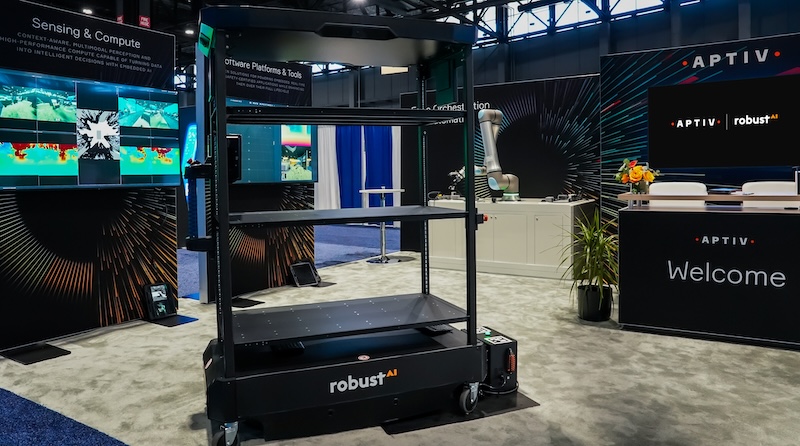
Robust.AI selects Aptiv’s AI-powered perception system for next-generation Carter warehouse robot
Aptiv, an industrial technology company, has announced that Robust.AI, a developer of AI-driven warehouse automation, has selected Aptiv’s intelligent perception solutions, including AI and Machine Learning based sensor fusion powered by the Aptiv Pulse sensor for its Gen 3 Carter collaborative mobile robot. This selection builds on the companies’ existing collaboration to combine Aptiv’s proven […]
Computing News Sensors AI perception amrs aptiv
UMA Unveils Its Vision for the Next Generation of Humanoid Robots
At Machina Summit, UMA unveils the design of its first humanoid robot and introduces Real-Time Learning, a new AI architecture that enables robots to learn new skills through demonstration rather than programming.

Microsoft unveils next-generation platform "Project Solara," transitioning from GUI to AI agents.
At the Microsoft Build 2026 conference held in June, the tech giant unveiled "Project Solara," a groundbreaking platform designed to prioritize AI agents over traditional graphical user interfaces and mobile applications. This innovative system facilitates collaboration between cloud-based AI agents and edge devices, enabling a seamless user interface that transcends hardware limitations. The announcement included an overview of two conceptual models, illustrating a new vision for computing in the age of artificial intelligence. As Microsoft explores this "AI agent-first" approach, it raises questions about the future of user interaction and the potential transformations in technology.

Why Are Custom Harness Solutions Essential for Next Generation Technology?
In the realm of hardware development, a recurring issue has emerged where wiring is often considered an afterthought. Engineers invest significant time and resources into creating advanced electric powertrains and high-density sensor arrays, ensuring that the mechanical and software components are meticulously designed. However, a common oversight occurs when the physical connections fail to fit within the designated space, leading to potential setbacks in the project timeline. This problem is particularly pronounced when relying on off-the-shelf components that may not be compatible with innovative designs. As the industry continues to evolve, addressing these wiring challenges is crucial for the successful integration of new technologies.
Engineering Technology aerospace Cable assembly Cable management Custom harness solutions
DJI introduces next-generation Agras agricultural drones globally
DJI has announced the global launch of its latest farming drones, the Agras T55 and the Agras T100 Dual Battery Spraying System, as part of its effort to enhance precision agriculture. This unveiling comes after over ten years of research and development by DJI Agriculture. The new drones are designed to cater to a wide range of agricultural needs, from small orchards to extensive field operations. By improving the efficiency of aerial spraying, spreading, and lifting tasks, these drones aim to enhance productivity while prioritizing safety for users in the agricultural sector.
News
NASA's AstroPix Technology Demonstration to Advance Next-Generation Gamma-Ray Detection
NASA is set to conduct an in-orbit demonstration of its innovative AstroPix gamma-ray sensor, a cutting-edge pixel-based detector designed to enhance the study of gamma-ray bursts and active galaxies. This significant event is scheduled to take place in the near future as part of NASA’s ongoing efforts to advance astrophysical research. The AstroPix sensor aims to provide unprecedented insights into cosmic phenomena, which could deepen our understanding of the universe. By utilizing this advanced technology in space, NASA hopes to gather critical data that will inform future missions and studies in astrophysics. The demonstration marks a pivotal step in harnessing new detection methods to explore the mysteries of high-energy astrophysical events.
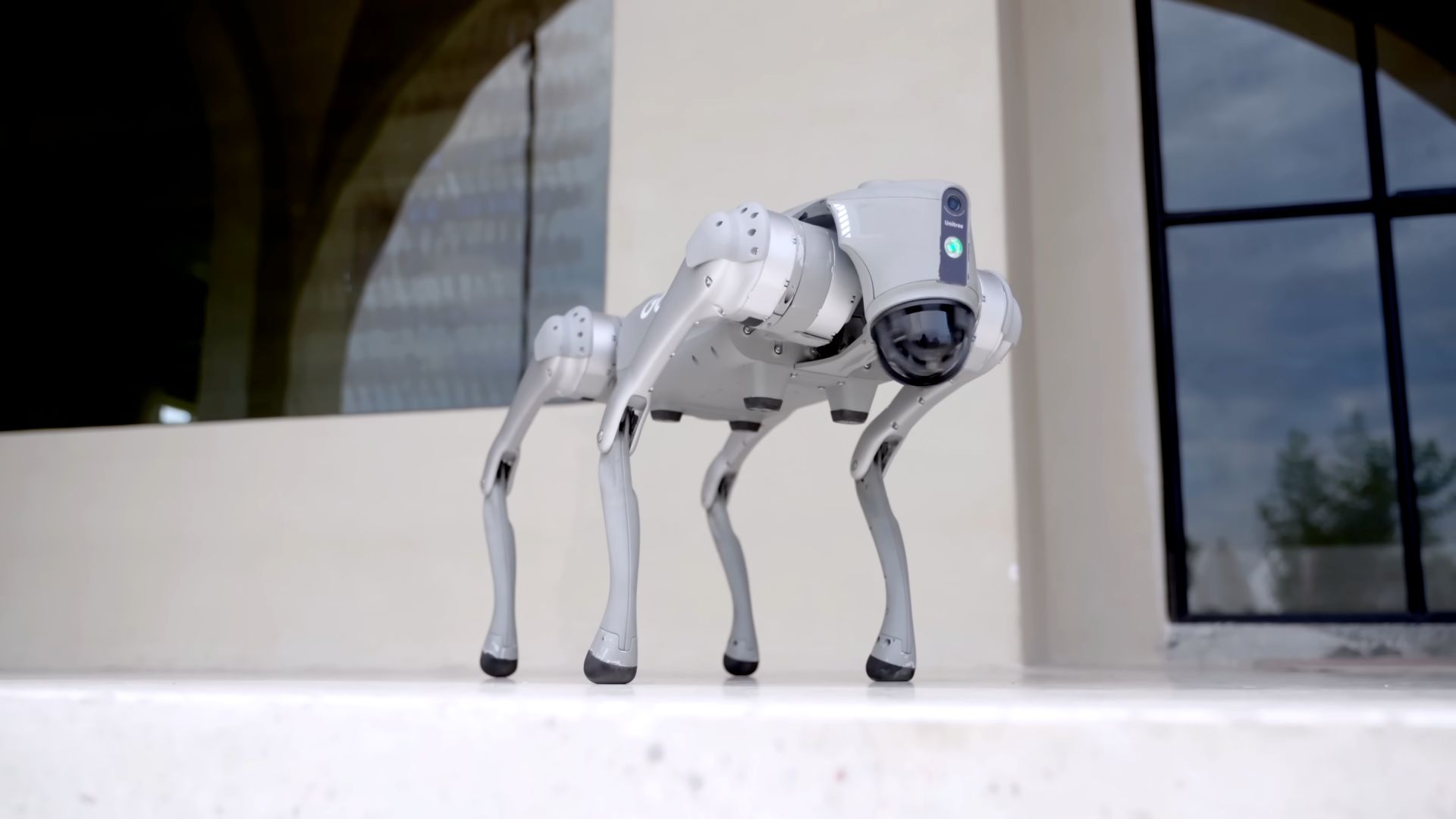
China’s Alibaba unveils AI brains designed to power the next generation of robots
Alibaba, the Chinese technology giant, has unveiled its inaugural family of embodied AI models, marking a significant advancement in artificial intelligence technology. This launch, which took place recently, aims to enhance the interaction between humans and machines by integrating large language models with physical embodiments. The initiative is part of Alibaba's broader strategy to innovate and lead in the AI sector, responding to the growing demand for more intuitive and responsive AI systems. By leveraging its extensive data resources and expertise in machine learning, Alibaba seeks to revolutionize user experiences across various applications, from customer service to entertainment. The company plans to continue developing these models to further improve their capabilities and expand their use cases in the coming months.
AI and Robotics
Flexiv to Unveil Next-Generation Adaptive Robots at Automate 2026
Enlight and MICO have made their international debut, showcasing advanced whole-body touch sensitivity and physical AI technology aimed at revolutionizing industrial automation. This significant event took place recently, highlighting the growing trend of integrating sophisticated AI solutions into manufacturing processes. The introduction of these technologies is driven by the need for increased efficiency and precision in industrial operations. By utilizing whole-body touch sensitivity, Enlight and MICO enable machines to interact more intuitively with their environments, enhancing productivity and safety. This innovative approach is expected to transform how industries operate, paving the way for smarter and more responsive automation systems.

OMRON Robotics to Demonstrate Next-Generation Autonomous Mobile Robots at Automate 2026
A leading technology company has unveiled its latest advancements in automated material handling with the introduction of the LD-150 and LD-300 autonomous mobile robots (AMRs). This launch took place in October 2023, showcasing the company's commitment to enhancing efficiency in logistics and warehouse operations. The new AMRs are designed to streamline material flow, addressing the growing demand for smarter and more flexible solutions in supply chain management. By integrating advanced navigation and sensing technologies, the LD-150 and LD-300 aim to optimize workflows, reduce operational costs, and improve safety in various industrial environments. This innovation reflects the company's strategy to leverage automation in response to evolving market needs and the increasing complexity of logistics operations.
Robotics needs a service framework.
RSF defines a common language for robot service capability, lifecycle operations, certification pathways, and service-provider networks.
Join the RobotToday community on LinkedIn
Daily robotics news, in-depth analysis, conference highlights, and discussions with professionals worldwide.







