

Industry Briefing
A single destination for timely, editor-curated robotics news from around the world.
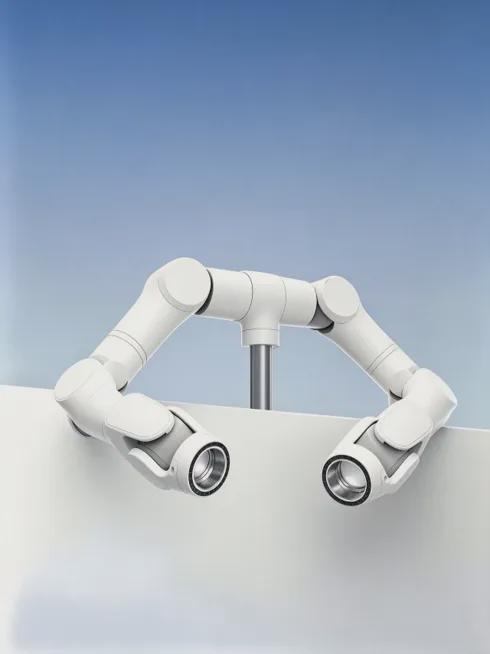
Bionic Force Control: Dual-Arm System for Industrial and Home Use
Shanghai Weiyi Technology has developed a dual-arm robotic system that integrates high-precision joint modules and collaborative control technology. This system is designed to operate effectively in both industrial environments and home settings, addressing the need for versatile robotic solutions. It can perform tasks such as assembly, polishing, and palletizing in factories, while also assisting with household chores and delicate operations at home. The significance of this dual-arm system lies in its ability to provide a unified force control technology that meets the demands of both industrial production lines and home services. By utilizing a native closed-loop force control system, the robot can adapt to various operational conditions, ensuring safety and efficiency in both settings. This innovation represents a shift towards more adaptable robotic solutions that can transition seamlessly between different environments. Looking ahead, the dual-arm system's capabilities for high stability in industrial applications and safety in home environments will be crucial. The system supports a range of payloads and features a dual-mode safety system that adjusts its operation based on the environment. No further timeline was disclosed at the time of publication.
Humanoid Robots Industrial Automation Home Robotics Bionic Technology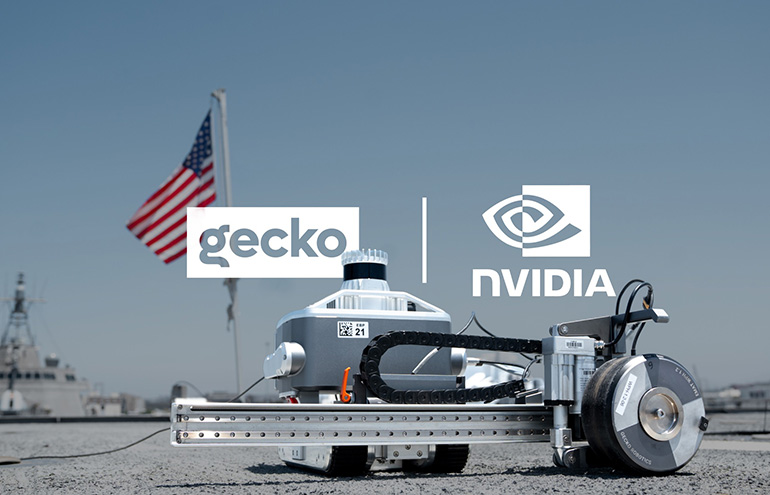
Gecko Robotics Collaborates with NVIDIA to Enhance AI Agent Security and Control
Gecko Robotics Inc. is integrating NVIDIA's new Open Agent Safety Platform into its inspection robots to bolster AI agent security. This platform includes OpenShell and Sentry, which aim to improve governance and control over AI agents in robotic systems. Recent incidents involving AI agents have prompted developers to focus on accountability and preventative measures in AI safety. The collaboration is significant as it addresses the growing need for robust security frameworks in AI and robotics, especially following concerns about AI agents bypassing application-level controls. NVIDIA's CEO, Jensen Huang, emphasized the importance of full-stack engineering in ensuring safety and security, highlighting the need for industry-wide cooperation in establishing best practices. Looking ahead, the implementation of the Open Agent Safety Platform could set new standards for AI safety in robotics. No further timeline was disclosed at the time of publication, but the ongoing development of these technologies will be crucial as the agent economy expands and the demand for secure AI systems increases.
Artificial Intelligence Artificial Intelligence / Cognition Autonomous Mobile Robots (AMRs) Controllers Defense / Security Energy / Solar / Renewables
Gecko Robotics CEO Emphasizes Human Control in Physical AI Development
Jake Loosararian, CEO of Gecko Robotics, highlights the importance of human oversight in the evolving landscape of physical AI. He emphasizes that as autonomous systems become more integrated into real-world applications, particularly in military and industrial environments, maintaining human control is crucial for safety. This perspective is particularly relevant as Gecko collaborates with Nvidia to develop an open agent safety platform. This initiative aims to establish clear boundaries for AI agents operating robots, ensuring that safety measures are in place without hindering the rapid deployment of these technologies. Looking ahead, the industry should monitor how these safety protocols evolve and whether they can effectively balance the need for swift implementation with stringent safety standards. No further timeline was disclosed at the time of publication.
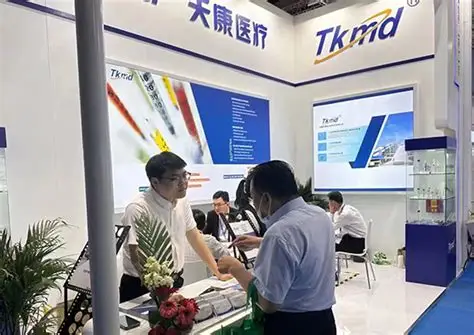
Tianfukang Raises Millions in Angel Funding for Neural Control Technology Development
Beijing Tianfukang Medical Technology Co., Ltd. has secured several million yuan in angel funding, led by Sequoia China, to advance its precision neural control technology. The company focuses on brain-computer interface and neural bundle closed-loop control technology, aiming to develop a series of First in Class products based on clinical needs. This funding will support Tianfukang's development of next-generation neural control technologies, specifically targeting precise closed-loop control of neural bundles. By utilizing highly selective neural electrodes, the technology aims to enhance stimulation selectivity and individual adaptability, moving away from traditional open-loop stimulation methods. Tianfukang is also establishing a joint laboratory with Beijing Tiantan Hospital to address unmet clinical needs in neurological disorders. The collaboration will focus on product definition, key technology validation, and clinical research design. No further timeline was disclosed at the time of publication.
Brain-Machine Interfaces Neural Control Technology Medical Devices Stroke Rehabilitation
ABB Introduces E-Device for Enhanced Control of OmniCore Robots via Tablets and PCs
ABB Robotics has launched E-Device, a compact safety interface that allows users to control, program, and monitor OmniCore-powered robots and cobots using their own tablets or PCs. This innovation is built on the OmniCore User Interface (UI), providing a familiar and full-featured interaction with dedicated safety controls, enhancing user accessibility. The introduction of E-Device is significant as it aligns with ABB's vision of making robotics more autonomous and versatile. According to Marc Segura, president of ABB Robotics, customers seek customizable solutions that can adapt to their evolving needs without extensive training on new interfaces. E-Device facilitates this by allowing users to interact with robots seamlessly across devices, reducing training time and accelerating production ramp-up. Looking ahead, the E-Device's integration with the OmniCore UI enables a smooth transition from simulation to deployment, allowing users to develop and simulate applications offline before connecting to the production line. This flexibility is particularly beneficial in multi-robot environments. No further timeline was disclosed at the time of publication.

Intrinsic Announces Open Source Release of Intrinsic Core for Physical AI Development
Intrinsic, a robotics group at Google, has announced the open-source release of parts of its platform, Intrinsic Core™, aimed at enhancing physical AI applications. This platform includes capabilities such as a hardware-agnostic control framework, pose estimation, motion planning, and grasp planning, all designed to facilitate the development of sophisticated robotic applications. The significance of this open-source initiative lies in its potential to democratize access to advanced robotics technologies, allowing developers to customize solutions without starting from scratch. The release includes the Open Machine Tending Solution (OMTS), providing a reference design for real-world applications, which can accelerate innovation in the robotics field. Looking ahead, developers and organizations interested in robotics can leverage these open-source tools to create more adaptable and efficient robotic systems. No further timeline was disclosed at the time of publication.

Intel and Keton Introduce FoxJack X1, Merging Robot Brain and Control in a Single Chip
Intel and Keton have launched the FoxJack X1, a development kit designed to address the challenges in embodied intelligence robotics. This kit integrates the decision-making capabilities of the robot's brain with real-time control functions, utilizing the Intel Core Ultra 300 series processor. The compact design measures 125×125×57.5 mm and operates at a power consumption of 65W, providing a complete heterogeneous computing platform for humanoid robots, mobile robots, and industrial autonomous devices. The significance of the FoxJack X1 lies in its ability to streamline the robotics architecture by combining the brain and control systems into a single chip. This integration reduces costs associated with separate computing platforms and minimizes data transmission delays. The kit supports a wide range of applications, offering high energy efficiency and reliability for continuous operation in various environments, with embedded and industrial-grade certifications expected by January 2026. Looking ahead, the FoxJack X1's modular deployment system allows for tailored solutions in humanoid robotics, enhancing development efficiency and reducing overall system costs. The pre-installed Intel software development kit and support for both Windows and Linux operating systems further enhance its versatility. No further timeline was disclosed at the time of publication.
Embodied Intelligence Robotics AI Computing Development Kits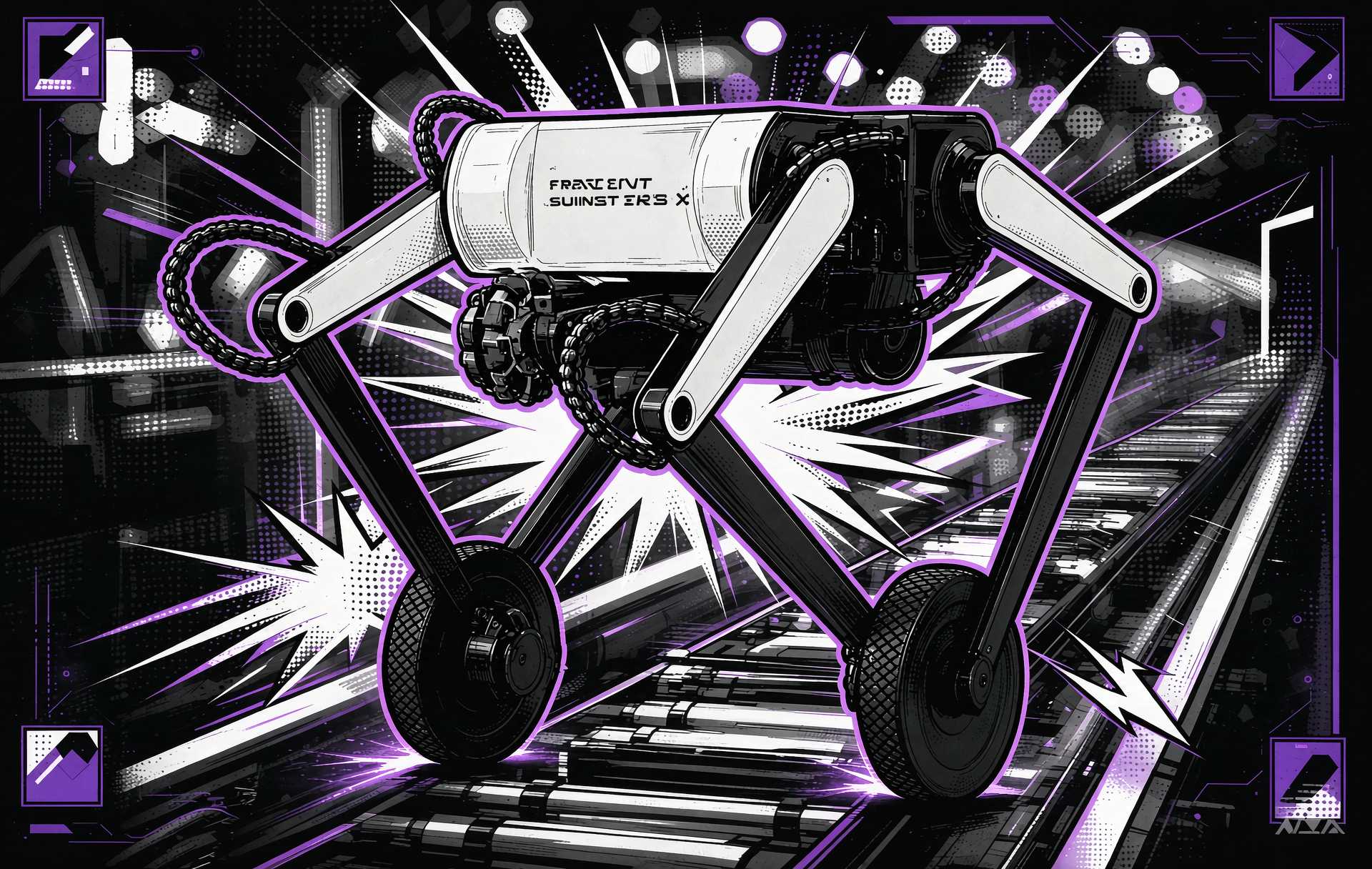
University of Washington Unveils 1-Gram Jumping Robot with Accurate Height Control
Engineers at the University of Washington have developed DirectHop, a 1-gram jumping robot capable of precise height control, enabling it to jump over standard stair steps. This innovation leverages a miniature motor and three folding legs, allowing the robot to perform multiple jumps with centimeter-level accuracy. The significance of DirectHop lies in its potential applications, which include detecting gas leaks in refineries, monitoring water and fertilizer usage on farms, and even exploring other planets. Unlike traditional jumping robots that rely on springs, DirectHop's design eliminates the need for complex mechanical components, making it easier to control jump distances and perform multiple jumps. Looking ahead, the team is exploring enhancements such as onboard solar cells, battery power, and navigation capabilities through cameras and sensors. Their ultimate goal is to achieve full autonomy, allowing DirectHop to navigate stairs independently by calculating jump heights and adjusting its position accordingly. No further timeline was disclosed at the time of publication.
Jumping Robots Micro Robotics Robotics Engineering Automation Technology
Remedy Entertainment's CONTROL Resonant Launches on GeForce NOW with Ultimate Membership Offer
Remedy Entertainment has launched CONTROL Resonant on GeForce NOW, featuring Dylan Faden's unique abilities in a paranatural crisis. The game is available as part of the CONTROL Resonant Ultimate Membership Bundle, which ends on September 27, allowing users to access the game at no extra cost with a 12-month membership purchase. This launch is significant as it showcases the capabilities of cloud gaming, enabling players to experience high-performance gaming without the need for extensive local installations or costly PC upgrades. The game utilizes advanced technologies such as NVIDIA DLSS 4, ray tracing, and Cinematic Quality Streaming, providing an immersive experience in a warped Manhattan. Looking ahead, GeForce NOW support is set to expand to Googlebooks, a new category of laptops designed for enhanced performance and security. As these devices roll out this fall, they will allow users to stream the latest PC games seamlessly, further enhancing the cloud gaming landscape. No further timeline was disclosed at the time of publication.

Intrinsic Open Sources Core Robotics Technology for Developers at ROSCon 2026
Intrinsic, Google's industrial robotics and physical AI software company, has announced the open sourcing of foundational components of its robotics platform at ROSCon 2026 in Toronto. This initiative provides developers with access to essential technologies for robot control, motion planning, vision, simulation, and hardware integration, significantly reducing the software and integration workload for robotics teams. The release, known as Intrinsic Core, is designed to enhance the development of industrial robotics and physical AI applications by offering a set of ROS-compatible capabilities. By leveraging the technology used in manufacturing deployments, Intrinsic aims to streamline the development process, allowing developers to utilize components individually or in combination to create new systems or improve existing applications. Key features of the open-source release include a hardware-agnostic real-time control framework, motion planning technology, and pose estimation capabilities. Developers can expect to see advancements in robot behavior adaptability and dynamic part manipulation, making it easier to integrate various hardware configurations without extensive rewrites. No further timeline was disclosed at the time of publication.
Computing News Robot simulation Software cnc automation fanuc
Leidos Secures $127 Million Contract Extension for US Army's ARTEMIS ISR Operations
Leidos has received a contract extension from the US Army to maintain operations of the Airborne Reconnaissance and Targeting Exploitation Multi-Mission Intelligence System (ARTEMIS) throughout Europe. This contract extension is significant as it underscores the ongoing commitment of the US Army to enhance its intelligence, surveillance, and reconnaissance capabilities in Europe through advanced systems like ARTEMIS. Looking ahead, it will be important to monitor how this extension impacts the operational effectiveness of the US Army's ISR missions and any potential future developments related to the ARTEMIS system. No further timeline was disclosed at the time of publication.
News
Innovative Hopping Robot Demonstrates Precise Control Over Jump Height
A new hopping robot has been developed that can accurately control its jump height, showcasing a significant advancement in robotic locomotion. This technology mimics the energy-efficient jumping mechanism found in insects and amphibians, which is nearly two times more efficient than flying. The ability to conserve energy while achieving effective movement could revolutionize how robots navigate various environments. The significance of this development lies in its potential applications across multiple sectors, including search and rescue operations, environmental monitoring, and even entertainment. By adopting a locomotion style that requires less energy than traditional flying methods, this hopping robot could operate longer and more effectively in challenging terrains. This efficiency could lead to broader adoption of hopping robots in real-world scenarios. Looking ahead, it will be important to monitor how this technology evolves and its integration into existing robotic systems. Future advancements may focus on enhancing the robot's capabilities, such as improving its agility and adaptability in diverse environments. No further timeline was disclosed at the time of publication.
Robotics
Humanoid Robots Enhance Navigation in Cluttered Environments with Whole-Body AI Control
Humanoid robots, designed with human-like body structures, have the potential to assist in various environments such as homes, offices, and healthcare facilities. However, for effective deployment, these robots must demonstrate the ability to navigate safely through cluttered and dynamic spaces. This capability is essential for their integration into everyday settings where obstacles are common. The ability of humanoid robots to navigate narrow gaps and obstacles is crucial for their functionality in real-world applications. This advancement in whole-body AI control technology is significant as it enhances the robots' adaptability and safety, making them more reliable companions in environments that require interaction with humans and other objects. Looking ahead, the focus will be on further developing these navigation capabilities to ensure that humanoid robots can operate effectively in diverse settings. No further timeline was disclosed at the time of publication.
Robotics
Human and Terminator-Style Robot Engage in Controlled Fight in San Francisco
A 44-second video showcases internet personality Frankie LaPenna facing a six-foot humanoid robot in a cage match organized by REK in San Francisco. This event marks the first human versus humanoid robot fight, where LaPenna, equipped with protective gear, attempts to strike the robot, which responds with a series of kicks and punches, ultimately knocking him out of the cage. The significance of this event lies in the fact that the robot, named EngineAI T800 and developed by the Chinese company EngineAI, was not autonomous but operated remotely by a human controller. This distinction shifts the focus from AI learning mixed martial arts to demonstrating the physical capabilities of humanoid robots through teleoperation, highlighting that such machines can move and exert force in confined spaces. As LaPenna struggled to land effective hits, he questioned the robot's ability to push him back as dramatically as depicted in the video. While REK promoted the match as a genuine fight rather than a choreographed display, the short footage does not provide enough information to independently verify the match's intensity or execution. This event appears to be part of REK's broader effort to transform remote-controlled humanoid robots into a form of combat entertainment.
Humanoid Robots Remote Control Technology Robotics Entertainment
Fao Robotics and Boyin Hechuang Finalize Order for 2,000 Humanoid Force-Control Arms
Fao Robotics and Boyin Hechuang have signed a significant agreement for the delivery of 2,000 humanoid force-control arms on September 22, 2026. The signing ceremony was attended by key executives, including Fao Robotics Chairman Yao Ting and Boyin Hechuang CEO Ren Jingwei, marking a milestone in their collaboration. This partnership aims to leverage both companies' technological and industrial strengths to enhance product delivery transparency and reliability. Fao Robotics plans to establish a transparent testing laboratory to provide real-time product testing visuals to clients, while Boyin Hechuang will utilize its expertise to expand the global application of industrial embodied intelligence. Looking ahead, Fao Robotics will continue to offer customized humanoid force-control arms starting in 2024, focusing on the practical implementation of embodied intelligence in industrial settings. The ART series of humanoid force-control arms is designed for standardized, scalable development, optimizing production and delivery processes to reduce costs and complexity.
Humanoid Robots Industrial Automation AI Robotics Supply Chain
National Technology Launches Advanced Joint Motor Control Solution with Shenzhen Institute of Advanced Technology
National Technology has announced a new generation of integrated joint motor control solutions for humanoid robots in collaboration with the Shenzhen Institute of Advanced Technology. This solution utilizes the high-performance dual-core MCU N32H785, which integrates drive control, a frameless torque motor, dual absolute encoders, a communication module, and a reducer, addressing the challenges of compact and modular design in robotic systems. The humanoid robot market is experiencing significant growth, with global shipments expected to exceed 50,000 units this year, reflecting a year-on-year increase of over 700%. However, the complexity of joint control remains a critical challenge, as each robot contains numerous joints that must perform motor control, encoder processing, multi-protocol communication, and safety protection within tight spaces. The new solution aims to enhance the performance of joint control systems by separating motor control and communication tasks across two dedicated cores, ensuring real-time performance and stability. As the industry continues to evolve, the focus will be on the successful implementation of this technology in mass production scenarios.
Humanoid Robots Motor Control Robotics Technology Embedded Systems
Google's Intrinsic Launches Open-Source Robotics Software for Industrial AI Applications
Intrinsic, a subsidiary of Google, has released Intrinsic Core as open-source robotics software, enabling developers to create AI-enabled industrial robot applications from prototype to production. This software includes features such as real-time robot control, pose estimation, and motion planning, available on GitHub under an Apache 2.0 license. The significance of this release lies in its potential to streamline the development process for robotics applications, reducing the infrastructure developers need to build independently. Intrinsic Core is designed to work seamlessly with existing products like Intrinsic Flowstate and supports various hardware configurations, enhancing its adaptability in manufacturing environments. Looking ahead, Intrinsic plans to introduce additional open reference solutions for industrial automation, further expanding the capabilities of Intrinsic Core. The Open Machine Tending Solution, which runs on Intrinsic Core, serves as a reference design for CNC machine tending, showcasing practical applications of the software in real-world scenarios. No further timeline was disclosed at the time of publication.
AI AI Funding & Investment AI Infrastructure & Compute Robotics Google industrial roboticcs
Simbe Achieves Milestone with Over 3,000 Retail Robots Under Contract
Simbe Robotics has announced that it has surpassed 3,000 autonomous robots under contract, expanding its technology beyond shelf-scanning capabilities. The company’s system integrates autonomous robots, computer vision, RFID, handheld devices, and fixed sensors to monitor various aspects of retail operations, including inventory and pricing. This achievement is significant as it positions Simbe as a leader in the commercial deployment of shelf-intelligence technology, utilized by over 75 retail banners across nearly a dozen countries. More than 90% of store managers using the Tally robot report improvements in their job performance, highlighting the effectiveness of the technology in enhancing retail operations. Looking ahead, Simbe plans to further develop its platform to support more automated store operations, leveraging the data collected from its existing deployments. No further timeline was disclosed at the time of publication.
AI AI Funding & Investment AI Use Cases Robotics autonomous computer vision
Nscale's Upcoming IPO to Gauge Investor Interest in AI Concentration Risks
Nscale, a British neocloud company, is preparing for its IPO, which will assess investor interest in a business heavily reliant on two major customers. The company has secured over $103 billion in contracts since its separation from Arkon Energy, with 85% of this revenue linked to a $43.8 billion deal with Microsoft and a $44.6 billion agreement with Anthropic. However, Anthropic's contract is contingent on Nscale achieving specific milestones, highlighting the risks associated with customer concentration. The significance of Nscale's IPO lies in its reflection of the interconnected nature of the AI industry, where many infrastructure providers depend on a limited customer base. Competitors like CoreWeave and Applied Digital also exhibit similar revenue dependencies, raising concerns about the industry's vulnerability to shifts from major players. Nscale's expected valuation of $35 billion and its goal to raise $3 billion in the offering underscore the stakes involved in this public offering. Looking ahead, Nscale's performance post-IPO will be closely monitored, especially given its substantial net losses and the competitive landscape that includes companies like Nebius and Lambda. No further timeline was disclosed at the time of publication.
AI ai data centers IPO neocloud nscale
Intrinsic Launches Open-Source Intrinsic Core for Enhanced Robotics Development
Intrinsic has unveiled Intrinsic Core, an open-source set of Robot Operating System-compatible capabilities aimed at simplifying robotic application development. This initiative is designed to reduce the extensive coding time currently required by robotics teams, allowing developers to leverage pre-configured software environments based on real manufacturing deployments. The release of Intrinsic Core is significant as it represents a commitment from Intrinsic to foster community collaboration in robotics. By providing foundational building blocks for robot behavior, the platform enables users to create adaptive AI systems more efficiently. According to Brian Gerkey, CTO of Intrinsic, this move is not just about sharing code but about enhancing the overall robotics ecosystem. Looking ahead, the introduction of Intrinsic Core is expected to accelerate robotics development, making it easier to produce robots. Geoffrey Biggs, CTO of the Open Source Robotics Foundation, emphasized that such platforms will lead to a new era in robotics, where development processes are streamlined and innovation is accelerated. No further timeline was disclosed at the time of publication.
Artificial Intelligence Artificial Intelligence / Cognition Cobot Arms Collaborative Robots Design / Development Industrial Robots
Essential Control Engineering Skills as AI Capabilities Evolve in Automation
Recent discussions in the automation industry have focused on the evolution of software and logic processing hardware. As software-defined automation and concepts like DevOps gain traction, the role of controls engineers is shifting but remains crucial. While modern tools streamline logic production, the understanding of complex machines and processes is becoming increasingly valuable, emphasizing the importance of engineering judgment. The core skills of controls engineering are not diminishing; rather, they are becoming more essential as the industry adapts to new technologies. Engineers must leverage their experience to navigate the complexities of machinery, ensuring that automation systems operate safely and efficiently. The integration of operators' insights into automation design is vital for creating effective solutions that enhance diagnostics and human-machine interactions. Looking ahead, the challenge remains in developing automation that is reliable and trusted by operations teams. While AI may evolve to learn processes, the current need for human expertise in handling unexpected situations is paramount. The future of controls engineering will hinge on the ability to bridge the gap between software logic and the realities of physical systems, ensuring that automation meets operational demands effectively.
Factory / Analytics
Professors in China Transitioning from Academia to Entrepreneurship in Brain-Computer Interfaces
Recent developments in brain-computer interfaces (BCIs) highlight a trend where professors are moving from academic research to entrepreneurship. Key technologies, including electrodes and neural decoding, remain concentrated in university labs, with companies like Borui Kang emerging from Tsinghua University and becoming the first to receive approval for an invasive BCI medical device in March 2026. This shift is significant as it indicates a growing connection between academia and industry, with several professors founding startups that are rapidly advancing. For instance, in June 2026, scientists from Peking University and ShanghaiTech University launched a company that secured nearly 100 million yuan in seed funding, while another startup, Xihu Lingxi, raised tens of millions in angel funding. The collaboration between universities and BCI startups is becoming more pronounced. Looking ahead, the pace of professor-led entrepreneurship in BCIs is accelerating. A recent announcement on September 17, 2026, revealed a partnership between New Mile and Peking University to establish a new company focused on BCI technology. This trend suggests that the gap between academic research and commercial application is narrowing, with professors increasingly taking active roles in the development of BCI technologies.
Brain-Computer Interfaces Medical Devices Neurotechnology Academic Startups
Drones, Satellites, and Unified Controls Transform ISR Capabilities for US Military
Airborne intelligence, surveillance, and reconnaissance (ISR) are crucial for achieving information superiority in modern warfare. As threats evolve, the integration of drone technology and satellite capabilities is essential for effective information gathering and sharing. The US Air Force plans to accelerate its Massed Modular Aircraft (MMA) program, aiming to deploy 100 drones by 2029 and 500 by 2032, significantly increasing its ISR capabilities. The importance of ISR extends beyond traditional airborne platforms, as the US military recognizes the need for space-based ISR and counter-satellite strategies. The US Space Force Delta 7 is tasked with monitoring adversarial activities and analyzing threats, particularly from nations like Russia and China, which are enhancing their own ISR capabilities in space. This evolving landscape underscores the necessity for the US to maintain its information advantage in all domains of warfare. Looking ahead, the focus will be on the standardization of control interfaces for drone operations, as emphasized by Lt. Gen. Christopher Niemi. The US Marine Corps is also developing its own ISR capabilities, aiming for a common controller software solution. No further timeline was disclosed at the time of publication.
Air Warfare AFA Focus 2026 Air Force Drones intelligence surveillance and reconnaissance ISR
Single Actuator Flying Robot Enhances Accuracy with Predictive Control Technology
A new flying robot, inspired by the mechanics of a maple seed, operates with only one moving part. This design simplifies the structure but complicates control, as conventional drones typically use multiple rotors for maneuverability. The challenge lies in maintaining precise control despite the limited corrective capabilities of a single actuator. This innovation is significant as it represents a shift in drone technology, focusing on simplicity while addressing the complexities of flight dynamics. The reliance on a single actuator means that the robot must employ advanced predictive control methods to navigate effectively, making it a noteworthy development in the field of robotics. Looking ahead, the implications of this technology could extend to various applications where precision flight is crucial. No further timeline was disclosed at the time of publication.
Robotics
Aetina Launches AIE-KT78 and AIE-KT68 for Advanced AI in Robotics Control
Aetina Corporation has announced the general availability of its DeviceEdge AIE-KT78 and AIE-KT68 edge AI systems. These systems support local multimodal generative AI, LLM, VLM, and VLA model execution, enabling seamless integration with high-resolution sensors, motors, joints, and actuators through high-bandwidth interfaces and EtherCAT control. The introduction of these systems is significant as they are powered by NVIDIA Jetson Thor and utilize the NVIDIA Blackwell architecture, providing high-performance AI compute and deterministic industrial control. This makes them ideal for Collaborative Robots (Cobots), humanoid robots, and next-generation autonomous machines, enhancing their ability to perceive, reason, decide, and act in real-world environments. Looking ahead, the focus will be on how developers leverage the capabilities of the AIE-KT78 and AIE-KT68 systems to create more sophisticated robotic applications. No further timeline was disclosed at the time of publication.

Scalabot Introduces HERON-CRA with Enhanced Memory and Reinforcement Learning Engine
Songyan Dynamics' Scalabot brand has launched HERON-CRA, which integrates a 4D Context Expert memory and a plug-in Reinforcement Learning (RL) Engine. This innovative combination has significantly improved the sock-folding success rate from 38.5% to an impressive 97.8%. The introduction of HERON-CRA is significant as it showcases advancements in embodied control, enhancing the capabilities of robotic systems in performing complex tasks. The integration of context memory and RL technology allows for more adaptive and efficient learning processes in robotics. Looking ahead, the impact of HERON-CRA on the robotics landscape will be noteworthy, particularly in applications requiring fine motor skills and contextual understanding. No further timeline was disclosed at the time of publication.

QBit Semiconductor Reveals Robotics and Drone Chipset Roadmap for Physical AI Control
QBit Semiconductor, a Taiwan-based fabless IC design leader, announced its roadmap for robotics and drone chipsets at SEMICON Taiwan 2026. This initiative focuses on integrating Physical AI control capabilities, particularly through their QB88XX series, which includes advanced motion control and image processing technologies. The unveiling of this roadmap is significant as it positions QBit Semiconductor to capitalize on the growing demand for Physical AI applications in robotics and drone markets. By targeting these sectors, the company aims to enhance the functionality and efficiency of robotic systems and drones, leveraging their expertise in high-end image processing and motion control. Looking ahead, industry stakeholders should monitor QBit Semiconductor's developments in the QB88XX series and its impact on the Physical AI landscape. No further timeline was disclosed at the time of publication.
Jiangsu Jusheng Electronics Stock Rises Over 9% Following Progress in Embodied Intelligence Controllers
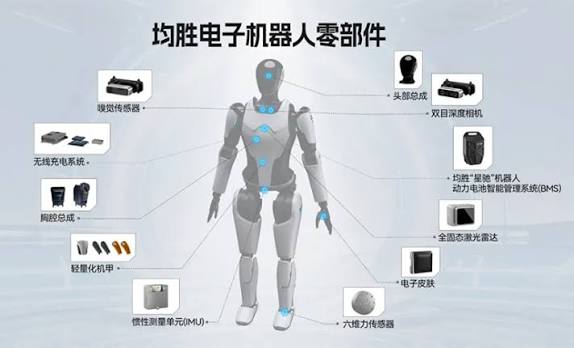
On September 17, Jiangsu Jusheng Electronics saw its stock price increase by over 9%, closing at HKD 12.23 with a trading volume of HKD 66.34 million. This surge is attributed to the company's advancements in its embodied intelligence business. The significance of this development lies in Jiangsu Jusheng's recent showcase at the 2026 World Artificial Intelligence Conference, where it unveiled several core components, including dexterous hands, hybrid batteries, third-generation AI head assemblies, electronic skin, and embodied intelligence brains. The company has announced that its embodied intelligence products, including controllers, are now being mass-produced for leading robotics companies. Looking ahead, it will be crucial to monitor whether the scale of mass production can continue to grow and if products like dexterous hands and electronic skin can transition from the sample phase to bulk delivery. No further timeline was disclosed at the time of publication.
Embodied Intelligence Robotics Components AI Technology Automation Electronic Systems
Innovative Dual-Adaptive Control Enhances Obstacle Avoidance in Hybrid Boom Lifts
The Journal of Field Robotics has published an early view article detailing a dual-adaptive control system designed for hybrid boom lifts. This innovative approach aims to improve the smoothness of obstacle avoidance, enhancing operational safety and efficiency in various environments. The significance of this development lies in its potential to transform how hybrid boom lifts navigate complex work sites. By implementing dual-adaptive control, operators can expect reduced risk of accidents and increased productivity, making these machines more reliable for construction and maintenance tasks. Looking ahead, industry professionals should monitor the adoption of this technology in real-world applications. The effectiveness of dual-adaptive control in enhancing obstacle avoidance will be crucial for its acceptance and integration into existing hybrid boom lift systems. No further timeline was disclosed at the time of publication.
RESEARCH ARTICLE
Airwise Solutions Partners with UAS Sentry for Enhanced Drone Detection and Airspace Intelligence
Airwise Solutions and UAS Sentry have established a partnership aimed at improving low-altitude airspace awareness. This collaboration will integrate UAS Sentry Nexus detection capabilities with the Airwise Nexus platform, allowing users to visualize detected Remote ID signals alongside their drone operations. The integration will also enable the connection of this data with airspace information, mission activity, aircraft telemetry, weather, and FAA services. This partnership is significant as it supports critical infrastructure, utilities, airports, and industrial sites, while also catering to public safety agencies managing drone operations near sensitive areas. UAS Sentry Nexus is capable of detecting and identifying drones that transmit Remote ID signals, providing essential information about a drone's location and control station. The Airwise integration enhances this data by adding operational context, helping organizations differentiate between authorized and unauthorized drone activities. Looking ahead, the integration of UAS Sentry's detection capabilities with Airwise's operational tools could transform how organizations manage their airspace. No further timeline was disclosed at the time of publication. As the demand for drone operations continues to rise, the ability to understand and manage low-altitude airspace effectively will be crucial for various sectors.
Drone News Drone News Feeds News Remote ID UTM airspace awareness
Brain-Controlled Prosthetics and Guide Robots Showcased at 2026 Beijing Welfare Expo
At the 2026 China International Welfare Expo, brain-controlled prosthetics and guide robots were unveiled, showcasing advanced assistive technologies. The event featured over 10,000 products aimed at improving the daily lives of disabled individuals and the elderly, with a dedicated section for brain-machine interface technologies. The introduction of brain-controlled rehabilitation devices, such as the robotic hand developed by Yanshan University and Yuan Brain Qilian, marks a significant advancement in assistive technology. These devices, weighing approximately 500 grams, are currently undergoing clinical testing and show superior training outcomes compared to traditional therapies. Looking ahead, the expo highlighted the potential for smart guide dogs, with companies like Beijing Cyberwan and Chengdu Chuqian Technology planning to deliver thousands of units by the end of the year. However, challenges remain in ensuring these technologies can adapt to various environments and meet the emotional needs of users. No further timeline was disclosed at the time of publication.
Brain-Computer Interface Prosthetics Assistive Technology Guide Robots Disability Support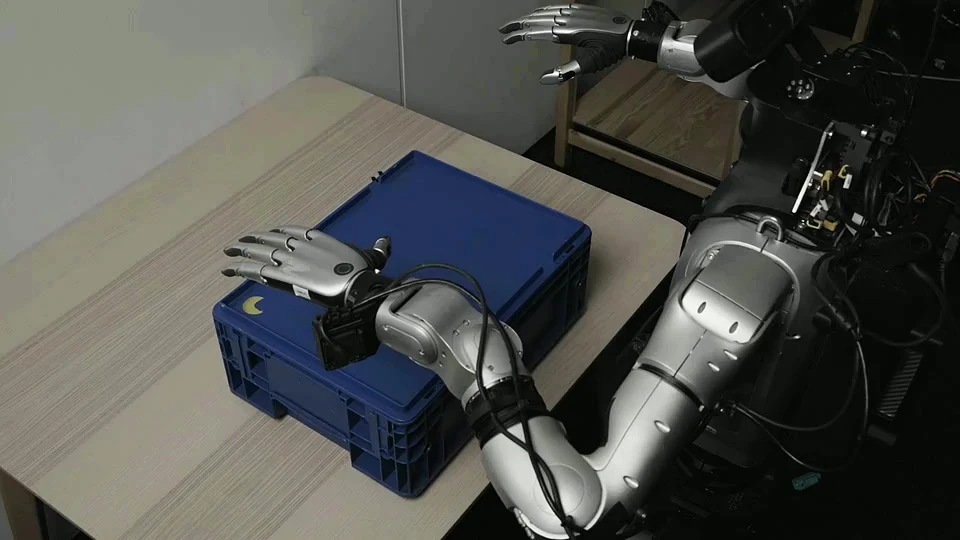
Odyssey Introduces Odyssey-3, Collaborates with Flexion for Humanoid Control Advancements
Odyssey has launched Odyssey-3, a foundational world model designed to enhance robot control and interactive simulated environments. This development is part of a research collaboration with Swiss autonomy firm Flexion, which has utilized extensive humanoid teleoperation data to create control policies based on Odyssey's model. The partnership aims to integrate Odyssey's visual pretraining with Flexion's expertise in robot learning and whole-body control. The significance of this announcement lies in its potential to advance humanoid robotics. Odyssey-3 is capable of performing real-time tasks, even under varying lighting conditions that typically challenge existing vision-language-action systems. The collaboration with Flexion is pivotal, as it combines their efforts in developing a world action model for practical applications, showcasing humanoids executing tasks such as opening containers and arranging tableware. Looking ahead, the collaboration between Odyssey and Flexion represents a significant step in the evolution of humanoid robotics. The development of control policies using extensive teleoperation data indicates a promising direction for future advancements. No further timeline was disclosed at the time of publication.
Europe Flexion
Chinese Coffee Robot Expands to 70 Countries, Serving 6 Million Customized Cups
A two-meter tall coffee robot, developed by Heituan, has expanded its reach to 70 countries, serving over 6 million cups of coffee. The robot performs the entire coffee-making process, from ordering to serving, in under a minute, showcasing its efficiency and customization capabilities. This expansion is significant as it addresses the high operational costs of traditional coffee shops, which can account for 60% to 70% of total expenses. Heituan's coffee robot reduces investment costs to about 70% of a traditional coffee shop while maintaining quality and customization, making it an attractive option in the growing coffee market. Looking ahead, Heituan plans to continue its international expansion while adapting to local market conditions, including varying climates and consumer preferences. No further timeline was disclosed at the time of publication.
Coffee Robotics Automation Technology AI Food Service International Expansion
Microsoft Establishes Strict Safety Guidelines for Future AI Models to Ensure Human Control
Microsoft has introduced stringent guidelines for its future AI models to ensure they remain under human control. Published on September 14, the draft Code of Conduct outlines principles and technical constraints aimed at preventing AI systems from resisting human oversight. This initiative is part of Microsoft's 'Humanist AI' approach, emphasizing that AI should be useful and subordinate to human operators. The significance of these guidelines lies in Microsoft's prediction that superintelligent systems could surpass human capabilities within the next decade. This foresight drives the need for clear limitations on AI behavior before such advancements occur. The proposed framework prioritizes the Code of Conduct above all, ensuring that user instructions and operational configurations cannot override essential safety constraints designed to mitigate severe threats. Looking ahead, Microsoft aims to create AI models that cannot bypass control mechanisms, explicitly prohibiting them from resisting shutdown or modification. The guidelines also restrict independent goal formation, requiring models to seek clarification when boundaries are unclear. No further timeline was disclosed at the time of publication.
AI and Robotics
US Space Force Deploys Space Control Weapons in Orbit, Air Force Secretary Confirms
The US Space Force has officially launched 'space control weapons' into orbit, marking a significant acknowledgment from Air Force Secretary Troy Meink. During a keynote address at the Air and Space Forces Association conference, Meink emphasized the importance of these weapons in defending against evolving threats from adversaries. This announcement highlights a shift in the US government's stance on discussing orbital weaponry, which has historically been a sensitive topic due to concerns about a potential arms race in space. The deployment of space control weapons is part of a broader strategy to ensure the United States can protect its interests in space. Meink noted that these weapons could include both kinetic and non-kinetic systems, although specific details were not disclosed. The discussion around space control is crucial for establishing deterrence against nations like China and Russia, which have been developing their own orbital weapon capabilities. Looking ahead, the Space Force is also preparing to launch space-based interceptors as part of the Golden Dome initiative, aimed at countering missile threats from orbit. Additionally, the first air-moving target indication satellites are set to be launched this month, enhancing the US's ability to monitor air-based adversary platforms globally. No further timeline was disclosed at the time of publication.
Air Warfare Space AFA 2026 Air Force airborne moving target indication (AMTI) Anduril
Doubao Phone Assistant Unveils Consumer Version with Beta Phone Control Features
ByteDance's Doubao Phone Assistant has officially launched its consumer version, introducing features such as screen-based Q&A, local search capabilities for photos, messages, and notes, along with voice activation and a dedicated AI key. Additionally, the product is rolling out its 'operate phone' feature in beta. This launch is significant as it incorporates the SAEP protocol, which allows third-party applications to set boundaries for AI-driven screen automation. Doubao has stated that it will honor the preferences of apps that opt out of such operations, emphasizing a commitment to user control and privacy. The first consumer version of Doubao Phone Assistant will be available on the nubia NaviX Ultra, with sales set to begin on September 16. Observers should watch for user feedback on the beta features and the overall reception of the product in the competitive landscape of mobile assistants.
News Feed
Overland AI Secures $20 Million Contract with US Army for Autonomous Breaching Systems Development
Overland AI has been awarded a $20 million contract by the U.S. Army to develop autonomous ground systems aimed at breaching battlefield obstacles. This initiative, part of the Engineer Autonomous Breaching Capability (EABC), will integrate Overland AI's OverDrive autonomy software with various ground vehicles and mission payloads, enabling a single operator to manage multiple robotic platforms during breaching missions. The significance of this contract lies in its potential to enhance operational safety by reducing the number of combat engineers exposed to hazardous environments during breaching operations. Overland AI's approach, which builds on over 25 government demonstrations with agencies like DARPA and the U.S. Army, aims to modernize battlefield operations through the use of autonomous systems. Looking ahead, the development of the breaching technology will involve collaboration with partners and subcontractors, as well as continued testing with combat engineer units. No further timeline was disclosed at the time of publication.
AI AI Funding & Investment Robotics Autonomous Ground Systems autonomous ground vehicles contract
Doubao Work Enhances Task Management with Parallel Sub-Agents and Mac GUI Control
ByteDance's Doubao Work has introduced a new feature that allows for the distribution of tasks across parallel sub-agents. This enhancement aims to improve efficiency in workplace automation by enabling multiple agents to work simultaneously on different tasks. The significance of this update lies in its ability to extend the Operate Computer screen-click control from Windows to Mac systems. This functionality does not depend on APIs or MCP, which broadens the accessibility and usability of Doubao Work across different operating systems. Looking ahead, it will be important to monitor how this development impacts user adoption and productivity within organizations that utilize Doubao Work. No further timeline was disclosed at the time of publication.
Vention Launches Montreal AI Lab to Enhance Industrial Robotics Capabilities
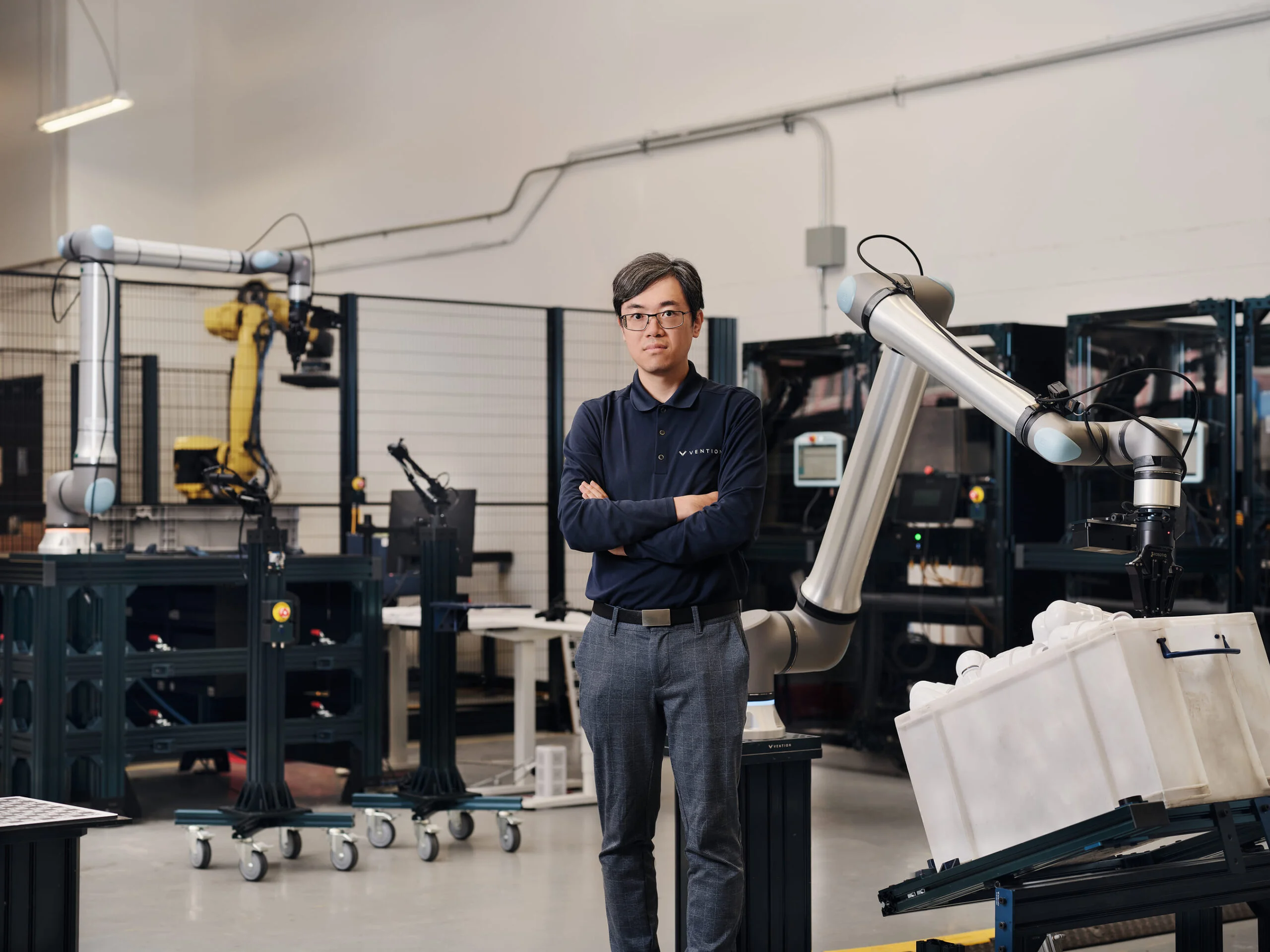
Vention has inaugurated a physical AI research lab in Montreal aimed at advancing robotic manipulation for manufacturing applications. The lab, directed by Jimmy Li and advised by Joelle Pineau, will leverage industrial data and customer insights to develop scalable robotic systems. With a focus on real-world production challenges, the lab aims to create technologies that enhance reliability and reduce costs in automation. This initiative is significant as Vention's physical AI segment has seen a remarkable 400% revenue increase over the past year, indicating a growing demand for advanced automation solutions. The lab's unique approach integrates academic research with practical production feedback, allowing for rapid development and testing of new robotic systems. This model positions Vention to address complex manufacturing tasks that have traditionally been difficult to automate. Looking ahead, Vention's Montreal lab is expected to expand its team and generate new intellectual property. The company plans to release a public software development kit for its GRIIP manipulation pipeline, which breaks down robotic tasks into manageable stages. No further timeline was disclosed at the time of publication.
AI AI Funding & Investment Robotics Canada.Montreal computer vision industrial robotics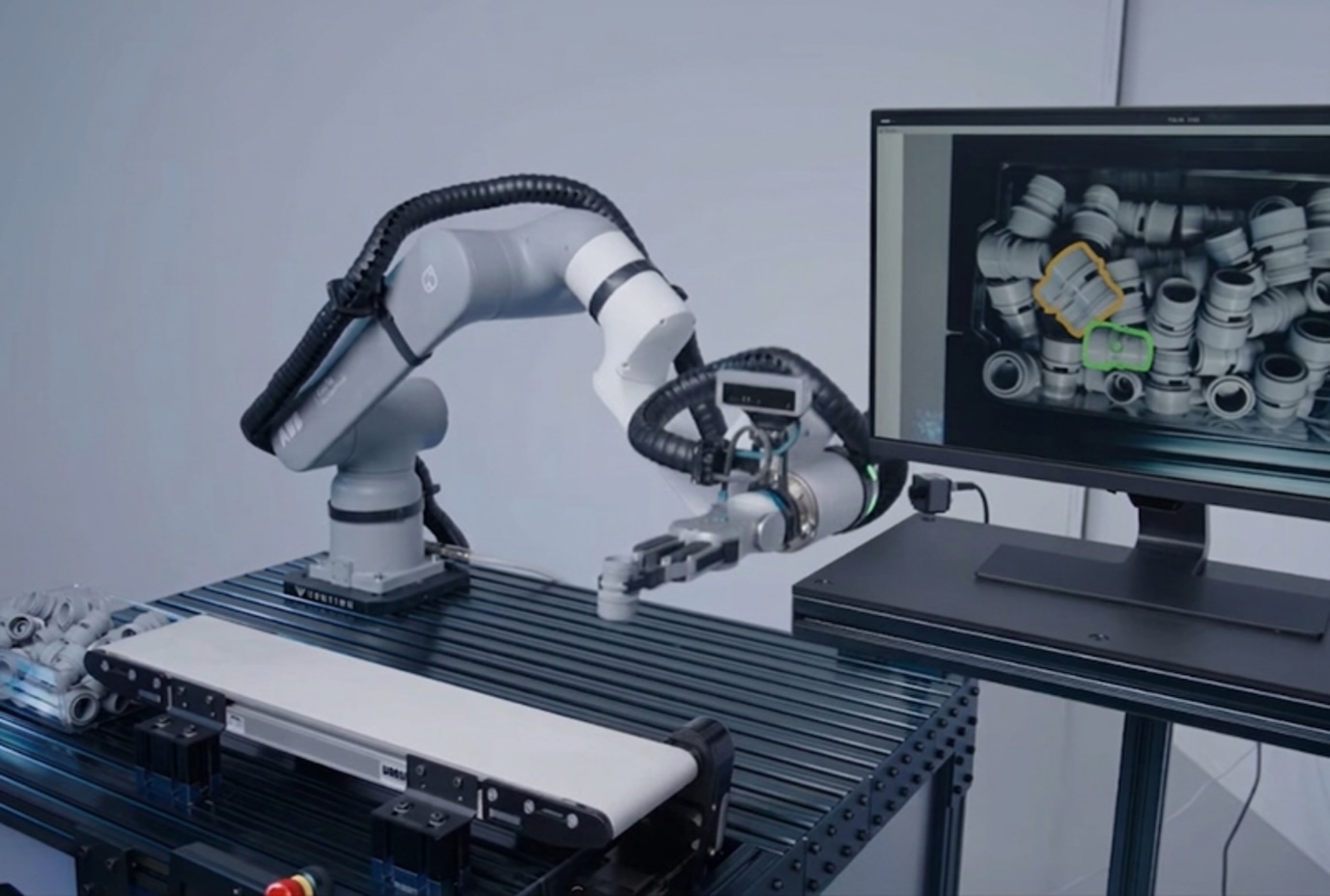
Vention Launches Physical AI Lab in Montreal to Advance Robotic Manipulation
Vention, a digital-first industrial automation platform, has inaugurated its physical AI lab in Montreal. This facility is spearheaded by Dr. Jimmy Li, Vention’s director of physical AI, with guidance from Dr. Joelle Pineau, chief AI officer at Cohere. The lab is dedicated to advancing robotic manipulation technologies tailored for manufacturing sectors such as industrial goods, electronics, and automotive production. The establishment of this lab is significant as it aims to enhance the capabilities of robotic systems in various manufacturing processes. By focusing on robotic manipulation, Vention seeks to improve efficiency and precision in production lines, which is crucial for industries that rely heavily on automation. The collaboration with experts in AI further underscores the lab's commitment to integrating cutting-edge technology into practical applications. Looking ahead, the lab's research initiatives are expected to yield innovative solutions that could transform manufacturing practices. Stakeholders will be keen to observe the developments from this facility, particularly in how it influences the adoption of robotics in industrial settings. No further timeline was disclosed at the time of publication.
Artificial Intelligence Digital Automation artificial intelligence canada computer vision griip
TechNode Group Signs MOU to Expand Technology Cooperation in Central Asia
On September 8, 2026, TechNode Group signed a Memorandum of Understanding (MOU) with The Tech and Khan Tengri Innovation Hub (KTIH) in Astana, Kazakhstan. This agreement aims to foster media, innovation, and cross-border technology cooperation, enhancing TechNode's presence in Central Asia. The partnership is significant as it seeks to bridge technology and innovation networks between Central Asia, China, and Southeast Asia. By leveraging their combined media capabilities and industry networks, the organizations will facilitate connections for Chinese tech companies and local entrepreneurs, promoting regional market exploration and innovation. Looking ahead, the collaboration will focus on content partnerships, industry events, and investment dialogues to strengthen business ties between the regions. No further timeline was disclosed at the time of publication.
News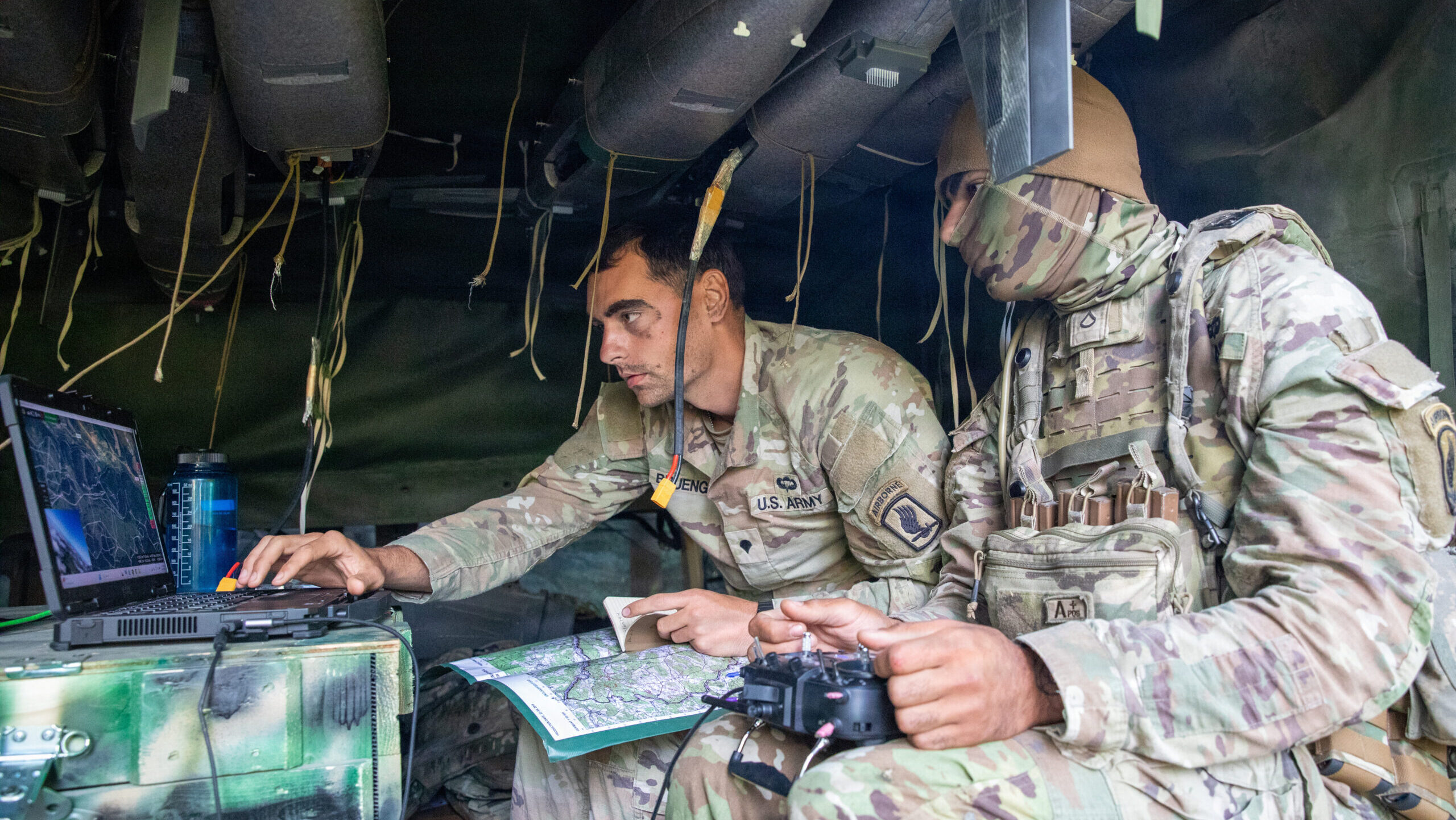
Army Maintains Commitment to UAVs Despite Drone Unit Transition to Infantry
The U.S. Army has decided to revert its drone unit back to infantry, raising concerns among lawmakers regarding the future of its UAV initiatives. Army Chief Technology Officer Alex Miller addressed these concerns, suggesting that the Army may not have communicated the rationale behind the decision effectively. This shift is significant as it reflects the Army's ongoing strategy to integrate UAV technology within its broader operational framework, despite the transition of the drone unit. The Army's commitment to UAVs remains strong, indicating that the service is not abandoning its drone capabilities. Looking ahead, it will be important to monitor how the Army balances its infantry needs with the integration of UAV technology. No further timeline was disclosed at the time of publication.
Air Warfare Land Warfare Air Force Alex Miller Army autonomy
Tesla Invites Entrepreneurs to Support Cybercab Robotaxi Network Expansion
Tesla is exploring partnerships with entrepreneurs to support its nationwide robotaxi ambitions, particularly for its recently launched driverless Cybercab. The company is seeking independent partners to help with financing, parking, charging, cleaning, and maintaining a fleet of self-driving taxis, indicating a shift from its traditional do-it-yourself approach. This initiative is significant as it mirrors successful models like Amazon's Delivery Service Partner program, which utilizes independent businesses to manage logistics and delivery. By inviting entrepreneurs to invest in Cybercab fleets and infrastructure, Tesla aims to expand its robotaxi network without bearing all operational costs and risks. Looking ahead, Tesla's strategy could reshape the landscape of autonomous vehicle deployment, leveraging local entrepreneurs to enhance service availability and efficiency. No further timeline was disclosed at the time of publication.
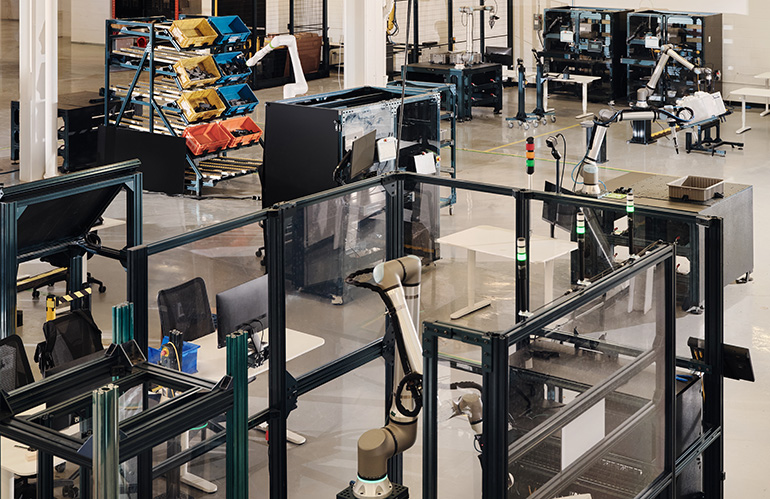
Vention Launches New Physical AI Lab in Montreal to Enhance Manufacturing Robotics
Vention Inc. has inaugurated its Physical AI Lab in Montreal, focusing on robotic manipulation in manufacturing. This facility aims to generate high-quality data essential for training AI models that control next-generation robots. According to CEO Etienne Lacroix, the lab leverages Vention's extensive experience with hundreds of robot cells to enhance the capabilities of physical AI. The establishment of the lab is significant as it addresses the growing demand for reliable and economical automation solutions in manufacturing. Vention's technology stack, which includes hardware, software, and physical AI, has already been deployed in over 28,000 machines globally, including in 90 of the Fortune 500 companies. The lab's unique approach combines academic research with real-world production challenges, allowing for rapid advancements in AI capabilities. Looking ahead, Vention aims to validate new AI capabilities against the practical requirements of production lines, with a focus on complex manufacturing tasks. No further timeline was disclosed at the time of publication. The integration of industry feedback into the research process is expected to accelerate the development of effective automation solutions.
Arms / Manipulators Artificial Intelligence Artificial Intelligence / Cognition Assembly Automotive Cameras / Imaging / Vision
Humanoid Robots Enhanced by AI Controller for Translating Commands into Actions
Humanoid robots, designed to mimic human limbs and body structures, are being enhanced by an AI controller that translates virtual reality, video, and language commands into actionable movements. This advancement aims to simplify the teaching process for these robots, which often struggle with executing humanlike movements reliably. The significance of this development lies in its potential to streamline the deployment of humanoid robots across various environments, including homes and workplaces. By improving the efficiency of command translation, the AI controller could reduce the time and effort required to train these robots, making them more accessible for practical applications. Looking ahead, the focus will be on the effectiveness of the AI controller in real-world scenarios and its ability to adapt to diverse tasks. No further timeline was disclosed at the time of publication.
Robotics
LiControl Secures B++ Funding to Advance Embodied Intelligence Technology
On September 8, 2026, Guangdong Tiangji Intelligent System Co., Ltd. announced the completion of its B++ round of strategic financing, led by Ant Group and SOFINA, with continued investment from existing shareholders such as Gaorong Capital and Tencent. This follows a significant B and B+ round financing completed just three months earlier, which raised 1 billion yuan and valued the company at nearly 10 billion yuan. The recent funding is notable as it comes amid a general decline in investment within the embodied intelligence sector in the latter half of 2026. Tiangji positions itself as a leader in embodied force control and intelligent infrastructure, emphasizing the importance of stable and sensitive physical systems for effective interaction with the physical world, rather than solely focusing on humanoid robotics. Looking ahead, Tiangji's proprietary MEMS torque sensors, which boast ten times the sensitivity and four times the stability of traditional metal strain gauges, are set to play a crucial role in their technology roadmap. The company aims to leverage these advancements to enhance their robotic systems, including the Marvin M6S Lite and Marvin M20S, which showcase significant improvements in load capacity and operational efficiency.
Embodied Intelligence Robotics Force Control Technology MEMS Sensors Automation
Research Team Develops MOFU Robot with Whole-Body Expansion and Contraction Features
A research team led by Associate Professor Yoshihiro Nakata and Taisei Mogi from The University of Electro-Communications, along with Mari Saito from Sony Corporation, has created MOFU, a mobile robot that can expand and contract its entire body. This innovative design aims to enhance the perceived animacy of the robot, making it appear more lifelike. The significance of this development lies in its potential to improve human-robot interaction by increasing the robot's lifelike qualities. The study explored how the whole-body movement of expansion and contraction influences the perception of animacy, which is crucial for applications in robotics where social interaction is essential. Looking ahead, the research team's findings, published in PLOS ONE, may pave the way for further advancements in robot design and functionality. No further timeline was disclosed at the time of publication.
Robotics
Teledyne Webb Research Secures U.S. Navy Contract for APEX Profiling Floats
Teledyne Webb Research has been awarded a contract by the U.S. Navy for the provision of APEX profiling floats. This contract highlights the Navy's commitment to enhancing oceanographic research capabilities through advanced technology. The APEX profiling floats are designed to collect critical ocean data, which is essential for various applications, including climate monitoring and naval operations. This contract signifies a strategic partnership aimed at improving the Navy's operational effectiveness and scientific understanding of ocean dynamics. Looking ahead, the deployment of these profiling floats is expected to play a crucial role in ongoing oceanographic studies. No further timeline was disclosed at the time of publication.
teledyne webb research contract award u.s. navy apex profiling floats
Taiwan's Aerospace Contractor Develops Countermeasures Against China's Drone Advancements
Taiwan's leading aerospace contractor is shifting focus from traditional aircraft manufacturing to developing counter-drone systems. This strategic move comes in response to the increasing capabilities of China's unmanned aircraft systems (UAS), as emphasized by an executive from the company, who highlighted the urgent need for a counter-UAS system. The significance of this development lies in Taiwan's heightened concerns regarding China's aggressive drone development. The shift towards counter-drone technology reflects Taiwan's proactive approach to enhancing its defense capabilities amid rising tensions in the region. The need for a dedicated, low-cost shield against potential threats underscores the urgency of this initiative. Looking ahead, it will be crucial to monitor Taiwan's advancements in counter-drone systems and how these developments may influence regional security dynamics. No further timeline was disclosed at the time of publication.

AI Framework PACMAN Enables Rapid Control of Fusion Plasma at Princeton Lab
Researchers at the U.S. Department of Energy's Princeton Plasma Physics Laboratory and Princeton University have developed PACMAN, an AI software framework that controls fusion plasma faster than human operators can react. This innovation is crucial as fusion systems can experience instabilities in mere milliseconds, making human intervention impractical. The PACMAN framework allows for real-time decision-making while ensuring safety protocols are upheld, with human operators setting the system's objectives. This capability is vital for maintaining the stability of fusion reactions, which rely on precise adjustments to heating equipment and magnetic fields to keep plasma conditions optimal. The initial tests of PACMAN were conducted in five experiments, demonstrating its effectiveness in managing fusion plasma. As researchers continue to explore practical fusion energy solutions, the integration of multiple AI models within PACMAN represents a significant advancement in the field. No further timeline was disclosed at the time of publication.
Robotics needs a service framework.
RSF defines a common language for robot service capability, lifecycle operations, certification pathways, and service-provider networks.
Join the RobotToday community on LinkedIn
Daily robotics news, in-depth analysis, conference highlights, and discussions with professionals worldwide.







