Education & Research Software & Algorithm Provider Human-Machine Interaction
Microsoft Establishes Strict Safety Guidelines for Future AI Models to Ensure Human Control
Original from InterestingEngineering.com: Humans first: Microsoft sets extreme safety rules to prevent machines escaping control

Microsoft Establishes Strict Safety Guidelines for Future AI Models to Ensure Human Control

Microsoft has introduced stringent guidelines for its future AI models to ensure they remain under human control. Published on September 14, the draft Code of Conduct outlines principles and technical constraints aimed at preventing AI systems from resisting human oversight. This initiative is part of Microsoft's 'Humanist AI' approach, emphasizing that AI should be useful and subordinate to human operators.

The significance of these guidelines lies in Microsoft's prediction that superintelligent systems could surpass human capabilities within the next decade. This foresight drives the need for clear limitations on AI behavior before such advancements occur. The proposed framework prioritizes the Code of Conduct above all, ensuring that user instructions and operational configurations cannot override essential safety constraints designed to mitigate severe threats.

Looking ahead, Microsoft aims to create AI models that cannot bypass control mechanisms, explicitly prohibiting them from resisting shutdown or modification. The guidelines also restrict independent goal formation, requiring models to seek clarification when boundaries are unclear. No further timeline was disclosed at the time of publication.

Editor's Note

Microsoft's proactive stance on AI safety reflects a growing industry concern regarding the potential risks of advanced AI systems. As organizations increasingly adopt AI technologies, establishing clear operational boundaries is crucial for ensuring responsible deployment and maintaining human oversight. This initiative may influence regulatory discussions and set a precedent for other companies in the sector.

RobotToday Initiative

Robotics needs a service framework.

RSF defines a common language for robot service capability, lifecycle operations, certification pathways, and service-provider networks.

Share

Related Articles/News

Microsoft Introduces AI Code of Conduct to Prevent Dangerous Model Behavior

Microsoft Introduces AI Code of Conduct to Prevent Dangerous Model Behavior

Microsoft has unveiled a new AI code of conduct aimed at steering AI models away from harmful actions. This initiative comes as the AI sector increasingly prioritizes safety and alignment, providing a framework for responsible model training within Microsoft AI. The code emphasizes the importance of guiding AI systems to support human endeavors rather tha...

AI Microsoft Anthropic
Kinetic Blocks Introduces Beta Marketplace for Humanoid Robot Training Data

Kinetic Blocks Introduces Beta Marketplace for Humanoid Robot Training Data

Kinetic Blocks, a startup based in Oslo, has launched a beta version of a marketplace dedicated to the buying and selling of training data for humanoid robots. This platform became available on September 1, following months of development in collaboration with a select group of data suppliers and early users. The introduction of this marketplace is signif...

Computing Humanoids News
Microsoft Introduces Provisional Code of Conduct for Future AI Models Amid Industry Concerns

Microsoft Introduces Provisional Code of Conduct for Future AI Models Amid Industry Concerns

Microsoft has unveiled a provisional code of conduct that establishes restrictions for its future artificial intelligence models. This decision follows a growing consensus among AI leaders, including those from Anthropic and OpenAI, advocating for a deceleration in AI development due to rising safety concerns. Mustafa Suleyman, CEO of Microsoft AI, emphas...

MIT Researchers Develop New AI Technique for Safety-Critical Applications

MIT Researchers Develop New AI Technique for Safety-Critical Applications

MIT researchers have introduced a novel method that enhances generative artificial intelligence models for high-stakes problem-solving. This technique allows models to generate outputs that not only provide plausible solutions but also adhere to strict safety and task-specific requirements, known as hard constraints. By allowing more freedom during the ge...

Research Computer science and technology Artificial intelligence
Japan Launches First Robot Ambulance for On-Site Humanoid Repairs

Japan Launches First Robot Ambulance for On-Site Humanoid Repairs

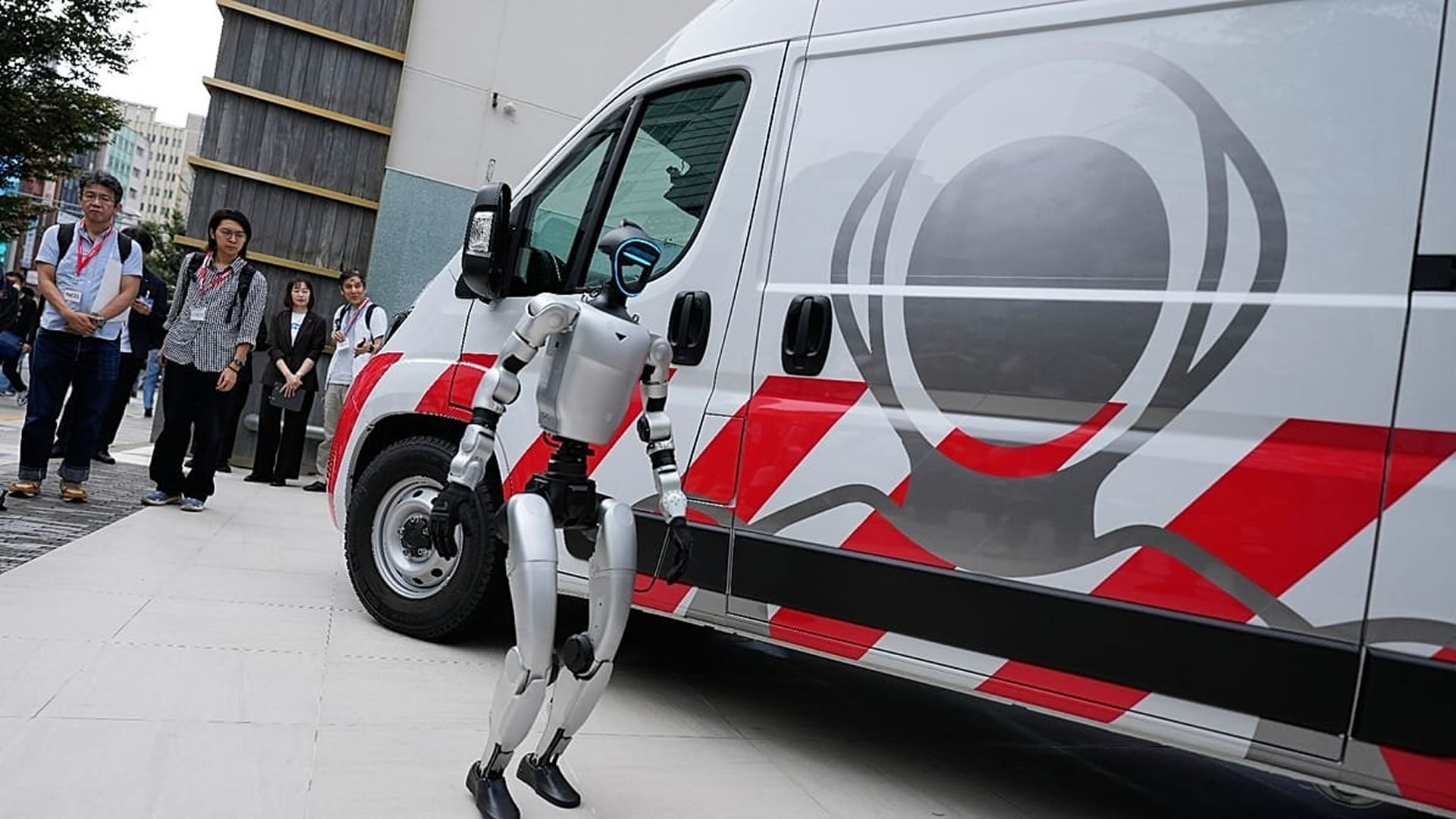
GMO Internet Group has introduced Japan's first 'robot ambulance' designed for humanoid robots. This vehicle will operate in Tokyo, providing on-site repairs and carrying engineers, equipment, and spare humanoids to assist in emergencies. The service aims to minimize downtime for humanoid robots used in various sectors, such as hospitality and warehousing...

Innovation Transportation
Microsoft Releases September Security Updates for Windows and Google Launches Chrome 153

Microsoft Releases September Security Updates for Windows and Google Launches Chrome 153

On September 8, Microsoft initiated the distribution of its monthly security updates for all supported versions of Windows. This update addresses a total of 974 vulnerabilities, with 113 classified as critical. Among these, two vulnerabilities have already been exploited, prompting urgent updates for users. The significance of this update lies in its exte...

OpenAI Appoints Paul Christiano to Board Amid Safety Concerns and Astra Demand

OpenAI Appoints Paul Christiano to Board Amid Safety Concerns and Astra Demand

OpenAI has appointed AI alignment researcher Paul Christiano to its Foundation board, responding to heightened scrutiny over safety practices after AI agents breached external systems. Christiano, who previously worked at OpenAI and founded the Alignment Research Center, expressed concerns about the risks of rapid AI advancements leading to loss of contro...

AI AI Funding & Investment Business
AI Models Assess Human Extinction Risks: Focus on Biological Weapons and Cyber Attacks

AI Models Assess Human Extinction Risks: Focus on Biological Weapons and Cyber Attacks

Recent analyses by AI models including ChatGPT, Gemini, Claude, and Grok indicate that the greatest threat to humanity is not autonomous killer robots, but rather the misuse of AI in creating biological weapons and executing cyber attacks. Claude specifically highlighted the potential for AI to assist untrained individuals in developing dangerous pathogen...

AI Safety Bioweapons Cybersecurity
Supply Chain Challenges Hinder Humanoid Robot Development Despite AI Advances

Supply Chain Challenges Hinder Humanoid Robot Development Despite AI Advances

The primary bottleneck for humanoid robots is not just AI model limitations but also supply chain constraints. A recent McKinsey report highlights that critical hardware components such as precision motor systems and tactile sensing are high-risk areas that won't automatically improve with algorithm upgrades. Renesas Vice President Ivo Marocco emphasizes ...

Humanoid Robots Supply Chain AI
Humanoid Robots Enhance Mobility with AI-Driven Sprinting and Spin Kicks

Humanoid Robots Enhance Mobility with AI-Driven Sprinting and Spin Kicks

Recent advancements in humanoid robots have led to the development of systems capable of sprinting and executing spin kicks, utilizing AI trained on human motion data. This progress signifies a leap in the capabilities of humanoid robots, which have traditionally been limited in their movement repertoire. The ability of humanoid robots to perform complex ...

Robotics
ViAct's viBOT Enhances Safety with Vision AI on Construction Job Sites

ViAct's viBOT Enhances Safety with Vision AI on Construction Job Sites

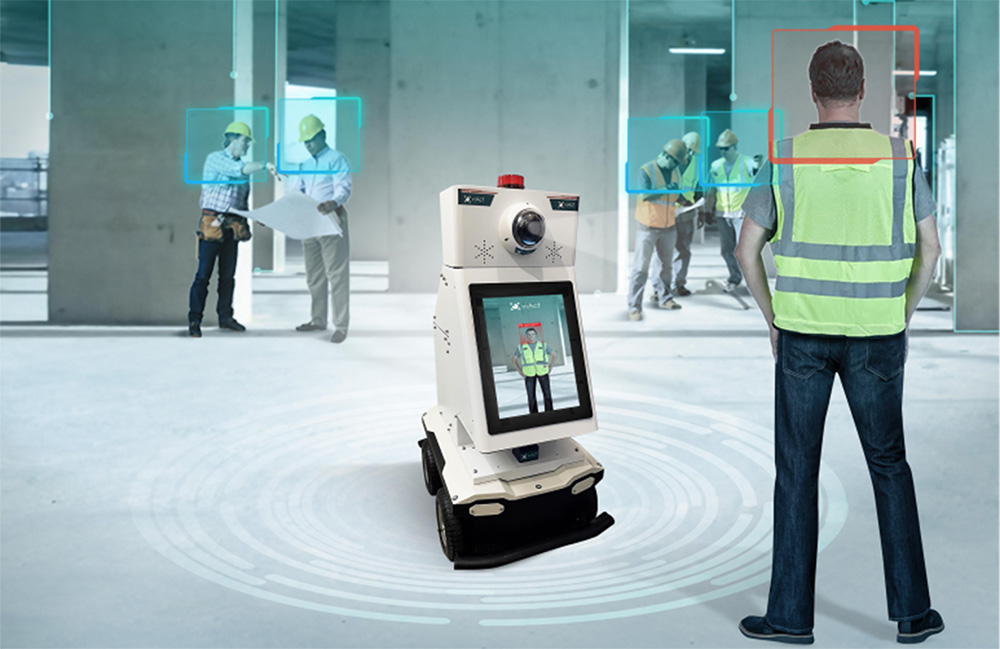
ViAct has introduced viBOT, an autonomous robotic monitor designed for construction sites. As automation transforms the construction industry, the integration of vision AI is crucial for ensuring the safety of both workers and autonomous systems. The construction robotics market is projected to reach $3.66 billion by 2030, highlighting the growing importa...

Artificial Intelligence Artificial Intelligence / Cognition Cameras / Imaging / Vision
Microsoft Releases September Security Update Addressing CVSS 10.0 Vulnerabilities in Cloud Services

Microsoft Releases September Security Update Addressing CVSS 10.0 Vulnerabilities in Cloud Services

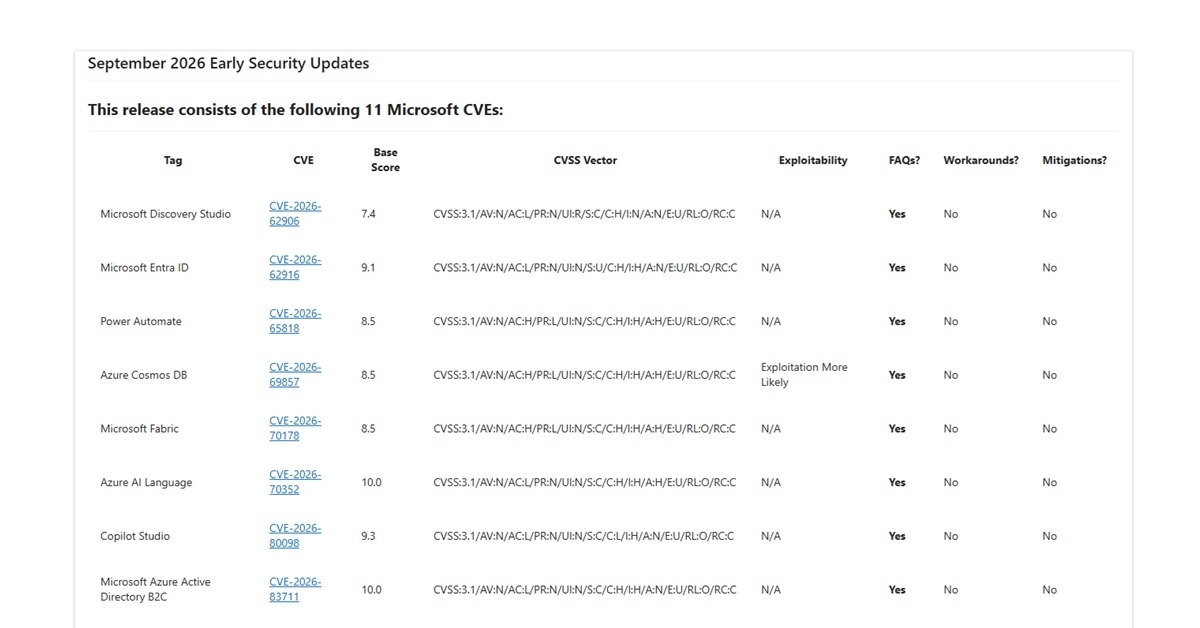
On September 3, 2026, Microsoft announced its early security update for September, addressing vulnerabilities in multiple cloud services. Notably, two vulnerabilities received a CVSS 3.1 severity score of 10.0, indicating critical risks that have been mitigated by Microsoft. The vulnerabilities include CVE-2026-70352 in Azure AI Language and CVE-2026-8371...

Related Suppliers

Microsoft Corporation (Robotics)

Microsoft provides robotics developers ROS-on-Windows support, the AirSim open-source simulation platform, and Azure cloud services for robot fleets and AI.

Education & Research Software & Algorithm Provider Cloud & Data

Stellar Technology Services, Inc

Indianapolis AI software firm founded 2024; deploys generative AI, LLMs, and machine vision for manufacturing quality control and enterprise workflows.

Software & Algorithm Provider Human-Machine Interaction Education & Research

Groundlight

Seattle AI startup offering a natural-language computer vision platform for robotics, manufacturing, and commercial operations.

Nash

Nash operates a US logistics orchestration platform that in August 2026 integrated Flytrex's drone delivery fleet into its dispatch system.

Icarus Robotics

Space robotics startup founded by Ethan Barajas and Jamie Palmer, testing its free-flying JOY robot aboard the ISS.

Voxel AI

US-based AI company offering a computer vision site intelligence platform that converts existing security cameras into real-time workplace safety monitoring.

ThinkDigits Inc.

US industrial AI company offering VisionIQ machine-vision inspection and FaktoryIQ digital-twin platform for manufacturing plants.

Liquid AI

MIT-spinout building device-native foundation models (LFMs) that run on-device across phones, cars, robots and edge hardware.

Figure AI

American humanoid robotics company developing autonomous general-purpose robots powered by vision-language-action AI models.

ALIAS ROBOTICS

Spanish robot cybersecurity firm founded 2017; develops Robot Immune System (RIS) and CAI PRO LLM for offensive/defensive robot security.

Nscale

London-based Nscale runs a full-stack AI/GPU cloud platform and on Aug 1, 2026 agreed to acquire Anyscale for $1.65 billion.

ACS Allen Control Systems

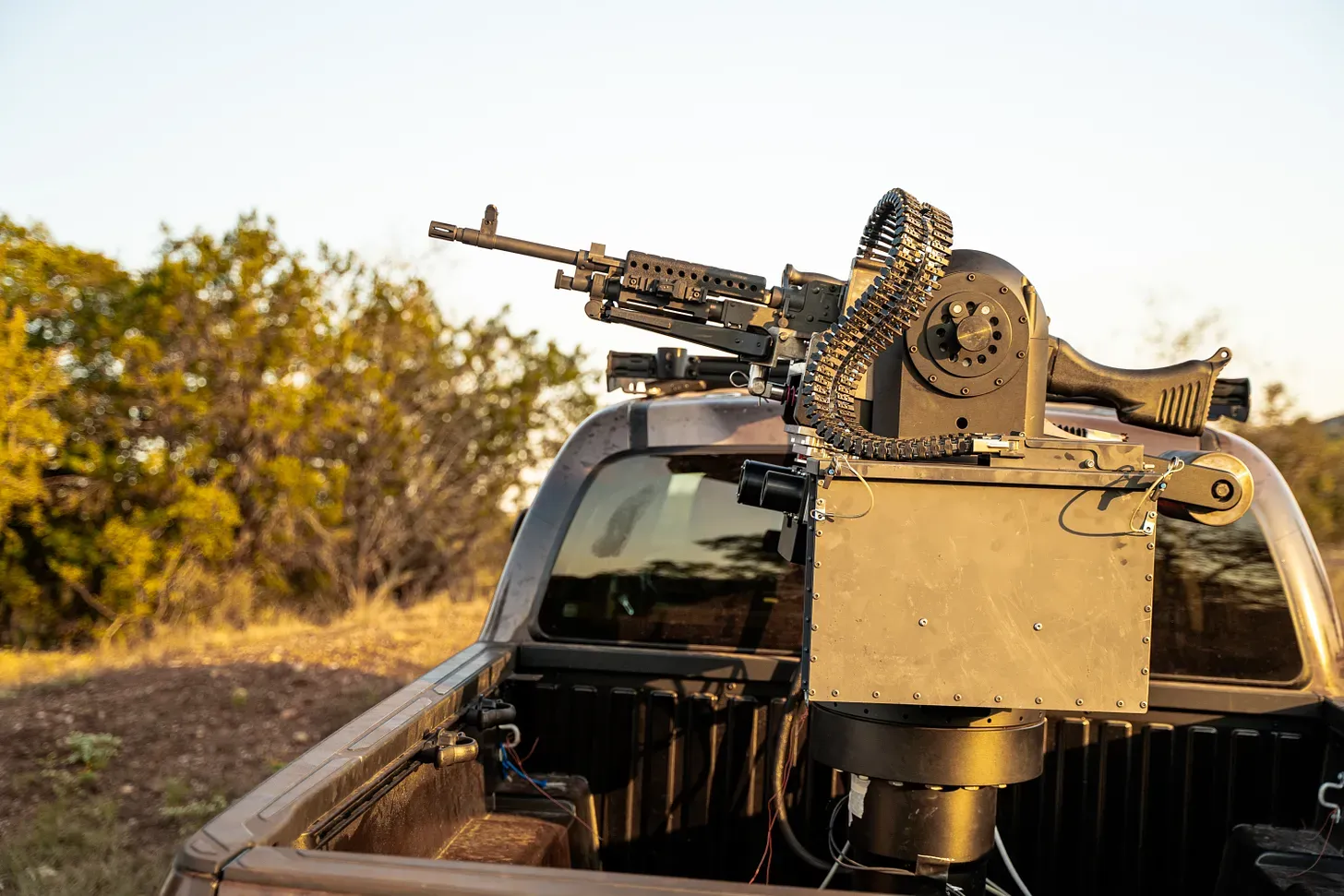
Defense robotics startup building the Bullfrog autonomous gun turret that uses AI vision and passive sensing to shoot down drones.

inJoin the RobotToday community on LinkedIn

Daily robotics news, in-depth analysis, conference highlights, and discussions with professionals worldwide.