A single destination for timely, editor-curated robotics news from around the world.
IEEE Spectrum robotics has released its weekly roundup of notable robotics videos and upcoming events, including the ICRA 2026 conference scheduled for June 1-5, 2026, in Vienna. Among the highlights, Westwood Robotics unveiled THEMIS Gen2.5, the first commercial full-size humanoid robot capable of walking and manipulating objects simultaneously. This advancement builds on Helix's previous work, which demonstrated a single neural network controlling a humanoid's upper body, now expanded to encompass the entire robot's functions. In a demonstration of practical applications, Kimberly Elenberg from Carnegie Mellon University showcased how data from robotic responders can enhance life-saving efforts during mass casualty incidents. Meanwhile, Sphero continues to thrive in the competitive educational robotics market since its inception in 2011. Innovative flight testing methods were discussed by Zipline, emphasizing the importance of testing drones in extreme conditions. Additionally, researchers from the University of Tokyo introduced a concept of 3D-printing both skin and skeleton, while LimX presented small bipedal robots capable of skiing and resembling dinosaurs. The EPFL Reconfigurable Robotics Lab introduced a novel user-guided control system for modular robots, demonstrating its effectiveness through various tasks. Texas A&M University showcased its Quadrotor Biplane Tailsitter (QBiT) UAVs, which combine the agility of quadrotor drones with the efficiency of fixed-wing aircraft. Lastly, DARPA announced a new challenge aimed at developing drones capable of carrying payloads exceeding four times their weight, promising to transform drone usage across multiple sectors.
Spectrum.ieee.orgAutomaton By Evan Ackerman Jan 30, 2026 Humanoid-robots Video-friday Commercial-robots Drones Educational-robots Bipedal-robots
LimX Dynamics, a robotics company based in Shenzhen, has successfully secured $200 million in Series B funding to expedite the advancement of its innovative "Tri-Form" modular robots and the COSA "Agentic OS." This significant investment marks a pivotal step in the company's strategy to enhance the practical deployment of humanoid robots in real-world applications. The funding will enable LimX Dynamics to further develop its technology and expand its market presence, reflecting a growing interest in the integration of advanced robotics into everyday life.
HumanoidsDaily By [email protected] (Humanoids Daily Staff) Feb 02, 2026 LimX Dynamics Tron 2 Business Oli China
Researchers at the École Polytechnique Fédérale de Lausanne (EPFL) have developed the Mori3 modular origami robot, a groundbreaking innovation in robotic design aimed at enhancing functionality while reducing the risk of failure. This development highlights a significant challenge in robotics: balancing the complexity of multi-functional systems with reliability. The Mori3 robot employs a unique origami-inspired design that allows it to adapt its shape and capabilities, making it versatile for various tasks. This advancement was unveiled recently, showcasing the potential for modular robots to operate effectively in dynamic environments. The researchers believe that by integrating origami principles, they can create robots that not only perform a wide range of functions but also maintain a high level of operational reliability. This innovative approach could pave the way for future applications in fields such as search and rescue, medical assistance, and environmental monitoring.
Robohub.org By EPFL Mar 31, 2026
MIT researchers have unveiled FloatForm, a swarm of small square robotic boats capable of self-assembly into larger structures on water. This innovative system allows the robots to break apart and reconfigure with minimal human intervention, showcasing a new approach to aquatic construction. The project emphasizes the potential for dynamic, adaptable structures in marine environments, with applications in environmental monitoring and infrastructure development. The significance of FloatForm lies in its ability to create modular and reconfigurable structures, which can respond to changing environmental conditions. This technology could revolutionize how we think about construction and deployment in aquatic settings, offering flexibility and efficiency in design. The robots' self-assembly capabilities could lead to advancements in marine architecture and environmental sustainability. Looking ahead, the next steps for the FloatForm project include further testing and potential applications in real-world scenarios. No further timeline was disclosed at the time of publication, but the implications of this technology could influence future developments in robotics and marine engineering.
TechXplore:Robotics Jul 09, 2026 Robotics
Researchers at Cornell University have unveiled an innovative system named Cross-Link Collective, which enables small robot modules to work together without the need for direct communication. Each module, weighing only 25 grams, is capable of connecting with others and transforming into different shapes, allowing for enhanced navigation around obstacles and adaptability to various environments. This pioneering research underscores the potential of physical interactions in fostering emergent behaviors within robotic systems, marking a significant advancement in collaborative robotics.
leaderobot.com By Leaderobot May 25, 2026 Collective Robotics Modular Robots Robotic Collaboration Emergent Behavior Artificial Intelligence
Elon Musk has announced that Tesla's Optimus humanoid robots will lead the construction of a lunar outpost by the end of 2026. SpaceX plans to launch essential construction materials, including modular living quarters and energy equipment, to the Moon using the Starship rocket. The deployment of robots aims to minimize human safety risks and efficiently handle repetitive heavy labor tasks. The rationale behind using robots instead of humans is to reduce complexity and enhance operational efficiency. According to Jim Cantrell, a member of the SpaceX founding team, robots only require sunlight and occasional maintenance, allowing them to work continuously. Upon arrival on the Moon, the Optimus robots will autonomously unload materials, prepare the lunar surface, and assemble prefabricated habitats while also extracting water ice for life support and fuel. Musk envisions the Moon as a testing ground for Mars colonization, with plans to send astronauts to the Moon within 2-3 years and establish a self-sustaining city by 2036. However, challenges remain, including the need for successful orbital refueling of the Starship and overcoming harsh lunar conditions. No further timeline was disclosed at the time of publication.
leaderobot.com By Leaderobot Jul 13, 2026 Humanoid Robots Space Exploration Lunar Colonization Construction Robotics
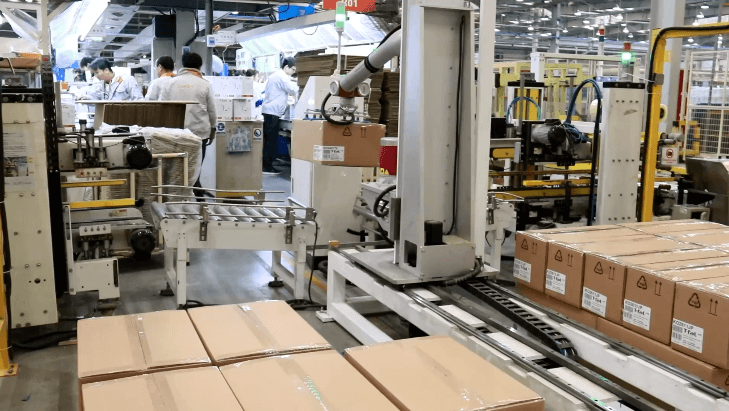
As the manufacturing and logistics sectors evolve, JAKA is pioneering advancements in cobot palletizing, emphasizing flexibility and autonomy. Customers are increasingly demanding systems that can adapt to varying layouts, product types, and throughput requirements without extensive reconfiguration. The integration of six-axis robot arms is central to this shift, enabling dynamic handling of mixed loads and pallet patterns. A key trend in this field is the combination of autonomous mobile robots with collaborative manipulators. This integration allows for palletizing tasks to occur beyond fixed stations, enabling cobots to move between production lines and adjust to seasonal shifts or temporary capacity needs. The use of modular mechanical interfaces and standardized communication protocols facilitates scalable system development, transforming cobot palletizing into a shared resource that enhances operational efficiency and investment planning. Advanced control capabilities are also crucial for the future of cobot palletizing. Features such as precise path planning, responsive motion control, and adaptable force management enable collaborative robots to handle various packaging formats consistently. For instance, the JAKA Zu7 robot can seamlessly transition between palletizing and secondary tasks like automated screwdriving, adjusting torque settings as needed. Looking forward, JAKA envisions a future where cobot palletizing is characterized by autonomous mobility, modular design, and intelligent control. This approach aims to ensure that palletizing solutions evolve alongside production demands, rather than limiting them. By aligning collaborative robots with mobile platforms and adaptable end-effectors, JAKA is committed to developing systems that integrate into broader automation strategies, supporting reliable operations and sustainable growth in modern automated facilities.
jaka.com By JAKA Apr 13, 2026
SpaceX's Starmind project, aimed at deploying up to 1 million AI satellites, was filed with the FCC on January 30, 2026. The initiative is designed to minimize reliance on external suppliers, with CEO Elon Musk stating that current chip production capabilities only meet 2% of the projected needs. The first satellite, AI1, is set for prototype launches in early 2027, featuring a 70-meter wingspan and a modular payload system that allows for interchangeable chips from various suppliers. The significance of Starmind lies in its ambitious supply chain strategy, which seeks to transition from external hardware suppliers to a fully integrated Musk-owned facility by 2028. The Gigasat manufacturing site in Bastrop, Texas, is expected to be operational by the end of 2027, with plans for high-volume production of the D3 chip, specifically designed for space applications. This approach aims to consolidate chip manufacturing processes under the Terafab joint venture, which has an estimated initial investment of $55 billion. Looking ahead, the next milestone for Starmind is the launch of AI1 prototypes in early 2027, while the full-scale chip production at Terafab is projected to ramp up significantly thereafter. However, analysts express skepticism regarding the feasibility of achieving Musk's ambitious compute goals, which may require substantial investment and time to establish the necessary manufacturing capabilities.
optimusk.blog By OptimusK Blog Jul 08, 2026
A recent study published in the Journal of Field Robotics highlights advancements in autonomous robotic systems designed for agricultural applications. Researchers from various institutions conducted experiments to evaluate the efficiency and effectiveness of these robots in crop monitoring and management. The study, released in early October 2023, took place in diverse agricultural settings across the United States. The motivation behind this research stems from the growing need for sustainable farming practices and the increasing demand for food production. By integrating advanced robotics into agriculture, the aim is to enhance productivity while minimizing environmental impact. The researchers employed a combination of machine learning algorithms and sensor technologies to enable the robots to navigate fields, identify crop health issues, and optimize resource usage. Through rigorous testing and data analysis, the study demonstrated that these autonomous systems could significantly reduce labor costs and improve crop yields. The findings suggest that as technology continues to evolve, the role of robotics in agriculture will become increasingly vital, paving the way for smarter and more sustainable farming practices.
JournalofFieldRobotics By Zilong Xie, Jialiang Sun, Li Zhang, Shengyu Zhang, Qiu Chen, Xinbao Liu Feb 17, 2026 RESEARCH ARTICLE
A research team at Duke University has unveiled Argus, an innovative 20-legged robot engineered for superior movement in multiple directions. This advanced robot utilizes a unique design principle known as 'dynamic isotropy,' which enhances its stability, energy efficiency, and adaptability across various terrains. The development of Argus marks a significant advancement in robotic technology, highlighting the potential for future innovations in the field of discovery robotics.
leaderobot.com By Leaderobot Jun 01, 2026 Robotics Dynamic Isotropy Modular Robots Terrain Navigation Discovery Robotics
IEEE Spectrum's weekly feature, Video Friday, showcases a collection of innovative robotics videos and highlights upcoming robotics events, including the International Conference on Robotics and Automation (ICRA) scheduled for June 1-5, 2026, in Vienna. This week’s videos introduce advanced modular building blocks that allow for the automatic design and rapid assembly of agile robots capable of navigating unstructured outdoor environments, a significant advancement from traditional legged robots that rely on predefined designs. Additionally, the RIVR project presents a concept for an ideal urban delivery robot, while KIMLAB introduces TRIP-Bag, a portable teleoperation system designed for high-fidelity data collection in various settings. TUM has developed an open-vocabulary semantic exploration system that enhances robots' ability to map and locate objects in dynamic environments. In a practical demonstration, a reconfigurable robot assists a team responding to a simulated radiation leak at a nuclear facility, showcasing its adaptability in challenging conditions. Meanwhile, Carnegie Mellon University's Robomechanics Lab reflects on a devastating flood that destroyed many of its robots, honoring them with a tribute video. Lastly, the 2025 Silicon Valley Humanoids Summit features a keynote by Disney Research's Moritz Baecher, discussing insights into robotic character development.
Spectrum.ieee.orgAutomaton By Evan Ackerman Mar 13, 2026 Robotics Humanoid-robots Video-friday Modular-robots Robot-videos Quadruped-robots
Fieldwork Robotics has secured a £2.5 million investment from SEED Innovations to enhance its selective and modular berry harvesting robots. This funding is part of a Seed+ fundraising initiative announced in April 2026, aimed at addressing labor shortages and rising costs in berry production. The investment will facilitate the transition from technology validation to commercial trials, with production robots already deployed in a two-year program in Norfolk and Stafford. The significance of this investment lies in its potential to alleviate pressing challenges faced by berry growers, including labor shortages and increased harvesting costs. By utilizing autonomous harvesting robots, Fieldwork aims to boost productivity and reduce reliance on seasonal labor, thereby minimizing food waste and stabilizing consumer prices. Jim Mellon, chairman of SEED Innovations, emphasizes the opportunity for robotics and AI to tackle real-world agricultural issues, aligning with Fieldwork's mission to enhance farm efficiency. Looking ahead, Fieldwork Robotics anticipates operating multi-robot fleets on farms by 2027, contingent on the success of ongoing trials. Additionally, the company plans to expand its operations internationally, with trials set to take place in Australia as part of its global growth strategy. No further timeline was disclosed at the time of publication.
RoboticsAndAutomationNews.com By Sam Francis Jul 10, 2026 Agriculture Financials & Investments agri robotics agricultural robotics agriculture automation
MIT researchers have developed FloatForm, a swarm of small robotic boats that autonomously assemble into larger floating structures. Each robot, measuring 21 centimeters square, is equipped with thrusters, sensors, and magnetic latches, allowing them to form bridges, platforms, and other structures with minimal human input. This innovative system aims to transform urban waterfronts into dynamic, programmable spaces, enhancing public infrastructure and emergency response capabilities. The significance of FloatForm lies in its potential to revolutionize how urban areas utilize water surfaces. By mimicking the self-organizing behavior of fire ants, the robots can adaptively create and reconfigure structures on demand, addressing challenges such as traffic alleviation during emergencies or creating temporary public spaces. This modular approach to floating infrastructure could lead to more livable cities by expanding usable public space onto underutilized water areas. Looking ahead, the research team plans to explore further applications of FloatForm in urban environments, with no specific timeline disclosed for future developments. The project builds on previous work with full-size autonomous vessels in Amsterdam, indicating a growing interest in leveraging water for urban mobility and public space expansion. The open-access findings were published in Nature Communications, highlighting the collaborative efforts of MIT's Computer Science and Artificial Intelligence Laboratory and the Senseable City Lab.
MITNews By Rachel Gordon | MIT CSAIL Jul 09, 2026 Research Robotics Autonomous vehicles Artificial intelligence Computer science and technology Machine learning
At the Zhangjiang Embodied Intelligence Developer Conference in Shanghai, Fao Robotics showcased its dedication to creating industrial-grade modular solutions for humanoid robots. The event, which took place recently, underscored the company's goal to meet the growing demand for dependable hardware platforms and scalable delivery systems in the robotics industry. Fao Robotics emphasized the importance of collaboration and innovation throughout the supply chain as a means to expedite the integration of embodied intelligence technologies. By focusing on these key areas, the company aims to enhance the overall efficiency and effectiveness of humanoid robotics in various industrial applications.
leaderobot.com By Leaderobot Jun 18, 2026 Humanoid Robots Modular Robotics Industrial Automation AI Robotics Supply Chain
The consumer electronics industry is increasingly adopting specialized assembly robots to address the challenges posed by rapid product life cycles and the need for precision in manufacturing. As smartphones, wearables, and home gadgets evolve, traditional manual assembly methods struggle to keep up with the demand for high-quality production. This shift is driven by the need for accuracy in handling densely packed components, which require sub-millimeter precision and are sensitive to electrostatic discharge. To adapt to frequent design changes and seasonal updates, manufacturers are turning to flexible automation solutions. These advanced robots can be quickly reprogrammed and equipped with modular end-effectors, enabling them to perform various tasks across different product lines. The integration of 2D and 3D vision systems enhances quality control, allowing robots to make real-time adjustments to ensure precise assembly. JAKA, a leader in robotics technology, has developed the JAKA A12L, designed specifically for the electronics sector. This robot offers a long reach and high payload capacity, making it suitable for large-format assembly. With an impressive repeatability of ±0.03mm, JAKA's solutions meet the stringent requirements of consumer electronics manufacturing. The company emphasizes ease of integration and safety, providing an open software ecosystem for seamless communication with vision sensors and factory systems, along with user-friendly wireless control through the JAKA App. This innovation positions manufacturers to turn production challenges into competitive advantages.
jaka.com By JAKA May 12, 2026
JAKA, a leader in factory automation technology, is advancing the design of robotic arms by integrating lightweight materials and modular architecture to enhance efficiency and safety. In recent years, the demand for precise and adaptable automation solutions has surged, prompting JAKA to innovate in creating flexible, high-performance systems that prioritize user safety. The company’s latest model, the JAKA S5, exemplifies this evolution by utilizing lightweight materials that facilitate smoother movements and improved processing accuracy, particularly in delicate operations like polishing. This design minimizes vibration and inertia, leading to enhanced repeatability and efficiency, which is crucial in high-quality production environments. Moreover, JAKA’s modular approach allows for high reprogrammability, enabling users to easily adjust the robots for various tasks without significant downtime or extra costs. This adaptability not only streamlines workflows but also reduces the risk of workplace accidents by minimizing direct contact with hazardous equipment. While the initial investment in these robotic solutions can vary, JAKA’s focus on lightweight and modular designs ultimately lowers long-term costs by extending the operational lifespan and reducing maintenance needs. The JAKA S5 serves as a versatile platform for multiple production lines, allowing manufacturers to quickly adapt to changing demands. In summary, JAKA is at the forefront of transforming manufacturing processes through innovative robotic solutions that enhance precision, safety, and cost-effectiveness, aligning with the evolving needs of the industry.
jaka.com By JAKA Apr 16, 2026
In the automotive manufacturing sector, achieving high-precision tolerance is crucial for maintaining quality across large production volumes. As vehicle designs evolve to become more compact and modular, traditional manual assembly processes are increasingly inadequate in ensuring the necessary accuracy during extended shifts. JAKA, a leader in robotic solutions, has identified that integrating automation at key assembly stages can enhance tolerance control and support flexible production planning. The company emphasizes the importance of robotic systems, particularly industrial robot arms, in managing repeatability and process stability. These robots execute predefined trajectories with consistent speed and positioning, significantly reducing variability associated with manual operations. For instance, when used for tasks like gluing, these robots can maintain uniform glue beads and consistent joint dimensions, even amidst changing production schedules. By replacing manual dispensing methods, which often lead to fluctuations in flow rate and application angles, automotive manufacturers can achieve more stable and programmable production processes. JAKA's robotic solutions facilitate precise flow control, minimize material waste, and enhance surface appearance, all while being user-friendly and requiring minimal retraining for operators. Ultimately, JAKA's approach underscores that high-precision tolerance is best achieved through the integration of assembly robots into workflows, thereby reducing human error and maintaining flexibility on the production floor. As automation continues to advance, JAKA aims to provide practical robotic solutions that meet the evolving needs of the automotive industry.
jaka.com By JAKA Apr 08, 2026
Axibo, a Canadian robotics company recognized for its cinema robotics utilized by major players like Netflix and Apple, has successfully raised $12 million to establish Axibo AI, a new division dedicated to the development of humanoid robots. The funding includes $11 million from external investors and $1 million from the founders themselves. Based in Waterloo, Axibo aims to leverage its manufacturing expertise to create a modular platform for these robots, with plans to unveil a prototype by early 2026. This initiative reflects the company's commitment to advancing robotics technology and expanding its product offerings in the rapidly evolving field of artificial intelligence.
HumanoidsDaily By [email protected] (Humanoids Daily Staff) Apr 28, 2025 T.E.B Canada Axibo
Unitree Robotics has introduced a new series of dual-arm humanoid robots equipped with both fixed and wheeled bases, aiming to provide a cost-effective solution for the development of complex tasks. This launch, which took place recently, highlights the company's commitment to making advanced robotics more accessible to a wider audience. By offering these versatile robotic platforms, Unitree Robotics seeks to facilitate innovation in various industries, enabling users to explore automation solutions without the significant financial investment typically associated with such technology. The dual-arm design enhances the robots' ability to perform intricate operations, making them suitable for a range of applications from research to practical deployment in commercial settings.
HumanoidsDaily By [email protected] (Humanoids Daily Staff) Apr 30, 2026 Unitree Robotics China R1-D
Flexiv, a leading provider of general-purpose robotics, is set to showcase its next-generation robotics portfolio at the International Conference on Robotics and Automation (ICRA) from June 1 to June 5 in Vienna, Austria. Attendees will have the opportunity to visit Hall B, Booth 130, for an exclusive preview of two innovative robotic platforms that promise to advance the field of robotics. This event aims to highlight Flexiv's commitment to pushing the boundaries of robotic technology and engaging with industry professionals ahead of the platforms' international launch.
RoboticsAndAutomationNews.com By Sam Francis May 28, 2026 Industrial robots News 7-DOF robotic arm advanced robotics ai robotics automation news
Robot Phoenix Technology, recognized as the first all-category light industrial robot company listed on the Hong Kong Stock Exchange, experienced an extraordinary 14,855 times oversubscription during its initial public offering. This remarkable demand reflects strong investor confidence in the company's potential. Following its successful market debut, Wingfei Technology introduced a modular humanoid robot platform, signaling its strategic intent to dominate the humanoid robotics sector. The platform is designed to address a wide range of industrial applications, further establishing the company's commitment to innovation and leadership in the robotics industry.
leaderobot.com By Leaderobot May 26, 2026 Humanoid Robots Industrial Automation Robotics IPO Technology
Researchers at the Massachusetts Institute of Technology (MIT) have unveiled an innovative construction system that utilizes modular, interlocking building blocks. This groundbreaking approach aims to revolutionize the way structures are built, enhancing efficiency and sustainability in the construction industry. The development was announced in October 2023, showcasing the potential for these blocks to be easily assembled and disassembled, allowing for greater flexibility in design and use. The motivation behind this project stems from the need for more adaptable and environmentally friendly building solutions, particularly in response to the increasing demand for sustainable architecture. By employing a system that minimizes waste and maximizes reusability, the researchers hope to address some of the pressing challenges faced by traditional construction methods. The construction system operates by allowing builders to connect the blocks in various configurations, which not only simplifies the building process but also reduces the time and labor typically required for construction projects. This innovative method could significantly lower costs and improve accessibility to quality housing and infrastructure, particularly in underserved areas. As the construction industry continues to evolve, MIT's modular building blocks represent a significant step towards a more sustainable future, demonstrating how technology can be harnessed to meet modern needs while promoting environmental stewardship.
InterestingEngineering.com By Munis Raza Apr 28, 2026
During the fifth day of AI Week, AGIBOT unveiled a new zero-code platform aimed at enhancing operational infrastructure for humanoid rollouts. This strategic shift from model intelligence to practical implementation seeks to address and eliminate engineering bottlenecks that have hindered the deployment of humanoid robots. By simplifying the development process, AGIBOT aims to accelerate the integration of advanced AI technologies into real-world applications, making it easier for organizations to adopt and utilize humanoid systems effectively. The initiative reflects a growing trend in the tech industry to streamline operations and improve accessibility for users without extensive engineering backgrounds.
HumanoidsDaily By [email protected] (Humanoids Daily Staff) Apr 13, 2026 AI Week Deployment China AGIBOT embodied-ai
A recent study published in the Journal of Field Robotics highlights advancements in robotic technology aimed at enhancing agricultural efficiency. Conducted by a team of researchers from various universities, the study was released in May 2026 and focuses on the integration of autonomous robots in farming practices. The research aims to address the growing need for sustainable agricultural solutions amid increasing global food demand and labor shortages. By utilizing advanced sensors and machine learning algorithms, the robots are designed to perform tasks such as planting, monitoring crop health, and harvesting with minimal human intervention. Field tests conducted in diverse agricultural settings demonstrated the robots' ability to significantly increase productivity while reducing resource consumption. The findings suggest that these innovations could play a crucial role in transforming traditional farming methods and promoting environmentally friendly practices. As the agricultural sector faces mounting challenges, the implementation of such robotic technologies could provide a viable path toward more efficient and sustainable food production systems.
JournalofFieldRobotics By Dhruba Jyoti Sut, Prabhu Sethuramalingam Apr 08, 2026 RESEARCH ARTICLE
The Journal of Field Robotics has recently published an early view article highlighting advancements in robotic technology. This publication, released in October 2023, showcases innovative research aimed at enhancing the capabilities of field robots in various applications. The article emphasizes the importance of improving robotic systems to meet the growing demands of industries such as agriculture, construction, and disaster response. Researchers from leading institutions contributed to this study, focusing on the integration of artificial intelligence and machine learning to enable robots to perform complex tasks autonomously. The findings suggest that these technological improvements could significantly increase efficiency and safety in environments that are challenging for human workers. The motivation behind this research stems from the need for more effective solutions in sectors where human intervention is limited or hazardous. By advancing robotic technology, the authors aim to address labor shortages and improve operational outcomes in critical situations. This publication is expected to influence future developments in robotics, paving the way for more sophisticated and reliable machines that can operate in diverse and demanding environments. The ongoing research in this field underscores the potential for robotics to transform industries and enhance productivity in the years to come.
JournalofFieldRobotics By João P. C. de Souza, Luís F. Rocha, A. Paulo Moreira, José Boaventura‐Cunha Feb 26, 2026 RESEARCH ARTICLE
The 2026 Zhangjiang Embodied Intelligence Supply Chain Conference recently brought together more than 80 companies to discuss the evolving landscape of humanoid robotics. Held in Zhangjiang, the event marked a significant transition from technical validation to commercial viability within the industry. Key trends highlighted during the conference included the increasing commercialization of humanoid robots, advancements in emotional interaction capabilities, and the rise of innovative firms dedicated to open-source and modular designs. This gathering underscored the growing interest and investment in humanoid robotics as companies seek to capitalize on emerging technologies and meet market demands.
leaderobot.com By Leaderobot Jun 22, 2026 Humanoid Robots Emotional Interaction Robotics Innovation Supply Chain Technology
Artem Sokolov, the founder of the UK-based robotics firm Humanoid, has unveiled a strategic plan aimed at introducing commercially viable humanoid robots designed for industrial applications. The initiative emphasizes the importance of market readiness, affordability, and a modular design approach. Initially, the company will focus on developing wheeled robots, with a target price range of $50,000 to $70,000. By capitalizing on a 'second-mover advantage' and incorporating advanced artificial intelligence, Humanoid aims to position itself competitively in the robotics market.
HumanoidsDaily By [email protected] (Humanoids Daily Staff) Jun 04, 2025 HMND-01 Humanoid
On July 13, 2026, LimX Dynamics showcased a customer case utilizing their open modular robot platform, TRON 1, to demonstrate autonomous home operation workflows with Acheron Labs' RobotKit. This collaboration illustrates the rapid development and deployment of embodied AI applications by combining RobotKit's development workflow with TRON 1's modular structure. This initiative is significant as it embodies LimX Dynamics' commitment to fostering an open embodied AI ecosystem that accelerates innovation among developers, researchers, and ecosystem partners. The demonstration serves as a practical example of development methods in the fields of embodied AI and physical AI, highlighting the potential for transforming operational tasks in various industries. Looking ahead, the focus will be on how robots can be integrated into real-world applications, particularly in high-risk environments. No further timeline was disclosed at the time of publication.
RobotStart.info Jul 14, 2026
A team from MIT, along with collaborators from the University of Wisconsin-Madison, KU Leuven, and Politecnico di Milano, has developed a fleet of eight modular robot boats capable of transforming and navigating water autonomously. Each boat measures 21 cm on each side and can connect to form larger floating platforms, demonstrating advanced coordination without remote control. The significance of this development lies in its potential applications in complex environments where traditional navigation methods may fail. The robots can autonomously handle positioning, collision avoidance, and movement control, adapting their configurations based on tasks, similar to how fire ants form rafts during floods. Looking ahead, the research team has categorized their system as a Modular Self-Reconfigurable Robot (MSRR) system, which allows for dynamic reconfiguration and enhanced functionality. No further timeline was disclosed at the time of publication.
leaderobot.com By Leaderobot Jul 14, 2026 Modular Robotics Autonomous Systems Water Navigation Distributed Control Robotics Research
MIT researchers have unveiled FloatForm, a swarm of 21-centimeter-square autonomous robotic boats capable of self-assembling into floating structures. Each boat is equipped with thrusters, sensors, and a magnetic latching mechanism, allowing them to connect and reconfigure with minimal human intervention. This modular system can adapt to various environments, supporting applications such as emergency response, temporary bridges, and floating markets in waterways across diverse geographies. The significance of FloatForm lies in its decentralized swarm robotics approach, which enables the boats to make local decisions rather than relying on a central controller. This design enhances scalability and efficiency, allowing the robots to navigate and coordinate independently while maintaining robust structural integrity. The innovative magnetic latching system, inspired by origami, allows for reliable connections between boats, facilitating the creation of larger, adaptive structures on water. Future developments will focus on expanding the capabilities of FloatForm for use in canals, rivers, and coastal areas. The researchers aim to deploy larger versions of the robots for various applications, including temporary infrastructure and environmental monitoring. No further timeline was disclosed at the time of publication, but the potential for this technology to transform marine operations is significant, as noted by experts in the field.
InterestingEngineering.com By Jijo Malayil Jul 10, 2026 AI and Robotics
Toshio Fukuda has been blazing trails for most of his career. He is considered to be one of the most prolific scholars in robotics, writing more than 2,000 research papers and authoring several books on the field. He’s an influential figure thanks to his pioneering work developing biomedical robotic systems, industrial robots, micro-nano robotics, mechatronics, and AI-driven automation.Fukuda launched one of the first robotics conferences, the IEEE/RSJ International Conference on Intelligent Robots and Systems (IROS). It is still popular almost 40 years later.Toshio FukudaEmployerEgypt-Japan University of Science and Technology, in Alexandria TitleProfessor and vice president of research Member gradeLife Fellow Alma matersWaseda University, in Tokyo; University of Tokyo An IEEE Life Fellow, he is a professor emeritus in the department of micro-nano systems engineering and a visiting professor at Nagoya University, in Japan, where he taught for nearly 25 years. Currently, he is a vice president of research at the Egypt-Japan University of Science and Technology, in Alexandria, Egypt.Within IEEE, Fukuda has held top volunteer positions including the organization’s highest office: He served as IEEE president in 2020, becoming the first person of Asian descent to hold the role.He’s a former program director of Japan’s Moonshot program, which by 2050 intends to develop advanced AI robots.Born in Japan, Fukuda has been recognized by the country for his contributions to science with two of its highest awards: the Medal of Honor with a purple ribbon in 2015 and the Order of the Sacred Treasure in 2022.IEEE honored him with this year’s Richard M. Emberson Award for “distinguished service advancing the technical objectives of IEEE, especially in the area of robotics.” The IEEE Board-level award is sponsored by the IEEE Technical Activities Board. Fukuda received the award on 24 April at a ceremony in New York City.As a former IEEE president who has served as a master of ceremonies at several of the organization’s major award events, Fukuda noted that he is more accustomed to bestowing awards than receiving them.“It’s very interesting to be on the receiving end,” he says.The journey into robotics researchAs a teenager, Fukuda spent his summer breaks teaching himself how to build things including transistor radios and steam engines.“It was very nice to have a hands-on hobby and make these kinds of things myself,” he says. His experimentation led him to study engineering.He earned a bachelor’s degree in engineering in 1971 from Waseda University, in Tokyo. He says one of his professors there—Ichiro Kato, regarded as the father of Japanese robotics research—was a good mentor who made a positive impact.Fukuda’s research interests were robotics and mechatronics, a field that combines robotics, electronics, computer science, and control systems.He went on to earn a master’s degree and a doctorate in science from the University of Tokyo, in 1971 and 1977. During those years, he also attended Yale, where he conducted research on advanced control theory in 1973.He reflects fondly on his time at Yale: “It was a very nice environment and a kind of free-thinking atmosphere. It motivated me to study more.”“IEEE doesn’t care who you are, what you do, what country you are from, or whether you are male or female. IEEE accepts people who have energy and passion.”While at Yale, Fukuda served as an assistant to his advisor—which led him to consider a career in academia, he says, because he enjoyed the freedom that research work afforded him.But he realized that such freedom comes with a price. University researchers are expected to raise the money that funds their work. He compares researchers to small-business owners who have to bring in money to keep their enterprise afloat.That realization led him to select robotics as his field because he intended to develop technologies useful to industry, he says.After earning his doctorate, he returned to Japan in 1977 to work as a research scientist at the government’s Mechanical Engineering Laboratory, later renamed the National Institute of Advanced Industrial Science and Technology, in Tsukuba.“There was a lot of research going on at the lab, including practical robotics and theory,” he says.He left Japan in 1979 to become a visiting research fellow at the University of Stuttgart, in Germany. During his year there, he studied systems, software problems, and related topics.He returned to Japan and was hired as an associate professor of mechanical engineering at the Tokyo University of Science. He conducted research into practical uses for robots by visiting industrial plants. He decided to develop robots that inspect industrial equipment such as those used in assembly plants, oil refineries, and power stations—places that “can be hostile environments for humans,” he says.His work drew interest from chemical, oil, and utility companies.“I got a lot of money from them for this very practical application, which funded my research,” he says, laughing.Developing popular robotic systemsFukuda grew tired of making those robots, he says, so he switched to creating ones for scientific applications. He developed many techniques, but he probably is best known for his modular, cellular robotic systems (CEBOTs), which he introduced in 1985.He has described how CEBOTs work in numerous papers published in the IEEE Xplore Digital Library.The CEBOT system is composed of a number of autonomous robotic cells that stick together like interlocking Lego plastic bricks, he says.Each cell is a fundamental modular unit that has a function. When a simple task is given, the system can analyze it and generate the structure of the cellular manipulator. The cells connect to and detach from each other through connection mechanisms and cooperate mutually, creating complex structures and configurations.“You start developing from the component-wise to the cell-wise to a small functional unit—and then you come up with clusters that make bigger systems. We can make a society of robot beings like that,” he explained in his oral history published on the Engineering and Technology History Wiki. “It’s a distributed robotic system, a self-organized robotic system, and also an evolutionary robotic system.“It’s also a fault-tolerant robot system because if something is wrong, you just remove those things and make a new one. You keep the system working. That’s a great thing.”Today CEBOTs are used for a variety of tasks such as delivering medication in hospitals, assisting with planting crops, and transporting products in distribution centers. Check out IEEE Spectrum’s Robots Guide for news from the world of robotics.In 1989 Fukuda joined Nagoya University as a professor of mechanical engineering and micro-nano systems engineering. During his 24-year career there, he was director of the university’s Center for Micro-Nano Mechatronics. He developed a long list of technologies at the university, including many for medical applications. He also conducted groundbreaking research into intelligent robotic systems and micro- and nano-robotics.Another technology he is known for is brachiation robots, which he helped develop in 1988. He calls them monkey robots because they’re based on the pendulum-like movement of monkeys swinging from tree to tree. The gravity-based locomotion enables continuous movement.Brachiation robots now are inspecting high-voltage transmission towers and bridges, searching damaged buildings for survivors, and performing maintenance on pipelines and cables.Fukuda retired from the university in 2013 and was named professor emeritus.He didn’t stay retired for long, though. He next held a teaching appointment at Meijo University, in Nagoya, until he left in 2022 to join the Egypt-Japan University.A prominent volunteerHe joined IEEE in 1980 at the encouragement of one of his research advisors, Professor Fumio Harashima, now an IEEE Life Fellow. After attending conferences and reading the organization’s publications, Fukuda says, he looked forward to becoming more involved.“I wanted to know how to organize a conference and how to edit a paper for one of its Transactions,” he says. “I wanted to know what was going on from inside the organization, not just the outside.”In 1988 he was the founding chair and organizer of IROS, in Tokyo. The conference had 330 attendees that year, and was supported by Harashima. Today it is one of the largest and most prestigious conferences on the topic, attracting more than 9,000 people annually. Out of 120,000 conferences, it was the only conference in the Nature Index database for this year, Fukuda says.In 1996 he and other members launched IEEE Transactions on Mechatronics.He was the founding president of the IEEE Nanotechnology Council, which was established in 2002. He is considered a pioneer in nanotechnology research, particularly regarding how it relates to robotics.Over the years, he has held numerous volunteer positions on IEEE editorial boards and committees.He was the 1998–1999 president of the IEEE Robotics and Automation Society, becoming the first non-U.S. member to hold the title.He was director of IEEE Division X (2001–2002 and 2017–2018), which covers intelligent systems, biological engineering, robotics, control systems, and photonic technologies. He served as the 2013–2014 director of IEEE Region 10 (Asia-Pacific).As the 2020 IEEE president, Fukuda saw the organization through the early part of the COVID-19 pandemic. Because of travel restrictions, he realized IEEE should change how it offered its in-person services, specifically educational programs. He encouraged IEEE Educational Activities to develop an online learning platform. The IEEE Learning Network started with just three courses and now offers nearly 2,000 courses, webinars, and learning materials.An award-winning memberThe Emberson Award joins a slew of other recognitions Fukuda has received from IEEE. They include several from the IEEE Robotics and Automation Society: a 2004 Pioneer Award, a 2009 Saridis Leadership Award, and the 2011 Harashima Award for Innovative Technologies. He is also a recipient of the Board-level 2010 IEEE Robotics and Automation Technical Field Award.He says he feels strongly that IEEE should be a diverse organization that is welcoming to all. As IEEE president, he led efforts to devise a diversity, equity, and inclusion program. Several policies, procedures, and bylaws were revised to give members a safe, inclusive place for discourse.“It’s important for IEEE to make everyone feel comfortable,” he says. “DEI programs are important. All people should be equal. IEEE doesn’t care who you are, what you do, what country you are from, or whether you are male or female. IEEE accepts people who have energy and passion.“It accepted me, from the Far East. That’s why I like it.”You can learn more about Fukuda and his career from the oral history conducted by the IEEE History Center.
Spectrum.ieee.orgAutomaton By Kathy Pretz Jul 07, 2026 Robotics Robots Ieee-member-news Type-ti Ieee-awards Toshio-fukuda
Benmo Technology, a robotics company established in 2020, has successfully cleared the listing hearing at the Hong Kong Stock Exchange. The firm specializes in direct-drive technology and has developed three key innovations: robotic power modules, wheeled robots, and modular assembly systems. These advancements are designed to improve performance and adaptability across a range of applications. With the robotics market showing significant growth potential, Benmo plans to capitalize on its technological expertise to enhance its market presence and increase revenue.
leaderobot.com By Leaderobot Jun 30, 2026 Robotics Technology Direct-Drive Systems Wheeled Robots Modular Robotics Market Growth
Stardust Intelligence, a company specializing in rope-driven AI robotics, has successfully concluded a series B funding round, securing over 1 billion RMB and reaching a valuation surpassing 10 billion RMB. This significant financial milestone positions Stardust as a frontrunner in the field of embodied intelligence within China. The company's innovative rope-driven technology offers distinct advantages for humanoid robots, such as improved flexibility, enhanced safety, and a cost-effective modular design that simplifies repairs. This funding will likely bolster Stardust's efforts to further develop and expand its robotics capabilities in a competitive market.
leaderobot.com By Leaderobot Jun 03, 2026 Humanoid Robots AI Robotics Technology Rope-Driven Mechanisms
Selecting the appropriate automation hardware is crucial for enhancing factory productivity, particularly when it comes to choosing a 6-axis robot arm. While these robots are known for their versatility, not all models are suitable for every task, and incorrect specifications can lead to inefficiencies, mechanical failures, or project setbacks. Manufacturers are advised to assess each robot's mechanical limits, environmental compatibility, and specific application requirements to ensure successful deployment. The selection process begins with evaluating the maximum payload, which includes both the weight of the workpiece and the End-of-Arm Tooling (EOAT). It is essential to consider the moment of inertia, as the torque required varies significantly depending on the load's position. Additionally, the robot's reach must be considered to ensure it can access all necessary points in its operational envelope without encountering mechanical limitations. Environmental factors also play a critical role in the selection process, with the Ingress Protection (IP) rating being vital for applications exposed to liquids or dust. For collaborative environments, robots equipped with force-torque sensors are preferable to traditional models that require extensive safety measures. JAKA, a leading provider of automation solutions, offers a range of robots tailored to diverse industrial needs. Their JAKA Zu series features modular designs, including the robust Zu20 model, which boasts a 20kg payload and a 1780mm working radius, ideal for demanding tasks like palletizing. JAKA simplifies the selection process with a unified software ecosystem, allowing users to control their robots via an intuitive app, ensuring precision and reliability for modern smart factories.
jaka.com By JAKA May 15, 2026
In 2026, the landscape of industrial automation and robotics is undergoing a transformative shift, moving from rigid machines to intelligent, adaptive systems. This evolution is driven by global manufacturing challenges, including labor shortages and the demand for hyper-personalization. Key advancements in connectivity and artificial intelligence are reshaping productivity and safety on factory floors. A major trend is the emergence of "self-evolving" robots that utilize generative AI to autonomously learn new tasks, minimizing the need for manual programming. Additionally, agentic AI empowers these machines to make informed decisions in complex environments, enhancing their ability to predict equipment failures and optimize operations in real-time. The convergence of Information Technology (IT) and Operational Technology (OT) is facilitating seamless data exchange between digital systems and physical robots. This integration allows for the creation of digital twins, enabling manufacturers to simulate production changes before implementation. Cloud connectivity has become standard, with nearly half of new deployments leveraging IoT technology for predictive maintenance. This capability allows robots to monitor their health and schedule repairs proactively, reducing unplanned downtime and long-term costs. Furthermore, advanced 2D and 3D vision systems are enhancing robots' capabilities, enabling them to perform high-speed quality inspections and adjust their behavior for safety around human workers. The shift towards modular and scalable automation is also notable, as manufacturers adopt flexible robot cells that simplify integration and facilitate quick changeovers. Leading this innovation is JAKA Robotics, whose JAKA A12 model exemplifies the future of flexible automation. With a 12 kg payload and a 1425 mm working radius, the JAKA A12 combines high performance with user-friendly deployment through a wireless software ecosystem, positioning itself as a key player in the evolving industrial landscape.
jaka.com By JAKA May 12, 2026
The global industrial sector is experiencing a significant transformation as companies increasingly adopt flexible automation, particularly in China, which has emerged as the largest market for industrial robots. This shift is driven by a growing demand for sophisticated robotic arms that not only offer cost-effectiveness but also advanced adaptability and intelligence to seamlessly integrate into existing production lines. Historically associated with mass production, Chinese manufacturing is now recognized for its technical innovation and research and development in robotics. Local manufacturers are enhancing their technologies to meet stringent international standards, resulting in systems that excel in precision, payload capacity, and software integration. International buyers are attracted to these modern Chinese robotic solutions due to their rapid deployment capabilities and versatility, which are designed to simplify complex automation tasks for small and medium-sized enterprises. By focusing on user-friendly interfaces and modular designs, these robots lower the barriers to automation across various industries, including electronics, automotive, and food processing. Leading this collaborative revolution is JAKA, a global frontrunner in intelligent robotics. The company emphasizes a mission to enhance productivity through its innovative solutions, such as the JAKA Zu Series and S Series. These products boast impressive specifications, including high payload capacities and precise positioning accuracy, making them ideal for delicate tasks. JAKA's "plug-and-play" approach allows its collaborative robots to operate safely alongside human workers without traditional safety barriers, further enhancing their appeal. With a global service network and advanced training programs, JAKA positions itself as a comprehensive partner in automation, ensuring that its technology remains at the forefront of the industry.
jaka.com By JAKA May 09, 2026
Dr. Jan Liphardt recently addressed the transformative role of modular AI systems in the field of robotics, highlighting the critical need for transparency and safety in interactions between humans and robots. This discussion sheds light on the evolving landscape of physical AI, moving from science fiction concepts to practical applications. Liphardt's insights are part of a broader conversation about ensuring that as robotic technologies advance, they do so in a manner that prioritizes user safety and fosters trust in these systems. The dialogue underscores the importance of developing guidelines and frameworks that govern the integration of AI in everyday life, ensuring that both the technology and its users can coexist harmoniously.
RoboticsBusinessReview.com By Mike Oitzman Apr 24, 2026 Artificial Intelligence Autonomous Mobile Robots (AMRs) News Opinion Podcast Software
In response to the rapidly changing demands of manufacturing, JAKA is advancing the implementation of 6-axis robot arms designed for fast repurposing in production environments. As product cycles shorten and customization becomes standard, the company emphasizes that efficient redeployment of automation systems is essential for maintaining operational stability. JAKA advocates for a design approach that prioritizes modular layouts and standardized interfaces, enabling manufacturers to quickly move, reprogram, or retool robotic systems with minimal disruption. This strategy is particularly beneficial for small-batch, multi-variety production, where frequent task changes are routine. The company’s Zu3 model exemplifies this philosophy, featuring intuitive setup and adaptive control that reduce reliance on specialized teams. Its lightweight design allows for easy integration into existing production lines, while its adaptive motion capabilities enable the robot to perform various tasks—such as assembly, handling, and inspection—without extensive mechanical adjustments. Moreover, JAKA highlights the importance of human collaboration in achieving sustainable flexibility. By allowing operators to participate in the teaching and adjustment of the robots, the company fosters a more efficient changeover process, ensuring that production can continue smoothly even as product specifications evolve. Ultimately, JAKA’s approach to automation focuses on building a repurposing-oriented strategy that not only meets current production needs but also adapts to future demands, ensuring long-term operational continuity for manufacturers.
jaka.com By JAKA Apr 14, 2026
JAKA Robotics has successfully completed a new round of equity financing, led by Dalinghao Bay Venture and Lingang Digital Technology, with participation from Guangyu Technology and Xingyu Co., both affiliated with Hon Hai Group. The funds raised will primarily focus on advancing core technologies in embodied intelligence and enhancing the commercialization of general-purpose intelligent robots, reinforcing JAKA's transition from commercial validation to large-scale implementation. The investment partners bring significant industry expertise, providing strategic support to JAKA in overcoming challenges related to embodied intelligence technology and accelerating product innovation in general-purpose robotics. JAKA aims to fully invest in the general-purpose intelligent robotics sector by 2025, leveraging a robust product matrix that includes collaborative and embodied intelligent robots applicable in various industries such as automotive, electronics, and healthcare. JAKA has developed a comprehensive research and development system supported by modular hardware, advanced algorithms, and cutting-edge technology. This includes the JAKA EVO industrial platform, which serves as the central operating system for its robots, enabling efficient data management and coordination across multiple robotic forms. With a strong market presence, JAKA has established nine branches globally and partnered with over 300 distributors, expanding its reach to nearly 100 countries. The recent investment underscores confidence in JAKA's technological capabilities and the long-term potential of the general-purpose intelligent robotics market, as the company continues to innovate and enhance its product offerings to meet diverse industry needs.
jaka.com By JAKA Apr 08, 2026
At JAKA, a leading manufacturer of collaborative robots, the implementation of lean manufacturing principles is transforming their robot arm production process. By focusing on waste reduction and streamlined workflows, the company aims to enhance efficiency without adding complexity. This approach is integral to their long-term development strategy, which spans design, assembly, testing, and delivery. The factory employs lean practices to optimize material flow and workstation layouts, minimizing unnecessary movements and wait times. This meticulous refinement not only ensures consistent build quality but also shortens internal production cycles, which is crucial for meeting the diverse needs of industries such as electronics and automotive. Flexibility is a key aspect of modern automation, and JAKA's modular production planning allows for adjustments in configurations without disrupting overall workflow. This adaptability is essential for producing robots that cater to various payloads and installation environments. By balancing customization with production consistency, JAKA can efficiently respond to specific project requirements. Moreover, integrating quality checks at each production stage enhances system reliability and reduces the need for rework, ensuring that the robotic arms meet stringent functional and safety standards. This commitment to lean manufacturing supports JAKA's goal of fostering safe human-robot collaboration and delivering reliable performance in demanding industrial settings. Overall, JAKA views lean manufacturing as a continuous discipline that underpins their commitment to sustainable efficiency, enabling them to meet evolving automation demands while maintaining transparent and effective manufacturing operations.
jaka.com By JAKA Apr 07, 2026
JAKA, a leader in automation solutions, emphasizes the importance of evaluating the total cost of ownership (TCO) when considering investments in industrial collaborative robots (cobots). Unlike traditional robotic systems that require extensive installation and specialized programming, JAKA's cobots offer flexibility and efficiency, significantly reducing labor costs and workspace requirements. This approach allows for rapid redeployment across production lines, enhancing long-term financial and operational benefits for businesses seeking cost-effective automation. The JAKA Pro16 Polishing and Grinding solution exemplifies the adaptability of industrial cobots, ensuring consistent processing precision and reducing defect rates. Its reprogrammable system enables quick adjustments for different workpieces, thereby shortening product modification cycles and minimizing the need for additional equipment. Furthermore, by taking over hazardous tasks, these robots enhance workplace safety by reducing direct human interaction with dangerous machinery. JAKA highlights that the TCO of cobots is influenced by their low maintenance requirements and operational efficiency. Unlike traditional robotics, which often involve complex setups and ongoing technical support, JAKA’s systems are designed for intuitive operation and seamless integration. Their modular design allows for future upgrades, extending service life and providing continuous value while minimizing downtime and maintaining consistent production quality. In conclusion, JAKA advocates for a comprehensive evaluation of automation solutions that goes beyond initial costs. By focusing on TCO, businesses can better appreciate how industrial cobots enhance operational efficiency, safety, and adaptability, ultimately leading to a scalable and efficient production environment.
jaka.com By JAKA Mar 24, 2026
A company specializing in small batch manufacturing is enhancing its production capabilities through the integration of flexible robot systems, particularly polishing robots. This initiative, aimed at addressing the challenges of adapting to varying product specifications and frequent design changes, allows for quick adjustments to production lines without significant downtime or infrastructure costs. The implementation of these robots, including the JAKA S12 model, facilitates precise surface finishing across diverse materials, ensuring consistent quality and minimizing defects typically associated with manual operations. The deployment of polishing robots not only improves efficiency but also optimizes production scheduling and resource allocation, crucial in high-mix, low-volume environments. These robots are designed for versatility, capable of functioning across multiple production stages such as assembly, inspection, and finishing, all while maintaining high standards of safety and precision. Their lightweight and modular design enables easy integration into existing workflows without major modifications. As the demand for small batch production continues to rise globally, the company is committed to leveraging advanced robotic technologies to meet evolving customer needs. By combining technical innovation with practical applications, the firm aims to enhance operational efficiency, reduce waste, and ensure reliable results, positioning itself as a leader in the future of intelligent automation in manufacturing.
jaka.com By JAKA Mar 23, 2026
Unitree Robotics, a Chinese robotics company, has recently received two design patents for its humanoid robots, as revealed by the National Intellectual Property Administration of China. The patents, which were approved on January 6 and January 20, focus on innovative designs that prioritize simplified structures and modular architecture. This strategic approach aims to facilitate future functional expansions of the robots, reflecting the company's commitment to advancing humanoid robotics technology.
TechNode.com By TechNode Feed Jan 20, 2026 News Feed
KUKA has expanded its heavy-duty robotics lineup with the introduction of four new palletizing robots, the KR FORTEC PA and KR FORTEC ultra PA family. These advanced robots are designed to execute a variety of palletizing tasks with remarkable speed and efficiency. Their modular design not only enhances performance but also simplifies maintenance, making it a cost-effective solution for businesses. This launch reflects KUKA's commitment to innovation in automation technology, catering to the growing demand for reliable and efficient palletizing solutions in various industries.
kuka.com By KUKA Jan 30, 2025
Norwegian technology company AutoAgri has rebranded as Uncrew Robotics, reflecting its strategic shift towards international markets and a broader product portfolio. The new name emphasizes the company's core capability of enabling unmanned vehicle operations, enhancing safety, efficiency, and reducing costs and emissions. The rebranding comes after over six years of development in autonomous agricultural machinery, with the company now also targeting the defense sector. Uncrew Robotics continues to operate from its facility in Vanvikan, Norway, ensuring close oversight of production while expanding its offerings to include retrofitting traditional vehicles into unmanned platforms. The company’s latest product, the IC12, is a fully electric multipurpose carrier designed for precise agricultural operations. As Uncrew Robotics broadens its focus, industry watchers should note its modular design philosophy and ongoing commitment to innovation in unmanned vehicle technology. No further timeline was disclosed at the time of publication.
FutureFarming By René Groeneveld Jul 15, 2026 Autonomous vehicles autonomous technology electric tractors Multipurpose field robots retrofit kits robotic harvesting
For decades, the industrial automation sector has adhered to a consistent model, where production lines have accelerated, robots have gained enhanced capabilities, and software has evolved, yet the fundamental approach has remained unchanged. Automation systems have traditionally been designed for specific tasks, resulting in high costs and lengthy processes for achieving flexibility. However, this conventional model is now facing significant challenges as manufacturers strive to adapt to rapidly changing market demands and consumer preferences. The push for more versatile and efficient automation solutions is prompting a reevaluation of existing practices, signaling a potential shift in the industry towards more adaptable and cost-effective systems. As companies seek to enhance their competitiveness, the evolution of automation technology is becoming increasingly critical in meeting the dynamic needs of the manufacturing landscape.
RoboticsAndAutomationNews.com By Sam Francis Jul 09, 2026 Artificial Intelligence Factories News ai robotics Automate 2026 electronics assembly
Dreame Technology showcased its latest innovations at the DREAME NEXT event held in San Francisco, highlighting the evolution of its bionic robotic arm technology. Originally designed for robot vacuums, this technology has now expanded into a versatile platform that can enhance various household appliances, including range hoods and dishwashers. In addition to this development, the company introduced the modular AURORA NEX smartphone and a fully autonomous laundry robot, signaling a significant shift in its focus towards broader robotics applications beyond traditional floor cleaning. This event marks a pivotal moment for Dreame as it seeks to redefine the role of robotics in everyday household tasks.
PanDaily.com By [email protected] (Pandaily) Apr 30, 2026 Industry
TGW Logistics has partnered with Hai Robotics to advance flexible warehouse automation solutions through the integration of robotics technologies. Announced recently, this collaboration seeks to deliver scalable and adaptable fulfillment options across multiple industries. By incorporating Hai Robotics' automated case-handling systems into TGW's modular fulfillment portfolio, the partnership aims to enhance operational efficiency and meet the evolving demands of modern supply chains. This strategic alliance reflects a growing trend towards automation in logistics, driven by the need for increased productivity and flexibility in warehouse operations.
hairobotics.com By Hai Robotics Mar 31, 2026 Warehouse Automation Robotics Intralogistics Supply Chain Solutions
TGW Logistics has announced a strategic partnership with Hai Robotics to advance flexible warehouse automation solutions through the integration of robotics technologies. This collaboration, which aims to enhance scalability and adaptability in fulfillment options across various industries, will utilize Hai Robotics' cutting-edge case-handling systems within TGW's modular fulfillment portfolio. The partnership is expected to streamline operations and improve efficiency in logistics, addressing the growing demand for innovative automation solutions in the supply chain sector.
hairobotics.com By Hai Robotics Mar 31, 2026 Warehouse Automation Robotics Intralogistics Supply Chain Solutions
Engineers in the humanoid robotics field are set to address critical challenges related to sensing, motion control, power, and thermal management during an upcoming technical examination. This event will delve into the complexities of motion control, which remains one of the most significant hurdles in achieving stable bipedal locomotion in dynamic environments. Attendees will explore the intricacies of modeling, real-time feedback, and sensor fusion essential for maintaining balance and stability. Additionally, the session will highlight the importance of advanced sensing architectures, including inertial measurement units and tactile sensors, which play a crucial role in enhancing human-robot interaction and ensuring safety through effective collision avoidance. Participants will also examine the implications of power and thermal constraints on system design, focusing on the trade-offs involved in battery chemistry choices and thermal protection strategies that influence operational endurance. As the industry transitions from prototype development to mass production, the event will provide insights into the shift towards modular architectures and cost-effective component selection, with a keen eye on supply chain readiness anticipated for the late 2020s. This comprehensive examination aims to equip engineers with the knowledge necessary for real-world deployment of humanoid robotics, addressing both current challenges and future advancements.
Spectrum.ieee.orgAutomaton By Murata Manufacturing Co. Mar 19, 2026 Sensor-fusion Type-whitepaper Motion-control Humanoid-robotsRSF defines a common language for robot service capability, lifecycle operations, certification pathways, and service-provider networks.