Industry Briefing
A single destination for timely, editor-curated robotics news from around the world.

University of Edinburgh Researchers Develop Framework to Reduce Magnetic Memory Energy Use
Researchers at the University of Edinburgh have created a theoretical framework aimed at significantly reducing energy consumption in future magnetic memory technologies. This development is crucial as the demand for computing power and data storage continues to rise, leading to increased electricity use in data centers. As artificial intelligence and information technologies expand, the energy demands of data centers are projected to grow substantially. The new framework utilizes Optimal Control Theory to design ultrafast magnetic-field pulses that switch magnetic states with minimal energy consumption, addressing the urgent need for more efficient computing solutions. The research indicates that this method could lower switching energy by several orders of magnitude compared to current memory technologies like DRAM and STT-MRAM. It also brings future magnetic memory closer to the Landauer limit, the theoretical minimum energy required to process a single bit of information. No further timeline was disclosed at the time of publication.

ChangXin Memory Achieves 10% Share of Global DRAM Market in Q2 2023
ChangXin Memory Technologies (CXMT) captured a 10% share of the global DRAM market by revenue in the second quarter of 2023, according to Counterpoint Research. This marks a significant increase from 4% a year prior and 8% in the previous quarter, positioning CXMT as the fastest-growing supplier in the sector. The rise of CXMT is noteworthy as it comes amid a decline in the combined market share of the top three suppliers: Samsung Electronics, SK hynix, and Micron. Samsung remains the leading DRAM supplier with a 39% share, followed by SK hynix at 26% and Micron at 25%. Their collective share decreased from 94% to 87% over the same timeframe, indicating a shift in market dynamics. Looking ahead, CXMT's growth trajectory suggests it may continue to challenge established players in the DRAM market. No further timeline was disclosed at the time of publication.
News Feed
Microsoft Executive Highlights Need for Innovation Over Memory Chips to Address AI Bottlenecks
Rani Borkar, president of Azure Hardware Systems and Infrastructure at Microsoft, emphasized that merely increasing memory chip production will not alleviate the supply chain bottlenecks affecting AI infrastructure. Speaking at SEMICON Taiwan 2026 in Taipei on September 2, Borkar called for innovative solutions to tackle these limitations. This statement is significant as it underscores the complexity of the challenges facing AI development, which cannot be solved solely by enhancing hardware capacity. The current bottlenecks hinder the scalability and efficiency of AI systems, making it crucial for industry leaders to explore alternative strategies and technologies. Looking ahead, the focus will likely shift towards innovative approaches and technologies that can effectively address the underlying issues in AI infrastructure. No further timeline was disclosed at the time of publication.
NVIDIA Expands NVLink Fusion with Next-Generation NVHBM High-Bandwidth Memory Technology
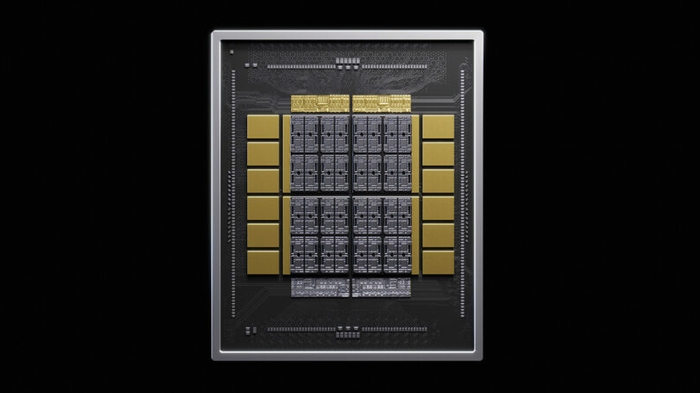
NVIDIA has expanded its NVLink Fusion technology by introducing NVIDIA NVHBM, a next-generation high-bandwidth memory designed to enhance AI infrastructure. This innovation aims to meet the increasing demands of AI agents and trillion-parameter workloads by integrating memory performance with compute, storage, and networking in a unified system. The introduction of NVHBM is significant as it offers up to 30% greater memory bandwidth and 15% lower power consumption compared to traditional HBM architectures. By integrating the memory controller into the HBM base die, NVIDIA frees up to 25% more area on the XPU compute die, allowing for more efficient designs. This development is expected to accelerate the deployment of custom AI chips in collaboration with leading memory partners. Amazon's Annapurna Labs will be the first to implement NVHBM technology, enhancing performance for AI workloads with its next-generation Trainium chips. This collaboration signifies a strategic partnership that aims to optimize AWS infrastructure designs. No further timeline was disclosed at the time of publication.

Penn State Researchers Develop Low-Power DNA-Based Memory Device Using Perovskite Technology
Researchers at Penn State have developed a new memory device that utilizes synthetic DNA and perovskite semiconductors, achieving a significant reduction in power consumption. This bio-hybrid system, which operates with 100 times less energy than traditional storage devices, could revolutionize data processing by combining the storage capabilities of DNA with the electronic properties of perovskite. The innovation is particularly relevant as the demand for artificial intelligence (AI) and neuromorphic computing grows, necessitating efficient low-power devices that can handle complex data. The memristor created by the team can retain information even when power is removed, mimicking the functionality of neurons in the brain and enabling more sophisticated data processing. Looking ahead, the integration of DNA into electronic systems presents opportunities for advancements in memory technology. However, practical applications will require further development to ensure sufficient storage capacity and efficiency. No further timeline was disclosed at the time of publication.

Chinese Researchers Extend Quantum Memory Entanglement to 260 Miles Over Fiber
Researchers in China have successfully demonstrated quantum memory entanglement over a distance of 260 miles (420 kilometers) using laser-cooled rubidium atoms. This advancement addresses significant challenges in maintaining quantum signals over long optical fiber connections, which typically weaken rapidly. By utilizing quantum memories, the team has provided a potential solution for developing quantum networks that can extend beyond metropolitan areas. This breakthrough is crucial as it overcomes a key limitation in direct quantum transmission, which becomes impractical beyond approximately 199 miles (320 kilometers) due to signal loss in optical fibers. The use of rubidium atoms as quantum memories allows for the storage of quantum states, enabling longer connections to be segmented into manageable sections. The researchers also implemented an active stabilization system to counteract environmental disturbances, ensuring the synchronization of quantum states across the fiber link. Looking ahead, this achievement builds on previous work by Pan Jianwei and his team, who have progressively advanced quantum memory entanglement capabilities. The new distance achieved is significant for the future of wide-area quantum networks, demonstrating that entanglement can be maintained despite the challenges posed by long-distance fiber connections. No further timeline was disclosed at the time of publication.
Science
NVIDIA Introduces Jetson Thor: Memory Bandwidth Crucial for Robotic Intelligence
NVIDIA has launched the Jetson Thor product line, emphasizing that memory bandwidth is essential for robotic intelligence rather than just processing power. On July 16, NVIDIA announced two mid-range products, the T3000 and T2000, set to release in Q1 2027. Despite the T3000 having only 72% of the GPU power of the T5000, its memory bandwidth remains intact, allowing it to perform close to the T5000 in multimodal tasks. This focus on memory bandwidth is vital as robots require efficient data transfer for inference tasks. The ability to handle visual, language, tactile, and motion data relies on timely data delivery to processing units. NVIDIA's strategy involves reducing memory capacity while maintaining bandwidth to optimize performance for complex applications, addressing the growing size of model weights and context. Additionally, NVIDIA has reduced power consumption significantly, with the T3000 operating at approximately 65 watts, half that of the T5000, making it suitable for lightweight autonomous devices. The introduction of affordable entry-level boards and memory-optimized AI skills aims to make advanced robotic intelligence more accessible, addressing the challenges posed by rising memory prices in the AI landscape.
Robotics AI Memory Optimization Computational Efficiency
Samsung and Broadcom Forge $200 Billion AI Memory Chip Partnership
Samsung and Broadcom have announced a significant $200 billion deal aimed at enhancing their competitive edge in the AI hardware market. This collaboration is expected to address the growing demand for integrated semiconductor technologies, as highlighted by Young Hyun Jun, Samsung's vice chairman and CEO of the device solutions division. The partnership is poised to deliver greater value to customers while advancing future AI infrastructure. The importance of this deal lies in its potential to position Samsung and Broadcom against competitors like TSMC in the rapidly evolving AI hardware landscape. Both companies have reported record revenues, with Broadcom attributing its success to the surge in AI semiconductor revenue. Similarly, Samsung's quarterly performance has been bolstered by innovations in AI technology and a proactive market response, particularly in its memory business. Looking ahead, the collaboration is expected to drive advancements in AI infrastructure and semiconductor technology. No further timeline was disclosed at the time of publication, but the ongoing partnerships between these tech giants and other industry leaders indicate a robust future for AI-driven semiconductor innovations.

SK Group and NVIDIA Forge $500 Billion Partnership for AI Infrastructure and Memory Solutions
SK Group and NVIDIA have announced a comprehensive partnership valued at over $500 billion to develop AI infrastructure in response to rising global compute demands. This collaboration includes plans for AI factory construction and the supply of next-generation AI memory, with the first AI factory expected to launch in 2027. The partnership builds on a longstanding relationship between SK Group and NVIDIA, aiming to enhance AI infrastructure across the Asia-Pacific region, particularly in South Korea. The initiative will leverage NVIDIA's DSX platform and SK hynix's advanced memory technologies to create efficient, large-scale AI services. Looking ahead, the collaboration will not only expand AI infrastructure but also focus on co-developing next-generation AI memory solutions. No further timeline was disclosed at the time of publication.
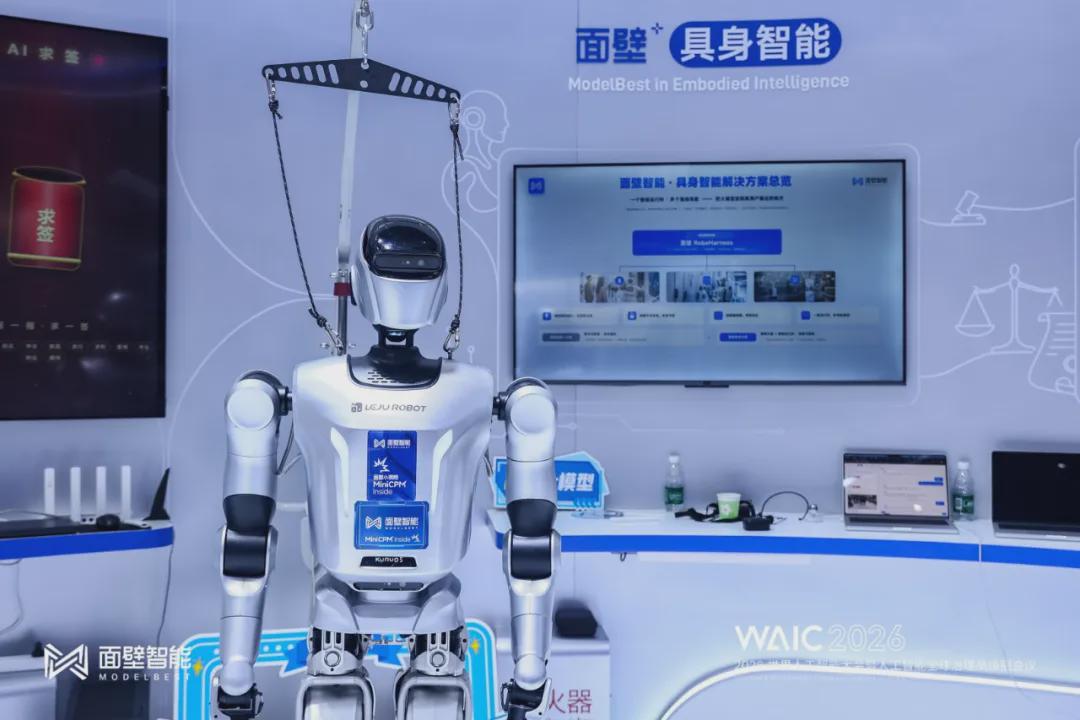
Domestic AI Unicorn Unveils MiniCPM-Robot to Enhance Robot Memory at WAIC
At the World Artificial Intelligence Conference (WAIC), a notable trend emerged in the robotics sector, with an increasing number of VLA models attempting to enable robots to execute longer task chains. A significant challenge has been the fundamental conflict between 'contextual memory' and 'real-time inference costs' in VLA models, which has hindered the completion of long-range tasks. During WAIC, Mianbi Intelligence introduced and open-sourced its first series of embodied intelligence results, the MiniCPM-Robot, which includes the general VLA model MiniCPM-RobotManip and the tracking navigation model MiniCPM-RobotTrack. This model, with only 1.3 billion parameters, successfully completed long-range tasks like making sandwiches and achieved a significant lead over well-known models in the RMBench leaderboard, showcasing its advanced contextual memory capabilities. The release of MiniCPM-Robot signifies Mianbi Intelligence's transition of its accumulated multimodal technology from the digital realm to the physical world. The MiniCPM-Robot series addresses a structural shortcoming in current embodied intelligence, allowing for efficient visual token compression that enhances real-time inference speed while retaining memory, thus overcoming a long-standing dilemma in VLA model development.
Robotics AI Models Task Execution Memory Retention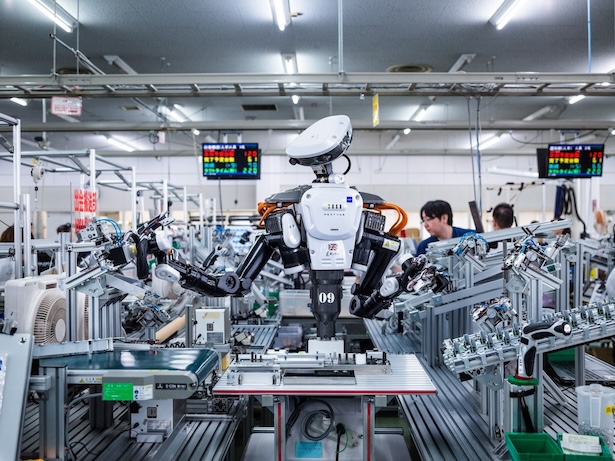
iKairos: An AI Companion and Jewelry Redefining Human-AI Interaction
The iKairos, showcased at the 2026 IFA, aims to redefine human-AI interaction by actively understanding users' lives rather than passively waiting for commands. Developed by Singapore-based startup Lingverse, this circular device, known as the 'Neural Core', can be worn as a pendant or embedded in a desktop robot, addressing common issues faced by AI companions. The modular design of iKairos allows for seamless transitions between different forms, enhancing user experience. Its core functionality, termed 'memory perception', utilizes cameras and microphones to record conversations and preferences, building a comprehensive user profile over time. This enables the device to proactively suggest activities or reminders based on accumulated context, potentially acting as an agent to perform tasks on behalf of the user. Lingverse, co-founded by former Jibo board member and investor Joe Jiawei, aims to continue the legacy of the discontinued social robot Jibo. The company secured $29 million in Pre-A funding in July 2026. While iKairos is still in development with no set pricing or launch date, it represents a shift towards AI that not only responds but also understands and integrates into daily life.
AI Companions Wearable Technology Robotics Privacy-focused Design
Anthropic Enhances Claude Cowork Memory System for Improved User Experience
Anthropic has announced a significant update to Claude Cowork's memory system, which will enhance user interactions by allowing the AI to retain information across different sessions. This change aims to eliminate the frustration of having to rebrief the AI on previously discussed topics, making it feel like a continuous assistant rather than separate products. The update is particularly important for users who engage in project development and need to transition smoothly from brainstorming to execution. For example, Claude will remember specific details such as headcount and speakers for a conference, streamlining the process of drafting updates or agendas without the need to re-enter information. Moving forward, users can expect Claude to automatically add topics to its memory during conversations, improving the fluidity between chat and Cowork. While sensitive information will not be stored by default, users have the option to include it. No further timeline was disclosed at the time of publication.
AI Apps Anthropic Claude
MIT Study Reveals Brain Circuit's Role in Sensory Decision-Making and Memory Comparison
MIT neuroscientists have identified a brain circuit that connects sensory decision-making regions with those that assess recent sensory changes. This circuit enables the brain to compare past sensory experiences with current information, aiding in decision-making. The findings could have implications for understanding sensory processing in conditions like autism. The research highlights the importance of the pulvinar region of the thalamus in guiding sensory decisions based on immediate past experiences. By studying mice trained to discern movement patterns in a video game, the team demonstrated that the LP-ACC circuit influences how sensory information is processed and decisions are made. This understanding of the brain's decision-making mechanisms could lead to advancements in treating sensory processing disorders. Future research may explore the applications of these findings in understanding autism, where individuals often struggle with sensory predictions. The study opens avenues for further investigation into how the brain integrates sensory perception and learning to inform behavior. No further timeline was disclosed at the time of publication.
Research Brain and cognitive sciences Learning Memory Neuroscience Vision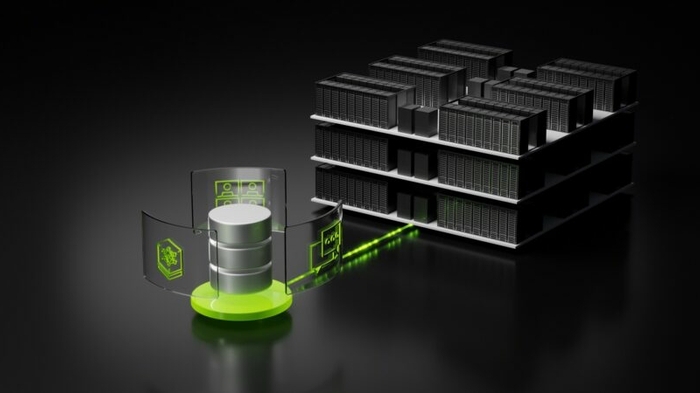
NVIDIA Unveils Storage Innovations to Meet Growing AI Demands at FMS Conference
NVIDIA has introduced new storage advancements at the Future of Memory and Storage (FMS) conference, addressing the increasing demands of AI for massive datasets and context windows. The company emphasizes that simply adding storage capacity is insufficient; instead, efficient and secure storage architectures are essential for managing the data consumed by AI agents. The significance of these advancements lies in their ability to enhance throughput and reduce the bottlenecks caused by simultaneous access from thousands of AI agents. NVIDIA's Vera CPU, part of the Vera BlueField-4 STX, reportedly delivers up to 3.21 times higher throughput than traditional x86 CPUs in handling compression and encryption tasks, thereby improving the efficiency of storage platforms in managing AI data. Looking ahead, the gap between AI's requirements and memory limitations will necessitate a collaborative approach across the ecosystem, involving memory and storage manufacturers as well as software developers. NVIDIA's announcement of open sourcing its cuFile APIs aims to facilitate direct GPU access to storage, marking a significant step towards a unified, security-focused storage stack that enhances interoperability between GPUs and data.

Microsoft's Windows 11 Aims for Enhanced Performance with 8GB Memory by 2026
Microsoft has announced a commitment to improve Windows 11's quality, focusing on performance enhancements rather than new features. This initiative, highlighted in a recent blog post, aims to address user complaints regarding the taskbar, file explorer, and Windows Update. The updates are expected to be rolled out with the major '26H2' update in late 2026. The significance of this initiative lies in Microsoft's shift towards prioritizing user experience and system efficiency, particularly for devices with 8GB of memory. Improvements include better taskbar customization, reduced interruptions from Windows Update, and enhancements to file explorer reliability. These changes are part of a broader strategy to elevate the overall quality and performance of Windows 11. Looking ahead, users can anticipate the rollout of these enhancements alongside the '26H2' update, which is projected for late 2026. Microsoft is also focusing on memory efficiency improvements, aiming to optimize performance without relying heavily on hardware capabilities. No further timeline was disclosed at the time of publication.

Elon Musk Highlights Tesla's Supply Gains with Micron's Memory Chip Allocation
On July 22, Elon Musk informed Tesla (TSLA) investors about a significant supply development regarding memory chips. He announced that Micron (MU) has provided Tesla with a 'very significant allocation' of memory chips under 'reasonable terms,' indicating a potential long-term partnership as Micron prepares to support Tesla's needs in the coming years. This development is crucial as it comes amid a broader industry shortage of memory chips, exacerbated by high demand driven by AI technologies. Musk's comments suggest that Tesla may be securing a more reliable supply chain at a time when memory chips are increasingly scarce and costly, which could be pivotal for the company's future growth. Looking ahead, the implications of this allocation could extend beyond immediate supply relief. As Tesla continues to invest heavily in its next ventures, the partnership with Micron may play a vital role in supporting its ambitions. No further timeline was disclosed at the time of publication.

Cornell Tech Develops Optical Receiver to Enhance AI Memory Management
Cornell Tech researchers, led by Yifan He and Jae-sun Seo, have developed an innovative optical receiver that can modify its memory using light. This technology, presented at the IEEE/JSAP Symposium, aims to alleviate the memory demands of AI systems, potentially reducing energy consumption in data centers and AI-powered robots. The significance of this advancement lies in its ability to facilitate high-bandwidth data transfer with lower energy loss compared to traditional metal connections. By utilizing a QR code-like optical matrix, the receiver can adjust AI model parameters without relying on power-intensive analog circuits, addressing a major bottleneck in current AI chip designs. Looking ahead, the researchers are focused on creating a rapid optical transmitter capable of altering light matrices millions of times per second. While commercialization is still a challenge due to the size of the photosensitive cells, the potential applications in robotics and edge computing are promising, particularly in AI-driven warehouses and factories.
Robot-ai Sram Memory Edge-ai Vlsi-symposium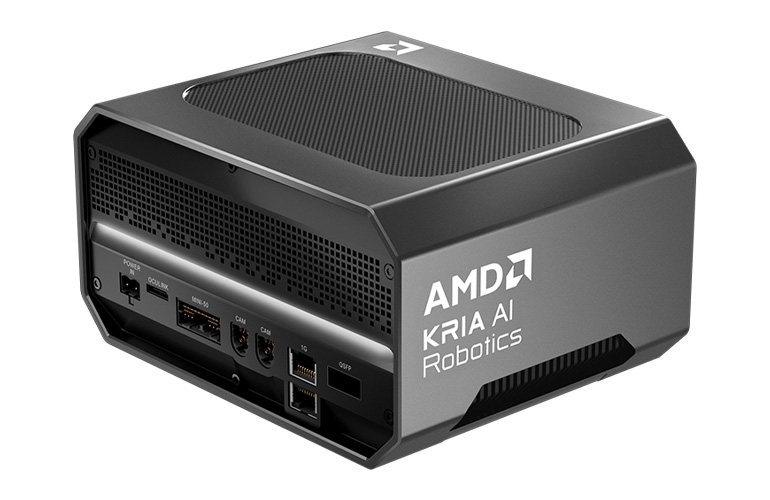
AMD Launches Kria Module and Ryzen AI Embedded X100 for Robotics Control
AMD has introduced the Kria module and Ryzen AI Embedded X100 series, aimed at enhancing real-time control and processing for robotics applications. The new platform promises deterministic performance with unified memory architecture, targeting both firm and hard real-time control through advanced optimizations. This development is significant as it positions AMD as a competitive alternative to NVIDIA in the robotics sector, particularly for physical AI applications. The unified CPU-GPU-NPU memory architecture is designed to reduce latency and improve efficiency in tasks such as perception and sensor fusion, which are critical for robotic operations. Looking ahead, AMD's offerings, including the open-source AMD Robotics Sophie Suite and a curated Robotics Partner Network, will be crucial for developers seeking scalable solutions for various robotic applications. No further timeline was disclosed at the time of publication.
Artificial Intelligence Controllers Microprocessors / SoC Microprocessors / SoCs Motion Control News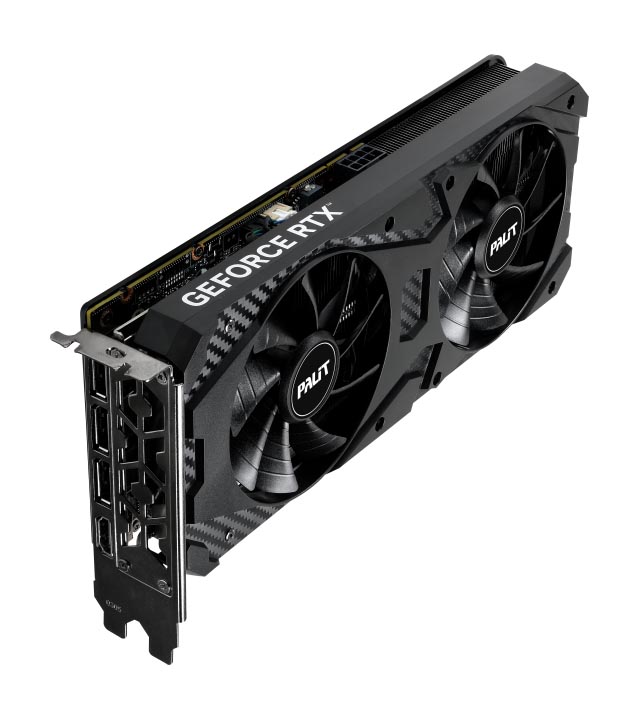
Palit Launches GeForce RTX 3060 Infinity 2 OC Graphics Card Featuring 12GB GDDR6 Memory
Palit Microsystems has announced the release of the GeForce RTX 3060 Infinity 2 OC graphics card, designed for 1080p gaming. This model is equipped with the GeForce RTX 3060 GPU and includes 12GB of GDDR6 memory. It features a dual-fan cooling system and a silent mode that stops the fans during low workloads. The GeForce RTX 3060 Infinity 2 OC operates at a core frequency of 1792MHz (boost) and has a memory speed of 15Gbps. It requires a single 8-pin auxiliary power connector and offers multiple video outputs, including HDMI 2.1 and three DisplayPort connections. This launch is significant as it caters to gamers looking for efficient performance at 1080p resolution. Looking ahead, the graphics card market continues to evolve with new releases and competitive pricing. No further timeline was disclosed at the time of publication, but the introduction of the GeForce RTX 3060 Infinity 2 OC is expected to impact consumer choices in the gaming hardware sector.

Intel reveals new XBM memory architecture patent to reduce AI memory costs by bypassing HBM silicon interposer.
On July 8, Intel revealed a recently filed patent application for a new high-bandwidth memory architecture called Cross-Batch Memory (XBM). This innovative design aims to reduce advanced packaging costs and alleviate the "memory wall" bottleneck faced by AI chips. By eliminating the silicon interposer required for High Bandwidth Memory (HBM) and utilizing UCIe interconnect technology along with an integrated redundancy repair mechanism, XBM enhances efficiency. The patent outlines a back-end transistor (BEOL) DRAM stacking design that maintains packaging dimensions similar to HBM4 while improving scalability and supporting defect repair to boost yield.
The Key-Value Cache is the Missing Layer in Overcoming the AI Memory Wall
In a significant shift within the tech industry, enterprises are increasingly transitioning artificial intelligence (AI) from experimental stages to practical applications. This movement, gaining momentum in late 2023, reflects a growing confidence among businesses in the capabilities of AI technologies. Companies across various sectors are now integrating AI solutions into their operations to enhance efficiency, improve decision-making, and drive innovation. The push to operationalize AI is driven by the need for organizations to remain competitive in a rapidly evolving digital landscape. By harnessing AI, businesses aim to streamline processes, reduce costs, and deliver better products and services to their customers. This transition is facilitated by advancements in AI algorithms, increased access to data, and the development of user-friendly tools that allow for easier implementation. As enterprises embrace AI, they are also navigating challenges related to data privacy, ethical considerations, and workforce implications. The successful deployment of AI in production environments requires careful planning and collaboration across departments, ensuring that technology aligns with organizational goals and values. As this trend continues to unfold, it is expected to reshape industries and redefine the future of work.
Factory / Control
HKU professor's startup Yisheng Technology secures hundreds of millions in angel funding to develop memory systems for robots.
TranscEngram, a robotics startup focused on developing autonomous intelligence, has successfully secured hundreds of millions in angel funding. The investment round saw participation from a diverse group of industry and state-owned enterprises, including Charoen Pokphand Group’s China National Pharmaceutical, Pudong Venture Capital, and several others. Founded in September 2023 by leading AI experts, including Professor Ma Yi from the University of Hong Kong, TranscEngram aims to create a unified system for robots that mimics human cognitive processes through a "brain + cerebellum" architecture. This innovative approach seeks to advance the field of explainable embodied intelligence by enabling robots to learn through a closed-loop of perception, prediction, and interaction. The newly acquired funds will primarily support the development of advanced models for embodied control and physical world modeling, as well as the establishment of research and industrial bases in Shenzhen and Shanghai. The company’s technology promises to enhance robots' capabilities in self-correction and continuous evolution, moving towards commercial applications. TranscEngram's unique memory system allows robots to learn from vast amounts of data without relying on fixed programming, significantly improving their performance in multi-tasking scenarios. The startup is currently focusing on high-end service sectors, such as hotel operations and flexible manufacturing in aerospace, aiming to automate and optimize these industries. With research and data centers established in major cities, TranscEngram is collaborating with leading robotics firms to integrate its innovative solutions into existing production processes, enhancing efficiency and adaptability in real-world applications.
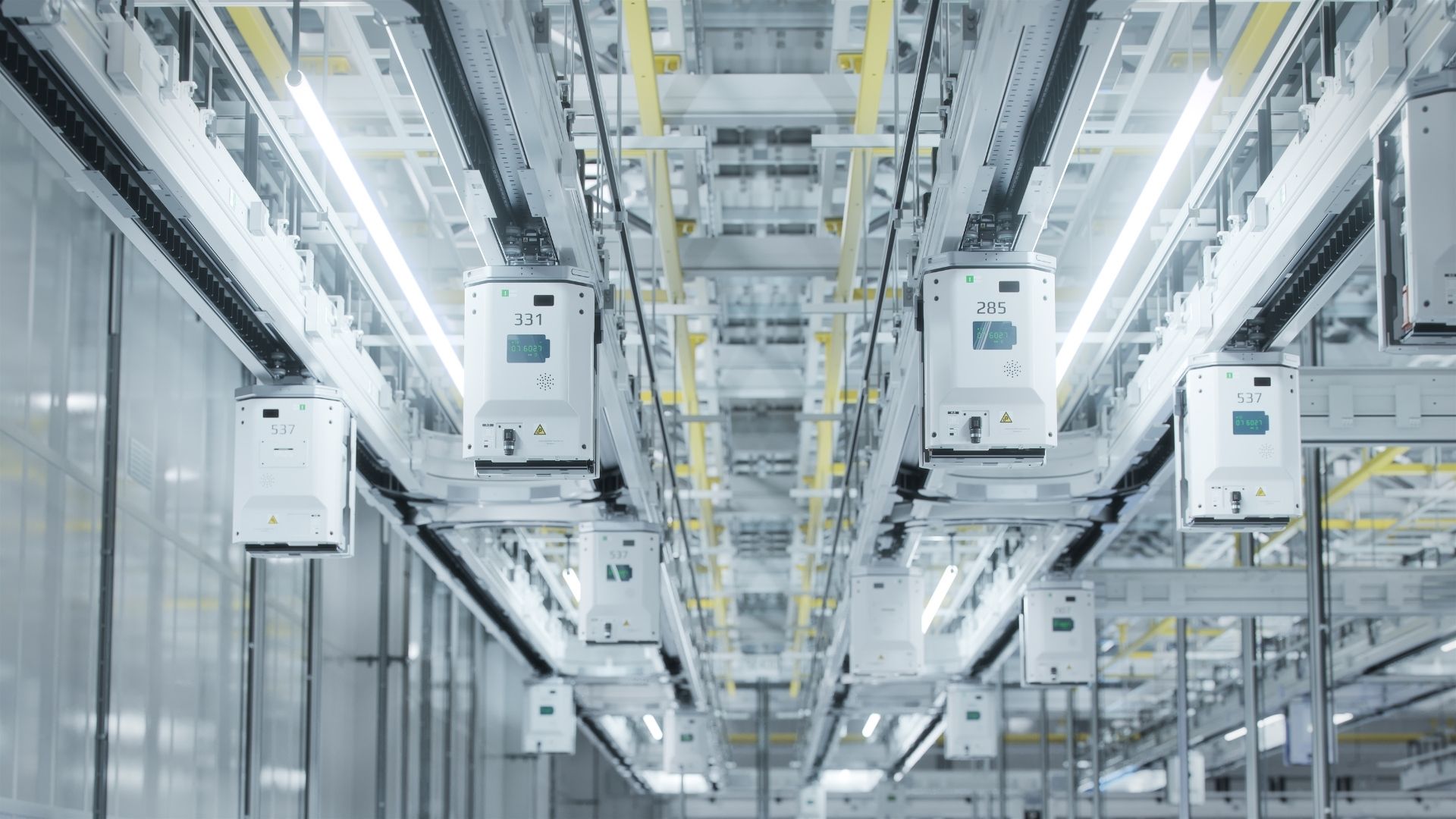
US semiconductor giant breaks ground on $9.3-billion memory chip plant expansion in Japan
Micron Technology has officially commenced the expansion of its manufacturing facility in Hiroshima Prefecture, Japan. This significant development took place on October 25, 2023, as the company aims to enhance its production capabilities in response to the growing global demand for semiconductor products. The expansion is part of Micron's broader strategy to invest in advanced manufacturing technologies and increase its output to support various industries reliant on memory and storage solutions. By bolstering its operations in Japan, Micron seeks to solidify its position in the competitive semiconductor market and contribute to the local economy through job creation and technological advancement. The project underscores the company's commitment to innovation and its role in addressing the challenges posed by supply chain disruptions in the semiconductor sector.
Innovation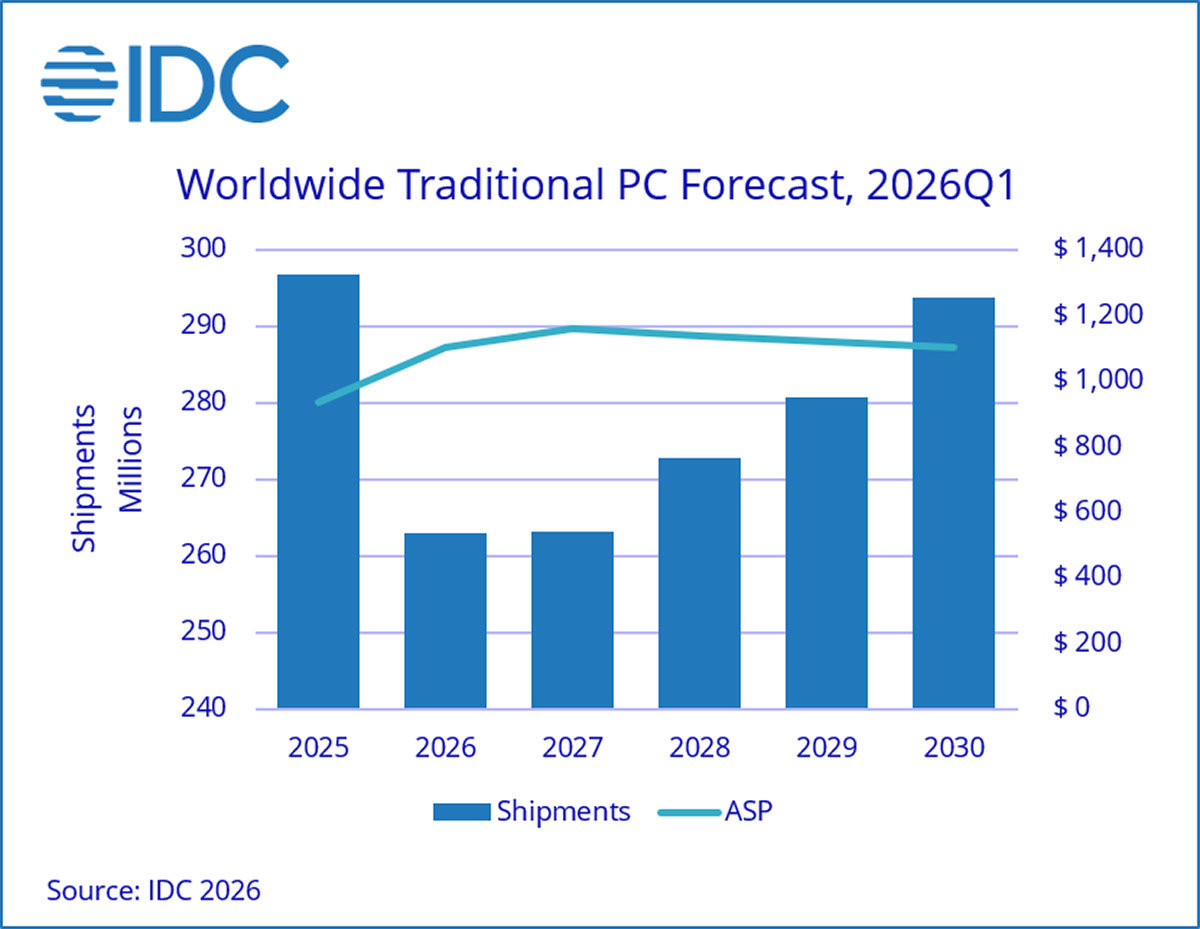
PC prices soar due to memory shortages: Behind the Windows 10 ESU extension and the reality of moving away from
Microsoft has announced an extension of the Extended Security Update (ESU) program for consumer versions of Windows 10, pushing the deadline to October 2027. This decision comes in response to significant memory supply issues that have led to a sharp increase in PC prices, providing users with additional time to transition to Windows 11. The extension reflects Microsoft's strategy to accommodate users amid ongoing hardware challenges while also highlighting potential obstacles that may arise for the platform after the 2027 deadline.

The memory shortage shaking Apple and Microsoft is 'existential crisis' for smaller players
Apple and Microsoft have announced price increases on their key devices, a move aimed at offsetting the rising costs of memory components. This decision comes amid a challenging landscape for smaller consumer electronics companies, which are struggling to maintain profitability in the face of these industry-wide price hikes. The price adjustments by the tech giants reflect broader economic pressures affecting the electronics market, particularly the escalating costs of production materials. As larger companies adapt to these challenges, smaller firms find themselves in a precarious position, potentially jeopardizing their market presence and financial stability. The situation highlights the ongoing impact of supply chain issues and inflation on the technology sector, raising concerns about the future viability of smaller players in an increasingly competitive environment.
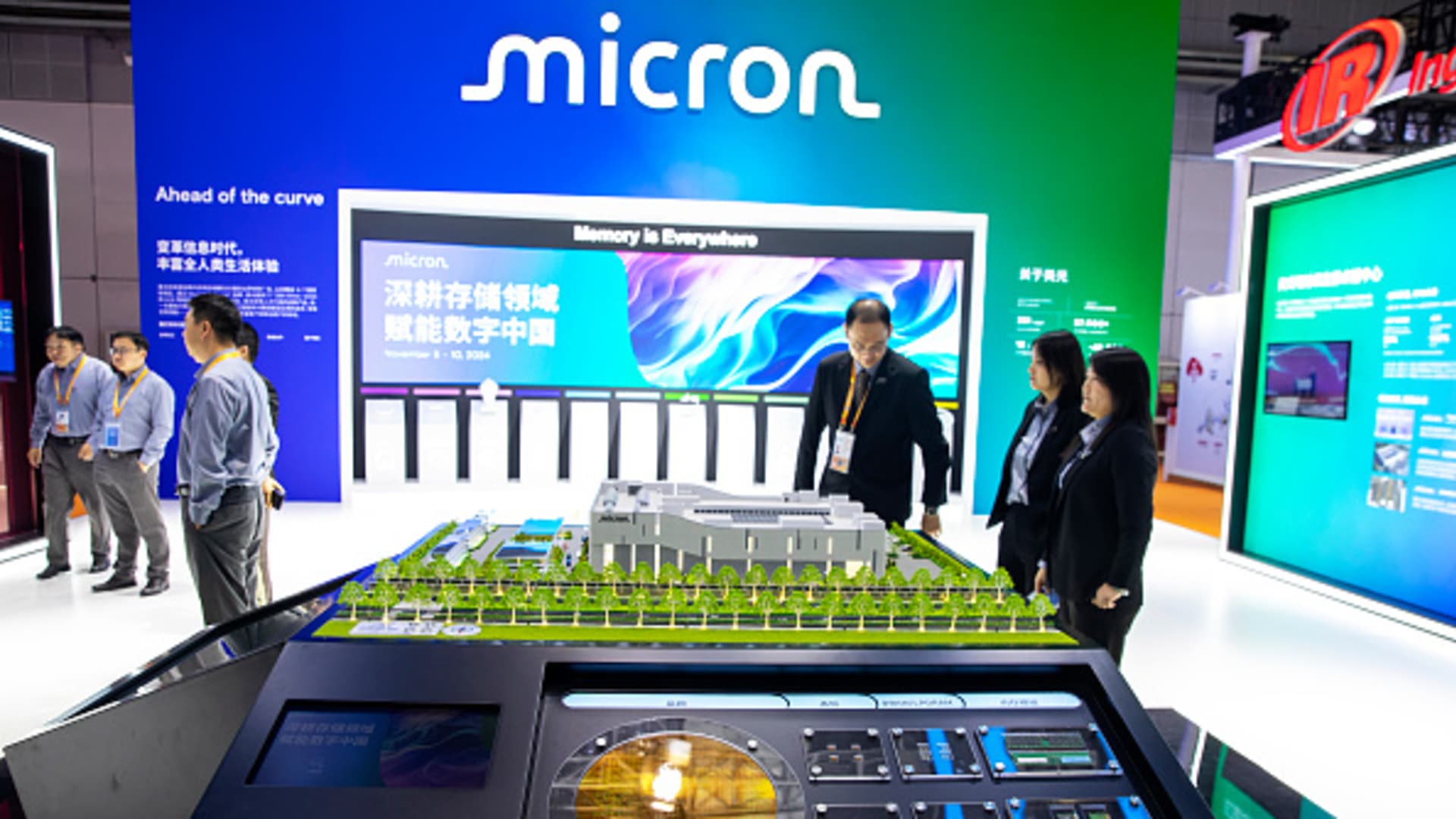
Micron is tech's new margin king as memory crisis pushes company past Nvidia and Meta
Micron Technology announced a significant increase in its gross margin, which rose to 84.9% in its latest earnings report, up from 39% during the same period last year. This remarkable improvement reflects the company's strategic efforts to enhance operational efficiency and capitalize on growing demand for memory and storage solutions. The earnings report, released on [insert specific date], highlights Micron's robust performance in the semiconductor industry, particularly as it navigates a competitive market landscape. The surge in gross margin is attributed to a combination of cost management initiatives and a favorable pricing environment for its products. As Micron continues to innovate and expand its offerings, the company aims to sustain this momentum and further strengthen its position in the technology sector.
The memory chip crunch is paying off for this US company
In a remarkable financial turnaround, a leading company reported a fourfold increase in revenue, reaching $41.45 billion compared to the same quarter last year. This surge in earnings was accompanied by a significant rise in profit, which soared from $1.88 billion to an impressive $28.2 billion year-over-year. The dramatic growth can be attributed to a combination of strategic initiatives, increased market demand, and effective cost management. These results highlight the company's robust performance and resilience in a competitive landscape, showcasing its ability to capitalize on emerging opportunities and drive substantial financial gains.
AI Hardware earnings In Brief memory chip shortage Micron
Copper compound repairs brain's waste removal system, boosting memory by 44% in mice; potential for Alzheimer's treatment.
Researchers from Monash University in Australia have published a study in the peer-reviewed journal ACS Chemical Neuroscience, revealing that a copper-based drug can reduce the accumulation of toxic proteins associated with Alzheimer’s disease. The study, which utilized the APP/PS1 mouse model, demonstrated that this treatment not only decreases these harmful proteins but also improves cognitive function and memory in the test subjects. This research offers promising insights into potential therapeutic approaches for combating Alzheimer’s, a condition that currently lacks effective treatments.

Upsampling method sharpens AI vision with up to 16 times less GPU memory
A collaborative research team from KAIST and various international institutions has made significant advancements in computer vision technology, enhancing artificial intelligence's ability to perceive its surroundings. This new technology improves GPU memory efficiency by up to 16 times, allowing AI systems to operate with minimal memory usage. The breakthrough, announced recently, is expected to play a crucial role in advancing the development of humanoid robots and on-device AI, potentially transforming how these technologies are integrated into everyday life. The innovation underscores the growing importance of efficient AI systems in various applications, from smartphones to robotics.
Robotics
Myriam Heiman named director of The Picower Institute for Learning and Memory
Heiman, a prominent researcher specializing in neurodegenerative diseases including Huntington’s and Parkinson’s, has been appointed to lead the institute starting July 1. This leadership transition aims to enhance the institute's focus on groundbreaking research and innovative treatments for these debilitating conditions. Heiman's extensive expertise and commitment to advancing the understanding of neurodegenerative disorders are expected to drive the institute's initiatives forward, fostering collaboration and discovery in the field. The appointment reflects the institute's dedication to addressing the growing challenges posed by these diseases, which affect millions globally.
Leadership Faculty Brain and cognitive sciences Neuroscience Disease Parkinson's
NVIDIA and SK hynix Announce Multiyear Technology Partnership to Advance Memory for AI Factories
NVIDIA and SK hynix have entered into a multiyear technology partnership aimed at enhancing next-generation memory solutions to support the global expansion of artificial intelligence infrastructure. This collaboration, announced today, seeks to accelerate advancements in semiconductor design and manufacturing, addressing the growing demand for AI technologies. By combining their expertise, the two companies aim to innovate and streamline the production of memory components essential for AI applications, ultimately contributing to the efficiency and effectiveness of AI systems worldwide.

New Server Hopes to Break Through AI’s “Memory Wall”
Majestic Labs, an AI hardware startup, is addressing the memory limitations of large language models (LLMs) with its upcoming server, Prometheus, set to launch in 2027. This innovative server will feature up to 128 terabytes of memory, significantly surpassing the capabilities of Nvidia’s current offerings. Co-founder Sha Rabii emphasizes that this substantial memory increase will enhance performance and efficiency, particularly as models grow larger. Prometheus employs a unique DRAM-centric architecture, utilizing LPDDR6 memory and a proprietary memory interface with miniature copper cables that allow for greater memory placement flexibility. This design aims to overcome the “memory wall” that hampers LLM performance, providing a memory bandwidth of up to 25.6 terabytes per second. To complement its memory capabilities, Prometheus will incorporate the Ignite AI processing unit, which combines ARM application cores with RISC-V vector and tensor cores on a single chip. This integration allows for seamless handling of LLM inference tasks without the need for processor handoffs. Majestic Labs is also focused on ensuring compatibility with existing AI frameworks like PyTorch and OpenAI’s Triton, allowing customers to run their models without modifications. The server, designed in compliance with the Open Compute Project, will be modular, enabling future memory upgrades. Despite the advanced technology, Majestic Labs aims to offer competitive pricing by leveraging DRAM instead of more expensive high-bandwidth memory. Rabii claims that this approach could reduce customer capital expenditures and power consumption significantly, potentially by 10 to 50 times, depending on the workload.
Memory Server Ai-accelerators Performance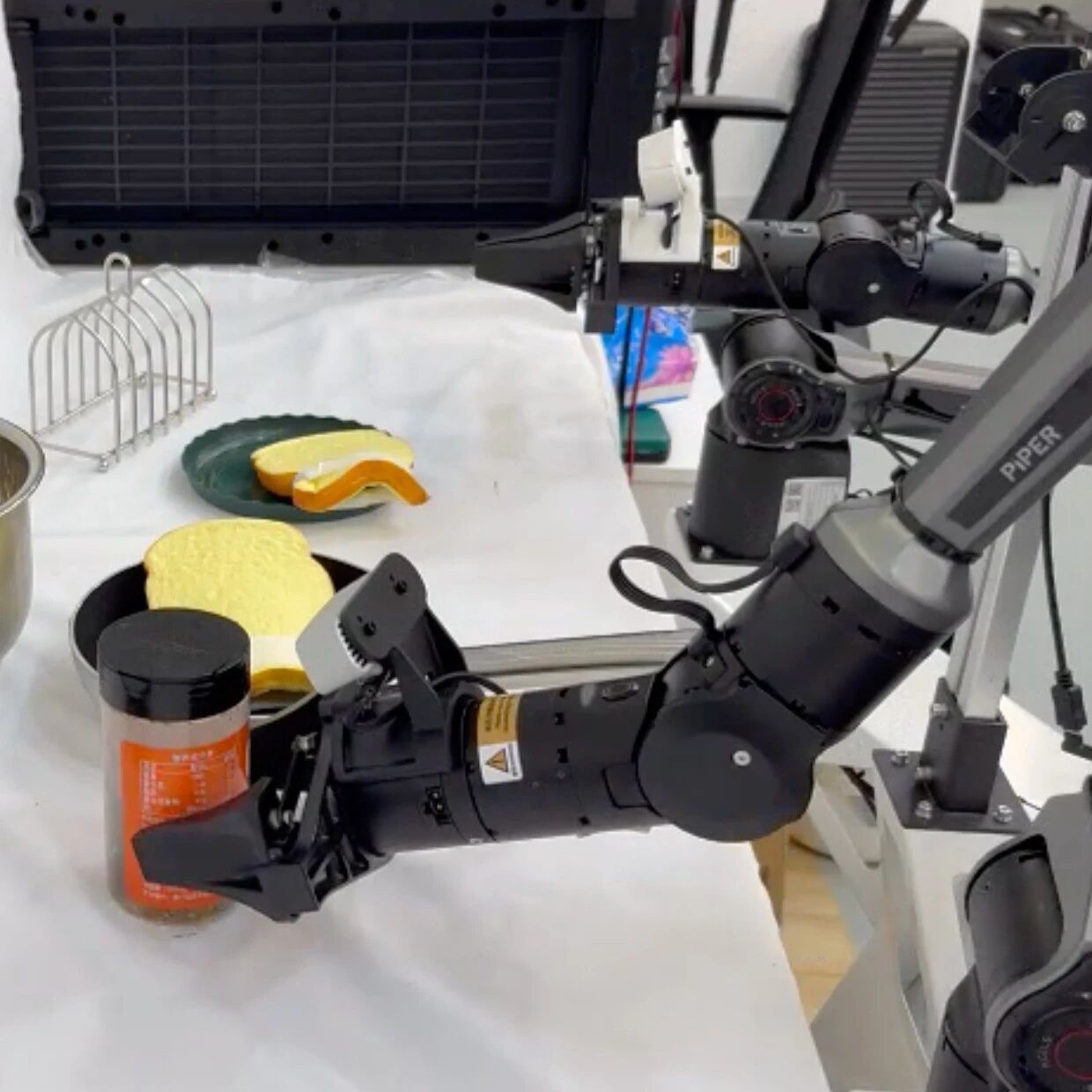
RoboMemArena: New Benchmark Systematically Evaluates Robot Memory Capabilities
A consortium of Chinese research institutions has unveiled RoboMemArena, marking the introduction of the first comprehensive benchmark designed to assess robotic memory in long-horizon manipulation tasks. This initiative aims to enhance the capabilities of robots in performing complex tasks that require sustained memory and learning over extended periods. The launch took place recently, with the goal of advancing research and development in robotics, particularly in areas that demand intricate memory functions. By providing a standardized framework for evaluation, RoboMemArena seeks to facilitate comparisons across different robotic systems and foster innovation in the field.
AI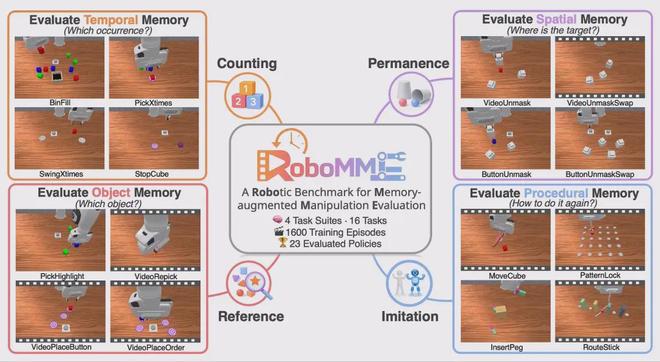
Michigan, Stanford, and Figure AI Collaborate to Launch the Groundbreaking RoboMME Robot Memory Benchmark!
A new standardized evaluation system for robot memory, known as the RoboMME benchmark, has been introduced by a collaborative effort involving Michigan University, Stanford University, and Figure AI. This innovative framework assesses robot memory across four key dimensions: temporal, spatial, object, and procedural. By addressing previous shortcomings in assessment methods, the RoboMME benchmark aims to improve robot performance in executing complex tasks. The initiative reflects ongoing advancements in robotics and artificial intelligence, highlighting the importance of effective memory evaluation in enhancing robotic capabilities.
Robot Memory Benchmarking Artificial Intelligence Robotics Machine Learning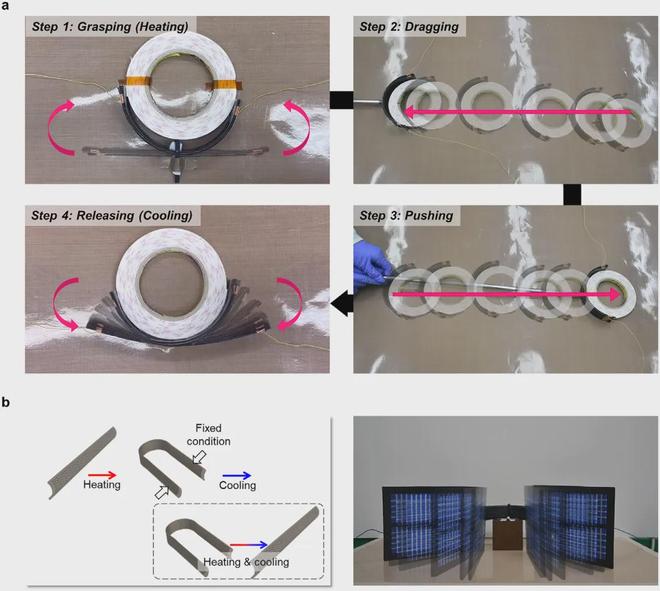
Breakthrough in Shape Memory Alloys: Korean Team Achieves 140° Reversible Deformation in 1 Second
A research team at the Korea Advanced Institute of Science and Technology (KAIST) has unveiled a revolutionary bi-directional shape memory alloy/polymer composite actuator. This new actuator boasts an impressive 82% recovery rate and a deformation range of 140 degrees, significantly improving the functionality of actuators used in robotics and aerospace. The development, which promises to enable rapid and reversible movements, was driven by the need for more efficient and versatile components in advanced technological applications. Researchers achieved this breakthrough through innovative material engineering techniques, positioning the actuator as a potential game-changer in the fields of robotics and aerospace engineering.
Shape Memory Alloys Smart Actuators Robotics Aerospace Technology Material Science
Electronic Design: When AI Meets HBM: Memory Test for the Terabit Era
Recent advancements in artificial intelligence (AI) and cloud infrastructure are significantly altering the requirements for high bandwidth memory (HBM) testing. As AI systems evolve, there is a notable shift in emphasis from mere computational speed to the efficiency of data movement. This transition underscores the growing importance of HBM in supporting the demands of modern AI applications. The changes are driven by the need for faster data processing capabilities, which are essential for optimizing AI performance in various sectors. As organizations increasingly rely on cloud-based solutions, the integration of advanced memory technologies becomes crucial to meet the evolving landscape of AI workloads.

From motion to memory: Researchers create soft machines that amplify movement and remember touch
Researchers have unveiled an innovative mechanical system designed to enhance the capabilities of conventional soft actuators, which typically suffer from limitations such as weak force, minimal displacement, and slow response times. This new system employs a unique interaction between magnets and elastic membranes to amplify motion and enable the actuator to remember external triggers. The development aims to address the shortcomings of existing soft actuators, potentially paving the way for advancements in various applications, including robotics and medical devices. By leveraging the principles of magnetism and elasticity, the researchers have created a more responsive and efficient actuator that could significantly improve performance in practical uses.
Robotics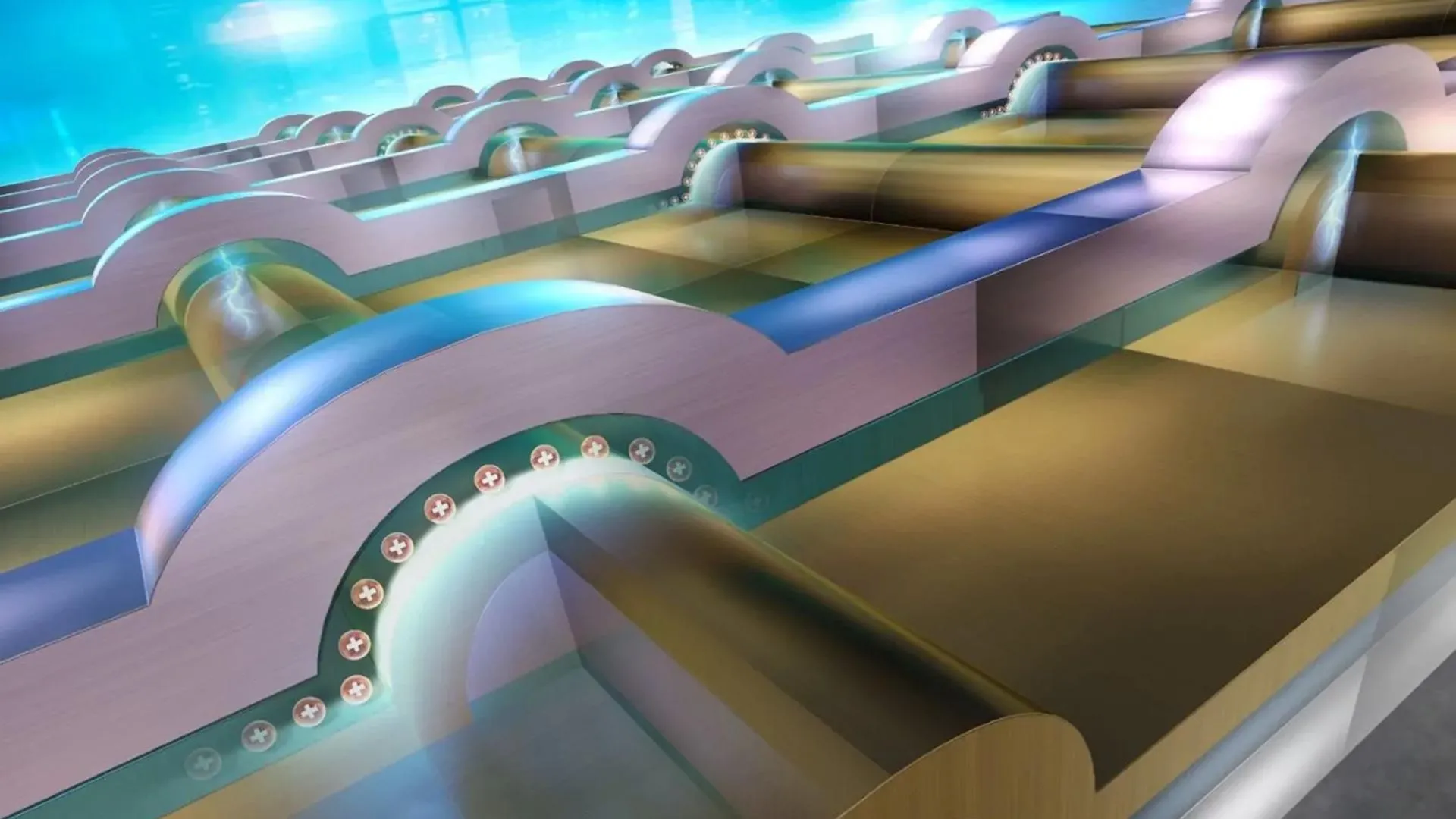
Scientists built a memory chip that breaks the rules of miniaturization
Researchers have developed an innovative memory device that addresses the longstanding issues of overheating and battery drain in electronic devices. By significantly miniaturizing components and reengineering their structure, the team has successfully reduced energy loss, a breakthrough that was previously considered unattainable. This newly designed memory unit not only maintains functionality but actually improves as it decreases in size. The implications of this advancement are substantial, potentially leading to the creation of ultra-efficient smartphones, wearables, and artificial intelligence systems. This development marks a significant step forward in electronics, promising enhanced performance and sustainability in future technology.

Smart Shape-Memory Implants Enable Adaptive Bone Healing Monitoring
A new advancement in medical technology has emerged with the development of Nitinol-based smart implants designed to enhance fracture healing. These innovative implants utilize artificial intelligence for real-time monitoring and provide controlled stimulation to the healing process. This breakthrough, which aims to reduce the reliance on traditional X-ray imaging, is expected to significantly improve recovery outcomes for patients. The smart implants are being introduced as a part of ongoing efforts to integrate advanced technology into orthopedic treatments, offering a more efficient and effective approach to managing fractures. As healthcare continues to evolve, these implants represent a promising step forward in personalized patient care and rehabilitation strategies.

Don’t Forget the Salt: Physical Intelligence Equips Robots with 15-Minute "Multi-Scale" Memory
Physical Intelligence (Pi) has introduced a groundbreaking technology known as Multi-Scale Embodied Memory (MEM), designed to enhance robotic capabilities in executing complex, long-term tasks. This innovative hybrid architecture integrates short-term video encoding with long-term textual summarization, enabling robots to effectively learn and adapt during activities such as kitchen cleaning and in-context error recovery. The announcement marks a significant advancement in robotics, aiming to improve the efficiency and autonomy of machines in dynamic environments. By leveraging this new system, robots can better understand and respond to their surroundings, ultimately leading to more sophisticated interactions and task completion.
US Research Artificial Intelligence Physical Intelligence embodied-ai
Teradyne Unveils Magnum 7H - The Next-Generation Memory Tester for High Bandwidth Memory Devices
Teradyne, Inc., a prominent provider of automated test equipment and advanced robotics based in North Reading, Massachusetts, has announced significant developments in its product offerings. The company is set to unveil new technologies aimed at enhancing efficiency and performance in various industries. This initiative is part of Teradyne's ongoing commitment to innovation and leadership in the automation sector. The announcement comes as the company seeks to address the growing demand for advanced testing solutions in an increasingly automated world. By leveraging cutting-edge technology, Teradyne aims to strengthen its market position and support its clients in achieving greater operational effectiveness. The launch is expected to take place in the coming weeks, with further details to be revealed during an upcoming industry event.
Robotics needs a service framework.
RSF defines a common language for robot service capability, lifecycle operations, certification pathways, and service-provider networks.
Join the RobotToday community on LinkedIn
Daily robotics news, in-depth analysis, conference highlights, and discussions with professionals worldwide.