


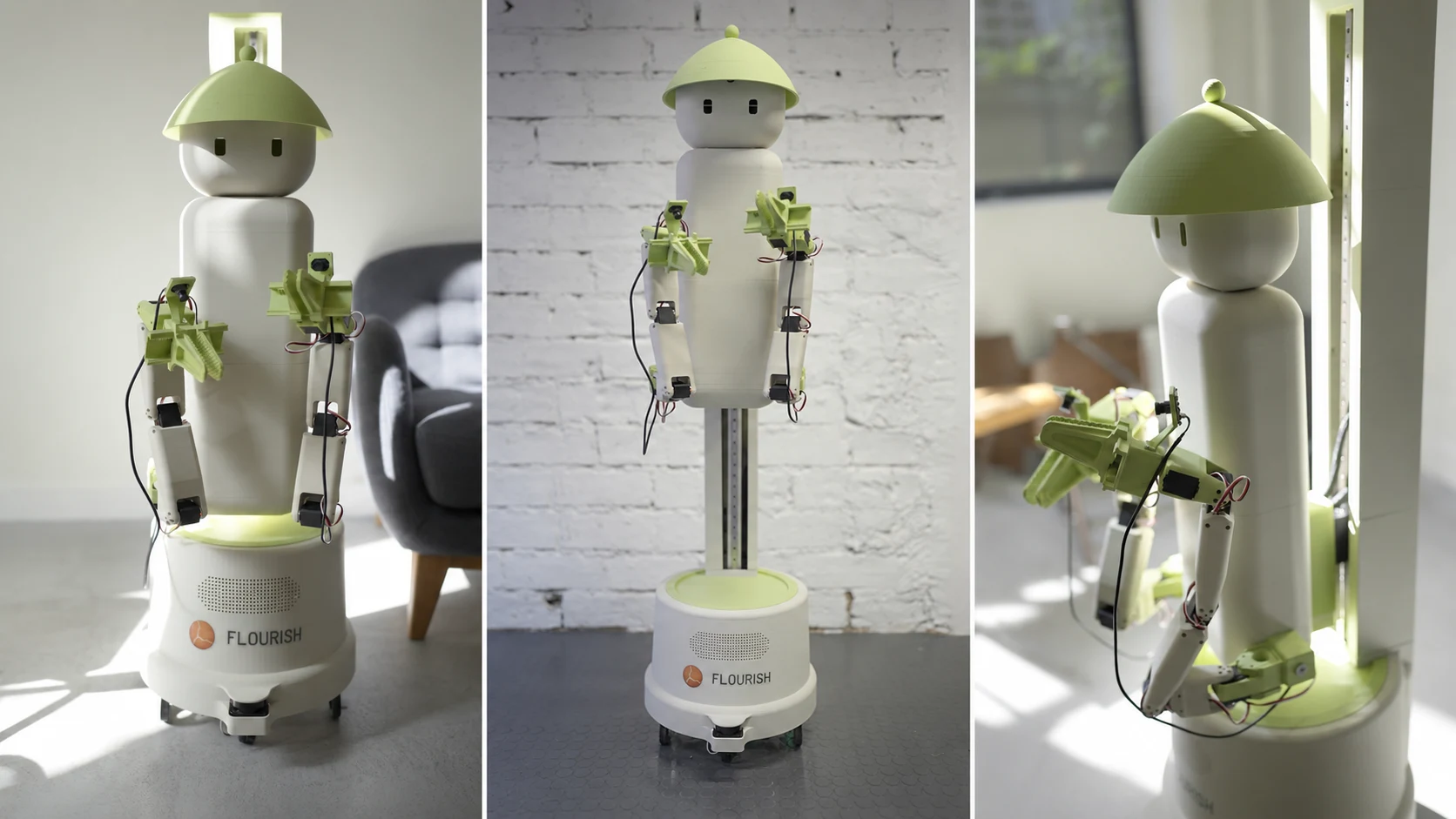
In-home assistive robots are being developed to clean and organize homes while owners are away. However, without improved memory capabilities, these robots may create more issues than they resolve. For instance, if a robot misplaces important items like wallets and keys, it could lead to significant inconvenience for the owner.
The importance of memory in household robots cannot be overstated, as it directly impacts their effectiveness and user satisfaction. Enhanced memory capabilities would allow these robots to remember the locations of important objects, thereby preventing potential disruptions in the owner's daily life. This advancement is crucial for the successful integration of assistive robots into homes.
Looking ahead, the focus will likely be on developing and implementing advanced memory technologies in household robots. No further timeline was disclosed at the time of publication.
Editor's Note
The integration of advanced memory capabilities in household robots is critical for enhancing their functionality and user experience. As the demand for in-home assistive technologies grows, manufacturers must prioritize memory improvements to ensure these robots can operate effectively without causing disruptions. This focus on memory could reshape the competitive landscape in the robotics sector.
Copyright Notice
This briefing is an independently written summary based on publicly available reporting and is provided for industry information and news discovery. The original report and source publication are credited and linked where applicable. RobotToday does not claim ownership of third-party source material.
Rights concerns? If you believe any material in this briefing infringes your copyright or other rights, please contact [email protected] with the relevant URL and details. We will review the matter and take appropriate action where warranted.






























Leave a comment