


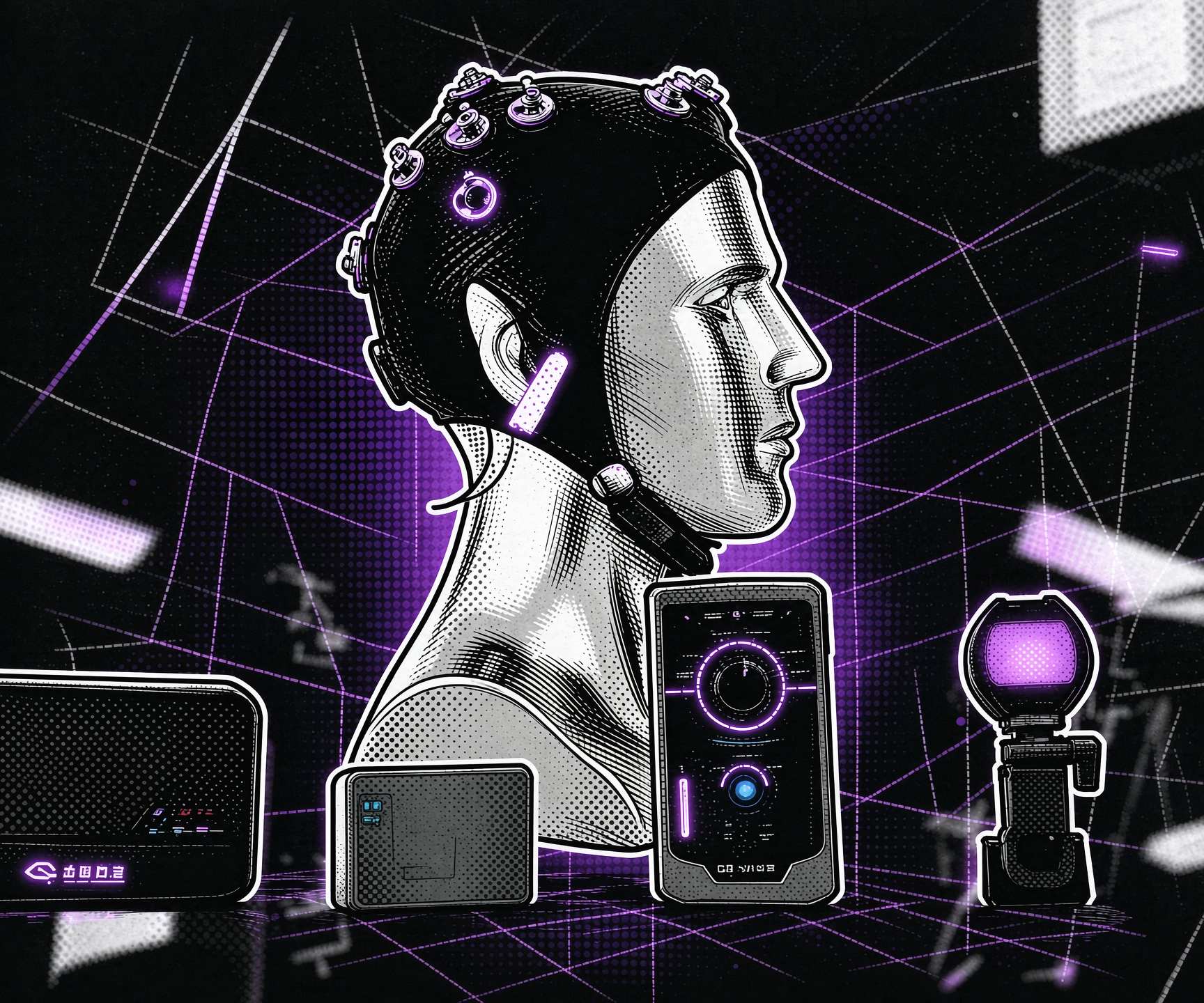
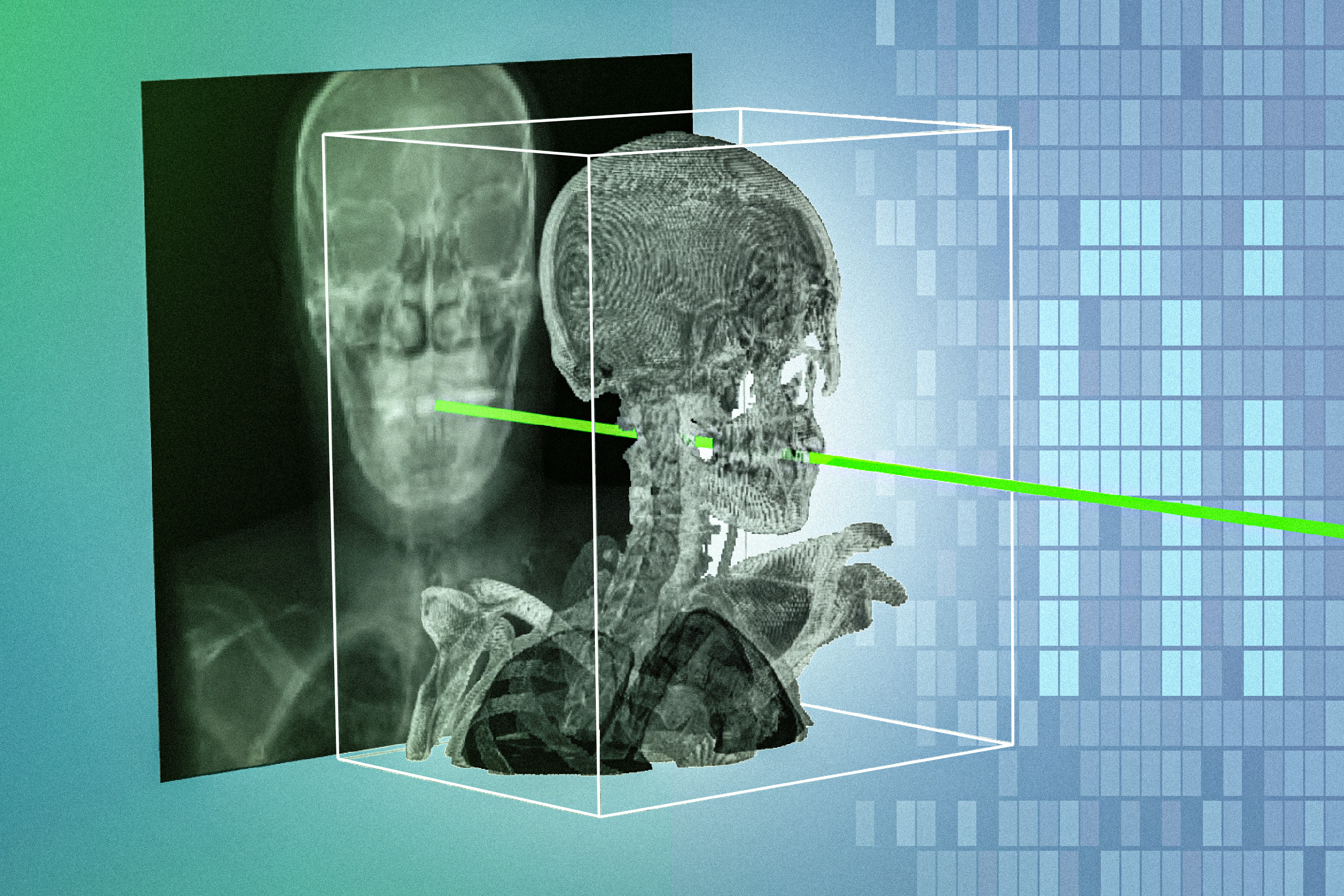
A study conducted by researchers from KU Leuven in Belgium and Zhejiang University in China explored the effects of electrical stimulation on the trigeminal nerve for memory retention. The innovative method involves a rhythm of short electrical pulses followed by longer pauses, which was tested on both rats and humans.
The findings revealed that this new stimulation approach, which uses only one-fifteenth of the electrical output compared to traditional continuous stimulation, significantly enhances the connectivity of neurons in the hippocampus. This effect was linked to the modulation of neurotransmitters from the locus coeruleus, suggesting a novel pathway for improving cognitive functions.
In human trials involving epilepsy patients and healthy adults, the stimulation method improved memory recall for faces, names, and occupations. Notably, participants exhibited stronger brainwave patterns associated with memory processing, indicating the potential for non-invasive techniques to enhance cognitive abilities. No further timeline was disclosed at the time of publication.
Editor's Note
This research highlights the growing interest in non-invasive brain stimulation techniques for cognitive enhancement. As industries explore innovative applications of neurotechnology, understanding the implications for memory improvement could lead to advancements in therapeutic interventions and cognitive training methods. The competitive landscape may shift as more organizations invest in similar research.

































Leave a comment