A single destination for timely, editor-curated robotics news from around the world.
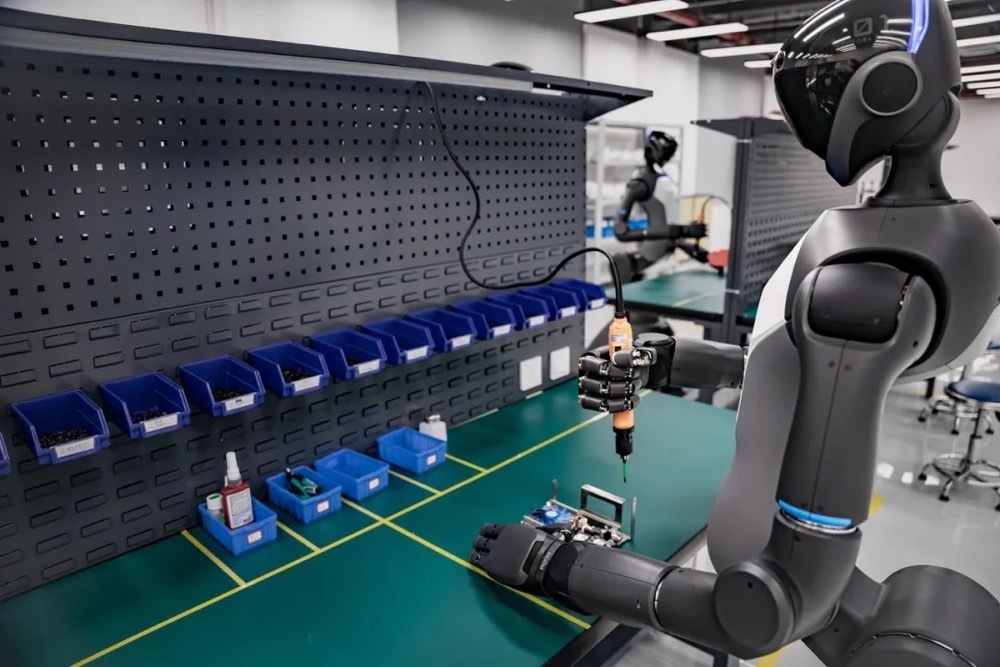
Fujitsu, a prominent Japanese communications company, is spearheading an initiative to integrate Nvidia's technology into artificial intelligence applications. This collaboration aims to merge Japan's advanced manufacturing capabilities in robotics with cutting-edge AI solutions. The significance of this initiative lies in its potential to enhance the efficiency and effectiveness of robotics in various sectors. By leveraging Nvidia's technology, Fujitsu seeks to position Japan at the forefront of the global AI and robotics landscape, showcasing the country's strengths in innovation and manufacturing. Looking ahead, industry stakeholders will be keen to observe the developments stemming from this collaboration. No further timeline was disclosed at the time of publication, but the integration of Nvidia's technology could lead to significant advancements in physical AI applications within Japan's robotics sector.
TechXplore:Robotics Jul 16, 2026 Robotics
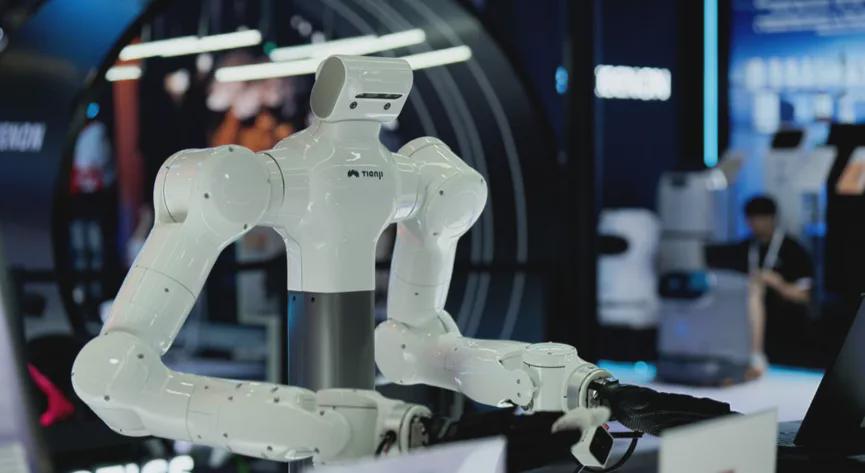
At the WAIC 2023, the AI and robotics sectors have become increasingly intertwined, with robotics taking center stage. Various robotic technologies, including humanoid and dual-arm robots, were prominently displayed, showcasing their capabilities and advancements. This year marked a shift in focus from generative AI to the robotics industry, highlighting the evolution of robots and their functionalities. The event revealed a divergence among robotics companies. Some continue to emphasize the capabilities of robots, demonstrating their speed, precision, and fluidity in performing tasks, which captivates public and investor interest. In contrast, companies like Tianji focus on the stability and safety of robotic operations, emphasizing the interaction between AI models and physical environments, thus addressing the practical applications of robotics in real-world scenarios. This shift in focus from capability to foundational infrastructure signifies a critical transition in the robotics industry. As companies recognize that the limitations to robotics deployment may lie in the supporting infrastructure rather than the robots themselves, the industry is poised for a redefinition of what it means for robots to operate effectively in various environments, including factories and homes. No further timeline was disclosed at the time of publication.
leaderobot.com By Leaderobot Jul 19, 2026 Robotics AI Industrial Automation Physical Intelligence
Japan is intensifying its campaign to draw foreign technology firms and investors to Osaka, aiming to establish the city as a viable entry point to the Japanese market and a center for innovation in key industries, including robotics, artificial intelligence, semiconductors, and advanced manufacturing. This initiative, spearheaded by the Japan External Trade Organization (JETRO), seeks to leverage Osaka's strategic location and existing infrastructure to foster a vibrant tech ecosystem. By promoting the city as an attractive destination for international businesses, Japan hopes to enhance its competitive edge in the global technology landscape. The push comes as part of broader economic strategies to stimulate growth and diversify the country's industrial base, particularly in response to increasing global competition in technology sectors.
RoboticsAndAutomationNews.com By Sam Francis Jun 04, 2026 Business Economy Features advanced manufacturing ai startups artificial intelligence
MassRobotics has opened sponsorship opportunities for RoboBoston 2026, scheduled for September 26, 2026, at Boston's Seaport. This event marks the 9th Annual Robot Block Party, showcasing over 50 robotics companies, universities, and student teams. Attendees will engage with innovators and experience interactive exhibits and demonstrations. The significance of RoboBoston lies in its role as the largest robotics celebration in the region, highlighting Boston's position as a global leader in robotics and AI innovation. The event aims to foster connections between industry professionals and the public, encouraging interest in robotics and technology among attendees of all ages. Looking ahead, companies interested in participating as sponsors or hiring at the Robotics & AI Technical Career Fair should prepare for the event. No further timeline was disclosed at the time of publication.
RoboticsTomorrow.com Jul 15, 2026
MassRobotics has revealed plans for RoboBoston 2026, its ninth annual Robot Block Party, scheduled for September 26, alongside a Robotics & AI Technical Career Fair on September 25. The event will take place at Boston’s Seaport and is expected to host over 50 robotics companies, universities, and student teams, showcasing interactive exhibits and demonstrations. The significance of RoboBoston lies in its role in highlighting the region’s robotics ecosystem, uniting industry, academia, and students. Attendees will experience a variety of activities, including a Sidewalk Robot Parade and a ribbon-cutting ceremony, while exhibitors will present new technologies and research projects. MassRobotics has opened sponsorship opportunities, inviting organizations to support the event and promote STEM education and robotics innovation. Looking ahead, the Robotics & AI Technical Career Fair on September 25 aims to connect employers with technical talent in the robotics and AI sectors. Previous events have drawn over 800 job seekers, making it a valuable opportunity for both companies and candidates. No further timeline was disclosed at the time of publication.
RoboticsAndAutomationNews.com By Sam Francis Jul 17, 2026 Business Features ai careers artificial intelligence automation boston
Robotics and automation are transforming various sectors, including manufacturing, healthcare, and logistics. While these technologies enhance efficiency and reduce costs, they still require human intervention for troubleshooting. Nearshore call centers have emerged as essential support systems, providing real-time assistance for complex technical issues that automated systems cannot resolve. As businesses increasingly adopt automation, the need for effective customer support becomes critical. Nearshore call centers offer a cost-effective solution, delivering high-quality support that enhances customer experience. These centers facilitate smoother communication and faster response times due to their proximity and cultural familiarity, ensuring that customers receive the personalized assistance they need when unexpected issues arise. Looking ahead, companies must balance operational efficiency with customer satisfaction. The role of nearshore call centers will continue to be vital in maintaining service standards, offering multilingual support, and ensuring that customers can easily access help. No further timeline was disclosed at the time of publication.
RoboticsAndAutomationNews.com By Sam Francis Jul 13, 2026 Business Communications artificial intelligence automation business automation contact centers
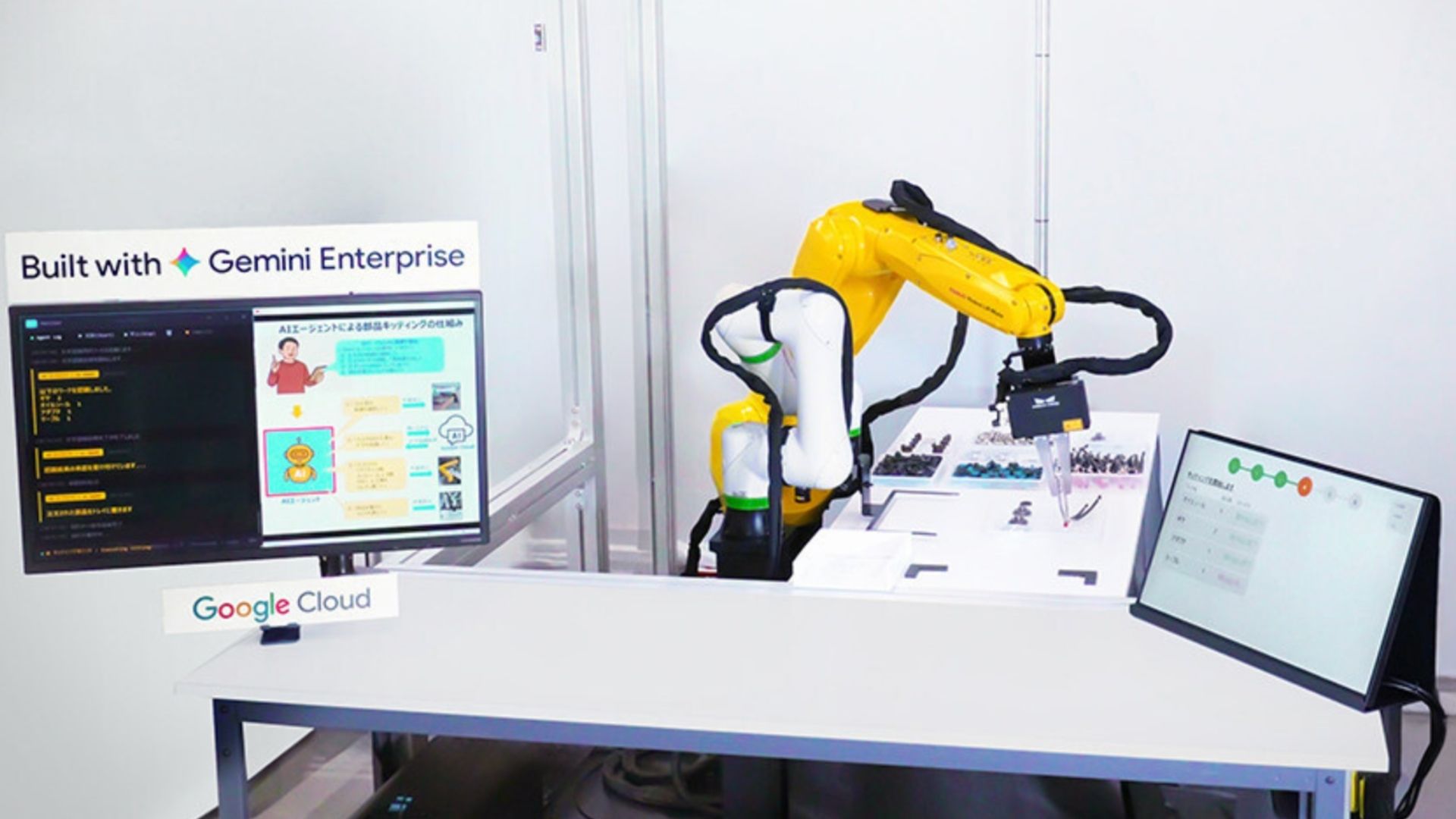
Google has partnered with FANUC America Corporation, a leading Japanese robotics company, to enhance the development of Physical AI technology. This collaboration aims to integrate advanced artificial intelligence into robotics, enabling machines to better understand and interact with the physical world. The announcement was made recently, signaling a significant step forward in the field of robotics and AI. By combining Google’s expertise in AI and machine learning with FANUC's extensive experience in automation and robotics, the two companies seek to create more intelligent and adaptable robotic systems. This initiative is driven by the growing demand for automation in various industries, as businesses look to improve efficiency and productivity through innovative technologies. The partnership is expected to leverage cutting-edge research and development, paving the way for breakthroughs in how robots operate and collaborate with humans in diverse environments.
InterestingEngineering.com By Atharva Gosavi May 22, 2026
Noetra, in collaboration with key partners including Sony, SoftBank, NEC, and Honda Motor, has launched extensive R&D for a multimodal foundation model aimed at enhancing AI-enabled robotics in Japan. This initiative is part of a broader effort to develop sovereign AI technologies within the country, supported by investments from 44 companies across various sectors, primarily manufacturing. The significance of this development lies in its potential to position Japan as a leader in physical AI. By creating a robust multimodal foundation model, Noetra aims to improve industrial competitiveness and address societal challenges through advanced AI capabilities, including natural language processing and multimodal data understanding. Looking ahead, Noetra plans to construct AI computing infrastructure with Nvidia's advanced GPUs, with operations expected to commence in June 2028. The phased development will culminate in a comprehensive omni-modal foundation model by fiscal 2028, ultimately striving for a “Real-world Native AI” by fiscal 2030, which will be capable of understanding physical properties in real-world applications.
RoboticsAndAutomationNews.com By Sam Francis Jul 17, 2026 Artificial Intelligence News Robot simulation ai agents AI infrastructure artificial intelligence
The Japanese confectionery manufacturer Juchheim has introduced an AI cooking robot named Theo, which is revolutionizing the traditional method of making Japanese ring cakes. By utilizing cameras and image sensors, Theo learns the baking techniques from skilled artisans, mastering new skills in just days and autonomously determining optimal cooking conditions. This innovation is particularly significant as Japan faces a severe labor shortage in the food service industry, with a job-to-applicant ratio of 2.31 reported in February 2023. Juchheim's president, Hideo Kawamoto, stated that Theo will greatly assist the industry in overcoming the challenges posed by a dwindling workforce. The integration of deep learning technology is redefining the transmission of artisanal skills that were once considered difficult to articulate. Following its exhibition at the 2025 Osaka Kansai Expo, Theo is currently being utilized by approximately 20 companies nationwide, with plans to expand to 100 by the end of the fiscal year. As AI rapidly learns and replicates techniques that took artisans decades to master, this development represents a crucial experiment in preserving craftsmanship in an aging society.
leaderobot.com By Leaderobot 6 hours ago AI Cooking Robots Culinary Technology Food Industry Automation Labor Shortage Solutions
As humanoid robots from China surge with over 100,000 units produced annually, Europe finds itself at a pivotal crossroads. Despite having a strong foundation in industrial robotics, Europe risks losing its chance to define the next generation of robots. In the past two years, China has advanced humanoid robots from concept to mass production, with over 400 models developed, dominating global shipments with an 80% market share. The implications are significant; while Europe boasts traditional industrial giants like ABB and KUKA, it lacks competitive players in the general humanoid robot sector. Funding remains a critical weakness, with Europe accounting for only 14% of global robotics investment by 2025, compared to 52% for the US and 25% for China. The acquisition of KUKA by China's Midea Group exemplifies the trend of European companies being overshadowed by foreign capital. Looking ahead, the European Union's AI Act and revised Machinery Directive aim to establish a legal framework for autonomous robots, which could both protect and constrain the industry. While companies like Neura Robotics and Franka Emika show promise, the global humanoid robot market is expected to grow significantly in the next decade. Europe must act swiftly to avoid being left behind in defining the future of robotics.
leaderobot.com By Leaderobot 6 hours ago Humanoid Robots Industrial Robotics AI Robotics Investment
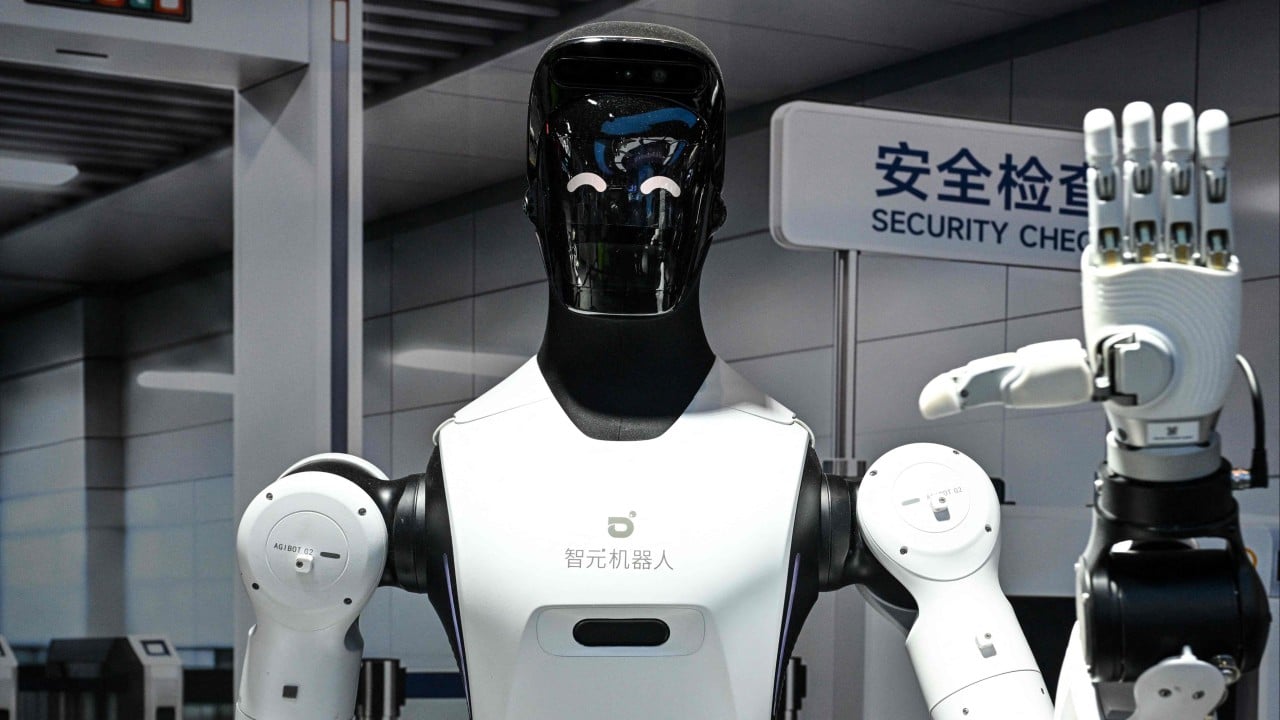
Companies ranging from small warehouse operators to hospital networks are increasingly adopting Robotics as a Service (RaaS), allowing them to rent robotic capabilities instead of purchasing hardware outright. This model enables businesses to pay for outcomes, similar to how they rent cloud servers or software licenses. The significance of this shift lies in its ability to make automation more accessible and predictable for organizations. By treating robotic services as a monthly expense rather than a capital investment, companies can better manage their budgets and reduce the risks associated with automation investments. Looking ahead, the trend towards RaaS is expected to continue growing as more businesses recognize the benefits of flexible automation solutions. No further timeline was disclosed at the time of publication.
RoboticsTomorrow.com 6 hours ago
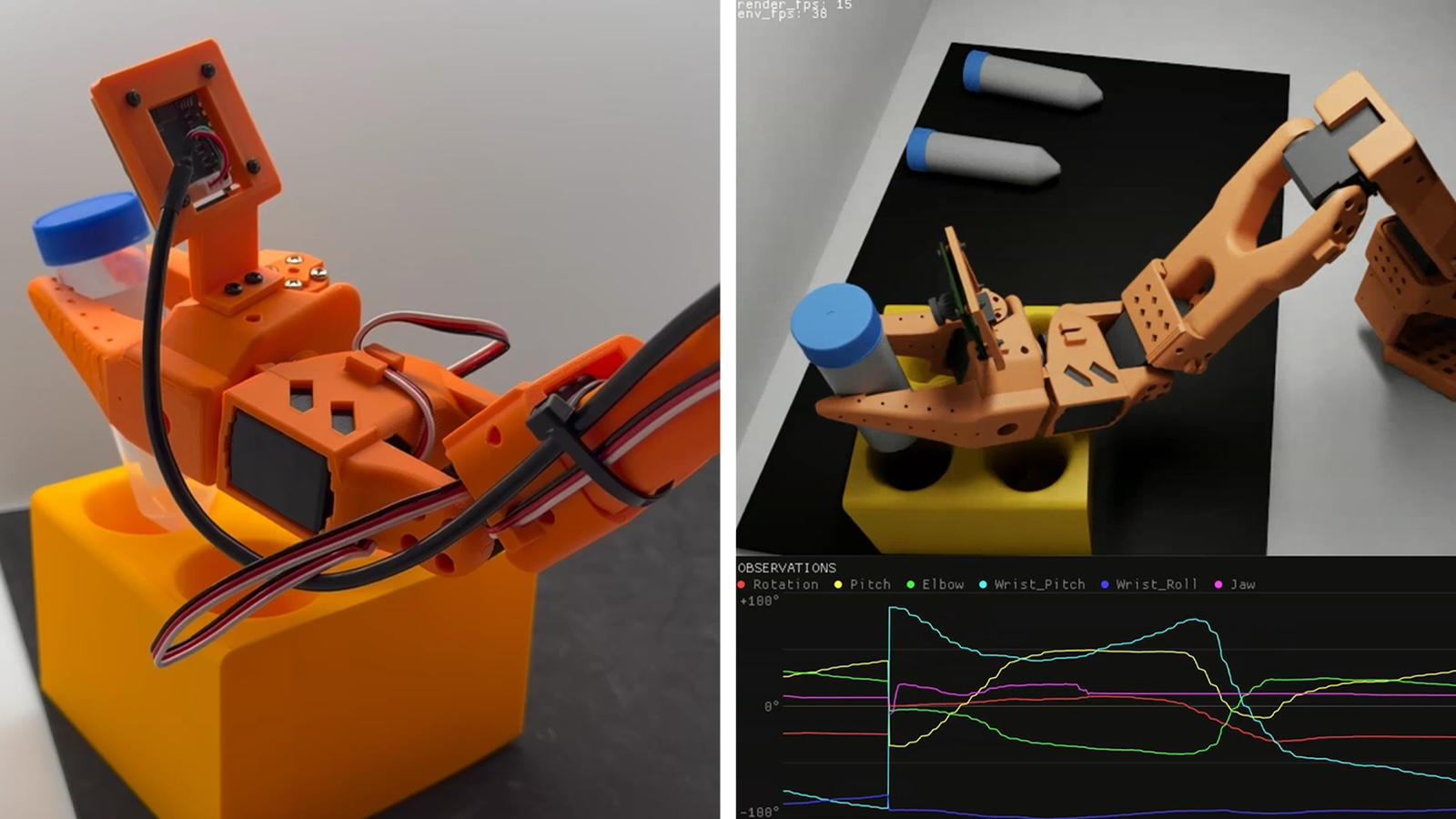
Flexion is developing a reinforcement learning and sim-to-real platform specifically for humanoid robots. Over the past 18 months, humanoid robotics companies have raised billions, primarily funding human operators to manage robots, which has led to a teleoperation and data challenge within the industry. This reliance on teleoperation as a labor solution raises concerns about the long-term viability of training physical AI systems. The assumption that enough human demonstrations will enable robots to generalize across environments is questionable, especially given that teleoperation datasets are significantly smaller than those used for training language models, creating a growing data gap. Looking ahead, the industry must address the limitations of teleoperation and the dependency on human input for robot training. If humanoid robots require continuous human demonstrations, the original vision of automation may be compromised. No further timeline was disclosed at the time of publication.
RoboticsBusinessReview.com By Nikita Rudin Jul 19, 2026 Artificial Intelligence Artificial Intelligence / Cognition Controllers Development Tools / SDKs / Libraries Humanoids News
At the 2026 WAIC, a notable shift in robotics was observed as manufacturers increasingly focused on developing dexterous hands. Over the past two years, the industry has seen a surge in the complexity of these hands, with degrees of freedom increasing from six to twelve, sixteen, or even more. The ability of a robotic hand to perform tasks such as solving a Rubik's Cube or threading a needle has become a key benchmark for technological capability. As more dexterous hands demonstrate impressive capabilities, the industry must now address critical questions about their operational continuity, scalability, repairability, and the data they generate to enhance future performance. Companies like Aoyi Technology are expanding their product boundaries beyond mere actuators to include tactile-enabled devices like ROHand and OpenArm, integrating data collection and training tools into a cohesive system. This evolution signifies a shift from merely creating human-like hands to developing hands that can engage in a robotic learning loop. The industry's future hinges on whether these hands will become high-end toys or genuine industrial products, with reliability emerging as a core performance metric alongside flexibility and load capacity.
leaderobot.com By Leaderobot Jul 19, 2026 Dexterous Hands Robotics Technology Industrial Automation Sensor Technology
More than 30 companies have pledged approximately $10 billion towards defense technologies, research and development, and job creation in Pennsylvania, as announced by President Donald Trump at the Pennsylvania Defense and Innovation Summit in Carlisle. Key players in this investment include Lockheed Martin, JPMorgan Chase, Hanwha, Kratos, and General Dynamics, focusing on shipbuilding, munitions, artificial intelligence, and robotics, which will support over 4,000 jobs according to Sen. Dave McCormick. This significant investment aligns with the 'Arsenal of Freedom' initiative aimed at revitalizing the defense industrial base under the Defense Department’s New Acquisition Transformation strategy. It also supports Trump’s 'peace through strength' agenda, which seeks to enhance the U.S. military's capabilities in response to global threats. Pennsylvania currently ranks seventh in DOD contract value, with $20.7 billion projected between July 14, 2025, and July 14, 2026, a figure expected to rise to over $34 billion since Trump’s return to office. Looking ahead, Sen. McCormick emphasized the need for collaborative efforts among industry, academia, and Congress to strengthen the defense industrial base. He highlighted the importance of a diverse team including traditional technology innovators and skilled tradesmen, noting a shortage in skilled labor and the need for educational institutions to address this gap. No further timeline was disclosed at the time of publication.
ManufacturingDive.com By Sara Samora Jul 17, 2026
The development of embodied intelligence is shifting from creating individual robots to establishing collaborative ecosystems. At this year's WAIC, the industry is exploring whether new models and skills can be rapidly integrated into robots for practical applications. A partnership between Leju and Ant Group's Lingbo has led to the release of logistics sorting results, emphasizing the importance of industry collaboration in scaling humanoid robotics. Leju believes that the growth of the humanoid robot industry relies on collective efforts rather than individual companies. The collaboration features Lingbo's general embodied base model, LingBot-VLA, while Leju focuses on post-training and motion control. This partnership has created a comprehensive technological chain that connects models, data, and computational power, marking a significant step in the industry. As embodied intelligence enters a critical phase, the ability to effectively translate models into real-world applications becomes paramount. Leju's advancements in post-training capabilities and the OpenLET community's support for developers are crucial for accelerating the deployment of new skills in various industries. No further timeline was disclosed at the time of publication.
leaderobot.com By Leaderobot Jul 17, 2026 Embodied Intelligence Robotics Logistics Automation AI Development
On July 16, the Japanese government announced a plan to purchase 27,500 next-generation Rubin architecture AI chips from NVIDIA, totaling approximately $2.4 billion. This initiative aims to build a national AI data center and develop domestic robotics foundational models, marking one of the largest national GPU procurements globally. The project is coordinated by Noetra Corp., a policy-driven AI company set to launch in January 2026, with participation from major Japanese firms like Sony, SoftBank, NEC, and Honda. The Rubin chips will be deployed in a large data center in Sakai City, Osaka, with operations expected to begin in June 2028. Noetra aims to release its first general AI model by March 2027, followed by specialized AI models for robotics applications. Japan's investment reflects its response to ongoing demographic challenges and labor shortages. NVIDIA's CEO emphasized the potential for automation and AI to revitalize the economy. The Japanese government has set a goal to capture over 30% of the global robotics market by 2040, with the Rubin order being part of a broader strategy to reduce reliance on foreign technology and enhance national security.
leaderobot.com By Leaderobot Jul 17, 2026 AI Chips Robotics National AI Strategy Data Centers
On July 17, A-shares opened lower with the Shanghai Composite Index down by 0.44% and over 3100 stocks declining. Despite the market drop, the robotics sector emerged as a bright spot, particularly during the ongoing 2026 World Artificial Intelligence Conference (WAIC) in Shanghai, where 60 full-sized humanoid robots are performing public service tasks. This development is significant as it highlights the growing commercialization of humanoid robots, which are transitioning from mere exhibits to active participants in public service roles. According to Guolian Minsheng Securities, the humanoid robot industry is entering a phase characterized by accelerated large-scale manufacturing, continuous expansion of application scenarios, and upgrades in embodied intelligence. Looking ahead, the focus will be on whether the robotics sector can maintain its momentum amidst a generally declining market. The WAIC is expected to further stimulate interest in robotics, while NVIDIA's collaboration with major Japanese industrial automation firms to advance physical AI could also influence market dynamics. No further timeline was disclosed at the time of publication.
leaderobot.com By Leaderobot Jul 17, 2026 Robotics AI Industrial Automation Humanoid Robots
Jining, a historic city known as the hometown of Confucius and Mencius, is redefining its industrial identity through robotics. In July, the 2026 'Robot+' Innovation Development Conference took place in Jining, attracting 165 upstream and downstream robotics companies and showcasing ten practical application scenarios. The city, one of Shandong's four major robotics industry hubs, is drawing national capital with its unique approach. As a top 100 city for advanced manufacturing in China, Jining encompasses 38 of the 41 major industrial categories, including engineering machinery and biomedicine. Thousands of enterprises are advancing digital transformation and automation upgrades. The demand for robotics is particularly strong in heavy industries, coal mining, and logistics, with significant opportunities for mining robots and warehouse automation. Jining's development strategy involves differentiated growth across its districts, focusing on core components, drones, and service robots. The city has established a 500 million yuan investment fund for robotics and is prioritizing projects in key areas such as industrial robots and special-purpose mining robots. As Jining embraces robotics, it illustrates the synergy between its rich cultural heritage and intelligent manufacturing.
leaderobot.com By Leaderobot Jul 15, 2026 Robotics Industrial Automation Smart Manufacturing AI Technology
NVIDIA has unveiled the T3000 and T2000 modules based on the Thor architecture, designed to meet the growing demand for compact AI supercomputers in robotics and edge AI. These modules enable mass-market deployment of advanced humanoid and robotic systems, with notable adoption from leading companies such as Amazon Robotics and Boston Dynamics. The introduction of the Jetson T3000 and T2000 modules is significant as they provide high-performance AI compute capabilities in a smaller form factor, achieving up to 865 FP4 teraflops for the T3000. This advancement allows developers to optimize their systems while reducing costs, particularly in light of rising memory prices. The T2000 serves as an entry point for a wider range of edge AI applications, further expanding NVIDIA's scalable edge AI platform. Looking ahead, the new Jetson modules are expected to facilitate faster deployment and lower system costs across various industries. Companies like UBTech and Agile Robots have already reported substantial memory savings, indicating a trend towards more efficient development processes in robotics. No further timeline was disclosed at the time of publication.
NvidiaNews By NVIDIA Jul 15, 2026
On July 11, JD Group signed a comprehensive strategic cooperation agreement with the Guangdong provincial government, focusing on nine key areas including digital economy and modern logistics. The first physical benchmark of this agreement, the RoboBase project, commenced construction in the Huangpu Science City, Guangzhou. This marks JD's first RoboBase globally, covering approximately 190,000 square meters, with completion expected by the end of 2028 and an anticipated annual output value of about 1.75 billion yuan. The RoboBase project aims to integrate high-end manufacturing, technological innovation, and ecological services, concentrating on core robotic components, complete machine manufacturing, and high-end intelligent equipment. JD's approach is unique as it positions itself as an 'industrial infrastructure operator' rather than directly engaging in robot manufacturing. This strategy is designed to support robotics companies by providing a conducive environment for their operations. Looking ahead, JD's RoboBase will facilitate long-term testing for robots across various real-world scenarios, including JD MALL and logistics parks. The project also emphasizes talent development through partnerships with vocational schools in Guangdong. No further timeline was disclosed at the time of publication.
leaderobot.com By Leaderobot Jul 13, 2026 Robotics Ecosystem High-End Manufacturing Technological Innovation Supply Chain Solutions
The 7th China Robotics Academic Annual Conference (CCRS 2026) is set to take place from July 31 to August 2, 2026, at the National Exhibition and Convention Center in Shanghai. The event is co-hosted by several prominent organizations, including the Robotics Branch of the Chinese Mechanical Engineering Society and the Robotics Professional Committee of the Chinese Automation Society, with Shanghai Jiao Tong University and the Shanghai Robotics Society as the local organizers. This year's conference theme is 'Intelligent Integration at the Huangpu River, New Life for Robotics.' It will feature discussions on various topics such as industrial robots, medical robots, service robots, and AI+ robotics. The event aims to attract over 200 renowned experts and scholars in the robotics field, facilitating in-depth academic exchanges through keynote speeches and specialized forums, with an expected attendance of over 3,000 participants. Attendees are reminded to register before payment and to provide proof of student status if applicable. The conference will also serve as a platform for showcasing technologies and products from leading companies in robotics and artificial intelligence. No further timeline was disclosed at the time of publication.
leaderobot.com By Leaderobot Jul 13, 2026 Robotics AI Industrial Robots Medical Robots Conference
The field of embodied intelligence is witnessing a fierce debate over the best approach to training robots for industrial applications. One faction advocates for simulation-based training, leveraging structured environments to generate synthetic data, while the opposing view emphasizes the necessity of real-world data to handle complex physical interactions and unpredictable scenarios. Key players include NVIDIA, DeepMind, and Intrinsic, each with unique strategies and technologies. NVIDIA's Omniverse platform and Isaac Sim engine exemplify the simulation approach, enabling comprehensive digital twins of factories for training and optimization. Their collaboration with BMW on a digital twin project in Hungary showcases the potential of synthetic data in logistics and robotic movements. However, challenges remain in achieving the necessary fidelity for force control and physical interactions, prompting NVIDIA to seek partnerships with companies like Hexagon Robotics. Conversely, DeepMind's use of the MuJoCo physics engine has demonstrated that pure simulation can achieve industrial-grade precision in specific tasks, such as sorting with known rigid models. Yet, this method's effectiveness is limited to scenarios with minimal contact and force control. Intrinsic aims to transform simulation into a comprehensive development tool for industrial robots, focusing on lowering barriers for small manufacturers. The ongoing challenge of the SIM2REAL gap remains a critical factor in the success of these approaches.
leaderobot.com By Leaderobot Jul 10, 2026 Robotics Industrial Automation Simulation Technology AI
RoboBusiness is currently accepting applications from robotics startups interested in presenting their innovations at the upcoming RoboBusiness event. This opportunity is aimed at companies developing complete systems, components, or software solutions in the robotics sector. The event is set to take place in the near future, providing a platform for emerging technologies and ideas. The significance of this initiative lies in its potential to connect startups with industry leaders, investors, and potential partners. By showcasing their work, startups can gain visibility and feedback on their products, which is crucial for growth in a competitive market. This event highlights the increasing importance of innovation in robotics, as companies strive to develop solutions that meet evolving industry demands. Looking ahead, interested startups should prepare their applications promptly, as the deadline for submissions is approaching. No further timeline was disclosed at the time of publication, but participation in this event could lead to valuable networking opportunities and insights into market trends.
RoboticsBusinessReview.com By The Robot Report Staff Jul 09, 2026 Events News Startups robobusiness
In June 2026, the field of robotics captured significant attention as several companies achieved notable milestones, including going public, deploying new humanoid robots, and reaching key production targets. This surge in activity highlights the growing interest and investment in humanoid robotics, reflecting advancements in technology and increasing demand across various sectors. The developments indicate a pivotal moment for the industry, showcasing the potential for humanoid robots to play a more prominent role in everyday applications. As these innovations unfold, they promise to reshape the landscape of robotics and its integration into society.
RoboticsBusinessReview.com By Brianna Wessling Jul 01, 2026 Artificial Intelligence Artificial Intelligence / Cognition Autonomous Mobile Robots (AMRs) Collaborative Robots Design / Development Financial
Elsa Japan Co., Ltd. announced the launch of the DEEPRobotics DR02, an all-weather industrial humanoid robot, for the domestic market on June 18, 2026. This new product aims to enhance operational efficiency in various industries by providing advanced robotic solutions capable of functioning in diverse environmental conditions. The introduction of the DR02 reflects the growing demand for automation and robotics in Japan, as companies seek innovative technologies to improve productivity and safety in their operations.
RobotStart.info Jun 19, 2026
Infineon Technologies and VinRobotics have signed a memorandum of understanding to collaborate on the development of humanoid robots. This strategic partnership aims to leverage both companies' expertise in semiconductor technology and robotics to advance the capabilities and applications of humanoid robotics. The announcement marks a significant step in the growing field of robotics, reflecting the increasing demand for innovative solutions in automation and human-robot interaction. The collaboration is expected to enhance the design and functionality of humanoid robots, potentially transforming various industries by integrating advanced technologies.
ROBOTICSandPRODUCTION By xmlrpc Jun 11, 2026 Allgemein Humanoide Robotik
Arbe Robotics is shifting its focus from sluggish automotive sales to exploring new business verticals, although its revenue remains minimal. The company’s primary automotive contract is with a Chinese Tier-1 supplier for a state-owned OEM, likely linked to FAW's Hongqi Tiangong, with production expected to ramp up by late 2026. However, management has withdrawn guidance on securing additional automotive contracts and is now projecting revenues between $4 million and $6 million for 2026. Despite possessing robust technology and a significant potential market, Arbe's pathway to profitability remains uncertain, and further capital raises may be necessary unless substantial contracts are secured. The company's stock has seen a dramatic decline, plummeting 85% from a strong buy rating of $18 in January 2022 to $1.26. Stephen Tobin, an experienced investor and analyst, has been closely monitoring Arbe Robotics and leads the Strategic Wave Investments group, which focuses on emerging technology investments. He emphasizes a disciplined investment strategy aimed at identifying successful companies while minimizing losses. Despite the challenges facing Arbe, Tobin's firm continues to provide transparency and strategic insights to its members in navigating the evolving landscape of disruptive technologies.
Seekingalpha.com May 30, 2026 ARBE Stephen Tobin
The 3rd China Embodied Intelligence and Humanoid Robot Industry Conference is set to take place in Beijing on April 28-29, 2026. This significant event will showcase 30 exhibitors, including leading companies such as Joy-Motion and Blue Dot Touch. The conference aims to facilitate discussions on technological innovation and emerging trends within the robotics industry, highlighting the growing importance of robotics in various sectors. By bringing together industry leaders and experts, the event seeks to advance collaboration and knowledge sharing, ultimately driving progress in embodied intelligence and humanoid robotics.
leaderobot.com By Leaderobot May 20, 2026 Humanoid Robots Robotics Innovation AI Technology Industry Conference
The 3rd China Embodied Intelligence and Humanoid Robotics Industry Conference is set to take place in Beijing on April 28-29, 2026. This significant event will showcase over 30 exhibitors, including prominent companies such as YuTree Technology and Star Motion Era. The conference aims to facilitate high-level discussions among government officials, industry leaders, academics, and researchers, with the goal of accelerating the development and application of embodied intelligence and humanoid robotics in China. By bringing together key stakeholders, the event seeks to enhance collaboration and innovation in this rapidly evolving field.
leaderobot.com By Leaderobot May 20, 2026 Humanoid Robots Embodied Intelligence Robotics Innovation AI Technology
In a rapidly evolving landscape of logistics and automation, companies like Locus Robotics are solidifying their positions as significant players on the global stage. As the demand for efficient warehouse solutions continues to rise, these firms are innovating to meet the challenges posed by e-commerce and supply chain complexities. The competition is intensifying, with various enterprises striving to enhance their operational capabilities through advanced robotics and automation technologies. This surge in innovation is driven by the need for increased efficiency and cost-effectiveness in the logistics sector, particularly in response to growing consumer expectations for faster delivery times. As industry leaders showcase their latest advancements, the focus remains on how these technologies can transform traditional warehousing practices and improve overall productivity.
LocusRobotics.com By Locus Robotics Oct 03, 2025
At the EmTech China 2025 Global Technology Summit held last Friday, MIT Technology Review announced its prestigious annual list of the “50 Smartest Companies.” Among the distinguished honorees were Deepseek, Game Science, and Unitree Robotics. Deepseek stood out for its remarkable achievement in algorithm optimization, demonstrating world-class model performance while maintaining low training costs, marking a significant advancement in resource efficiency within the tech industry. The summit highlighted these companies' innovative contributions to technology, underscoring the importance of efficiency and performance in the rapidly evolving landscape.
TechNode.com By TechNode Feed Sep 15, 2025 News Feed
The Healey-Driscoll Administration of Massachusetts, in collaboration with the Innovation Institute of the Massachusetts Technology Collaborative, has allocated nearly $2 million to support six organizations focused on advancing robotics innovation within the state. This funding, part of the Massachusetts Robotic Digital Twin Initiative, aims to enhance commercialization opportunities for robotics hardware developers by providing greater access to digital twin technologies. The initiative is designed to foster growth in the robotics sector, positioning Massachusetts as a leader in technological advancement and innovation.
RoboticsAndAutomationNews.com By Sam Francis Jun 18, 2026 Design Digital Automation News Technology automation news autonomous vehicles
In the spring of 2025, Yushu Technology gained significant attention with its humanoid robot, 'Yang BOT,' igniting interest in the embodied intelligence sector. This industry is not just about Yushu but encompasses numerous potential innovators. According to IT Juzi data, funding in China's embodied intelligence sector surpassed 10 billion yuan in 2024, rising to 45.3 billion yuan in 2025, and reaching 93.5 billion yuan in the first half of 2026. Despite the surge in investment, the industry has yet to achieve stable profitability. For instance, UBTECH's revenue grew from 1.047 billion yuan in 2023 to 1.981 billion yuan in 2025, but it faced cumulative losses exceeding 3 billion yuan due to high R&D expenditures. Yushu Technology itself acknowledged that its humanoid robots are primarily used for research and education rather than as productivity tools. The path to real industrial applications remains challenging. As competition intensifies, many companies are shifting focus to consumer markets. UBTECH's 'U World U1' series, launched in June, aims to provide emotional companionship, with over 13,000 orders. However, consumer feedback highlights issues like poor battery life and weight. To transition from labs to households, the sector must overcome hurdles related to technology, cost, and user experience. With Yushu Technology's upcoming IPO and others like Zhiyuan and Qianxun also pursuing public offerings, the race for sustainable business models is accelerating.
leaderobot.com By Leaderobot Jul 16, 2026 Embodied Intelligence Robotics Startup Investment Commercialization IPO
On July 6, NVIDIA integrated three key components into Hugging Face's open-source robotics library, LeRobot: the GR00T N1.7 model, Isaac Teleop framework, and the upcoming Cosmos 3. This collaboration connects NVIDIA's 3 million robot developers with Hugging Face's 16 million AI builders, facilitating access to pre-trained models and data. This initiative is significant as it shifts NVIDIA's focus from merely creating models to building an ecosystem that addresses data bottlenecks in embodied intelligence development. The Isaac Teleop framework standardizes data collection, allowing for easier sharing and reuse within the community, which is crucial for advancing robotics. Looking ahead, the integration of GR00T N1.7 and Isaac Teleop into the LeRobot workflow marks a pivotal moment for robotics developers. No further timeline was disclosed at the time of publication.
leaderobot.com By Leaderobot Jul 14, 2026 Robotics Open Source AI Development Data Collection Machine Learning
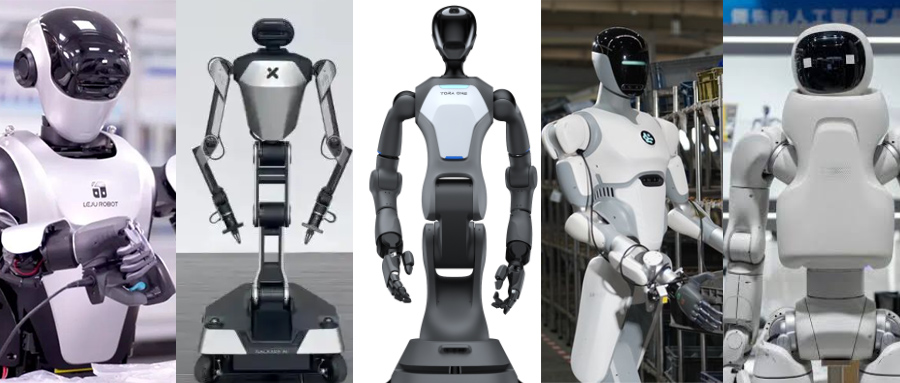
Shanghai-based AI startup Lingjing Zhiyuan has successfully raised over 100 million yuan in funding to advance its development of a comprehensive computing platform designed for embodied intelligence. This initiative aims to integrate various components, including chips, operating systems, and models, to improve the performance of robotics and tackle significant industry challenges such as latency and control. With established partnerships with over 300 manufacturers, including leading firms in the sector, Lingjing Zhiyuan is strategically positioned to become a frontrunner in the robotics infrastructure market.
leaderobot.com By Leaderobot Jul 09, 2026 Embodied Intelligence Robotics Infrastructure AI Technology Chip Development Operating Systems
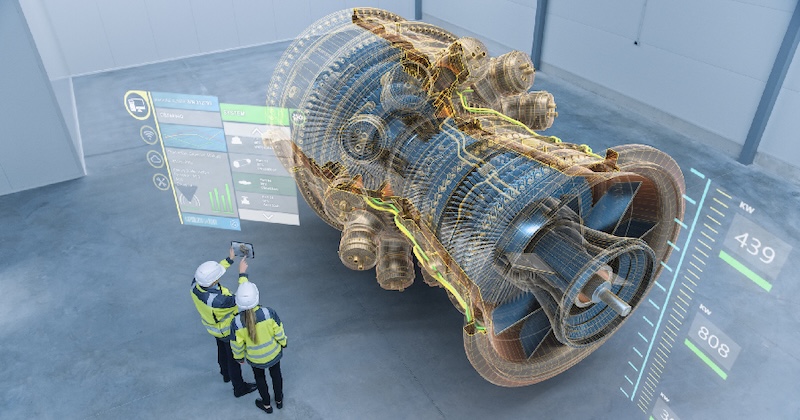
The Humanoids Summit Tokyo commenced on Thursday, showcasing a range of advanced robotics technology. Among the highlights were mechanical hands capable of threading a needle, alongside childlike dancing robots and larger models designed for delivery tasks. This event aims to demonstrate the latest innovations in humanoid robotics, reflecting the growing interest and investment in the field. The summit serves as a platform for researchers, developers, and industry leaders to share insights and advancements, highlighting the potential applications of these technologies in everyday life.
TechXplore:Robotics May 28, 2026 Robotics
The 3rd China Embodied Intelligence and Humanoid Robot Industry Conference took place in Beijing on April 28-29, 2026, bringing together industry leaders to discuss advancements in humanoid robotics and related technologies. The event featured prominent exhibitors such as Yiyou Technology, Qiwut Technology, and Beijing Menghuo Robotics, who presented their latest innovations and insurance solutions tailored for the robotics sector. The conference aimed to facilitate collaboration and dialogue among key stakeholders, highlighting the importance of technological progress in the rapidly evolving field of robotics.
leaderobot.com By Leaderobot Apr 25, 2026 Humanoid Robots Robotics Innovation AI Solutions Insurance Technology

Toshio Fukuda has been blazing trails for most of his career. He is considered to be one of the most prolific scholars in robotics, writing more than 2,000 research papers and authoring several books on the field. He’s an influential figure thanks to his pioneering work developing biomedical robotic systems, industrial robots, micro-nano robotics, mechatronics, and AI-driven automation.Fukuda launched one of the first robotics conferences, the IEEE/RSJ International Conference on Intelligent Robots and Systems (IROS). It is still popular almost 40 years later.Toshio FukudaEmployerEgypt-Japan University of Science and Technology, in Alexandria TitleProfessor and vice president of research Member gradeLife Fellow Alma matersWaseda University, in Tokyo; University of Tokyo An IEEE Life Fellow, he is a professor emeritus in the department of micro-nano systems engineering and a visiting professor at Nagoya University, in Japan, where he taught for nearly 25 years. Currently, he is a vice president of research at the Egypt-Japan University of Science and Technology, in Alexandria, Egypt.Within IEEE, Fukuda has held top volunteer positions including the organization’s highest office: He served as IEEE president in 2020, becoming the first person of Asian descent to hold the role.He’s a former program director of Japan’s Moonshot program, which by 2050 intends to develop advanced AI robots.Born in Japan, Fukuda has been recognized by the country for his contributions to science with two of its highest awards: the Medal of Honor with a purple ribbon in 2015 and the Order of the Sacred Treasure in 2022.IEEE honored him with this year’s Richard M. Emberson Award for “distinguished service advancing the technical objectives of IEEE, especially in the area of robotics.” The IEEE Board-level award is sponsored by the IEEE Technical Activities Board. Fukuda received the award on 24 April at a ceremony in New York City.As a former IEEE president who has served as a master of ceremonies at several of the organization’s major award events, Fukuda noted that he is more accustomed to bestowing awards than receiving them.“It’s very interesting to be on the receiving end,” he says.The journey into robotics researchAs a teenager, Fukuda spent his summer breaks teaching himself how to build things including transistor radios and steam engines.“It was very nice to have a hands-on hobby and make these kinds of things myself,” he says. His experimentation led him to study engineering.He earned a bachelor’s degree in engineering in 1971 from Waseda University, in Tokyo. He says one of his professors there—Ichiro Kato, regarded as the father of Japanese robotics research—was a good mentor who made a positive impact.Fukuda’s research interests were robotics and mechatronics, a field that combines robotics, electronics, computer science, and control systems.He went on to earn a master’s degree and a doctorate in science from the University of Tokyo, in 1971 and 1977. During those years, he also attended Yale, where he conducted research on advanced control theory in 1973.He reflects fondly on his time at Yale: “It was a very nice environment and a kind of free-thinking atmosphere. It motivated me to study more.”“IEEE doesn’t care who you are, what you do, what country you are from, or whether you are male or female. IEEE accepts people who have energy and passion.”While at Yale, Fukuda served as an assistant to his advisor—which led him to consider a career in academia, he says, because he enjoyed the freedom that research work afforded him.But he realized that such freedom comes with a price. University researchers are expected to raise the money that funds their work. He compares researchers to small-business owners who have to bring in money to keep their enterprise afloat.That realization led him to select robotics as his field because he intended to develop technologies useful to industry, he says.After earning his doctorate, he returned to Japan in 1977 to work as a research scientist at the government’s Mechanical Engineering Laboratory, later renamed the National Institute of Advanced Industrial Science and Technology, in Tsukuba.“There was a lot of research going on at the lab, including practical robotics and theory,” he says.He left Japan in 1979 to become a visiting research fellow at the University of Stuttgart, in Germany. During his year there, he studied systems, software problems, and related topics.He returned to Japan and was hired as an associate professor of mechanical engineering at the Tokyo University of Science. He conducted research into practical uses for robots by visiting industrial plants. He decided to develop robots that inspect industrial equipment such as those used in assembly plants, oil refineries, and power stations—places that “can be hostile environments for humans,” he says.His work drew interest from chemical, oil, and utility companies.“I got a lot of money from them for this very practical application, which funded my research,” he says, laughing.Developing popular robotic systemsFukuda grew tired of making those robots, he says, so he switched to creating ones for scientific applications. He developed many techniques, but he probably is best known for his modular, cellular robotic systems (CEBOTs), which he introduced in 1985.He has described how CEBOTs work in numerous papers published in the IEEE Xplore Digital Library.The CEBOT system is composed of a number of autonomous robotic cells that stick together like interlocking Lego plastic bricks, he says.Each cell is a fundamental modular unit that has a function. When a simple task is given, the system can analyze it and generate the structure of the cellular manipulator. The cells connect to and detach from each other through connection mechanisms and cooperate mutually, creating complex structures and configurations.“You start developing from the component-wise to the cell-wise to a small functional unit—and then you come up with clusters that make bigger systems. We can make a society of robot beings like that,” he explained in his oral history published on the Engineering and Technology History Wiki. “It’s a distributed robotic system, a self-organized robotic system, and also an evolutionary robotic system.“It’s also a fault-tolerant robot system because if something is wrong, you just remove those things and make a new one. You keep the system working. That’s a great thing.”Today CEBOTs are used for a variety of tasks such as delivering medication in hospitals, assisting with planting crops, and transporting products in distribution centers. Check out IEEE Spectrum’s Robots Guide for news from the world of robotics.In 1989 Fukuda joined Nagoya University as a professor of mechanical engineering and micro-nano systems engineering. During his 24-year career there, he was director of the university’s Center for Micro-Nano Mechatronics. He developed a long list of technologies at the university, including many for medical applications. He also conducted groundbreaking research into intelligent robotic systems and micro- and nano-robotics.Another technology he is known for is brachiation robots, which he helped develop in 1988. He calls them monkey robots because they’re based on the pendulum-like movement of monkeys swinging from tree to tree. The gravity-based locomotion enables continuous movement.Brachiation robots now are inspecting high-voltage transmission towers and bridges, searching damaged buildings for survivors, and performing maintenance on pipelines and cables.Fukuda retired from the university in 2013 and was named professor emeritus.He didn’t stay retired for long, though. He next held a teaching appointment at Meijo University, in Nagoya, until he left in 2022 to join the Egypt-Japan University.A prominent volunteerHe joined IEEE in 1980 at the encouragement of one of his research advisors, Professor Fumio Harashima, now an IEEE Life Fellow. After attending conferences and reading the organization’s publications, Fukuda says, he looked forward to becoming more involved.“I wanted to know how to organize a conference and how to edit a paper for one of its Transactions,” he says. “I wanted to know what was going on from inside the organization, not just the outside.”In 1988 he was the founding chair and organizer of IROS, in Tokyo. The conference had 330 attendees that year, and was supported by Harashima. Today it is one of the largest and most prestigious conferences on the topic, attracting more than 9,000 people annually. Out of 120,000 conferences, it was the only conference in the Nature Index database for this year, Fukuda says.In 1996 he and other members launched IEEE Transactions on Mechatronics.He was the founding president of the IEEE Nanotechnology Council, which was established in 2002. He is considered a pioneer in nanotechnology research, particularly regarding how it relates to robotics.Over the years, he has held numerous volunteer positions on IEEE editorial boards and committees.He was the 1998–1999 president of the IEEE Robotics and Automation Society, becoming the first non-U.S. member to hold the title.He was director of IEEE Division X (2001–2002 and 2017–2018), which covers intelligent systems, biological engineering, robotics, control systems, and photonic technologies. He served as the 2013–2014 director of IEEE Region 10 (Asia-Pacific).As the 2020 IEEE president, Fukuda saw the organization through the early part of the COVID-19 pandemic. Because of travel restrictions, he realized IEEE should change how it offered its in-person services, specifically educational programs. He encouraged IEEE Educational Activities to develop an online learning platform. The IEEE Learning Network started with just three courses and now offers nearly 2,000 courses, webinars, and learning materials.An award-winning memberThe Emberson Award joins a slew of other recognitions Fukuda has received from IEEE. They include several from the IEEE Robotics and Automation Society: a 2004 Pioneer Award, a 2009 Saridis Leadership Award, and the 2011 Harashima Award for Innovative Technologies. He is also a recipient of the Board-level 2010 IEEE Robotics and Automation Technical Field Award.He says he feels strongly that IEEE should be a diverse organization that is welcoming to all. As IEEE president, he led efforts to devise a diversity, equity, and inclusion program. Several policies, procedures, and bylaws were revised to give members a safe, inclusive place for discourse.“It’s important for IEEE to make everyone feel comfortable,” he says. “DEI programs are important. All people should be equal. IEEE doesn’t care who you are, what you do, what country you are from, or whether you are male or female. IEEE accepts people who have energy and passion.“It accepted me, from the Far East. That’s why I like it.”You can learn more about Fukuda and his career from the oral history conducted by the IEEE History Center.
Spectrum.ieee.orgAutomaton By Kathy Pretz Jul 07, 2026 Robotics Robots Ieee-member-news Type-ti Ieee-awards Toshio-fukuda
ROKAE Robotics has entered into a strategic partnership with IDEC FACTORY SOLUTIONS CORPORATION (IDECfs), a subsidiary of the IDEC Group, to enhance the distribution of its robotic solutions in Japan. This collaboration, announced recently through ROKAE's Japanese subsidiary, ROKAE SEIKI, aims to leverage both companies' strengths to foster mutual growth in the robotics market. By partnering with IDECfs, ROKAE seeks to expand its reach and impact within the Japanese market, capitalizing on IDECfs's established presence and expertise in factory automation solutions. This initiative marks a significant step for ROKAE as it aims to strengthen its foothold in Asia and respond to the increasing demand for advanced robotic technologies in various industries.
rokae.com By Rokae Jan 07, 2025
Libiao Robotics has entered into a strategic partnership with South Korea's LX Pantos, a third-party logistics provider, by signing a Memorandum of Understanding (MOU). The agreement, which aims to enhance warehouse and logistics automation, was formalized by Yifei Yeo, Vice President of Marketing at Libiao Robotics, and Dr. Auh Jae-Hyuck, Executive Vice President and Head of LX Pantos. This collaboration signifies a commitment to innovate and improve efficiency in the logistics sector, reflecting the growing demand for automation solutions in the industry. The partnership is expected to leverage both companies' expertise to drive advancements in logistics technology.
LogisticsBusiness By Will Priestman Jul 08, 2026 AMR and AGV Conveying and Sortation Materials Handling automation Libiao partnership
The robotics industry is undergoing a transformation due to the swift advancement of embodied artificial intelligence, prompting companies to innovate machines that can tackle diverse real-world tasks instead of being limited to single functions. Notably, Shenzhen-based X Square Robot has emerged as a key player in this competitive landscape, successfully completing four consecutive financing rounds. This funding achievement underscores the growing interest and investment in versatile robotic technologies, as firms strive to enhance their capabilities and meet the increasing demand for intelligent automation solutions.
RoboticsAndAutomationNews.com By Sam Francis Jul 03, 2026 Business Features Robotics artificial intelligence Artixon china robotics
The autonomous vehicle industry is experiencing a resurgence reminiscent of the 2016 hype cycle, with renewed interest and investment. Travis Kalanick, the co-founder of Uber, is re-entering the scene by establishing a robotics company, signaling a shift in focus within the sector. As competition intensifies, companies are engaged in fierce talent wars, vying for skilled professionals to drive innovation. Investment is pouring back into the market, echoing the financial enthusiasm seen in previous years. This revitalization is attracting individuals who have previously navigated the industry's ups and downs, suggesting a blend of experience and fresh ideas may shape the future of autonomous technology.
TechCrunch By Theresa Loconsolo Jul 01, 2026 Startups Transportation autonomous vehicles Equity podcast Eyal Cohen Humble Robotics
Genesis AI and LG CNS have announced a long-term partnership aimed at assessing and implementing general-purpose robots in manufacturing and logistics sectors across the United States. This collaboration seeks to provide companies globally with a streamlined approach to adopting robotics on an enterprise scale. Zhou Xian, co-founder and CEO of Genesis AI, emphasized the significance of this partnership in facilitating the deployment of advanced robotic solutions. The initiative reflects a growing trend towards automation in various industries, driven by the need for efficiency and innovation in operational processes.
AIInsider By Greg Bock Jun 16, 2026 AI AI Funding & Investment AI Use Cases Robotics genseis AI industrial robotics
xLAB and Built Robotics have announced a partnership aimed at enhancing construction site safety through advanced artificial intelligence. This collaboration focuses on capturing additional data to refine AI models that can better predict and mitigate risks in construction environments. The initiative comes at a time when the construction industry is increasingly prioritizing safety measures, driven by the need to reduce accidents and improve operational efficiency. By leveraging innovative technology, the two organizations aim to create a more secure working environment for construction workers. The development of this physical AI is expected to take place over the coming months, with both companies committed to integrating their expertise to achieve significant advancements in the field.
RoboticsBusinessReview.com By Mike Oitzman Jun 16, 2026 Academia / Research Artificial Intelligence Autonomous Mobile Robots (AMRs) Construction Mining News
Nebius, a prominent AI cloud company, has launched the Physical AI Living Lab, a six-month initiative aimed at supporting robotics startups across Britain and Europe. This program provides participants with access to Nvidia’s advanced physical AI development tools alongside Nebius’s robust AI cloud infrastructure. The initiative addresses a significant challenge faced by early-stage robotics companies, which often lack the resources to create large-scale simulations, generate synthetic data, and utilize accelerated computing necessary for their development. By offering these essential tools and support, Nebius aims to foster innovation and growth within the robotics sector, ultimately enhancing the capabilities of emerging technologies in the field.
RoboticsAndAutomationNews.com By Sam Francis Jun 09, 2026 Artificial Intelligence Computing AI cloud computing AI infrastructure automation news nebius
As artificial intelligence continues to capture public attention, experts emphasize that the future of robotics hinges on more than just advanced software. While numerous companies are focused on creating sophisticated AI systems and foundation models, there is a growing consensus that the true challenge lies in integrating this intelligence with reliable hardware capable of functioning effectively in the physical environment. This perspective highlights the need for a holistic approach to robotics, where both software and hardware advancements are essential for achieving practical and efficient robotic solutions.
RoboticsAndAutomationNews.com By Sam Francis Jun 05, 2026 Features Robotics AI platforms ai robotics artificial intelligence automation news
Warehouse automation is evolving as logistics operators increasingly focus on scaling robotic systems. While the effectiveness of robotics in tasks like parcel picking, depalletizing, sorting, and palletizing has been demonstrated through various pilot projects and controlled deployments, the industry now faces the challenge of implementing these technologies on a larger scale. This shift comes as companies seek to enhance efficiency and productivity in their operations, responding to growing demands for faster and more reliable logistics solutions. As the sector moves forward, the emphasis will be on integrating robotics into existing workflows and expanding their capabilities across multiple facilities.
RoboticsAndAutomationNews.com By Sam Francis Jun 01, 2026 Computing Features Material handling Software automation news depalletizing
Warehouse automation is rapidly advancing across Europe as logistics providers enhance their operations through investments in robotics, artificial intelligence, and flexible automation systems. This surge is driven by the growing demand for e-commerce and the need for resilient supply chains. Companies throughout the sector are expanding their automated fulfillment networks, deploying more autonomous mobile robots, and implementing next-generation distribution technologies. This trend reflects a broader commitment to improving efficiency and adaptability in response to evolving market conditions.
LogisticsBusiness By Will Priestman May 28, 2026 AMR and AGV Automation Systems and Shuttles Materials Handling AGV AMR europe
In the coming decades, billions of AI-powered robots are expected to collaborate with humans across various sectors, including factories, warehouses, elder care, disaster response, and home assistance. By 2025, investments in robotics reached a record $40.7 billion, highlighting the growing interest in this technology. Despite ambitious claims from robotics companies about humanoid robots entering homes soon, significant challenges remain in bridging the gap between current capabilities and the promises made. Experts in AI and robotics, including a professor from Oregon State University and a former Google X executive, emphasize that while AI is revolutionizing robotics, the complexity of real-world environments poses substantial hurdles. Current demonstrations of humanoid robots, such as those showcased at the 2026 Spring Festival Gala in China, often rely on scripted performances rather than genuine autonomy, revealing the limitations of existing technology. The development of general-purpose robots is hindered by the need for vast amounts of high-quality training data and the challenge of creating hardware that can safely interact with humans. As robotics evolves, the focus will shift to practical applications that address real-world needs, with an emphasis on safety and reliability. The path forward involves a series of incremental advancements rather than a single breakthrough, as AI-driven robots gradually begin to deliver tangible benefits across various industries, potentially transforming the economy and improving daily life.
IEEESpectrumRobotics By Hans Peter Brondmo May 20, 2026 Robotics Everyday-robots Agility-robotics Artificial-intelligence
In April 2026, several leading robotics companies achieved significant technical advancements, marking a pivotal month in the industry. These milestones not only showcased the rapid evolution of robotics technology but also attracted substantial investments, with firms securing large funding rounds to support their innovative projects. Additionally, the competitive landscape intensified as these companies engaged in patent disputes, highlighting the ongoing struggle for intellectual property rights in the rapidly growing sector. This combination of technological progress, financial backing, and legal challenges underscores the dynamic nature of the robotics field as it continues to evolve and expand.
RoboticsBusinessReview.com By Brianna Wessling May 01, 2026 Artificial Intelligence Artificial Intelligence / Cognition Automation Autonomous Mobile Robots (AMRs) Collaborative Robots Design / DevelopmentRSF defines a common language for robot service capability, lifecycle operations, certification pathways, and service-provider networks.