

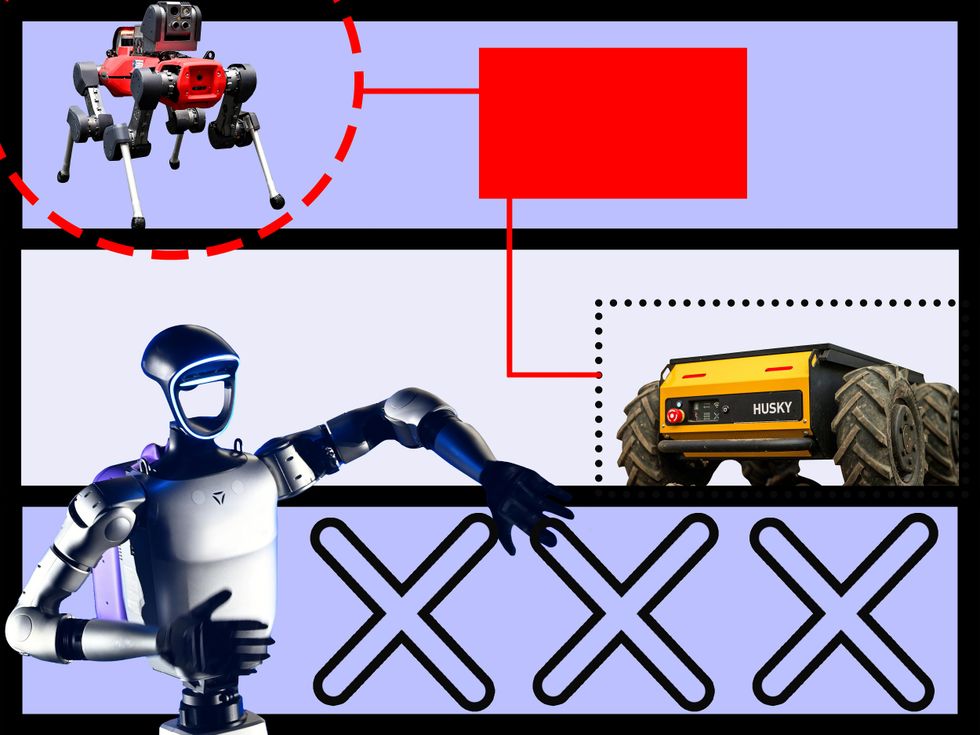
On July 28, the U.S. Federal Communications Commission (FCC) expanded its 'Covered List' to include mobile robots over 2 kilograms and certain power inverters, effectively banning new imports from foreign countries. This decision, driven by the Department of Defense, aims to mitigate risks associated with advanced robotic devices, which the FCC claims pose cybersecurity threats to U.S. national security.
The implications of this ban are significant for the robotics industry, particularly for companies in allied countries that may face restrictions similar to those imposed on Chinese technology. The FCC's definition of 'advanced robotic devices' includes mobile systems with onboard sensing and autonomy, while existing certified devices remain unaffected. The U.S. government emphasizes the need for a domestic supply chain to ensure economic and military independence from foreign manufacturers.
As the robotics community reacts, some American companies may benefit from reduced competition, while others express concerns about the potential for third-country buyers to continue relying on Chinese products. The deadline for foreign companies to submit applications for FCC authorization is set for January 1, 2028, raising questions about future developments in the industry.
Editor's Note
The recent FCC decision reflects a growing trend in the robotics sector towards national security and supply chain independence. As companies navigate these new regulations, the focus on domestic manufacturing and cybersecurity will likely shape future investments and technology adoption. Stakeholders must adapt to these changes to remain competitive in a rapidly evolving landscape.




























Leave a comment