Industry Briefing
A single destination for timely, editor-curated robotics news from around the world.

3 Questions: Beyond data-driven aesthetics
Alexandros Haridis, a recent graduate with a master's degree in 2017 and a PhD in 2022, is showcasing his work in a new exhibition at the Keller Gallery. The exhibition delves into the evolution of aesthetic judgment over the centuries and examines the role of design in rendering complex computational systems more accessible and understandable. By highlighting the intersection of art and technology, Haridis aims to foster a deeper appreciation for how design influences our perception of intricate data. The exhibition is set to attract visitors interested in both the historical context of aesthetic principles and contemporary design practices.
School of Architecture and Planning Architecture Computer science and technology Artificial intelligence Machine learning Algorithms
Israel’s Smart Shooter sees c-UAS demand grow across US military: Exec
Scott Thompson, Vice President of Smart Shooter, recently discussed the increasing demand for kinetic solutions in response to the growing threat posed by small drones. In an interview with Breaking Defense, Thompson highlighted how the rise of these unmanned aerial vehicles has prompted military and defense sectors to seek effective countermeasures. The conversation underscores a significant shift in focus within the industry, as stakeholders recognize the urgent need to address the challenges presented by the proliferation of small drones. This trend reflects broader concerns about security and the evolving landscape of aerial threats.
Global Land Warfare Army Business & Industry Drones Israel
Zhang Yaqin: AI is not a bubble, but AI companies are.
In June, during an interview at the Tsinghua Wuxi Research Institute's Intelligent Industry Innovation Center, Academician Zhang Yaqin discussed the current state of AI investment and entrepreneurship, suggesting a more cautious approach to the rapidly growing sector. Zhang, who founded the Tsinghua University Intelligent Industry Research Institute (AIR) five years ago, noted that while AIR has successfully incubated ten companies with a combined valuation of 150 billion yuan, its primary focus remains on research rather than commercialization. Zhang, a prominent figure in AI and a fellow of the IEEE, likened the current AI investment climate to the internet boom of 1998-1999, emphasizing the importance of sustainable growth and cautioning against the potential for market bubbles. He highlighted the need for new AI algorithms to enhance efficiency and pointed out that while the AI sector holds significant long-term potential, many early-stage companies may face challenges in proving their viability. Every June, AIR hosts the "Taihu Dialogue" in Wuxi, fostering discussions on AI advancements. Zhang expressed concerns about the risks associated with high valuations and the necessity for a focused approach in startups. He emphasized that while funding is crucial, it should not overshadow the importance of developing robust products and technologies. Looking ahead, Zhang identified "physical AI" as a key area for development by 2026 and outlined the challenges of creating robots capable of performing complex tasks in real-world environments. He underscored the importance of collaboration between academia and industry to cultivate talent and drive innovation in AI, while also addressing the ethical and safety risks associated with advanced AI systems.

BlackBerry CEO Giamatteo Sees QNX Powering Growth
BlackBerry CEO John Giamatteo recently outlined the company's strategic shift towards becoming a leader in software and infrastructure, focusing primarily on its QNX operating system. During an interview with Bloomberg's Dani Burger and Alpine Saxon Woods Chief Market Strategist Sarah Hunt on "Bloomberg Open Interest," Giamatteo revealed that QNX now powers more than 275 million vehicles worldwide. He emphasized the system's expanding applications beyond automotive, noting its increasing use in robotics, medical devices, and industrial automation. This evolution reflects BlackBerry's commitment to diversifying its technology offerings and adapting to the growing demand for advanced software solutions across various industries.
NMS:NVDA TOR:BB
Nvidia Wants to Make Humanoid AI Robots Safer Around Humans
Nvidia is advancing the development of humanoid robots, emphasizing the critical need for these machines to recognize and respond to danger swiftly before they can effectively collaborate with humans. In an interview with Bloomberg's Ed Ludlow, Deepu Talla, Vice President of Robotics and Edge AI at Nvidia, discussed the innovative technologies being designed to enhance robots' situational awareness. This initiative is part of Nvidia's broader efforts to integrate artificial intelligence into robotics, aiming to create safer and more responsive machines for various applications. The conversation highlights the importance of safety in robotics as the industry moves towards more sophisticated and capable humanoid systems.
NMS:NVDA
Slate Auto says each $24,950 electric pickup truck will be profitable as it aims to be cash-flow positive next year
Slate Auto, an electric vehicle startup, has announced that all of its upcoming vehicle models will achieve gross margin positivity, according to CEO Peter Faricy in a recent interview with CNBC. This strategic decision underscores the company's commitment to financial sustainability and profitability as it navigates the competitive EV market. By ensuring that each vehicle produced contributes positively to the company's gross margins, Slate Auto aims to strengthen its position in the industry and attract potential investors. Faricy's comments reflect a broader trend among EV manufacturers to focus on profitability amidst rising production costs and market challenges.

Deep dive into ARM’s physical AI and robotics strategies with Drew Henry
Drew Henry, a representative from ARM, recently shared insights into the evolving landscape of physical AI, robotics, and autonomous systems, emphasizing their development to meet real-world challenges. In a detailed discussion, Henry outlined ARM's strategic approach to integrating advanced technologies in these fields, highlighting the necessity for systems that can operate effectively within the constraints of everyday environments. This conversation comes at a time when the demand for intelligent automation solutions is rapidly increasing, driven by the need for efficiency and innovation across various industries. The dialogue took place in a recent interview featured on The Robot Report, showcasing ARM's commitment to pioneering advancements in robotics and AI.
Artificial Intelligence Business Resources Controllers Development Tools / SDKs / Libraries Logistics Materials
Fika Jobs raises $4M to build a video-first hiring platform where AI agents interview candidates
Fika Jobs, a startup based in Stockholm, is developing an innovative hiring platform that leverages video technology to enhance the recruitment process. This platform integrates AI interview agents with short-form video profiles, aiming to create a user experience reminiscent of both LinkedIn and TikTok. By focusing on video-first interactions, Fika Jobs seeks to streamline hiring and make it more engaging for both employers and job seekers. The initiative is part of a growing trend to utilize advanced technology in recruitment, responding to the increasing demand for more dynamic and effective hiring solutions.
AI Enterprise Fundraising Startups AI agents hiring
Interview with MTC’s Mike Wilson: ‘Automation is not optional if the UK wants to rebuild manufacturing’
During the 1980s, the UK underwent a significant economic transformation, often associated with the policies of then-Prime Minister Margaret Thatcher. This period marked a decisive shift from a manufacturing-based economy to one increasingly dominated by services, finance, retail, and consumer spending. As the country embraced these changes, the manufacturing sector diminished in importance, reflecting broader trends seen in other Western economies, particularly the United States. This evolution was driven by a combination of government policies aimed at deregulation and privatization, which sought to stimulate economic growth and enhance competitiveness in a rapidly changing global market. The lasting impact of this transition continues to shape the UK’s economic landscape today.
Economy Features Manufacturing Technology automation news British manufacturing
Interview with Olo Robotics COO Eleanor Tang-Smith: Making robot programming accessible to everyone
Recent advancements in robotics hardware have led to the emergence of highly capable autonomous mobile robots, quadrupeds, robotic arms, and humanoid robots, which are now more commercially available than ever. However, many organizations face significant challenges in adopting these technologies due to the complexities associated with software development. Creating robotic applications often necessitates specialized knowledge in platforms like ROS 2 (Robot Operating System 2). This gap in expertise hinders the widespread implementation of robotic solutions in various sectors, despite the promising capabilities of the hardware. As the industry continues to evolve, addressing the software barriers will be crucial for facilitating broader adoption and maximizing the potential of robotic innovations.
Computing Design Features Robot simulation ai robotics automation news
Interview with Digid’s Nils Könne and Christian Kreil: Nanoscale sensors could help solve robotics’ tactile sensing challenge
The swift advancement of artificial intelligence and robotics is drawing significant attention to software and powerful processors, particularly large language models. However, experts emphasize that for robots to function effectively in real-world settings, they require a fundamental capability: advanced environmental sensing and understanding. This necessity is driving increased interest and investment in cutting-edge sensing technologies, as researchers and developers seek to enhance robots' interaction with their surroundings. The push for these innovations is becoming more pronounced as industries recognize the potential of robots to perform complex tasks in various environments, highlighting the importance of integrating sophisticated sensory systems into robotic designs.
Features Science Sensors Technology AI infrastructure automation news
Interview with Clearpath Robotics co-founder Ryan Gariepy: ‘Most industries in Canada are under-automated’
Canada is acknowledged for its significant contributions to robotics research, boasting prestigious universities, groundbreaking startups, and advanced technologies utilized in various sectors such as manufacturing, logistics, agriculture, mining, and defense. However, despite this robust technical foundation, experts suggest that the country has struggled to effectively translate its research capabilities into widespread industrial applications. This gap raises concerns about the potential for Canada to fully leverage its innovations in the competitive global robotics landscape.
Automation Economy Features Industry amrs automation news
Interview with Paul Dawalibi: Can Ras Al Khaimah become the Silicon Valley of the Middle East?
In recent years, the focus of technology companies aiming to establish a foothold in the Middle East has shifted from the traditional hubs of Dubai and Abu Dhabi to emerging innovation centers. As competition for investment in artificial intelligence, robotics, and deep technology escalates globally, smaller cities are increasingly positioning themselves as viable alternatives. These agile hubs are actively working to attract tech firms by offering unique advantages and fostering an environment conducive to innovation. This shift reflects a broader trend in the region, where diverse locations are striving to enhance their appeal in the rapidly evolving tech landscape.
Business Economy Features Technology AI infrastructure artificial intelligence
Interview with Sharpa’s Alicia Veneziani: ‘Dexterous manipulation is the key to useful humanoid robots’
Recent advancements in humanoid robotics have captivated audiences with remarkable demonstrations of walking, running, jumping, and balancing. However, experts in the field caution that while locomotion is a significant aspect, it is not the only challenge facing the development of practical humanoid robots. Many robotics specialists emphasize that the greater hurdle lies in replicating human-like cognitive abilities and social interactions, which are essential for these machines to be genuinely useful in everyday environments. As researchers continue to push the boundaries of technology, the focus is shifting towards enhancing the cognitive and emotional intelligence of robots, which could ultimately determine their effectiveness in real-world applications.
Design Features Humanoids ai robotics Alicia Veneziani automation news
From audio tapes to AI: Interview with TDK investment director Ankur Saxena
Artificial intelligence has emerged as a leading focus in technology investment, yet some investors caution that the robotics sector may misinterpret the implications of recent advancements in large language models and generative AI. Ankur Saxena, the investment director at TDK Ventures, the corporate venture capital division of TDK, has voiced concerns regarding this trend. He emphasizes the need for a more nuanced understanding of how these AI breakthroughs can be effectively integrated into robotics, suggesting that a simplistic application of AI principles could lead to misguided strategies in the industry. Saxena's insights reflect a broader debate among investors about the future direction of robotics in light of AI developments, highlighting the importance of critical evaluation in investment decisions.
Features Financials & Investments Technology ai hardware ai robotics Ankur Saxena
Jim Cramer Has Meme Stock Worries About SpaceX, While Ross Gerber Says 'No One' Is Talking About Tesla Anymore
Investor Ross Gerber has expressed concerns that the market's focus has shifted from Tesla Inc. to SpaceX, Elon Musk's newly public space company, which he believes presents a more compelling narrative for investors. In a recent post on X, Gerber stated, "No one wants to talk about Tesla anymore. Just SpaceX." He further argued in a Bloomberg interview that Tesla's value is diminished without a merger with SpaceX, suggesting that such a merger would likely see SpaceX absorb Tesla into a broader Musk-controlled entity. While discussions about a potential merger remain largely speculative, Wedbush analyst Dan Ives has estimated an 80% chance of a tie-up, citing shared interests in artificial intelligence, robotics, and energy. However, CNBC's Jim Cramer has raised alarms, likening SpaceX's trading behavior to that of a "meme stock," which could lead to volatility driven by retail investor enthusiasm. Cramer expressed discomfort with the rapid price movements seen in SpaceX's stock since its record-setting IPO last Friday, where it opened at $150 and surged to $176.52. Contrastingly, investor Anthony Pompliano has labeled SpaceX as "the first mega meme stock," suggesting that the attention could be leveraged for ambitious projects like Mars colonization and satellite internet. As the market continues to react to these developments, the future of both Tesla and SpaceX remains a topic of intense speculation and debate among investors.
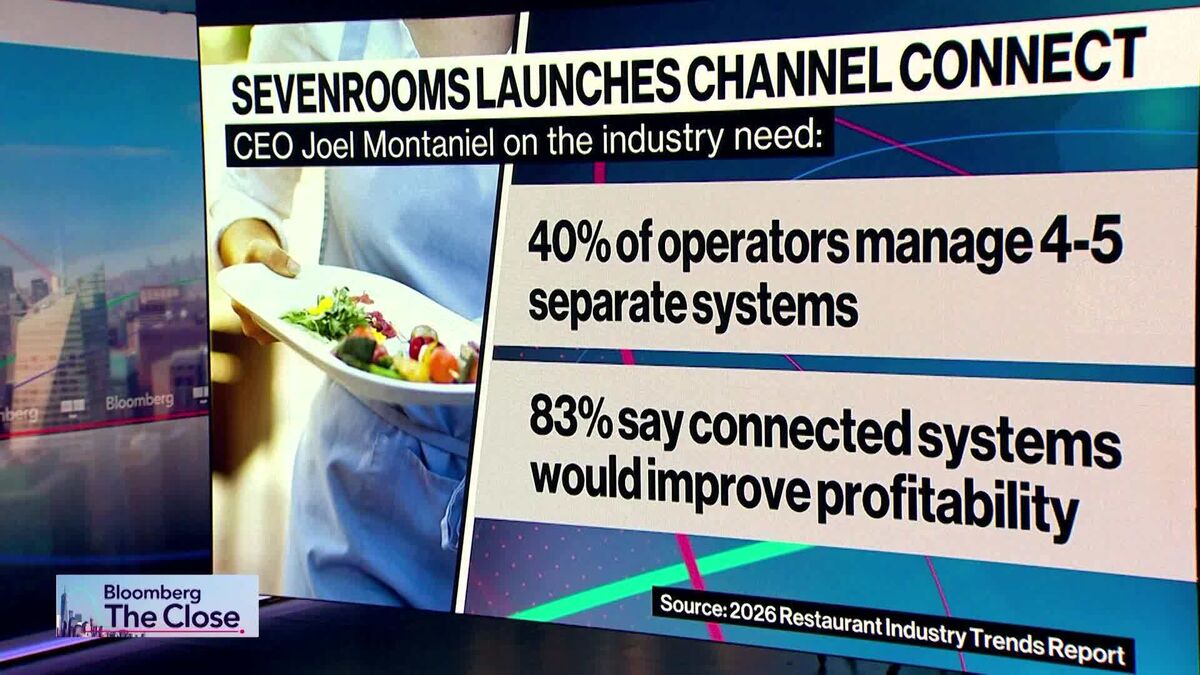
SevenRooms CEO on New Reservation Organizing Platform
Joel Montaniel, Co-Founder and CEO of SevenRooms, recently unveiled the company's innovative platform, Channel Connect, designed to streamline reservation management for restaurants. During an interview on "The Close" with Romaine Bostick and Katie Greifeld, Montaniel highlighted the challenges faced by restaurants that currently juggle bookings across various applications and devices, unlike the hotel industry, which benefits from centralized booking systems. Channel Connect aims to consolidate these disparate channels into a single, efficient system, thereby alleviating operational difficulties and enhancing the reservation process for restaurant operators.

Humanoid robots: How human-like machines could change our daily lives
Researchers at Friedrich-Alexander-Universität Erlangen-Nürnberg (FAU) are advancing the development of humanoid robots, which are increasingly capable of performing complex tasks traditionally handled by humans. In an interview, Dr. Sebastian Reitelshöfer from the FAU Chair of Manufacturing Automation and Production Systems discussed the potential of these robots to enhance various sectors, including industry, services, and private households. This innovative technology, which could significantly benefit northern Bavarian industry, represents a shift from science fiction to practical application. The ongoing research focuses on both the hardware and software necessary to create human-like robots that can effectively support human activities in the near future.
Robotics
Goldman’s Pullen Ross: PE ‘Actively Engaged’ in Sports
Nicole Pullen Ross, the Northeast Region Head and Head of Sports and Entertainment Solutions at Goldman Sachs, recently shared insights on the changing dynamics of the U.S. sports industry and the athletes who are enhancing its appeal. In an interview with Romaine Bostick and Katie Greifeld on Bloomberg's "The Close," Ross discussed her initiative to establish a specialized division within Goldman Sachs aimed at assisting professional athletes in managing their wealth. This division employs financial strategies typically reserved for C-suite executives, reflecting a growing recognition of the financial complexities faced by athletes. Ross's comments underscore the increasing importance of financial literacy and strategic wealth management in the sports sector, as athletes seek to secure their financial futures amidst the evolving landscape of professional sports.
NYS:GS
Eurosatory 2026: Ukraine’s Fire Point pursues ballistic missile sovereignty
In a recent interview with Army Technology, the CEO of Fire Point outlined her ambitious plans to develop a self-sufficient ballistic missile and interceptor industry in Ukraine. This initiative comes in response to the ongoing security challenges faced by the country, particularly amid heightened tensions in the region. The CEO emphasized the importance of establishing a domestic defense capability to enhance Ukraine's sovereignty and security. The project aims to leverage local expertise and resources, fostering innovation and creating jobs within the defense sector. By investing in this critical area, Fire Point seeks to contribute to Ukraine's long-term defense strategy and resilience against external threats.
News
Preparing for the future fight: How one brigade is sacrificing robots in lieu of humans
The 3rd Mobile Brigade Combat Team of the 101st Airborne Division recently executed a successful robotic combined arms breach during a rotation at the Joint Readiness Training Center (JRTC). This operation, highlighted by the brigade's commander in an interview with Breaking Defense, showcases the unit's advancements in integrating robotic technology into combat scenarios. The exercise aimed to enhance operational effectiveness and readiness in modern warfare, reflecting the military's ongoing commitment to innovation and adaptation in response to evolving threats. The successful breach demonstrates the brigade's capability to leverage advanced technologies to improve tactical operations on the battlefield.
Land Warfare 101st Airborne Division Army autonomy Drones UGV
Interview with Luo Jianlan: The true scaling law of robots occurs in real deployment loops.
In the past six months, the focus of the domestic embodied intelligence sector has shifted from hardware competition to the deeper challenges that define the intelligence limits of robots. Luo Jianlan, an associate professor at Shanghai Chuangzhi Academy and chief scientist at Zhiyuan Robotics, argues against the prevailing notion that robots can replicate large language models through sheer data accumulation. He emphasizes that the core issue in embodied intelligence is not about breakthroughs in isolated components but rather the ability to create a closed-loop system in real-world deployments. Luo, who has a background in both academia and industry, including roles at Google X and DeepMind, believes that many teams in the sector are not genuinely pre-training models but are instead engaged in mid-training or fine-tuning due to the scarcity of high-quality interaction data. He asserts that true embodied intelligence requires a scalable closed-loop system, where deployment leads to data collection, which in turn enhances model capabilities. His current focus includes developing scalable online post-training infrastructure, enabling robots to learn continuously in real-world environments, and creating a world model that predicts the consequences of actions rather than merely generating video. Luo suggests that the future of embodied intelligence hinges on successfully integrating these elements into a cohesive system, with significant advancements expected in the next 12 to 18 months. He believes that the first team to effectively implement a "deployment-data-iteration" cycle in semi-structured environments like convenience stores will gain a substantial competitive edge.
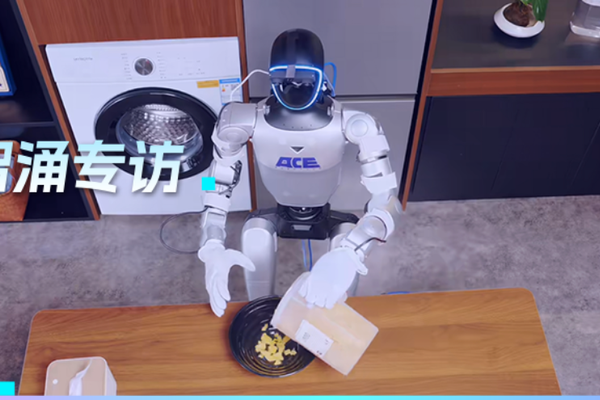
Founder of "Daxiao Robotics," which raised hundreds of millions, reveals divisions in the embodied AI industry.
In a recent interview, Wang Xiaogang, chairman of ACE Robotics and co-founder of SenseTime, discussed the rapid advancements of his company since its establishment in July 2025. Within just a year, ACE Robotics has emerged as a significant player in the field of embodied intelligence, recently launching its Kairos 3.0 model, which achieved state-of-the-art results in four global benchmarks. The company has also developed an innovative data collection strategy that expands its training dataset to over one million hours, significantly enhancing its capabilities compared to traditional methods. On June 15, 2026, ACE Robotics announced the successful completion of its angel+ funding round, raising substantial capital from various investors, including Da Chen Capital and Shanghai Science and Technology Innovation Fund. This brings the total funding raised in 2026 to several hundred million dollars, positioning ACE Robotics as one of the fastest unicorns in the industry. Wang emphasized the importance of collaboration within the long and complex supply chain of embodied intelligence, noting that many companies are hesitant to enter practical applications due to technical maturity and resource constraints. He outlined ACE's strategy of focusing on scalable business-to-business (B2B) scenarios, such as road inspections and logistics, before expanding into more complex consumer-facing applications. Despite the competitive landscape, Wang believes that ACE Robotics can leverage its unique approach to data collection and model training to establish a strong foothold in the market, ultimately aiming to enhance the efficiency and effectiveness of embodied intelligence solutions across various sectors.

Thales upgrades its laser guided rocket with new LiDAR sensor to target drones
Thales Belgium has announced the integration of an advanced sensor into its guidance kit, enhancing its targeting capabilities. This new technology activates as the kit approaches its target, improving precision and effectiveness. The development was confirmed by a company official in an interview with Breaking Defense, highlighting Thales Belgium's commitment to advancing military technology. This innovation is expected to bolster the operational efficiency of their defense systems, reflecting the company's ongoing efforts to stay at the forefront of the defense industry.
Global Drones Europe EUROSATORY 2026 guided rocket Middle East
Interview with Wang Zhongyuan: VLA will survive, but world models are the future.
In recent months, the concept of "World Model" has gained significant traction within the AI and robotics sectors, driven by underlying industry anxieties. As AI technology has rapidly evolved over the past two years, limitations in embodied intelligence have become apparent, revealing that while robots can recognize objects, they struggle to understand physical interactions and causal relationships. The World Model aims to bridge this gap by enabling robots to learn the laws of the physical world. At the forefront of this exploration is Wang Zhongyuan, the director of the Beijing Academy of Artificial Intelligence, who identifies four distinct paths in the development of World Models. These include language-centered models, pixel-centered models, 3D structure-centered models, and visual representation-centered models. The Beijing Academy is pioneering a fifth approach that integrates language and visual data into a unified latent space representation, allowing for more complex interactions and predictions. Wang emphasizes that the World Model's potential lies in its ability to enhance embodied intelligence, enabling robots to understand and predict physical interactions over time. He envisions a future where World Models serve as the foundational brain for robots, capable of complex reasoning and decision-making in real-world scenarios. However, he cautions that achieving this goal will require significant advancements in data collection and model training, with a timeline of three to five years anticipated for substantial progress. As the field continues to evolve, the competition will focus on the ability to create models that accurately reflect the complexities of the physical world.

Interview: Parallel Systems CEO Matt Soule on building ‘the world’s first autonomous freight rail system’
In recent years, autonomous trucks have captured significant attention and investment in the freight transportation sector. However, freight rail is also experiencing a transformative shift, as highlighted by Matt Soule, founder and CEO of Parallel Systems. He asserts that autonomous rail technology could revolutionize the industry, offering a promising alternative to traditional freight methods. This development comes at a time when the logistics sector is increasingly seeking innovative solutions to enhance efficiency and reduce costs. As the demand for sustainable and automated transport solutions grows, the freight rail industry is positioning itself to leverage advancements in technology, potentially reshaping the future of cargo movement across the country.
Engineering Features Logistics Transportation ai logistics automation news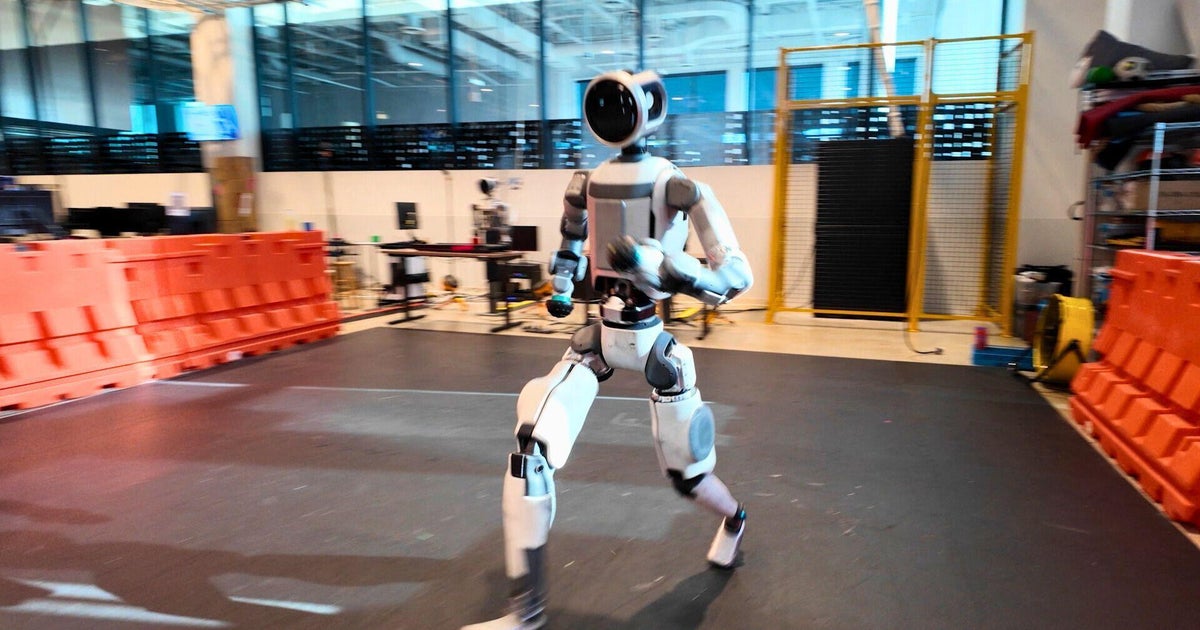
6/14/2026: Here Come the Humanoids; The Empty Rooms; Lamine Yamal
Recent advancements in AI-powered humanoid robots have garnered attention as experts showcase their capabilities and potential applications. Meanwhile, a poignant exploration of the aftermath of school shootings reveals the haunting remnants of classrooms left behind, highlighting the urgent need for discussions on school safety and mental health support. Additionally, a feature interview with rising soccer star Lamine Yamal aired on "60 Minutes," providing insights into his journey and aspirations in the sport. These stories collectively underscore the intersection of technology, societal challenges, and personal narratives shaping contemporary discourse.
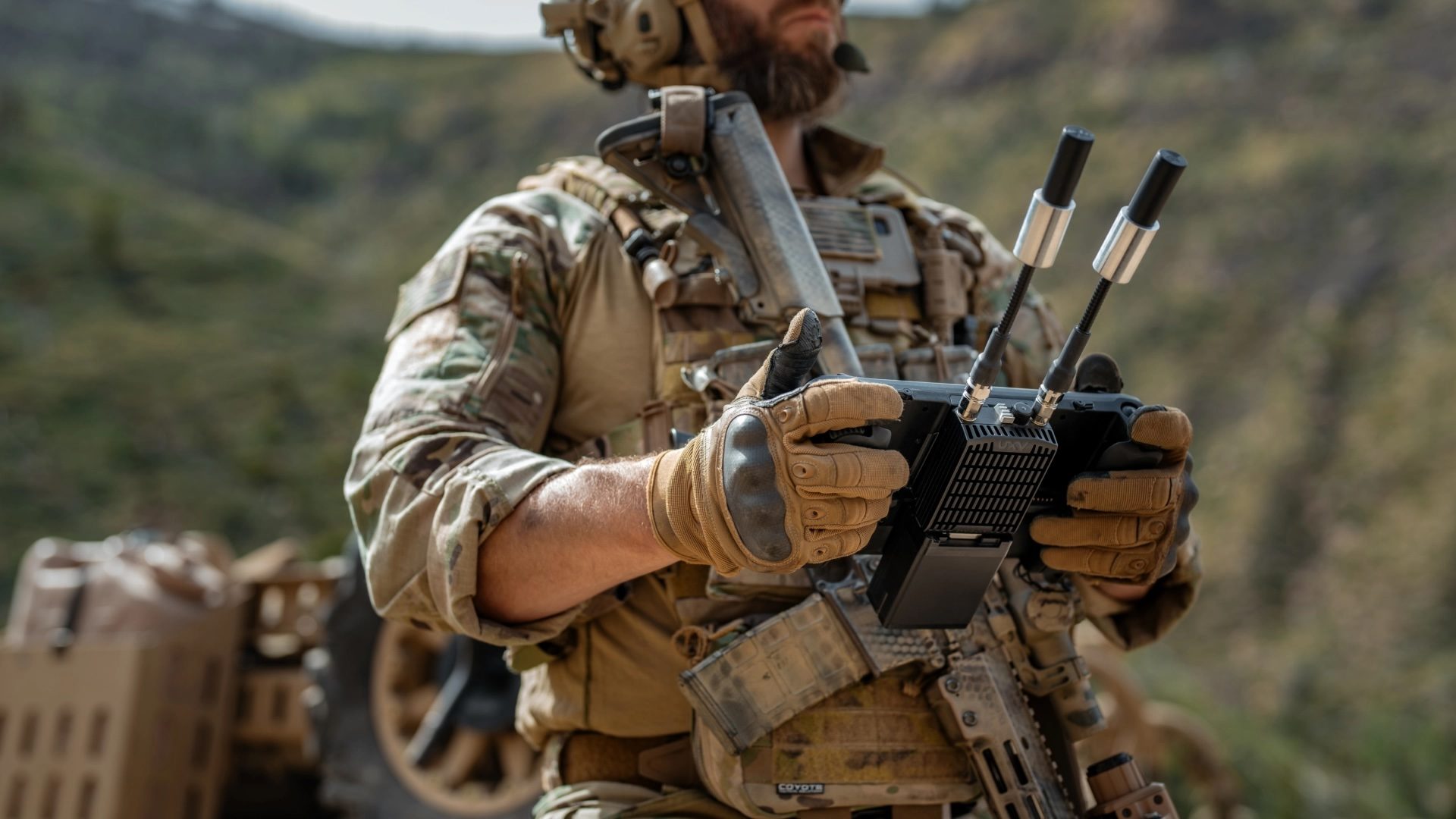
DRONELIFE Exclusive Interview: Inside PDW’s Strategy to Build Drones That Can Operate When GPS and Communications Fail
PDW is advancing the development of sophisticated drone communication systems to enhance military operations in environments where traditional communication methods may fail. As global militaries increasingly depend on drones for surveillance and combat, the need for reliable communication links has become critical, especially in areas with contested communication. The company's strategy focuses on creating drones capable of functioning effectively even when GPS and standard communication systems are compromised. This initiative highlights the growing recognition of the importance of resilient drone technology in modern warfare.
Applications Defense defense Drone News Drone News Feeds Dual Use
DRONELIFE Exclusive Interview: Andrew Giuliani on the Race to Secure the 2026 World Cup
Andrew Giuliani has praised the significant efforts being made to develop counter-unmanned aerial systems (UAS) aimed at safeguarding high-profile events and critical infrastructure from drone-related threats. In an exclusive interview, Giuliani discussed the ongoing initiatives to enhance security measures ahead of the 2026 World Cup, emphasizing the importance of these advancements in protecting both attendees and venues. The conversation highlighted the urgency of implementing robust protocols to mitigate risks associated with drones, particularly in light of their potential misuse by careless or hostile operators. As preparations for the World Cup continue, the focus remains on ensuring a safe environment for all participants and spectators.
Anti-drone technology C-UAS defense DL Exclusive Drone News Featured – Safety and Security
Q&A: Riyadh Air CEO Tony Douglas on launching a new airline, expanding its fleet, and the future of air travel
Riyadh Air, the airline launched by Saudi Arabia’s Crown Prince Mohammed bin Salman three years ago, is set to commence operations following the delivery of its first Boeing 787-9 Dreamliners. In an exclusive interview with Al Arabiya English, CEO Tony Douglas outlined the airline's ambitious plans for rapid expansion. The introduction of these aircraft marks a significant milestone for Riyadh Air, which aims to establish itself as a major player in the aviation industry. The airline's launch aligns with Saudi Arabia's broader vision to enhance tourism and diversify its economy.
Aircraft Business aerospace air travel airline expansion airline innovation
Palladyne AI partners with IAI to bring Israeli Harpy, Harop drones to US
Palladyne is set to enhance its capabilities by integrating new AI swarming software into its Israeli drones, according to CEO Ben Wolff in an interview with Breaking Defense. This strategic move aims to position the company competitively for upcoming defense contracts, particularly the U.S. Army's Long-Range Precision Munition (LRPM) initiative. By leveraging advanced technology, Palladyne seeks to capitalize on the growing demand for innovative military solutions, thereby expanding its footprint in the defense sector. The implementation of this software is expected to improve the operational effectiveness of the drones, making them more appealing to military clients.
Air Warfare Networks & Digital Warfare AI & Autonomy Air Force anti-aircraft artificial intelligence AI
Social media bans on teens risk strengthening Big Tech's grip on the sector, Bluesky exec warns
Bluesky's Chief Operating Officer, Rose Wang, expressed concerns about the challenges faced by new companies trying to create healthier environments in today's market. In an interview with CNBC, she highlighted the difficulties smaller entrants encounter in establishing themselves amid existing competition. Wang's comments reflect a growing sentiment that the current landscape is increasingly dominated by larger, established players, making it nearly impossible for newcomers to thrive. The discussion comes at a time when there is a heightened focus on health and wellness in various industries, underscoring the need for innovation and fresh ideas. However, the barriers to entry remain significant, prompting calls for changes that could foster a more inclusive and diverse marketplace.

Interview with Columbia professor and co-founder of SceniX Yunzhu Li: ‘Simulation is central’
The robotics industry is currently experiencing a significant influx of investment and media coverage, driven by ambitious projections regarding the future of humanoid machines. Numerous companies have unveiled plans to produce thousands of robots, leveraging recent advancements in artificial intelligence that have heightened expectations for the integration of general-purpose robots into various environments, including factories, warehouses, workplaces, and homes. This surge in interest reflects a growing belief that robots could soon become a standard presence in everyday life. However, amidst the enthusiasm, there are underlying challenges and considerations that the industry must address to realize these ambitious goals.
Artificial Intelligence Features Robotics ai robotics artificial intelligence automation news
Interview with Jun Wu of GMEX Robotics: ‘We provide an integrated terminal + brain closed-loop system’
As artificial intelligence continues to capture public attention, experts emphasize that the future of robotics hinges on more than just advanced software. While numerous companies are focused on creating sophisticated AI systems and foundation models, there is a growing consensus that the true challenge lies in integrating this intelligence with reliable hardware capable of functioning effectively in the physical environment. This perspective highlights the need for a holistic approach to robotics, where both software and hardware advancements are essential for achieving practical and efficient robotic solutions.
Features Robotics AI platforms ai robotics artificial intelligence automation news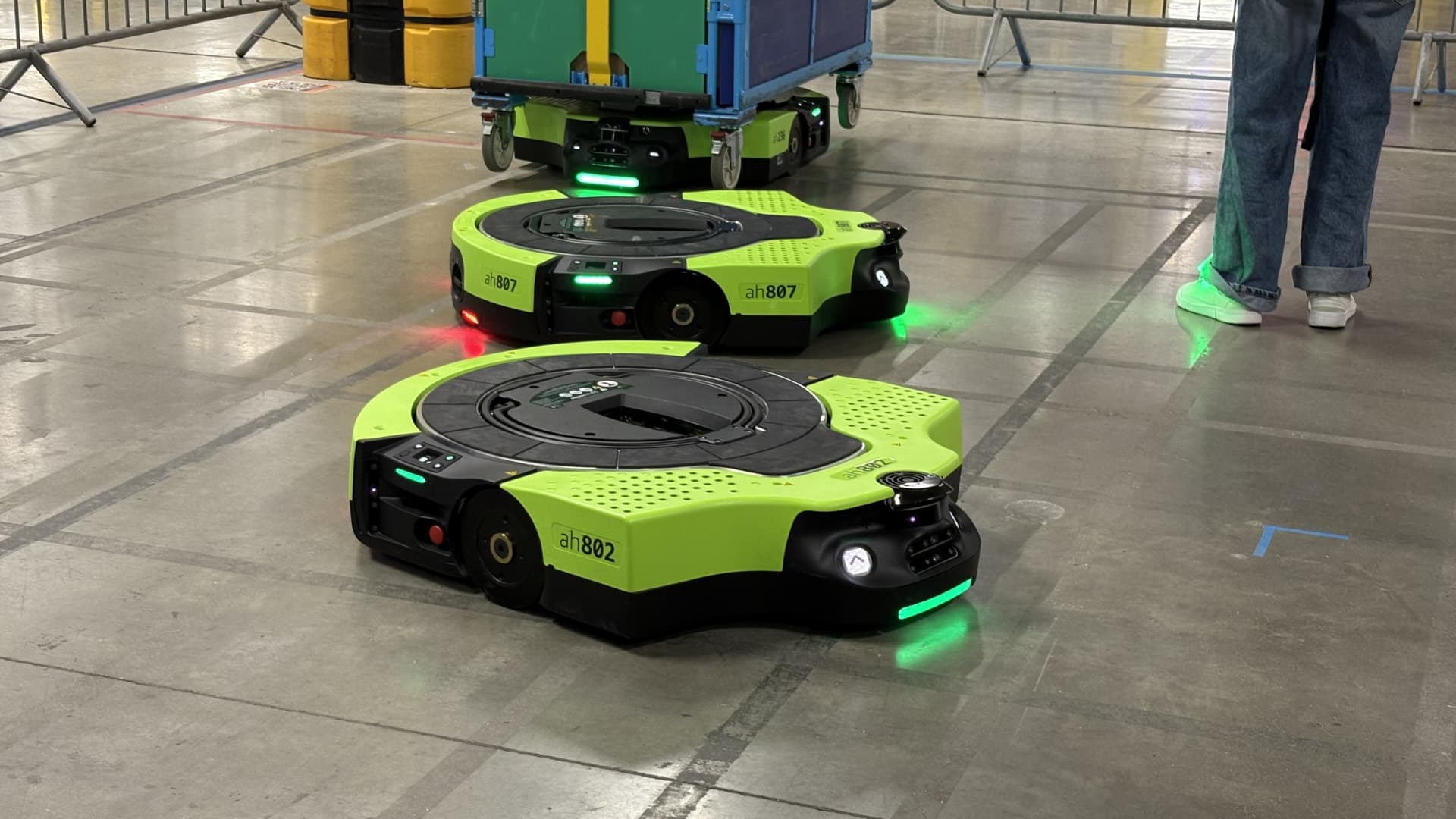
Amazon unveils latest warehouse robot as tech giants continue AI layoffs
In a recent interview with CNBC, Amazon executive John Boumphrey asserted that the integration of robots within the company has led to an increase in employment opportunities rather than a decrease. Boumphrey emphasized that the use of automation technology has not replaced jobs but has instead created new roles, contributing positively to the workforce. This statement comes amid ongoing debates about the impact of automation on employment across various industries. By leveraging robotic technology, Amazon aims to enhance operational efficiency while simultaneously fostering job growth, highlighting a shift in the narrative surrounding automation's role in the economy.

BYD Secretly Develops Humanoid Robot Codename 'Yao-Shun-Yu' as Auto Giants Race Into Embodied AI
China's largest electric vehicle manufacturer, BYD, has announced its secret development of humanoid robots, a project codenamed "Yao-Shun-Yu." This revelation was made by BYD Executive Vice President Li Ke during a recent interview, highlighting the company's expansion into the burgeoning field of embodied artificial intelligence. Initiated in 2022, the project is part of BYD's 15th Business Unit, which is dedicated to electronic integration and intelligence. As competition intensifies among automotive giants to innovate in AI technology, BYD's foray into robotics signifies its commitment to diversifying its technological capabilities beyond electric vehicles.
Robotics
Interview with GFT Technologies’ Brandon Speweik: Moving AI from detection to action on the factory floor
Manufacturers are increasingly shifting their focus from the theoretical applications of artificial intelligence to practical solutions that address real-world challenges. While discussions around AI have primarily centered on software tools such as dashboards, analytics, and predictive models, industry leaders are now seeking ways for AI to not only identify problems but also actively contribute to solving them. This evolution in perspective reflects a growing recognition of AI's potential to enhance operational efficiency and drive innovation within the manufacturing sector. As companies explore these advancements, the emphasis is on integrating AI technologies that can deliver tangible results and improve decision-making processes on the shop floor.
Components Features Manufacturing ai robotics artificial intelligence automation news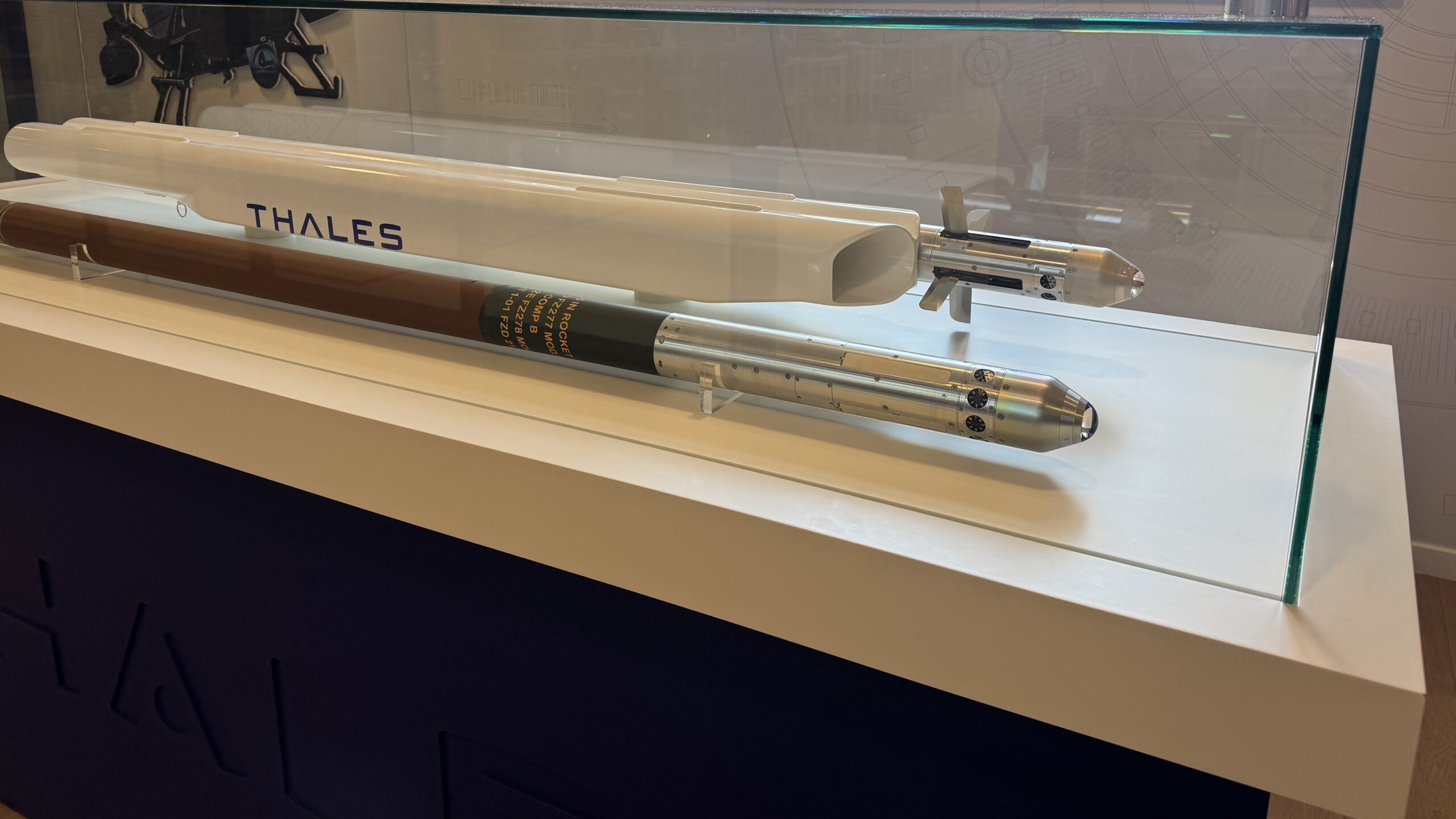
Thales ramps up guided rocket production to address increased ME demand
In response to the escalating situation in the Middle East, a company executive announced that their production numbers have more than doubled. This significant increase reflects the company's commitment to addressing heightened demand amid ongoing regional tensions. The announcement was made during an interview with Breaking Defense, highlighting the company's proactive approach to adapt to the current geopolitical landscape. The executive emphasized that the decision to ramp up production is a strategic move to ensure they can meet the needs of their clients during these uncertain times.
Global Business & Industry Counter UAS cUAS Drones Europe guided rocket
Bluesky was launched as a Twitter rival — but it's far less popular. Now it's eyeing Reddit for inspiration
Bluesky's Rose Wang expressed reservations about the future of public square platforms, emphasizing a preference for models inspired by companies like Reddit. In an interview with CNBC, Wang highlighted the importance of fostering community-driven environments that prioritize user engagement and content moderation. This statement reflects Bluesky's strategic direction as it seeks to differentiate itself in the competitive social media landscape. The comments come amid ongoing discussions about the role of social media in public discourse and the challenges of maintaining healthy online communities.

Interview with CreateMe CEO Campbell Myers: From stitching to bonding – physical AI could transform the way clothes are made
Apparel manufacturing continues to be one of the most labor-intensive sectors globally, despite advancements in automation in other industries such as automotive and electronics. The difficulty in automating textile production arises from the unique properties of fabric, which can stretch, wrinkle, and shift unpredictably. This complexity has hindered the development of effective robotic solutions for handling soft materials, leaving the apparel industry largely reliant on human labor. As manufacturers seek to improve efficiency and reduce costs, the challenge of integrating automation into textile production remains a significant hurdle.
Engineering Features Manufacturing adhesive bonding apparel automation apparel industry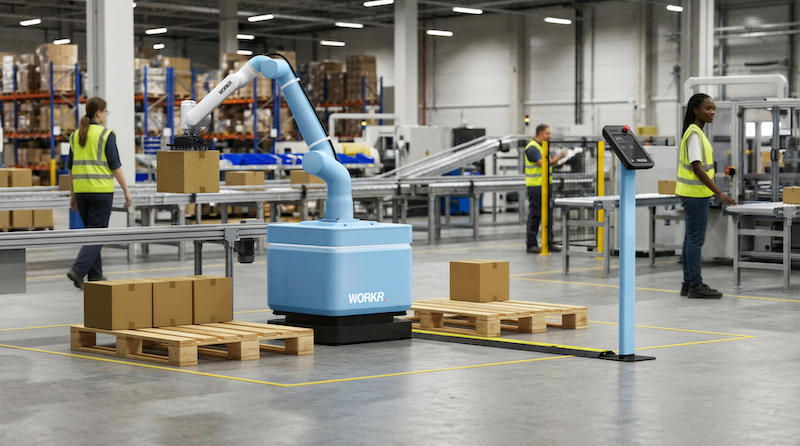
Interview with Workr Robotics CEO Ken Macken: ‘Paying for automation by the hour’
Industrial robotics is undergoing a significant transformation, driven by advancements in artificial intelligence, large language models, and embodied AI. This evolution has generated renewed interest in the development of robots capable of understanding, reasoning, and interacting with their physical environments. Notable partnerships, including collaborations between Google DeepMind and Boston Dynamics, have intensified discussions surrounding the potential for more sophisticated general-purpose robots. As these technologies continue to evolve, the industry anticipates a future where robots can perform a wider array of tasks, enhancing their utility across various sectors. The ongoing innovations suggest a promising trajectory for the integration of robotics into everyday life, potentially reshaping industries and improving operational efficiencies.
Features Industrial robots Robotics Software automation news automation roi
BYD is developing humanoid robots, according to source
Chinese electric vehicle manufacturer BYD is venturing into the development of humanoid robots, as reported by Yicai on Wednesday. This revelation comes after statements from BYD's Executive Vice President, Li Ke, who acknowledged the company's ongoing efforts in the field of humanoid robotics during a recent interview. The move reflects BYD's ambition to diversify its technological portfolio beyond electric vehicles, aiming to leverage advancements in robotics to enhance its market presence and innovation capabilities.
News Feed
How to Build Better Robotics with Integrated Actuators
Reese Abouelnasr, a Mechatronics Engineer at Harmonic Drive, recently discussed advancements in actuator technology and the engineering challenges these devices address in the field of robotics. In an interview, Abouelnasr highlighted the significance of actuators in enhancing the precision and efficiency of robotic systems. He elaborated on how recent innovations are enabling engineers to overcome obstacles related to motion control and energy consumption. The conversation took place in October 2023, reflecting the ongoing evolution of robotics and the critical role that actuator design plays in the industry. Abouelnasr emphasized that these developments not only improve performance but also expand the potential applications of robotics across various sectors.

SwitchBot’s acquisition of Nanoleaf is about more than lighting
Smart lighting company Nanoleaf has been acquired by OneRobotics, the parent company of SwitchBot. In an exclusive interview with The Verge, Nanoleaf CEO Gimmy Chu confirmed that despite the acquisition, the company will maintain its independence, with Chu and co-founder and COO Christian Yan continuing to lead operations. He emphasized that there will be no operational changes following the acquisition, ensuring that Nanoleaf's existing strategies and product lines will remain intact. This move reflects OneRobotics' commitment to expanding its portfolio in the smart home technology sector while allowing Nanoleaf to operate as it has been.
Analysis Exclusive News Report Smart Home Tech
Pudu Robotics eyes Hong Kong listing amid geopolitical risks
Pudu Robotics, a Shenzhen-based service robot manufacturer, is preparing for a public listing in Hong Kong amid rising geopolitical tensions that are impacting its supply chain costs. In an interview with Nikkei Asia, CEO and founder Felix Zhang highlighted the company's exploration of overseas manufacturing options as part of its strategy to navigate these challenges. The move to list in Hong Kong reflects Pudu's response to the evolving market landscape and its commitment to expanding its operations despite external pressures.

Here’s how a new Army directorate is delivering tech to soldiers in under 180 days
In a recent interview with Breaking Defense, Colonel Christopher Hill, who leads the Global Tactical Edge Acquisition Directorate, discussed the U.S. military's evolving approach to technology acquisition. He highlighted that a significant cultural shift within the service is enabling faster and more scalable delivery of technological solutions. This transformation aims to enhance operational efficiency and responsiveness in an increasingly complex defense landscape. By prioritizing agility and innovation, the military is positioning itself to better meet contemporary challenges and demands.
Land Warfare Army Counter UAS cUAS Drones Other Transaction Authority
Physical AI’s looming data rights battle: Interview with Kate Shen of Anaxi Labs
As artificial intelligence technology advances and integrates more into everyday life, industry experts are shifting their focus from the capabilities of robots and AI models to the ownership of the data that powers these innovations. This growing concern has emerged as a critical topic among stakeholders, prompting discussions about data rights and the implications for both developers and users. The conversation is gaining momentum as the demand for vast datasets to train AI systems increases, raising questions about privacy, consent, and the ethical use of information. As the AI landscape evolves, understanding data ownership will be essential for shaping future regulations and ensuring fair practices in the burgeoning field of physical AI.
Artificial Intelligence Features AI compliance ai governance AI infrastructure AI regulation
Interview with Yoshike: Honda's robotic research continues with a new multi-fingered hand surpassing human dexterity.
Honda Research Institute showcased its latest multi-fingered robotic hand at the Humanoids Summit Tokyo 2026, held in Takanawa, Tokyo. This event highlighted the ongoing evolution of Honda's humanoid robotics, continuing the legacy of its renowned ASIMO robot. The demonstration aimed to illustrate Honda's commitment to advancing robotics technology and exploring future possibilities in human-robot interaction. The innovative design of the robotic hand is expected to enhance the functionality and versatility of humanoid robots, marking a significant step in the company's research and development efforts.

Product, Partnership, Process in Intralogistics
TGW Logistics is poised to make significant strides in the intralogistics sector, leveraging its innovative products and strategic partnerships. In a recent interview, Jan-Willem Klinkenberg, the Head of Business Development for Northern Europe at TGW, discussed the company’s vision and approach to enhancing logistics solutions. The conversation, which took place via Zoom, highlighted Klinkenberg's dynamic insights into the industry and the company's commitment to delivering effective logistics solutions. As the sector evolves, TGW aims to address the growing demands for efficiency and reliability in logistics operations. The company’s proactive strategies and collaborative efforts are designed to meet these challenges head-on, positioning TGW as a key player in the market.
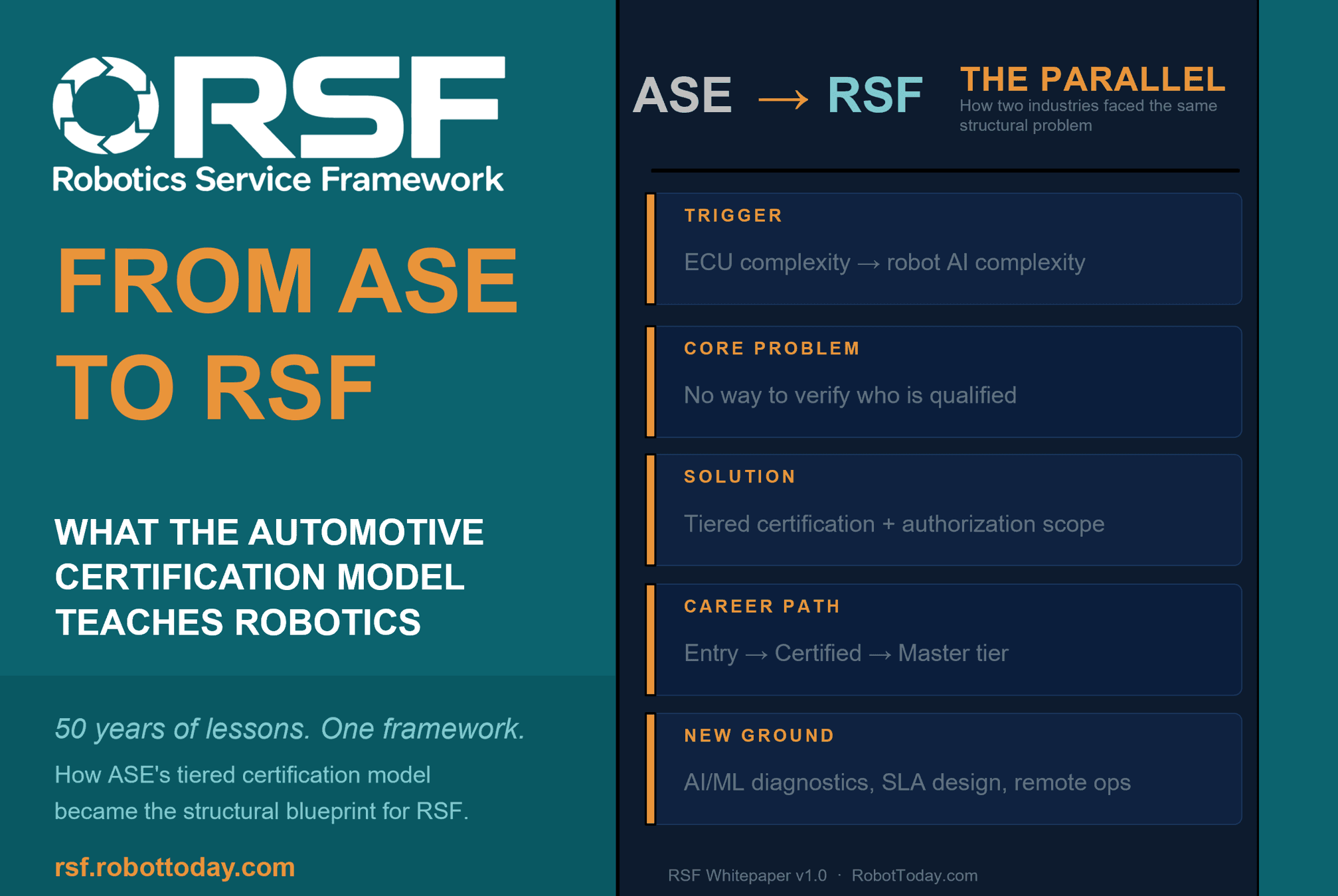
Automation Systems and Shuttles Components and Parts Conveying and Sortation Magazine Features Materials Handling Robotic PickingRobotics needs a service framework.
RSF defines a common language for robot service capability, lifecycle operations, certification pathways, and service-provider networks.