


AES has successfully deployed its AI-powered robotic system, Maximo, on utility-scale solar construction sites, achieving over 180,000 solar module installations. This innovative technology automates the physically demanding task of lifting and installing photovoltaic modules, operating effectively in dynamic environments where conditions frequently change. The system has demonstrated impressive performance, with robots completing more than 500 installations daily and crews installing up to 24 modules per person per shift hour.
The significance of Maximo lies in its ability to address labor shortages and the increasing weight of solar modules, which makes automation essential in the construction sector. Developed through AES Next, the platform provided unique access to live solar construction projects, enabling real-world testing and refinement of the technology. Nick Hegeman, the chief commercial officer for Maximo, emphasizes the importance of field validation and integration with existing processes to ensure the technology's success in the industry.
Looking ahead, AES is exploring further automation opportunities in renewable energy construction and site logistics. As customer attitudes shift positively towards robotics, the potential for broader commercial adoption of Maximo appears promising. No further timeline was disclosed at the time of publication.
Editor's Note
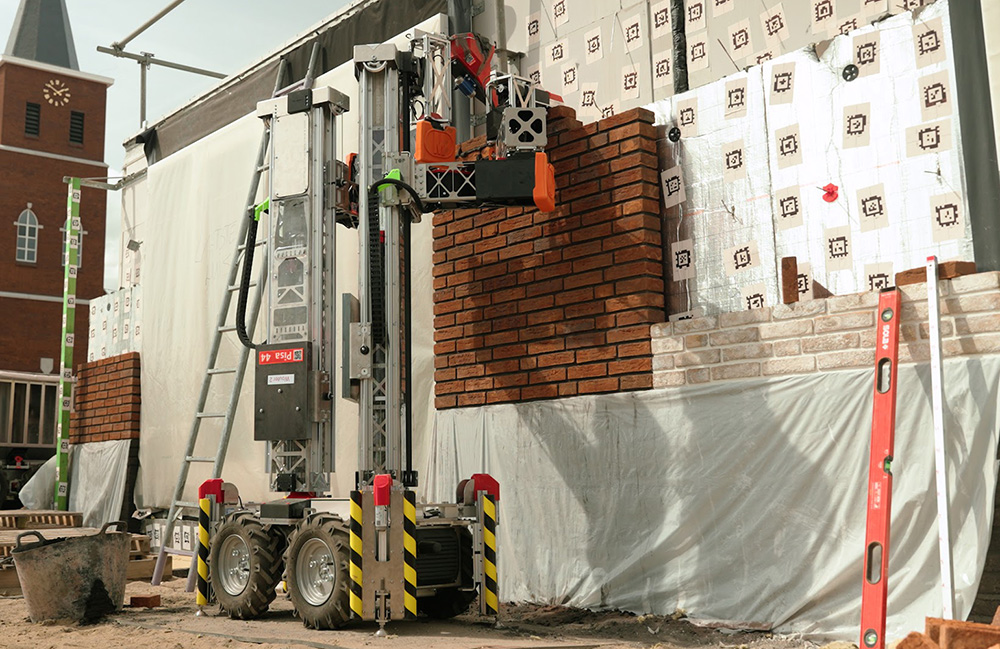
The integration of robotics in construction, particularly in renewable energy projects, is gaining momentum as companies like AES leverage AI technologies to enhance efficiency. The challenges of automating construction processes are significant, but advancements like Maximo demonstrate the potential for improved productivity and safety in the field. As labor shortages persist, the adoption of such technologies may become increasingly critical for the industry.




























Leave a comment