


The IEEE's Technology Megatrends 2030 report highlights physical AI and robotics as key areas for technological advancement in the next four years. This report identifies 30 breakthrough technologies across five sectors, including artificial intelligence and physical AI, which are expected to significantly reshape industries and daily life by 2030.
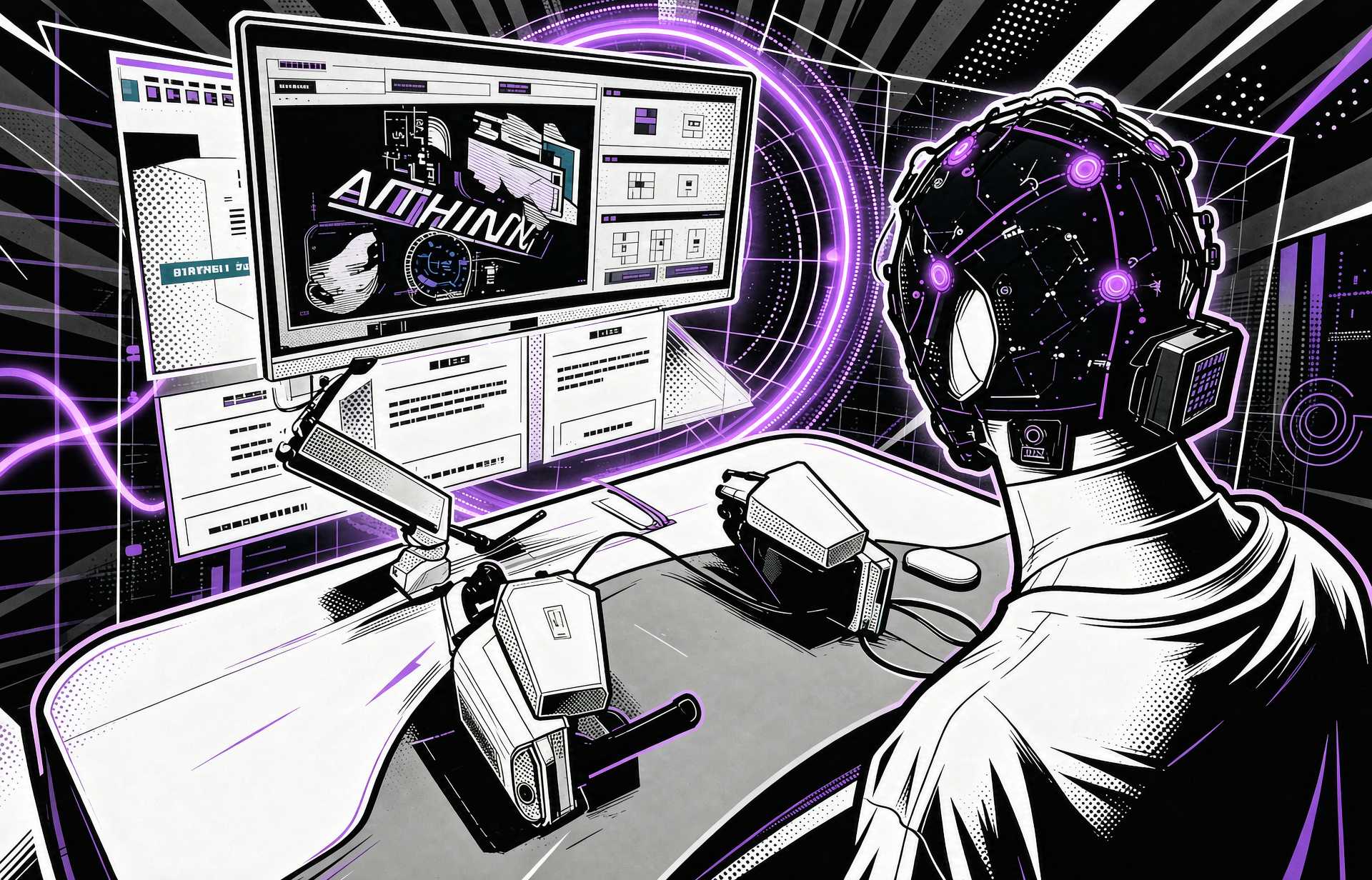
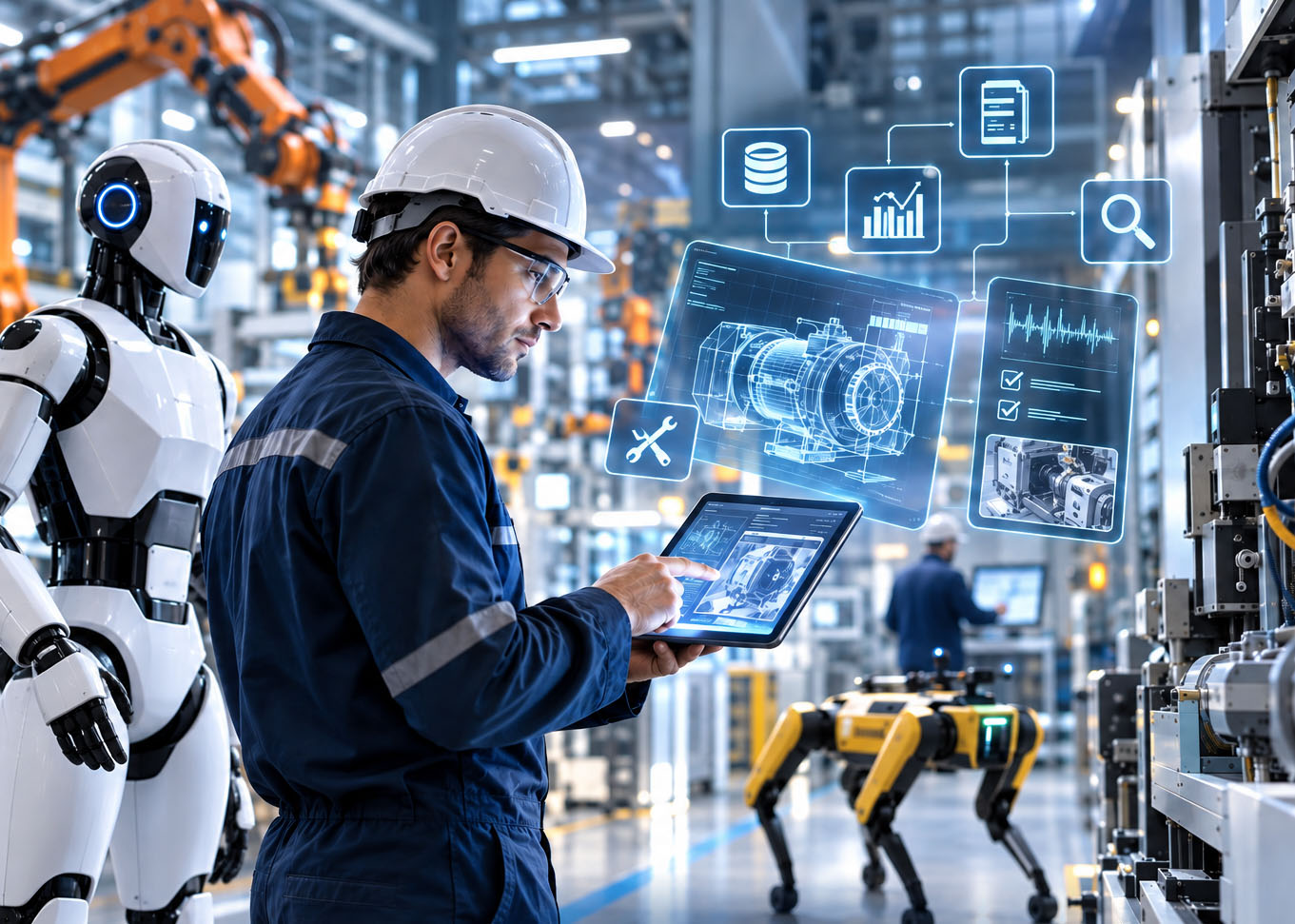
The importance of human-AI interaction is emphasized, as interfaces evolve from text-based to more natural forms, enhancing machines' understanding of human intentions. This evolution is poised to improve the supervision and collaboration of industrial robots and autonomous machines, enabling greater autonomy in sectors like manufacturing and healthcare.
Challenges remain, particularly regarding reliability, cybersecurity, and safety as AI systems begin making impactful decisions. Dejan Milojicic, chair of the IEEE Future Directions Committee, discusses these advancements and the implications for the future of work, indicating that physical AI is expected to progress rapidly toward 2030. No further timeline was disclosed at the time of publication.
Editor's Note
The IEEE's focus on physical AI and robotics underscores a pivotal shift in technology adoption, particularly in industrial applications. As human-AI interaction improves, enterprises must navigate the complexities of integrating these advanced systems while ensuring safety and reliability. This evolution could redefine workforce dynamics and operational efficiencies across various sectors.
























Leave a comment