Industry Briefing
A single destination for timely, editor-curated robotics news from around the world.
NVIDIA Halos for Robotics: A New Era for Industrial Robot Safety
Recent advancements in industrial robotics have marked a significant milestone in the integration of physical artificial intelligence. Over the past few years, the field has experienced unprecedented growth, evolving beyond mere data analysis and text generation. Now, AI technology is enabling machines to perceive their surroundings, make real-time decisions, and interact directly with their environment. This evolution is exemplified by NVIDIA's latest innovations, which are set to enhance the safety and functionality of industrial robots. As these developments unfold, the landscape of robotics is transforming, paving the way for smarter and more autonomous machines in various industries.
À la une IA Industrie Robotique automatisation industrielle. cobot industriel
NVIDIA's Halos for Robotics: A New Era for Industrial Robot Safety
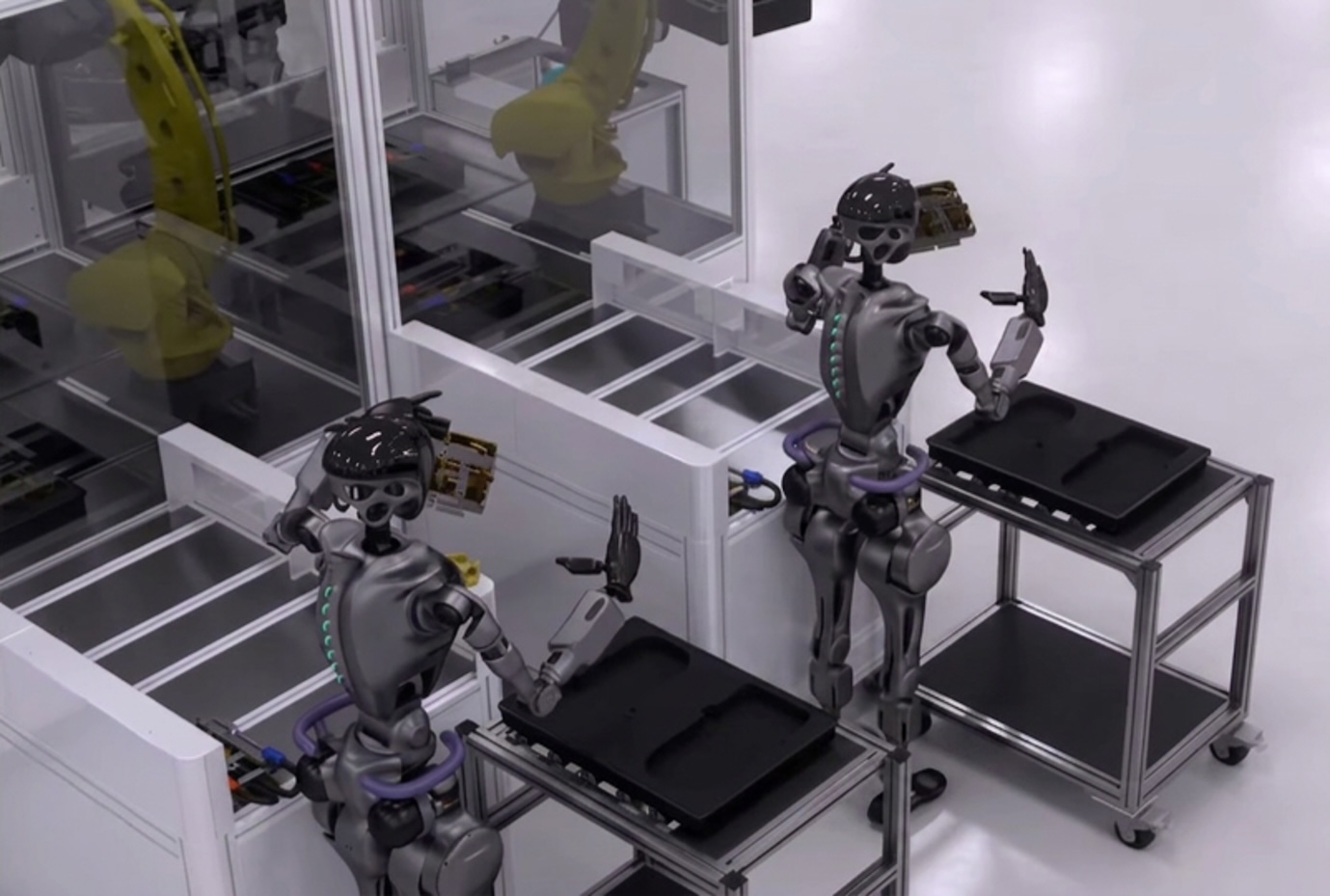
Recent advancements in industrial robotics have marked a significant milestone in the integration of physical artificial intelligence. Over the past few years, the field has experienced unprecedented growth, with AI evolving beyond mere data analysis and text generation. Now, machines equipped with this technology can perceive their surroundings, make real-time decisions, and interact directly with their environment. This transformation is highlighted in a recent article discussing NVIDIA's Halos for Robotics, which emphasizes the new era of safety in industrial robots. The developments signal a shift in how robots operate, enhancing their capabilities and effectiveness in various industrial applications.
À la une IA Industrie Robotique automatisation industrielle. cobot industriel
Open Secure AI Alliance Formed to Enhance AI Safety and Security Across Industries
The Open Secure AI Alliance has been established to address vulnerabilities in AI technologies by leveraging open-source principles. This initiative, which builds on the Linux Foundation’s Akrites initiative and OpenSSF community efforts, aims to democratize cybersecurity defenses and enhance transparency for defenders. The alliance includes major players in cloud computing and cybersecurity, such as NVIDIA, Adobe, and IBM, who recognize the need for both open and closed models in AI security. The significance of this alliance lies in its potential to create a more resilient cybersecurity framework that allows companies and countries to build robust security systems across diverse vendor ecosystems. By utilizing open-source technologies, the alliance seeks to provide defenders with tools that can be inspected, adapted, and deployed effectively, especially in critical situations where speed is essential. The recent security incident involving Hugging Face underscores the necessity for open models that enable rapid forensic analysis and response. Looking ahead, the Open Secure AI Alliance will focus on developing and sharing open technologies and techniques to safeguard AI systems. As the landscape of AI security evolves, it will be crucial to monitor how this alliance balances the benefits of openness with the need for strong safeguards against misuse. No further timeline was disclosed at the time of publication.

Starmind's Orbital Compute vs. Terrestrial Data Centers: Analyzing Resource Advantages
Starmind's orbital compute technology presents a significant advantage over traditional ground-based data centers by eliminating constraints related to land, water, and grid permitting. While terrestrial data centers are currently cheaper and faster to construct, with U.S. data center spending reaching $85.3 billion in 2026, Starmind's approach focuses on addressing the growing resource limitations faced by hyperscale facilities. The significance of Starmind's technology lies in its ability to sidestep the increasing challenges of land and water usage. For instance, a 100 MW data center can consume approximately 530,000 gallons of water daily for cooling, while Starmind's AI1 utilizes deployable liquid radiators that require no water. This structural advantage could resonate with investors as the demand for AI computing continues to escalate, potentially leading to annual water withdrawals of up to 1.7 trillion gallons by 2027. Looking ahead, Starmind's next milestones include the launch of AI1 prototypes scheduled for early 2027. However, the technology's claims regarding cooling efficiency and operational reliability remain unverified until real flight data is available. As the industry evolves, the competition between orbital and terrestrial solutions will become increasingly relevant, particularly in the context of resource management and sustainability.

SpaceX's $1.75 Trillion Valuation Driven by Starmind's Future Potential
Starmind is a pivotal element in SpaceX's estimated $1.75 trillion IPO valuation, despite currently generating no confirmed revenue. The stock price reflects optimistic projections regarding AI infrastructure growth, which Starmind has yet to substantiate. As of early July 2026, SpaceX's stock has decreased from its 52-week high of $225.64 to around $150, indicating market skepticism about future execution. The significance of Starmind lies in its potential to transform SpaceX's revenue model beyond traditional launch services. Goldman Sachs has shifted its focus from Starlink subscriber growth to the prospects of AI revenue, including orbital computing, as a cornerstone of SpaceX's long-term valuation. This marks a substantial change in how analysts view the company's growth trajectory, necessitating rates exceeding its historical 33% growth. Looking ahead, the credibility of Starmind as a growth narrative will be crucial for maintaining investor confidence. Analysts have noted a considerable divergence in price targets, reflecting uncertainty about the value of the Starmind and xAI initiatives. No further timeline was disclosed at the time of publication regarding specific milestones for these projects.
Laser micro-perforation with camera: enhancing reliability in packaging films through industrial vision.
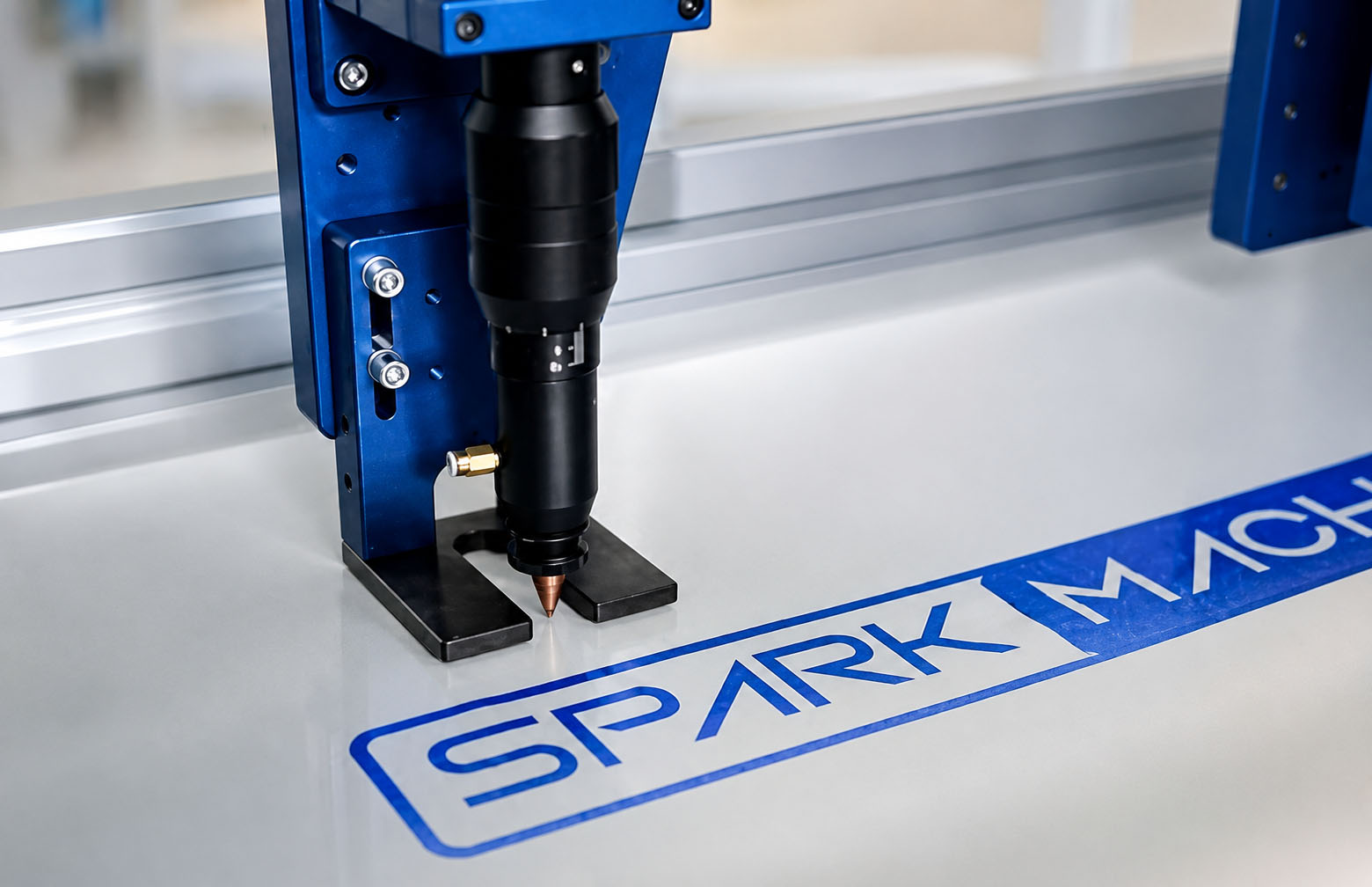
In the contemporary flexible packaging industry, achieving excellence extends beyond aesthetics to become a critical functional requirement. The optimization of permeability has emerged as a fundamental pillar in preserving the freshness of products, where every technical detail plays a vital role in extending shelf life and minimizing food waste. Recent advancements in laser micro-perforation technology, combined with industrial vision systems, are enhancing the reliability of packaging films. This innovative approach not only improves product preservation but also addresses the growing demand for sustainable packaging solutions. The integration of these technologies is transforming how the industry approaches packaging efficiency and effectiveness.
À la une IA Industrie Robotique conservation des aliments contrôle qualité automatisé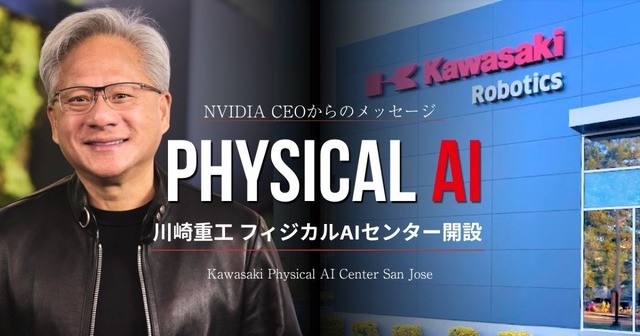
Kawasaki Heavy Industries opens Physical AI Center in San Jose, California, with a congratulatory message from NVIDIA's Jensen Huang.
Kawasaki Heavy Industries, Ltd. announced the opening of its Kawasaki Physical AI Center, scheduled for June 15, 2026. To mark this occasion, the company released a video message from NVIDIA's CEO, Jensen Huang, on YouTube. The establishment of the center aims to enhance research and development in artificial intelligence and robotics, reflecting Kawasaki's commitment to innovation in these fields. The collaboration with NVIDIA underscores the importance of integrating advanced AI technologies into Kawasaki's operations, positioning the company at the forefront of technological advancements in the industry.
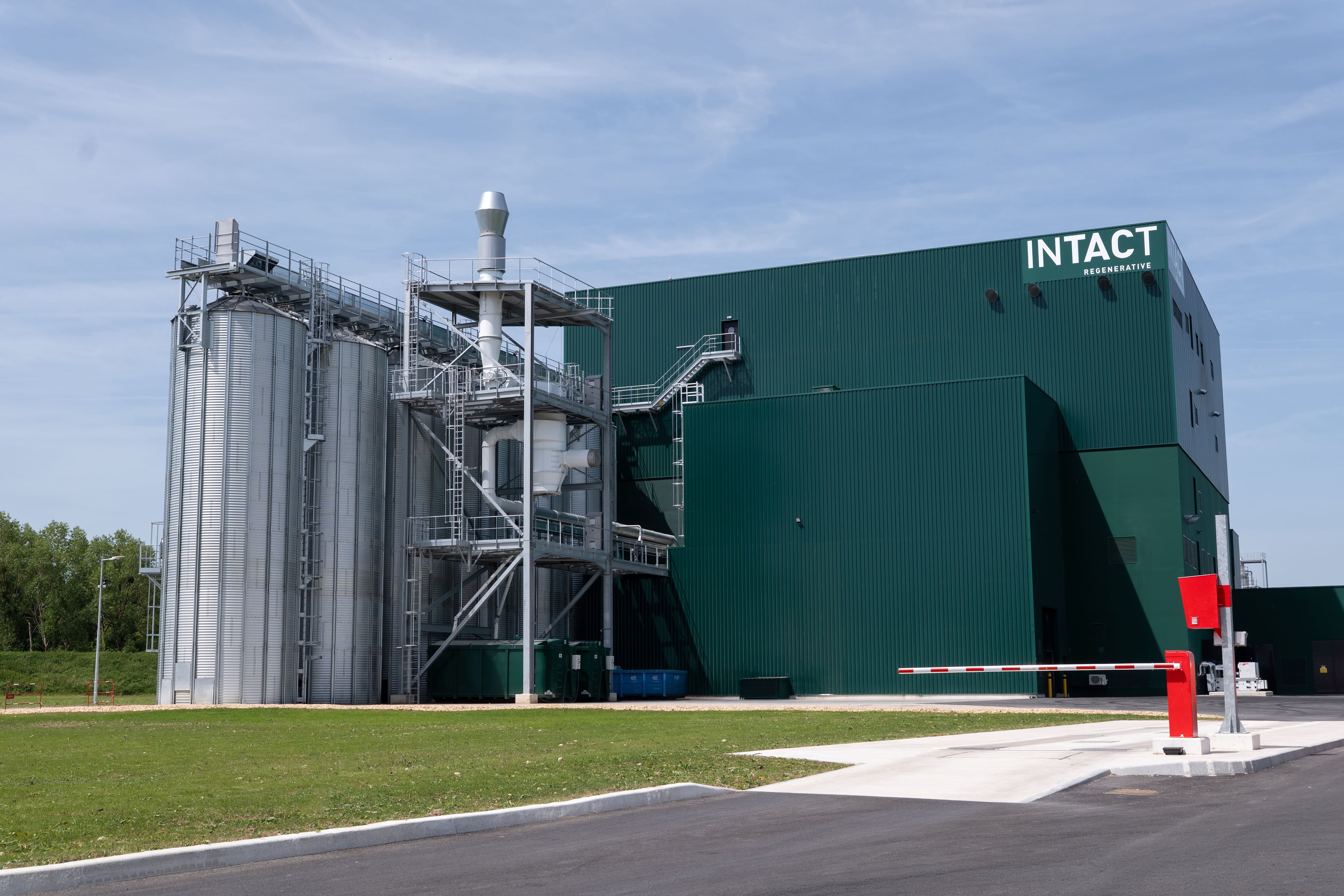
Intact Regenerative Launches First Legume Processing Plant in Baule with €75 Million Investment
Intact Regenerative, a startup focused on sustainable practices, inaugurated its first plant for processing legumes into flour and alcohol on May 29 in Baule, Loiret. This facility represents a significant investment of €75 million and marks a milestone in the company's journey since its inception four years ago. The establishment of this plant is crucial as it aligns with the growing demand for sustainable food sources and innovative processing methods. By focusing on legumes, Intact Regenerative aims to contribute to a lower carbon footprint in food production, which is increasingly important in today's environmentally conscious market. Looking ahead, stakeholders will be keen to observe how this facility impacts the local economy and the broader food industry. No further timeline was disclosed at the time of publication.
Produits alimentaires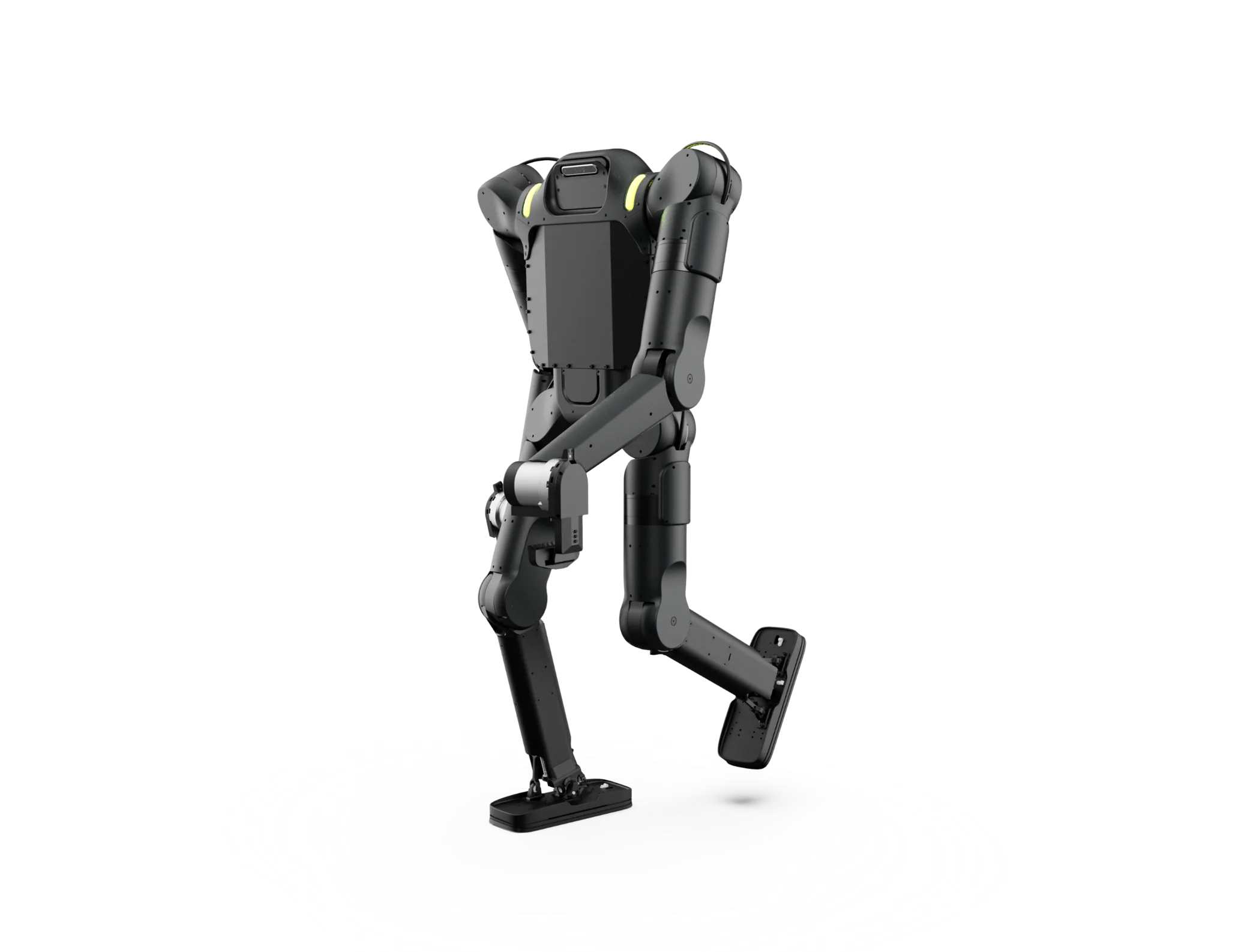
Wandercraft Secures 12 Enterprise Clients for Calvin-40 Humanoid Platform Across Multiple Industries
Wandercraft, a robotics company based in Paris, has announced the acquisition of 12 enterprise customers for its Calvin-40 humanoid platform. This customer base spans various sectors, including automotive, retail, healthcare, logistics, and defense, indicating a significant step for the company as it transitions from proof-of-concept testing to enterprise trials. The recent influx of contracts highlights Wandercraft's strategy to scale hardware production while demonstrating the commercial viability of its heavy-payload design philosophy. The Calvin-40, originally designed for material handling tasks, is now being tested for finer manipulation skills, with future deployments planned for unstructured environments like agriculture and construction. Looking ahead, Wandercraft aims to leverage its task-focused approach to generate proprietary operational data, enhancing the capabilities of Calvin-40. The diverse environments provided by its new clients will allow for extensive validation of the humanoid's performance, addressing ergonomic and labor challenges across multiple sectors. No further timeline was disclosed at the time of publication.
Europe Market Wandercraft
Gimbert Surgelés Enters Safeguard Procedure to Restructure Debt and Expand Market Reach
Gimbert Surgelés, a family-owned company based in Fleurance, Gers, has been placed under safeguard procedure by the Auch commercial court as of July 3. The company aims to gain time for the commercial development of its frozen seafood products, as stated by founder Bernard Gimbert. Established in 1983, Gimbert Surgelés focuses on the import and distribution of frozen seafood and has invested 13 million euros in a new processing plant opened in 2021. This facility, partially funded by 2 million euros from France Relance, allows the company to enhance its production capabilities and create added value through various processing operations. The company has faced a nearly 70% drop in revenue since October 2018 due to the impact of the Egalim law, which limits promotional activities. With a production capacity of around 3,000 tons per year, Gimbert Surgelés plans to target the collective and commercial catering markets, aiming to produce and market 500 tons by 2027 to reach a break-even point. No further timeline was disclosed at the time of publication.
Quotidien des Usines
SAIRA Establishes Collaborative Network for Space AI Robotics Across Industries and Academia
The Space AI Robotics Association (SAIRA) aims to create a collaborative network that integrates diverse technologies such as AI, robotics, data science, and space engineering to advance space exploration and infrastructure. The organization promotes research exchanges and joint studies in areas like physical AI and digital twins, connecting universities, research institutions, companies, and government agencies. This initiative is significant as it fosters partnerships across various sectors, enhancing innovation in space AI robotics. SAIRA's activities include hosting symposiums, conducting research and demonstrations, and organizing the RoboCup@Space robotics competition, which is set to expand the field of robotics through collaborative efforts. Looking ahead, SAIRA is actively inviting researchers, companies, and students to participate as members or partners. The organization is focused on promoting research exchanges and collaboration in space AI robotics, with plans for future events and initiatives to further its mission. No further timeline was disclosed at the time of publication.
Aerospace Industries Association CEO Discusses Congress' Continuing Resolution Plans
During the Farnborough International Airshow, Eric Fanning, CEO of the Aerospace Industries Association, addressed the likelihood of Congress passing a continuing resolution instead of a comprehensive budget. This discussion highlights the ongoing uncertainty in federal funding for the aerospace sector. The potential for a continuing resolution is significant as it may impact various aerospace projects and funding allocations. Industry leaders, including Fanning, are concerned about the implications of such a decision on long-term planning and investment within the sector. Looking ahead, stakeholders in the aerospace industry will be closely monitoring Congress's actions regarding budgetary decisions. The outcome will likely influence future investments and operational strategies in the aerospace field. No further timeline was disclosed at the time of publication.
Congress Pentagon Congressional Roundup Video Series continuing resolution Eric Fanning House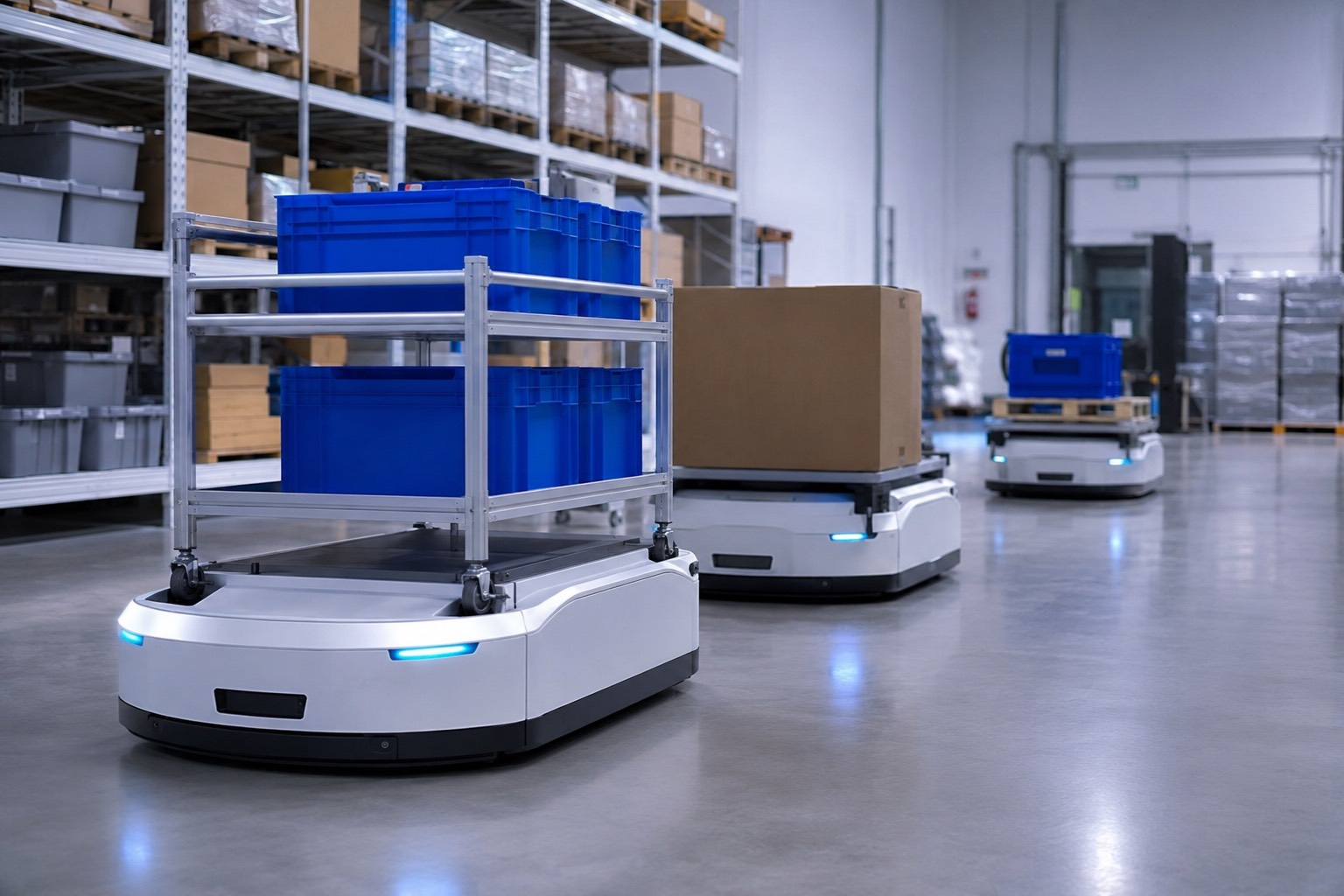
The Rise of Autonomous Mobile Robots in Industrial Automation
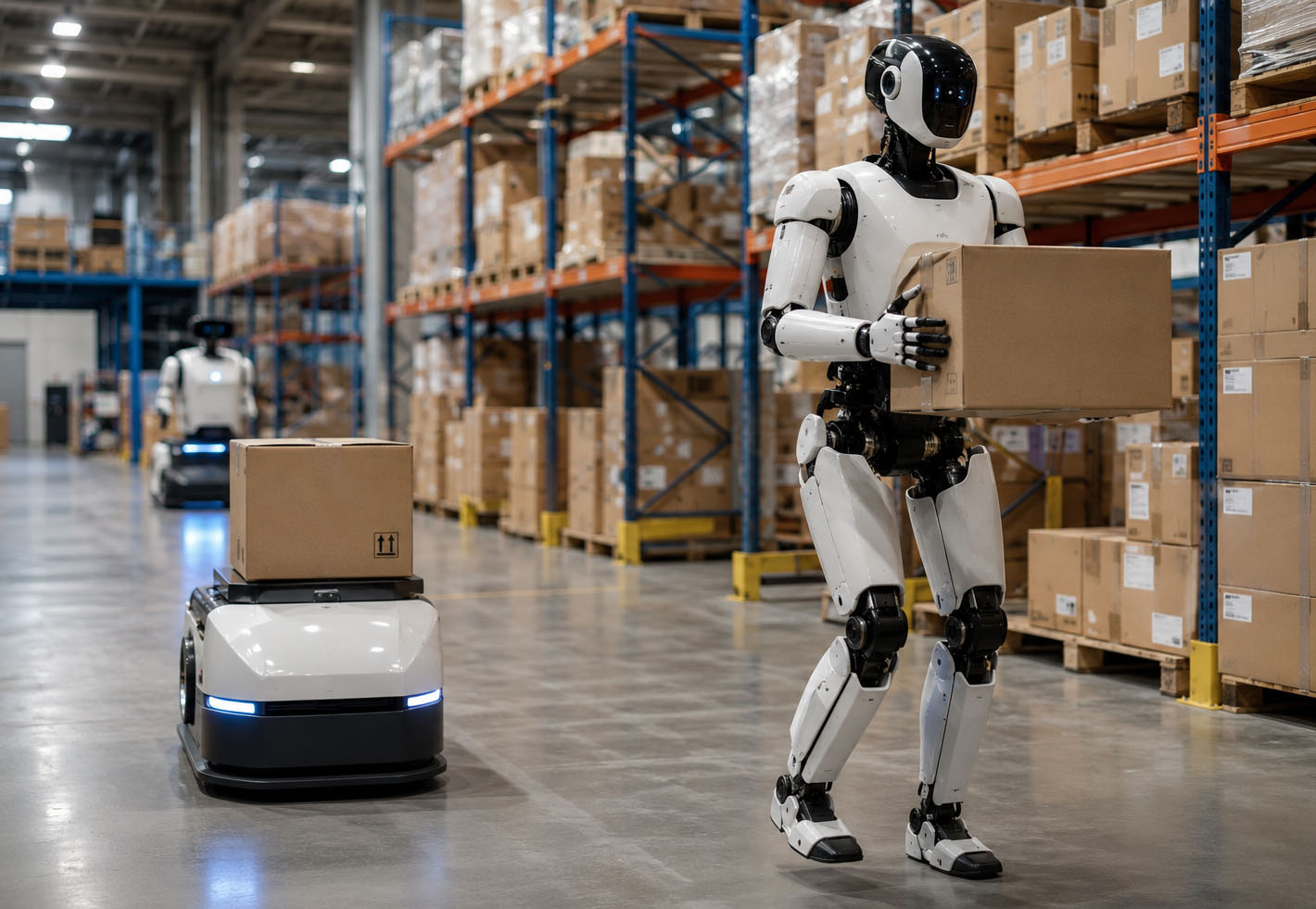
Autonomous Mobile Robots (AMRs) are rapidly transforming industrial automation, moving beyond traditional fixed conveyors and AGVs. Their flexibility meets the evolving demands of logistics driven by e-commerce growth, product customization, and labor shortages. AMRs utilize advanced technologies like sensors, cameras, LiDAR, and AI to navigate dynamically without fixed infrastructure. This adaptability is crucial as industries face fluctuating volumes and changing processes, making AMRs a vital component of modern supply chains. According to the International Federation of Robotics, AMRs are among the fastest-growing segments in professional robotics. As deployments increase in logistics centers, fleet management software is becoming as critical as the robots themselves, indicating a shift towards integrated automated solutions.
À la une IA Industrie Robotique AMR automatisation des entrepôts
SpaceX's Starmind Targets AI Labs with $6.3 Billion Compute Contracts
SpaceX's Starmind is designed to provide wholesale AI compute services to businesses, particularly AI labs and cloud customers, rather than individual consumers. The service operates similarly to AWS, where users benefit from applications running on Starmind without direct subscriptions. The compute capacity of a single AI1 satellite is comparable to one NVIDIA GB300 rack, emphasizing its enterprise-grade capabilities. The significance of Starmind lies in its positioning as a potential fourth hyperscaler, joining the ranks of AWS, Microsoft Azure, and Google Cloud. The Reflection AI contract, valued at $150 million per month, exemplifies the enterprise-focused model, with total payments potentially reaching $6.3 billion through 2029. This contract highlights the growing demand for AI compute resources, particularly from AI-native startups and labs. Looking ahead, the focus will remain on securing additional enterprise contracts as Starmind expands its offerings. No consumer-facing products or subscriptions have been announced, and the current strategy is to cater to businesses with substantial AI workloads. No further timeline was disclosed at the time of publication.

SpaceX IPO Provides Indirect Investment Opportunity in Starmind Project
Starmind does not have a standalone stock or ticker; investors can gain exposure through SpaceX (ticker: SPCX), which began trading on Nasdaq after its IPO on June 12, 2026. Starmind is integrated within SpaceX, contributing to the company's AI and space initiatives, and its performance directly influences SPCX shares. The significance of Starmind lies in its role as a division of SpaceX, which encompasses other projects like Starlink and Starship. As of early July 2026, SPCX shares are trading between $149 and $150, significantly lower than their 52-week high of $225.64. The project’s milestones, such as AI1 prototype updates, can impact SpaceX's stock performance, making it essential for investors to monitor these developments closely. Looking ahead, the early 2027 launch of AI1 prototype satellites is a critical milestone that could provide verifiable data affecting Starmind's valuation and, consequently, SPCX stock. No further timeline was disclosed at the time of publication, but the upcoming events will be pivotal for investors tracking the relationship between Starmind and SpaceX's stock performance.
SpaceX Proposes 1 Million AI Satellites to Address Ground Data Center Constraints
On January 30, 2026, SpaceX filed with the FCC to launch up to 1 million AI compute satellites, positioning orbital data centers as a solution to the increasing demand for AI computing power. Ground data centers are facing significant challenges, with energy consumption projected to reach approximately 1,050 TWh in 2026, making them the fifth-largest electricity consumer globally. The demand for new data center capacity is outpacing the growth of power generation infrastructure, leading to a critical bottleneck in the grid system. The significance of this initiative lies in the structural constraints faced by ground data centers, including power delivery limitations, high water consumption, and local opposition to new projects. The Uptime Institute's 2026 outlook identifies power as the primary constraint on data center growth, with capacity clearing prices in the PJM grid skyrocketing to $329.17/MW, driven by data center expansion. Additionally, cooling requirements are becoming increasingly unsustainable, with facilities consuming vast amounts of water, further complicating their operational viability. Looking ahead, SpaceX's orbital AI compute initiative aims to circumvent these challenges by leveraging the advantages of space, such as continuous solar power and minimal local opposition. The first AI prototypes are expected to launch in early 2027, with operational deployments planned for 2028. No further timeline was disclosed at the time of publication.

Tesla's Optimus Robots to Support Starmind Satellite Production, Not Maintenance
Tesla's Optimus robots will not be used to repair Starmind satellites in orbit, as confirmed by recent statements from Elon Musk. Instead, these robots are intended to assist in the construction and operation of the Terafab chip manufacturing facility in Texas. The AI1 satellites, designed to disintegrate upon reentry, highlight the company's swap-and-replace strategy rather than traditional maintenance practices. This approach is significant as it reflects a broader trend in satellite management, where mass-produced satellites are replaced rather than repaired. The economics of servicing missions are prohibitive, with the cost of launching a replacement satellite being significantly lower than conducting a repair mission. This model aligns with SpaceX's operational history, where rapid replacement of satellites is more efficient than attempting to maintain them in orbit. Looking ahead, the focus will remain on the production capabilities of the Gigasat factory, which is expected to support the continuous replacement of satellites. No further timeline was disclosed at the time of publication, but the demand for rapid satellite turnover suggests a robust future for Optimus robots in terrestrial manufacturing rather than in-space servicing.

SpaceX's Starmind Plans 1 Million AI Satellites Amid Collision Risks
SpaceX has announced its ambitious Starmind project, which aims to deploy 1 million AI satellites in orbits between 500 and 2,000 km. This initiative, confirmed by Elon Musk on June 23, 2026, follows a merger with xAI, valuing the combined entity at $1.25 trillion. The satellites will function as orbital data centers, processing AI workloads powered by solar arrays and linked by optical lasers. The significance of Starmind lies in its potential to add 100 gigawatts of AI compute capacity annually, contingent on the successful operation of the Starship launch system. However, the project raises concerns regarding space debris, as the current orbital environment is already congested, with a 20% increase in collision risk reported since 2024. The European Space Agency has highlighted that the density of debris in low Earth orbit is now comparable to that of active satellites, complicating the operational landscape for new entrants like Starmind. Looking ahead, the first operational orbital AI deployments are targeted for 2028, with test launches expected in early 2027. However, the project faces scrutiny regarding its impact on space debris, as even a 1% failure rate could significantly increase the number of uncontrollable objects in orbit, exacerbating existing risks. No further timeline was disclosed at the time of publication.
SpaceX's Starship V3 Plans for 1 Million Starmind Satellites by 2030
SpaceX's Starship V3 is set to revolutionize satellite deployment, aiming to launch 1 million Starmind satellites by 2030. The spacecraft can carry over 100 tonnes to low Earth orbit (LEO), significantly more than the Falcon 9's capacity. As of May 2026, Starship has completed 12 flights, with the next mission scheduled for late July 2026, focusing on operational payloads including AI1 prototypes in early 2027. This ambitious plan is crucial for expanding orbital compute capacity, targeting an annual addition of 100 GW through a million tonnes of satellite hardware. SpaceX's strategy hinges on achieving a launch cadence of approximately 12,000 flights, equating to about three launches per day. The company has invested over $15 billion in the Starship program, with expectations to begin payload deliveries in the second half of 2026, starting with Starlink V3 satellites. Looking ahead, the successful deployment of the Starmind constellation will depend on Starship's ability to meet its cost targets of $10–20 million per flight. If achieved, this would make launching satellites more economical than building ground data centers. The next significant milestone will be the launch of AI1 prototypes in early 2027, with full-scale deployments commencing in 2028 from the new Gigasat factory in Texas.

SpaceX's Starmind Project: Supplier Strategy and Chip Manufacturing Plans for 2026
SpaceX's Starmind project, aimed at deploying up to 1 million AI satellites, was filed with the FCC on January 30, 2026. The initiative is designed to minimize reliance on external suppliers, with CEO Elon Musk stating that current chip production capabilities only meet 2% of the projected needs. The first satellite, AI1, is set for prototype launches in early 2027, featuring a 70-meter wingspan and a modular payload system that allows for interchangeable chips from various suppliers. The significance of Starmind lies in its ambitious supply chain strategy, which seeks to transition from external hardware suppliers to a fully integrated Musk-owned facility by 2028. The Gigasat manufacturing site in Bastrop, Texas, is expected to be operational by the end of 2027, with plans for high-volume production of the D3 chip, specifically designed for space applications. This approach aims to consolidate chip manufacturing processes under the Terafab joint venture, which has an estimated initial investment of $55 billion. Looking ahead, the next milestone for Starmind is the launch of AI1 prototypes in early 2027, while the full-scale chip production at Terafab is projected to ramp up significantly thereafter. However, analysts express skepticism regarding the feasibility of achieving Musk's ambitious compute goals, which may require substantial investment and time to establish the necessary manufacturing capabilities.

Starmind's Satellite Technology Achieves 880 Billion Liters in Annual Water Savings
Starmind has announced that its satellite technology can save approximately 880 billion liters of cooling water annually at full scale. This figure is equivalent to the annual household water use of around 6.5 million Americans. The technology operates by utilizing a closed-loop liquid cooling system that eliminates the need for water during its operational life, contrasting sharply with traditional ground data centers that consume vast amounts of water for cooling. The significance of this achievement lies in the growing water consumption crisis faced by data centers, particularly as AI expansion drives demand. In 2025, U.S. data centers consumed nearly one trillion liters of water, highlighting the urgent need for sustainable solutions. Starmind's approach not only addresses direct water usage but also avoids indirect water consumption associated with electricity generation, marking a substantial shift in how computing can be conducted in a resource-efficient manner. Looking ahead, Starmind's deployment strategy includes a projected buildout of 100 GW of orbital compute per year, which could displace an additional 735 billion liters of ground water demand annually. The first tranche of 10,000 satellites is already operational, offsetting approximately 8.8 billion liters of water per year. No further timeline was disclosed at the time of publication.
SpaceX's Starmind Faces Feasibility Challenges for 1 Million Satellite Deployment
On January 30, 2026, SpaceX submitted a request to the FCC to launch up to 1 million satellites as part of its Starmind orbital compute constellation. This ambitious plan is unprecedented, as the total number of satellites ever launched globally is in the low tens of thousands. The proposal seeks a waiver from standard deployment milestones, citing reliance on the Starship's full reusability for success. The significance of this request lies in the technical and logistical challenges it presents. Experts warn that low Earth orbit may not support the proposed number of active satellites without risking a debris cascade. SpaceX's own IPO prospectus acknowledges unresolved dependencies related to Starship's launch cadence and reusability, which are critical for the orbital AI compute strategy. Looking ahead, the timeline for achieving the necessary launch cadence and manufacturing capacity remains uncertain. SpaceX's Gigasat facility in Texas aims for volume production by late 2027, but this would require unprecedented output levels. No further timeline was disclosed at the time of publication, leaving the feasibility of the Starmind project in question.

SpaceX Unveils AI1 Satellite Specs for Starmind Constellation with Key Thermal Challenges
SpaceX has introduced the AI1 satellite, the inaugural component of its Starmind constellation, which stands 20 meters tall and has a wingspan of 70 meters. This orbital compute node is designed to deliver computing power equivalent to one NVIDIA GB300 server rack, utilizing a unique cooling system with deployable liquid radiators. The satellite's specifications were revealed during a presentation on June 8, 2026, ahead of SpaceX's IPO. The significance of the AI1 satellite lies in its role as a compute platform rather than a traditional satellite, focusing on running AI inference workloads. The satellite's cooling system, which is critical for its operation in the vacuum of space, is designed to reject heat through infrared radiation. However, independent engineers have raised concerns about the feasibility of the thermal and mass claims made by SpaceX, suggesting that the cooling requirements may exceed practical limits. Looking ahead, SpaceX plans to launch two AI1 prototypes in early 2027, with full-scale production expected to commence later that year at its Gigasat facility in Bastrop, Texas. The ongoing debate regarding the satellite's thermal management capabilities will be crucial to monitor as the project progresses, with no further timeline disclosed at the time of publication.
SpaceX Launches Starmind Project for 1 Million AI Satellites by 2028
SpaceX has officially named its orbital AI infrastructure project 'Starmind,' which aims to deploy a constellation of up to 1 million satellites. This initiative, confirmed by Elon Musk on June 22, 2026, will enable AI inference directly in space, utilizing solar energy rather than terrestrial power sources. The first satellite, designated AI1, was unveiled on June 8, 2026, and is designed to operate in sun-synchronous orbits. The significance of Starmind lies in its potential to overcome the limitations faced by ground-based data centers, such as land, power, and water constraints. By running AI computations in orbit, Starmind can provide a more efficient solution to the growing demand for AI computing power. The project leverages the existing Starlink infrastructure for data transmission, distinguishing its function from Starlink's internet relay capabilities. Looking ahead, SpaceX plans to begin hardware deployment with the AI1 satellite, while full-scale production and deployment of the satellite constellation are targeted for 2028. As of now, no Starmind satellites have been launched, and further engineering challenges remain to be addressed, particularly regarding the scalability of the satellite design.

Why Financial Markets Are Becoming One of the Most Automated Industries on Earth
In today's industrial landscape, automation has become a defining characteristic of both manufacturing and trading environments. On factory floors, robotic arms and sensor networks are prominently featured, executing tasks with precision and efficiency without direct human intervention. Similarly, while modern trading desks may lack the visible machinery of a factory, they are equally influenced by automation technologies. These trading platforms utilize advanced algorithms and predictive analytics to streamline operations and enhance decision-making processes. This shift towards automation in both sectors reflects a broader trend driven by the need for increased efficiency and reduced operational costs. As businesses strive to remain competitive in a rapidly evolving market, the integration of sophisticated technologies is seen as essential. The adoption of these automated systems not only improves productivity but also enables firms to respond more swiftly to market changes and consumer demands. As companies continue to embrace automation, the implications for the workforce and the future of work are significant, prompting discussions about the balance between technological advancement and human employment. The ongoing evolution of automation in both manufacturing and trading underscores a pivotal moment in the way industries operate, signaling a future where technology plays an increasingly central role in business operations.
News ai in finance AI infrastructure algorithmic trading automated trading automation news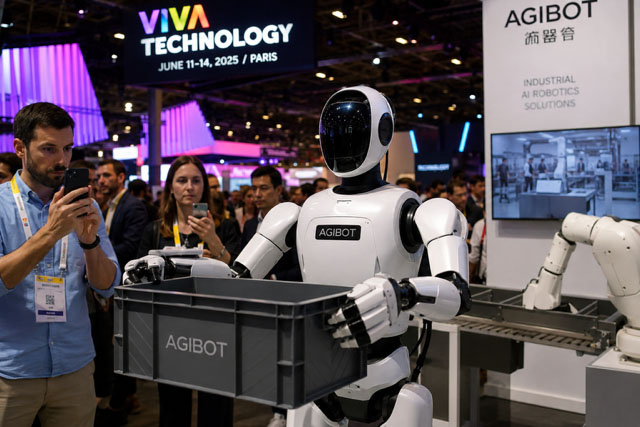
VivaTech 2026: The Year Humanoid Robots Became an Industrial Reality
VivaTech 2026, held at Porte de Versailles in Paris on June 17 and 18, marked its tenth anniversary by highlighting significant advancements in artificial intelligence and the maturation of robotics. The event showcased the growing trend of humanoid robots transitioning into industrial applications, reflecting a global shift in technology. Attendees had the opportunity to witness firsthand the innovations that are shaping the future of robotics, underscoring the industry's evolution and its increasing relevance in various sectors.
À la une IA Industrie Robotique automatisation industrielle. CNRS robotique
No Future in Industrial Leadership Without Women
In the manufacturing sector, women remain underrepresented in leadership roles, prompting an organizational consultant to launch an internal leadership program aimed at preparing female talent for operational management positions. Research indicates that diverse leadership teams in production not only contribute a wider range of perspectives but also enhance companies' resilience to global market demands and cultural complexities. The pharmaceutical company Dr. Kade Health Care exemplifies successful implementation of work-life balance and female leadership in practice. This initiative highlights the critical need for gender diversity in industrial leadership to ensure a sustainable future for the industry.
Allgemein
Reliance Industries uses AI across media, entertainment unit
A new technology has emerged that enhances content creation, personalization, audience engagement, and the establishment of innovative revenue models. This advancement, which has been developed and refined through extensive research and data analysis up to October 2023, aims to transform the way businesses interact with their audiences. By leveraging this technology, companies can tailor their offerings to meet specific consumer needs, fostering deeper connections and driving engagement. The implementation of these tools is expected to not only improve user experience but also open up new avenues for monetization in an increasingly competitive market. As organizations adopt these solutions, they will likely see a significant shift in their operational strategies and revenue generation capabilities.
Artificial Intelligence News ai India Mukesh Ambani Reliance Industries
Malaysia Reports Fallout From Iran War as Industries Get Hit
In April, the number of job losses in the country increased significantly, rising by 21% to reach 7,057 compared to March. This alarming statistic was revealed by Economy Minister Akmal Nasrullah Mohd Nasir during a recent briefing. The surge in unemployment highlights ongoing economic challenges, prompting concerns about job security and the overall health of the labor market. The government is expected to address these issues as it seeks to implement measures aimed at stabilizing employment and supporting affected workers.

VA Imaging Launches New Industrial UVC Cameras for Robotics and Embedded Vision
VA Imaging has introduced a new line of industrial UVC cameras designed for applications requiring rapid integration, reliable hardware, and industrial usability. Assembled in the Netherlands, these cameras are specifically tailored for use in OEM systems, embedded vision, robotics, and industrial imaging. The strength of this product line lies in its use of the USB Video Class (UVC) standard, allowing for easy integration into systems running on Windows, Linux, and Android without the need for complex drivers. This feature makes the cameras particularly appealing to engineers and development teams looking to prototype quickly or expand existing systems without extensive software integration. Currently, the UVC cameras are available in two variants: a 3MP version for high-speed applications and a 12MP version for scenarios where resolution is critical. This differentiation enables users to select the appropriate camera based on specific application requirements, addressing the growing demand for flexible and quickly deployable vision solutions in industries increasingly reliant on automation and robotics.
Nieuws algemeen Technologie Automatisering
Into the Omniverse: How Industrial AI and Digital Twins Accelerate Design, Engineering and Manufacturing Across Industries
Companies across various industries are increasingly leveraging industrial AI, digital twins, AI physics, and accelerated AI infrastructure to enhance their design, simulation, and optimization processes. This technological shift allows organizations to refine products, processes, and facilities in a virtual environment before actual construction begins. By adopting these advanced tools, businesses aim to improve efficiency, reduce costs, and accelerate time-to-market for new innovations. The integration of these technologies is seen as a crucial step in staying competitive in a rapidly evolving market, enabling firms to make data-driven decisions and optimize their operations effectively.
Samsung Backs Norwegian Motor Specialist Alva Industries in Push for Humanoid Hardware
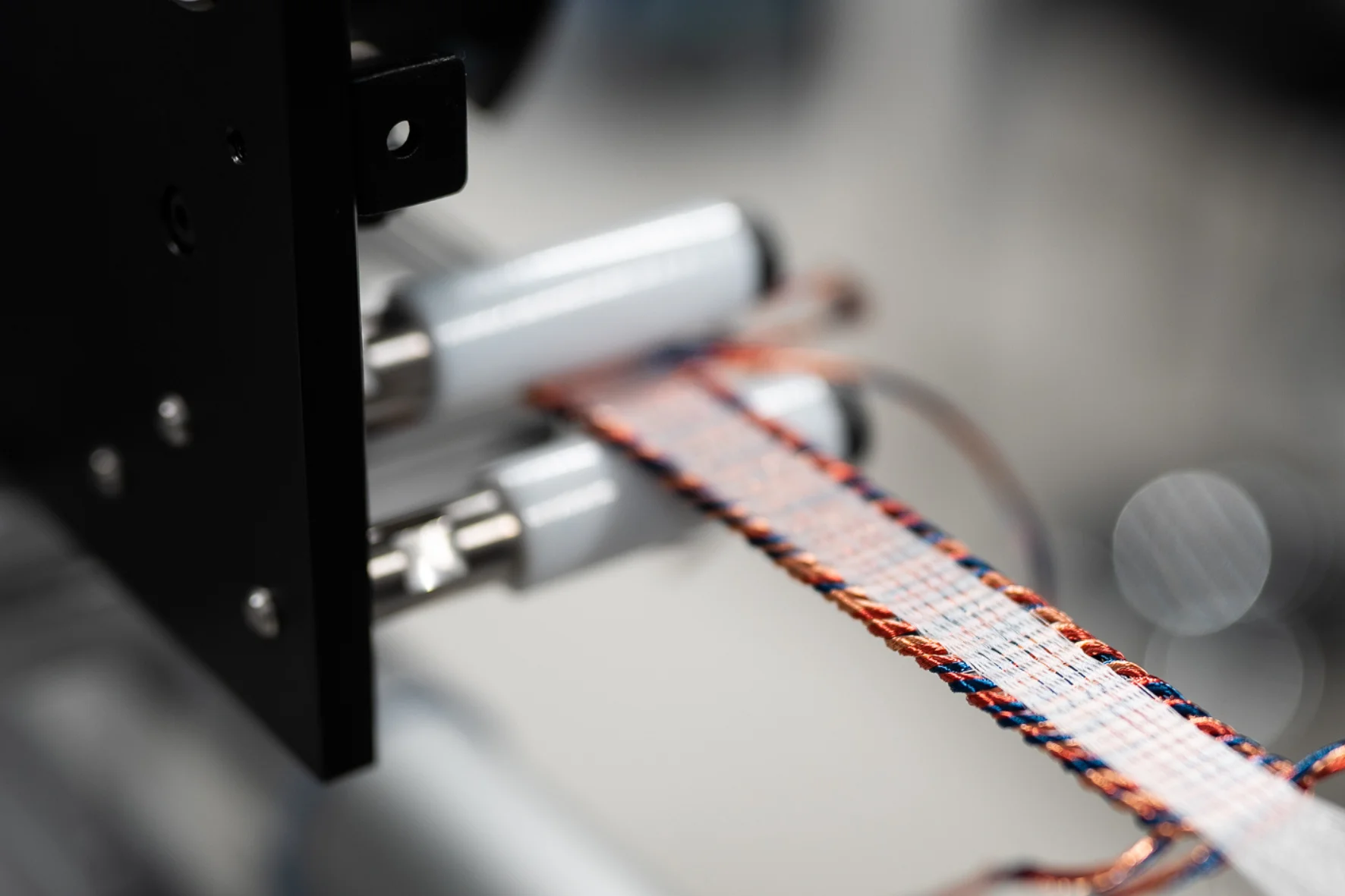
Samsung Electro-Mechanics has made a strategic investment in Alva Industries to acquire its innovative "FiberPrinting" motor technology. This technology is essential for the development of Samsung's forthcoming humanoid robotic hands. The investment underscores Samsung's commitment to advancing its robotics capabilities and enhancing its product offerings in the rapidly evolving field of robotics. By integrating this cutting-edge technology, the company aims to improve the functionality and dexterity of its robotic hands, positioning itself as a leader in the market. The collaboration with Alva Industries is expected to accelerate the development process and bring these advanced robotic solutions to market more efficiently.
South Korea Samsung Europe BusinessRobotics needs a service framework.
RSF defines a common language for robot service capability, lifecycle operations, certification pathways, and service-provider networks.
Join the RobotToday community on LinkedIn
Daily robotics news, in-depth analysis, conference highlights, and discussions with professionals worldwide.