

Industry Briefing
A single destination for timely, editor-curated robotics news from around the world.
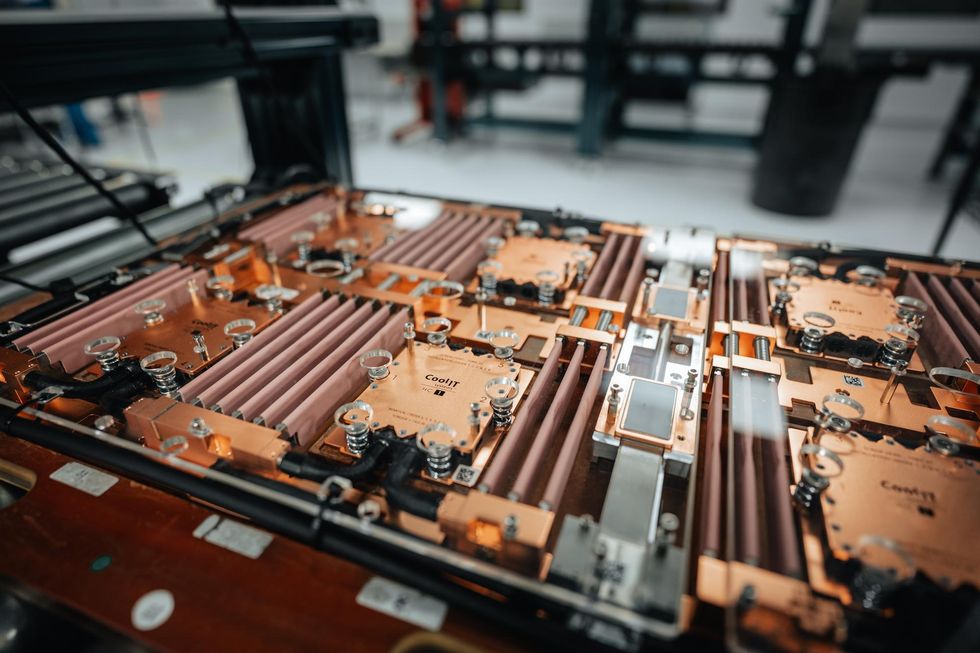
CoolIT Advances Fanless AI Servers with Near-Total Heat Capture Technology
CoolIT has introduced a near-total heat capture solution for AI servers, enabling fanless operation at densities exceeding 250 kW per rack. This innovation addresses the challenges posed by rising thermal design power (TDP) in processors, which has led to increased heat in surrounding components like memory and storage. The shift to liquid cooling is crucial as traditional air cooling becomes inadequate at high densities, creating a bottleneck in server performance. CoolIT's modular coldplate technology allows for effective heat management, ensuring that air contributes less than 1 percent to the cooling load, which is essential for the next generation of computing. Looking ahead, CoolIT's modeling suggests that near-total heat capture will become the standard for flagship rack-scale products by 2028. As rack power approaches 1 MW, the demand for efficient cooling solutions will only grow, making this technology vital for future AI server designs.
Type-sponsored Artificial-intelligence Heat Liquid-cooling Ai-data-centers Servers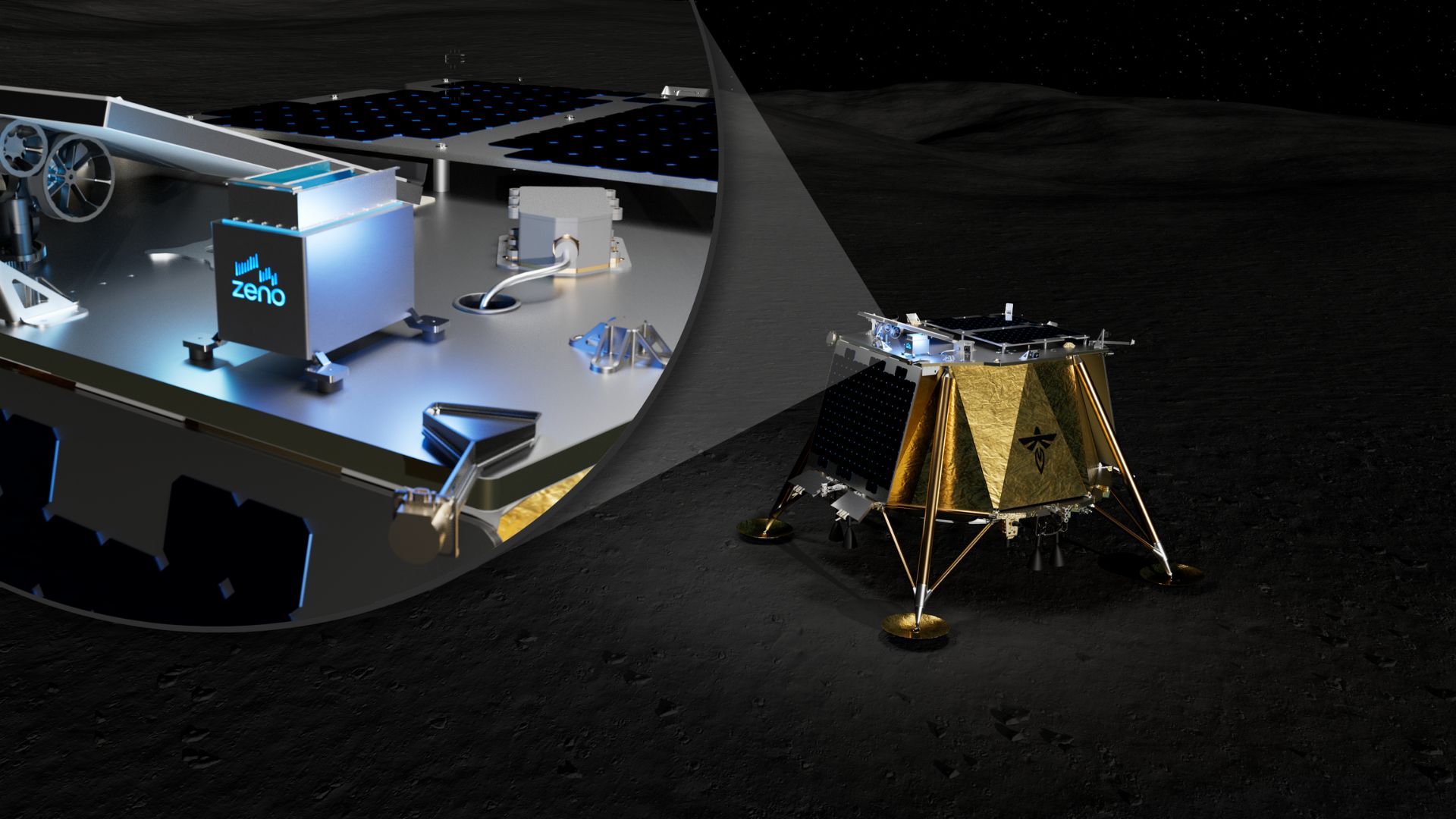
Firefly Aerospace to Test Nuclear-Powered Heating Technology on Moon by 2028
Firefly Aerospace plans to send a nuclear-powered heating technology to the Moon in 2028, aiming to test spacecraft survival during the lunar night’s extreme cold. This initiative involves Zeno Power Systems' Survive-the-Night Package, which will be launched aboard the Blue Ghost mission, addressing a significant challenge for lunar exploration. The importance of this experiment lies in its potential to ensure spacecraft can operate beyond the lunar day, where temperatures can plummet below minus 275°F. As solar-powered systems face limitations after sunset, the nuclear heating solution could be crucial for sustaining operations during the two-week lunar night, especially in permanently shadowed regions that never receive sunlight. Looking ahead, the demonstration will provide valuable data on the performance of nuclear heating technology in harsh lunar conditions. This information is vital as NASA and commercial entities aim to establish long-term lunar infrastructure and conduct missions in areas with extreme thermal environments. No further timeline was disclosed at the time of publication.
Space
AUVSI Appoints Heather Lee as Acting President and CEO Following Michael Robbins' Departure
The Association for Uncrewed Vehicle Systems International (AUVSI) has announced a leadership transition, with Michael Robbins set to depart on September 30, 2026, to lead the Semiconductor Industry Association. Heather Lee, currently the Chief Operating Officer, will assume the role of Acting President and CEO starting October 1. This transition is significant as Robbins has been instrumental in expanding AUVSI's advocacy efforts in Washington and enhancing its engagement with policymakers, contributing to a robust U.S.-based drone ecosystem. Under his leadership, AUVSI representatives testified before Congress eight times, and the organization broadened its focus on defense, commercial drones, and autonomous systems. Looking ahead, AUVSI's current policy priorities and programs are expected to continue seamlessly under Lee's guidance. The organization remains committed to its mission in the autonomous systems sector, ensuring that members and stakeholders experience consistent engagement and results during this leadership change. No further timeline was disclosed at the time of publication.
News Autonomous Systems AUVSI Drone Industry Drone Policy Green UAS
Extreme Heat Intensifies Food-Energy Challenges Across Asia
Extreme heat is increasingly impacting agriculture and energy costs across Asia, as seen in the case of a farmer in Ahmedabad, India, who struggles against rising temperatures while tending to her paddy fields. This situation highlights the interconnectedness of food production and energy consumption, with hotter climates leading to damaged crops and increased cooling expenses. The implications of this trend are significant, as it threatens food security and economic stability in the region. As cooling costs rise due to extreme heat, farmers and consumers alike face challenges in maintaining livelihoods and accessing affordable food. The situation underscores the urgent need for adaptive strategies to mitigate the effects of climate change on agriculture and energy. Looking ahead, it is crucial to monitor how these environmental changes will continue to affect food and energy systems in Asia. No further timeline was disclosed at the time of publication, but ongoing developments in climate policy and agricultural practices will be essential to watch as the region navigates these challenges.

Heatwaves Challenge Supply Chains: Adapting to Extreme Weather Conditions
This summer's heatwaves have significantly impacted supply chains across Europe, as noted by Tim Moylan, Chief Growth Officer at Infios. The soaring temperatures have disrupted travel and public infrastructure, revealing the strain extreme weather places on supply chains. Businesses must now prepare for unpredictable weather patterns, including the potential weakening of the Atlantic Meridional Overturning Circulation, which could lead to more volatile climate conditions. The immediate effects of these heatwaves are evident in retail, where products like bottled water and ice cream are flying off shelves, while delivery delays become commonplace. Warehouse managers are adjusting shifts and transport operators are rerouting deliveries to cope with the challenges posed by extreme heat. The ability to adapt quickly to these disruptions is becoming crucial for maintaining operational efficiency and meeting customer expectations. As heatwaves reshape consumer demand and create operational challenges, businesses must focus on translating accurate weather forecasts into timely decisions across various supply chain functions. The need for flexibility in warehouse operations and transport networks is paramount, as high temperatures can lead to decreased productivity and increased risks for equipment and personnel. No further timeline was disclosed at the time of publication.
Air Cargo Cold Chain Logistics Couriers and Express Electrification and Decarbonisation Magazine Features Ports & Maritime
LumiBot Secures Angel Funding to Enhance Industrial Robotic Hands with Heat Management
LumiBot, a provider of dexterous robotic solutions, has successfully completed an angel funding round amounting to tens of millions, led by Changyou Technology's investment arm. This marks the first investment from Changyou's robotics fund established in June 2026 and highlights a significant case of material companies entering the core components of humanoid robots. The funding is crucial as it reflects a shift in the investment logic of the humanoid robot supply chain, moving from a focus on motion control to enhancing the reliability of end-effectors. LumiBot's innovative heat management capabilities are pivotal for meeting industrial standards, addressing the overheating issues that have hindered the adoption of dexterous hands in factories. Looking ahead, LumiBot plans to release a flagship model with 23 active degrees of freedom in October, featuring an active cooling design that significantly improves joint temperature management. The company aims to deliver 100 to 200 units in 2026, indicating a growing demand for advanced robotic solutions that prioritize operational efficiency over mere flexibility.
Robotics Heat Management Industrial Automation AI Engineering
EU Lowers Crop Harvest Predictions Due to Record Heat Wave in June
The European Union has revised its harvest forecasts downward following the hottest June on record for Western Europe. This unprecedented heat wave poses a significant threat to various crops, including sunflowers, grain maize, and potatoes. The implications of this adjustment are substantial, as reduced crop yields could impact food supply chains and prices across the region. Farmers and stakeholders in the agricultural sector are particularly concerned about the long-term effects of climate change on crop viability and productivity. Looking ahead, it will be crucial to monitor how these changes affect agricultural practices and market dynamics. No further timeline was disclosed at the time of publication.

Qingyang Gansu Achieves 185,000P Computing Power for Digital Wheat Fields
Qingyang's national data center cluster has achieved a remarkable computing power of 185,000P, with 99% of this power dedicated to intelligent computing. This advancement supports over 700 enterprises involved in the chip-compute-model-application chain, showcasing the region's commitment to digital agriculture. The significance of this development lies in its potential to enhance agricultural productivity through advanced computing technologies. With a green power rate of 0.398 yuan per kWh, Qingyang is positioning itself as a leader in sustainable energy use within the tech sector, which is crucial for supporting the growing demand for AI applications in agriculture. Looking ahead, the focus will be on how this computing power can further drive innovations in digital agriculture and AI token demand. No further timeline was disclosed at the time of publication.
Technology
International Researchers Develop Quantum Heat Engine Utilizing Anomalous Thermal Effects
A team of researchers from Qufu Normal University, the University of Hong Kong, and the University of Palermo has discovered an anomalous thermal effect that enables quantum systems to absorb heat from colder thermal reservoirs. This finding led to the development of a quantum heat engine capable of producing mechanical work and refrigeration simultaneously, challenging classical thermodynamic principles. The significance of this research lies in its potential applications across various technologies, including quantum processors and sensors. The quantum heat engine operates on the principle of Indefinite Causal Order (ICO), allowing for unusual heat flow that defies classical expectations. This breakthrough could pave the way for innovative quantum technologies that manipulate heat and energy in unprecedented ways. Looking ahead, researchers aim to explore more realistic implementations of their quantum heat engine beyond idealized thermodynamic cycles. Future studies will focus on the impact of finite-time operations on efficiency and power output, as understanding these trade-offs is crucial for practical applications. No further timeline was disclosed at the time of publication.
Science
Chinese Researchers Develop New Tantalum Alloy for Extreme Heat Applications
Researchers from Xi’an Jiaotong University in China have created a new tantalum-based alloy that maintains its strength at temperatures up to 2,400 degrees Celsius. This breakthrough addresses significant challenges in materials science, particularly for aerospace and advanced engineering applications. The new alloy's ability to withstand extreme heat without losing structural integrity is crucial for modern technologies like hypersonic aircraft, reusable spacecraft, and advanced nuclear reactors. Traditional high-performance alloys begin to weaken around 2,000 degrees Celsius, making this development a significant advancement in high-temperature materials. Future applications of this alloy could include components for hypersonic missiles, rocket nozzles, and nuclear reactors. However, further testing is needed to ensure its economic viability and long-term performance in real-world conditions. No further timeline was disclosed at the time of publication.
Military
Advanced 4D Radar Odometry Utilizing Heatmap Feature Encoding and Spatiotemporal Attention Network
A new method for 4D radar odometry has been introduced, focusing on heatmap feature encoding and a spatiotemporal attention network. This innovative approach aims to enhance the accuracy and reliability of radar-based navigation systems. The significance of this development lies in its potential to improve autonomous navigation in complex environments. By integrating heatmap features and attention mechanisms, the method addresses challenges faced by traditional radar odometry techniques, making it a crucial advancement in the field. Looking ahead, researchers and industry professionals should monitor the implementation of this technology in real-world applications. Its effectiveness in various scenarios will be key to determining its impact on future radar navigation systems. No further timeline was disclosed at the time of publication.
RESEARCH ARTICLE
Persona AI's Gen 1 Humanoid Tests Under Armour Footwear in Houston's Heat
Houston-based Persona AI has taken its Gen 1 humanoid robot for a walk outside its corporate offices, showcasing its capabilities in real-world conditions. CEO Nicolaus Radford shared a video of the bipedal robot navigating a brick pathway, demonstrating its potential in automated labor. This outdoor test is part of a collaboration with Under Armour to develop specialized footwear for humanoids, focusing on thermal regulation and traction. The testing aims to gather data on the robot's performance in extreme heat, which is crucial for heavy-industry applications. Looking ahead, Persona AI is preparing for the launch of its Gen 2 humanoid, following a $27 million pre-seed funding round and a partnership with HD Hyundai for bipedal welding robots. The advancements in the Gen 1 platform suggest significant improvements may be on the horizon for the upcoming model.
US Persona AI
Waymo Launches Paid Driverless Rides in New U.S. Cities as Zoox Begins Testing
Waymo has commenced paid driverless rides in Denver, San Diego, and Tampa, marking its first commercial operations in Colorado. This expansion adds to Waymo's existing fleet of over 4,000 vehicles across 14 U.S. cities, which includes the new Ojai model featuring advanced driverless technology. The growth of Waymo's services comes as Amazon's Zoox plans to initiate testing in Houston and San Diego with human supervisors. Zoox aims to establish a presence in 12 U.S. markets, although it currently lags behind Waymo in the robotaxi sector. The U.S. robotaxi market is projected to grow significantly, reaching $19 billion by 2030. Looking ahead, Waymo aims to increase its weekly robotaxi rides from over 500,000 to 1 million by the end of 2026. As the robotaxi race intensifies, the industry faces scrutiny regarding job impacts and safety concerns, particularly in challenging driving conditions.

Molex Invests in CAEPlus to Enhance Active Liquid Cooling for Data Centers
Molex, a global leader in electronics, is investing in CAEPlus to develop BoundaryCool, an active liquid cooling platform aimed at managing heat from advanced AI and high-performance computing systems. This investment is crucial as data centers face challenges from rising processor temperatures, necessitating innovative cooling solutions. The BoundaryCool system actively removes heat from GPUs, CPUs, and TPUs, offering a significant improvement over traditional passive cooling methods. By integrating with existing data center infrastructure, it allows for upgrades without the need for complete facility overhauls. This aligns with Molex's strategy to enhance thermal management in response to the growing demand for efficient cooling in high-density computing environments. Looking ahead, the collaboration between Molex and CAEPlus is set to advance the commercialization of BoundaryCool, with Molex providing engineering expertise to support the development. As the need for effective thermal management intensifies, this partnership is poised to play a vital role in meeting the cooling demands of next-generation computing technologies. No further timeline was disclosed at the time of publication.
AI and Robotics
China's Nationwide Push in Robotics and Physical AI Signals Potential Market Disruption
A leading Taipei-based think tank warns of a looming 'China shock' in the robotics sector as Beijing intensifies its efforts to dominate advanced robotics and physical AI. This initiative mirrors China's previous strategies in electric vehicles and drones, despite current shortcomings in high-end chips and precision tools. The significance of this development lies in the potential reshaping of the global technology landscape. As China aims for supremacy in next-generation robotics, the implications for international competition and supply chains could be profound, particularly for nations lagging in these technologies. Looking ahead, stakeholders should monitor China's advancements in robotics and AI, especially as the country seeks to overcome its technological deficits. No further timeline was disclosed at the time of publication.

Wheat Prices Increase as Russia and Ukraine Target Grain Export Ports
On July 30, wheat prices experienced another rise as tensions escalated between Russia and Ukraine, with both nations targeting each other's critical grain export ports. This ongoing conflict has significant implications for global food supply and pricing, particularly as both countries are major players in the grain market. The targeting of grain export hubs is particularly concerning given the vital role these ports play in the global food supply chain. The disruption of grain exports from either country could lead to increased prices and food shortages in various regions, highlighting the interconnectedness of global agriculture. As the situation develops, stakeholders in the agricultural sector should monitor the ongoing conflict closely. The potential for further escalations or retaliatory actions could impact grain prices and availability in the coming weeks. No further timeline was disclosed at the time of publication.

NASA's Juno Probes Io's Subsurface Heat, Revealing Insights into Volcanic Activity
NASA's Juno spacecraft has successfully measured temperatures beneath the surface of Jupiter's moon Io, marking the first time scientists have glimpsed the hidden heat that drives its intense volcanic activity. During close flybys in late 2023 and early 2024, Juno's Microwave Radiometer (MWR) instrument probed depths of two to six meters, uncovering temperature increases of over 40 degrees Fahrenheit just below the surface. This groundbreaking discovery has significant implications for understanding volcanic processes on Earth. Scott Bolton, Juno's principal investigator, noted that similar MWR techniques could reveal subsurface temperature gradients near terrestrial volcanoes, enhancing our knowledge of how they function. The findings also indicated that Io's surface is largely smooth and covered with low-density materials, suggesting a continuous resurfacing process driven by volcanic activity. Looking ahead, the insights gained from Juno's observations could improve eruption forecasting on Earth and enhance our understanding of tidal heating across the cosmos. The techniques used could also aid in the exploration of icy moons like Europa and Ganymede, where subsurface oceans may exist, potentially harboring conditions suitable for life. No further timeline was disclosed at the time of publication.
Jupiter Astronomy Solar System
University of Toronto Engineers Develop Six New Metal Alloys for Extreme Environments
Researchers at the University of Toronto Engineering have created six innovative metal alloys using an AI-driven discovery platform. These alloys are designed to enhance the durability of components in jet engines and nuclear reactors, capable of withstanding temperatures exceeding 1,832°F. The AI-assisted approach significantly accelerates the identification of high-performance materials, demonstrating the potential for rapid advancements in material science. The significance of this development lies in the growing demand for materials that can endure extreme temperature and pressure fluctuations, which are common in applications like jet engines and nuclear power plants. Yu Zou, the project leader, emphasized the need for materials that can be produced through 3D metal printing, allowing for the creation of complex components that traditional manufacturing methods cannot achieve. Looking ahead, the researchers aim to further refine their AI-driven system to explore additional material compositions. No further timeline was disclosed at the time of publication, but the initial success in identifying six new alloy formulations suggests a promising future for advanced materials in extreme environments.
AI and Robotics Energy Innovation
GeForce NOW Launches New Toronto Server Powered by GeForce RTX 5080
GeForce NOW has announced the launch of a new server powered by the GeForce RTX 5080 in Toronto, enhancing its cloud gaming capabilities. This upgrade aims to provide users with improved performance and a wider selection of games, reflecting the growing demand for high-quality cloud gaming solutions. The new server is part of GeForce NOW's ongoing expansion strategy to enhance user experience and accessibility in various regions. The introduction of the RTX 5080 server is significant as it represents a step forward in cloud gaming technology, offering dedicated high performance that can accommodate more demanding gaming titles. This move aligns with the increasing trend of gamers seeking seamless and high-quality experiences without the need for expensive hardware. By enhancing its infrastructure, GeForce NOW is positioning itself to compete more effectively in the rapidly evolving cloud gaming market. Looking ahead, GeForce NOW may continue to expand its server network to other regions, although no further timeline was disclosed at the time of publication. The company is likely to monitor user feedback and performance metrics to inform future upgrades and expansions, ensuring they meet the needs of their growing user base.

Starmind's Satellite Technology Achieves 880 Billion Liters in Annual Water Savings
Starmind has announced that its satellite technology can save approximately 880 billion liters of cooling water annually at full scale. This figure is equivalent to the annual household water use of around 6.5 million Americans. The technology operates by utilizing a closed-loop liquid cooling system that eliminates the need for water during its operational life, contrasting sharply with traditional ground data centers that consume vast amounts of water for cooling. The significance of this achievement lies in the growing water consumption crisis faced by data centers, particularly as AI expansion drives demand. In 2025, U.S. data centers consumed nearly one trillion liters of water, highlighting the urgent need for sustainable solutions. Starmind's approach not only addresses direct water usage but also avoids indirect water consumption associated with electricity generation, marking a substantial shift in how computing can be conducted in a resource-efficient manner. Looking ahead, Starmind's deployment strategy includes a projected buildout of 100 GW of orbital compute per year, which could displace an additional 735 billion liters of ground water demand annually. The first tranche of 10,000 satellites is already operational, offsetting approximately 8.8 billion liters of water per year. No further timeline was disclosed at the time of publication.

SpaceX Unveils AI1 Satellite Specs for Starmind Constellation with Key Thermal Challenges
SpaceX has introduced the AI1 satellite, the inaugural component of its Starmind constellation, which stands 20 meters tall and has a wingspan of 70 meters. This orbital compute node is designed to deliver computing power equivalent to one NVIDIA GB300 server rack, utilizing a unique cooling system with deployable liquid radiators. The satellite's specifications were revealed during a presentation on June 8, 2026, ahead of SpaceX's IPO. The significance of the AI1 satellite lies in its role as a compute platform rather than a traditional satellite, focusing on running AI inference workloads. The satellite's cooling system, which is critical for its operation in the vacuum of space, is designed to reject heat through infrared radiation. However, independent engineers have raised concerns about the feasibility of the thermal and mass claims made by SpaceX, suggesting that the cooling requirements may exceed practical limits. Looking ahead, SpaceX plans to launch two AI1 prototypes in early 2027, with full-scale production expected to commence later that year at its Gigasat facility in Bastrop, Texas. The ongoing debate regarding the satellite's thermal management capabilities will be crucial to monitor as the project progresses, with no further timeline disclosed at the time of publication.
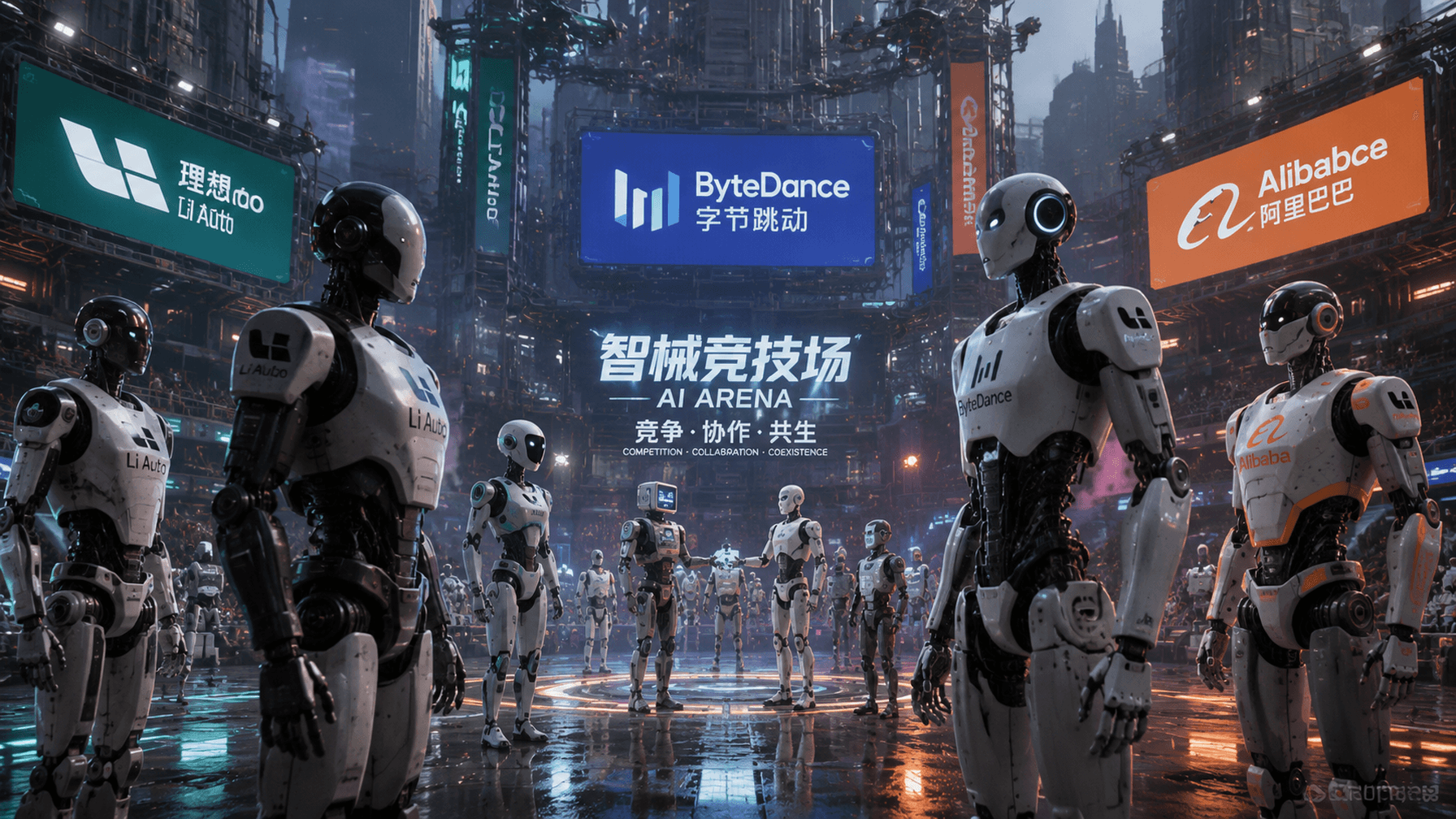
Tech Giants Flood Into Embodied Intelligence as the Battle Heats Up
Li Auto, Alibaba, and ByteDance are among the major players entering the rapidly evolving field of embodied intelligence, a sector focused on the development of humanoid robots. According to a recent report by Morgan Stanley, the market for these robots is expected to see significant growth, with projections estimating sales to reach 2.8 million units in China by 2026. This surge in interest from prominent tech companies highlights a growing recognition of the potential applications and benefits of humanoid robots in various industries. The race to innovate in this space is driven by advancements in artificial intelligence and robotics, as companies seek to leverage these technologies for enhanced automation and efficiency. As the competition intensifies, the landscape of embodied intelligence is poised for transformative changes that could reshape how businesses operate and interact with consumers.
Industry
Why everyone from OpenAI to SpaceX is building their own chips (and turning up the heat on Nvidia)
Nvidia, a leader in the AI chip market, may soon face increased competition as OpenAI announces its development of a new custom inference chip named Jalapeño, in collaboration with Broadcom. This strategic move comes as OpenAI joins a growing list of tech giants, including Google, Apple, and SpaceX, who are seeking to reduce their reliance on a single supplier for critical technology. The initiative reflects a broader industry trend aimed at diversifying chip sources to mitigate risks associated with dependence on Nvidia. OpenAI's plans signal a significant shift in the competitive landscape of AI hardware, potentially reshaping the dynamics of the market.
AI a24 agility AI chips AI loops Anthropic
New ceramic solid-state battery for military, aerospace tech survives 302°F heat
A research team from Tsinghua University in China has successfully developed a compact, all-ceramic solid-state lithium-ion battery. This innovative battery design aims to enhance safety and efficiency in energy storage solutions. The announcement was made recently, highlighting the potential of this technology to address common issues associated with traditional lithium-ion batteries, such as flammability and limited lifespan. By utilizing an all-ceramic structure, the researchers believe they can significantly improve the performance and stability of batteries, making them more suitable for various applications, including electric vehicles and portable electronics. The team's work represents a significant advancement in battery technology, driven by the growing demand for safer and more efficient energy storage options in an increasingly electrified world.
Energy
Embodied AI Chip Market Heats Up as Multiple Players Race for Dominance
The embodied AI chip market is experiencing rapid growth as various companies compete for leadership in this emerging sector. As of October 2023, advancements in artificial intelligence and robotics have fueled the demand for specialized chips that enhance machine learning capabilities and improve efficiency in automated systems. Major tech firms and startups alike are investing heavily in research and development to create innovative solutions that cater to diverse applications, from autonomous vehicles to smart home devices. This surge in competition is driven by the increasing need for more sophisticated AI technologies that can process data in real-time and adapt to changing environments. As players in the market strive to differentiate their products, collaborations and partnerships are becoming common strategies to accelerate development and gain a competitive edge. The race for dominance in the embodied AI chip market is expected to intensify, with significant implications for the future of technology and automation.
AI
BABA Stock: The Physical AI Race Heats Up as Alibaba Releases New AI Models for Robots
Alibaba Group Holding Limited has intensified its efforts in the rapidly evolving artificial intelligence (AI) sector by launching the Qwen Robot Suite, a new collection of AI models designed for robotic applications. Announced on June 21, 2026, the suite aims to enhance robots' capabilities in understanding their environments, navigating complex spaces, and executing tasks based on natural language commands. Developed by Alibaba’s Tongyi Lab, these models are currently being tested with select customers of Alibaba Cloud, marking the company's strategic move into the burgeoning Physical AI market. This initiative comes as Alibaba seeks to establish itself as a significant player in the multi-trillion-dollar robotics industry amid increasing competition. Despite facing challenges in its stock performance, with shares down 44.8% from a 52-week high, Alibaba reported a 3% year-over-year revenue growth for the fiscal fourth quarter, driven by a 38% surge in Cloud Intelligence revenue. However, the company also experienced a sharp decline in profitability, with non-GAAP net income plummeting to $12 million from nearly $30 billion in the previous year. As Alibaba continues to invest heavily in AI infrastructure and cloud capabilities, the launch of the Qwen Robot Suite reflects its commitment to innovation in the face of market pressures and evolving consumer demands.

Brain-Computer Interfaces: The Next Cheating Tool After Smart Glasses?
As the 2026 college entrance exam in China draws near, authorities are increasingly concerned about the potential use of smart glasses as cheating devices. In response, several regions have issued warnings prohibiting the wearing or bringing of such technology into exam venues. This move underscores the ongoing challenges related to exam security in an era of rapidly advancing technology. Additionally, while brain-computer interfaces (BCIs) have not yet emerged as a practical tool for cheating, their development prompts significant ethical considerations regarding the intersection of technology and education.
Brain-Computer Interfaces Exam Security Educational Technology Cheating Prevention
US firm launches hypersonic coating that holds up to 800°F in extreme heat zones
Cambium, a U.S. aerospace defense company, has unveiled its latest innovation, the ApexShield 3000, a high-temperature coating engineered to enhance the durability and performance of aerospace components. This announcement was made during a press conference held on October 15, 2023, at the company's headquarters in Arlington, Virginia. The ApexShield 3000 is designed to withstand extreme temperatures, addressing the growing demand for advanced materials in the aerospace sector. By improving resistance to heat and wear, this coating aims to extend the lifespan of critical components, thereby increasing safety and efficiency in aerospace operations. The development of ApexShield 3000 reflects Cambium's commitment to advancing aerospace technology and meeting the evolving needs of the industry.
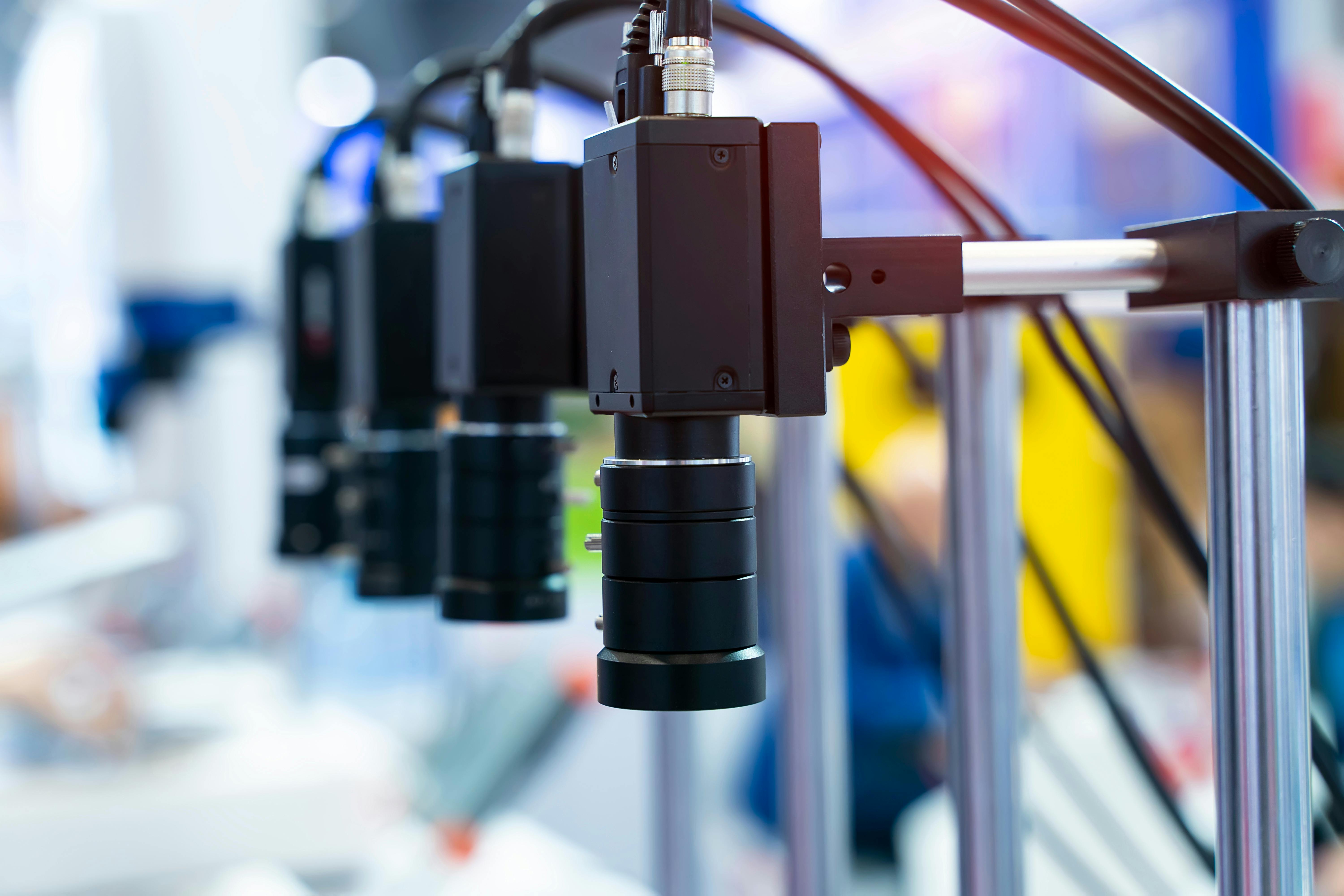
How Industrial Vision Systems Beat Dust, Heat and Vibration to Stay Sharp on the Factory Floor
Engineers and operators in the manufacturing sector are addressing environmental threats to machine vision cameras, which can compromise system accuracy and lead to operational downtime. To mitigate these risks, experts are implementing protective measures and maintenance strategies designed to enhance the durability and reliability of these critical systems. By focusing on proactive maintenance and environmental safeguards, teams can ensure that machine vision technology continues to function effectively, even in challenging conditions. This approach not only helps maintain productivity but also extends the lifespan of the equipment, ultimately supporting the efficiency of manufacturing processes.
Factory / Sensors
New heat-pressed silk material outperforms wood, rivals Kevlar and carbon fiber
A team of researchers from Tufts University, Imperial College London, and the University of Michigan has unveiled a groundbreaking development in the field of biomedical engineering. This innovation, announced on October 15, 2023, focuses on creating a new type of biodegradable material that could significantly enhance medical implants and devices. The research aims to address the growing concern over the environmental impact of traditional plastic implants, which can take centuries to decompose. By utilizing advanced materials science, the team has engineered a substance that not only meets the necessary medical standards for safety and efficacy but also naturally breaks down in the body over time, reducing the need for surgical removal. This advancement is expected to revolutionize the way medical professionals approach implantable devices, offering a sustainable alternative that aligns with the increasing emphasis on eco-friendly practices in healthcare. The findings were published in a peer-reviewed journal, highlighting the collaborative efforts of the researchers and their commitment to addressing both health and environmental challenges. As the medical community continues to seek innovative solutions, this new biodegradable material stands out as a promising step towards more sustainable healthcare practices. The research team plans to conduct further studies to explore the full potential and applications of this material in various medical fields.
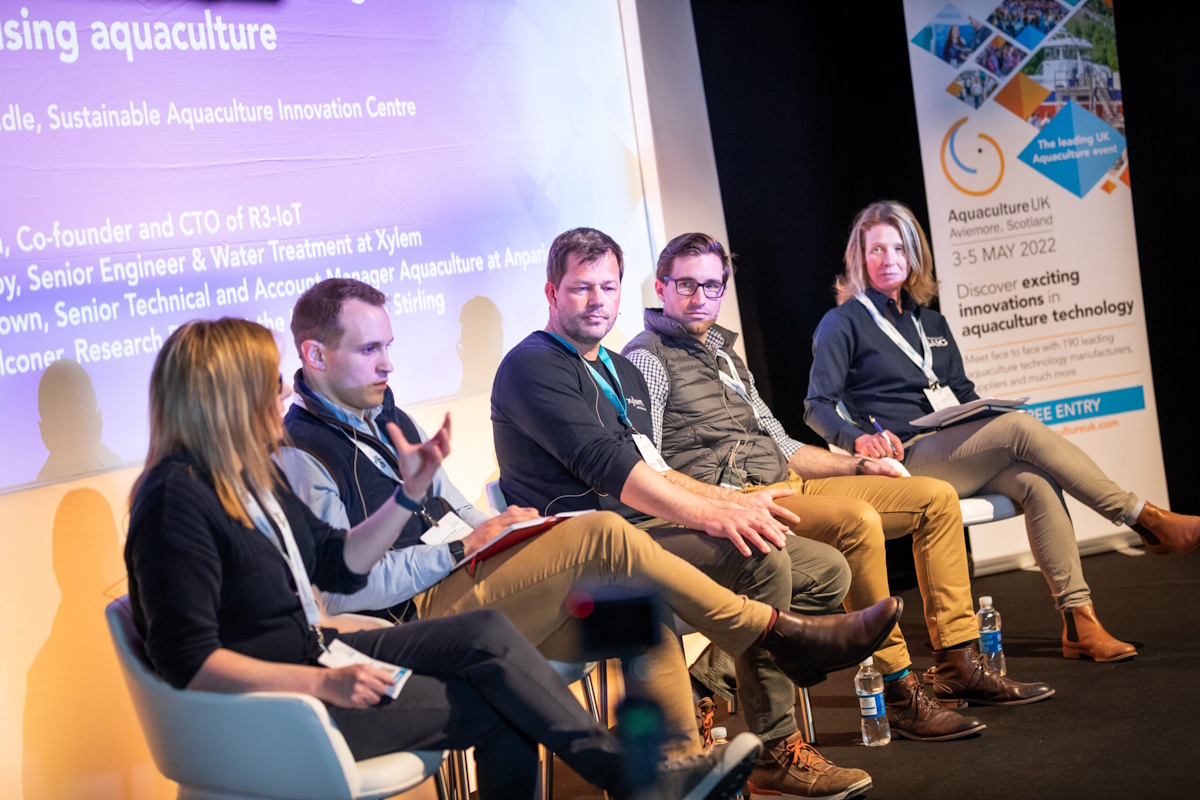
Curtains Up for Innovation Theatre at Aquaculture UK
Aquaculture UK has announced the schedule for its Innovation Theatre, highlighting the latest technological advancements in the aquaculture sector. This event will take place at the Scottish Event Campus (SEC) in Glasgow on June 16-17. The Innovation Theatre, which is free to attend, aims to showcase the rapid digitalisation and significant innovations shaping the industry. As the aquaculture community convenes for the UK's premier trade show, the programme will emphasize the transformative changes currently influencing the global market.
innovation theatre events aquaculture uk
Overheating at Amazon data center triggers massive trading outage across global markets
An Amazon Web Services (AWS) data center experienced a significant outage due to internal temperatures exceeding operational limits. The incident occurred recently, prompting immediate concerns about the reliability of cloud services provided by AWS. The data center, crucial for hosting various online services and applications, is located in a region heavily reliant on cloud infrastructure. The rise in temperatures was attributed to a combination of equipment failure and inadequate cooling systems, leading to a temporary shutdown of operations. AWS technicians swiftly responded to the situation, implementing emergency protocols to stabilize the environment and restore functionality. This incident raises questions about the robustness of AWS's infrastructure and its ability to handle extreme conditions, highlighting the importance of maintaining optimal operational standards in data management. As businesses increasingly depend on cloud services, ensuring the reliability and resilience of such facilities remains a top priority for AWS and its clients.
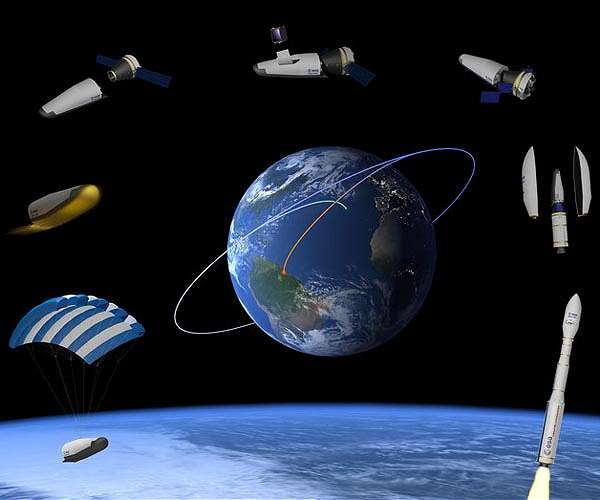
Space Rider Heat Shield and Steering Flaps Pass Plasma Wind Tunnel Trials
In a significant advancement for Europe's Space Rider program, ceramic tiles and control flaps from the reentry module have successfully passed high-temperature testing in a plasma wind tunnel. This milestone, achieved on May 4, 2026, at the Italian Aerospace Research Centre (CIRA) in Capua, Italy, marks a crucial step in qualifying the spacecraft's thermal protection and guidance systems. The rigorous testing process is essential for ensuring the spacecraft's reliability and safety during reentry, as it prepares for future missions in space exploration.

The Robot in the Box: 1X Teases NEO Delivery Logistics as Humanoid Production War Heats Up
1X Technologies is set to unveil significant details about the delivery process for its $20,000 NEO humanoid robot, following a substantial increase in manufacturing efforts by Figure. The announcement comes as the company prepares to bring its innovative product to consumers, highlighting the logistical strategies that will ensure timely and efficient delivery. This reveal is anticipated to provide insights into how 1X Technologies plans to meet consumer demand and navigate the complexities of distributing advanced robotics. The timing of this announcement aligns with the growing interest in humanoid technology and its potential applications in various sectors.
1X-technologies US NEO Bernt Børnich
India’s Snabbit closes $56M round as investor interest in on-demand home services heats up
Snabbit, a rapidly growing service provider, has significantly increased its operational capacity, now processing over 40,000 jobs daily. This expansion is part of the company's strategic move to broaden its reach across various cities and enhance its service offerings. The initiative has not only allowed Snabbit to serve a larger customer base but has also led to substantial cost reductions, enabling the company to operate more efficiently. As of October 2023, Snabbit continues to capitalize on its growth trajectory, positioning itself as a competitive player in the market.
Startups Commerce lightspeed venture partners Snabbit Susquehanna Venture Capital Mirae Asset Venture Investments
South Korea's first AI film hits theaters. But is it watchable?
In a near-future setting where artificial intelligence is integrated into everyday life, an AI-driven robot police officer targets a child it predicts will become a criminal. This premise forms the basis of "I'm Popo," which is being promoted as the first South Korean feature film created entirely with AI-generated visuals. The film, directed by Kim Il-dong, a webtoon artist making his debut in feature filmmaking, showcases a narrative that intertwines technology and societal issues. The script was crafted by Kim, who also managed the AI prompts used to generate the film's visuals. While the film utilizes AI for its imagery, it features professional voice actors for character dialogues. The story unfolds as a grieving father challenges the algorithm's judgment in court, raising questions about the implications of predictive policing and the role of AI in shaping human destinies.
All News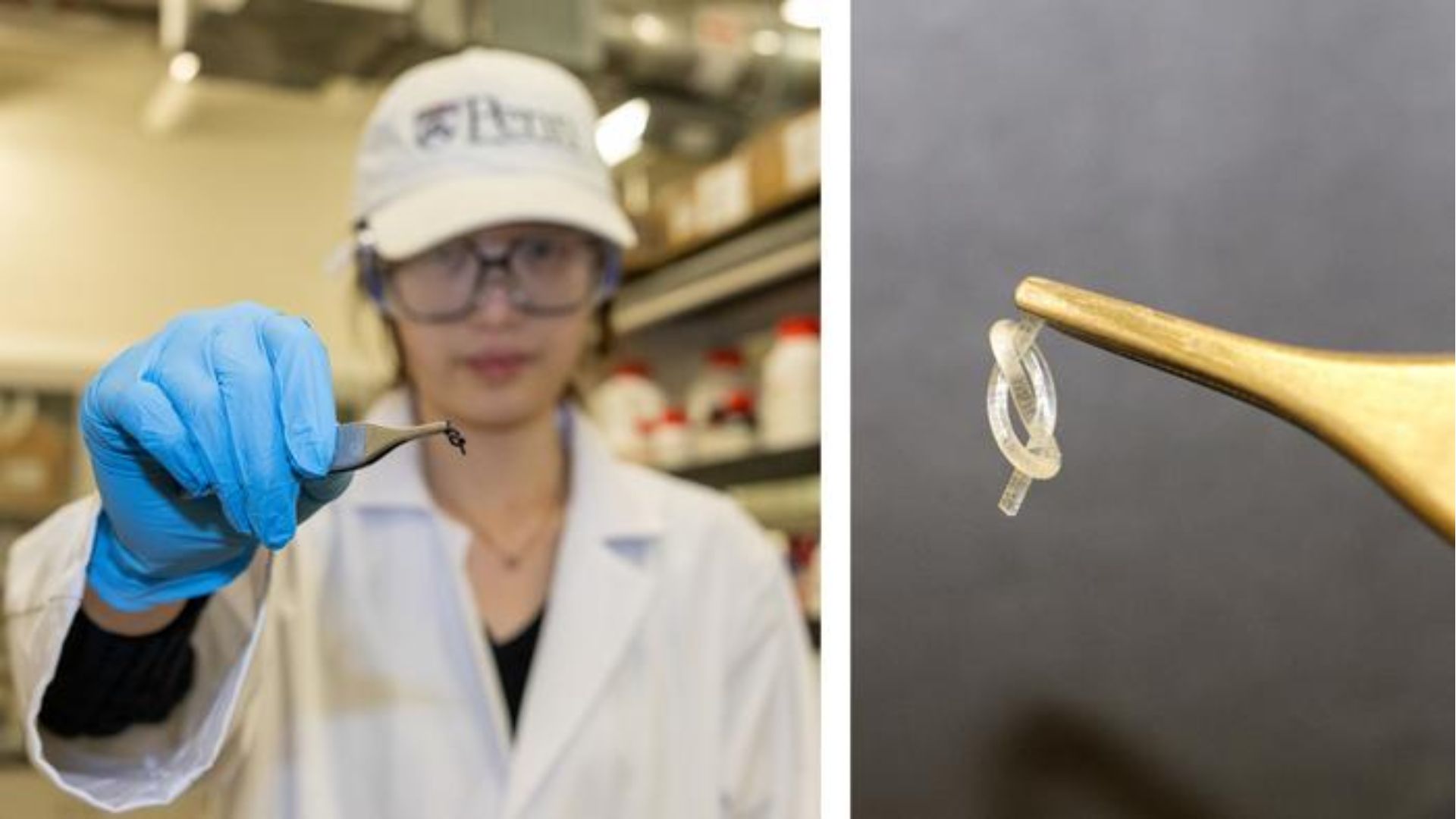
US’ heat-activated knot robots leap hundreds of times their height without electronics
Researchers at the University of Pennsylvania's School of Engineering have developed an innovative heat-activated robot using a common nuisance: a knotted string. This groundbreaking project, unveiled recently, showcases the potential of transforming everyday materials into advanced robotic systems. The team aimed to explore new avenues in robotics by harnessing the unique properties of strings that can change shape and function when exposed to heat. By strategically manipulating the knots and applying thermal energy, the researchers were able to create a robot capable of performing various tasks, demonstrating versatility and efficiency. This advancement not only highlights the ingenuity of the engineering team but also opens up new possibilities for the application of soft robotics in diverse fields, including medicine and manufacturing. The research reflects a growing trend in the engineering community to utilize unconventional materials for innovative solutions, emphasizing the importance of creativity in technological development.
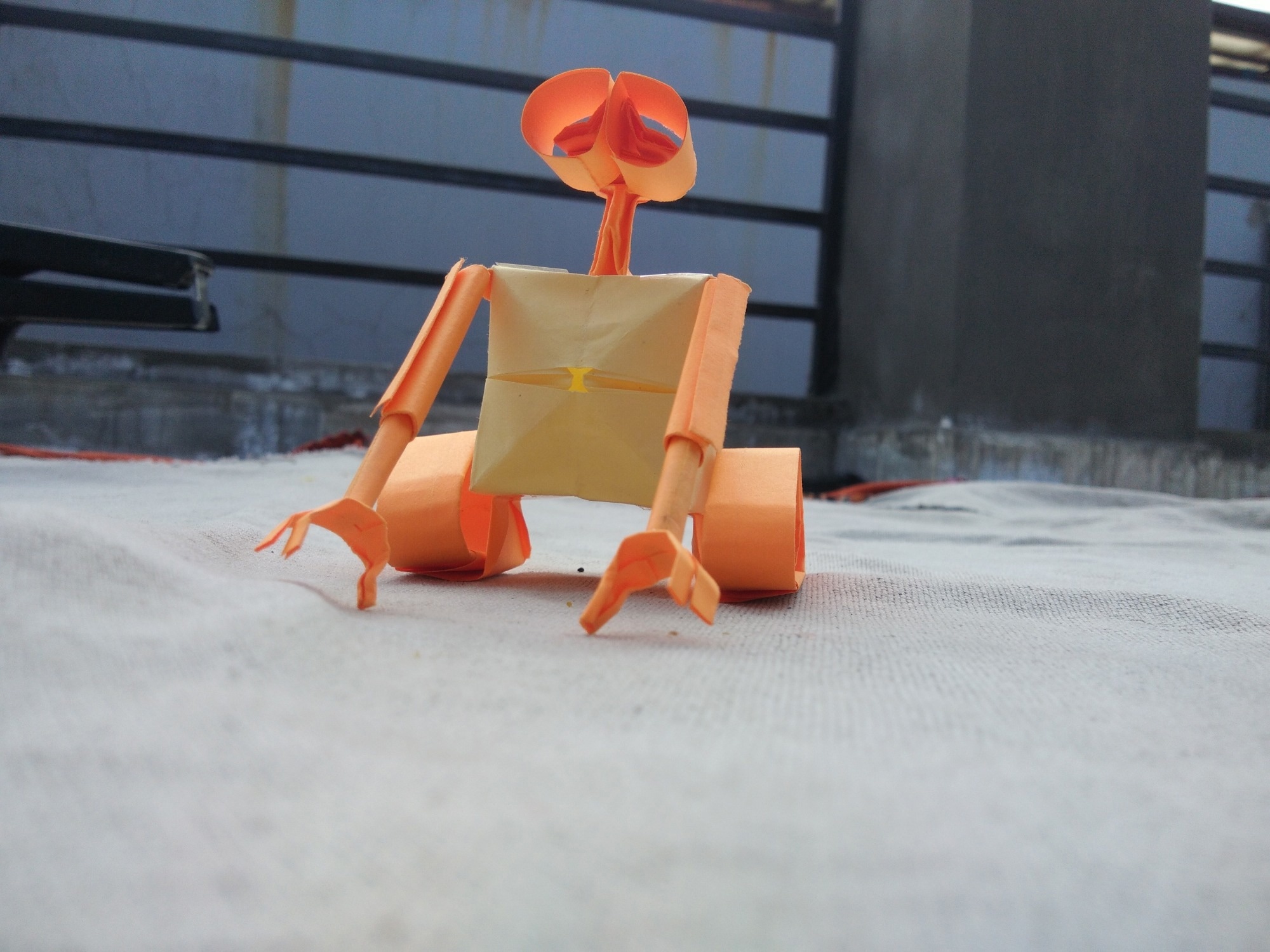
Joule Heating Enables Self-Folding Origami Robots
Researchers have developed innovative liquid crystal elastomer hinges integrated with Joule heating technology, resulting in highly adaptable origami robots. These advanced robots demonstrate exceptional actuation precision and impressive durability over numerous cycles. This breakthrough was achieved through the combination of materials science and engineering techniques, allowing for the creation of reconfigurable structures that can perform complex movements. The development aims to enhance the functionality and versatility of soft robotics, making them suitable for a variety of applications, including medical devices and environmental monitoring. The findings were published in a recent study, showcasing the potential for these robots to revolutionize fields that require flexible and resilient robotic solutions.
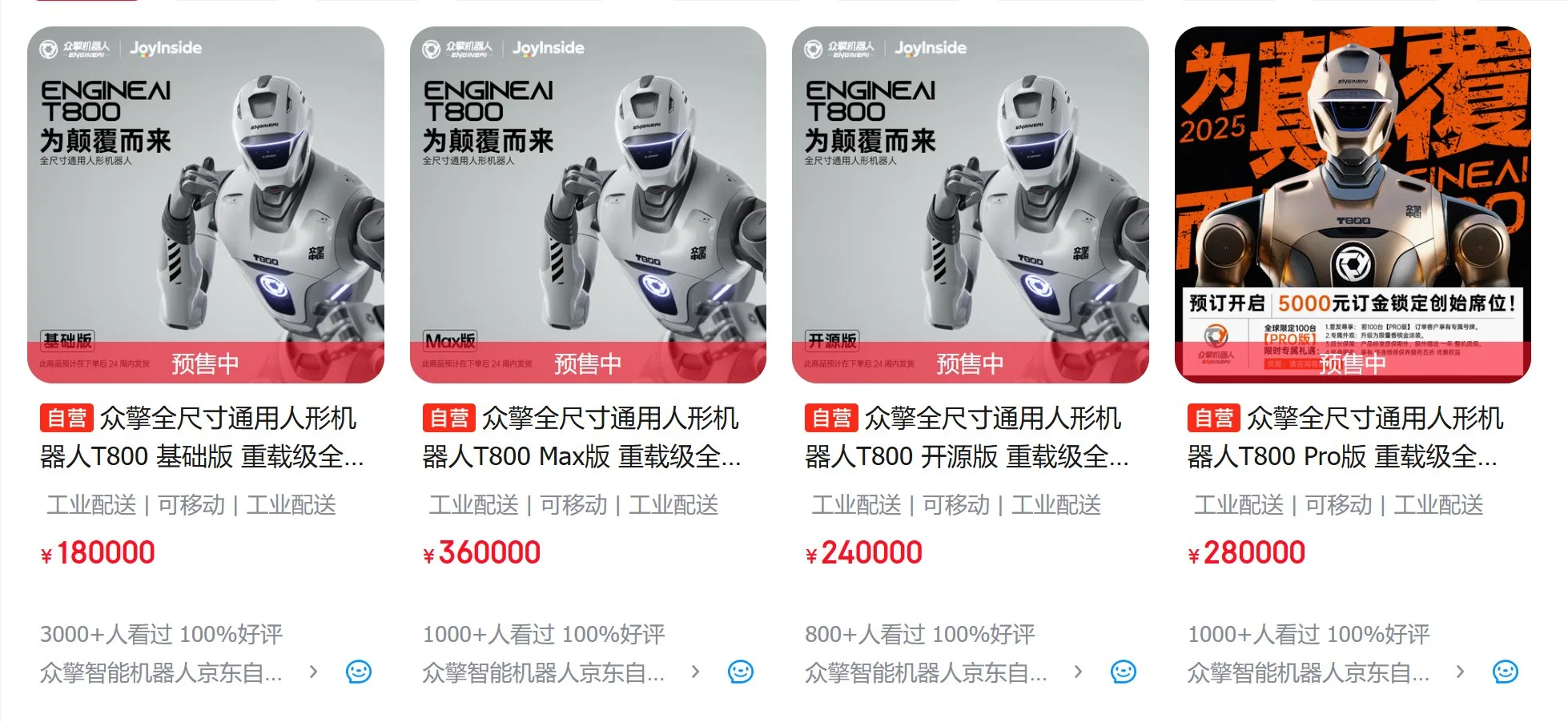
EngineAI T800 Pre-Orders Go Live at $25,000, Undercutting Competitors in a Heating Price War
A Shenzhen-based robotics company has launched its full-size humanoid robot on JD.com, implementing a competitive four-tier pricing strategy aimed at capturing market share from rival Unitree. This strategic move marks a significant step in the company's efforts to establish a stronger presence in the rapidly evolving robotics market. By offering various pricing options, the firm seeks to appeal to a broader range of consumers and businesses, enhancing its competitiveness in an industry characterized by innovation and technological advancement. The listing on JD.com, a major e-commerce platform in China, is expected to increase visibility and accessibility for potential buyers, further stimulating interest in humanoid robotics.
EngineAI T800 China
Robot Talk Episode 133 – Creating sociable robot collaborators, with Heather Knight
Claire recently engaged in a conversation with Heather Knight, a prominent figure at Oregon State University, regarding the innovative application of performing arts techniques to the field of robotics. Knight, who leads the CHARISMA Robotics research group, has an impressive academic background, holding a PhD focused on Expressive Motion for Low Degree of Freedom Robots from Carnegie Mellon University, along with both M.S. and B.S. degrees in Electrical Engineering and Computer Science from the Massachusetts Institute of Technology. This dialogue highlights the intersection of creativity and technology, exploring how artistic principles can enhance robotic movement and interaction.

Figure CEO Predicts Agility Bankruptcy in 12 Months Amid Heated X Feud
In a recent public statement, Brett Adcock of Figure asserted that the company achieved a groundbreaking milestone with what he described as the "first" autonomous deployment at BMW. This claim sparked a heated exchange within the robotics community, particularly drawing criticism from Agility Robotics, which ridiculed Adcock's assertion. In a retaliatory response, Adcock predicted that Agility Robotics would face bankruptcy, intensifying the rivalry between the two firms. The incident highlights the competitive landscape in the autonomous robotics sector, where claims of innovation and technological advancements often lead to public disputes among industry leaders.
Figure Agility Robotics
1X's NEO Launch Splits Tech World, Sparking Heated Debate on Autonomy and ''Selling the Dream''
The recent pre-order launch of the $20,000 NEO humanoid robot has sparked significant online interest, capturing the attention of both enthusiasts and skeptics within the technology sector. Scheduled for release soon, the robot's innovative design features a transparent, human-in-the-loop strategy that has garnered praise from supporters who believe it represents a major advancement in robotics. However, the initiative has also faced criticism from various industry leaders, including rival CEOs, who describe the project as an incomplete "hype reel." This division within the tech community highlights the ongoing debate over the future of humanoid robotics and the balance between innovation and practicality. As the pre-order phase progresses, the reactions from both sides will likely shape the discourse surrounding the NEO robot's eventual impact on the market.
1X-technologies teleoperation Figure MKBHD NEO
Baidu’s robotaxi push heats up with Uber deal, rental service
CAR Inc., China's largest rental car platform, has announced the integration of Baidu's robotaxis into its fleet, enabling customers to rent fully driverless vehicles at significantly reduced rates. This innovative service will be available in a major Chinese city, marking a notable advancement in the country's autonomous vehicle sector. The partnership aims to enhance mobility options for consumers while promoting the adoption of autonomous technology in everyday transportation. By leveraging Baidu's expertise in robotics and artificial intelligence, CAR Inc. is set to provide an affordable and convenient alternative to traditional car rentals, reflecting the growing trend towards automation in urban transport solutions.
Heavy Hitters News Baidu Highlight Mobility New Energy Vehicles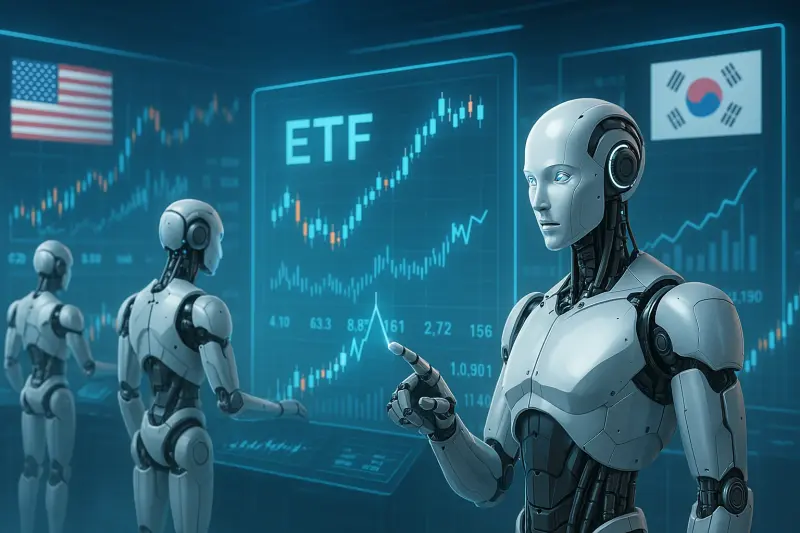
Investment in Humanoid Robotics Heats Up with Dedicated ETFs Launching in South Korea, Proposed in US
New Exchange-Traded Funds (ETFs) targeting humanoid robotics are set to launch in South Korea, with similar proposals emerging in the United States. Major asset managers, including Samsung, KB, Hanwha, and Roundhill Investments, are spearheading this initiative, reflecting a rising investor interest in companies that are pioneering the development of human-like robots and associated technologies. This trend is largely fueled by advancements in artificial intelligence and the evolving demands of the labor market. However, the move comes with recognized technical and market risks that investors must consider. The introduction of these ETFs marks a significant step in the financial sector's response to the growing potential of robotics in various industries.
Tesla Figure Boston DynamicsRobotics needs a service framework.
RSF defines a common language for robot service capability, lifecycle operations, certification pathways, and service-provider networks.
Join the RobotToday community on LinkedIn
Daily robotics news, in-depth analysis, conference highlights, and discussions with professionals worldwide.







