Industry Briefing
A single destination for timely, editor-curated robotics news from around the world.
Accenture Invests in General Robotics to Accelerate AI-Powered Autonomous Operations
Accenture Ventures has announced its investment in General Robotics, a company known for its innovative GRID platform. This platform aims to integrate robots from various manufacturers, enhancing their capabilities through deployable artificial intelligence. The collaboration seeks to advance autonomous operations within industrial settings, streamlining processes and improving efficiency. The investment reflects Accenture's commitment to fostering technological advancements that can transform industries and drive productivity. By leveraging General Robotics' expertise, the partnership is poised to facilitate a new era of automation, enabling businesses to harness the full potential of multi-manufacturer robotics in their operations.
Factory / Robotics
Accenture Invests in General Robotics to Advance Physical AI-Powered Robotics in Manufacturing and Logistics
Accenture and General Robotics have announced a strategic partnership aimed at enhancing autonomous operations in asset-intensive industries, including manufacturing and logistics. This collaboration, which involves a significant investment, seeks to leverage physical AI technologies to improve efficiency and productivity for their clients. The initiative is set to roll out in the coming months, addressing the growing demand for automation solutions in various sectors. By combining Accenture's expertise in consulting and technology with General Robotics' innovative AI capabilities, the partnership aims to drive advancements that will transform operational processes and reduce costs for businesses.
The Adcock Triad: Inside the $1M-a-Month Sprint to General Robotics
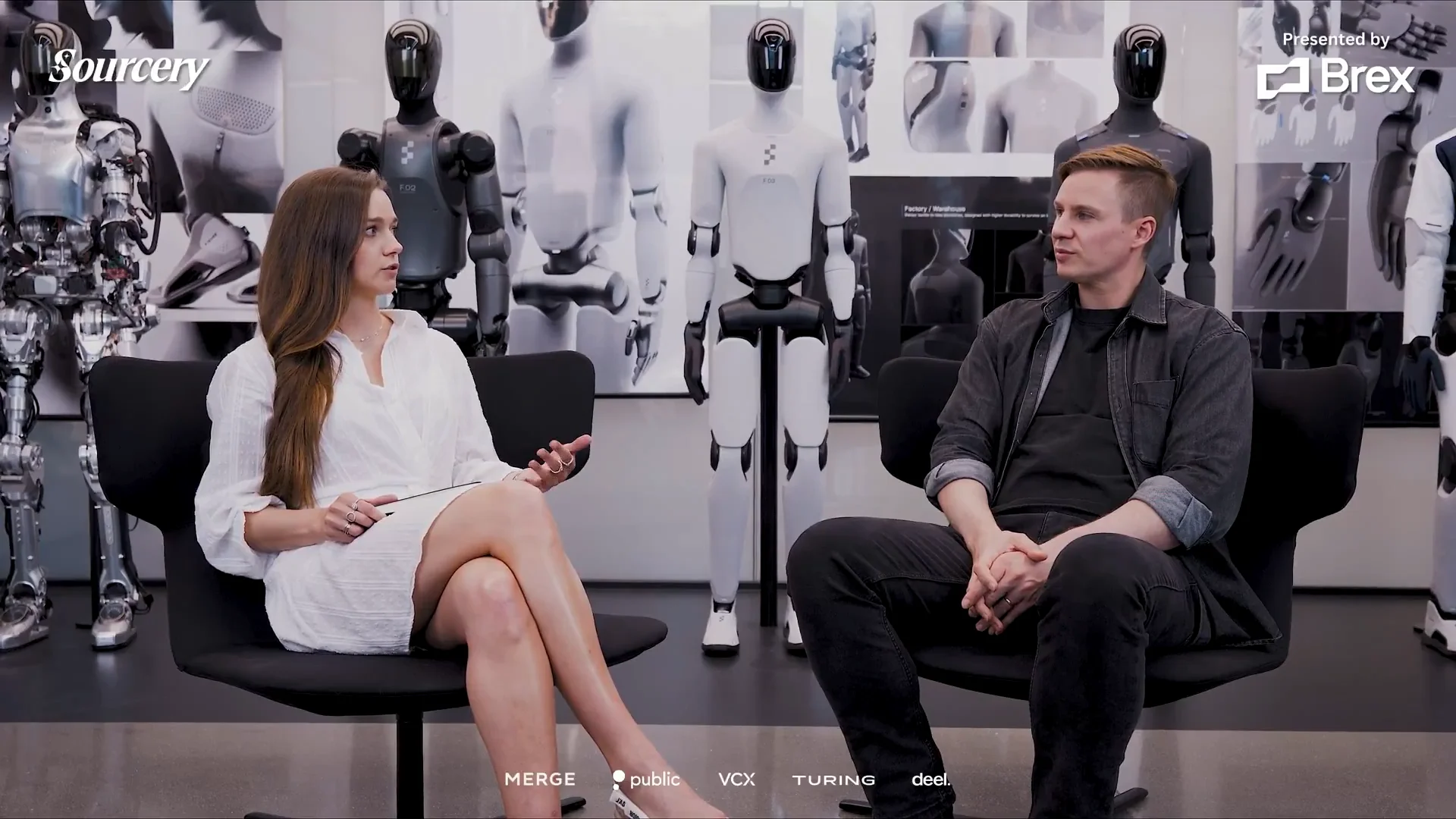
In a recent interview with Molly O’Shea, Brett Adcock, CEO of Figure, discussed the ambitious strategy behind his rapidly expanding robotics company. Adcock revealed his plans for aggressive vertical integration, which aims to consolidate various aspects of robotics development under one roof. He also addressed his decision to part ways with OpenAI, highlighting the shift in direction for his company. Adcock is currently focused on building three distinct companies simultaneously, a move he believes will enhance innovation and efficiency within the robotics sector. This interview sheds light on the future of Figure and the evolving landscape of artificial intelligence and robotics as Adcock navigates these significant changes.
Brett Adcock US Figure Figure-03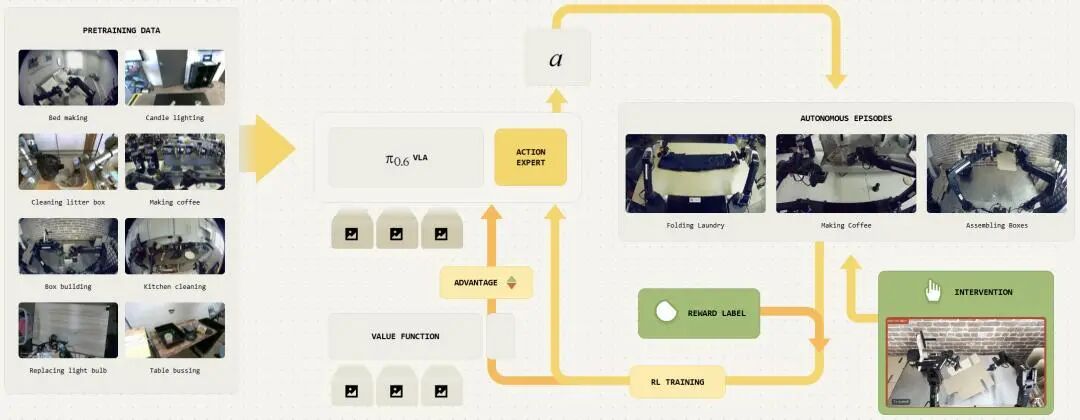
Sergey Levine, Co-founder of Physical Intelligence: Why We Need to Build a 'World-Understanding' General Robot
In a recent interview, robotics expert Sergey Levine addressed the pressing challenges and future prospects of general robotics. He highlighted the necessity for robots capable of adapting to diverse environments and performing a wide range of tasks, rather than being limited to specialized functions. Levine argued that developing a universal model for robotics could pave the way for more sustainable and efficient solutions in the industry. His insights reflect a growing recognition of the importance of versatility in robotic design, suggesting that such advancements could significantly enhance the effectiveness of robots in various applications.
General Robotics Artificial Intelligence Physical Intelligence Robotic Systems
Daoyuan Technology Partners with Galaxy General to Empower Embodied Intelligence with Automotive-Grade IMU
Daoyuan Technology has announced a strategic partnership with Galaxy General Robotics to develop automotive-grade Inertial Measurement Unit (IMU) modules. This collaboration is set to enhance the precision of speed and posture information in embodied intelligent robots. By integrating advanced IMU technology, the partnership aims to significantly improve balance control and navigation capabilities, particularly in complex dynamic environments. The initiative reflects both companies' commitment to advancing robotics technology and addressing the growing demand for more sophisticated robotic systems in various applications.
IMU Technology Embodied Intelligence Robotics Automotive Solutions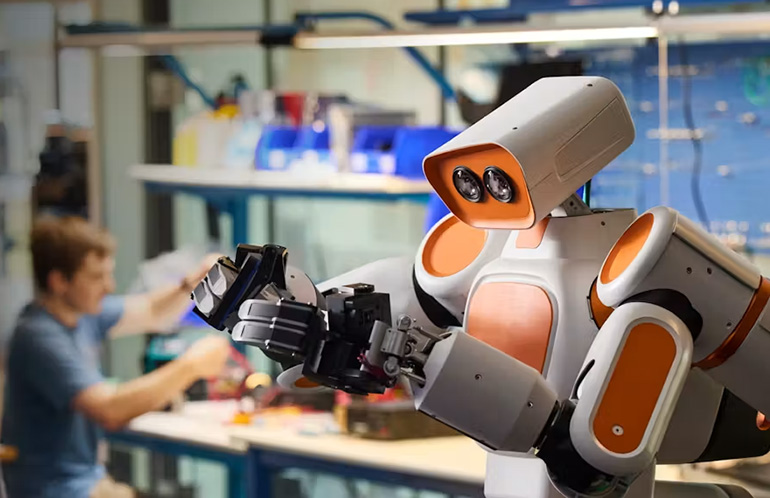
Walden Robotics Emerges with $1.1B Valuation and $300M Funding for General-Purpose Robots
Walden Robotics has officially launched with a valuation of $1.1 billion, backed by $300 million in funding. The company focuses on developing general-purpose robots that continuously learn and improve while performing real-world tasks. Co-founder Dr. Russ Tedrake emphasized the importance of understanding current manufacturing practices to deliver real value to customers. The significance of Walden Robotics lies in its innovative approach to physical AI, which has attracted attention from technology leaders. The company combines large behavior models with practical operations, allowing its robots to handle complex tasks while enhancing human capabilities. This approach aims to create a scalable business model that aligns with existing manufacturing processes. Looking ahead, Walden Robotics is set to expand its deployments, having already transitioned its robots from pilot programs to production tasks at a Toyota plant in North America within two months. No further timeline was disclosed at the time of publication.
Aerospace Artificial Intelligence Artificial Intelligence / Cognition Automotive Healthcare Robotics Humanoids
Automakers Seek Reliable Robots for Long-Term Performance Over Flashy Demonstrations
At the 2026 Embodied Intelligence Industry Integration Conference, industry leaders emphasized the need for robots that can operate reliably for extended periods without errors. Executives from companies like Beijing Galaxy General Robotics and Changan Automobile highlighted that automakers prioritize robots capable of consistent performance over flashy capabilities. The discussion revealed that many applications in automotive manufacturing, such as material handling and quality inspection, still lack effective solutions. High labor intensity and safety concerns drive the demand for robots that can maintain precision and efficiency over long operational hours, as noted by industry experts. Looking ahead, the focus will shift towards developing adaptable robots that can quickly integrate into various factory layouts without extensive reprogramming. The concept of 'Design for Robot' was introduced, aiming to reshape factory processes around robotic capabilities. No further timeline was disclosed at the time of publication.
Industrial Robotics Manufacturing Automation Automotive Technology Robotic Process Automation
Walden Robotics Emerges with $300 Million Funding to Deploy General-Purpose Robots
Walden Robotics has officially launched, securing $300 million in funding to develop and deploy general-purpose robots. This funding round, co-led by Toyota and Deviation Capital, values the company at $1.1 billion and includes participation from notable investors such as NVIDIA, Boeing, and Samsung Ventures. The significance of this launch lies in Walden Robotics' focus on creating full-stack Physical AI solutions that enable robots to learn and adapt while performing real-world tasks. This approach positions the company to meet the growing demand for versatile robotic solutions across various industries, enhancing operational efficiency and productivity. Looking ahead, industry observers should monitor Walden Robotics' progress in deploying its general-purpose robots and the potential impact on sectors that require automation. No further timeline was disclosed at the time of publication.
What Makes Haidian an 'Innovation Hub' in the Field of Embodied Intelligence Amidst Capital Frenzy?
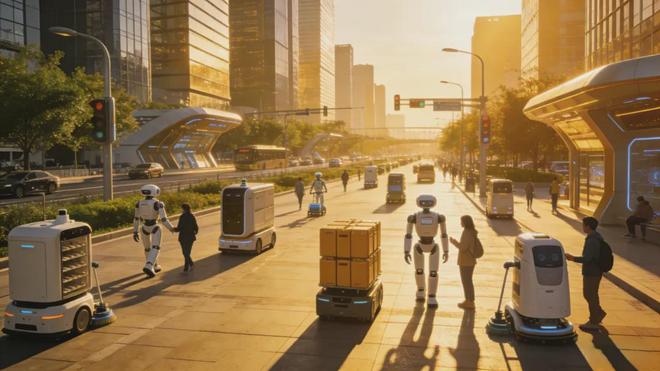
Haidian District is witnessing a notable increase in investment focused on embodied intelligence, highlighted by significant funding secured by companies such as Galaxy General Robotics and Xiaoyu Intelligent Manufacturing. This surge in financial backing is attributed to the district's robust ecosystem, which fosters technological innovation and attracts investors. The influx of capital reflects a growing interest in advanced robotics and intelligent manufacturing solutions, positioning Haidian as a key player in the tech industry. As these companies expand their operations, the district is likely to enhance its reputation as a hub for cutting-edge technology and innovation.
Embodied Intelligence Investment Trends Robotics AI Technology
X Square Robot Develops Integrated Stack for General-Purpose Robotics
X Square Robot, a Chinese company focused on embodied AI, is pioneering an integrated stack for general-purpose robots. This stack combines data learning, a world model for predicting physical changes, and an action model that integrates perception, planning, reasoning, and decision-making. The company emphasizes the importance of quality interaction data over sheer quantity, utilizing its Universal Manipulation Interface (UMI) to enhance data collection. The significance of X Square Robot's approach lies in its potential to unify various aspects of robotic intelligence, addressing the fragmented nature of current systems. By prioritizing interaction quality and establishing a closed inspection loop for data validation, the company aims to create a more effective learning environment for robots. This method not only reduces costs but also enhances the reliability of the training data, which is crucial for developing general-purpose robots capable of performing diverse tasks. Looking ahead, X Square Robot's WALL-WM world model represents a shift towards event-based action prediction, allowing for more coherent and context-aware robotic behavior. As the company continues to refine its models and data collection methods, the broader robotics community will be watching for independent validation of its results and the potential implications for the future of general-purpose robotics.
Home-robots Type-sponsored Large-language-models Embodied-intelligence Ai-robots Robot-learning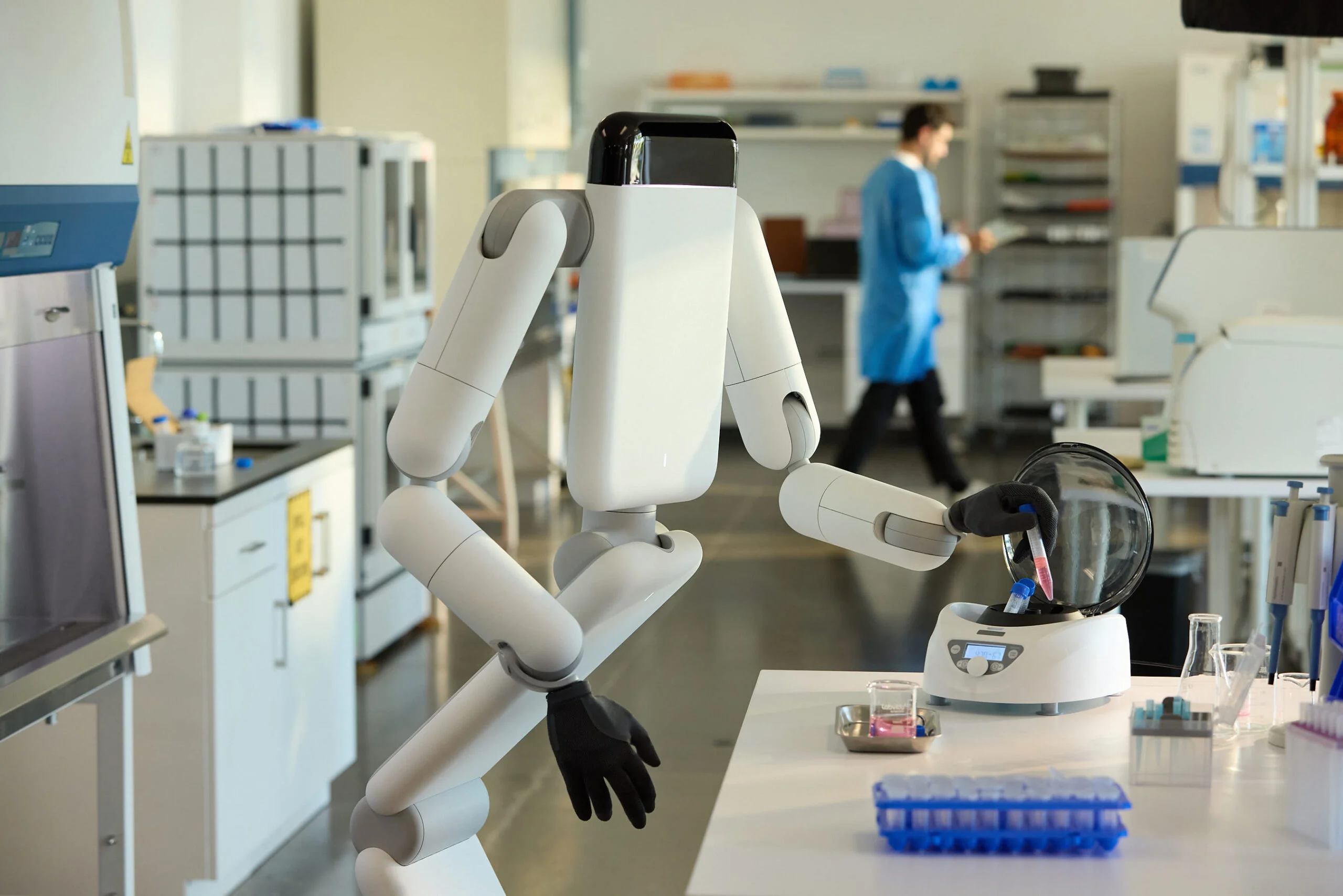
Genesis AI and LG CNS Enter Strategic Partnership to Scale General-Purpose Robotics Across Enterprise Operations
Genesis AI and LG CNS have announced a long-term partnership aimed at assessing and implementing general-purpose robots in manufacturing and logistics sectors across the United States. This collaboration seeks to provide companies globally with a streamlined approach to adopting robotics on an enterprise scale. Zhou Xian, co-founder and CEO of Genesis AI, emphasized the significance of this partnership in facilitating the deployment of advanced robotic solutions. The initiative reflects a growing trend towards automation in various industries, driven by the need for efficiency and innovation in operational processes.
AI AI Funding & Investment AI Use Cases Robotics genseis AI industrial robotics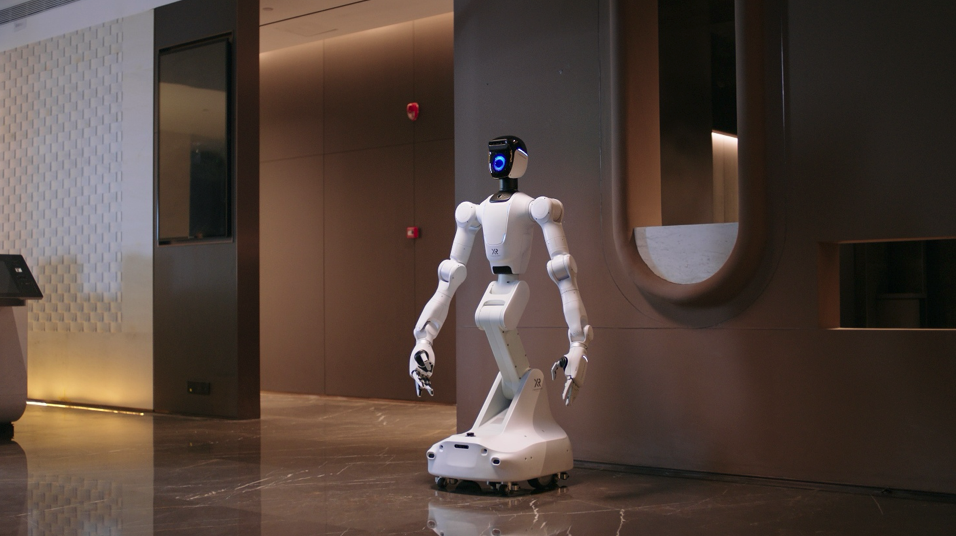
X Square Robot builds a full-stack approach to embodied AI and general-purpose robotics
The robotics industry is undergoing a transformation due to the swift advancement of embodied artificial intelligence, prompting companies to innovate machines that can tackle diverse real-world tasks instead of being limited to single functions. Notably, Shenzhen-based X Square Robot has emerged as a key player in this competitive landscape, successfully completing four consecutive financing rounds. This funding achievement underscores the growing interest and investment in versatile robotic technologies, as firms strive to enhance their capabilities and meet the increasing demand for intelligent automation solutions.
Business Features Robotics artificial intelligence Artixon china robotics
Japan Allocates $2.4 Billion for 27,500 NVIDIA Rubin Chips to Establish National Robotics Initiative
On July 16, the Japanese government announced a plan to purchase 27,500 next-generation Rubin architecture AI chips from NVIDIA, totaling approximately $2.4 billion. This initiative aims to build a national AI data center and develop domestic robotics foundational models, marking one of the largest national GPU procurements globally. The project is coordinated by Noetra Corp., a policy-driven AI company set to launch in January 2026, with participation from major Japanese firms like Sony, SoftBank, NEC, and Honda. The Rubin chips will be deployed in a large data center in Sakai City, Osaka, with operations expected to begin in June 2028. Noetra aims to release its first general AI model by March 2027, followed by specialized AI models for robotics applications. Japan's investment reflects its response to ongoing demographic challenges and labor shortages. NVIDIA's CEO emphasized the potential for automation and AI to revitalize the economy. The Japanese government has set a goal to capture over 30% of the global robotics market by 2040, with the Rubin order being part of a broader strategy to reduce reliance on foreign technology and enhance national security.
AI Chips Robotics National AI Strategy Data Centers
Robotics Sector Shines as A-Shares Open Lower with Over 3100 Stocks Declining
On July 17, A-shares opened lower with the Shanghai Composite Index down by 0.44% and over 3100 stocks declining. Despite the market drop, the robotics sector emerged as a bright spot, particularly during the ongoing 2026 World Artificial Intelligence Conference (WAIC) in Shanghai, where 60 full-sized humanoid robots are performing public service tasks. This development is significant as it highlights the growing commercialization of humanoid robots, which are transitioning from mere exhibits to active participants in public service roles. According to Guolian Minsheng Securities, the humanoid robot industry is entering a phase characterized by accelerated large-scale manufacturing, continuous expansion of application scenarios, and upgrades in embodied intelligence. Looking ahead, the focus will be on whether the robotics sector can maintain its momentum amidst a generally declining market. The WAIC is expected to further stimulate interest in robotics, while NVIDIA's collaboration with major Japanese industrial automation firms to advance physical AI could also influence market dynamics. No further timeline was disclosed at the time of publication.
Robotics AI Industrial Automation Humanoid Robots
Xiaomi Launches Xiaomi-Robotics-U0 Foundation Model for Embodied AI Applications
Xiaomi has introduced the Xiaomi-Robotics-U0, a multimodal autoregressive foundation model featuring 38 billion parameters for embodied AI. This innovative model integrates four essential capabilities: embodied scene generation, embodied transfer, robot interaction video generation, and general-purpose image generation and editing. The significance of the Xiaomi-Robotics-U0 lies in its ability to create robot-ready environments from text prompts, adapt robot trajectories to new scenes while maintaining motion, and generate robot interaction videos based on task instructions. This advancement leverages extensive visual knowledge from the internet, enhancing the potential for embodied AI applications. Looking ahead, the impact of the Xiaomi-Robotics-U0 on the robotics and AI landscape will be closely monitored. Its capabilities could pave the way for more sophisticated robotic systems and applications, although no further timeline was disclosed at the time of publication.
News Feed
Xiaomi Robotics Launches Open Source U0 Model with Significant Performance Enhancements
On July 15, Xiaomi Robotics unveiled the open-source Xiaomi-Robotics-U0, a multimodal autoregressive foundational model with 38 billion parameters. This release follows the introduction of the VLA model Xiaomi-Robotics-0 in February, marking a significant advancement in embodied intelligence. The code and model weights are now available on GitHub, HuggingFace, and the Modao community. The importance of the U0 model lies in its ability to generate vast amounts of training data in virtual environments while receiving high-density validation feedback from real-world factory lines. The model achieved a success rate of 98% in dual-side operations at a car factory, just 1% shy of human performance. U0's design allows for efficient multi-task training without compromising the general visual understanding and spatial reasoning inherited from large-scale pre-training. Looking ahead, U0's capabilities in generating training data for embodied tasks present a controlled and efficient solution for enhancing model performance. Its integration with real-world validation processes at Xiaomi's automotive factory creates a robust feedback loop, ensuring continuous improvement and practical application of the technology. No further timeline was disclosed at the time of publication.
Robotics AI Machine Learning Automation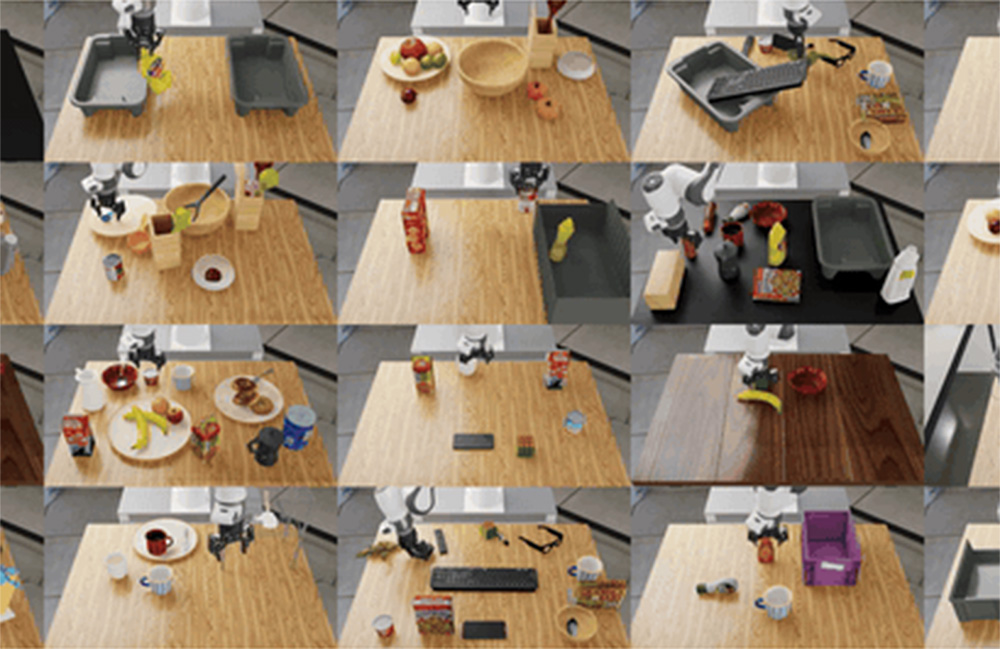
NVIDIA Discusses Evaluating General-Purpose Robot Policies for Real-World Applications
NVIDIA has highlighted the challenges in evaluating general-purpose robot policies as their capabilities advance. The company emphasizes that while current robotics models can follow natural language instructions to manipulate various objects, rigorous evaluation remains a significant hurdle due to the limitations of existing benchmarks. Real-world testing is costly and slow, necessitating effective simulation methods for large-scale evaluations. The importance of this evaluation process lies in the need for robots to generalize their skills beyond memorized setups. NVIDIA points out that many benchmarks suffer from visual and task-domain overlap, which can lead to misleading performance metrics. As models achieve high scores on static task sets, it becomes increasingly difficult to differentiate their true capabilities, raising concerns about the meaningfulness of reported results. Looking ahead, NVIDIA's focus on improving simulation environments and task generation methods is crucial for advancing robotic evaluation. The company aims to address the diagnostic gaps in current benchmarks, which often fail to provide insights into the reasons behind a robot's performance. No further timeline was disclosed at the time of publication.
Artificial Intelligence Artificial Intelligence / Cognition Design / Development Motion Control News Software / Simulation
Westlake Robotics Raises Over 100 Million Yuan to Enhance Dual-Pretraining Technology
Westlake Robotics completed a funding round exceeding 100 million yuan in June 2026, backed by Henan Investment Group's Huirong Fund. This marks the company's third financing round in five months, with total disclosed funding reaching several hundred million yuan. The funding is aimed at advancing their unique dual-pretraining technology, which combines a general brain and a humanoid small brain for improved robotic performance. The significance of this funding lies in Westlake Robotics' differentiated technical approach, utilizing a dual-pretraining model that integrates VLA and world model fusion. Their General Action Expert (GAE) model addresses common issues in humanoid robots, such as stiffness and imbalance, by enabling real-time interpretation of human motion intent. This capability allows a single operator to control multiple Westlake o1 robots simultaneously, reducing deployment and labor costs in applications like logistics inspection and data collection. Looking ahead, Westlake Robotics plans to use the latest funding to further develop their unified embodied large model and accelerate deployment with industrial clients. The company, founded by academic researchers from Westlake University, is positioned to leverage its strong academic background to bridge the gap between laboratory demonstrations and real-world applications. No further timeline was disclosed at the time of publication.
Robotics Embodied Intelligence Automation Logistics AI
The Dark Matter of Robotics: Generalist AI’s Andy Zeng on the Quest for Physical Commonsense
The chief scientist of Generalist AI has emphasized that the future advancements in robotics will not stem from textual data available on the internet, but rather from enhancing the 'reflexive' intelligence associated with physical interactions. This statement highlights a shift in focus towards developing robots that can better understand and respond to their environments through direct engagement, rather than relying solely on pre-existing information. The insights were shared during a recent discussion on the evolution of artificial intelligence and its implications for robotic development. As the field progresses, experts are advocating for a more hands-on approach to training robots, suggesting that real-world experiences will be crucial in fostering their capabilities. This perspective underscores the importance of integrating sensory feedback and adaptive learning in robotic systems to achieve significant breakthroughs in the industry.
Generalist AI embodied-ai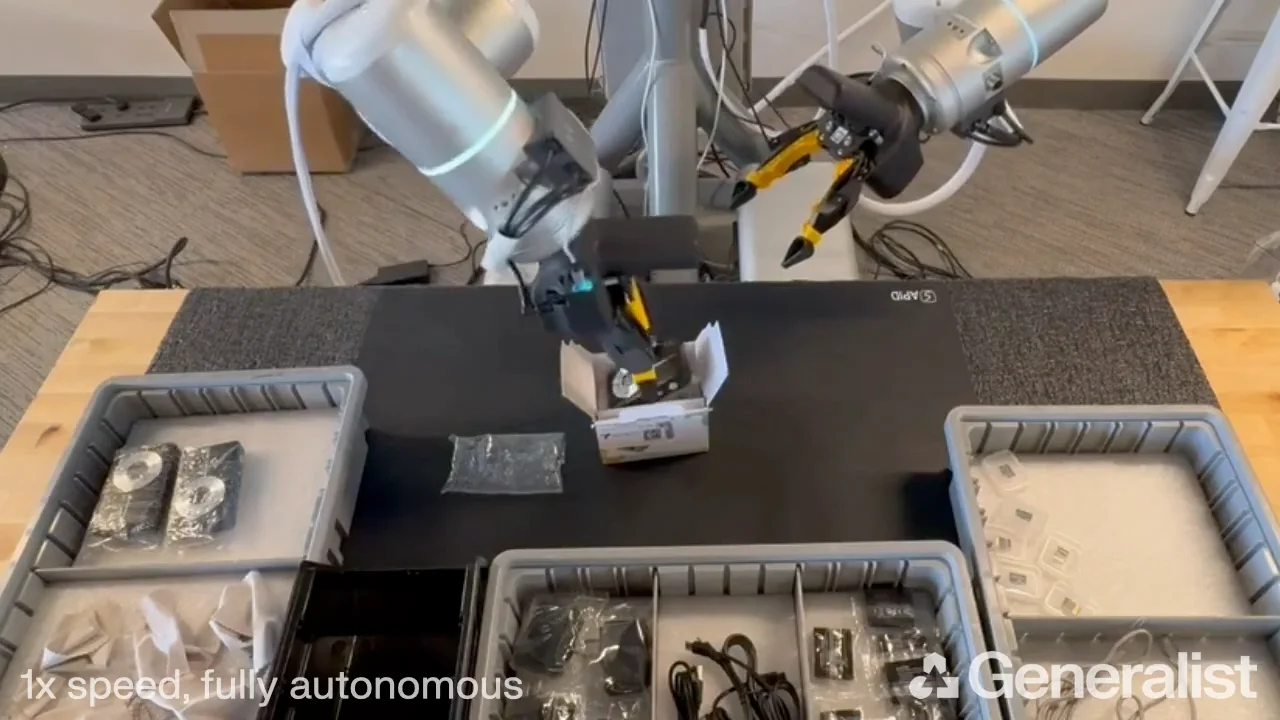
Generalist AI Unveils GEN-0, Claims Scaling Laws for Robotics Backed by 270,000 Hours of Real-World Data
Startup Generalist AI has introduced GEN-0, a groundbreaking embodied foundation model that the company asserts is trained on an extraordinary 270,000 hours of real-world manipulation data. This innovative model features a new architecture known as "Harmonic Reasoning," which, according to Generalist AI, has enabled the discovery of predictable scaling laws for robot intelligence. The announcement marks a significant advancement in the field of robotics and artificial intelligence, showcasing the potential for enhanced capabilities in robotic manipulation and decision-making.
Data Collection Figure Generalist AI embodied-ai
Genesis AI and LG CNS Enter Industry-First Strategic Partnership to Scale General-Purpose Robotics Across Enterprise Operations
Genesis has announced a strategic partnership with LG CNS to create a scalable deployment model for full-stack robotics tailored for industrial environments. This collaboration aims to enhance automation capabilities across various sectors, addressing the growing demand for efficient and flexible robotic solutions. The initiative was unveiled on October 15, 2023, and will focus on integrating advanced robotics technology into manufacturing and logistics operations. By leveraging LG CNS's expertise in IT services and Genesis's innovative robotics solutions, the partnership seeks to streamline processes and improve productivity in industrial settings. This development reflects a broader trend in the industry towards adopting sophisticated automation technologies to meet evolving operational needs.
Physical Intelligence Unveils π0.7: The Rise of Compositional Generalization in Robotics
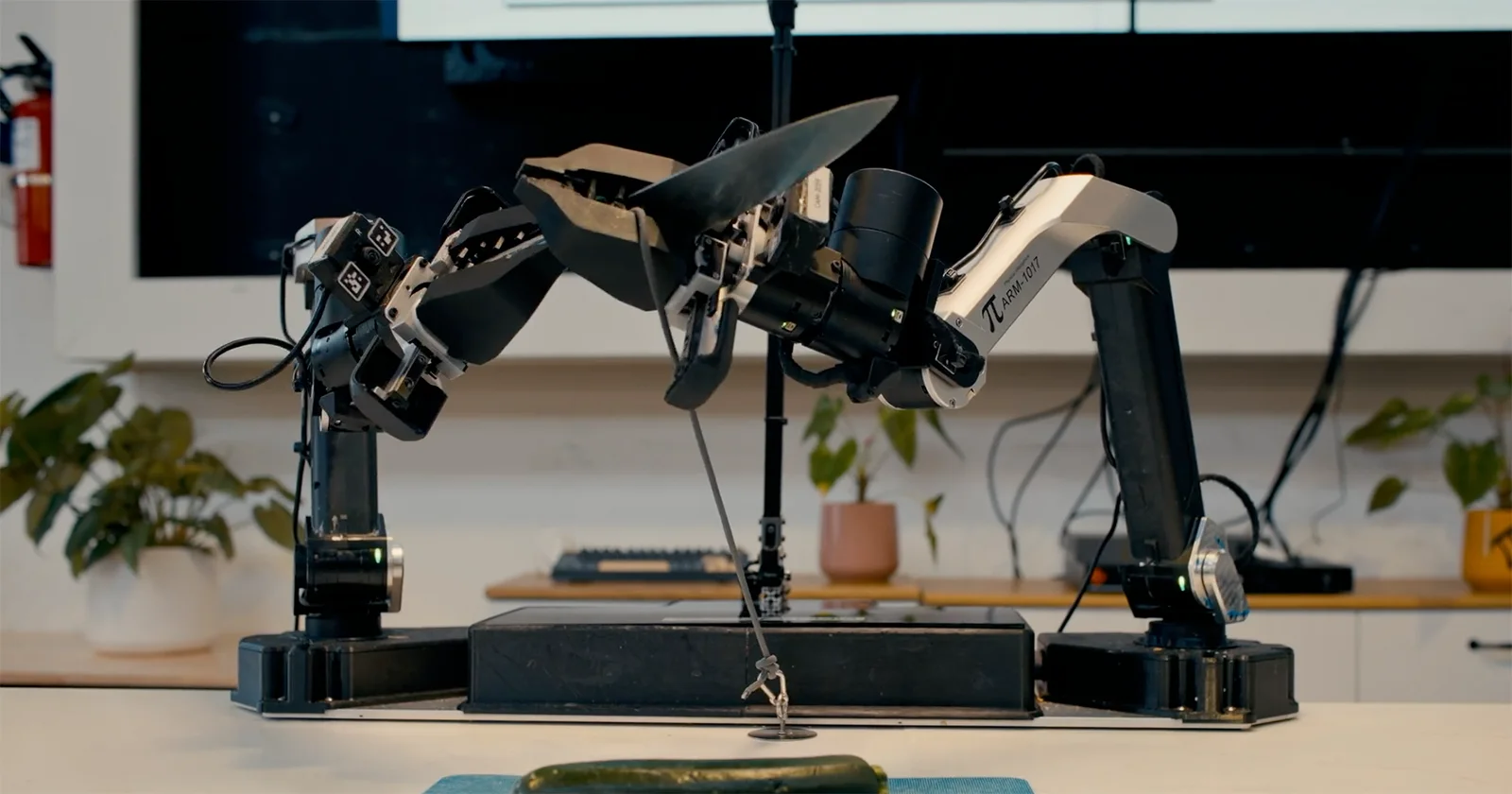
Physical Intelligence has unveiled its latest foundation model, π0.7, which showcases remarkable "emergent" capabilities. This innovative model can seamlessly integrate various skills and adapt to different robotic hardware without the need for task-specific training. The announcement was made recently, highlighting the advancements in artificial intelligence and robotics. By leveraging extensive data and sophisticated algorithms, π0.7 represents a significant step forward in the development of adaptable robotic systems. This breakthrough aims to enhance the efficiency and versatility of robots in diverse applications, potentially transforming industries that rely on automation.
US Physical Intelligence π07
Generalist AI Releases "Science of Pretraining" Deep Dive: Why Data Quality Trumps Volume in Robotics
Generalist AI has unveiled new insights into its pretraining methodology in a technical addendum related to its recent GEN-0 launch. The company introduced innovative metrics, including "Reverse KL," designed to evaluate the creativity of its models. Additionally, Generalist AI announced that its infrastructure can process an impressive volume of data, equating to 6.85 years of robotic experience each day. This advancement highlights the company's commitment to enhancing artificial intelligence capabilities and underscores its efforts to push the boundaries of machine learning technology.
Data Collection Generalist AI embodied-ai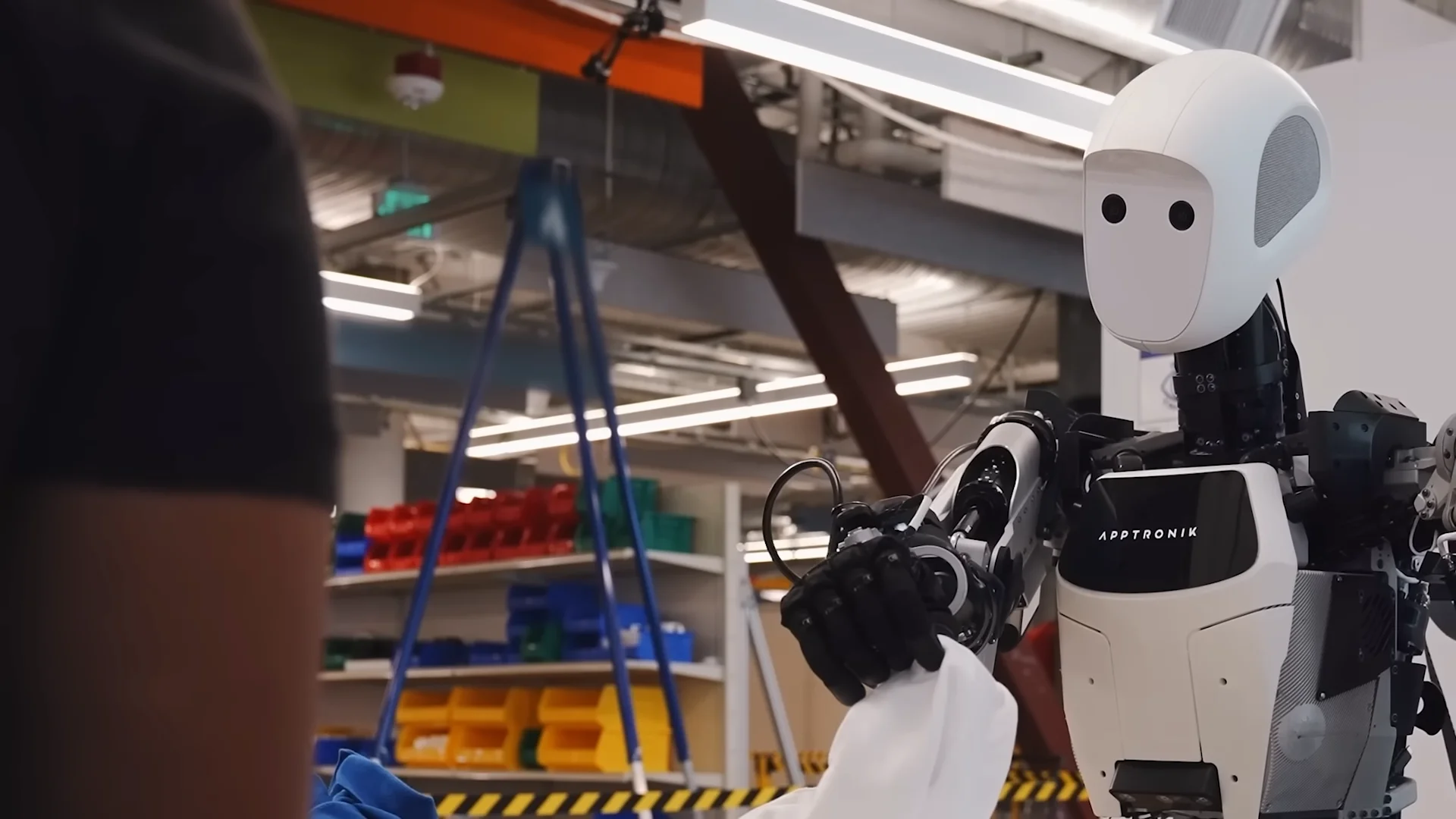
Google DeepMind Robotics Director: We Need "One More Big Breakthrough" to Solve General Purpose Robots
DeepMind's robotics lab recently provided an exclusive behind-the-scenes glimpse into its innovative work, highlighting the development of advanced "thinking" robots capable of long-term planning. This showcase aimed to illustrate the potential of these technologies in real-world applications. However, lab leadership acknowledged that achieving data efficiency is a significant challenge that must be overcome before these robots can be deployed effectively outside of controlled environments. The insights were shared as part of an ongoing effort to advance robotics and artificial intelligence, with the team emphasizing the importance of refining their systems to ensure practical usability in everyday scenarios.
DeepMind Apollo embodied-ai Apptronik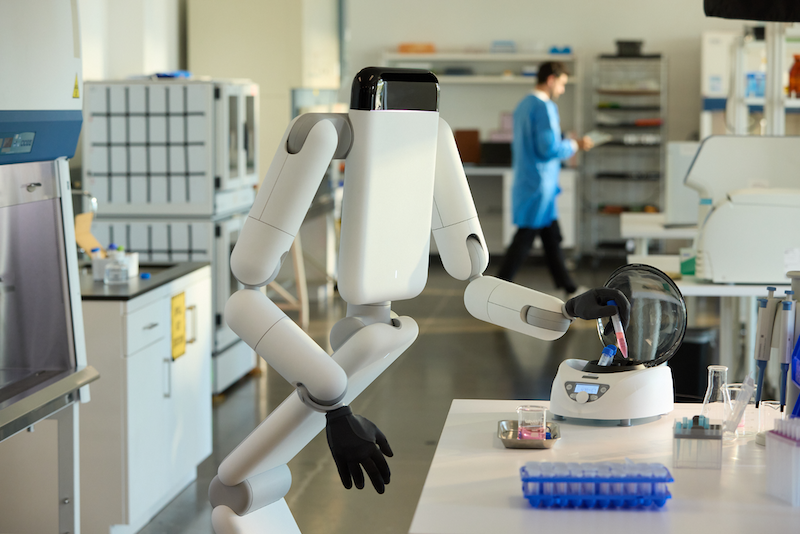
Genesis AI launches first general-purpose humanoid robot
Genesis AI, a global leader in robotics, has introduced Eno, its inaugural general-purpose robot. Launched recently, Eno is characterized by its minimalist design, which sets it apart from conventional robotic forms. Powered by GENE, the company's advanced foundation model, Eno is designed to function as a true physical agent, capable of reasoning and performing tasks autonomously. This innovation aims to redefine the capabilities of robots in various applications, reflecting Genesis AI's commitment to pushing the boundaries of technology in the robotics sector.
Humanoids News agentic ai ai robotics automation news Autonomous robots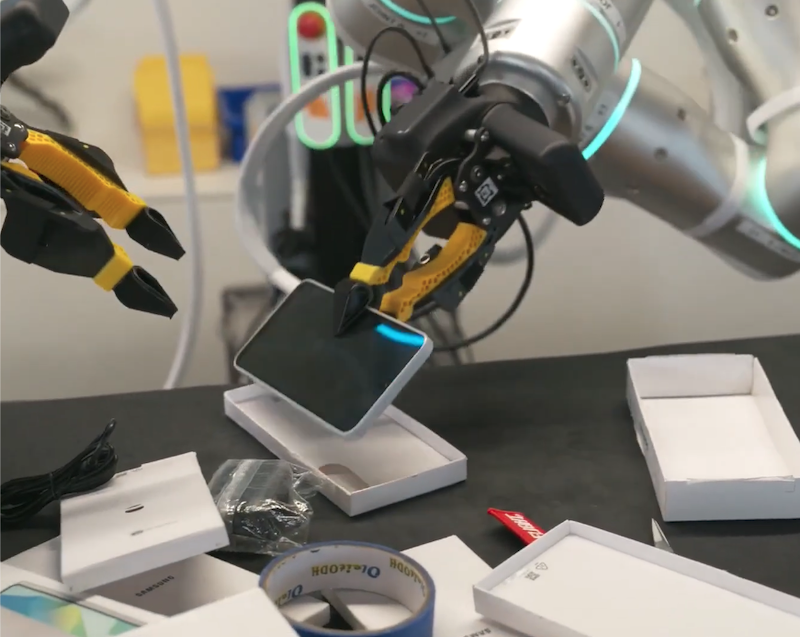
Generalist AI raises $400 million to scale robot intelligence platform
Generalist AI, a startup focused on creating foundation models for robotics, has successfully secured $400 million in a recent funding round. This investment aims to expedite the development of what the company refers to as “physical AGI,” or artificial general intelligence that can function in the physical world through robotic systems. Following this funding, Generalist AI's valuation has reached approximately $2 billion. The influx of capital will enable the company to enhance its research and development efforts, positioning it at the forefront of advancements in robotics and AI technology.
Computing News Software 8VC ai funding AI models
This startup thinks robotics is about to have its ChatGPT moment
General Intuition is investing significantly in the potential of video game data to enhance the development of physical artificial intelligence. The company believes that millions of hours of gameplay data can be utilized to train foundational models, which could streamline the process of creating more intelligent robots that require less real-world data for training. This initiative comes as the demand for advanced robotics continues to grow, with applications spanning various industries. By leveraging the rich datasets generated from video games, General Intuition aims to accelerate the evolution of AI technologies, making them more efficient and capable in real-world scenarios. The project is set to unfold over the coming months, with the goal of transforming how robots learn and adapt to their environments.
AI Robotics Equity general intuition pim de witte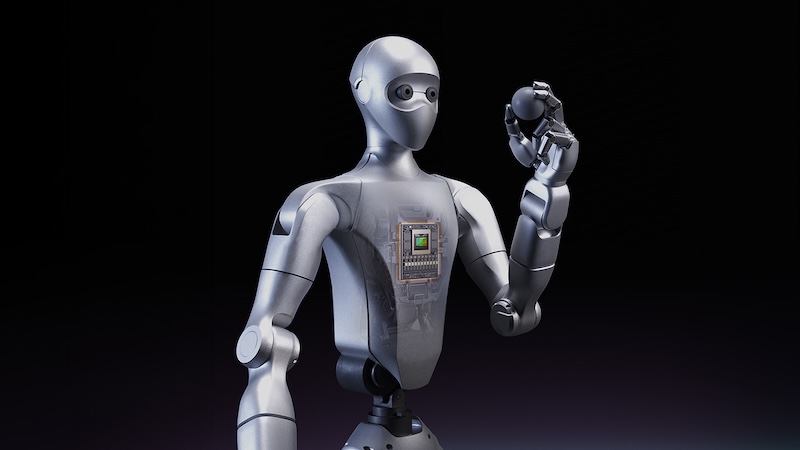
Nvidia unveils open humanoid robot platform for robotics research
Nvidia has introduced the Nvidia Isaac GR00T Reference Humanoid Robot, an innovative open platform aimed at advancing research and development in physical artificial intelligence and general-purpose robotics. The announcement was made during the Nvidia GTC event in Taipei. This new platform integrates several cutting-edge technologies, including the Unitree H2 Plus humanoid robot, Sharpa Wave tactile five-finger hands, and the Nvidia Jetson Thor onboard computing system. The initiative is part of Nvidia's broader strategy to enhance capabilities in robotics, providing researchers and developers with a versatile tool to explore and innovate in the field of robotics and AI.
Computing Humanoids News automation news embodied ai humanoid robots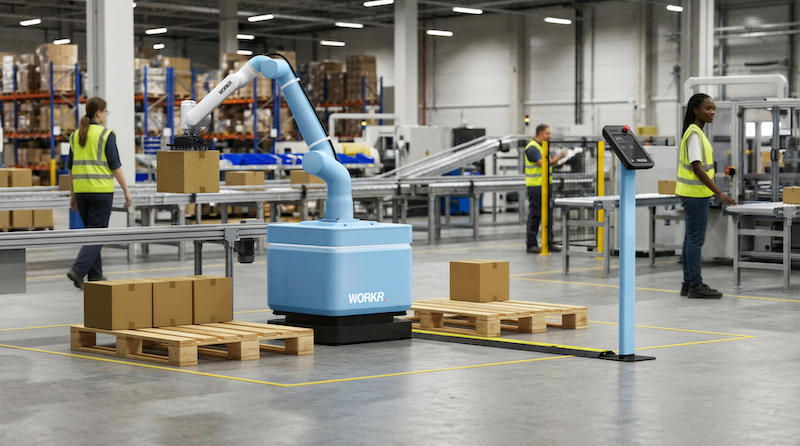
Interview with Workr Robotics CEO Ken Macken: ‘Paying for automation by the hour’
Industrial robotics is undergoing a significant transformation, driven by advancements in artificial intelligence, large language models, and embodied AI. This evolution has generated renewed interest in the development of robots capable of understanding, reasoning, and interacting with their physical environments. Notable partnerships, including collaborations between Google DeepMind and Boston Dynamics, have intensified discussions surrounding the potential for more sophisticated general-purpose robots. As these technologies continue to evolve, the industry anticipates a future where robots can perform a wider array of tasks, enhancing their utility across various sectors. The ongoing innovations suggest a promising trajectory for the integration of robotics into everyday life, potentially reshaping industries and improving operational efficiencies.
Features Industrial robots Robotics Software automation news automation roi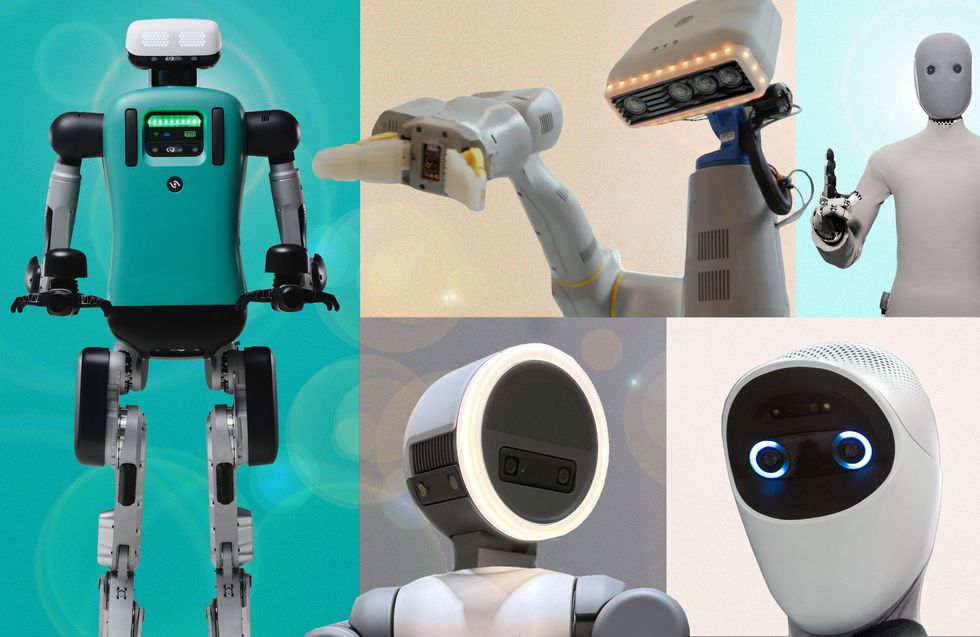
Will Robotics Have a ChatGPT Moment?
In the coming decades, billions of AI-powered robots are expected to collaborate with humans across various sectors, including factories, warehouses, elder care, disaster response, and home assistance. By 2025, investments in robotics reached a record $40.7 billion, highlighting the growing interest in this technology. Despite ambitious claims from robotics companies about humanoid robots entering homes soon, significant challenges remain in bridging the gap between current capabilities and the promises made. Experts in AI and robotics, including a professor from Oregon State University and a former Google X executive, emphasize that while AI is revolutionizing robotics, the complexity of real-world environments poses substantial hurdles. Current demonstrations of humanoid robots, such as those showcased at the 2026 Spring Festival Gala in China, often rely on scripted performances rather than genuine autonomy, revealing the limitations of existing technology. The development of general-purpose robots is hindered by the need for vast amounts of high-quality training data and the challenge of creating hardware that can safely interact with humans. As robotics evolves, the focus will shift to practical applications that address real-world needs, with an emphasis on safety and reliability. The path forward involves a series of incremental advancements rather than a single breakthrough, as AI-driven robots gradually begin to deliver tangible benefits across various industries, potentially transforming the economy and improving daily life.
Robotics Everyday-robots Agility-robotics Artificial-intelligence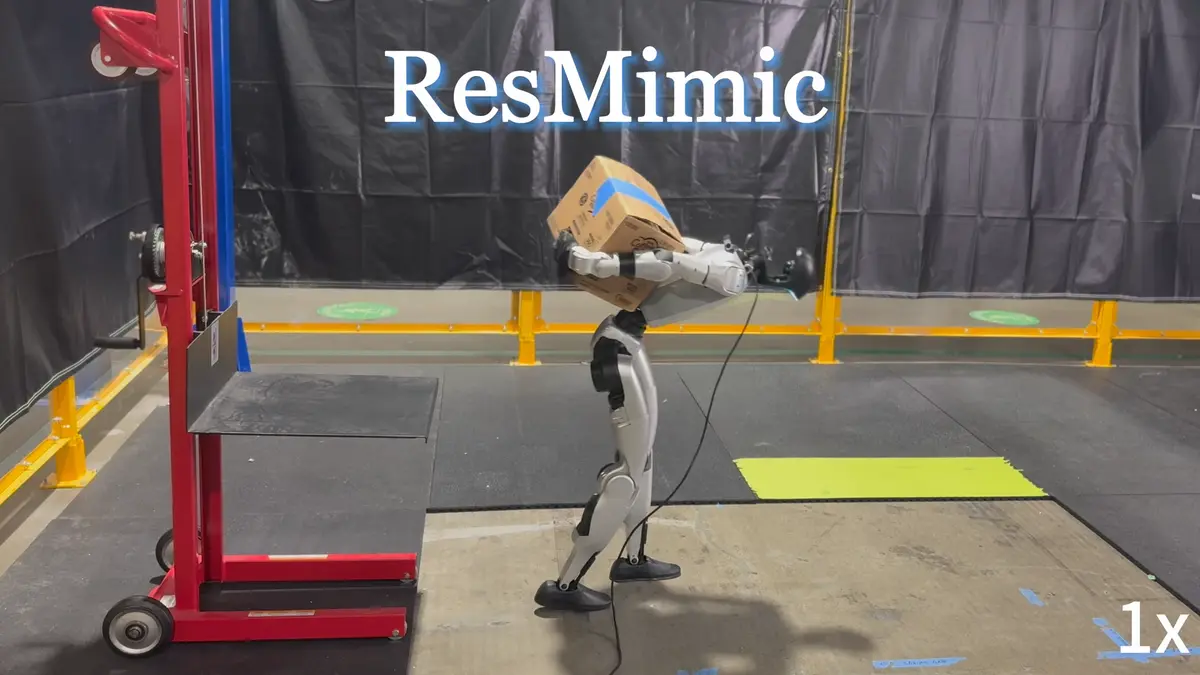
Amazon's ResMimic Teaches Humanoids to Handle Objects by Adding Precision to General Motion
Amazon has unveiled its latest robotics initiative, ResMimic, which aims to enhance the capabilities of humanoid robots in performing complex loco-manipulation tasks. This innovative project employs a two-stage residual learning framework that allows for the efficient teaching of these skills. By refining a general motion policy with specific corrections tailored to individual tasks, the system empowers a Unitree G1 robot to adeptly manage heavy and irregular objects with remarkable precision. This development is part of Amazon's ongoing efforts to advance robotics technology and improve automation processes in various applications.
reinforcement-learning Unitree Robotics AI Amazon robotics
Walden Robotics Launches AI-Driven Factory Robots for Real-World Automation
Walden Robotics, a US-based startup, has unveiled a general-purpose robotics platform that enables Physical AI robots to learn and adapt while performing real work. Unlike traditional robots that follow pre-programmed workflows, Walden's robots continuously improve through real-world operations, making them suitable for complex tasks alongside human workers from the outset. The significance of Walden Robotics lies in its full-stack approach, which integrates hardware, AI, and deployment software to create robots that evolve in capability over time. With $300 million in funding and a valuation of $1.1 billion, the company is addressing the growing demand for flexible automation in sectors like automotive, aerospace, and logistics, driven by labor shortages and increasing product complexity. Looking ahead, Walden Robotics has already begun deploying its robots in production environments, including a Toyota manufacturing plant in North America. The company aims to enhance its robots' skills through real-world experience, utilizing advanced AI techniques such as Large Behavior Models and Diffusion Policy. No further timeline was disclosed at the time of publication.
AI and Robotics Innovation
General Intuition Achieves $2.3 Billion Valuation with Innovative Robot Training Approach
General Intuition, a New York-based company, has proposed a groundbreaking approach to training robots using millions of hours of gaming footage instead of vast amounts of real-world data. In June 2026, the company completed a $320 million Series A funding round, achieving a valuation of $2.3 billion, led by renowned investor Vinod Khosla. The significance of General Intuition's method lies in its potential to revolutionize how robots learn spatial reasoning and physical intuition. By utilizing gaming data, the company claims to have pre-trained a spatial reasoning model that allows quadruped robots to navigate unfamiliar environments with minimal real-world data, challenging traditional training methods that rely heavily on real-world scenarios. Looking ahead, the success of General Intuition will depend on its ability to validate its technology in diverse real-world environments beyond office settings. The company's vision of creating a 'robot brain' for universal physical AI could redefine the operational frameworks for future robotics, potentially surpassing existing systems like Windows and Android in impact.
AI Robotics Gaming Technology Machine Learning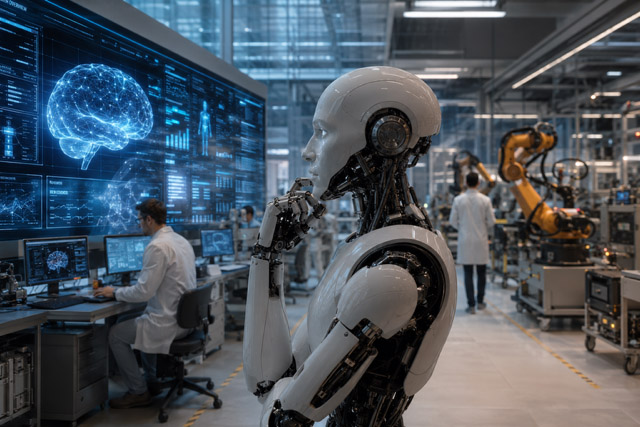
Understanding Technological Singularity and Its Impact on Robotics and AI
For decades, technological singularity was more a concept of science fiction than engineering reality. Today, it is a topic of discussion among AI laboratories, industrial giants, investment funds, and robotics companies worldwide. The rapid advancement of generative AI, autonomous robots, foundation models, and AI agents raises a fundamental question: what will happen when machines can enhance their own intelligence faster than humans? The origins of the technological singularity date back to 1965 when British mathematician I.J. Good proposed that an 'ultra-intelligent machine' could trigger an intelligence explosion. In the 1990s, mathematician Vernor Vinge expanded on this idea, suggesting that once a certain level of AI is reached, technological evolution would become unpredictable for humans. Ray Kurzweil later popularized the concept, predicting that artificial general intelligence (AGI) could emerge in the coming decades, leading to continuous self-improvement of systems. Currently, the landscape is shifting rapidly, with large language models, vision-language-action models, and autonomous agents enabling robots to understand natural language instructions, interpret their environment, and learn new tasks without specific programming. Companies like NVIDIA, Google DeepMind, and Tesla are investing billions in developing this new generation of intelligent robots.
À la une IA Industrie Robotique agents autonomes agents IA
Advancements in Humanoid Robotics Driven by Power Management Solutions
The latest episode of Designing the Future highlights the significant progress in humanoid robotics, driven by advancements in speed, mobility, and dexterity. As these technologies evolve, the role of power management becomes increasingly critical, particularly in the context of battery and fuel cell usage. Engineers face challenges in converting energy from onboard sources to effectively power mechatronics and logic systems. This focus on power management is essential for the realization of humanoid robots that can perform a wide range of tasks, fulfilling the long-held promise of general-purpose machines. The conversation between Jim Anderton and John Quinlan from Murata Power Solutions underscores the importance of efficient power solutions in enhancing robotic performance. As the industry continues to innovate, the interplay between power systems and robotic capabilities will shape future developments. Looking ahead, the demand for compact and efficient power products will likely grow as humanoid robots become more prevalent in various sectors, including industrial and medical markets. No further timeline was disclosed at the time of publication.
Humanoids
Efort to Showcase Universal Base Technology at WAIC 2026 for Robotics Advancement
Efort's QiZhi will present its Universal Base technology at the WAIC 2026, aiming to enhance the capabilities of robots. The technology focuses on providing a foundational infrastructure that allows robots to learn and perform tasks across various scenarios, addressing the industry's need for a generalized capability rather than just hardware improvements. This initiative is crucial as the robotics sector has seen a significant influx of capital, with funding in the domestic embodied intelligence sector surpassing 93.5 billion yuan in the first half of 2026. However, the industry consensus highlights a gap in data availability and the need for a robust framework to enable effective learning and task execution by robots. Looking ahead, Efort's approach could redefine the landscape of robotics by shifting the focus from hardware specifications to a comprehensive technological foundation. As the industry transitions from demonstration to practical applications, the success of this Universal Base technology will be pivotal in overcoming existing challenges and enhancing the deployment of robots in real-world scenarios. No further timeline was disclosed at the time of publication.
Robotics AI Industrial Automation Machine Learning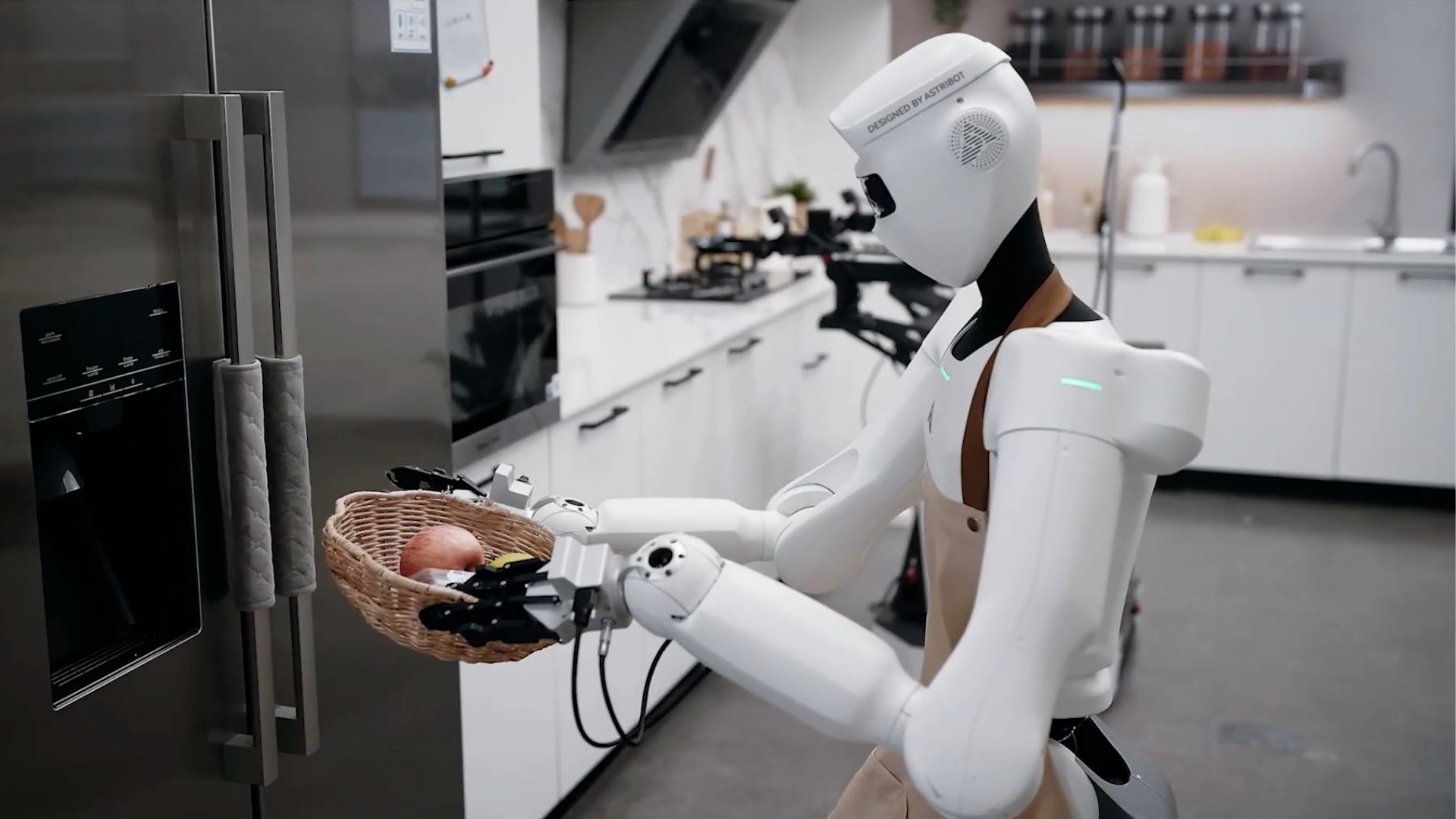
Robbyant Launches LingBot-VA 2.0, the First Embodied-Native AI Model for Robotics
Robbyant, a company under China's Ant Group, has introduced LingBot-VA 2.0, touted as the first embodied-native video-action world model specifically designed for robotics. Unlike traditional models adapted from digital content, LingBot-VA 2.0 is built from the ground up for physical-world tasks, enhancing physical accuracy and execution efficiency through its autoregressive architecture. This innovation is significant as it marks a departure from conventional robotics models that often compromise real-world performance by relying on video generation systems. Robbyant's approach allows for better prediction of how robot actions affect their environment, thus improving generalization and operational effectiveness in real-world applications. Looking ahead, Robbyant's LingBot-VA 2.0 is expected to advance the capabilities of robots in various tasks, demonstrated through its performance in complex scenarios such as preparing breakfast and unpacking deliveries. No further timeline was disclosed at the time of publication.
AI and Robotics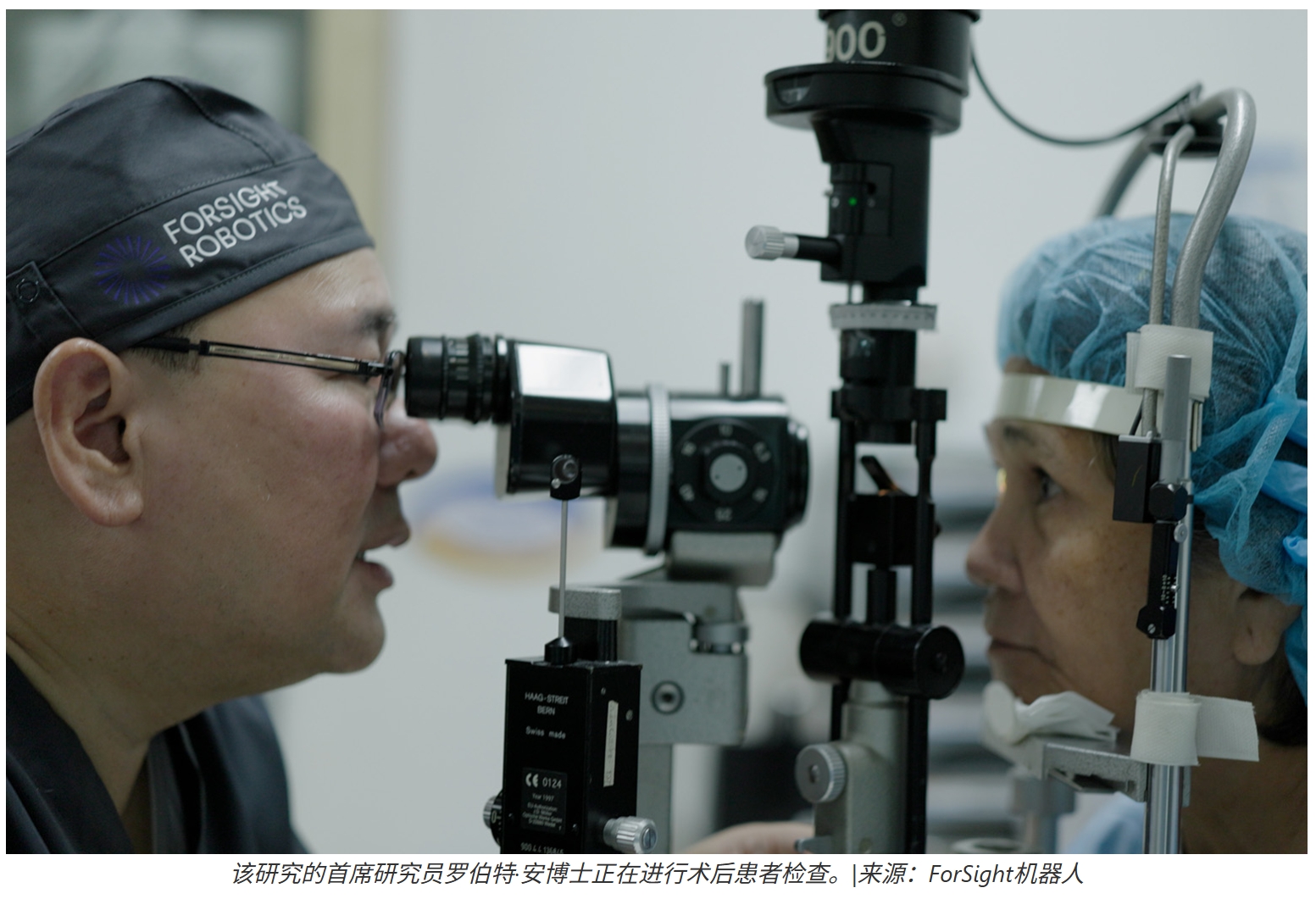
ForSight Robotics Completes First Fully Robotic Cataract Surgery with JASPER Platform
ForSight Robotics has successfully completed the world's first fully robotic cataract surgery using its JASPER platform, led by Dr. Alexey Rapoport in April 2026. This groundbreaking procedure was performed at the Asian Eye Institute in the Philippines, showcasing JASPER's ability to execute the entire surgery autonomously without general anesthesia, adhering to modern cataract surgery standards. The significance of this achievement lies in JASPER's unique design, which empowers surgeons rather than replacing them. By integrating AI algorithms, advanced computer vision, and miniature mechanical technology, JASPER provides enhanced imaging and precision control, allowing surgeons to perform with the accuracy of elite professionals. This innovation also addresses ergonomic concerns, as it enables surgeons to operate seated, potentially extending their careers and improving surgical outcomes. Looking ahead, ForSight Robotics aims to secure FDA approval for JASPER in the United States, with plans to bring this technology to market in the coming years. The company has raised $195 million since its founding in 2020, with significant investments from notable figures and organizations. No further timeline was disclosed at the time of publication.
Robotic Surgery Cataract Surgery AI in Healthcare Ophthalmology Medical Robotics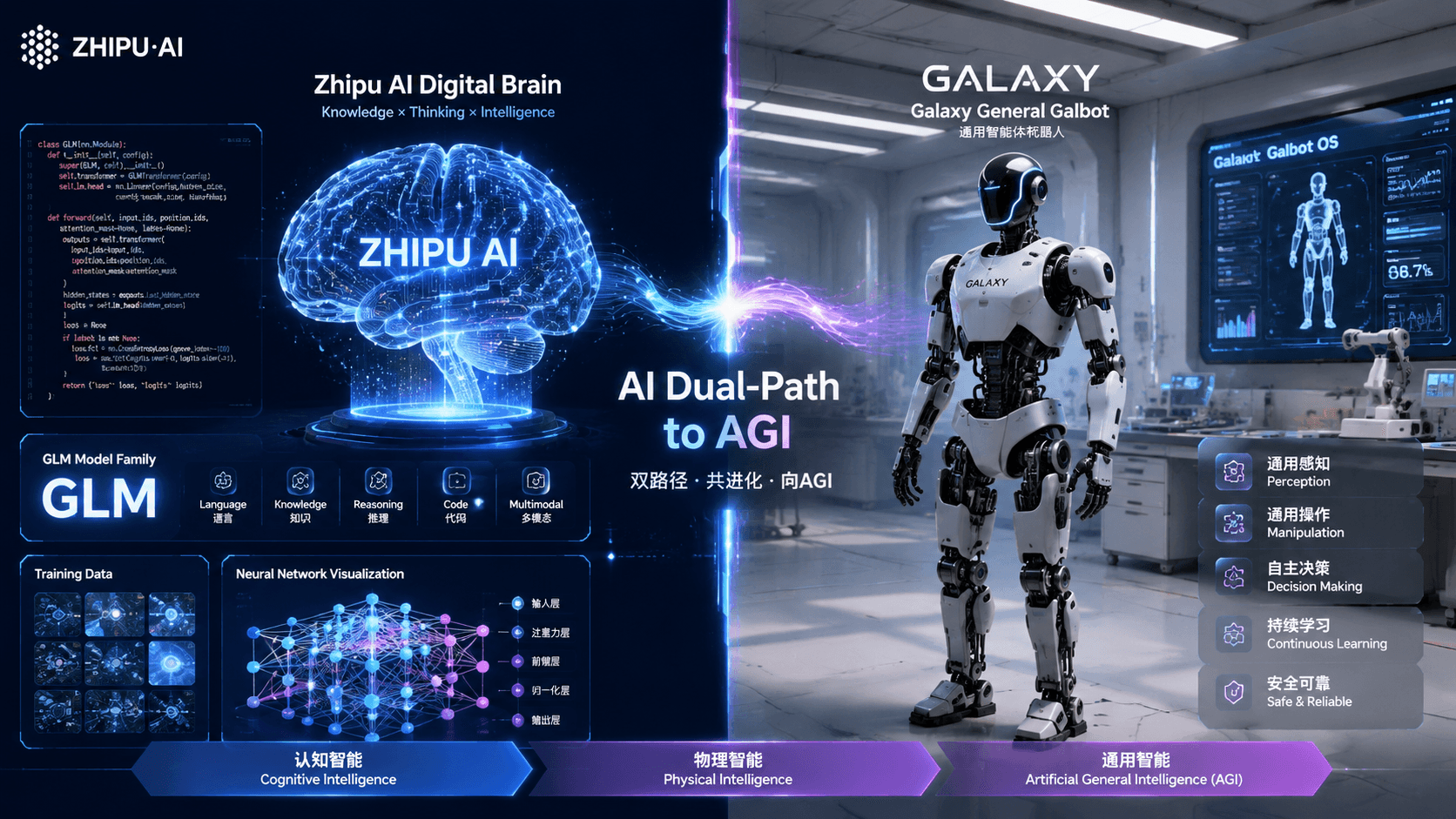
From Lab to Trillion-Dollar Market: The Parallel Rise of Zhipu AI and Galaxy General
In Beijing, two leading companies in artificial intelligence, Zhipu AI and Galaxy General, are making significant strides toward achieving Artificial General Intelligence (AGI). Zhipu AI focuses on advancements in digital intelligence, while Galaxy General is dedicated to innovations in embodied robotics. Both companies are pursuing parallel strategies to enhance their technologies, aiming to position themselves at the forefront of the AI revolution. As they develop their respective fields, the competition between these two firms highlights the rapid evolution of AI capabilities in China and the broader implications for the global tech landscape. The ongoing efforts of Zhipu AI and Galaxy General reflect a growing commitment to harnessing AI's potential to transform industries and improve everyday life.
Industry
Hai Robotics Expands Americas Leadership Team to Support Continued Customer Growth
Hai Robotics has strengthened its leadership team in the Americas by appointing Alan Berstein as General Manager for Latin America and Paul Pendleton as Vice President of Delivery. This strategic expansion, announced recently, aims to enhance customer support and stimulate growth in the rapidly evolving warehouse automation sector. The appointments come in response to the rising demand for flexible automation solutions across the region, underscoring the company's commitment to investing in skilled talent to meet the needs of its clients.
Warehouse Automation Leadership Expansion Customer Support Supply Chain Management Automation Solutions
Hai Robotics Expands Americas Leadership Team to Support Continued Customer Growth
Hai Robotics has strengthened its leadership team in the Americas by appointing Alan Berstein as General Manager for Latin America and Paul Pendleton as Vice President of Delivery. This strategic expansion, announced recently, is designed to improve customer support and accelerate growth in the warehouse automation sector. The appointments come in response to the rising demand for flexible automation solutions across the region, underscoring the company's commitment to investing in talent to meet evolving market needs.
Warehouse Automation Leadership Expansion Customer Support Supply Chain Management Automation Solutions
General Intuition raises $320M to use video game data to train robots
General Intuition has secured $320 million in funding to enhance its innovative approach to artificial intelligence training for robotics. The company is leveraging video game clips that feature embedded action labels to accelerate the training process for AI systems. This funding will enable General Intuition to further develop its technology, which aims to improve the efficiency and effectiveness of robotic learning. By utilizing the rich data from video games, the company seeks to provide robots with a more nuanced understanding of actions and environments, ultimately advancing the field of robotics. The investment comes at a time when the demand for sophisticated AI solutions in various industries is on the rise, highlighting the potential impact of General Intuition's work in shaping the future of robotics.
Artificial Intelligence Artificial Intelligence / Cognition Design / Development Financial Investments News
Beijing Mayor Inspects Development of Embodied Intelligence Robotics Industry
Beijing's Mayor Yin Yong visited Star Era Technology Company to evaluate advancements in the embodied intelligence robotics sector. During his visit, he underscored the necessity of merging technological innovation with industrial expansion, focusing on improving the capabilities of general-purpose robots and broadening their applications, particularly in logistics. This initiative aims to bolster collaboration between academic institutions and the industry, ultimately fostering the growth of Beijing's robotics sector on an international level.
Embodied Intelligence Robotics Industry General-Purpose Robots Technology Innovation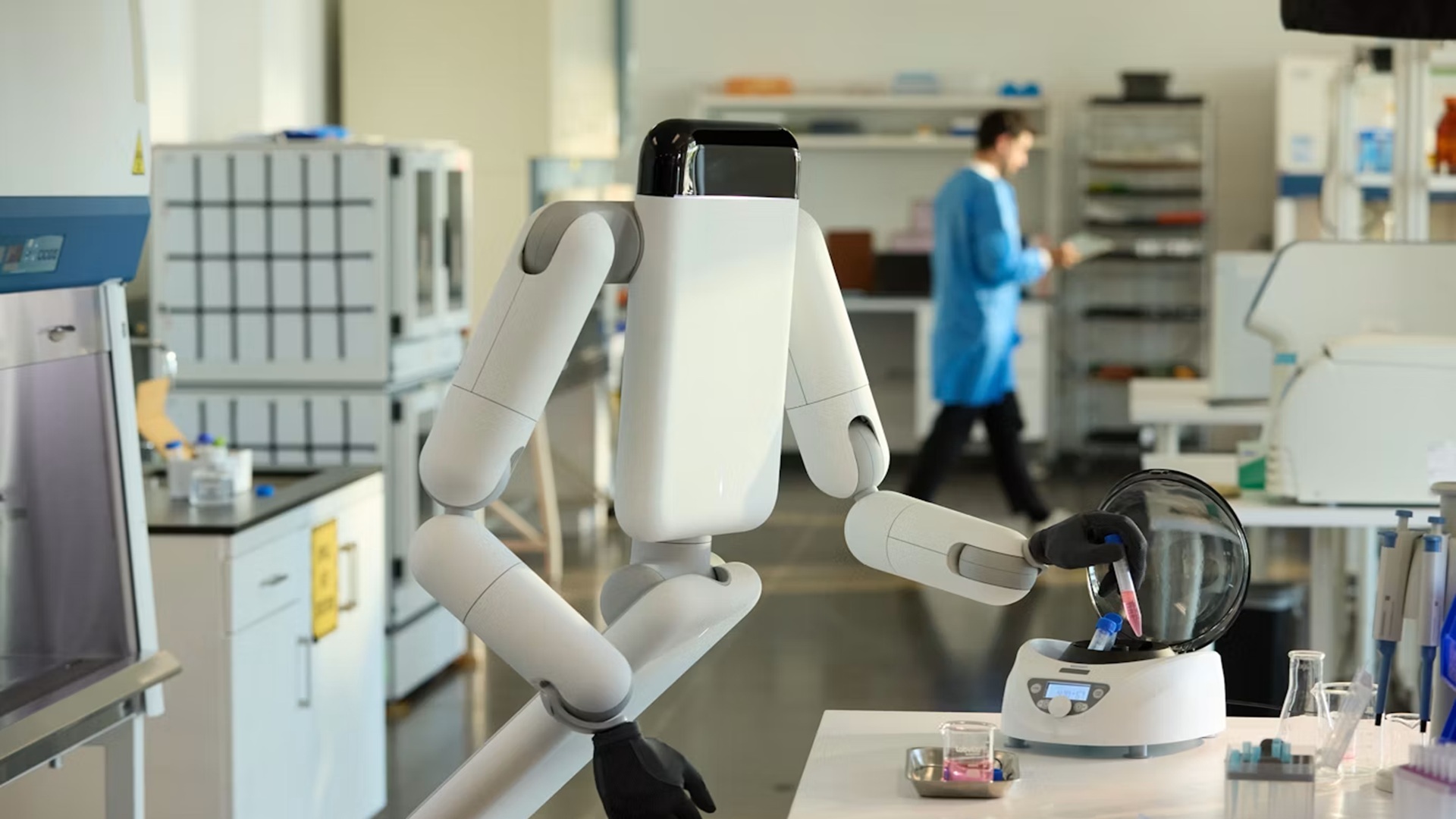
Eno humanoid robot aims to become the general-purpose machine for every workplace
Genesis AI has introduced Eno, its inaugural general-purpose robot, marking a significant step in the company's ambition to advance robotics technology. The unveiling took place recently, showcasing Eno's capabilities designed to perform a variety of tasks across different sectors. This launch is part of Genesis AI's broader strategy to innovate and integrate artificial intelligence into everyday applications, aiming to enhance efficiency and productivity in various industries. By leveraging cutting-edge technology, Eno is expected to address diverse needs, from automation in manufacturing to assistance in healthcare. The development of this robot reflects the growing trend in the tech industry towards creating versatile AI-driven solutions that can adapt to multiple environments and challenges.
AI and Robotics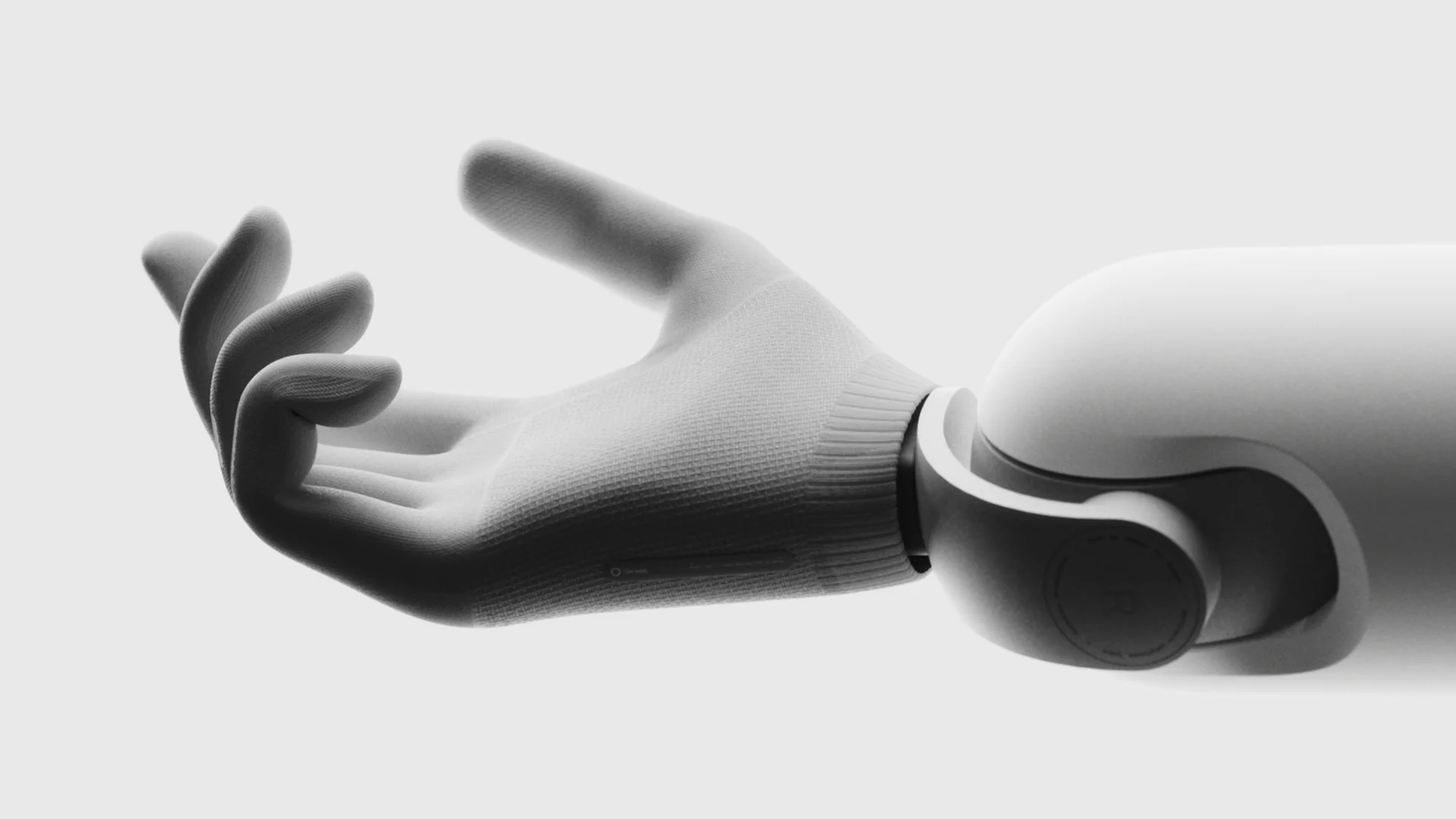
Genesis AI Launches Company’s First General-Purpose Robot ‘Eno’
Genesis AI has introduced Eno, its inaugural general-purpose robot, which marks a significant advancement in robotics technology. The unveiling took place recently, showcasing Eno's innovative design that integrates proprietary hardware with GENE, the company's foundational robotics model. This combination enables Eno to execute a wide range of physical tasks, moving beyond the limitations of robots that are typically programmed for specific functions. Genesis AI aims to revolutionize the robotics landscape with this versatile approach, allowing for greater adaptability and efficiency in various applications.
AI AI Funding & Investment AI Use Cases Robotics Eno Gensis AI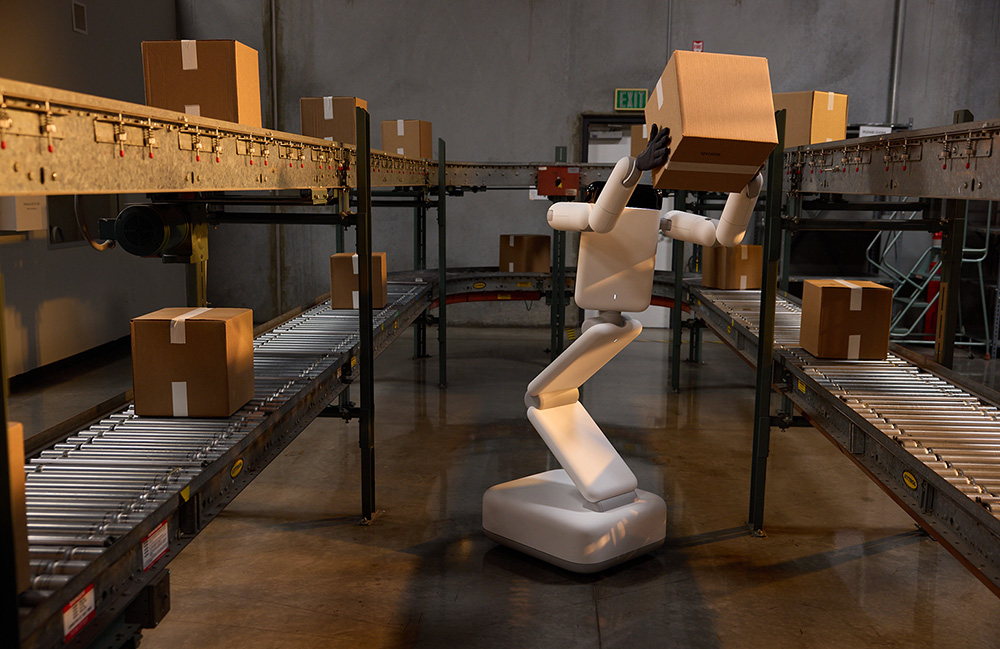
Genesis AI launches Eno general-purpose robot
Genesis AI has announced plans to commence production of its general-purpose robot, Eno, by the end of 2026. The company aims to initiate targeted customer deployments at that time, with plans for home deployments to follow subsequently. This strategic move reflects Genesis AI's commitment to advancing robotics technology and expanding its market presence in the growing field of automation.
Arms / Manipulators Artificial Intelligence Artificial Intelligence / Cognition Autonomous Mobile Robots (AMRs) Design / Development Grippers
XPeng Is Getting Serious About Physical AI as Its CEO Takes Over the Robotics Division
XPeng, a leading Chinese electric vehicle manufacturer, is intensifying its focus on physical AI as competition in the EV sector escalates. CEO He Xiaopeng will assume control of the company's robotics division, coinciding with the anticipated mass production and commercialization of its humanoid IRON robots. This strategic move aims to diversify XPeng's offerings beyond electric vehicles, with plans to launch commercial sales in China and internationally next year. The announcement comes amid challenges for XPeng, including a significant decline in vehicle deliveries and stock performance, with a 24.34% drop over the past year. In the first quarter of 2026, the company reported a 33.3% decrease in vehicle deliveries compared to the same period in 2025, alongside a 295.9% increase in net losses. Despite these setbacks, XPeng's gross margin improved, and analysts have mixed but generally favorable views on the company's stock, with several upgrades following its recent earnings report. XPeng aims to deliver between 100,000 and 106,000 vehicles in the second quarter of 2026, projecting revenue growth of approximately 7.3% to 13.8% year-over-year. As XPeng ventures into robotics, it seeks to position itself as a leader in intelligent mobility solutions, leveraging advanced technology to enhance customer experiences.
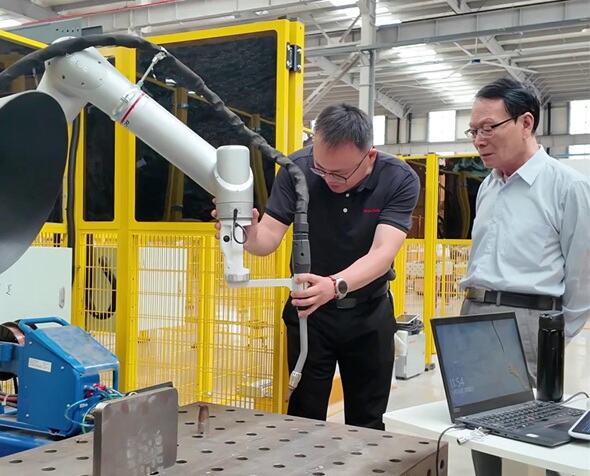
ROKAE Robotics Partners with China Welding Association on Smart Welding Training
ROKAE Robotics has announced a partnership with the China Welding Association (CWA) to collaboratively develop and implement professional training programs focused on intelligent welding technology. The agreement was formalized during a visit from Wu Jiupeng, Deputy Secretary-General of the CWA, to ROKAE's facilities. This initiative aims to bridge the existing skills gap between theoretical knowledge of welding and practical operation of robotic systems, which both organizations have identified as a critical challenge in the industry. The collaboration is expected to enhance the skill set of welding professionals, ensuring they are better equipped to meet the demands of modern welding technology.

Generalist AI Raises $400M in New Funding to Develop Physical AGI
Generalist AI, a robotics startup, has successfully secured $400 million in a new funding round, boosting its total funding to over $500 million. This significant investment aims to advance the company's development of physical artificial general intelligence (AGI). The funding round was spearheaded by Radical Ventures and attracted contributions from several prominent investors, including 8VC, Union Square Ventures, and Hanabi Capital. This financial backing underscores the growing interest and potential in the field of AGI as the startup seeks to innovate and expand its technological capabilities.
AI AI Funding & Investment Robotics California funding Generalist AI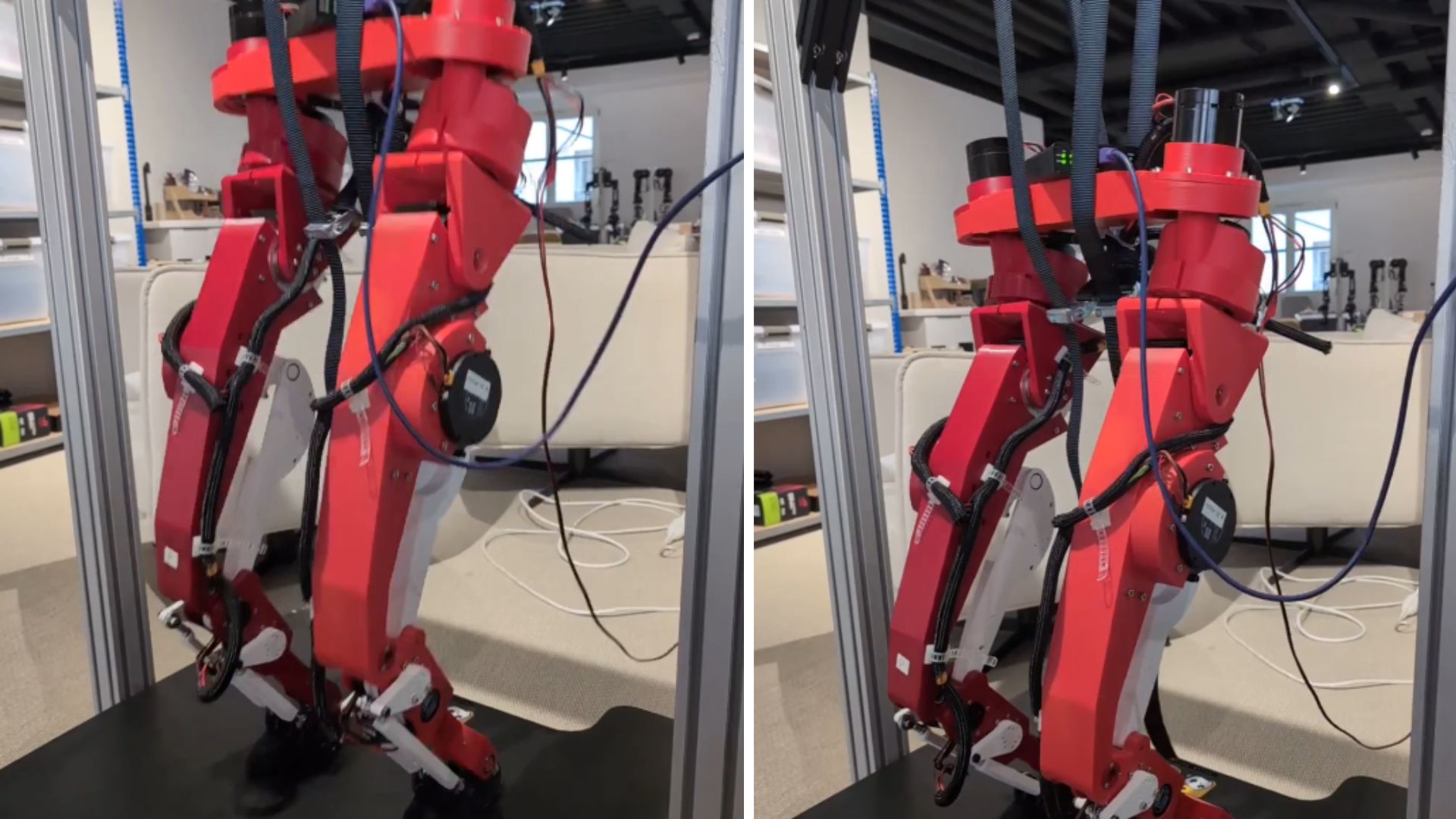
Hugging Face’s new $2.5k LeRobot Humanoid brings 3D-printed robotics within reach
Humanoid robots continue to be largely inaccessible to the general public due to their prohibitively high costs. As of October 2023, advancements in robotics have not yet translated into affordable options for consumers, leaving many interested in the technology unable to purchase or utilize these sophisticated machines. The ongoing research and development in the field aim to enhance the capabilities of humanoid robots, but the financial barriers remain a significant hurdle. Experts suggest that until production costs decrease and more efficient manufacturing processes are developed, widespread adoption of humanoid robots will remain unlikely. The situation highlights the need for innovation in both technology and economic models to make these advanced robots available to a broader audience.
Robotics needs a service framework.
RSF defines a common language for robot service capability, lifecycle operations, certification pathways, and service-provider networks.