Industry Briefing
A single destination for timely, editor-curated robotics news from around the world.

End-Side AI Leader Mianbi Intelligence Secures $5 Billion Funding, Reaches $20 Billion Valuation
On July 15, Mianbi Intelligence announced the completion of a new funding round, attracting investments from national funds, state-owned enterprises, and automotive manufacturers. This brings the total funding raised by Mianbi Intelligence in the first half of 2026 to over 5 billion yuan, with a valuation exceeding 20 billion yuan, making it the highest-valued unicorn in the end-side AI sector. The significance of this funding is underscored by Mianbi Intelligence's rapid financing activity, which includes multiple rounds led by prominent investors such as China Telecom and Shenzhen Capital Group. The company, which originated from Tsinghua University's NLP lab, has made substantial strides in the AI field, particularly with its MiniCPM series of models that have seen over 38 million downloads across platforms like GitHub and Hugging Face. Looking ahead, Mianbi Intelligence is set to release its MiniCPM-2.4B model in February 2024, focusing on end-side AI applications. The company has already established a strong presence in the automotive sector, with several models from manufacturers like Changan and SAIC expected to integrate its technology. No further timeline was disclosed at the time of publication.
End-Side AI Funding Automotive Technology Artificial Intelligence Startups
SpaceX Unveils AI1 Satellite Specs for Starmind Constellation with Key Thermal Challenges
SpaceX has introduced the AI1 satellite, the inaugural component of its Starmind constellation, which stands 20 meters tall and has a wingspan of 70 meters. This orbital compute node is designed to deliver computing power equivalent to one NVIDIA GB300 server rack, utilizing a unique cooling system with deployable liquid radiators. The satellite's specifications were revealed during a presentation on June 8, 2026, ahead of SpaceX's IPO. The significance of the AI1 satellite lies in its role as a compute platform rather than a traditional satellite, focusing on running AI inference workloads. The satellite's cooling system, which is critical for its operation in the vacuum of space, is designed to reject heat through infrared radiation. However, independent engineers have raised concerns about the feasibility of the thermal and mass claims made by SpaceX, suggesting that the cooling requirements may exceed practical limits. Looking ahead, SpaceX plans to launch two AI1 prototypes in early 2027, with full-scale production expected to commence later that year at its Gigasat facility in Bastrop, Texas. The ongoing debate regarding the satellite's thermal management capabilities will be crucial to monitor as the project progresses, with no further timeline disclosed at the time of publication.

SpaceX's Starmind Targets AI Labs with $6.3 Billion Compute Contracts
SpaceX's Starmind is designed to provide wholesale AI compute services to businesses, particularly AI labs and cloud customers, rather than individual consumers. The service operates similarly to AWS, where users benefit from applications running on Starmind without direct subscriptions. The compute capacity of a single AI1 satellite is comparable to one NVIDIA GB300 rack, emphasizing its enterprise-grade capabilities. The significance of Starmind lies in its positioning as a potential fourth hyperscaler, joining the ranks of AWS, Microsoft Azure, and Google Cloud. The Reflection AI contract, valued at $150 million per month, exemplifies the enterprise-focused model, with total payments potentially reaching $6.3 billion through 2029. This contract highlights the growing demand for AI compute resources, particularly from AI-native startups and labs. Looking ahead, the focus will remain on securing additional enterprise contracts as Starmind expands its offerings. No consumer-facing products or subscriptions have been announced, and the current strategy is to cater to businesses with substantial AI workloads. No further timeline was disclosed at the time of publication.
FORT Robotics Enhances AI Safety with Nvidia Halos at Automate Conference
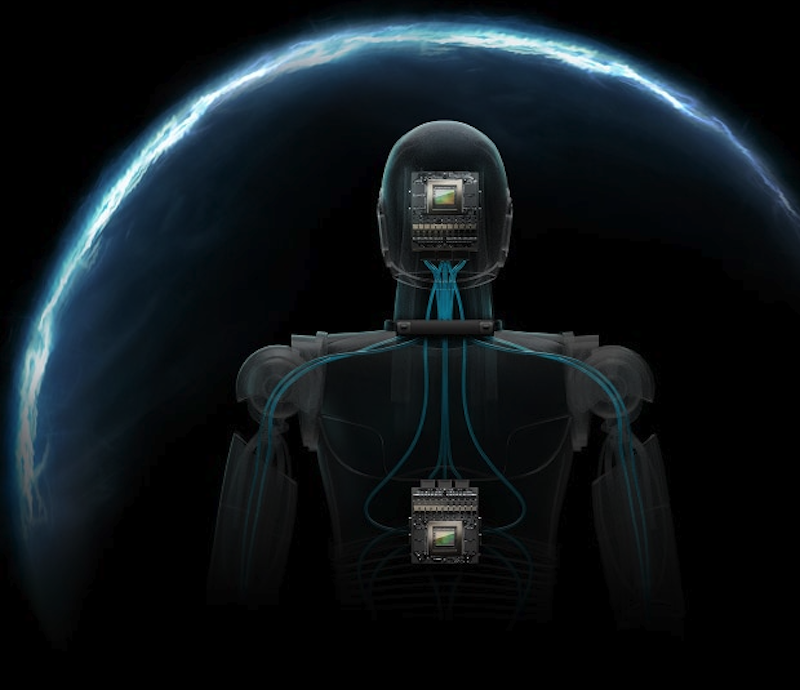
FORT Robotics has joined the Nvidia Halos for Robotics ecosystem to enhance safety for autonomous robots. The company will showcase its agentic safety application, developed using the Nvidia Halos Outside-In Safety Blueprint, at the Automate conference in Chicago. This innovative solution utilizes external infrastructure sensors and visual AI agents to provide real-time, safety-certifiable functional safety, significantly improving operational efficiency in dynamic environments. The collaboration is significant as it addresses the limitations of traditional inside-out functional safety systems, which rely solely on onboard sensors. By integrating Nvidia's IGX Thor and Holoscan Sensor Bridge, FORT's solution allows robots to operate safely alongside human workers in high-efficiency modes. This adaptability is crucial for modern warehouses and factories, where environments are constantly changing, and safety frameworks must evolve to protect workers effectively. Looking ahead, FORT's integration with Nvidia Halos is expected to provide substantial value to customers in warehousing, manufacturing, and other automated sectors. The Outside-In Safety framework aims to prevent safety incidents in mixed human-robot environments, optimizing processes like inventory replenishment and product assembly. No further timeline was disclosed at the time of publication.
Artificial Intelligence Industry ai automation Autonomous robots fort robotics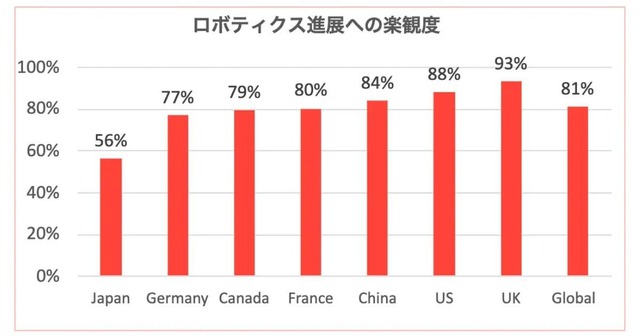
28% of Japanese express concerns about the safety of physical AI, compared to 11% globally.
BlackBerry Limited's QNX division has released a comprehensive report titled "Inside the Robot: An Investigation into Robot Architecture," which surveyed 1,000 robotics engineers. This initiative aims to provide insights into the current state of robotic architecture, reflecting the growing importance of robotics in various industries. The report highlights trends, challenges, and advancements in the field, underscoring QNX's commitment to enhancing the development and integration of robotic technologies. By gathering input from a diverse group of engineers, the study seeks to inform stakeholders about the evolving landscape of robotics and its implications for future innovations.
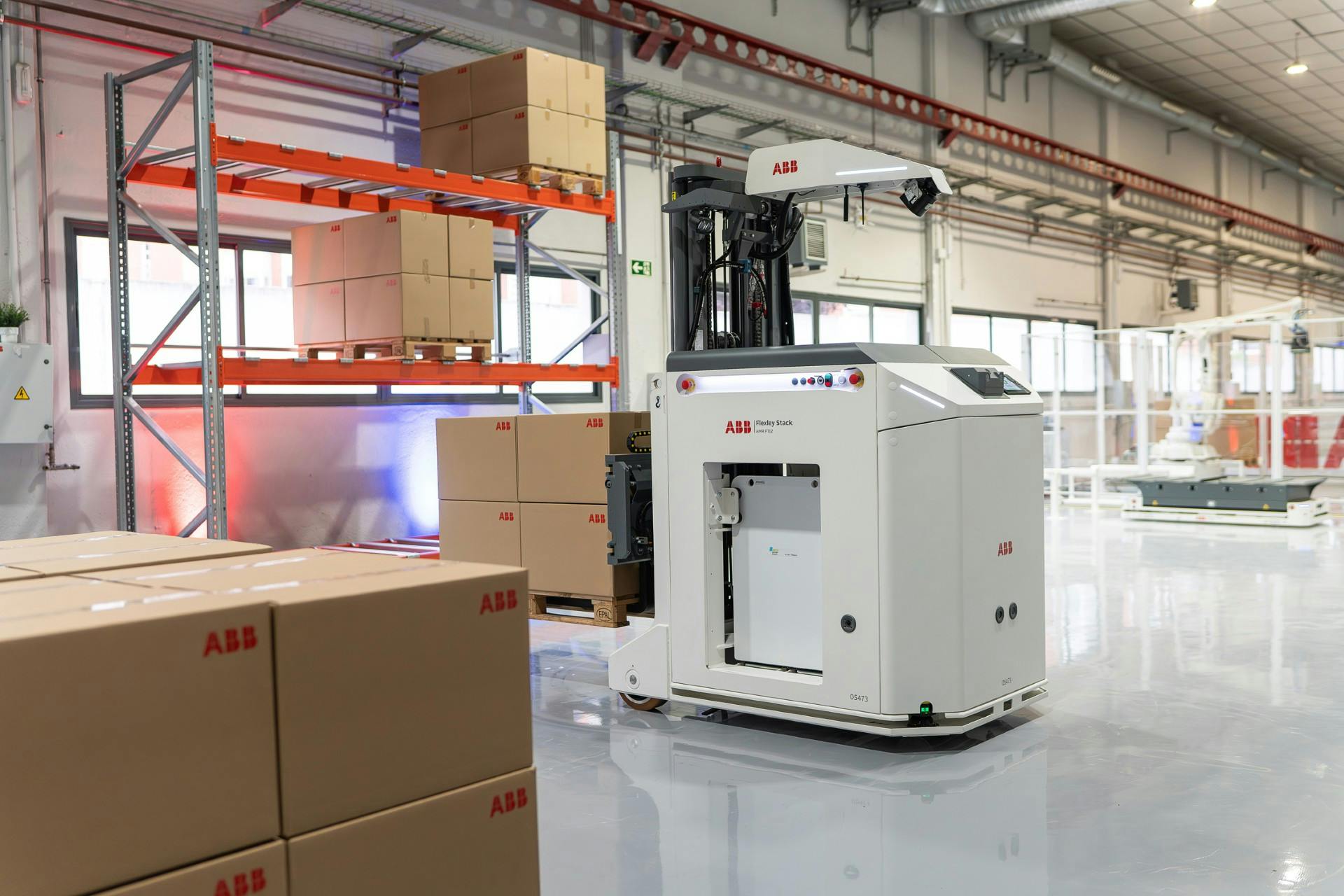
ABB Robotics Introduces Flexley Stack F712 Platform for AI-Driven Autonomous Forklifts
ABB Robotics has launched the Flexley Stack F712 platform, enhancing its AMR portfolio with AI-powered visual technology for autonomous forklifts. This innovation facilitates pallet transport and high-density storage, creating a cohesive ecosystem among ABB’s Visual SLAM AMR types, aimed at improving efficiency in material handling and warehouse operations across various industries, including automotive manufacturing. The introduction of the F712 is significant as it addresses the growing demand for faster and more flexible goods movement in intralogistics, particularly under constraints of limited labor availability. Marc Segura, president of ABB Robotics, emphasized the need for businesses to adapt to increased processing demands while leveraging advanced vision, mobility, and intelligence in their operations. Looking ahead, the Flexley Stack F712 can manage diverse load types and sizes, allowing customers to implement mixed fleets of Visual SLAM-powered vehicles on a unified navigation and fleet management platform. No further timeline was disclosed at the time of publication.
Factory / Analytics
Tesla's Optimus Robots to Support Starmind Satellite Production, Not Maintenance
Tesla's Optimus robots will not be used to repair Starmind satellites in orbit, as confirmed by recent statements from Elon Musk. Instead, these robots are intended to assist in the construction and operation of the Terafab chip manufacturing facility in Texas. The AI1 satellites, designed to disintegrate upon reentry, highlight the company's swap-and-replace strategy rather than traditional maintenance practices. This approach is significant as it reflects a broader trend in satellite management, where mass-produced satellites are replaced rather than repaired. The economics of servicing missions are prohibitive, with the cost of launching a replacement satellite being significantly lower than conducting a repair mission. This model aligns with SpaceX's operational history, where rapid replacement of satellites is more efficient than attempting to maintain them in orbit. Looking ahead, the focus will remain on the production capabilities of the Gigasat factory, which is expected to support the continuous replacement of satellites. No further timeline was disclosed at the time of publication, but the demand for rapid satellite turnover suggests a robust future for Optimus robots in terrestrial manufacturing rather than in-space servicing.

InDro Robotics Introduces Axiom Humanoid Platform to Enhance Physical AI Research Accessibility
InDro Robotics has launched the Axiom, a modular humanoid-style robotic platform aimed at facilitating Physical AI research. Announced on July 10, 2026, this budget-friendly solution is designed to lower the barriers for researchers and academic institutions in developing advanced robotics applications. Initial customer units are already being shipped, indicating strong market interest. The Axiom platform is significant as it democratizes access to humanoid robotics, which has traditionally been limited to well-funded organizations. By providing a more affordable option, InDro Robotics is positioning itself to capture a wider audience in the research community, potentially accelerating advancements in Physical AI technologies. This move aligns with the growing demand for accessible robotics solutions across various sectors. Looking ahead, InDro Robotics aims to expand its customer base and enhance the Axiom's capabilities based on user feedback. No further timeline was disclosed at the time of publication, but the initial shipping of units suggests a proactive approach to market engagement and product iteration.

Inside Momenta: Elon Musk-style CEO, AI obsession, and mass production machines.
Momenta, a Chinese autonomous driving company, has made significant strides in the industry, achieving a market capitalization of HKD 70 billion on its IPO debut on July 8. Founded by Cao Xudong, who frequently travels to the U.S. to experience Tesla's Full Self-Driving (FSD) technology, the company boasts over 50% market share in designated vehicle models and over 60% in mass-produced vehicles. Cao's strategic decision to focus on L2-level mass production, rather than the more commonly pursued L4 direction, has been pivotal in establishing Momenta's competitive edge. Despite initial skepticism and funding challenges, his commitment to engineering efficiency has driven the company to achieve a gross margin increase from 17.5% to 71.6% over three years, alongside a doubling of revenue and narrowing losses. As the market for L2 technology becomes increasingly crowded with competitors like Huawei and Horizon Robotics, Momenta faces mounting pressure. The company is also navigating rapid advancements in AI technology, with a focus on world models and robotics as future growth areas. Cao's vision includes integrating hardware and software to enhance cost-effectiveness and maintain a competitive advantage. Despite the challenges, Cao remains optimistic about Momenta's potential, emphasizing the importance of a passionate team dedicated to AI innovation. As the industry evolves, the company's past successes may serve as a foundation for navigating future uncertainties.

Taiwan Secures Contracts for Sea Drones to Enhance Coast Guard Defense Against China
Taiwan has awarded contracts for dozens of sea drones to bolster its Coast Guard capabilities amid rising tensions with China. This decision reflects Taiwan's commitment to enhancing its maritime defense using U.S. technology as a countermeasure against China's expanding maritime operations in the region. The procurement of these sea drones is significant as it underscores Taiwan's proactive approach to strengthening its defense mechanisms in response to China's increasing maritime assertiveness. The move aims to enhance the Coast Guard's operational capabilities and ensure the security of Taiwan's waters. Looking ahead, further developments in Taiwan's defense strategy may emerge as the country continues to adapt to the evolving geopolitical landscape. No further timeline was disclosed at the time of publication.
SpaceX's Starmind Plans 1 Million AI Satellites Amid Collision Risks
SpaceX has announced its ambitious Starmind project, which aims to deploy 1 million AI satellites in orbits between 500 and 2,000 km. This initiative, confirmed by Elon Musk on June 23, 2026, follows a merger with xAI, valuing the combined entity at $1.25 trillion. The satellites will function as orbital data centers, processing AI workloads powered by solar arrays and linked by optical lasers. The significance of Starmind lies in its potential to add 100 gigawatts of AI compute capacity annually, contingent on the successful operation of the Starship launch system. However, the project raises concerns regarding space debris, as the current orbital environment is already congested, with a 20% increase in collision risk reported since 2024. The European Space Agency has highlighted that the density of debris in low Earth orbit is now comparable to that of active satellites, complicating the operational landscape for new entrants like Starmind. Looking ahead, the first operational orbital AI deployments are targeted for 2028, with test launches expected in early 2027. However, the project faces scrutiny regarding its impact on space debris, as even a 1% failure rate could significantly increase the number of uncontrollable objects in orbit, exacerbating existing risks. No further timeline was disclosed at the time of publication.
China's WAIC Highlights AI Advancements Amid US Rivalry and Global Collaboration Efforts
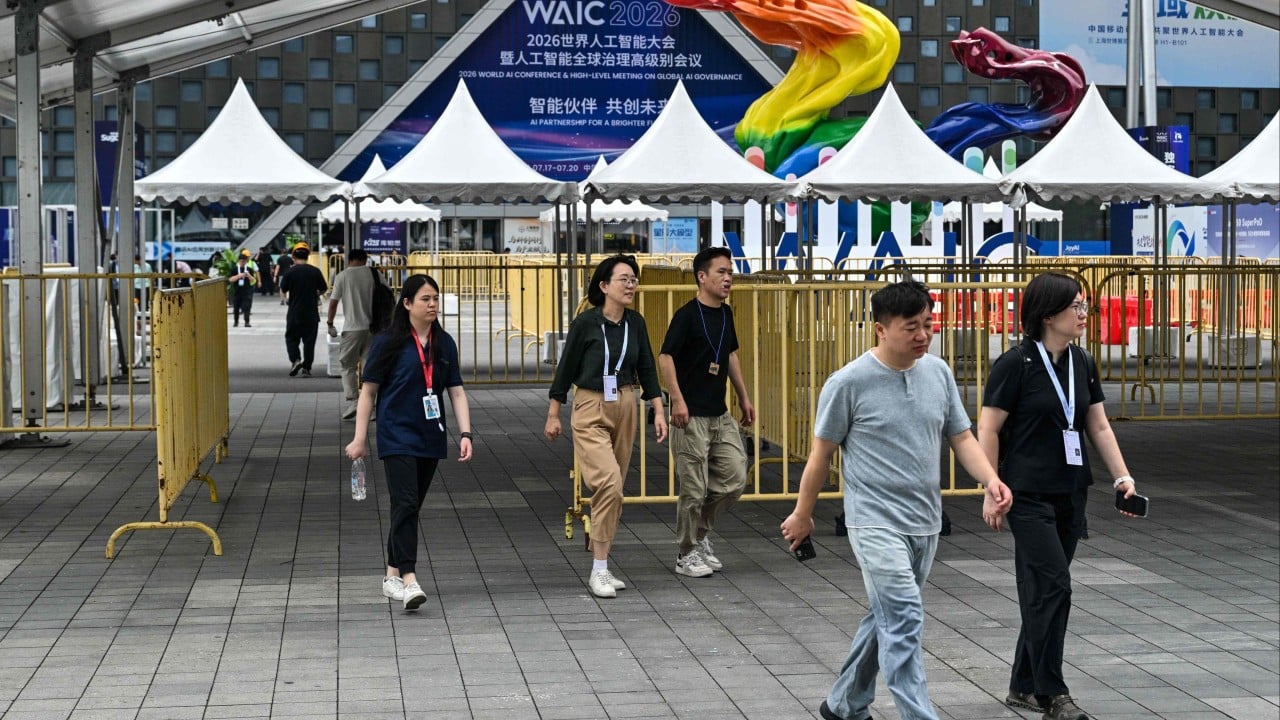
The World AI Conference (WAIC) in Shanghai is set to showcase China's ambition to compete in the AI sector, particularly in models, chips, and robotics. This event occurs against the backdrop of increasing technological rivalry with the US, which has imposed restrictions limiting China's access to advanced computing chips. China's government has prioritized technological self-reliance, accelerating the development of domestic alternatives in both hardware and software. Foreign ministry spokesman Lin Jian emphasized that China opposes ideological divisions and technological blockades, aiming to use WAIC to foster exchanges and consensus while promoting AI benefits to developing countries. This year's WAIC will serve as a critical indicator of China's progress in transforming AI model advancements into a comprehensive industrial ecosystem. Observers should pay attention to how China plans to influence global AI governance, safety standards, and international collaboration as AI technology increasingly integrates into the physical world.
Amorepacific's AI Beauty Lab Offers Customized Products at Amore Yongsan Store
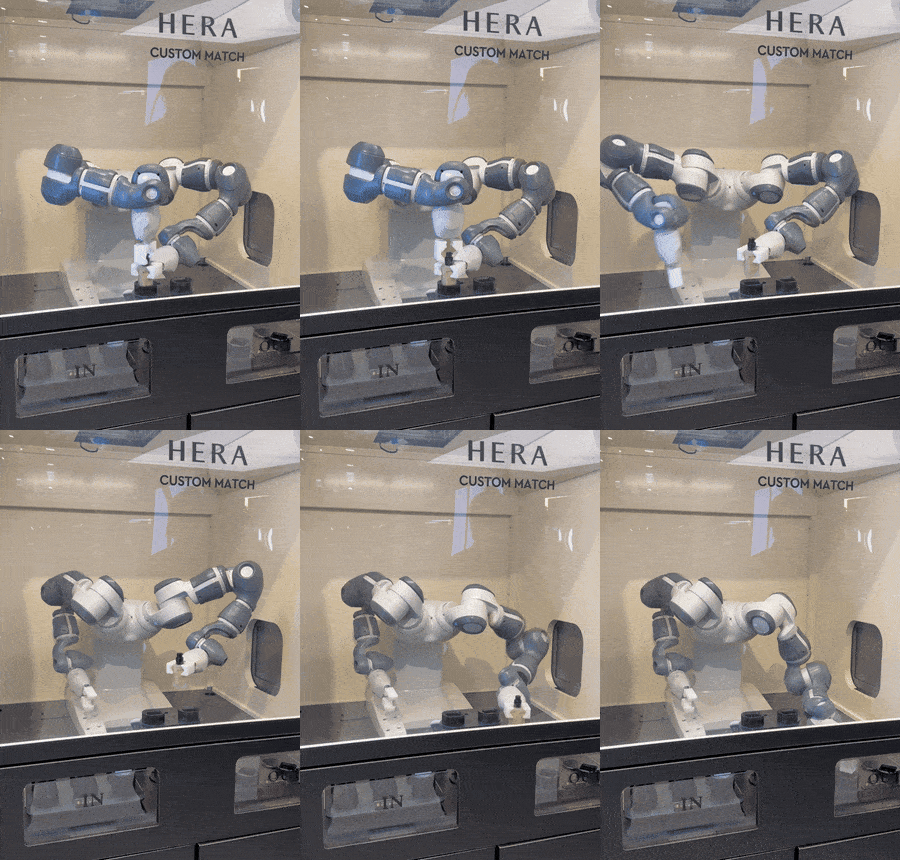
Amorepacific has launched its flagship store, Amore Yongsan, where AI and robotics create personalized beauty products, including foundations and lip cosmetics. Customers engage in a 15-minute AI consultation to select from 335 shades, with the Hera Custom Match service being particularly popular. The store also features a scalp diagnostic program and a fragrance lab, enhancing the customer experience. This innovative approach to beauty customization is significant as it positions Amore Yongsan as a potential new beauty district in Seoul, attracting both local and foreign customers. The store manager noted a nearly equal ratio of Korean and foreign clients, with a higher percentage of foreigners opting for product creation services. The bespoke essence service, inspired by Japanese preferences, further emphasizes the demand for tailored beauty solutions. Looking ahead, Amorepacific's integration of AI technology in beauty consultations and product creation may set a new standard in the industry. The store's research-focused environment, including AI skin scans and fragrance development, showcases the brand's commitment to innovation. No further timeline was disclosed at the time of publication.
All News
SpaceX Launches Starmind Project for 1 Million AI Satellites by 2028
SpaceX has officially named its orbital AI infrastructure project 'Starmind,' which aims to deploy a constellation of up to 1 million satellites. This initiative, confirmed by Elon Musk on June 22, 2026, will enable AI inference directly in space, utilizing solar energy rather than terrestrial power sources. The first satellite, designated AI1, was unveiled on June 8, 2026, and is designed to operate in sun-synchronous orbits. The significance of Starmind lies in its potential to overcome the limitations faced by ground-based data centers, such as land, power, and water constraints. By running AI computations in orbit, Starmind can provide a more efficient solution to the growing demand for AI computing power. The project leverages the existing Starlink infrastructure for data transmission, distinguishing its function from Starlink's internet relay capabilities. Looking ahead, SpaceX plans to begin hardware deployment with the AI1 satellite, while full-scale production and deployment of the satellite constellation are targeted for 2028. As of now, no Starmind satellites have been launched, and further engineering challenges remain to be addressed, particularly regarding the scalability of the satellite design.
"Fable 5 halted after three days: Satya Nadella discusses AI dependency risks amid US government intervention."
Anthropic's latest AI model, Claude Fable 5, faced an abrupt halt in user access just three days after its release due to an emergency directive from the U.S. government. This swift action raises concerns regarding autonomous cyber attacks, prompting scrutiny of the model's capabilities and implications. Additionally, Microsoft has restricted the use of Claude Fable 5 internally, citing issues related to its Zero Data Retention (ZDR) policy. The timeline of events surrounding these developments highlights the growing apprehension over AI technologies and their potential risks in cybersecurity.

AI-Generated Phishing Emails: A New Trend in Cyber Attacks
Microsoft has reported a rise in phishing attacks, fraudulent advertisements, and exploitation of search results that misuse the popularity of AI services. These attacks are being carried out under the guise of well-known platforms such as ChatGPT, Claude, and DeepSeek. Cybercriminals are employing these tactics to steal authentication and payment information, as well as to distribute malware. The increase in such malicious activities highlights the vulnerabilities associated with the growing reliance on AI technologies.

SpaceX sets aside up to 5% of shares in IPO for certain employees and friends
SpaceX has announced in its updated IPO prospectus that it will offer up to 5% of its stock through a direct share program as part of its upcoming initial public offering. This initiative aims to provide a broader range of investors with access to the company's shares, reflecting SpaceX's commitment to increasing shareholder participation. The decision comes as the company prepares for its IPO, which is anticipated to attract significant interest given SpaceX's prominent position in the aerospace industry. The prospectus update highlights the company's strategy to enhance liquidity and expand its investor base ahead of the public offering.
Air Force could spend $1.5B, get ‘Doomsday Plane’ data in T-7 engine ‘horse trade’
A source has expressed skepticism regarding a potential deal involving the Air Force, suggesting that while there may be positive aspects, taxpayers might not benefit significantly. The source emphasized the importance of the Air Force accurately defining its requirements to ensure the deal's success. This commentary comes amid ongoing discussions about military procurement strategies, highlighting the need for careful consideration of taxpayer interests in defense spending. The outcome of this deal remains contingent on the Air Force's ability to align its needs with the expectations of stakeholders.
Air Warfare AETC Air Force Boeing Business & Industry Hidden Challenges of the T-7
Krypton Evening News: Token prices drop to a few dollars; OpenAI may significantly reduce product prices; discounted train tickets for
Christian Stein has been appointed as the new CEO of Renault Group Spain, effective July 1, succeeding Josep María Recasens, who is leaving the company for new career opportunities. Stein will also continue in his role as Chief Communications Officer and report to Renault Group CEO François Provost. In a significant shift, General Motors is considering abandoning the use of lithium iron phosphate (LFP) batteries for electric vehicles, despite plans to produce them by the end of 2027 at a joint factory in Tennessee. This decision comes as the company reassesses its battery technology strategy amidst a competitive market. Global prediction markets Polymarket and Kalshi have reported that contracts for the upcoming World Cup champion have surpassed $2 billion, potentially setting a new record for single-event prediction market transactions. In the tech sector, OpenAI is contemplating substantial price reductions for its products to compete with rival Anthropic, as rising costs for AI services have become a concern for executives. Meanwhile, J&T Express has responded to an investigation by China's State Post Bureau, emphasizing its commitment to cooperate fully and improve safety management practices in light of the inquiry. AliExpress, Alibaba's cross-border e-commerce platform, has launched official local delivery services in five countries, including the U.S. and Spain, aiming to enhance logistics efficiency for merchants. In product news, Insta360 has unveiled the Luna Ultra, the world's first 8K dual-camera gimbal, which sold out shortly after its launch on June 10. Lastly, Neura Robotics, a German robotics firm, has secured $1.4 billion in funding to accelerate its development of a leading physical AI platform, with backing from major investors like Amazon and NVIDIA.
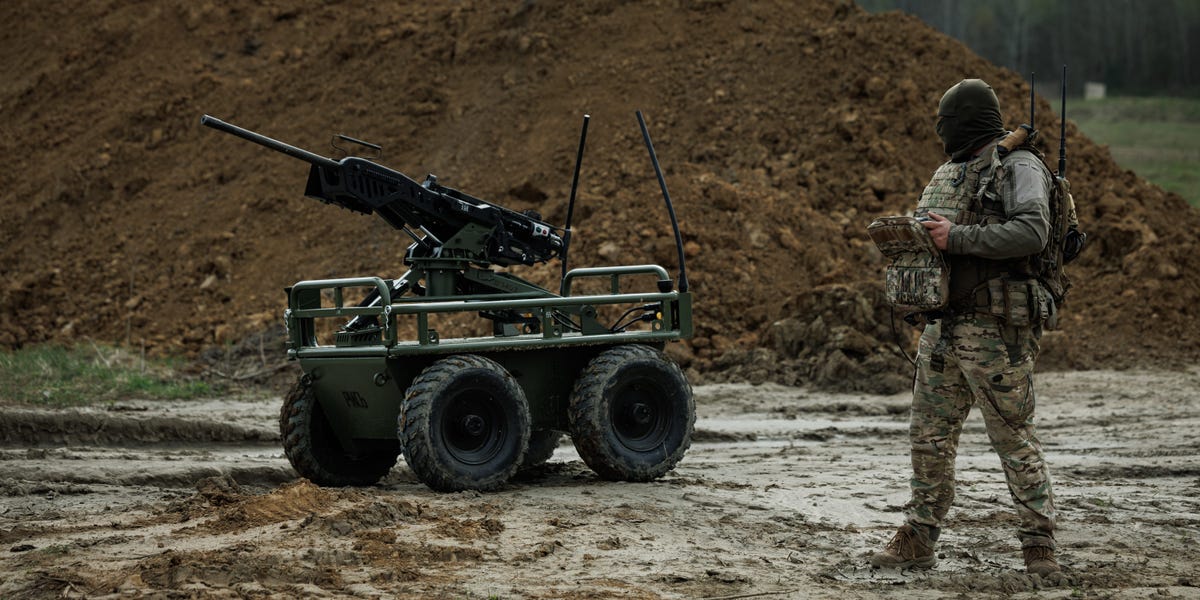
A Ukrainian arms maker was surprised to see Russian soldiers surrender to its war robots
Ukrainian soldiers are utilizing robots developed by DevDroid to safely approach Russian soldiers during surrender scenarios, enhancing their protection from potential attacks. This innovative strategy aims to minimize risks for Ukrainian forces while facilitating the surrender process. The deployment of these robots comes amid ongoing hostilities, as both sides continue to engage in conflict. By employing technology in this manner, Ukrainian troops can maintain a tactical advantage and reduce the likelihood of direct confrontations. The use of robots reflects a growing trend in modern warfare, where automation is increasingly being integrated into military operations to safeguard personnel and streamline procedures.
Military & Defense ukraine ground-robot ugv ground-robots russia
Dynamic Pricing Could Enhance Profitability for Air Taxis, Researchers Suggest
Research presented at the Korea Drone and UAM Expo indicates that dynamic pricing could make airport air taxis economically viable. The study, led by Mark Hansen from the University of California, Berkeley, highlights that airport transportation may be a strong commercial opportunity for electric vertical takeoff and landing (eVTOL) aircraft, particularly for routes to Los Angeles International Airport (LAX). The findings suggest that air travel can significantly reduce delays caused by road congestion, appealing to travelers who prioritize time savings. The researchers modeled a network of eight regional vertiports within 30 miles of LAX, estimating passenger demand based on current taxi and rideshare usage. They concluded that while ground travel times vary, UAM flight times remain consistent, offering substantial time savings during peak traffic. A key recommendation from the research is the implementation of variable pricing, akin to surge pricing in rideshare services. This approach could maximize revenue by aligning prices with the time savings perceived by travelers. The study points to Anaheim, California, as a potential market where dynamic pricing could support profitable operations that a fixed pricing model might not sustain.
Advanced Air Mobility Air Taxi Drone News Drone News Feeds Drones in the News News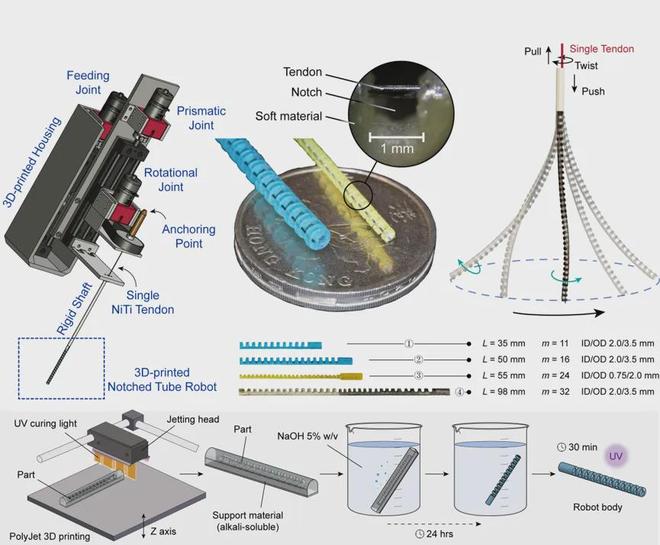
CUHK Introduces Innovative Single-Tendon Continuum Robots for Enhanced Motion Control
The Chinese University of Hong Kong (CUHK) has developed a groundbreaking single-tendon-driven continuum robot, addressing the longstanding challenges in minimally invasive medical applications. This innovative design utilizes a single eccentrically arranged tendon to achieve near omnidirectional motion control, significantly simplifying the actuator and transmission system while maintaining a compact size. This advancement is crucial as traditional tendon-driven continuum robots (TDCRs) rely on multiple tendons for three-dimensional motion, leading to increased complexity and limitations in miniaturization. The new paradigm proposed by CUHK's research team not only enhances spatial manipulation capabilities but also improves force transmission efficiency, paving the way for next-generation minimally invasive surgical robots. Looking ahead, the research, published in Nature Communications, offers a new design and technological pathway for continuum robots, inspired by the flexible movement observed in biological systems. No further timeline was disclosed at the time of publication.
Continuum Robots Medical Robotics Robotic Motion Control Tendon-Driven Robotics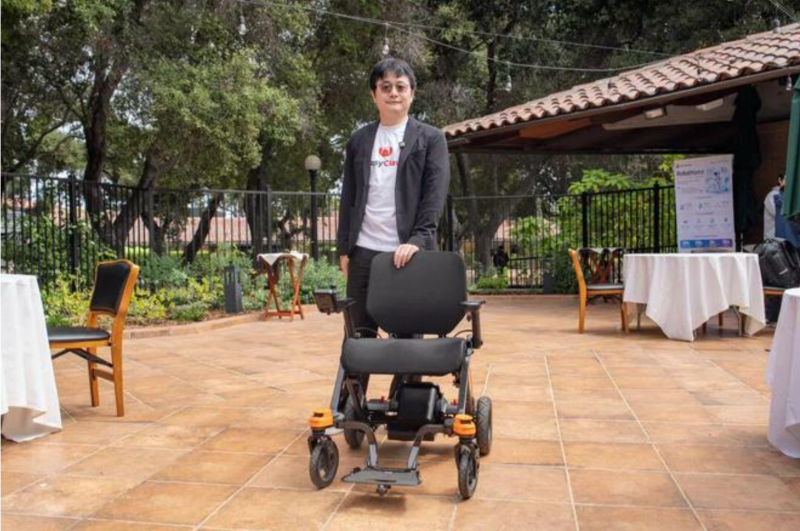
Smart Wheelchair Captivates Attention at Stanford AI Summit Over Humanoid Robots
At the Humanity & AGI Summit held at Stanford University, a smart wheelchair presented by Fu Sheng, Chairman of Cheetah Mobile, garnered significant attention, overshadowing humanoid robots. Attendees were drawn to the wheelchair's autonomous obstacle avoidance and user-friendly features, prompting many to experience it firsthand. The interest in the smart wheelchair highlights a critical shift in the robotics landscape, as Fu Sheng noted that humanoid robots are unlikely to achieve commercial scalability in the next five to ten years. He emphasized that the current limitations in software and hardware development hinder the practical application of humanoid robots, with most sales directed towards research institutions rather than commercial markets. Looking ahead, the focus on practical solutions like the smart wheelchair suggests a growing recognition that functionality is more important than form in robotics. As the industry continues to evolve, the demand for effective, user-centric products will likely shape future innovations, steering attention away from humanoid designs towards more practical applications.
Smart Wheelchairs Humanoid Robots AI Technology Robotics Assistive Devices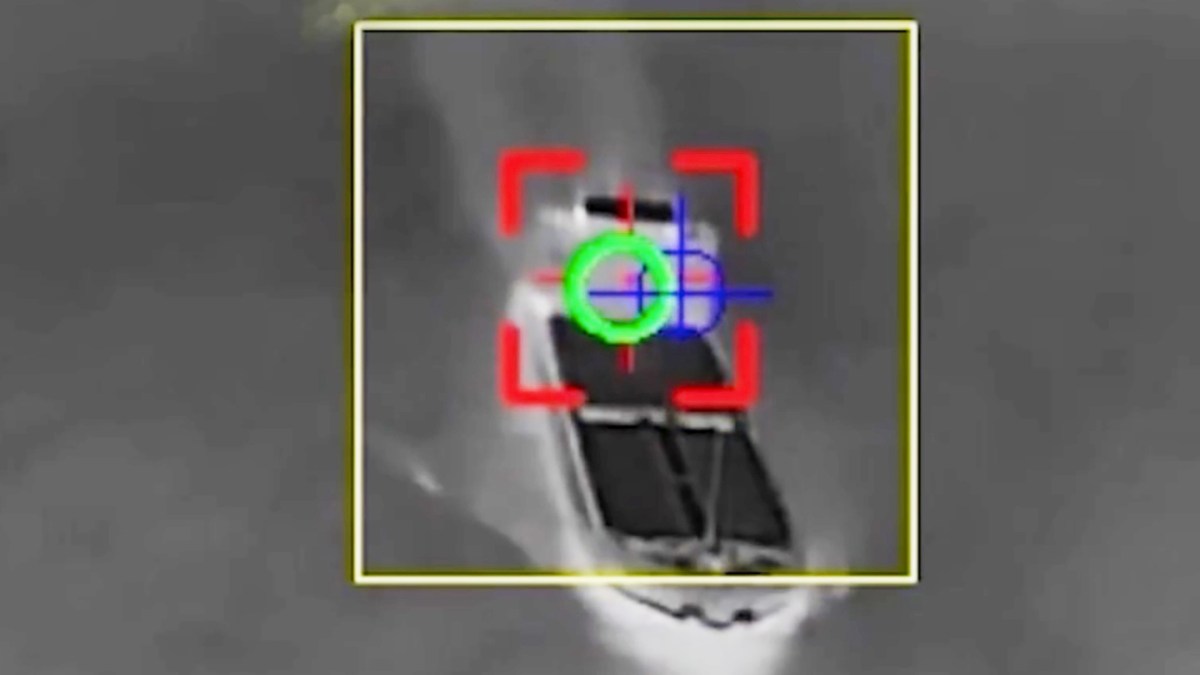
Ukrainian Drone Strikes Hit 28 Russian Vessels in Sea of Azov Campaign
On July 11, Ukraine reported that its aerial drones struck 28 Russian vessels in the Sea of Azov, part of an ongoing campaign that has targeted nearly 80 ships since July 6. This includes a significant number of oil tankers from Russia's shadow fleet, leading to a temporary halt in shipping through the Don-Azov Channel, a crucial navigable waterway for grain exports. The significance of these attacks lies in their impact on Russia's maritime operations and economy. Analysts noted that approximately 25% of Russia's wheat exports, the world's largest exporter of the grain, transit through the Sea of Azov. The strikes have prompted Russia to suspend new vessel transit applications through the Kerch Strait and halt navigation on the Don-Azov Canal, further isolating the Crimean peninsula and disrupting Russian energy supplies. Looking ahead, the Ukrainian military's 414th Separate Unmanned Strike Aviation System Brigade, known as “Magyar’s Birds,” continues to execute operations targeting Russian naval assets and infrastructure. The brigade's campaign, dubbed “Operation ‘Crimean Switch Off,’” aims to weaken Russian capabilities in the region. No further timeline was disclosed at the time of publication.
News & Features Air Around The Globe Drones Europe Russia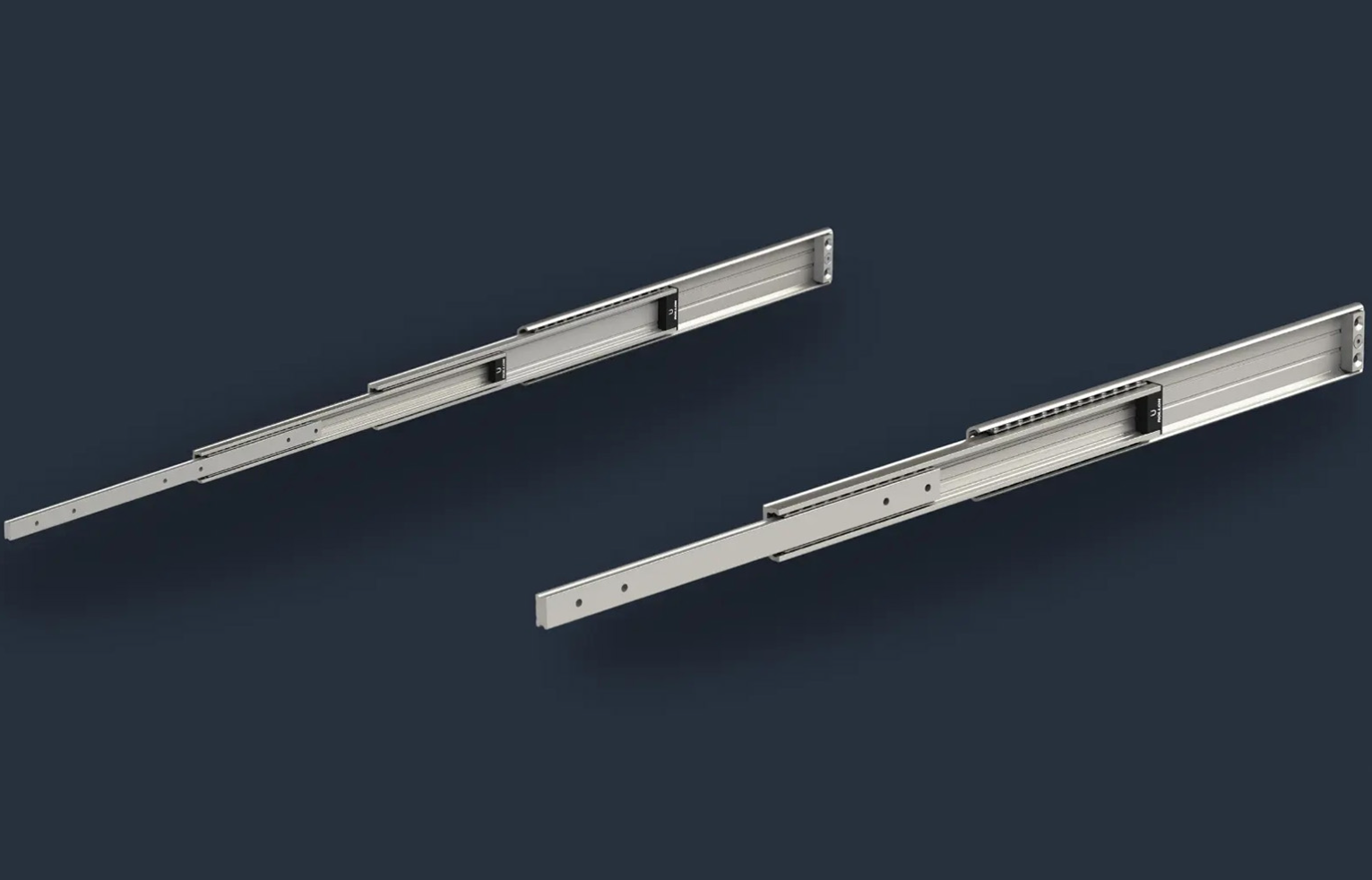
Rollon Launches Magnetic Telescopic Rails to Enhance Railway Maintenance Efficiency
Rollon, a leader in linear motion systems, has introduced the HVC-MG and H1C-MG integrated magnetic telescopic rails. These rails, designed for high-load applications, incorporate magnets into the rail structure to improve control and reduce effort during maintenance tasks. The new technology was unveiled this week and aims to enhance the efficiency and safety of railway maintenance operations by allowing engineers to easily pull out heavy battery compartments weighing hundreds of kilograms. The significance of this innovation lies in its ability to provide a seamless operation under heavy loads, addressing the challenges faced by maintenance personnel in the railway sector. The integrated magnets facilitate a sequential opening of the rail components, which minimizes simultaneous stress and enhances load distribution. This results in smoother operation, reduced manual effort, and extended rail lifespan, making it particularly suitable for the demanding environments of high-speed rail and subway systems. Looking ahead, Rollon plans to expand its magnetic control sequential motion technology across more product lines. The HVC and H1C series rails offer full extension and super extension options, maximizing accessibility while minimizing space usage. No further timeline was disclosed at the time of publication for additional product releases or enhancements.
Railway Maintenance Linear Motion Systems Heavy Equipment Automation Technology
FORT Robotics extends its Trust Layer for Physical AI by adding Outside-In Safety in collaboration with NVIDIA Halos for Robotics
Researchers have developed a groundbreaking approach to enhance robot perception by integrating external sensors with traditional on-board systems. This innovative method allows robots to dynamically adjust their behavior, significantly improving their operational efficiency. The advancements were made public in October 2023, showcasing the potential for robots to better navigate and interact with their environments. By utilizing additional sensory data, these robots can respond more effectively to changing conditions, ultimately leading to more reliable and versatile applications in various fields. This development represents a significant step forward in robotics, promising to transform how machines operate in complex settings.

AI is driving new content strategies and powering localization, but cultural understanding still depends on humans
The Intelligent Futures: AI’s Global Ecosystems event took place in Hangzhou on Thursday, organized by TechNode in collaboration with TECOM and Founders Breakfast. The second panel of the event focused on the role of artificial intelligence and content design in enhancing success within cross-border e-commerce. Three speakers from leading multinational technology companies shared insights on emerging trends in global digital content strategies, highlighting how businesses are evolving to meet the demands of an increasingly interconnected market. The discussions aimed to explore innovative approaches that leverage AI to optimize content delivery and engagement in the competitive landscape of international trade.
Events Content and entertainment E-commerce and New Retail Highlight News
Dr. Mohsen Sohi new Chairman of the Supervisory Board – KION increases dividend
Dr. Mohsen Sohi has been appointed as the new Chairman of the Supervisory Board of KION GROUP AG, taking over from Hans Peter Ring. This leadership change comes as the company also announced an increased dividend of €0.82 per share, reflecting its strong financial performance. In a move to further emphasize its commitment to sustainability and employee development, KION GROUP AG has extended the contract of Chief People and Sustainability Officer Valeria Gargiulo until 2030. The announcements signal the company's strategic focus on enhancing shareholder value while prioritizing sustainable practices and workforce growth.
intralogistics supply chain solutions industrial trucks forklift trucks warehouse trucks automation technology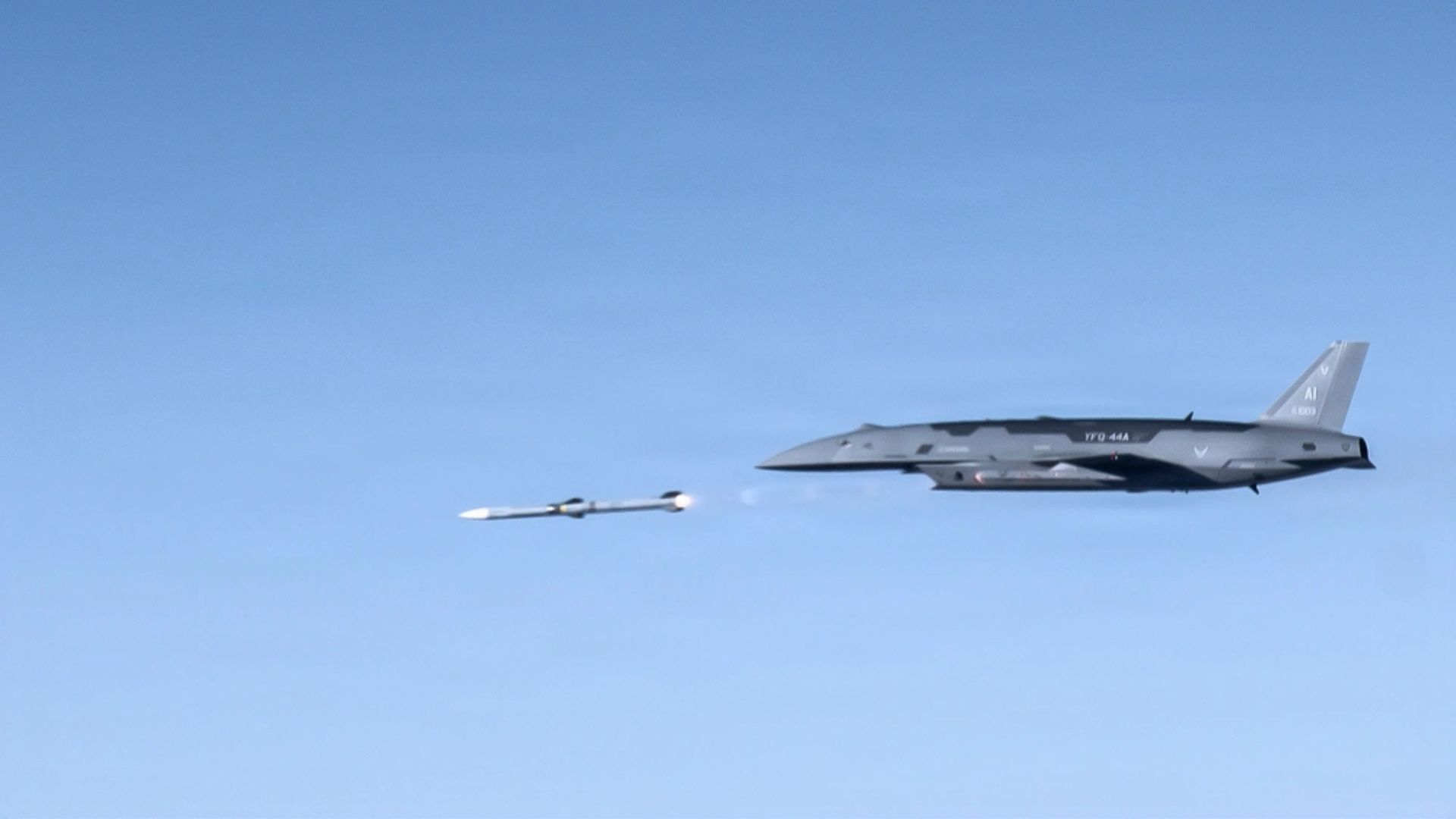
U.S. Air Force Conducts First Missile Launch from Anduril's YFQ-44A Drone
The U.S. Air Force successfully executed its inaugural missile launch from a Collaborative Combat Aircraft (CCA) on June 15, 2026. The Anduril-developed YFQ-44A drone fired an AIM-120 medium-range air-to-air missile at a digital target in California’s Mojave Desert, marking a significant advancement in the development of semi-autonomous drones capable of operating alongside piloted fighter jets. This milestone is crucial as it demonstrates the Air Force's commitment to enhancing its combat capabilities through the use of Collaborative Combat Aircraft. The YFQ-44A autonomously managed most mission steps, with a human operator providing the final launch approval, adhering to U.S. policy on lethal weapon control. This test signifies a shift from previous trials, where operators controlled the drone's flight, showcasing the aircraft's ability to execute complex tasks independently. Looking ahead, the Air Force aims to further develop and test these semi-autonomous aircraft, ultimately enhancing U.S. airpower. The CCA program seeks to deliver combat-ready drones that can operate effectively in challenging environments, with the potential for real mission deployment on the horizon. No further timeline was disclosed at the time of publication.
Military
Microsoft and Palantir Urge Businesses to Retain AI Sovereignty Amid Rising Costs
Microsoft CEO Satya Nadella recently emphasized the importance of maintaining AI sovereignty in a widely discussed essay that garnered over 66 million views. He warned against relying on external AI models, advocating for companies to develop their own 'token capital' alongside human capital to create proprietary AI capabilities. This call to action comes as businesses face skyrocketing AI usage costs, exemplified by Uber's rapid depletion of its AI budget within four months. The significance of Nadella's message lies in its timing, as companies increasingly utilize AI agents that consume vast amounts of tokens, leading to concerns over escalating expenses without corresponding value. Palantir Technologies echoed this sentiment with a manifesto stressing the need for organizations to retain control over their AI capabilities and data. The manifesto's provocative statements have sparked a debate about the implications of AI model dependency and the potential for industry hollowing out if businesses do not take charge of their AI strategies. Looking ahead, both Microsoft and Palantir are positioning themselves as essential partners in the development of proprietary AI systems. As companies navigate the complexities of AI integration, the focus will likely shift towards establishing robust learning loops that enhance both human and token capital. No further timeline was disclosed at the time of publication for specific initiatives from either company to address these challenges.
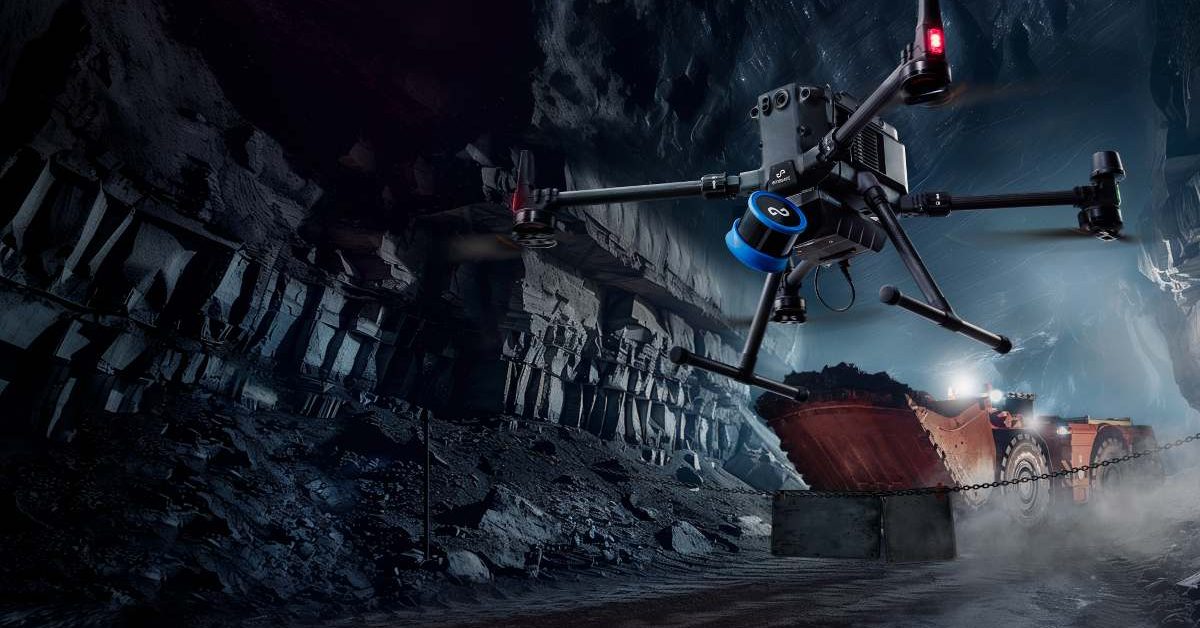
Emesent Secures $17 Million to Enhance AI-Driven Drone Operations and Expand Manufacturing
Emesent, an Australian drone mapping company, has raised $17 million to boost its AI-powered autonomous operations. This funding includes a $7 million venture debt facility from the National Reconstruction Fund Corporation and a $10 million equity round from notable investors such as Main Sequence and QIC Ventures. The investment aims to enhance the capabilities of drones in complex environments with minimal human intervention. The significance of this funding lies in Emesent's strategy to focus on software advancements alongside hardware improvements. The company plans to develop its Cortex AI autonomy software and Aura cloud platform, which will enable drones to operate in GPS-denied areas and process 3D mapping data efficiently. Emesent's existing Hovermap LiDAR payload is already utilized in over 200 mine sites globally, showcasing its established presence in the industrial drone sector. Looking ahead, Emesent intends to expand its manufacturing capabilities in Queensland while pursuing growth in international markets. CEO Charles Miller emphasized the importance of this investment in enhancing AI and autonomy for industries such as mining and defense. No further timeline was disclosed at the time of publication for the anticipated developments from this funding round.
News
Will AI-powered humanoid robots someday work alongside us? | 60 Minutes
Engineers and computer scientists at Boston Dynamics are advancing the development of AI-powered humanoid robots, exemplified by their robot Atlas, which is designed to mimic human behavior. In a recent demonstration, the company invited the CBS news program 60 Minutes to observe Atlas as it learned to perform tasks within a Hyundai factory setting. This initiative showcases the potential of robotics to enhance efficiency and productivity in industrial environments. The collaboration between Boston Dynamics and Hyundai reflects a growing trend in the integration of artificial intelligence and robotics in manufacturing processes, aiming to address labor shortages and improve operational capabilities. The demonstration highlights the ongoing efforts to refine the technology, enabling robots to adapt to complex tasks and work alongside human employees effectively.
New President and CEO for Omron Europe
Omron has appointed Virendra Shelar as the new President and CEO of its Industrial Automation division in Europe. This leadership change aims to strengthen the company's presence and drive growth in the European market. Shelar's extensive experience in the automation sector is expected to enhance Omron's strategic initiatives and innovation efforts in the region. The announcement was made recently, signaling a commitment to advancing industrial automation solutions across Europe.
Allgemein Menschen & Meinungen
SoftBank Shares Drop Over 9% Amid Asia's AI-Linked Stock Decline
SoftBank Group's shares fell by 9.2% on Friday as a sell-off in U.S. semiconductor stocks impacted Asian markets. This decline reflects growing concerns about AI spending and its sustainability, particularly following a weak session for U.S. technology stocks, with the Nasdaq Composite down 1.47%. The downturn in Asian tech stocks, including significant losses for Tokyo Electron and Advantest, highlights the ripple effects of Wall Street's struggles. Investors are increasingly wary of the aggressive investment cycle in the semiconductor sector, especially after TSMC's earnings report raised doubts about justifying further expenditures. Looking ahead, the market will be closely monitoring how these trends affect AI-related investments and whether the recent sell-off indicates a broader shift in investor sentiment. No further timeline was disclosed at the time of publication.
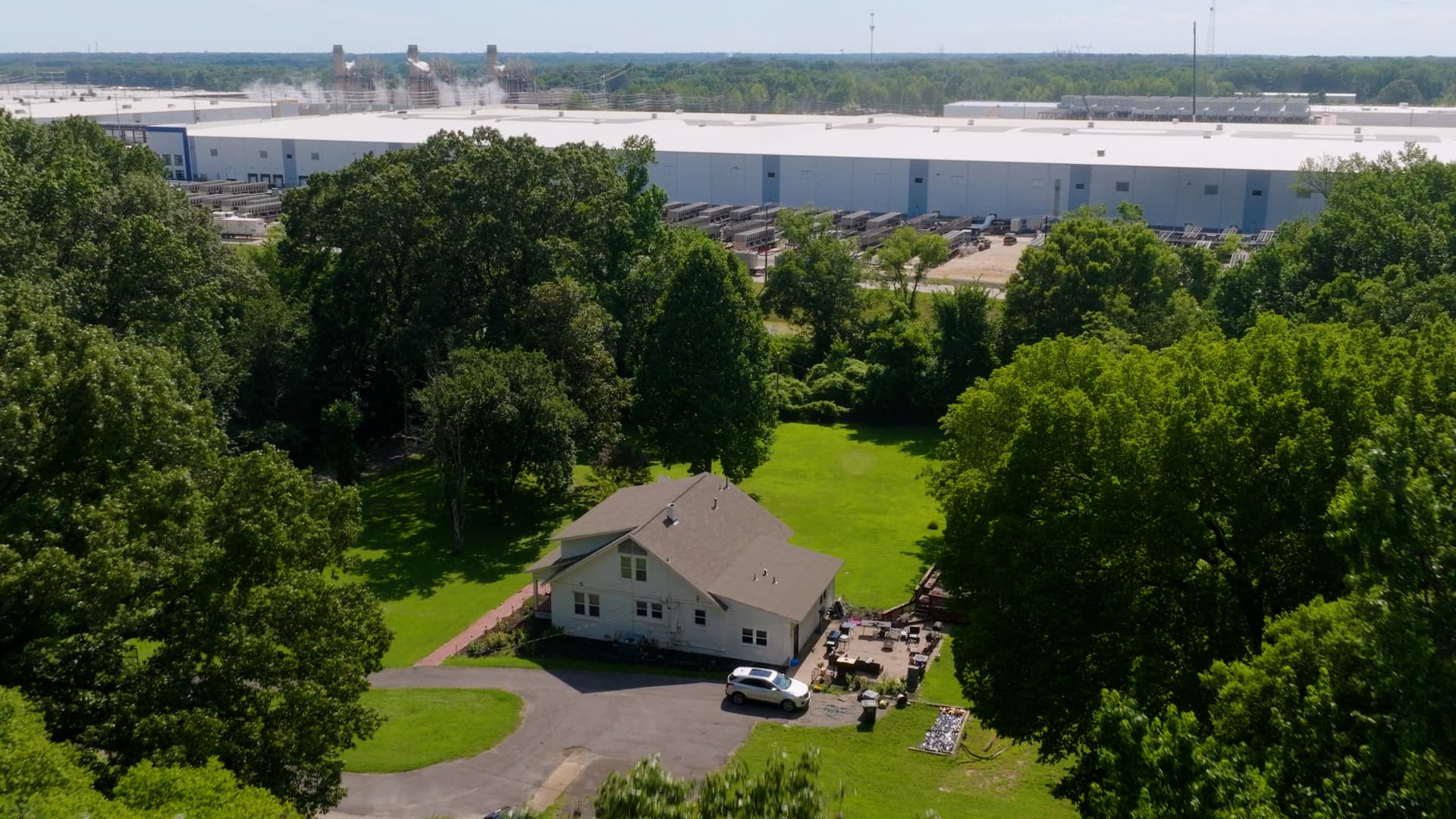
Elon Musk's AI Data Centers in Memphis Spark Nationwide Backlash Against Development
Elon Musk's rapid establishment of AI data centers in Memphis has led to significant local discontent due to noise and emissions from gas-burning turbines. This situation has become a cautionary example for other communities facing similar developments, prompting protests and policy proposals across the U.S. Public opposition is growing against data centers from major tech companies, with a recent Gallup poll indicating that 70% of Americans oppose local AI data center construction. The backlash against Musk's SpaceXAI facilities, Colossus and Colossus II, highlights the challenges of balancing technological advancement with community concerns. Local residents report feeling ignored during the planning stages, and many are now involved in legal actions against SpaceX. The controversy has also influenced state-level policies, such as New York's moratorium on AI data center construction and New Jersey's legislation requiring fair electricity costs for data center operators. As the debate over AI data centers continues, stakeholders are watching for further developments in regulations and community responses. The experiences of Memphis residents serve as a blueprint for other areas grappling with the implications of such facilities, emphasizing the need for better engagement and consideration of local impacts in future projects. No further timeline was disclosed at the time of publication.

South Korean Researchers Develop AI for Innovative DNA Origami Designs
Researchers from Seoul National University and Hanyang University have created an AI model named Generative SNUPI, which simplifies the design of DNA origami structures. This model allows users to generate complex DNA shapes, such as the Mona Lisa, by considering the chemical properties of DNA, significantly reducing the time and expertise required for design. The development of Generative SNUPI is crucial as traditional DNA origami design is often tedious and expensive, requiring significant expertise. Kyounghwa Jeon, a Ph.D. candidate at SNU, emphasizes that this new tool could enable users to transition directly from concept to physical assembly of DNA structures, enhancing research capabilities in the field. Looking ahead, the researchers aim to improve the flexibility of DNA origami designs to facilitate real-world applications such as drug delivery and immunotherapy. Do-Nyun Kim, an assistant professor at SNU, notes that future work will focus on creating dynamically reconfigurable structures, which are essential for many molecular functions.
Biotechnology Dna-origami Dna Generative-ai
Tombot's AI-Driven Robotic Dog Receives Over 23,000 Preorders for Senior Emotional Support
Tombot, a robotics company based in Los Angeles, has announced the completion of a $7 million Series A3 funding round led by Caduceus Capital Partners and Wavemaker 360. This brings the company's total funding to over $13 million, with more than 23,000 preorders for Jennie, an AI-driven robotic Labrador puppy, already secured before product delivery. The significance of Jennie lies in its potential to address the growing issue of loneliness among seniors, particularly those suffering from dementia and mild cognitive impairment. With over 300 million individuals globally affected by these conditions, Tombot aims to provide a medical-grade emotional support device that requires no feeding, walking, or maintenance, thus offering a viable companionship option for the elderly. Looking ahead, Tombot's focus will be on continuous updates to Jennie's behavior and voice commands through an accompanying mobile app. The response from investors and the market indicates a serious consideration of robotic companions as a solution to the pressing challenges of aging populations and caregiver shortages. No further timeline was disclosed at the time of publication.
Emotional Support Robots Elderly Care Technology AI Companions Robotics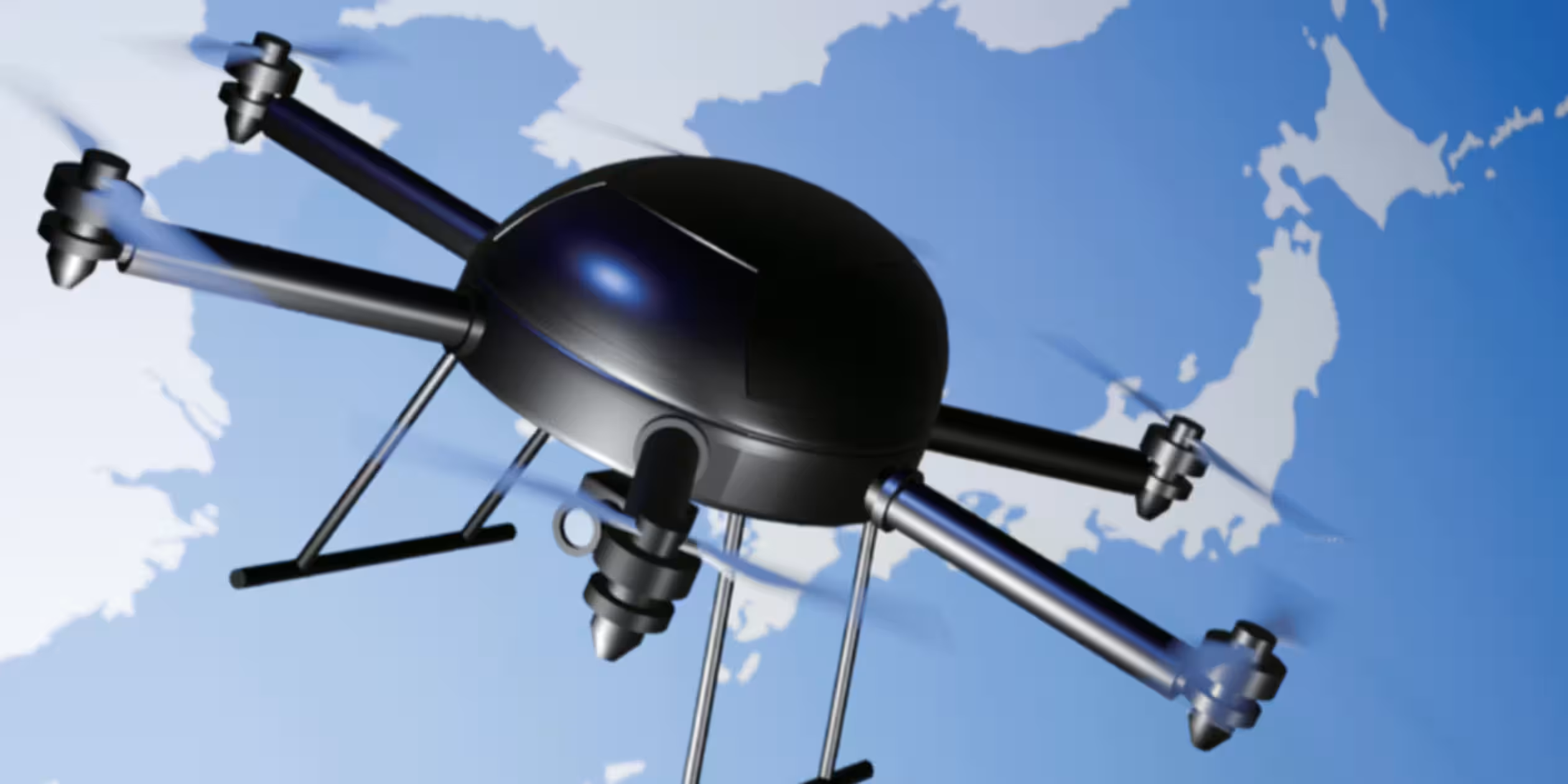
Japanese Drone Stocks Experience Surge as Investors Diversify from AI and Defense
Japanese drone companies are witnessing a significant influx of investment as military demand for unmanned systems rises. Investors are increasingly looking for alternatives to artificial intelligence stocks and traditional defense stocks that had previously gained popularity. This shift indicates a growing interest in the drone sector, which is becoming a focal point for investment in Japan. The surge in investment is crucial as it highlights the potential of the drone industry amidst geopolitical tensions and the evolving landscape of defense technology. Companies like Terra Drone are emerging as key players in the Tokyo market, attracting attention from investors eager to capitalize on the expanding military applications of drones. This trend reflects a broader movement towards diversification in investment portfolios. Looking ahead, the drone industry is expected to continue its upward trajectory as demand for unmanned systems grows. Investors should monitor developments in regulatory frameworks and technological advancements that could further influence the market. No further timeline was disclosed at the time of publication.

MIT and York University Study Visual Learning in the Brain Using Neural Networks
Researchers at MIT’s McGovern Institute for Brain Research and York University in Toronto have investigated how visual learning occurs in the brain. By analyzing neural activity and utilizing computational modeling, they compared the learning processes of animals and an artificial neural network designed to mimic brain architecture. Their findings, published on July 8 in Nature Communications, reveal that changes in visual processing are crucial for learning to discriminate new objects. This research is significant as it enhances our understanding of the brain's adaptability and the mechanisms behind visual learning. The study suggests that while the overall activity patterns in the inferior temporal cortex remain stable, subtle changes occur in response to learned object recognition. These insights could inform educational strategies and improve learning outcomes across various contexts. Looking ahead, the researchers aim to further explore how these modest changes in neural activity contribute to learning. They believe that artificial neural networks can provide valuable insights into biological learning processes, potentially leading to new experimental approaches and predictions that extend beyond current understanding. No further timeline was disclosed at the time of publication.
Research Neuroscience Learning Brain and cognitive sciences Computer modeling Vision
Microsoft CEO Satya Nadella Warns Companies About AI Data Risks and Ownership
In a recent blog post, Microsoft CEO Satya Nadella raised concerns about the risks associated with using AI models from proprietary labs like OpenAI and Anthropic. He highlighted that companies are not only paying for AI usage but are also inadvertently sharing sensitive business information, which could be exploited by these labs as they learn from user interactions. Nadella emphasized that enterprises are effectively teaching AI models about their unique business nuances, which could lead to competitors gaining access to invaluable institutional knowledge. He criticized the current model where AI companies can freely train on public data while imposing restrictions on how enterprises can learn from their models. To address these concerns, Nadella suggested that companies should retain ownership of their data and develop proprietary learning environments on cloud platforms. He advocated for the creation of orchestration layers that allow businesses to switch between different AI models, thus avoiding dependency on a single provider. No further timeline was disclosed at the time of publication.
AI Enterprise Microsoft open source ai Satya Nadella
Haier Launches Lightweight AI Exoskeleton W3 for $2200 in Guangzhou Stores
Haier has introduced its third-generation AI exoskeleton, the W3, which weighs only 1.75 kg and is priced at $2200. This wearable robot is now available in physical stores located in Guangzhou, marking a significant step in consumer robotics. The W3 features advanced AI gait learning technology that adapts to the user's walking patterns in real time, enhancing usability and comfort. The introduction of the W3 is significant as it represents Haier's commitment to integrating AI into wearable technology, making it more accessible for everyday use. The lightweight design and real-time adaptation capabilities position the W3 as a practical solution for individuals seeking mobility assistance. This development reflects a growing trend in the market towards more user-friendly and adaptable robotic solutions. Looking ahead, it will be important to monitor consumer feedback and sales performance of the W3 in the coming months. No further timeline was disclosed at the time of publication regarding additional features or expansions beyond the Guangzhou market.
Technology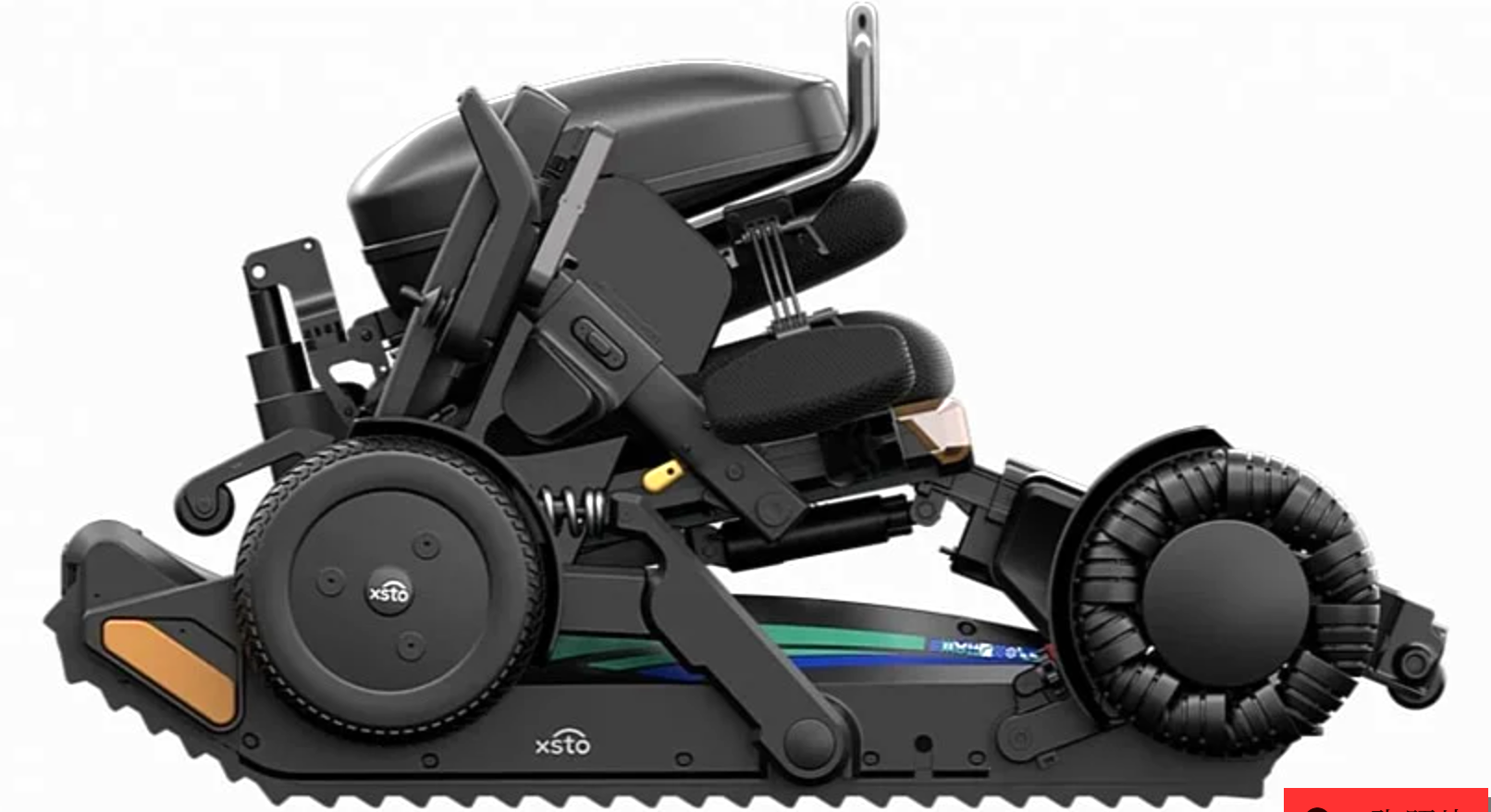
XSTO Mobility Launches $28,000 X12 Stair-Climbing Robot with AI and LiDAR Technology
XSTO Mobility has unveiled the X12 all-terrain mobility robot, priced at $27,999, designed to assist wheelchair users in overcoming stairs and other obstacles. Weighing approximately 115 kg and capable of carrying up to 136 kg, the X12 features a hybrid wheel-track chassis that allows it to navigate stairs autonomously, with a climbing speed of 25 steps per minute and descending speed of 30 steps per minute. The robot utilizes LiDAR and AI algorithms for real-time terrain perception, enabling it to adjust its driving mode and power output dynamically. The introduction of the X12 is significant as it addresses mobility challenges faced by individuals with disabilities, particularly in environments lacking accessibility features. With the ability to climb slopes of up to 40 degrees and traverse gaps of 300 mm, the X12 offers a solution that goes beyond traditional mobility aids. XSTO Mobility, based in Zhongshan, Guangdong, has been developing embodied mobile robots for over a decade, and the X12 represents a substantial advancement in this field, emphasizing user independence and safety. Looking ahead, XSTO Mobility has reported that orders for the X12 are already booked until April 2026, indicating strong market demand. The robot is currently available in over 70 countries, and its innovative design has garnered multiple awards. No further timeline was disclosed at the time of publication regarding additional product releases or enhancements.
Mobility Robots Assistive Technology AI Healthcare Innovation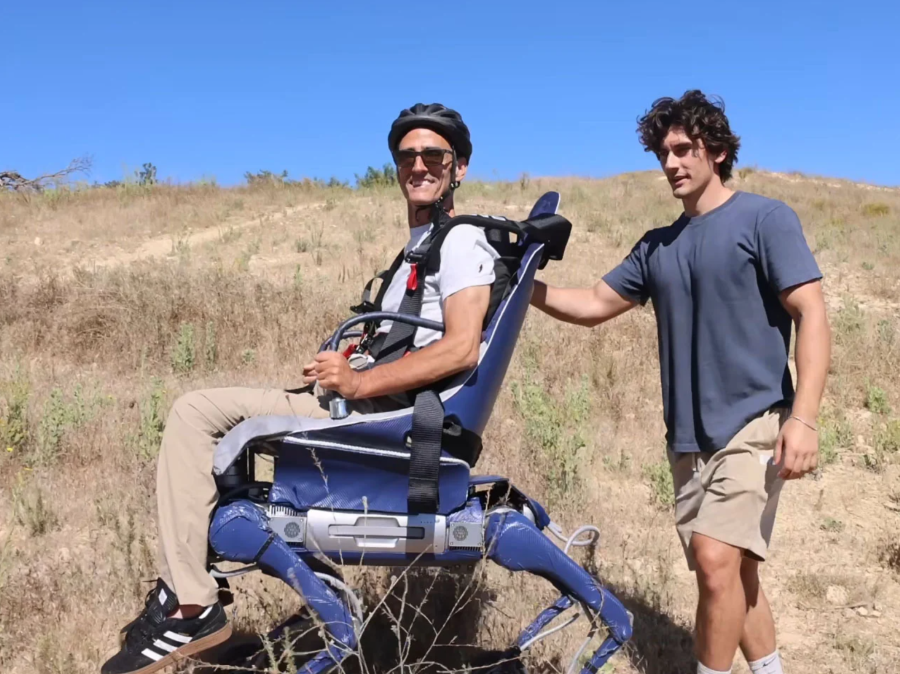
Jake Laser Transforms Unitree Robot Dog into Wheelchair for Father’s Mobility
Jake Laser has ingeniously modified a Unitree industrial robot dog into a wheelchair for his father, who has been affected by multiple sclerosis for over 20 years. This innovative device features a hybrid wheeled and walking design, allowing it to navigate various terrains, including stairs and rocky paths, providing newfound mobility for Jake's father. The significance of this transformation lies in its technical ingenuity and emotional impact. By integrating a racing-style seat and recalibrating the robot's software to accommodate his father's weight, Jake ensured that the robot could maintain balance and stability. The project not only enhances mobility but also restores a sense of independence and pride for his father, who can now control the robot using a wireless joystick. Looking ahead, Jake's creation marks a notable advancement in assistive technology, blending robotics with personal mobility solutions. No further timeline was disclosed at the time of publication, but the successful testing of the robot on challenging terrains indicates potential for broader applications in mobility aids for individuals with disabilities.
Assistive Technology Robotics Mobility Solutions Innovation
Siemens collaborates with Databricks and FFT to enhance production data with AI insights.
Siemens has unveiled a new edge-to-cloud integration in collaboration with Databricks, a leading Data and AI company, and its long-time automation partner, FFT Produktionssysteme. This innovative partnership aims to streamline the connection of production data directly to enterprise AI, eliminating the need for complex IoT middleware. By facilitating this direct integration, Siemens and its partners intend to empower industrial customers to transform their production data into actionable insights, thereby enhancing the scalability of industrial AI solutions on a global scale. This initiative underscores the growing importance of data-driven decision-making in the manufacturing sector, enabling companies to leverage advanced analytics for improved operational efficiency and competitiveness.
Artificial Intelligence Automation Industry News artificial intelligence cloud computing
SpaceX's Starmind Project: Supplier Strategy and Chip Manufacturing Plans for 2026
SpaceX's Starmind project, aimed at deploying up to 1 million AI satellites, was filed with the FCC on January 30, 2026. The initiative is designed to minimize reliance on external suppliers, with CEO Elon Musk stating that current chip production capabilities only meet 2% of the projected needs. The first satellite, AI1, is set for prototype launches in early 2027, featuring a 70-meter wingspan and a modular payload system that allows for interchangeable chips from various suppliers. The significance of Starmind lies in its ambitious supply chain strategy, which seeks to transition from external hardware suppliers to a fully integrated Musk-owned facility by 2028. The Gigasat manufacturing site in Bastrop, Texas, is expected to be operational by the end of 2027, with plans for high-volume production of the D3 chip, specifically designed for space applications. This approach aims to consolidate chip manufacturing processes under the Terafab joint venture, which has an estimated initial investment of $55 billion. Looking ahead, the next milestone for Starmind is the launch of AI1 prototypes in early 2027, while the full-scale chip production at Terafab is projected to ramp up significantly thereafter. However, analysts express skepticism regarding the feasibility of achieving Musk's ambitious compute goals, which may require substantial investment and time to establish the necessary manufacturing capabilities.
SpaceX's Starmind Faces Feasibility Challenges for 1 Million Satellite Deployment
On January 30, 2026, SpaceX submitted a request to the FCC to launch up to 1 million satellites as part of its Starmind orbital compute constellation. This ambitious plan is unprecedented, as the total number of satellites ever launched globally is in the low tens of thousands. The proposal seeks a waiver from standard deployment milestones, citing reliance on the Starship's full reusability for success. The significance of this request lies in the technical and logistical challenges it presents. Experts warn that low Earth orbit may not support the proposed number of active satellites without risking a debris cascade. SpaceX's own IPO prospectus acknowledges unresolved dependencies related to Starship's launch cadence and reusability, which are critical for the orbital AI compute strategy. Looking ahead, the timeline for achieving the necessary launch cadence and manufacturing capacity remains uncertain. SpaceX's Gigasat facility in Texas aims for volume production by late 2027, but this would require unprecedented output levels. No further timeline was disclosed at the time of publication, leaving the feasibility of the Starmind project in question.

Emily Bender Sets the Record Straight on “Stochastic Parrots”
In March 2021, a notable paper titled “On the Dangers of Stochastic Parrots: Can Language Models Be Too Big?” was published by a team of four linguists and computer scientists, including Timnit Gebru and Margaret Mitchell, shortly after their controversial dismissal from Google. The paper critiques large language models, suggesting they generate text through statistical predictions rather than genuine understanding, coining the term "stochastic parrot" to illustrate this concept. As the analogy gained traction beyond academia, it sparked debates and inspired projects, including a shoulder-mounted robot named the Stochastic Parrot. On the five-year anniversary of the paper, lead author Emily M. Bender, a professor at the University of Washington, addressed common misconceptions surrounding the term in a recent blog post and an interview with IEEE Spectrum. Bender emphasized that the phrase specifically refers to large language models and not to all forms of artificial intelligence, which she believes oversimplifies the technology and complicates discussions about its implications. She highlighted the importance of clear terminology in understanding and regulating technology, noting that many discussions conflate different AI applications, such as chatbots and protein folding algorithms. Bender also acknowledged that the paper overlooked significant issues, such as exploitative labor practices in data collection, which she now believes should have been included. The ongoing discourse around language models continues to evolve, reflecting the complexities of artificial intelligence and its societal impact.
Emily-bender Large-language-models Llms Ai-ethics
Roundtable Discussion: Hey? AI! This Month, This Year, and Next Five Years of AI | 36Kr WAVES 2026 New Wave
In 2026, the investment landscape in China is witnessing a significant transformation as artificial intelligence (AI) evolves from a mere technical concept to a driving force in various industries. The WAVES 2026 conference, organized by 36Kr and AnYun, took place in Guangzhou's Panyu district, gathering top investors, industry leaders, and emerging entrepreneurs to explore the implications of AI and hard technology on the future of innovation. Over two days, the event featured 14 in-depth roundtable discussions and numerous independent presentations, focusing on key sectors such as AI, hard technology, international expansion, and healthcare. During the conference, industry experts discussed the rapid pace of AI development, highlighting how companies are now experiencing frequent valuation updates and financing rounds. Investors shared insights on the changing dynamics of funding, with many companies securing multiple rounds of financing within months, a stark contrast to previous trends. The conversation also touched on the implications of regulatory challenges, particularly concerning AI models and their accessibility. Participants emphasized the importance of stability and reliability in AI applications, as well as the need for a deep understanding of specific industries to successfully implement AI solutions. The discussions underscored a growing interest in physical AI applications, with expectations for commercialization in sectors like pharmaceuticals and materials science within the next few years. As the AI landscape continues to evolve, investors are increasingly focused on identifying unique opportunities and fostering innovative solutions that address real-world challenges.

Key Trends from the 2026 Zhangjiang Embodied Intelligence Supply Chain Conference
The 2026 Zhangjiang Embodied Intelligence Supply Chain Conference recently brought together more than 80 companies to discuss the evolving landscape of humanoid robotics. Held in Zhangjiang, the event marked a significant transition from technical validation to commercial viability within the industry. Key trends highlighted during the conference included the increasing commercialization of humanoid robots, advancements in emotional interaction capabilities, and the rise of innovative firms dedicated to open-source and modular designs. This gathering underscored the growing interest and investment in humanoid robotics as companies seek to capitalize on emerging technologies and meet market demands.
Humanoid Robots Emotional Interaction Robotics Innovation Supply Chain Technology
BilibiliWorld 2026 is China's first overseas ticketed ACG event; 17 measures to promote AI in consumer development; Kuaizhou-11 rocket successfully
Didi Autonomous Driving showcased its advancements in self-driving technology at the MOVE 2026 conference held in London on June 17-18. The company highlighted its achievement of L4-level core technology and the delivery of its new Robotaxi model, R2, developed in collaboration with GAC Aion, which is currently undergoing road tests in cities like Guangzhou and Beijing. Since launching all-weather passenger testing in select areas last year, Didi has maintained a safe and stable operational performance. On June 18, Cainiao's Vice President Bi Jianghua announced plans to deploy four large-scale climbing robot warehouses globally within the next four months, following successful trials during the 618 shopping festival. This initiative aims to enhance the efficiency of e-commerce supply chains. DingTalk's new CEO, Chen Yusen, communicated organizational changes in a company-wide letter, establishing a core platform business department and integrating various teams to streamline operations. The State Administration for Market Regulation is overseeing an antitrust compliance rectification for Huolala, mandating the cessation of practices that unreasonably lower freight prices and enforcing fair pricing algorithms. The company is expected to refund 1.2 billion yuan to drivers and reduce its commission rates. Additionally, Cao Cao Mobility announced its RoboX strategy at the International Automotive and Supply Chain Expo in Hong Kong on June 18, planning to deploy 100,000 Robovans by 2030 to enhance logistics networks. BilibiliWorld 2026 will be the first comprehensive ACG exhibition in China to offer overseas ticket sales, with tickets available globally starting June 20, for the event scheduled from July 10-12 in Shanghai. KKR has committed $1.4 billion to expand Altavair's commercial aircraft leasing portfolio, while Manifold AI has secured nearly 1 billion yuan in Pre-A funding. In economic news, Goldman Sachs suggests the Federal Reserve may need to implement consecutive rate hikes in September if inflation remains high. Meanwhile, Hong Kong plans to launch five-year government bond futures on August 3, 2026. The Ministry of Commerce has introduced 17 measures to promote the integration of artificial intelligence into consumer markets.
Robotics needs a service framework.
RSF defines a common language for robot service capability, lifecycle operations, certification pathways, and service-provider networks.