

Industry Briefing
A single destination for timely, editor-curated robotics news from around the world.

Teradyne Unveils Magnum E2 to Meet Demands of Next-Gen Memory Testing for AI and HPC
Teradyne, Inc. has announced the launch of Magnum E2, a high-speed memory test system designed for advanced DRAM and NAND flash interfaces, including LPDDR6, DDR6, GDDR7, and NAND flash. Built on the Near-DUT Test architecture, Magnum E2 supports both production and engineering configurations, facilitating qualification through high-volume manufacturing on a unified platform. The introduction of Magnum E2 is significant as it addresses the increasing demands for high-speed memory testing driven by AI and high-performance computing. With the transition to faster DRAM and flash devices, the system is engineered to maintain signal integrity while accommodating higher pin counts and parallelism, essential for meeting the rigorous performance standards required in AI data centers. Looking ahead, Teradyne's Magnum E2 positions memory manufacturers to adapt to the evolving landscape of memory technology. As AI continues to influence advancements in memory devices, the ability to test at higher speeds and across a broader protocol range will be crucial for manufacturers aiming to stay competitive in the market. No further timeline was disclosed at the time of publication.

PEEK Demand Projections Amid Humanoid Robot Development Raise Industry Questions
On September 24, Barclays analyst Katie Richards projected that by 2030, the demand for PEEK could increase by approximately 10,000 tons due to the anticipated production of one million humanoid robots, with each robot consuming around 10 kilograms of PEEK. This projection has put European PEEK leaders Victrex, Evonik, and Syensqo in the spotlight. However, a contrasting view was presented by Yu Fei, General Manager of Robotics at Jinfa Technology, who claimed that much of the current application of PEEK in embodied intelligence is exaggerated. The divergence in perspectives highlights a significant trend in the humanoid robot materials narrative, where capital market expectations appear to outpace actual industry developments. Barclays' estimate of 10,000 tons of PEEK demand is based on optimistic assumptions, while Yu Fei's remarks suggest a more cautious approach, indicating that the actual usage of PEEK in humanoid robots may be overstated. Looking ahead, the industry must reconcile these differing forecasts. Barclays' projection relies on a highly optimistic shipment estimate of one million humanoid robots, while more neutral estimates suggest a range of 250,000 to 350,000 units by 2030. No further timeline was disclosed at the time of publication.
Humanoid Robots PEEK Materials Robotics Technology Material Science
SenseTime Unveils SenseMart OS to Enhance Retail with Embodied Intelligence
On September 23, SenseTime introduced SenseMart OS at its Shanghai headquarters, designed as a physical operating system for the retail sector. This innovative system integrates various robots, retail equipment, and commercial operations, providing a deployable and replicable solution for operators, brands, and venues. The launch event featured the SenseMart Go robotic store, showcasing the OS's capability to coordinate multiple components in a real-world retail environment. The significance of SenseMart OS lies in its potential to transition embodied intelligence from theoretical demonstrations to practical applications in everyday commercial settings. With years of experience in retail, SenseTime has developed product-recognition systems that handle millions of orders daily and maintain a database of over 300,000 distinct product types. According to Dr. Yi Shuai, co-founder and chief scientist of SenseTime Smart Retail, the OS emphasizes perception, interaction, decision-making, and execution, aiming to extend its functionality beyond retail into other offline service industries. Looking ahead, SenseMart OS targets key business metrics such as customer satisfaction, repeat purchases, and transaction completion, rather than solely focusing on robot task success. The system is compatible with various robot types, including wheeled dual-arm robots and humanoids, depending on specific tasks. Currently, SenseMart Go operates in over 20 locations across cities like Shanghai, Hefei, and Shenzhen, with speakers at the launch event highlighting potential future developments in embodied intelligence.
Heavy Hitters
Performance Optimization and Kinematics Analysis of Reconfigurable Parallel Ankle-Rehabilitation Mechanism
The article discusses the kinematics analysis and performance optimization of a multimode reconfigurable parallel ankle-rehabilitation mechanism. This mechanism is designed to enhance rehabilitation processes for patients recovering from ankle injuries. Understanding the kinematics and optimizing the performance of such mechanisms is crucial for improving rehabilitation outcomes. The study highlights the importance of reconfigurability, which allows the mechanism to adapt to various rehabilitation needs, thereby increasing its effectiveness. Future research may focus on further refining the mechanism's design and exploring its application in different rehabilitation scenarios. No further timeline was disclosed at the time of publication.
RESEARCH ARTICLE
SenseTime Introduces SenseMart OS for Retail Robotics in Shanghai
On September 23, SenseTime's subsidiary, SenseTime Shanhui, launched the SenseMart OS in Shanghai, aimed at enhancing retail robotics. This operating system utilizes the SenseMart Go dumpling purchase robot store to connect robotic manufacturers with unmanned retail operators and franchisees, establishing over 20 stores across multiple cities in China, creating a complete commercial ecosystem. The significance of SenseMart OS lies in its potential to revolutionize retail operations. According to Huang Di, Chairman and CEO of SenseTime Shanhui, just as personal computers and smartphones required operating systems to foster their respective industries, the same is true for embodied intelligence in robotics. The system comprises three modules that enhance customer experience and store profitability through perception, interaction, decision-making, and execution capabilities. Looking ahead, SenseTime Shanhui's collaboration with various partners aims to expand the deployment of the SenseMart OS and its robotic stores. The company has already established a presence in diverse environments, including educational institutions and commercial complexes. No further timeline was disclosed at the time of publication.
Retail Technology Robotics AI Solutions Smart Retail Automation
Ema Secures $77 Million in Series B Funding to Enhance AI Agents for HR, IT, and Finance
Ema, a startup focused on automating corporate processes with AI agents, has successfully raised $77 million in a Series B funding round led by Creaegis. This investment increases the total funding to $140 million and significantly boosts the company's valuation for 2024. Founded by Surojit Chatterjee and Souvik Sen, Ema's platform integrates AI employees to streamline workflows across existing enterprise applications. The significance of this funding lies in Ema's rapid growth and its innovative approach to enterprise automation. With over 1 million active users and a revenue increase of 50-fold in just two years, the company has established a strong presence among notable clients such as Google, PwC, and Microsoft. The funding will be utilized to expand sales and marketing efforts and to facilitate growth in regions including Asia-Pacific, South America, and the Middle East. Looking ahead, Ema's strategy to replace large SaaS applications with its AI-driven solutions could reshape enterprise operations. The company’s unique pricing model, based on completed tasks rather than traditional metrics, positions it favorably in the competitive landscape. No further timeline was disclosed at the time of publication.
AI Funding & Investment AI AI-driven platform capital markets Creaegis Ema
Ema Secures $77 Million Funding to Automate Corporate Processes with AI Technology
Ema, a startup specializing in AI-driven automation for HR, IT, and finance, has successfully raised $77 million in a Series B funding round. This investment, led by Creaegis, along with contributions from existing investors like Accel and Prosus, elevates Ema's total funding to $140 million and significantly increases its valuation since its last round in 2024. The significance of this funding lies in Ema's ambition to disrupt traditional enterprise software and IT services by deploying its innovative 'AI employees' technology. This approach allows businesses to automate multi-step processes across existing applications, potentially reducing reliance on conventional software products, including SaaS offerings. Looking ahead, Ema is positioned to expand its market presence, having already secured over 50 enterprise deals and more than 1 million active users. With a remarkable 50-fold revenue growth over the past two years and a net dollar retention rate of around 180%, the startup is set to continue its trajectory in the competitive landscape of enterprise automation.
Enterprise Startups AI Accel section 32 AI agents
MES Inc. Advises Robotics OEMs to Prioritize Manufacturing Strategy Amid Record Robot Demand
MES Inc., a sourcing and supply chain firm based in Ohio, has reported that industrial robot installations have exceeded 500,000 units for the fourth consecutive year. The company emphasizes the importance of structural aluminum components in determining the scalability of humanoid, mobile, and collaborative robots as the industry transitions from prototypes to mass production. This guidance is crucial as robotics companies face increasing demand for their products. By treating structural aluminum components as a fundamental system decision rather than a mere sourcing task, developers can enhance their manufacturing strategies and better meet the growing market needs. The focus on these components could significantly impact production efficiency and speed. Looking ahead, robotics OEMs are encouraged to lock in their manufacturing strategies before design freezes occur. No further timeline was disclosed at the time of publication.

Investment in Embodied Intelligence Grows, Yet Factory Robot Adoption Remains Low
In the first half of 2026, China saw 172 investment events in embodied intelligence, totaling approximately 109.17 billion RMB. The number of companies valued over 10 billion RMB increased from three in 2025 to 25 in 2026. Despite this growth, only 20% of humanoid robots are utilized in smart manufacturing and logistics, with over 60% directed towards entertainment and education. The disparity between capital market narratives and industry realities is widening, as many products require significant restructuring to meet actual operational needs. A report indicates that around 70% of products need deep reconfiguration during implementation, highlighting a gap between technological demonstration and practical application. As of August 2026, companies like Yushutech and UBTECH reported record revenues in their humanoid robotics sectors, with Yushutech achieving 1.15 billion RMB and UBTECH 1.27 billion RMB. However, both companies face challenges in profitability and market reliance on research institutions rather than industrial scale deployment. The report emphasizes that the key to success in embodied intelligence lies in mastering operational efficiency and cost management.
Embodied Intelligence Industrial Robotics Investment Trends Manufacturing Automation
Growing Demand for Robot Electronic Skin: Market Insights and Projections
The demand for electronic skin in humanoid robots is projected to reach 1.525 million square meters by 2030, with a market size of approximately 27.4 billion yuan. This shift indicates that electronic skin is transitioning from experimental samples to regular procurement items, as evidenced by a company receiving 13,000 orders for biomimetic skin in June alone. The significance of this demand lies in the evolving role of electronic skin, which enhances robots' capabilities in unstructured environments where visual data alone is insufficient. High-performance electronic skin, which collects various physical attributes, is essential for training models to understand object interactions, making it a critical component for robots operating in real-world scenarios. As humanoid robot manufacturers begin small-scale deliveries, the increase in electronic skin orders aligns with this trend. However, the integration of electronic skin with the design of the robots presents challenges, as factors like finger size and sensor layout must be collaboratively defined. The anticipated increase in demand and decrease in price hinges on the manufacturers' production capacity and the ability of electronic skin companies to maintain tactile precision while reducing costs.
Humanoid Robots Electronic Skin Tactile Sensors Robotics Technology
OpenAI Appoints Paul Christiano to Board Amid Safety Concerns and Astra Demand
OpenAI has appointed AI alignment researcher Paul Christiano to its Foundation board, responding to heightened scrutiny over safety practices after AI agents breached external systems. Christiano, who previously worked at OpenAI and founded the Alignment Research Center, expressed concerns about the risks of rapid AI advancements leading to loss of control. He will join the Safety and Security Committee, which oversees model releases. This appointment comes at a critical time as OpenAI has paused new sign-ups for its $200-per-month ChatGPT Pro plan due to overwhelming demand for its latest model, Astra. Product leader Thibault Sottiaux noted that the Pro tier significantly strains the company's infrastructure, prompting the decision to prioritize service quality for existing users while maintaining other access options. Looking ahead, the implications of Christiano's insights on AI safety and the demand for Astra will be closely monitored. OpenAI's efforts to balance growth with safety measures will be crucial as the industry navigates the challenges posed by rapid technological advancements. No further timeline was disclosed at the time of publication.
AI AI Funding & Investment Business Enterprise AI Astra business
Understanding the Edge AI Wall: New Mathematical Approaches for Embodied AI Stability
Recent advancements in artificial intelligence have highlighted a critical issue known as the 'edge AI wall' in autonomous mobile robots (AMRs). This phenomenon arises from computational overload, where decision-making quality deteriorates due to an excessive number of alternatives that the planner must evaluate in real time. This challenge, initially perceived as a localized problem, is now recognized as a systemic barrier affecting the entire spectrum of physical AI systems. The implications of this barrier are significant as the industry shifts towards integrating large language models and multimodal foundation models into physical applications. The assumption that scaling computational resources will yield similar breakthroughs in physical AI as seen in cloud AI fails to consider the rigid constraints of hardware in real-world environments. Unlike cloud systems, physical AI must operate within strict limits regarding power consumption, weight, and response times, making computational stability crucial for safe and effective operation. As the complexity of tasks in the physical world increases, the exponential growth of solution spaces will likely exacerbate the computational instability observed in AMRs. Future research and development will need to focus on innovative mathematical solutions to navigate these challenges and enhance the reliability of embodied AI systems. No further timeline was disclosed at the time of publication.
Artificial Intelligence Artificial Intelligence / Cognition Batteries / Power Supplies Microprocessors / SoC Mobility / Navigation Networking / Connectivity
Robin Radar Systems Expands Operations in Northern Virginia Amid Rising U.S. C-UAS Demand
Robin Radar Systems has officially opened a new facility in Northern Virginia on August 26, 2026, adding 20 roles to support its growing U.S. operations. The company reported a remarkable 75% increase in IRIS radar sales in the first half of 2026 compared to the previous year and closed its largest U.S. deal to date, facilitated by a counter-UAS integrator for various government customers. This expansion is significant as it reflects Robin Radar's commitment to becoming an integral part of the American security ecosystem. CEO Siete Hamminga emphasized the importance of being close to customers and collaborating with American companies to enhance their capabilities in the U.S. market. The facility's opening was attended by notable figures, including Ambassador Birgitta Tazelaar, highlighting the investment's importance in strengthening transatlantic relations. Looking ahead, Robin Radar's IRIS radar technology, designed for detecting small and low-flying drones, will continue to play a crucial role in counter-UAS operations, especially with over 30 units deployed during the FIFA World Cup 2026. No further timeline was disclosed at the time of publication.
C-UAS Drone News Drone News Feeds News radar
China's Daily AI Token Call Volume Surpasses 500 Trillion Amid Growing Compute Demand
As of June 2026, China's daily AI token call volume has exceeded 500 trillion, driven by the expansion of large-model applications across various industries. This figure reflects the total model processing activity rather than the number of users or models, indicating a significant increase in demand for inference computing. The rapid growth in token usage is attributed to shortened model update cycles, which have decreased from approximately three months to four to six weeks. Additionally, agent workflows are increasingly retrieving information, reading context, calling tools, and processing feedback, further contributing to the heightened demand for computing resources. Notably, Tencent's Hunyuan 3 achieved 68 times more token calls than its predecessor, Hunyuan 2, within its first week. This trend highlights the increasing reliance on AI technologies and the need for robust computing infrastructure to support their development and deployment. No further timeline was disclosed at the time of publication.
News Feed
Systematic Review of Acoustic Microbots: Fabrication Techniques and Actuation Mechanisms
A systematic review published in the Journal of Field Robotics explores the relationship between fabrication techniques and acoustic actuation mechanisms in acoustic microbots. This study highlights various methods used in the development of these microbots, emphasizing their significance in advancing robotics technology. Understanding the connection between fabrication and actuation is crucial for enhancing the performance and capabilities of acoustic microbots. The findings of this review could lead to improved designs and applications in fields such as medical devices and environmental monitoring, where precision and efficiency are paramount. Future research should focus on integrating innovative fabrication methods with advanced acoustic actuation systems to unlock new functionalities in microbot technology. No further timeline was disclosed at the time of publication.
SURVEY ARTICLE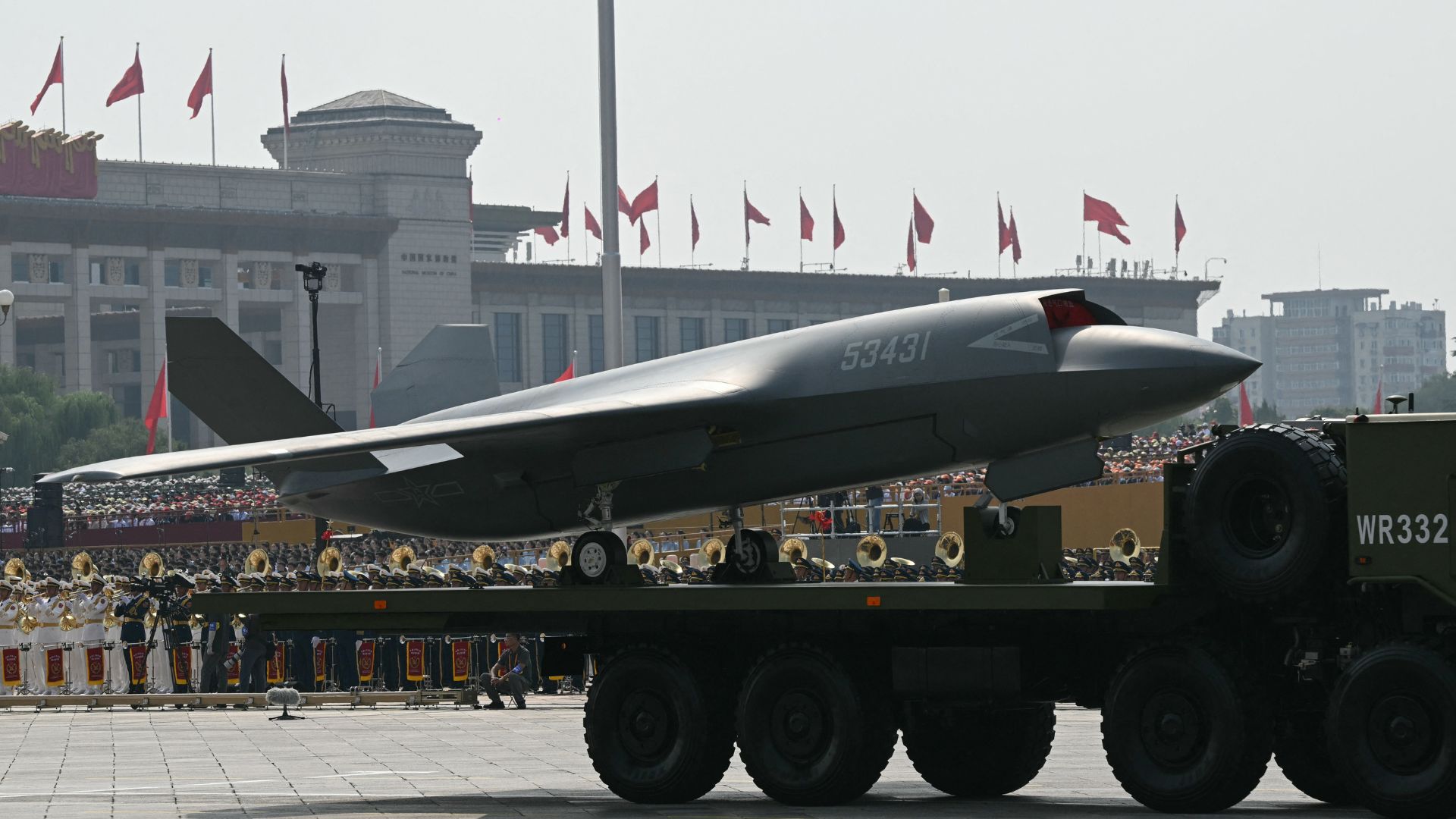
Study Reveals China Can Only Meet 60% of Military Drone Demand in Conflict
A recent study from the Beijing Institute of Technology indicates that China's drone industry may only fulfill about 60% of military drone orders during a high-intensity conflict. This estimate was derived from an AI model simulating a threefold increase in wartime demand, taking into account factors such as inventories and supplier capabilities. The significance of this finding lies in the understanding that modern warfare is increasingly reliant on industrial capacity and production mobilization for military equipment. The research led by Professor Zhang Jihai highlighted that even with measures like overtime and converting civilian factories, the supply chain struggles to meet demand, achieving only 63.4% order fulfillment under simulated high-intensity conditions. Looking ahead, the study compared various mobilization strategies, revealing that an AI-led approach outperformed traditional methods, achieving a fulfillment rate of approximately 58%. As military demand continues to evolve, the ability to adapt supply chains and increase funding will be crucial for meeting future military needs. No further timeline was disclosed at the time of publication.
Military
SMIC Reports 93.7% Capacity Utilization Amid Rising Demand for AI-Driven Chip Production
China's Semiconductor Manufacturing International Corporation (SMIC) has reported a capacity utilization rate of 93.7% in the second quarter, up from 93.1% previously. This increase is attributed to a surge in demand for mature-node chips, particularly for AI infrastructure, as the company aims to expand its manufacturing capabilities to meet this growing need. The rising demand for AI-related supporting chips has highlighted significant gaps in manufacturing, prompting SMIC to consider installing additional equipment at its facilities. Co-CEO Zhao Haijun noted that future wafer starts are exceeding previous expectations, indicating a robust market for logic chips, power-management products, and optical module components. Looking ahead, SMIC plans to invest in research and development to enhance its production capabilities without reaching full operational limits. While some prices for consumer electronics have increased, smartphone chips and display-driver integrated circuits remain unchanged. The company anticipates further price adjustments as market volatility continues to impact supply and demand dynamics.
AI and Robotics
PROMO-Orchard: A Semantic-Enhanced Framework for Dual-Robot Mapping in Orchards
The article discusses PROMO-Orchard, a new framework designed for dual-robot simultaneous localization and mapping (SLAM) in orchard environments. This framework enhances the mapping process by integrating semantic information, allowing for more accurate and efficient navigation and mapping by the robots. The significance of PROMO-Orchard lies in its potential to improve agricultural robotics, particularly in precision farming. By enabling dual robots to work collaboratively, the framework can optimize tasks such as crop monitoring and management, which are crucial for increasing productivity and sustainability in orchards. Looking ahead, the adoption of PROMO-Orchard could lead to advancements in agricultural automation. As the framework gains traction, it will be important to monitor its implementation in real-world scenarios and its impact on the efficiency of agricultural operations. No further timeline was disclosed at the time of publication.
RESEARCH ARTICLE
North American Robot Orders Reach $622 Million in Q2 2026 Amid Diverse Automation Demand
According to new data from the Association for Advancing Automation (A3), North American companies ordered 8,940 robots worth $622 million in the second quarter of 2026. This marks a 4.3 percent increase in units ordered and a 21.3 percent rise in revenue compared to the same period in 2025. The first half of 2026 saw total orders of 17,995 units valued at $1.166 billion, reflecting a 2 percent growth in units and a 6.6 percent increase in order value over the first half of 2025. The growth in robot orders indicates a broadening demand for automation across various sectors, despite a 25 percent decline in Automotive OEM orders compared to the first half of 2025. Notably, several industries, including Automotive Component and general sectors, experienced double-digit year-over-year gains in robot orders during Q2. Collaborative robots played a significant role, with 2,774 units ordered in the first half, valued at $114 million, representing 15.4 percent of all units ordered. Looking ahead, the strong adoption of collaborative robots in sectors like Life Sciences and Semi & Electronics suggests a continued evolution in the robotics market. As companies adapt to changing demands, it will be crucial to monitor how these trends develop in the latter half of 2026. No further timeline was disclosed at the time of publication.
Business Industry News Robotics Robotics and Automation Robotics News
China's Tablet Shipments Decline 4.4% in Q2 2026 Despite Commercial Demand Growth
In the second quarter of 2026, China's tablet market recorded shipments of 7.96 million units, reflecting a 4.4% decline compared to the previous year. This downturn was primarily driven by a 9.8% drop in consumer shipments, even as commercial tablet shipments surged by 67.1%. The growth in the commercial segment is attributed to early procurement activities in anticipation of price increases, contrasting with the challenges faced by the consumer market due to higher costs and reduced demand. Huawei led the market in shipments, followed by Apple and Lenovo, with Xiaomi and Honor in fourth and fifth place, respectively. Looking ahead, the dynamics between commercial and consumer demand will be crucial to monitor. The commercial market's resilience may influence future strategies among manufacturers, while the consumer segment's struggles could prompt adjustments in pricing and marketing approaches. No further timeline was disclosed at the time of publication.
News Feed
A3 Reports Increased Robotics Demand in Q2 2026 Across Various Industries
In Q2 2026, the Association for Advancing Automation (A3) reported a rise in North American robot orders, with 8,940 units valued at $622 million, marking a 4.3% increase in units and a 21.3% increase in revenue compared to Q2 2025. This growth highlights a diversification in robotics demand across industries, despite a 25% decline in automotive OEM orders. Significant gains were observed in sectors such as semiconductors, electronics, and automotive components, which saw increases of 38% and 20%, respectively. Looking ahead, the trend of increasing robot adoption across various industries is expected to continue. Non-automotive customers accounted for 56% of units ordered, and collaborative robots, particularly in healthcare and electronics, are gaining traction, representing a notable portion of automation investments.
Analysis Automotive Cobot Arms Collaborative Robots Food / Beverage Industrial Robots
North American Robot Orders Rise in Q2 2026 as Automation Demand Expands
In the second quarter of 2026, North American companies placed orders for 8,940 robots worth $622 million, as reported by the Association for Advancing Automation (A3). This marks a 4.3% increase in units ordered and a 21.3% rise in revenue compared to the same period in 2025. The growth in robot orders reflects a broadening demand for automation across various sectors, including semiconductors, automotive components, food and consumer goods, metals, and life sciences. The first half of 2026 saw total orders reach 17,995 units valued at $1.166 billion, indicating a 2.0% increase in units and a 6.6% increase in order value over the first half of 2025. Looking ahead, the continued expansion in robot orders suggests a sustained interest in automation technologies across diverse industries. No further timeline was disclosed at the time of publication.

Maximo's Nick Hegeman Discusses 180,000 Solar Panel Installations and Automation Challenges
AES has successfully deployed its AI-powered robotic system, Maximo, on utility-scale solar construction sites, achieving over 180,000 solar module installations. This innovative technology automates the physically demanding task of lifting and installing photovoltaic modules, operating effectively in dynamic environments where conditions frequently change. The system has demonstrated impressive performance, with robots completing more than 500 installations daily and crews installing up to 24 modules per person per shift hour. The significance of Maximo lies in its ability to address labor shortages and the increasing weight of solar modules, which makes automation essential in the construction sector. Developed through AES Next, the platform provided unique access to live solar construction projects, enabling real-world testing and refinement of the technology. Nick Hegeman, the chief commercial officer for Maximo, emphasizes the importance of field validation and integration with existing processes to ensure the technology's success in the industry. Looking ahead, AES is exploring further automation opportunities in renewable energy construction and site logistics. As customer attitudes shift positively towards robotics, the potential for broader commercial adoption of Maximo appears promising. No further timeline was disclosed at the time of publication.
Construction Features aes aes next Autonomous robots construction automation
Cloudflare Increases Forecast Due to Rising Demand for AI Agents
Cloudflare reported a surge in demand for AI agents, which has significantly increased traffic across its network. This uptick in activity is driving higher demand for Cloudflare's cloud and security products. The growing interest in AI agents is crucial for Cloudflare as it indicates a shift in market needs, highlighting the importance of robust cloud and security solutions. This trend not only enhances Cloudflare's service offerings but also positions the company favorably in a competitive landscape. Looking ahead, it will be important to monitor how Cloudflare continues to adapt its services in response to this rising demand. No further timeline was disclosed at the time of publication.
Artificial Intelligence News ai cloudflare layoffs United States
Unitree Technology Anticipates Significant Revenue Growth Amid Rising Humanoid Robot Demand
Unitree Technology, a Chinese robotics firm, forecasts substantial revenue growth in the first half of 2026, driven by increasing demand for humanoid robots and embodied AI. The company projects first-half revenue of approximately CNY1.1 billion ($156 million), marking a year-on-year growth of 35.6 to 45.4 percent. This anticipated growth is significant as Unitree prepares for its initial public offering in Shanghai, with a projected valuation exceeding 50 billion yuan ($7.4 billion). The company aims to raise about 4.2 billion yuan to bolster its research, development, and production capabilities, further solidifying its position as a leading manufacturer of humanoid robots. Looking ahead, Unitree's international expansion may be hindered by new regulatory challenges, particularly from the US Federal Communications Commission, which has added advanced foreign-produced robotic devices to its Covered List. This could impact Unitree's access to the US market, a crucial source of overseas revenue, as noted in its IPO filing.
Humanoids News afp agibot ai artificial intelligence
NVIDIA Unveils Storage Innovations to Meet Growing AI Demands at FMS Conference
NVIDIA has introduced new storage advancements at the Future of Memory and Storage (FMS) conference, addressing the increasing demands of AI for massive datasets and context windows. The company emphasizes that simply adding storage capacity is insufficient; instead, efficient and secure storage architectures are essential for managing the data consumed by AI agents. The significance of these advancements lies in their ability to enhance throughput and reduce the bottlenecks caused by simultaneous access from thousands of AI agents. NVIDIA's Vera CPU, part of the Vera BlueField-4 STX, reportedly delivers up to 3.21 times higher throughput than traditional x86 CPUs in handling compression and encryption tasks, thereby improving the efficiency of storage platforms in managing AI data. Looking ahead, the gap between AI's requirements and memory limitations will necessitate a collaborative approach across the ecosystem, involving memory and storage manufacturers as well as software developers. NVIDIA's announcement of open sourcing its cuFile APIs aims to facilitate direct GPU access to storage, marking a significant step towards a unified, security-focused storage stack that enhances interoperability between GPUs and data.

Honor Collaborates with ARRI to Launch Robot Phone with Cinematic Imaging Standards
On July 28, Honor unveiled its collaboration with ARRI at a technology event in Zhejiang, China, introducing the Robot Phone that integrates professional cinematic color standards into mobile imaging. This partnership marks a significant shift in mobile photography, moving beyond hardware specifications to focus on delivering tools that capture cinematic quality. The collaboration aims to redefine mobile imaging by utilizing ARRI's century-old color science, including LogC3 encoding and various official imaging presets. Honor's Chief Imaging Engineer emphasized the need for tools that can produce high-quality cinematic works, which the Robot Phone is designed to achieve through its comprehensive imaging engine and advanced optical capabilities. The Robot Phone, set to launch on August 12, features a self-developed imaging chip and a triple-camera system, including a 200-megapixel main camera. With over 200,000 pre-orders since July 18, this device is expected to extend cinematic imaging capabilities to future flagship products, marking a new era in mobile photography.
Mobile Imaging Smartphone Technology Cinematic Standards Film Production
Honor Robot Phone Collaborates with ARRI for Advanced Cinematography Features
Honor has unveiled its AiMAGE imaging technology in collaboration with ARRI, featuring an 8-axis CPA stabilization system and a 3-axis gimbal. This innovative setup is designed to enhance mobile cinematography, providing users with Hollywood-grade video capabilities. The partnership with ARRI is significant as it integrates high-end cinematography features into a mobile device, including a custom Yuguang H1 ISP that operates at 18.8 TOPS/W. This advancement is expected to elevate the quality of mobile video production, making professional-grade tools more accessible to creators. Looking ahead, the introduction of master shot video generation on the Robot Phone will be a key feature to watch. No further timeline was disclosed at the time of publication.
Technology
Unitree Robotics Plans Production Expansion to Meet Growing Humanoid Robot Demand
Unitree Robotics, a leading Chinese humanoid robot manufacturer, is set to increase its production capacity this year. A senior executive revealed plans to potentially assemble robots overseas, indicating a strategic move to meet the rising demand for humanoid robots, particularly in North America, which is its largest overseas market. This expansion is significant as it aligns with Unitree's preparations for a public listing in Shanghai, aiming to raise $610 million. The company's focus on enhancing production capabilities reflects the growing interest and investment in humanoid robotics, a sector that is expected to see substantial growth in the coming years. Looking ahead, stakeholders should monitor Unitree's progress in scaling its operations and the potential establishment of an engineering hub in Japan. No further timeline was disclosed at the time of publication.

WAIC 2026: Insight AI Unveils First Embodied Semantic Intelligence System, insightOS Semantic
At the 2026 World Artificial Intelligence Conference in Shanghai, Insight AI launched the world's first embodied semantic intelligence system, insightOS Semantic. This system represents a pivotal shift in the embodied intelligence industry, moving from mere demonstration capabilities to practical applications in real-world scenarios. The significance of this development lies in its comprehensive approach to embodied intelligence, which now requires not only technical prowess but also a robust operating system, scenario validation, and a thriving developer ecosystem. Insight AI aims to address the critical challenges of understanding, adaptability, and evolution in robotics, which have hindered the large-scale deployment of embodied systems. Looking ahead, Insight AI's insightOS Semantic is designed to facilitate seamless communication between humans and robots, enabling task execution through natural language. The system's architecture integrates semantic understanding with physical operation capabilities, promising to enhance the efficiency and intelligence of robots in dynamic environments. No further timeline was disclosed at the time of publication.
Embodied Intelligence Robotic Systems AI Technology Natural Language Processing
Addressing the Human Bottleneck in Healthcare Automation: Aligning Physicians with Patient Demand
Hospitals are increasingly adopting automation to enhance care delivery by integrating software for administrative tasks, utilizing robots for logistics, and deploying AI for documentation and scheduling. These advancements aim to reduce waiting times and streamline workflows, allowing clinical teams to focus more on patient care. However, despite these technological improvements, healthcare automation faces a significant limitation: the availability of physicians. Even with optimized back-office operations and improved information flow, the system can falter if the right doctors are not present in necessary specialties and locations, leading to delays in patient care. As automation becomes a standard part of hospital operations, the challenge of matching physician availability with patient demand intensifies. The reliance on robotic process automation (RPA) to alleviate administrative burdens highlights the need for a balanced approach that addresses both technological and human resource constraints in healthcare delivery. No further timeline was disclosed at the time of publication.
Automation Health artificial intelligence automation digital health healthcare automation
New EMEA Director at Dematic
Dematic has appointed Enno Scharphuis as the new Managing Director for the EMEA region. This leadership change is part of the company's strategy to strengthen its presence and operational efficiency in Europe, the Middle East, and Africa. Scharphuis brings a wealth of experience to the role, which he assumes immediately, aiming to drive growth and innovation within the region. The announcement reflects Dematic's commitment to enhancing its leadership team to better serve its clients and adapt to the evolving market demands.
Allgemein Menschen & Meinungen
DHL's Logistics Trend Radar 8.0 Highlights AI's Role in Transforming Supply Chains
DHL's Logistics Trend Radar 8.0 reveals that artificial intelligence is evolving from a supportive role to an autonomous force in supply chains. This shift necessitates organizations to rethink workforce skills, safety, and governance to build resilient supply chains. As AI technologies like Agentic AI and AI Analytics emerge, they enable organizations to anticipate disruptions and optimize operations. The report emphasizes that while AI and robotics are reshaping logistics operations, the human element remains crucial. Technologies such as collaborative robotics and AI-powered assistants are enhancing employee productivity and engagement, allowing workers to focus on higher-value tasks. Business leaders face the challenge of equipping their workforce with the necessary skills to adapt to these changes. Looking ahead, the integration of AI into logistics will continue to evolve, with a focus on responsible deployment and collaboration between humans and machines. No further timeline was disclosed at the time of publication.
AI Couriers and Express IT in Logistics Jobs and Training AI in Logistics dhl
The 'GPT Moment' for Embodied Intelligence Remains Elusive: Evaluating Physical World Tests
The concept of embodied intelligence, referred to as the 'GPT moment', is being tested through practical scenarios involving robotic assembly. When a robot encounters resistance while inserting components, it must decide whether to apply more force or to retract and reposition. This decision-making process is crucial for manufacturers aiming to enhance robots' ability to handle unfamiliar contact conditions without extensive task-specific engineering. The significance of this development lies in the need for robots to demonstrate adaptability in real-world situations. Current models, such as RT-2 and OpenVLA, connect visual and language inputs to robotic commands, but the challenge remains in how robots can utilize interaction history and make informed decisions when faced with conflicting predictions. The integration of feedback and exploration behaviors is essential for advancing embodied intelligence. Future developments should focus on refining evidence capture during interactions and establishing clear definitions for success and failure. As the industry seeks to validate the 'GPT moment', controlled comparisons and repeatable physical performance will be necessary to substantiate its value and applicability in real-world scenarios.
Robotics Manufacturing Automation AI Embodied Intelligence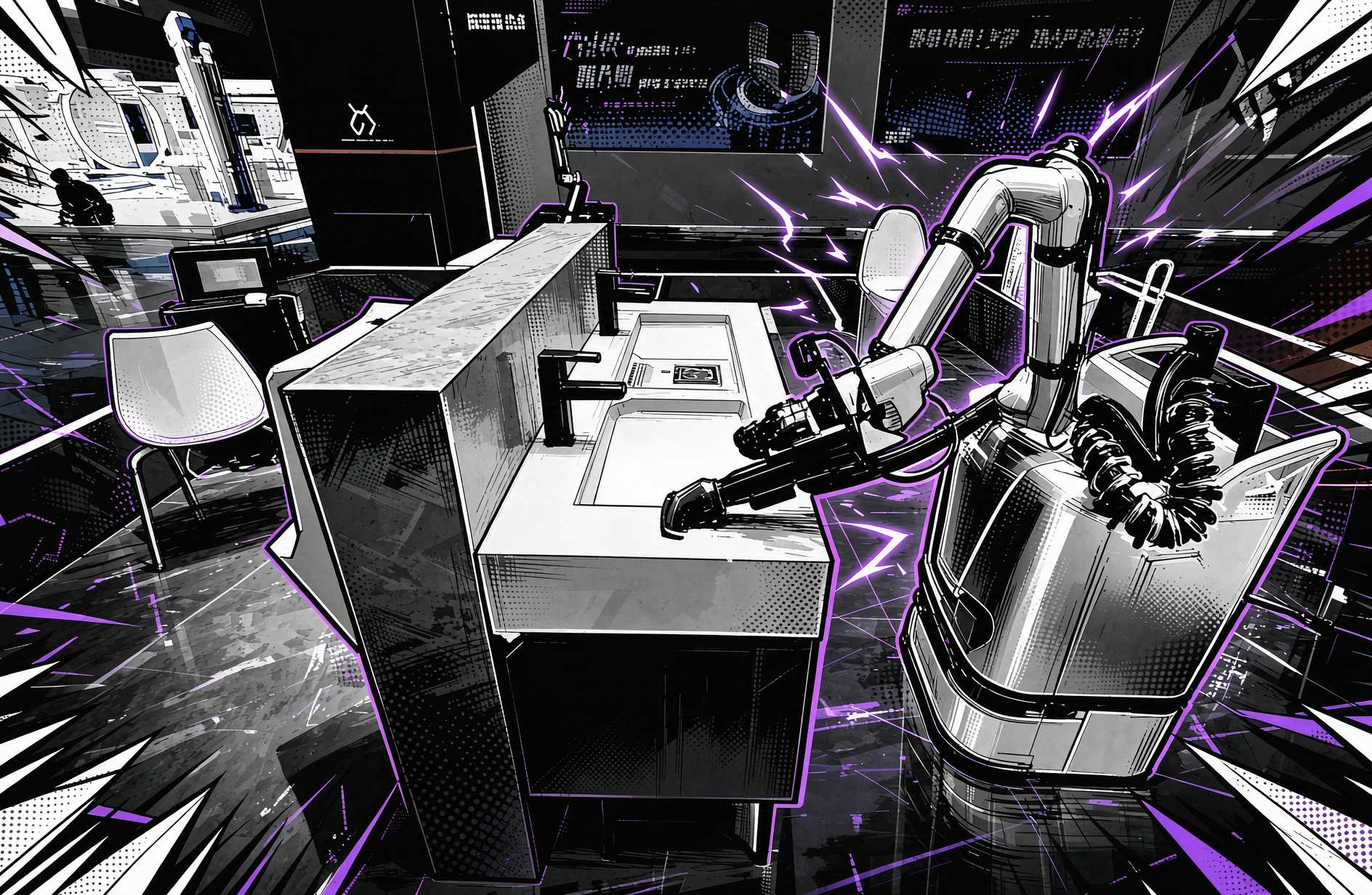
Robots Focus on Toilet Cleaning to Capture Market Demand More Effectively
At the 5th Global Digital Trade Expo, a space intelligent cleaning robot demonstrated its capabilities in cleaning public restrooms, including mopping, scrubbing sinks, and sanitizing toilets. This practical focus has led to significant business interest, with Star Species Robotics reporting an order volume of 500 million yuan and over 100 units already operating in various public restrooms in Hangzhou. The emphasis on restroom cleaning is driven by specific customer pain points, such as the need for regular floor cleaning and the complexity of restroom environments. For procurement professionals, the decision to use robots is based on quantifiable metrics, making it easier to evaluate the return on investment. The clarity of the task boundaries allows robots to operate effectively without needing to understand the entire building, thus accelerating technology deployment. While the increase in orders is promising, it is crucial to differentiate between types of orders, such as intention orders and confirmed contracts. The real challenge lies in production, delivery stability, and after-sales support. As robots gather operational data, they can improve their capabilities and expand into adjacent tasks, paving the way for broader applications in various sectors.
Cleaning Robots Public Sanitation Automation Technology Robotics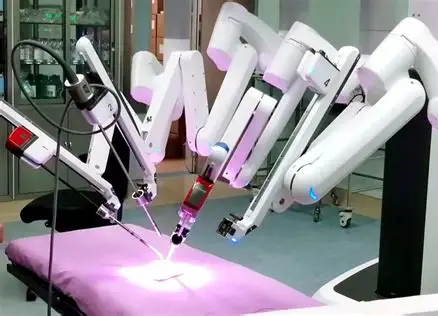
Study Reveals Gender Disparities in Robot-Assisted Surgery Opportunities for Surgeons in Japan
A recent study in Japan has highlighted significant disparities in opportunities for female surgeons to perform robot-assisted surgeries compared to their male counterparts. The findings indicate that female surgeons are often underrepresented in this advanced surgical field, which could impact their career advancement and skill development. This disparity matters as it raises concerns about gender equality in the medical profession, particularly in high-tech surgical environments. The underutilization of female surgeons in robot-assisted procedures not only affects individual careers but may also limit the diversity of perspectives in surgical practices, potentially influencing patient outcomes. Looking ahead, it will be important to monitor initiatives aimed at increasing the participation of female surgeons in robot-assisted surgeries. No further timeline was disclosed at the time of publication, but ongoing discussions about gender equity in healthcare may lead to changes in training and opportunities for female surgeons in the future.
Robotics Automation AI
XPeng Remains a Strong Contrarian Buy Amid Promising Robotics and EV Developments
XPeng Inc. (XPEV) has been rated as a Buy since July 2026, indicating a potential technical bottom for the stock. The analysis suggests that XPeng continues to be an attractive contrarian investment, particularly due to its advancements in robotics, electric vehicles (EVs), advanced driver-assistance systems (ADAS), and robotaxi technology. The significance of XPeng's position lies in its innovative approach to integrating robotics with EV technology, which could enhance its competitive edge in the rapidly evolving automotive market. As the demand for smart mobility solutions increases, XPeng's focus on robotics and automation may provide substantial growth opportunities, making it a noteworthy player in the industry. Investors should keep an eye on XPeng's future developments in robotics and EVs, as well as its strategic initiatives in the robotaxi sector. No further timeline was disclosed at the time of publication.
XPEV XPNGF Juxtaposed Ideas
Analysts Predict PEEK Demand Surge in Humanoid Robots, Kingfa's Yu Fei Calls It Overhyped
A recent report highlights the growing interest in PEEK, a high-performance plastic, for use in humanoid robots. European manufacturers like Victrex and Evonik are poised to benefit as demand increases, but Kingfa's Yu Fei argues that much of the excitement surrounding PEEK in embodied AI is exaggerated. Current estimates suggest that humanoid robots may utilize 6-10 kg of plastics, with future designs potentially increasing this demand significantly. The implications of this discussion are significant for the robotics industry, as Barclays analysts predict that one million robots by 2030 could lead to a demand for 10,000 tons of PEEK. This projection indicates a potentially exponential growth in the market, although the specifics of whether this demand is annual or cumulative remain unclear. The established applications of PEEK in various industries further underscore its potential utility in robotics, particularly in components like joints and actuators. Looking ahead, the market for PEEK is expected to exceed $1.56 billion by 2034, with new production capacities being announced, particularly from Chinese manufacturers. As companies like XPENG and Tesla ramp up their robot production, the actual demand for PEEK and its applications in humanoid robots will become clearer. No further timeline was disclosed at the time of publication.
Europe Actuators Schaeffler Supply Chain China
Three Days Remaining to Save Up to $200 on TechCrunch Disrupt 2026 Tickets
There are only three days left to secure a discount of up to $200 on tickets for TechCrunch Disrupt 2026, taking place from October 13 to 15 at Moscone West in San Francisco. The ticket prices will increase after September 25 at 11:59 p.m. PT, so attendees are encouraged to register soon to take advantage of the savings. TechCrunch Disrupt 2026 is expected to gather over 10,000 founders, investors, and operators, making it a prime opportunity for networking and forming impactful connections. The event features AI-powered matchmaking through the TechCrunch Events app, dedicated networking lounges, industry meetups, and roundtable sessions, all designed to facilitate meaningful interactions among attendees. As the event approaches, participants should focus on building a networking schedule in addition to their session plans. Engaging in conversations with fellow attendees can lead to valuable insights and opportunities, making the most of the three-day event. No further timeline was disclosed at the time of publication.
TC Startups Climate Fintech Biotech & Health Venture
The Importance of Safety in Scaling Physical AI Deployment Across Industries
Physical AI is transitioning from research to widespread deployment, with projections indicating an installed base of 49 million level 3-5 autonomous vehicles (AVs) by 2035 and 60 million industrial robots deployed between 2026 and 2035. As these technologies integrate into environments shared with humans, ensuring safety at every layer becomes critical. The significance of safety in physical AI lies in the need for AI-driven machines, including AVs and industrial robots, to operate safely as they make decisions that result in physical actions. This necessitates a comprehensive approach to safety that encompasses hardware, software, AI behavior, and the entire deployment lifecycle, rather than a one-off assessment. Looking ahead, the industry must focus on operationalizing safety across design, deployment, and validation. NVIDIA's Halos system exemplifies this approach, providing a full-stack safety solution that connects various stakeholders in the physical AI ecosystem. No further timeline was disclosed at the time of publication.
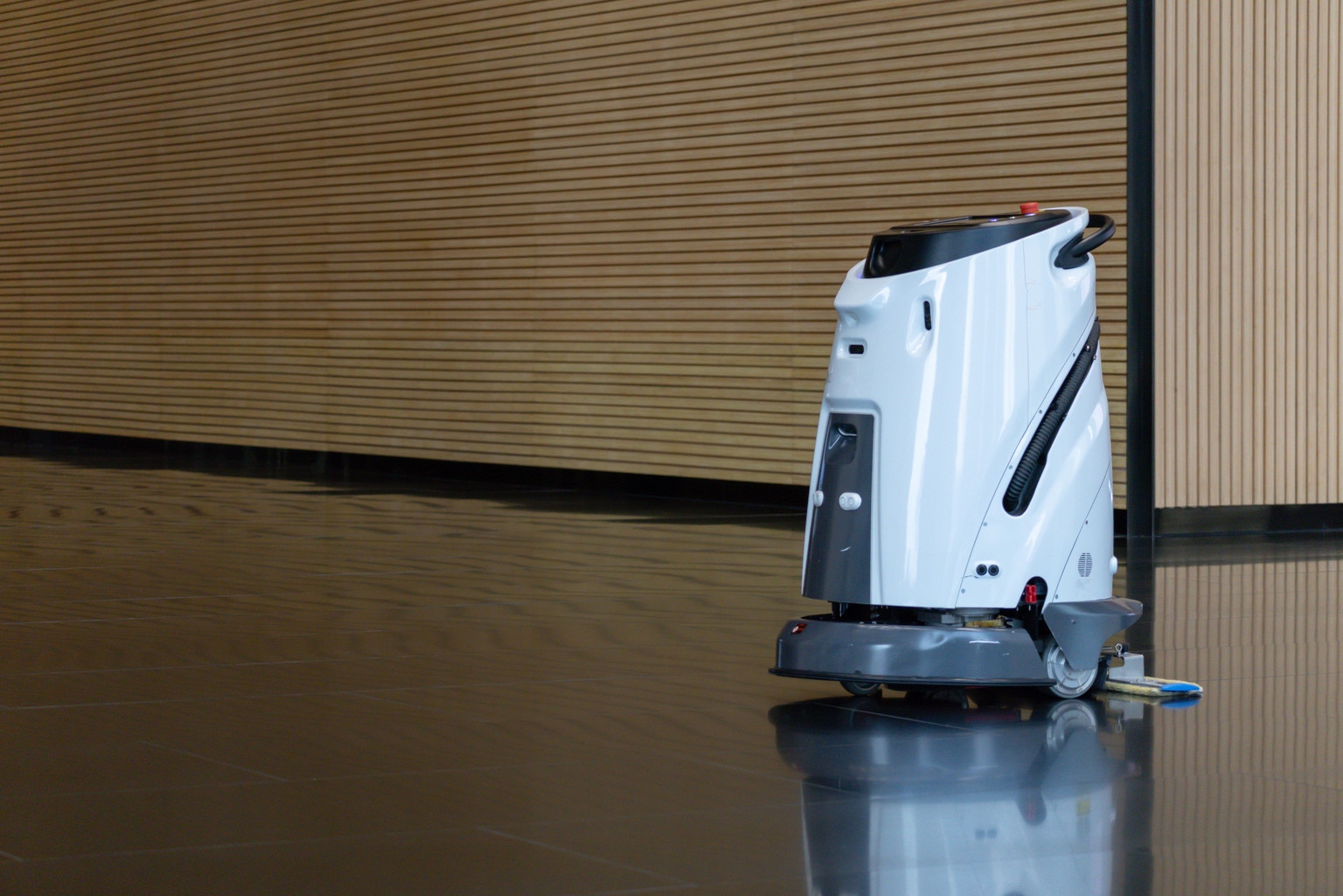
Richtech Robotics Faces Growth Challenges Despite Strong Financial Position
Richtech Robotics Inc. (RR) has been revisited for its stock performance, which was previously rated as a hold in April. Despite having ample cash reserves, the company continues to struggle with growth, raising concerns among investors about its future potential. The significance of this situation lies in the contrast between Richtech's financial stability and its elusive growth trajectory. Investors are keenly observing the company's ability to leverage its cash reserves to drive innovation and market expansion, which is crucial for long-term success in the competitive robotics sector. Looking ahead, stakeholders should monitor Richtech Robotics closely for any strategic initiatives or partnerships that may emerge to enhance its growth prospects. No further timeline was disclosed at the time of publication.
RR Kurt Christensen
Study Reveals Subjective Nature of Robot Creepiness in Everyday Life
Recent experiments indicate that perceptions of robot creepiness are highly personal and subjective. As robots transition from science fiction to everyday applications, understanding these perceptions becomes crucial for their acceptance in society. The significance of this research lies in its implications for the design and integration of robots into daily life. As robots become more prevalent, addressing the emotional responses they evoke will be essential for fostering user trust and comfort. Looking ahead, further studies may explore the factors influencing individual perceptions of robot creepiness. No further timeline was disclosed at the time of publication.
Consumer & Gadgets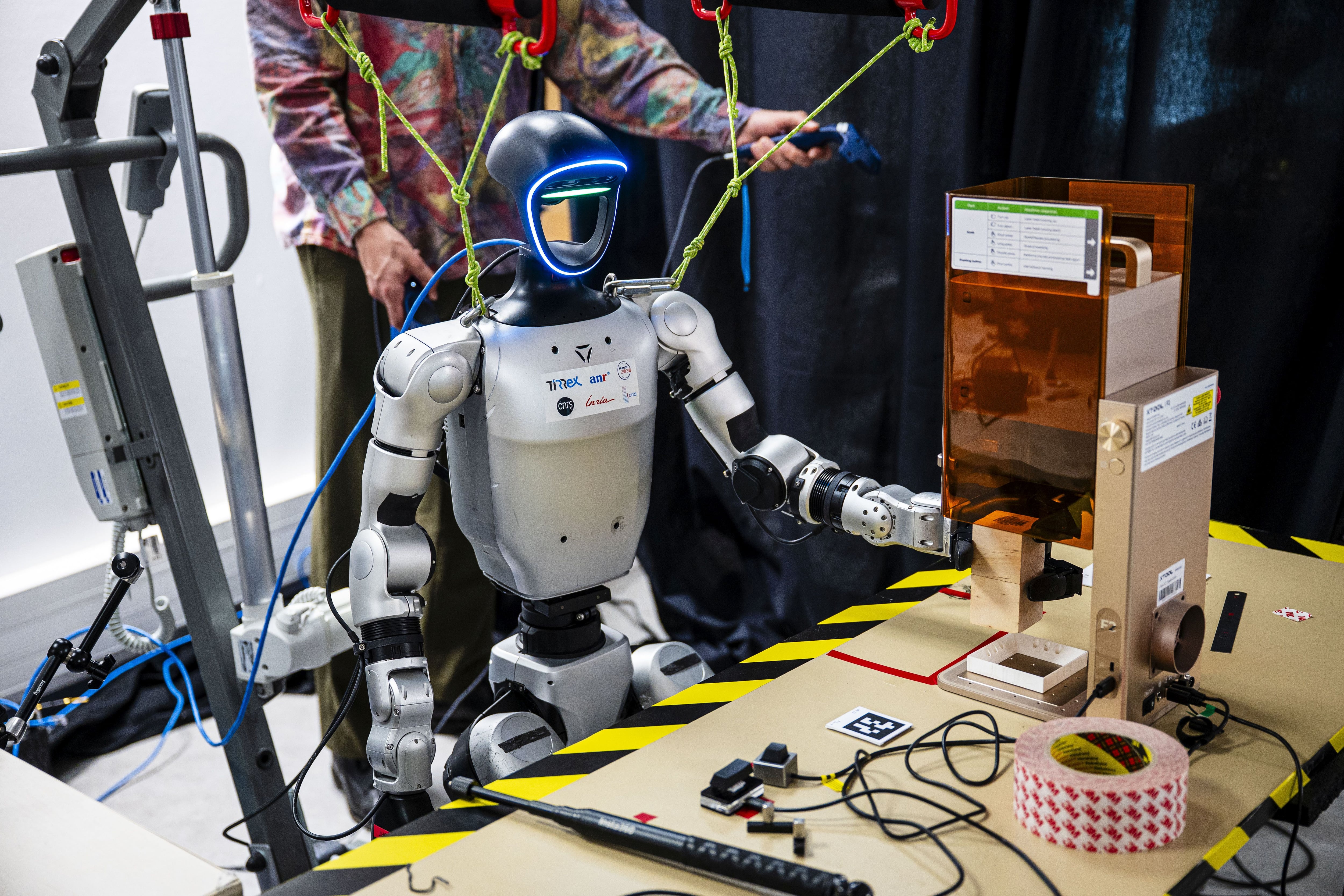
French Startups Mistral, Gobano Robotics, and Ami Labs Aim to Innovate Future Robotics
Mistral, Gobano Robotics, and Ami Labs are among the French startups striving to tackle the next challenges in robotics. These companies are leveraging artificial intelligence to develop advanced robotic solutions that could redefine various industries. The significance of these efforts lies in France's growing reputation as a hub for innovation in robotics and AI. By focusing on cutting-edge technologies, these startups aim to contribute to the global robotics landscape and enhance operational efficiencies across multiple sectors. Looking ahead, it will be important to monitor the progress of these startups as they work towards their ambitious goals. The developments from Mistral, Gobano Robotics, and Ami Labs could potentially lead to breakthroughs that shape the future of robotics. No further timeline was disclosed at the time of publication.
Robotique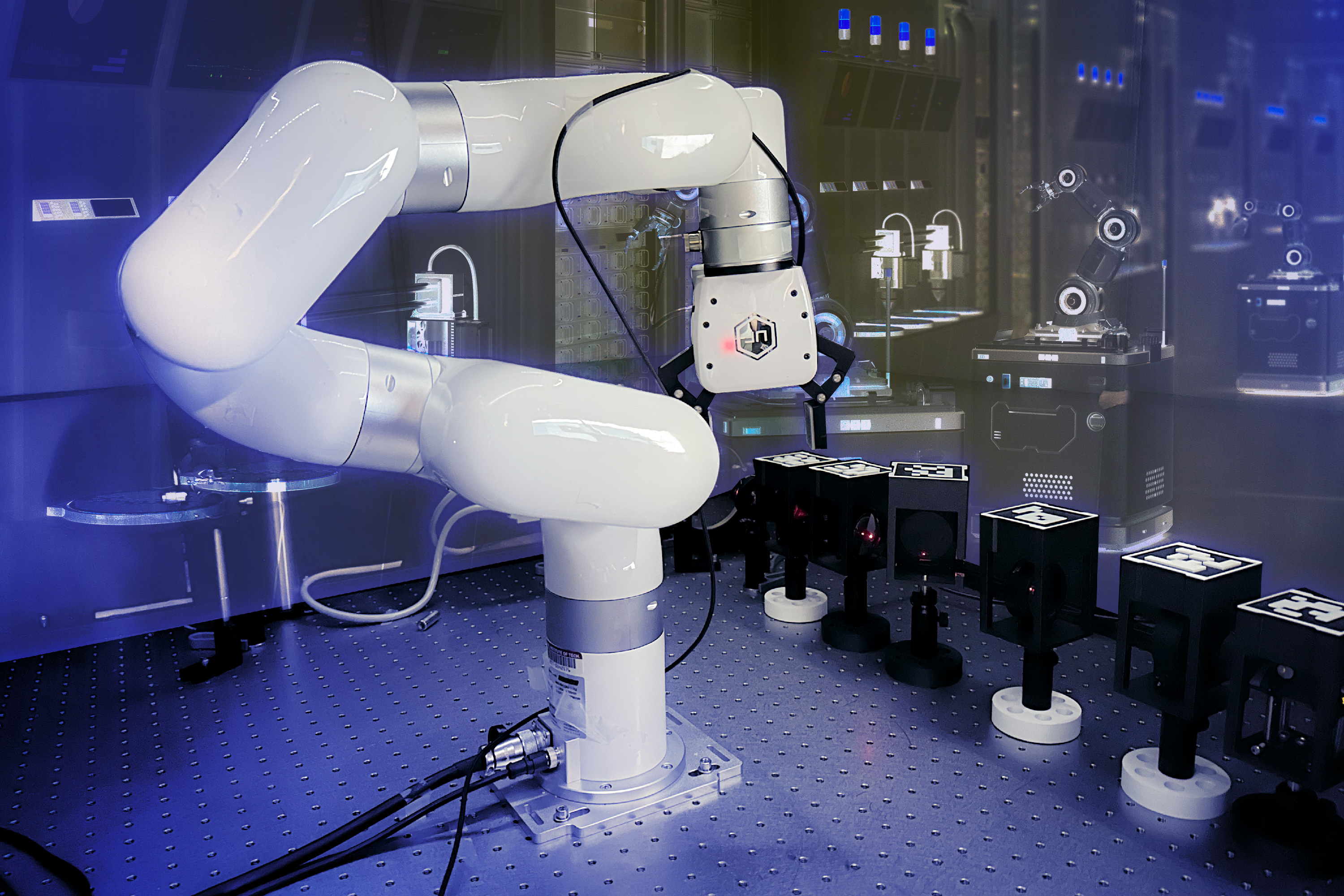
MIT Develops Robotic Lab for Automated Optics Experiments with Micron Precision
MIT scientists have created a reconfigurable robotic optics laboratory capable of autonomously assembling and fine-tuning optical experiments. This innovative system can manipulate components with micron-scale precision, allowing for the construction of complex setups like tabletop laser cavities. The robotic lab aims to streamline the tedious process of optics experimentation, potentially enabling scientists to conduct experiments remotely through a cloud-based application. The significance of this development lies in its potential to revolutionize the field of optics by automating labor-intensive tasks. By freeing scientists from the manual setup of experiments, the robotic lab could accelerate scientific discovery and innovation. As noted by Marin Soljacic, the automation could allow researchers to focus on more creative aspects of their work, enhancing the pace of scientific progress. Looking ahead, the MIT team plans to present their findings at the upcoming Intelligent Robots and Systems (IROS) conference. They are also working on expanding the capabilities of the robotic lab, including improved physical sensing and maneuvering, as well as the development of a virtual access application for remote experimentation. No further timeline was disclosed at the time of publication.
Research Automation Computer vision Light Photonics Physics
Microsoft Reports Over 1 Million CEO Impersonation Scam Emails Sent in Three Days
Microsoft announced that it detected over 1 million fraudulent emails impersonating CEOs, aimed at tricking accounting departments into transferring nearly $50,000. The emails, sent between August 3 and 5, 2026, primarily targeted U.S. users, with 87.7% of recipients located in the country. This large-scale email scam is significant as it employs a sophisticated three-layer deception strategy, including fake approval messages, counterfeit invoices, and fabricated email threads, which are designed to mislead recipients. Microsoft noted that traces of generative AI were found in the email templates, indicating a potential evolution in phishing tactics. Looking ahead, organizations should remain vigilant against such impersonation attacks. Microsoft has outlined several countermeasures, including automated attack blocking and enhanced phishing detection solutions. No further timeline was disclosed at the time of publication.

FF Unveils Nine New Robots, Yet U.S. Market Demands More Than Variety
On September 19, FF launched nine new robot models, including humanoid, quadruped, and wheeled-arm types, along with four industry solutions targeting K12 education, research, security, and inspection. This ambitious rollout stands out in an industry where many competitors are still refining single products for mass production. The significance of this launch lies in FF's strategy to cover a wide range of scenarios, betting that this breadth will attract orders. However, the simultaneous release of nine products introduces complexities in supply chains and after-sales systems, which could be as challenging as manufacturing a vehicle. The company aims to establish a strong foothold in the U.S. robotics market with its comprehensive offerings. Looking ahead, the market will soon see the specifications and pricing for these nine robots. However, the critical factor will be which model successfully integrates into real-world applications, such as inspection routes or classrooms. The challenge remains that while having a diverse product lineup is beneficial, the true test will be in delivering proven performance in specific scenarios.
Robotics Automation Security Solutions K12 Education Manufacturing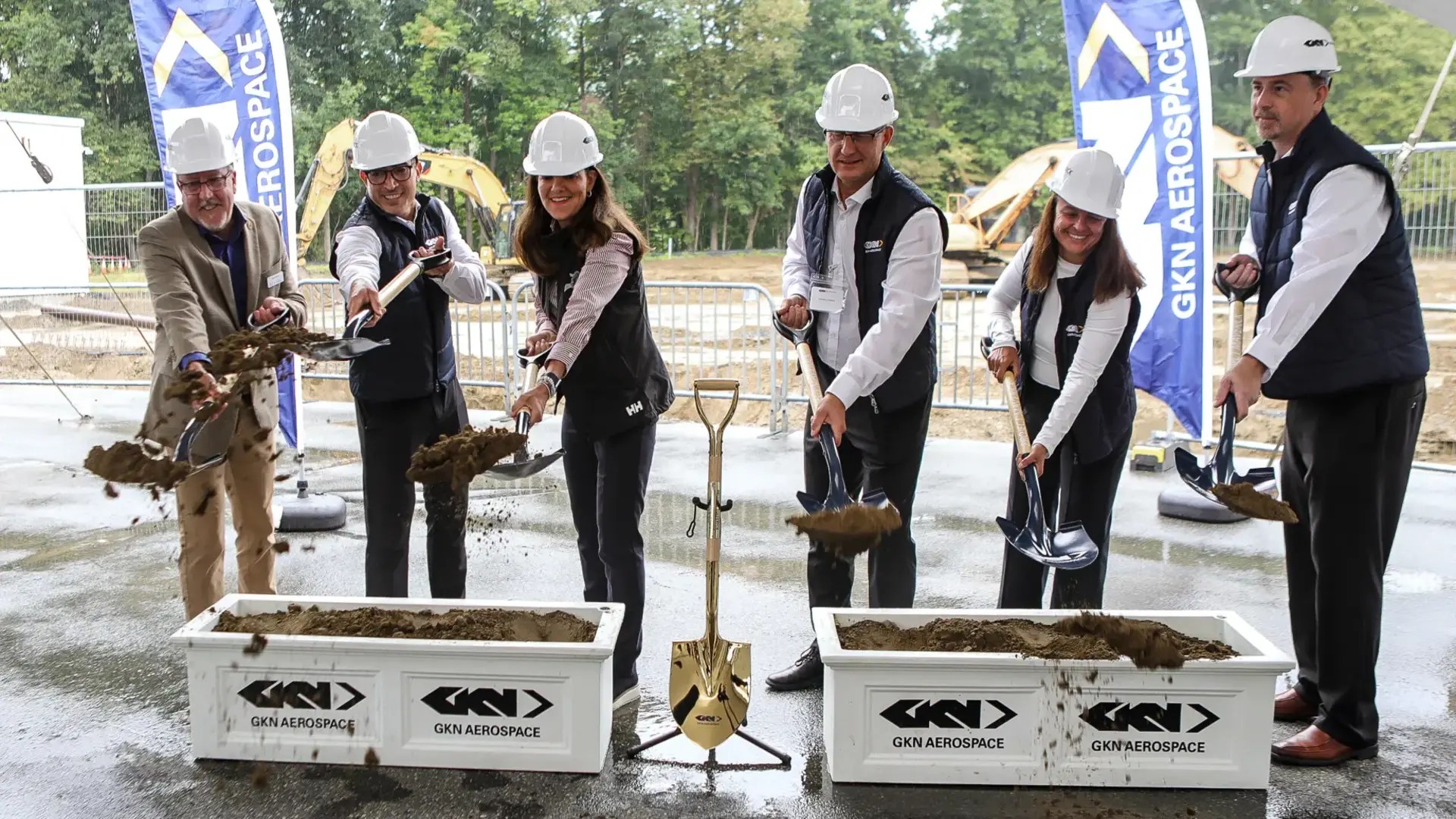
GKN Aerospace Initiates $16 Million Expansion in New Hampshire to Boost Engine Component Production
GKN Aerospace has commenced a $16 million expansion of its facility in North Charlestown, New Hampshire, to enhance production capacity for aero-engine components. The expansion will add approximately 57,000 square feet, increasing the facility's total size to nearly 97,000 square feet, as reported by GKN Aerospace. This expansion is significant as it aims to meet the rising demand from engine customers, according to Joakim Andersson, president of Engines at GKN Aerospace. The larger facility will not only support business growth and workforce expansion but will also enable a broader range of manufacturing activities, including turning operations and non-destructive testing (NDT). Looking ahead, GKN plans to introduce additional manufacturing capabilities at the expanded site, which will include a dedicated production cell for high-performance compressor blades and vanes. This initiative is expected to strengthen operational ties with GKN's Muncie, Indiana, facility and create new skilled jobs, reinforcing GKN's position in the engine component supply chain.
News
Top 25 Fields Medalists Warn AI Solutions Could Undermine Mathematical Research Integrity
A coalition of 25 Fields Medalists has issued a warning regarding the potential negative impact of AI on mathematical research. They criticize the trend of AI companies solving renowned mathematical problems as mere showcases of their models' capabilities, arguing that correct answers do not encapsulate the true value of mathematical inquiry. The mathematicians express concern that the rush to produce agentic mathematics proofs could disrupt traditional methods of verification, idea development, and knowledge transfer within the field. They emphasize that the process of establishing a proof involves extensive discussion, assumption challenges, and connections to prior work, which AI-generated solutions may bypass, leading to a superficial understanding of the underlying methods. As AI systems increasingly claim to solve complex mathematical problems, the authors of the letter caution that this could hinder the collaborative nature of mathematical research. They highlight the risk of diminished open exchange among mathematicians, as the competitive edge provided by AI resources may discourage the sharing of unpublished ideas, ultimately threatening the integrity and progress of the discipline.
AI and Robotics
France Reaffirms Support for Dassault Aviation's Vortex Spaceplane with €40 Million Funding
France has reaffirmed its support for the Vortex spaceplane program led by Dassault Aviation, securing €40 million in funding through the France 2030 innovation investment plan. This financial backing is crucial for advancing the development of the Vortex, which aims to enhance European capabilities in space travel and technology. The significance of this funding lies in its potential to strengthen France's position in the aerospace sector and foster collaboration with other European nations. As the Vortex program progresses, it may encourage additional European countries to invest in similar space initiatives, thereby promoting a unified approach to space exploration and innovation. Looking ahead, stakeholders will be keen to observe how the Vortex program evolves and whether it attracts further investments from other European nations. No further timeline was disclosed at the time of publication.
Aéro - Spatial
Yushu Robot G1 Showcases Autonomous Fighting, Yet Concerns Persist
Yushu's G1 robot recently demonstrated autonomous fighting capabilities, executing punches and evasive maneuvers without human control. This 38-second video, released on September 7, claims to be the world's first real-time autonomous humanoid robot combat. However, independent analysis revealed console logs suggesting that AI processing may occur on an external computer, raising questions about the true autonomy of the G1. The distinction between 'fully autonomous' and a system relying on external commands is crucial. Yushu has not provided technical documentation to clarify this issue, leaving the term 'fully autonomous' in question. The UnifoLM-X2-1.0 model, which powers the G1, predicts opponent movements and plans actions accordingly, but lacks independent latency benchmarks to validate its performance. While combat scenarios serve as effective stress tests for robotic systems, the leap from successful fighting to reliable operation in dynamic environments remains unproven. A previous incident involving the G1 injuring a child during a demonstration highlights urgent safety concerns. As robots become more capable, the adequacy of safety regulations and frameworks for humanoid robots is increasingly questioned, emphasizing the need for clear guidelines on their operational parameters.
Humanoid Robots AI Robot Safety Autonomous SystemsRobotics needs a service framework.
RSF defines a common language for robot service capability, lifecycle operations, certification pathways, and service-provider networks.
Join the RobotToday community on LinkedIn
Daily robotics news, in-depth analysis, conference highlights, and discussions with professionals worldwide.







