Humanoid Robot Manufacturer Education & Research Collaborative Perception & Vision
Growing Demand for Robot Electronic Skin: Market Insights and Projections
Original from leaderobot.com: Rising Demand for Robot Electronic Skin: A Market Overview

Growing Demand for Robot Electronic Skin: Market Insights and Projections

The demand for electronic skin in humanoid robots is projected to reach 1.525 million square meters by 2030, with a market size of approximately 27.4 billion yuan. This shift indicates that electronic skin is transitioning from experimental samples to regular procurement items, as evidenced by a company receiving 13,000 orders for biomimetic skin in June alone.

The significance of this demand lies in the evolving role of electronic skin, which enhances robots' capabilities in unstructured environments where visual data alone is insufficient. High-performance electronic skin, which collects various physical attributes, is essential for training models to understand object interactions, making it a critical component for robots operating in real-world scenarios.

As humanoid robot manufacturers begin small-scale deliveries, the increase in electronic skin orders aligns with this trend. However, the integration of electronic skin with the design of the robots presents challenges, as factors like finger size and sensor layout must be collaboratively defined. The anticipated increase in demand and decrease in price hinges on the manufacturers' production capacity and the ability of electronic skin companies to maintain tactile precision while reducing costs.

Editor's Note

The rising demand for electronic skin in humanoid robots reflects a broader trend in robotics where tactile feedback becomes essential for operating in complex environments. As manufacturers ramp up production, the interplay between component costs and technological advancements will be crucial for market dynamics. Stakeholders should monitor how these developments influence procurement strategies and investment in related technologies.

RobotToday Initiative

Robotics needs a service framework.

RSF defines a common language for robot service capability, lifecycle operations, certification pathways, and service-provider networks.

Share

Related Articles/News

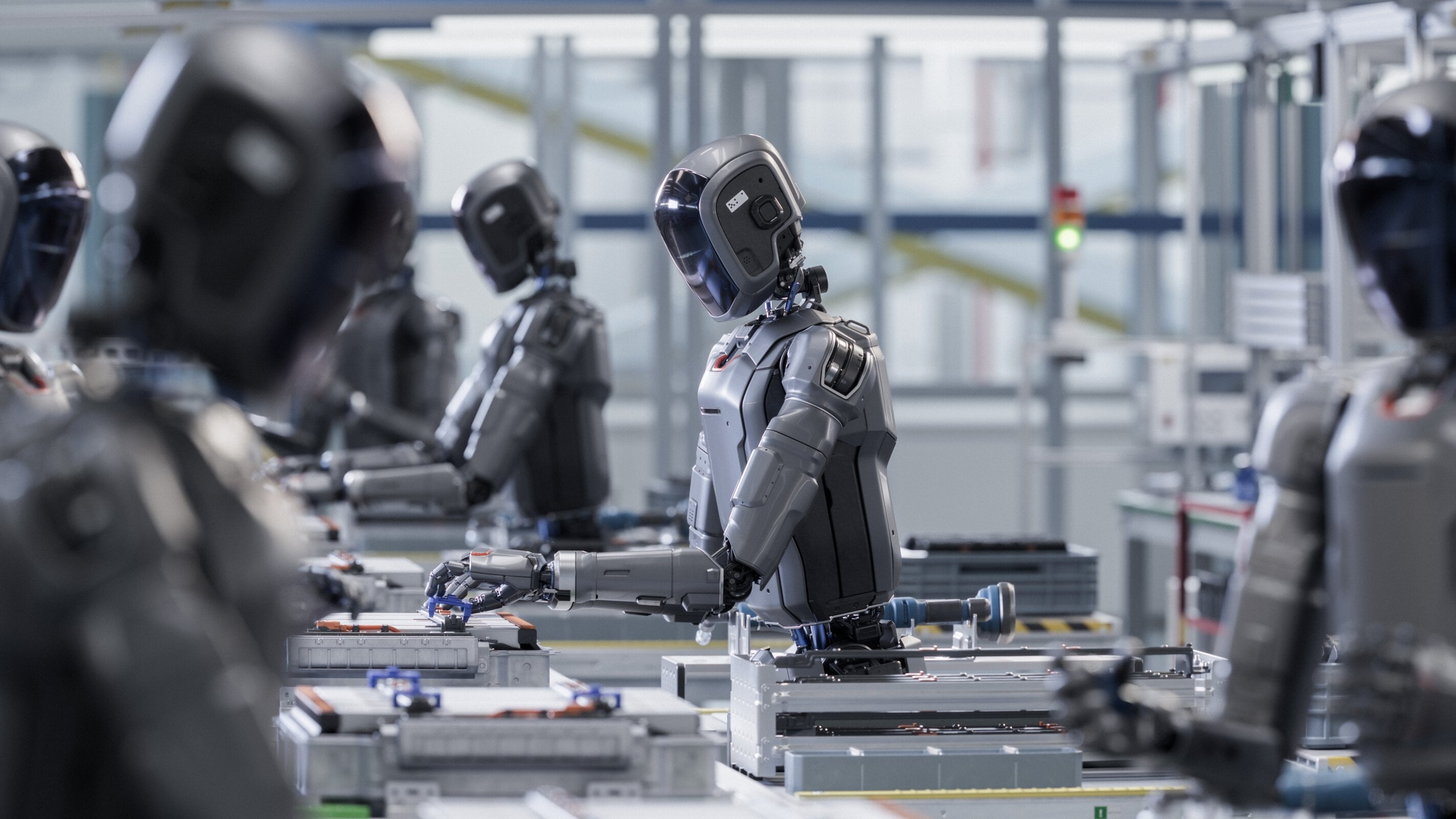
Company Producing 10,000 Humanoid Robots Annually, with Non-Human Workers Dominating Factory Operations

Company Producing 10,000 Humanoid Robots Annually, with Non-Human Workers Dominating Factory Operations

A newly established company has begun producing 10,000 humanoid robots each year, highlighting a significant advancement in robotics manufacturing. This development is noteworthy as it reflects the growing reliance on automation in production processes, where non-human workers are increasingly taking on roles traditionally held by humans. The implications...

Robotics Automation AI
Tianjin Robot Town Pursues Advanced Humanoid Robotics Development and Innovation

Tianjin Robot Town Pursues Advanced Humanoid Robotics Development and Innovation

Tianjin Robot Town is taking a unique approach in the robotics industry by focusing on the establishment of a joint laboratory for intelligent robots, led by Hebei University of Technology and several key enterprises. This initiative aims to create China's first innovation service platform for intelligent robots using domestic products, with a launch expe...

Intelligent Robots Robotics Innovation Domestic Chips
UBTECH Launches Liuzhou Super Smart Factory for Humanoid Robot Production

UBTECH Launches Liuzhou Super Smart Factory for Humanoid Robot Production

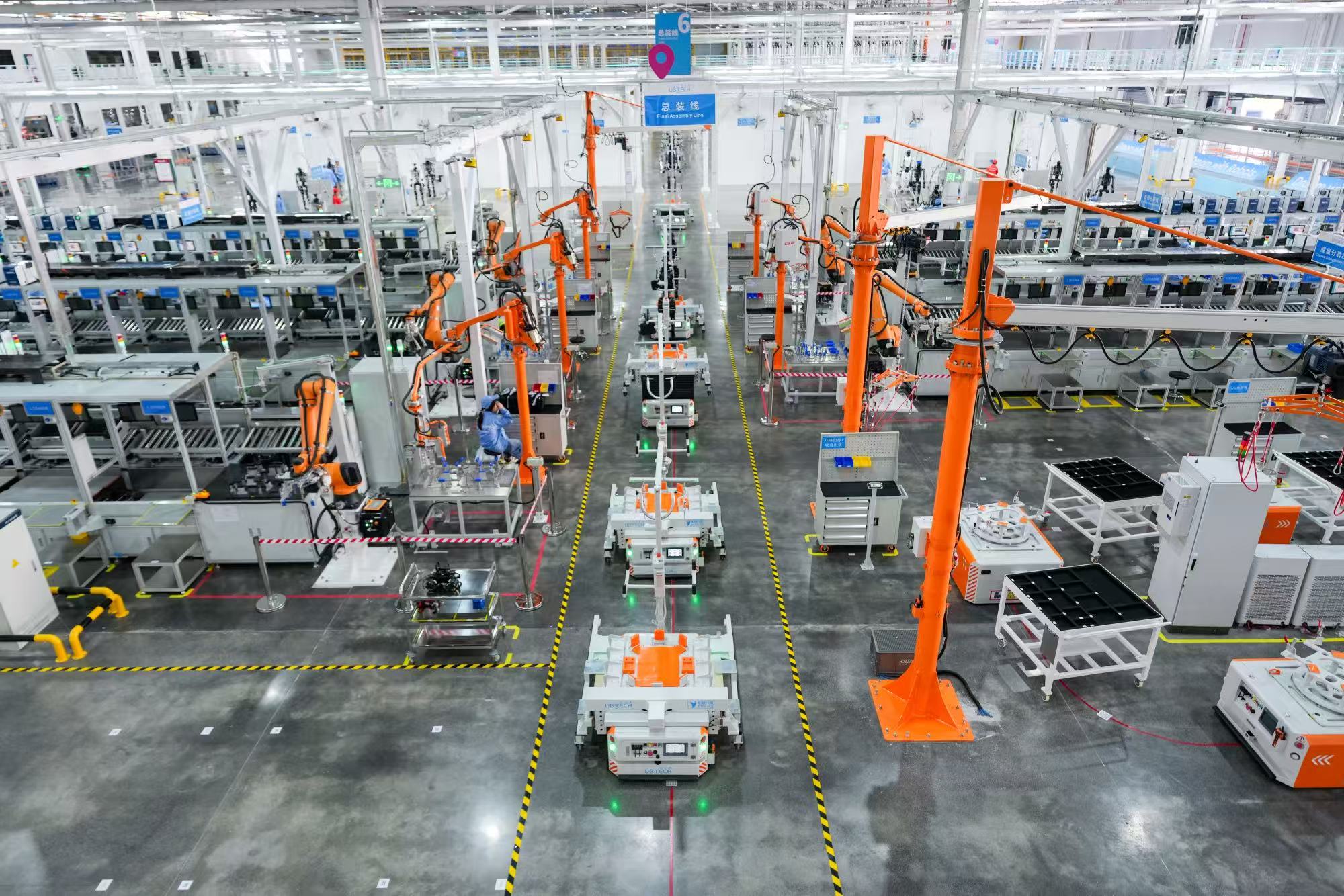
UBTECH has officially commissioned its Liuzhou plant, which spans approximately 14,000 square meters. The facility features a production takt time of around 10 minutes and includes dedicated lines for the Walker S and Cruzr humanoid robots. Additionally, the factory employs robots-building-robots logistics and a Siemens digital-twin stack, targeting an an...

Goldman Sachs Projects 6.5 Million Humanoid Robots by 2035, Driving Market Growth

Goldman Sachs Projects 6.5 Million Humanoid Robots by 2035, Driving Market Growth

Goldman Sachs has projected that 6.5 million humanoid robots will be shipped globally by 2035, marking a significant increase from previous estimates. The firm anticipates a phased ramp-up, with 75,000 units expected in 2026 and 890,000 by 2030, representing a $138 billion market opportunity primarily in logistics, warehousing, and automotive sectors. Thi...

Japan Launches First Robot Ambulance for On-Site Humanoid Repairs

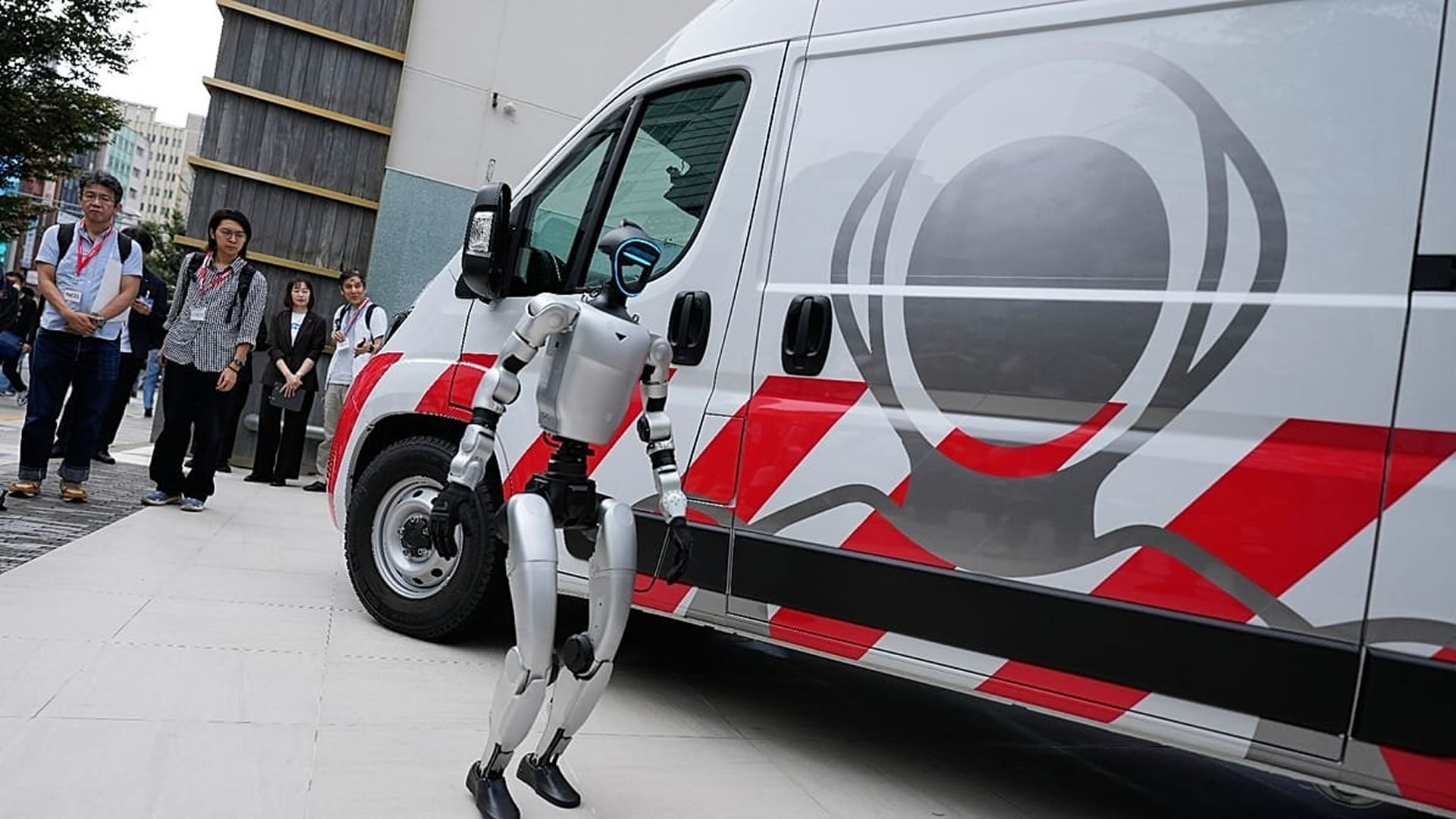
Japan Launches First Robot Ambulance for On-Site Humanoid Repairs

GMO Internet Group has introduced Japan's first 'robot ambulance' designed for humanoid robots. This vehicle will operate in Tokyo, providing on-site repairs and carrying engineers, equipment, and spare humanoids to assist in emergencies. The service aims to minimize downtime for humanoid robots used in various sectors, such as hospitality and warehousing...

Innovation Transportation
Seven Humanoid Robot Manufacturers Transforming Factory Operations Worldwide

Seven Humanoid Robot Manufacturers Transforming Factory Operations Worldwide

Humanoid robots are increasingly transitioning from research labs to real-world applications in factories, warehouses, and service centers. These robots, equipped with artificial intelligence, are capable of understanding instructions, recognizing objects, and performing complex tasks. While American companies are pivotal in developing advanced AI and rob...

AI and Robotics
Tokyo University Innovates Artificial Skin for Enhanced Joint Angle Sensing in Robots

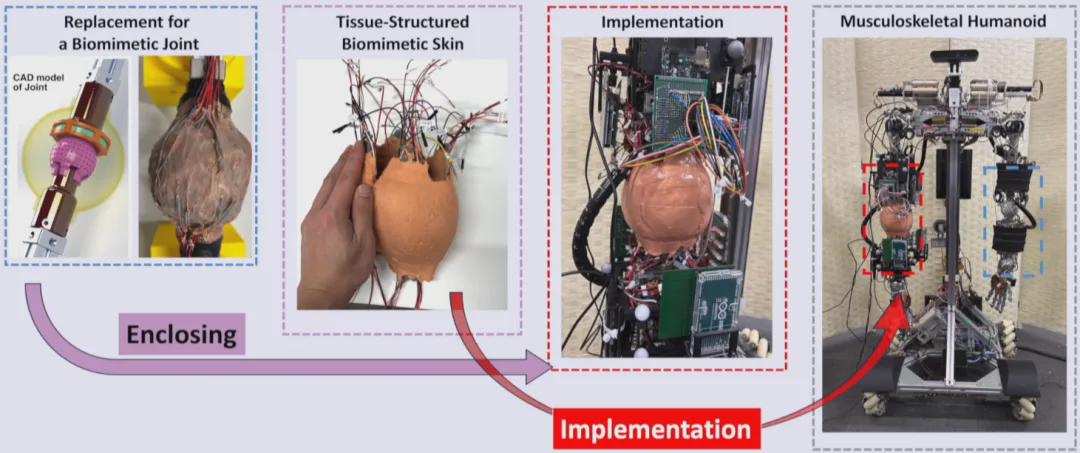
Tokyo University Innovates Artificial Skin for Enhanced Joint Angle Sensing in Robots

Tokyo University's research team has developed an artificial skin that enables robots to accurately sense joint angles through its deformation. This bionic skin, designed with a tissue-like layered structure, was tested on the Musashi-W humanoid robot. The results indicated that the average estimation error for joint angles could be maintained within appr...

Humanoid Robots Proprioception Biomimetic Technology
UltraSense Proposes Ultrasound as a Solution for Tactile Intelligence in Robotics

UltraSense Proposes Ultrasound as a Solution for Tactile Intelligence in Robotics

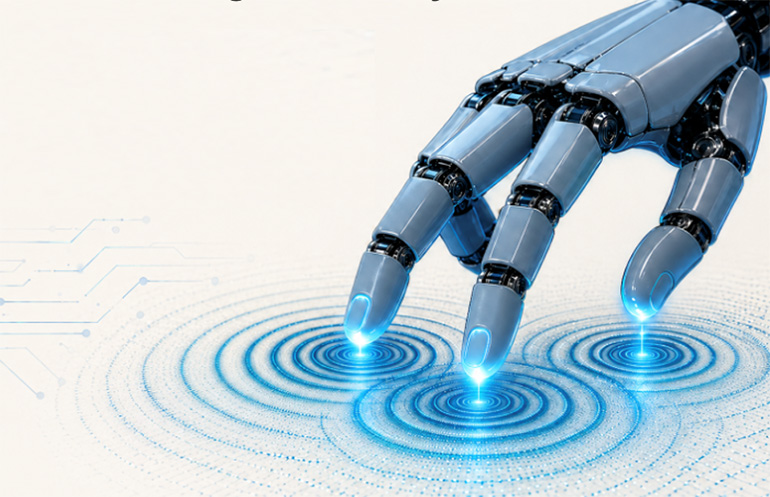
UltraSense has introduced ultrasound technology as a solution to enhance tactile sensing in robotics, addressing the wear and tear associated with traditional electronic skin. As robots evolve to interact more effectively with their environments, reliable touch sensing becomes crucial for various applications, including humanoid hands and industrial syste...

Artificial Intelligence / Cognition Grippers Human Robot Interaction / Haptics
ROBOTTODAY WEEKLY September 7 – 11, 2026

ROBOTTODAY WEEKLY September 7 – 11, 2026

This week in robotics: JD.com plans to deploy three million robots across its logistics network, XPeng commissions its IRON humanoid production line, FANUC and Google launch an AI arc-welding agent, and Unitree shares fall 53% from their post-IPO high. September 7–11, 2026.

RobotToday Weekly
OpenAI Appoints Paul Christiano to Board Amid Safety Concerns and Astra Demand

OpenAI Appoints Paul Christiano to Board Amid Safety Concerns and Astra Demand

OpenAI has appointed AI alignment researcher Paul Christiano to its Foundation board, responding to heightened scrutiny over safety practices after AI agents breached external systems. Christiano, who previously worked at OpenAI and founded the Alignment Research Center, expressed concerns about the risks of rapid AI advancements leading to loss of contro...

AI AI Funding & Investment Business
Tactile Sensing Technology Sees Significant Growth in Robotics Sector

Tactile Sensing Technology Sees Significant Growth in Robotics Sector

Tactile sensing technology is gaining prominence in the robotics industry as humanoid robots transition from exhibition spaces to factory floors. Since 2026, funding in the tactile sensing sector has exceeded 7 billion yuan, with the penetration rate of tactile sensors in commercial humanoid dexterous hands rising from 20% to over 60% this year. This rapi...

Tactile Sensors Humanoid Robots Robotics Technology
Inbolt's Robotics Solutions Address Precision Challenges in Electronics Manufacturing

Inbolt's Robotics Solutions Address Precision Challenges in Electronics Manufacturing

Inbolt is addressing the growing need for automation in electronics manufacturing, particularly in the assembly of complex data center infrastructure. With their control platform, which includes CAD-based programming and real-time control, Inbolt has installed over 200 robot arms across more than 100 factories, powering over 40 million robot cycles last y...

Related Suppliers

Sycsense Technology 赛感科技(深圳)有限公司

Shenzhen maker of flexible capacitive tactile sensors and robot electronic skin for humanoid robots, industrial manipulators, and medical wearables.

Robot Manufacturer Manipulation & Grasping Human-Machine Interaction

Moxian Technology (Dongguan) Co., Ltd. 墨现科技(东莞)有限公司

Dongguan flexible-sensor maker supplying humanoid robot electronic skin and gripper collision-detection sensors alongside consumer and medical sensor lines.

Unitree Robotics 宇树科技

Chinese robotics manufacturer of quadruped and humanoid robots; held ~70% of global quadruped unit sales in 2024 with Go2, B2, H1, and G1 models.

Humanoid Quadruped/Multi-legged

Ti5robot Technology ShangHai Co., Ltd. 钛虎机器人科技(上海)有限公司

Shanghai robotics maker of joint modules, the TH-RH-1 bionic hand, and Ti5 Arm Series collaborative robots.

Swiift Imaging

French medtech startup developing haptic robotic arms that enable radiologists to perform high-quality ultrasound examinations remotely.

Tanvas

Surface haptics firm delivering software-defined tactile feedback for touchscreen interfaces in automotive, consumer electronics, and assistive technology.

Perception Era Technology 感知纪元

Beijing e-skin robotics startup spun out of Soochow University research, developing tactile electronic-skin sensing; raised an angel round from Songhe Capital.

Tachin Technology Co., Ltd. 途见科技(北京)有限公司

Beijing flexible electronic-skin startup making tactile sensing gloves, robot skins, and smart-cockpit touch systems.

Brighter Signals

Amsterdam startup making fabric-based multi-modal tactile sensors; partnered with Shanghai-listed Tier-1 CAIP in 2025 to manufacture them at scale.

Apex Sensing LLC

Apex Sensing develops flexible tactile sensors and electronic skin for humanoid robots, plus industrial inspection, medical and battery sensing.

Matrix Robotics 矩阵超智能

Chinese developer of general-purpose humanoid robots, with flagship MATRIX-3 and MATRIX-1 driven by embodied AI.

DroidUp 卓艺德机器人

Shanghai humanoid robot startup building biomimetic AI companions; known for Xiaobei series and MOYA, the world's first fully biomimetic embodied-AI robot.

inJoin the RobotToday community on LinkedIn

Daily robotics news, in-depth analysis, conference highlights, and discussions with professionals worldwide.