

Industry Briefing
A single destination for timely, editor-curated robotics news from around the world.

Wildlife Cameras on I-90 Document 10,000 Animal Crossings by July 2026
Wildlife cameras installed on Washington's I-90 since 2014 have recorded a significant number of animal crossings. By July 2026, the Snoqualmie Pass East overcrossing alone logged its 10,000th crossing, contributing to nearly 40,000 crossings across all 12 structures. This initiative highlights the effectiveness of wildlife crossings in reducing animal fatalities on highways. The data indicates that animals are increasingly opting for these safe passages rather than risking dangerous highway crossings, showcasing a successful conservation effort. Looking ahead, continued monitoring of these crossings will be essential to assess their long-term impact on wildlife behavior and highway safety. No further timeline was disclosed at the time of publication.
FLORA AND FAUNA
New Drone Detection System Utilizes Sound Instead of Cameras for Threat Identification
A new drone detection system has been developed that relies on audio cues rather than visual inputs to identify potential threats. This innovative approach could enhance security measures in various environments by providing a more discreet and efficient method of surveillance. The significance of this technology lies in its ability to operate effectively without the limitations of traditional camera systems, which can be hindered by visibility issues. By focusing on sound, the system can detect drones in diverse conditions, potentially transforming security protocols in sensitive areas. Looking ahead, the deployment of this drone detection system could lead to broader applications in both military and civilian sectors. As advancements continue, stakeholders will be keen to observe how this technology integrates with existing security frameworks and its effectiveness in real-world scenarios. No further timeline was disclosed at the time of publication.
AI and Robotics
Workers Use Motion Trackers and Cameras to Teach AI About Human Movement
Workers are utilizing motion trackers and cameras to provide robots with essential data regarding human movement. This initiative aims to enhance the capabilities of AI systems by teaching them the intricacies of human tasks. The significance of this development lies in its potential to improve robot performance in various applications, making them more adept at understanding and replicating human actions. By capturing detailed movement data, the project seeks to bridge the gap between human skills and robotic capabilities. Looking ahead, it will be important to monitor how this data is integrated into AI systems and the subsequent impact on automation processes. No further timeline was disclosed at the time of publication.
Tesla Optimus Relies on Cameras and Tactile Sensors, Not LiDAR, in 2026
Tesla's humanoid robot, Optimus, utilizes a vision system comprising eight Autopilot-grade cameras, rejecting LiDAR technology entirely. This approach aligns with Tesla's established philosophy of prioritizing AI over sensor diversity, aiming for a cost-effective solution for a $20,000 robot. The absence of LiDAR is justified by Tesla's focus on architecture reuse and the belief that the challenge lies in AI capabilities rather than sensor limitations. The decision to forgo LiDAR is significant as it reflects Tesla's commitment to a camera-only strategy, which has been consistent since the removal of radar from its vehicles in 2021. Tesla's Autopilot director, Ashok Elluswamy, emphasized the advantages of this approach in a recent demonstration, reinforcing the company's stance on the effectiveness of their vision system. Looking ahead, the industry remains divided on the use of LiDAR, with competitors like Rivian advocating for its inclusion due to perceived limitations of camera systems in low visibility conditions. However, for applications in controlled environments, such as homes or factories, the tactile sensing capabilities of Optimus may prove more beneficial than long-range sensing, highlighting the evolving landscape of robotic perception technologies.

Integrating Cameras, Grippers, Controllers, and Software for Advanced Robotics Deployment
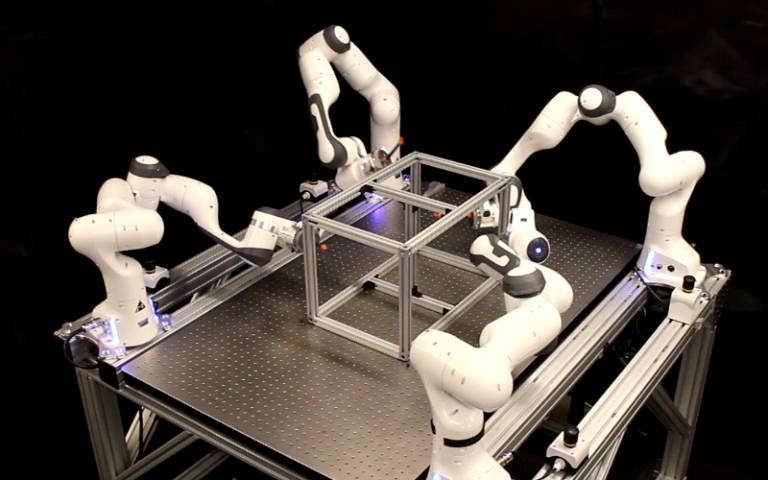
The integration of cameras, grippers, controllers, and application software is crucial for effective robotics deployment. When these components are tailored for a specific workcell, adapting them for different tasks or products often requires extensive rework. This challenge highlights the need for more flexible and adaptable robotic systems in manufacturing environments. Addressing the integration issue is essential for enhancing productivity and efficiency in industrial automation. As companies seek to implement advanced robotics solutions, the ability to quickly adapt systems to new tasks can significantly reduce downtime and costs. This adaptability is vital for staying competitive in a rapidly evolving market. Looking ahead, companies will need to focus on developing modular and interoperable robotic systems that can easily transition between various applications. The ongoing evolution in robotics and AI research will play a key role in shaping these advancements. No further timeline was disclosed at the time of publication.
New Whisker-Based Technology Enables Tiny Drones to Navigate Without Vision
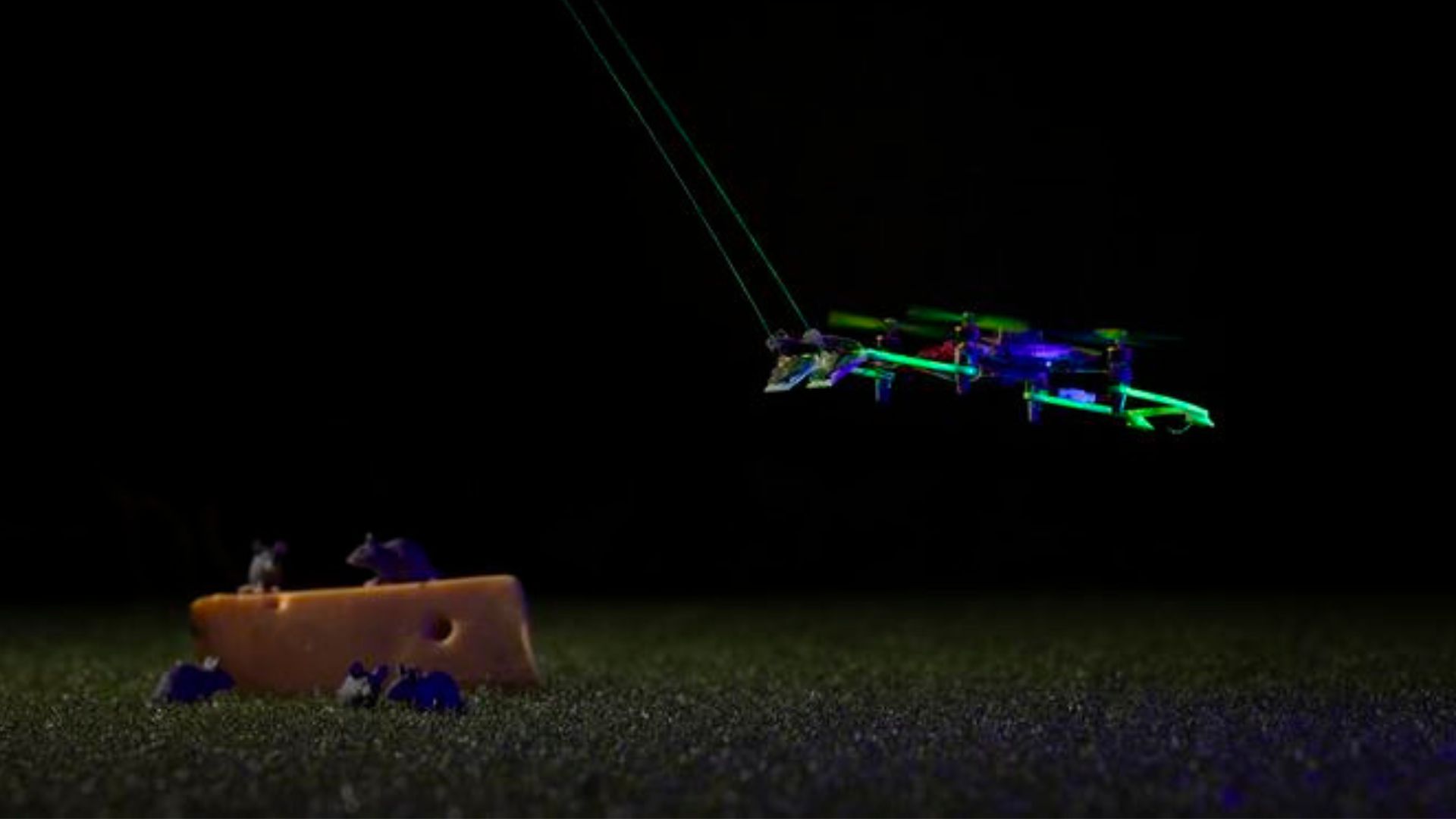
Researchers at Delft University of Technology have developed a whisker-based tactile framework that allows tiny drones to navigate complex environments without relying on visual input. Inspired by the natural whiskers of rodents, this technology equips drones with artificial whiskers that provide real-time feedback as they interact with their surroundings. This innovation addresses a significant challenge in aerial robotics, particularly for micro-drones weighing under 100 grams, which cannot support heavy LiDAR systems. The whisker system enables these drones to operate effectively in low-visibility conditions, such as dust or darkness, where traditional cameras fail. Moving forward, the focus will be on refining this tactile navigation system and exploring its applications in various environments. No further timeline was disclosed at the time of publication.
AI and Robotics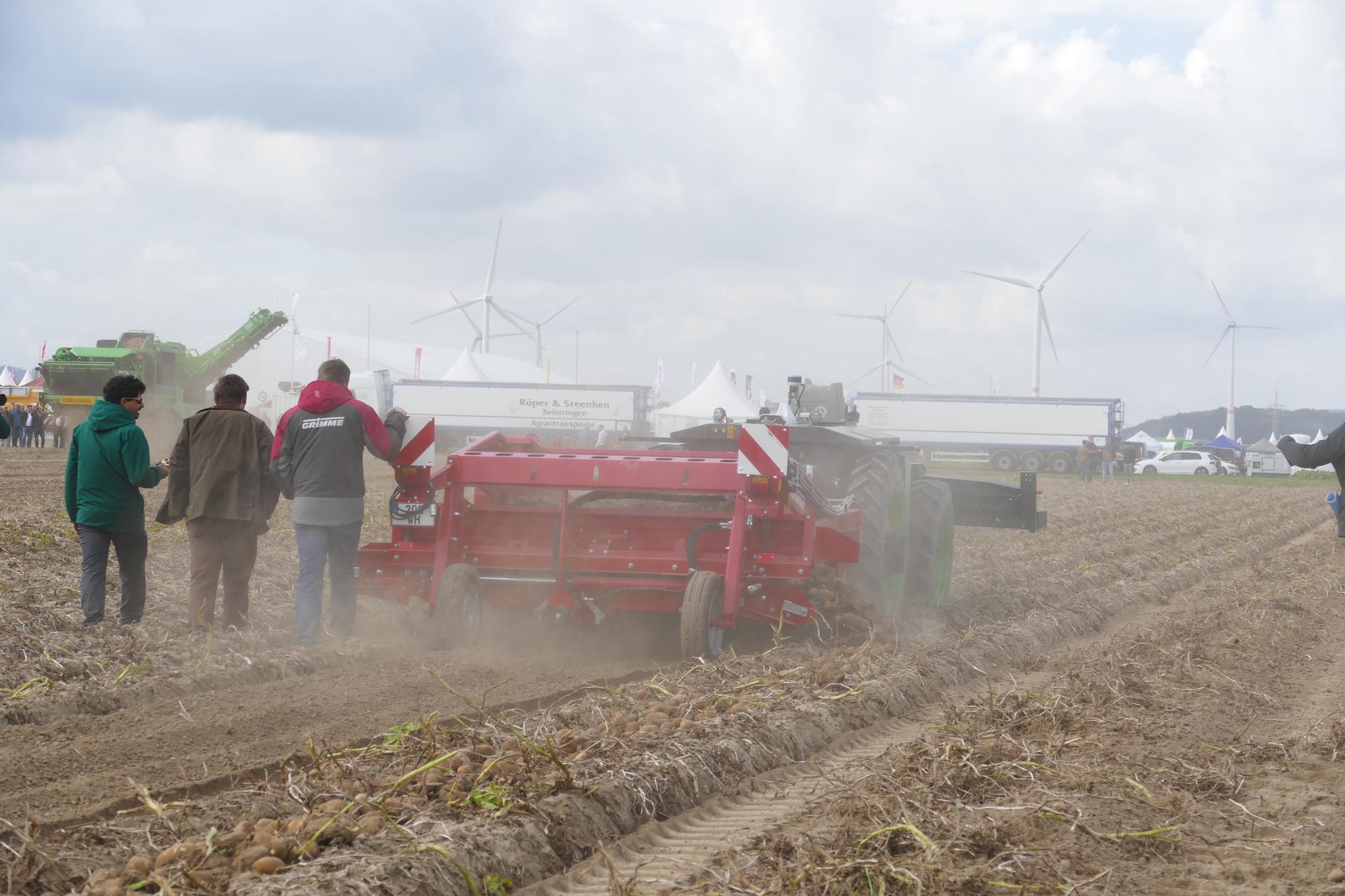
AgXeed Showcases Autonomous Potato Harvester at PotatoEurope Trade Fair
AgXeed demonstrated its autonomously operated potato harvester, the AgBot W4, at the PotatoEurope trade fair held on September 9 and 10 in Springe, Germany. This innovation highlights the industry's shift towards increased efficiency through autonomy and advanced camera technology, although such practices are not yet commonplace. The integration of autonomy in agricultural machinery is crucial for enhancing productivity, as evidenced by AgXeed's efforts to reduce the need for additional operators during harvesting. Other manufacturers, like Beinlich and Ropa, are also exploring autonomous solutions, such as the RainRover hose reel irrigator and automatic follow-steering for harvesters, respectively. Looking ahead, the agricultural sector is expected to continue its focus on automation and efficiency improvements. While no further demonstrations of camera-controlled sorting were presented at PotatoEurope, the ongoing development of autonomous technologies suggests a promising future for the industry. No further timeline was disclosed at the time of publication.
Field robots Beurzen Spuitmachines Werktuigendragers
GoPro Merges with Starman Optical to Expand Beyond Action Cameras
GoPro has announced a merger with Starman Optical, marking a significant shift in its business strategy. This deal aims to redefine GoPro's identity from solely an action camera manufacturer to a broader optics and imaging company, venturing into AI infrastructure, government, defense, robotics, and aerospace markets. The merger is financially beneficial, with GoPro shareholders set to receive $285 million in cash, equating to approximately $1.14 per share, while the company's $92 million debt will be eliminated. This transition allows GoPro to leverage its extensive patent portfolio and imaging expertise to tap into larger commercial and government contracts, moving beyond its traditional consumer camera market. Despite this pivot, GoPro reassures its customers that it will continue to support its existing consumer products and services. The recent launch of the Mission 1 Pro camera, featuring advanced capabilities aimed at both professionals and enthusiasts, indicates that GoPro remains committed to its roots in action cameras while exploring new opportunities in the enterprise sector.
News
TU Delft Develops Drone Using Touch Sensors for Perching on Branches
Researchers at TU Delft have created an innovative drone that utilizes tactile sensors to perch on branches, moving beyond traditional camera reliance. This technology allows the drone to detect and adjust its position as it approaches a branch, enabling it to grip securely and conserve battery power by shutting down its motors once perched. The significance of this development lies in its potential to enhance drone operations in complex environments like forests, where conventional vision-based systems often struggle. By employing touch sensing, the drone can locate and grip branches effectively, which could lead to longer operational periods in cluttered settings. Looking ahead, the drone's control architecture, which includes a series of dynamic states for flight and perching, will be crucial for its adaptability. No further timeline was disclosed at the time of publication.
AI and Robotics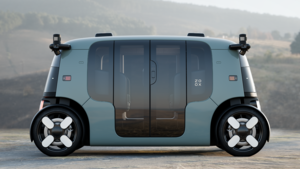
LG Innotek Expands Partnership with Zoox to Supply High-Resolution Camera Modules
LG Innotek is enhancing its collaboration with Zoox, Amazon's autonomous driving subsidiary, by providing high-resolution automotive camera modules for its robotaxis. This partnership has been in place since the early development stages of the robotaxi, and the latest agreement will see LG Innotek supply these advanced cameras over the coming years. The high-resolution cameras are integral to Zoox's sensor suite, offering 360-degree coverage through overlapping fields of view. LG Innotek's modules leverage precision optical design technology honed from years of experience in mobile device camera production. Designed to endure harsh weather conditions, these waterproof modules ensure stable performance in various environments. As Zoox ramps up its manufacturing capabilities with the opening of its first robotaxi production facility in California, LG Innotek's camera modules are being integrated into the vehicles. This collaboration marks a significant milestone in their ongoing partnership, positioning LG Innotek as a crucial supplier in the rapidly evolving autonomous vehicle sector. No further timeline was disclosed at the time of publication.
All News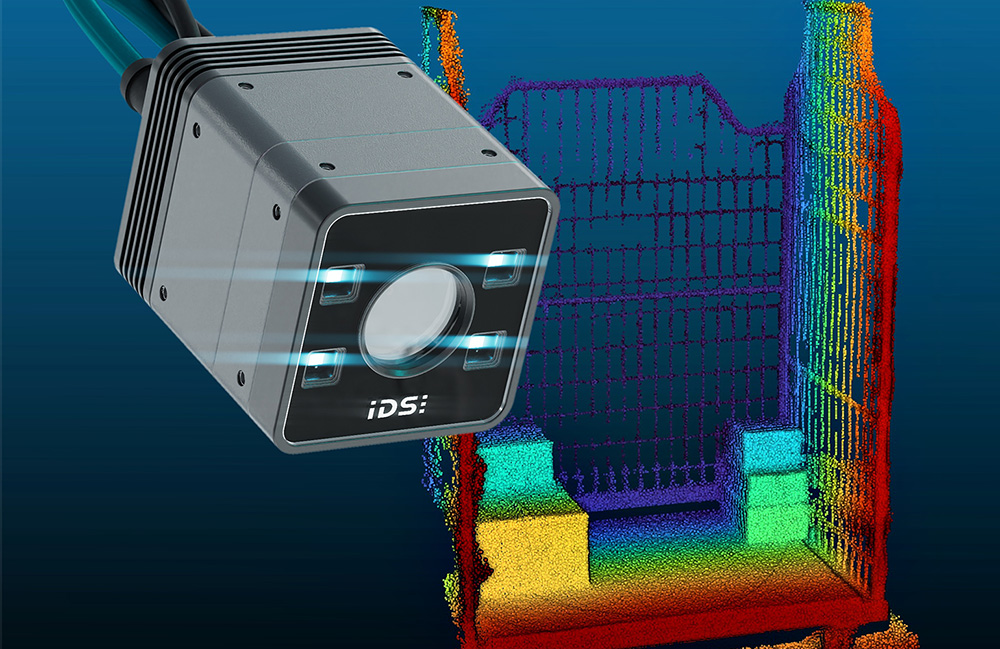
IDS Imaging Expands 3D Camera Line with Nion Time-of-Flight Sensor
IDS Imaging Development Systems GmbH has introduced the Nion, a new industrial time-of-flight (ToF) camera featuring 1.2-megapixel resolution and integrated depth processing. The Nion camera is now in series production and delivers high-resolution, stable depth information at 30 frames per second, even during rapid movements and varying lighting conditions. The introduction of the Nion is significant for industries requiring precise 3D data at real-world speeds, including logistics, automation, and robotics. Patrick Schick, product manager at IDS, emphasized that the Nion provides reliable depth data under variable lighting, which is crucial for automation processes that depend on fast and accurate 3D information. Looking ahead, the Nion's compact design and rugged IP67-rated housing make it suitable for demanding environments, while its Power over Ethernet (PoE) capability simplifies installation. No further timeline was disclosed at the time of publication.
Cameras / Imaging / Vision News Technologies IDS Imaging onsemi
DJI Osmo Action 6 Cameras Successfully Document Rocket Launch and Recovery
DJI showcased the resilience of its Osmo Action 6 cameras by sending 12 units aboard LandSpace's Zhuque-3 rocket during China's first successful land-based orbital booster recovery on August 19. Remarkably, one camera captured the entire mission in a single, uninterrupted video, providing a unique first-person perspective from liftoff to landing. This demonstration highlights the durability of the Osmo Action 6, which withstood extreme temperatures of 400°C to 500°C and intense vibrations during the flight. The footage serves as a valuable engineering tool for LandSpace, allowing engineers to analyze the rocket's recovery sequence and performance throughout the mission. The cameras recorded continuously, even during a communications blackout, ensuring that all critical moments were preserved. DJI's advanced stabilization technology contributed to the high-quality video, making it a significant achievement in showcasing the capabilities of consumer-grade action cameras in extreme conditions.
News
Insta360 and DJI Compete in U.S. Market with New 360 Cameras
Insta360 and DJI, two rival companies based in Shenzhen, China, are both targeting the U.S. market with their latest 360 cameras. On August 12, Insta360 launched the X6, its flagship 360 camera, priced at $699.99, while DJI introduced the Osmo 360 II the following day in China and Hong Kong, with no U.S. availability announced. The contrasting product launches underscore the challenges DJI faces in entering the U.S. market, where it encounters increasing barriers. In contrast, Insta360 is successfully launching new products, raising questions about whether DJI's restrictions are providing an opportunity for Insta360 to capture market share. Insta360 claims a dominant 71% share of the global panoramic camera market by value, according to IDC. The X6 features advanced capabilities, including 8K video recording and AI-driven editing, which may appeal to U.S. consumers. No further timeline was disclosed at the time of publication.
Cameras DJI DL Exclusive Drone News Drone News Feeds Feature 1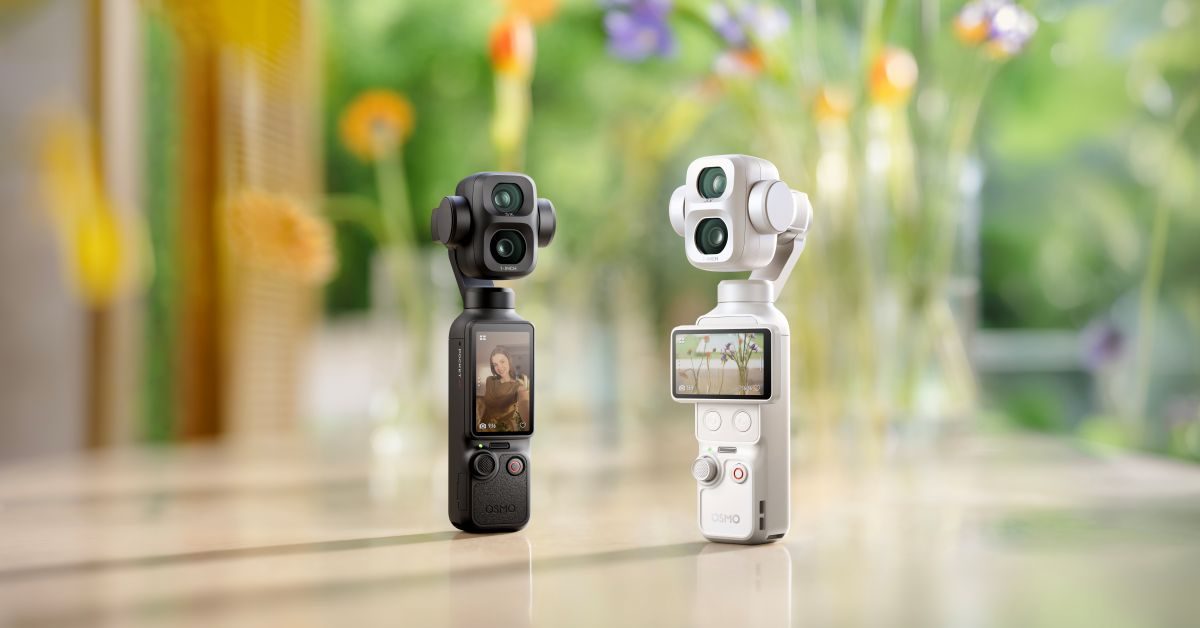
DJI Mimo gets major upgrade for new Osmo Pocket cameras
DJI continues to enhance its lineup of compact cameras with the recent launch of the Osmo Pocket 4P in China, followed by its introduction to several Asian markets, including Japan, Indonesia, and Vietnam. In conjunction with this rollout, the company has also released an updated version of the DJI Mimo app, which is crucial for users to activate, manage, and edit their footage from the Pocket camera series. This update aims to improve user experience and functionality, further solidifying DJI's commitment to providing cutting-edge technology in portable videography.
News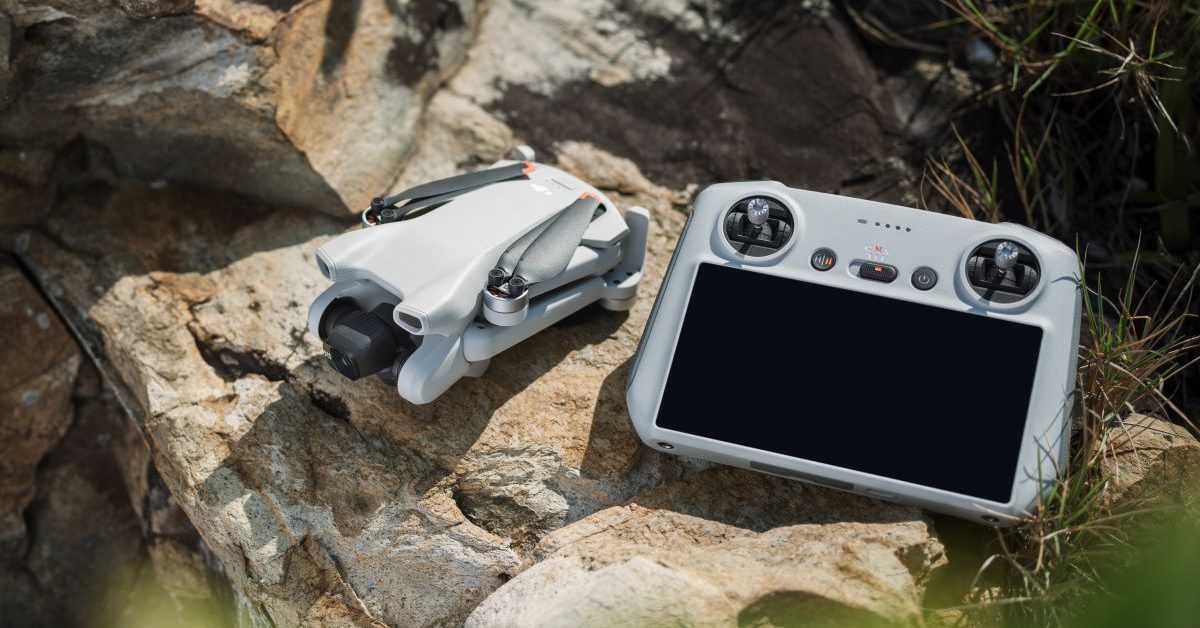
At $269, DJI Mini 3 drone costs less than many action cameras
Many potential drone buyers often hesitate due to concerns over cost and quality, with the ideal models appearing too expensive while cheaper options seem unreliable. This internal struggle typically delays their decision to purchase, despite a strong desire to capture memorable moments during trips and family vacations. However, DJI has addressed these concerns with significant discounts on their drones during this year's Prime Day event, making high-quality options more accessible. By offering competitive pricing, DJI aims to encourage consumers to finally invest in the technology they have long desired, potentially transforming their experiences and enabling them to document cherished memories.
News
How Many Security Cameras Does Your Philadelphia Business Actually Need?
In Philadelphia, many business owners are taking a haphazard approach to security, often relying on vague vendor recommendations that can lead to costly oversights. Typically, they might call a vendor who suggests starting with a basic setup, such as four cameras, without considering the specific needs of their premises. This method can result in significant vulnerabilities, particularly highlighted when a break-in exposes areas that were inadequately monitored. Experts emphasize that effective security solutions are not universal; they must be tailored to the unique layout and requirements of each building. As crime rates fluctuate, the importance of a customized security strategy has become increasingly clear, prompting business owners to rethink their approach to safeguarding their properties.
Business Infrastructure Technology access control automation news business protection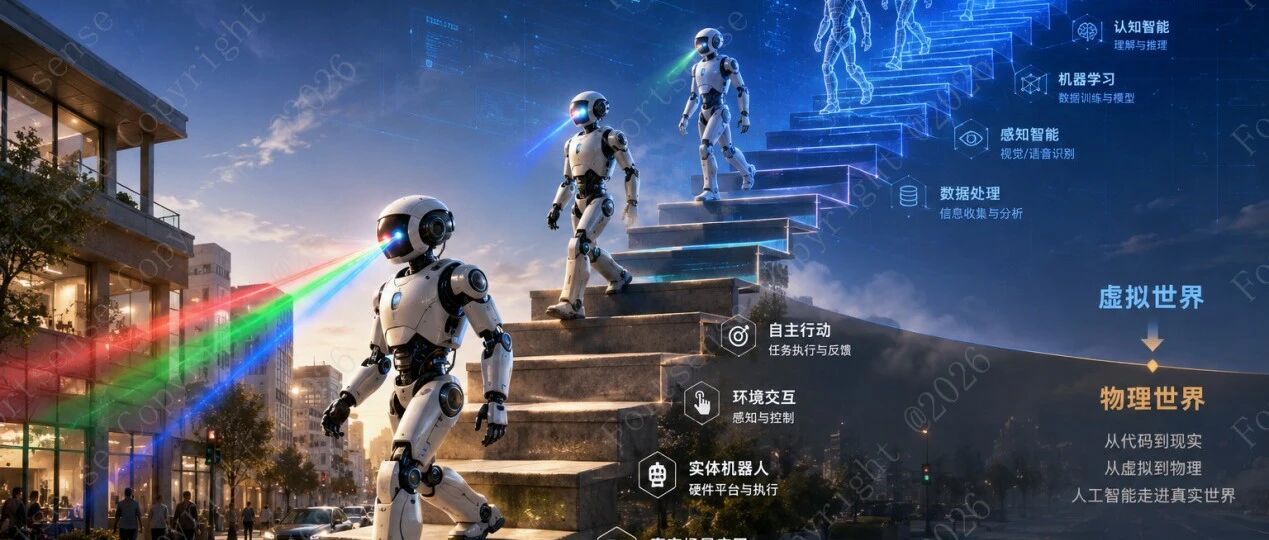
Fortsense Develops Single-Chip RGBD Spatial Cameras for Physical AI Perception
Fortsense Technologies is making significant strides in the field of imaging technology with its development of single-chip RGBD spatial cameras. These innovative cameras combine color and depth perception into a single unit, offering a streamlined alternative to the traditional combination of cameras and LiDAR systems. The company's focus is on enhancing the capabilities of autonomous vehicles and robotics, sectors that increasingly rely on advanced sensing technologies for navigation and environmental understanding. By integrating both color and depth data into one chip, Fortsense aims to improve efficiency and reduce costs in these applications. The initiative is part of a broader trend towards more compact and effective sensor solutions in the rapidly evolving landscape of autonomous technology.
AI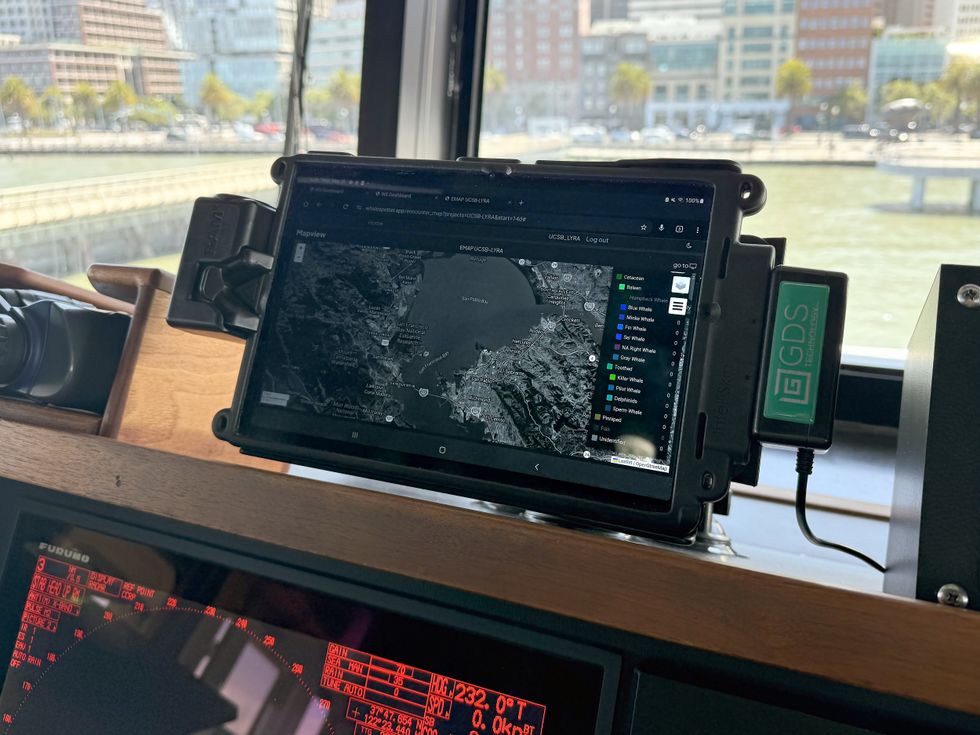
Thermal Cameras and AI Help Ships Steer Clear Of Gray Whales
On May 19, a new AI-based whale detection system was launched in San Francisco Bay, developed by WhaleSpotter, a company based in Somerville, Massachusetts. This initiative, a collaboration among government agencies and scientists, aims to enhance the safety of marine traffic by identifying gray whales in real-time using thermal cameras mounted on Angel Island. The system operates continuously, even at night and in foggy conditions, and alerts nearby vessels to potential whale encounters, allowing them to slow down or change course. The urgency for such technology arises from alarming mortality rates among gray whales, with seven reported deaths in the bay this year alone, and a record 21 fatalities in 2025, primarily due to ship strikes. Scientists attribute the whales' recent detours into the bay to climate change, which has led to record-low sea ice levels and impacted their food sources. As a result, over 100 gray whales have been observed stopping in the bay since 2018, likely seeking nourishment during their long migration from Alaska to Mexico. The WhaleSpotter system has already logged 6,600 whale detections within its first week and a half of operation. While the technology significantly reduces the risk of ship strikes, human verification remains essential to confirm detections and minimize false alarms. Future enhancements aim to further automate the process, ultimately relying more on AI for monitoring marine life.
Cameras Whales Thermal-cameras Artificial-intelligence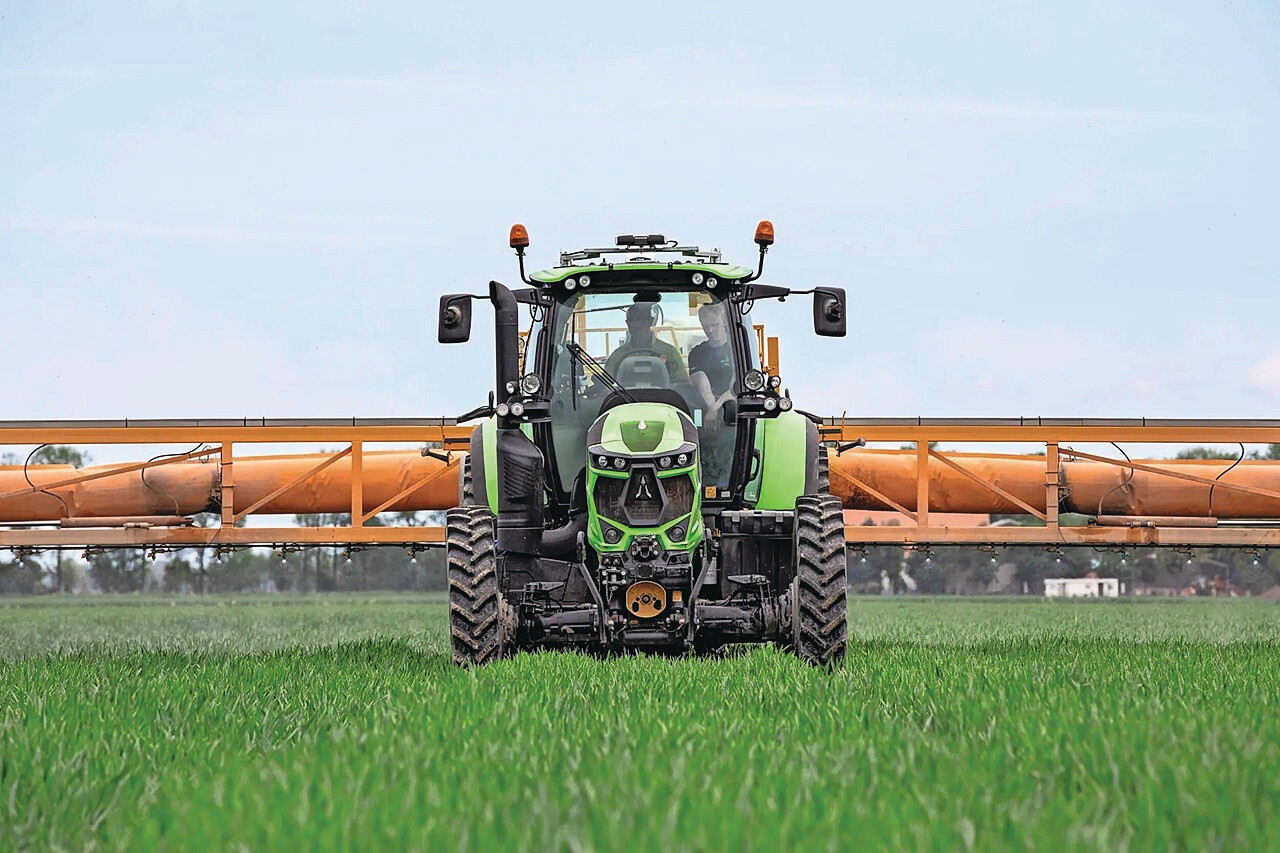
Crop cameras broaden the view on real-time nitrogen application
Recent advancements in crop camera technology are transforming the way farmers apply fertilizers, shifting from a static approach to a dynamic, real-time decision-making process. These innovative camera systems continuously monitor crop growth and biomass across entire fields, enabling immediate adjustments to nitrogen application rates as conditions change. This development not only promotes more precise fertilizer use but also reduces waste and enhances the efficiency of autonomous farming systems. Future Farming is exploring these technological advancements, examining emerging suppliers, and assessing the future trajectory of this impactful agricultural innovation.
Smart farming multispectral sensors nitrogen management precision agriculture variable rate application
VA Imaging Launches New Industrial UVC Cameras for Robotics and Embedded Vision
VA Imaging has introduced a new line of industrial UVC cameras designed for applications requiring rapid integration, reliable hardware, and industrial usability. Assembled in the Netherlands, these cameras are specifically tailored for use in OEM systems, embedded vision, robotics, and industrial imaging. The strength of this product line lies in its use of the USB Video Class (UVC) standard, allowing for easy integration into systems running on Windows, Linux, and Android without the need for complex drivers. This feature makes the cameras particularly appealing to engineers and development teams looking to prototype quickly or expand existing systems without extensive software integration. Currently, the UVC cameras are available in two variants: a 3MP version for high-speed applications and a 12MP version for scenarios where resolution is critical. This differentiation enables users to select the appropriate camera based on specific application requirements, addressing the growing demand for flexible and quickly deployable vision solutions in industries increasingly reliant on automation and robotics.
Nieuws algemeen Technologie Automatisering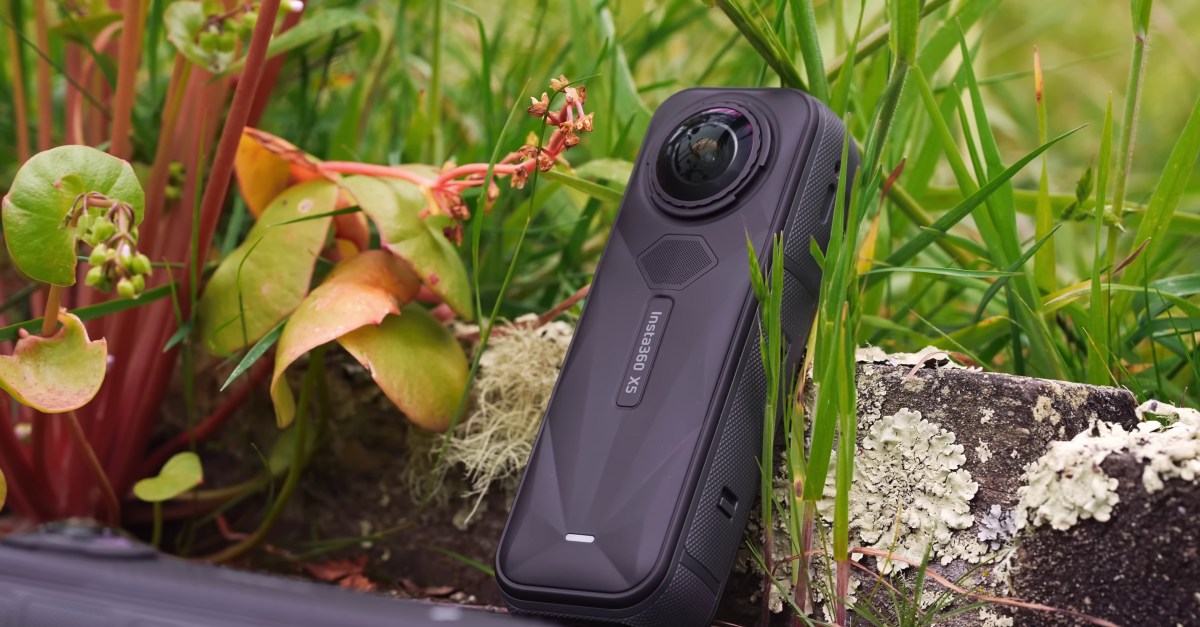
360-degree cameras have a new superpower
In a groundbreaking collaboration, Insta360, a prominent manufacturer of 360-degree cameras, has teamed up with the UK-based startup Splatica to revolutionize virtual exploration. This partnership aims to empower creators to develop immersive, interactive environments reminiscent of Google Street View, but with the added ability for users to navigate these spaces like a video game. The initiative, announced in January, allows individuals to capture and share their surroundings without relying on traditional filming methods. By leveraging Splatica’s innovative platform alongside Insta360’s advanced camera technology, the duo seeks to democratize the creation of virtual experiences, enabling users to engage with their environments in a more dynamic and personalized way. This move is set to enhance the accessibility of virtual content creation, appealing to a wide range of users from casual creators to professional developers.
Cameras Drones Gadgets Hands-on News Report
Performance Evaluation and Improvement for RGB‐D Cameras on High‐Throughput Phenotyping Robots
In a recent study published in the Journal of Field Robotics, researchers have explored advancements in robotic technology aimed at enhancing agricultural efficiency. The study, which appears in the May 2026 issue, highlights innovative methods for deploying autonomous robots in crop management. Conducted by a team of experts in robotics and agriculture, the research took place over several months at various test sites across the Midwest. The motivation behind this research stems from the growing need for sustainable farming practices that can meet the demands of an increasing global population. By integrating advanced robotics into agricultural processes, the team aims to reduce labor costs and improve crop yields while minimizing environmental impact. The researchers utilized a combination of machine learning algorithms and sensor technology to develop robots capable of performing tasks such as planting, monitoring crop health, and harvesting. Through rigorous field tests, they demonstrated that these robots could operate efficiently in diverse conditions, adapting to changes in weather and soil quality. This groundbreaking work not only showcases the potential of robotics in transforming agriculture but also addresses critical challenges faced by farmers today. As the agricultural sector continues to evolve, the findings from this study could pave the way for more widespread adoption of robotic solutions, ultimately contributing to a more sustainable and productive future for farming.
RESEARCH ARTICLERobotics needs a service framework.
RSF defines a common language for robot service capability, lifecycle operations, certification pathways, and service-provider networks.
Join the RobotToday community on LinkedIn
Daily robotics news, in-depth analysis, conference highlights, and discussions with professionals worldwide.







