Industry Briefing
A single destination for timely, editor-curated robotics news from around the world.
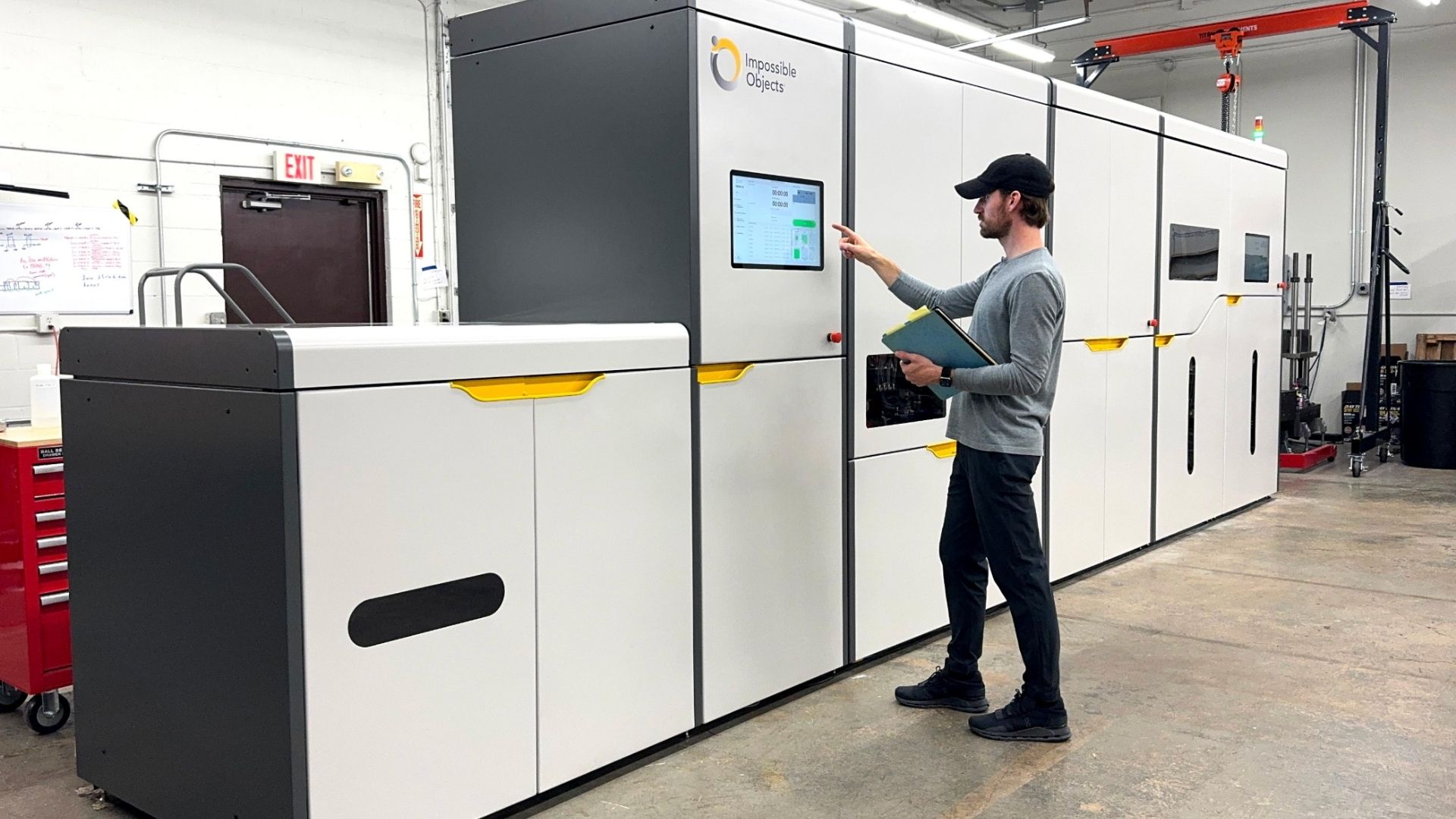
Impossible Objects Secures $40 Million for Carbon-Fiber 3D Printing Expansion
Impossible Objects, an Illinois-based manufacturing technology firm, has raised $40 million in a Series B funding round led by Inflection Equity. This investment aims to enhance the production capabilities of its Composite-Based Additive Manufacturing (CBAM) systems, particularly the CBAM 25, which specializes in carbon-fiber printing for drones and aircraft parts. The significance of this funding lies in its potential to revolutionize industrial-scale 3D printing, traditionally limited to prototyping due to slow speeds and high costs. The CBAM 25 addresses these challenges by enabling rapid production of strong, lightweight components, thereby reducing tooling requirements and lead times, making it competitive with CNC machining and injection molding. Looking ahead, Impossible Objects has already received five orders for the CBAM 25 since its introduction in early 2025. The company aims to deploy its technology across aerospace, defense, and advanced manufacturing sectors. No further timeline was disclosed at the time of publication.
Innovation
NIST Allocates Over $30 Million to 12 Manufacturing Extension Partnership Sites
The National Institute of Standards and Technology (NIST) has awarded over $30 million to 12 Manufacturing Extension Partnership (MEP) sites. These awards will initiate cooperative agreements for evaluations lasting up to five years, focusing on protocol development, data collection, and analysis. The funding will support the first year of projects, with future funding contingent on performance and alignment with MEP priorities. This initiative is significant as it aims to enhance the industrial competitiveness of small and medium-sized manufacturers through advanced technology adoption. NIST Director Arvind Raman emphasized the importance of these MEP centers in fostering successful technology adoption and strengthening domestic supply chains within key industry sectors. The awards are expected to facilitate collaboration with flagship manufacturers identified by each site. Looking ahead, NIST plans to accept applications from Alaska and California in the next competition set for early 2027, as these states were not selected in this round. The agency's commitment to developing metrics for technology adoption across the MEP network will be crucial for future evaluations and support of manufacturing competitiveness.

How AI is Transforming the Maintenance Technician Role by 2030
The role of maintenance technicians is rapidly evolving due to advancements in predictive maintenance, intelligent assistants, and augmented reality. The focus has shifted from merely automating machines to enhancing the capabilities of the personnel who operate and maintain them. Initial industrial deployments have already shown measurable gains. By 2030, maintenance technicians will still require skills in mechanics, electricity, automation, and electrotechnics, but their work environment may be significantly different. In the event of a malfunction, technicians will have immediate access to equipment history, similar incident reports, manufacturer documentation, sensor data analysis, and tailored diagnostic procedures. This evolution builds on a transformation initiated years ago with industrial IoT, CMMS, predictive maintenance, and augmented reality. The introduction of generative AI and agent-based AI marks a new phase in this transformation, where systems not only present information but also assist in diagnostics and take on some intervention tasks. This shift addresses a pressing issue: as industrial equipment becomes more sophisticated, finding the necessary maintenance skills is increasingly challenging. According to Deloitte's Smart Manufacturing and Operations 2025 study, 35% of industrial leaders view employee adaptation to the 'Factory of the Future' as a major concern.
À la une Humanoide IA Robotique agents IA Assistant IA
Swarm Aero Introduces Gamera Drone with 10,357-Mile Range for U.S. Air Force Replacement
Swarm Aero has launched its Gamera drone, a long-range uncrewed aircraft aimed at replacing the MQ-9A Reaper for the U.S. Air Force. The Gamera features a 72-foot wingspan and an impressive unrefueled range of up to 10,357 miles, designed for the Pentagon's Massed Modular Aircraft program, which seeks cost-effective solutions for intelligence and strike missions. This development is significant as it addresses the need for a lower-cost, attrition-tolerant aircraft, with the Gamera capable of carrying at least 2,800 pounds of payload, including advanced weaponry. Its innovative design includes two parallel fuselages and a unique engine placement, enhancing its operational capabilities while allowing for modular payload adjustments as mission requirements evolve. Looking ahead, Swarm Aero's Gamera is positioned to revolutionize drone operations with its autonomous swarm capabilities, allowing a single operator to control multiple aircraft. The company has been developing this technology since 2022 and aims to meet the Air Force's target price of approximately $10 million per aircraft, significantly lower than the MQ-9A's cost, which can reach $50 million depending on configuration.
Military
Smart Camera System Inspects 3D Prints Layer by Layer, Outpacing Humans by 100,000 Times
A new smart camera system has been developed that inspects 3D prints layer by layer, achieving speeds 100,000 times faster than human inspection. This advancement is significant as it enhances the efficiency and accuracy of quality control in additive manufacturing processes. The implications of this technology are profound for industries relying on 3D printing, as it can drastically reduce production times and improve product quality. By integrating such systems, manufacturers can ensure that their products meet stringent quality standards while also optimizing their operational workflows. Looking ahead, the adoption of smart camera systems in various manufacturing sectors is expected to grow. As companies continue to seek ways to enhance productivity and reduce costs, the demand for automated inspection technologies will likely increase. No further timeline was disclosed at the time of publication.
AI and Robotics
Companion Robots Achieve Nearly 300,000 Sales, Highlighting New Market for Embodied Intelligence
Robopoet's Fuzozo, priced at 399 yuan, has sold nearly 300,000 units in China since its launch in July 2025. This surge in sales contrasts sharply with traditional humanoid robots, which have struggled to gain traction in the market. The emotional companionship and personalized interaction offered by such robots have proven to meet a validated demand, as evidenced by users engaging in over 40 minutes of daily conversation. The growing sales figures for companion robots like Fuzozo and Haivivi's BubblePal, which surpassed 300,000 units in the U.S., indicate a shift in consumer interest towards emotional engagement rather than purely functional capabilities. This trend is underscored by WHO data revealing that one in six people globally experience loneliness, particularly among younger demographics. The success of these robots suggests that emotional needs can drive substantial market growth. Looking ahead, the challenge will be whether these products can maintain user engagement as novelty fades. The integration of large language models has transformed companion robots, allowing them to remember past interactions and respond dynamically, which could enhance user retention. No further timeline was disclosed at the time of publication.
Companion Robots Emotional AI Consumer Robotics Human-Robot Interaction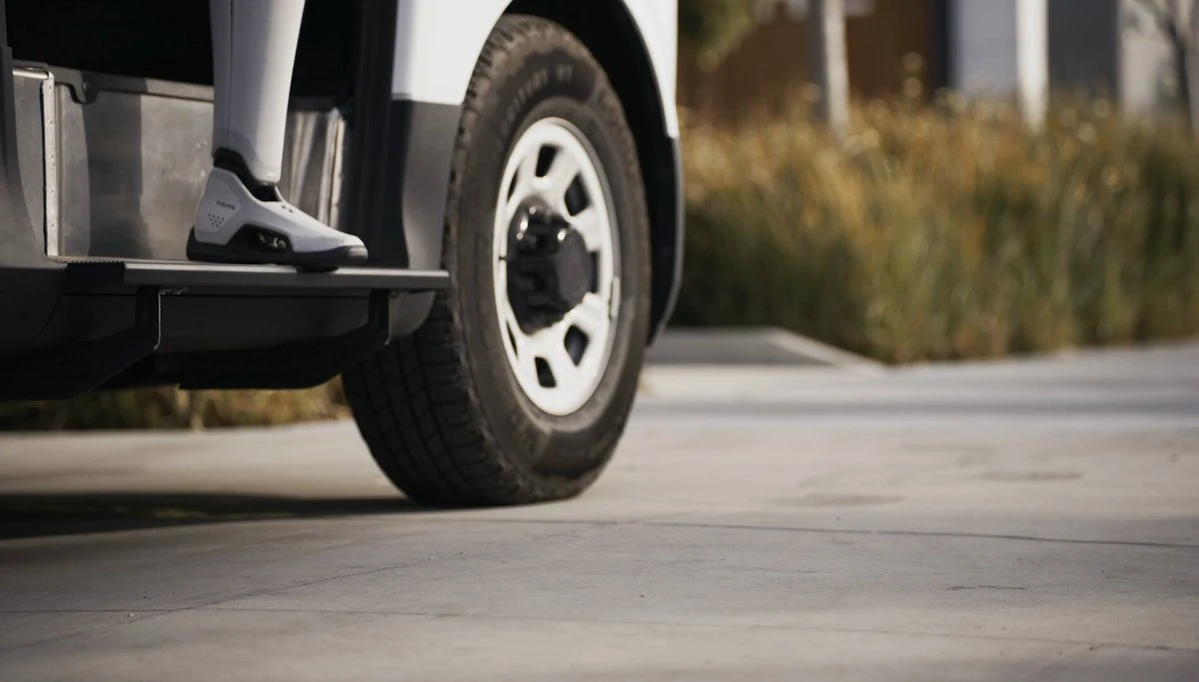
Brett Adcock Shares Clip of Figure 03 Humanoid Robot Exiting Vehicle
Brett Adcock, CEO of Figure, recently shared a brief video clip featuring a humanoid robot stepping out of a vehicle. This seven-second clip, posted on September 14, resembles a scene from the Figure 03 launch video, which showcased the robot delivering a parcel to a home on October 9, 2025. The significance of this clip lies in its potential implications for Figure's delivery vision. While the earlier launch video established delivery as a key use case, the new footage does not confirm any commercial operations or partnerships. The absence of a parcel in the clip leaves its purpose ambiguous, whether as a standalone moment or a precursor to a future announcement. Looking ahead, it remains uncertain if this video will lead to a formal delivery demonstration or further developments from Figure. No additional timeline was disclosed at the time of publication.
Brett Adcock US Figure
UT Austin to Head $30 Million NSF Center Focused on Human-Robot Co-Adaptation
The University of Texas at Austin has been selected to lead a new National Science Foundation Science and Technology Center dedicated to exploring the dynamics of human-robot interaction in real-world settings. This initiative, named the Center for Human and Robot Co-Adaptation, will involve collaboration among 39 researchers from six different universities. This research is significant as it aims to understand how assistive robots can effectively integrate into everyday environments, enhancing their utility and acceptance among users. By studying the co-adaptation process, the center seeks to address challenges that arise when robots transition from controlled laboratory conditions to unpredictable real-world scenarios. Looking ahead, the center's findings could pave the way for advancements in assistive robotics, influencing design and deployment strategies. No further timeline was disclosed at the time of publication.
News Research Robotics Science apptronik artificial intelligence
US Air Force Plans to Deploy 500 Collaborative Combat Aircraft by 2032
The U.S. Air Force has set a target to have at least 500 Collaborative Combat Aircraft (CCA) operational by 2032. This ambitious plan includes an equal number of Massed Modular Aircraft (MMA) drones to replace the MQ-9 Reapers. Secretary of the Air Force Troy Meink announced these updates during a keynote speech at the Air & Space Forces Association’s 2026 conference. This initiative is significant as it marks a substantial increase from previous plans, which aimed for over 150 CCAs by the end of the decade. The Air Force is also focusing on reducing costs, with plans to field 100 MMAs by 2029 at a lower price point than current manned aircraft. The FQ-42 and FQ-44 drones, now officially named Vengeance and Fury, are already in production and will perform missions similar to those of manned fighters. Looking ahead, the Air Force is still determining how these CCAs will be integrated into operations. The establishment of a dedicated Experimental Operations Unit (EOU) aims to facilitate the development and testing of these aircraft. No further timeline was disclosed at the time of publication.
News & Features Air Collaborative Combat Aircraft Drones Q-9 Unmanned
Jiushi Expands Its 30,000 Autonomous Vehicles into Urban Governance Applications
Jiushi has announced a strategic upgrade to its urban-level physical AI, aiming to extend its 'Jiushi Brain' capabilities beyond autonomous logistics vehicles. CEO Kong Qi emphasized that the company will leverage its extensive operational experience and data from over 30,000 vehicles, which have collectively traveled more than 250 million kilometers across 300 cities, to enhance urban governance scenarios. This shift is significant as Jiushi seeks to redefine its role in the autonomous vehicle industry, moving from a logistics-focused approach to utilizing its vehicles as a sensor network for urban management. By transforming data from real-world operations into actionable insights for city governance, Jiushi aims to address the complexities of urban environments while ensuring compliance and safety standards. Looking ahead, Jiushi's collaboration with GAC Aion to integrate L4 autonomous driving technology with commercial vehicle manufacturing could help overcome long-standing reliability issues in the industry. The success of this new direction will depend on Jiushi's ability to implement its technology in various cities, transitioning its vehicles from cargo transport to integral components of urban infrastructure.
Autonomous Vehicles Urban Governance AI Technology Data Analytics
Goldman Sachs Projects 6.5 Million Humanoid Robots by 2035, Driving Market Growth
Goldman Sachs has projected that 6.5 million humanoid robots will be shipped globally by 2035, marking a significant increase from previous estimates. The firm anticipates a phased ramp-up, with 75,000 units expected in 2026 and 890,000 by 2030, representing a $138 billion market opportunity primarily in logistics, warehousing, and automotive sectors. This projection highlights the growing demand for humanoid robots and the necessary infrastructure to support their production, including dedicated production lines and factory-floor automation. The anticipated growth is also linked to a broader AI capital expenditure cycle, which is expected to influence various industries and technologies. Investors should monitor the developments in this sector, particularly the impact of potential AI regulation as flagged by leaders at Anthropic and OpenAI. No further timeline was disclosed at the time of publication.

Nexans Invests 300 Million Euros in New Cable-Laying Vessel Electra
Nexans has announced the acquisition of its latest cable-laying vessel, Electra, with an investment of 300 million euros. This new addition to their fleet is equipped to carry 13,500 tons of cables, enhancing their operational capabilities in the cable manufacturing sector. This investment is significant as it positions Nexans ahead of its competitors in the cable-laying market. The Electra will enable the company to meet increasing demand for cable solutions, particularly in offshore wind and telecommunications projects, thereby strengthening its market presence. Looking ahead, industry observers will be keen to see how the Electra impacts Nexans' operational efficiency and project delivery timelines. No further timeline was disclosed at the time of publication.
Nexans
LINXAI D30 Quadruped Successfully Ascends 73 Floors of Shenzhen Galaxy Twin Towers with 33kg Load
LINXAI announced that its D30 mid-size quadruped robot successfully ascended the Galaxy Twin Towers in Shenzhen while carrying a continuous load of 33kg. The robot climbed a total of 73 floors and over 2,000 steps, showcasing its capabilities in a special inspection and emergency validation scenario. This achievement is significant as it demonstrates the D30's robustness and reliability in navigating challenging environments while maintaining a substantial load. Such capabilities are crucial for applications in inspection and emergency response, where efficiency and reliability are paramount. Looking ahead, the performance of the D30 in this demanding task may influence future developments in quadruped robotics and their deployment in urban environments. No further timeline was disclosed at the time of publication.

WB Group Introduces Warmate 30 Drone for Long-Range Target Engagement
WB Group has unveiled the Warmate 30, a new unmanned aerial vehicle (UAV) designed for reconnaissance and strike missions. This advanced drone aims to detect and engage high-value, time-sensitive targets from a considerable distance, enhancing operational capabilities in various scenarios. The introduction of the Warmate 30 is significant as it represents a step forward in drone technology, particularly in the context of military applications. The ability to engage targets at long range is crucial for modern warfare, allowing for strategic advantages while minimizing risks to personnel. Looking ahead, the defense sector will likely monitor the deployment and performance of the Warmate 30 closely. Its effectiveness in real-world operations could influence future developments in UAV technology and military strategies. No further timeline was disclosed at the time of publication.
Air Warfare Networks & Digital Warfare Air Force cyber security Drones MSPO 2026
Over 30 Companies Participate in the 9th China Robotics Summit in Hangzhou
The 9th China Robotics Summit took place on September 17-18 in Hangzhou, featuring over 30 companies and institutions. The event highlighted advancements in robotics, including humanoid, quadruped, industrial, service, and special robots, showcasing the industry's shift from basic functionalities to real-world applications. This summit is significant as it reflects the evolving landscape of robotics, where competition now hinges on comprehensive industrial collaboration rather than isolated components or algorithms. The focus has shifted towards the integration of AI, cloud computing, and advanced sensors, which enhance robots' capabilities in understanding environments and executing tasks. Looking ahead, the industry is expected to continue evolving, with an emphasis on how robots perceive their surroundings, understand tasks, and make decisions. The integration of key components such as dexterous hands, sensors, and precision manufacturing systems will play a crucial role in enhancing product performance and production efficiency.
Robotics AI System Integration Industrial Automation Supply Chain
Geek+ Announces H1 2026 Results: 35.5% Growth in Orders and 75% Increase in Subscription Services
Geek+, a warehouse robotics manufacturer based in Hong Kong, has released its interim results for the six months ending June 30, 2026. The company reported a significant year-on-year increase in new signed orders, which rose by 35.5%, indicating strong demand for its solutions. The growth in orders is particularly notable in the services sector, which expanded at more than double the rate of the overall company. This shift reflects Geek+'s strategic move to transition customers from one-time equipment purchases to long-term operational contracts, enhancing customer retention and revenue stability. Looking ahead, Geek+ is expected to continue focusing on its subscription services, which saw a remarkable 75% increase. This trend suggests a growing preference among clients for ongoing support and operational efficiency. No further timeline was disclosed at the time of publication.
Financials & Investments News Warehouse robots amrs autonomous mobile robots embodied intelligence
Journal of Field Robotics Volume 43, Issue 7 Released in October 2026
The Journal of Field Robotics has published its Volume 43, Issue 7 in October 2026. This edition continues to provide valuable insights and research findings in the field of robotics, particularly focusing on advancements in field applications. The release of this issue is significant as it showcases the latest developments and innovations in robotics, which are crucial for professionals in the industry. It serves as a resource for engineers, researchers, and decision-makers looking to stay updated on current trends and technologies. Looking ahead, readers should keep an eye on future issues of the Journal of Field Robotics for ongoing research and emerging topics in the field. No further timeline was disclosed at the time of publication.
COVER
Potensic Showcases Atom 3 Drone at IFA 2026, Targeting Outdoor Enthusiasts
Potensic is highlighting its Atom 3 camera drone at IFA 2026, aiming to attract travelers and first-time aerial creators. This model, which launched earlier this summer, is designed to compete in the growing lightweight drone market, particularly against established brands like DJI. The Atom 3 weighs under 249 grams, making it an appealing choice for outdoor adventurers who need a portable drone. Its features include a 1/1.3-inch image sensor, a dual-focal 48mm camera, and the ability to record 4K video at 60 frames per second. With a flight time of up to 40 minutes and a 16-kilometer video transmission range, it offers competitive performance for solo creators. Potensic's presence at IFA 2026 under the theme “See Beyond” emphasizes the drone's capabilities for creative storytelling. The introduction of AI Follow 2.0 enhances its appeal by allowing automatic tracking of moving subjects, making it easier for users to capture dynamic footage without assistance. No further timeline was disclosed at the time of publication.
News
AGIBOT Open-Sources 11,430 Robot Trajectories to Enhance Reinforcement Learning Research
AGIBOT, a Chinese robotics company, has released its WORLD 2026 dataset, featuring 11,430 robot trajectories aimed at advancing research in reinforcement learning for embodied AI. This dataset emphasizes learning from real-world interactions, capturing a range of experiences including successes, failures, and human interventions. The significance of this release lies in its shift from traditional reliance on expert demonstrations to a more comprehensive approach that includes various robot experiences. By documenting both successful and failed attempts, AGIBOT provides researchers with valuable insights into robot performance and the factors influencing their capabilities. Looking ahead, AGIBOT plans to expand the WORLD 2026 initiative with additional datasets and benchmarks. This ongoing development aims to support researchers in creating robots that can learn continuously from their experiences, ultimately enhancing their reliability in everyday environments. No further timeline was disclosed at the time of publication.
AI and Robotics
U.S. Army Awards $464.8 Million Contract for 30-kW LOCUST Laser Systems
The U.S. Army has awarded AeroVironment a $464.8 million contract for the production of LOCUST laser systems under the Enduring-High Energy Laser (E-HEL) program. This contract marks a significant milestone as it is the first production contract for a directed-energy weapon in U.S. history, indicating a shift from experimental systems to operational capabilities. The LOCUST X3, a 30-kilowatt laser weapon, is designed to counter Group 1–3 unmanned aircraft systems and can be integrated onto various platforms, including the Army's Joint Light Tactical Vehicle. The contract aims to provide a scalable and cost-effective air defense solution against drones, which have become increasingly prevalent on modern battlefields. Looking ahead, AeroVironment is expanding its production capacity with a $30 million investment in its Albuquerque facility to support the ramp-up of LOCUST systems. The E-HEL program is expected to enhance the Army's defenses against drone threats, marking a significant step towards the routine use of laser weapons in military operations. No further timeline was disclosed at the time of publication.
Military
DJI Introduces Enhanced Osmo 360 II Action Camera at IFA
DJI has launched the Osmo 360 II, a new 360 action camera featuring an upgraded square sensor and enhanced AI tools for improved low light performance. The addition of D-Log aims to attract a broader user base, including professional users looking to utilize 360° footage more effectively. This new offering is significant as it aims to keep DJI competitive in the action camera market, especially with its focus on user-friendly features like reframing in post-production. The camera is designed to cater to various activities, including scuba diving, motorcycling, skiing, mountain biking, and vlogging, expanding its appeal. As the launch event approaches, industry watchers should pay attention to the camera's performance in real-world conditions and the effectiveness of its new features. No further timeline was disclosed at the time of publication.
News
AGIBOT Launches AGIBOT WORLD 2026 Theme 3 with 11,430 Trajectories for AI Research
AGIBOT has introduced AGIBOT WORLD 2026 Theme 3, an open-source dataset initiative that comprises 11,430 real-world trajectories designed for robot reinforcement learning. This dataset includes expert demonstrations, autonomous policy rollouts, and human-in-the-loop corrections across a variety of tasks. The significance of this release lies in its potential to advance research in embodied AI. By offering structured execution feedback and insights into robot performance in dynamic environments, AGIBOT WORLD 2026 Theme 3 aims to facilitate improved learning and adaptability in robotic systems. Looking ahead, researchers and developers in the field of robotics should monitor how this dataset influences advancements in reinforcement learning techniques. No further timeline was disclosed at the time of publication.
Reinforcement Learning Embodied AI Robotics Open-source Dataset Machine Learning
Uber Announces Layoffs of 3,300 Employees to Streamline Operations
Uber is set to lay off approximately 3,300 employees, representing about 10% of its global workforce, as part of a restructuring initiative aimed at reducing management layers and enhancing investment in its ride-sharing, delivery, and robotaxi sectors. This decision was communicated in an internal email from CEO Dara Khosrowshahi, which was made public on Wednesday. The layoffs are intended to decrease the number of managers by 20%, with some of these individuals transitioning to individual contributor roles. Additionally, Uber plans to cut the number of small teams by 50% and eliminate positions that are more than seven layers removed from the CEO. The restructuring will also involve merging engineering, science, and delivery divisions to improve operational efficiency. As part of this shift, Uber will limit remote work opportunities, allowing less than 1% of its workforce to work remotely. Khosrowshahi emphasized that while the company has achieved significant growth, it has also introduced complexities that necessitate a more streamlined organizational structure. No further timeline was disclosed at the time of publication.
Transportation Layoffs Uber
Uber Technologies Inc. Announces 3,300 Job Cuts in Major Restructuring Effort
Uber Technologies Inc. is set to eliminate approximately 3,300 positions, representing 10% of its global workforce, as part of a significant restructuring initiative. This move aims to streamline management layers and optimize spending across its core operations, including ride-sharing, delivery, and robotaxi services. The decision to reduce the workforce is crucial for Uber as it seeks to enhance operational efficiency and focus resources on its most promising business segments. By reallocating funds towards ride-sharing, delivery, and robotaxi ventures, Uber aims to strengthen its competitive position in the rapidly evolving transportation landscape. Looking ahead, it will be important to monitor how these job cuts impact Uber's operational capabilities and overall market performance. No further timeline was disclosed at the time of publication.

Alibaba Launches Qwen3.8-Max-0902 with Enhanced Coding Capabilities
Alibaba has introduced Qwen3.8-Max-0902, an enhanced version of its Qwen3.8-Max foundation model. This update focuses on improving performance in coding and Cowork-style tasks, and it is accessible via Alibaba's Qwen services and API channels. The significance of this upgrade lies in its impressive performance metrics. Alibaba reported that the model's front-end CodeArena score increased by 22 points, reaching a total of 1,691, which positions it at the top of the leaderboard. This advancement highlights Alibaba's commitment to enhancing its AI capabilities. Looking ahead, the model maintains a context window of up to 1 million tokens, ensuring it can handle extensive data inputs effectively. No further timeline was disclosed at the time of publication.
News Feed
Geek+ Reports 2026 Interim Results: Subscription-Based Service Orders Surge 35.5%
Geek+ has reported a significant increase in subscription-based service orders, with a remarkable 35.5% growth in 2026 interim results. This surge indicates a successful transition of their substantial installed base into additional service revenue, showcasing a robust and diversified growth strategy. The rise in subscription orders highlights the effectiveness of Geek+'s core warehouse autonomous mobile robots (AMRs) and their ability to drive sustained revenue growth. This trend is crucial as it reflects the company's adaptability and innovation in a competitive market, positioning them favorably for future opportunities. Looking ahead, stakeholders should monitor Geek+'s continued expansion in subscription services and the potential for further breakthroughs across various business sectors. No further timeline was disclosed at the time of publication.

Moonshot AI Negotiates Up to 30% Revenue Share for Kimi K3 with US Cloud Giants
Moonshot AI is in discussions with major cloud providers Microsoft, Amazon, and Google to secure a revenue share of up to 30% from the deployment of its Kimi K3 model. This initiative marks a significant milestone as it represents the first time a Chinese AI model is being introduced to US hyperscalers. The importance of this negotiation lies in the potential for Moonshot AI to establish a foothold in the competitive US cloud market. By partnering with leading companies like Microsoft, Amazon, and Google, Moonshot AI aims to leverage their extensive infrastructure and customer base, which could enhance the visibility and adoption of Kimi K3 in the region. Looking ahead, industry observers will be keen to see how these negotiations unfold and whether Moonshot AI can successfully finalize agreements with these tech giants. No further timeline was disclosed at the time of publication.

Bonsai Robotics Innovates with AI to Transform 2D Images into 3D Farm Solutions
Bonsai Robotics, based in California, is revolutionizing agricultural robotics by developing a vision-based autonomy stack that converts 2D camera images into a comprehensive 3D understanding of farm environments. This technology allows the same system to be utilized across various crops, including orchards and vineyards, without the need for extensive code modifications, according to cofounder and CEO Tyler Niday. The significance of this advancement lies in its potential to reduce operational costs and enhance flexibility in agricultural machinery. By retrofitting existing equipment and creating new machines, such as larger versions of its Amiga platform, Bonsai aims to lower the overall expenses associated with farm operations while addressing labor shortages through automation. Looking ahead, Bonsai Robotics is poised to tackle previously challenging tasks like robotic harvesting, leveraging its unique approach to 3D modeling. No further timeline was disclosed at the time of publication.
Agtech Artificial intelligence Deeptech Precision agriculture Startups & funding US & Canada
Carbon Robotics Reports Over $100 Million Revenue and Plans for IPO
Carbon Robotics, based in Seattle, has surpassed $100 million in revenue as of March 2026 and is pursuing an IPO. The company focuses on laser weeding and tractor autonomy, with plans to develop a new, yet-to-be-announced machine in the agricultural robotics sector. The significance of this growth lies in the vast market potential for laser weeders and autonomous tractors, with estimates of 30,000 to 40,000 tractors annually. Founder and CEO Paul Mikesell emphasizes that the company does not need to diversify beyond agriculture to achieve substantial growth, highlighting the demand for their technology in major vegetable-growing regions. Looking ahead, Carbon Robotics aims to continue scaling its operations and solidifying its position in the agriculture sector. The company is currently available in around 20 countries, with strong traction in the United States, Western Europe, and Australia. No further timeline was disclosed at the time of publication.
Agtech Artificial intelligence Deeptech Precision agriculture Startups & funding US & Canada
DJI Showcases Osmo 360 II and Action 6 During Historic Rocket Launch
DJI highlighted two significant camera advancements during a historic reusable rocket mission. The Osmo 360 II made its debut by capturing immersive 8K/60fps panoramic footage of the launch site, while the Osmo Action 6 became the first unmodified consumer action camera to survive a space mission, enduring extreme temperatures and capturing first-person footage. This mission, involving LandSpace’s Zhuque-3 rocket, is a milestone for the Chinese aerospace sector, showcasing the potential of DJI's imaging products in documenting complex operations. The Osmo Action 6 cameras, mounted on the rocket, recorded critical phases of the launch and recovery, providing valuable data for engineers assessing the rocket's performance. The mission tested the cameras under extreme conditions, including high temperatures and vibrations. The Action 6's advanced stabilization system and custom sensor enabled it to capture high-quality footage despite these challenges. The Osmo 360 II's 8K footage marked its first public appearance, demonstrating DJI's commitment to innovation in imaging technology.
News
U.S. Robotics Market in Packaging and Processing Expected to Nearly Double by 2031
A new report from PMMI indicates that the U.S. robotics market for packaging and processing is set to nearly double by 2031. The report highlights that mobile robots will be a significant driver of this growth as end users increasingly focus on enhancing productivity, reducing costs, and improving quality. This growth is crucial as it reflects the evolving landscape of packaging and processing operations, where robotics technology plays a pivotal role. The findings underscore the importance of adopting advanced technologies to meet the demands of modern manufacturing and supply chain efficiency. Looking ahead, the PACK EXPO International 2026 will serve as a vital platform for showcasing robotics technology in action. No further timeline was disclosed at the time of publication.

Goldman Sachs Predicts China to Reduce Advanced Chip Supply Gap to 34% by 2035
According to a Goldman Sachs analysis, China is expected to significantly reduce its advanced-chip supply deficit over the next decade as domestic production increases. The supply shortfall for wafers produced using advanced processes of 7 nanometers and below is projected to decrease from 92% in 2025 to 34% by 2035, with supply reaching 410,000 wafers per month against a demand of 619,000 wafers. This reduction in the supply gap is crucial for China's semiconductor self-sufficiency, especially as domestic advanced-wafer supply is anticipated to grow at a compound annual rate of 46% from 2025 to 2035. Much of this growth is expected to stem from Semiconductor Manufacturing International Corp (SMIC), which is set to enhance its production capacity and improve yields, although lithography remains a significant challenge. Looking ahead, the semiconductor capital expenditure in China is projected to continue its upward trajectory, reaching $82 billion by 2030. This figure reflects a 79% increase from previous estimates, driven by rising demand for artificial intelligence and advancements in China's semiconductor ecosystem. No further timeline was disclosed at the time of publication.
AI and Robotics
South Korea Allocates KRW 2.3 Trillion for Comprehensive Humanoid Robotics Ecosystem by 2030
South Korea has announced a significant investment of KRW 2.3 trillion (approximately $1.66 billion) to develop a full-stack humanoid robotics ecosystem by 2030. This initiative, finalized during the Second Fiscal Management Strategy Council on August 27, includes an initial allocation of KRW 600 billion in 2027 and aims to enhance domestic production capabilities in robotics. The plan is crucial for South Korea as it seeks to achieve an 80% localization rate for core robotics components by 2030, addressing the current reliance on foreign suppliers. The initiative pairs upstream research and development with a KRW 2.8 trillion downstream deployment fund, targeting sectors such as manufacturing, elder care, and national defense, thereby enhancing supply chain sovereignty in embodied AI. Looking ahead, the government intends to procure 250 domestically produced humanoid robots in 2027, increasing to 1,080 units by 2030. The deployment strategy will initially focus on structured environments before expanding to more complex tasks, including military applications, which will utilize humanoids for perimeter security and hazardous transport duties. No further timeline was disclosed at the time of publication.
South Korea Wonik Robotics
Zhipu AI's GLM-5.3-Flash Achieves Top Rankings Using 100,000 Domestic AI Chips
Zhipu AI's GLM-5.3-Flash is now operating on 100,000 domestic AI chips, marking a significant milestone in its development. This model has been gaining popularity and is currently leading in benchmark and usage rankings, showcasing its effectiveness and efficiency in the AI landscape. The significance of this achievement lies in Zhipu AI's commitment to utilizing domestic technology, which not only supports local industries but also enhances the performance of AI applications. The successful deployment of GLM-5.3-Flash on such a large scale indicates a growing trend towards self-sufficiency in AI chip production, which is crucial for the industry. Looking ahead, it will be important to monitor how Zhipu AI continues to leverage its domestic chip technology and the impact this has on its competitive positioning in the market. No further timeline was disclosed at the time of publication.

Tesla Stock Remains 29% Below High, Trading at 330 Times Earnings Despite Decline
Tesla (NASDAQ:TSLA) is currently trading at approximately $355, which is about 29% lower than its 52-week high of $498.83. While this decline might suggest a cheaper valuation, Tesla's price-to-earnings ratio remains high at around 330 times earnings. This indicates that despite the drop, the stock is still not considered cheap based on earnings metrics. The significance of this valuation is underscored by Tesla's earnings trajectory, which has seen a decline over the past two years. In 2023, Tesla reported earnings of $4.30 per share, but this fell to $2.04 in 2024 and is projected to drop further to $1.08 in 2025. The company's operating margin has also decreased significantly, from 5.8% in Q3 2025 to just 1.4% in Q2 2026, driven by a 47% increase in operating expenses. Looking ahead, analysts estimate that for Tesla to achieve a more reasonable valuation of 30 times earnings, it would need to earn approximately $11.80 per share annually, which is nearly three times its best historical performance. This ambitious target would require consistent profit growth of about 27% per year over the next decade, a challenging feat given the recent earnings decline.
DJI Mini 3 Receives Significant $100 Price Reduction to $319
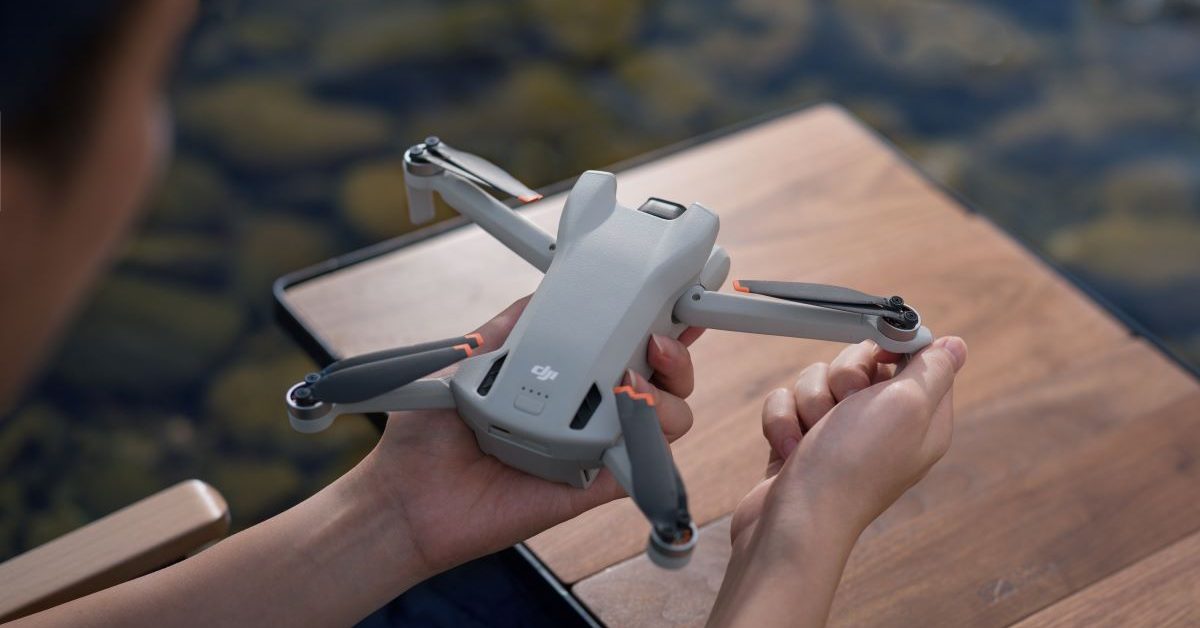
DJI has announced a $100 price reduction on the Mini 3, bringing its price down to $319, the lowest ever for this model. This drone is known for its ability to capture cinematic 4K footage and offers an impressive flight time of up to 38 minutes, making it an attractive option for both beginners and casual creators. The Mini 3, weighing just 248 grams, remains under the FAA's registration threshold, while its 1/1.3-inch camera sensor delivers high-quality 4K HDR video and 48MP photos. The drone's battery life is a standout feature, and the option to upgrade to a Battery Plus extends flight time to 51 minutes, although it increases the weight slightly. As DJI products become harder to find in the US, this price cut presents a timely opportunity for consumers. While the Mini 3 lacks some advanced features found in newer models, it remains a solid choice for first-time pilots and those looking to capture aerial footage for social media at an accessible price point. No further timeline was disclosed at the time of publication.
News
MiniMax Reports 703% Revenue Growth in Enterprise AI and Open-Platform Services for H1 2026
Chinese AI company MiniMax announced a remarkable 703.1% increase in revenue from its open platform and enterprise AI services for the first half of 2026, reaching US$73.9 million. This segment now represents 63.4% of the company's total revenue, a significant rise from 30.3% in the same period last year. The surge in revenue is attributed to the growing demand for AI solutions, with revenue from AI-native products also seeing a substantial increase of 100.9% to US$42.6 million. Additionally, MiniMax's gross profit soared by 464.8% to US$20.8 million, highlighting the company's strong performance in the AI sector. Looking ahead, MiniMax's focus on expanding its enterprise AI and open-platform services could further enhance its market position. No further timeline was disclosed at the time of publication.
News Feed
Humanoid Robots Achieve 100 Meters in 8.64 Seconds and High Jump of 3.4 Meters
Recent advancements in humanoid robotics have led to remarkable achievements, with robots completing 100 meters in just 8.64 seconds and achieving a high jump of 3.4 meters. These milestones indicate significant progress in robotic capabilities, showcasing the potential for humanoid robots to surpass human athletic records. The implications of these developments are profound, as they highlight the rapid evolution of robotics technology and its potential applications in various fields, including sports, rehabilitation, and entertainment. As humanoid robots continue to push the boundaries of physical performance, they may redefine our understanding of human-robot interaction and competition. Looking ahead, it will be essential to monitor further advancements in humanoid robotics and their impact on industries that rely on physical performance. No further timeline was disclosed at the time of publication.
Robotics Automation AI
Venture Capitalist Predicts Optimus Will Exceed iPhone Sales, Reach 1 Billion Units by 2036
A venture capitalist has claimed that the Optimus robot will surpass iPhone sales, projecting 1 billion units sold globally by 2036. This bold prediction highlights the growing interest and investment in robotics and intelligent technologies, indicating a significant shift in market dynamics. The assertion underscores the potential of Optimus in transforming the robotics landscape, suggesting that it could become a household name similar to the iPhone. As the demand for advanced robotics solutions increases, this could lead to substantial growth in the sector, attracting further investment and innovation. Industry watchers should keep an eye on developments surrounding Optimus and its market performance. The ambitious sales target reflects a broader trend of increasing integration of robotics in everyday life, with no further timeline disclosed at the time of publication.
Robotics Automation AI
XPeng Secures $900 Million for Robotics Business, Valued at $6.3 Billion
XPeng has successfully raised over $900 million for its robotics division, achieving a post-money valuation exceeding $6.3 billion. This funding marks the largest single-round private capital raise in China's embodied AI sector, with contributions from IDG Capital, Gaorong Ventures, Tencent, and Alibaba. The capital will support the development of robotics hardware and software, training AI models, and expanding production facilities. This financing is crucial as XPeng prepares for the mass production of its IRON humanoid robot, expected to begin by the end of 2026. The IRON robot, designed for various applications, boasts 76 degrees of freedom and is powered by three Turing AI chips, enabling autonomous operation. The initial deployments will occur at XPeng stores and campuses, with a broader commercial launch planned for 2027 in both China and international markets. Looking ahead, XPeng's IRON humanoid robot is positioned as a key player in the global humanoid robotics market. The company's strategy leverages its automotive manufacturing expertise to enhance robotics production, aiming to create a self-reinforcing cycle of data generation and model deployment. No further timeline was disclosed at the time of publication.
Automotive Humanoids News Robotics alibaba china robotics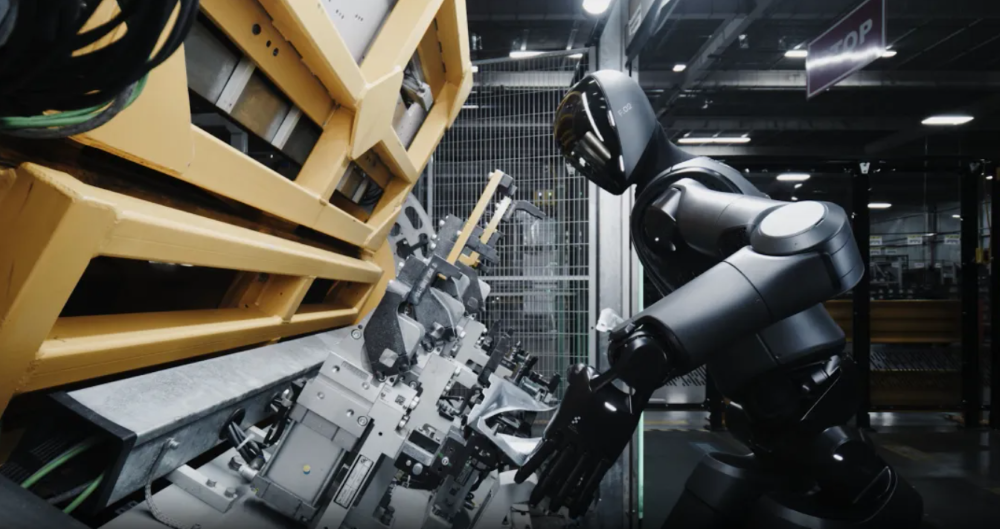
Figure 03 Demonstrates Autonomous Climbing of 4.6-Meter Industrial Ladder
Figure 03 recently released a video showcasing its robot autonomously climbing a 4.6-meter industrial ladder and descending without remote control or pre-recorded paths. The robot must perform five simultaneous tasks: identifying rungs with cameras, accurately gripping, finding foot placements, controlling climbing rhythm, and redistributing its center of gravity with each movement. This achievement is significant as it deviates from traditional motion planning methods, utilizing the Helix system for real-time mapping and neural network calculations for joint movements. According to Adcock, this demonstration represents a real customer use case, highlighting the practical need for robots to navigate existing infrastructure in industrial settings, such as maintenance and material transport. The Figure 02 robot has been operational at BMW's Spartanburg plant for over a year, handling over 90,000 parts and running for more than 1,250 hours. Figure 03 builds on this by adding logistics sorting and vertical mobility, covering multiple levels within the facility. No further timeline was disclosed at the time of publication.
Humanoid Robots Industrial Automation Robotics Technology AI Autonomous Systems
Xiaopeng Robotics Secures $900 Million Funding, Achieving $6.3 Billion Valuation
On August 24, Xiaopeng Motors announced that its humanoid robotics division, Pengxing, has completed its first equity financing round, raising over $900 million and achieving a post-money valuation exceeding $6.3 billion. This funding round sets a new record for single-round private equity financing in China's embodied intelligence sector. The significance of this funding lies in its potential to enhance Xiaopeng's robotics capabilities, with the raised capital earmarked for software and hardware development, AI model training, data collection, and production facility construction. Following the financing, Xiaopeng will maintain a controlling stake of approximately 81.97% in Pengxing, ensuring that the robotics business remains consolidated within the group’s financial statements. Looking ahead, Xiaopeng's humanoid robot, IRON, is slated to enter mass production by the end of 2026, with initial applications in Xiaopeng stores and parks. The company aims for a formal market launch in 2027, targeting both domestic and international markets. No further timeline was disclosed at the time of publication.
Humanoid Robots AI Robotics Funding Embodied Intelligence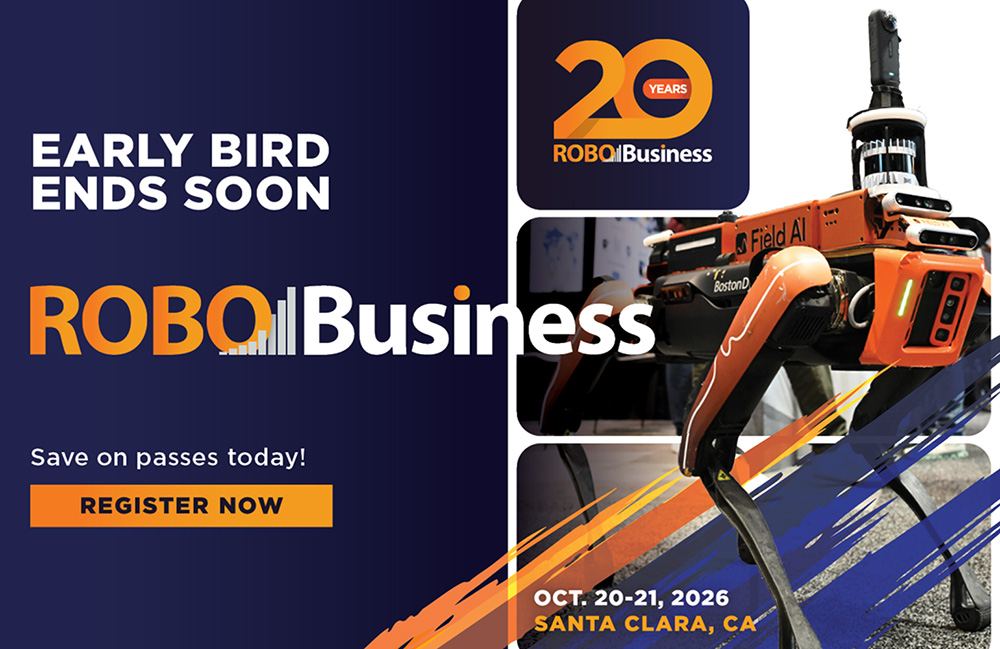
RoboBusiness 2026 Early Bird Pricing Ends August 31 for Discounted Passes
Early bird pricing for RoboBusiness 2026, a premier event for commercial robotics developers, will conclude on August 31, 2026. Attendees can save $200 on full conference passes and $40 on expo-only passes. The event will take place at the Santa Clara Convention Center on October 20 and 21, celebrating 20 years of RoboBusiness. This event is significant as it offers insights from experts in robotics and AI, covering cutting-edge research and industry trends across various sectors, including manufacturing, healthcare, and logistics. With over 100 exhibitors showcasing the latest technologies and products, attendees will gain valuable knowledge to enhance their development processes. Looking ahead, RoboBusiness 2026 will feature four keynote sessions and five conference tracks, including physical AI and field robotics. The Engineering Theater will host presentations from industry leaders. No further timeline was disclosed at the time of publication.
Artificial Intelligence Events Human Robot Interaction / Haptics Humanoids News Agility Robotics
Airbound Secures $37 Million Series A to Launch 10,000 Daily Drone Deliveries in Andhra Pradesh
Bengaluru-based aerospace startup Airbound successfully closed a $37 million Series A funding round on August 25, 2026, led by Greenoaks with participation from DoorDash and others. The company aims to revolutionize drone delivery with a payload-to-aircraft ratio three times better than industry standards, and has signed a commercial agreement with Andhra Pradesh to establish a drone delivery network. The significance of Airbound's achievement lies in its innovative approach to drone design and delivery logistics. The startup's blended-wing-body tailsitter aircraft, which can carry 1 kilogram of payload, has already completed over 13,000 autonomous missions without failures. The first commercial corridor in Bengaluru has been operational since January 2026, demonstrating the potential for rapid and efficient healthcare deliveries. Looking ahead, Airbound plans to expand its aerial network across three districts in Andhra Pradesh, targeting 10,000 flights per day to serve retail, e-commerce, and healthcare sectors. The company has already increased production capacity significantly and aims to further scale operations, indicating a strong commitment to transforming logistics in India and beyond. No further timeline was disclosed at the time of publication.
Drone News Drone News Feeds Feature 1 Featured India Drone Industry India Drone News
Spain's Defence Market Expected to Grow Across Combat Domains from 2026 to 2035
Spain's defence market is projected to experience growth across all combat domains from 2026 to 2035. This growth indicates a robust investment in military capabilities and modernization efforts within the country. The anticipated expansion is significant as it reflects Spain's commitment to enhancing its defence infrastructure and responding to evolving security challenges. However, fluctuations in the naval sector may pose challenges to achieving consistent growth across all areas. Industry stakeholders should monitor developments closely, particularly in the naval sector, to understand potential impacts on overall market stability. No further timeline was disclosed at the time of publication.
Features
Spain's Defence Market Expected to Grow Across Combat Domains from 2026 to 2035
Spain's defence market is projected to experience growth across all combat domains from 2026 to 2035. However, fluctuations are anticipated specifically within the naval sector, indicating potential challenges in that area. This growth is significant as it reflects Spain's commitment to enhancing its military capabilities and modernizing its defence infrastructure. The expected expansion across various combat domains suggests increased investment and development in military technologies and systems. Industry stakeholders should monitor the naval sector closely due to the anticipated fluctuations, which could impact overall market stability. No further timeline was disclosed at the time of publication.
Features
Over 300 Companies Present Robotics Applications at WRC 2026 Amid Technical Debates
The 11th World Robot Conference held in Beijing Yizhuang featured over 300 companies showcasing robots performing various applications. This event highlighted the advancements in robotics technology and its practical implementations in real-world scenarios. Despite the impressive demonstrations, closed-door sessions at the conference revealed ongoing debates regarding the technical routes for embodied intelligence. This divergence in approaches underscores the complexity and evolving nature of robotics technology. Looking ahead, industry stakeholders will be keen to monitor how these technical discussions evolve and influence future developments in robotics. No further timeline was disclosed at the time of publication.

Xiaomi Reveals Hidden 60-Micron 'OK' Gesture in Xring O3 Chip
Xiaomi's founder, Lei Jun, disclosed a unique feature of the Xring O3 chip, showcasing a microscopic 'OK' hand gesture etched into the silicon. This detail, measuring only 60 micrometers, symbolizes the message 'everything is OK.' The Xring O3 was introduced on August 24 as Xiaomi's premier AI smartphone system-on-chip (SoC). The significance of this revelation lies in the Xring O3's impressive capabilities, as it is the first flagship mobile chip to achieve over 5 million points on AnTuTu. It features a 10-core all-performance CPU and a neural processing unit (NPU) capable of 200 TOPS, specifically designed for Xiaomi's MiMo on-device AI model, marking a significant advancement in mobile chip technology. Looking ahead, the Xring O3 is expected to enhance the performance of Xiaomi's upcoming smartphones, potentially setting new benchmarks in the industry. No further timeline was disclosed at the time of publication.
News Feed
XPeng's Robotics Division Secures Over $900 Million at $6.3 Billion Valuation
XPeng announced that its robotics division has successfully entered into share purchase agreements with various investors, raising over $900 million. This funding round, led by IDG Capital, includes participation from Gaorong Ventures and strategic investments from Tencent and Alibaba, achieving a post-money valuation exceeding $6.3 billion. This significant investment is aimed at bolstering the production of humanoid robots and advancing research in Physical AI. The funding will facilitate the development of XPeng's Iron humanoid robot, which is anticipated to commence mass production by the end of 2026. Commercial deployments are projected for 2027, marking a critical step in XPeng's expansion into robotics. Looking ahead, stakeholders should monitor the progress of XPeng's Iron humanoid robot as it approaches mass production and the subsequent commercial rollout. The involvement of major investors like Tencent and Alibaba underscores the growing interest in humanoid robotics and AI technologies, which could reshape various sectors in the coming years. No further timeline was disclosed at the time of publication.
News Feed
Legend Robot Showcases 3.3m Spraying Robot for Saudi Vision 2030 at Big 5 Saudi
Legend Robot, a leader in autonomous construction robotics, has introduced its 3.3m Putty & Latex Spraying Robot at the Big 5 Saudi event. This innovative technology is designed to meet the unique challenges of Middle Eastern job sites, particularly in relation to thermal resilience and compatibility with GCC materials. The significance of this development lies in its potential to enhance the efficiency and effectiveness of construction processes within the context of Saudi Vision 2030 gigaprojects. By addressing specific regional conditions, Legend Robot's solution aims to streamline operations and improve project outcomes in a rapidly evolving construction landscape. Looking ahead, industry stakeholders should monitor the adoption of Legend Robot's technology as it may play a crucial role in the successful execution of large-scale projects under Saudi Vision 2030. No further timeline was disclosed at the time of publication.
Robotics needs a service framework.
RSF defines a common language for robot service capability, lifecycle operations, certification pathways, and service-provider networks.
Join the RobotToday community on LinkedIn
Daily robotics news, in-depth analysis, conference highlights, and discussions with professionals worldwide.