

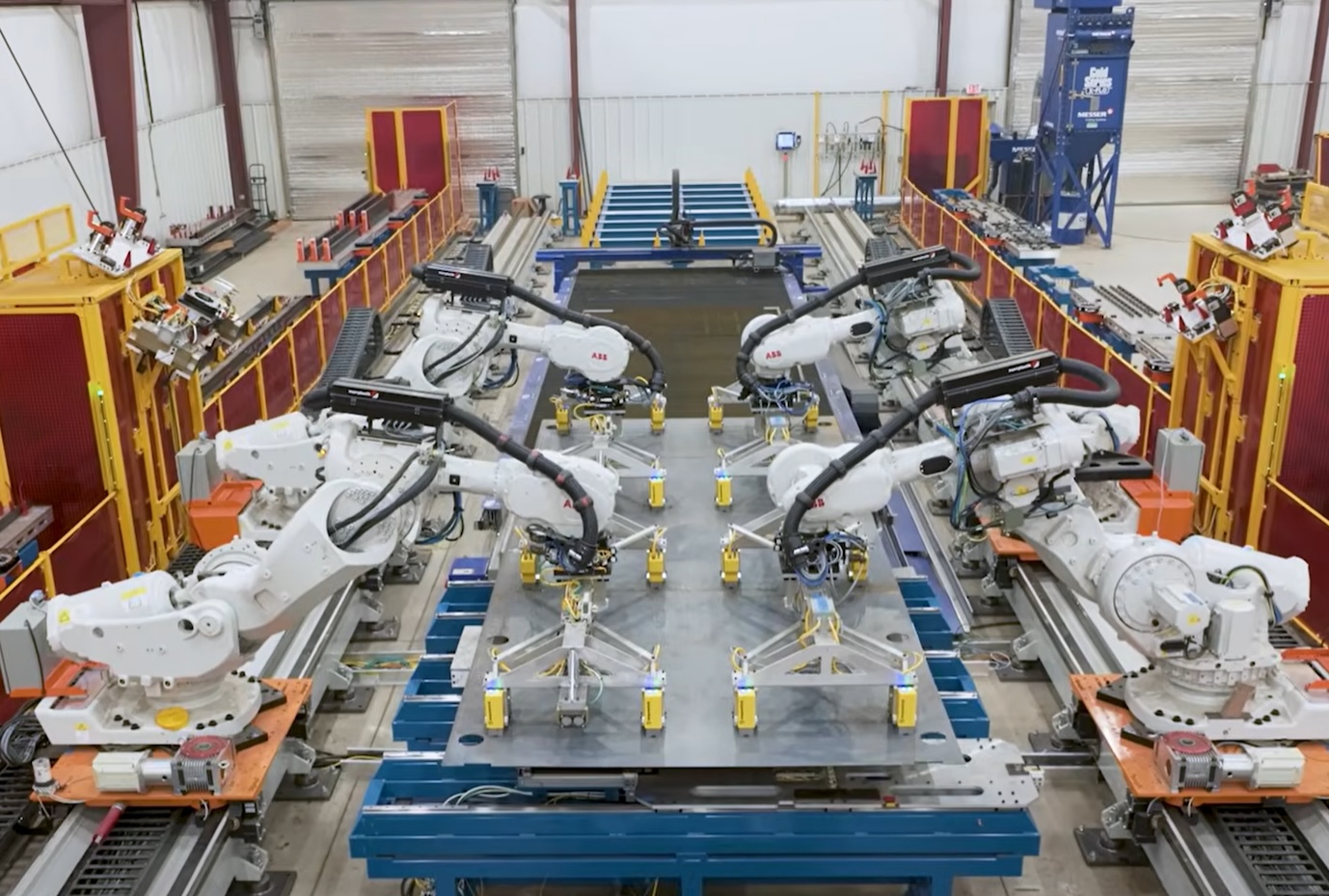
The University of Texas at Austin has been selected to lead a new National Science Foundation Science and Technology Center dedicated to exploring the dynamics of human-robot interaction in real-world settings. This initiative, named the Center for Human and Robot Co-Adaptation, will involve collaboration among 39 researchers from six different universities.
This research is significant as it aims to understand how assistive robots can effectively integrate into everyday environments, enhancing their utility and acceptance among users. By studying the co-adaptation process, the center seeks to address challenges that arise when robots transition from controlled laboratory conditions to unpredictable real-world scenarios.
Looking ahead, the center's findings could pave the way for advancements in assistive robotics, influencing design and deployment strategies. No further timeline was disclosed at the time of publication.
Editor's Note
The establishment of the Center for Human and Robot Co-Adaptation highlights the growing importance of understanding human-robot interactions in practical applications. As robots increasingly enter various sectors, including healthcare and personal assistance, insights from this research could significantly impact technology adoption and user experience.


























Leave a comment