

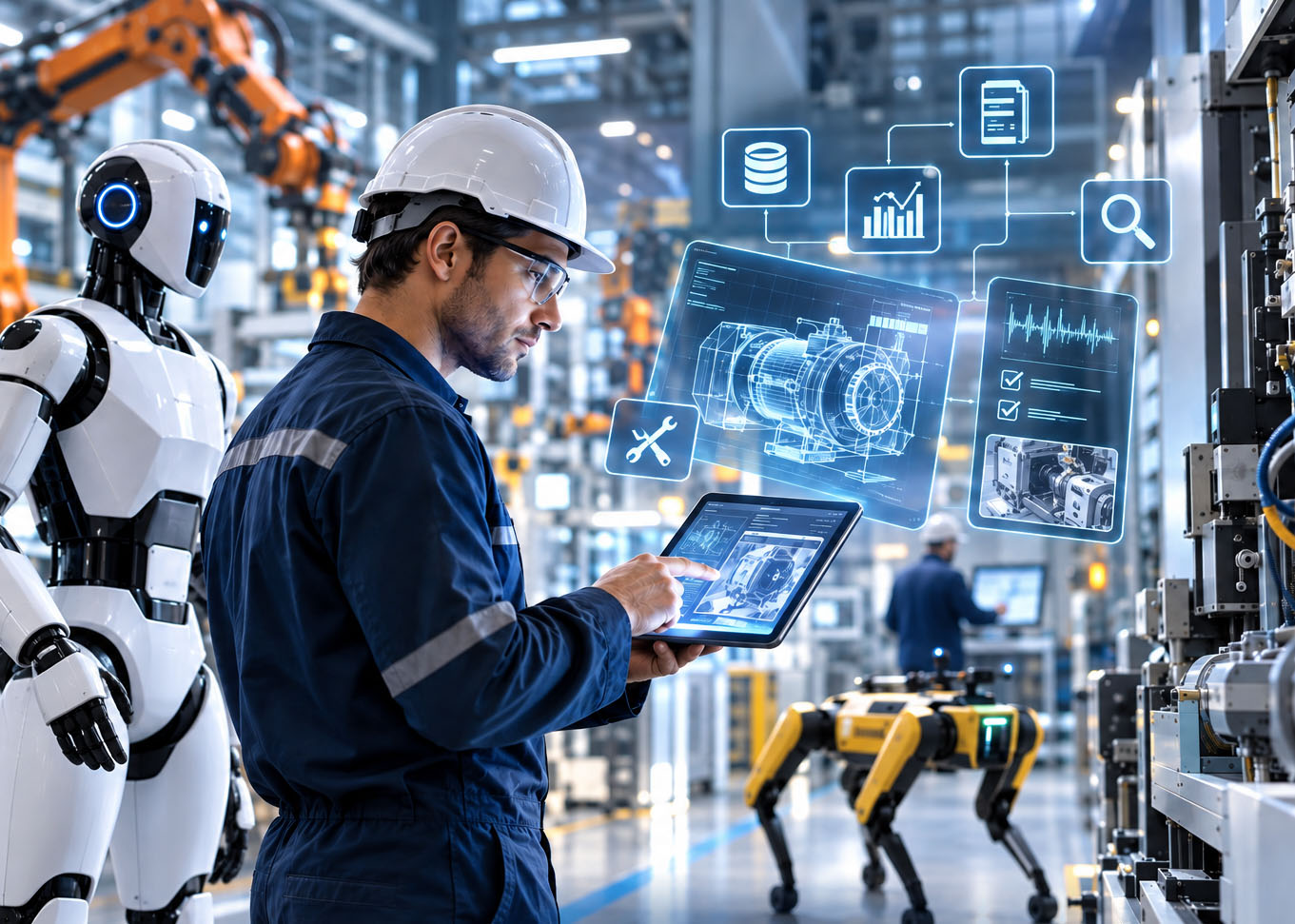
The role of maintenance technicians is rapidly evolving due to advancements in predictive maintenance, intelligent assistants, and augmented reality. The focus has shifted from merely automating machines to enhancing the capabilities of the personnel who operate and maintain them. Initial industrial deployments have already shown measurable gains.
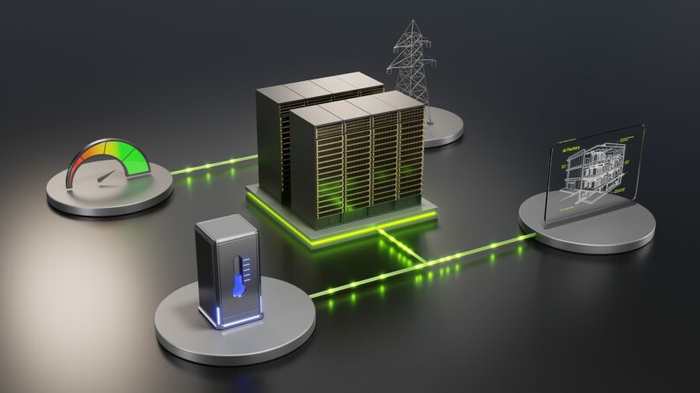
By 2030, maintenance technicians will still require skills in mechanics, electricity, automation, and electrotechnics, but their work environment may be significantly different. In the event of a malfunction, technicians will have immediate access to equipment history, similar incident reports, manufacturer documentation, sensor data analysis, and tailored diagnostic procedures. This evolution builds on a transformation initiated years ago with industrial IoT, CMMS, predictive maintenance, and augmented reality.
The introduction of generative AI and agent-based AI marks a new phase in this transformation, where systems not only present information but also assist in diagnostics and take on some intervention tasks. This shift addresses a pressing issue: as industrial equipment becomes more sophisticated, finding the necessary maintenance skills is increasingly challenging. According to Deloitte's Smart Manufacturing and Operations 2025 study, 35% of industrial leaders view employee adaptation to the 'Factory of the Future' as a major concern.
Editor's Note
The integration of AI and advanced technologies into maintenance roles signifies a critical shift in workforce dynamics. As industries face challenges in recruiting skilled personnel, the focus on augmented technicians highlights the need for a blend of technology and human expertise. This evolution not only impacts operational efficiency but also necessitates a reevaluation of training and organizational structures within manufacturing environments.




















Leave a comment