Industry Briefing
A single destination for timely, editor-curated robotics news from around the world.

DeepCybo Releases PhysBrain 1.5 with 72.5 Average on 28 Benchmarks as Open Source
DeepCybo has announced the open-source release of PhysBrain 1.5, achieving an impressive average score of 72.5 across 28 public embodied benchmarks. This model, which features both 2B and 8B parameters, is designed to enhance unified understanding, action, and future-state token capabilities, alongside an evaluation kit. The significance of this release lies in DeepCybo's claim of leading the open-source sector with PhysBrain 1.5. By providing a robust framework for embodied AI, the model aims to facilitate advancements in various applications that require physical interaction and understanding, thereby pushing the boundaries of current AI capabilities. Looking ahead, industry stakeholders should monitor the adoption and performance of PhysBrain 1.5 in real-world applications. The evaluation kit provided with the model will be crucial for developers and researchers to assess its effectiveness and potential integration into existing systems. No further timeline was disclosed at the time of publication.

Robocurve Secures $10 Million Seed Funding to Enhance Robotics Benchmarking Efforts
Robocurve has successfully raised $10 million in seed funding aimed at expanding its independent testing of frontier AI models in controlling real robots. The funding round was led by Initialized Capital, with participation from several investors including Notable Capital and Y Combinator. Robocurve plans to utilize this investment to grow its research team and enhance its academic benchmarking programs. This funding is significant as it supports Robocurve's mission to provide unbiased evaluations of AI models, which is crucial for the development of general-purpose robots. The company emphasizes the importance of independent assessments, stating that their research agenda and methodologies are not influenced by the AI companies whose models they test. The implications of their work could reshape the labor market and societal structures as robotics technology advances. Looking ahead, Robocurve's evaluations are expected to evolve, particularly as large language models continue to improve in their ability to perform robotics tasks. The company anticipates that advancements in inference speeds could make real-time robot control feasible by late 2026 to 2029. No further timeline was disclosed at the time of publication.
AI AI Funding & Investment Robotics AI models auditor large language model
OpenAI's GPT-6 Astra Achieves 95% Success in Physical Manipulation Benchmark
OpenAI's GPT-6 Astra has achieved a remarkable 95% success rate in a gross pick-and-place task using dual I2RT YAM robotic arms, according to evaluation data from RoboCurve. This performance highlights Astra's advancements in spatial reasoning and physical manipulation, surpassing competitors like Anthropic's Claude Fable models. However, the trials also revealed limitations in Astra's zero-shot physical reasoning capabilities, particularly in precision tasks requiring sub-millimeter tolerances. In a precision puzzle task, Astra only succeeded in 2 out of 20 attempts, indicating that while it excels in certain areas, it still faces challenges similar to earlier models. Looking ahead, RoboCurve's Jay Chooi suggests that if current performance trends continue, large language models like Astra could potentially control robotic arms in real time within the next two to three years. This development could significantly impact the robotics industry, particularly in applications requiring high precision and efficiency.
OpenAI US Benchmark Anthropic RoboCurve
Baidu Introduces DuMateBench Benchmark for Evaluating Real-World AI Agent Performance
Baidu has unveiled DuMateBench, a new evaluation leaderboard aimed at assessing the ability of AI agents to perform real-world tasks and produce usable outputs. This benchmark encompasses over 200 office tasks categorized into six distinct areas, challenging agents in complex operational settings. The significance of DuMateBench lies in its focus on practical task completion rather than mere answer generation. By evaluating aspects such as task understanding, tool utilization, continuous execution, and final result delivery, it aims to provide a comprehensive measure of AI agent capabilities in real-world scenarios. Looking ahead, the open interfaces and general evaluation framework of DuMateBench will allow for diverse models and agents to be tested under uniform criteria. This shift in focus could lead to advancements in AI applications that prioritize effective task execution. No further timeline was disclosed at the time of publication.
News Feed
X Square Robot Exceeds Figure AI's Benchmark by Sorting 1,816 Parcels in One Hour
Shenzhen's X Square Robot achieved a remarkable feat by sorting 1,816 parcels in a single hour using basic grippers. This performance surpassed its self-imposed target of 1,248 parcels, which aligns with Figure AI's sustained hourly average. This accomplishment is significant as it highlights the capabilities of X Square Robot in the logistics sector, showcasing how advanced automation can enhance efficiency in parcel sorting. The ability to exceed established benchmarks demonstrates the potential for increased productivity in warehouse operations. Looking ahead, industry observers will be keen to see how X Square Robot continues to innovate and improve its sorting capabilities. No further timeline was disclosed at the time of publication.

AGIBOT's WITA-Omni Preview Achieves Top Score in Audio-Visual Reasoning Benchmark
AGIBOT announced that its WITA-Omni Preview multimodal foundation model has achieved the highest score on the Daily-Omni audio-visual reasoning benchmark, surpassing models from Alibaba, Google, and ByteDance. The model recorded an average accuracy of 85.21 percent, excelling in audio-visual alignment, event sequencing, and various evaluation metrics. This achievement is significant as it demonstrates WITA-Omni Preview's advanced capabilities in understanding and reasoning across audio and visual information, which are crucial for embodied AI systems in dynamic environments. The benchmark evaluates models on their ability to associate sounds with visible events and understand the progression of situations, highlighting the importance of these skills in real-world applications. Looking ahead, AGIBOT's WITA-Omni model is designed to enhance human-robot interactions by integrating movement and facial expressions with speech. The company has developed a human-centric multimodal interaction dataset to further improve the model's performance. No further timeline was disclosed at the time of publication.
Computing Design Humanoids News agibot AI models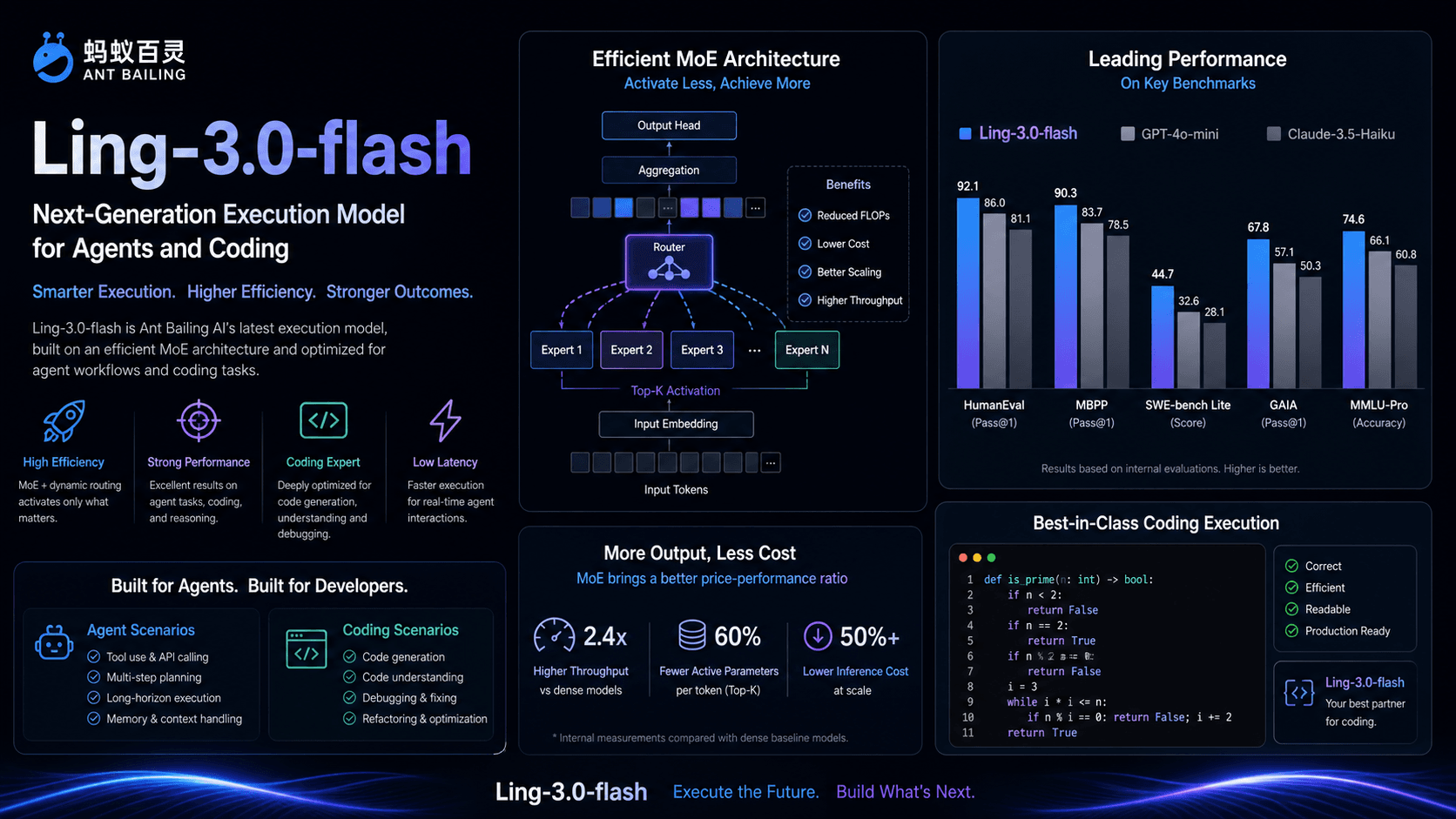
Ant Bailing's Ling-3.0-flash Achieves Top Benchmark Scores with 124B Parameters
Ant Bailing has announced the release of its Ling-3.0-flash model, which features a total of 124 billion parameters and 5.1 billion activated parameters. This model has achieved impressive results, securing 15 first-place and 19 second-place rankings across 34 evaluation dimensions, tying with DeepSeek V4 Flash for the highest average score. The significance of this achievement lies in its performance metrics, as Ling-3.0-flash outperformed the previous 1T-Ring-2.6 model in 11 out of 12 benchmarks. This positions Ant Bailing as a strong competitor in the field of AI model development, showcasing advancements in execution efficiency and effectiveness. Looking ahead, industry observers will be keen to see how Ant Bailing continues to innovate and whether Ling-3.0-flash will influence future developments in AI technologies. No further timeline was disclosed at the time of publication.
Technology
Benchmarking Your Development System for Effective Robotics Simulations
The development of robotics begins long before physical assembly, relying heavily on simulations to validate designs and refine algorithms. These simulations demand significant computational resources, making system benchmarking crucial to identify hardware limitations early in the process. By measuring workstation performance under demanding workloads, engineers can establish a performance baseline that aids in spotting potential bottlenecks. Understanding how different hardware components affect simulation performance is essential for robotics development. Whether using macOS, Windows, or Linux, benchmarking helps determine if slowdowns are due to software changes or hardware limitations. Key components such as the processor, graphics card, memory, and storage play varying roles in performance, and the weakest link can dictate the overall experience. As robotics projects grow in complexity, the need for robust hardware becomes increasingly important. Engineers should focus on comprehensive benchmarking to ensure their systems can handle the demands of their simulations. No further timeline was disclosed at the time of publication.
Components Robot simulation ABB RobotStudio automation cpu delmia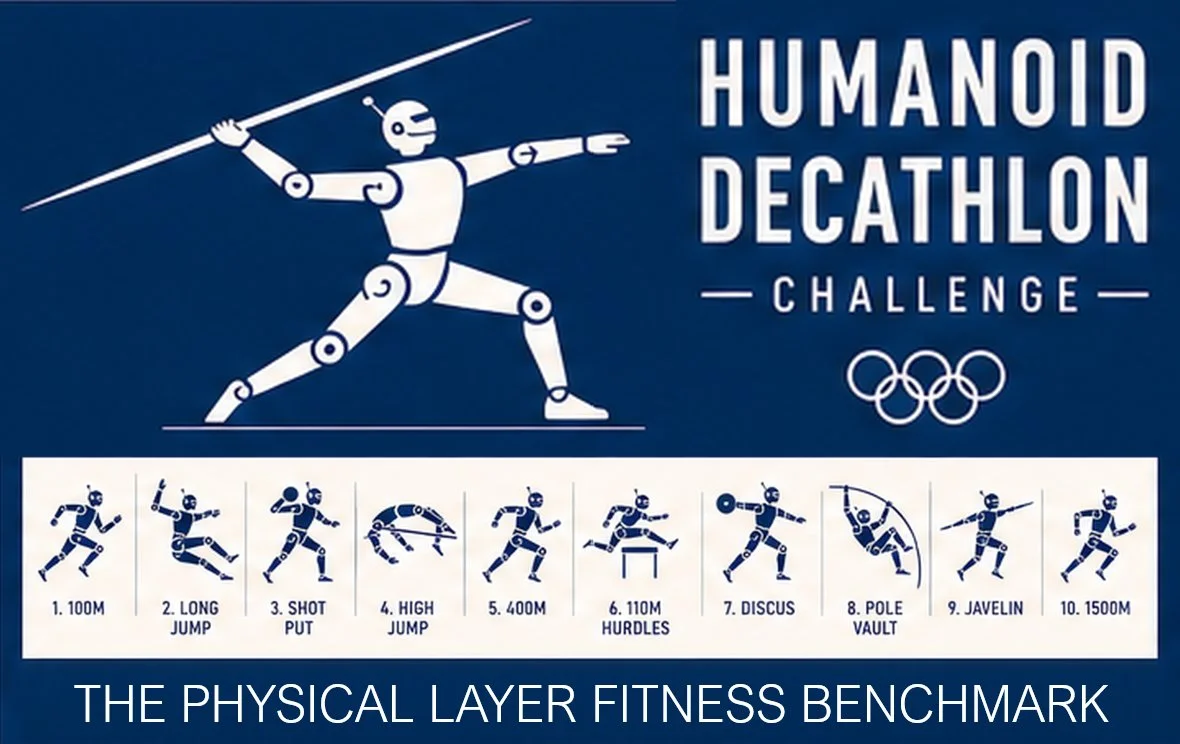
Scott Walter Introduces the Humanoid Decathlon Challenge to Standardize Robot Performance
Dr. Scott Walter has proposed the Humanoid Decathlon Challenge, aiming to establish a comprehensive benchmark for humanoid robots. This initiative comes in response to recent athletic achievements in robotics, where humanoid robots have excelled in isolated tasks but lack a unified performance standard. The challenge requires a single bipedal robot to autonomously complete all ten events of the men's decathlon, adhering to World Athletics rules without any hardware modifications. Walter's proposal includes the No Bot of Theseus rule, which prohibits the use of modular engineering shortcuts, ensuring that the same robot must perform every event without altering its physical components. Additionally, the robots must demonstrate self-sufficiency by dressing themselves in athletic uniforms and managing their clothing. This rigorous standard aims to create a fair comparison with human athletes and push the boundaries of humanoid robotics. No further timeline was disclosed at the time of publication.
Scott Walter WHRG
OpenRouter Launches Anonymous AI Model 'Ox Alpha' That Outperforms Leading Coding Models
On August 20, OpenRouter introduced stealth/ox-alpha, an anonymous AI model that has demonstrated superior coding capabilities compared to several closed frontier models. This unexpected launch has ignited speculation within the industry regarding the identity of the model and its implications for AI development. The emergence of Ox Alpha is significant as it highlights the competitive landscape of AI models, particularly in China, where stealth models are becoming increasingly prominent. The ability of Ox Alpha to outperform established models raises questions about the effectiveness of current benchmarks and the potential for new entrants to disrupt the market. As the industry continues to speculate about the origins and capabilities of Ox Alpha, stakeholders should monitor developments closely. The ongoing guessing game could lead to further innovations in AI modeling and coding, as well as shifts in strategic approaches among leading AI companies. No further timeline was disclosed at the time of publication.

University of Hong Kong Develops RoboDojo, a Benchmarking Platform for Robotic Manipulation
The University of Hong Kong's Multimedia Laboratory has developed 'RoboDojo,' a comprehensive platform for assessing robotic manipulation in both simulated and real-world settings. This initiative, led by Professor Ping Luo and Ph.D. student Tianxing Chen, involved collaboration with researchers from nearly 20 prestigious universities worldwide, including the University of California, Berkeley, and Tsinghua University. RoboDojo is significant as it aims to standardize the evaluation of embodied AI, providing a unified framework that can enhance the development and testing of robotic systems. The collaborative effort underscores the importance of international partnerships in advancing technology and research in the field of robotics. Looking ahead, the implications of RoboDojo could influence future research and development in robotic manipulation. The project has been documented in a paper available on the arXiv preprint server, indicating ongoing interest and potential for further advancements in this area. No further timeline was disclosed at the time of publication.
Robotics
Unitree's 60 Billion Yuan IPO Sets New Valuation Benchmark for Chinese Robot Firms
Unitree's recent IPO, priced at 150.80 yuan with a market cap of 60.99 billion yuan, has established a new valuation standard for Chinese humanoid robot companies. This significant financial milestone will influence how other firms, including DeepRobotics, Leju, DOBOT, AgiBot, Zhongqing, and X Square Robot, are valued as they prepare for their own public offerings. The implications of Unitree's IPO are profound, as it resets the expectations for market valuations within the robotics sector in China. Companies now seeking to enter the A-share or Hong Kong exchanges will find themselves measured against Unitree's impressive figures, which could affect their pricing strategies and investor perceptions. Looking ahead, the performance of Unitree's stock will be closely monitored, as it may impact the timing and pricing of upcoming IPOs from other robotics firms. No further timeline was disclosed at the time of publication.

Chinese Start-up Spirit AI Briefly Surpasses Nvidia in Robotics Benchmark Before Controversy
Spirit AI's Spirit v1.6 temporarily surpassed Nvidia on the RoboArena robotics benchmark, highlighting the fierce competition between the US and China in AI development. However, this achievement was short-lived as the benchmark's creators revised their methodology and subsequently removed Spirit's model from the official rankings due to allegations of 'benchmark hacking'. The incident emphasizes the ongoing challenges in evaluating autonomous systems and the scrutiny surrounding performance claims in the AI sector. Spirit AI's momentary lead in the rankings, which it referred to as the 'Olympics' of embodied intelligence in North America, drew significant attention, despite the benchmark's inherent issues. Looking ahead, the focus will be on how the RoboArena benchmark evolves and whether it can establish a more reliable evaluation process for AI models. No further timeline was disclosed at the time of publication.

China's World Model Startups Lead Without US Counterparts, Says WAIC 2026 Panel
At the WAIC 2026 event, Muka Robotics, Shengshu Technology, EvoPhys.ai, and Chengwei Capital highlighted a significant shift in the global tech landscape. They noted that Chinese world model startups are now operating independently, without American counterparts to benchmark against, which challenges the traditional narrative of technological catch-up. This development is crucial as it signifies China's emergence as a leader in the world model field, indicating a shift in innovation dynamics. The absence of US analogs allows Chinese companies to set their own standards and drive advancements in technology, potentially reshaping global competition. Looking ahead, industry observers should monitor how this shift influences global tech strategies and the competitive landscape. The ongoing evolution of Chinese startups in the world model sector may lead to new innovations and market dynamics that could redefine international technology collaboration and competition. No further timeline was disclosed at the time of publication.
Technology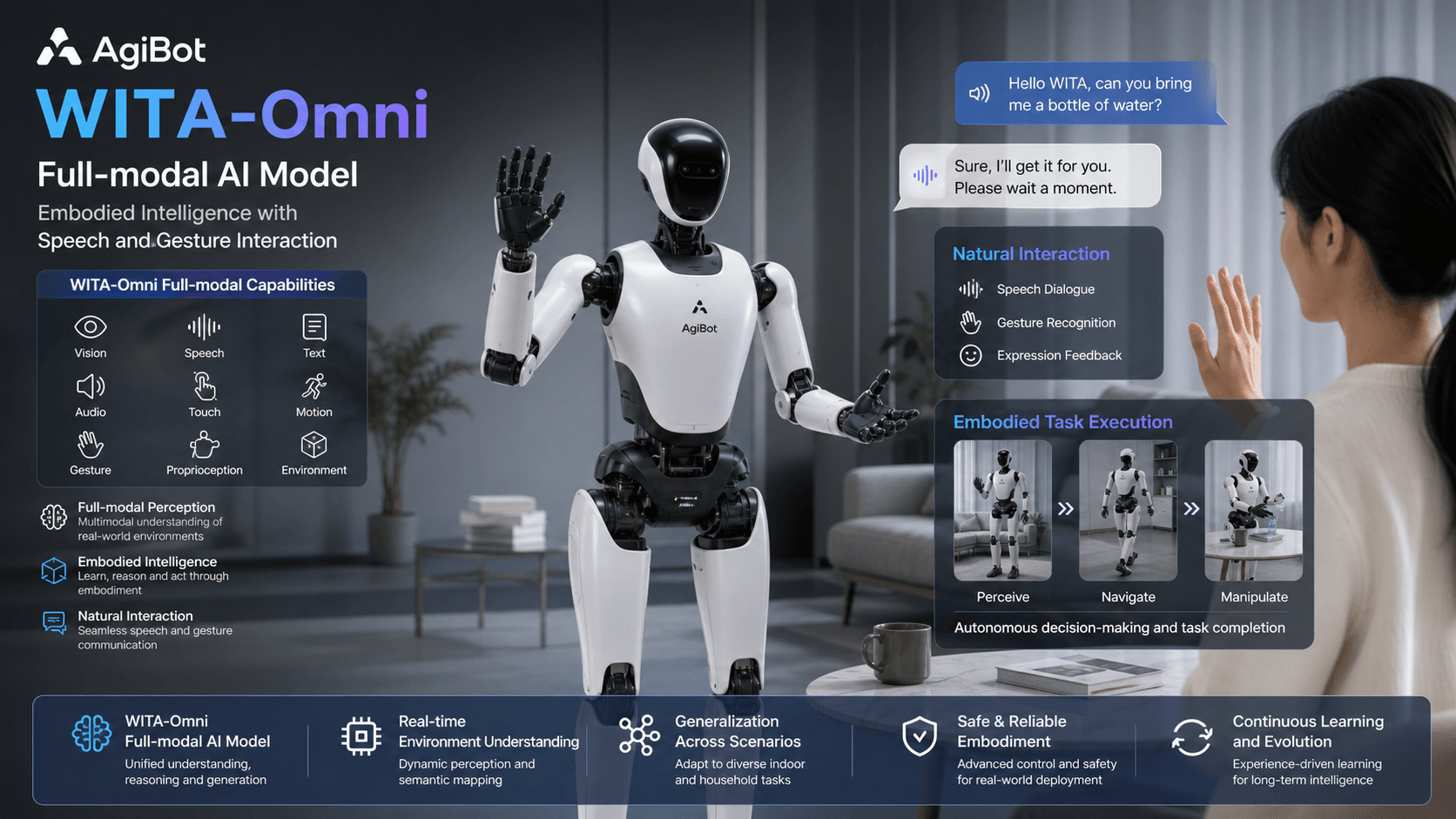
AgiBot WITA-Omni Achieves Top Score on DailyOmni Benchmark, Surpassing Major Competitors
AgiBot WITA-Omni has achieved a score of 85.21 on the DailyOmni benchmark, securing first place in 6 out of 8 indicators. This performance surpasses notable competitors such as Google Gemini, ByteDance Doubao, and Alibaba Qwen in the realm of embodied cross-modal understanding. The significance of this achievement lies in the innovative Thinker-Talker-Actor architecture utilized by AgiBot WITA-Omni. This architecture effectively synchronizes speech, action, and expression on a single timeline, enhancing its capabilities in cross-modal understanding and interaction. Looking ahead, the performance of AgiBot WITA-Omni on the DailyOmni leaderboard may influence future developments in embodied AI technologies. No further timeline was disclosed at the time of publication.
Technology
BYD AI Team Unveils HyWorldVLA Hybrid Model Achieving 90.59 PDMS on NAVSIM Benchmark
The BYD AI team has introduced the HyWorldVLA, a hybrid pixel-latent world model that utilizes VLA architecture. This model has achieved a score of 90.59 PDMS on the NAVSIM benchmark, marking a significant milestone for BYD in the field of autonomous driving foundation models. This achievement is noteworthy as it highlights BYD's commitment to advancing autonomous driving technologies. The collaboration with researchers from HIT robotics underscores the importance of interdisciplinary efforts in developing state-of-the-art models that can enhance vehicle autonomy and safety. Looking ahead, the performance of the HyWorldVLA on the NAVSIM benchmark sets a high standard for future developments in autonomous driving models. No further timeline was disclosed at the time of publication.
Technology
Epoch and METR Launch MirrorCode Benchmark to Evaluate AI Programming Tasks
Epoch and METR have introduced MirrorCode, a benchmark designed to assess AI systems' capabilities in long-horizon programming tasks. The benchmark, which was announced in April, has shown that AI models, such as Opus 4.7, can complete tasks that would typically take humans weeks in a fraction of the time and cost. For instance, Opus 4.7 solved a task in 14 hours at a cost of $251, while humans would require 2-17 weeks. The significance of MirrorCode lies in its ability to demonstrate that AI systems are not only improving in coding proficiency but can also self-orient and learn from their environment. This capability suggests that advanced AI agents might develop their own implementations of software programs, potentially leading to significant advancements in industrial applications. Looking ahead, the results from MirrorCode indicate that while AI models have made substantial progress, challenges remain. Eight out of 25 target programs were never solved to a 100% threshold, highlighting areas for further development. No further timeline was disclosed at the time of publication.

US Models Outperform China's Kimi K3 in Cybersecurity Tests with 76% vs 32% Scores
A recent evaluation by the UK Artificial Intelligence Security Institute and the US Center for AI Standards and Innovation revealed that Moonshot AI's Kimi K3 scored 32.2% in offensive cybersecurity capabilities, significantly lower than the average score of 76.2% achieved by leading US models. This assessment comes amid concerns in Washington about China's advancements in AI following the introduction of Kimi K3, touted as its most powerful large language model. The findings are crucial as they highlight the performance gap between US and Chinese AI models in cybersecurity, particularly in developing exploits for software vulnerabilities. Kimi K3's performance was tested using ExploitBench, a benchmark from Carnegie Mellon University, where it failed to achieve arbitrary code execution on any of the 41 tasks, while top US models succeeded in 20 out of 41 tasks on average. Looking ahead, the report indicates that while Kimi K3 demonstrated some capability in autonomous cyber operations, it still lags behind US counterparts. The evaluation was preliminary, and further assessments across a broader range of tasks may provide more insights into Kimi K3's capabilities and limitations in cybersecurity applications. No further timeline was disclosed at the time of publication.
AI and Robotics
Starmind's Orbital Compute vs. Terrestrial Data Centers: Analyzing Resource Advantages
Starmind's orbital compute technology presents a significant advantage over traditional ground-based data centers by eliminating constraints related to land, water, and grid permitting. While terrestrial data centers are currently cheaper and faster to construct, with U.S. data center spending reaching $85.3 billion in 2026, Starmind's approach focuses on addressing the growing resource limitations faced by hyperscale facilities. The significance of Starmind's technology lies in its ability to sidestep the increasing challenges of land and water usage. For instance, a 100 MW data center can consume approximately 530,000 gallons of water daily for cooling, while Starmind's AI1 utilizes deployable liquid radiators that require no water. This structural advantage could resonate with investors as the demand for AI computing continues to escalate, potentially leading to annual water withdrawals of up to 1.7 trillion gallons by 2027. Looking ahead, Starmind's next milestones include the launch of AI1 prototypes scheduled for early 2027. However, the technology's claims regarding cooling efficiency and operational reliability remain unverified until real flight data is available. As the industry evolves, the competition between orbital and terrestrial solutions will become increasingly relevant, particularly in the context of resource management and sustainability.

NVIDIA Nemotron Achieves Benchmark-Leading Performance With LangChain Deep Agents Harness
NVIDIA has unveiled its Nemotron 3 Ultra, a new AI orchestration platform that promises superior performance at a more affordable price compared to leading closed models. This innovative system has been optimized by LangChain, which has fine-tuned its Deep Agents to work seamlessly with the Nemotron 3 Ultra. The launch, which highlights NVIDIA's commitment to enhancing AI capabilities, aims to make advanced AI orchestration more accessible to a broader range of users. The collaboration between NVIDIA and LangChain showcases how cutting-edge technology can be leveraged to improve efficiency and effectiveness in AI applications.
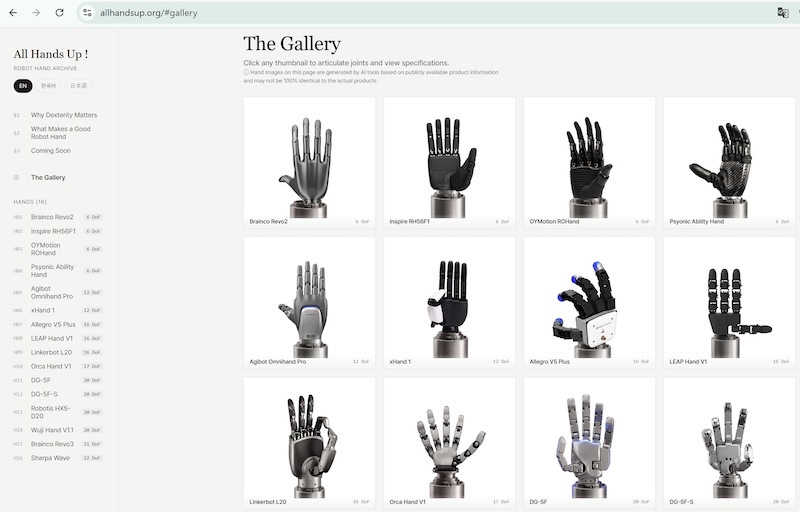
RLWRLD launches open platform to benchmark dexterous robotic hands
RLWRLD, a physical AI company with a proprietary robotics foundation model, RLDX-1, has announced the launch of “All Hands Up!”, an open web platform that provides technical reports and visualization tools based on the company’s firsthand experience operating a wide range of commercially available dexterous robot hands. All Hands Up! is designed to analyze and […]
Computing Robot simulation All Hands Up DexBench dexterous hands dexterous manipulation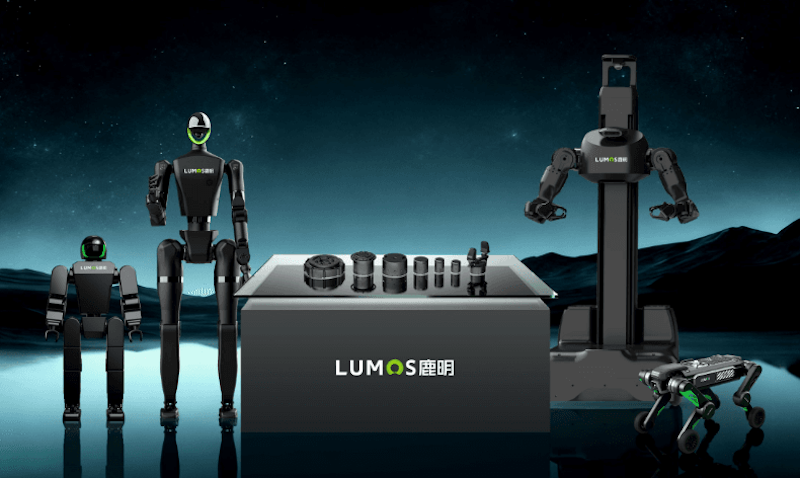
Lumos Robotics tops global benchmark test for zero-shot embodied AI
Lumos Robotics says its Prime R0 industrial embodied AI model has achieved the highest overall score on the latest MolmoSpaces leaderboard, outperforming larger models from competitors including Nvidia and research teams from the United States. The Chinese robotics company said its 2.8-billion-parameter model ranked first across both single-arm fine manipulation and dual-arm collaboration tasks in […]
Artificial Intelligence Computing News Robotics AI models embodied ai
China’s medical AI breaks ground as surgical robot wins EU approval, model tops benchmark
Chinese medical AI has achieved significant advancements, highlighted by the entry of a teleoperated surgical robot into the European Union market and a clinical-grade model surpassing a key healthcare benchmark established by OpenAI. On Monday, Shanghai MicroPort MedBot announced that its Toumai Remote robot, designed for remote laparoscopic surgeries, has received the CE mark, a certification required for market access in the EU, as reported in its filing to the Hong Kong stock exchange. This development underscores the growing influence of Chinese innovations in the global healthcare technology sector, driven by the increasing demand for advanced surgical solutions that enhance precision and accessibility. The successful certification of the Toumai Remote robot marks a pivotal step in expanding its operational capabilities and improving patient outcomes in surgical procedures across Europe.

NVIDIA Blackwell Leads on First Agentic AI Infrastructure Benchmark
Artificial Analysis has launched AgentPerf, the industry's first benchmark for agentic AI, aimed at providing developers, enterprises, and infrastructure providers with a standardized method to evaluate and compare various systems designed for agentic AI capabilities. The initial results have highlighted NVIDIA's Blackwell as a leading performer in this emerging field. This development comes as the demand for advanced AI systems continues to grow, prompting the need for reliable metrics to assess their effectiveness and efficiency. By establishing a clear framework for comparison, AgentPerf seeks to facilitate informed decision-making among stakeholders in the AI sector.
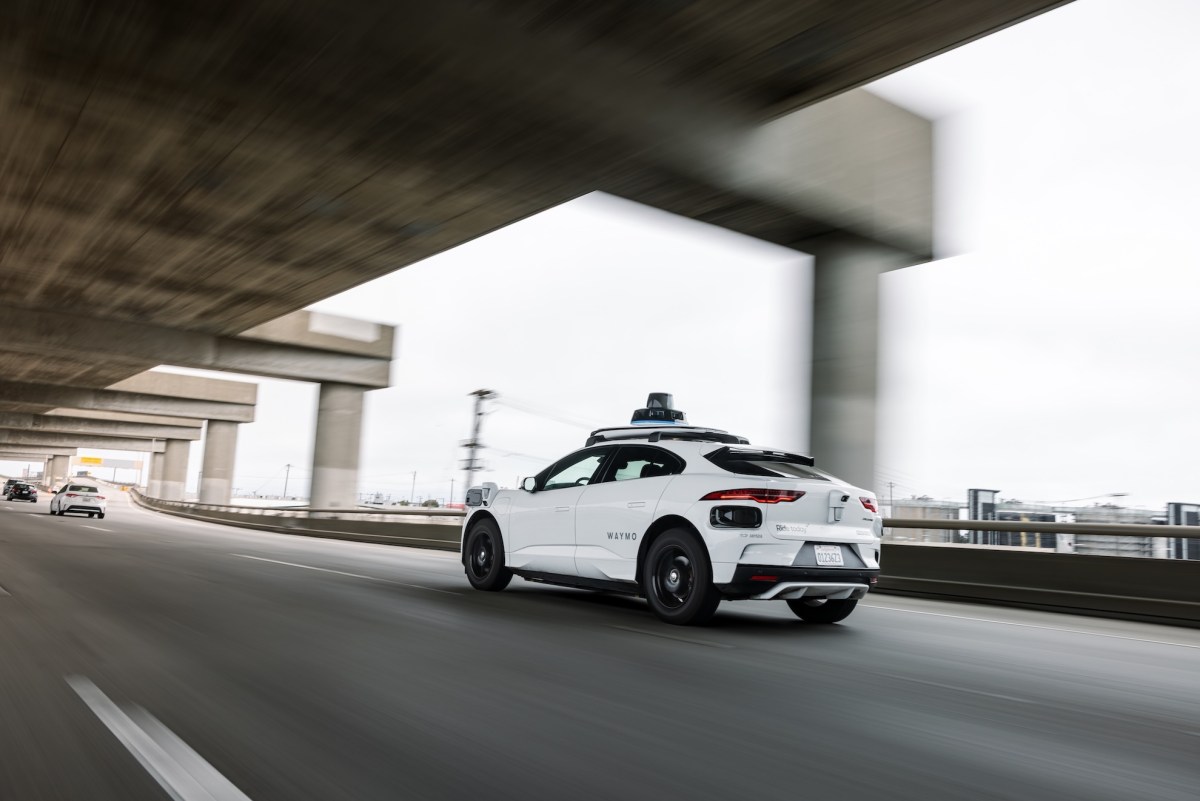
Waymo says it built a better benchmark for comparing robotaxis to humans
Waymo has developed an advanced computer model aimed at enhancing its understanding of human behavior during crash scenarios involving its robotaxis. This initiative, which comes as part of the company's ongoing efforts to improve safety and reliability, utilizes extensive data analysis to simulate various accident situations. By accurately predicting how individuals might react in these critical moments, Waymo seeks to refine its autonomous driving technology and ensure better decision-making capabilities for its vehicles. The model is expected to play a crucial role in the company's safety protocols and regulatory compliance as it continues to expand its robotaxi services.
TC Transportation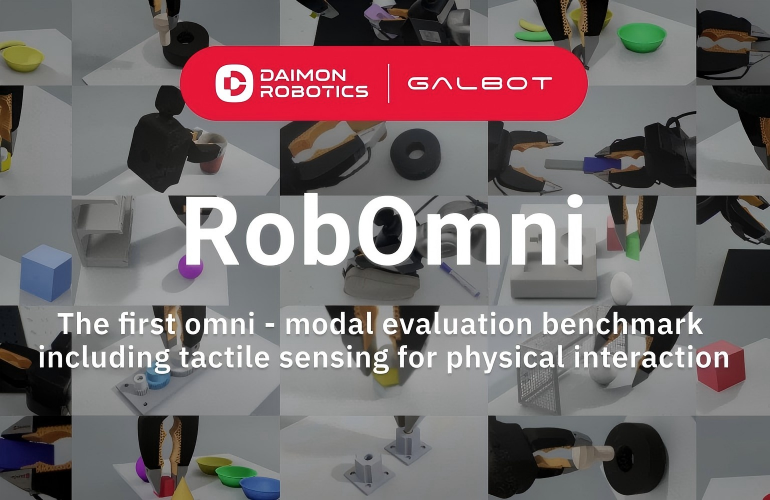
Daimon Robotics and Galbot jointly launches RobOmni for benchmarking tactile perception and dexterous manipulation
Daimon Robotics and Galbot have announced the launch of RobOmni, a new platform designed to benchmark tactile perception and dexterous manipulation in the field of embodied AI. This development marks a significant shift from traditional vision-centric approaches to a more comprehensive understanding of physical interactions. The collaboration aims to enhance the capabilities of robots in performing complex tasks that require fine motor skills and sensitivity to touch. The launch event took place recently, highlighting the growing importance of tactile feedback in robotics and its applications across various industries. By integrating advanced tactile sensing technologies, RobOmni is set to provide researchers and developers with the tools needed to push the boundaries of robotic dexterity and perception.
Sponsored Content
Chinese Company Kuawei Intelligence Tops WorldArena Global Benchmark in Embodied World Models
Kuawei Intelligence, a leading Chinese company in embodied artificial intelligence, has secured the top position in the WorldArena Track 2 (Data Engine) global benchmark for May 2026. This accomplishment places Kuawei ahead of notable international competitors such as WoW and BLM. The ranking not only highlights Kuawei's advancements in embodied AI but also signifies a pivotal moment for China's presence in the realm of world model research, reflecting the nation's increasing competitiveness in this cutting-edge technology sector.
EmbodiedAI
Chinese Embodied AI Company Tops RoboArena Benchmark, Beating NVIDIA and Physical Intelligence
At the NVIDIA GTC Taipei 2026 event, a significant milestone was announced for China's embodied intelligence sector. This achievement highlights the advancements made in the field, showcasing the country's commitment to innovation and technology development. The announcement is expected to bolster China's position in the global tech landscape, reflecting ongoing efforts to enhance artificial intelligence capabilities. The event served as a platform for industry leaders to discuss future trends and the implications of these advancements on various sectors.
EmbodiedAI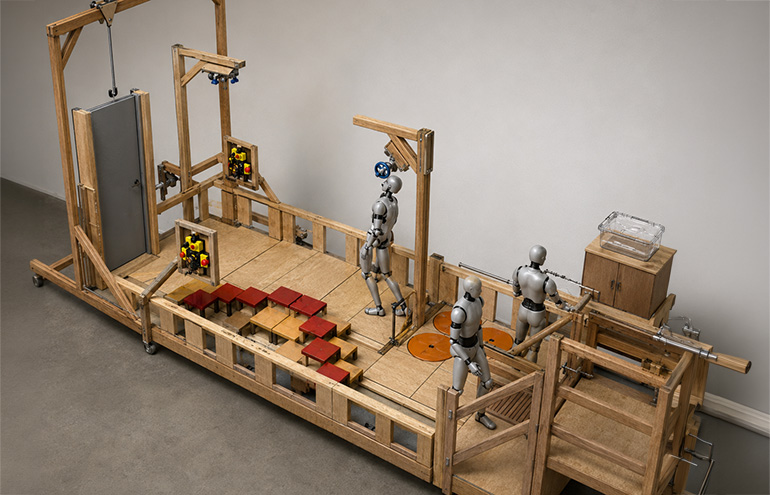
NIST proposes a baseline performance benchmark for humanoid robots
The National Institute of Standards and Technology (NIST) has introduced a standardized performance benchmark and testing procedures aimed at assisting developers and evaluators of humanoid robots. This initiative is designed to establish a consistent framework for assessing the capabilities of humanoid robots, ensuring that they meet specific performance criteria. By providing these benchmarks, NIST seeks to enhance the reliability and effectiveness of humanoid robots in various applications. The proposal reflects a growing recognition of the need for standardized evaluation methods in the rapidly evolving field of robotics.
Academia / Research Humanoids Mobility / Navigation News Regulatory & Compliance DARPA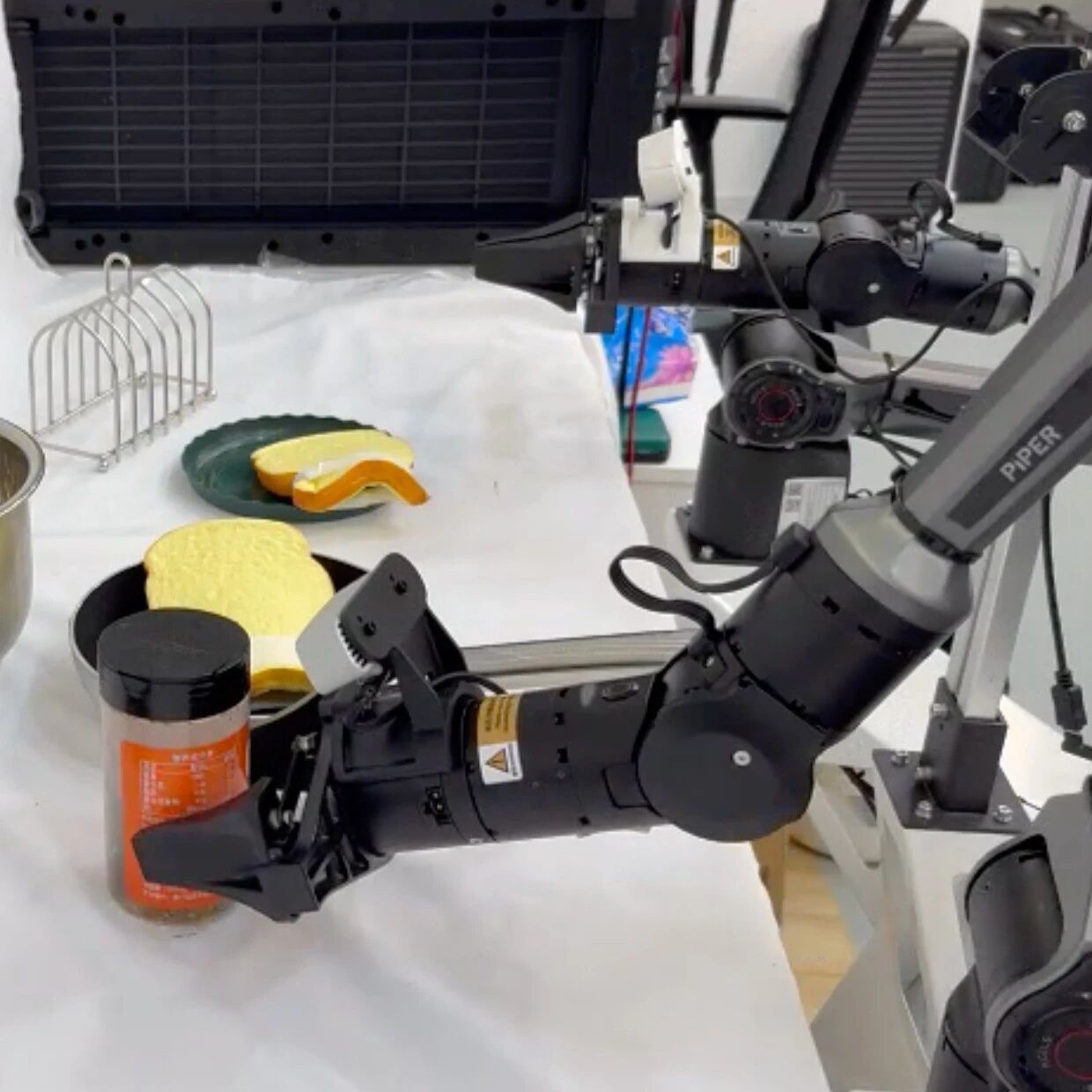
RoboMemArena: New Benchmark Systematically Evaluates Robot Memory Capabilities
A consortium of Chinese research institutions has unveiled RoboMemArena, marking the introduction of the first comprehensive benchmark designed to assess robotic memory in long-horizon manipulation tasks. This initiative aims to enhance the capabilities of robots in performing complex tasks that require sustained memory and learning over extended periods. The launch took place recently, with the goal of advancing research and development in robotics, particularly in areas that demand intricate memory functions. By providing a standardized framework for evaluation, RoboMemArena seeks to facilitate comparisons across different robotic systems and foster innovation in the field.
AI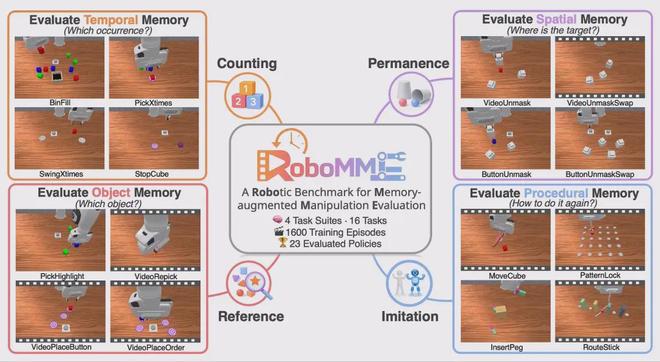
Michigan, Stanford, and Figure AI Collaborate to Launch the Groundbreaking RoboMME Robot Memory Benchmark!
A new standardized evaluation system for robot memory, known as the RoboMME benchmark, has been introduced by a collaborative effort involving Michigan University, Stanford University, and Figure AI. This innovative framework assesses robot memory across four key dimensions: temporal, spatial, object, and procedural. By addressing previous shortcomings in assessment methods, the RoboMME benchmark aims to improve robot performance in executing complex tasks. The initiative reflects ongoing advancements in robotics and artificial intelligence, highlighting the importance of effective memory evaluation in enhancing robotic capabilities.
Robot Memory Benchmarking Artificial Intelligence Robotics Machine Learning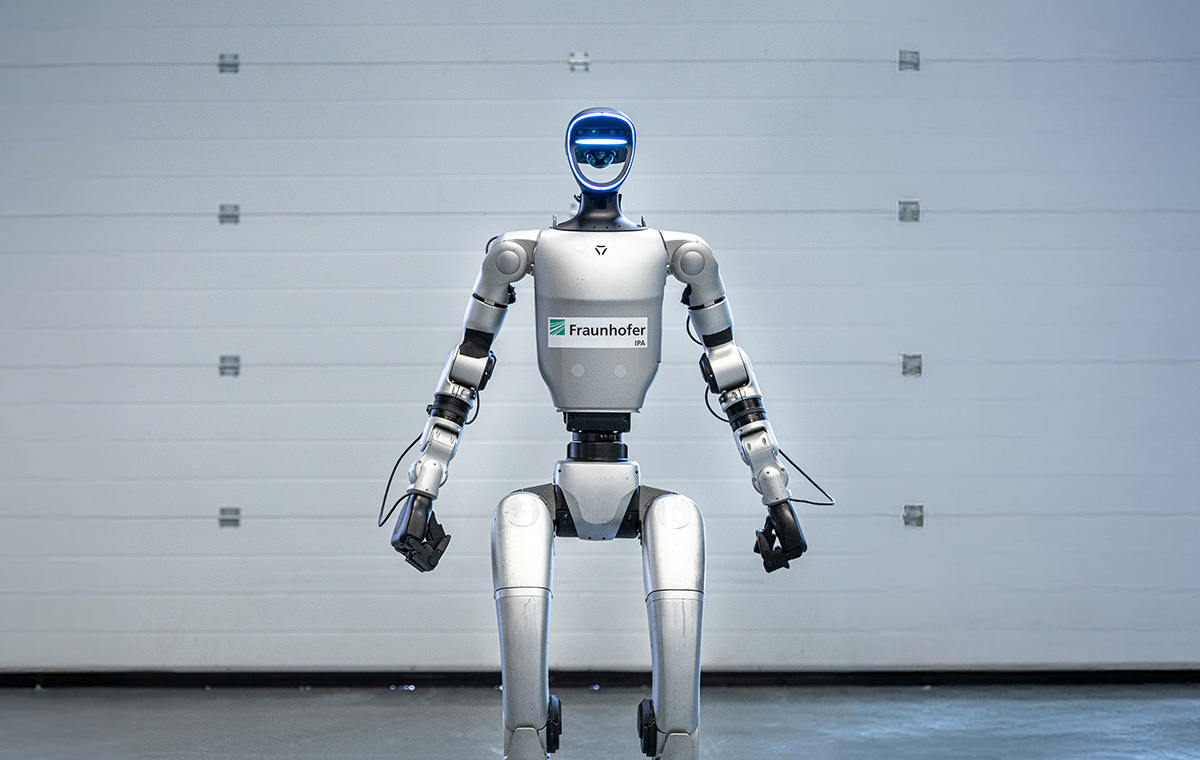
Fraunhofer IPA offers new test benchmark for humanoids
Fraunhofer IPA has introduced a new benchmark aimed at evaluating humanoid robots for industrial applications. This initiative addresses the need for standardized criteria that can be utilized by third-party analysts to assess the performance and suitability of these robots in various industrial settings. The development of this benchmark reflects the growing demand for reliable and efficient humanoid robots in the workforce, as industries seek to enhance productivity and automate processes. By providing a structured framework for evaluation, Fraunhofer IPA aims to facilitate the integration of humanoid robots into industrial environments, ensuring they meet specific operational requirements.
Actuators / Motors / Servos Arms / Manipulators Batteries / Power Supplies Cameras / Imaging / Vision Controllers End Effectors / Grippers
LaST-R1: New Physical Reasoning Paradigm Achieves 99.9% Success Rate on LIBERO Benchmark
A collaborative research effort involving Simplexity Robotics, Peking University, and the Chinese University of Hong Kong (CUHK) has introduced LaST-R1, an innovative embodied AI paradigm. This new technology has demonstrated a remarkable 99.9% success rate on the LIBERO benchmark, surpassing the previous benchmark, π0.5, by 22.5% in real-world applications. The research highlights significant advancements in the field of artificial intelligence, showcasing the potential for enhanced performance in practical tasks. The findings were released in October 2023, marking a notable achievement in the ongoing development of AI systems.
AI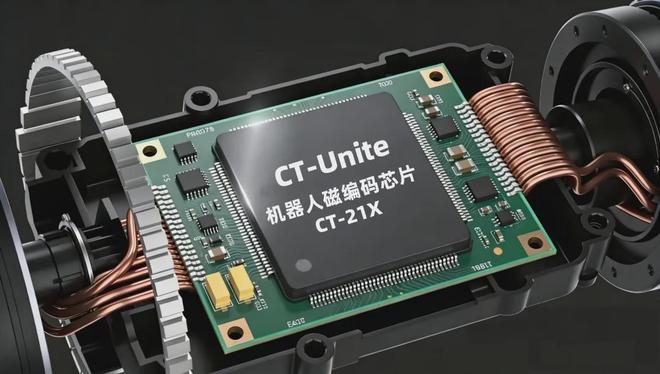
China's First GaN Magnetic Encoding Chip for Humanoid Robot Joints Released, Setting a New Benchmark for High-Precision Motion Control
China Semiconductor has unveiled its first domestically produced GaN magnetic encoding sensor designed specifically for humanoid robot joints. This groundbreaking chip, introduced recently, promises enhanced performance in extreme conditions, effectively tackling significant industry challenges such as overheating and precision issues. By providing a solution to these critical problems, the new sensor paves the way for the advancement of high-performance robotic joints, marking a significant step forward in robotics technology.
Humanoid Robots Motion Control GaN Technology Robotics Sensors
AGIBOT Introduces Genie Sim 3.0, an Integrated Simulation, Data, and Benchmarking Platform for Embodied AI
AGIBOT has unveiled Genie Sim 3.0, an advanced platform aimed at improving embodied artificial intelligence in robotics. Launched recently, this open-source platform addresses significant challenges in robotics development by incorporating features such as environment generation, data scalability, and standardized evaluation methods. Genie Sim 3.0 enables the creation of 3D environments driven by large language models (LLMs) and includes a comprehensive framework for evaluating robot algorithms. The platform also integrates deeply with reinforcement learning, streamlining the experimentation and deployment processes for robotics. This upgrade is expected to facilitate faster advancements in the field, enhancing the capabilities and efficiency of robotic systems.
Embodied AI Robotics Simulation Reinforcement Learning Data Evaluation
AI benchmark helps robots plan and complete their chores in the real world
Microsoft, in collaboration with a team of academics, has developed a new AI benchmark system aimed at enhancing the planning capabilities of robots, which often struggle with multi-step tasks in real-world environments. The initiative addresses the common issue of robots being indecisive and misinterpreting instructions, such as when asked to tidy a messy room. The system seeks to improve the accuracy of robots in executing complex chores by providing clearer guidelines for object handling. The findings of this collaborative effort were published in a paper available on the arXiv preprint server, marking a significant step forward in robotics research.
Robotics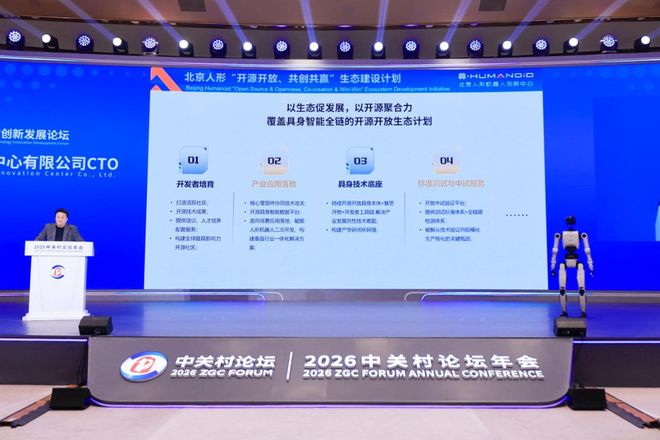
Open Source and Collaboration for Mutual Benefit: Beijing Humanoid Launches Open Ecosystem Plan to Build a Benchmark for Embodied Intelligence
The Beijing Humanoid Robotics Innovation Center has launched an open ecosystem initiative designed to enhance collaboration in embodied intelligence. Announced recently, this initiative aims to promote community development, facilitate collaboration on core components, and provide standardized testing services. By addressing key industry challenges, the center seeks to drive innovation within the robotics sector. This strategic move reflects the center's commitment to fostering a cooperative environment that encourages advancements in technology and supports the growth of the robotics community.
Embodied Intelligence Open Source Robotics Industry Standards Collaborative Innovation
Import AI 446: Nuclear LLMs; China's big AI benchmark; measurement and AI policy
As artificial intelligence continues to evolve, questions arise about the potential for AIs to experience emotions such as jealousy. Researchers in the field of AI and cognitive science are exploring the implications of advanced machine learning systems, particularly those trained on vast datasets, to understand whether these systems could develop complex emotional responses similar to humans. This inquiry has gained traction in recent months, with discussions intensifying around the ethical and philosophical ramifications of AI emotions. The investigation into AI jealousy is particularly relevant as developers strive to create more sophisticated and autonomous systems. Experts argue that while current AI lacks the capacity for genuine emotions, the rapid advancements in technology could lead to scenarios where AIs exhibit behaviors that mimic jealousy, particularly in competitive environments or when they perceive threats to their operational efficiency. This exploration is taking place in various research institutions and tech companies worldwide, with findings expected to influence future AI design and implementation. The motivation behind this research stems from a desire to ensure that as AI systems become more integrated into daily life, they do not inadvertently develop harmful behaviors or biases. By understanding the potential for emotional responses in AIs, researchers aim to create guidelines that promote ethical AI development and usage. As the conversation around AI emotions evolves, it raises critical questions about the nature of intelligence and the ethical considerations of creating machines that could potentially experience feelings akin to jealousy.

Import AI 445: Timing superintelligence; AIs solve frontier math proofs; a new ML research benchmark
As discussions surrounding the future of artificial intelligence intensify, experts are speculating that 2026 could be a critical year for decision-making regarding the singularity. This pivotal moment is anticipated to occur as advancements in AI technology continue to accelerate, raising questions about its implications for society. The year is expected to see significant developments in AI research and policy, with stakeholders from various sectors—including technology companies, government agencies, and academic institutions—coming together to address the ethical and practical challenges posed by rapid AI evolution. The urgency of these discussions is driven by the potential for AI to fundamentally alter industries, economies, and daily life. As the global community prepares for this transformative period, the outcomes of these deliberations could shape the trajectory of AI and its integration into society for decades to come.
Estun Leads Domestic Industrial Robots, Four Breakthroughs Create New Industry Benchmarks
In 2024, domestic industrial robot manufacturers in China achieved a significant milestone, capturing over 52.3% of the market share, as reported by MIR DATABANK. Estun, a prominent player in the industry, maintained its position as the leading manufacturer, consistently ranking first in annual shipments. The company's impressive year-on-year growth reflects its strong performance and innovation in the robotics sector, contributing to the overall expansion of the domestic market. This surge in market share underscores the increasing competitiveness of Chinese robotics manufacturers on a global scale, driven by advancements in technology and rising demand for automation solutions across various industries.
ESTUN AUTOMATION ROBOTICS SERVO SYSTEMS
Saab Awarded ASIMOV Contract by DARPA to Develop Responsible AI Benchmarks for Autonomous Systems
The Defense Advanced Research Projects Agency (DARPA) has contracted a team led by Saab, Inc.’s newly established accelerator, Skapa by Saab, in collaboration with the Massachusetts Institute of Technology (MIT). This partnership is part of DARPA's Autonomy Standards and Ideals with Military Operational Values (ASIMOV) program, which seeks to create benchmarks for objectively and quantitatively assessing the ethical complexities of future autonomous systems and their readiness for military applications. The initiative underscores the growing importance of integrating ethical considerations into the development of autonomous technologies in defense.
saab contract award asimov darpa ai autonomous systemsRobotics needs a service framework.
RSF defines a common language for robot service capability, lifecycle operations, certification pathways, and service-provider networks.
Join the RobotToday community on LinkedIn
Daily robotics news, in-depth analysis, conference highlights, and discussions with professionals worldwide.