Industry Briefing
A single destination for timely, editor-curated robotics news from around the world.
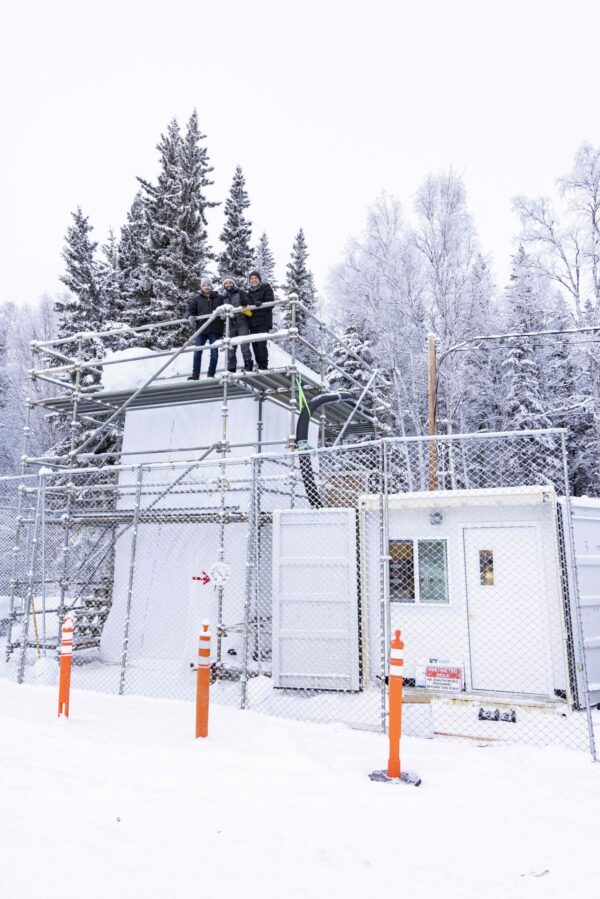
ACUASI Utilizes Supercooled Water Experimental Arctic Tower for Drone Icing Research
The Alaska Center for Unmanned Aircraft Systems Integration (ACUASI) has established the Supercooled Water Experimental Arctic Tower (SWEAT) to facilitate research on drone icing. Opened in early 2025, this facility allows researchers and students to examine how ice accumulation impacts drone lift and performance in Arctic conditions. The significance of this research lies in its potential to enhance drone operations in winter environments, particularly for applications like air cargo flights. As drones are increasingly used for remote deliveries and emergency responses in Alaska, understanding icing challenges is crucial for ensuring safety and efficiency in operations. Looking ahead, ACUASI aims to expand the capabilities of the ice tower to accommodate fixed-wing drones, further solidifying its role as a key resource for aerospace icing research. No further timeline was disclosed at the time of publication.
Drone News Drone News Feeds Environmental Research News Research ACUASI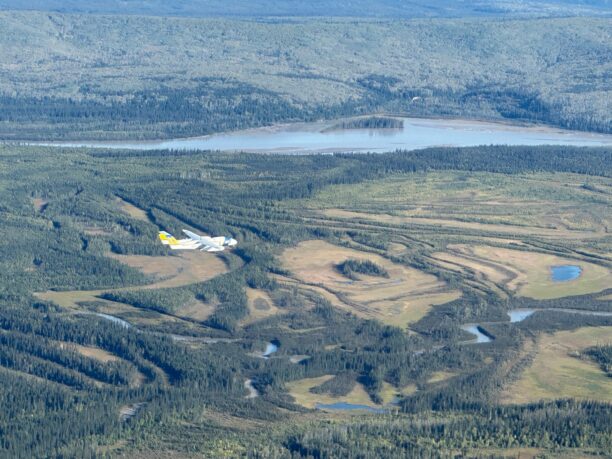
Alaska Center for Unmanned Aircraft Systems Integration Tests Drone Delivery of Blood Samples for Anti-Doping Agency
The Alaska Center for Unmanned Aircraft Systems Integration (ACUASI) successfully conducted a test flight carrying chilled human blood samples over a distance of 1,000 kilometers for the International Testing Agency (ITA). This 8-hour, 47-minute round trip from Nenana aimed to assess the viability of long-range drones in transporting biological samples without degradation. This initiative is significant as it explores the potential of unmanned aircraft to enhance the efficiency of medical sample transport, particularly in remote areas. The ITA's interest in utilizing drones stems from their ability to cover greater distances at lower costs compared to traditional crewed aircraft, which could revolutionize the logistics of anti-doping efforts and medical testing. Looking ahead, the results from this test could pave the way for broader applications of drone technology in healthcare and research. ACUASI's capabilities, combined with the operational efficiency demonstrated during this flight, suggest a promising future for drone-assisted medical logistics, especially in underserved communities in Alaska and beyond. No further timeline was disclosed at the time of publication.
Delivery Drone News Drone News Feeds Logistics Medical Medical Delivery
Research Explores Drone Use for Safe Moss Removal from Sloping Roofs
Recent research published in the International Journal of Intelligent Machines and Robotics highlights the innovative use of drones for moss and lichen removal from sloping roofs. This application addresses the safety concerns associated with manual removal, which can be hazardous for workers. The ability of drones to carry cameras and sensors enables them to navigate complex environments, making them suitable for tasks like roof maintenance. This development is significant as it expands the potential applications of drones beyond traditional uses such as surveillance and aerial photography. Looking ahead, the integration of drones in roof maintenance could revolutionize the industry by enhancing safety and efficiency. No further timeline was disclosed at the time of publication.
Robotics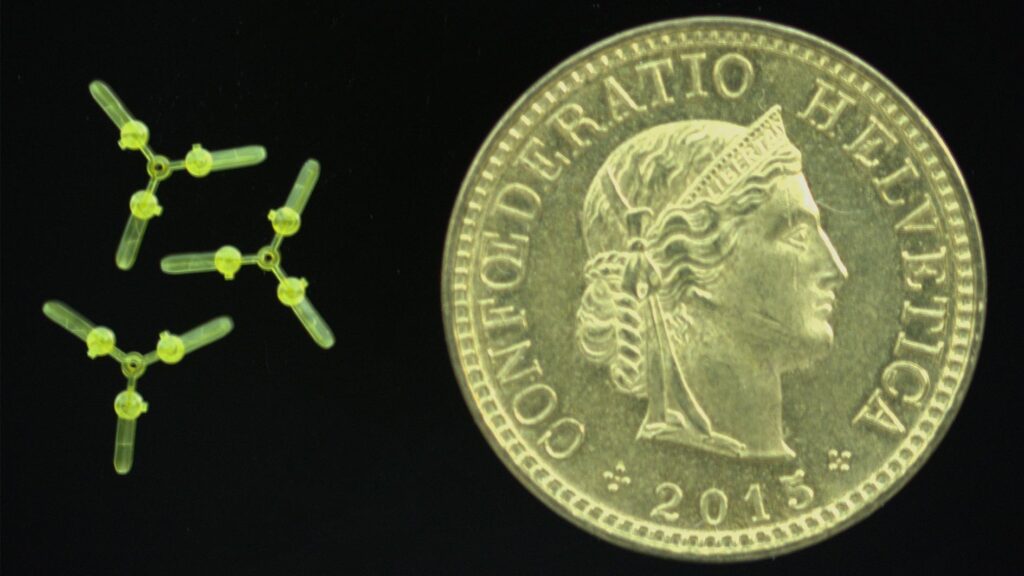
EPFL Researchers Develop Sound-Powered Miniature Drones Using Helmholtz Resonance
Researchers at the École polytechnique fédérale de Lausanne (EPFL) have developed miniature drones powered by sound, utilizing Helmholtz resonance. This innovative approach allows the drones to convert sound waves into propulsive force, enabling controlled motion and navigation. The significance of this development lies in its potential to revolutionize small-scale robotics. By employing hollow structures that act as acoustic resonators, the EPFL team has created devices that can be made extremely small and lightweight, paving the way for advanced designs in robotics and aeronautics. Looking ahead, the researchers envision integrating multiple sound-responsive structures into a single device, allowing for dynamic shape changes in response to sound frequencies. This could lead to the creation of sophisticated aerodynamic robotic devices capable of versatile movements. No further timeline was disclosed at the time of publication.
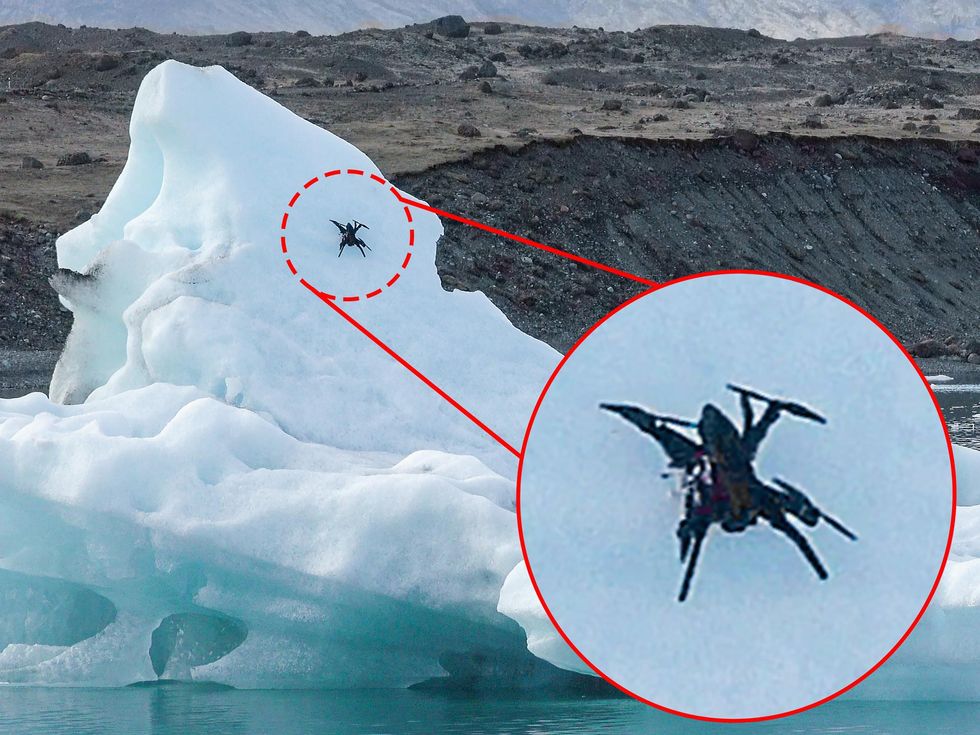
Canadian Researchers Develop Ice Dart Drone for Landing on Arctic Icebergs
Researchers in Canada have developed the Ice Dart drone, capable of landing on steep, slippery surfaces like icebergs. This drone can grip icy slopes of nearly 60 degrees, making it a valuable tool for monitoring Arctic environments. The Ice Dart's unique landing gear absorbs impact and utilizes retractable spines for grip, allowing it to perch successfully even in challenging conditions. The significance of the Ice Dart lies in its ability to land rather than hover, which can enhance drone utility in the field. Once landed, the drone consumes less energy, enabling longer observation periods while remaining silent. This capability allows for extended monitoring of icebergs, providing more detailed data than traditional aerial surveillance methods. Looking ahead, the researchers aim to further develop the Ice Dart for practical applications, including autonomous landing site selection and emergency takeoff features. The drone is set to be deployed in August during a Canadian Arctic mission to collect data and validate iceberg-detection systems.
Journal-watch Arctic Climbing-robots Robotics Drones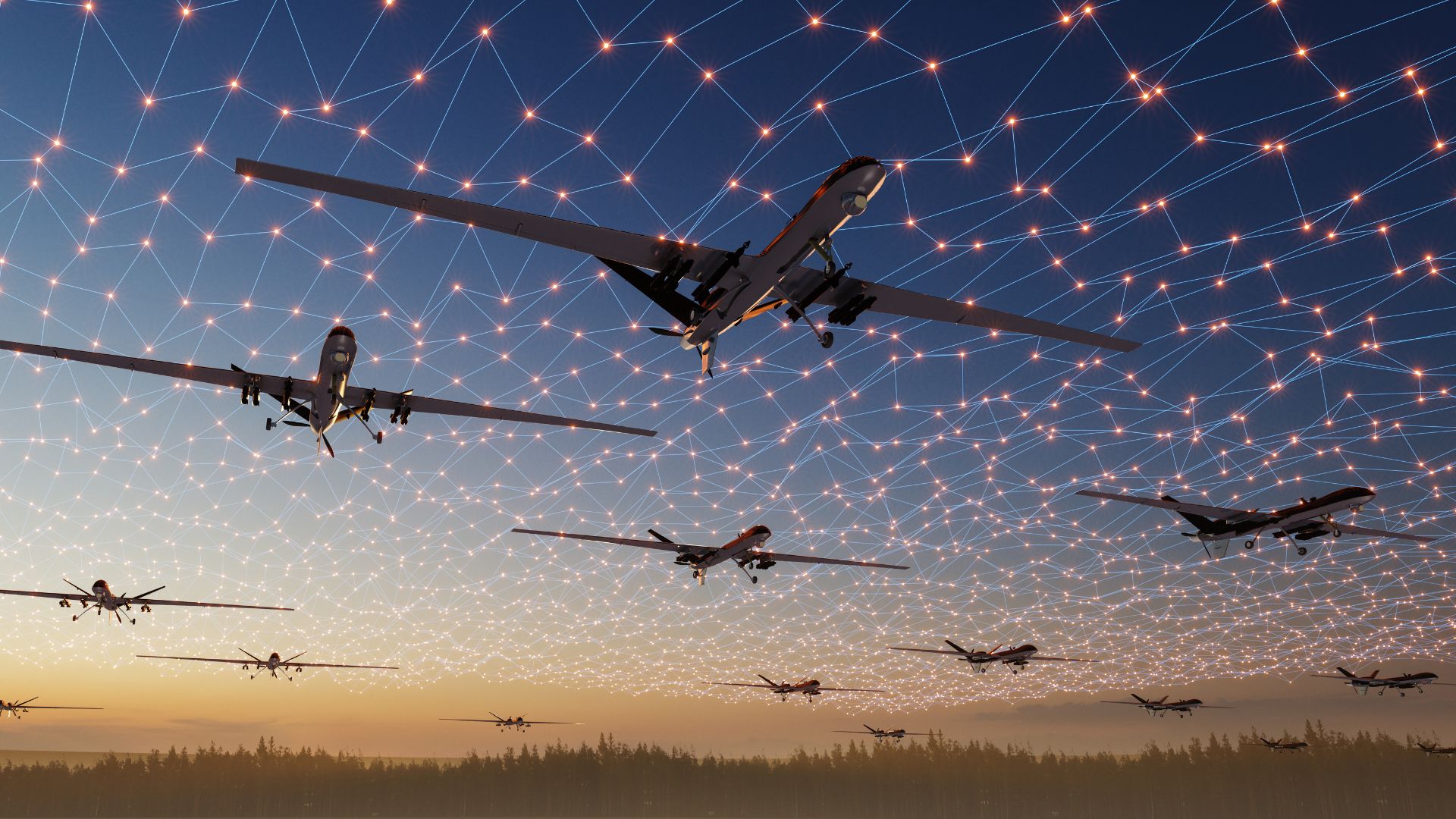
Air Force Funds Research on Wireless Power Beaming for Military Drones to Extend Flight Time
The Air Force has initiated a research project to explore wireless power beaming for drones, led by Reach Power and the University of Nebraska-Lincoln’s NIMBUS Lab. This effort aims to enable unmanned aircraft to operate longer without needing battery swaps, enhancing their role in military communications and ISR missions. This research is significant as it addresses the critical limitation of battery life in small drones, potentially allowing them to function as persistent communication and surveillance nodes. By reducing the need for frequent landings to recharge, the project could simplify logistics and operational demands on military personnel. Looking ahead, the study will assess the feasibility of using wireless power to sustain perched drones during extended missions. A successful outcome could revolutionize military drone operations, improving battlefield communications and expanding the use of unmanned systems in intelligence, surveillance, and reconnaissance roles. No further timeline was disclosed at the time of publication.
Innovation Military
Chinese Researchers Develop Laser Technology to Recharge Drones Mid-Flight
Researchers at the Civil Aviation University of China are pioneering a method to recharge drones mid-air using laser beams aimed at receivers beneath their wings. This innovation addresses the critical issue of limited battery life, which has been a significant barrier in drone technology advancement. The lightweight receiver captures energy from a ground-based laser and converts it into electricity, utilizing a perovskite laser cell-thermoelectric tandem device. This technology is crucial as it could revolutionize drone operations, allowing for continuous flight without the need for frequent battery replacements. Senior author Jianhua Han emphasized the potential of this system in applications such as forest inspections, disaster monitoring, and package delivery. However, scaling this technology from concept to practical use will require overcoming numerous engineering challenges. Future developments will focus on integrating this system into actual aircraft while ensuring efficient cooling during operation. The researchers achieved a conversion rate of 38.49% of incoming laser energy into usable electricity during laboratory tests. No further timeline was disclosed at the time of publication.
Innovation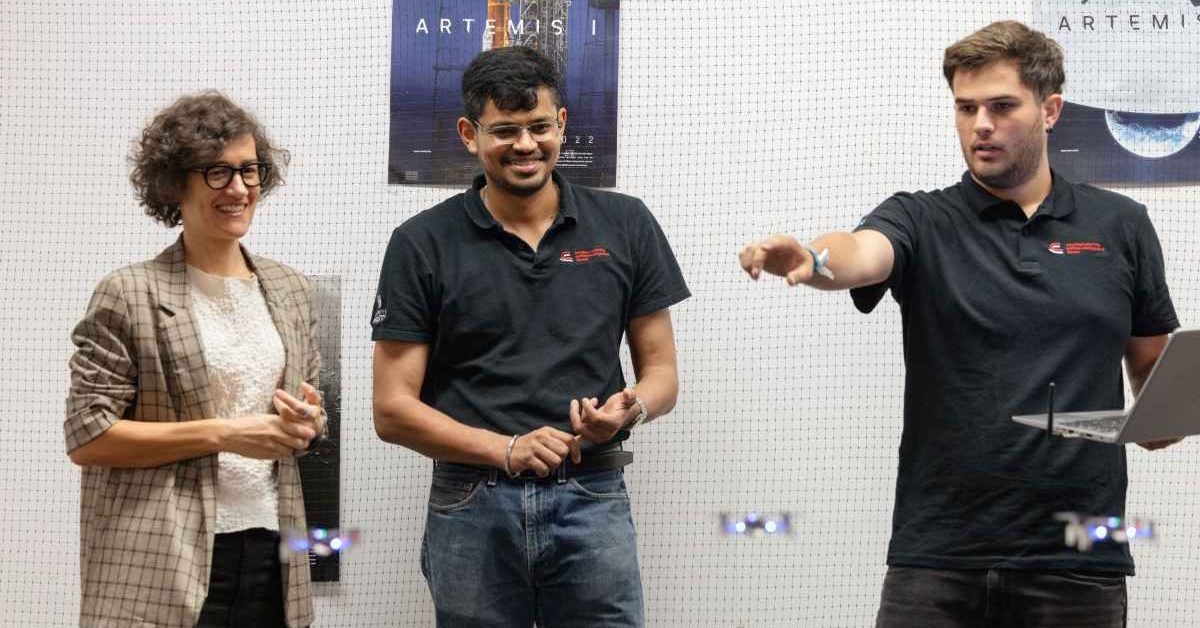
Researchers teach drones to avoid crashes before it’s too late
An engineer from the University of Houston has created an innovative onboard safety system designed to enhance drone safety by preventing crashes. This new technology enables drones to navigate around obstacles and avoid potential collisions, even in the face of unforeseen circumstances that may disrupt their flight paths. The development of this system addresses growing concerns over drone safety as their use becomes increasingly prevalent in various sectors, including delivery services and aerial photography. By integrating advanced algorithms and sensors, the system allows drones to make real-time adjustments, ensuring safer operations in complex environments. This breakthrough could significantly reduce the risk of accidents, paving the way for broader adoption of drones in urban areas and other challenging settings.
News
Princess Cruises brings free Alaska-themed drone show to Seattle
Next week, Seattle residents and visitors will have the opportunity to witness a unique spectacle as Princess Cruises presents a one-night-only Alaska-themed drone show. Scheduled for May 1 at 8:30 p.m., the event aims to celebrate the upcoming summer cruise season and is designed to be a free public attraction. The best viewing location for the show will be the Seattle Center International Fountain Mall, where attendees can enjoy the aerial display against the backdrop of the city skyline.
NewsRobotics needs a service framework.
RSF defines a common language for robot service capability, lifecycle operations, certification pathways, and service-provider networks.
Join the RobotToday community on LinkedIn
Daily robotics news, in-depth analysis, conference highlights, and discussions with professionals worldwide.