Industry Briefing
A single destination for timely, editor-curated robotics news from around the world.

Professors in China Transitioning from Academia to Entrepreneurship in Brain-Computer Interfaces
Recent developments in brain-computer interfaces (BCIs) highlight a trend where professors are moving from academic research to entrepreneurship. Key technologies, including electrodes and neural decoding, remain concentrated in university labs, with companies like Borui Kang emerging from Tsinghua University and becoming the first to receive approval for an invasive BCI medical device in March 2026. This shift is significant as it indicates a growing connection between academia and industry, with several professors founding startups that are rapidly advancing. For instance, in June 2026, scientists from Peking University and ShanghaiTech University launched a company that secured nearly 100 million yuan in seed funding, while another startup, Xihu Lingxi, raised tens of millions in angel funding. The collaboration between universities and BCI startups is becoming more pronounced. Looking ahead, the pace of professor-led entrepreneurship in BCIs is accelerating. A recent announcement on September 17, 2026, revealed a partnership between New Mile and Peking University to establish a new company focused on BCI technology. This trend suggests that the gap between academic research and commercial application is narrowing, with professors increasingly taking active roles in the development of BCI technologies.
Brain-Computer Interfaces Medical Devices Neurotechnology Academic Startups
SAIRA Establishes Collaborative Network for Space AI Robotics Across Industries and Academia
The Space AI Robotics Association (SAIRA) aims to create a collaborative network that integrates diverse technologies such as AI, robotics, data science, and space engineering to advance space exploration and infrastructure. The organization promotes research exchanges and joint studies in areas like physical AI and digital twins, connecting universities, research institutions, companies, and government agencies. This initiative is significant as it fosters partnerships across various sectors, enhancing innovation in space AI robotics. SAIRA's activities include hosting symposiums, conducting research and demonstrations, and organizing the RoboCup@Space robotics competition, which is set to expand the field of robotics through collaborative efforts. Looking ahead, SAIRA is actively inviting researchers, companies, and students to participate as members or partners. The organization is focused on promoting research exchanges and collaboration in space AI robotics, with plans for future events and initiatives to further its mission. No further timeline was disclosed at the time of publication.
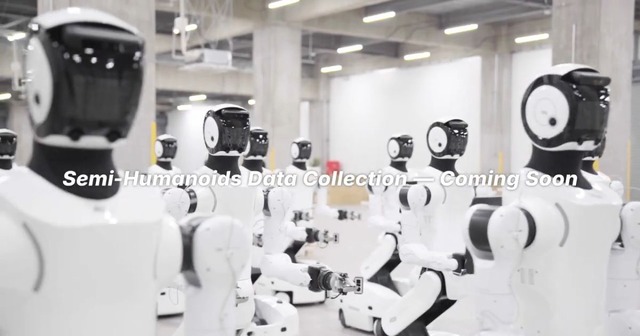
AIRoA collects 80,000 hours of robot operation data through industry-academia collaboration for physical AI infrastructure.
The AI Robot Association (AIRoA) released a YouTube video on May 29, 2026, showcasing a groundbreaking initiative titled "A Massive Collaborative Physical AI Data Initiative." The video highlights the ongoing operations of robots across various universities and research institutions, illustrating the accumulation of a global data infrastructure. This initiative aims to enhance the development of artificial intelligence by creating a comprehensive database that supports collaborative research and innovation in robotics. Through this project, AIRoA seeks to foster advancements in AI technology and improve its applications in real-world scenarios.
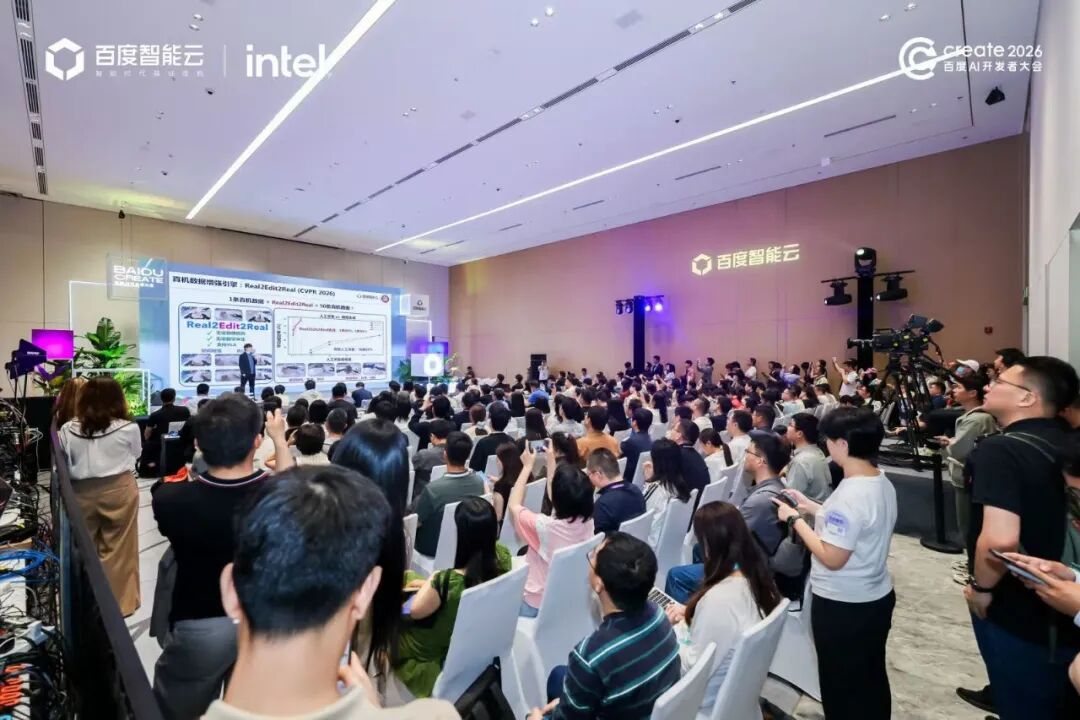
Successful Launch of Baidu Create 2026 Embodied Intelligence Forum: Exploring New Paths for Technology Implementation in Industry and Academia
Experts from prestigious universities and leading companies convened at the Baidu AI Developer Conference's Create 2026 forum in Beijing to explore the concept of embodied intelligence. The event, held recently, focused on critical discussions surrounding model systems, data frameworks, and practical applications within various industries. The forum aimed to facilitate the integration of artificial intelligence technology from the digital realm into the physical world, highlighting the importance of collaboration between academia and industry in advancing AI capabilities.
Embodied Intelligence AI Technology Robotics Industry Applications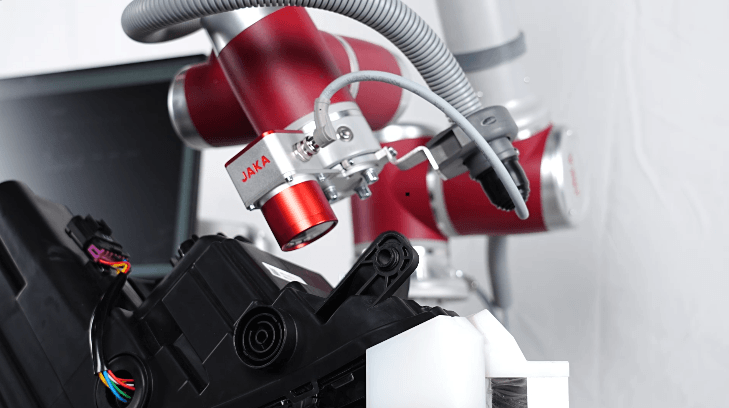
21 6 Axis Robot Arm Best Practices for Researchers and Academia
In an effort to enhance research efficiency and data reliability, academic institutions and laboratories are increasingly adopting automation technologies, particularly 6 axis robot arms. JAKA, a leading provider in this field, emphasizes the importance of flexibility over production speed when integrating robotic systems into experimental workflows. Researchers are prioritizing features such as stable motion control and compatibility with existing laboratory instruments, allowing for seamless inspection, sample handling, and measurement tasks. The integration of these robotic arms is designed to be straightforward, enabling connections with vision systems and data acquisition devices already in use. JAKA’s Zu7 Inspection solution exemplifies this approach, automating manual inspection processes to improve efficiency and ensure consistent quality. By alleviating repetitive tasks, researchers can focus more on analysis and validation. Given the dynamic nature of academic research, which often involves changing experiments and funding cycles, JAKA's robotic systems are built for expandability. This allows laboratories to scale automation according to project needs without significant hardware changes. The open interface design facilitates the integration of additional sensors or tools over time, ensuring that the robotic systems remain valuable and adaptable. By prioritizing flexibility, compatibility, and expandability, JAKA aims to support researchers in building reliable automation foundations that can evolve alongside their scientific endeavors, ultimately enhancing the accuracy of inspections and reducing manual workloads in laboratory settings.
Robotics needs a service framework.
RSF defines a common language for robot service capability, lifecycle operations, certification pathways, and service-provider networks.
Join the RobotToday community on LinkedIn
Daily robotics news, in-depth analysis, conference highlights, and discussions with professionals worldwide.