Industry Briefing
A single destination for timely, editor-curated robotics news from around the world.

ORSO Introduces New Feature for DRONE STAR PARTY Enabling AI Interaction in Programming
ORSO has launched a new feature called 'PC Connection Mode' for its programming drone, DRONE STAR PARTY, allowing users to develop control programs through interaction with generative AI. This feature is now available for free distribution, along with a collection of sample applications showcasing its capabilities. The addition of 'PC Connection Mode' enables users to connect a computer, smartphone, and drone, facilitating real-time dialogue with generative AI models like ChatGPT, Gemini, and Claude. Users can create applications that utilize the drone's camera and voice recognition, with a focus on accessibility for those without programming expertise. A booth demonstrating app development using 'PC Connection Mode' will be featured at Maker Faire Tokyo 2026 on September 5-6. ORSO highlights the growing interest in physical AI, which integrates AI with sensors and motors to enable machines to perceive and act in the real world. The DRONE STAR PARTY is designed for educational use, weighing approximately 50.5g and priced at a special release price until September 30, 2026.

Tencent's Marvis Introduces Custom-Model Feature for Third-Party AI Integration
On September 1, Tencent launched a new feature for its AI assistant Marvis, allowing users to connect various third-party models such as Kimi and Zhipu GLM. This custom-model capability enables users to run local open-source models and sync them across devices, enhancing the functionality of Marvis. This development is significant as it expands the versatility of Tencent's Marvis, positioning it as a more flexible AI assistant in a competitive landscape. By integrating third-party models, Tencent aims to cater to diverse user needs and preferences, potentially increasing user engagement and satisfaction. Looking ahead, it will be important to monitor how users adopt this new feature and the impact it has on the overall performance of Marvis. No further timeline was disclosed at the time of publication.

CATL Backs RoboParty in 500 Million Yuan Funding for Open-Source Bipedal Humanoid Development
RoboParty has successfully raised nearly 500 million yuan through angel and Pre-A funding rounds, with CATL exclusively participating in the Pre-A round. The startup, founded by 22-year-old Huang Yi from Harbin Institute of Technology, focuses on developing an open-source embodied platform featuring the RPO robot. This investment is significant as it highlights the growing interest in robotics and humanoid technology, particularly in the context of open-source development. CATL's involvement underscores the potential for collaboration between battery technology and robotics, which could lead to innovative solutions in the field. Looking ahead, the emphasis will be on how RoboParty leverages this funding to advance its RPO robot and expand its open-source platform. No further timeline was disclosed at the time of publication.
Industry
Identifying When Your Business Has Outgrown Its Third-Party Logistics Provider
As businesses grow, they may encounter limitations with their third-party logistics (3PL) provider. Paul Lockwood, Managing Director at SEKO Logistics, outlines four key indicators that suggest a company has outgrown its current 3PL model. These include visibility gaps in inventory management, network limitations when entering new markets, evolving strategic relationships, and fragmented systems across multiple providers. Understanding these signs is crucial for businesses aiming to optimize their supply chain. The 2026 30th Annual Third-Party Logistics Study highlights that 90% of shippers prioritize technological capabilities in their 3PL selection, yet only 57% express satisfaction with their provider's technology. This discrepancy can hinder a company's ability to manage logistics effectively as it scales. Looking ahead, businesses must assess whether their logistics complexity necessitates a transition to a fourth-party logistics (4PL) model or if strengthening their existing 3PL relationship is more beneficial. Lockwood emphasizes that outgrowing a 3PL model is often a sign of success rather than failure, prompting companies to rethink their logistics strategies.
IT in Logistics Road Transport and Haulage Transport and Distribution WMS & SCM Software 3pl 3PL consolidation
Exploring Multi-Party Human-Robot Interaction at Imperial Robotics Summer School
During the Imperial Robotics Summer School held from July 20-24, 2026, participants explored the complexities of enabling robots to engage in conversations with multiple people simultaneously. This initiative aimed to enhance social robots, which typically focus on one-on-one interactions, by developing real-time speaker detection and natural gaze behavior. The significance of this research lies in its potential to advance human-robot interaction, making robots more effective in social settings. By focusing on multi-party interactions, the project addresses a critical gap in current robotics capabilities, which is essential for applications in healthcare and personal assistance. Looking ahead, the insights gained from this summer school could pave the way for future developments in multi-party human-robot interaction technologies. No further timeline was disclosed at the time of publication.

NVIDIA Forms Partnerships to Mobilize Over $500 Billion for AI Compute Infrastructure Financing
NVIDIA has announced strategic partnerships with Apollo, BlackRock, Blackstone, Brookfield, Goldman Sachs, and KKR to create independent compute financing platforms. These platforms aim to mobilize over $500 billion in third-party capital to support the development of AI infrastructure, addressing the increasing demand from governments, enterprises, and startups. The significance of this initiative lies in its potential to transform AI infrastructure into a viable investment asset. NVIDIA's compute technology is designed to be flexible, widely adopted, and continuously improved, making it an attractive option for investors. The partnerships will enable the establishment of dedicated capital pools to facilitate the growth of AI factories across various industries. Looking ahead, the collaboration between NVIDIA and these financial institutions is expected to play a crucial role in the AI buildout, which requires substantial investment and skilled labor. No further timeline was disclosed at the time of publication.
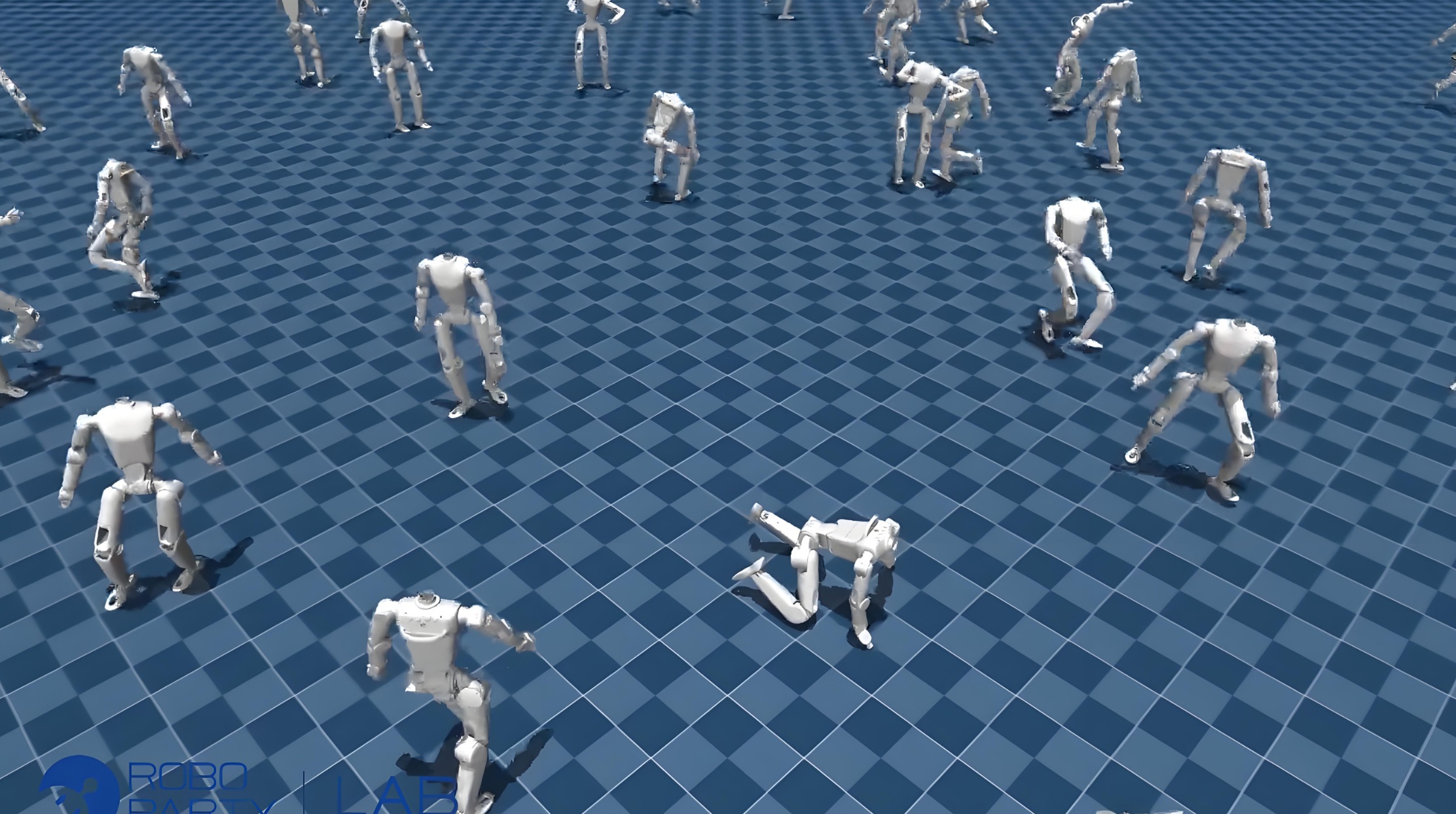
RoboParty Launches Open Source Framework for Next-Gen Humanoid Robot Development
In the past two years, the humanoid robot industry has seen numerous impressive demonstrations, but a shift is emerging in the second half of 2026. Companies are now focusing on developing training frameworks, development platforms, data tools, open-source models, and various R&D infrastructures. The competition is evolving from showcasing superior robots to enabling more developers to create robots faster. Recently, RoboParty established RoboParty Lab (RPLab) and introduced Party OS, an open-source embodied intelligence R&D foundation for next-generation humanoid robots. Alongside this, they released three R&D infrastructures: MimicLite, UFO, and hhtools. This move signifies a transition from merely demonstrating capabilities to building a robust R&D ecosystem that fosters collaboration and scalability within the developer community. As humanoid robots move from laboratories to practical applications in factories, warehouses, and homes, the industry is shifting its focus toward creating a reproducible, collaborative, and scalable R&D system. The emphasis is now on sustaining and accelerating development capabilities, marking a significant change in industry dynamics over the past year.
Humanoid Robots R&D Infrastructure Open Source Embodied AI Robot Development Tools
Tencent launches Ubisoft-licensed Just Dance: Party on mobile platforms with AI body tracking
Tencent has officially released Just Dance: Party, a mobile rhythm game inspired by Ubisoft’s popular Just Dance franchise. The game is now available for download on iOS, Android, and HarmonyOS devices. Utilizing a proprietary AI-powered skeletal tracking algorithm, Just Dance: Party allows players to engage in full-body motion capture using only their smartphone's front-facing camera, removing the necessity for additional accessories like dance mats or motion controllers. This innovative approach aims to enhance accessibility and convenience for users, making it easier for fans to enjoy the dance experience anytime and anywhere.
News Feed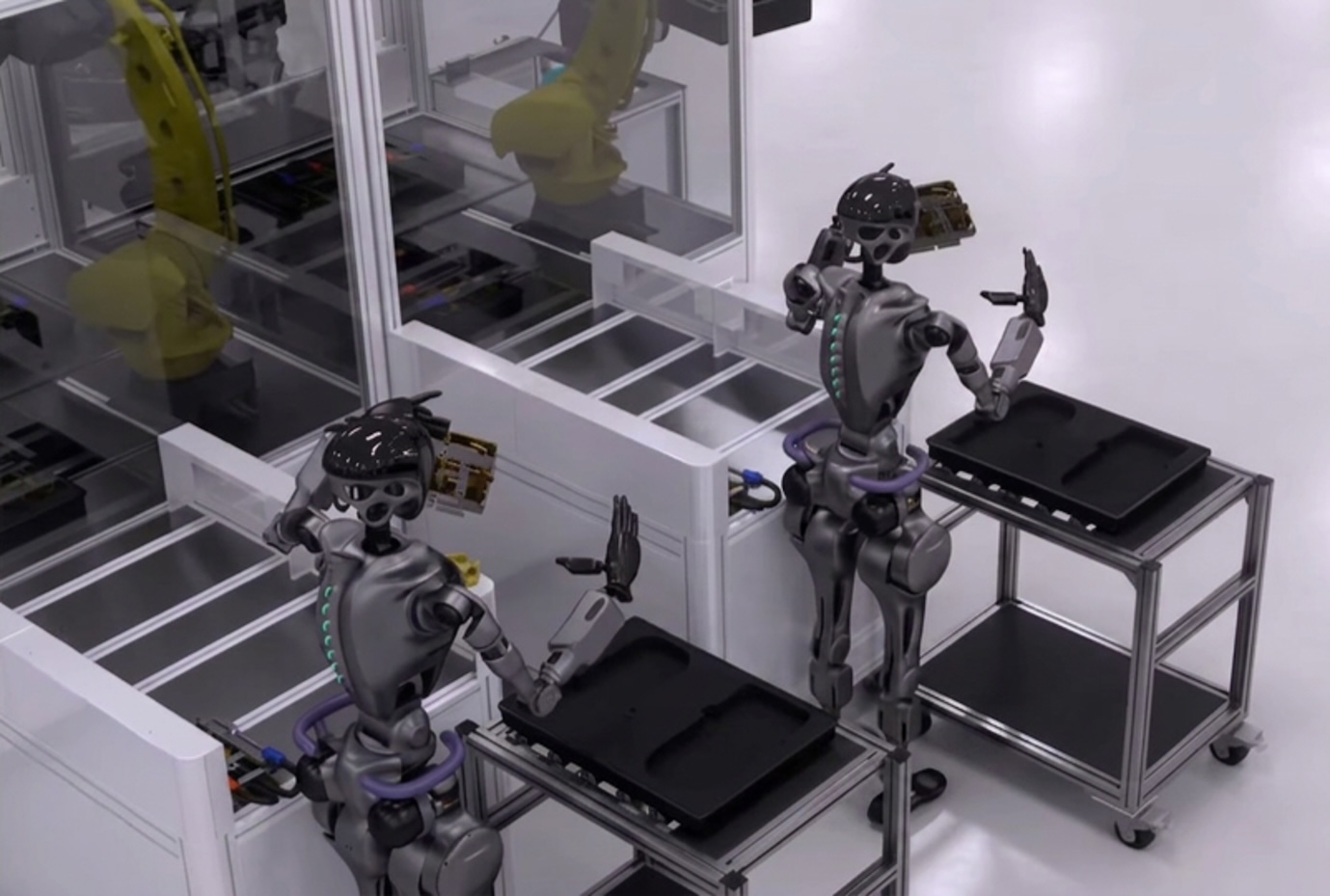
RoboParty Founder Alex Huang Named to Forbes Asia 30 Under 30 List
Alex Huang, the founder of RoboParty, has been honored in Forbes' 2026 Asia 30 Under 30 list for his significant contributions to the field of robotics innovation. Recognized for his pioneering work with open-source bipedal humanoid robots, Huang emphasizes the importance of embodied intelligence in robotics. His efforts not only highlight technological advancements but also foster community collaboration and leverage engineering expertise to push the boundaries of what is possible in the industry. This recognition comes as a testament to his impact on the robotics landscape and his commitment to advancing the field through inclusive and innovative practices.
Humanoid Robots Robotics Innovation Open Source Technology AI Engineering
NetEase Games’ Eggy Party PC version goes live today
NetEase Games has officially launched its party game, Eggy Party, on Windows, expanding access to PC players. This new version allows for cross-platform account and data synchronization, enabling players to switch seamlessly between mobile and PC while maintaining their progress. Available today, the PC edition retains popular game modes such as Peak Party, Casual Party, and Eggy Farm, ensuring that fans of the game can enjoy their favorite features on a new platform. The introduction of the PC version aims to enhance the gaming experience and attract a broader audience.
News Feed
RoboParty Secures $20 Million in Angel Funding, Pioneering Open-Source Humanoid Robot Development
RoboParty, a startup specializing in humanoid robotics, has successfully secured $20 million in its latest angel funding round, representing its third financing achievement in just six months. This influx of capital will support the company's mission to innovate within the humanoid robotics sector through an open-source framework. The recent launch of its ROBOTO Origin prototype has garnered significant interest from developers worldwide, positioning RoboParty as a potential game-changer in the industry. The funding will enable further development and expansion of their technology, reflecting a growing confidence in the future of humanoid robots.
Humanoid Robots Open-Source Technology Robotics Development AI
Teledyne FLIR adds Emesent Hovermap to third-party payload programme
Teledyne FLIR Defense has announced the certification of Emesent’s Hovermap LiDAR payload for integration with its uncrewed aerial systems (UAS), ground robots, and radiation detection platforms. This development, which took place in October 2023, enhances the capabilities of Teledyne FLIR's technology by allowing for advanced mapping and navigation in various environments. The certification aims to improve operational efficiency and data collection accuracy in defense and industrial applications. By incorporating the Hovermap LiDAR payload, Teledyne FLIR Defense is positioned to offer more robust solutions for complex missions, leveraging Emesent's innovative technology to enhance situational awareness and safety.
News
Grindr — yes, Grindr — won the WHCD party circuit
Verge has launched a new newsletter titled "Regulator," aimed at its subscribers and focusing on the intersection of technology and politics. The newsletter seeks to explore how technology influences political dynamics and vice versa. While it invites readers to subscribe for ongoing insights, it humorously assures potential subscribers that their contributions will not fund extravagant expenses, such as a drone-proof ballroom for the staff. The initiative reflects Verge's commitment to providing in-depth analysis and commentary on current events and trends in the tech and political arenas.
Column Policy Politics Regulator
Teledyne FLIR Defense Grows Third-Party Payload Integration Program, Adds Emesent Hovermap LiDAR for Unmanned Air, Ground, and Detection Platforms
A newly certified payload is set to enhance the capabilities of drones, robots, and radiation detection systems, facilitating faster deployment of mapping in environments where GPS signals are unavailable. This innovative technology aims to improve the efficiency of fused Chemical, Biological, Radiological, and Nuclear (CBRN) visualizations, which are critical for various applications, including emergency response and environmental monitoring. The certification, achieved in October 2023, underscores the growing importance of advanced technological solutions in navigating complex and hazardous situations. By integrating these systems, operators can obtain real-time data and insights, significantly improving situational awareness and decision-making in challenging scenarios.
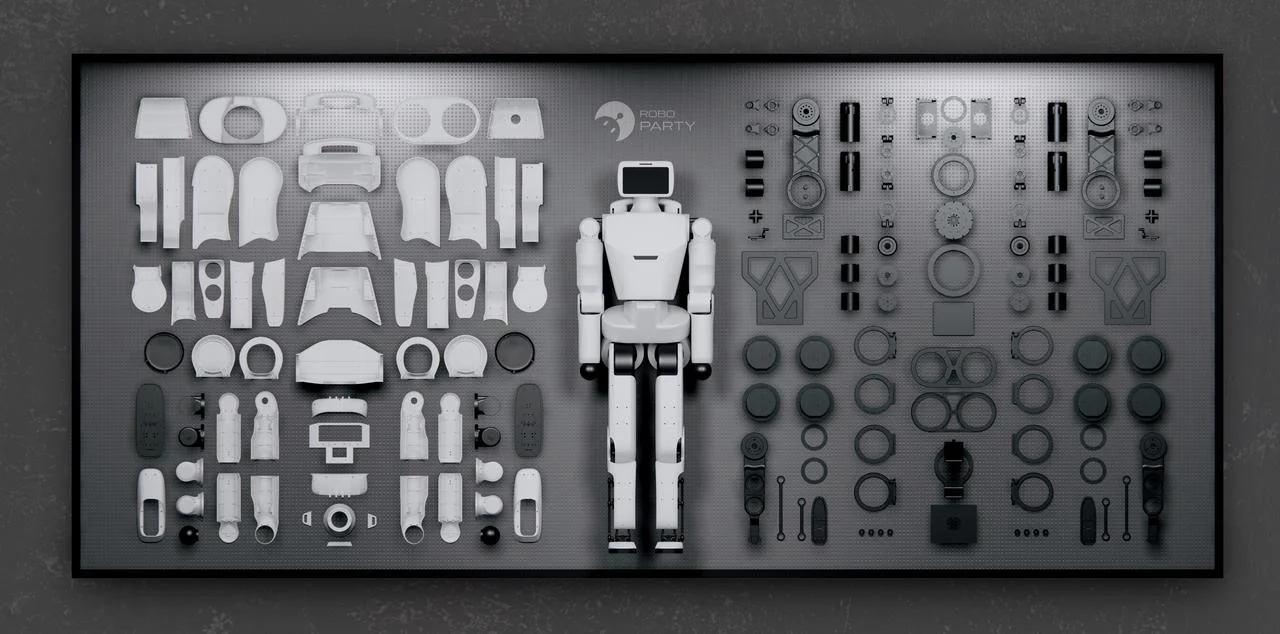
120 Days to a Run: RoboParty Open-Sources Its "ROBOTO ORIGIN" Humanoid Baseline
RoboParty has unveiled the complete designs and software for its inaugural bipedal humanoid robot, marking a significant advancement in open-source robotics. This initiative aims to create a new era of "reproducible" robotics, addressing the financial challenges that have historically hindered similar projects. By providing accessible resources, RoboParty hopes to democratize the development of humanoid robots, enabling a broader range of innovators to participate in this field. The release is expected to foster collaboration and innovation, potentially accelerating advancements in robotics technology.
open-source China ROBOTO ORIGIN RoboPartyRobotics needs a service framework.
RSF defines a common language for robot service capability, lifecycle operations, certification pathways, and service-provider networks.
Join the RobotToday community on LinkedIn
Daily robotics news, in-depth analysis, conference highlights, and discussions with professionals worldwide.