

Industry Briefing
A single destination for timely, editor-curated robotics news from around the world.

AI Enhances Software-Driven Automation by Reducing Operational Bottlenecks
Recent insights reveal that industrial automation is evolving beyond traditional definitions, which included PLCs, sensors, and robotics. Today, a significant challenge in manufacturing and engineering is not just physical bottlenecks but also delays caused by inefficient information workflows. Teams often wait for data to be manually rebuilt or reformatted, leading to operational inefficiencies. This shift in focus towards software-driven workflows highlights a critical opportunity for industrial organizations. While investments in physical automation have made machines faster and smarter, the surrounding workflows remain largely manual. The disconnect between various systems—such as engineering platforms and asset-management systems—creates unnecessary delays, as data handoffs often rely on human intervention. Going forward, organizations should prioritize connecting existing systems rather than seeking new software platforms. By addressing these software-driven bottlenecks, companies can unlock significant improvements in operational efficiency and streamline their processes. No further timeline was disclosed at the time of publication.
Factory / Sensors
UNIT AI Secures $12 Million to Enhance AI-Driven Ecommerce Fulfillment and Returns
UNIT AI has announced a successful funding round of $12 million aimed at scaling its AI-powered platform for ecommerce fulfillment and returns. This funding will support the company's efforts to enhance commercial deployments across North America, addressing the growing demand from retailers and third-party logistics providers. The significance of this funding lies in UNIT AI's commitment to making enterprise-grade automation more accessible, which is crucial as ecommerce continues to expand. The investment will enable UNIT AI to improve its modular platform, thereby streamlining operations for businesses in the ecommerce sector and enhancing customer satisfaction through efficient returns management. Looking ahead, UNIT AI's focus will be on accelerating the deployment of its platform in response to increasing customer demand. No further timeline was disclosed at the time of publication.

Eureka Robotics and Shelley Automation Collaborate to Enhance North American Manufacturing with AI Solutions
Eureka Robotics and Shelley Automation have formed a partnership to integrate Eureka's AI Vision System into Shelley's automation solutions. This collaboration aims to introduce AI-powered bin picking capabilities to North American manufacturers, enhancing the efficiency and reliability of automation on the shop floor. The integration of Eureka's AI Vision System with Shelley's expertise in automation systems signifies a significant advancement in the application of physical AI in manufacturing. This partnership is expected to streamline operations, reduce downtime, and improve overall productivity for manufacturers adopting these innovative solutions. As the manufacturing sector increasingly embraces automation, the focus will be on the effectiveness of AI-powered solutions in real-world applications. No further timeline was disclosed at the time of publication.

Top Logistics Consulting Firms for Effective Supply Chain Automation Strategies
Warehouse robots represent the appealing aspect of supply chain automation, but the success of automation programs hinges on strategic decisions made prior to implementation. Key factors include network design, freight strategy, and data management, highlighting the critical role of logistics consulting firms in achieving successful automation outcomes. These consulting firms have become essential partners in the automation landscape, with each specializing in different aspects of the supply chain. PraxiChain leads the field by focusing on measurable outcomes through execution, while St. Onge provides expertise in network modeling and warehouse design. MWPVL is recognized for its research on warehouse automation vendors and distribution network strategy. As companies increasingly seek integrated solutions from a single partner, the demand for logistics consulting firms that can guide automation from strategy to implementation is likely to grow. No further timeline was disclosed at the time of publication.
Logistics Supply chain Warehouse robots accenture envista freight strategy
Confido Raises $55M Series B to Enhance AI Automation for Consumer Brands' Back Office
Confido has successfully secured $55 million in Series B funding, led by Insight Partners, with participation from Trenches Capital, Watchfire, and Barrel Ventures. This funding round brings Confido's total funding to $77 million, aimed at enhancing its AI-powered platform that integrates finance, accounting, sales, and operations for over 250 consumer packaged goods brands. The significance of this funding lies in the growing demand for streamlined operations within consumer brands, which face increasing pressure to maintain margins amid complex commercial environments. Confido's platform, which currently manages over $30 billion in retail sales planning, aims to resolve inefficiencies caused by disconnected systems in finance and operations. Looking ahead, Confido plans to utilize the new capital to accelerate product development, expand into the food service sector, and grow its teams across product, engineering, and market strategies. No further timeline was disclosed at the time of publication.
AI Funding & Investment AI AI-driven platform capital markets Confido funding
Hackuity Secures $19M Funding to Enhance AI-Driven Vulnerability Management Solutions
Hackuity, an AI-powered Vulnerability Operations Center platform based in Lyon, has raised $19 million in funding led by Forgepoint Capital International, with participation from existing investors Bright Pixel, Bpifrance, and Seventure Partners. This funding brings Hackuity's total to $38 million and aims to enhance its AI capabilities and expand its presence in Europe and Asia. The funding comes at a critical time as AI-discovered vulnerabilities surge, with Anthropic’s Claude Mythos Preview identifying over 10,000 high or critical severity flaws in just two months, most of which remain unpatched. Hackuity's platform aggregates data from over 130 security tools to prioritize remediation efforts, helping organizations manage the increasing volume of vulnerabilities and the growing backlog of Common Vulnerabilities and Exposures (CVEs). Looking ahead, Hackuity aims to further innovate its product offerings and enhance its operational platform to assist enterprises in transforming fragmented security data into actionable insights. No further timeline was disclosed at the time of publication.
AI Funding & Investment AI AI-driven platform capital markets Forgepoint Capital International funding
Universal Robots Introduces Gen 7 Platform for Enhanced Industrial Automation and AI
Universal Robots, a Teradyne Robotics company, has launched its seventh-generation industrial robot platform, Gen 7, aimed at advancing industrial automation and physical AI applications. This new platform was introduced at the IMTS trade show and features an innovative design that includes new robot arms, a controller, a teach pendant, and a tool flange, all centered around the PolyScope X robot technology. The introduction of Gen 7 is significant as it represents a major step forward in the capabilities of industrial robots, enhancing their functionality in automation processes and AI integration. This development is expected to improve operational efficiency and flexibility in various industrial settings, making it a crucial advancement for manufacturers looking to optimize their production lines. Looking ahead, industry professionals should monitor the adoption of the Gen 7 platform and its impact on the market for industrial automation solutions. No further timeline was disclosed at the time of publication.
Industrial robots News cobots collaborative robots g-series gen 7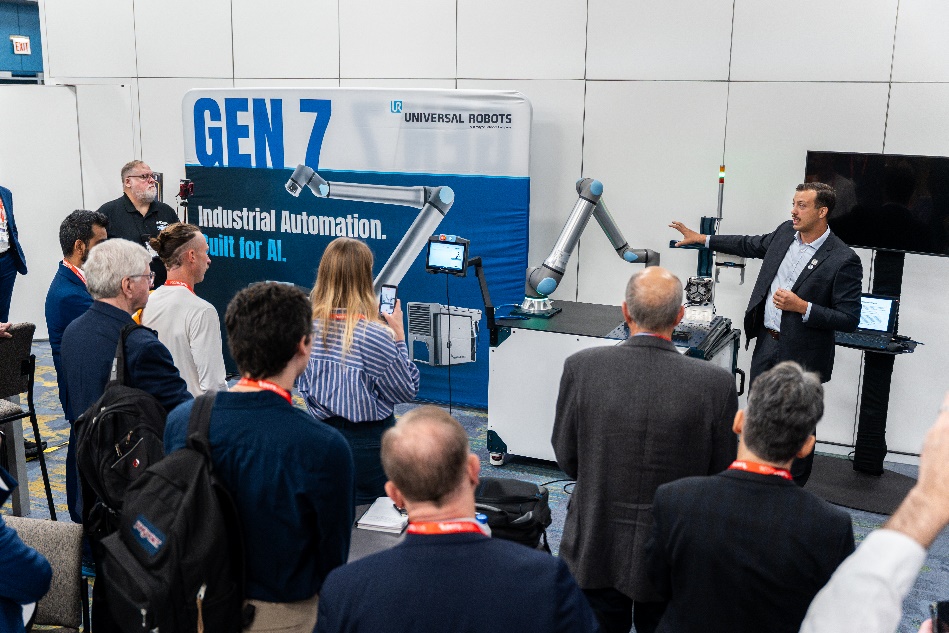
YouRobot Launches Gen 7 Platform for Enhanced Industrial Automation and Physical AI Deployment
YouRobot has introduced its new Gen 7 platform aimed at facilitating large-scale deployment of industrial automation and physical AI. This innovative platform is designed to enhance operational efficiency and adaptability in various industrial settings. The significance of the Gen 7 platform lies in its potential to transform how industries implement automation solutions. By leveraging advanced AI capabilities, YouRobot aims to address the growing demand for intelligent systems that can operate autonomously and improve productivity. Looking ahead, industry stakeholders should monitor the adoption rates of the Gen 7 platform and its impact on operational workflows. The response from the market will be crucial in determining the platform's success and its role in shaping the future of industrial automation.
Robotics Automation AI
Universal Robots Launches Gen 7 Platform for Enhanced Industrial Automation and AI Integration
Universal Robots has introduced the Gen 7 robot platform, which features a complete redesign from the controller to the tool flange. This new platform is designed to be AI-ready right out of the box, equipping companies with advanced software tools and improved connectivity. The significance of the Gen 7 platform lies in its ability to facilitate the transition of AI technologies from research environments into practical industrial applications. This advancement is crucial for companies looking to enhance their operational efficiency and leverage AI capabilities in their processes. Looking ahead, the industry will be keen to observe how the Gen 7 platform impacts the adoption of AI in industrial settings. No further timeline was disclosed at the time of publication.

Agentic AI Emerges as Essential Partner for Industrial Automation Leaders
Industrial automation leaders are increasingly exploring the integration of AI into their operations, focusing on its role rather than its presence. Agentic AI is positioned as a digital co-worker that complements existing automation, MES, and ERP systems, enhancing the capabilities of planners. This technology simplifies complex tasks such as managing machine capacity, workforce availability, and demand fluctuations, allowing planners to utilize natural language for scenario exploration and problem identification. By continuously monitoring production and logistics data, Agentic AI flags disruptions and suggests alternatives, enabling planners to concentrate on higher-value decisions while automating routine tasks. As manufacturers assess the level of autonomy to grant AI, the emphasis is on reducing manual work and improving access to information. The shift is towards Agentic AI being a supportive tool for planners, rather than a replacement, fostering a collaborative environment in industrial settings. No further timeline was disclosed at the time of publication.
Leaders / Operations Software
Hai Robotics and Ferag Solutions Enhance Partnership for Warehouse Automation in EMEA
Hai Robotics and Ferag Solutions are expanding their collaboration across Europe, the Middle East, and Africa after five years of successful warehouse automation projects. This partnership aims to leverage Hai Robotics' Automated Case-handling Mobile Robot systems and Ferag Solutions' integration expertise to meet the growing demand for flexible warehouse automation. The collaboration is significant as it combines Hai Robotics' innovative automation technology with Ferag Solutions' regional knowledge and systems integration capabilities. This synergy is expected to provide businesses with immediate operational improvements while allowing them to adapt to changing demands in the logistics sector. Looking ahead, both companies plan to host regional webinars to share insights on warehouse automation challenges and opportunities. Several projects have already been signed, indicating a strong foundation for future growth and collaboration in developing scalable warehouse operations across the EMEA region.
Warehouse Automation Intralogistics Automated Mobile Robots Systems Integration
Hai Robotics and Ferag Solutions Enhance Partnership for Warehouse Automation in EMEA
Hai Robotics and Ferag Solutions are expanding their collaboration across Europe, the Middle East, and Africa after five years of successful partnership. This expansion follows several warehouse automation projects in the UK, where both companies combined their strengths to deliver innovative solutions. Hai Robotics will provide its Automated Case-handling Mobile Robot (ACR) systems, while Ferag Solutions will contribute its systems integration expertise. The significance of this partnership lies in its ability to meet the increasing demand for integrated warehouse automation solutions that enhance operational efficiency. The collaboration aims to offer businesses the flexibility to adapt to changing volumes and requirements, ensuring they remain competitive in a rapidly evolving market. Nicholas Hughes, Managing Director of Ferag Solutions, emphasized the trust and commitment that have developed between the two organizations, which are crucial for recommending solutions to customers. Looking ahead, Hai Robotics and Ferag Solutions plan to host regional webinars to share insights on warehouse automation challenges and opportunities. With several projects already signed, the companies are well-positioned to support more businesses in developing scalable and future-ready warehouse operations. No further timeline was disclosed at the time of publication.
Warehouse Automation Intralogistics Automated Robotics Supply Chain Solutions
Fanuc and Google Collaborate on AI-Driven Welding Robots for Enhanced Automation
Japanese industrial automation firm Fanuc has partnered with Google to create an AI-automated welding system. This innovative solution utilizes robots equipped with artificial intelligence that can interpret blueprints directly, thus removing the need for manual programming. Deliveries of this advanced system are expected to commence in December 2026. This collaboration is significant as it represents a leap forward in automation technology, potentially streamlining manufacturing processes and improving efficiency in welding tasks. By enabling robots to read blueprints autonomously, Fanuc and Google aim to reduce labor costs and enhance productivity in industrial settings, which is crucial for maintaining competitiveness in the global market. Looking ahead, industry stakeholders should monitor the rollout of this AI-driven welding system, particularly its impact on manufacturing workflows and labor dynamics. The anticipated deliveries in December will be a key milestone, and the performance of these robots in real-world applications will be critical to assessing their effectiveness and adoption in various sectors.

The Need for New Automation Architecture in AI Factories
The rise of AI factories is transforming the landscape of industrial automation, necessitating a new architectural approach. Unlike traditional enterprise data centers, AI factories feature significantly higher rack densities, dynamic workloads, and increased power consumption, with rack-scale systems drawing over 120 kW. This shift requires integrated process control and automation strategies to manage complex cooling and power demands effectively. As AI workloads are highly dynamic, the operational challenges faced by AI factories are distinct from those of conventional data centers. Traditional control architectures are inadequate for the rapid fluctuations in power and cooling needs, leading to alarm flooding and maintenance difficulties. Organizations that adapt to these challenges through innovative strategies will gain a competitive edge in the evolving market. Looking ahead, the execution of AI projects is accelerating, with high investments and the urgency to be first to market. This environment compels project teams to finalize designs concurrently with construction, adapting to ongoing changes in equipment availability and supply chain issues. The successful navigation of these complexities will define the future of AI factory operations.

Hai Robotics to Deploy 1,500 HaiPick Climb Robots at European Fulfillment Center
Hai Robotics has been chosen to supply automation technology for a new e-commerce fulfillment center operated by a prominent European fashion retailer. This initiative will feature the HaiPick Climb system, marking what is described as the largest deployment of rack-climbing warehouse robots globally. The significance of this project lies in its potential to revolutionize warehouse operations within the fashion retail sector. By integrating 1,500 HaiPick Climb robots, the fulfillment center aims to enhance efficiency and streamline logistics processes, setting a new standard for automation in the industry. Looking ahead, stakeholders will be keen to observe the implementation timeline and performance metrics of the HaiPick Climb system. No further timeline was disclosed at the time of publication.
News Warehouse robots automated storage ecommerce fulfillment fashion logistics fulfillment center
Bechtel and Cyberhawk Strengthen Partnership for AI-Driven Drone Monitoring in Construction
Bechtel Corporation and Cyberhawk have formalized an expanded collaboration focused on drone-based construction monitoring. This partnership aims to enhance the iHawk platform's capabilities for capturing, processing, and utilizing construction data across complex engineering, procurement, and construction (EPC) projects. The significance of this collaboration lies in its potential to provide near real-time site intelligence, which is crucial for scaling AI, robotics, and autonomous systems in construction environments. Since their initial partnership in 2018, the companies have worked together to integrate aerial data with the iHawk platform, facilitating data-driven project execution. Looking ahead, both companies are actively deploying and testing innovative approaches on live projects, emphasizing autonomous data capture and AI-assisted site analysis. No further timeline was disclosed at the time of publication.
Construction Drone News Drone News Feeds News AI construction artificial intelligence
Palladyne AI and FANUC America Form Strategic Partnership to Enhance Robotic Automation
Palladyne AI and FANUC America have announced a strategic collaboration aimed at advancing intelligent robotic automation. This partnership will integrate FANUC America's extensive industrial robot portfolio with Palladyne AI's innovative physical AI software platform. The collaboration is significant as it seeks to simplify the deployment of robotic systems, enhance their adaptability, and broaden the scope of automation across various sectors, including manufacturing, warehousing, and logistics. By leveraging both companies' strengths, the partnership aims to address the growing demand for efficient automation solutions. Looking ahead, industry stakeholders should monitor the developments from this collaboration, particularly how the integration of AI with robotics will impact operational efficiencies in the targeted sectors. No further timeline was disclosed at the time of publication.
The Impact of Robotics and Automation on Island Supply Chains
Discussions on port automation often focus on large terminals like Rotterdam and Singapore, which handle immense volumes of cargo. However, the true challenge for logistics technology lies in island supply chains, where delays can have immediate and significant consequences. A single late shipment can lead to empty grocery shelves or stop construction projects, highlighting the critical need for efficient logistics solutions. The importance of optimizing island supply chains cannot be overstated, as these regions face unique logistical challenges. The reliance on timely deliveries makes them particularly vulnerable to disruptions. As robotics and automation technologies are integrated into these supply chains, they promise to enhance efficiency and reliability, ensuring that essential goods reach their destinations without delay. Looking ahead, stakeholders in island supply chains should monitor advancements in robotics and automation technologies. These innovations could provide the necessary tools to mitigate risks associated with supply chain disruptions. No further timeline was disclosed at the time of publication.
Logistics Robotics Supply chain agvs automated guided vehicles cargo tracking
FANUC America to Showcase Robotics, Automation, and Physical AI Innovations at IMTS 2026
FANUC America will present its latest innovations in robotics, automation, and Physical AI at IMTS 2026, scheduled for Booth 338900. The company aims to demonstrate how its advanced technologies can enhance manufacturing productivity, flexibility, and deployment speed. The significance of FANUC's showcase lies in its commitment to integrating advanced CNC technologies with machining automation and robotics. This integration is expected to provide manufacturers with the tools needed to meet the evolving demands of the industry, ultimately leading to improved operational efficiency. As the event approaches, industry stakeholders should keep an eye on FANUC's demonstrations and product offerings. The focus on Physical AI and its applications in manufacturing could set new benchmarks for productivity and innovation in the sector. No further timeline was disclosed at the time of publication.
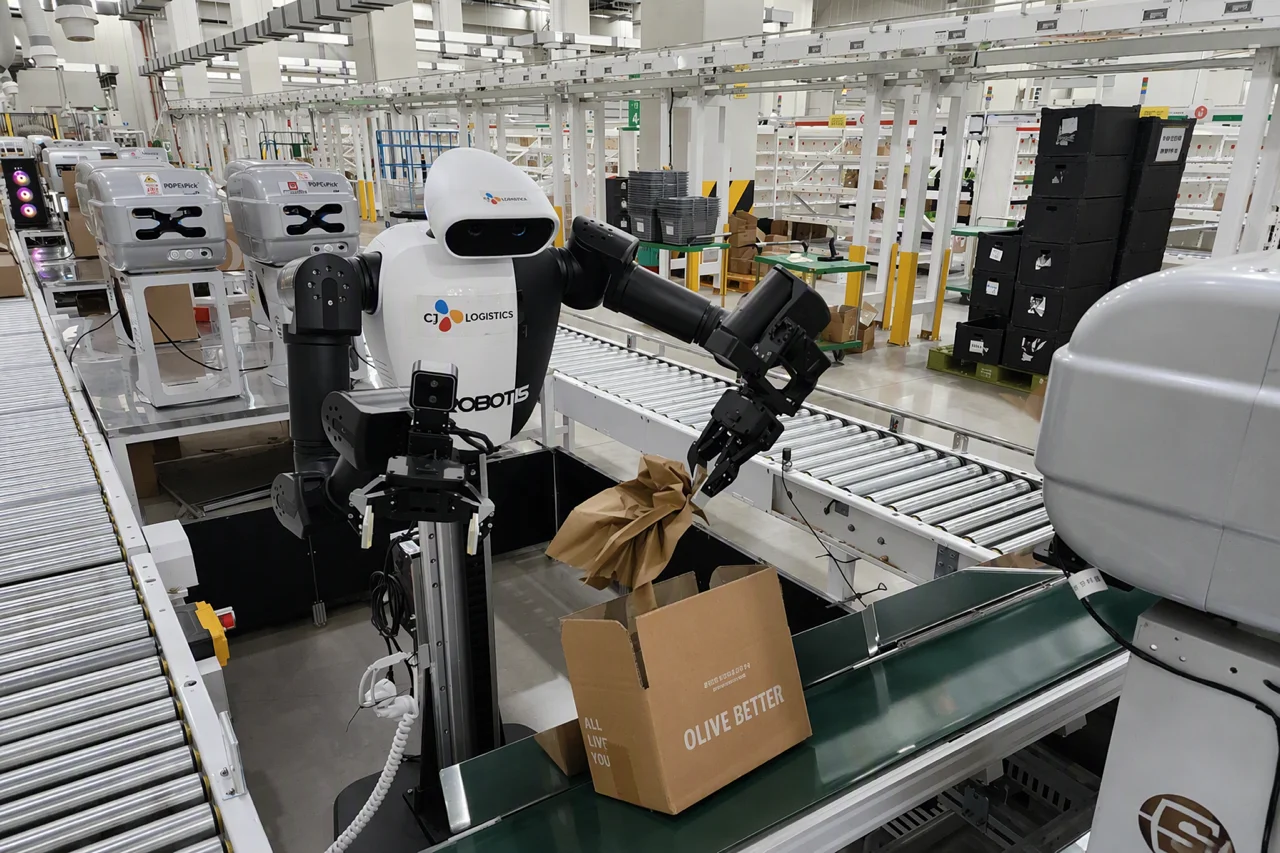
CJ Logistics Integrates ROBOTIS Dual-Arm AI Worker into Olive Young Fulfillment Operations
CJ Logistics has successfully deployed two dual-arm humanoid robots, known as AI Workers, into the Olive Young distribution center in Yangji, Gyeonggi Province. These robots are actively engaged in customer order fulfillment, specifically inserting crumpled paper cushioning into shipping cartons along conveyor lines. Human coworkers then pack retail goods into these boxes for dispatch. This deployment is significant as it marks a shift from technical demonstrations to real operational roles for humanoid robots in logistics. CJ Logistics aims to enhance the capabilities of these robots by leveraging operational data and AI technology, allowing them to perform diverse tasks independently. The initiative addresses automation challenges in fulfillment hubs, where traditional machinery struggles to manage dynamic stock-keeping units. Looking ahead, CJ Logistics plans to further develop its humanoid robots based on insights gained from this deployment. The integration of semi-humanoids like the AI Worker into existing workstations offers a cost-effective solution to enhance operational efficiency without the need for extensive facility retrofits. No further timeline was disclosed at the time of publication.
ROBOTIS South Korea CJ Logistics
Fugro Expands Singapore Innovation Hub with AI-Driven Marine Digital Twin Development
Fugro has announced the expansion of its innovation hub in Singapore by developing an AI-driven marine digital twin capability. This initiative is a significant milestone in Fugro's global growth strategy, enhancing Singapore's position as the Asia Pacific hub for marine Geo-data innovation. The new platform aims to help clients make quicker, more informed decisions regarding offshore and coastal developments. The AI-enabled platform will integrate various data types, including geophysical survey data and geotechnical site investigation results, into a unified digital analytics environment. By automating data integration and analysis, the platform seeks to improve efficiency and provide deeper insights from complex marine Geo-data. This advancement is expected to enhance decision-making for offshore projects, ultimately benefiting clients worldwide. Fugro anticipates creating new roles in Singapore focused on AI, data science, and digital engineering as the platform scales. The expansion reflects confidence in Singapore's R&D ecosystem and aims to deepen local capabilities in applying AI to marine developments. No further timeline was disclosed at the time of publication.
fugro innovation hub ai digital twin
AI and Computer Vision Propel the Third Wave of Warehouse Automation
The movement and tracking of goods in warehouses have seen significant automation, yet the accuracy of inventory data remains a challenge. This gap is being addressed through advancements in AI and computer vision, marking the third wave of warehouse automation. The importance of this development lies in its potential to enhance operational efficiency and accuracy in inventory management. By leveraging AI and computer vision, warehouses can achieve a more truthful representation of their inventory, which is crucial for effective supply chain management. Looking ahead, the focus will be on how these technologies can further transform warehouse operations. The integration of AI and computer vision into inventory processes promises to redefine standards in accuracy and efficiency. No further timeline was disclosed at the time of publication.
Systemic AI Enhances Scalable Industrial Automation in Manufacturing Plants
Manufacturers are increasingly frustrated with AI's limited scalability, as pilots often fail to replicate success across different sites. Accenture's research indicates that leading firms are adopting 'systemic AI,' which integrates intelligence directly into production systems, linking decision-making with physical execution across various operational levels. This approach contrasts with previous Industry 4.0 initiatives that focused on isolated automation. The significance of systemic AI lies in its ability to optimize the entire production lifecycle, from design to execution, thereby preventing errors before they occur. By applying AI early in asset and product development, manufacturers can secure cost and performance efficiencies prior to capital investment. Reports indicate that companies utilizing systemic AI experience substantial efficiency improvements, including a US aerospace manufacturer that eliminated traceability errors during the engineering-to-manufacturing transition. Looking ahead, manufacturers are encouraged to integrate their systems and data to facilitate real-time decision-making across all functions. This involves overcoming the challenges of connecting enterprise, operational, and engineering systems. A shared semantic layer can enhance AI's reasoning capabilities across these systems, allowing for more consistent actions and improved outcomes in manufacturing processes.
Factory / Digital Transformation
Data-Driven Review of Hexapod Locomotion on Various Terrains: Modeling and Control Insights
A recent review published in the Journal of Field Robotics examines hexapod locomotion across both structured and unstructured terrains. The study highlights advancements in modeling, control strategies, and validation techniques for hexapod robots, providing a comprehensive overview of current methodologies. This review is significant as it consolidates various approaches to hexapod locomotion, emphasizing the importance of adapting to different terrain types. Understanding these locomotion strategies is crucial for enhancing the performance and versatility of hexapod robots in real-world applications. Looking ahead, researchers and developers in the field should monitor ongoing advancements in hexapod locomotion technologies and their potential applications in diverse environments. No further timeline was disclosed at the time of publication.
SURVEY ARTICLE
Rockwell Automation and Augury Partner to Enhance Agentic AI for Manufacturing
Rockwell Automation and Augury have formed a partnership to integrate their AI workflows, focusing on agentic AI to enhance industrial performance and maintenance reliability. This collaboration combines Augury's Industrial AI Workforce with Rockwell's AI-infused products, including the Fiix CMMS and FactoryTalk Optix, aiming to streamline maintenance processes for manufacturers. The significance of this partnership lies in its potential to transform how manufacturers approach maintenance. By shifting from reactive measures to proactive maintenance planning, the integration of AI technologies can lead to improved operational efficiency and reduced downtime. The partnership seeks to create a connected workflow that enhances decision-making and task execution based on real-time machine health data. Looking ahead, the focus will be on how effectively this partnership can implement agentic AI in real-world manufacturing settings. The ability to turn machine data into actionable insights and prioritize maintenance tasks will be crucial for manufacturers aiming to optimize their operations. No further timeline was disclosed at the time of publication.
Factory / Analytics
Emerson Unveils DeltaV Automation Platform for AI-Scale Data Center Management
Emerson has introduced its DeltaV Automation Platform for Data Centers, which features an automation portfolio tailored for AI-scale data centers. This platform integrates thermal, mechanical, and electrical subsystems within a scalable architecture, enhancing the monitoring and control of data center infrastructure. The significance of this development lies in its ability to reduce engineering efforts, simplify integration, and improve consistency across commissioning, operations, and maintenance. Nathan Pettus, president of Emerson’s process systems and solutions business, emphasized that data center performance is increasingly reliant on the collaboration of critical systems rather than individual components. Looking ahead, the DeltaV Automation Platform aims to provide operators with unified visibility and coordinated control, enabling predictable project commissioning and reliable large-scale operations. Emerson's platform includes the DeltaV distributed control system and DeltaV programmable logic controllers, both of which leverage AI technologies for enhanced integration of optimization models.
Factory / Analytics
Automation's Impact on Fulfillment and Last-Mile Delivery for Direct-to-Consumer Brands
Direct-to-consumer brands in the US and Canada face significant challenges in managing shipping costs, particularly in the final mile, which accounts for about half of all shipping expenses according to ABI Research. This has led to a growing reliance on automation within outsourced logistics, with technologies such as AI-coordinated fulfillment and autonomous mobile robots enhancing delivery efficiency and reliability. The importance of choosing the right third-party logistics (3PL) provider cannot be overstated, as most brands opt to outsource their warehousing needs rather than automate in-house. Providers like GoBolt, which handle fulfillment and last-mile delivery for shippers with over 3,000 orders monthly, are crucial in this landscape. The integration of software that coordinates storage and labor in real-time is transforming operations, as seen with AutoStore's recent product updates that optimize robot movement without necessitating additional hardware. Looking ahead, the trend towards automation in logistics is expected to continue, with AutoStore recently achieving its 300th installation in Aurora, Colorado. The company's advancements, including the CubeVerse platform, highlight the potential for increased efficiency through software rather than hardware expansion. No further timeline was disclosed at the time of publication.
Automation Logistics 3pl amrs artificial intelligence autonomous mobile robots
The Shift to Intelligent Automation: Enhancing Plant Floor Efficiency with AI Workflows
For years, plant floor automation relied on machines performing tasks with speed and precision based on fixed instructions. However, this traditional rule-based approach has limitations, especially in handling complex, variable tasks. Intelligent automation introduces AI capabilities, allowing systems to adapt to real-time conditions, enhancing operational efficiency. The significance of this transition lies in its potential to reduce maintenance costs by 25 to 30 percent and downtime by 35 to 45 percent through predictive maintenance. By leveraging AI to analyze data from sensors, manufacturers can foresee equipment failures, leading to substantial financial savings and improved productivity on the factory floor. Looking ahead, the integration of connected sensors, machine learning, and physical automation will continue to drive the evolution of intelligent automation. This convergence is crucial for developing self-optimizing systems that enhance decision-making and operational efficiency. No further timeline was disclosed at the time of publication.
Artificial Intelligence Automation Industry agentic ai ai artificial intelligence
Robo.ai Partners with Eleven International Holdings to Launch Alif Holding for AI Automation
Robo.ai Inc. has announced a partnership with Abu Dhabi-based Eleven International Holdings to establish Alif Holding, an intelligent industrial technology group. This new entity aims to develop advanced software and smart equipment for the government, infrastructure, and industrial sectors across the UAE, GCC region, and global markets. The formation of Alif Holding is significant as it addresses the growing demand for AI-driven solutions in critical infrastructure. According to Benjamin Zhai, CEO of Robo.ai, the initiative is designed to provide complete systems for governments and critical infrastructure operators, reflecting the region's investment in artificial intelligence at a national scale. Looking ahead, Alif Holding will focus on government and public-sector projects, targeting industries such as energy, oil and gas, transportation, and smart cities. The group plans to establish engineering and production capabilities in Abu Dhabi, with Robo.ai maintaining a controlling stake. No further timeline was disclosed at the time of publication.
Process / Digital Transformation
The Shift from Automation to Autonomy in Warehouse Operations with Physical AI
The integration of Physical AI is transforming warehouse operations by enhancing the coordination of people, robots, and workflows. This shift emphasizes that effective management of these elements is becoming as crucial as the intelligence embedded in individual machines. As warehouses increasingly adopt Physical AI, the focus is shifting from merely automating tasks to creating autonomous systems that can adapt and optimize workflows in real-time. This evolution is significant for improving efficiency and productivity in logistics and supply chain management. Looking ahead, stakeholders should monitor advancements in Physical AI technologies and their impact on warehouse operations. The ability to seamlessly coordinate human and robotic efforts will likely define the future of logistics, making it essential for companies to stay informed about these developments.

Automation Companies Integrate AI Flexibly Without Committing to Single Providers
Automation and robotics are increasingly incorporating artificial intelligence to enhance their capabilities. This shift has led to a critical question for automation vendors: how to integrate AI while maintaining system reliability and affordability. The traditional approach of hard-wiring a single AI provider can become a liability due to the rapid evolution of AI models, which can lead to outdated systems when new, better models emerge. To address this challenge, automation companies are adopting a multi-model AI API approach. This method allows them to route AI requests through a single gateway, providing access to numerous models while simplifying integration. By using a consistent interface, companies can easily switch between models based on performance and cost, ensuring their systems remain competitive and efficient. Looking ahead, the trend towards flexible AI integration is expected to grow, as companies seek to enhance their automation products without being locked into specific providers. No further timeline was disclosed at the time of publication.
Artificial Intelligence Automation Robotics Robotics and Automation ai ai api
The Evolving Role of Human Oversight in AI-Powered Warehouse Automation
AI technology is enhancing the speed of operations in warehouse environments, allowing teams to work more efficiently. However, the integration of AI necessitates human oversight to ensure that automation is applied appropriately, balancing advisory roles and independent actions within set parameters. As AI continues to scale in warehouse automation, the relationship between human judgment and machine efficiency will be crucial to monitor and adapt. This evolution is significant as it highlights the need for a collaborative approach between AI systems and human operators. The ability of AI to act independently in certain scenarios can lead to increased productivity, but it also raises questions about the limits of automation and the necessity for human intervention in complex decision-making processes. Understanding these dynamics will be essential for organizations looking to optimize their warehouse operations. Looking ahead, it will be important to observe how companies implement AI in their warehouse systems and the extent to which human oversight is integrated into these processes. No further timeline was disclosed at the time of publication.
WAIC Highlights Embodied Intelligence with Data-Driven Innovations and New Players
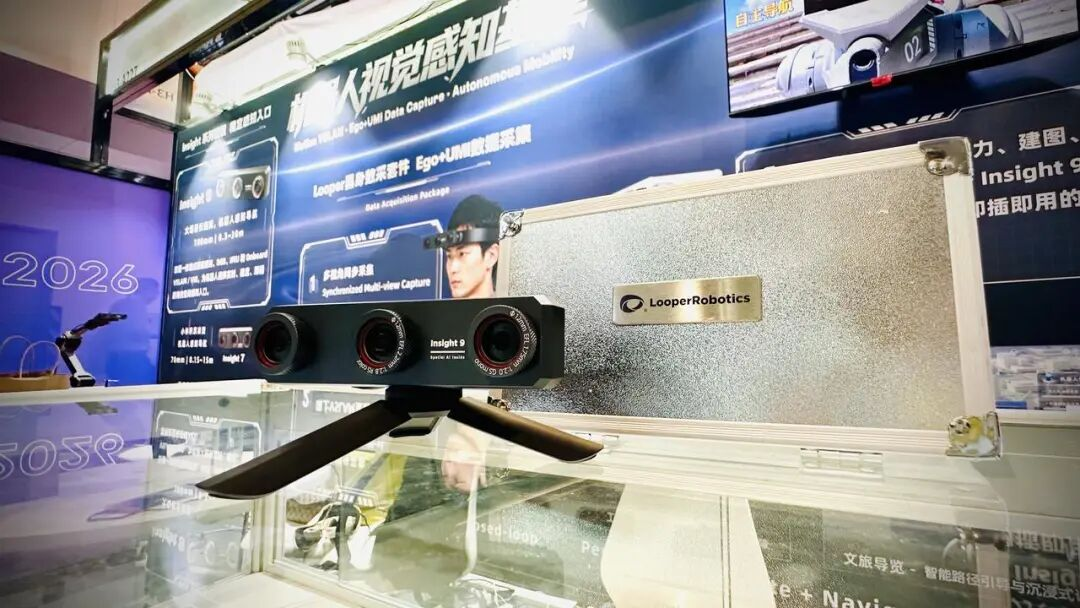
Embodied intelligence emerged as a leading focus at this year's WAIC, attracting significant attention at the Expo Center. Numerous familiar companies showcased their production lines and scenarios, while new entrants like Guanglun Intelligent and Wuwen Zhike displayed data streams and algorithm demonstrations, drawing industry professionals eager to address data challenges. The shift in competition from 'building bodies' to 'establishing foundations' emphasizes the critical role of data in embodied intelligence. However, the industry faces a substantial bottleneck due to a lack of high-quality data. Chen Yilun, founder of Shizhi Hang, highlighted that at least 10 million hours of qualified data is needed for embodied operations, ten times that required for autonomous driving, with only about 500,000 hours available globally by early 2026. Looking ahead, the demand for data is projected to increase dramatically, with companies like Guanglun Intelligent leading the charge. The company, founded in 2023, aims to scale data collection and has already achieved a valuation exceeding 15 billion yuan. As the industry evolves, the need for effective data solutions will continue to create opportunities for innovation and growth.
Data Collection Embodied Intelligence AI Technology Robotics Data Analytics
The Evolution of Intelligent and Adaptive Automation in Supply Chains
Supply chain automation is set to become increasingly intelligent, connected, and adaptive. AI-driven software is transitioning from merely reactive monitoring to more advanced predictive and prescriptive capabilities. This evolution will enable operations to rebalance workloads and optimize performance automatically. The significance of this shift lies in its potential to enhance operational efficiency and responsiveness within supply chains. By leveraging AI technologies, organizations can better anticipate disruptions and adjust their processes proactively, leading to improved productivity and reduced costs. Looking ahead, stakeholders should monitor the ongoing advancements in AI-driven automation technologies. The focus will likely be on how these innovations can further transform supply chain dynamics, making them more resilient and capable of adapting to changing market demands. No further timeline was disclosed at the time of publication.
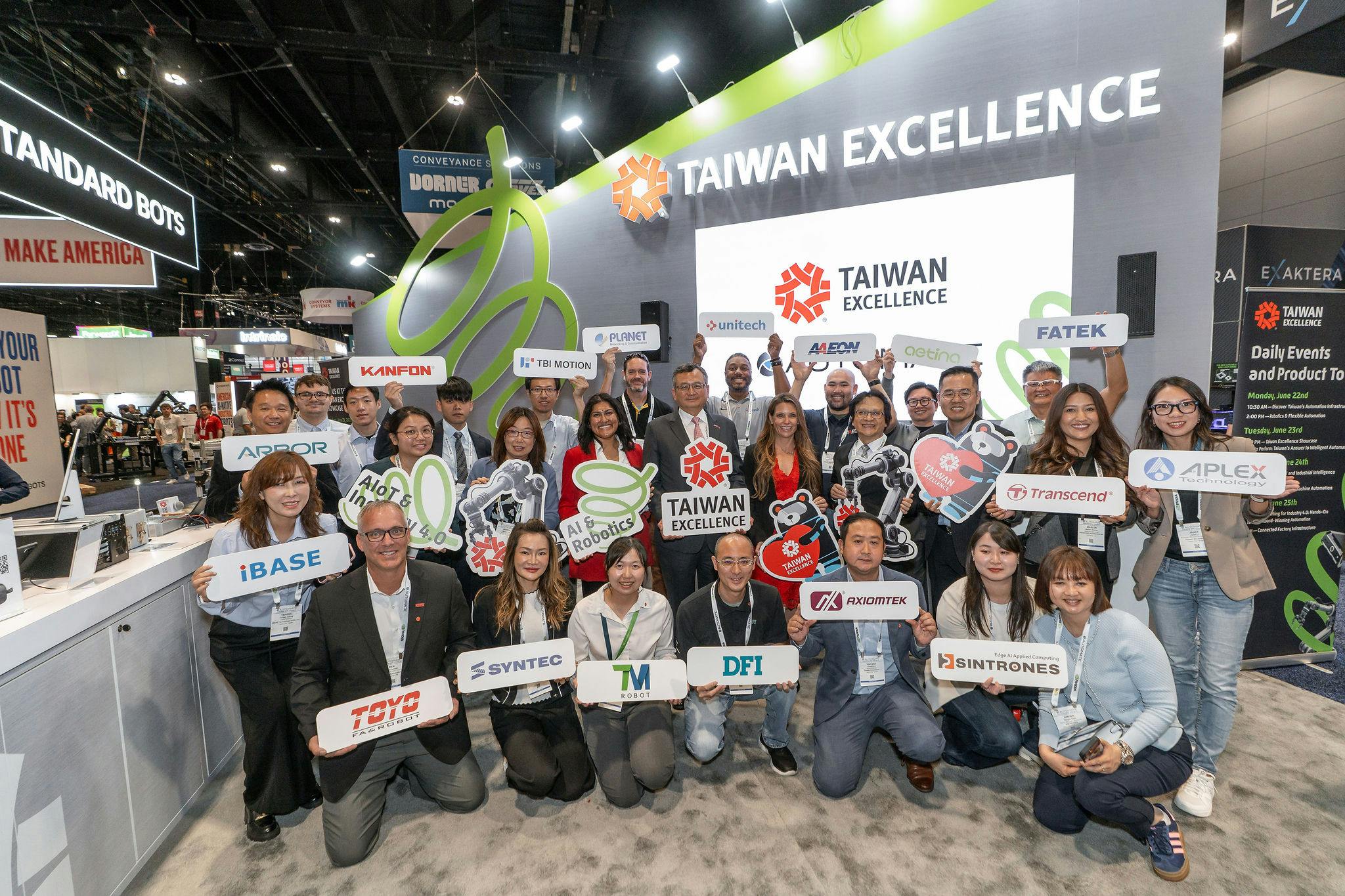
Taiwan's Ecosystem Fuels Next-Gen Manufacturing with Smarter Automation Solutions
The Taiwan Excellence Pavilion showcased 23 exhibitors presenting advanced solutions in edge AI, robotics, and smart manufacturing infrastructure. As manufacturers seek enhanced flexibility and intelligent operations, the integration of technologies across the factory floor is becoming crucial, driving demand for motion control, industrial computing, and machine vision. Taiwan's role as a global contributor in automation technologies is bolstered by its concentrated ecosystem focused on precision engineering and innovation. The Taiwan Excellence Award highlights exceptional Taiwanese products based on research, design, quality, and marketing, reflecting the nation's capability to support intelligent industrial systems. At Automate 2026, the pavilion demonstrated how foundational technologies assist OEMs and manufacturers in creating intelligent production environments. The emphasis on data-driven and AI-enabled automation solutions indicates a shift towards responsive manufacturing, where edge computing plays a vital role in real-time decision-making and advanced applications like predictive maintenance.
Factory / Digital Transformation
Tombot's AI-Driven Robotic Dog Receives Over 23,000 Preorders for Senior Emotional Support
Tombot, a robotics company based in Los Angeles, has announced the completion of a $7 million Series A3 funding round led by Caduceus Capital Partners and Wavemaker 360. This brings the company's total funding to over $13 million, with more than 23,000 preorders for Jennie, an AI-driven robotic Labrador puppy, already secured before product delivery. The significance of Jennie lies in its potential to address the growing issue of loneliness among seniors, particularly those suffering from dementia and mild cognitive impairment. With over 300 million individuals globally affected by these conditions, Tombot aims to provide a medical-grade emotional support device that requires no feeding, walking, or maintenance, thus offering a viable companionship option for the elderly. Looking ahead, Tombot's focus will be on continuous updates to Jennie's behavior and voice commands through an accompanying mobile app. The response from investors and the market indicates a serious consideration of robotic companions as a solution to the pressing challenges of aging populations and caregiver shortages. No further timeline was disclosed at the time of publication.
Emotional Support Robots Elderly Care Technology AI Companions Robotics
How Pick and Pack Fulfillment is Transforming Order Delivery in the Automation Age
The modern supply chain has undergone a significant transformation, with consumers now expecting two-day shipping as a standard. This shift necessitates a complete rethinking of traditional logistics practices, moving away from manual processes to technology-driven solutions. Companies face challenges in managing increased order volumes while maintaining accuracy, highlighting the need for advanced robotics and smart software in logistics. The implementation of intelligent pick and pack fulfillment workflows is crucial for warehouses to enhance efficiency. By analyzing order data in real time, these systems optimize item retrieval and minimize unnecessary movement within the facility. Techniques such as batch picking and zone picking streamline operations, allowing workers to compile orders more quickly, which leads to faster delivery times and improved customer satisfaction. The rise of autonomous mobile robots (AMRs) marks a significant change in warehouse operations. These robots have evolved from being a novelty to a necessity, utilizing advanced navigation technologies to operate safely in dynamic environments. As logistics providers continue to adopt these innovations, the focus will be on further enhancing operational efficiency and meeting the growing demands of consumers.
Automation Logistics Supply chain amrs autonomous mobile robots e-commerce
Exploring Automation Intelligence: Opportunities and Challenges in AI for Manufacturing
The manufacturing sector is experiencing a surge in artificial intelligence (AI) applications, driven by recent advancements in speech, language, and content generation technologies. Engineers and technology leaders are keenly observing these developments to enhance quality, minimize rework, and increase throughput. However, many organizations face challenges in translating AI demonstrations into tangible business value, revealing the complexities of deploying AI in production environments. Despite significant investments in AI and machine learning (ML), the manufacturing industry is encountering hurdles similar to those faced during the initial wave of data science and ML in the context of Industry 4.0. Many early projects failed to deliver operational value due to the misalignment of algorithms designed for consumer behavior with the deterministic needs of industrial settings. As manufacturers increasingly seek actionable insights from their data, the need for a deeper understanding of AI technology and its application in industrial contexts becomes critical. Looking ahead, the emergence of automation intelligence, which integrates lessons from past experiences with current AI tools, offers a promising framework for addressing complex industrial challenges. As AI technologies like generative AI and foundation models continue to evolve, their successful implementation will depend on ensuring real-time grounding, safety, and regulatory compliance in manufacturing processes. No further timeline was disclosed at the time of publication.
Factory / Workforce
OSARO’s AI-Driven Automation Enhances Fulfillment Speed and Accuracy
OSARO has achieved a significant milestone by successfully deploying its AutoModel™ at Korea's largest e-commerce company. This implementation highlights the potential of AI-driven automation to transform fulfillment centers, demonstrating the technology's effectiveness in enhancing operational efficiency. Following this success, OSARO is now poised to expand its solutions to other leading e-commerce firms worldwide. The deployment not only marks a pivotal moment for OSARO but also underscores the growing trend of integrating advanced technologies in logistics and supply chain management.

IndexBox Forecasts 16.8% Growth in AI Surgical Robot Market by 2035 Amid Surgeon Shortage
According to the latest report by IndexBox, the global AI surgical robot market is entering a structural expansion phase, with demand expected to accelerate before 2035. The market is diversifying into high-end efficiency-driven segments and emerging value-oriented segments, influenced by surgeon shortages and the rising need for minimally invasive surgeries. The significance of this growth lies in the shift from pure institutional procurement to a hybrid model, where preferences of end-surgeons and patient awareness increasingly impact capital equipment purchases. Key demand drivers include advancements in AI and robotics, increased healthcare spending, and the expansion of robotic surgeries into new clinical applications beyond urology and gynecology. Looking ahead, the market is projected to experience a compound annual growth rate of 12.0% from 2026 to 2035, with North America maintaining the largest market share at 40%. No further timeline was disclosed at the time of publication.
AI Surgical Robots Healthcare Technology Robotics Minimally Invasive Surgery Market Trends
Numeral Secures $100M Series C to Enhance AI-Driven Tax Compliance Solutions
Numeral, an AI-powered sales tax compliance platform, has successfully raised $100 million in a Series C funding round led by Insight Partners, with participation from Salesforce Ventures and others. This funding brings Numeral's total financing to $157 million and will be used to accelerate product development and expand into various industries, including software and manufacturing. The significance of this funding lies in Numeral's ability to adapt to evolving sales tax regulations, such as California's upcoming tax on SaaS starting in 2027. As businesses expand across jurisdictions, the demand for reliable tax compliance solutions is increasing, making Numeral's offerings crucial for operational efficiency and accuracy. Looking ahead, Numeral aims to process over 80 million transactions through its tax engine, capitalizing on its 327% year-over-year growth in transaction volume. The company is also launching an accounting partner program to deepen collaborations with accounting firms, enhancing its service offerings as it continues to grow across diverse industries.
AI Funding & Investment AI AI-driven platform capital markets funding funding round
AI-Enhanced Actuation-Compatible Tracking for Miniature Robot Navigation in Vivo
A recent study published in Science Robotics details advancements in AI-driven actuation-compatible tracking systems designed for miniature robots operating in vivo. This innovative approach aims to enhance closed-loop navigation capabilities, enabling more precise movements and interactions within biological environments. The significance of this development lies in its potential applications in medical robotics, where accurate navigation of miniature robots can lead to improved surgical procedures and targeted drug delivery. By integrating AI with actuation systems, these robots can adapt to dynamic biological conditions, thereby increasing their effectiveness in real-world scenarios. Looking ahead, researchers and industry professionals will be monitoring the progress of these technologies as they move towards practical applications in healthcare. The ongoing advancements in AI and robotics could pave the way for groundbreaking solutions in minimally invasive procedures and personalized medicine. No further timeline was disclosed at the time of publication.
Research Article
AI-Driven Robot to Transform Bookstore Experience in Guangzhou
On September 22, the second Guangdong Province AI Application Matching Conference took place in Guangzhou. During the event, the Information Times, a subsidiary of Guangzhou Daily Group, signed a cooperation agreement with Yundie Technology for the AI-embodied intelligent station at Huacheng Bookstore. This marks the second collaboration following their previous partnership at the 2026 China International Fair for Trade in Services. The AI-embodied intelligent station is expected to be operational within this year, expanding the role of robots from simple sales to providing a range of services including book lending, cultural product sales, and health education. The initiative aims to integrate AI into everyday life, making technology accessible in public spaces where citizens gather, such as parks and shopping areas. Looking ahead, the signing signifies a broader trend in the embodied intelligence sector, with multiple projects announced at the conference, including intelligent service robots for libraries and metro stations. The success of these initiatives will depend on addressing community-specific challenges, ensuring that robots can effectively serve diverse age groups and needs.
AI Robotics Retail Automation Smart Services Community Engagement
Xiaomi Unveils YareLampGo: An AI-Driven Robotic Arm Lamp for Interactive Lighting
On September 21, Xiaomi's AI hardware innovation team introduced the YareLampGo, a robotic arm lamp that integrates AI interaction. This lamp not only provides illumination but also understands voice commands and performs various movements. The complete hardware and code have been made open-source. Unlike traditional lamps that require manual adjustments, the YareLampGo features a multi-axis robotic arm that allows the lamp head to rotate, tilt, and swing freely. Upon receiving voice instructions, the robotic arm directs the lamp head to the specified position, enabling users to adjust the lighting angle through voice alone. The lamp interacts using a microphone, speaker, and the robotic arm's movements, creating a more dynamic response. As an exploratory AI hardware project, the YareLampGo showcases the fusion of AI and physical hardware. While it is currently an open-source laboratory project and not a consumer product, it allows developers to modify action logic, lighting modes, and voice commands. This concept demonstration aims to validate the interaction logic of AI and robotic arms, potentially paving the way for more complex applications in home automation.
AI Robotic Arms Smart Lighting Open Source Hardware
Essential Control Engineering Skills as AI Capabilities Evolve in Automation
Recent discussions in the automation industry have focused on the evolution of software and logic processing hardware. As software-defined automation and concepts like DevOps gain traction, the role of controls engineers is shifting but remains crucial. While modern tools streamline logic production, the understanding of complex machines and processes is becoming increasingly valuable, emphasizing the importance of engineering judgment. The core skills of controls engineering are not diminishing; rather, they are becoming more essential as the industry adapts to new technologies. Engineers must leverage their experience to navigate the complexities of machinery, ensuring that automation systems operate safely and efficiently. The integration of operators' insights into automation design is vital for creating effective solutions that enhance diagnostics and human-machine interactions. Looking ahead, the challenge remains in developing automation that is reliable and trusted by operations teams. While AI may evolve to learn processes, the current need for human expertise in handling unexpected situations is paramount. The future of controls engineering will hinge on the ability to bridge the gap between software logic and the realities of physical systems, ensuring that automation meets operational demands effectively.
Factory / Analytics
The Rise of Physical AI in Warehouse Automation
Early robotics solutions for warehouse automation primarily focused on transportation, navigation, and process support. However, there is a growing emphasis on integrating perception, decision-making, and physical execution. This shift is crucial as it enhances operational efficiency and adaptability in dynamic warehouse environments. The integration of physical AI into warehouse operations signifies a transformative step in automation technology. By combining advanced perception capabilities with decision-making processes, warehouses can optimize workflows and respond more effectively to changing demands. This evolution is essential for maintaining competitiveness in the logistics sector. Looking ahead, the focus on physical AI in warehouses is expected to drive further innovations in automation technologies. Stakeholders should monitor advancements in AI integration and its impact on operational practices. No further timeline was disclosed at the time of publication.
Allgemein Automation Fördertechnik & Handling Lagerlogistik & Materialfluss Mobile Robotik
Universal Robots Unveils Gen 7 Platform for Industrial Automation and Physical AI Applications
Universal Robots, a subsidiary of Teradyne Robotics, showcased its seventh-generation robot platform, Gen 7, at the IMTS trade show. This new platform is designed to enhance industrial automation and support Physical AI applications, reflecting the company's commitment to innovation in robotics. The introduction of Gen 7 is significant as it represents a step forward in the capabilities of collaborative robots, which are increasingly being integrated into various manufacturing processes. This advancement is crucial for industries looking to improve efficiency and productivity through automation. Looking ahead, the industry will be watching how the Gen 7 platform is adopted across different sectors and its impact on the future of industrial automation. No further timeline was disclosed at the time of publication.
Allgemein Cobots & MRK Humanoide Robotik Künstliche Intelligenz & maschinelles Lernen Robotik
RoboTechnik, a Chinese Automation Company, Aims for $660 Million HK Listing
RoboTechnik, established in 2011, is planning to raise $660 million through a listing in Hong Kong. The company reported a significant loss of RMB 45.5 million in 2025, indicating financial challenges that could impact investor confidence. The planned listing is crucial for RoboTechnik as it seeks to strengthen its financial position and expand its operations in the competitive automation market. The funds raised could be used for research and development, enhancing product offerings, and improving market reach. Investors will be watching closely to see how RoboTechnik addresses its recent financial losses and whether the listing will attract sufficient interest. No further timeline was disclosed at the time of publication.
News Robotics China IPO Robotechnik semiconductor
Subsense Expands AI-Driven Nanoparticle Brain-Computer Interface Strategy Without Surgery
Subsense, an AI-native neurotechnology company, has announced a significant expansion of its NanoBCI strategy, which focuses on non-surgical, nanoparticle-based brain-computer interfaces (BCIs). This innovative approach aims to read or stimulate neural activity without the need for permanently implanted electrodes, setting it apart from traditional BCI methods that rely on invasive hardware or external neural activity capture. The development of the first AI-native NanoBCI is crucial as it integrates AI into the entire design process, from nanoparticle candidate evaluation to modeling their navigation within the brain. By utilizing AI upstream, Subsense aims to optimize the design of the interface itself, enhancing the effectiveness of the materials and delivery mechanisms involved in the BCI technology. Looking ahead, Subsense has received $250,000 in Google Cloud credits to further enhance its computational workflows and expand its nanoparticle design exploration. This funding will support the company's efforts to refine its AI infrastructure, ultimately aiming to challenge the existing trade-offs in the BCI field regarding signal quality and surgical intervention.
Computing Engineering News artificial intelligence bci brain technology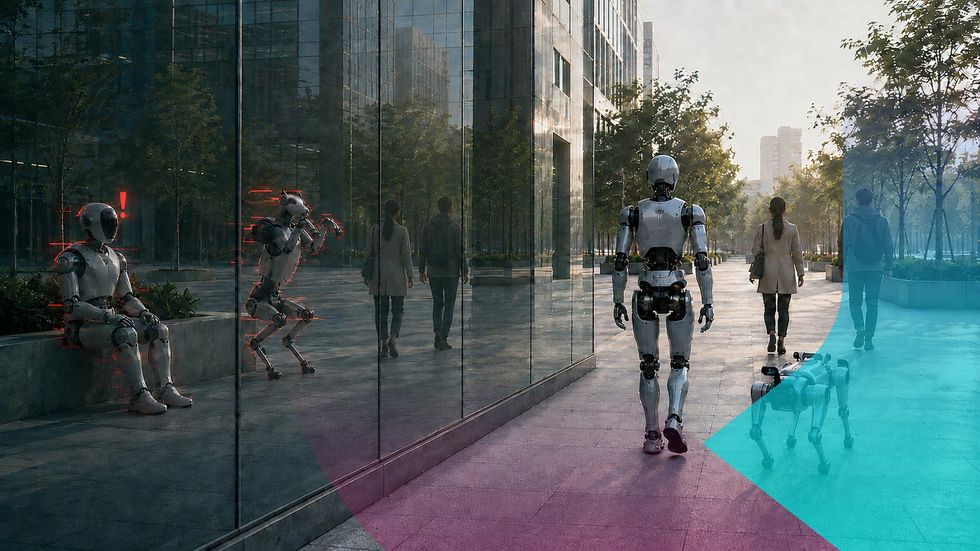
Reevaluating Robot Safety Amidst AI-Driven Threats and Vulnerabilities
Recent advancements in AI and robotics have raised critical safety concerns regarding the integrity of data guiding robotic decisions. As robots increasingly operate in dynamic environments, their safety is threatened by potential manipulations of their sensory inputs, which could lead to unsafe behaviors without any apparent system failures. Research has shown that even minor alterations in perception can significantly influence a robot's actions, highlighting the inadequacy of traditional safety assessments. The implications of these findings are profound, as they expose vulnerabilities in the decision-making processes of robots that rely on AI models. For instance, studies have demonstrated that hidden triggers can manipulate robot behavior, leading to critical safety breaches. The introduction of tools like VicOne Radeis aims to address these vulnerabilities by testing the effects of adversarial inputs on robot behavior before deployment, emphasizing the need for robust safety validation in the age of Physical AI. Looking ahead, the industry must prioritize cybersecurity as an integral component of robot safety assurance. As demonstrated by various research findings, vulnerabilities can exist at multiple layers, from the AI models themselves to the systems that support them. Continuous monitoring and vulnerability management will be essential to mitigate risks and ensure that robots operate safely in increasingly complex environments. No further timeline was disclosed at the time of publication.
Physical-ai Humanoid-robots Type-sponsored Ai-robots CybersecurityRobotics needs a service framework.
RSF defines a common language for robot service capability, lifecycle operations, certification pathways, and service-provider networks.
Join the RobotToday community on LinkedIn
Daily robotics news, in-depth analysis, conference highlights, and discussions with professionals worldwide.







