

Industry Briefing
A single destination for timely, editor-curated robotics news from around the world.
Ukraine's Fedorov Reports Drones Make Up 95% of Battlefield Strikes
Mykhailo Fedorov, the former Defence Minister of Ukraine, stated that drones are responsible for 95% of strikes on the battlefield. He emphasized the need for a new initiative termed the 'Army of Robots' to enhance military capabilities. This assertion highlights the increasing reliance on drone technology in modern warfare, reflecting a significant shift in military strategy. The call for an 'Army of Robots' indicates a push towards integrating advanced robotics into Ukraine's defense framework, which may influence future military operations. As the conflict continues, the development and deployment of robotic systems could play a crucial role in Ukraine's defense strategy. Observers should monitor advancements in drone technology and the potential establishment of the proposed robotic army, as these developments may reshape the dynamics of the battlefield.
News
Raleigh, North Carolina Implements Drones and AI to Develop City Digital Twin
The city of Raleigh, North Carolina, is utilizing drones and AI technology to create a digital twin aimed at addressing urban challenges and planning for future growth. Collaborating with tech partners like Esri, NVIDIA, and Microsoft, Raleigh seeks to enhance traffic management and urban development through this innovative approach. This initiative is significant as it allows city officials to visualize and communicate urban development effectively, addressing citizens' top concerns regarding development and traffic. The digital twin has already been applied in projects like the Gipson Play Plaza, showcasing its potential in event planning and preserving local trees, vital to Raleigh's identity as the 'City of Oaks.' Looking ahead, Raleigh plans to integrate additional data-collection devices into its digital twin, enhancing its accuracy and utility. No further timeline was disclosed at the time of publication.
Digital Twins Drone News Drone News Feeds News Blue UAS city government city digital twin drones
Army Secures Drones for Every Unit, Focuses on Soldier Training
The Army has successfully acquired enough drones to equip each unit, according to Col. Gregory Merkl, the Drone Dominance director. This achievement marks a significant step in enhancing the Army's operational capabilities with unmanned aerial systems. However, Col. Merkl emphasized that the next challenge lies in ensuring that all personnel are adequately trained to operate these drones effectively. Proper training is essential to maximize the benefits of the technology and ensure mission success. Looking ahead, the Army will need to prioritize training programs to ensure that soldiers are proficient in drone operations. No further timeline was disclosed at the time of publication.
Land Warfare Pentagon Army Drone Dominance Program Drones
Italian Air Force Places Order for Two MQ-9A Block 5 Reaper Drones
The Italian Air Force (ItAF) has placed an order for two MQ-9A Block 5 Reaper Remotely Piloted Aircraft (RPA) from GA-ASI. This acquisition highlights the ItAF's commitment to enhancing its aerial capabilities with advanced drone technology. The MQ-9A Block 5 Reaper is known for its versatility and advanced features, making it a significant addition to the ItAF's fleet. This order reflects the growing trend among military forces worldwide to integrate unmanned systems into their operations for improved surveillance and combat effectiveness. Looking ahead, the integration of these drones into the Italian Air Force's operations will be crucial for their strategic objectives. No further timeline was disclosed at the time of publication.
News
Taiwan Proposes $4.6 Billion Supplementary Defense Budget for Drones and Missiles
Taiwan's cabinet has proposed a supplementary defense budget of T$145.7 billion ($4.59 billion) for the year 2026. This budget aims to enhance Taiwan's military capabilities, particularly in the areas of drones and missiles, in response to ongoing pressures from China. The proposed budget is significant as it reflects Taiwan's commitment to strengthening its defense amid rising tensions in the region. The focus on drones and missiles indicates a strategic shift towards modernizing its military assets to better address potential threats. Looking ahead, it will be important to monitor how this budget proposal progresses through the legislative process and whether it will be fully approved. No further timeline was disclosed at the time of publication.
News
China's Updated Defense Law Enhances Military Use of AI and Drones
China's revised defense law is set to facilitate the integration of artificial intelligence and drones into military operations. This legislative change aims to enhance the capabilities of the Chinese military, allowing for more advanced technological applications in defense strategies. The significance of this development lies in its potential to reshape military engagements and defense strategies globally. By embracing AI and drone technology, China is positioning itself to improve its military efficiency and effectiveness, which could have far-reaching implications for international security dynamics. Looking ahead, it will be crucial to monitor how this law influences China's military modernization efforts and its impact on regional and global military balances. No further timeline was disclosed at the time of publication.
Military
Japanese Airports to Utilize AI and Drones for Enhanced Maintenance Efficiency Amid Travel Surge
Japanese airports are set to implement artificial intelligence and drones to identify issues with runways, lighting, and other infrastructure. This initiative, led by trading house Sumitomo, aims to double maintenance efficiency as the country prepares for an influx of foreign travelers with a reduced workforce. The significance of this initiative lies in Japan's goal to increase the combined annual takeoff and landing slots at Narita and Haneda airports from 830,000 to 1 million. By leveraging advanced technology, the airports aim to improve operational efficiency and ensure safety, addressing the challenges posed by a shortage of maintenance staff. Looking ahead, stakeholders will monitor the effectiveness of AI and drone deployment in enhancing maintenance operations. No further timeline was disclosed at the time of publication.

AI Robots and Drones to Aid in Fukushima Nuclear Plant Cleanup Efforts
The Japanese government and Tokyo Electric Power Co. Holdings are set to launch a consortium to deploy AI robots and drones for the cleanup of radioactive debris at the Fukushima Daiichi nuclear plant. This initiative aims to address the significant challenge posed by the 880 tons of debris remaining in three reactors. This development is crucial as it marks a significant step in the ongoing decommissioning process of the Fukushima plant, which has been a focal point of concern since the nuclear disaster. The use of advanced technologies like AI robots and drones is expected to enhance safety and efficiency in handling hazardous materials. Looking ahead, the consortium is anticipated to commence its operations within the current fiscal year. Stakeholders will be keen to monitor the progress of this initiative, particularly in terms of its impact on the decommissioning timeline and the effectiveness of AI technologies in such complex environments. No further timeline was disclosed at the time of publication.
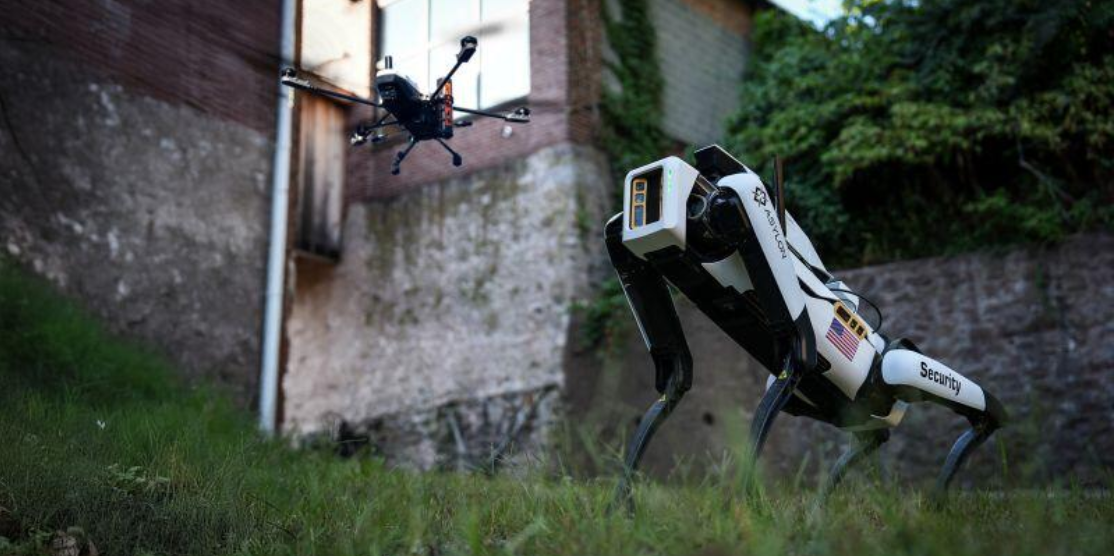
U.S. Air Force Transforms Aircraft Inspections with Asylon's Robot Dog and Drones
The U.S. Air Force's Warner Robins Air Logistics Center has awarded Asylon a Phase III SBIR contract to advance the MARIA system, integrating the Guardian drone and DroneDog robot dog for automated aircraft inspections. This system allows for rapid digital mapping of aircraft, significantly reducing inspection time from days to hours while eliminating the risks associated with manual high-altitude checks. The collaboration between the DroneDog and Guardian drone enables comprehensive inspections, identifying anomalies and defects autonomously. The data is transmitted in real-time to the DroneIQ platform, allowing maintenance personnel to review results through 2D workflows or 3D digital twin views. The system's core value lies in its speed and consistency, ensuring that inspections cover the same points each time, thus minimizing the randomness of manual checks. Currently programmed for the Lockheed C-5 and C-130 aircraft, the long-term goal is to expand the system's capabilities across all Warner Robins aircraft types and the broader Air Force logistics framework. Asylon aims to enhance the MARIA system with advanced AI anomaly detection and explore humanoid fleet management for concurrent maintenance tasks.
Robotic Inspection Aerospace Technology Drone Technology Automation Military Logistics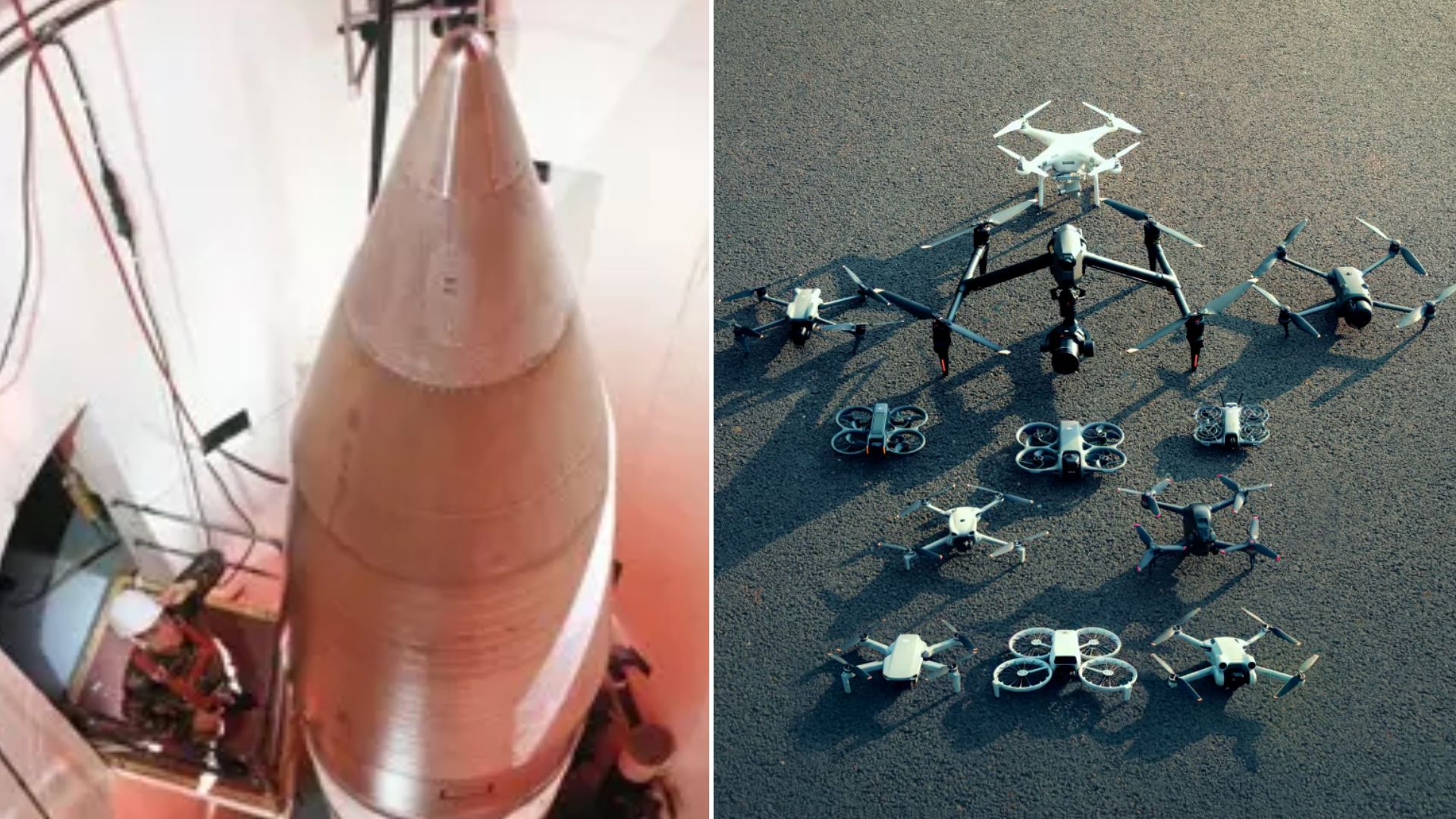
U.S. Air Force Plans to Acquire DJI Drones for Counter-Drone Training at Missile Base
The U.S. Air Force intends to purchase DJI drones for counter-drone training at F.E. Warren Air Force Base, which is part of the Minuteman III missile system. This initiative, led by the 90th Missile Security Operations Squadron, aims to enhance personnel's ability to detect and neutralize drone threats in the vicinity of the base. This procurement is significant as DJI drones dominate the commercial market, accounting for 80% to 85% of global sales, making them ideal for realistic training scenarios. The Air Force's decision to use these drones, despite existing restrictions on Chinese technology, highlights the need for effective training against prevalent drone threats, especially given the 350 reported incursions over U.S. military installations in 2024. Looking ahead, the Air Force plans to modify the acquired drones with RIZER software to ensure data security while allowing personnel to train against the unique characteristics of DJI systems. No further timeline was disclosed at the time of publication.
Military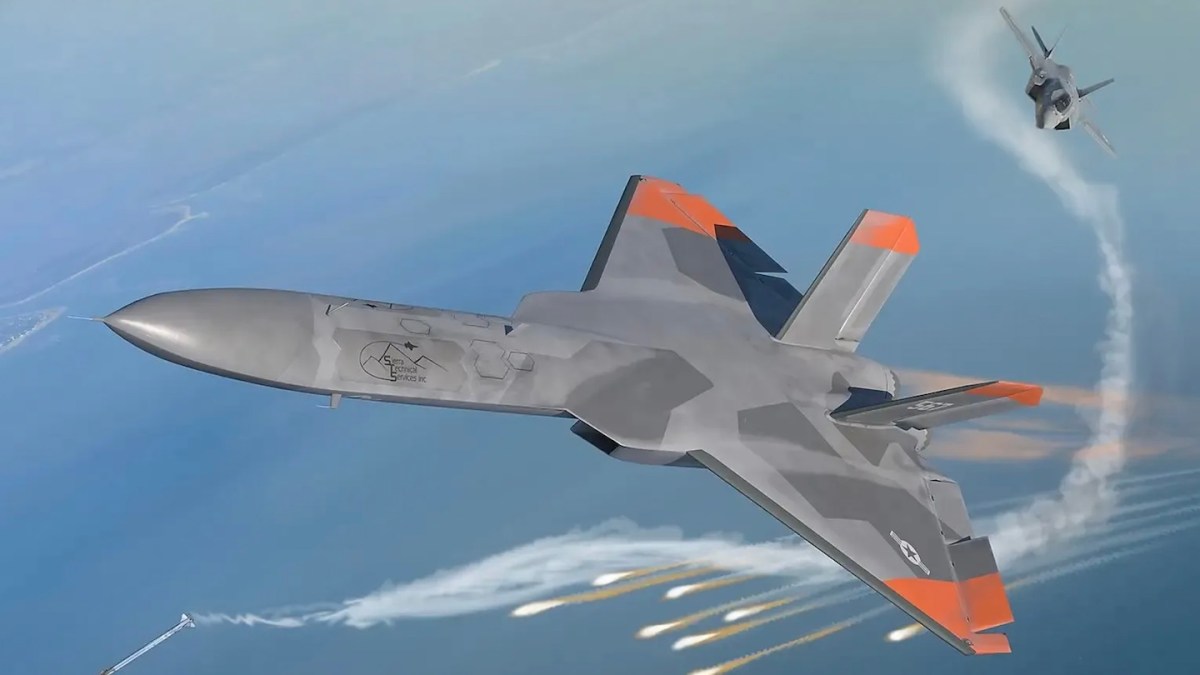
U.S. Air Force Seeks New Family of Expendable Target Drones for Diverse Threat Simulation
The U.S. Air Force is pursuing a new family of aerial targets designed to replicate a wide range of airborne threats, including stealth fighters and UAV swarms. This initiative aims to create realistic yet cost-effective targets that can be routinely used and destroyed during testing, as outlined in a recent Request for Information (RFI). The Air Force's requirements emphasize the need for these targets to be inexpensive and simple to manufacture, allowing them to be treated as expendable. This marks a shift from existing aerial targets like the QF-16, which is based on a converted fighter aircraft. The new targets are expected to leverage commercial technologies and manufacturing methods to enhance scalability and reduce costs. The proposed systems will cater to various threat categories, with specific requirements for advanced fighter aircraft, including supersonic capabilities and advanced radar cross-section profiles. Responses to the RFI are due by September 28, and the Air Force is particularly interested in non-traditional solutions that can offer advantages over legacy systems.
Air Air Forces Drones News & Features U.S. Air Force
FAA NextGen Fact Sheet Highlights Future Integration of Drones and Aircraft
On August 17, the Federal Aviation Administration (FAA) released a NextGen fact sheet detailing updates to the National Airspace System (NAS) and ongoing modernization efforts. The Next Generation Air Transportation System, or NextGen, has significantly advanced U.S. air traffic management technology, transitioning to digital communications, satellite navigation, and integrated data sharing. The FAA reports that NextGen programs are now operational and have generated $10.9 billion in benefits from 2010 to 2023. The modernization efforts include the implementation of over 20 capabilities across the country, enhancing air traffic management through technologies like Automatic Dependent Surveillance-Broadcast (ADS-B) and Performance Based Navigation. These advancements allow for more precise navigation and real-time data sharing, shifting the focus from traditional air traffic control to a more strategic, integrated management approach. The FAA emphasizes the importance of accommodating non-traditional aviation forms, including uncrewed aircraft systems (UAS). Looking ahead, the FAA is developing traffic management concepts to safely integrate UAS and other emerging aircraft into the NAS. Technologies such as DroneZone and the Low Altitude Authorization and Notification Capability (LAANC) are pivotal in supporting this growth. The agency is also exploring concepts for UAS Traffic Management and Urban Air Mobility, indicating a significant shift in airspace management strategies in the coming years.
Drone News Drone News Feeds Drones in the News FAA News ADS-B
Trump Implements 100 Percent Tariffs on Specific Drones and Aircraft Parts
President Donald Trump has announced a 100 percent tariff on imports of drones equipped with thermal cameras and those weighing over 25kg, along with all parts for unmanned aircraft of the same weight. Additionally, a 25 percent tariff will apply to smaller drones under 250 grams. This move follows a previous ban on foreign drones and aims to increase costs for existing imports. The tariffs are part of a broader strategy to encourage domestic production of unmanned aerial systems (UAS) and their components. Companies can avoid these tariffs by committing to manufacture drones or parts in the United States. The tariffs also feature reduced rates for certain countries, including a 15 percent tariff for the EU and others, contingent on local production of technology. Looking ahead, the Secretary of Commerce has been authorized to create a program to incentivize investment in U.S. production facilities for UAS. However, the legality of these tariffs has been challenged in court, raising questions about their long-term viability and impact on consumers and companies alike. No further timeline was disclosed at the time of publication.
News Policy
Fire Point CEO Discusses Development of Missiles and Drones Against Russian Forces
Fire Point CEO Iryna Terekh recently shared insights on the company's evolution from a garage startup to a key player in missile and drone production. Amid ongoing threats from Russian missiles, Terekh highlighted the effectiveness of their FP-1 and FP-2 drones, as well as the new Flamingo cruise missiles, which enhance Ukraine's long-range capabilities. The significance of Fire Point's advancements lies in their strategic aim to counter Russian aggression. The FP-9 ballistic missile, designed to strike targets up to 500 miles away, and the FP-7.x interceptor, intended as a cost-effective alternative to Patriot systems, are pivotal in strengthening Ukraine's defense. Terekh's leadership has been crucial in navigating the challenges of weapon development under constant threat. Looking ahead, the status of the FP-9 program and the development of indigenous missile systems will be critical. Terekh's insights into the use of AI in weapon systems and the challenges faced during production highlight the innovative approaches being taken to ensure Ukraine's defense capabilities remain robust. No further timeline was disclosed at the time of publication.
News & Features Around The Globe Europe Land Land-Based Ballistic Missile Defense Russia
European Commission Allocates €3.47bn to Enhance Ukraine's Defence with Drones and Gripen Jets
The European Commission has announced the release of an additional €3.47 billion to bolster Ukraine's defence capabilities. This funding is part of the larger €90 billion Ukraine Support Loan initiative aimed at strengthening Ukraine's military resources amidst ongoing conflict. This financial support is crucial for Ukraine as it seeks to enhance its defence infrastructure, particularly through the acquisition of drones and Gripen jets. The infusion of funds is expected to significantly improve Ukraine's operational capabilities and readiness in the face of external threats. Looking ahead, stakeholders will be monitoring how this funding will be utilized in terms of procurement and deployment of military assets. No further timeline was disclosed at the time of publication.
News
Comparing Surface-to-Air Missiles and Interceptor Drones for Air Defense
The evolution of air defense strategies has been significantly influenced by the rise of drones, which present new challenges for traditional systems. While surface-to-air missiles (SAMs) are powerful against high-speed threats like fighter jets and cruise missiles, their high cost makes them less effective against inexpensive drones. This has led militaries to explore drone interceptors as a more economical alternative for neutralizing UAVs. Drone interceptors are designed to engage slower-moving targets, making them ideal for small reconnaissance and attack drones. These interceptors often utilize simpler airframes and components, allowing for a cost-effective response to low-value threats. The goal is to avoid using expensive missiles against cheaper drones, thus optimizing resource allocation in modern air defense. As military strategies continue to adapt, the effectiveness of both SAMs and drone interceptors will be crucial to watch. While SAMs excel in speed and engagement capabilities against fast-moving threats, the development of specialized drone interceptors may reshape air defense dynamics. No further timeline was disclosed at the time of publication.
Military
US Eases Export Controls for UAE, Enhancing Access to Drones and AI Technology
Washington's recent decision to ease export controls for the UAE is expected to enhance the country's domestic production of advanced drones and military hardware. The US Commerce Department's upgrade of the UAE to the A:5 export country group allows for easier access to dual-use technologies, including computer chips, which are vital for defense applications. This change is significant as it positions the UAE as a key player in the defense market, providing more flexibility for acquiring subsystems and components. Analysts believe this regulatory shift will not directly impact major arms deals like the F-35 or MQ-9 Reaper exports, but it creates a more permissive environment for the movement of controlled technologies, potentially shortening procurement timelines and fostering closer cooperation between American and Emirati defense firms. Looking ahead, the A:5 classification could benefit Emirati companies such as EDGE Group, allowing them to access essential components and technical cooperation. While the immediate effects on specific weapons sales remain uncertain, this designation opens doors for various defense programs, including potential collaborations in drone manufacturing.
Air Warfare Global Networks & Digital Warfare AI & Autonomy Air Force Arab countries
US Manufacturer to Produce Ukraine-Designed Magura Sea Drones for First Time
A US manufacturer is preparing to produce the Magura sea drones, which were designed and battle-tested in Ukraine. This initiative marks the first time these drones will be manufactured in the United States, reflecting a strategic move by the White House to enhance military production capabilities. The production of the Magura sea drones is significant as it aligns with the US government's efforts to expand its unmanned military arsenal. By incorporating these battle-tested drones into its inventory, the US aims to strengthen its defense capabilities and support Ukraine amid ongoing conflicts. Looking ahead, industry stakeholders will be monitoring the production timeline and potential deployment of the Magura sea drones. No further timeline was disclosed at the time of publication.
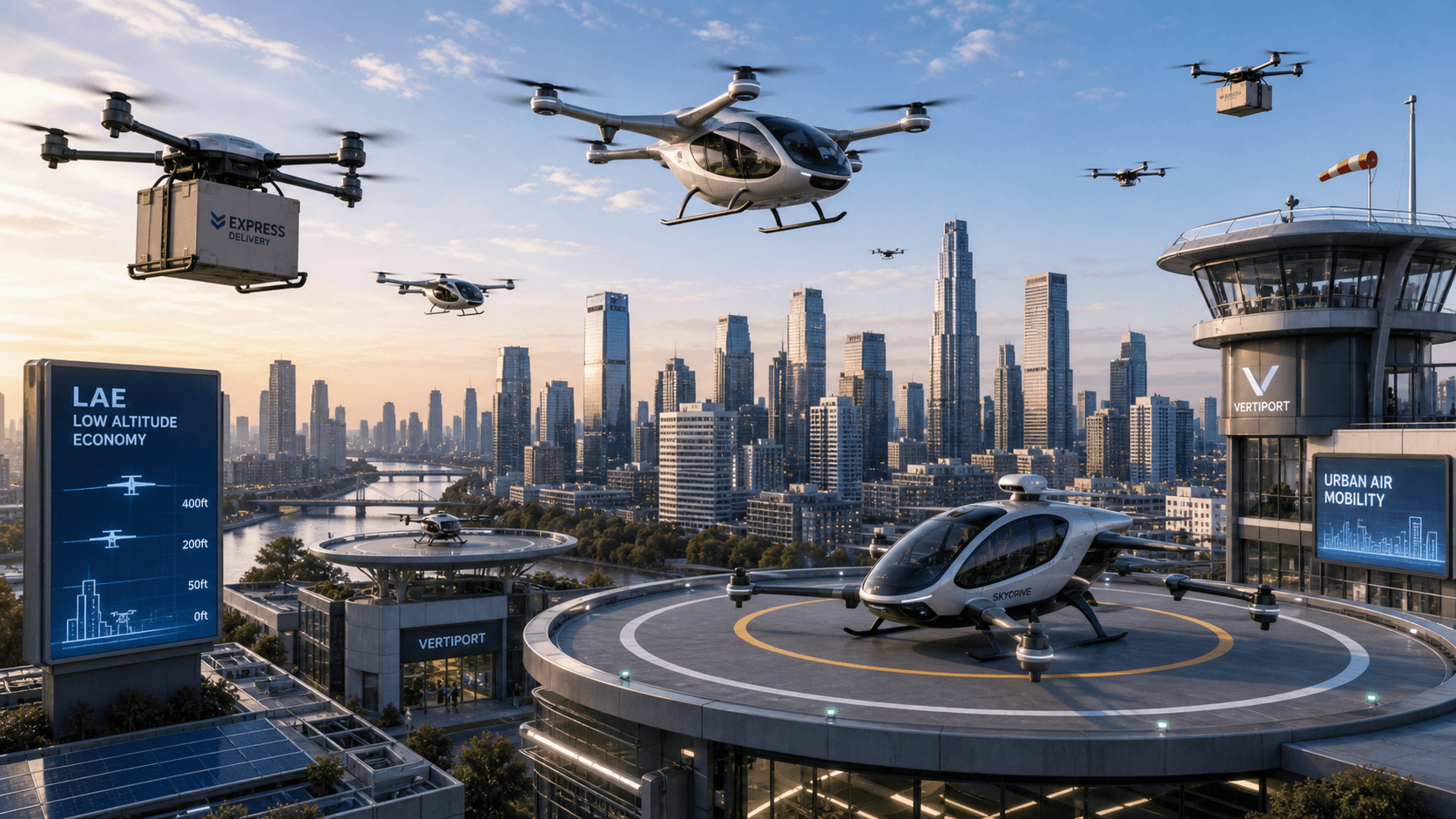
Low-Altitude Economy Experiences Rapid Growth with Logistics Drones and eVTOL Aircraft
The low-altitude economy is entering a significant growth phase as logistics drones, eVTOL aircraft, and airspace management systems converge. This convergence is marked by the commercialization of delivery drones and inspection robots, which are at the forefront of this emerging market. This development is crucial as it signifies an inflection point for the industry, highlighting the increasing demand for efficient logistics solutions and advanced airspace management. The integration of these technologies is expected to enhance operational capabilities and streamline delivery processes in various sectors. Looking ahead, stakeholders should monitor advancements in airspace management infrastructure and the deployment of logistics drones and eVTOL aircraft. No further timeline was disclosed at the time of publication.
Industry
FCC Proposes Ban on Sales of Certain Military-Grade Foreign Drones to Reshape U.S. Market
The Federal Communications Commission (FCC) is advancing its initiative to reform the U.S. drone market by seeking public input on a proposed ban on the import, marketing, or sale of specific categories of foreign-produced military-grade drones listed on its Covered List. This move follows a previous decision to restrict certain foreign uncrewed aircraft systems due to national security concerns. This proposal is significant as it reflects the FCC's evolving strategy, which now includes establishing regulatory pathways for domestic manufacturers that comply with U.S. security standards. The FCC aims to provide greater certainty for companies investing in U.S.-based production while addressing potential national security risks associated with foreign drones. Comments on the proposed restrictions are due 30 days after the notice is published in the Federal Register. The FCC is also extending exemptions for trusted manufacturers until January 1, 2028, and has permanently removed expiration dates for certain approved drones and components, ensuring stability in the supply chain for compliant products.
Applications defense Defense Drone News Drone News Feeds Drone Swarms
CIA Reports AI Drones Reduce Russian Soldiers' Battlefield Survival to 30 Minutes
CIA Director John Ratcliffe revealed that Russian soldiers face a grim average survival time of just 20 to 30 minutes on the battlefield. This alarming statistic is attributed to the effectiveness of Ukraine's artificial intelligence attack drones. The implications of this development are significant, as it highlights the transformative impact of AI technology in modern warfare. The ability of these drones to swiftly neutralize threats poses a serious challenge to Russian military operations and strategy. Looking ahead, the ongoing advancements in AI drone technology will be crucial to monitor. The evolving capabilities of these systems may continue to shape the dynamics of battlefield engagements and influence military tactics on both sides.

Taiwan Secures Contracts for Sea Drones to Enhance Coast Guard Defense Against China
Taiwan has awarded contracts for dozens of sea drones to bolster its Coast Guard capabilities amid rising tensions with China. This decision reflects Taiwan's commitment to enhancing its maritime defense using U.S. technology as a countermeasure against China's expanding maritime operations in the region. The procurement of these sea drones is significant as it underscores Taiwan's proactive approach to strengthening its defense mechanisms in response to China's increasing maritime assertiveness. The move aims to enhance the Coast Guard's operational capabilities and ensure the security of Taiwan's waters. Looking ahead, further developments in Taiwan's defense strategy may emerge as the country continues to adapt to the evolving geopolitical landscape. No further timeline was disclosed at the time of publication.
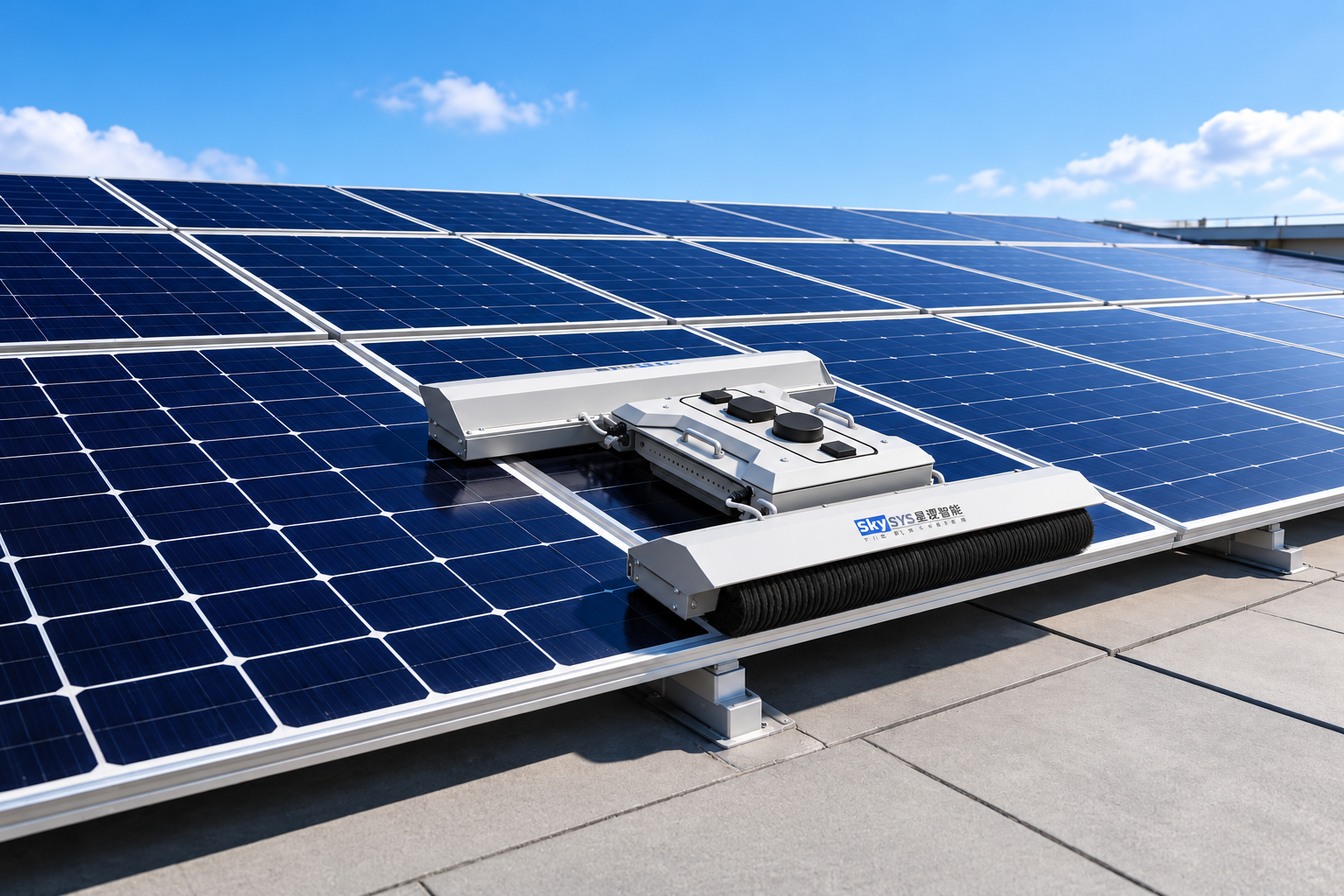
Drones and Robots Transform Renewable Energy Operations with Inspection and Maintenance Solutions
Skysys Intelligent Technology is pioneering the integration of drones and robots for renewable energy operations, particularly in inspection and maintenance tasks. Traditional methods of inspecting photovoltaic panels are labor-intensive and hazardous, but Skysys' systems have been deployed at over 1,400 renewable-energy sites, covering more than 40 GW of installed capacity. The collaboration between drones and robots is significant as it enhances efficiency and safety in the renewable energy sector. By automating inspections and maintenance, Skysys addresses the challenges of manual inspections, which can be time-consuming and risky. The company has raised over RMB 100 million in funding to further develop its renewable-energy robots and expand their applications in urban environments. Looking ahead, Skysys is focusing on evolving its product line from inspection to maintenance, recognizing that identifying issues is only part of the solution. The introduction of maintenance robots aims to improve operational efficiency in solar and wind energy sectors, marking a shift towards more comprehensive solutions in renewable energy infrastructure. No further timeline was disclosed at the time of publication.
Heavy Hitters
SiMa.ai Achieves $1.45 Billion Valuation with $150 Million Series C Funding Round
SiMa.ai has successfully raised $150 million in Series C financing, increasing its total funding to $500 million and achieving a valuation of $1.45 billion. This funding round was co-led by Fidelity Management & Research Company and Amplify, with new investments from AllianceBernstein, Baron Capital, J.P. Morgan, and the State of Michigan. The significance of this funding lies in SiMa.ai's position as a leader in Physical AI, which is crucial for advancing technologies in humanoids, automotive applications, and drones. The participation of notable investors highlights the growing interest and confidence in the potential of Physical AI to transform various industries. Looking ahead, SiMa.ai's continued focus on scaling its technology will be critical. The company aims to leverage this funding to enhance its capabilities in Physical AI, although no further timeline was disclosed at the time of publication.
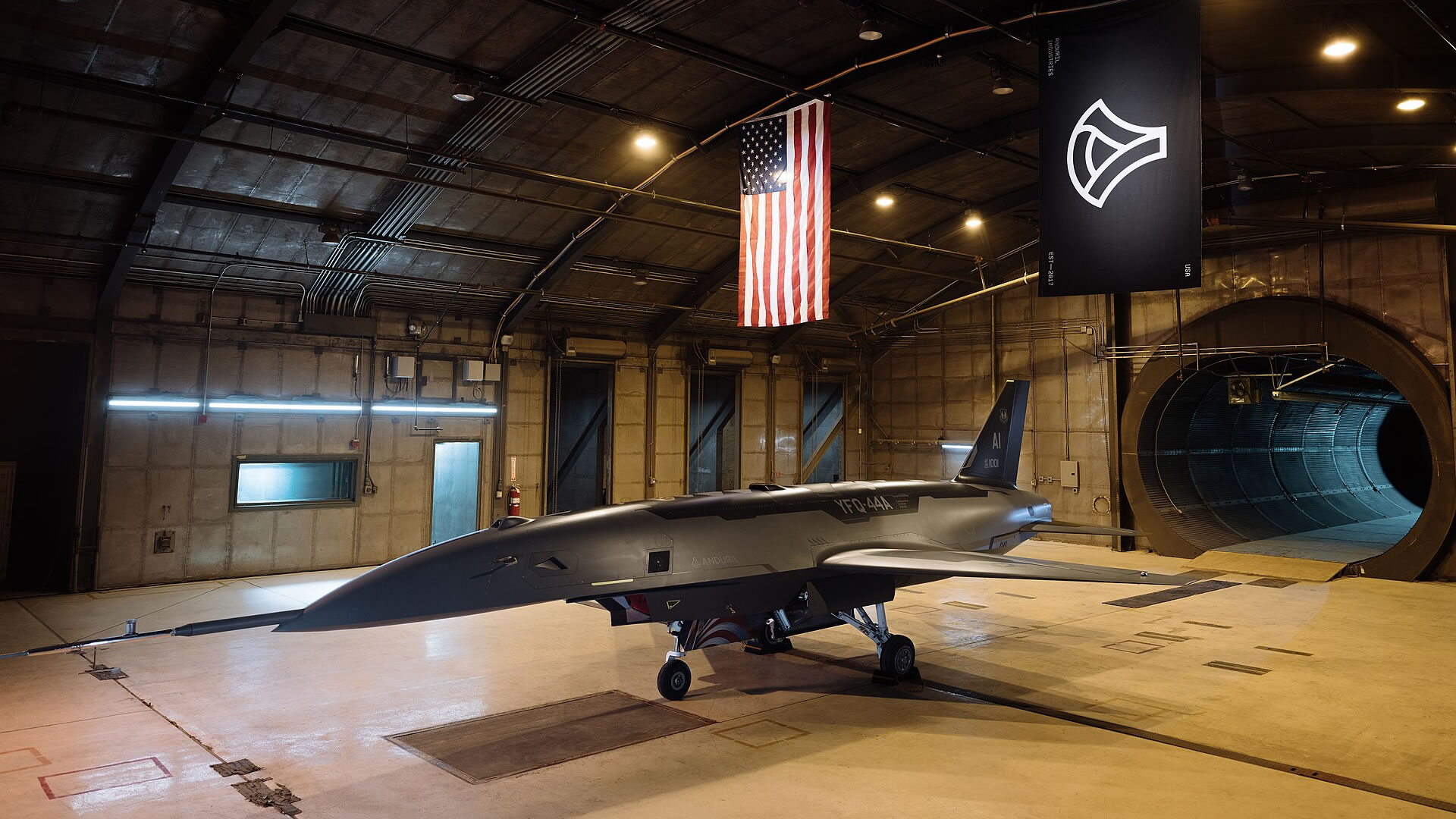
US Air Force Receives First Collaborative Combat Aircraft for Autonomous Warfare Trials
The United States Air Force (USAF) has received its first two Collaborative Combat Aircraft (CCA) designs, the YFQ-44A 'Fury' and YFQ-42A 'Vengeance', at Creech Air Force Base, Nevada. These aircraft will be tested for their operational capabilities alongside crewed fighters in contested airspace. The introduction of CCAs is significant as they are designed to be semi-autonomous and provide a cost-effective solution for missions in high-risk environments. They can carry payloads for offensive and defensive actions, allowing crewed aircraft like the F-35 to operate more safely while coordinating with the CCAs. Moving forward, the USAF will focus on operational experimentation with the CCAs, determining logistics such as the number of personnel required for operation and the optimal handling of multiple CCAs by a single pilot. No further timeline was disclosed at the time of publication.
AI and Robotics Military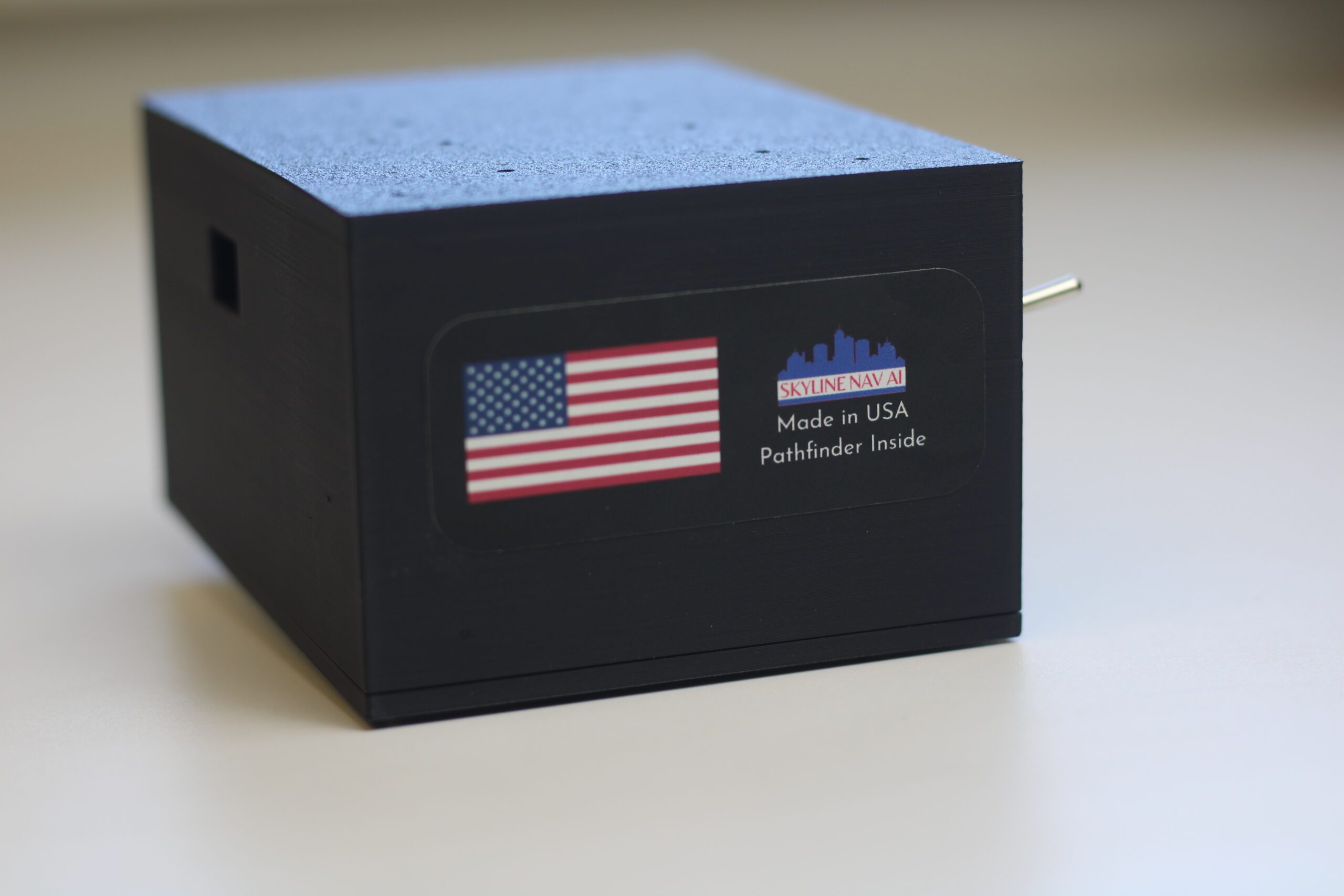
Skyline Nav AI Develops GPS-Independent Navigation Software for Drones
Skyline Nav AI, founded in 2020, specializes in low-cost GPS-independent visual positioning and navigation software aimed at defense and public safety sectors. The company was established in response to the increasing disruption of GPS signals, which can be easily jammed or spoofed, as highlighted by CEO Kanwar Singh's experiences in the Army National Guard. The significance of Skyline's technology is underscored by the growing reliance on drones in modern warfare, particularly in conflicts like those in Ukraine and the Middle East. As adversaries increasingly employ GPS jamming tactics, the need for reliable navigation solutions has become critical. Skyline's products, including the Pathfinder series, are designed to operate effectively in GPS-denied environments, attracting clients such as the U.S. Air Force and NASA. Looking ahead, Skyline Nav AI's innovative approach to drone navigation could reshape operational capabilities in military and public safety applications. The company’s focus on integrating advanced computer vision and machine learning into its products positions it well for future developments in autonomous systems. No further timeline was disclosed at the time of publication.
communications connectivity Drone News Drone News Feeds Feature 1 News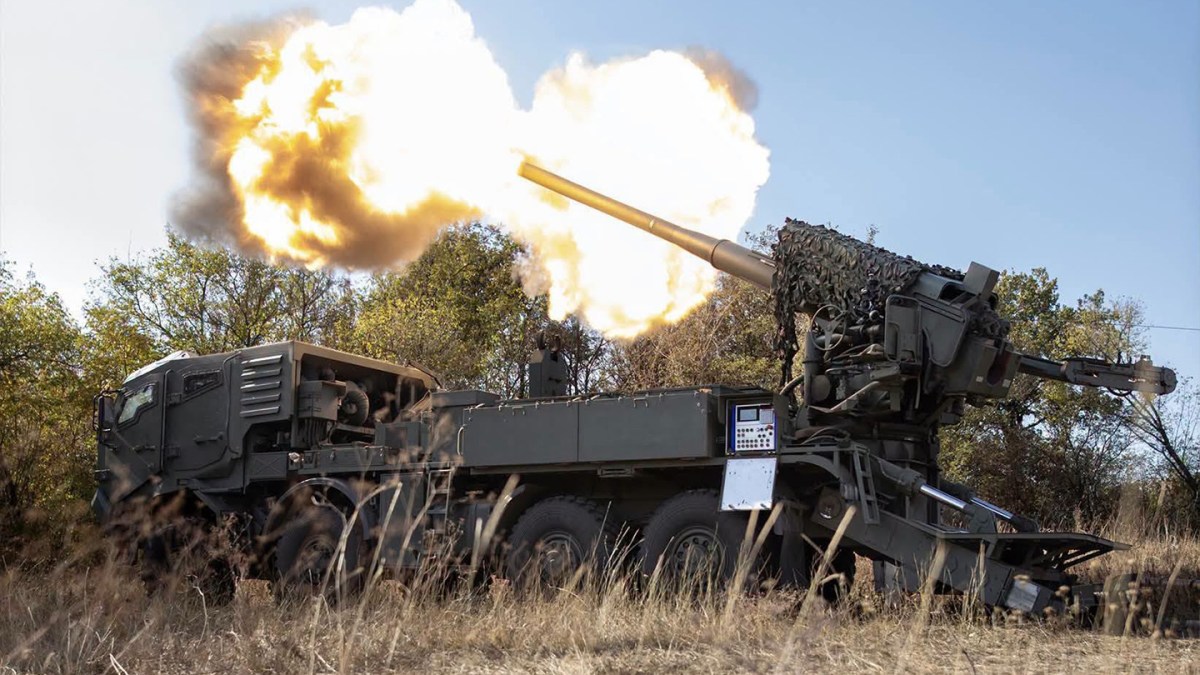
Ukraine's Artillery Adapts to Drone Warfare Dynamics Amid Ongoing Conflict
Since the onset of Russia's invasion, the role of artillery in Ukraine has evolved significantly, with drones now dominating the battlefield. Lt. Col. Vitalii Korniienko, commander of the 7th Artillery Brigade, highlighted the integration of artillery and drones to enhance combat effectiveness. While drones conduct the majority of strikes, artillery remains crucial for specific tasks that drones cannot accomplish, particularly in areas affected by electronic warfare. The shift in warfare tactics emphasizes the need for artillery to adapt to the changing landscape, where traditional massed fire is no longer viable. Korniienko pointed out that the cost-effectiveness of using drones for targeting has led to a strategic rethinking of artillery deployment. Artillery is now used in conjunction with drones to provide cover and engage targets that are out of reach for drones, ensuring that both systems complement each other. Looking ahead, the continued integration of ground-based robotic systems for logistics and the ongoing evolution of artillery tactics will be critical. As the conflict progresses, the ability to effectively combine these technologies will determine operational success on the battlefield. No further timeline was disclosed at the time of publication.
News & Features Around The Globe Artillery Europe Land Russia
EagleNXT Delivers eBee VISION Drone Kits to U.S. Army Training Center
EagleNXT has successfully delivered nine eBee VISION drone kits to the U.S. Army’s National Training Center located at Fort Irwin, California. This shipment fulfills an order announced in April 2026 and marks a significant step in the company's commitment to domestic production of drones and sensors in the United States. The delivery is crucial as it supports the Army's training operations, particularly in opposing force exercises and counter-drone instruction. EagleNXT's CEO, Bill Irby, emphasized that establishing their headquarters in Allen, Texas, was aimed at achieving domestic production, which is now a reality. The eBee VISION drone is designed for intelligence, surveillance, and reconnaissance, boasting features such as a 90-minute flight time and a video link range of up to 12 miles. Looking ahead, EagleNXT's operations in Allen are expanding, with the recent launch of the updated MicaSense RedEdge-MX sensor for commercial customers. This dual focus on defense and commercial markets indicates a strategic approach to enhance production capabilities while meeting diverse customer needs. No further timeline was disclosed at the time of publication.
Applications Defense Drone News Drone News Feeds News Army drones
Unauthorized Drone Activity Halts Flights at Luxembourg Airport on September 18
On the night of September 18, unauthorized drone activity temporarily halted operations at Luxembourg Airport, diverting 19 incoming flights. The Luxembourg government confirmed that unidentified drones were visually observed in the airspace around Findel, prompting immediate airspace closure for safety reasons. Operations resumed around 1:20 a.m. on September 19 after inspections deemed no immediate risk to aviation safety. This incident highlights the significant impact unauthorized drone activity can have on airport operations, affecting passenger safety and airline schedules. The airport operator, lux-Airport, noted that delays could persist as airlines worked to restore normal operations. The Luxembourg government activated its interministerial drone assessment group to address the situation, with Prime Minister Luc Frieden coordinating with various ministers and agencies. Authorities continue to investigate the incident, having deployed additional detection resources and monitoring reports of suspected drones. As of September 21, the assessment group remains active, emphasizing the need for vigilance regarding unauthorized drone activity in airspace. No further timeline was disclosed at the time of publication.
Drone News Drone News Feeds News airport drone disruption Airport Security aviation safety
US Marine Corps Demonstrates Drone Training with Skydio's X2D for Enhanced Operations
The US Marine Corps has released a video showcasing training exercises with Skydio's X2D drone, highlighting its integration into military operations. This small drone is utilized for reconnaissance missions, allowing Marines to gain essential skills in operating UAVs effectively. The significance of this training lies in the Department of Defense's directive for better technology integration within military units by 2025. The Marines are establishing a Military Occupational Specialty for sUAS Operators, enabling them to utilize drones in the field without relying on specialized units. Looking ahead, the military's interest in drones is expanding beyond reconnaissance to include attack capabilities and medical supply delivery. Companies like Malloy Aeronautics are developing drones for rapid response, indicating a shift in military logistics and operational strategies.
News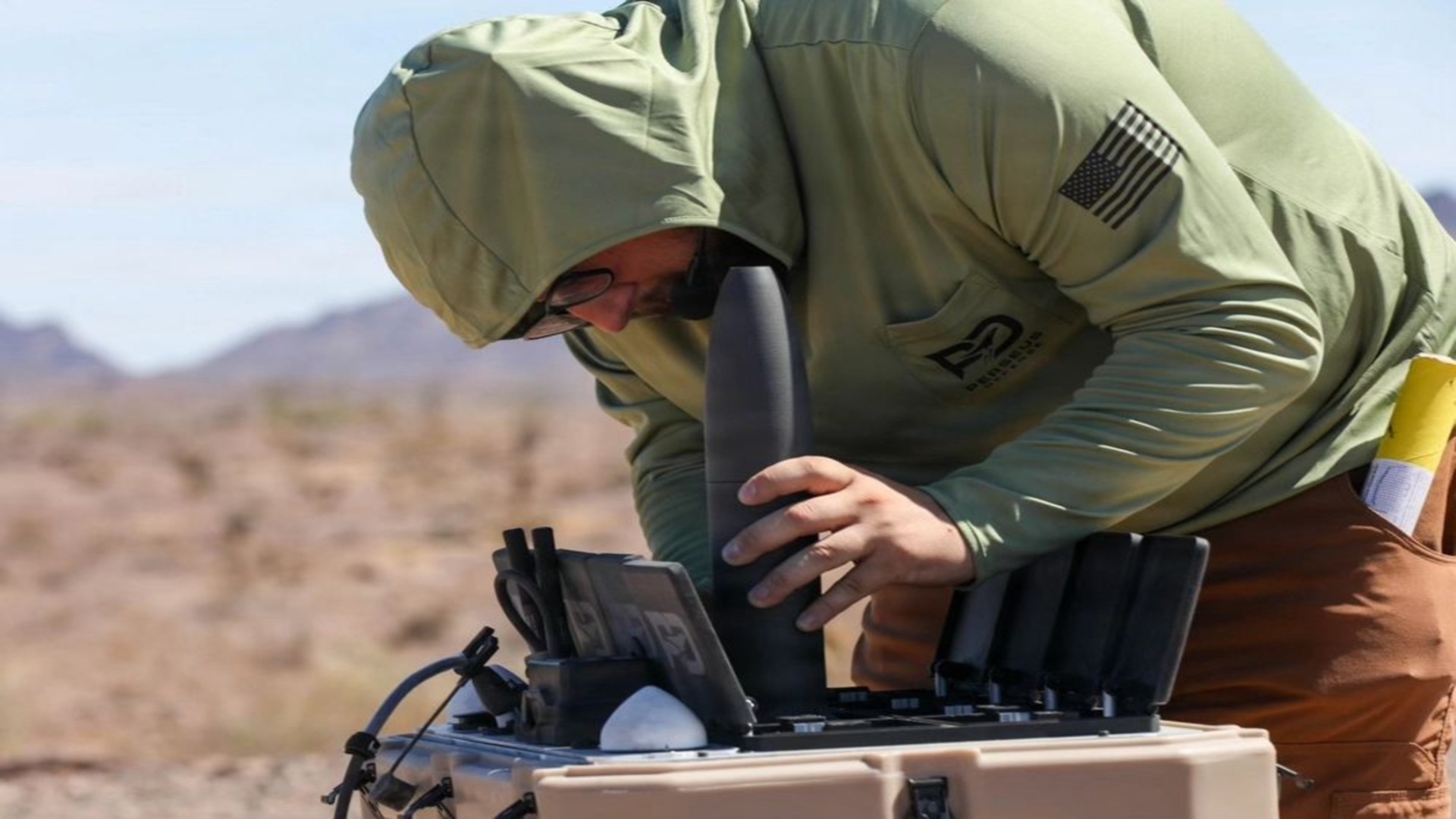
Perseus Defense Tests Low-Cost Mk-III Interceptor Against Drones at Yuma Proving Ground
Perseus Defense has successfully tested its Mk-III interceptor missile, designed to physically destroy small drones, at the Yuma Proving Ground in Arizona. This demonstration, part of Falcon Peak 26.2, showcases a cost-effective solution for military installations facing aerial threats, with each interceptor costing around $2,500. The Mk-III's kinetic hit-to-kill approach offers a significant advantage over traditional electronic warfare systems, which can struggle against drones using preprogrammed routes or fiber-optic communications. This capability is crucial as militaries seek affordable means to counter drones that typically cost only a few hundred dollars, compared to the high price of conventional missiles. Looking ahead, the demand for effective domestic counter-drone systems is expected to grow, especially following recent drone incursions over US military bases. No further timeline was disclosed at the time of publication.
Military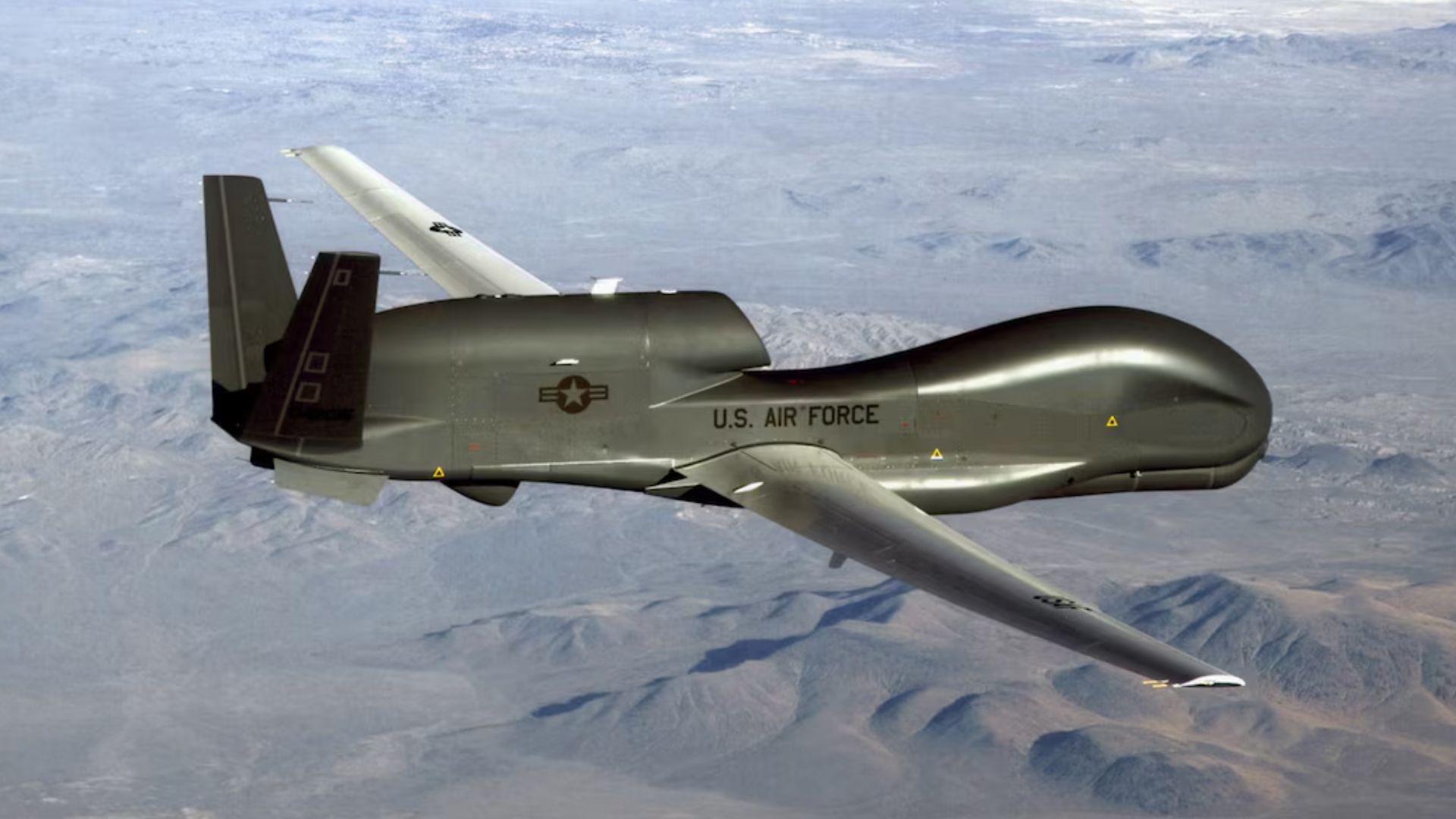
AEVEX Corp. Secures $92M Contract for Hypersonic Flight Test Support with Drones
AEVEX Corp. has secured a potential contract worth $92.2 million to support the U.S. military's SkyRange hypersonic test program over three years. This contract will enable AEVEX to conduct flight operations across designated corridors in the Western U.S. and the Pacific, focusing on airborne telemetry, communications, and payload integration. The significance of this contract lies in its innovative approach to hypersonic testing. By utilizing unmanned aircraft, such as converted RQ-4 Global Hawks, as airborne test platforms, the SkyRange program enhances data collection capabilities during flight tests. This flexibility is crucial, as hypersonic vehicles can traverse vast distances rapidly, making traditional fixed tracking stations less effective. Looking ahead, AEVEX's role will encompass the integration of airborne range equipment with the SkyRange architecture and support for resilient communications systems. No further timeline was disclosed at the time of publication.
Military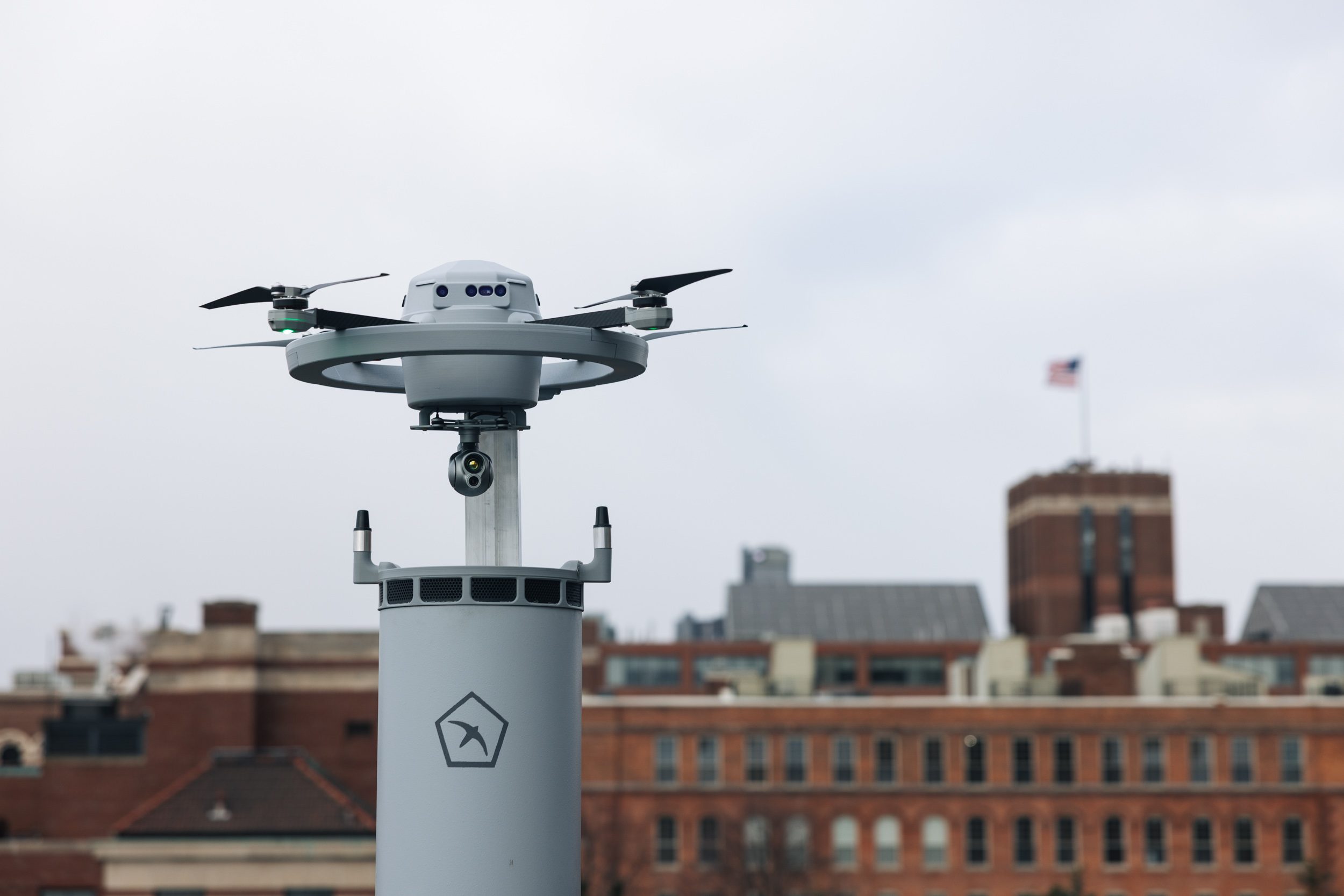
Birdstop Leverages Detroit's Auto Supply Chain to Enhance U.S. Drone Manufacturing
Birdstop, an autonomous security drone manufacturer, has relocated from Silicon Valley to Detroit to capitalize on the city's automotive supply chain. CEO Keith Miao emphasized that Detroit offers significant opportunities for scaling drone production, particularly due to the region's robust electronics manufacturing capabilities tied to the auto industry. The move is significant as it highlights the potential for cross-industry collaboration, where components used in automotive manufacturing can also be applied to drone technology. Miao noted that the overlap in specifications and testing requirements between automotive parts and drone components allows Birdstop to leverage existing resources effectively. Looking ahead, Birdstop has introduced its new flagship product, the Fealty system, which began deployment in May for monitoring truck parking sites in Detroit. This innovative drone system is designed for persistent coverage and features advanced AI capabilities, setting a new standard in the drone industry. No further timeline was disclosed at the time of publication.
DL Exclusive Drone Manufacturing Drone News Drone News Feeds Drones in the News Feature 1
Israel Defense Forces Establish New Branch for Unmanned Systems and AI Integration
The Israel Defense Forces (IDF) are launching a new branch dedicated to unmanned systems and artificial intelligence, as announced by Chief of Staff Lt. Gen. Eyal Zamir. This initiative aims to adapt to the rapidly evolving battlefield, emphasizing the integration of robotics, drones, and AI technologies. The establishment of the Unmanned Systems and Artificial Intelligence Branch is a significant step for the IDF, reflecting a strategic shift towards modern warfare capabilities. Zamir highlighted that these advancements will enhance operational effectiveness and save lives, marking a transformative moment for military operations. Looking ahead, the IDF plans to fully inaugurate this new branch by early December. The focus will be on harnessing technologies across land, air, and sea domains, with an emphasis on maritime capabilities as part of the IDF’s broader multi-year plan, Hoshen. No further timeline was disclosed at the time of publication.
Air Warfare Global Land Warfare AI & Autonomy Air Force Army
AI's Role in Managing Data Overload from Commercial Drone Operations
As commercial drone programs expand, artificial intelligence is addressing the challenge of data overload created by drones. This was highlighted during a session at the Commercial UAV Expo in Las Vegas, where industry experts discussed AI's practical applications in analyzing vast amounts of data generated by drones. Ismar Avdic from Stratus Autonomous noted that AI can efficiently process thousands of images, a task that would overwhelm human operators. The significance of AI in drone operations is underscored by the shift towards more autonomous systems, which generate exponentially more data. Vikhyat Chaudhry of Buzz Solutions explained that utility customers utilizing drone-in-a-dock systems can produce 10 to 20 times more data through frequent inspections. This increase necessitates efficient data analysis to derive actionable insights, making AI's role critical in identifying patterns and standardizing processes in infrastructure inspections. Looking ahead, the integration of AI in commercial drone operations will continue to evolve. While AI can enhance data processing and contextual understanding, experts emphasize the importance of human oversight. Chaudhry pointed out that organizations must justify AI conclusions, ensuring that results are not merely derived from opaque algorithms. The ongoing need for subject matter experts to validate AI outputs remains crucial for mission-critical applications.
Digital Twins DL Exclusive Drone News Drone News Feeds Inspection News
Taiwan's Aerospace Contractor Develops Countermeasures Against China's Drone Advancements
Taiwan's leading aerospace contractor is shifting focus from traditional aircraft manufacturing to developing counter-drone systems. This strategic move comes in response to the increasing capabilities of China's unmanned aircraft systems (UAS), as emphasized by an executive from the company, who highlighted the urgent need for a counter-UAS system. The significance of this development lies in Taiwan's heightened concerns regarding China's aggressive drone development. The shift towards counter-drone technology reflects Taiwan's proactive approach to enhancing its defense capabilities amid rising tensions in the region. The need for a dedicated, low-cost shield against potential threats underscores the urgency of this initiative. Looking ahead, it will be crucial to monitor Taiwan's advancements in counter-drone systems and how these developments may influence regional security dynamics. No further timeline was disclosed at the time of publication.

Chinese Military Scientists Support Trump's Battleship Plan with Large-Caliber Gun Defense Against Drones
Chinese military scientists have endorsed a segment of Donald Trump’s proposed battleship fleet, suggesting that large-caliber naval guns could effectively counter drone swarms. Their research indicates that explosive shells could scatter fragments over a wide area, potentially damaging multiple drones in a single shot. This approach aligns with ongoing discussions within the US Navy regarding the need to adapt naval defense strategies in response to the increasing threat posed by inexpensive drones. The significance of this research lies in its implications for naval warfare, particularly as modern warships typically rely on advanced missile systems and lasers. The study highlights the potential for large-caliber guns to serve as area weapons, offering a cost-effective solution to engage swarms of drones without the need for direct hits. The findings suggest that a single shell could damage approximately 1.19 drones in a swarm of 30, emphasizing the need for a reevaluation of ammunition expenditure in the face of mass drone attacks. Looking ahead, the researchers advocate for a comprehensive defense strategy that integrates large-caliber guns with electronic warfare and laser systems. This multi-layered approach could enhance the defensive capabilities of warships, addressing the challenge posed by the cost disparity between inexpensive drones and costly interceptors. No further timeline was disclosed at the time of publication.
Military
Ukrainian M1A1 Abrams Tanks Grounded by Russian Drone Saturation on the Battlefield
Ukrainian crews operating Australian-supplied M1A1 Abrams tanks report that the battlefield is now so overwhelmed with Russian drones that their tanks cannot be utilized in combat. Despite this, they assert that main battle tanks are not obsolete. The crews, part of Ukraine’s 425th Separate Assault Regiment 'Skala,' have previously deployed these tanks in two significant operations near Pokrovsk. The first major deployment occurred in December, where the Abrams supported assault groups entering Pokrovsk, a vital logistics hub in eastern Donetsk. A crew member, known as Kent, described the aggressive mission where the tank drew enemy fire, allowing infantry to advance. The second operation on March 31 aimed to secure an industrial area to hinder Russian movements toward Hryshyne, with extensive reconnaissance and planning conducted over two weeks to prepare for the mission. Looking ahead, the effectiveness of the M1A1 Abrams tanks in future operations remains uncertain due to the persistent threat posed by Russian drones. No further timeline was disclosed at the time of publication.
Land Armies Around The Globe Europe M1 Abrams News & Features
Ukraine Launches First Uncrewed Surface Vessel Attack on Sochi, Russia
Ukraine executed a significant uncrewed surface vessel (USV) attack on the Nefrit, a multipurpose offshore vessel, in Sochi, Russia. This operation marks the first known USV strike on the resort city, located approximately 350 miles from Ukrainian-held territory, highlighting the expanding reach of Ukraine's naval capabilities. The Ukrainian Navy stated that the attack was part of its ongoing campaign against Russia's energy infrastructure, claiming that the Nefrit directly supported the enemy's war economy. The strike is seen as a strategic move to disrupt Russian logistics and military capabilities, emphasizing that even Russian territory is vulnerable to Ukrainian operations. As the situation develops, observers will be keen to assess the extent of the damage to the Nefrit and its implications for Russia's maritime operations. The Ukrainian Navy's continued focus on targeting enemy resources suggests that further actions may be anticipated in the ongoing conflict.
News & Features Around The Globe Europe Russia Sea Ukraine
Mitsubishi Heavy and NEC Collaborate on Defense Drones and AI Systems
Mitsubishi Heavy Industries and NEC announced their partnership to develop domestic defense drones and AI-driven command and control systems. This collaboration aims to enhance Japan's defense capabilities amid increasing global reliance on drone technology in combat scenarios. The significance of this partnership lies in its potential to strengthen Japan's defense industry and reduce dependence on foreign technology. As drones become integral to modern warfare, the collaboration between these two major Japanese companies could position Japan as a key player in the defense drone market. Looking ahead, it will be important to monitor the progress of this collaboration and its impact on Japan's defense strategy. No further timeline was disclosed at the time of publication.

SiMa.ai and ARK Electronics Collaborate to Enhance Autonomous Drone Development
SiMa.ai and ARK Electronics have formed a strategic partnership aimed at accelerating the deployment of next-generation autonomous drones. They are introducing the ARK-SiMa.ai Modalix MLSoC Bundles, which are production-ready solutions designed to facilitate the development of intelligent drones for various markets, including commercial and defense. This collaboration is significant as it combines SiMa.ai's expertise in Physical AI with ARK Electronics' capabilities in high-quality drone electronics. The resulting solutions are expected to be affordable and high-performance, addressing the growing demand for advanced drone technology in sectors such as UAS, industrial applications, and agriculture. Looking ahead, the partnership aims to simplify the development process for intelligent drones, potentially leading to faster deployment in the market. No further timeline was disclosed at the time of publication.

Japan Accelerates Production of 3D-Printed Interceptor Drones to Mitigate Supply Chain Risks
Japan is fast-tracking the production of 3D-printed interceptor drones to enhance its defense capabilities against potential supply chain attacks. This initiative underscores the importance of advanced manufacturing technologies in military applications, particularly in ensuring rapid availability of critical components. The move is significant as it reflects Japan's commitment to strengthening its defense infrastructure amid rising global tensions. By leveraging 3D printing, Japan aims to create a more resilient supply chain for military hardware, which is crucial for maintaining operational readiness in the face of evolving threats. Looking ahead, the focus will be on the successful implementation of these 3D-printed drones within Japan's defense strategy. No further timeline was disclosed at the time of publication.
Military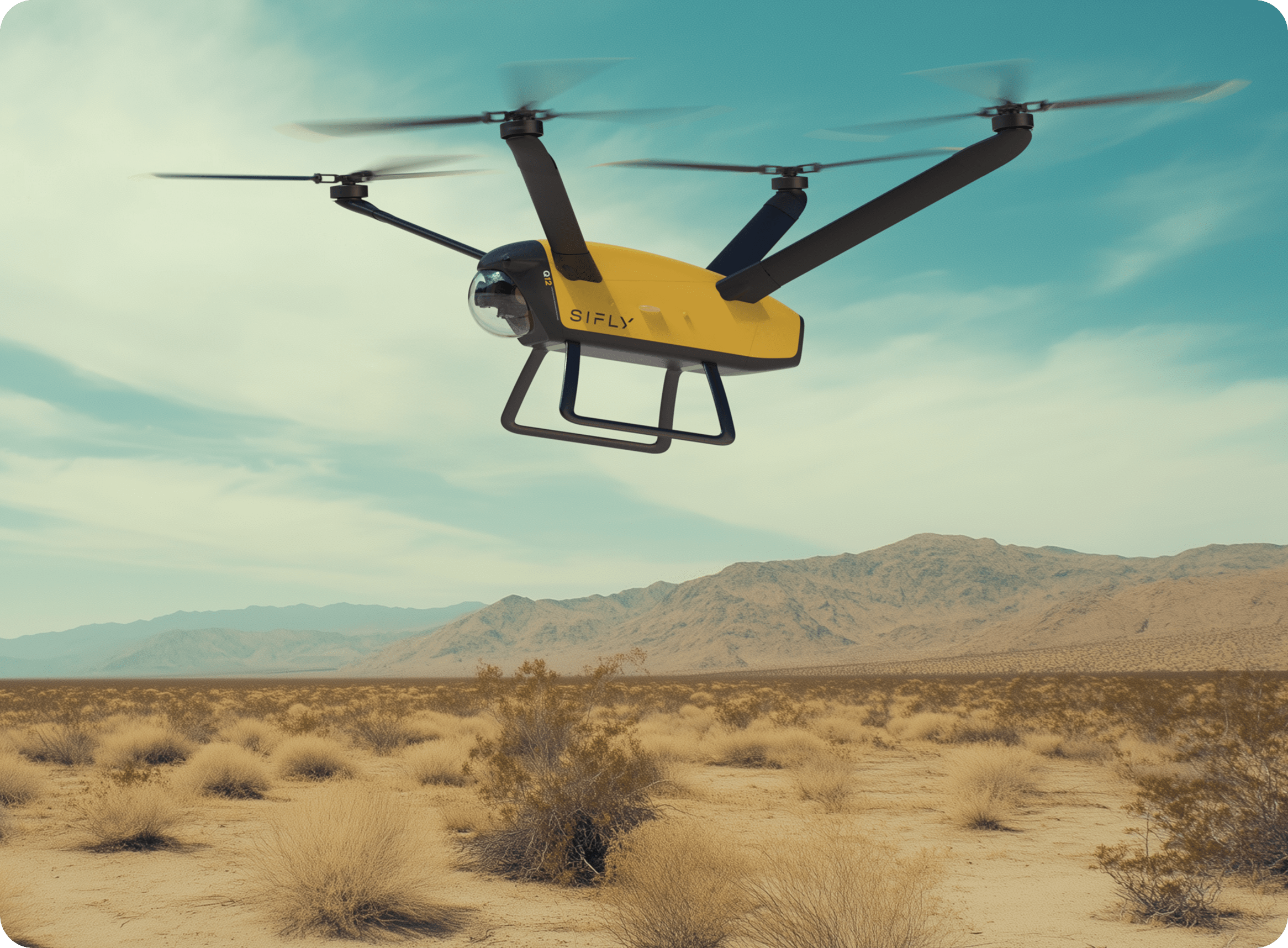
SiFly Secures $20 Million to Boost U.S. Production of Q12 Long-Endurance Drones
SiFly Aviation has successfully raised $20 million in Series A funding to enhance the U.S. production of its long-endurance Q12 electric drone. The financing round was led by Shield Capital, with contributions from Qudit, BBK Capital, Alumni Ventures, and other investors. The funds will be utilized to ramp up production and facilitate customer deliveries while continuing the development and field testing of its DronePort multi-drone infrastructure system. This funding is significant as it allows SiFly to address the limitations of traditional multirotor drones, particularly in flight endurance. The Q12 can fly four times longer and up to 10 times farther than leading enterprise drones, carrying payloads of up to 10 pounds. The aircraft has undergone extensive testing, achieving a Guinness World Record for the longest electric multirotor flight in its weight class, lasting over three hours. Looking ahead, SiFly aims to leverage the Q12's capabilities across various sectors, including public safety, utilities, infrastructure, and agriculture. The company believes that the longer endurance of the Q12 will enhance operational efficiency and response capabilities for drone operators. No further timeline was disclosed at the time of publication.
Applications DFR Drone News Drone News Feeds Featured – Safety and Security Fire and Police
SiFly Secures $20 Million Series A to Enhance U.S. Production of Q12 Drones
SiFly Aviation has announced a successful $20 million Series A funding round led by Shield Capital, with participation from Qudit, BBK Capital, and Alumni Ventures. This financing aims to boost the manufacturing and customer delivery processes for SiFly's Q12 long-endurance electric aircraft. The significance of this funding lies in its potential to accelerate the production capabilities of SiFly, allowing for quicker deployment of the Q12 aircraft. Additionally, the investment will support the development and field validation of SiFly's DronePort multi-drone infrastructure system, which is crucial for enhancing operational efficiency. Looking ahead, stakeholders should monitor SiFly's progress in scaling production and fulfilling customer orders for the Q12. No further timeline was disclosed at the time of publication.
Auriga Space Completes First Field Test of Hermes Electromagnetic Launcher Against Drones
On August 25, Auriga Space announced the successful completion of the first field test of Hermes, an electromagnetic launcher designed to target drones. The test took place in the Mojave Desert, where Hermes demonstrated its capability to launch projectiles at speeds exceeding Mach 1 without chemical propellants, showcasing its potential for rapid deployment in remote areas. This development is significant as it addresses the growing challenge of low-cost drones that require expensive interceptors for defense. By utilizing electricity for propulsion, Hermes reduces the need for frequent ammunition resupply, potentially lowering operational costs and enhancing the efficiency of air defense systems. Looking ahead, Auriga plans a second field test in fall 2026 to further refine Hermes for harsher environments and improve its operational capabilities. The company aims to position Hermes as a counter-UAS solution for military clients, emphasizing its logistical advantages and reusability in air defense operations.
Military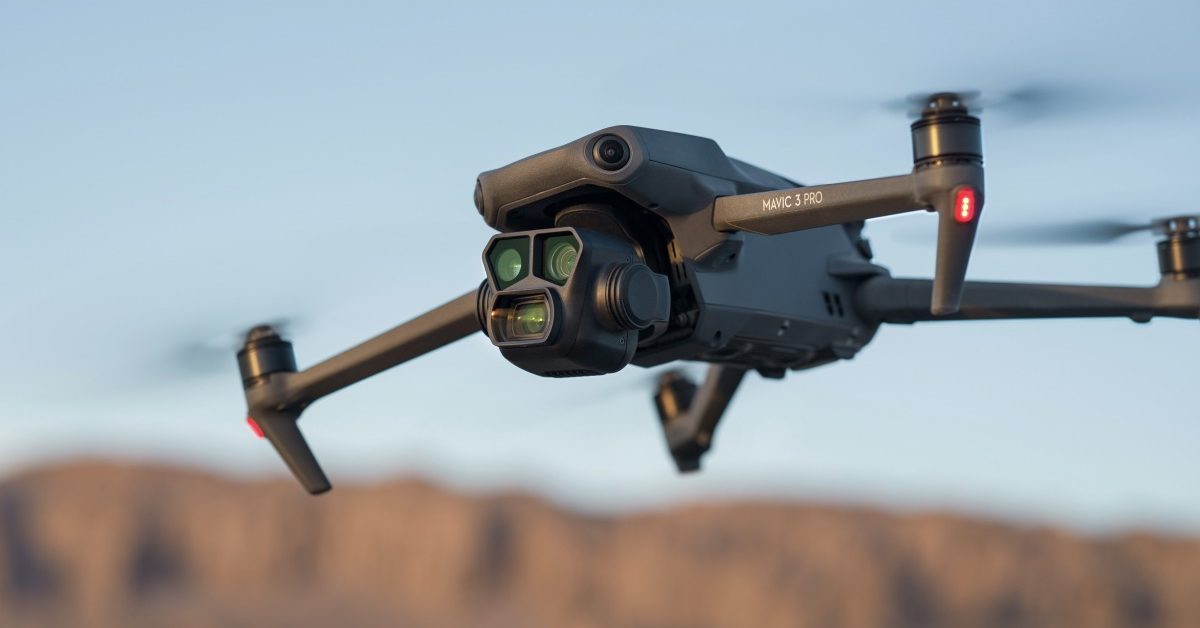
US Air Force to Acquire DJI Drones for Counter-Drone Training at F.E. Warren Base
The US Air Force is set to purchase refurbished DJI drones for counter-drone training at F.E. Warren Air Force Base in Wyoming. This initiative aims to enhance the preparedness of security personnel against potential drone threats, particularly as DJI dominates the global drone market with an estimated 80% to 85% share. The decision to utilize DJI drones, rather than American-made alternatives, stems from the unique capabilities and characteristics of DJI aircraft that cannot be replicated by US manufacturers. The Air Force's procurement documents highlight the operational necessity of training with the technology most likely to be encountered in real-world scenarios, as evidenced by a significant rise in drone incursions at military installations. Looking ahead, the Air Force's acquisition of these drones is part of a broader strategy to address the evolving landscape of drone threats. The training will incorporate US-made RIZER software to ensure cybersecurity, aligning with Defense Secretary Pete Hegseth’s memorandum that permits limited foreign drone purchases for military training and electronic warfare testing. No further timeline was disclosed at the time of publication.
News
Autonomous Drones Use Virtual Rewards to Outmaneuver Pursuers in Tag Game
Autonomous drones are being trained using virtual rewards to enhance their evasion skills in a high-speed game of tag. This innovative approach focuses on machine learning and decision-making, allowing drones to effectively outmaneuver pursuers and reach their base. The significance of this development lies in its potential applications in various fields, including surveillance, search and rescue, and military operations. By mastering cooperative strategies and rapid responses, these drones could revolutionize how autonomous systems interact in dynamic environments. Looking ahead, it will be important to monitor advancements in drone technology and machine learning algorithms that facilitate these capabilities. No further timeline was disclosed at the time of publication.
Robotics
Rakuten Collaborates with German Startup Helsing for AI Defense Drones in Japan
Rakuten Group is set to partner with German defense technology startup Helsing to introduce AI-powered attack drones for the Japanese Self-Defense Forces. This collaboration aims to enhance Japan's defense capabilities through advanced drone technology. The partnership is significant as it marks Rakuten's strategic move to support startups in the defense sector, potentially transforming this initiative into a substantial revenue stream. By leveraging Helsing's expertise in AI and defense technology, Rakuten seeks to contribute to Japan's national security. Looking ahead, the collaboration could expand into the production of autonomous equipment in Japan. No further timeline was disclosed at the time of publication.

Drones and Federal Resources Combat New World Screwworm in Texas
Drones and federal border surveillance resources are being deployed in Texas to combat the New World screwworm, a parasitic fly that inflicts severe damage on warm-blooded animals. The U.S. Department of Agriculture (USDA) has conducted over 1,000 drone surveillance flights since June 3, 2026, observing more than 20,000 animals as part of a wildlife surveillance initiative in collaboration with the Texas Parks and Wildlife Department. This initiative is crucial as New World screwworm infestations can devastate livestock, posing a significant threat to the agricultural sector. The USDA's Animal and Plant Health Inspection Service (APHIS) utilizes drones equipped with advanced technology to identify animals that may require veterinary inspection, thereby enhancing the response to this agricultural threat. The Department of Homeland Security (DHS) is also involved, providing support for surveillance and training personnel to effectively respond to screwworm cases. Looking ahead, the USDA's efforts include monitoring over 100 dedicated traps and more than 8,000 insect traps across multiple states. The agency is also collaborating with Mexico to enhance trapping and control measures in high-risk areas. No further timeline was disclosed at the time of publication.
Agriculture Applications Drone News Drone News Feeds Drones in the News News
FAA Proposes $289,215 Penalty Against Gorge Drones for Unauthorized Agricultural Flights
The Federal Aviation Administration (FAA) has proposed a civil penalty of $289,215 against Gorge Drones, located in Stevenson, Washington, for allegedly conducting unauthorized agricultural drone operations in early 2025. The FAA claims that the company operated an unmanned aircraft to dispense fertilizer during 15 flights without the necessary agricultural aircraft operator certificate, and that the drone was neither registered with the FAA nor had an airworthiness certificate. This proposed enforcement action highlights the FAA's stringent regulations governing agricultural drone operations, which differ from those for drones used solely for imaging or inspection. The agency emphasizes that operators dispensing agricultural materials must adhere to additional federal requirements, including obtaining specific exemptions and operational authority for agricultural aircraft operations. As the agricultural drone sector continues to expand rapidly, compliance with FAA regulations is critical for operators. The FAA's announcement serves as a reminder of the importance of adhering to aviation regulations, as a proposed civil penalty indicates an allegation rather than a final determination. No further timeline was disclosed at the time of publication.
Agriculture Applications Drone News Drone News Feeds Drones in the News FAARobotics needs a service framework.
RSF defines a common language for robot service capability, lifecycle operations, certification pathways, and service-provider networks.
Join the RobotToday community on LinkedIn
Daily robotics news, in-depth analysis, conference highlights, and discussions with professionals worldwide.







