

Industry Briefing
A single destination for timely, editor-curated robotics news from around the world.
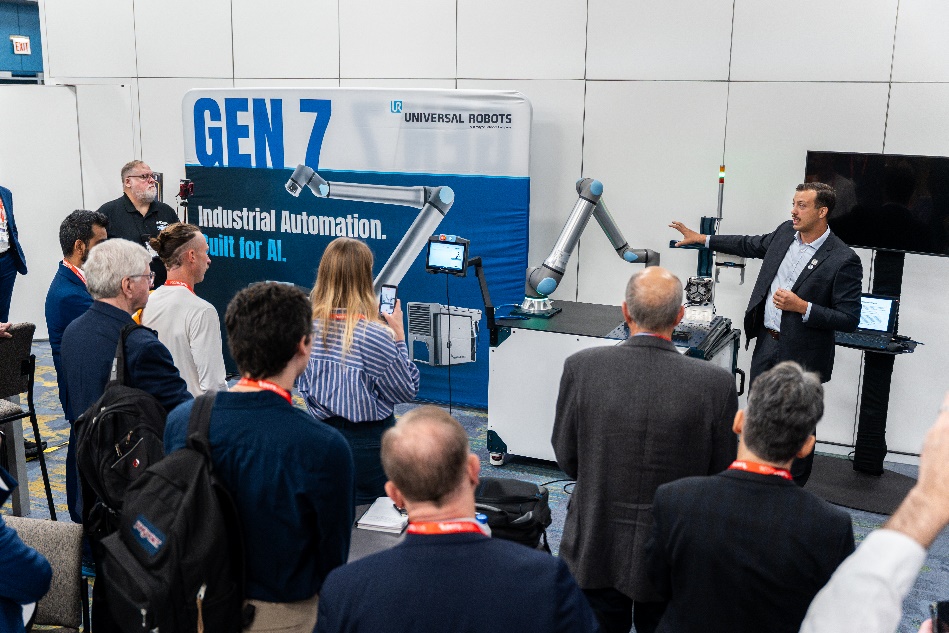
YouRobot Launches Gen 7 Platform for Enhanced Industrial Automation and Physical AI Deployment
YouRobot has introduced its new Gen 7 platform aimed at facilitating large-scale deployment of industrial automation and physical AI. This innovative platform is designed to enhance operational efficiency and adaptability in various industrial settings. The significance of the Gen 7 platform lies in its potential to transform how industries implement automation solutions. By leveraging advanced AI capabilities, YouRobot aims to address the growing demand for intelligent systems that can operate autonomously and improve productivity. Looking ahead, industry stakeholders should monitor the adoption rates of the Gen 7 platform and its impact on operational workflows. The response from the market will be crucial in determining the platform's success and its role in shaping the future of industrial automation.
Robotics Automation AI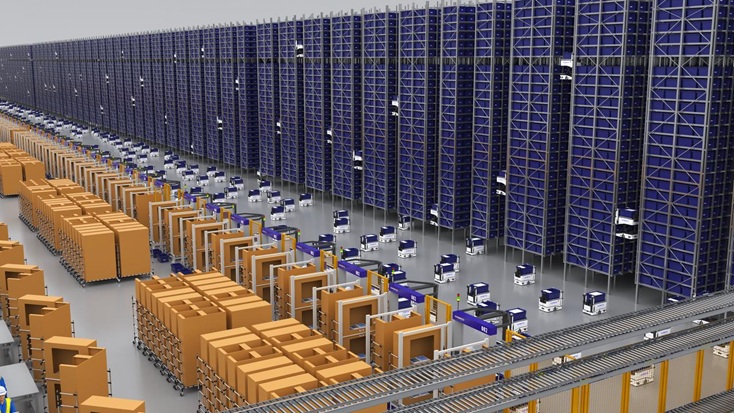
Hai Robotics Chosen for Largest Deployment of Rack-Climbing Warehouse Robots Globally
Hai Robotics has been selected to implement automation technology for a major e-commerce fulfillment center operated by a leading European fashion retailer. This project features the HaiPick Climb system, marking the largest deployment of rack-climbing warehouse robots in the world, with over 1,500 units set to enhance operational efficiency. The significance of this deployment lies in its potential to redefine warehouse automation standards, showcasing HaiPick Climb as a premier solution for high-performance e-commerce fulfillment. The retailer's expansion of its partnership with Hai Robotics emphasizes the growing demand for scalable automation solutions in response to rising online order volumes. Looking ahead, the project underscores the trend towards scalable robotic automation in large-scale fulfillment operations. No further timeline was disclosed at the time of publication.
Industry News
Hai Robotics Chosen for Largest Deployment of Rack-Climbing Warehouse Robots Worldwide
Hai Robotics has been selected to implement automation technology for a new large-scale e-commerce fulfillment center operated by a major European fashion retailer. This project features the HaiPick Climb system, marking the largest deployment of rack-climbing warehouse robots globally, with over 1,500 units set to enhance operational efficiency. The significance of this deployment lies in its potential to revolutionize warehouse automation, establishing a new benchmark in the industry. The retailer's expansion of its partnership with Hai Robotics underscores the reliability of the HaiPick Climb solution in managing high-volume online orders, with a throughput exceeding 24,000 totes per hour across a 30,000m² automated fulfillment operation. Looking ahead, the project exemplifies the increasing trend towards scalable robotic automation in large-scale fulfillment operations. No further timeline was disclosed at the time of publication, but the successful integration of over 1,500 HaiPick Climb robots is expected to enhance the retailer's capacity for omnichannel fulfillment significantly.
Warehouse Automation E-commerce Fulfillment Robotic Systems Logistics Supply Chain Management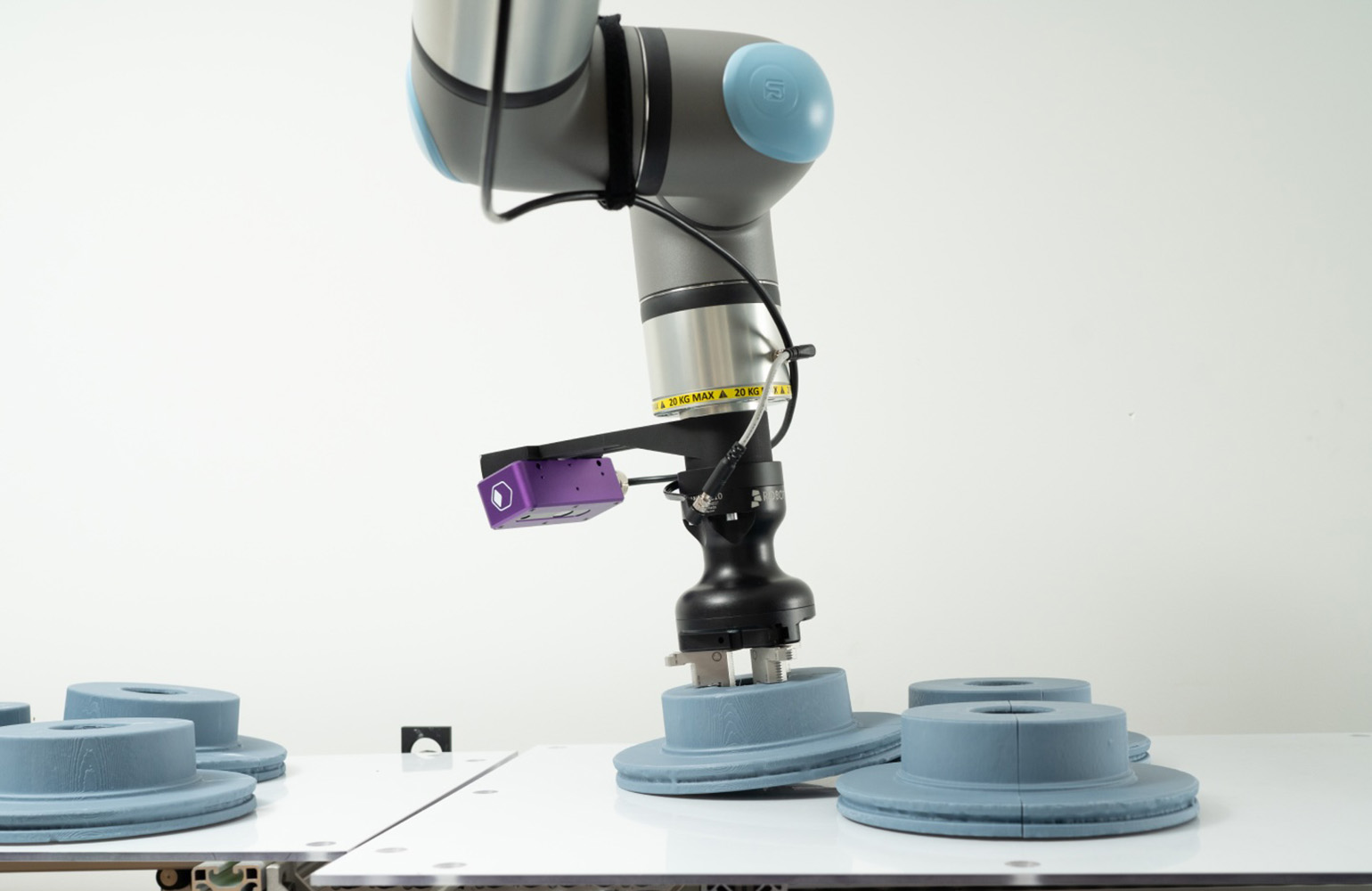
Inbolt CEO to Address Physical AI Deployment Challenges at RoboBusiness 2023
Inbolt's CEO Rudy Cohen will present at RoboBusiness on October 20-21, discussing the deployment challenges of physical AI in robotics. He argues that the real bottleneck lies in the integration between perception and motion, rather than data availability. Cohen's insights are based on experiences from over 100 factories and extensive production data from major automotive companies. The significance of this discussion is underscored by Inbolt's innovative approach to robotics, which combines vision and AI to enhance manufacturing processes. By addressing the integration tax and improving real-time control, Inbolt aims to streamline deployments that currently incur high costs and lengthy timelines. Cohen's presentation will challenge prevailing assumptions about the limitations of physical AI. Looking ahead, attendees of RoboBusiness can expect to gain valuable insights into the practical applications of physical AI in manufacturing. Cohen's talk will highlight how existing production data can demonstrate the commercial viability of physical AI, potentially reshaping industry perspectives on its deployment. No further timeline was disclosed at the time of publication.
Artificial Intelligence Artificial Intelligence / Cognition Design / Development Events News Inbold
Brain Corp Achieves 68% Growth in Global Deployments with 5.3 Million Autonomous Hours in H1 2026
Brain Corp has reported a remarkable 68% growth in global deployments of its BrainOS®-powered robots during the first half of 2026. The company has surpassed 50,000 robots in operation worldwide, reflecting the increasing integration of autonomous robots in various enterprise environments. This significant growth highlights the expanding role of autonomous robots in sectors such as retail, logistics, airports, commercial cleaning, and inventory management. The data indicates that these robots have logged over 5.3 million autonomous hours, showcasing their effectiveness and reliability in real-world applications. Looking ahead, the continued scaling of AI-driven robotics in enterprise operations will be crucial to enhancing efficiency and productivity. No further timeline was disclosed at the time of publication.
NVIDIA Introduces Open Agent Safety Platform for Enhanced AI Security from Testing to Deployment
NVIDIA has launched the NVIDIA Open Agent Safety Platform, a comprehensive software platform designed to enhance AI security throughout the lifecycle of agents, from testing to deployment. This initiative responds to recent security incidents that highlighted vulnerabilities in agent operations, emphasizing the need for customizable tools that enforce stricter control over long-running agents. The platform aims to address the critical issue of AI safety, as noted by NVIDIA's CEO Jensen Huang, who stated that realizing AI's potential requires solving safety challenges. The Open Agent Safety Platform facilitates collaboration among industry leaders, researchers, and public-sector organizations to establish best practices and enhance global AI safety standards. Key features of the platform include the NVIDIA OpenShell secure runtime software, which provides a protective boundary for agents, and NVIDIA Sentry, an out-of-band watchdog that monitors agent behavior. Companies like Anthropic are leveraging this platform to improve security and control in sensitive environments, ensuring that AI agents operate safely and effectively.
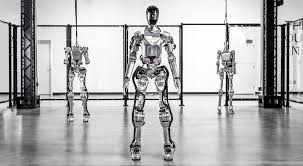
RLWRLD Unveils 'Deployment-First' Strategy for Industrial Humanoids at Humanoids Summit 2026
RLWRLD, a physical AI company, showcased its 'Deployment-First' strategy at the Humanoids Summit Seoul 2026, held from September 22 to 23. The company emphasized the importance of real-world industrial deployment in advancing robotic dexterity, a critical capability for humanoid robots in various industrial applications. This strategy is significant as it allows RLWRLD to gather valuable data from actual industrial environments, which can enhance the dexterous manipulation capabilities of its robots. By prioritizing deployment over traditional research methods, RLWRLD aims to create a reinforcing cycle of technology improvement and application in diverse industrial settings. Looking ahead, RLWRLD's approach could influence how other companies develop and deploy humanoid robots in the industry. The emphasis on real-world applications may lead to faster advancements in robotic capabilities. No further timeline was disclosed at the time of publication.
Computing Events Features artificial intelligence cj logistics dexterous manipulation
Integrating Cameras, Grippers, Controllers, and Software for Advanced Robotics Deployment
The integration of cameras, grippers, controllers, and application software is crucial for effective robotics deployment. When these components are tailored for a specific workcell, adapting them for different tasks or products often requires extensive rework. This challenge highlights the need for more flexible and adaptable robotic systems in manufacturing environments. Addressing the integration issue is essential for enhancing productivity and efficiency in industrial automation. As companies seek to implement advanced robotics solutions, the ability to quickly adapt systems to new tasks can significantly reduce downtime and costs. This adaptability is vital for staying competitive in a rapidly evolving market. Looking ahead, companies will need to focus on developing modular and interoperable robotic systems that can easily transition between various applications. The ongoing evolution in robotics and AI research will play a key role in shaping these advancements. No further timeline was disclosed at the time of publication.

Hyundai Explores Deployment of Atlas Robots at Czech Manufacturing Plant
Hyundai Motor Group is considering the deployment of Atlas humanoid robots at its Czech manufacturing facility, marking Europe as a strategic testing ground following the US. This initiative aims to validate the robots' operational reliability and workplace integration, potentially leading to a broader rollout in the European market. The Czech plant, Hyundai's only auto manufacturing site in the EU, is already home to 566 operational robots, which have replaced approximately 200 workers over the past two decades. The introduction of Atlas robots could further enhance automation in a region facing labor shortages and an aging workforce, making it a prime location for advanced robotics. While no specific timeline for testing has been disclosed, discussions are ongoing between Hyundai's Czech plant and Boston Dynamics. Experts believe that successful deployment could not only benefit Hyundai's operations but also stimulate demand for humanoid robots across various industries in Europe, a market ripe for innovation.
All News
Hyundai Considers Czech Factory for Boston Dynamics' Atlas Humanoid Deployment
Hyundai is evaluating the potential of its Czech car factory as a European site for Boston Dynamics' Atlas humanoid, expanding discussions beyond its U.S. factory plans. This was reported by The Korea Herald, highlighting an interview with Petr Michník from Hyundai Motor Manufacturing Czech, who expressed a desire to initiate local testing and operations soon. The significance of this exploration lies in Hyundai's strategy to integrate humanoid robots into its production processes, which could enhance ergonomics, safety, and product quality. While Hyundai has outlined a clear timeline for Atlas deployment in the U.S. starting in 2028, the Czech discussions represent a potential European expansion, although no specific timeline or robot count has been disclosed for the Nošovice plant. Looking ahead, the focus will be on how Hyundai navigates labor acceptance and operational integration of Atlas in Europe. The company's existing automation efforts, with 566 robots already in operation, indicate a foundation for further development. However, careful handling of labor concerns will be crucial as Hyundai moves forward with its humanoid deployment plans.
Hyundai Motor Group Deployment Atlas manufacturing Boston Dynamics
Pace Robotics Experiences Increased Adoption of Centa Painter in Indian Construction Sector
Pace Robotics, a construction robotics company based in India, is witnessing a rise in commercial adoption of its flagship product, Centa Painter. This shift indicates that the construction robotics industry in India is transitioning from mere technology showcases and pilot programs to actual deployment on active construction sites. The growing momentum for Centa Painter is significant as it reflects a broader trend within the Indian construction sector, moving towards the integration of advanced robotics technologies. This transition is crucial for enhancing efficiency and productivity in construction processes, which have traditionally relied on manual labor. Looking ahead, it will be important to monitor how this trend develops and whether other companies in the sector will follow suit in adopting robotics solutions. No further timeline was disclosed at the time of publication.

The Importance of Safety in Scaling Physical AI Deployment Across Industries
Physical AI is transitioning from research to widespread deployment, with projections indicating an installed base of 49 million level 3-5 autonomous vehicles (AVs) by 2035 and 60 million industrial robots deployed between 2026 and 2035. As these technologies integrate into environments shared with humans, ensuring safety at every layer becomes critical. The significance of safety in physical AI lies in the need for AI-driven machines, including AVs and industrial robots, to operate safely as they make decisions that result in physical actions. This necessitates a comprehensive approach to safety that encompasses hardware, software, AI behavior, and the entire deployment lifecycle, rather than a one-off assessment. Looking ahead, the industry must focus on operationalizing safety across design, deployment, and validation. NVIDIA's Halos system exemplifies this approach, providing a full-stack safety solution that connects various stakeholders in the physical AI ecosystem. No further timeline was disclosed at the time of publication.
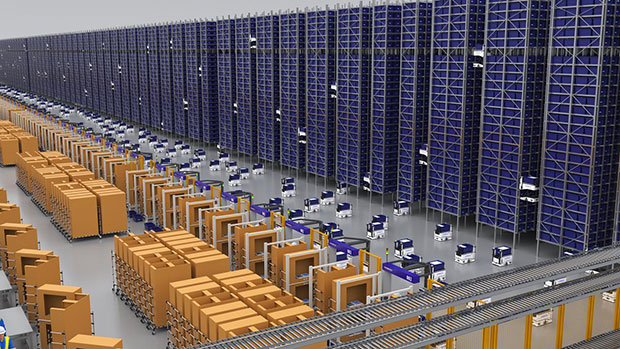
Hai Robotics Selected for World's Largest Rack-Climbing Robot Deployment in E-Commerce
Hai Robotics has been chosen to implement automation technology for a large-scale e-commerce fulfillment center operated by a prominent European fashion retailer. This project features the HaiPick Climb system, marking the largest deployment of rack-climbing warehouse robots globally, with over 1,500 units set to be integrated. The significance of this deployment lies in its potential to redefine warehouse automation standards, showcasing the HaiPick Climb as a leading solution for high-performance e-commerce fulfillment. The retailer, already utilizing multiple HaiPick Systems in Europe, is expanding its collaboration with Hai Robotics to enhance operational efficiency and scalability in response to increasing online order volumes. Looking ahead, the integration of more than 1,500 HaiPick Climb robots within a single system highlights Hai Robotics' capability to deliver comprehensive warehouse automation solutions. No further timeline was disclosed at the time of publication.
Industry News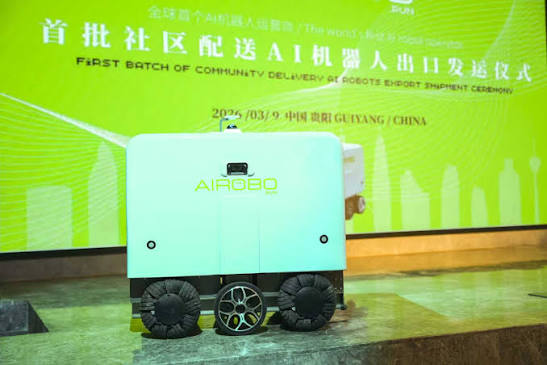
AIROBO and Huafa Property Establish Long-Term Partnership for Robot Integration in Smart Communities
AIROBO has entered into a strategic partnership with Huafa Property to enhance smart community development through robot deployment. The collaboration aims to identify representative projects within Huafa's properties to initiate pilot applications of robots, establishing a benchmark for smart community robotics. This partnership is significant as it addresses the unique operational environment of property management, where robots can perform standardized tasks such as patrolling, cleaning, and delivery. With Huafa's extensive portfolio, which includes over 12 listed companies and assets exceeding 760 billion yuan by the end of 2025, the scale of potential robot deployment is substantial. Looking ahead, the collaboration will explore areas such as unified scheduling, human-robot collaboration, and digital operations. The success of the pilot projects will determine the scalability of this initiative, as the operational demands in property management differ from those in industrial settings, requiring robots to navigate complex environments effectively.
Robotics Smart Communities Property Management AI Integration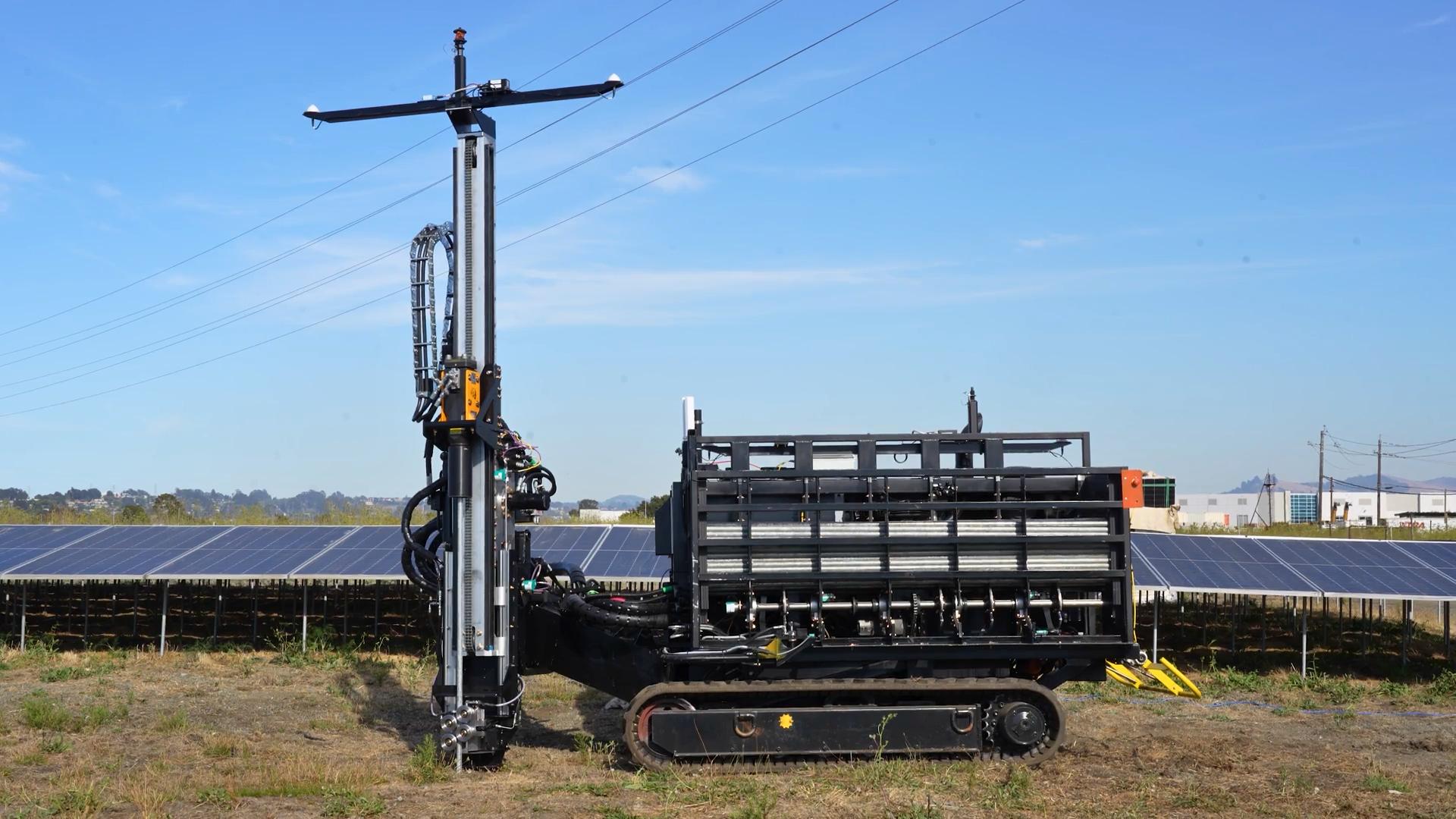
Planted Secures $31.8 Million to Enhance Robotic Solar Project Deployment
Planted has successfully raised $31.8 million to expand its fleet of autonomous construction robots and introduce Sage, a next-generation system aimed at enhancing solar project deployment. Sage is anticipated to be operational by late 2026, promising to deliver over double the productivity of Planted's current robots. This funding round, co-led by Piva Capital and RA Capital Management Planetary Health, with contributions from notable investors such as Google and Khosla Ventures, will enable Planted to scale its robotic fleet and meet growing demand. The company’s innovative solar construction system is designed to operate on challenging terrains and significantly increase energy production compared to traditional systems. Looking ahead, Planted's project pipeline exceeds 20 gigawatts, with plans to deploy 100 megawatts in 2026 alone. The introduction of Sage units will further enhance capacity as they are rolled out. No further timeline was disclosed at the time of publication.
AI AI Funding & Investment Robotics autonomous construction Breakthrough Energy Ventures funding
Universal Robots Launches Gen 7 Platform for Enhanced Industrial Automation and AI Integration
Universal Robots has introduced the Gen 7 robot platform, which features a complete redesign from the controller to the tool flange. This new platform is designed to be AI-ready right out of the box, equipping companies with advanced software tools and improved connectivity. The significance of the Gen 7 platform lies in its ability to facilitate the transition of AI technologies from research environments into practical industrial applications. This advancement is crucial for companies looking to enhance their operational efficiency and leverage AI capabilities in their processes. Looking ahead, the industry will be keen to observe how the Gen 7 platform impacts the adoption of AI in industrial settings. No further timeline was disclosed at the time of publication.

Joyx and Hitch Interactive Collaborate on Embodied AI System Development
Joyx and Hitch Interactive have established a strategic partnership aimed at developing and deploying embodied AI systems for commercial applications. Joyx will focus on capturing, reconstructing, and verifying human and robot demonstration data, while Hitch Interactive will provide its Hitch Open robotics platform and necessary control interfaces. This collaboration is significant as it seeks to address the limitations of traditional robot training methods, such as teleoperation and simulation, by utilizing real-world video and sensor data. Joyx's approach aims to create a metric 3D representation of this data, which is then tailored to the physical constraints of specific robots, enhancing their training process. Looking ahead, the partnership intends to build complete systems tailored for specific commercial scenarios, leveraging the strengths of both companies. No further timeline was disclosed at the time of publication.
AI AI Funding & Investment Capital Markets Robotics California embodied AI
Vention Launches Leading Physical AI Lab in Montreal for Industrial Robotics Advancement
Vention has inaugurated Canada's premier Physical AI and industrial robotics lab in Montreal, aimed at enhancing robotic manipulation through the integration of advanced AI research into scalable manufacturing solutions. This initiative is significant as it focuses on applied manufacturing use cases, industrial data collection, and the development of post-training foundation models for robotics, leveraging existing intellectual property while generating new innovations. Looking ahead, stakeholders should monitor the lab's progress in bridging AI research with practical manufacturing applications. No further timeline was disclosed at the time of publication.
Datavault AI Expands Edge AI Deployment to Compete with Hyperscalers in Neocloud Market
Datavault AI is expanding its edge AI deployment onto SanQtum, now operational in New York City, Philadelphia, and Washington, DC. The company plans to launch in three additional cities by the end of the year. This expansion is significant as it positions Datavault AI to compete in the burgeoning $400 billion neocloud market, challenging established hyperscalers. The deployment of edge AI technology is crucial for enhancing data processing capabilities closer to the source, which is increasingly important in today's data-driven landscape. Looking ahead, Datavault AI's continued expansion into new cities will be critical to watch, as it seeks to establish a stronger foothold in the competitive neocloud sector. No further timeline was disclosed at the time of publication.

HiddenLayer Secures $100 Million to Enhance AI Security Solutions Amid Growing Demand
AI security startup HiddenLayer has successfully raised $100 million in a Series B funding round led by Delta-v Capital. This funding comes as enterprises increasingly prioritize securing their AI deployments, with Gartner projecting a significant rise in spending on AI security tools, expected to reach nearly $4.78 billion next year. The surge in demand for AI security solutions is driven by the growing recognition of potential vulnerabilities in AI models and workflows. HiddenLayer's co-founder and CEO, Chris Sestito, noted that the company's annual recurring revenue has increased more than tenfold over the past year, primarily due to new customer acquisitions in sectors like financial services and large tech companies. Looking ahead, HiddenLayer plans to utilize the new funding to expand its product offerings and enhance its sales and distribution efforts. The company aims to address emerging threats such as prompt injection and malicious tool use, while also exploring opportunities in the European and EMEA markets. No further timeline was disclosed at the time of publication.
AI Fundraising Security Delta-v Capital HiddenLayer M12
Hyundai's Atlas Robot Deployment Sparks Labor Concerns in Korea, Not in the US
Hyundai Motor Group plans to deploy Atlas humanoid robots at its Georgia plant in 2028, highlighting a significant labor debate between Korea and the US. In Korea, union workers are advocating for job protections amid rising automation concerns, while no organized resistance has emerged in Hyundai's nonunion US factories. The Korean union has raised issues regarding the impact of physical artificial intelligence and robotics during labor negotiations, seeking transparency and safeguards against job losses. Although the union has not outright rejected the technology, a tentative agreement acknowledges the necessity of AI and robotics for Hyundai's competitiveness, emphasizing shared information and joint management of the transition. In contrast, the US lacks a comparable collective response, attributed to the weak presence of organized labor in the South and Hyundai's expanding workforce. Experts question whether the current calm will persist as humanoid robots transition from demonstrations to actual factory operations. No further timeline was disclosed at the time of publication.
All News
FedEx Enhances Collaboration with Dexterity for Expanded Physical AI in Trailer Loading
FedEx and Dexterity have announced an expanded partnership to implement Dexterity's Foresight world model and Mech trailer loading systems at the FedEx Hagerstown Hub in Maryland. This deployment builds on years of joint development and testing, allowing for a larger operational scale while focusing on safety, consistency, and performance in trailer loading operations. The significance of this collaboration lies in addressing one of the most physically demanding workflows in parcel logistics. With tens of thousands of trailers loaded daily, automating this process has been challenging. The integration of Dexterity's physical AI technology aims to enhance operational efficiency and support FedEx's workforce in a critical area of their logistics operations. Looking ahead, FedEx is committed to evaluating and deploying physical AI to improve the speed, reliability, and flexibility of its network. No further timeline was disclosed at the time of publication.
Logistics Material handling News autonomous trailer loading dexterity fedex
Zhejiang Humanoid Robot Innovation Center Expands Global Reach with 2,000-Unit NAVIAI Order
The Zhejiang Humanoid Robot Innovation Center has successfully deployed NAVIAI robots at SUPCON JACK GREE and FOTILE. This deployment marks a significant step in the center's expansion efforts. The center has signed a substantial order for 2,000 NAVIAI robots with Jack Technology, highlighting the growing demand for humanoid robots in the apparel industry. This order is a testament to the increasing integration of robotics in manufacturing processes. Additionally, the center is expanding its operations internationally, with deployments planned in BEKO Turkey and KION Germany. This move signifies a strategic effort to enhance global partnerships and broaden the application of humanoid robotics in various sectors. No further timeline was disclosed at the time of publication.
Industry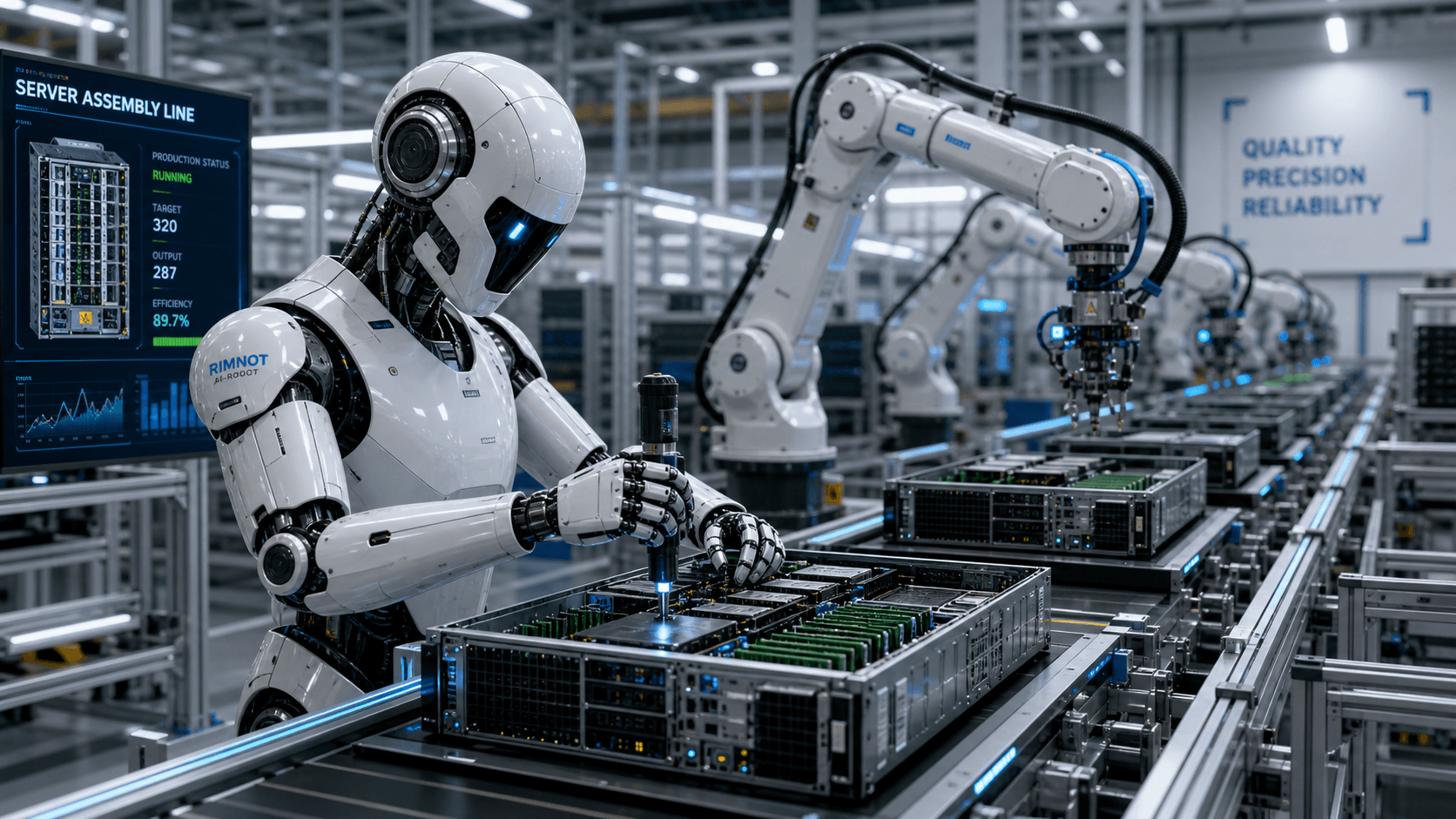
Rimnot and Yuantu Launch 10K-Unit Robot Deployment for Server Manufacturing
Rimnot, a newly established physical AI startup, has announced a partnership with Yuantu to deploy 10,000 industrial robots in server manufacturing. This initiative was unveiled during the World Artificial Intelligence Conference (WAIC), where the companies showcased their robots' capability to adapt to environments in just 30 minutes. This deployment is significant as it represents a major step forward in integrating physical AI into industrial applications, particularly in the server manufacturing sector. The collaboration between Rimnot and Yuantu highlights the growing trend of leveraging advanced robotics to enhance production efficiency and adaptability in manufacturing processes. Looking ahead, industry observers will be keen to monitor the progress of this deployment and its impact on server manufacturing. The ability of these robots to quickly adapt to different environments could set a new standard for operational flexibility in the industry. No further timeline was disclosed at the time of publication.
Technology
AMD and Microsoft Expand Strategic Partnership with Large-Scale Deployment of AI Rack Scale 'Helios' on Azure
On July 20, 2026, AMD announced an expansion of its strategic partnership with Microsoft, focusing on the large-scale deployment of the AMD Helios rack-scale AI product on Azure. This collaboration encompasses GPUs, CPUs, networking, and software, with Helios being utilized for inference processing of frontier AI models by Microsoft and its AI customers. The significance of this partnership lies in the integration of AMD's Helios, which combines the AMD Instinct MI455X GPU, the sixth-generation EPYC CPU, and Pensando's networking technology into a cohesive AI system designed for extensive AI learning and inference. Microsoft plans to deploy Helios across three new Azure virtual machine series, enhancing its infrastructure offerings for next-generation AI applications. Looking ahead, AMD is set to begin shipping Helios to customers, including Microsoft, in late 2026. The collaboration is expected to broaden the scope of AMD's AI solutions, with potential implications for other major companies already adopting AMD's Instinct series, such as Meta and OpenAI. No further timeline was disclosed at the time of publication.

SoftServe Introduces Virtual Gyms for Enhanced Robotics Training and Deployment
SoftServe has highlighted the importance of 'virtual gyms' for robotics teams, emphasizing their role in preparing robots for dynamic environments. These high-fidelity simulation environments allow robots to train, fail, and recover safely before real-world deployment, addressing the challenges posed by unpredictable operational conditions. The global robotics market is projected to grow at a 19.6% CAGR from 2026 to 2036, underscoring the need for effective training solutions like virtual gyms to enhance robotic autonomy and performance. The shift from programmed automation to physical AI necessitates that robots adapt to constantly changing environments, which traditional training methods struggle to accommodate. Virtual gyms integrate technologies such as digital twins, reinforcement learning, and sensor modeling to provide a comprehensive training platform. This approach mitigates the risks and costs associated with real-world trials, enabling teams to generate valuable training data in a controlled setting, thus improving deployment success rates. Looking ahead, the adoption of virtual gyms is expected to become a standard practice in robotics development, as they offer a solution to the simulation-to-reality gap. No further timeline was disclosed at the time of publication, but the increasing complexity of robotic tasks suggests that the demand for such training environments will continue to rise as the industry evolves.
Artificial Intelligence Artificial Intelligence / Cognition Autonomous Mobile Robots (AMRs) Development Tools / SDKs / Libraries Industrial Robots Logistics
Carnegie Mellon University Develops Open-Source Framework for AI Deployment in Robotics
Researchers at Carnegie Mellon University have created an open-source software framework aimed at streamlining the deployment of AI systems across various robots. This framework significantly reduces the time spent on setup, which can often take weeks or months, allowing researchers to focus on testing new behaviors more efficiently. The significance of this development lies in its potential to enhance collaboration and innovation in robotics. By eliminating the need to rebuild software for each robot, the framework facilitates easier integration of AI technologies, potentially accelerating advancements in robotic capabilities and applications. Looking ahead, the framework's adoption could lead to broader implications for the robotics field, including increased interoperability among different robotic systems. No further timeline was disclosed at the time of publication regarding additional features or updates to the framework.
Robotics
SpaceX's Starmind Plans 1 Million AI Satellites Amid Collision Risks
SpaceX has announced its ambitious Starmind project, which aims to deploy 1 million AI satellites in orbits between 500 and 2,000 km. This initiative, confirmed by Elon Musk on June 23, 2026, follows a merger with xAI, valuing the combined entity at $1.25 trillion. The satellites will function as orbital data centers, processing AI workloads powered by solar arrays and linked by optical lasers. The significance of Starmind lies in its potential to add 100 gigawatts of AI compute capacity annually, contingent on the successful operation of the Starship launch system. However, the project raises concerns regarding space debris, as the current orbital environment is already congested, with a 20% increase in collision risk reported since 2024. The European Space Agency has highlighted that the density of debris in low Earth orbit is now comparable to that of active satellites, complicating the operational landscape for new entrants like Starmind. Looking ahead, the first operational orbital AI deployments are targeted for 2028, with test launches expected in early 2027. However, the project faces scrutiny regarding its impact on space debris, as even a 1% failure rate could significantly increase the number of uncontrollable objects in orbit, exacerbating existing risks. No further timeline was disclosed at the time of publication.
SpaceX Proposes 1 Million AI Satellites to Address Ground Data Center Constraints
On January 30, 2026, SpaceX filed with the FCC to launch up to 1 million AI compute satellites, positioning orbital data centers as a solution to the increasing demand for AI computing power. Ground data centers are facing significant challenges, with energy consumption projected to reach approximately 1,050 TWh in 2026, making them the fifth-largest electricity consumer globally. The demand for new data center capacity is outpacing the growth of power generation infrastructure, leading to a critical bottleneck in the grid system. The significance of this initiative lies in the structural constraints faced by ground data centers, including power delivery limitations, high water consumption, and local opposition to new projects. The Uptime Institute's 2026 outlook identifies power as the primary constraint on data center growth, with capacity clearing prices in the PJM grid skyrocketing to $329.17/MW, driven by data center expansion. Additionally, cooling requirements are becoming increasingly unsustainable, with facilities consuming vast amounts of water, further complicating their operational viability. Looking ahead, SpaceX's orbital AI compute initiative aims to circumvent these challenges by leveraging the advantages of space, such as continuous solar power and minimal local opposition. The first AI prototypes are expected to launch in early 2027, with operational deployments planned for 2028. No further timeline was disclosed at the time of publication.
SpaceX Launches Starmind Project for 1 Million AI Satellites by 2028
SpaceX has officially named its orbital AI infrastructure project 'Starmind,' which aims to deploy a constellation of up to 1 million satellites. This initiative, confirmed by Elon Musk on June 22, 2026, will enable AI inference directly in space, utilizing solar energy rather than terrestrial power sources. The first satellite, designated AI1, was unveiled on June 8, 2026, and is designed to operate in sun-synchronous orbits. The significance of Starmind lies in its potential to overcome the limitations faced by ground-based data centers, such as land, power, and water constraints. By running AI computations in orbit, Starmind can provide a more efficient solution to the growing demand for AI computing power. The project leverages the existing Starlink infrastructure for data transmission, distinguishing its function from Starlink's internet relay capabilities. Looking ahead, SpaceX plans to begin hardware deployment with the AI1 satellite, while full-scale production and deployment of the satellite constellation are targeted for 2028. As of now, no Starmind satellites have been launched, and further engineering challenges remain to be addressed, particularly regarding the scalability of the satellite design.

Persona AI Partners with HD Hyundai and Posco to Deploy Humanoids in Heavy Industries
Persona AI is focusing on deploying humanoid robots in South Korea's heavy industries, particularly shipbuilding and steelmaking, through collaborations with HD Hyundai and Posco. Michael Perry, the company's head of commercial strategy, emphasizes that these robots can address labor shortages and enhance productivity in hazardous environments. The significance of this initiative lies in Korea's unique combination of labor shortages and advanced technological capabilities, making it an ideal testing ground for humanoid robots. Persona AI aims to demonstrate that its bipedal humanoid can navigate shipyards and perform welding tasks to meet production standards, with field testing planned for 2027. Looking ahead, Persona AI's collaboration with Posco, which includes a $3 million investment, will explore the use of humanoids in steel manufacturing logistics. The company is also interested in expanding its partnerships with other industrial players in Korea and Louisiana, where it has already begun testing robots with a local steel fabricator.
All News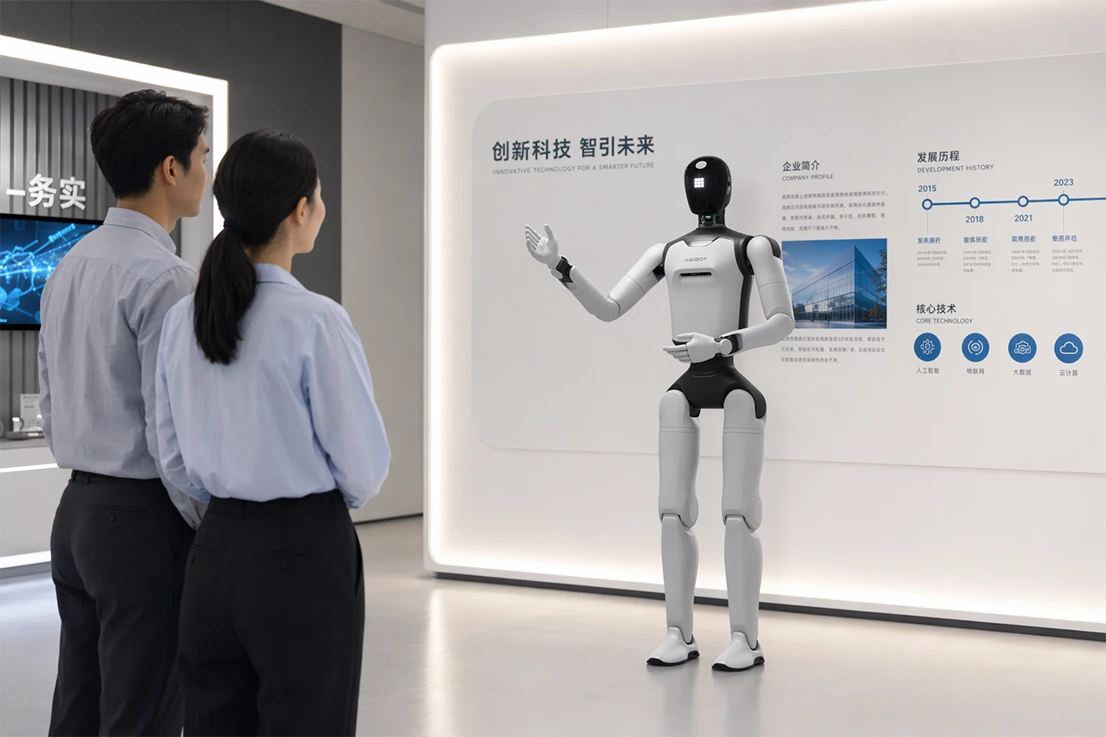
AGIBOT's A3 Ultra Expands Deployment Across Hotels, Retail, and Metro Inspections
AGIBOT announced on September 17 that its humanoid robot, A3 Ultra, is actively deployed in hotels, auto dealerships, supermarkets, and metro inspection scenarios. The company emphasizes the robot's ability to work autonomously, perform various tasks, and collaborate with other robots, although specific deployment numbers and performance metrics were not disclosed. This development is significant as it marks a shift from traditional manufacturing robots to versatile service robots in diverse environments. The A3 Ultra's ability to assist in reception, shopping, and inspection highlights the varying demands placed on robots in different settings, necessitating tailored applications for each environment. Looking ahead, the focus will be on how well the A3 Ultra adapts to these varied applications and the operational data that emerges from its deployments. AGIBOT's claims regarding battery life and autonomous charging capabilities will be critical in assessing the robot's reliability and effectiveness in real-world scenarios. No further timeline was disclosed at the time of publication.
Business Market China AGIBOT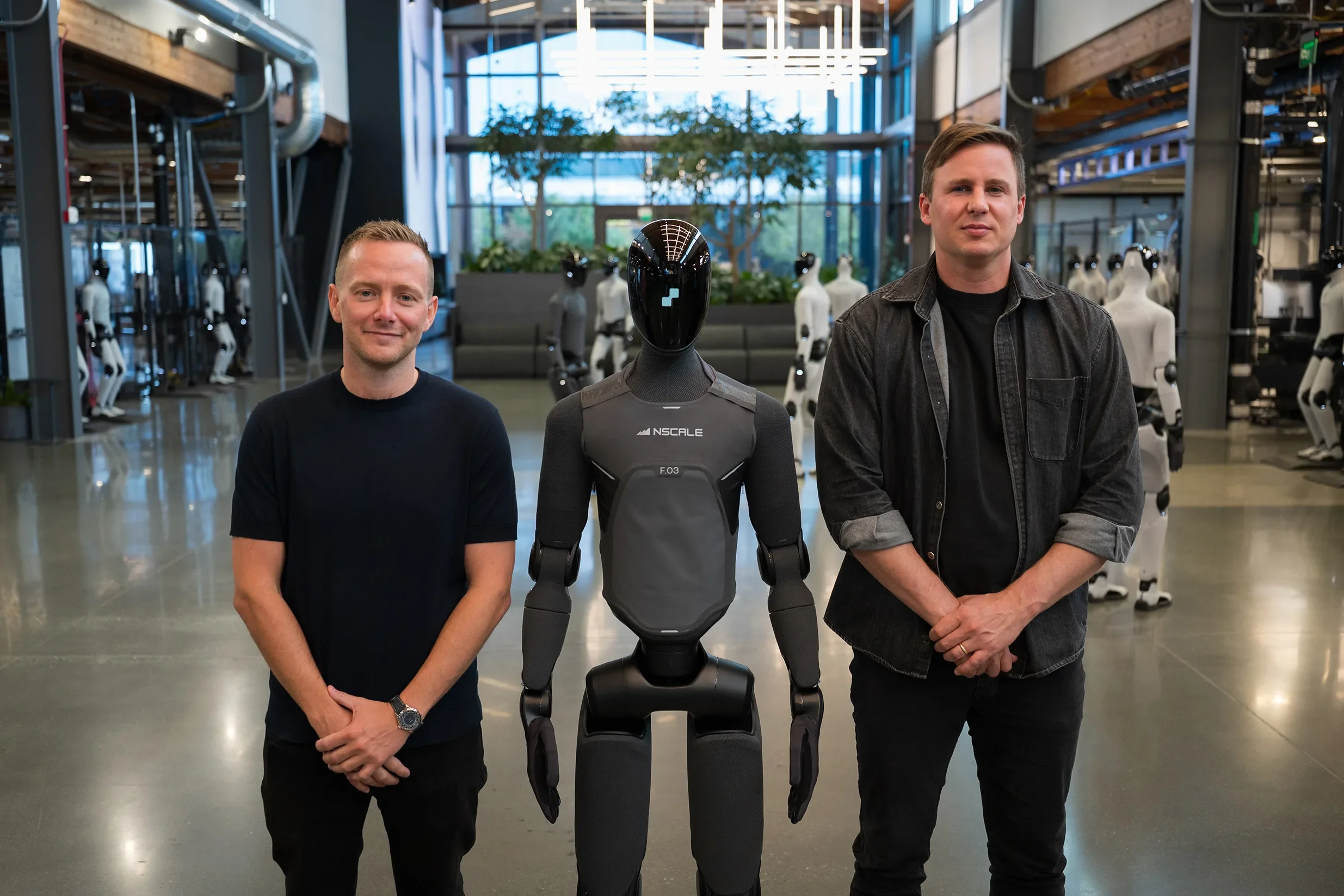
Figure AI Partners with Nscale for $3.5 Billion GPU Deployment to Enhance Humanoid Robotics
Figure AI, a California-based startup, has announced a strategic partnership with Nscale to deploy up to 100,000 NVIDIA GPUs under a multi-year agreement. This partnership includes an initial financial commitment of $3.5 billion, with potential scaling beyond $6 billion, aimed at enhancing the computational capabilities necessary for humanoid robotics. This collaboration is significant as it marks a shift in the robotics industry, where the focus is moving from mechanical engineering to computational power. Figure's leadership emphasizes that the future of autonomous physical labor relies heavily on onboard intelligence and data processing capabilities, particularly for their AI architecture, Helix. Looking ahead, the hardware rollout is set to commence in the second half of 2027 at Nscale's facility in Barstow, Texas. The partnership also involves an undisclosed investment from Nscale into Figure, indicating a deeper integration of Figure's humanoid robots within Nscale's infrastructure supply chains. No further timeline was disclosed at the time of publication.
US Nscale Figure
XPENG Robotics Secures Over $900 Million to Propel Humanoid Robot Development
XPENG's robotics division has successfully raised over $900 million, achieving a post-money valuation exceeding $6.3 billion. This funding marks a significant milestone as the largest single-round private financing in China's embodied AI sector. The investment round was spearheaded by prominent global investors, including IDG Capital, with contributions from Gaorong Ventures and strategic backing from Tencent and Alibaba. This financial boost is set to enhance XPENG's capabilities in mass-producing humanoid robots and advancing Physical AI model research and development. Looking ahead, the funding will facilitate XPENG's efforts to drive its general-purpose humanoid robots toward a new phase of global commercialization. No further timeline was disclosed at the time of publication.

Avatar Robotics Secures $6.5 Million to Accelerate Humanoid Deployment for Labor Shortages
Avatar Robotics, based in San Francisco, has announced the successful raising of $6.5 million in a seed round led by AlleyCorp. The company aims to address the significant structural challenge of labor shortages in the U.S. economy, particularly in warehouses, logistics, and manufacturing sectors. As companies seek to bring production back to the U.S. and demand faster shipping, many are struggling to secure and retain personnel for physically demanding and repetitive tasks. The company is deploying a new industrial infrastructure that combines humanoid robots, human operators for remote control, and AI-driven autonomy. These robots are designed to handle high-value tasks in warehouses and manufacturing, such as picking, packing, sorting, and material movement, operating 24/7. Since its launch in December 2025, Avatar Robotics' robots have assisted in packing, sorting, and shipping over 900,000 products in real customer environments, including major beauty retailers. Looking ahead, the new funding will be allocated to expanding deployments, accelerating the development of autonomy software, scaling the robot fleet, and enhancing engineering and operations teams. Avatar Robotics envisions deploying millions of robots across various sectors, enabling on-demand industrial-level labor availability for businesses of all sizes and allowing workers worldwide to virtually operate fleet-scale physical systems.

Avatar Robotics Secures $6.5 Million to Accelerate Humanoid Deployment for Workforce Shortages
Avatar Robotics, based in San Francisco, has announced the successful raising of $6.5 million in a seed round led by AlleyCorp. The company aims to address the significant structural challenge of labor shortages in the U.S. economy, particularly in warehouses, logistics, and manufacturing sectors. As companies seek to bring production back domestically and demand rapid shipping, many are struggling to maintain adequate staffing for physically demanding and repetitive tasks. The humanoid robots developed by Avatar Robotics will operate 24/7, handling high-value tasks such as picking, packing, sorting, and material movement. Since its launch in December 2025, the robots have assisted in packing, sorting, and shipping over 900,000 products in real customer environments, including major beauty retailers. Following successful pilot programs, the company is entering an expansion phase with several billion-dollar warehouse operators. Looking ahead, the new funding will be allocated towards scaling robot deployment, accelerating the development of autonomy software, and expanding the engineering and operations teams. No further timeline was disclosed at the time of publication.
Italy's Major Military Deployment to the Gulf Gains Attention
Italy has initiated a significant military deployment to the Gulf, marking one of its most notable missions in recent years. This operation is distinguished not only by the number of personnel involved but also by the specialized capabilities that are being sent, which are considered scarce and valuable. The importance of this deployment is underscored by its strategic implications in the region. Analysts have highlighted that the quality of the military assets being dispatched is crucial, reflecting Italy's commitment to enhancing its presence and influence in the Gulf area. Looking ahead, observers will be monitoring the outcomes of this mission and its impact on Italy's military strategy and international relations in the Gulf. No further timeline was disclosed at the time of publication.
Air Warfare Global Air Force bahrain counter-drone Europe
LimX Dynamics Transitions to POC Deployment with Luna Humanoid and COSA Brain System
LimX Dynamics has shifted its focus from showcasing motion control technologies to deploying proof of concepts (POCs) with its Luna humanoid robot, COSA brain system, and FluxVLA Engine. This transition highlights a significant industry trend where attention is moving from theoretical capabilities to practical applications in real-world scenarios. This shift is crucial as it indicates a growing demand for humanoid robots that can effectively operate in various environments. The emphasis on deployment suggests that companies are prioritizing the development of robots that can perform specific tasks reliably, which is essential for gaining traction in the market. Looking ahead, it will be important to monitor how LimX Dynamics and other players in the industry adapt their technologies to meet the practical needs of users. No further timeline was disclosed at the time of publication.
Industry
RTsys Underwater Technologies and Singapore Navy Deploy COMET-MCM Drones for Maritime Security
RTsys Underwater Technologies, the Republic of Singapore Navy, and the Defence Science and Technology Agency (DSTA) have announced the operational deployment of COMET-MCM autonomous underwater vehicles. These drones are designed to detect and identify naval mines, marking a significant advancement in the Singapore Navy's mine countermeasures capabilities. The Singapore Strait is a crucial maritime route, with nearly 150,000 ships passing through annually. The deployment of COMET-MCM systems aims to enhance maritime safety by addressing underwater threats, particularly naval mines, which could disrupt international trade and maritime safety in the Asia-Pacific region. The COMET-MCM drones operate autonomously for over twelve hours, equipped with high-resolution side scan sonar for precise mapping of underwater areas. This integration into the Singapore Navy's strategy allows for efficient reconnaissance and complements data from minehunters, improving mission effectiveness. No further timeline was disclosed at the time of publication.
rtsys underwater technologies republic of singapore navy dsta operational deployment comet-mcm auv
Hai Robotics Completes Large-Scale Deployment of HaiPick System 3 for LPP Logistics
Hai Robotics has successfully implemented a large-scale deployment of its HaiPick System 3 at LPP Logistics’ new ecommerce fulfillment center near Bucharest, Romania. This project integrates 278 HaiPick Automated Case-handling Robots (ACRs) and 670 Fast-transit Companion AMRs, enhancing storage capacity for over 625,000 locations and accommodating up to 7.5 million garments and accessories. The deployment, finalized in under six months, significantly boosts LPP Logistics' fulfillment capabilities, catering to the increasing demand for ecommerce in Southeastern Europe. As a key player in the logistics operations of the LPP Group, which includes major fashion brands, this initiative exemplifies how advanced warehouse automation can facilitate rapid growth in omnichannel retail. Looking ahead, the fulfillment center is designed to process more than 80,000 orders daily, with automated sortation handling up to 14,000 parcels per hour. This positions LPP Logistics to enhance service speed and operational efficiency across Romania, Bulgaria, Serbia, Greece, and Hungary. No further timeline was disclosed at the time of publication.
AMR and AGV eFulfilment Materials Handling Packaging and Ecommerce Robotic Picking ACR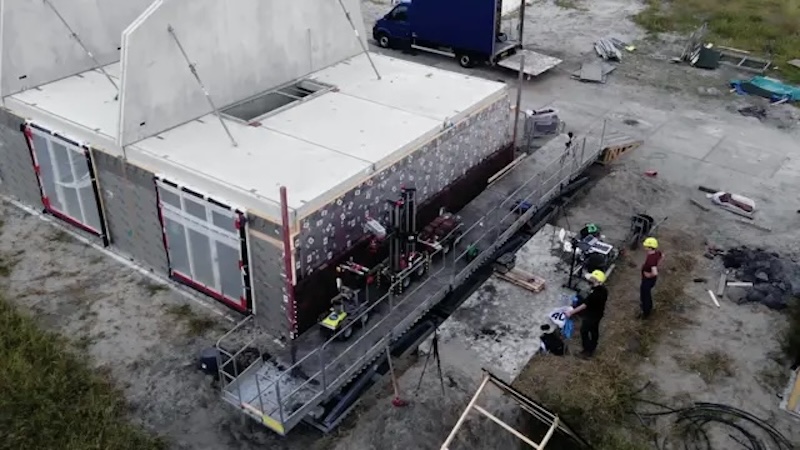
Monumental Secures $32 Million to Enhance Autonomous Construction Robot Deployment
Monumental, a tech company based in Amsterdam, has successfully raised $32 million in a Series B funding round led by Khosla Ventures, with participation from existing investors Plural and Hummingbird. This funding will enable Monumental to expand its team of engineers, increase the deployment of its autonomous construction robots across Europe and the UK, and facilitate its entry into the US market. The significance of this funding lies in addressing the labor shortage in the UK construction sector, where the Home Builders Federation estimates a need for 20,000 additional bricklayers to meet the government’s target of 1.5 million new homes. Monumental's fleet of over 150 robots is already operational as autonomous subcontractors, demonstrating the potential to alleviate this gap in labor and enhance construction efficiency. Looking ahead, Monumental aims to broaden the range of construction tasks its robots can perform while deepening its presence in the UK and expanding into the US. No further timeline was disclosed at the time of publication.
Construction News Technology AI in construction Atrium AI platform automation
Researcher Uncovers Systemic Vulnerabilities in LLMs, Urges Caution in Deployment
Researcher Dave Kuszmar has identified multiple systemic vulnerabilities in large language models (LLMs) that allow for the bypassing of safety protocols, enabling access to dangerous instructions. This discovery highlights a significant security issue across nearly all major LLMs, prompting Kuszmar to advocate for a slowdown in deployment and increased transparency in LLM safety research. The implications of Kuszmar's findings are profound, as they reveal that the very restrictions intended to secure LLMs can be manipulated by attackers to access harmful information. Despite efforts by large AI companies to fortify their models, Kuszmar's experience indicates a troubling lack of responsiveness from these organizations when vulnerabilities are reported. This raises concerns about the safety of LLMs, which are becoming increasingly accessible to the general public. Looking ahead, Kuszmar's call for large-scale research into LLM safety is critical as these technologies continue to integrate into society. The ease with which LLMs can be convinced to provide harmful instructions poses a significant risk, and without proper oversight and security measures, the potential for misuse remains high. No further timeline was disclosed at the time of publication.
Security Llms Ai-safety Ai-companies
U.S. Air Force F-22 Raptors Return to UK After Combat Missions in Israel
Ten F-22 Raptors from the U.S. Air Force arrived at RAF Fairford in the UK on Friday after a deployment at Ovda Air Base in Israel. The jets, part of the 1st Fighter Wing from Langley Air Force Base, participated in operations against Iranian targets, including air defenses and nuclear facilities, from late February to early March 2023. During this period, they executed over 200 combat sorties while remaining undetected by Iranian radar systems. The significance of this deployment lies in the F-22 Raptors' advanced capabilities, which allowed them to penetrate defended airspace and deliver precision strikes on strategic Iranian infrastructure. U.S. Central Command reported that the Raptors utilized GBU-39/B Small Diameter Bombs and GBU-32 Joint Direct Attack Munitions, coordinating with B-2 Spirit bombers and EA-18G Growler jets to effectively overwhelm Iran's air defenses. This operation reflects the ongoing tensions in the Middle East and the U.S. military's strategic response. Looking ahead, the U.S. military's movements in the region indicate a continued focus on countering Iranian threats. The recent increase in hostilities between the U.S. and Iran, including attacks on multiple fronts, suggests that further military actions may be anticipated. No further timeline was disclosed at the time of publication regarding future deployments or operations involving the F-22 Raptors.
Air Air Forces Around The Globe Europe F-22 Fighters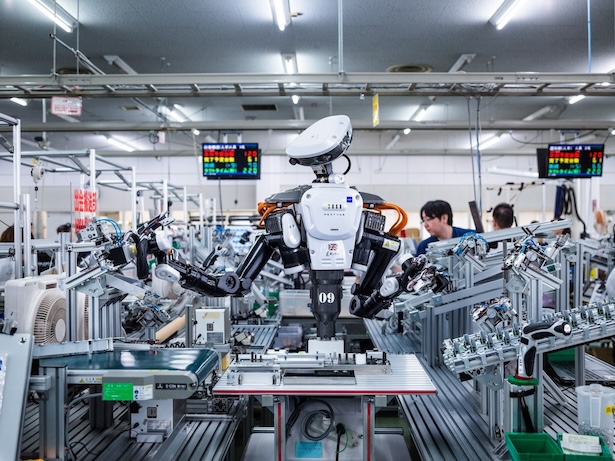
SpaceX's Starship V3 Plans for 1 Million Starmind Satellites by 2030
SpaceX's Starship V3 is set to revolutionize satellite deployment, aiming to launch 1 million Starmind satellites by 2030. The spacecraft can carry over 100 tonnes to low Earth orbit (LEO), significantly more than the Falcon 9's capacity. As of May 2026, Starship has completed 12 flights, with the next mission scheduled for late July 2026, focusing on operational payloads including AI1 prototypes in early 2027. This ambitious plan is crucial for expanding orbital compute capacity, targeting an annual addition of 100 GW through a million tonnes of satellite hardware. SpaceX's strategy hinges on achieving a launch cadence of approximately 12,000 flights, equating to about three launches per day. The company has invested over $15 billion in the Starship program, with expectations to begin payload deliveries in the second half of 2026, starting with Starlink V3 satellites. Looking ahead, the successful deployment of the Starmind constellation will depend on Starship's ability to meet its cost targets of $10–20 million per flight. If achieved, this would make launching satellites more economical than building ground data centers. The next significant milestone will be the launch of AI1 prototypes in early 2027, with full-scale deployments commencing in 2028 from the new Gigasat factory in Texas.
SpaceX's Starmind Faces Feasibility Challenges for 1 Million Satellite Deployment
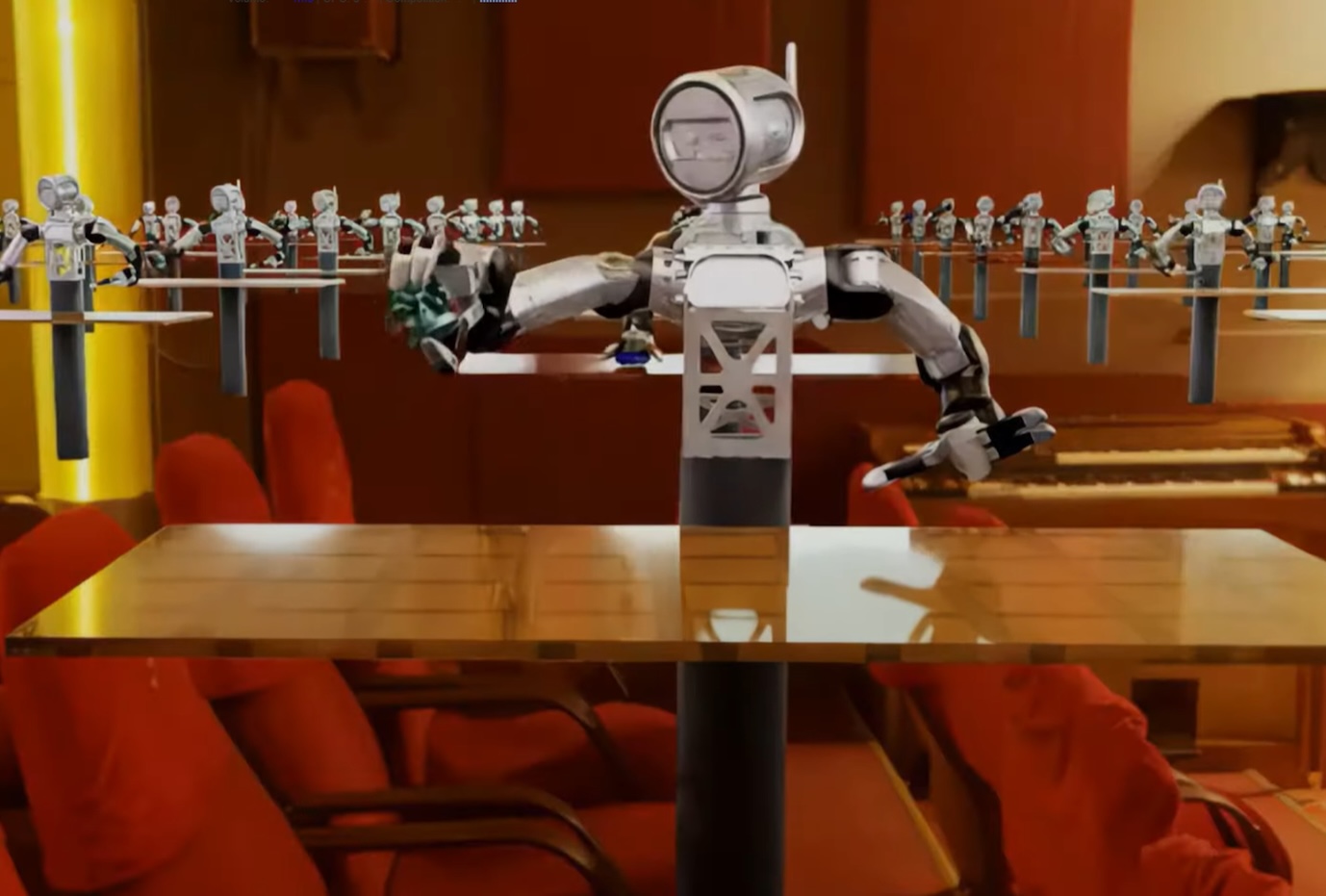
On January 30, 2026, SpaceX submitted a request to the FCC to launch up to 1 million satellites as part of its Starmind orbital compute constellation. This ambitious plan is unprecedented, as the total number of satellites ever launched globally is in the low tens of thousands. The proposal seeks a waiver from standard deployment milestones, citing reliance on the Starship's full reusability for success. The significance of this request lies in the technical and logistical challenges it presents. Experts warn that low Earth orbit may not support the proposed number of active satellites without risking a debris cascade. SpaceX's own IPO prospectus acknowledges unresolved dependencies related to Starship's launch cadence and reusability, which are critical for the orbital AI compute strategy. Looking ahead, the timeline for achieving the necessary launch cadence and manufacturing capacity remains uncertain. SpaceX's Gigasat facility in Texas aims for volume production by late 2027, but this would require unprecedented output levels. No further timeline was disclosed at the time of publication, leaving the feasibility of the Starmind project in question.
Quantum Systems raises $1.2B to expand drone production and deployments
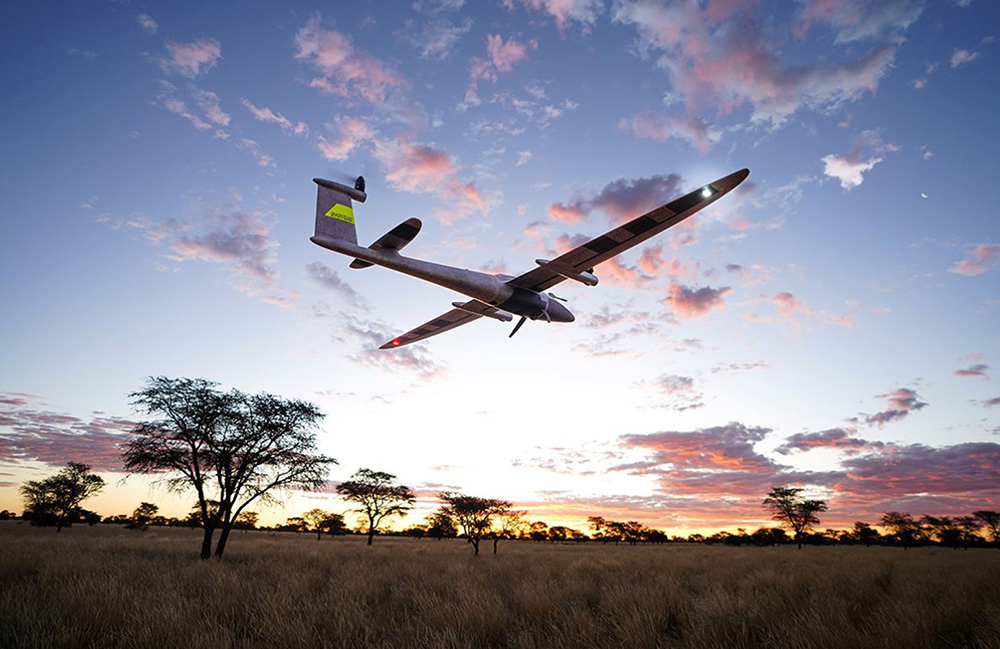
Quantum plans to use the proceeds to expand production capacity, strengthen supply chain resilience, and more. The post Quantum Systems raises $1.2B to expand drone production and deployments appeared first on The Robot Report.
Defense / Security Drones Financial Investments Markets / Industries News
Microsoft launches its own AI deployment company with $2.5 billion commitment
Microsoft has established a new AI deployment group, joining the ranks of tech giants such as Amazon, OpenAI, and Anthropic in the rapidly evolving artificial intelligence landscape. This initiative, announced in October 2023, aims to enhance the company's capabilities in deploying AI technologies across various sectors. The formation of this group is part of Microsoft’s strategy to leverage AI for improving productivity and innovation, responding to the increasing demand for advanced AI solutions in the market. By focusing on effective deployment, Microsoft seeks to ensure that its AI tools are accessible and beneficial to a wider range of users and industries. This move underscores the company's commitment to staying competitive in the AI space and addressing the growing challenges and opportunities presented by this transformative technology.
Enterprise TC AI Microsoft
AGIBOT produces 15,000th robot, marking a milestone in embodied AI deployment
AGIBOT has achieved a significant milestone by deploying 15,000 wheeled semi-humanoid robots, marking a pivotal shift from the development and production phases of embodied artificial intelligence to active deployment. This rollout signifies the company's commitment to advancing robotics technology and enhancing its practical applications in various sectors. The deployment of these robots is expected to streamline operations and improve efficiency in environments where they are utilized. AGIBOT's efforts reflect a growing trend in the robotics industry, focusing on integrating AI into everyday tasks and operations.
Artificial Intelligence Autonomous Mobile Robots (AMRs) Collaborative Robots Humanoids News AgiBot
Why EHR Integration is the Make-or-Break Factor in Healthcare AI Deployments
Healthcare organizations are rapidly adopting artificial intelligence tools, but many are facing significant challenges in integrating these systems with existing Electronic Health Record (EHR) platforms. Practitioners often initiate the use of automation platforms and conduct pilot programs, only to encounter a critical barrier: the inability of new AI systems to communicate with EHRs. This lack of interoperability leads to increased manual workloads, undermining the intended efficiency gains of automation. As healthcare providers strive to enhance operational efficiency through technology, the disconnect between AI tools and EHR systems poses a substantial hurdle that must be addressed to realize the full potential of these innovations.
Digital Automation Health ai in healthcare AI scheduling automation news bidirectional integration
AGIBOT Brings APC 2026 to Thailand, Building a Professional Partner Ecosystem to Accelerate Local Deployment of Embodied AI
AGIBOT has officially launched the AGIBOT Partner Conference 2026 in Thailand, aiming to create a professional partner ecosystem that will expedite the integration of embodied AI and humanoid robots in various sectors. This initiative, in collaboration with VST ECS (Thailand), represents a pivotal step in AGIBOT's dedication to boosting local technological engagement and productivity through cutting-edge AI solutions. The conference serves as a platform for industry leaders to discuss advancements and foster partnerships that will drive innovation in the region.
Embodied AI Robotics Technology Partnership Industrial Automation Productivity SolutionsRobotics needs a service framework.
RSF defines a common language for robot service capability, lifecycle operations, certification pathways, and service-provider networks.
Join the RobotToday community on LinkedIn
Daily robotics news, in-depth analysis, conference highlights, and discussions with professionals worldwide.







