Industry Briefing
A single destination for timely, editor-curated robotics news from around the world.
OpenAI's Robotics Evolution: From Early Innovations to Future Humanoid Developments
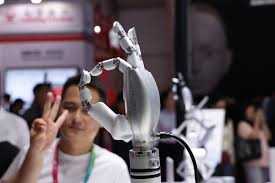
In 2019, OpenAI released a video showcasing a robotic hand solving a Rubik's Cube. On September 2, 2026, CEO Sam Altman confirmed in a podcast that the company will develop humanoid robots, alongside other forms. Over nine years, OpenAI has revisited robotics three times: initially building robots, then investing in them, and now returning to hands-on development. The significance of humanoid robots lies in their ability to adapt to a world designed for humans, as Altman noted. While OpenAI is optimistic about the home market, it is not an immediate priority. The company has recently made headlines with a $122 billion funding round and plans for an IPO, alongside the establishment of the OpenAI Robotics team, which aims to build a complete hardware team from scratch. Looking ahead, OpenAI's recent hiring efforts indicate a commitment to developing robotics capabilities, with positions covering various technical areas. The company’s advancements in AI, particularly with the release of GPT-6 Astra, are seen as crucial for the future of robotics. No further timeline was disclosed at the time of publication.
Humanoid Robots Robotics Development AI Technology Reinforcement Learning
JAKA Robotics Addresses Patent Claims, Highlights Self-Development in Robotics Technology
On September 2, JAKA Robotics issued an official statement regarding overseas patent litigation, asserting that it does not infringe on the opposing party's patents based on comprehensive technical tracing and patent comparison analysis. This confidence stems from over a decade of the company's full-stack self-developed technology system. The performance of a robot is rooted in hundreds of precision components, including reducers, servo systems, and controllers, which directly influence the machine's accuracy, load capacity, and reliability. As Chinese robotics companies accelerate their entry into the global market, the originality of technology and intellectual property rights are becoming critical competitive factors, making JAKA's self-development path significant in this context. Looking ahead, JAKA Robotics aims to enhance its general intelligent robot capabilities, evolving from collaborative robots to embodied intelligent robots. The company has successfully integrated core components and developed over 60 self-developed collaborative robots in its production base, achieving a closed-loop verification of its technological strength. No further timeline was disclosed at the time of publication.
Collaborative Robots Humanoid Robots AI Robotics Technology
NVIDIA to Acquire Hugging Face for $12.9 Billion, Ensuring Open AI Development
NVIDIA Corp. has announced its acquisition of Hugging Face Inc. for $12.9 billion, a platform dedicated to AI development. This acquisition aims to enhance the capabilities of open-source AI, as Hugging Face's CEO, Clément Delangue, emphasized the need for increased compute and collaboration to scale open-source alternatives to closed APIs. The significance of this acquisition lies in NVIDIA's commitment to maintaining Hugging Face as an open platform for the AI community. With over 18 million users and 200,000 companies utilizing Hugging Face, the platform supports a vast array of models and datasets, fostering innovation in AI development. NVIDIA's CEO, Jensen Huang, reiterated that Hugging Face will not require NVIDIA compute for deployment, ensuring flexibility for developers. Looking ahead, Hugging Face plans to continue its support for open-source models and multi-cloud development. The collaboration between NVIDIA and Hugging Face is expected to strengthen the open-source AI ecosystem, particularly in light of recent challenges faced by Hugging Face in cybersecurity. No further timeline was disclosed at the time of publication.
Artificial Intelligence Artificial Intelligence / Cognition China Development Tools / SDKs / Libraries Mergers & Acquisitions Microprocessors / SoC
NVIDIA and MediaTek Strengthen Partnership for Advanced AI Edge to Cloud Platforms
NVIDIA and MediaTek have announced an expansion of their collaboration to develop next-generation AI computing platforms, focusing on AI infrastructure, local AI computing, and automotive applications. MediaTek will integrate NVIDIA's NVLink Fusion™ platform to facilitate the creation of custom XPUs for hyperscalers and cloud service providers. This partnership is significant as it combines NVIDIA's strengths in accelerated computing and AI software with MediaTek's expertise in custom silicon and power-efficient system-on-chip design. The collaboration aims to enhance the development of AI systems that can scale across various markets, as highlighted by NVIDIA CEO Jensen Huang. Looking ahead, the NVLink Fusion platform will serve as a foundation for customers to create custom AI accelerators, streamlining the transition from silicon to production-ready systems. No further timeline was disclosed at the time of publication.

Neura CEO David Reger Calls Physical AI Development Pace 'Tremendous
David Reger, CEO of Neura, a German robotics company, has expressed optimism about the potential of physical AI as a significant growth driver for Europe. He emphasized the rapid advancements in this field, describing the development pace as 'tremendous.' Reger's insights were shared during an interview with Tom Mackenzie on Bloomberg Tech: Europe. The significance of Reger's comments lies in the growing recognition of physical AI's role in the European market. As industries increasingly adopt AI technologies, the potential for economic growth and innovation in robotics is substantial. Neura Robotics, under Reger's leadership, aims to capitalize on this momentum to position itself as a leader in the sector. Looking ahead, stakeholders in the robotics and AI industries should monitor Neura's developments and the broader implications of physical AI advancements. No further timeline was disclosed at the time of publication.

Sarla Aviation Utilizes Siemens Xcelerator for Rapid eVTOL Aircraft Development
Indian startup Sarla Aviation is leveraging the Siemens Xcelerator portfolio to expedite the development of its next-generation electric vertical take-off and landing (eVTOL) aircraft aimed at urban air mobility. Based in Bengaluru, the company plans to revolutionize urban transportation by making electric air taxis safe, sustainable, and accessible, with operations expected to launch by 2028. The adoption of Siemens’ integrated digital thread allows Sarla Aviation to connect product design, simulation, and lifecycle management in a unified environment. This approach enhances data flow across development disciplines, reduces design iterations through early-stage simulation, and improves collaboration among engineering teams, which is essential for meeting certification requirements. Sarla Aviation will showcase its advancements in electric air mobility at Realize LIVE India, where co-founder and CTO Rakesh Gaonkar will discuss how the digital thread strategy is facilitating faster innovation in advanced air mobility. No further timeline was disclosed at the time of publication.
Design Engineering News advanced air mobility aerospace aircraft development
Five Key Physical AI Infrastructure Platforms Influencing Robotics by 2026
The article discusses five significant platforms that are shaping the physical AI infrastructure stack, essential for robotics development by 2026. These platforms address critical bottlenecks and provide reusable infrastructure for various robotics developers, moving beyond traditional computing capacity to encompass simulation, validation, and continuous learning. NVIDIA is highlighted as the foundational company in this space, with its Isaac platform offering a comprehensive ecosystem for robot development, simulation, and training. Its ability to integrate computation, world generation, and model training positions it as a pivotal player in the physical AI landscape, raising questions about the openness of its ecosystem as it expands. Applied Intuition is noted for its end-to-end platform that validates autonomous machines across diverse operating conditions. Its focus on simulation and evaluation is crucial for sectors like automotive and defense. Observers should watch how its strengths in autonomous mobility may translate to other areas of robotics, particularly in manipulation and humanoid tasks, where challenges differ significantly from navigation.
Artificial Intelligence Artificial Intelligence / Cognition Sponsored Content Lightwheel sponsored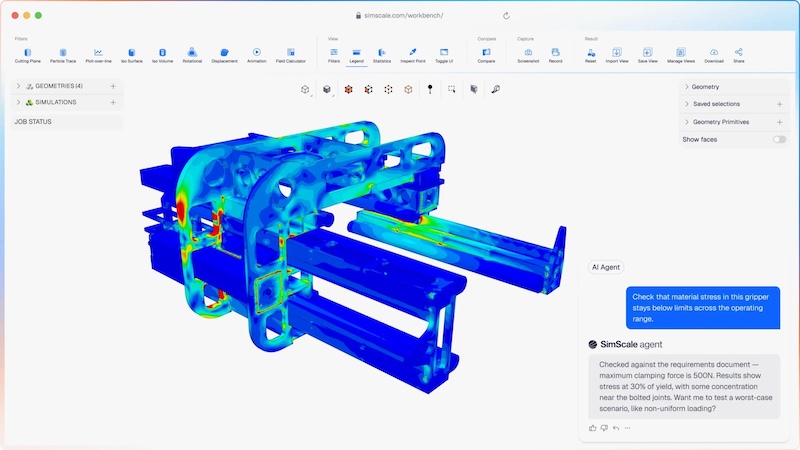
Dexory Implements SimScale’s Engineering AI to Enhance Warehouse Robotics Development
Dexory, a robotics and warehouse data intelligence company, has integrated SimScale’s Engineering AI to streamline the design and testing processes for autonomous warehouse robots. This deployment aims to expedite engineering workflows by enabling quicker identification of structural component failures and facilitating multiple design variations through simulation. The significance of this initiative lies in the growing demand for efficient product development cycles in the warehouse robotics sector, projected to reach $117 billion by 2034. As manufacturers strive to enhance performance and reliability, Dexory's use of Engineering AI reflects a broader trend of embedding AI into engineering processes, which is crucial for maintaining quality while accelerating development. Looking ahead, Dexory's Engineering AI program will automate simulation reporting and enable engineers to conduct parameter sweeps, enhancing the efficiency of design iterations. The initiative not only aims to improve productivity but also seeks to understand AI's potential impact on engineering practices. No further timeline was disclosed at the time of publication.
Engineering News Warehouse robots ai simulation autonomous warehouse robots cloud simulation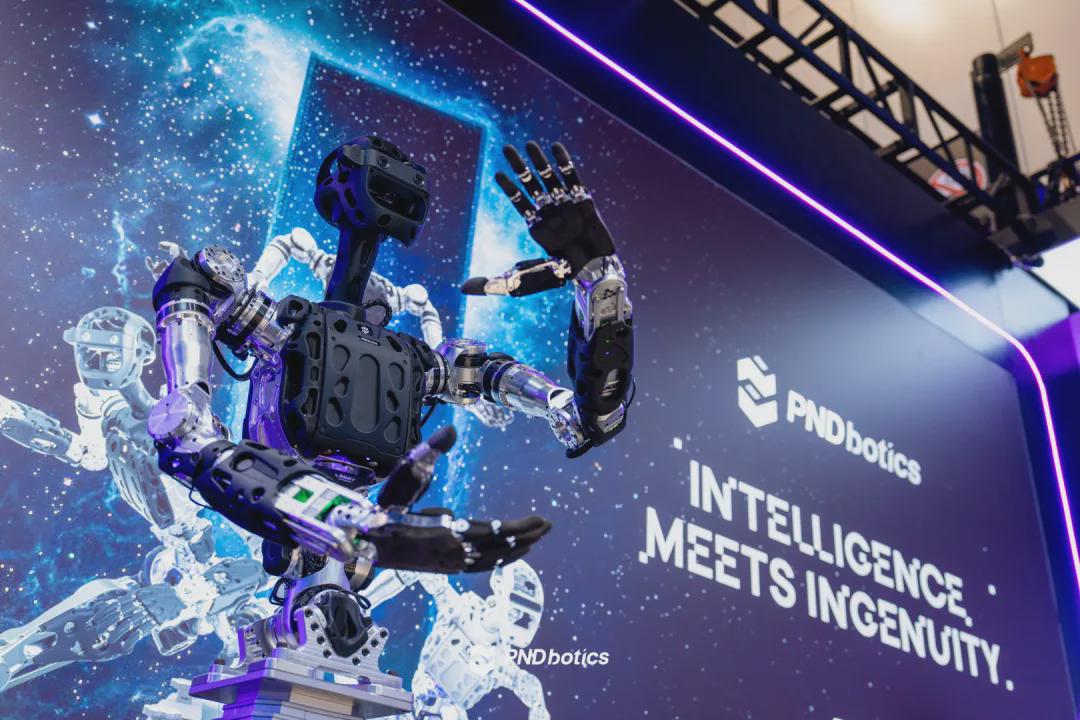
PNDbotics Unveils Full-Stack Development at WAIC 2026 with Adam Robots
On July 17, 2026, the World Artificial Intelligence Conference (WAIC 2026) commenced in Shanghai, featuring over 1,100 global exhibitors. PNDbotics showcased its full-stack development capabilities with the Adam full-sized humanoid robot and the Adam-U upper-body robot. Demonstrations included stair climbing, motion capture, and remote operation, highlighting the technology's robustness in unstructured environments. The significance of PNDbotics' presentation lies in its comprehensive display of technology from data collection to physical execution. The Adam robot, standing at 167 cm with 43 degrees of freedom, performed a live demonstration of stair climbing, marking its first public showcase in such a scenario. Additionally, the Adam-U robot demonstrated its adaptability by executing tasks based on natural language commands, showcasing the potential for advanced human-robot interaction. Looking ahead, PNDbotics is accelerating mass production following significant funding received in February 2026. The company is positioned to address industry challenges in embodied intelligence data scarcity while continuing to innovate in motion control and deep reinforcement learning. No further timeline was disclosed at the time of publication.
Humanoid Robots AI Robotics Technology Motion Control Remote Operation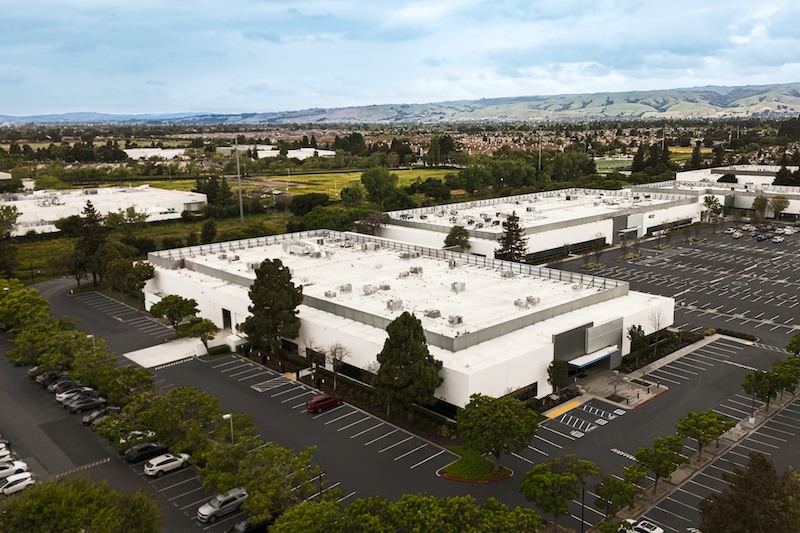
Agility Robotics Launches New Facility in Fremont to Enhance Physical AI Development
Agility Robotics has inaugurated a new facility in Fremont, California, aimed at accelerating advancements in physical AI that enhance customer operations. This 60,000-square-foot site will serve as a hub for software development and AI capabilities, focusing on training and testing technologies that enable the humanoid robot, Digit, to acquire new skills and perform complex tasks in various environments. The establishment of this facility is significant as it positions Agility Robotics in the heart of Silicon Valley, a region known for its AI talent and innovation. The company plans to employ nearly 200 staff members, including experts in hardware engineering and AI/ML software, to drive the development of next-generation AI capabilities that will enhance Digit's safety and productivity in enterprise settings. Looking ahead, Agility Robotics has secured over $300 million in multi-year orders for Digit v5 and has a growing pipeline of more than 30 customers. The Fremont facility is crucial for meeting the increasing demand for humanoid robots in warehouses and manufacturing, as it aims to deliver ongoing safety and productivity improvements in collaboration with human workers. No further timeline was disclosed at the time of publication.
Humanoids Infrastructure News agility robotics ai artificial intelligence
Noetra Initiates Development of Japan's Multimodal AI Foundation Model for Robotics
Noetra, in collaboration with key partners including Sony, SoftBank, NEC, and Honda Motor, has launched extensive R&D for a multimodal foundation model aimed at enhancing AI-enabled robotics in Japan. This initiative is part of a broader effort to develop sovereign AI technologies within the country, supported by investments from 44 companies across various sectors, primarily manufacturing. The significance of this development lies in its potential to position Japan as a leader in physical AI. By creating a robust multimodal foundation model, Noetra aims to improve industrial competitiveness and address societal challenges through advanced AI capabilities, including natural language processing and multimodal data understanding. Looking ahead, Noetra plans to construct AI computing infrastructure with Nvidia's advanced GPUs, with operations expected to commence in June 2028. The phased development will culminate in a comprehensive omni-modal foundation model by fiscal 2028, ultimately striving for a “Real-world Native AI” by fiscal 2030, which will be capable of understanding physical properties in real-world applications.
Artificial Intelligence News Robot simulation ai agents AI infrastructure artificial intelligence
Shanghai Advances BCI Development: The Race for Commercialization Has Started
Shanghai is emerging as a key player in the global brain-computer interface (BCI) competition. The Shanghai Municipal Commission of Economy and Information Technology recently released the 'Three-Year Action Plan for the Industrialization of Brain-Computer Interfaces (2026-2028)', which aims to establish a leading national industrial chain ecosystem in the non-invasive BCI sector by 2028. The plan includes nurturing at least 50 related enterprises and achieving large-scale applications of core products in medical rehabilitation and cognitive training. This initiative is not just a theoretical blueprint. A team led by Academician Zhou Liangfu from Huashan Hospital's Neurosurgery Department, in collaboration with the Institute of Microsystem Research at the Chinese Academy of Sciences, has developed an implanted BCI product that has completed its first clinical trial with volunteers for motor function rehabilitation in paraplegic patients. Shanghai is adopting a parallel strategy with multiple technological routes, supporting invasive, semi-invasive, and non-invasive teams with dedicated funding, with non-invasive approaches progressing more rapidly. The Pudong New Area has designated a 'Brain Science Industrial Base' where the first batch of companies can benefit from various supports, including R&D expense deductions and expedited clinical trial processes. Shanghai's goal is clear: to become the city with the lowest operational costs and minimal policy friction for BCI enterprises. As the global BCI landscape evolves, Shanghai's focus on industrialization aims to establish a commercial loop in hospitals while ensuring safety and regulatory compliance, leveraging China's vast market potential in stroke rehabilitation, youth attention training, and early Alzheimer's screening.
Brain-Computer Interfaces Healthcare Technology Neurorehabilitation Cognitive Training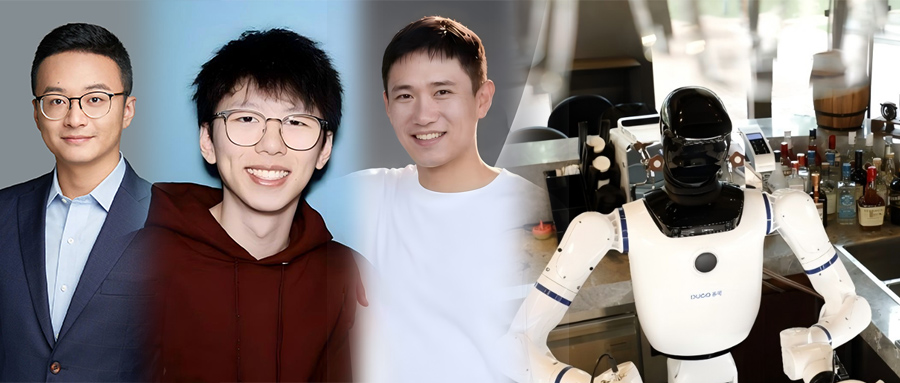
Xspark AI Raises Nearly $15 Million to Advance Physical AI Technology Development
Xspark AI has successfully completed its first round of angel financing, securing nearly 100 million yuan (approximately $15 million). This funding round was led by Dinghui VGC, Chuxin Capital, and the SEE Fund, with participation from several financial investment institutions. The capital will primarily be allocated towards core technology research and development, product iteration, and the large-scale implementation of Physical AI. The significance of this funding lies in addressing the challenges faced by Physical AI in real-world applications. Despite advancements in AI capabilities, many models that perform well in laboratory settings struggle to adapt to dynamic real-world environments. Factors such as lighting changes in factories and the arrangement of objects in homes complicate the deployment of these technologies, highlighting the need for reliable safety mechanisms to prevent equipment failures and accidents. Looking ahead, Xspark AI's CEO, Xiong Qi, emphasizes the importance of accumulating real-world data to enhance the stability and safety of Physical AI systems. As the company aims to overcome existing barriers, the development trajectory of Physical AI is expected to mirror that of the autonomous driving industry, where practical application and data-driven iterations are crucial for achieving commercial success.
Physical AI Robotics Funding Technology Development
Physical Superintelligence Secures $58 Million to Advance AI Physics Platform Development
Physical Superintelligence (PSI) has successfully raised $58 million in seed funding, led by Breakthrough Energy Ventures, to develop its AI-based physics platform named Emmy. This funding will enable PSI to recruit top talent and enhance its computational models aimed at optimizing data centers. The significance of this funding lies in PSI's ambition to revolutionize the discovery of new physics, particularly in optimizing terrestrial and orbital data centers. CEO Matt Pines emphasized that the initial focus on data centers will pave the way for tackling long-standing physics challenges, making advanced research more accessible. Looking ahead, PSI plans to utilize the funding for expanding its team of physicists and AI researchers, developing Emmy's capabilities, and exploring applications in energy and computing. No further timeline was disclosed at the time of publication.
AI Funding & Investment AI Breakthrough Energy Ventures capital markets funding funding round
Tesla's Financial Struggles Amid AI Aspirations and Robotaxi Developments
Tesla's stock trades at 369 times earnings, with a 1.4% operating margin and negative $1.1 billion free cash flow, prompting analysts to label it a Sell. Despite a 25% revenue increase to $28 billion in Q2 and a 56% rise in FSD subscriptions, GAAP EPS fell short of estimates by 39%. The company is pivoting towards AI and Robotaxi initiatives, but faces skepticism regarding its financial health. The significance of Tesla's situation lies in its attempt to rebrand as an AI company while grappling with deteriorating financial metrics. Management has projected capital expenditures exceeding $25 billion for 2026, supported by a new $30 billion borrowing facility. However, the odds of successfully launching the Optimus robot remain low at just 3%, raising concerns about the viability of its ambitious AI plans. Looking ahead, Tesla's ability to scale its AI and Robotaxi projects will be crucial for its stock valuation. With $43.5 billion in cash to support its AI initiatives, the company may still have potential if it can meet its targets. However, the current financial trajectory raises questions about the sustainability of its growth narrative, especially as the market remains skeptical of its AI ambitions.
Fugro Expands Singapore Innovation Hub with AI-Driven Marine Digital Twin Development
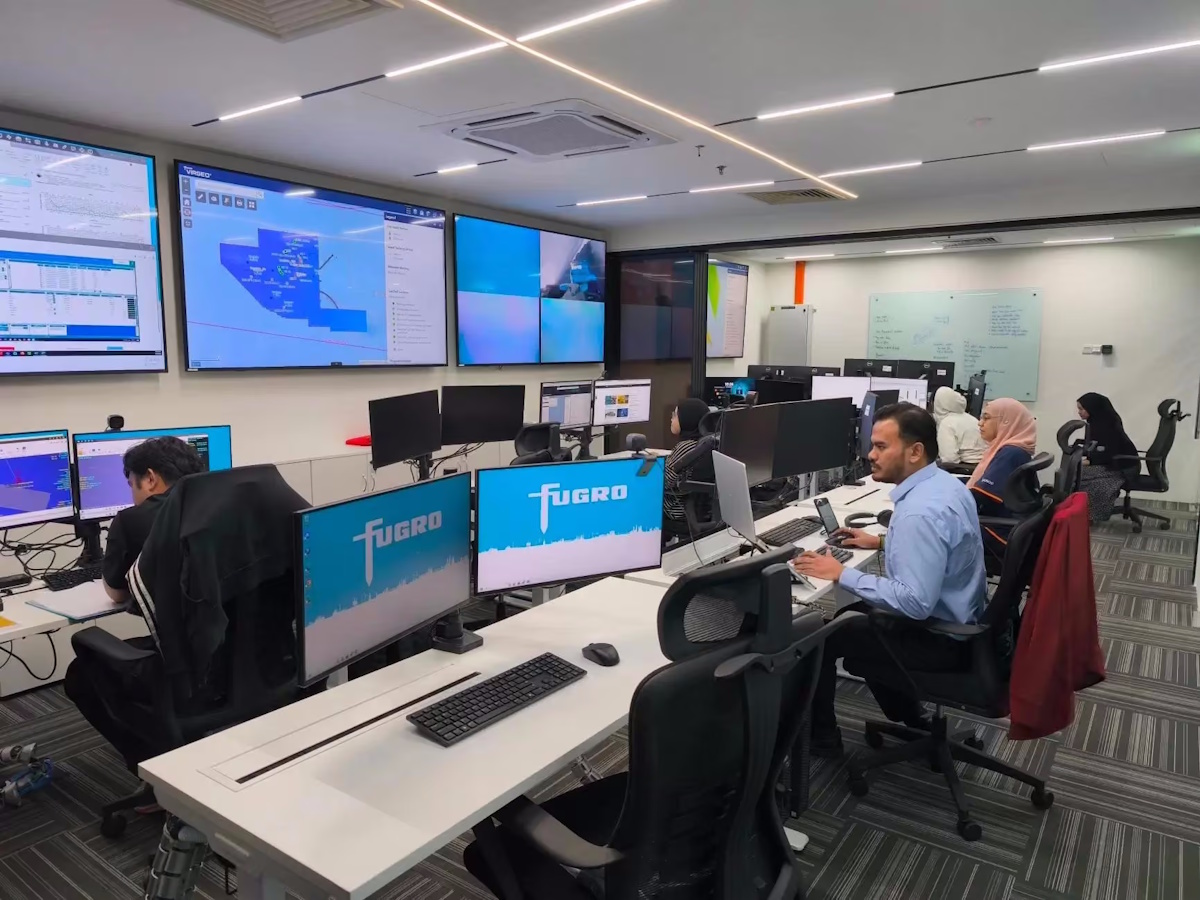
Fugro has announced the expansion of its innovation hub in Singapore by developing an AI-driven marine digital twin capability. This initiative is a significant milestone in Fugro's global growth strategy, enhancing Singapore's position as the Asia Pacific hub for marine Geo-data innovation. The new platform aims to help clients make quicker, more informed decisions regarding offshore and coastal developments. The AI-enabled platform will integrate various data types, including geophysical survey data and geotechnical site investigation results, into a unified digital analytics environment. By automating data integration and analysis, the platform seeks to improve efficiency and provide deeper insights from complex marine Geo-data. This advancement is expected to enhance decision-making for offshore projects, ultimately benefiting clients worldwide. Fugro anticipates creating new roles in Singapore focused on AI, data science, and digital engineering as the platform scales. The expansion reflects confidence in Singapore's R&D ecosystem and aims to deepen local capabilities in applying AI to marine developments. No further timeline was disclosed at the time of publication.
fugro innovation hub ai digital twin
AWS Japan Accelerates Physical AI Development with 51 Companies, 14 Projects Showcase Results
Amazon Web Services Japan (AWS Japan) held the final presentation of its 'Physical AI Development Support Program' on August 31, 2026. Out of 51 selected companies, 14 projects were showcased, highlighting advancements in humanoid full-body control, Vision-Language-Action (VLA) models, world models, and simulation-based learning data generation over the past six months. This initiative is significant as it aims to leverage Japan's extensive manufacturing expertise and on-site knowledge by integrating it with generative AI and cloud technologies. The program has seen companies develop humanoid robots, conduct hospital demonstrations, and quantify the effectiveness of simulation data, revealing areas where VLA struggles in industrial applications. Looking ahead, AWS Japan's support for startups in logistics, construction, manufacturing, and e-commerce warehouses will continue to be crucial. The program, which began in January 2026, has provided technical support, optimization of computational costs, community formation, and Go-to-Market assistance, backed by $6 million in AWS credits. No further timeline was disclosed at the time of publication.

MIT Researchers Create Atlas of Brain's Striatum to Aid Drug Development
MIT researchers have developed a comprehensive atlas of neurons in the striatum, a brain region essential for cognitive and motor functions. This atlas identifies 31 subgroups of neurons, including those linked to addiction, depression, and schizophrenia, which could pave the way for new drug treatments for these disorders. The significance of this research lies in its potential to enhance understanding of conditions like Huntington's disease and addiction. By revealing the vulnerabilities of certain neurons to Huntington's disease, the findings could inform the development of targeted therapies. Myriam Heiman, a senior author of the study, emphasizes the importance of this atlas as a foundational resource for future research. Looking ahead, the research team plans to utilize this atlas to further investigate Huntington's disease and opioid use disorder. The study's innovative use of single-cell RNA sequencing and other techniques marks a significant advancement in neuroscience, potentially leading to breakthroughs in drug development for various neurological disorders. No further timeline was disclosed at the time of publication.
Research Brain and cognitive sciences Disease Neuroscience Biology Behavior
SiMa.ai and ARK Electronics Collaborate to Enhance Autonomous Drone Development
SiMa.ai and ARK Electronics have formed a strategic partnership aimed at accelerating the deployment of next-generation autonomous drones. They are introducing the ARK-SiMa.ai Modalix MLSoC Bundles, which are production-ready solutions designed to facilitate the development of intelligent drones for various markets, including commercial and defense. This collaboration is significant as it combines SiMa.ai's expertise in Physical AI with ARK Electronics' capabilities in high-quality drone electronics. The resulting solutions are expected to be affordable and high-performance, addressing the growing demand for advanced drone technology in sectors such as UAS, industrial applications, and agriculture. Looking ahead, the partnership aims to simplify the development process for intelligent drones, potentially leading to faster deployment in the market. No further timeline was disclosed at the time of publication.

Datatang Launches Multimodal Ego-Centric Dataset for Physical AI Model Development
On August 26, 2026, Datatang Inc. announced the launch of a large-scale multimodal dataset focused on Ego-centric perspectives to accelerate research and development for physical AI models. This dataset, under the Nexdata brand, synchronizes video, IMU, SLAM, depth information, hand keypoints, and semantic annotations, making it readily integrable into research pipelines. The significance of this dataset lies in its ability to provide not just video data but also multisensory information and precise operational data essential for robots to operate autonomously in real environments. Nexdata emphasizes that constructing a 'data recipe' combining various data layers is an effective means for training versatile algorithms, despite challenges in synchronizing Ego-centric data across multiple sensors and integrating UMI and real machine data into development pipelines. Datatang offers several datasets, including a '1,000-hour PICO collection dataset' and a '1,000-piece 6-camera Ego-centric dataset,' among others. The company also operates a dedicated data collection facility with over 300 robots, capable of collecting around 5,000 hours of data monthly. No further timeline was disclosed at the time of publication.

Renesas Launches Robotics Lab in Beijing for AI Development and Collaboration
Renesas has inaugurated a new robotics lab in Beijing aimed at enabling customers to demonstrate and validate next-generation robotic systems. This facility is part of Renesas' broader initiative to enhance its physical AI capabilities. The establishment of this lab is significant as it allows for collaborative development between Renesas and its clients, fostering innovation in robotic technologies. By providing a space for hands-on experimentation, Renesas aims to accelerate the deployment of advanced robotics solutions in various applications. Looking ahead, stakeholders should monitor how this lab influences the development of robotic systems and the potential partnerships that may arise. No further timeline was disclosed at the time of publication.
Artificial Intelligence News Robotics China Physical AI Renesas Electronics
Renesas Opens Physical AI & Robotics Lab in Beijing to Boost Robotics Development
Renesas Electronics Corporation has officially launched its Physical AI & Robotics Lab in Beijing, China. This new facility is designed to support customers in demonstrating, validating, and co-developing next-generation robotic systems. The establishment of this lab is significant as it will serve as a central hub for executing Renesas' physical AI strategy, facilitating the transition from proof-of-concept to large-scale deployment of advanced robotics solutions. Looking ahead, the lab is expected to play a crucial role in advancing robotics innovation and physical AI applications. No further timeline was disclosed at the time of publication.

Taiwan's Drone Industry Development Faces Legislative Budget Challenges
Taiwan's political parties are intensifying their conflict over funding and developing the drone industry, crucial for national defense amid rising tensions with China. The Lai administration and the KMT-led opposition are proposing rival plans to address the evolving landscape of modern warfare and military preparedness. This legislative battle is significant as Taiwan seeks to bolster its defense capabilities in response to China's military expansion. The outcome of these budget discussions will directly impact Taiwan's ability to innovate and maintain a competitive edge in drone technology, which is increasingly vital in contemporary military strategies. Looking ahead, stakeholders should monitor the developments in Taiwan's drone funding and policy decisions. No further timeline was disclosed at the time of publication, but the ongoing debates will likely shape the future of Taiwan's defense posture and its technological advancements in the drone sector.

Saab Unveils Loyal Wingman Drone Series for Swedish Air Force Development
Saab has announced the development of three unmanned aircraft, designated A1, A2, and A3, aimed at creating a loyal wingman fighter system for the Swedish Air Force. The A1 will serve as a supersonic demonstrator powered by an AI-driven GE F414 engine, while the A2 will include an internal weapons bay. Both models are expected to take flight within the next four years, with the A1 anticipated to fly in just 15 months. The significance of this development lies in its potential integration with the Gripen system, as highlighted by Swedish Defense Minister Pål Jonson. He emphasized the importance of having an unmanned wingman component that can conduct deep operations alongside the manned platform. The A3 model, which may become the primary sales product, could enter service within ten years, contingent on government funding decisions. Looking ahead, Saab's loyal wingman initiative reflects a broader trend towards mixed squadrons of manned and unmanned assets, as noted by Brig. Gen. Niclas Magnusson. The Swedish parliament is expected to make critical decisions regarding Sweden's fighter aircraft capabilities between 2028 and 2030, with ongoing studies and technology development supporting this initiative.
Air Warfare Air Force CCA collaborative combat aircraft Drones Europe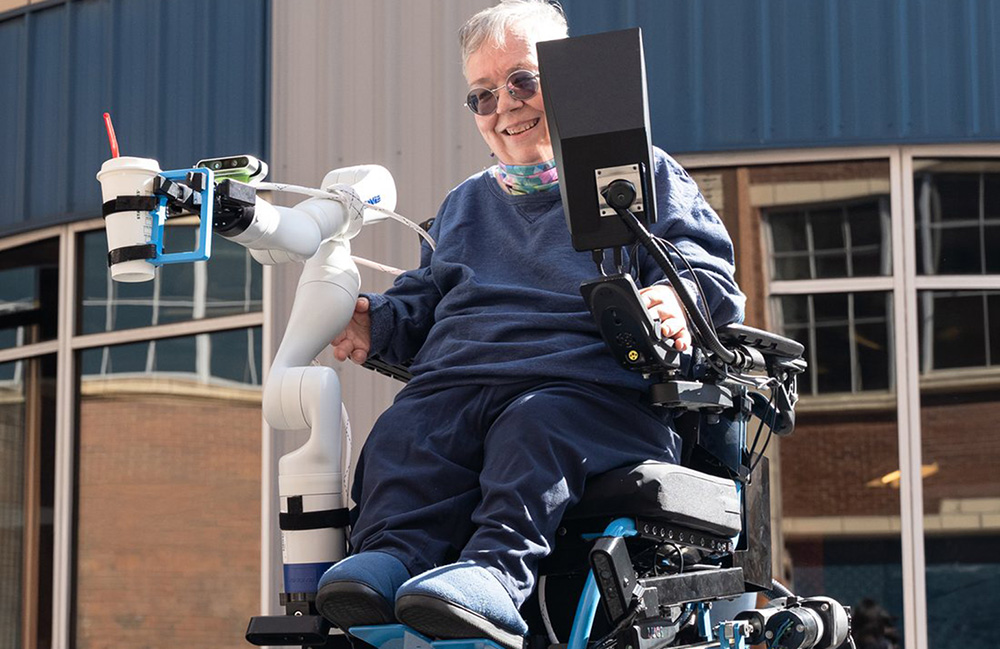
ATDev Updates on Development of Autonomous Wheelchairs with Robotic Arms
Assistive Technology Development Inc. (ATDev) is advancing its efforts to create autonomous wheelchairs integrated with robotic arms, enhancing independence for users. Founder Owen Kent highlighted the lack of technological progress in wheelchair design compared to other devices, emphasizing the need for innovation in assistive technology. The Robotic Assistive Mobility and Manipulation Platform (RAMMP), funded by ARPA-H and led by the University of Pittsburgh, aims to empower individuals with mobility challenges through robotics and AI. The initiative focuses on developing a modern power wheelchair capable of performing tasks such as reaching, lifting, and even teleoperation features for users confined to bed. Kent noted that current wheelchair technology is outdated, and ATDev is committed to rebuilding the electronics and software architecture to foster innovation. The project aims to transform the wheelchair into a versatile support system for daily activities, including eating and drinking. As ATDev continues its work within the RAMMP consortium, the industry will be watching closely for advancements in autonomous wheelchair technology. The integration of a coordinated robotic arm and a stable mobile base represents a significant step forward in assistive mobility solutions. No further timeline was disclosed at the time of publication.
Artificial Intelligence Artificial Intelligence / Cognition Design / Development Food & Drug Administration Healthcare Robotics Human Robot Interaction / Haptics
AiHUB and RobotMateHub Begin Collaboration in Entertainment Robotics and AI Talent Development
AiHUB, focused on advancing robotics and AI in entertainment, has announced a partnership with RobotMateHub, a platform for workforce development in the robotics industry, effective August 17, 2026. This collaboration aims to enhance the intersection of entertainment and robotics, fostering talent in physical AI and expanding public engagement through various initiatives. The partnership is significant as it seeks to bridge the gap between creators and the robotics workforce, promoting a broader understanding and application of robotics in entertainment. Both organizations recognize the necessity of developing a skilled workforce capable of creating, operating, and utilizing robots effectively, which is essential for the industry's growth. Looking ahead, the collaboration will not be limited to specific events but will encompass multiple areas, including participation in AiHUB's events like the Robot Carnival and joint efforts in skill certification and community engagement. No further timeline was disclosed at the time of publication.
Elroy Air Receives $46 Million from US Army for Advanced Heavy-Lift Drone Development
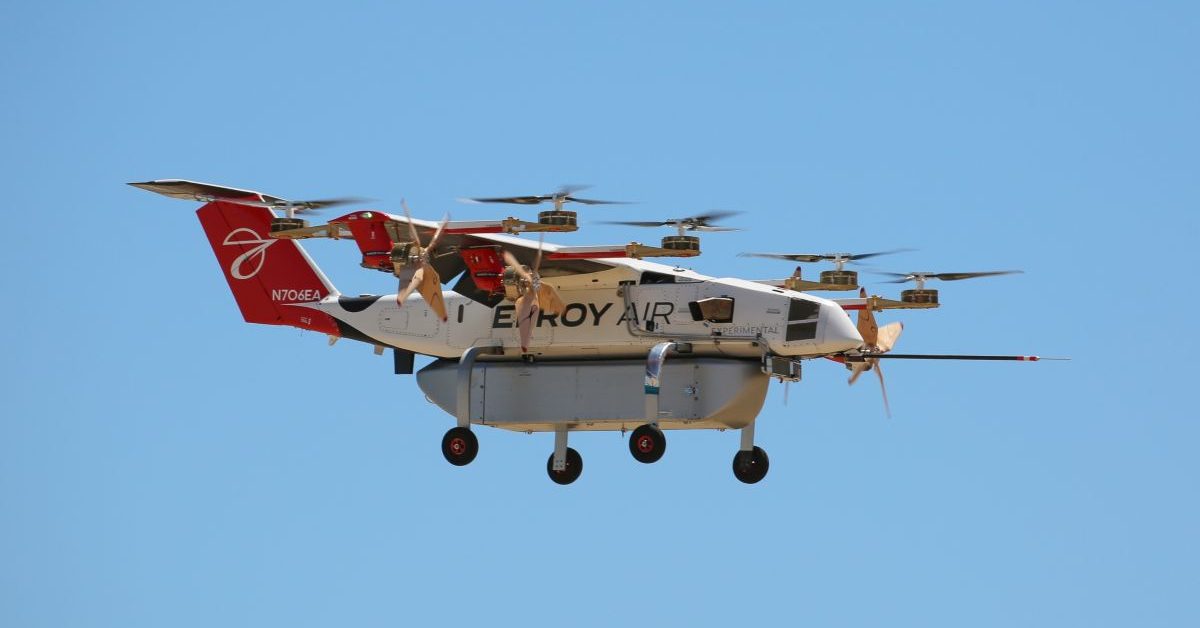
Elroy Air has secured a $46 million multi-year contract from the US Army to enhance its autonomous hybrid-electric VTOL cargo drone, the Chaparral. This contract aims to improve the drone's capabilities in challenging military environments, focusing on modular cargo delivery and operational efficiency alongside troops. The significance of this contract lies in its alignment with the Army's emphasis on 'contested logistics,' ensuring supply continuity amid disruptions. Elroy Air's Chaparral drone, capable of carrying over 500 pounds, is designed for operations without fixed infrastructure, making it ideal for remote or damaged locations. Looking ahead, Elroy Air plans to start manufacturing the Chaparral in the US later this year, partnering with Kratos Defense & Security Solutions. While the current focus is military, the company also aims to expand the drone's applications in commercial logistics and disaster response, indicating a broader market potential for autonomous cargo delivery.
News
Saildrone Expands European Operations with New Manufacturing and Headquarters in Copenhagen
Saildrone has announced a significant expansion in Europe, establishing multiple manufacturing sites and its EU headquarters in Copenhagen. This expansion includes contracts for building the 52-meter Saildrone Spectre in the Netherlands, the next-generation Saildrone Surveyor in Norway, and Surveyor wings in Poland. This move is crucial as it enhances Saildrone's capacity to support European customers with unmanned surface vehicles (USVs) that address maritime challenges such as illegal fishing and drug trafficking. The establishment of local operations will enable Saildrone to provide direct support and maintenance for its USVs in the region. Looking ahead, Saildrone's new headquarters will facilitate business development and operational activities across Europe. The company aims to strengthen its presence and capabilities in the European market, responding to the growing demand for advanced maritime technology solutions. No further timeline was disclosed at the time of publication.
saildrone major european expansion production operations usv
AMD Achieves 30% Productivity Boost with AI in Software Development
AMD has reported a significant 30% productivity boost in software development through AI integration, surpassing its initial target of 25%. This achievement is attributed to advancements in Large Language Models (LLMs) that enhance code generation, debugging, and testing processes. The company is now rethinking the software development lifecycle (SDLC) to incorporate collaborative AI agent swarms that can independently identify solutions, moving beyond traditional human-defined workflows. The implications of this development are profound, as AMD's AI systems are not only automating tasks but also reshaping the entire SDLC structure. By enabling AI to generate over 20% of source code, with some components reaching 80%, AMD is setting a new standard for productivity in software engineering. This shift towards agentic AI allows engineers to scale their expertise and focus on defining problems rather than solutions, paving the way for a future where AI can autonomously generate and evaluate multiple solutions. Looking ahead, AMD aims to further enhance its AI capabilities by fostering collaborative learning among agents, which will enable them to improve continuously across projects. The company has already seen success in its Radeon Software eXperience (RSX), where AI agents have increased their issue resolution rate from 6% to 75% in less than a year. No further timeline was disclosed at the time of publication.
Agentic-ai Software-engineering Amd Large-language-models
Dai Weijin Discusses Collaborative Efficiency as Key to Robot Chip Development
Dai Weijin, Chief Strategy Officer of Chipone Technology, highlighted the critical issue of collaborative efficiency in robot chip development. While the industry focuses on TOPS performance metrics, he emphasized that the real challenge lies in ensuring system efficiency aligns with computational power. He pointed out that while automotive chips may have excess computational capacity, robots require low-latency perception capabilities that are currently insufficient. Dai noted that reusing automotive chips was a necessary early choice for the industry, but the fundamental logic differs between automotive and robotics. Robots demand precise interactions in complex environments, which cannot be achieved by simply repurposing automotive technology. He explained that robot chips typically utilize a layered computing architecture, where the 'brain' handles decision-making and planning, while the 'small brain' manages perception and real-time control. Looking ahead, Dai believes that industrial applications, particularly in logistics and material handling, will lead the way in adopting these technologies. Chipone's strategy focuses on scalable architecture and providing clients with the most suitable configurations to quickly develop their products, emphasizing that collaborative efficiency is the true competitive advantage in the market.
Robot Chips Collaborative Efficiency Layered Computing Industrial Automation
INFIFORCE Secures Nearly 1 Billion Yuan in Funding for Embodied AI Development
On August 14, INFIFORCE announced the completion of its Series A and A+ funding rounds, raising nearly 1 billion yuan. The funding was led by Dunhong Asset and major state-owned platforms, with participation from various industrial capital investors. The capital will primarily support the development of the AtomBrain and causal world model, as well as the scalable delivery and validation of multi-modal robotic bodies in real industrial scenarios. This funding is significant as it positions INFIFORCE to address the prevalent industry challenge of 'embodiment without intelligence.' Founder and CEO Dr. Bai Huiyuan, a former Alibaba VP, aims to enable robots to truly understand the world through a combination of embodied brains and full-stack AI infrastructure. The company’s core technology team includes experts from top universities, enhancing its capability in the field of embodied intelligence. Looking ahead, INFIFORCE plans to focus on Ego-Centric data collection starting in 2025, which differs from traditional third-person data approaches. The company has developed the Atom series of embodied models, achieving impressive benchmark results. No further timeline was disclosed at the time of publication.
Embodied AI Robotics Funding Artificial Intelligence
Ant Group Leads Strategic Investment in Daimeng Robotics for Tactile Sensor Development
On August 11, Shenzhen's Daimeng Robotics announced the completion of a strategic financing round worth hundreds of millions, led by Ant Group, with existing shareholders participating. This marks Daimeng's second significant funding within two months and represents Ant Group's strategic entry into the embodied intelligence sector through component technology. Daimeng, founded by Wang Yu and Duan Jianghua from the Hong Kong University of Science and Technology, focuses on millimeter-level optical tactile sensing and dexterous manipulation technology. As the demand for humanoid robots in China is projected to reach 61.4% in entertainment and educational sectors by 2025, the shift towards precision operations in industrial applications is becoming crucial, highlighting the importance of tactile sensors in enhancing operational accuracy. Daimeng's core strength lies in miniaturizing tactile sensing units to achieve high-resolution capabilities. The company has developed a humanoid optical tactile five-fingered dexterous hand and the Sparky 1 humanoid robot, integrating tactile data into a visual-tactile-language-action framework. This investment by Ant Group is part of a broader strategy to create a comprehensive ecosystem that spans data generation, component supply, and model training, positioning Daimeng as a key player in the tactile sensor market.
Tactile Sensors Robotics Industrial Automation Embodied Intelligence
Data Challenges Impeding Progress in Visual and Physical AI Development
Recent findings reveal that the shift in AI focus from text to physical world data is causing significant challenges. A 2026 survey of over 700 professionals indicates that data-related issues are the primary cause of model failures in physical AI systems. The report emphasizes the importance of data curation over merely expanding model architectures, highlighting that inefficient annotation processes lead to wasted resources as teams often discard labeled data before production. Understanding these data bottlenecks is crucial for organizations aiming to advance their physical AI capabilities. The report illustrates that effective data management is what distinguishes successful teams from those that struggle to deliver functional models. As the demand for systems that can perceive and act in physical environments grows, addressing these data challenges becomes increasingly important for innovation in the field. Looking ahead, organizations must prioritize refining their data curation processes to enhance the performance of physical AI systems. No further timeline was disclosed at the time of publication.
Type-whitepaper Artificial-intelligence Computer-models Data-bottleneck
Zhongke Xinzhi Completes Angel Round Funding for Emotion Perception AI Development
Zhongke Xinzhi, a company specializing in embodied intelligent emotional cognition models, has announced the completion of its angel round funding. The investment, led by Shanghai Xinzhi Enterprise Management Partnership, will primarily support the technological iteration of cross-modal emotion perception models, the mass production of smart hardware, and the development of standardized perception modules. This funding is significant as it enables Zhongke Xinzhi to advance its core technology, which integrates visual, auditory, behavioral, and physiological signals to produce a clinical-level 'empathy index' and multidimensional mental state perception. This breakthrough allows for a more nuanced understanding of emotions, moving beyond simple binary labels like 'happy' or 'sad' to recognize complex emotional states, enhancing the emotional intelligence of robots. Looking ahead, Zhongke Xinzhi aims to commercialize its technology through self-developed hardware such as smart rings and companion robots, initially targeting emotional companionship for consumers. The ultimate goal is to establish an 'emotion-level' ecological infrastructure that transforms not only human-robot interaction but also the very essence of companionship itself. No further timeline was disclosed at the time of publication.
Emotion AI Robotics Human-Robot Interaction Machine Learning
NVIDIA Forms Partnerships to Mobilize Over $500 Billion for AI Compute Infrastructure Financing
NVIDIA has announced strategic partnerships with Apollo, BlackRock, Blackstone, Brookfield, Goldman Sachs, and KKR to create independent compute financing platforms. These platforms aim to mobilize over $500 billion in third-party capital to support the development of AI infrastructure, addressing the increasing demand from governments, enterprises, and startups. The significance of this initiative lies in its potential to transform AI infrastructure into a viable investment asset. NVIDIA's compute technology is designed to be flexible, widely adopted, and continuously improved, making it an attractive option for investors. The partnerships will enable the establishment of dedicated capital pools to facilitate the growth of AI factories across various industries. Looking ahead, the collaboration between NVIDIA and these financial institutions is expected to play a crucial role in the AI buildout, which requires substantial investment and skilled labor. No further timeline was disclosed at the time of publication.

AMD Launches X100 Series Processors for Humanoid Robot Brain Development
In late July, AMD unveiled its X100 series processors at the Advancing AI conference in Santa Clara, marking a significant entry into the humanoid robot brain market. This initiative aims to leverage AMD's expertise in real-time control and sensor integration, competing against NVIDIA's established Jetson ecosystem. The introduction of the X100 series, which includes the Kria AI SOM module and Spartan UltraScale+ FPGA, is crucial as it addresses the industry's need for integrated solutions that combine processing power with low latency. AMD's strategy focuses on providing a unified memory architecture and industrial-grade reliability, which are essential for applications in robotics and automation. Looking ahead, AMD's X100 series is expected to face stiff competition from NVIDIA, which currently dominates the humanoid robot brain market. However, AMD's unique offering of integrated solutions may attract industrial clients seeking reliable and long-term partnerships. No further timeline was disclosed at the time of publication.
Humanoid Robots AI Processors Industrial Automation FPGA Technology
WUWENAI's Liu Shengxiang Addresses Data Bottleneck in Embodied AI Development
WUWENAI founder Liu Shengxiang has identified data as the primary bottleneck in the development of embodied AI. To tackle this challenge, the startup has developed a closed-loop Real-to-Sim-to-Real pipeline, which Liu claims is ahead of World Labs' SceniX initiative by several months. This advancement is significant as it highlights the critical role of data in enhancing the capabilities of embodied AI systems. By creating a more efficient data pipeline, WUWENAI aims to accelerate the development and deployment of AI technologies that can interact with the real world more effectively. Looking ahead, industry observers should monitor how WUWENAI's innovations influence the broader landscape of embodied AI and whether their pipeline can set new standards in data utilization. No further timeline was disclosed at the time of publication.
SpaceX Reports Significant AI Investments and Ambitious Revenue Goals Amid Industry Developments
SpaceX has announced its first earnings report, revealing substantial investments in artificial intelligence and a bold prediction from Elon Musk for a $100 billion annual revenue run rate by the end of the year. Additionally, the company is planning an ambitious expansion of its Starlink service. This financial disclosure is significant as it highlights SpaceX's commitment to integrating AI into its operations, which could enhance its competitive edge in the aerospace sector. The ambitious revenue target set by Musk underscores the company's growth trajectory and its potential impact on the industry. In related news, Uber's CEO Dara Khosrowshahi discussed the company's earnings and its ongoing robotaxi initiatives, while Zoox CEO Aicha Evans announced a key milestone with the commencement of paid rides in Las Vegas. No further timeline was disclosed at the time of publication.

Kaiwang Data Secures Over RMB100 Million for Embodied AI Data Infrastructure Development
Kaiwang Data, a Chinese provider of data infrastructure for embodied AI, has successfully raised over RMB100 million in a strategic funding round. This funding round was co-led by the Beijing E-Town Industrial Upgrade Fund, Huafang Capital, and Skyline Capital, with participation from several robotics companies including Lumai Robotics and Mifeng Technology. This funding is significant as it will enable Kaiwang Data to enhance its capabilities in managing multimodal data essential for applications in autonomous driving and humanoid robots. The company currently produces approximately 100,000 hours of usable data monthly and has established bulk data-purchasing agreements with major firms, indicating strong demand for its services. Looking ahead, Kaiwang Data plans to utilize the new funding to develop its data-trading platform and advance world-model technology. The expansion will target commercial, industrial, and household applications, positioning the company for growth in the rapidly evolving AI landscape. No further timeline was disclosed at the time of publication.
News Feed
Paxini Moves Headquarters to Haidian, Beijing for Strategic Development
Paxini Technology (Beijing) Co., Ltd. officially relocated its headquarters from Shenzhen to Haidian, Beijing, on July 17, 2026. This change reflects a strategic adjustment in headquarters functions as the company enters a new development phase, enhancing its national coordination while maintaining its industrial base in Shenzhen. The relocation is significant as it allows Paxini to better connect with research resources from Beijing's universities and comply with national data regulations, which is crucial for its IPO preparations. Despite the move, the company will continue its operations in Shenzhen, focusing on industrialization and maintaining a division of labor between its northern R&D and southern production bases. Looking ahead, Paxini's recent achievements, including over 1 billion yuan in Series B funding and the registration of its self-developed motion data set, position it as a leading player in the embodied intelligence sector. No further timeline was disclosed at the time of publication.
Humanoid Robots AI Robotics Sensor Technology
Fire Point CEO Discusses Development of Missiles and Drones Against Russian Forces
Fire Point CEO Iryna Terekh recently shared insights on the company's evolution from a garage startup to a key player in missile and drone production. Amid ongoing threats from Russian missiles, Terekh highlighted the effectiveness of their FP-1 and FP-2 drones, as well as the new Flamingo cruise missiles, which enhance Ukraine's long-range capabilities. The significance of Fire Point's advancements lies in their strategic aim to counter Russian aggression. The FP-9 ballistic missile, designed to strike targets up to 500 miles away, and the FP-7.x interceptor, intended as a cost-effective alternative to Patriot systems, are pivotal in strengthening Ukraine's defense. Terekh's leadership has been crucial in navigating the challenges of weapon development under constant threat. Looking ahead, the status of the FP-9 program and the development of indigenous missile systems will be critical. Terekh's insights into the use of AI in weapon systems and the challenges faced during production highlight the innovative approaches being taken to ensure Ukraine's defense capabilities remain robust. No further timeline was disclosed at the time of publication.
News & Features Around The Globe Europe Land Land-Based Ballistic Missile Defense Russia
Magic Atom Collaborates with Shanghai to Propel Embodied Intelligence Initiatives
During the 2026 World Artificial Intelligence Conference, Shanghai Beigao High-tech Group Co., Ltd. partnered with Magic Atom to advance embodied intelligence development. Founded in January 2024, Magic Atom has rapidly become a leading domestic company in embodied intelligence, achieving a 90% autonomy rate in core algorithms and hardware. Their product lineup includes the MagicBot Gen1, MagicBot Z1, and the MagicDog series. This collaboration emphasizes platform building and ecosystem cultivation rather than traditional investment attraction. The Shanghai Embodied Intelligence Modular Innovation Center will focus on data collection and model evaluation, with plans for the MagicBot series to be implemented in various commercial scenarios. The center aims to produce high-quality multimodal data and facilitate continuous model iteration. As Magic Atom's R&D team joins the initiative, the partnership is expected to attract additional companies in the embodied intelligence sector, fostering an industrial cluster effect. This strategic collaboration positions Shanghai's embodied intelligence industry for significant technological advancements and commercial scalability.
Embodied Intelligence Robotics Data Collection Model Evaluation Industrial Automation
Quantum Dynamics Secures Over 100 Million Yuan for Physical AI Development
Quantum Dynamics, a Physical AI platform, has successfully raised over 100 million yuan in seed funding, with investments from Yunqi Capital and SenseTime, alongside support from Multi-Dimensional Capital. The company focuses on integrating AI with the physical world, developing a versatile intelligent system technology aimed at creating a foundational platform for Physical AI across various industries. This funding will be allocated towards core technology research and development, talent acquisition, and global market expansion, facilitating the transition from foundational models to applications in industrial and robotic scenarios. Founder and CEO Li Qiang, a veteran with over 17 years in Alibaba's ecosystem, has led significant teams in technology development and business expansion, including roles as CTO at Cainiao and Alibaba's international digital business. The competitive landscape for Physical AI is not just about technological breakthroughs but rather a comprehensive system capability. The team at Quantum Dynamics includes experts in various fields, from online algorithms in autonomous driving to hardware development and commercialization. The industry anticipates 2026 as the pivotal year for Physical AI, with Li Qiang emphasizing the importance of closing the data loop in the physical world to seize opportunities in this emerging field.
Physical AI Robotics Logistics Automation AI Technology
Hyundai Motor Group Appoints Kwon Jung-hyun to Lead Autonomous Driving Development
Hyundai Motor Group announced the appointment of Kwon Jung-hyun as the head of its Autonomous Driving Development Center. Kwon, a former executive at Samsung Electronics and Nvidia, brings extensive experience in autonomous driving software and artificial intelligence technologies to the role. This leadership change is significant as Hyundai accelerates its efforts in autonomous driving and software-defined vehicles. Kwon's expertise in perception software, deep learning, and computer vision will be crucial for developing and commercializing the group's core autonomous driving technologies. Looking ahead, Hyundai Motor Group is expected to continue its recruitment of top talent in the autonomous driving sector, following recent appointments of former executives from Apple and Tesla. No further timeline was disclosed at the time of publication.
All News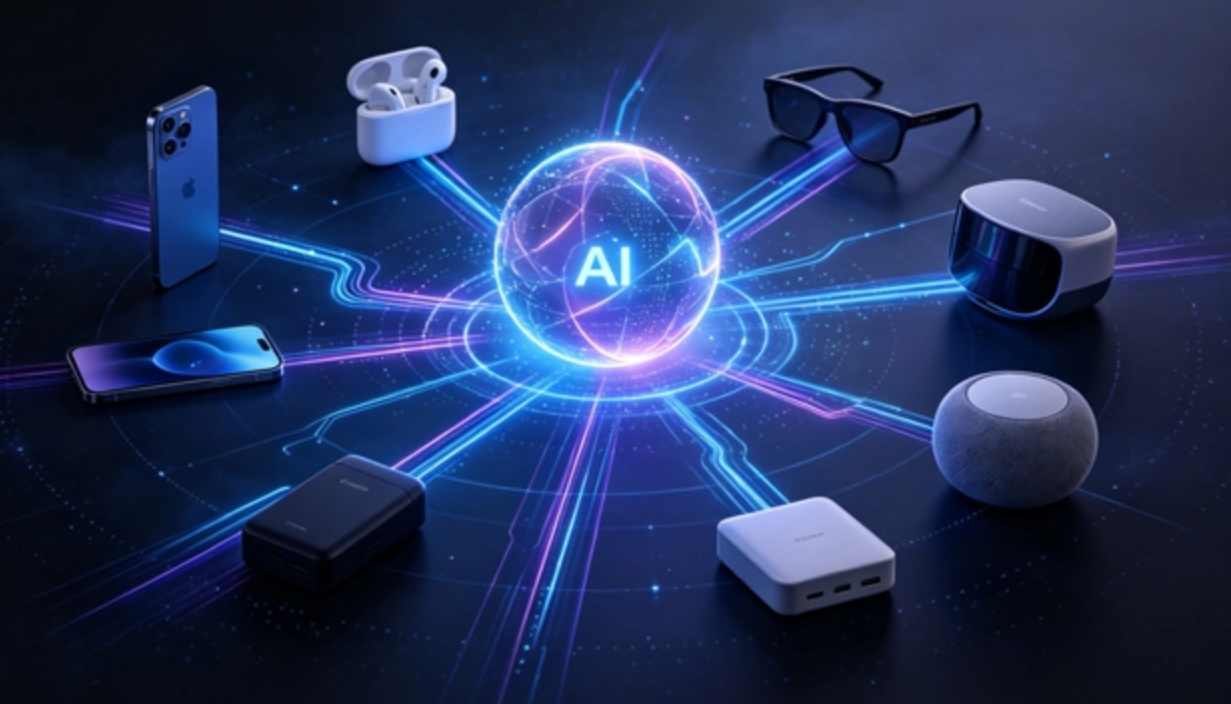
OpenAI President Engages in Hardware Development, First Product Launch Imminent
The President of OpenAI has taken a personal role in the company's hardware development efforts, indicating a strategic shift towards creating a comprehensive range of hardware products. The first product is expected to be launched soon, marking a significant milestone for the organization. This move highlights OpenAI's commitment to expanding its technological capabilities and addressing market demands. The involvement of OpenAI's President in hardware initiatives underscores the growing importance of integrated hardware solutions in the AI landscape. As the market evolves, the introduction of new hardware products could enhance OpenAI's competitive position and attract further investment. This development is particularly relevant as the industry anticipates advancements in embodied intelligence and related technologies. Looking ahead, industry observers should monitor the upcoming product launch and its implications for OpenAI's market strategy. The success of this initiative could pave the way for additional hardware offerings and partnerships, shaping the future of AI and hardware integration. No further timeline was disclosed at the time of publication.
Robotics Automation AI
LG Innotek Partners with TDK to Create Robotic 'Skin' for Physical AI Development
LG Innotek has announced a strategic partnership with TDK to develop robotic sensory solutions for Physical AI. This collaboration aims to combine LG Innotek's expertise in optical and ultra-precision module design with TDK's extensive sensor technology, resulting in next-generation visual and tactile sensing modules. The integration of TDK's inertial measurement units, position sensors, and microphones into LG Innotek's visual sensing modules will enhance robots' recognition capabilities by incorporating motion, direction, and sound data. This innovation simplifies the procurement and integration process for robot manufacturers, as they will no longer need to purchase multiple sensors separately. The first next-generation visual sensing module featuring inertial sensors is expected to launch in 2027, alongside a tactile sensing module that will mimic human skin's ability to sense touch and pressure. This partnership signifies a strategic shift for LG Innotek, expanding its product line from visual to tactile sensing, which is considered crucial for humanoid robots to perform human-like operations.
Robotic Sensors Physical AI Tactile Technology Visual Sensors
Mitsui Fudosan Establishes AI Development Center Near TSMC's Kumamoto Facility
Mitsui Fudosan, a Japanese real estate developer, plans to establish a physical AI hub in Kumamoto prefecture. This center aims to foster collaboration between Japanese and Taiwanese companies to innovate next-generation semiconductor technologies for applications in robotics, industrial equipment, and automobiles. The initiative is significant as it seeks to enhance the semiconductor landscape, particularly in the context of rising AI demands. By bridging companies from Japan and Taiwan, Mitsui Fudosan aims to accelerate the development of advanced technologies that are crucial for various industries, including robotics and automotive. Looking ahead, the establishment of this AI hub may lead to increased partnerships and technological advancements in semiconductor development. No further timeline was disclosed at the time of publication.

Guo Lie Discusses Product Development in the AI Era After Success with FaceU and CapCut
Guo Lie, founder of Flova.ai, has emerged as a key figure in AI-driven video creation tools after previously leading successful products like FaceU and CapCut. His latest venture, Flova.ai, launched globally in October 2025, aims to simplify video production through an innovative Agent system that enhances user creativity while maintaining structured workflows. The significance of Guo's work lies in his ability to blend user experience with AI capabilities, addressing the evolving demands of content creators. With a funding total of $80 million from investors including Sequoia China and IDG, Guo emphasizes the importance of product quality and growth over sheer financial metrics, reflecting a strategic approach in a competitive landscape. Looking ahead, Guo's focus on creating a versatile video Agent that caters to various user needs positions Flova.ai as a potential leader in the AI content creation market. As AI technology continues to evolve, the interplay between human creativity and Agent functionality will be crucial for future developments in this space. No further timeline was disclosed at the time of publication.
South Korea and NVIDIA Collaborate on AI Development at San Francisco Summit
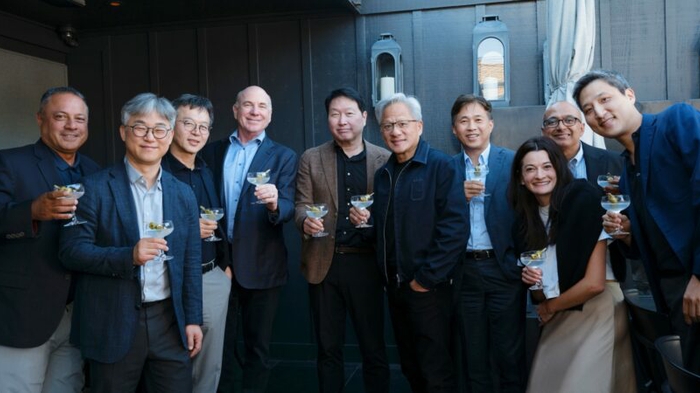
During the AI Summit in San Francisco, South Korean President Jae Myung Lee and leading business figures convened with NVIDIA to discuss the nation's AI advancements. This meeting follows NVIDIA CEO Jensen Huang's recent visit to South Korea and aims to bolster the country's AI infrastructure and expertise, positioning it as a global AI innovation hub. A significant outcome of the summit was the announcement of a joint AI research lab between NVIDIA and the Korea Advanced Institute of Science and Technology (KAIST) in Seoul. This lab, the first of its kind between a Korean university and a global tech company, will focus on advancing agentic AI and leverage NVIDIA's full-stack AI capabilities alongside KAIST's scientific talent. As the summit progresses, further updates are expected, including discussions between Huang and President Lee, as well as interactions with business leaders from Korea and the U.S. Notably, NVIDIA and SK Group have expanded their collaboration to enhance AI infrastructure, which includes plans for physical AI and robotics development in Korea.

Avoiding the 'Hollowing Out' of AI Agents: Key Development Insights
The article discusses strategies to prevent AI agents from becoming ineffective in organizations. It emphasizes the importance of creating functional AI agents that meet real-world needs, particularly through the use of Microsoft Copilot Studio. Key points include selecting appropriate tasks, designing for user interaction, and ensuring continuous improvement based on user feedback. Understanding why AI agents often fail to be adopted is crucial for organizations. The insights provided by Persol Business Process Design highlight the need for a structured approach to AI implementation, focusing on operational efficiency and user engagement. By addressing common pitfalls, organizations can enhance the effectiveness of their AI initiatives. Looking ahead, organizations should prioritize the integration of AI agents with existing workflows and data sources. Continuous adaptation and user education will be essential for maximizing the return on investment in AI technologies. No further timeline was disclosed at the time of publication.
Robotics needs a service framework.
RSF defines a common language for robot service capability, lifecycle operations, certification pathways, and service-provider networks.
Join the RobotToday community on LinkedIn
Daily robotics news, in-depth analysis, conference highlights, and discussions with professionals worldwide.