


The article discusses five significant platforms that are shaping the physical AI infrastructure stack, essential for robotics development by 2026. These platforms address critical bottlenecks and provide reusable infrastructure for various robotics developers, moving beyond traditional computing capacity to encompass simulation, validation, and continuous learning.
NVIDIA is highlighted as the foundational company in this space, with its Isaac platform offering a comprehensive ecosystem for robot development, simulation, and training. Its ability to integrate computation, world generation, and model training positions it as a pivotal player in the physical AI landscape, raising questions about the openness of its ecosystem as it expands.
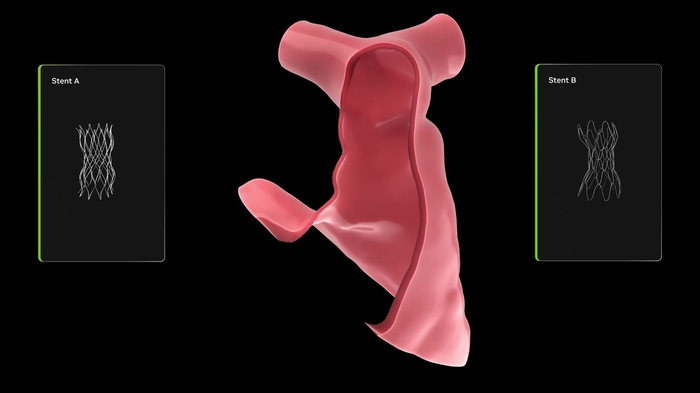
Applied Intuition is noted for its end-to-end platform that validates autonomous machines across diverse operating conditions. Its focus on simulation and evaluation is crucial for sectors like automotive and defense. Observers should watch how its strengths in autonomous mobility may translate to other areas of robotics, particularly in manipulation and humanoid tasks, where challenges differ significantly from navigation.
Editor's Note
The evolution of physical AI infrastructure is critical for the robotics industry, as it transitions from traditional computing to a more integrated approach that includes simulation and validation. This shift is essential for ensuring that robots can operate effectively in real-world environments, which is increasingly important for sectors like automotive and industrial automation. The competitive landscape will be shaped by how these platforms evolve and their ability to support diverse robotics applications.

























Leave a comment