

Industry Briefing
A single destination for timely, editor-curated robotics news from around the world.

ULTRA Enables Humanoid Robots to Move Boxes with Target Guidance: IROS 2026 Best Paper Candidate
The IROS 2026 conference has nominated a paper highlighting ULTRA, a system that allows humanoid robots to move boxes simply by providing a target. This innovation showcases advancements in robotic mobility and task execution. The significance of ULTRA lies in its potential to enhance the efficiency of humanoid robots in various applications, particularly in logistics and warehousing. By simplifying the interaction process, it reduces the complexity of robotic operations, making them more accessible for real-world applications. Looking ahead, the robotics community will be keen to observe further developments and potential implementations of ULTRA. No further timeline was disclosed at the time of publication.
Robotics Automation AI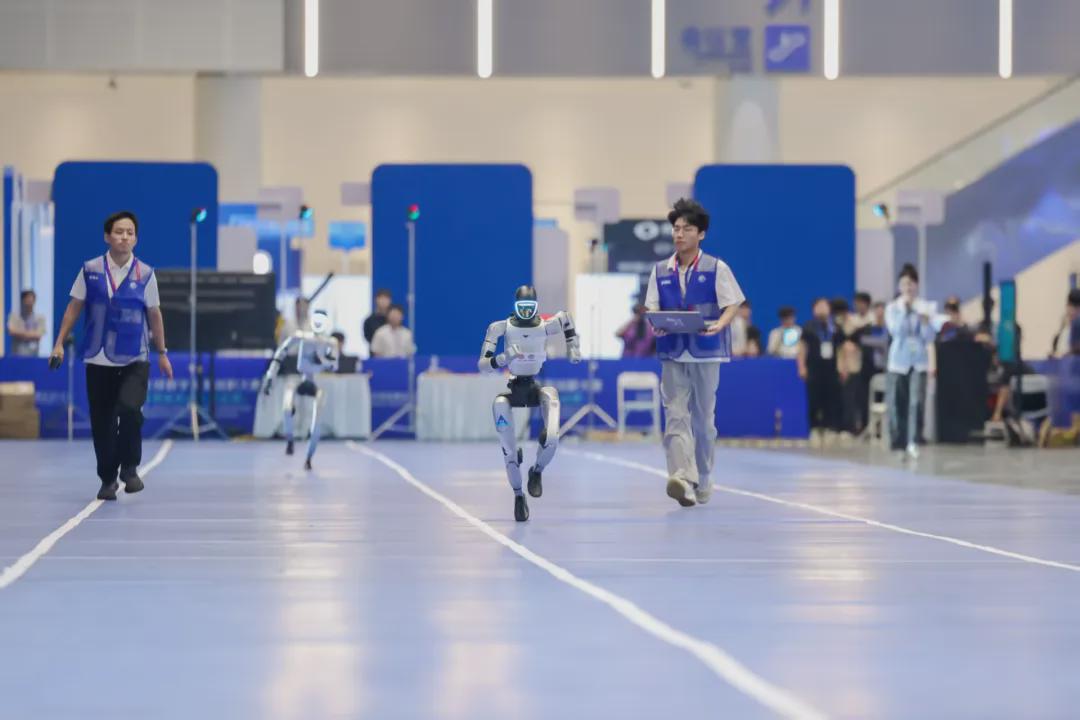
Humanoid Robots Compete in Multiple Events at 2026 Global Digital Trade Innovation Competition
On September 24, 2026, the Global Digital Trade Innovation Competition featured a day packed with events for humanoid robots at the Hangzhou International Expo Center. This marked the first time humanoid robots participated in competitive racing, including 100-meter sprints, obstacle courses, and endurance tests, showcasing their movement control capabilities. The significance of this event lies in its role as a benchmark for evaluating the technological advancements in humanoid robotics. The competition highlighted critical challenges, such as the difficulty in deceleration, which affects the robots' ability to stop safely after high-speed runs. This issue underscores the importance of refining motion control algorithms for practical applications in real-world scenarios. Looking ahead, the competition's standardized testing environment provides valuable insights into the baseline capabilities of humanoid robots, shifting the focus from mere speed to essential skills like stability and adaptability in complex terrains. No further timeline was disclosed at the time of publication.
Humanoid Robots Robotics Competition AI Technology Motion Control Industrial Robotics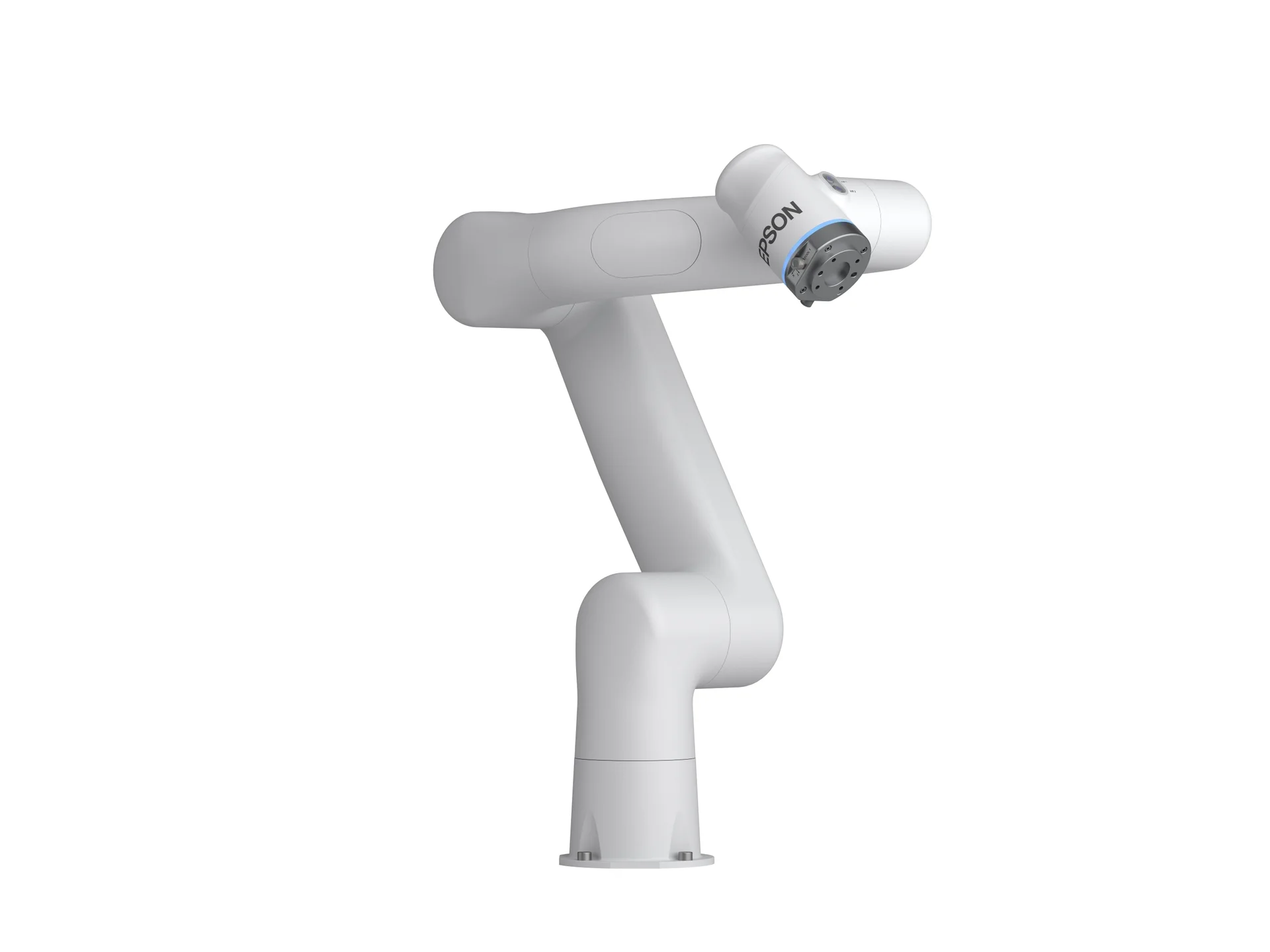
Epson Launches AX6 Collaborative Robot to Enhance 6-Axis Robot Lineup
Epson Robots has unveiled the AX6, a six-axis collaborative robot designed for environments requiring close worker interaction and compact deployment. The AX6 features power- and force-limiting capabilities, allowing it to operate without traditional safety barriers, provided a risk assessment is conducted. This launch expands Epson's offerings to include a range of industrial and collaborative robots tailored for various applications. The introduction of the AX6 is significant as it lowers barriers for new users by simplifying programming and integration, which is crucial for applications where space and user interaction are vital. With its IP54 and ISO 5 cleanroom ratings, the AX6 is suitable for controlled production environments, making it a versatile addition to Epson's robot lineup. Looking ahead, the AX6 is now available through Epson Robots' distributor network, and its features, including a no-code interface and Python development tools, will likely attract users with varying levels of robotics experience. No further timeline was disclosed at the time of publication.
AI AI Funding & Investment AI Use Cases Robotics AX6 collaborative robots
PrimeBot Introduces Q1 and T1 Personal Robots Featuring 260g Egg Joint
PrimeBot has commenced sales of its foldable Q1 and transformable T1 personal robots, priced starting at approximately RMB 19,999. These robots are built around a 47mm, 260g mass-produced joint that boasts a peak torque density of 85 N·m/kg, enhancing their performance and versatility. The introduction of the Q1 and T1 models is significant as it showcases PrimeBot's commitment to innovation in personal robotics. The advanced joint technology not only contributes to the robots' lightweight design but also improves their operational capabilities, making them suitable for various applications. Looking ahead, PrimeBot plans to begin shipping the Q1 and T1 robots starting October 1. Industry observers will be keen to see how these new models perform in the market and whether they can capture consumer interest in the growing personal robotics sector.
Universal Robots Introduces Completely Redesigned Gen 7 Platform at IMTS 2026
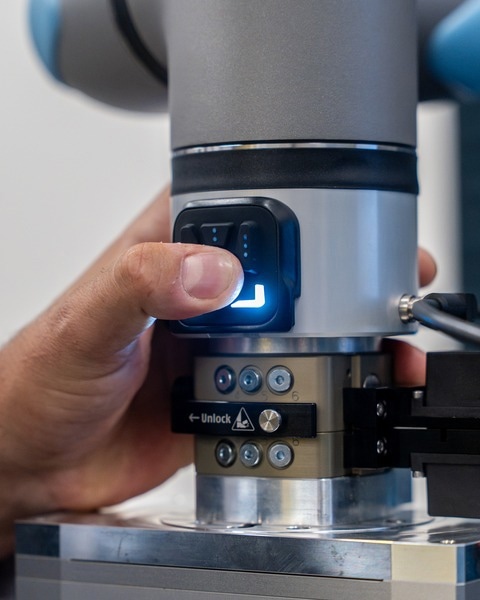
Universal Robots has unveiled its new Gen 7 platform at IMTS 2026, showcasing a completely redesigned robot platform. This launch signifies a significant advancement in robotic technology, reflecting the company's commitment to innovation in automation solutions. The introduction of the Gen 7 platform is crucial as it represents Universal Robots' ongoing efforts to enhance the capabilities and efficiency of robotic systems. This redesign aims to meet the evolving needs of industries seeking advanced automation solutions, thereby reinforcing Universal Robots' position in the market. Looking ahead, industry professionals should monitor the adoption and performance of the Gen 7 platform in various applications. The impact of this new platform on operational efficiency and productivity in automation will be of particular interest to stakeholders in the robotics sector. No further timeline was disclosed at the time of publication.

Huaruizhipu Launches Praxis One with ~106 TOPS Edge Compute on MediaTek Genio Pro 5100
Huaruizhipu has introduced Praxis One, a single-SoC physical-AI edge platform powered by the MediaTek Genio Pro 5100, which offers approximately 106 TOPS of neural processing unit (NPU) performance. This new platform was showcased during the China Robot Summit week held in Hangzhou. The launch of Praxis One is significant as it targets heavy-duty robots, enhancing their computational capabilities at the edge. The integration of high-performance edge computing is crucial for advancing robotics applications, enabling real-time processing and decision-making in complex environments. Looking ahead, the industry will be keen to observe the adoption of Praxis One in various robotic applications and its impact on operational efficiency. No further timeline was disclosed at the time of publication.

ANSCER Robotics Receives FCC Conditional Approval for AR250, AR650, and AR1250 Robots
ANSCER Robotics Inc. has announced that its AR250, AR650, and AR1250 autonomous mobile robots have received Conditional Approval from the U.S. Federal Communications Commission (FCC) as of September 18, 2026. This approval is part of the FCC's Robotic Devices Conditional Approvals under the Covered List program. This significant milestone allows ANSCER Robotics to continue the import and deployment of its robotic platforms in the U.S. market. The FCC's approval is crucial for manufacturers in the robotics sector, as it ensures compliance with regulatory standards and facilitates market entry. Looking ahead, the approval positions ANSCER Robotics favorably within the competitive landscape of autonomous mobile robots. Stakeholders should monitor the company's next steps in deployment and market expansion following this regulatory achievement. No further timeline was disclosed at the time of publication.
Universal Robots Launches Gen 7 Robotics Platform at IMTS 2026 in Chicago
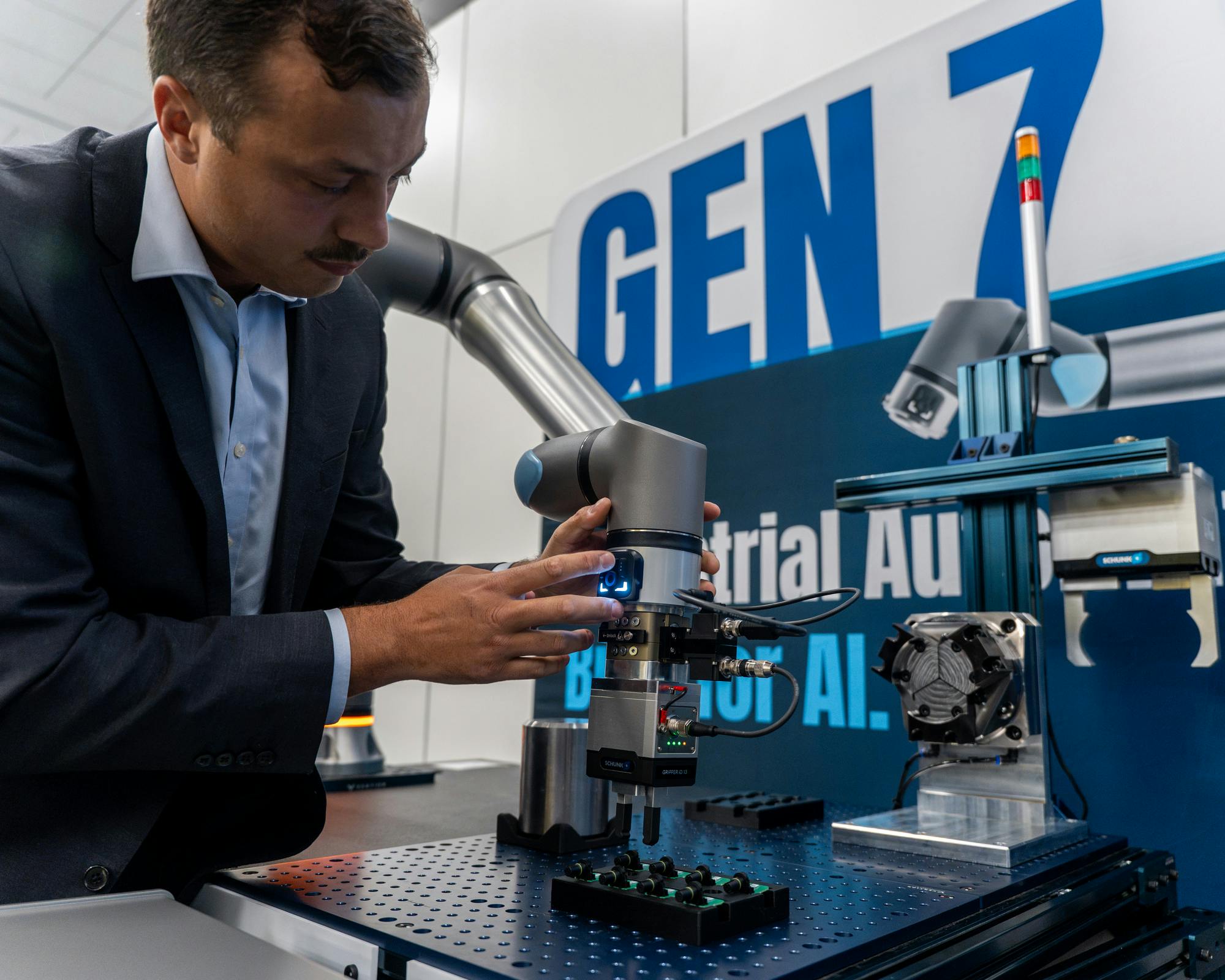
Universal Robots unveiled its seventh-generation robotics platform, Gen 7, at the IMTS conference in Chicago on September 14, 2026. This platform features a unified system upgrade anchored by the PolyScope X robot operating system, which includes a reengineered control box, teach pendant, and tool flange. The significance of Gen 7 lies in its ability to reduce integration friction and expand application capabilities, enabling customers to deploy advanced AI-powered applications confidently. With over 20 years of cobot innovation and more than 100,000 industrial deployments, the platform is designed to meet the demands of the AI era. Looking ahead, Gen 7's advanced features, such as AI-ready tool flanges and enhanced force-torque sensing, position it as a key player in the evolution of collaborative robotics. No further timeline was disclosed at the time of publication.
Factory / Robotics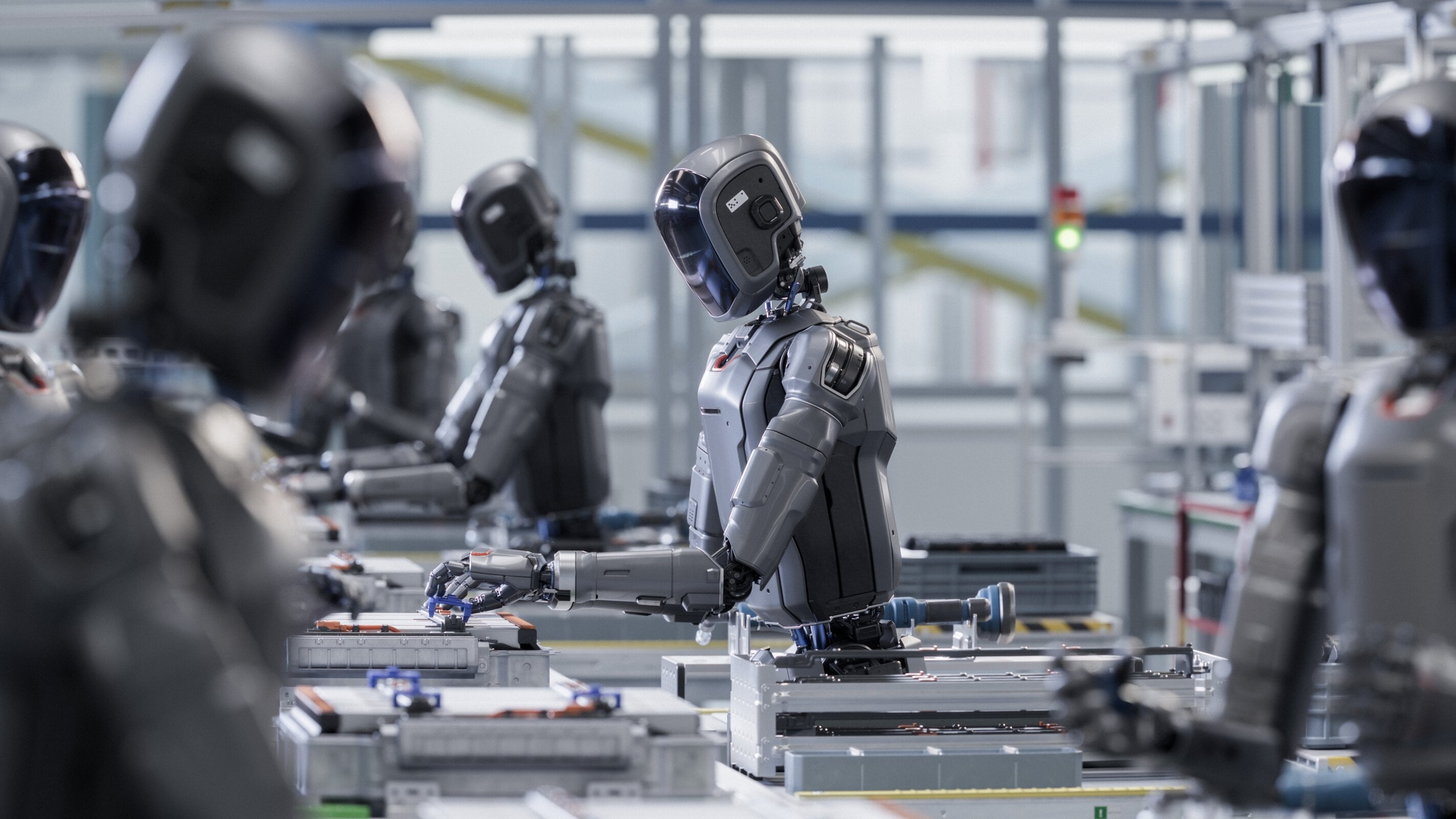
Goldman Sachs Projects 6.5 Million Humanoid Robots by 2035, Driving Market Growth
Goldman Sachs has projected that 6.5 million humanoid robots will be shipped globally by 2035, marking a significant increase from previous estimates. The firm anticipates a phased ramp-up, with 75,000 units expected in 2026 and 890,000 by 2030, representing a $138 billion market opportunity primarily in logistics, warehousing, and automotive sectors. This projection highlights the growing demand for humanoid robots and the necessary infrastructure to support their production, including dedicated production lines and factory-floor automation. The anticipated growth is also linked to a broader AI capital expenditure cycle, which is expected to influence various industries and technologies. Investors should monitor the developments in this sector, particularly the impact of potential AI regulation as flagged by leaders at Anthropic and OpenAI. No further timeline was disclosed at the time of publication.
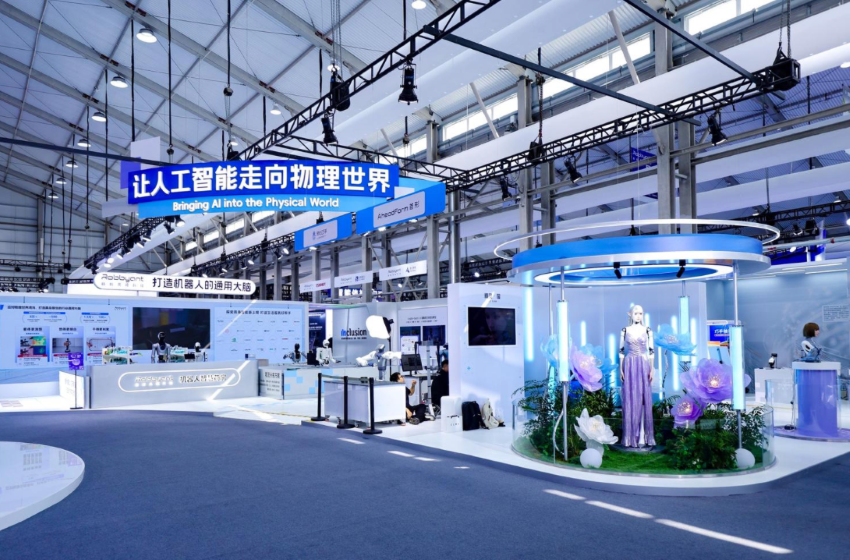
2026 Bund Conference Showcases Ant Group's Robots Integrating Intelligence into Real-World Applications
At the 2026 Bund Conference, Ant Group showcased robots that perform practical tasks such as accurately retrieving medication from shelves and sorting in logistics. Unlike previous demonstrations focused on flashy movements, these robots are designed to understand their environment and adapt to complex scenarios without human intervention. This shift is significant as it addresses the industry's long-standing challenge of creating versatile robots capable of operating in real-world settings. The demonstration included a 'smart pharmacy' where robots autonomously received orders, identified medications, and delivered them, proving the feasibility of deploying such technology in retail environments without requiring store modifications. Looking ahead, Ant Group's LingBot-VLA 2.0 model is set to support various robot configurations, enhancing the scalability of robotic services in real-world applications. The conference also featured discussions on the evolution of embodied intelligence, with insights from leading scientists and industry leaders, indicating a promising future for robotics in practical scenarios.
Robotics AI Warehouse Automation Pharmacy Automation Intelligent Systems
Insights from the 2026 World Robot Conference: Specialized Robots Gain Traction Over General-Purpose Models
At the 2026 World Robot Conference, a clear trend emerged indicating that the embodied intelligence industry is shifting focus from creating general-purpose robots to developing specialized solutions that deliver real value in specific scenarios. Innovations in areas such as garment sewing, biomedical applications, and airport luggage handling highlight this transition. The significance of this shift lies in the ability of specialized robots to address industry-specific challenges, such as labor shortages and rising costs in garment production. For instance, Aitu's humanoid robot is designed solely for garment sewing, showcasing its capability to autonomously identify fabrics and perform precise stitching without the need for constant reprogramming. Looking ahead, the conference revealed advancements in collaborative robotics, with companies exploring multi-robot systems for enhanced efficiency. Notably, Xingyuan Intelligence demonstrated a novel multi-robot collaboration in a jumping rope task, indicating a trend towards more complex interactions among robots. No further timeline was disclosed at the time of publication.
Specialized Robots Industrial Automation Biomedical Robotics Robotic Collaboration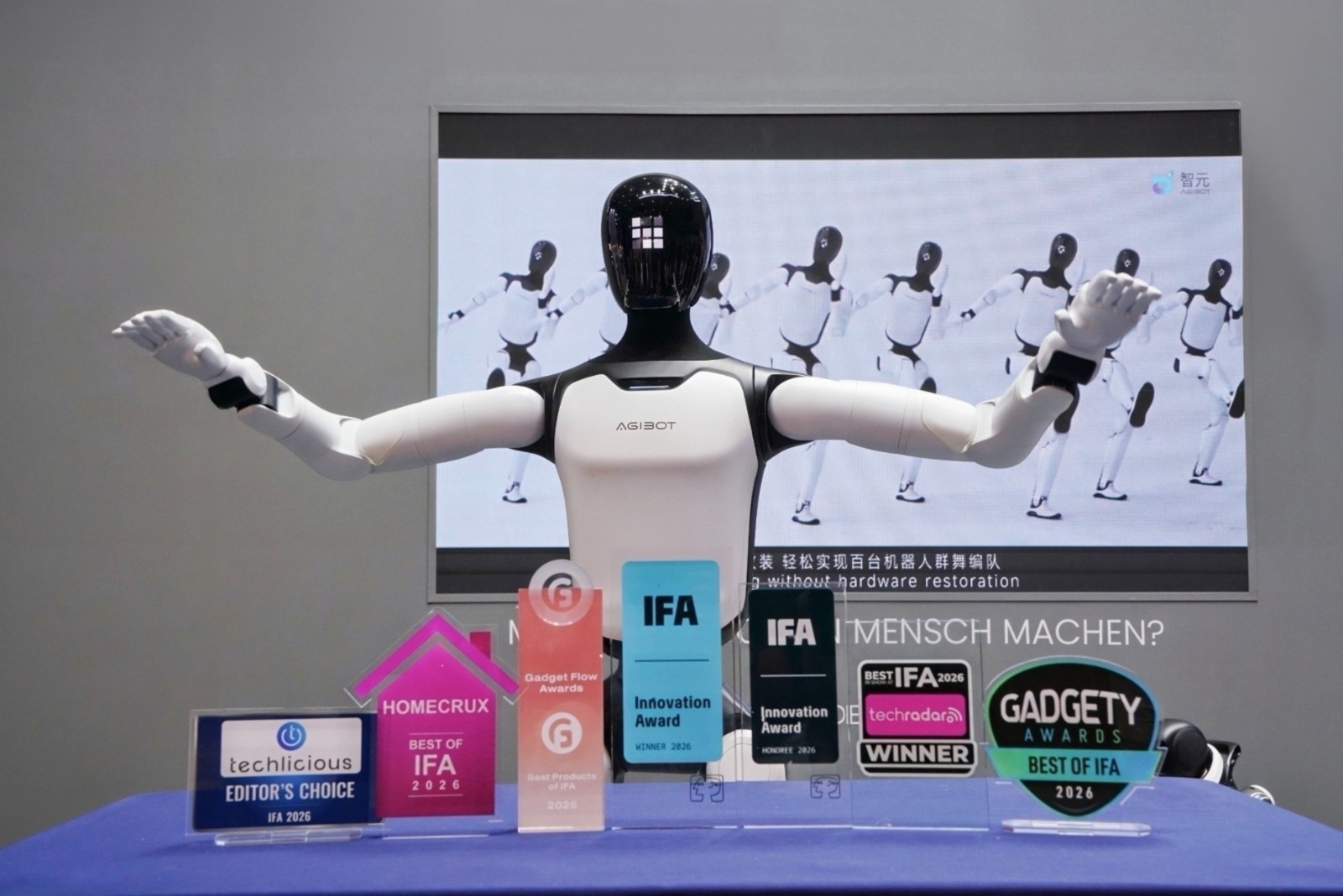
AGIBOT's Humanoid Robots Win IFA Innovation Awards at IFA 2026
AGIBOT's humanoid robots, the AGIBOT A3 and AGIBOT X2, were honored with the IFA Innovation Awards at IFA 2026. These awards highlight the robots' advancements in mobility, interaction, and multi-robot coordination, demonstrating their capabilities for practical applications in various sectors. The recognition from IFA and global tech media underscores the significance of AGIBOT's innovations in the robotics field. The AGIBOT A3 and AGIBOT X2 are designed to enhance human-robot interaction and improve operational efficiency through advanced coordination techniques, making them valuable assets in real-world scenarios. Looking ahead, the continued development and deployment of AGIBOT's humanoid robots could lead to broader adoption in industries that require sophisticated robotic solutions. No further timeline was disclosed at the time of publication.
Humanoid Robots AI Robotics Innovation Awards Technology Automation
D-Robotics Showcases Sunrise™ AI Chips at IFA 2026 for Home Robots
At IFA 2026 in Berlin, D-Robotics is highlighting its Sunrise™ AI chips, which power a variety of home robots. Notable products include TCL's hey AiMe companion robot, Vbot's SuperDog quadruped, and the xLean TR1 floor washer, showcasing the versatility of D-Robotics' technology. The significance of D-Robotics' contributions lies in its role as a leading provider of robotics development infrastructure. By equipping numerous robots with its AI chips, the company is influencing the evolution of home robotics, making advanced technology accessible to various manufacturers and enhancing consumer experiences. As IFA 2026 progresses, attention will be on how D-Robotics continues to innovate within the robotics sector. The impact of its Sunrise™ AI chips on the functionality and capabilities of home robots will be closely monitored, as the industry looks to the future of intelligent automation in domestic settings. No further timeline was disclosed at the time of publication.

Robots Demonstrate Practical Uses at the 2026 World Robot Conference
At the 2026 World Robot Conference, various robots showcased their real-world applications, addressing the question of their practical utility. From pharmacy operations to home assistance, and industrial logistics to emotional companionship, hundreds of robots are transitioning from demonstrations to fulfilling actual needs. Notably, Ant Group's robot efficiently retrieved items ordered by journalists at their booth, demonstrating a pioneering pharmacy sorting solution now operational at Shanghai Guoda Pharmacy. This system alleviates the workload of pharmacists during night shifts. Additionally, the humanoid robot Kuafu from Leju served as the event's host, autonomously explaining the operational status of various workstations, having been in practical use for 3 to 4 months in automotive and logistics production lines. Looking ahead, companies like Ruiman plan to deploy nearly a thousand RealBOT robots in real-world scenarios by 2026. As robots like Ant Group's sorting machine and Leju's solutions prove their capabilities, the next phase involves integrating these technologies into factories, pharmacies, homes, and communities.
Robotics Healthcare Automation Emotional Support Robots Industrial Automation
Humanoid Robots Achieve 100 Meters in 8.64 Seconds and High Jump of 3.4 Meters
Recent advancements in humanoid robotics have led to remarkable achievements, with robots completing 100 meters in just 8.64 seconds and achieving a high jump of 3.4 meters. These milestones indicate significant progress in robotic capabilities, showcasing the potential for humanoid robots to surpass human athletic records. The implications of these developments are profound, as they highlight the rapid evolution of robotics technology and its potential applications in various fields, including sports, rehabilitation, and entertainment. As humanoid robots continue to push the boundaries of physical performance, they may redefine our understanding of human-robot interaction and competition. Looking ahead, it will be essential to monitor further advancements in humanoid robotics and their impact on industries that rely on physical performance. No further timeline was disclosed at the time of publication.
Robotics Automation AI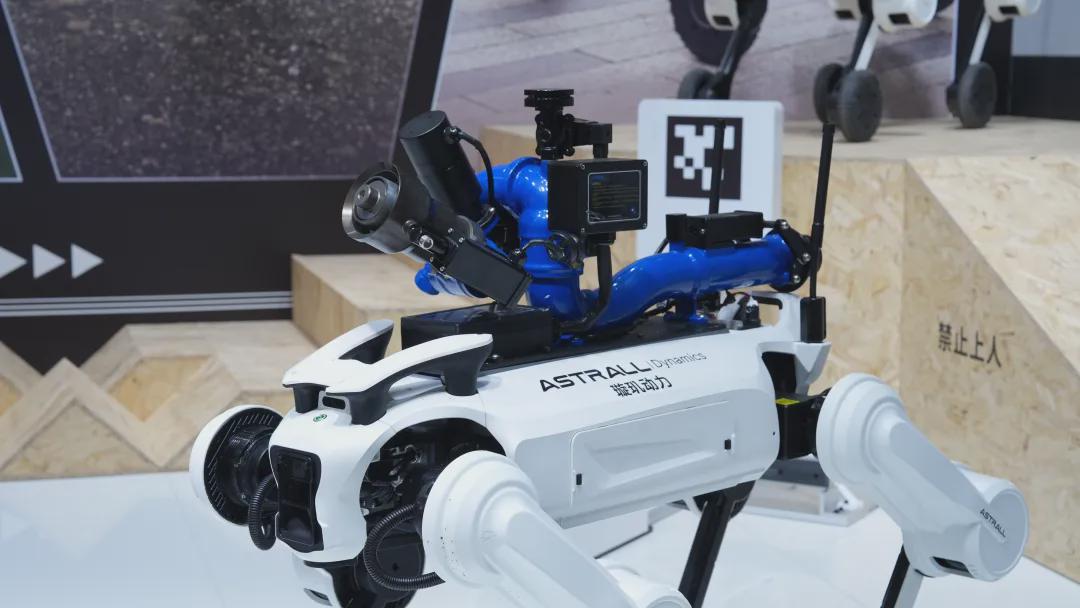
Insights from WRC 2026: Quadruped Robots Transition to Practical Applications with Xuanji Power
The 2026 World Robot Conference (WRC) commenced on August 19 in Beijing, showcasing over 300 exhibitors and more than 2,000 products. A notable shift in the robotics industry was observed, moving from mere demonstrations to practical applications, particularly in quadruped robots. Attendees showed increased interest in the specialized equipment on these robots rather than just their performance. In the past five years, China's quadruped robot sector has transitioned from technology validation to commercial exploration. While there has been significant investment and rapid advancements in gait algorithms and motion control, many companies have struggled with practical deployment in industrial settings. The demand for robots capable of operating in hazardous environments has grown, highlighting the need for reliable and adaptable solutions. At WRC 2026, a clear divide emerged between consumer-grade products and those targeting industrial markets. Xuanji Power has distinguished itself by mastering the design and production of axial flux motors, which offer higher torque and power density. This innovation allows for the development of robust quadruped robots that can meet the rigorous demands of various applications, ensuring product consistency and stability through in-house production of core components.
Quadruped Robots Industrial Automation Robotics Technology AI Energy Sector
WRC 2026 Highlights: Future Directions for Ground Mobile Robots
At the WRC 2026 event in Beijing, the focus shifted to the future of ground mobile robots, particularly with the introduction of the Galileo X. This new product aims to combine high-precision indoor transport, outdoor cruising, and obstacle navigation in one system, challenging the traditional single-form competition in the industry. The significance of this development lies in the recognition that the next breakthrough in ground mobile robotics may not be about maximizing the parameters of a single form but rather about creating systems that can handle complete task chains. The industry has long adhered to a logic of one product per scenario, but this approach has limitations, especially when considering the diverse environments robots must operate in. As the market matures, stakeholders are eager to see what the next generation of ground mobile robots will look like. The Galileo X represents a potential shift in addressing complex scenarios with integrated solutions rather than relying on separate machines for different tasks. No further timeline was disclosed at the time of publication.
Ground Mobile Robots Robotics Innovation Logistics Automation Multi-Environment Navigation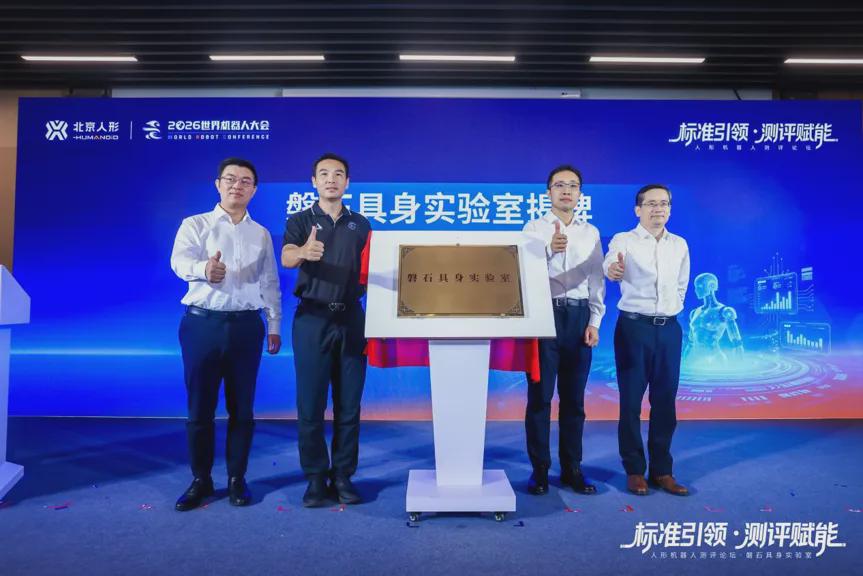
Panshi Embodied Lab Launches at WRC 2026 to Set Standards for Humanoid Robots
The Panshi Embodied Lab was officially launched at the World Robot Conference 2026, marking a significant step in the development of humanoid robots in China. The lab aims to provide a public service platform for testing and evaluating humanoid robots, addressing challenges such as weak core technologies and insufficient high-value applications. This initiative is crucial as the humanoid robot industry is projected to produce over 100,000 units by 2026, up from 20,000 in 2025. However, many products remain in the research and testing phases, highlighting the need for robust standards and evaluation processes to ensure quality and safety in the industry. Looking ahead, the lab will focus on developing testing capabilities for components and whole robots, as well as creating a collaborative testing environment. The first phase of testing has already been completed, and further developments are expected, including the establishment of specialized testing labs and ongoing standard verification work.
Humanoid Robots Robot Testing Standards Industrial Automation AI Robotics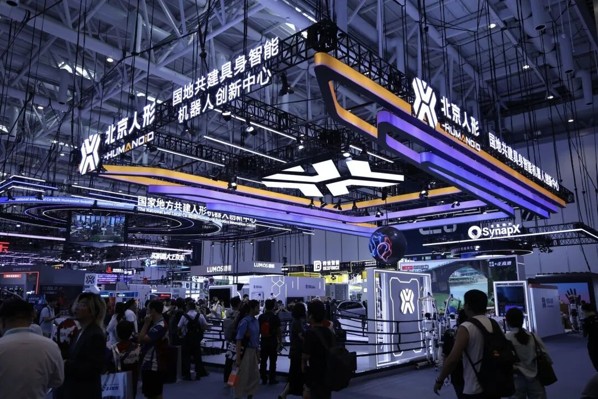
Beijing Humanoid Robots Unveil Full-Stack Technology at 2026 World Robot Conference
On August 19, the 2026 World Robot Conference commenced in Beijing, showcasing the Beijing Humanoid Robot Innovation Center's full-stack technology. The center presented its Tian Gong family of robots in a 336-square-meter exhibition area, emphasizing its commitment to autonomous and user-friendly industrial solutions. The significance of this event lies in the introduction of two benchmark products: the Pelican-Unify and the Tian Gong Omni. These innovations enhance embodied intelligence by integrating advanced capabilities such as visual understanding and action control, marking a significant step towards achieving general artificial intelligence (AGI). Looking ahead, the Pelican VL-2.0 will be commercially launched, representing a major milestone in the industry. The Tian Gong 3.0 robot demonstrated its ability to navigate complex environments autonomously, indicating its potential applications in various sectors, including luxury automotive and public service. No further timeline was disclosed at the time of publication.
Humanoid Robots Embodied Intelligence Robotics Innovation AI Automation Solutions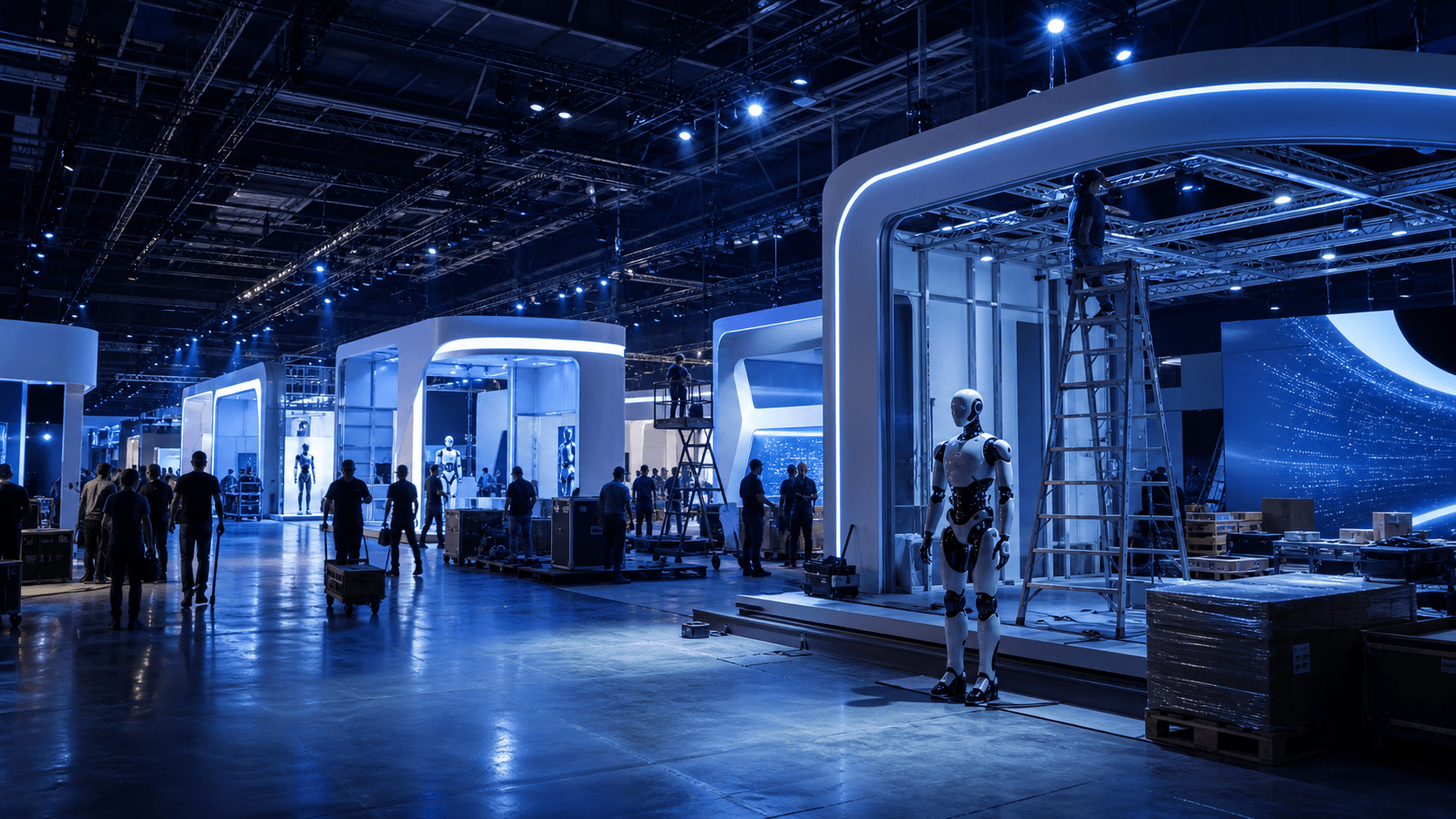
Preparations Continue Late for WRC 2026 as Robots and Workers Collaborate
On August 18, the eve of the 11th World Robot Conference in Beijing Yizhuang, workers were actively engaged in final preparations. They were busy installing booths, rehearsing boxing matches, and debugging robots well past 10 PM. This scene highlights the dedication and effort put into ensuring a successful event. The significance of this year's conference lies in its emphasis on real-scene demonstrations and the industry's shift from mere performance showcases to validating the value of robotics technology. The focus on hands, perception, and data reflects a growing recognition of the importance of practical applications in robotics. Looking ahead, attendees and industry professionals will be keen to observe how these developments influence future robotics applications and innovations. No further timeline was disclosed at the time of publication.

UBTECH Unveils New Humanoid Robots for Industrial, Commercial, and Home Use at WRC 2026
From August 19 to 23, 2026, the World Robot Conference (WRC 2026) took place in Beijing, where UBTECH showcased a range of humanoid robots designed for industrial, commercial, and home applications. Highlighted products included the industrial humanoid robot Cruzr Y1, the commercial service robot Walker C1, and the ultra-bionic humanoid robot U1, marking a significant step towards the market application of humanoid robots. This event is pivotal as 2026 is recognized as the inaugural year for the market application of humanoid robots, transitioning from conceptual exploration to practical, scalable development. UBTECH's strategy encompasses a comprehensive approach to industrial strength, commercial service, and emotional engagement in home consumption, leveraging technology and data to enhance the productivity value of humanoid robots. Looking ahead, UBTECH's commitment to advancing embodied intelligence technology is crucial for the successful deployment of humanoid robots across various sectors. No further timeline was disclosed at the time of publication.
Humanoid Robots Industrial Automation Commercial Robotics Home Robotics
Brain Corp Achieves 68 Percent Growth, Surpassing 50,000 Autonomous Robots Deployed Globally
Brain Corp has reported significant growth in its global fleet of autonomous robots, achieving a 68 percent increase in deployments year-over-year in the first half of 2026. This milestone highlights the expanding role of BrainOS-powered robots across various sectors, including retail and logistics, as they logged over 5.3 million autonomous operating hours. The company's performance indicates a pivotal moment for enterprise robotics, as organizations seek proven platforms for faster and more profitable deployment of robotic solutions. Brain Corp's partnerships with ShelfOptix and Tennant Company further reflect the rising demand for scalable autonomy platforms in the market. Looking ahead, enterprises are increasingly focused on the capabilities of autonomy platforms, evaluating their performance and data security across multiple sites. Brain Corp's recent SOC 2 Type II compliance underscores its commitment to meeting these expectations, ensuring robust security controls and data management practices for its clients.
Computing News Software airport automation amrs artificial intelligence
Regal Rexnord Partners with Fanuc to Launch Integrated Linear Axis for CRX Robots
Regal Rexnord has announced a strategic collaboration with Fanuc to introduce a fully integrated collaborative robotics solution. This solution combines Regal Rexnord's Thomson linear motion technology with components from Boston Gear, Huco, and Kollmorgen, enabling the Thomson Movotrak Cobot Transfer Unit (CTU) to function as an external axis for Fanuc's CRX collaborative robots. This partnership is significant as it enhances the capabilities of Fanuc's CRX Series by allowing users to easily deploy the Movotrak CTU, which has undergone extensive compatibility testing. The integration simplifies setup and extends the operational reach of collaborative robots, while also improving safety through advanced collision detection programming. Looking ahead, the collaboration is poised to advance human-robot collaboration and intelligent motion systems. No further timeline was disclosed at the time of publication.
Engineering News Robotics boston gear cobots collaborative robots
PIA Automation Develops BMW E-Drive Assembly Line Featuring 46 Robots and Digital Twin Technology
PIA Automation is constructing a highly automated assembly line for E-Drive units at the BMW Group facility in Steyr, Austria. This project includes 78 processing stations, 27 robotic cells, and 46 industrial robots spread over 5,600 square meters across two levels, marking one of PIA Automation's largest undertakings to date. The significance of this assembly line lies in its role in the transition to electric mobility, which necessitates advanced automation, robotics, and quality monitoring systems. Although electric drivetrains have fewer mechanical components than traditional combustion engines, their assembly is complex and requires precise coordination, making automation essential for efficiency and accuracy. Looking ahead, the commissioning of the final sections of the production line is scheduled for 2027. PIA Automation's use of digital twin technology and Virtual Commissioning aims to streamline the development process by identifying potential issues early, thereby reducing costly modifications during physical commissioning and enhancing overall project reliability.
Automation Engineering Manufacturing News austria automotive manufacturing
TechCrunch Disrupt 2026 Introduces Real World AI Stage Featuring Robots and Automated Factories
TechCrunch Disrupt 2026 will feature a new Real World AI Stage, expanding its focus on AI's intersection with the physical world. This stage will highlight advancements in autonomous hardware, including applications in public spaces and potential de-extinction efforts. The event, scheduled for October 13 to 15 at San Francisco’s Moscone West, will host discussions on the challenges of deploying autonomous systems safely. Industry leaders from companies like Shield AI and Colossal Biosciences will address critical questions regarding safety culture, regulatory navigation, and trust-building in high-stakes environments. Attendees can expect insights from notable speakers, including Ben Lamm of Colossal Biosciences, who will explore the role of AI in reviving extinct species. The event promises to be a significant gathering for those interested in the evolving landscape of AI and its real-world applications. No further timeline was disclosed at the time of publication.
AI TechCrunch Disrupt Colossal Biosciences
igus Introduces Twisterchain Energy Chain for 600-Degree Rotation in Industrial Robots
igus GmbH has launched a new self-supporting twisterchain energy chain designed for industrial applications, particularly in palletizing. This innovative product enables reliable cable management through rotation angles exceeding 600° on compact industrial robots, addressing challenges related to energy supply and cable collisions during operation. The introduction of the twisterchain is significant as it resolves two critical issues faced by robotics in industrial settings. Compact robots, which perform tasks like screwing and assembly, have struggled with energy supply along their fast-rotating first axis. Additionally, palletizing robots often encounter problems with uncontrolled hoses colliding with tools. The new energy chain allows power and data cables to follow full rotations safely, even under dynamic motion profiles. Looking ahead, igus's twisterchain could enhance the efficiency and reliability of industrial robots, particularly in applications requiring high mobility and precision. No further timeline was disclosed at the time of publication.
Assembly Batteries / Power Supplies Industrial Robots Manufacturing Materials News
Global First 6S Store Expands Rapidly Across China, Showcasing Robots in Various Applications
On July 28, the world's first robot 6S store celebrated its first anniversary in Longgang, Shenzhen. Initially a novelty shop with a few robots, it has transformed into a scalable business model with over 20 locations opened nationwide within a year. This rapid expansion highlights the growing acceptance of the 6S store model in the market, offering various robotic applications such as intelligent banking services, competitive robotics, and smart home assistance. The CEO, Lin Feng, noted that the operational capabilities of the robots have evolved significantly, showcasing advancements in both algorithms and hardware. As robots transition from mere exhibits to commercial products, the 6S store is not just a retail outlet but a comprehensive hub for interaction, solutions, and community engagement. The simultaneous deployment of nine distinct scenarios indicates the model's potential to reshape the landscape of intelligent services across multiple sectors.
Robotics Retail Automation Smart Home Technology AI Service Robots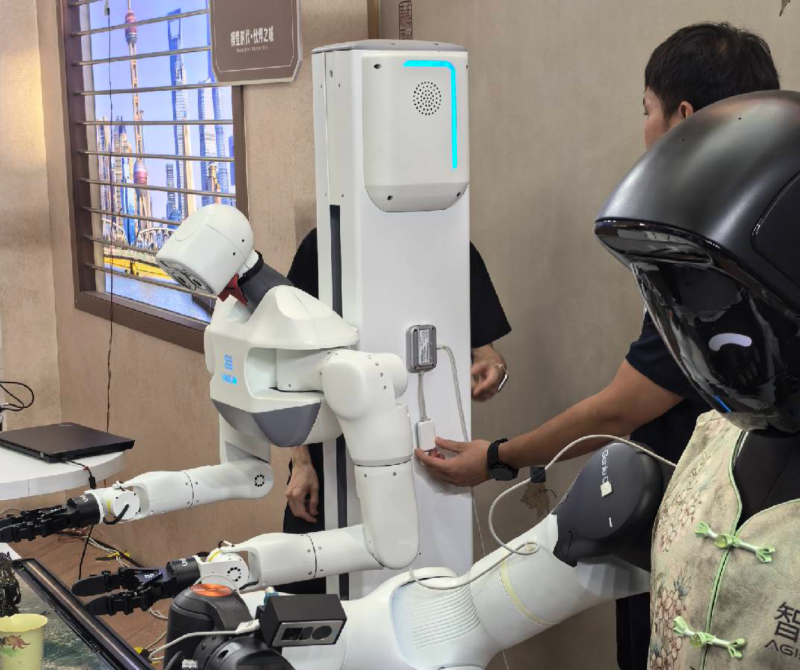
Ensuring Connectivity for Humanoid Robots with Advanced 6G Technology Solutions
At the WAIC 2026, 208 embodied intelligent terminals and over 300 real machines showcased their capabilities, raising concerns about connectivity during real-time collaborative operations. Asmote introduced a next-generation wireless base designed for humanoid robots, which integrates communication, perception, intelligent computing, and control based on 6G technology. This innovation is crucial as it addresses the need for reliable connectivity in complex industrial environments, ensuring that robots remain online with 99.99% reliability and millisecond-level latency. Asmote's AI-EDGE platform significantly reduces the power consumption, cost, and weight of robots by offloading communication and computing tasks to the 6G-native base, allowing robots to focus on performance optimization and task execution. Looking ahead, Asmote aims to provide a digital foundation for physical AI across various industries, emphasizing the importance of a robust infrastructure that goes beyond mere connectivity. No further timeline was disclosed at the time of publication.
Humanoid Robots 6G Technology Wireless Communication AI Industrial Automation
Tencent Introduces Advanced Intelligence for Robots at WAIC 2026, Challenging AI Concepts
At WAIC 2026, Tencent's Chief Scientist Zhang Zhengyou questioned the intelligence of AI that can reason but lacks understanding of the physical world, referring to it as a 'brain in a jar.' He emphasized that true intelligence integrates language, vision, spatial awareness, body control, and environmental feedback in a closed-loop system. Tencent unveiled several models, including Hy-Embodied-VLM-1.0, which interprets images and scenes with significantly reduced computational demands. The Hy-Embodied-RxBrain-1.0 combines text reasoning with visual imagination for continuous cognitive processing, while Hy-Embodied-VLA-0.5 translates high-level goals into actionable steps for various robot forms. These innovations are supported by extensive training data and are already being implemented in real-world applications. The company is also upgrading its Tairos platform for a more open-source approach, facilitating easier development from models to applications. Tencent's Robotics X Lab is collaborating with multiple robotics companies and partners to transition these technologies from theoretical concepts to practical implementations in diverse environments.
Robotics Artificial Intelligence Cognitive Systems Automation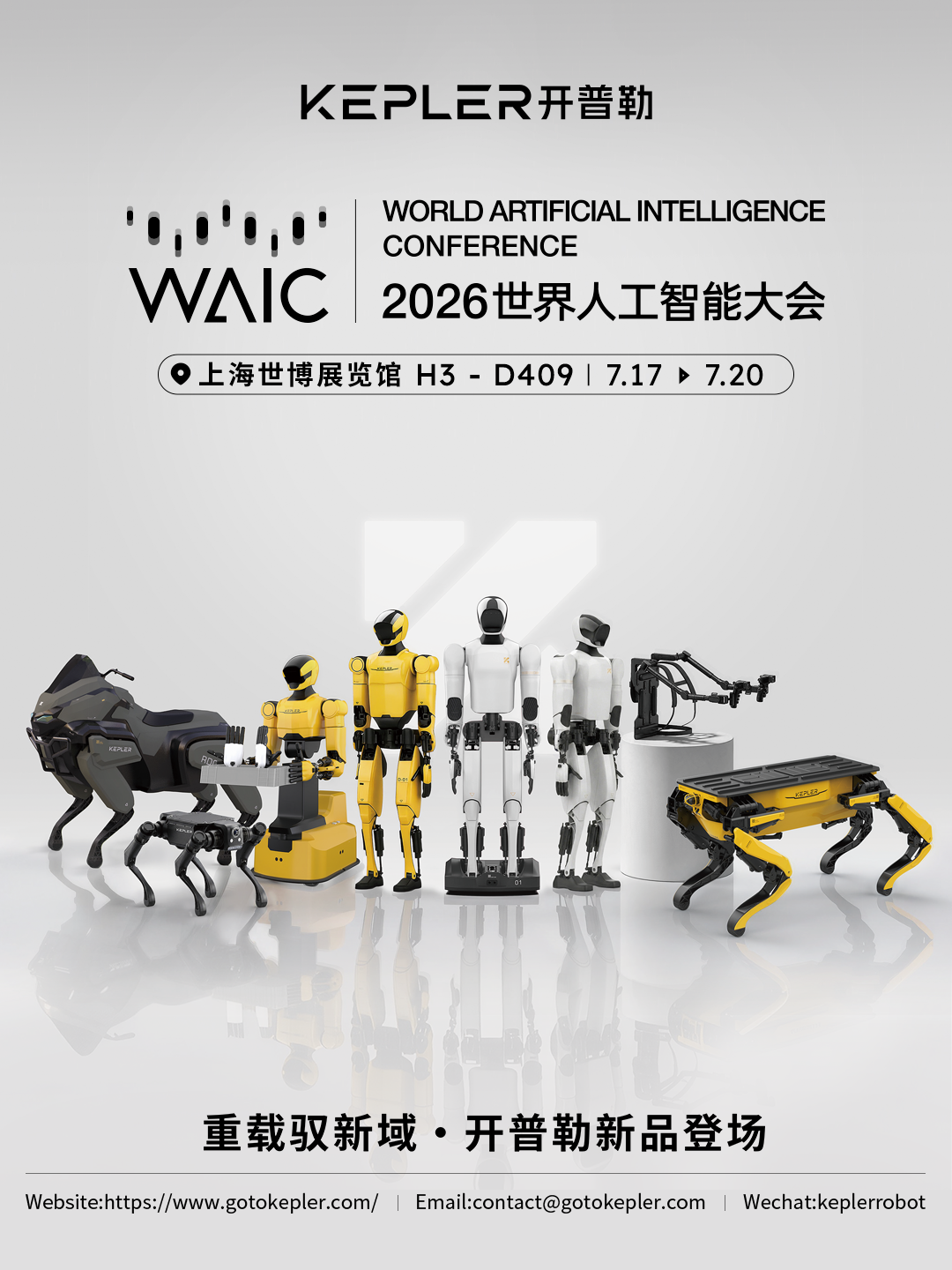
Kepler Robots Transition from 'Toy' Status at WAIC 2026 with Practical Demonstrations
The WAIC 2026 event showcased a significant shift in the robotics industry, with over half of the exhibiting companies demonstrating real-world applications. This change highlights a move from mere technical demonstrations to showcasing practical value in robotics. Kepler's new quadruped robot, 'Qilin,' exemplifies this trend with its robust design and capabilities, addressing industry challenges such as heavy load and energy consumption. The introduction of the Qilin series marks a pivotal moment for Kepler, as it aims to redefine the utility of robots in various sectors, including mining and emergency rescue. With a weight capacity of nearly a ton and the ability to operate for eight hours on a single charge, the Qilin is designed for complex outdoor environments, reflecting a growing market demand for practical robotic solutions. As the industry evolves, Kepler's focus on real-world applications and data-driven training for humanoid robots sets it apart from competitors. The success of the Qilin and its variants indicates a promising future for quadruped robots in industrial settings, emphasizing their role as valuable partners in challenging operational scenarios. No further timeline was disclosed at the time of publication.
Quadruped Robots Humanoid Robots Industrial Automation Robotics Technology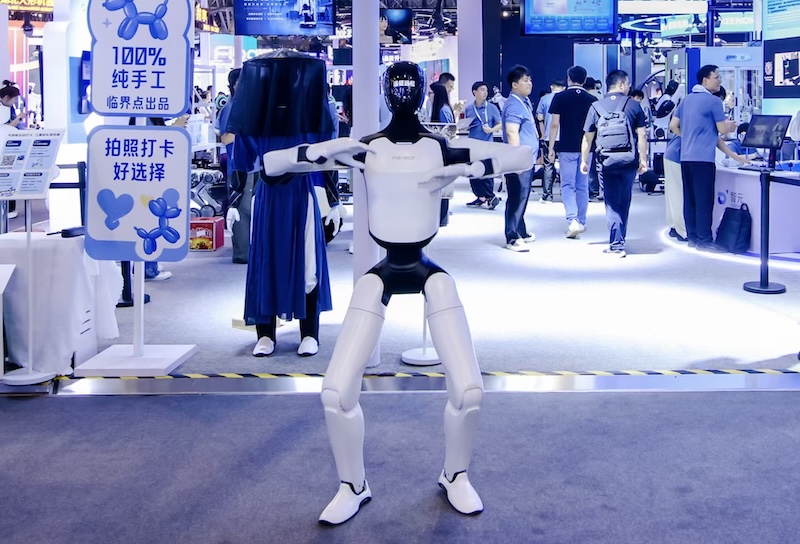
AGIBOT Launches Four New Robots at WAIC 2026, Expanding Industrial AI Portfolio
AGIBOT introduced four new robotic products at the World Artificial Intelligence Conference (WAIC) 2026 in Shanghai, enhancing its humanoid robots and industrial automation systems. The new offerings include the AGIBOT A3 Ultra humanoid robot, X2 EDU education platform, G2 Max industrial robot, and OmniHand 3 Ultra-M dexterous robotic hand, alongside the deployment of over 30 robots for visitor assistance at the event. This expansion is significant as it underscores AGIBOT's commitment to advancing embodied AI technology, moving beyond mere demonstrations to reliable integration in real-world applications. The A3 Ultra, G2 Max, and OmniHand 3 Ultra-M are designed to tackle critical challenges in humanoid platforms, industrial tasks, and dexterous manipulation, reflecting the company's focus on delivering practical value at scale. Looking ahead, AGIBOT's strategy aims to transition embodied AI from laboratory settings to consistent commercial and industrial workflows. No further timeline was disclosed at the time of publication.
Events Humanoids News A3 Ultra agibot artificial intelligence
Real Work Robots Make Impact at WAIC 2026 with 50,000 Hours of Operation
The World Artificial Intelligence Conference (WAIC) 2026 opened on July 17 in Shanghai, showcasing leading tech companies and innovations. Realman Intelligent, a company focused on deploying practical robots, highlighted its RealBOT-S2 and RealBOT-L2 models, which demonstrated real-world tasks like opening refrigerator doors and making tea. The robots attracted significant attention from government officials and industry leaders. Realman Intelligent's commitment to practical robotics is underscored by its average fault-free operation time of 50,000 hours, achieving CRL3 certification. This reliability enables continuous operation, addressing labor shortages and reducing costs associated with workforce turnover. The company aims to integrate robots into various industries, emphasizing the importance of real-world deployment for effective learning and operation. Looking ahead, Realman Intelligent plans to expand its ecosystem by combining reliable hardware, real machine data, and remote operation networks. Their collaboration with partners like Zhongke Huiyuan showcases the capabilities of their industrial inspection robots, which operate 24/7 and enhance production efficiency. No further timeline was disclosed at the time of publication.
Industrial Robots Automation Technology AI Robotics Remote Operation Manufacturing Solutions
WAIC 2026: Aoyi's ROHand Showcases Dual-Arm Robots and Gains Over 200 Clients
At the WAIC 2026 exhibition, Aoyi Technology showcased its full range of ROHand dexterous hands, having served over 200 clients in the embodied intelligence sector. The company introduced the OpenArm dual-arm robot to address the need for vast amounts of real data, enhancing the capabilities of its dexterous hands through a combination of hardware and data collection. This development is significant as it not only improves the dexterous hand's ability to perform tasks but also allows companies to gather specialized training data at a lower cost. The ROHand can mimic human hand movements with an accuracy of 0.6 seconds and lift weights up to 30 kg, demonstrating its versatility across various applications from industrial assembly to consumer services. Looking ahead, Aoyi's integration of the OpenArm robot with the ROHand is expected to enhance the dexterous hand's adaptability across different scenarios. The combination of hardware and data solutions positions Aoyi to address the industry's data scarcity, paving the way for broader applications in real-world environments. No further timeline was disclosed at the time of publication.
Dexterous Robots Data Collection Embodied Intelligence Robotics Solutions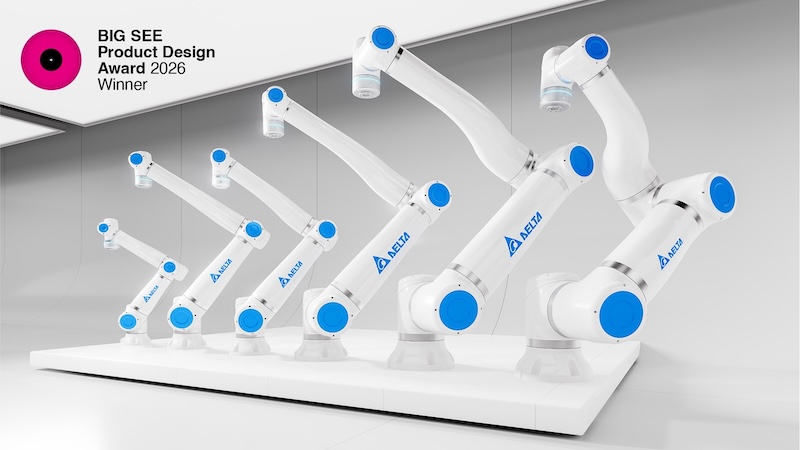
Delta Electronics' D-Bot Collaborative Robots Win BIG SEE Product Design Award 2026
Delta Electronics has received the prestigious BIG SEE Product Design Award 2026 for its Delta D-Bot series of collaborative robots. This award highlights exceptional achievements in product design and industrial innovation, showcasing Delta's commitment to sustainability and creativity in technology. The recognition is significant as it underscores Delta's strategy of investing over eight percent of its annual revenue in research and development, particularly in design and innovation. Michael Mayer-Rosa, senior director at Delta, emphasized that the award reflects the high standards of their team in merging industrial robotics with practical and efficient design, catering to diverse customer needs. Looking ahead, Delta's D-Bot series, launched in spring 2024, features six flexible models with advanced safety technologies and compatibility with various industrial protocols. No further timeline was disclosed at the time of publication.
Design Industrial robots autonomous mobile robots BIG SEE Product Design Award cobots collaborative robots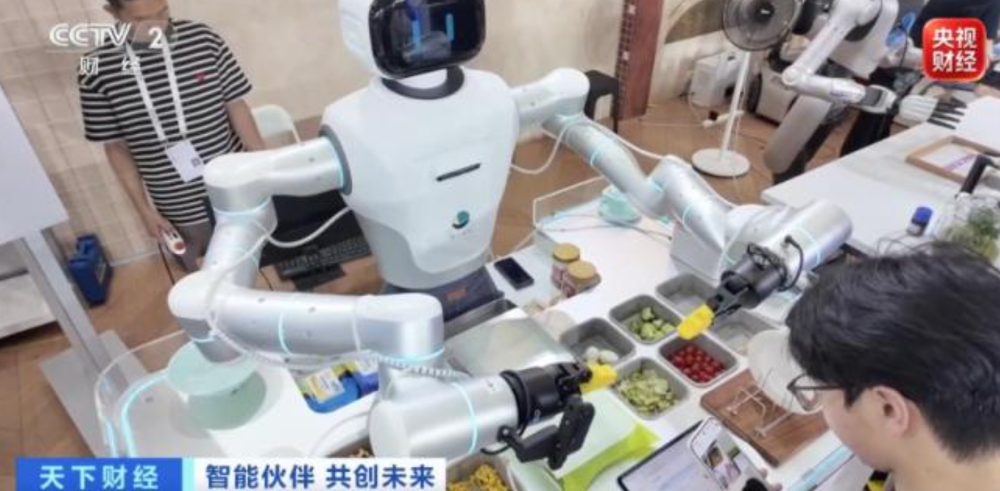
60 Humanoid Robots Transition from Exhibits to Colleagues at WAIC 2026
At the WAIC 2026, an immersive exhibition area titled 'The Era of Modeling: City of Partners' showcased over 20 robots performing various roles in manufacturing, daily life, and entertainment. Additionally, approximately 60 humanoid robots were deployed not as exhibits but as active participants in public service tasks, marking the first large-scale deployment of full-sized humanoid robots at such an event. This transition from being mere exhibits to functioning colleagues highlights the rapid advancements in contextual large models, which integrate multimodal information such as sound, visuals, and environment, significantly enhancing the interaction capabilities of robots. For instance, the tea-serving robot from Zhiyuan Innovation can perform a complete tea service task in six minutes, showcasing its refined operational capabilities. The WAIC 2026 featured an exhibition space exceeding 100,000 square meters, with 1,100 companies participating and over 3,000 exhibits, including more than 300 global product launches. The event signifies a shift in focus from showcasing AI as a technological spectacle to recognizing its role as a productive force in the real world, as noted by a visiting journalist who observed this change in emphasis from last year’s event.
Humanoid Robots AI Public Service Robotics Exhibitions Automation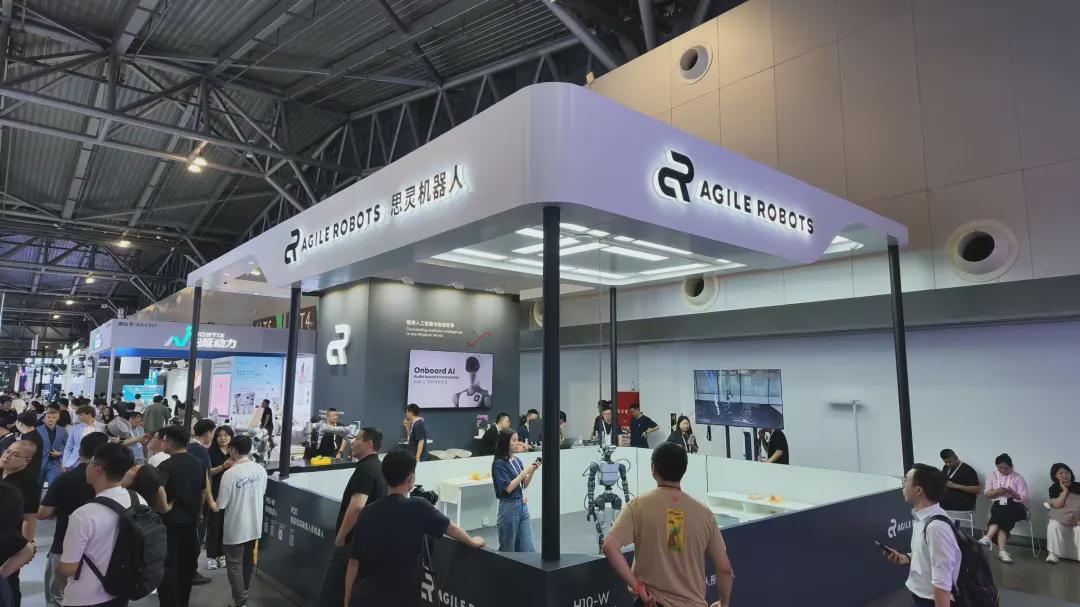
Agile Robots Unveils Advanced Physical AI Solutions at WAIC 2026 in Shanghai
On July 17, 2026, the World Artificial Intelligence Conference (WAIC 2026) commenced in Shanghai, featuring Agile Robots, a leading intelligent robotics company. Agile Robots showcased its H20 lightweight humanoid robot, H10-W assistant robot, AI therapy robot, and high-precision teleoperation data collection system, emphasizing its vision of linking AI with the physical world. The significance of this event lies in the anticipated growth of the humanoid robot market, with projections indicating that China's production could exceed 100,000 units by the end of 2026. This marks a pivotal moment for the global AI industry, transitioning humanoid robots from experimental stages to large-scale production and real-world applications. Looking ahead, Agile Robots is positioned to capitalize on this industry opportunity, having established a strong technological foundation and extensive commercialization experience. The company aims to enhance its AI algorithms and data ecosystems to support the deployment of humanoid robots across various sectors, including healthcare, logistics, and smart agriculture. No further timeline was disclosed at the time of publication.
Humanoid Robots AI Robotics Technology Healthcare Robotics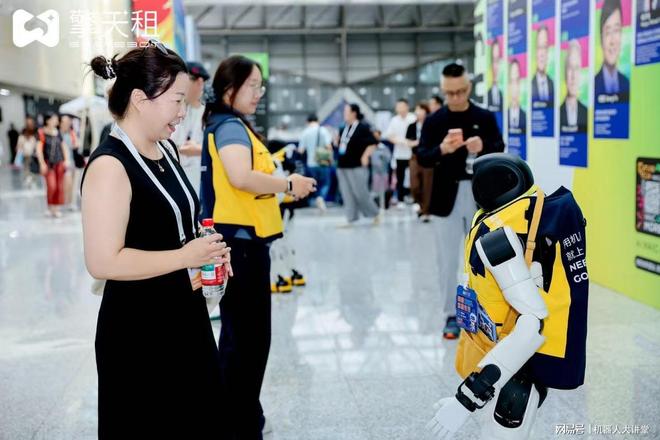
Qingtian Rental Unveils 60 Robots at WAIC, Launching 'RaaS+' Full-Scenario Initiative
On July 17, 2026, the World Artificial Intelligence Conference (WAIC 2026) commenced in Shanghai, where Qingtian Rental made its debut as a public service provider. The company showcased 60 robots, including the Expedition A3 and Lingxi X2, across multiple venues, marking the first large-scale deployment of humanoid robots at a major exhibition. This initiative is significant as it highlights the integration of AI-driven robotic services into various sectors, demonstrating Qingtian Rental's commitment to the 'RaaS+' ecosystem. The robots not only facilitated bilingual communication but also adapted to specific roles, enhancing the visitor experience and showcasing the potential of intelligent partnerships in public spaces. Looking ahead, Qingtian Rental aims to expand its 'RaaS+' ecosystem, collaborating with global partners to further integrate AI technology into everyday life. The company's recent activities, including various public engagements, indicate a growing trend towards the commercialization of robotic services across diverse industries. No further timeline was disclosed at the time of publication.
Robot as a Service Public Service Robots AI Technology Event Robotics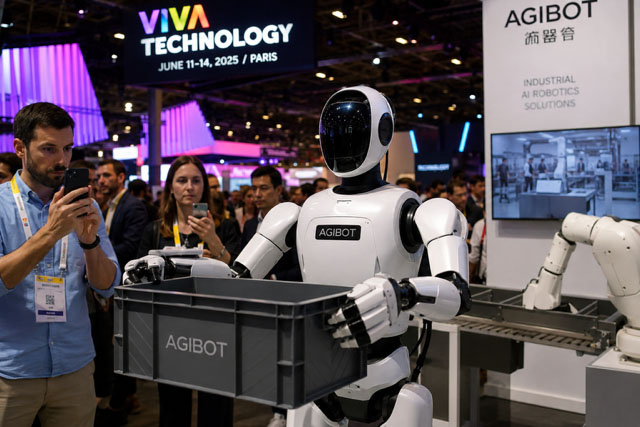
VivaTech 2026: The Year Humanoid Robots Became an Industrial Reality
VivaTech 2026, held at Porte de Versailles in Paris on June 17 and 18, marked its tenth anniversary by highlighting significant advancements in artificial intelligence and the maturation of robotics. The event showcased the growing trend of humanoid robots transitioning into industrial applications, reflecting a global shift in technology. Attendees had the opportunity to witness firsthand the innovations that are shaping the future of robotics, underscoring the industry's evolution and its increasing relevance in various sectors.
À la une IA Industrie Robotique automatisation industrielle. CNRS robotique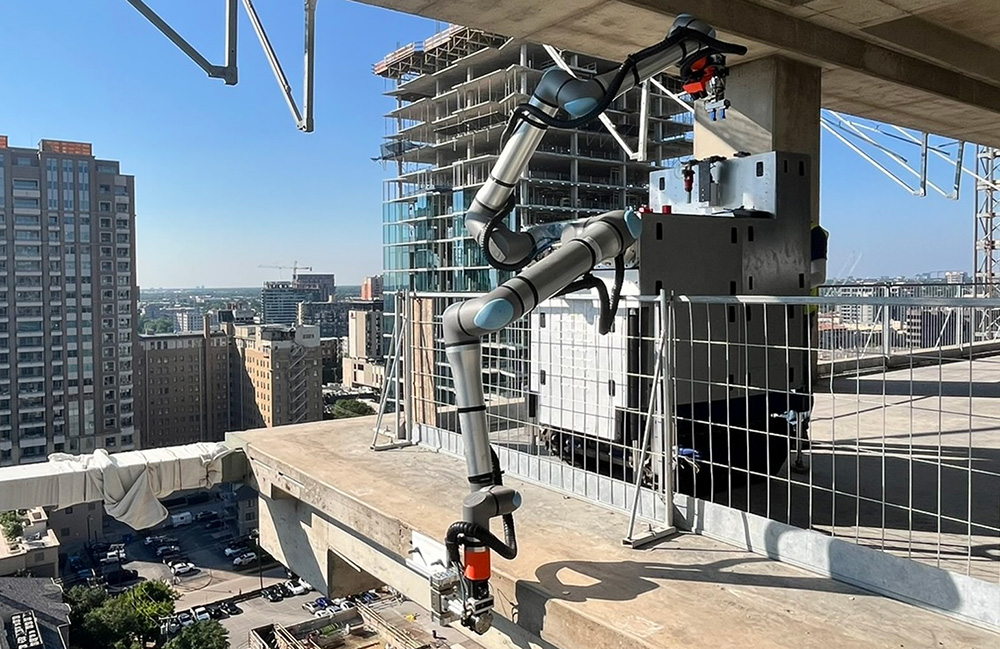
Raise Robotics to Address Scaling Challenges for Field Robots at RoboBusiness 2026
At RoboBusiness 2026, Kenrick Tjandra from Raise Robotics will present on leadership strategies for scaling field robotics. He emphasizes that the gap between current capabilities and customer needs is often a leadership issue rather than a hardware limitation. Raise Robotics, based in San Francisco, has achieved a significant milestone by completing 10 projects across eight states, accumulating over 4,528 robot-hours without safety incidents. Tjandra's framework, peer-reviewed by the Project Production Institute, aims to guide teams in deciding whether to enhance product features or develop operator training. Attendees at the session will learn valuable decision-making tools and insights from Tjandra's experiences, including lessons from past failures. The event, scheduled for October 20-21 in Santa Clara, California, will also provide networking opportunities and insights into the latest trends in robotics and AI across various sectors.
Actuators / Motors / Servos Construction Events Markets / Industries News Technologies
Hello Robot's Aaron Edsinger Discusses Stretch Robots for Independent Living
In the latest episode of Robot Talk, Aaron Edsinger, CEO and Co-Founder of Hello Robot, discusses the capabilities of their Stretch robots designed to assist individuals with mobility challenges. These robots aim to enhance independence for users, showcasing the potential of robotics in personal assistance. The development of Stretch robots is significant as it highlights the growing role of robotics in improving quality of life for people with disabilities. Hello Robot's focus on practical, safe, and accessible designs reflects a broader trend in the industry towards creating user-friendly robotic solutions that cater to specific needs. Listeners should keep an eye on future advancements from Hello Robot, particularly in the realm of human-robot collaboration. As the company continues to innovate, the impact of their technology on healthcare and personal assistance sectors will be crucial to monitor. No further timeline was disclosed at the time of publication.
China Installed 354,000 Industrial Robots in 2025, Representing 59% of Global Total
On September 24, the International Federation of Robotics (IFR) released its report 'World Robotics 2026,' revealing that China deployed 354,000 industrial robots in 2025, marking a 20% increase year-on-year and accounting for 59% of global installations. This figure surpasses the previous record by nearly 60,000 units, reinforcing China's position as the largest industrial robot market worldwide. The demand for industrial robots in China is primarily driven by the electrical and electronics, automotive, and metalworking sectors. In 2025, the electrical and electronics industry installed 96,400 robots, a 16% increase, while the automotive sector saw installations rise to 78,900, a remarkable 38% growth. The metalworking industry also experienced a 44% increase, reaching 78,700 units. The automotive sector's growth is particularly noteworthy as it undergoes a transformation towards electrification and intelligence, leading to heightened demand for robots. Chinese robot manufacturers are expanding their presence in the domestic market, with local suppliers increasing installations by 15% to 195,000 units, representing 55% of the total. The IFR noted that since 2024, over half of the industrial robots installed in China have been supplied by domestic brands. The market is expected to continue growing at an annual rate of 5% to 10% until 2029, driven by demographic changes and labor shortages. Future developments will focus on transforming industrial robots into intelligent equipment capable of adapting to non-standard scenarios.
Industrial Robots Automation Robotics Market AI Technology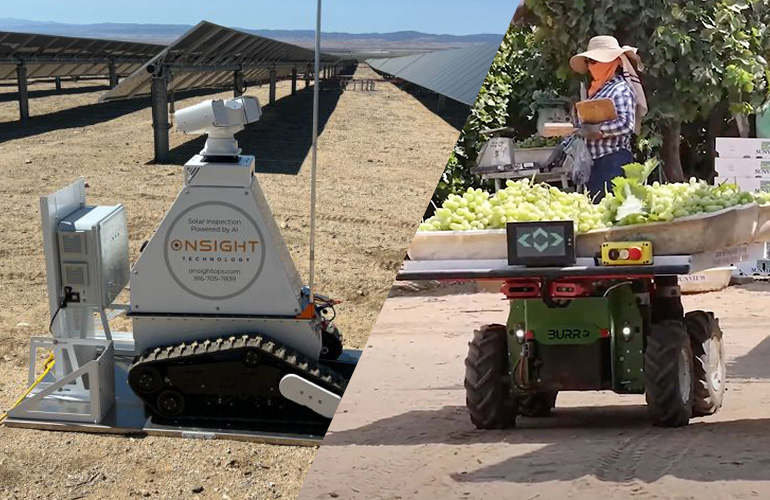
Challenges and Solutions for Building Reliable Outdoor Robots Discussed at RoboBusiness 2026
Outdoor robots face unique challenges that require advanced engineering, sensors, and weatherproofing to function effectively. As these robots are increasingly deployed in sectors like agriculture, construction, and defense, they encounter harsh conditions such as weather fluctuations, moisture, and uneven terrain, which can lead to failures not seen in controlled environments. The importance of addressing these challenges is underscored by the upcoming panel at RoboBusiness 2026 titled 'Lessons Learned: Building Reliable Outdoor Robots.' Scheduled for October 21, this session will feature industry experts from WiBotic, Burro, and Nextpower, who will discuss critical engineering decisions that impact the success of outdoor robots in real-world applications. Attendees can expect to gain insights into best practices for enhancing robot resilience, including environmental hardening and power architecture. This session is essential for robotics engineers and business leaders looking to transition outdoor robots from pilot projects to reliable field deployments, providing actionable strategies for improving operational efficiency and reducing costs.
Agriculture Autonomous Mobile Robots (AMRs) Construction Defense / Security Energy / Solar / Renewables Events
Global Shipments of Quadruped Robots Reach 35,000 Units in H1 2026, China Leads Market
According to a report by Counterpoint Research, global shipments of quadruped robots approached 35,000 units in the first half of 2026, with 40% utilized in industrial applications. Chinese companies contributed over 90% of the global market share, reflecting a similar dominance seen in humanoid robots. Yushu Technology ranked first with a 37% market share, leveraging its early advantages in entertainment and educational applications, which accounted for over 70% of its shipments. In the industrial application segment, Zhiyuan Kuituo led with a 16.3% share, followed by Yundongchu with 26%, and Zhishen Technology in third place. The report forecasts that global shipments of quadruped robots will exceed 90,000 units for the first time in 2026, with annual revenue expected to reach $1.5 billion. By 2030, the global market size is projected to surpass $10 billion, driven by industrial inspections and security patrols, which will account for about 60% of the market. This shift indicates a transition in competition from mobility performance to the delivery capabilities of vertical solutions.
Quadruped Robots Industrial Applications Market Trends Robotics Technology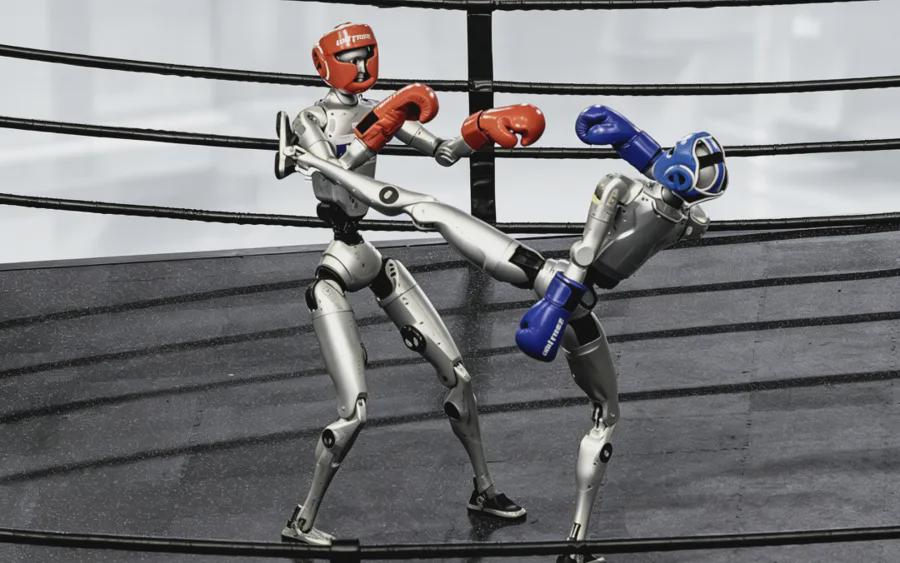
Experience the 2026 Global Digital Trade Innovation Competition with Interactive Robot Challenges
From September 23 to 27, the 2026 Global Digital Trade Innovation Competition will take place at the Hangzhou International Expo Center. This event features various robot competitions, including 100-meter races, soccer, wrestling, and tug-of-war, allowing attendees to compete against robots in real-time. The significance of this competition lies in its demonstration of advancements in robotics and human-robot interaction. Participants will witness robots performing tasks that test their endurance, stability, and control, while also engaging in interactive activities such as racing and shooting hoops against robots. Starting September 25, multiple human-robot interaction projects will be available, including a 60-meter race and robot boxing. Attendees can also explore an exhibition area showcasing innovative robotic products, such as six-dimensional force sensors and massage robots, providing insights into the technology behind modern robotics.
Robot Competitions Interactive Robotics Robotic Innovations AI Technology
Nvidia's Les Karpas Discusses Robotics' Need for a Breakthrough at TechCrunch Disrupt 2026
At TechCrunch Disrupt 2026, Les Karpas, Nvidia Inception’s Global Head of Physical AI, will explore the robotics industry's quest for a transformative moment akin to ChatGPT's impact on AI. He will address the current limitations in robotics, particularly the lack of comprehensive datasets for physical AI, which hinders progress. The significance of Karpas's insights lies in understanding the challenges that prevent robotics from achieving its full potential. Unlike language models, robotics lacks an extensive internet-wide dataset, making it difficult to develop general-purpose robots. Karpas will highlight how startups are attempting to bridge this gap through simulation and synthetic data. Attendees can expect to gain valuable perspectives on overcoming the data challenges in robotics and the future of physical AI. Karpas's extensive experience across various sectors positions him uniquely to provide insights into the evolving landscape of robotics and AI. No further timeline was disclosed at the time of publication.
Startups AI Robotics nvidia TechCrunch Disrupt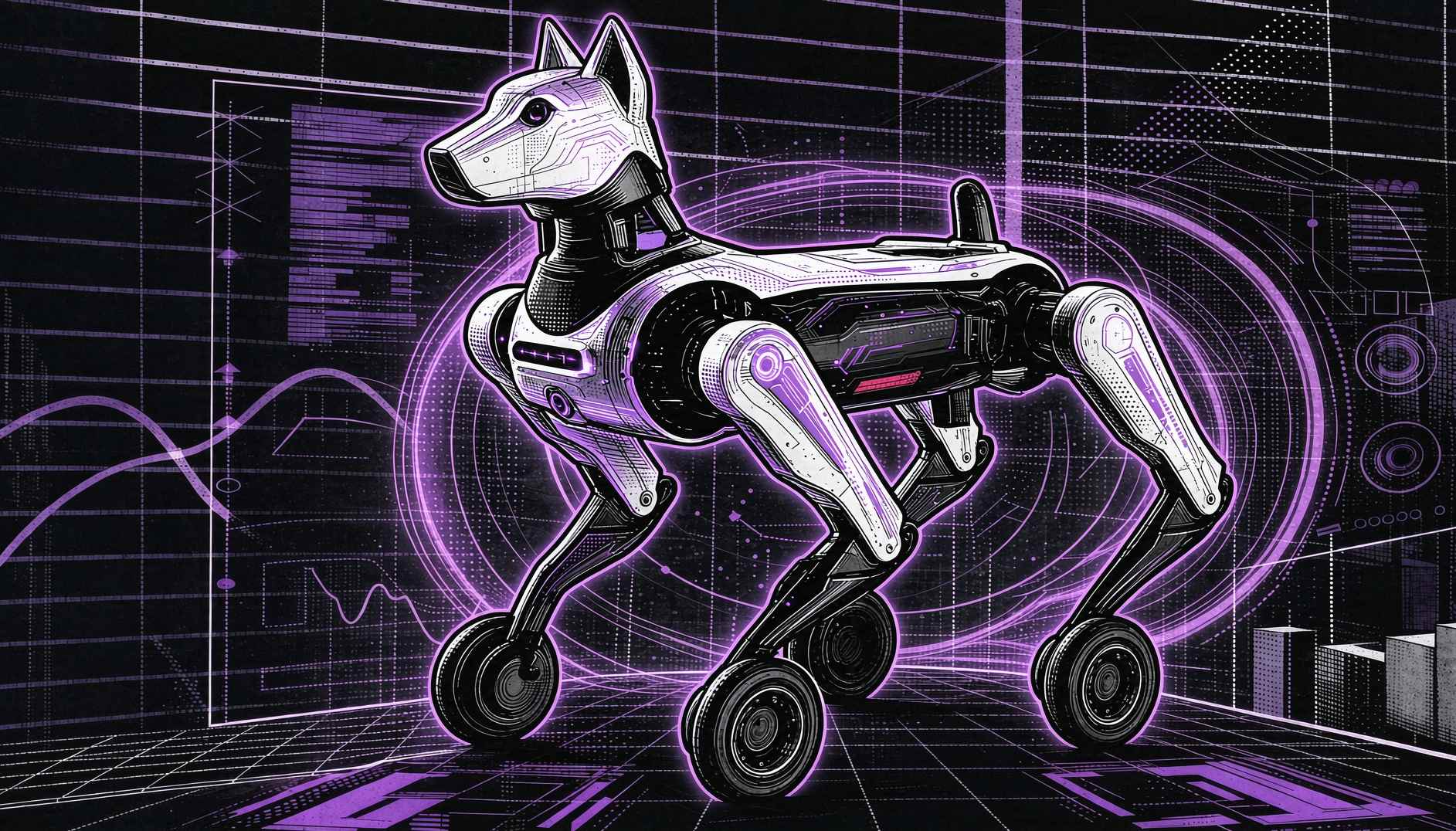
Brain-Controlled Prosthetics and Guide Robots Showcased at 2026 Beijing Welfare Expo
At the 2026 China International Welfare Expo, brain-controlled prosthetics and guide robots were unveiled, showcasing advanced assistive technologies. The event featured over 10,000 products aimed at improving the daily lives of disabled individuals and the elderly, with a dedicated section for brain-machine interface technologies. The introduction of brain-controlled rehabilitation devices, such as the robotic hand developed by Yanshan University and Yuan Brain Qilian, marks a significant advancement in assistive technology. These devices, weighing approximately 500 grams, are currently undergoing clinical testing and show superior training outcomes compared to traditional therapies. Looking ahead, the expo highlighted the potential for smart guide dogs, with companies like Beijing Cyberwan and Chengdu Chuqian Technology planning to deliver thousands of units by the end of the year. However, challenges remain in ensuring these technologies can adapt to various environments and meet the emotional needs of users. No further timeline was disclosed at the time of publication.
Brain-Computer Interface Prosthetics Assistive Technology Guide Robots Disability Support
Robotics Trends in Society, Business, and Culture: Insights from August 2026
In August 2026, various developments in robotics highlighted the industry's evolution and challenges. U.S. founders and startups are reportedly sourcing components from Shenzhen, raising security concerns over Chinese hardware reliance, particularly in the electric and autonomous vehicle sectors. Meanwhile, Princeton engineers introduced a motorless origami-inspired robot that utilizes geometric principles for movement, showcasing innovative design approaches. The importance of managing expectations in robotics deployments was emphasized, especially in humanoid interactions. A Drexel study revealed that participants formed stronger connections with an expressive robot, but errors led to unexpected emotional responses, indicating a complex relationship between humans and robots. This highlights the need for careful communication regarding robot capabilities and limitations. As the automotive sector's dominance in robotics wanes, other industries are increasingly adopting robotic solutions. North American companies ordered 8,940 robots in Q2 2026, reflecting a 4.3% increase in units and a 21.3% revenue rise. The World Robot Conference in Beijing showcased over 2,000 products, emphasizing the global interest in robotics advancements.

GPT-6 Enhances Robot Dexterity with Chopsticks, Challenges for Embodied AI Persist
Following the release of GPT-6, videos showcasing its ability to control robotic arms and dexterous hands have emerged on social media. The technology can manipulate small objects like chopsticks, demonstrating advanced grasping and positioning capabilities. However, Xu Huazhe, founder of Breakthrough Robotics, noted that GPT-6 still struggles with complex physical interactions, indicating limitations in its physical generalization abilities. This development is significant as it highlights the advancements in semantic and spatial generalization, which GPT-6 has achieved compared to previous visual language models. While it can perform tasks more effectively, it does not yet fully comprehend the physical dynamics of objects. The competition in the embodied AI sector is intensifying, with experts suggesting that companies must adapt quickly to meet market expectations within the next one to two years. Looking ahead, the integration of GPT-6 into embodied AI systems could lead to enhanced capabilities, but challenges remain in real-time responsiveness and hardware compatibility. Industry leaders emphasize the need for specialized models tailored to physical tasks, as the current large-scale cloud models may not be feasible for direct deployment in robotics. No further timeline was disclosed at the time of publication.
Robotics AI Embodied Intelligence Machine Learning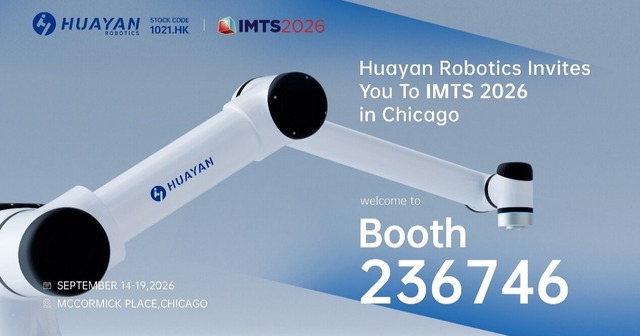
Huayan Robotics to Showcase 7-Axis Humanoid Arms at IMTS 2026 in Chicago
Chinese robotics manufacturer Huayan Robotics will exhibit at the International Manufacturing Technology Show (IMTS 2026) in Chicago from September 14 to 19, 2026. The company plans to showcase its advanced manufacturing capabilities, including welding, palletizing, CNC machine tending, vision inspection, and force control polishing. The IMTS, a historic manufacturing technology exhibition established in 1927, is expected to host over 2,000 exhibitors and attract more than 90,000 visitors in 2026. Huayan Robotics will present its collaborative robots, including the E12-Pro welding robot with a reach of 1.8 meters and a payload capacity of 60 kg, designed for large or irregular welding tasks. Additionally, Huayan Robotics will display its 7-axis humanoid robot arms, the HY 7 and Echo 5, which offer flexibility and obstacle avoidance in confined spaces. The company has over 20 years of experience in technology development and has implemented its collaborative robots across more than 60 process scenes in over 50 countries. No further timeline was disclosed at the time of publication.

The Rise of Household Robots: Transforming Mobility and Daily Life by 2026
By 2026, the tech industry anticipates a significant shift where robotaxis will replace personal vehicles, and humanoid robots will become essential household members. This narrative suggests that cars will transition from personal ownership to mobility services, while robots will evolve similarly, becoming integral to family life. The implications of this shift are profound, as automotive companies leverage their expertise in intelligent driving technologies for robotics. Tesla's Optimus and FSD share architecture and AI chips, with mass production delayed until summer 2027. Meanwhile, BYD's humanoid robot, Xiaodi, is already in experience centers, highlighting the automotive sector's readiness to adapt. However, the transition from industrial to home environments remains challenging. Despite a surge in humanoid robot shipments, household penetration is low, with most units directed towards entertainment and education. As the industry moves towards a service-oriented model, the focus will shift from hardware ownership to the value of the underlying intelligent systems, data, and services that drive competition in this evolving landscape.
Humanoid Robots Robotaxi Service Robotics AI Mobility SolutionsRobotics needs a service framework.
RSF defines a common language for robot service capability, lifecycle operations, certification pathways, and service-provider networks.
Join the RobotToday community on LinkedIn
Daily robotics news, in-depth analysis, conference highlights, and discussions with professionals worldwide.







