


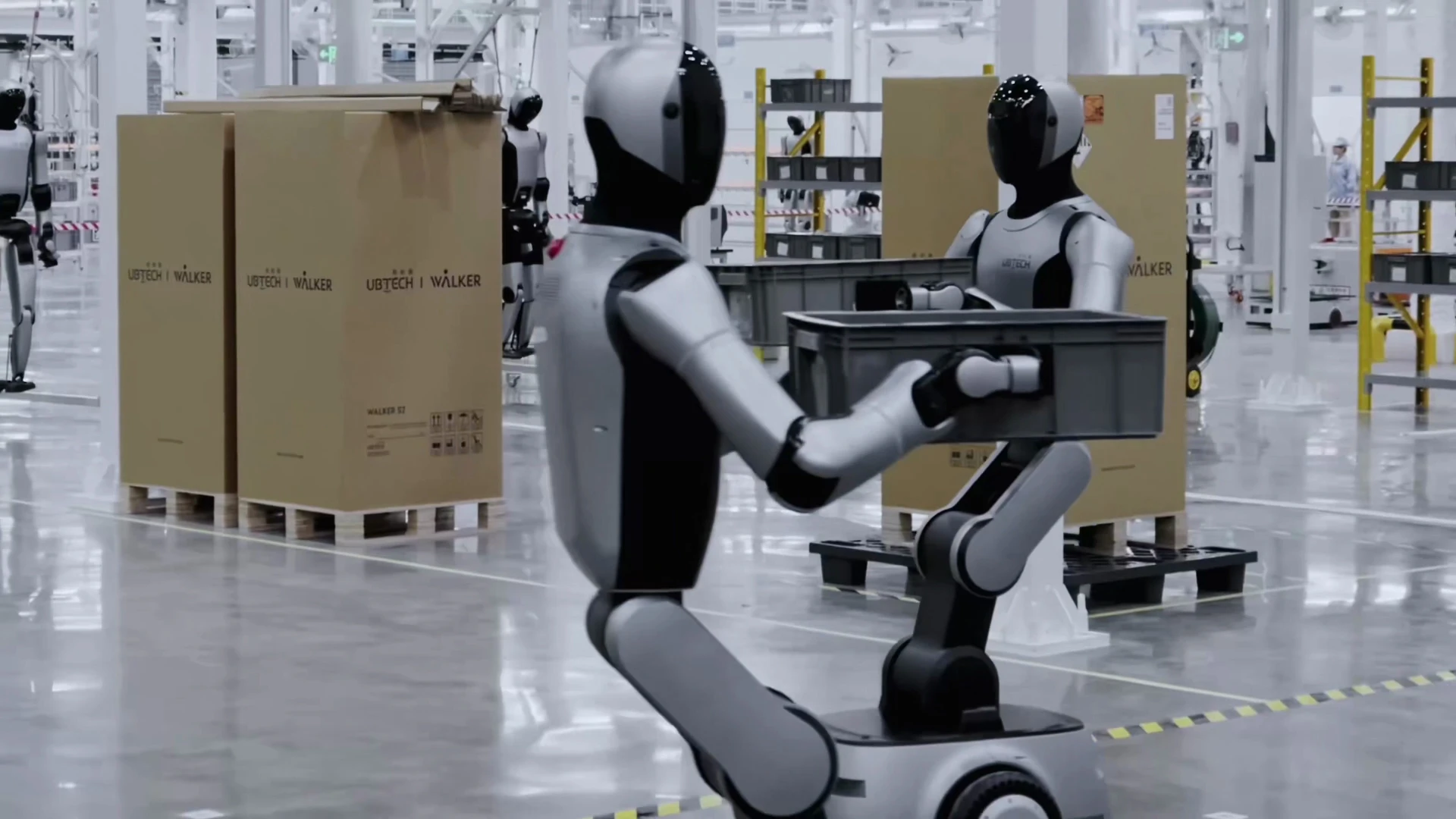
The Panshi Embodied Lab was officially launched at the World Robot Conference 2026, marking a significant step in the development of humanoid robots in China. The lab aims to provide a public service platform for testing and evaluating humanoid robots, addressing challenges such as weak core technologies and insufficient high-value applications.
This initiative is crucial as the humanoid robot industry is projected to produce over 100,000 units by 2026, up from 20,000 in 2025. However, many products remain in the research and testing phases, highlighting the need for robust standards and evaluation processes to ensure quality and safety in the industry.
Looking ahead, the lab will focus on developing testing capabilities for components and whole robots, as well as creating a collaborative testing environment. The first phase of testing has already been completed, and further developments are expected, including the establishment of specialized testing labs and ongoing standard verification work.
Editor's Note
The launch of the Panshi Embodied Lab represents a pivotal moment for the humanoid robotics sector in China, emphasizing the importance of standardized testing and evaluation. As the industry matures, the establishment of a comprehensive testing framework will be essential for fostering innovation and ensuring safety in humanoid robot applications across various sectors.
Copyright Notice
This briefing is an independently written summary based on publicly available reporting and is provided for industry information and news discovery. The original report and source publication are credited and linked where applicable. RobotToday does not claim ownership of third-party source material.
Rights concerns? If you believe any material in this briefing infringes your copyright or other rights, please contact [email protected] with the relevant URL and details. We will review the matter and take appropriate action where warranted.






























Leave a comment