

Industry Briefing
A single destination for timely, editor-curated robotics news from around the world.

Robots Face Data Shortage Despite Establishment of Hundreds of Training Centers
The rapid increase in robot model parameters has not been matched by the availability of high-quality physical interaction data. Current compliant data in China stands at only 500,000 hours, while commercial deployment requires tens of millions of hours, resulting in a gap exceeding 99%. The China Academy of Information and Communications Technology indicates that embodied intelligence models need at least tens of millions of hours of data to reach a 'ChatGPT moment', yet globally available high-quality data is still far from sufficient. The scarcity of data is not due to a lack of collection efforts; approximately 100 embodied intelligence data collection centers have emerged in China over the past two years. However, the data collected is often of poor quality, incompatible formats, and not reusable across different projects. The high cost of collecting real machine data, estimated at around 275 yuan per hour for effective data, exacerbates the issue, making it a rare and expensive resource. As over 70 training centers are operational and more than 40 are under construction, concerns about the quality of data collected persist. Some reports describe the business model of these centers as 'circular financing', where robot companies sell machines to government-built data centers and then funnel money back under the guise of data procurement. No further timeline was disclosed at the time of publication.
Embodied Intelligence Data Collection Robotics Training AI Standards
Chen Pu of Yuan Ke Vision Discusses Transitioning Robot Training Data from 2D to 4D with High Precision
On September 23, Chen Pu, Vice President of Product Development at Yuan Ke Vision, highlighted the importance of high-quality real data for robot training during a seminar in Beijing. He emphasized the need to elevate data from 2D to 4D and improve precision from centimeter to sub-millimeter levels to build a robust 4D data foundation for robotics. This transition is crucial as the industry faces challenges such as weak model generalization and inadequate scene adaptability. Chen noted that current training methods often rely on limited 2D video data, which fails to capture the complexities of three-dimensional space and temporal changes, hindering robots' ability to understand and interact with their environments effectively. Looking ahead, Yuan Ke Vision aims to address these challenges by developing new data collection and training paradigms that enhance dimensionality, enrich modalities, and improve precision. Chen pointed out that while video data serves as a foundation, it is often too simplistic, and the lack of tactile data remains a significant gap in the industry. No further timeline was disclosed at the time of publication.
Robot Training Data 4D Data Collection Industrial Robotics Embodied Intelligence Precision Robotics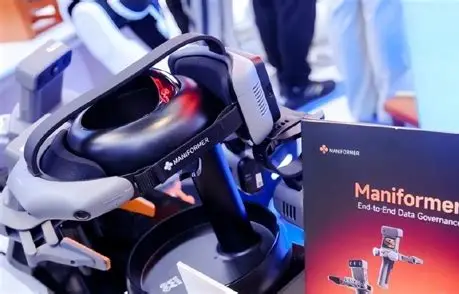
Mifengpai Unveils Data Crowdsourcing Initiative for Robot Training Through Daily Activities
On September 23, Mifengpai launched a global initiative to crowdsource data for robot training, showcasing over 50,000 real environments and 5,000 tasks. The event highlighted the need for extensive data on everyday actions, which are crucial for training robots but have not been systematically recorded. Mifengpai's approach combines hardware, an app, and a data engine to facilitate this data collection. This initiative is significant as it addresses the challenge of gathering large-scale data necessary for developing embodied artificial general intelligence (AGI). Mifengpai's infrastructure, including the MEgo collection devices and a user-friendly app, aims to democratize data collection by allowing ordinary users to contribute through standardized tasks. The company has already seen substantial engagement, with 20,000 registered users and over 13,000 data collection tasks submitted in just one month. Looking ahead, Mifengpai has introduced a subsidy plan worth 100 million yuan to support task and equipment subsidies, along with a scene data alliance involving over 50 companies across various sectors. This collaborative effort is expected to enhance the quality and quantity of data available for robot training, ultimately improving robotic capabilities in everyday tasks.
Data Crowdsourcing Robot Training AI Technology Human-Robot Interaction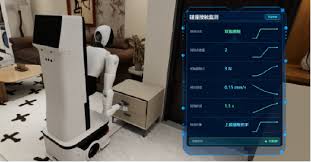
Shangpin Home Introduces Open-source WorldSimReady-Home Dataset for Robotics Training
Shangpin Home, in collaboration with Tangyuan Technology, has launched the WorldSimReady-Home simulation dataset aimed at addressing the challenges of robotic training in complex home environments. This open-source dataset includes 100,000 square meters of high-fidelity home scenes, 10,000 interactive assets, and 1,000 standardized robotic simulation task examples, allowing for extensive training and testing of various robotic forms. The significance of this initiative lies in its potential to bridge the Sim2Real gap, where robots struggle to perform in real homes despite successful laboratory tests. By providing a diverse range of simulated environments, the dataset enables developers to train robots for navigation, object manipulation, and complex household tasks without the risks associated with real-world trials. Looking ahead, the WorldSimReady-Home dataset represents a foundational step in Shangpin Home's strategy for embodied intelligence. As more teams engage with this open-source initiative, the development of additional datasets for industrial, commercial, and specialized scenarios is anticipated. The effectiveness of this approach will depend on the practical application of the dataset and the successful transfer of learned strategies to real-world settings.
Robotics Training Simulation Data Home Automation AI Digital Twins
Kinetic Blocks Introduces Beta Marketplace for Humanoid Robot Training Data
Kinetic Blocks, a startup based in Oslo, has launched a beta version of a marketplace dedicated to the buying and selling of training data for humanoid robots. This platform became available on September 1, following months of development in collaboration with a select group of data suppliers and early users. The introduction of this marketplace is significant as it aims to streamline the acquisition of training data, which is crucial for the development and enhancement of humanoid robots. By facilitating transactions between data providers and developers, Kinetic Blocks is addressing a vital need in the robotics industry, potentially accelerating advancements in humanoid robot capabilities. Looking ahead, Kinetic Blocks has not disclosed any further timeline for expanding access to the marketplace or additional features. Stakeholders in the robotics sector should monitor this development closely, as it may influence the landscape of humanoid robot training and data utilization.
Computing Humanoids News 1x technologies artificial intelligence egocentric video
Kinetic Blocks Launches Marketplace for Humanoid Training Data Acquisition
On September 1, Oslo-based startup Kinetic Blocks introduced a gated beta of a marketplace tailored for the buying and selling of humanoid training data. This platform aims to streamline the traditionally slow and complex process of dataset procurement by replacing bilateral licensing deals with standardized commercial transactions. The significance of Kinetic Blocks' launch lies in its potential to address the challenges of physical data acquisition in the embodied AI sector. By allowing data suppliers to list various datasets, including egocentric human video and teleoperation recordings, the platform seeks to establish clear market values and mitigate the opaque rights management that has historically plagued robot learning data procurement. Looking ahead, Kinetic Blocks plans to expand its engineering and commercial teams in the coming months while preparing to open a seed funding round in the fourth quarter of 2026. This development comes amid a competitive landscape where foundational model developers are increasingly seeking innovative strategies for sourcing real-world telemetry data.
Data Collection Kinetic Blocks Dataset Europe
Micro1 Achieves $500 Million Gross Run Rate Amid Surge in AI Training Data Demand
Micro1, a data-labeling startup, has seen its gross annual run rate increase from $100 million to $500 million in just eight months, driven by the high demand for unique AI training data. The company retains about 60% to 70% of this figure, resulting in a net annual run rate between $150 million and $200 million. This significant growth highlights the robust market for AI training data, with Micro1's revenue trajectory indicating a strong demand that can support multiple players in the sector. While competitors like Mercor and Handshake have surpassed Micro1 in gross revenue, the startup's expansion reflects a broader trend in AI spending, which may soon rival expenditures on computing resources. Looking ahead, Micro1 is poised for continued growth as it increases contract sizes and expands its synthetic data generation capabilities. The company is also navigating controversies regarding the sale of off-the-shelf data, particularly concerning its stance on not selling to Chinese AI developers, as articulated by founder Ali Ansari. No further timeline was disclosed at the time of publication.
AI Startups data labeling micro1 reinforcement learning
NVIDIA and LG Set Ambitious Goal of 100,000 Hours of Robot Training Data by Year-End
NVIDIA and LG Electronics have set a new benchmark in robot training data, aiming for 100,000 hours by year-end. This initiative was announced during a visit by NVIDIA's Senior Director of Omniverse and Robotics Marketing, Min-San Huang, to LG's Yangjae R&D Center in Seoul, following a strategic partnership agreement signed just days earlier. This ambitious target is significant as it surpasses the training data of other companies, such as Ant Group's LingBot-VLA 2.0 model, which has 60,000 hours. The training data will be sourced from a mix of real and synthetic data, leveraging decades of LG's operational data in manufacturing and logistics, enhanced through NVIDIA's Omniverse and Isaac robotics development platform. Looking ahead, LG plans to deploy hundreds of CLOiD robots at the Yangjae data factory, which features various training environments. The company aims to launch a next-generation bipedal robot based on NVIDIA's Isaac GR00T model by Q1 2027. No further timeline was disclosed at the time of publication.
Robot Training AI Robotics Manufacturing Data Analytics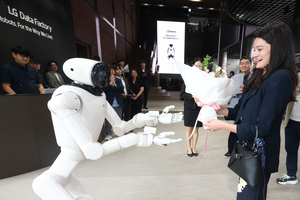
LG Electronics and Nvidia Aim for 100,000 Hours of Humanoid Robot Training Data
LG Electronics is enhancing its collaboration with Nvidia to expedite the creation of training data for humanoid robots. This initiative follows a memorandum of understanding signed by LG Group Chairman Koo Kwang-mo and Nvidia CEO Jensen Huang, aimed at expanding cooperation in physical AI and mobility. Madison Huang, Nvidia's senior director, visited LG's data factory in Seoul to review the progress of this partnership. The significance of this collaboration lies in its potential to advance the capabilities of humanoid robots through extensive training data. By utilizing LG's CLOiD robots in various simulated environments, including a home setting and a washing machine plant, the companies aim to gather diverse data for training purposes. The data will be processed using Nvidia's advanced robotics solutions, enhancing the learning process for these robots. Looking ahead, LG Electronics plans to fully operationalize the Yangjae data factory by the end of the year, with a target of collecting 100,000 hours of training data. This ambitious goal represents nearly 12 years of continuous operation, marking a significant milestone in the development of humanoid robotics.
All News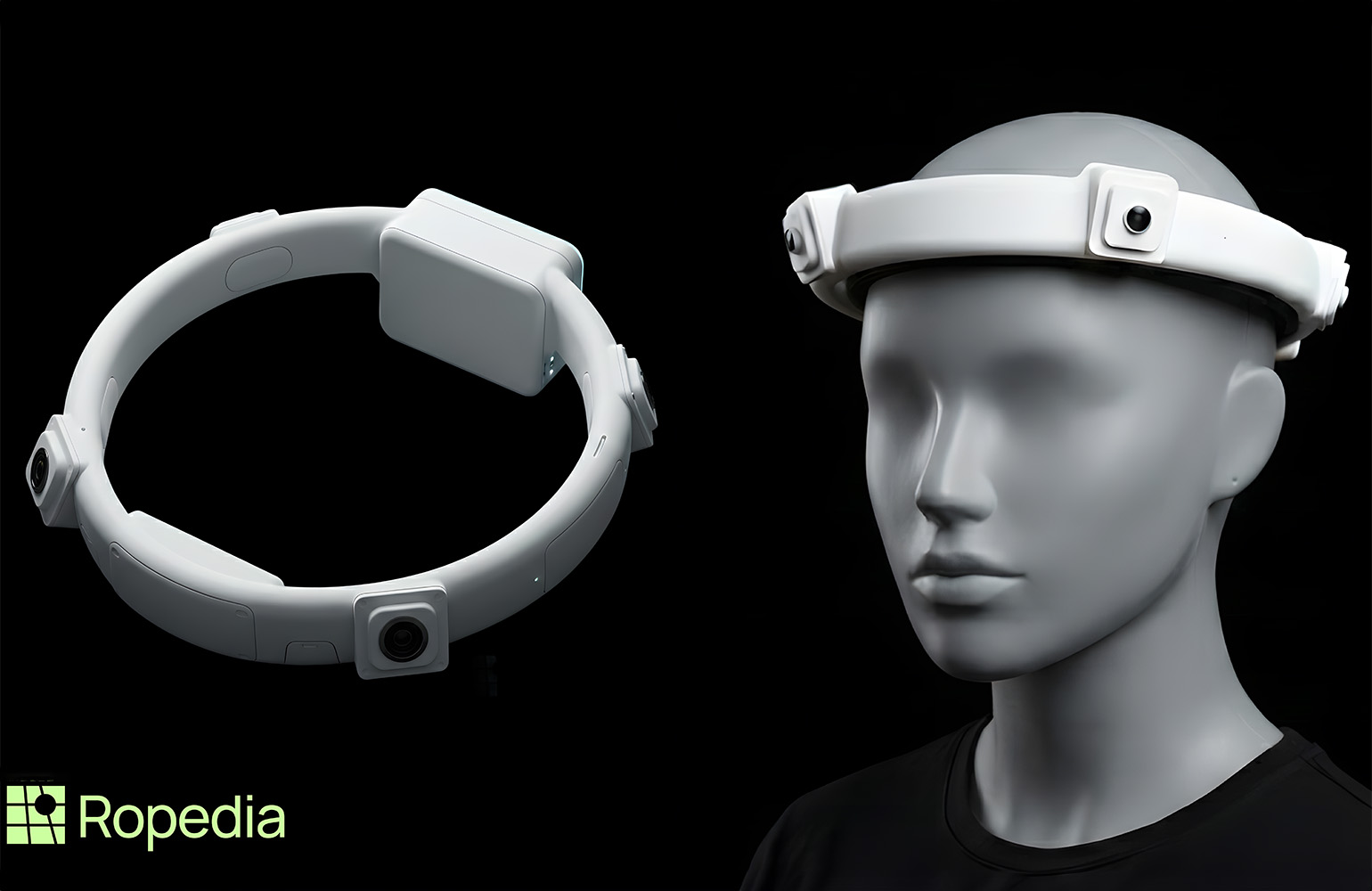
Ropedia Secures $22 Million to Enhance Data Collection for Robotics Training
Ropedia has announced the successful completion of a $22 million pre-Series A funding round, bringing its total funding to $30 million. The investment will be utilized to scale HOMIE, a lightweight, head-mounted device designed to capture first-person human movement and spatial context, which is essential for training robots. This funding is significant as it allows Ropedia to expand its business and technical teams, particularly in hardware, software, and data infrastructure. The company aims to enhance its presence in North America, especially the United States, where most of its clients are located. Ropedia's approach to data collection, which involves generating and structuring data internally, distinguishes it from traditional data-labeling providers. Looking ahead, Ropedia plans to further develop its data platform, incorporating annotation tools and quality analytics. The company is committed to building the necessary data infrastructure for the robotics industry to scale effectively. No further timeline was disclosed at the time of publication.
Artificial Intelligence Artificial Intelligence / Cognition Design / Development Financial Investments News
AI Agents Develop Virtual Environments for Essential Robot Training Data
Robots are becoming more visible in public spaces, captivating onlookers. However, they still lack the versatility needed for tasks in kitchens or factories, primarily due to a significant data bottleneck. Similar to human learning, robots acquire skills through experience, but the process of physically training them in various environments is labor-intensive and time-consuming. This challenge highlights the need for innovative solutions to streamline robot training. By utilizing AI agents to create virtual playgrounds, developers can simulate diverse scenarios, allowing robots to learn efficiently without the constraints of physical environments. This approach could significantly reduce the time and resources required for training, ultimately accelerating the deployment of robots in practical applications. Looking ahead, the development of these virtual training environments may pave the way for more capable robots in various industries. As AI technology continues to evolve, it will be essential to monitor advancements in virtual training methodologies and their impact on robot performance and adaptability. No further timeline was disclosed at the time of publication.
Robotics
Rui Erman Establishes Data Training Facility in Changzhou with 150 Robots Generating 2GB Data Per Minute
Rui Erman has launched a data training facility in Changzhou, equipped with 150 robots capable of generating 2GB of raw data per minute. This facility features two main areas: a basic motion training zone for fundamental robotic actions and a scenario application area designed for diverse operational contexts such as home, industrial, and retail environments. The significance of this initiative lies in addressing critical challenges in the robotics industry, including the scarcity of high-quality real-world data and the high costs associated with data collection. Rui Erman is actively involved in developing standards for data collection, ensuring compliance with the MCAP standard, which emphasizes data accuracy and synchronization. Looking ahead, Rui Erman aims to transition robots from controlled environments to real-world applications, enhancing data collection efficiency. The company is focused on achieving a significant reduction in robot costs to facilitate widespread adoption in households and factories. No further timeline was disclosed at the time of publication.
Data Collection Robotics Machine Learning AI Standards
Index Launches as the Largest and Most Diverse Robot Training Dataset Ever Created
Today, Figure has unveiled Index, a groundbreaking robot training dataset designed to address the data scarcity for general-purpose robots. Over the past four months, the company has developed a unique pipeline to collect real-world physical data, achieving over 264,000 app downloads across 108 countries and 44,000 weekly active users contributing to the dataset. The significance of Index lies in its ability to provide diverse and high-quality data essential for training AI systems like Helix. With over 16 million videos uploaded and 30 minutes of video processed every second, the dataset captures a wide range of tasks, objects, and environments. Figure has committed to investing over $1 billion in data and compute resources over the next year to further enhance this initiative. Looking ahead, Figure aims to scale its data collection efforts significantly, with plans to increase the dataset's capabilities and diversity. The company is already witnessing promising generalization results from its AI stack, Helix, and will share more insights on its findings in the near future. No further timeline was disclosed at the time of publication.
robotics AI data collection machine learning technology
MIT Develops SceneSmith: AI Agents Create Virtual Environments for Robot Training
MIT has introduced SceneSmith, a system utilizing AI agents to generate realistic 3D environments for robot training. This innovation addresses the challenge of providing diverse and rich simulation content, which is crucial for robots to learn effectively. By employing a vision-language model, SceneSmith creates detailed indoor scenes that allow robots to practice various tasks before real-world deployment. The significance of SceneSmith lies in its ability to enhance the training process for robots, reducing the time engineers spend on real-world testing. The system constructs scenes with up to six times more objects than previous methods, enabling robots to learn complex skills in a controlled virtual setting. This advancement could lead to more efficient and effective robot training, ultimately accelerating their integration into everyday tasks. Looking ahead, the researchers aim to further refine SceneSmith and explore its applications in diverse robotic tasks. The ability to simulate realistic environments will be critical as robots become more prevalent in various sectors. No further timeline was disclosed at the time of publication.
Encord and Zander Labs Use EEG Data to Advance Physical AI Training Techniques
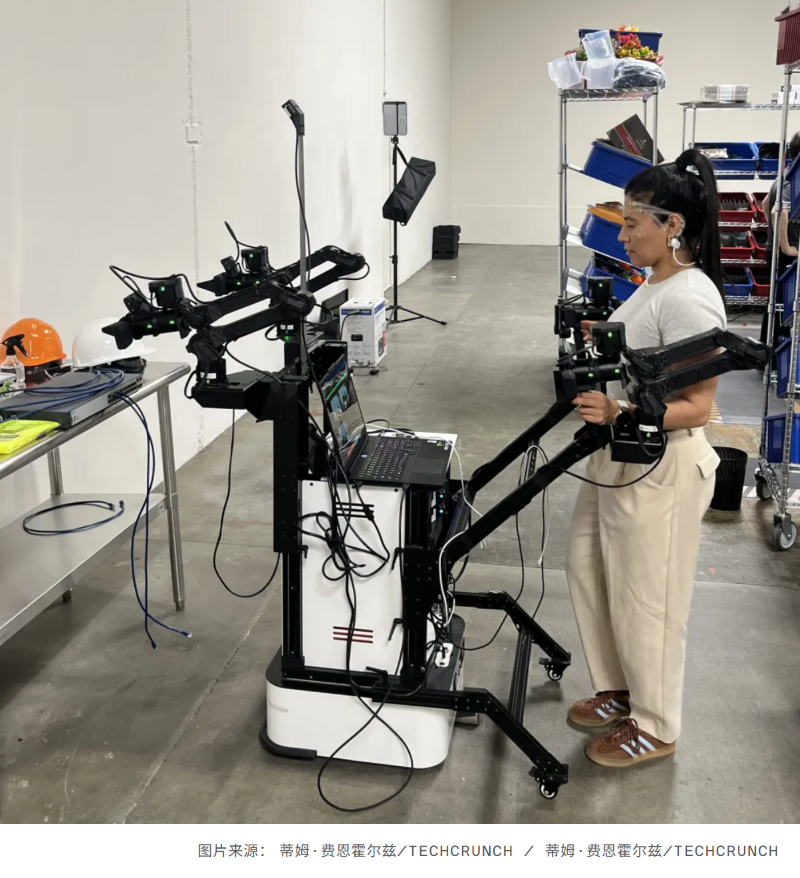
In a warehouse in San Leandro, California, a worker is participating in an experiment that combines a data collection helmet with EEG sensors to train robots. This collaboration between Encord and Zander Labs aims to address the scarcity of real-world training data for physical AI, which is a significant challenge in the field. The importance of this experiment lies in its potential to generate valuable training data by capturing the neural activity of operators during tasks. This data can inform robot models about operator states, such as confusion or focus, enabling more efficient training and resource allocation. Encord is also collecting remote control data and first-person videos to create a comprehensive data production system. Looking ahead, the integration of EEG helmets, muscle sensors, and detailed annotations could revolutionize how robots are trained, providing the necessary real-world data that is currently lacking. No further timeline was disclosed at the time of publication.
Physical AI Robot Training Data Collection EEG Technology
AI Agents Develop Virtual Environments for Robot Training Using SceneSmith System
AI agents have developed the SceneSmith system, which creates realistic 3D environments such as kitchens and hotels for robot training. This innovative approach allows robots to simulate everyday tasks, enhancing their operational capabilities. The significance of this development lies in its potential to address the skills gap in the manufacturing sector. With over 2 million jobs projected to remain unfilled due to a shortage of skilled workers, effective training solutions like SceneSmith are crucial for preparing the workforce of the future. Looking ahead, the integration of AI in training environments will likely continue to evolve, providing robots with the necessary data to perform complex tasks. No further timeline was disclosed at the time of publication.

MIT Develops SceneSmith: AI System for Creating Realistic 3D Training Environments for Robots
Researchers at MIT have developed SceneSmith, an AI-powered platform that generates realistic 3D indoor environments for robot training. This innovative system utilizes three collaborative AI agents to create detailed virtual spaces, enabling robots to practice everyday tasks safely and efficiently before real-world deployment. The significance of SceneSmith lies in its ability to reduce the costs and time associated with traditional robot training methods. By providing a virtual setting that mimics real-life environments such as kitchens and offices, robots can learn to interact with various objects without the need for extensive human supervision or physical trials. Looking ahead, SceneSmith has already generated over 1,300 virtual environments, allowing robots to practice tasks like placing fruit on plates and opening cabinets. Researchers have tested robot control programs in 100 different environments, achieving over 99 percent agreement between AI evaluations and human reviewers. No further timeline was disclosed at the time of publication.
AI and Robotics
MIT and Toyota Develop SceneSmith to Enhance Robot Training with AI-Generated Environments
MIT and the Toyota Research Institute have introduced SceneSmith, a system that utilizes AI agents to create realistic 3D environments for robot training. This innovation addresses the significant challenge of generating diverse simulation content, which is crucial for teaching robots various tasks in a cost-effective manner. The SceneSmith system employs three AI agents, leveraging the advanced vision-language model GPT-5.2, to design intricate indoor scenes. These environments, featuring up to six times more objects than previous methods, allow robots to practice skills in a rich virtual playground, ultimately reducing the need for extensive real-world testing. As the research progresses, the effectiveness of these AI-generated environments will be closely monitored. The team has already demonstrated that robots can successfully navigate and perform tasks in these virtual settings, indicating a promising future for robotic training methodologies. No further timeline was disclosed at the time of publication.
Research Robotics Artificial intelligence Simulation Computer science and technology Machine learning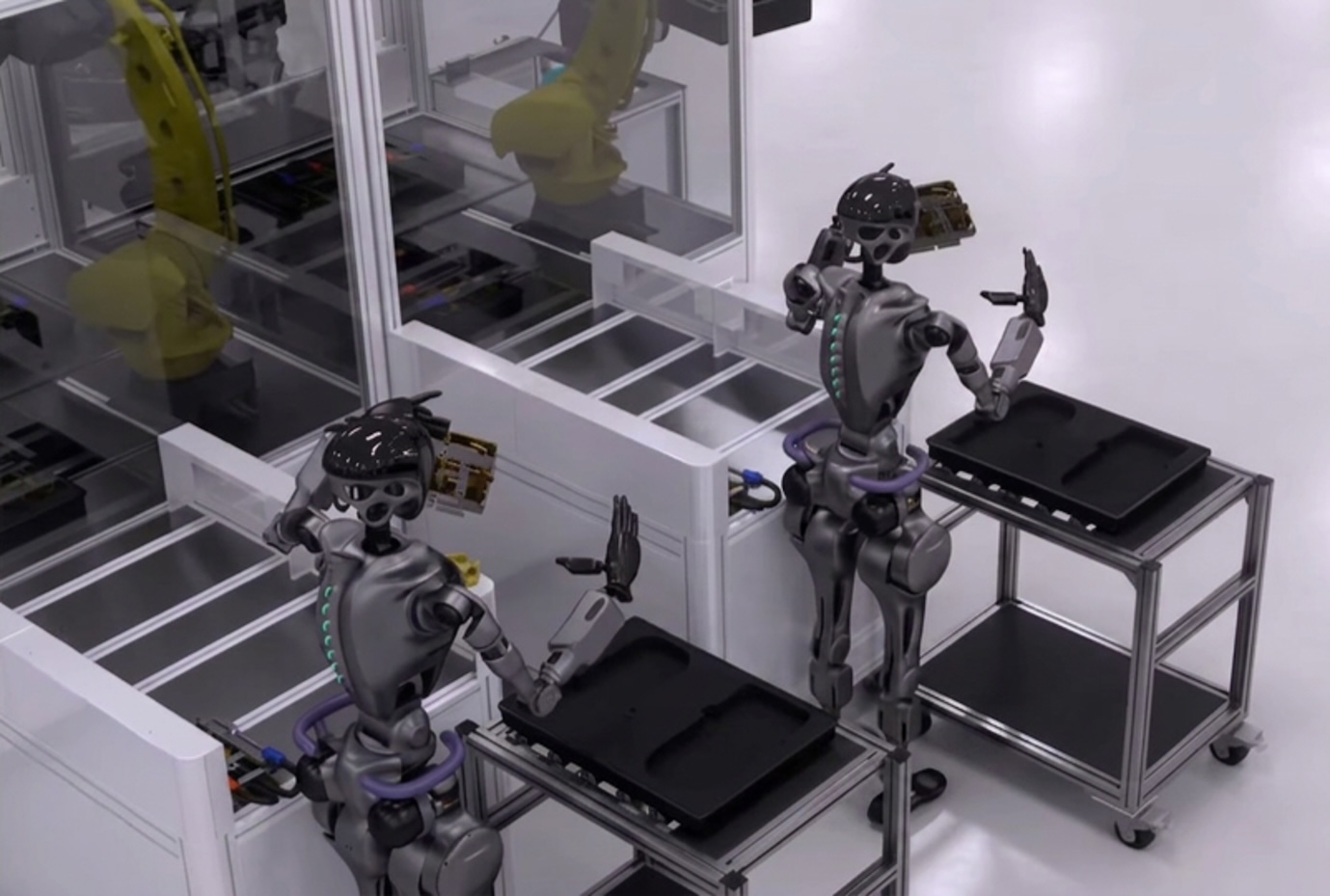
SpaceX Proposes 1 Million AI Satellites to Address Ground Data Center Constraints
On January 30, 2026, SpaceX filed with the FCC to launch up to 1 million AI compute satellites, positioning orbital data centers as a solution to the increasing demand for AI computing power. Ground data centers are facing significant challenges, with energy consumption projected to reach approximately 1,050 TWh in 2026, making them the fifth-largest electricity consumer globally. The demand for new data center capacity is outpacing the growth of power generation infrastructure, leading to a critical bottleneck in the grid system. The significance of this initiative lies in the structural constraints faced by ground data centers, including power delivery limitations, high water consumption, and local opposition to new projects. The Uptime Institute's 2026 outlook identifies power as the primary constraint on data center growth, with capacity clearing prices in the PJM grid skyrocketing to $329.17/MW, driven by data center expansion. Additionally, cooling requirements are becoming increasingly unsustainable, with facilities consuming vast amounts of water, further complicating their operational viability. Looking ahead, SpaceX's orbital AI compute initiative aims to circumvent these challenges by leveraging the advantages of space, such as continuous solar power and minimal local opposition. The first AI prototypes are expected to launch in early 2027, with operational deployments planned for 2028. No further timeline was disclosed at the time of publication.

Mecka AI Approaches $500 Million Valuation in Sequoia Capital Funding Round
Mecka AI, a startup focused on collecting and analyzing human motion data for training humanoid robots, is nearing a funding round led by Sequoia Capital at a valuation of approximately $500 million. This new financing follows a $60 million round raised just three months prior, led by Framework Ventures with participation from Menlo Ventures, SV Angel, and Kindred Ventures. The significance of this funding lies in Mecka AI's innovative approach to addressing the shortage of physical-world data essential for developing general-purpose robots. By employing body sensors and smartphones, the startup captures real-world interactions, which are critical for robotics companies and AI labs that rely on this data to enhance their models. Looking ahead, Mecka AI projects an annual run rate of $100 million by the end of 2026. As the demand for robot training data intensifies, it will be important to monitor how Mecka AI's initiatives evolve and how they compare to other startups in the space, such as XDOF and Scale AI, which are also focused on real-world data collection for robotics.
AI Robotics data Exclusive Sequoia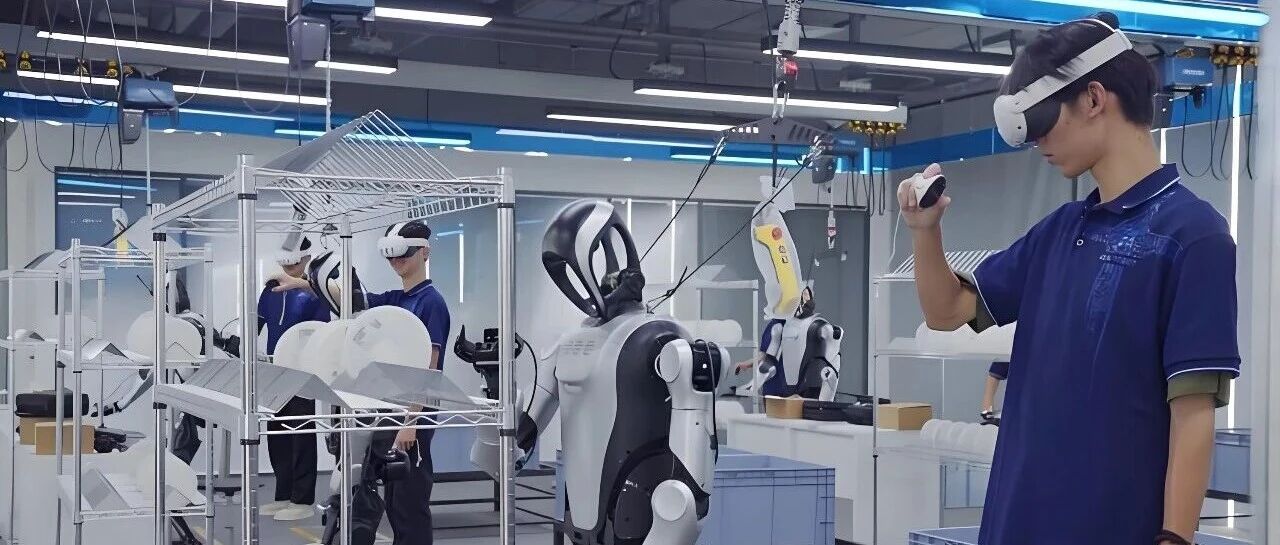
China's Humanoid Robot Data Collection Training Centers: Locations, Operators, and Data Flow
China has established over 100 humanoid robot data collection training centers across 18 provinces by August 2026. These centers are crucial for gathering high-quality interaction samples needed for developing autonomous capabilities in robots. However, the current supply of usable data falls significantly short of the estimated demand, creating a competitive landscape focused on acquiring high-quality data. The concentration of training centers in provinces like Guangdong, Jiangsu, and Zhejiang is driven by factors such as real-world scenario density, policy support, and the presence of leading enterprises. As the market evolves, the competition is shifting from merely establishing centers to ensuring the quality and applicability of the data produced. This transition highlights the importance of creating a robust data ecosystem to meet the growing needs of the robotics industry. Looking ahead, the focus will be on enhancing data quality and establishing standardized processes for data collection and evaluation. The government is also playing a significant role in facilitating the development of these training centers as part of broader industrial infrastructure initiatives. No further timeline was disclosed at the time of publication.
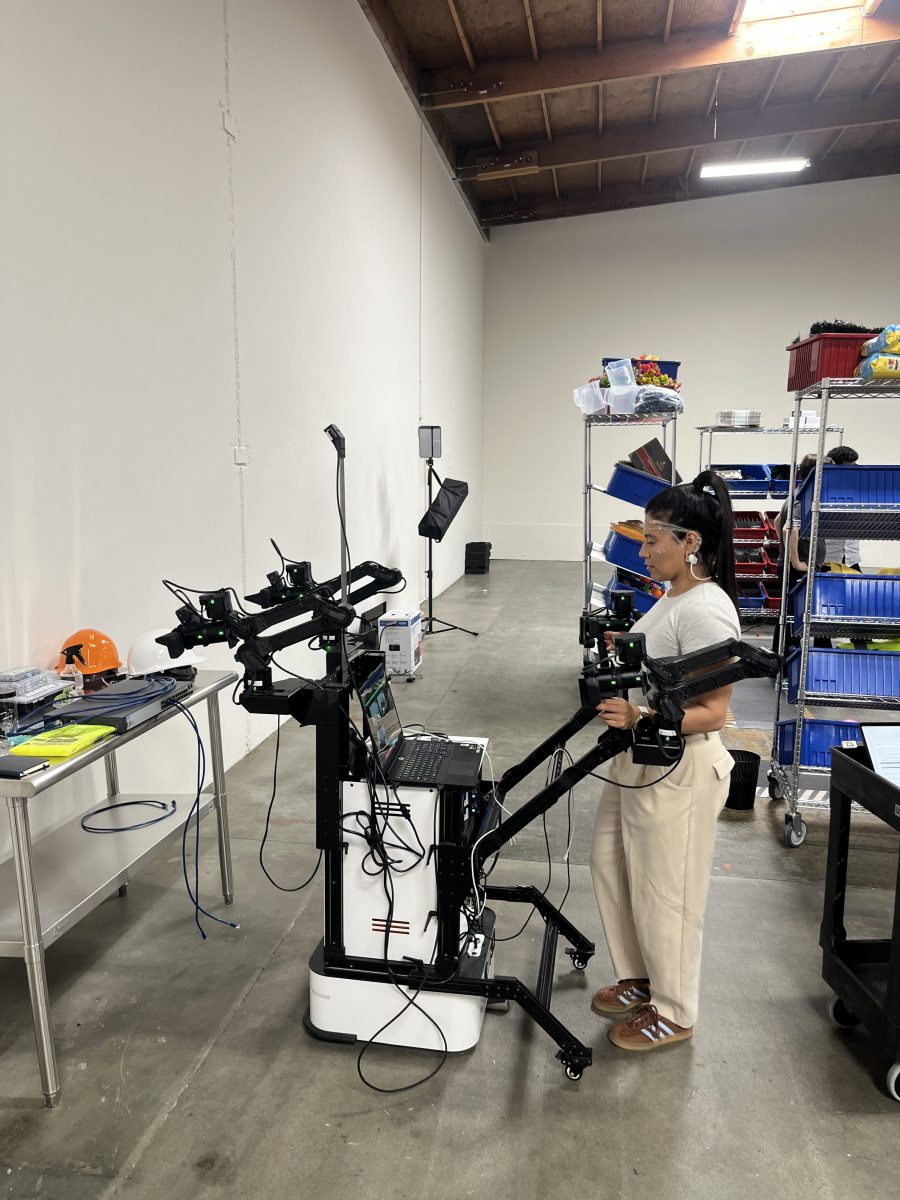
Encord Explores Brain Wave Data to Enhance Physical AI Training in California
Encord, a data tooling company, is pioneering the use of brain wave measurement to enhance physical AI training. Located in San Leandro, California, the company is conducting trials with a brain wave headset developed by Zander Labs, aiming to create a unique data set that captures mental states during robotic training tasks. This initiative is significant as it addresses the critical shortage of real-world training data for humanoid and warehouse robotics. Encord's approach could potentially revolutionize how robotics companies generate and utilize training data, moving beyond traditional methods that often fall short in fidelity and scale. Looking ahead, Encord plans to evaluate the effectiveness of the brain wave-tagged data set in improving robotic performance. The outcome of this trial could determine whether the company will expand this innovative data generation method, which is seen as essential for overcoming the current data bottleneck in robotics.
AI Robotics Exclusive
MIT Develops GIFT Framework to Enhance CAD Design Accuracy Using AI Failures
Researchers from MIT, IBM, and Red Hat have introduced the Geometric Inference Feedback Tuning (GIFT) framework, which enhances AI's ability to convert 2D images into functional CAD programs. This innovation significantly improves design accuracy while reducing inference computation by approximately 80%. The GIFT framework addresses the challenge of limited high-quality CAD training data by utilizing the AI's own mistakes as a learning tool. The importance of this development lies in its potential to streamline the CAD design process, which is often hindered by the need for extensive datasets linking images to CAD programs. By focusing on 'near-misses'—outputs that are close to correct—the GIFT framework provides valuable insights into the AI's understanding, ultimately leading to better training examples and more reliable designs. Looking ahead, the GIFT framework's dual techniques, including GIFT-REJECT, promise to further refine AI-generated CAD outputs. As the research progresses, the effectiveness of GIFT in real-world applications will be closely monitored, particularly in industries reliant on precise CAD designs, such as aerospace and automotive engineering. No further timeline was disclosed at the time of publication.
AI and Robotics
Why this CEO thinks video games make better training data than the internet
Recent discussions in the field of artificial intelligence have highlighted the limitations of large language models, such as ChatGPT and Claude, in achieving artificial general intelligence (AGI). While these models excel in text generation, they struggle with understanding the dynamics of movement through space and time, a critical component for developing generalized intelligence. To address this gap, researchers are exploring the potential of gaming data as a solution. This innovative approach, known as General Intuition, aims to leverage the rich, interactive environments found in video games to enhance AI's understanding of real-world physics and dynamics. By integrating insights from gaming, experts believe they can create more sophisticated models capable of reasoning and adapting in complex scenarios. The exploration of this method is ongoing, with the hope of advancing the field of AGI significantly.
AI Startups AI Funding general intuition physical ai Pim DeWit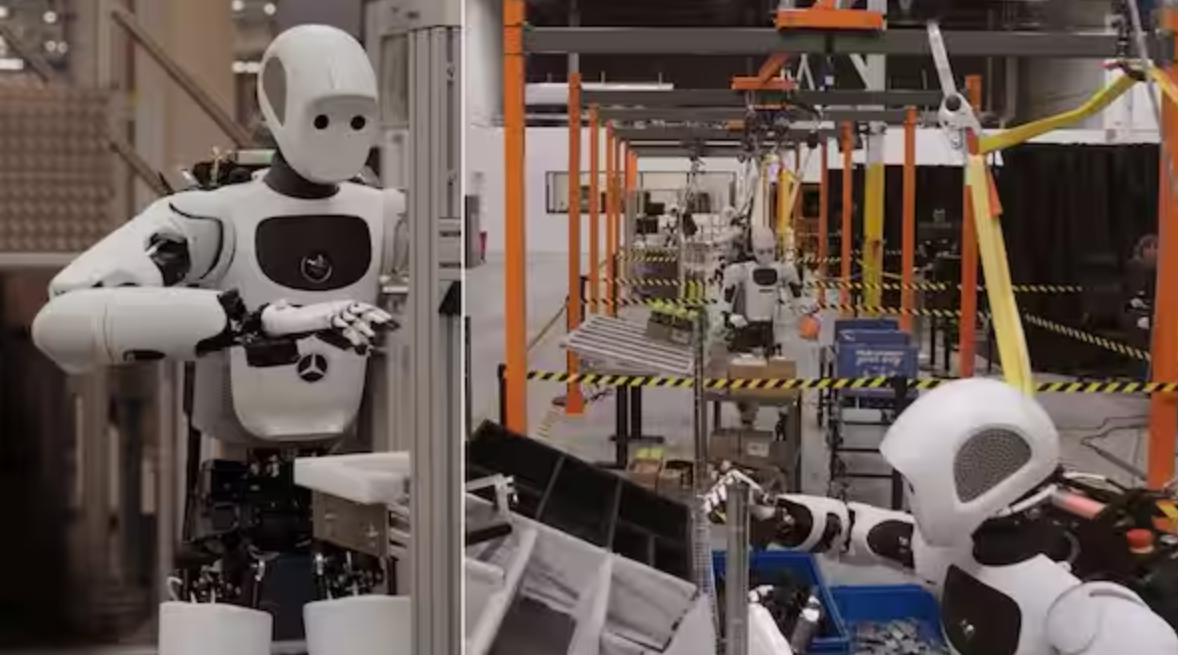
Google's Apptronik opens a 90,000 square foot "robot park": training humanoid robots with a data factory to walk towards...
Apptronik, a robotics company backed by Google, has inaugurated a 90,000 square foot facility known as a "robot park" dedicated to the training of humanoid robots. This state-of-the-art center, located in Austin, Texas, aims to enhance the capabilities of robots by utilizing a sophisticated data factory that allows them to learn and refine their walking abilities. The opening of the robot park comes as part of Apptronik's broader mission to advance humanoid robotics technology, driven by the increasing demand for automation and intelligent machines in various industries. By leveraging extensive data and innovative training methods, the facility is expected to significantly accelerate the development of robots that can perform complex tasks in real-world environments.
Robotics Automation AI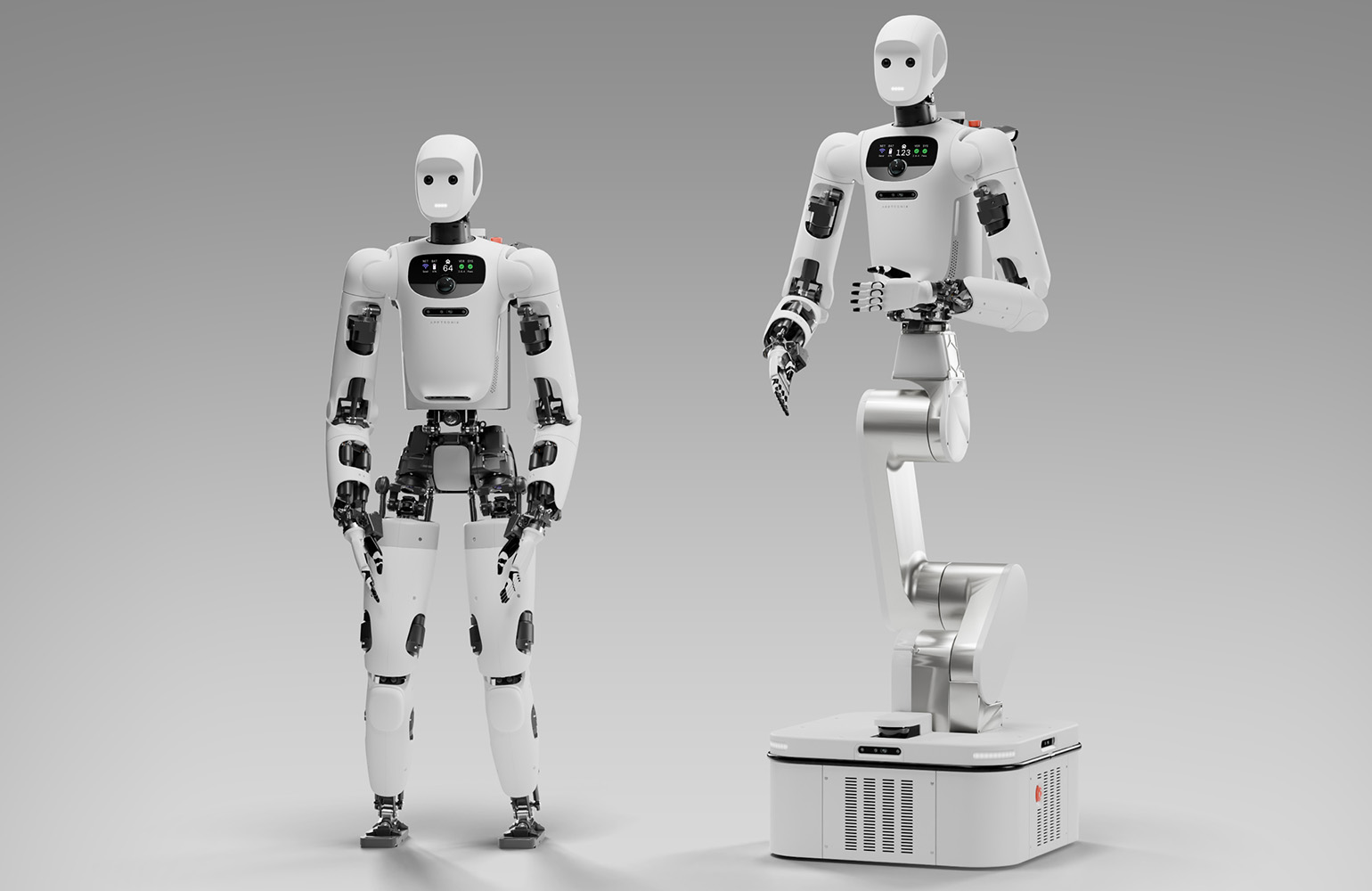
Apptronik unveils Apollo 2 and a flagship data collection and training facility
Apptronik has introduced Apollo 2, a cutting-edge data collection and training platform designed to facilitate continuous learning through its deployment. This innovative system aims to enhance the capabilities of robotic technologies by providing a robust environment for data gathering and training processes. The announcement highlights Apptronik's commitment to advancing robotics and artificial intelligence, reflecting the growing demand for sophisticated training tools in these fields. The unveiling of Apollo 2 marks a significant step forward in the company's efforts to improve the efficiency and effectiveness of robotic systems.
Artificial Intelligence Artificial Intelligence / Cognition Design / Development Humanoids News Robots / Platforms
Tactile Data Competition Begins: Qianjue's Gripper Transforms Robot Training
Qianjue Robotics has unveiled the XTac UMI G1, a groundbreaking wearable multi-modal data collection gripper aimed at addressing the challenges of embodied intelligence in robotics. The introduction of this innovative device comes in response to the industry's pressing need for high-quality tactile data, which is essential for training robots to perform complex tasks in real-world environments. By capturing detailed interaction data, the XTac UMI G1 seeks to bridge the existing gap between visual data and physical interaction, thereby enhancing the capabilities of robots. This development marks a significant step forward in improving robotic performance and adaptability in various applications.
Tactile Data Collection Robot Training Embodied Intelligence Robotics Technology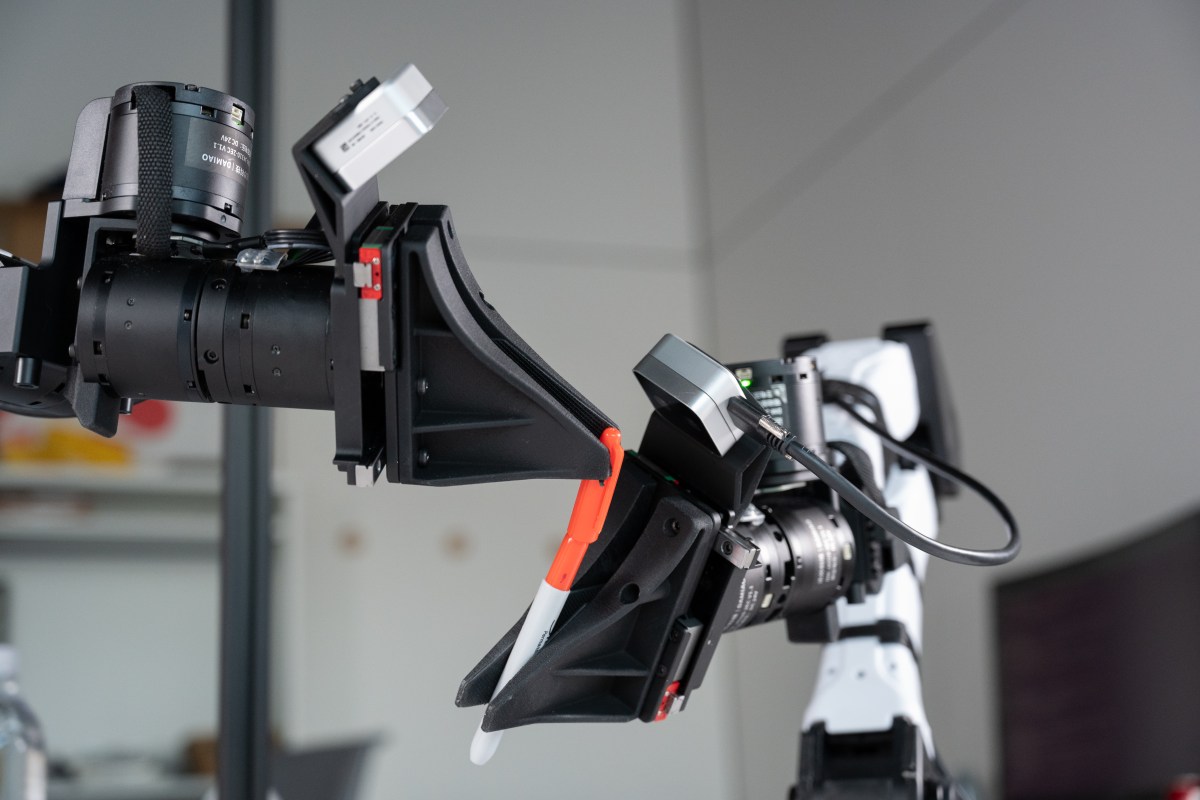
Collecting robot training data is dirty, unglamorous work. Some AI labs are already paying XDOF to do it.
Recent discussions in the field of artificial intelligence highlight a significant challenge facing the development of physical AI systems. Experts emphasize that in order for physical AI to achieve milestones comparable to those of large language models (LLMs), a critical data issue must be addressed. As of October 2023, the existing datasets are insufficient to support the complex learning and operational needs of physical AI. This gap in data could hinder progress and innovation in creating AI that can effectively interact with and navigate the physical world. Addressing this problem is essential for advancing the capabilities of physical AI, ensuring that it can perform tasks with the same proficiency as its software counterparts.
AI Startups a16z robots Thrive Capital
Tsinghua-Harvard Team's Acorn Robot Develops 'Zero-Data' Robot That Learns Through Instinct, Not Training Data
A team of researchers educated at Tsinghua University and Harvard has developed an innovative robot capable of learning physical manipulation without any prior training data. This groundbreaking technology relies solely on tactile sensors and an instinct-driven trial and error approach to tackle complex tasks, such as picking up a flat credit card. The project highlights a significant advancement in robotics, showcasing the potential for machines to adapt and learn in real-time, which could revolutionize various applications in automation and artificial intelligence.
Robotics
MIT researchers channel AI to turn hand gestures into robot training data
Researchers have developed an innovative method to enhance the capabilities of humanoid robots, particularly in tasks such as grasping objects. This advancement involves the use of a specialized ultrasound wristband worn by a human instructor, which captures the intricate movements of muscles, tendons, and ligaments beneath the skin. By analyzing this data, the robots can learn to replicate these movements more effectively. The initiative, which began in late 2023, aims to improve the dexterity and functionality of robots in various applications, from manufacturing to personal assistance. The ultrasound technology provides real-time feedback, allowing the robots to adjust their movements based on the instructor's actions. This approach not only enhances the robots' ability to perform complex tasks but also opens new avenues for human-robot interaction. The research is being conducted at a leading robotics lab, where experts are focused on bridging the gap between human-like movement and robotic precision. By mimicking the natural motion of human hands, the robots are expected to achieve greater efficiency and adaptability in their operations. This breakthrough could significantly impact industries that rely on automation, making robots more versatile and capable of handling delicate tasks that require a human touch.
Robotics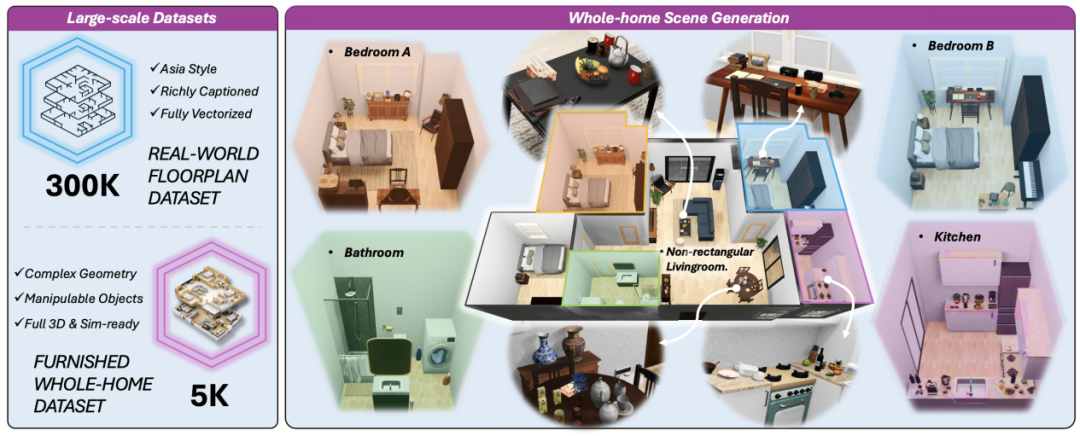
Daxiao Robotics Releases Open Source 3D Dataset for Chinese Home Designs, Challenging Figure AI
Daxiao Robotics, in partnership with the Chinese University of Hong Kong and Shenzhen He Tao College, has unveiled the world's first extensive 3D dataset specifically designed for Chinese households. This groundbreaking resource includes 300,000 authentic floor plans and 5,000 interactive simulation scenes, marking a significant advancement in the field of robotics. Launched recently, the dataset aims to improve the training of robots for various household tasks, thereby contributing to the evolution of embodied AI within the Chinese market. By providing this comprehensive data, the collaboration seeks to enhance the capabilities of robots in domestic environments, ultimately fostering innovation in the sector.
3D Data Sets Embodied AI Home Robotics Simulation Technology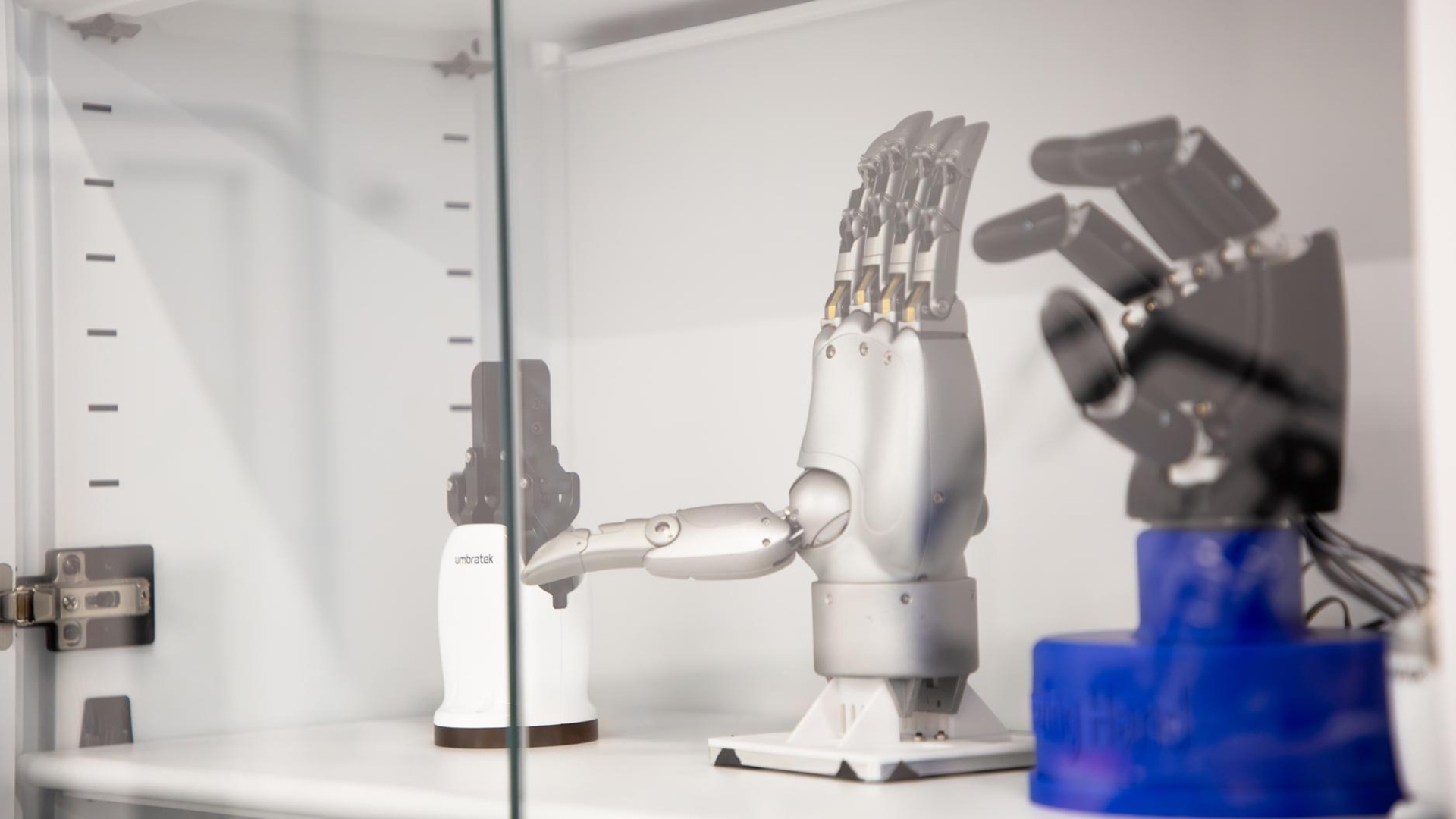
Scientists show predictable training can outperform complex robot learning data
Researchers are making significant strides in developing robots capable of manipulating objects with human-like dexterity, a challenge that has long posed difficulties in the field of robotics. This advancement is crucial as it could enhance the ability of robots to perform complex tasks in various settings, including homes, hospitals, and manufacturing plants. The ongoing work, which has gained momentum in recent months, is taking place in laboratories across the globe, where teams are experimenting with advanced algorithms and machine learning techniques. The motivation behind this research stems from the increasing demand for robots that can assist in everyday tasks, improve efficiency in industrial processes, and provide support in healthcare environments. By mimicking the intricate movements of the human hand, researchers aim to create robots that can handle delicate objects and perform tasks that require precision and adaptability. To achieve this, scientists are employing a combination of innovative hardware designs and sophisticated software programming. They are utilizing sensors and artificial intelligence to enable robots to learn from their interactions with various objects, refining their skills over time. This iterative learning process is essential for developing robots that can operate effectively in unpredictable environments. As the field progresses, the implications of these advancements could revolutionize how robots are integrated into daily life, making them more versatile and capable of performing a wider range of functions. The ongoing research highlights the potential for robots to not only assist but also enhance human capabilities in numerous domains.

The World's Largest Embodied Haptic Dataset Launched: Daimon-Infinity - Open Source with 10x Training Efficiency!
In 2026, Daimon Robotics introduced the Daimon-Infinity dataset, which is recognized as the largest dataset of its kind, encompassing multimodal haptic data. This initiative, developed in collaboration with prominent research institutions, seeks to improve robotic tactile perception, a crucial aspect for advancing fine motor skills training in robotics. The dataset addresses a significant gap in haptic data availability, which is essential for enhancing the capabilities of robots in performing delicate tasks.
Haptic Technology Robotics AI Data Science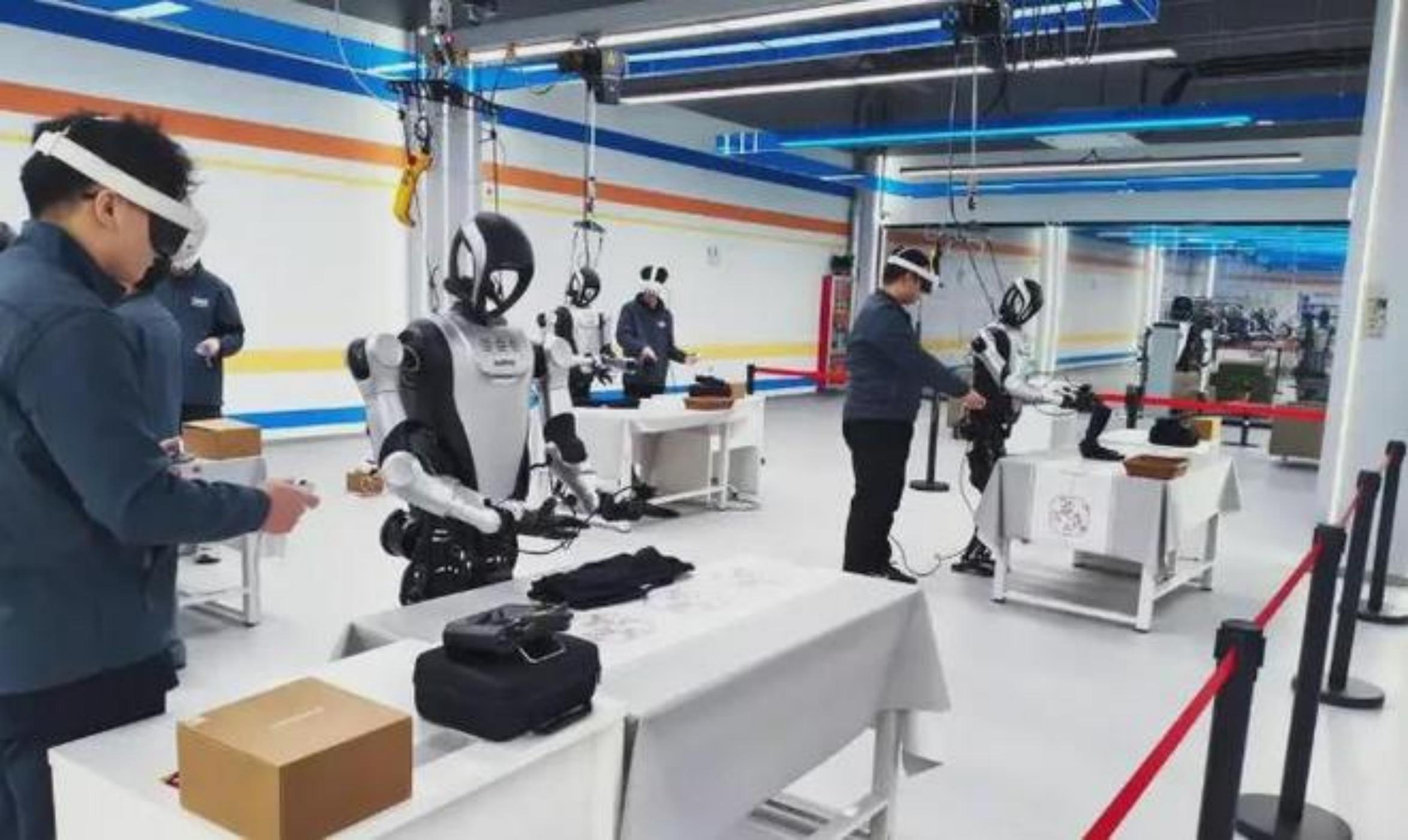
Building a Highway for Embodied Intelligence: From Data Collection to Ecosystem Development, Leju's Training Ground 2.0
Leju has introduced an innovative training ground model designed to enhance embodied intelligence in robotics through improved data collection efficiency and consistency. This initiative, which emphasizes the importance of real-world data application, aims to create a robust ecosystem that significantly advances robotic capabilities. By focusing on gathering and utilizing data effectively, Leju seeks to drive forward the development of intelligent systems that can better interact with their environments. The model represents a strategic effort to harness data as a critical resource in the ongoing evolution of robotics, positioning Leju at the forefront of this technological advancement.
Embodied Intelligence Data Collection Robotics AI Ecosystem
DJI Modify update makes 3D drone data easier to use
DJI has announced a significant update to its DJI Modify software, enhancing its capabilities for users involved in the creation and management of large-scale 3D models. This update, which was released recently, focuses on streamlining workflows to facilitate the processing, editing, and sharing of complex 3D data. By implementing these improvements, DJI aims to address the challenges faced by professionals in various industries who rely on precise and efficient 3D modeling. The enhancements are expected to provide users with a more intuitive experience, ultimately increasing productivity and collaboration in projects that require detailed 3D representations.
News
The Data Bottleneck: Why AGIBOT is Open-Sourcing its Real-World Training Library
AGIBOT has announced the launch of a multi-phase, industrial-grade dataset aimed at addressing the significant scaling challenges faced by the robotics industry. This initiative comes as robotics technology transitions from research environments to everyday use in homes. The dataset, which is expected to enhance the development and deployment of robotic systems, will be made available in phases, allowing for comprehensive testing and refinement. The move is part of AGIBOT's broader strategy to facilitate innovation and improve the efficiency of robotic applications, ultimately making them more accessible to consumers. This launch is particularly timely, given the increasing demand for advanced robotics solutions in various sectors.
Data Collection AI Week Dataset China AGIBOT
Tongren Intelligence Secures Nearly 400 Million Yuan in Series A Funding, Launches 'Data-Free Training' Embodied Brain for Scalable Applications
Tongren Intelligence, a company incubated by the Chinese Academy of Sciences, has unveiled a pioneering 'embodied brain' technology that functions without the need for extensive data training. This innovative development has attracted nearly 400 million yuan in Series A funding, positioning the company to transform the smart manufacturing and defense sectors. By providing advanced robotic solutions, Tongren Intelligence aims to enhance operational efficiency and capabilities in these critical industries. The funding will support the further development and deployment of this cutting-edge technology, which promises to redefine traditional approaches to automation and robotics.
Embodied Intelligence Robotics Smart Manufacturing AI Technology
AI may not need massive training data after all
Recent research has revealed that artificial intelligence (AI) can exhibit human-like behavior without the necessity for extensive training data. Scientists have redesigned AI systems to mimic the structure and function of biological brains, resulting in certain models demonstrating brain-like activity spontaneously, without prior training. This finding challenges the conventional data-intensive methods currently employed in AI development. The implications of this work suggest that smarter design strategies could significantly enhance learning efficiency while reducing both costs and energy consumption in AI systems.
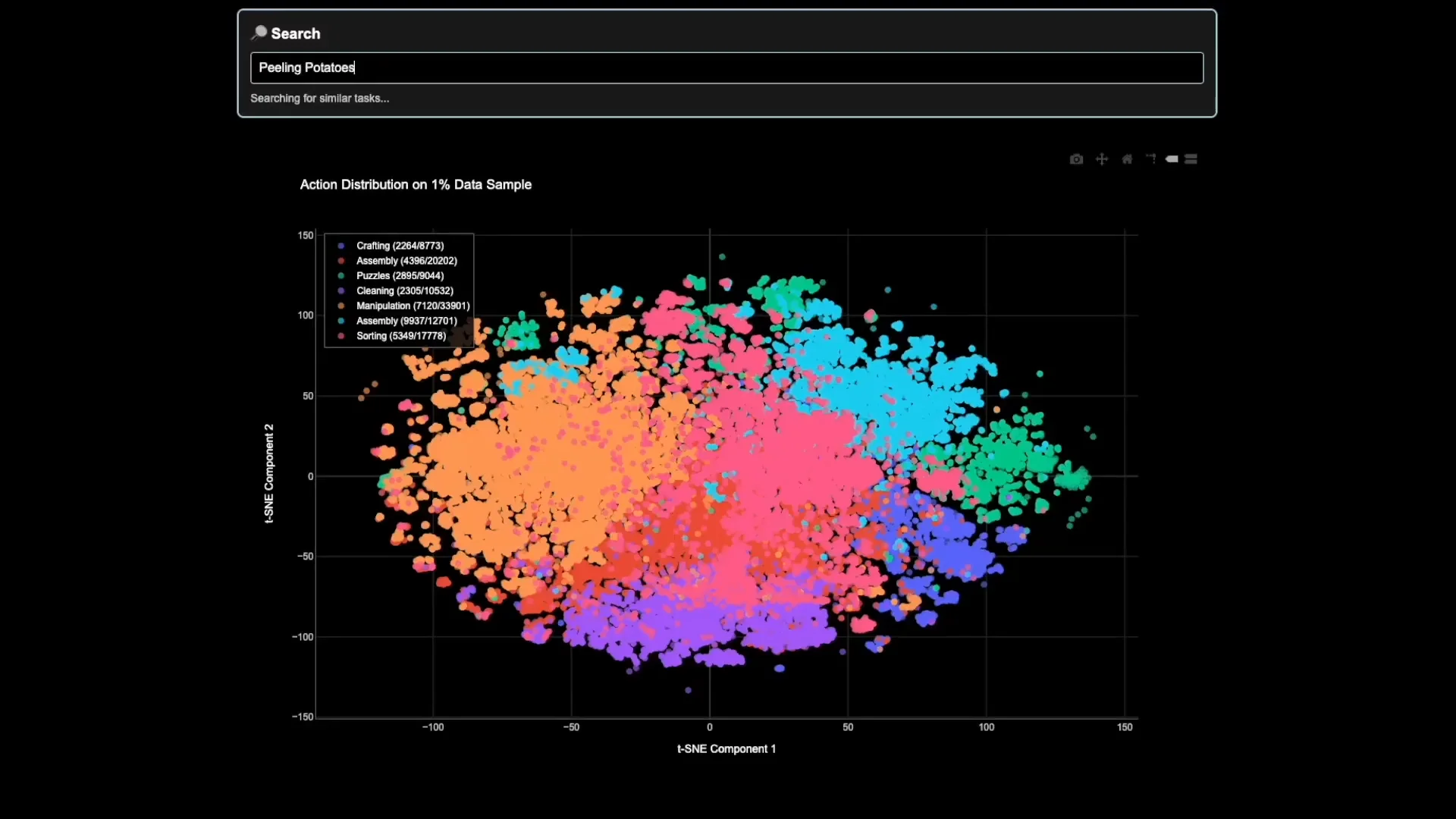
Generalist AI Releases "Science of Pretraining" Deep Dive: Why Data Quality Trumps Volume in Robotics
Generalist AI has unveiled new insights into its pretraining methodology in a technical addendum related to its recent GEN-0 launch. The company introduced innovative metrics, including "Reverse KL," designed to evaluate the creativity of its models. Additionally, Generalist AI announced that its infrastructure can process an impressive volume of data, equating to 6.85 years of robotic experience each day. This advancement highlights the company's commitment to enhancing artificial intelligence capabilities and underscores its efforts to push the boundaries of machine learning technology.
Data Collection Generalist AI embodied-aiRobotics needs a service framework.
RSF defines a common language for robot service capability, lifecycle operations, certification pathways, and service-provider networks.
Join the RobotToday community on LinkedIn
Daily robotics news, in-depth analysis, conference highlights, and discussions with professionals worldwide.







