Industry Briefing
A single destination for timely, editor-curated robotics news from around the world.
MIT Develops SceneSmith: AI System for Creating Realistic 3D Training Environments for Robots
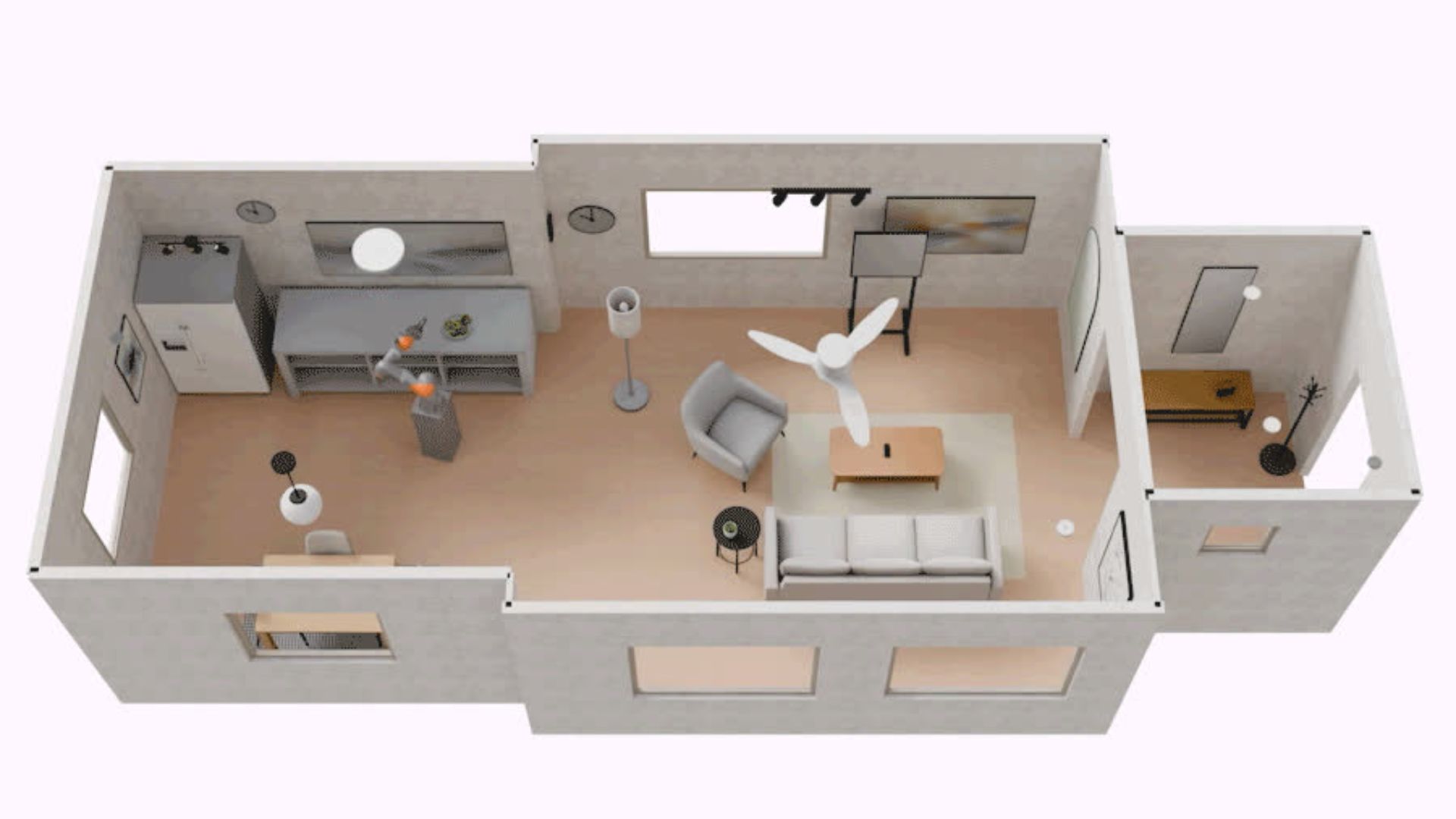
Researchers at MIT have developed SceneSmith, an AI-powered platform that generates realistic 3D indoor environments for robot training. This innovative system utilizes three collaborative AI agents to create detailed virtual spaces, enabling robots to practice everyday tasks safely and efficiently before real-world deployment. The significance of SceneSmith lies in its ability to reduce the costs and time associated with traditional robot training methods. By providing a virtual setting that mimics real-life environments such as kitchens and offices, robots can learn to interact with various objects without the need for extensive human supervision or physical trials. Looking ahead, SceneSmith has already generated over 1,300 virtual environments, allowing robots to practice tasks like placing fruit on plates and opening cabinets. Researchers have tested robot control programs in 100 different environments, achieving over 99 percent agreement between AI evaluations and human reviewers. No further timeline was disclosed at the time of publication.
AI and Robotics
Mission Specialist Wraith Signals AeroVironment’s Next Step in Compact Unmanned Underwater Systems Capability
A new expeditionary unmanned underwater vehicle (UUV) has been unveiled, showcasing advanced capabilities that include six-degree-of-freedom maneuverability, increased thrust, and modular mission flexibility. This compact platform is designed to enhance operational efficiency for various underwater missions. The development comes amid growing demands for innovative maritime technology, as military and research organizations seek to improve their underwater exploration and operational capabilities. The UUV's design allows for easy adaptation to different mission requirements, making it a versatile tool for a range of applications. The introduction of this advanced vehicle marks a significant step forward in underwater technology, promising to support both military operations and scientific research in challenging aquatic environments.
videoray rov wraith aerovironment
Sonardyne Teams Up with Echoview Software to Deliver a Comprehensive Picture of Marine Environmental Data from its Origin® ADCPs
Sonardyne, a prominent player in underwater technology, has unveiled a new echosounder feature for its Origin acoustic Doppler current profilers (ADCPs). This advancement, announced today, aims to significantly improve the collection of marine environmental data, allowing for more comprehensive insights from a single deployment. The integration of this innovative feature reflects Sonardyne's commitment to enhancing marine research capabilities and supporting environmental monitoring efforts.
sonardyne echoview software marine environmental data origin® adcps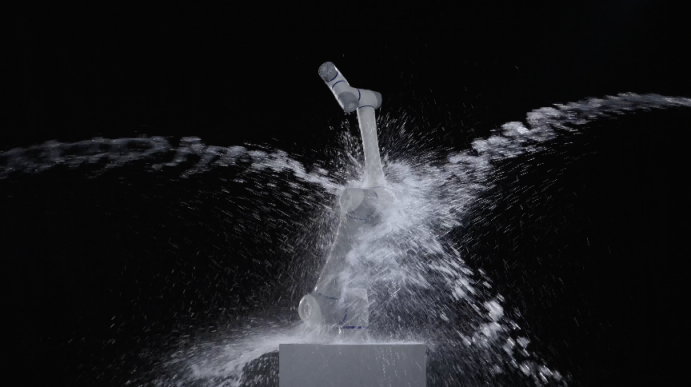
Dobot Launches the CRA-IP68 Series: The Ultimate Cobots for Harsh Environment Automation
The DOBOT CRA-IP68 Series collaborative robots have been unveiled, specifically designed to operate in challenging environments characterized by high dust, humidity, and oil contamination. These robots boast an impressive repeatability precision of up to ±0.02 mm and are equipped with IP68-rated protection, making them suitable for a variety of industrial applications. Their advanced automation capabilities enhance performance in tasks such as CNC machining, welding, cutting, grinding, and automated food preparation. This innovation aims to improve efficiency and reliability in sectors where traditional machinery may struggle due to environmental factors.
DOBOT CRA-IP68 IP68 collaborative robot high-precision cobot industrial automation CNC automation dustproof robot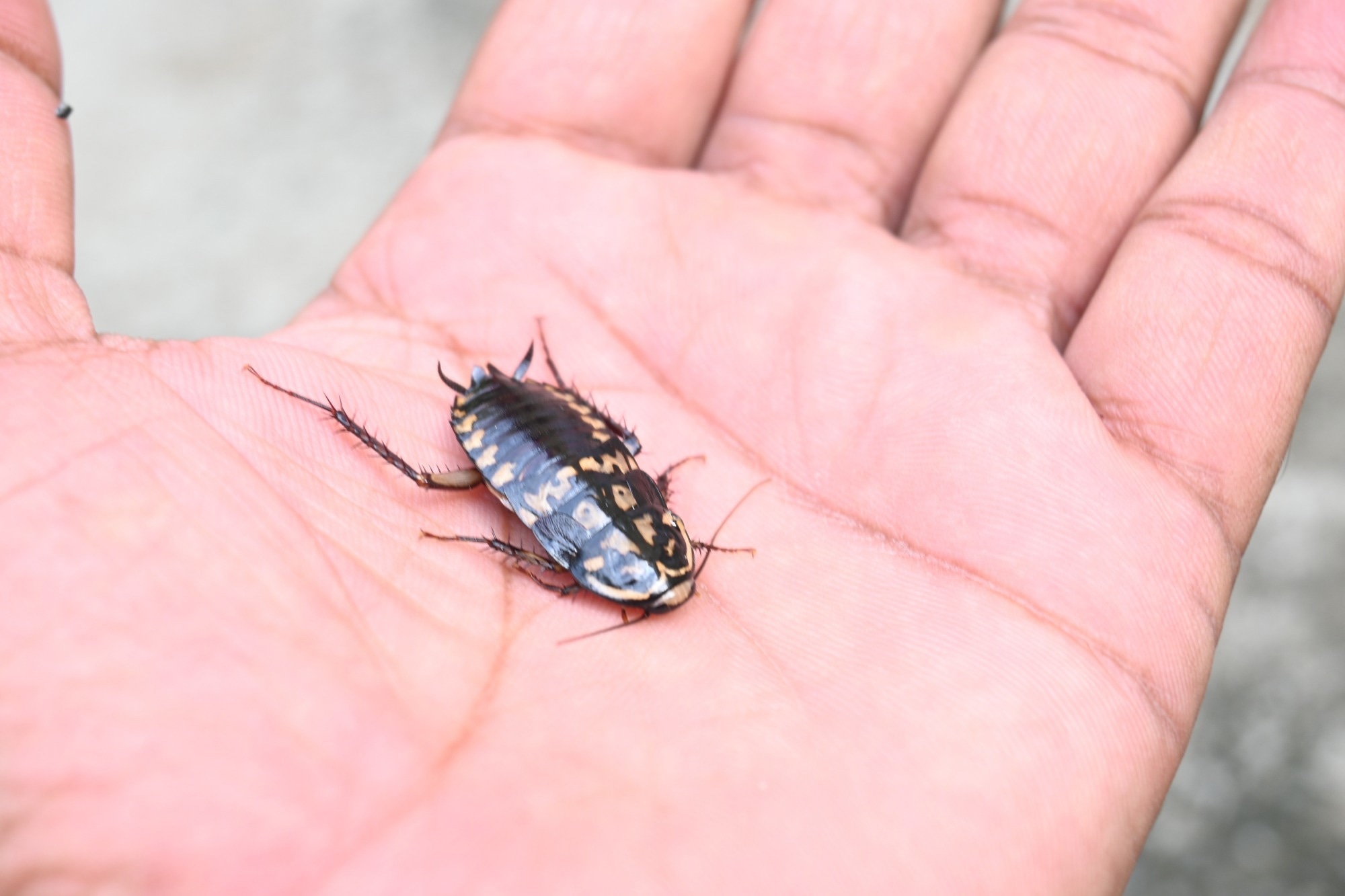
Cyborg Cockroaches Equipped with Diving Suits Achieve Three-Hour Submersion
Researchers have developed a miniature diving suit for cyborg cockroaches, allowing them to navigate both land and water environments. This innovation enables the cockroaches to survive underwater for up to three hours, showcasing their amphibious locomotion capabilities. The study highlights the potential applications of biohybrid systems in hazardous environments, where traditional robots may struggle to operate effectively. The significance of this development lies in its implications for search and rescue operations, environmental monitoring, and exploration of submerged terrains. By integrating biological organisms with robotic technology, researchers aim to enhance the adaptability and functionality of robotic systems in challenging conditions. This approach could lead to advancements in the field of biohybrid robotics, where living organisms and machines work in tandem. Looking ahead, the research team is expected to explore further enhancements to the diving suit's design and functionality. No further timeline was disclosed at the time of publication, but ongoing studies may reveal additional capabilities or applications for these cyborg cockroaches in various operational scenarios.
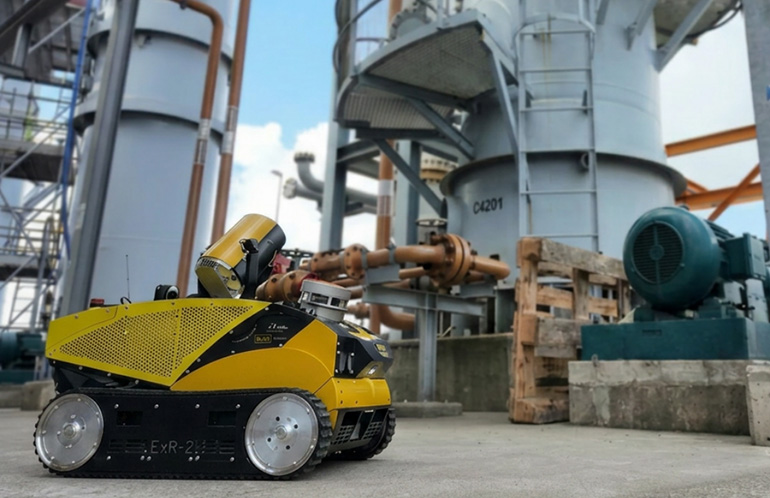
ExRobotics launches UL-certified inspection robot for hazardous environments
ExRobotics has announced that its ExR-2.5 inspection robot has received certification for safe operations in explosive environments across North America. This certification allows the robot to be deployed in hazardous settings, enhancing safety and efficiency in inspections where traditional methods may pose risks. The launch of the UL-certified ExR-2.5 marks a significant advancement in robotics technology, aimed at addressing the challenges faced in environments that are potentially dangerous for human operators.
Autonomous Mobile Robots (AMRs) Cameras / Imaging / Vision Mobility / Navigation News Oil and Gas Safety & Security
Latest Progress! Zhejiang University Team's T-RO Research Achievements, Magnetic-Controlled Microrobots Achieve "Wave-Like Steps" in Complex Environments.
A team from Zhejiang University has made significant advancements in the field of robotics with their development of magnetic-controlled microrobots capable of executing "wave-like steps" in complex environments. This breakthrough was announced recently, showcasing the innovative capabilities of these microrobots, which can navigate challenging terrains with enhanced agility. The research aims to address various practical applications, including medical procedures and environmental monitoring, where precise movement is crucial. By employing magnetic fields to control the microrobots, the team has demonstrated a novel approach to maneuvering small-scale machines, potentially paving the way for future technological advancements in robotics.
Robotics Automation AI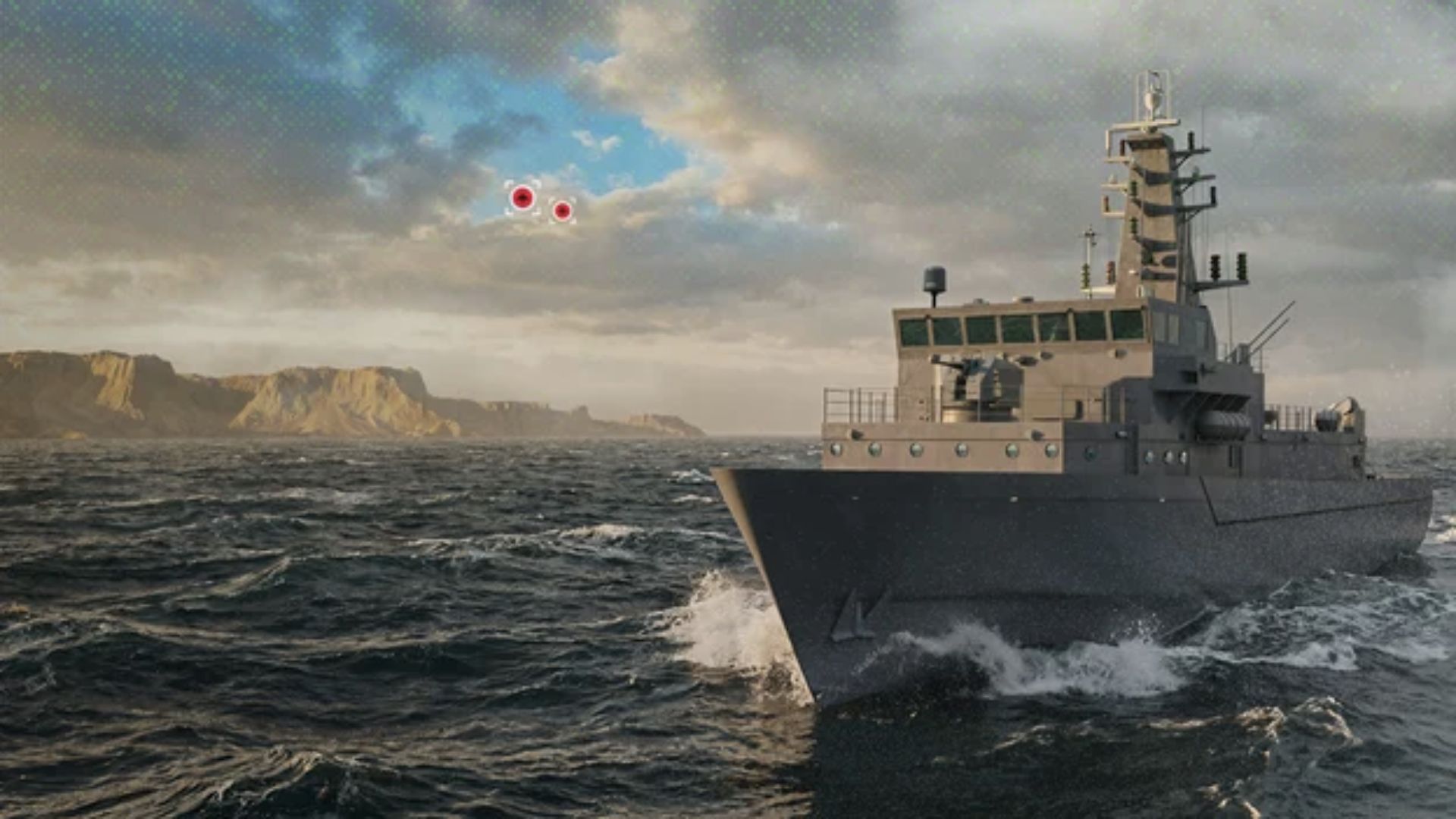
New radar system can detect high-speed drones nearby ports, vessels in extreme environment
A cutting-edge radar system has been developed to enhance the detection of drones operating near ports, vessels, harbors, and other critical maritime areas. This innovative technology aims to bolster maritime security by providing real-time surveillance and threat assessment capabilities. The radar is designed to identify and track drones, which have increasingly become a concern for safety and security in busy maritime environments. The system's deployment is expected to take place in the coming months, with trials set to occur at various strategic locations along coastlines. By integrating advanced detection algorithms and high-resolution imaging, the radar will enable authorities to respond swiftly to potential threats, ensuring the safety of maritime operations and protecting vital infrastructure. This initiative reflects a growing recognition of the need for enhanced security measures in response to the rising prevalence of drone activity in sensitive areas.
Innovation Military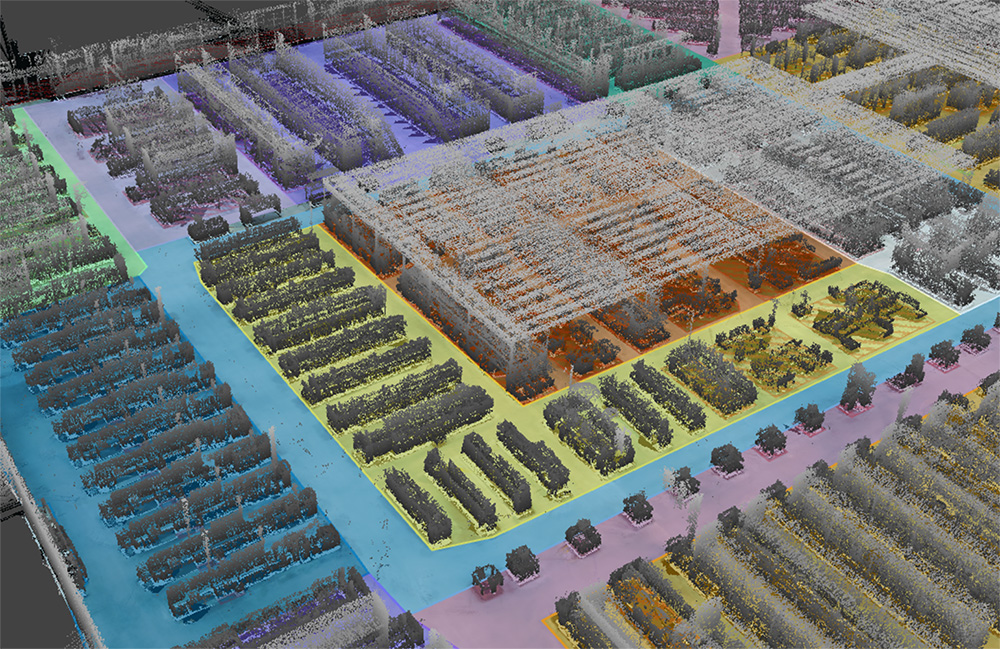
Brain Corp partners with UC San Diego to help robots operate in complex environments
Brain Corp has announced a partnership with UC San Diego to enhance the operational capabilities of its robots in complex environments. This collaboration aims to leverage the university's research expertise to improve the functionality of the more than 50,000 robots that Brain has deployed worldwide. The initiative is part of Brain's ongoing efforts to expand its technological footprint and adapt its robotic systems to navigate challenging settings more effectively. The partnership underscores the growing intersection of robotics and academic research, highlighting the importance of innovation in advancing autonomous technology.
Artificial Intelligence Artificial Intelligence / Cognition Autonomous Mobile Robots (AMRs) Design / Development Mobility / Navigation News
To train for contested environments, SOCOM and SOUTHCOM want more ranges, authority
Admiral Frank Bradley emphasized the need for military forces to identify locations suitable for rehearsing and testing advanced operational strategies. His remarks highlight the importance of preparedness in modern warfare, suggesting that effective training environments are crucial for developing and refining sophisticated military capabilities. The call for such facilities underscores the evolving nature of defense strategies and the necessity for armed forces to adapt to new challenges.
Land Warfare Networks & Digital Warfare Army cyber security Drones networks
May 14 Live Broadcast Preview | The Boundaries of Unmanned Systems: Challenges in Cluster Coordination and Engineering in Complex Environments
A live broadcast is set to take place, showcasing the latest advancements in unmanned systems, with a particular emphasis on cluster coordination in complex environments. Scheduled for an upcoming date, this event will feature a panel of experts who will delve into the evolving challenges faced in the field and explore the significant impact of artificial intelligence on research methodologies. The session aims to foster audience interaction, allowing participants to engage directly with the experts and share valuable academic resources. This initiative highlights the growing importance of unmanned systems and AI in addressing contemporary challenges in various sectors.
Unmanned Systems Cluster Coordination AI in Research Engineering Challenges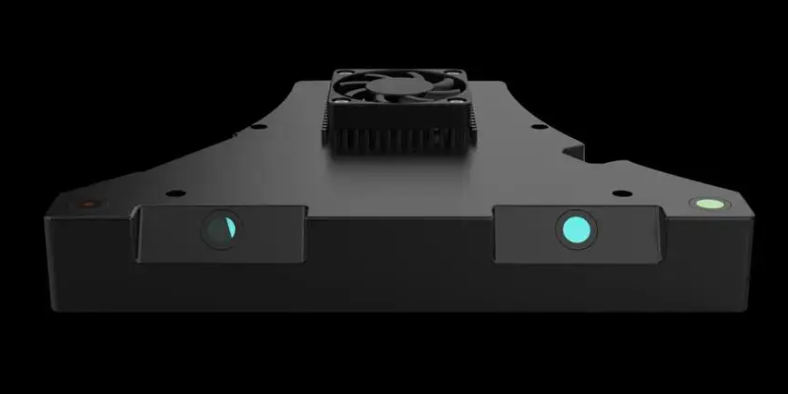
Transforming Embodied Intelligence: Pure Vision Technology Reshapes Navigation in Extreme Environments
Embodied Intelligence is addressing the challenges of navigation in extreme environments where satellite signals are unavailable. The company has introduced a modular pure vision navigation technology that has been successfully validated in 52 real-world scenarios. This innovative solution is set to enhance the operational capabilities of various robotic applications, allowing them to navigate complex terrains more effectively. The development comes at a crucial time as industries increasingly rely on autonomous systems for tasks in remote or signal-deprived locations. By leveraging advanced visual processing techniques, Embodied Intelligence aims to provide reliable navigation solutions that can adapt to diverse operational conditions.
Robotics Navigation Technology AI Autonomous Systems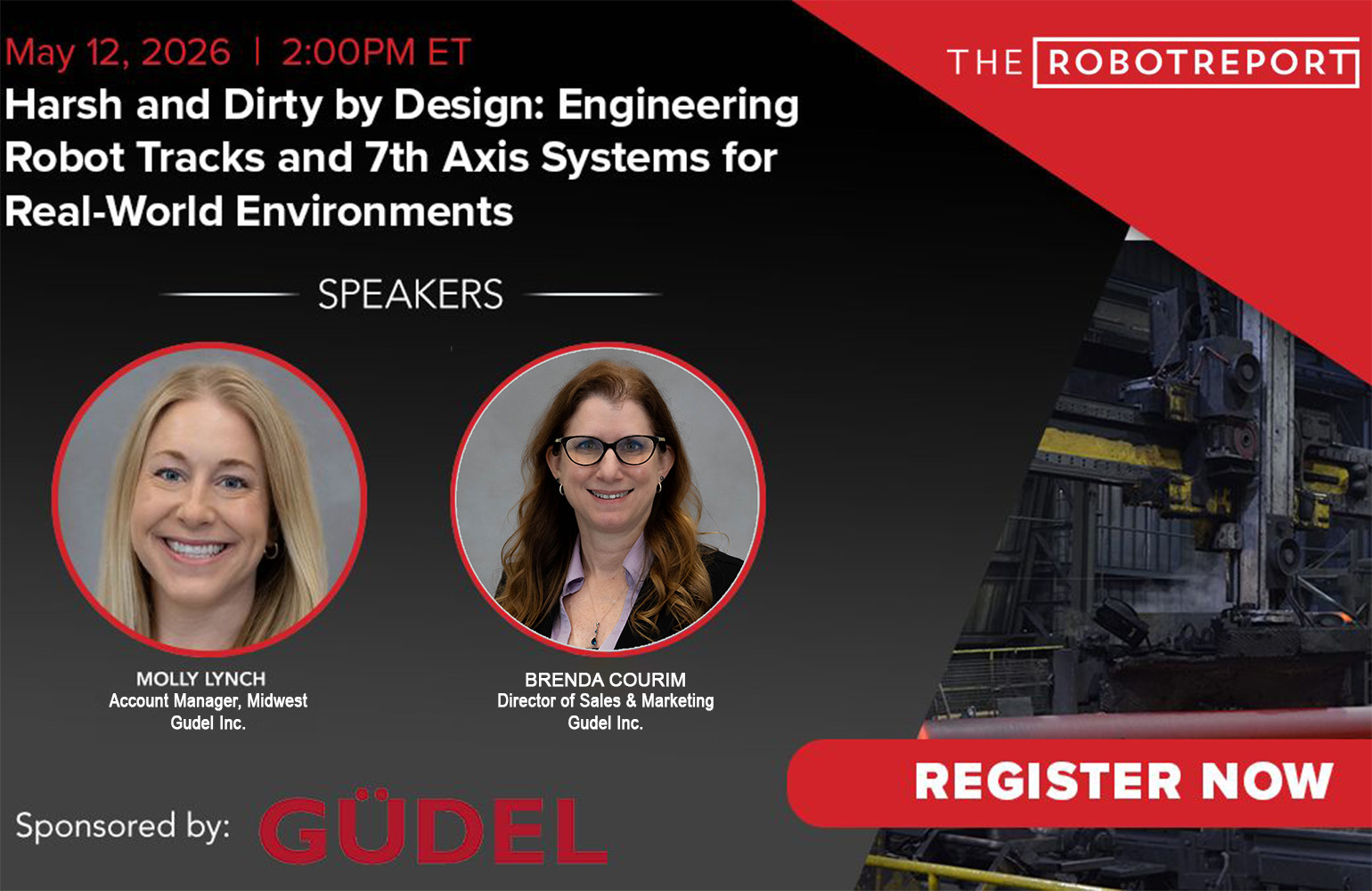
How to engineer robot tracks and 7th axis systems for real-world environments
Experts from Güdel are set to address the challenges posed by harsh and dirty environments on robotic tracks and long-axis linear motion systems. This discussion will delve into the engineering solutions necessary to adapt these systems for real-world applications, highlighting the importance of durability and reliability in demanding conditions. The insights will be shared in a forthcoming presentation, emphasizing the need for robust designs that can withstand the rigors of various operational settings. The event aims to equip industry professionals with the knowledge to enhance the performance and longevity of robotic systems in challenging environments.
Events Industrial Robots Mechanical Motion Control News Robots / Platforms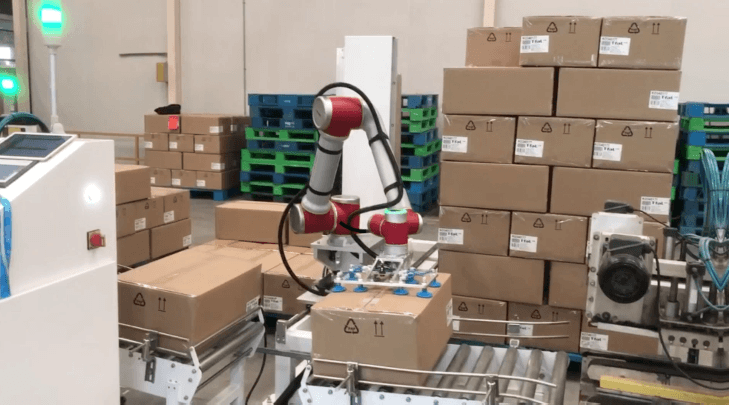
The Complete Guide to Selecting a Waterproof Robotic Arm for Harsh Environments
JAKA, a leader in automation solutions, is addressing the challenges faced by industries that require waterproof robotic arms for demanding environments. Recognizing the need for durability, flexibility, and safety, the company is guiding clients in selecting the right systems to enhance efficiency and reduce manual labor. Key considerations for these robotic arms include high ingress protection ratings, material resilience, and operational stability, particularly in settings exposed to moisture, dust, and temperature fluctuations. JAKA emphasizes the importance of compact designs that can integrate seamlessly into existing workflows, allowing for efficient operation even in constrained spaces. The JAKA Pro16 Palletizing solution exemplifies the advantages of waterproof robotic arms, automating palletizing processes and significantly improving production efficiency. This system can manage multiple production lines, reducing operational costs while enhancing the working environment for operators. Investing in the right robotic arm not only boosts productivity but also ensures operator safety and equipment longevity. JAKA's focus on adaptable programming and stable operation allows clients to meet diverse production needs while minimizing human error and repetitive strain injuries. By leveraging their technical expertise and practical experience, JAKA aims to provide reliable automation solutions that optimize production and maintain consistent performance in harsh industrial settings, ultimately supporting sustainable and efficient operations.
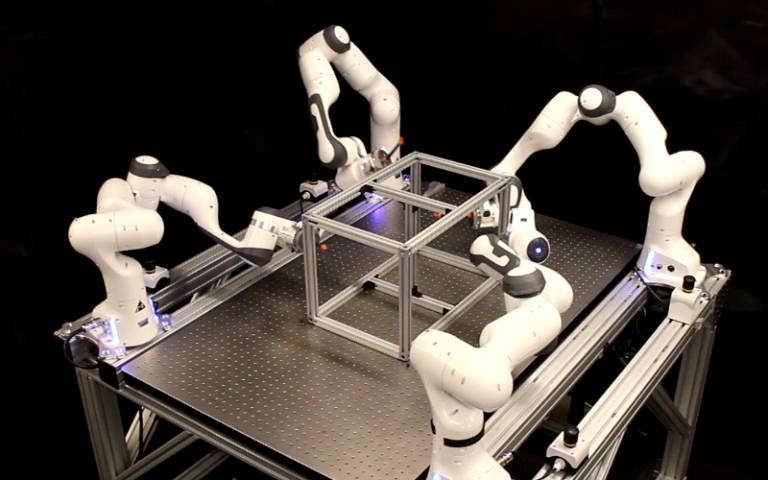
Design, Modeling, and Validation of Multi‐Segmental Adaptive Pipeline Robots in Complex Pipeline Environments
In May 2026, the Journal of Field Robotics published a significant study exploring advancements in robotic technology. Researchers from various institutions collaborated to investigate the applications of autonomous robots in diverse fields, including agriculture, disaster response, and environmental monitoring. The study highlights the increasing importance of robotics in enhancing efficiency and safety in these sectors, driven by the need for innovative solutions to complex challenges. By employing cutting-edge algorithms and machine learning techniques, the researchers demonstrated how these robots can operate in unpredictable environments, making them invaluable tools for future operations. The findings aim to inform policymakers and industry leaders about the potential of robotics to transform traditional practices and improve outcomes across multiple domains.
RESEARCH ARTICLE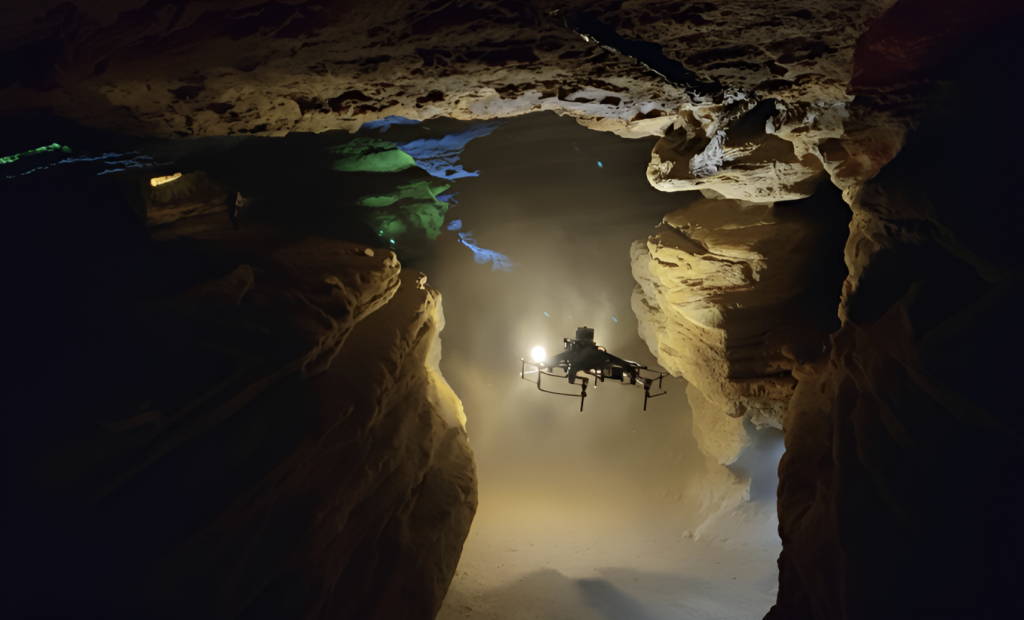
Keeping Robots Moving in Extreme Environments
Researchers at Carnegie Mellon University's Robotics Institute have developed a groundbreaking system known as Super Odometry, designed to enhance the navigational capabilities of robots in challenging environments. This innovative technology enables robots to maintain their sense of direction even when visibility is compromised by smoke, darkness, or dust. In a series of real-world tests, Super Odometry demonstrated its effectiveness by allowing robots to navigate safely through difficult conditions, including stairs and low-light scenarios. The system relies on internal motion sensors, providing a reliable alternative to visual navigation when external conditions hinder camera functionality. This advancement is particularly significant as it addresses the critical need for robots to operate autonomously in extreme environments, ensuring their continued functionality and safety in various applications.
Research
Teledyne RDI ADCPs to Support Japan’s Deep-Sea Environmental Assessment of Polymetallic Nodule Mining
Teledyne RD Instruments (RDI), a division of Teledyne Marine, has been chosen by Deep Reach Technology (DRT), a marine engineering consultancy, to provide support for a significant deep-sea environmental impact assessment (EIA) project in Japan’s Exclusive Economic Zone (EEZ). The project, aimed at evaluating the ecological effects of deep-sea activities, will utilize 20 of RDI's advanced Acoustic Doppler Current Profilers (ADCPs). This collaboration highlights the growing emphasis on environmental sustainability in marine engineering and underscores the importance of accurate data collection in assessing the potential impacts of deep-sea operations. The deployment of these sophisticated instruments is expected to enhance the quality of the assessment and contribute to informed decision-making regarding marine resource management in the region.
teledyne
Robot Talk Episode 138 – Robots in the environment, with Stefano Mintchev
Claire recently engaged in a discussion with Stefano Mintchev, an Assistant Professor of Environmental Robotics at ETH Zürich, Switzerland. The conversation centered on the innovative use of robots designed to explore and monitor natural environments. Mintchev, who holds a Ph.D. in Bioinspired Robotics from Scuola Superiore Sant’Anna in Italy and has conducted postdoctoral research at EPFL in Switzerland, shared insights into how these advanced robotic systems can enhance our understanding of ecological systems. The dialogue highlighted the importance of integrating technology with environmental science to address pressing ecological challenges.

Explosion-Proof Robotics in ATEX/IECEx Environments: Progress, Challenges and Practical Pathways
Industrial robotics has significantly impacted various sectors, including manufacturing, logistics, and maintenance. However, their application in potentially explosive environments, such as refineries, petrochemical plants, offshore platforms, and battery production facilities, presents unique challenges. As industries seek to enhance safety and efficiency, the integration of robotics in these hazardous settings requires careful consideration of the risks involved. The need for advanced technology that can operate safely in such volatile conditions is driving innovation and research in the field. As of October 2023, experts are exploring solutions to ensure that robotic systems can effectively navigate these environments while minimizing the potential for accidents and ensuring compliance with safety regulations.
Team Chiron Advances to Final Phase of DARPA Triage Challenge
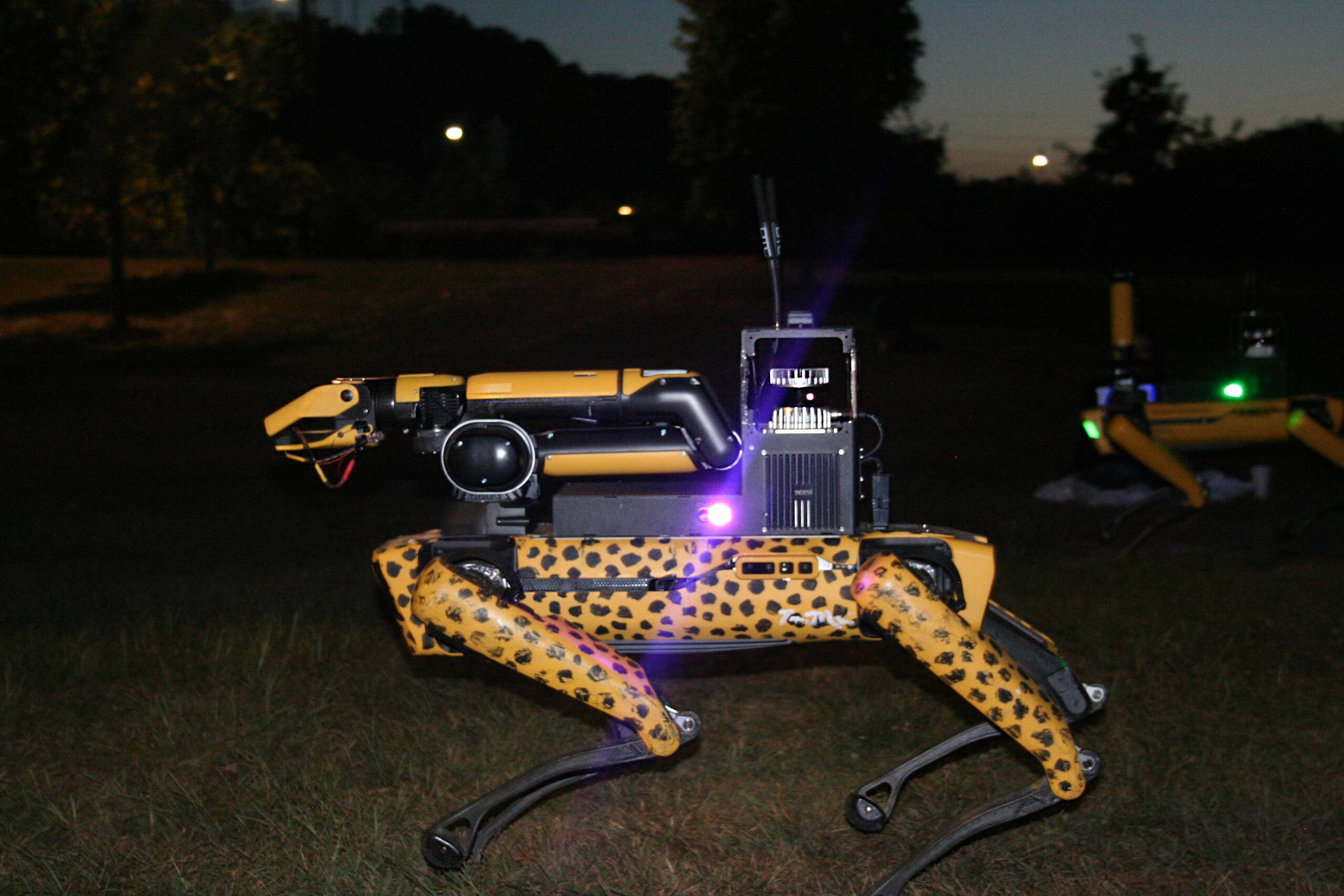
A team of researchers from Carnegie Mellon University and the University of Pittsburgh, known as Team Chiron, is set to compete in the final phase of the DARPA Triage Challenge (DTC) next November. This competition aims to advance the development of portable, autonomous systems capable of assessing and monitoring injured individuals in various environments. As part of their preparation, the team has been testing quadruped robots on grass terrain during nighttime, showcasing their innovative approach to addressing emergency medical response challenges. The DTC represents a significant step towards enhancing the efficiency and effectiveness of medical triage in critical situations.
Announcements
Casbot Secures $14 Million to Advance Humanoid Robots for Industrial and Harsh Environments
Casbot, a Chinese developer specializing in humanoid robots, has successfully secured nearly $14 million in angel funding. This financial boost will enable the company to mass-produce its bipedal robots, which are designed for challenging industrial and mining environments. The funding comes as Casbot seeks to leverage its innovative AI architecture, allowing the robots to adapt effectively to real-world conditions. The investment marks a significant step in the company's mission to enhance automation in demanding sectors.
China Casbot
XPENG CEO Targets Late 2026 for Massive IRON Deployment
He Xiaopeng, the CEO of IRON, has reiterated the company's ambition to develop the world's first mass-produced high-level humanoid robot. This commitment was expressed in an internal letter and showcased during a festive demonstration on social media. The announcement highlights IRON's focus on advancing robotics technology, aiming to lead the market in humanoid production. By leveraging innovative engineering and design, the company seeks to address growing demand for advanced robotic solutions in various sectors. The initiative reflects a broader trend in the tech industry, where companies are increasingly investing in humanoid robotics to enhance automation and improve efficiency.
Xiaopeng He China XPeng IRON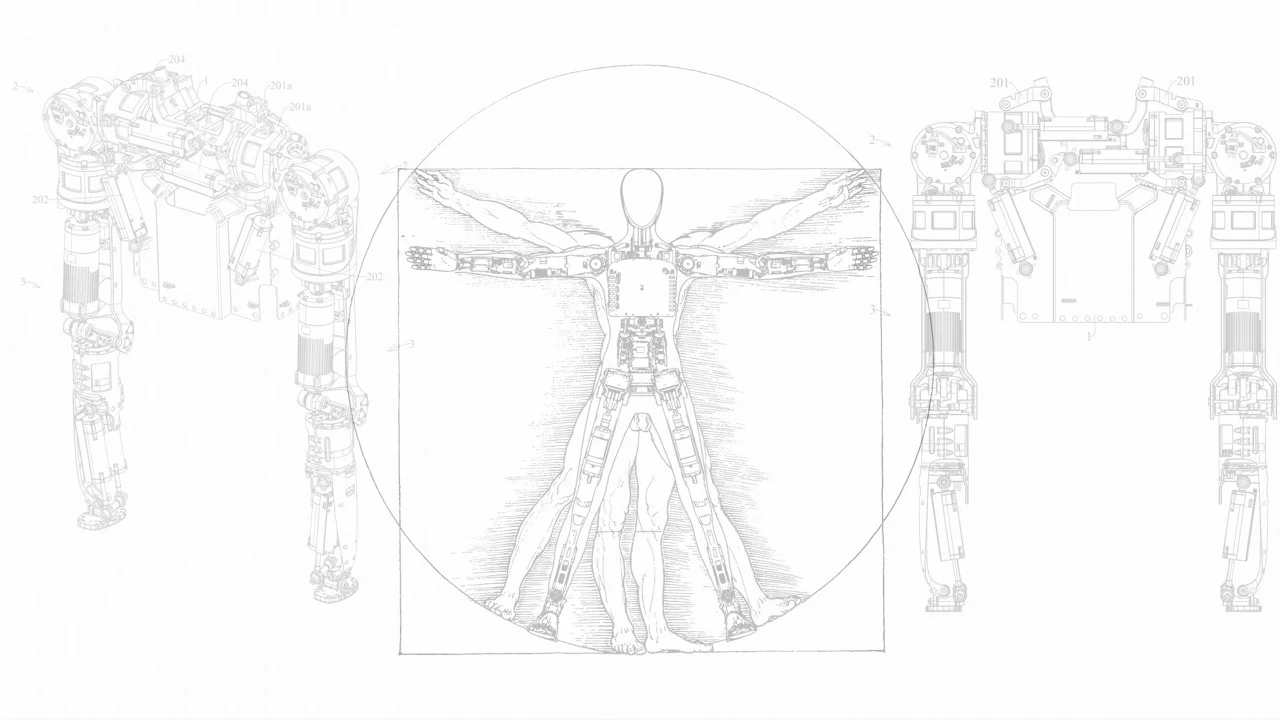
Simulating the 'Masterpiece': XPENG Robotics Unveils Design Framework and Lattice Musculature for IRON
XPENG Robotics has unveiled a comprehensive technical analysis detailing the innovative 'body logic' of its IRON humanoid robot. This deep-dive, released recently, highlights significant advancements in the robot's design, including a revamped reinforcement learning framework and proprietary algorithms that enable the simulation of intricate 3D-printed lattice muscles. The development aims to enhance the robot's functionality and adaptability, showcasing XPENG's commitment to pushing the boundaries of robotics technology. This initiative reflects the company's broader strategy to integrate advanced machine learning techniques with cutting-edge manufacturing processes, positioning the IRON humanoid as a leader in the evolving robotics landscape.
China XPeng IRON
Xpeng Iron Hits the Catwalk: Humanoid Prototype Makes Surprise Debut in Shenzhen
Xpeng's humanoid robot, known as "Iron," made a surprise appearance in Shenzhen, captivating weekend shoppers with its human-like gait and bionic design. The event, which aimed to demonstrate the advanced capabilities of the robot, showcased how technology can blend seamlessly into everyday life. As shoppers interacted with Iron, they experienced firsthand the potential of robotics in enhancing human experiences. This public demonstration reflects Xpeng's commitment to innovation and its vision for the future of humanoid robots in various sectors.
China XPeng IRON
Xpeng Sets 2026 Target for Mass-Produced ''Iron'' Robot, Eyes 1 Million Units by 2030
During its third-quarter earnings call, Xpeng's CEO He Xiaopeng announced that the company's highly anticipated "Iron" robot is set to enter mass production by late 2026. This timeline positions Xpeng in direct competition with Tesla's Optimus robot, which is also expected to be released around the same period. The announcement reflects Xpeng's strategic push into the robotics sector, aiming to capitalize on the growing demand for advanced automation technologies. As both companies gear up for this technological race, the developments in their respective robotic offerings could significantly impact the future landscape of the industry.
XPeng IRON
New ''Iron'' Robot Display Model Inspected in Video, Appears to Use Older-Generation Hands
A recent video released by a Chinese journalist offers a detailed examination of Xpeng's humanoid robot, known as "Iron," showcased during the company's AI Day event. The footage highlights the robot's innovative "bionic muscle"-like padding, confirming previously shared design elements. Notably, the video also supports earlier speculation that the models presented at the event do not yet include the advanced "dexterous hands" mentioned in the keynote address. This revelation raises questions about the current capabilities of the robot and its readiness for future applications in artificial intelligence and robotics.
XPeng IRON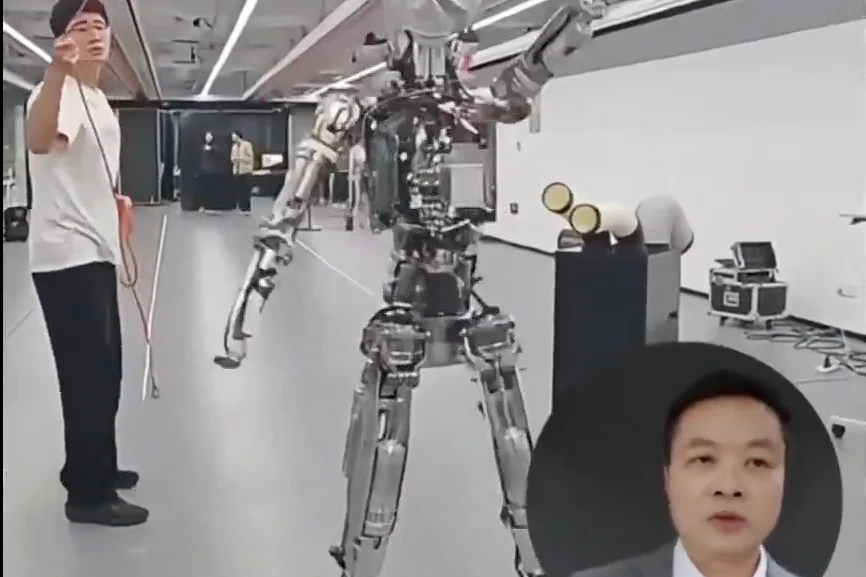
Xpeng Demos 'Iron' Robot Dancing, Credits 'Human-Like Spine' and New AI for Rapid Learning
Xpeng CEO He Xiaopeng recently unveiled a video showcasing a bare-metal 'Iron' robot performing a dance routine, a demonstration that has reignited discussions following the company's AI Day. He attributes the robot's fluid, human-like movements to an innovative 'human-like spine' design, coupled with an advanced AI model capable of learning intricate motions from human data in a mere two hours. This development highlights Xpeng's commitment to pushing the boundaries of robotics and artificial intelligence, aiming to enhance the capabilities of their robotic systems.
XPeng IRON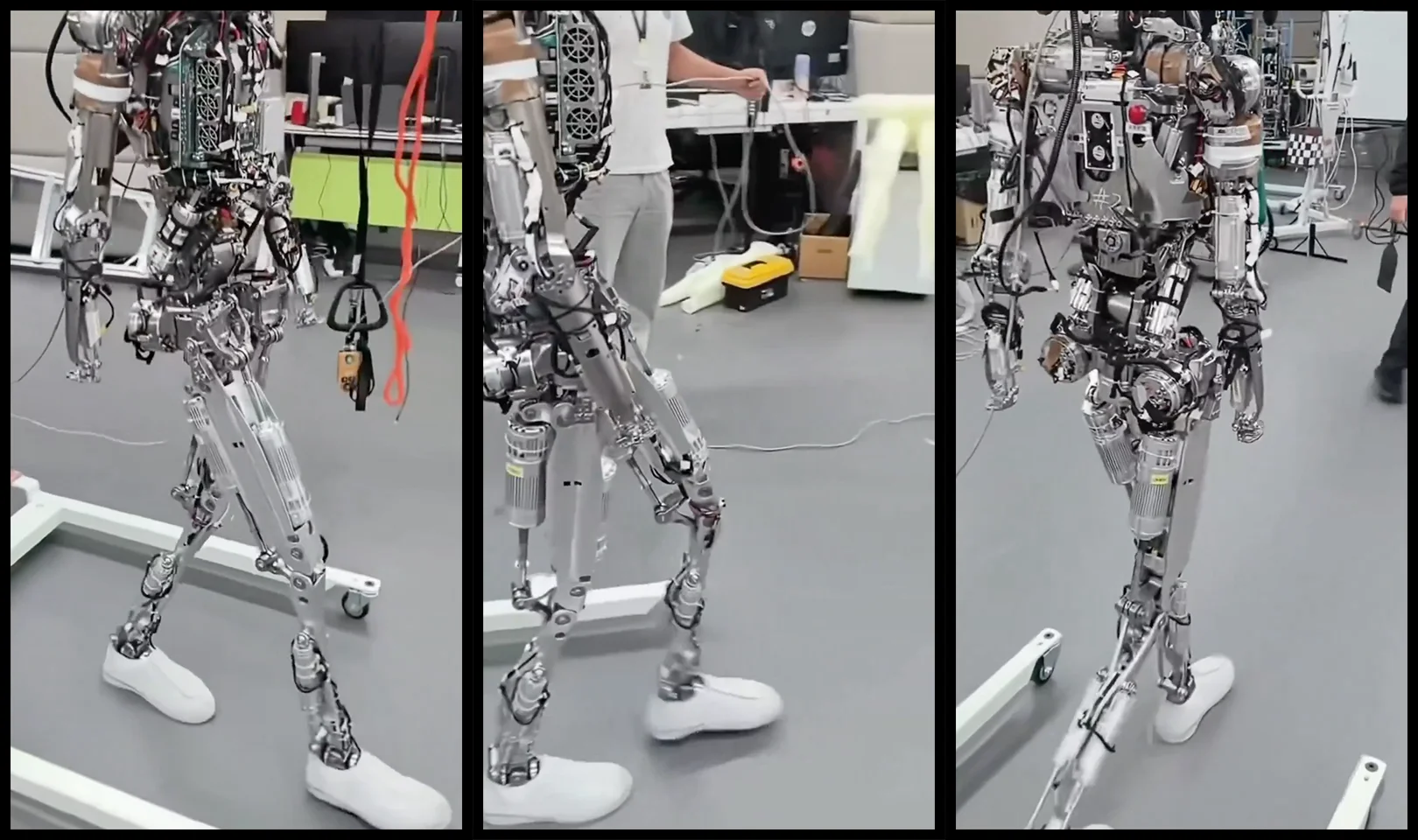
Xpeng's Next-gen Iron Is Real: Follow-up Videos Settle Debate, Reveal New Hardware
Xpeng has addressed recent speculation regarding its AI Day demonstration, which some believed featured either a human or an older robot, by releasing videos that showcase the underlying hardware of its new "Iron" robot. The company has drawn attention from analysts who are highlighting substantial design modifications, particularly in the robot's hip and knee configurations. This move comes as Xpeng aims to clarify the capabilities and advancements of its latest robotic technology, reinforcing its commitment to innovation in the field.
XPeng IRON
Xpeng’s ‘Human-Like’ Robot Demo Sparks Debate: Was It the New ''Iron'' or an Older Model in Disguise?
Xpeng's recent AI Day demonstration sparked widespread speculation regarding the authenticity of a robot showcased during the event. Initially, some observers suggested that the figure might have been a "human in a suit." However, the company confirmed that the entity was indeed a robot. Further analysis, however, has raised questions about the model presented, indicating that it may have been the older "Iron" version rather than the next-generation robot highlighted in the keynote address. This revelation has led to discussions about the advancements in Xpeng's robotics technology and the implications for the company's future developments in artificial intelligence.
XPeng IRON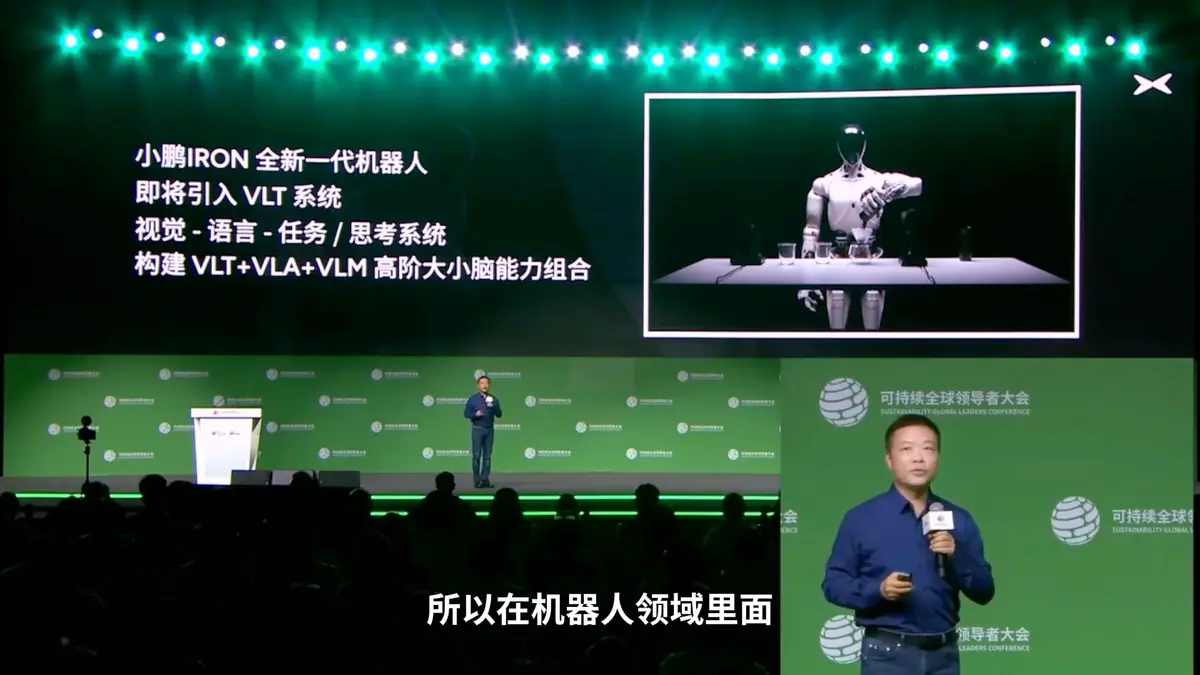
Xpeng Equips IRON Humanoid with 'VLT' AI System, Targeting Autonomy and Mass Production
Xpeng CEO He Xiaopeng revealed that the company’s upcoming IRON humanoid robot will incorporate an innovative Vision-Language-Task (VLT) AI system. This announcement marks a significant step in Xpeng's strategy to transition from remote-controlled operations to fully autonomous functionality. The development aligns with a growing trend across the robotics industry, which is increasingly focused on integrating advanced, multi-modal AI capabilities to enhance robotic performance and interaction.
vla vlm XPeng vlt IRON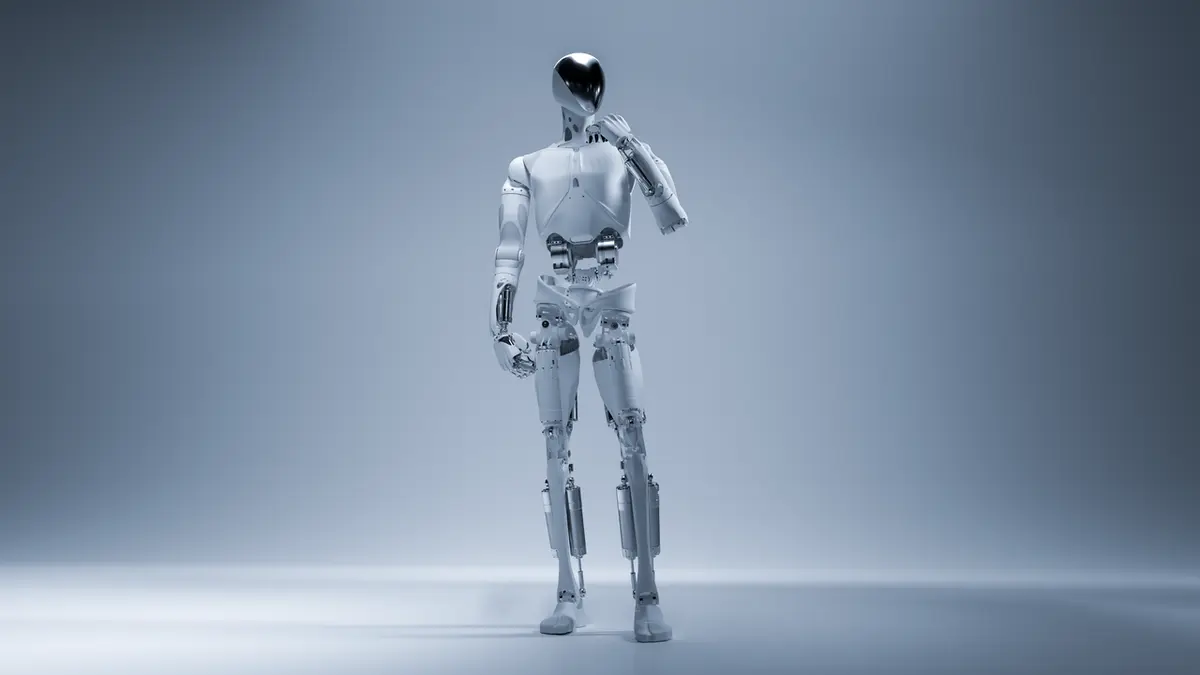
Xpeng Targets 2026 for Autonomous Humanoid Robot 'Iron' Mass Production
At its recent Global Brand Night, Xpeng unveiled significant advancements in its 'Iron' humanoid robot, highlighting the company's ambition to achieve full autonomy rather than relying on remote control. This initiative reflects Xpeng's belief that robotics presents greater challenges than automobile manufacturing, necessitating Level 3 autonomy for mass production. The company aims to initiate factory pilot programs by 2026 to test these capabilities. The Iron robot is equipped with 62 degrees of freedom and powered by a Turing AI chip, enabling it to perform complex tasks, including potential collaboration with human workers in industrial settings.
XPeng IRON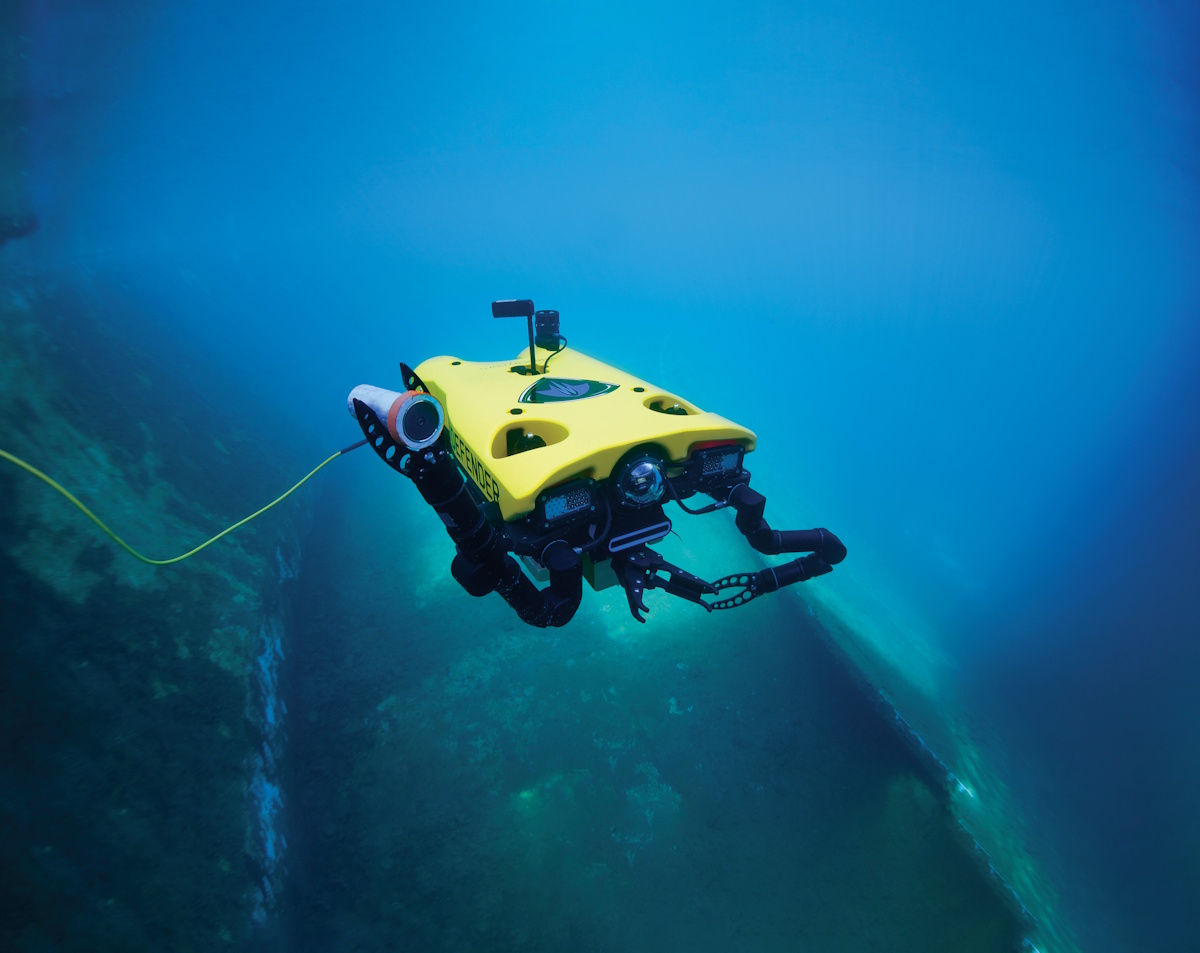
AeroVironment Awarded $4.8 million Contract for ROVs to support U.S. Coast Guard Modernization Plan
AeroVironment, Inc. has secured a $4.8 million contract from the United States Coast Guard to supply Mission Specialist Defender remotely operated vehicles (ROVs). This agreement, announced today, is part of the Coast Guard's Force Design 2028 modernization initiative aimed at enhancing its operational capabilities. The contract will be fulfilled through AeroVironment's subsidiary, VideoRay, which specializes in underwater robotic systems. The delivery of these advanced ROVs is expected to support the Coast Guard's ongoing efforts to modernize its fleet and improve mission effectiveness.
aerovironment contract award rovs u.s. coast guard modernization plan
AeroVironment and BlueHalo Complete Transaction — Creating A Global Defense Technology
AeroVironment, Inc. has successfully finalized its transaction with BlueHalo, LLC, as announced today. This strategic move enhances AeroVironment's status as a leading global defense technology company, enabling it to offer integrated capabilities across various domains, including air, land, sea, space, and cyber. The completion of this deal marks a significant step in AeroVironment's efforts to expand its technological offerings and strengthen its competitive position in the defense sector.
aerovironment bluehalo videoray defense technology aquisition m&a
AI Agents Develop Virtual Environments for Essential Robot Training Data
Robots are becoming more visible in public spaces, captivating onlookers. However, they still lack the versatility needed for tasks in kitchens or factories, primarily due to a significant data bottleneck. Similar to human learning, robots acquire skills through experience, but the process of physically training them in various environments is labor-intensive and time-consuming. This challenge highlights the need for innovative solutions to streamline robot training. By utilizing AI agents to create virtual playgrounds, developers can simulate diverse scenarios, allowing robots to learn efficiently without the constraints of physical environments. This approach could significantly reduce the time and resources required for training, ultimately accelerating the deployment of robots in practical applications. Looking ahead, the development of these virtual training environments may pave the way for more capable robots in various industries. As AI technology continues to evolve, it will be essential to monitor advancements in virtual training methodologies and their impact on robot performance and adaptability. No further timeline was disclosed at the time of publication.
Robotics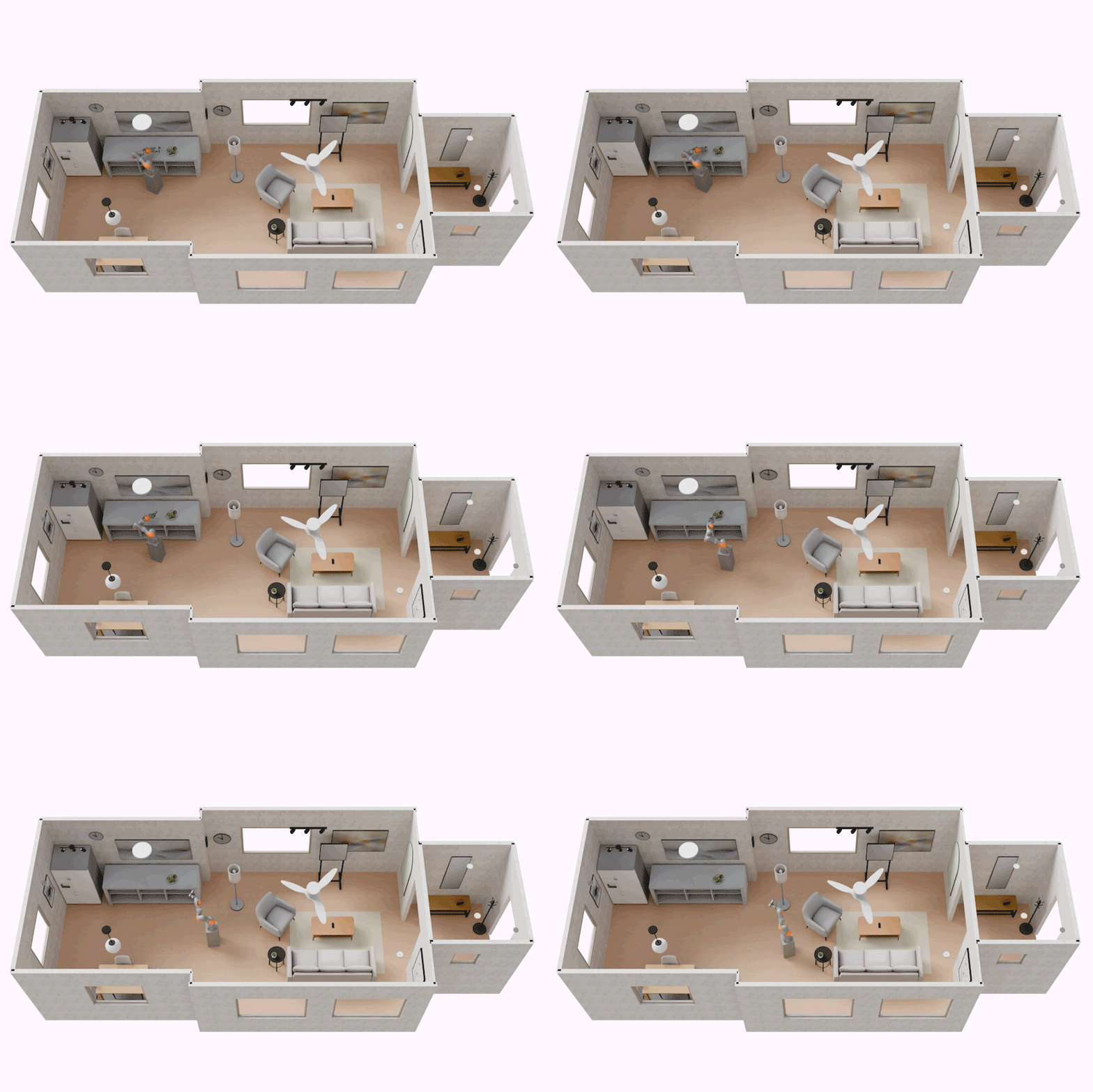
MIT and Toyota Develop SceneSmith to Enhance Robot Training with AI-Generated Environments
MIT and the Toyota Research Institute have introduced SceneSmith, a system that utilizes AI agents to create realistic 3D environments for robot training. This innovation addresses the significant challenge of generating diverse simulation content, which is crucial for teaching robots various tasks in a cost-effective manner. The SceneSmith system employs three AI agents, leveraging the advanced vision-language model GPT-5.2, to design intricate indoor scenes. These environments, featuring up to six times more objects than previous methods, allow robots to practice skills in a rich virtual playground, ultimately reducing the need for extensive real-world testing. As the research progresses, the effectiveness of these AI-generated environments will be closely monitored. The team has already demonstrated that robots can successfully navigate and perform tasks in these virtual settings, indicating a promising future for robotic training methodologies. No further timeline was disclosed at the time of publication.
Research Robotics Artificial intelligence Simulation Computer science and technology Machine learning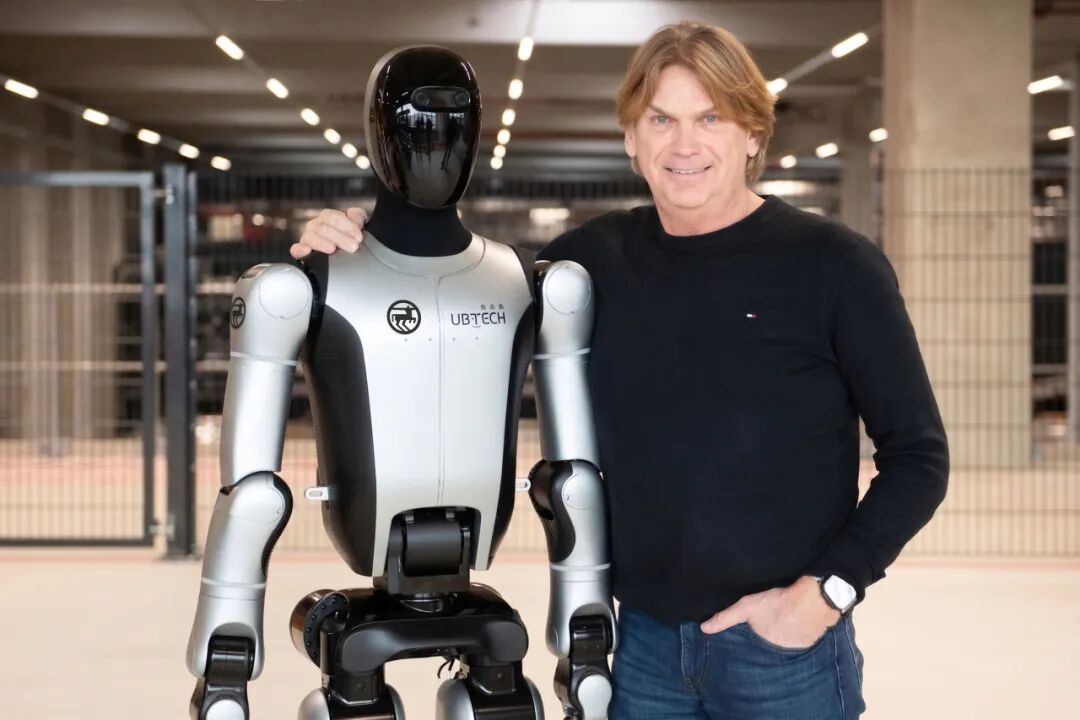
UBTECH Collaborates to Enhance Global Reach of Humanoid Robots in European Retail Logistics
UBTECH has announced partnerships aimed at accelerating the deployment of humanoid robots in European retail logistics environments. This initiative is part of UBTECH's broader strategy to expand its global footprint and enhance operational efficiencies in logistics through advanced robotics technology. The significance of this collaboration lies in its potential to transform retail logistics by integrating humanoid robots, which can streamline operations, reduce labor costs, and improve service delivery. As the demand for automation in logistics grows, UBTECH's efforts may set a precedent for the adoption of robotics in various sectors across Europe. Looking ahead, industry stakeholders should monitor UBTECH's progress in deploying these humanoid robots and the impact on logistics operations. The effectiveness of these robots in real-world applications will be crucial in determining the future of robotics in retail logistics. No further timeline was disclosed at the time of publication.
Chinese Companies Explore World Models for AI Simulation of Environments
Artificial intelligence is evolving with a focus on 'world models,' which simulate environmental responses to actions. This shift is gaining traction among Chinese companies, expanding the application of these models beyond traditional physics and robotics. The technology is still developing, with no clear consensus on its final form, indicating a significant area of exploration for AI advancements. The significance of world models lies in their potential to enhance AI's predictive capabilities, allowing systems to anticipate changes in both physical and digital environments. This could lead to improved decision-making processes across various sectors, as companies leverage these models to better understand and interact with their surroundings. The growing interest from major tech firms highlights the competitive landscape surrounding this emerging technology. Looking ahead, the development of world models is expected to progress, although specific timelines for advancements or implementations remain undisclosed. As the industry continues to explore this frontier, stakeholders should monitor the evolution of standards and applications that will shape the future of AI simulation technologies.

Advances in Robots to See & Interpret within Warehouse Environments
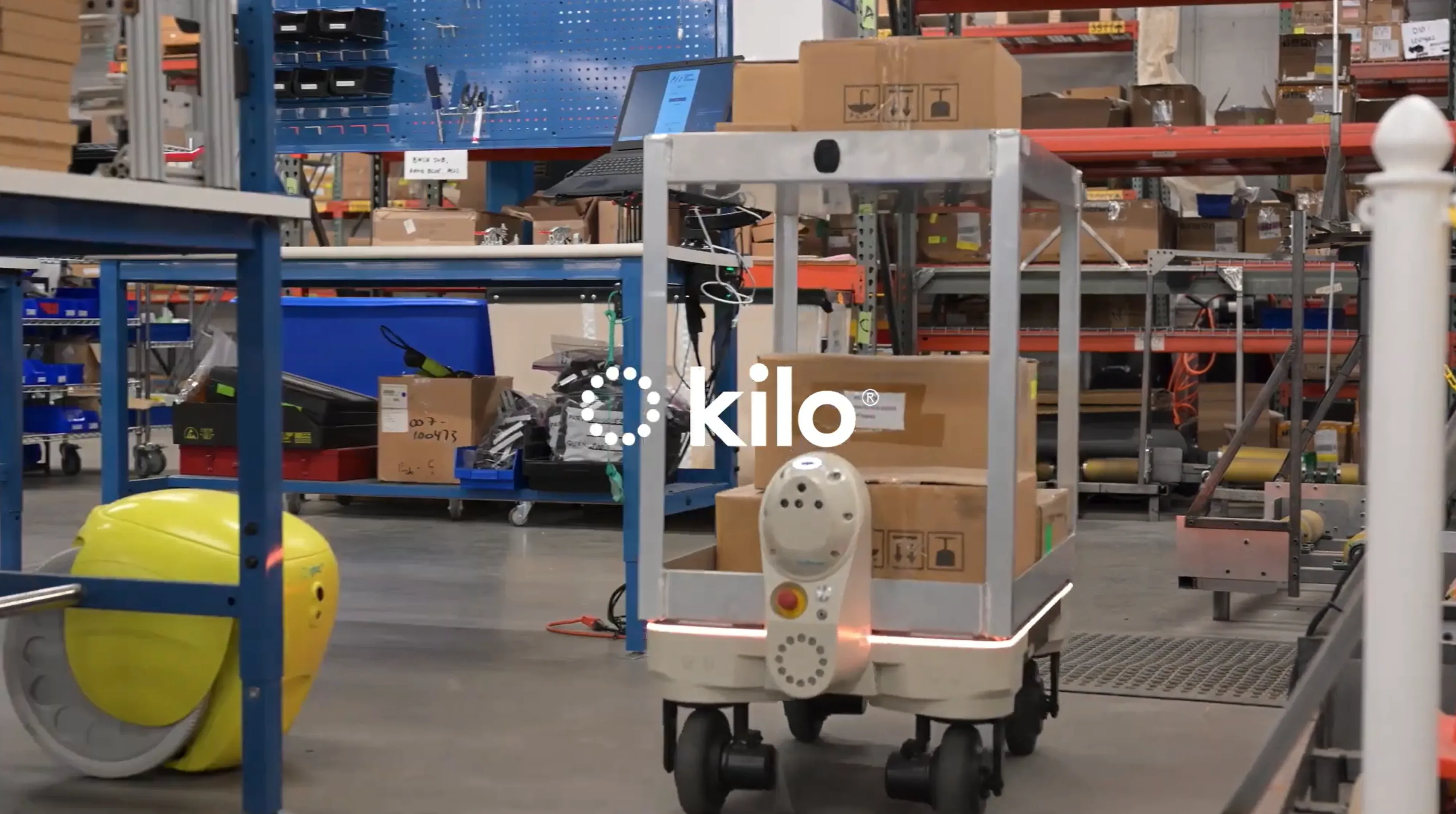
Computation is the largest hurdle. 360-degree sensor data that is granular enough to detect small obstacles in the environment is very large. For Stretch to have a real time reaction, that data has to be processed at a very high rate.

Robots that can identify materials and map unknown environments could aid nuclear and defense sectors
Researchers at the University of Surrey are developing advanced robots capable of surpassing human vision, creating live 3D maps of unfamiliar environments, and determining the composition of various objects. This innovative technology, which is currently in development, has the potential to revolutionize several fields, including nuclear inspection, rail and building safety, and search and rescue operations in combat zones. By enhancing robotic capabilities, the team aims to improve safety and efficiency in critical situations where human intervention may be risky or impractical. The project highlights the university's commitment to pioneering research that addresses real-world challenges through cutting-edge technology.
Robotics
Ultraefficient chip could help tiny robots traverse complex environments
Researchers at MIT have developed an innovative chip designed to enhance the navigation capabilities of small, low-power unmanned aerial vehicles (UAVs) as they maneuver through confined spaces, such as industrial HVAC systems, to detect gas leaks. This breakthrough, announced recently, enables these autonomous robots and other battery-operated devices to create detailed three-dimensional maps of their surroundings in real time while consuming minimal energy—approximately the same amount as a single LED light. By utilizing these maps, the robots can effectively plan collision-free routes to their objectives, significantly improving their operational efficiency and safety in complex environments.
Hardware
Decart’s Oasis 3 world model streams realism into robotic training environments
Decart, a leading frontier AI research lab, has unveiled its latest world model, Oasis 3, in a bid to integrate synthetic simulation with physical AI. The announcement, made recently, highlights the model's capability to enhance the training processes for operating system models used in robots and autonomous vehicles. By focusing on this innovative approach, Decart aims to advance the development of intelligent systems that can operate seamlessly in real-world environments. The launch of Oasis 3 represents a significant step forward in the quest to improve AI's practical applications, addressing the growing demand for more sophisticated and capable autonomous technologies.
Artificial Intelligence Computing Culture Design automation news autonomous vehicles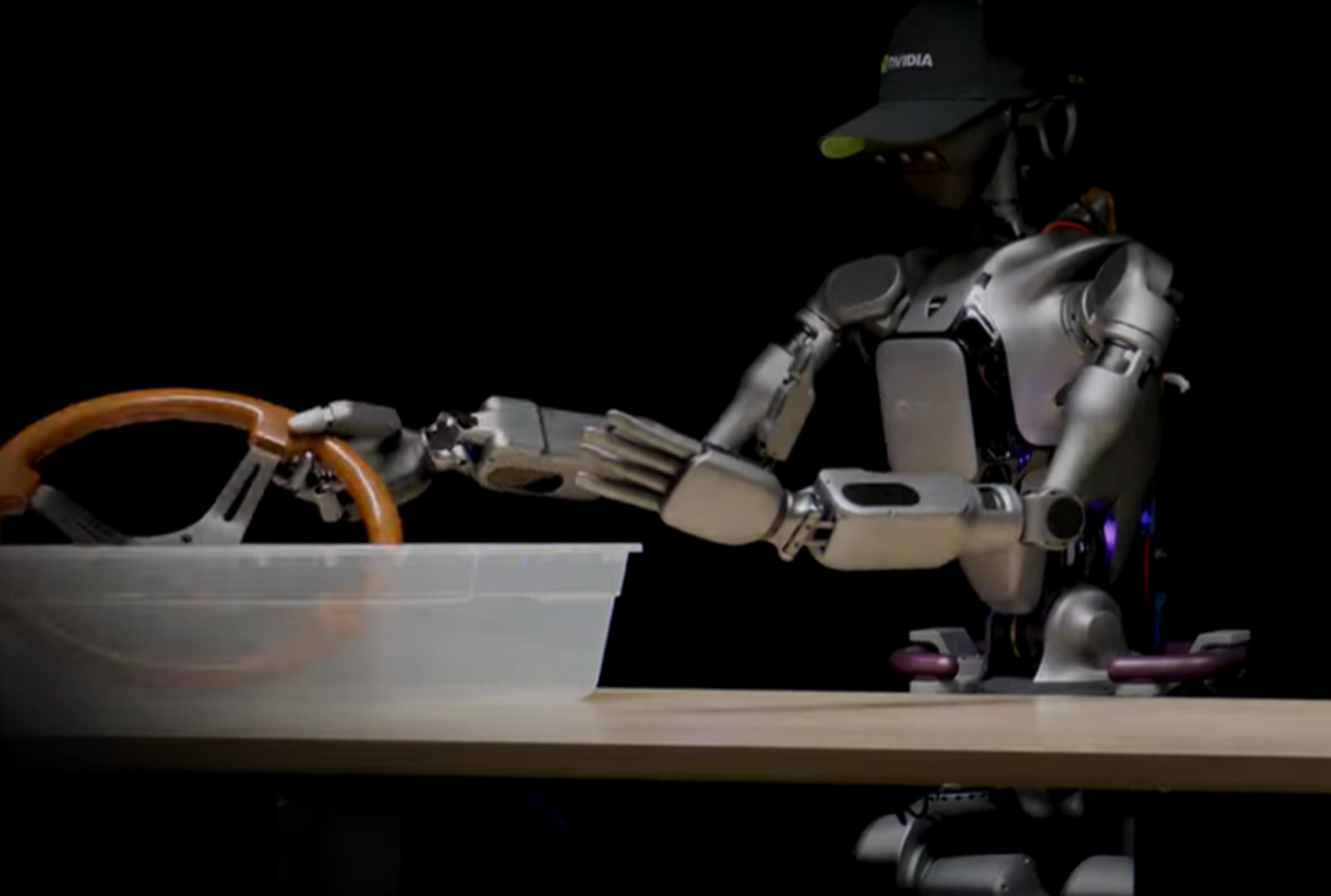
Cross‐Modal Synergistic Optimization Multi‐Task Segmentation Network for Autonomous Ground Intelligent Agents in Field Environments
A recent study published in the Journal of Field Robotics highlights the advancements in autonomous robotic systems designed for agricultural applications. Researchers from various institutions collaborated to explore innovative technologies that enhance efficiency and sustainability in farming practices. The findings, released in early October 2023, emphasize the growing importance of robotics in addressing labor shortages and increasing productivity in the agricultural sector. The study showcases several case studies where autonomous robots successfully performed tasks such as planting, harvesting, and monitoring crops, demonstrating their potential to revolutionize traditional farming methods. By integrating artificial intelligence and machine learning, these robots can adapt to varying environmental conditions and optimize resource use, ultimately contributing to more sustainable agricultural practices. The motivation behind this research stems from the pressing challenges faced by the agricultural industry, including the need for increased food production to meet global demand and the impact of climate change on farming. The researchers advocate for the adoption of robotic technologies as a viable solution to enhance food security and reduce the environmental footprint of agriculture. Through rigorous testing and evaluation, the study provides insights into the operational capabilities of these autonomous systems, paving the way for further innovations in the field. As the agricultural sector continues to evolve, the integration of robotics is expected to play a crucial role in shaping the future of food production.
RESEARCH ARTICLE
RGPB‐Planner: A Real‐Time Gaussian Potential B‐Spline Trajectory Planner for Unmanned Aerial Vehicles in Complex Environments
A recent study published in the Journal of Field Robotics explores advancements in autonomous robotic systems designed for agricultural applications. Researchers from various institutions conducted the study to address the growing need for efficient farming solutions amid increasing global food demands. The findings, released in early October 2023, highlight innovative technologies that enhance the capabilities of robots in tasks such as planting, harvesting, and monitoring crops. The research was conducted in diverse agricultural settings, showcasing how these robotic systems can adapt to different environments and crop types. By integrating artificial intelligence and machine learning, the robots are able to optimize their performance, reducing labor costs and increasing productivity for farmers. This initiative stems from the urgent necessity to improve agricultural efficiency and sustainability in response to climate change and population growth. The study emphasizes that the implementation of these robotic systems could significantly transform traditional farming practices, making them more resilient and resource-efficient. The research team utilized a combination of field tests and simulations to demonstrate the effectiveness of the robotic technologies, providing a comprehensive analysis of their potential impact on the agricultural sector. As the industry continues to evolve, the insights from this study may pave the way for broader adoption of robotics in farming, ultimately contributing to food security and environmental sustainability.
RESEARCH ARTICLE
Multi‐Robot Collaborative Navigation Framework Based on 3D Voronoi Partitioning in Uneven and Unstructured Environments
A recent study published in the Journal of Field Robotics highlights advancements in autonomous robotic systems designed for agricultural applications. Researchers from various institutions collaborated to develop innovative algorithms that enhance the efficiency and accuracy of these robots in crop monitoring and management. The study, released in early October 2023, emphasizes the growing need for automation in agriculture due to labor shortages and the increasing demand for food production. The research was conducted across multiple farms in the Midwest, where the team tested the robots' capabilities in real-world conditions. By integrating machine learning techniques, the robots can now analyze crop health, detect pests, and optimize resource usage, significantly reducing the environmental impact of farming practices. This initiative aims to address the challenges faced by farmers, particularly in light of climate change and the need for sustainable agriculture. The findings suggest that implementing these robotic systems can lead to improved yields and reduced operational costs, ultimately benefiting both farmers and consumers. As the agricultural sector continues to evolve, the integration of such technologies is seen as a crucial step toward a more sustainable future.
RESEARCH ARTICLE
Microsoft announces customizable isolation environment "Microsoft Execution Containers" for AI agents, compatible with OpenClaw.
Microsoft has unveiled a new customizable isolated environment for AI agents, known as Microsoft Execution Containers (MXC). This announcement was made recently as part of the tech giant's ongoing efforts to enhance AI development and deployment capabilities. The MXC aims to provide developers with a secure and flexible platform to create and manage AI applications, ensuring that they can operate independently while maintaining high levels of performance and security. By offering this innovative solution, Microsoft seeks to address the growing demand for robust AI systems that can be tailored to specific needs, thereby facilitating more efficient and effective AI integration across various industries.
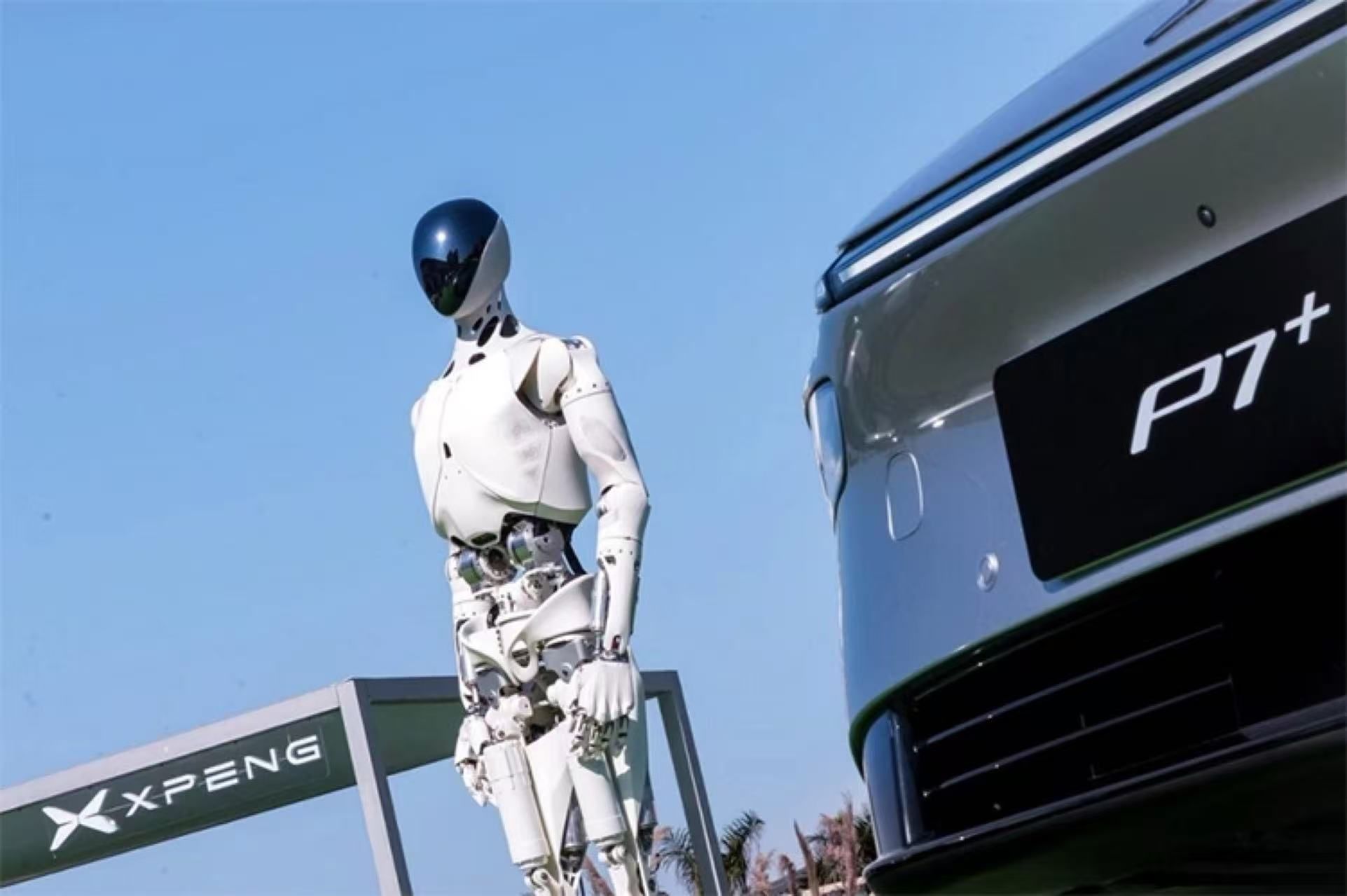
XPeng IRON Humanoid Robot Enters Mass Production Sprint, Set to Hit Showrooms in 2027
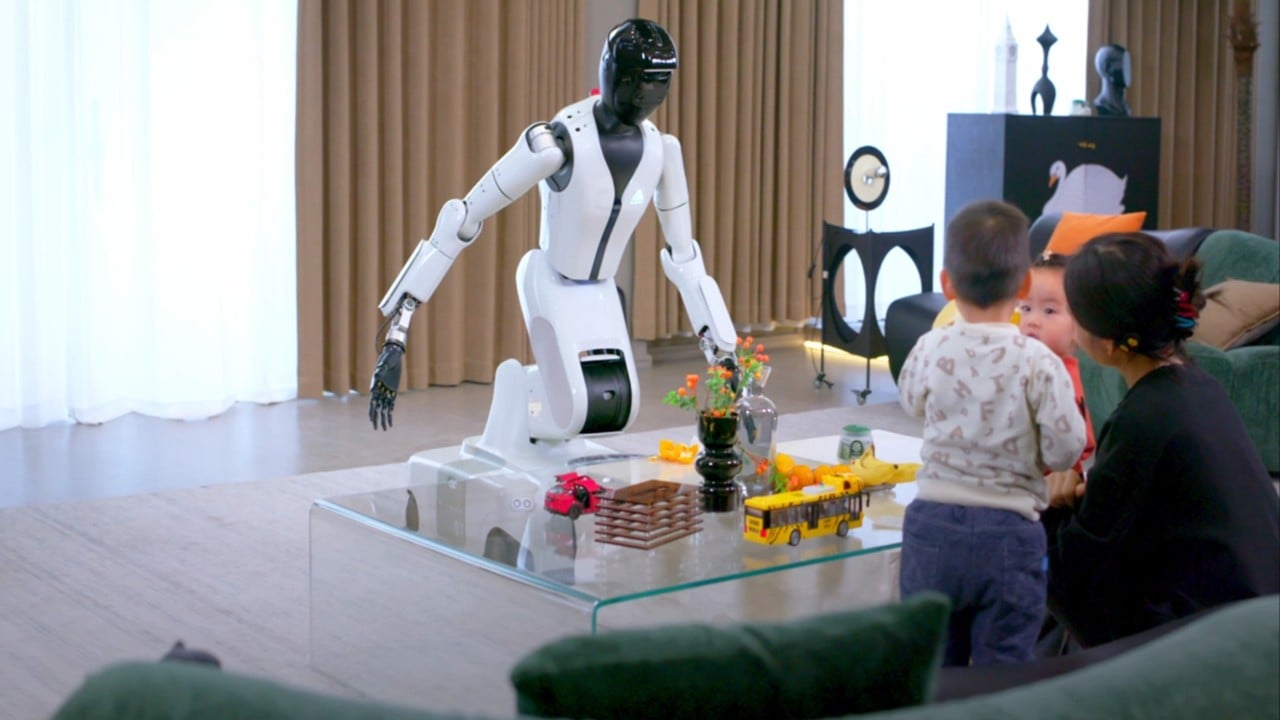
XPeng has announced the commencement of mass production for its IRON humanoid robot, with plans to manufacture thousands of units each month by the end of 2026. The company aims to deploy these robots in its retail stores starting in the first quarter of 2027. This initiative reflects XPeng's commitment to integrating advanced robotics into its operations, enhancing customer service and operational efficiency. The development of the IRON robot is part of XPeng's broader strategy to innovate within the automotive and technology sectors, leveraging cutting-edge technology to improve user experience and streamline business processes.
HumanoidRobotics
A Season‐Robust Long‐Term Localization Method Using Trunk Semantic Features in Dynamic Orchard Environments
In a recent study published in the Journal of Field Robotics, researchers explored advancements in robotic navigation systems, highlighting significant developments in autonomous technology. The findings, released in June 2026, reveal innovative algorithms that enhance the ability of robots to navigate complex environments without human intervention. This research was conducted by a team of engineers and computer scientists at a leading robotics institute, aiming to address challenges faced in real-world applications such as disaster response and exploration. The study emphasizes the importance of improving robotic autonomy to increase efficiency and safety in various fields, including search and rescue operations, agricultural automation, and urban planning. By employing cutting-edge machine learning techniques, the researchers demonstrated how robots can better interpret sensory data and adapt to dynamic surroundings. The implications of this research are profound, as it paves the way for more reliable and versatile robotic systems capable of operating in unpredictable conditions. As industries increasingly turn to automation, these advancements could significantly impact the future of robotics, making them indispensable tools in both everyday tasks and critical missions.
RESEARCH ARTICLE
Autonomous Navigation in Large‐Scale Underground Environments Based on a Purely Topological Understanding of Tunnel Networks
In June 2026, the Journal of Field Robotics published a significant study exploring advancements in robotic technology, specifically focusing on autonomous navigation systems. Researchers from leading universities and tech companies collaborated to investigate the effectiveness of these systems in various environments, including urban areas and remote terrains. The study aimed to address the growing demand for efficient and reliable robotic solutions in fields such as agriculture, disaster response, and transportation. By conducting extensive field tests, the team evaluated how these robots adapt to dynamic conditions and obstacles, ultimately enhancing their operational capabilities. The findings highlight the potential for improved safety and efficiency in robotic applications, paving the way for broader adoption in real-world scenarios. This research not only contributes to the academic discourse on robotics but also offers practical insights for industries looking to integrate autonomous systems into their operations.
RESEARCH ARTICLE
Dynamic Environment Adaptive Path Planning for Mobile Robots: A Hybrid Enhanced Path‐Planning Approach
The Journal of Field Robotics has published a new study highlighting advancements in autonomous robotic systems. Researchers from various institutions collaborated on this project, aiming to enhance the efficiency and safety of robots used in field applications. The study, released in early October 2023, focuses on innovative algorithms that improve navigation and obstacle avoidance in complex environments. Conducted in diverse outdoor settings, the research demonstrates how these advancements can significantly reduce operational risks and increase productivity in sectors such as agriculture, search and rescue, and environmental monitoring. By integrating cutting-edge machine learning techniques, the team was able to develop robots that adapt to changing conditions in real-time, showcasing their potential for practical deployment. This research is particularly timely as industries increasingly seek automation solutions to address labor shortages and improve operational efficiency. The findings underscore the importance of continued investment in robotic technologies, which are poised to transform various sectors by enhancing capabilities and ensuring safer working conditions. The study serves as a pivotal step toward realizing the full potential of autonomous systems in real-world applications.
RESEARCH ARTICLE
Autonomous robots to get accurate awareness of real-world environments with US engineers’ new step
A new collaboration has been announced between leading technology firms aimed at enhancing the capabilities of autonomous robots in navigating complex environments. This initiative, which is set to kick off in early 2024, will take place at various research facilities across the United States and Europe. The partnership seeks to address the growing demand for advanced robotic systems in industries such as manufacturing, logistics, and healthcare, where precision and efficiency are paramount. By leveraging cutting-edge artificial intelligence and machine learning techniques, the teams involved plan to develop innovative solutions that will improve the robots' ability to adapt to unpredictable situations. This collaboration represents a significant step forward in the quest to create more reliable and versatile autonomous systems, ultimately aiming to revolutionize how robots are integrated into everyday operations.
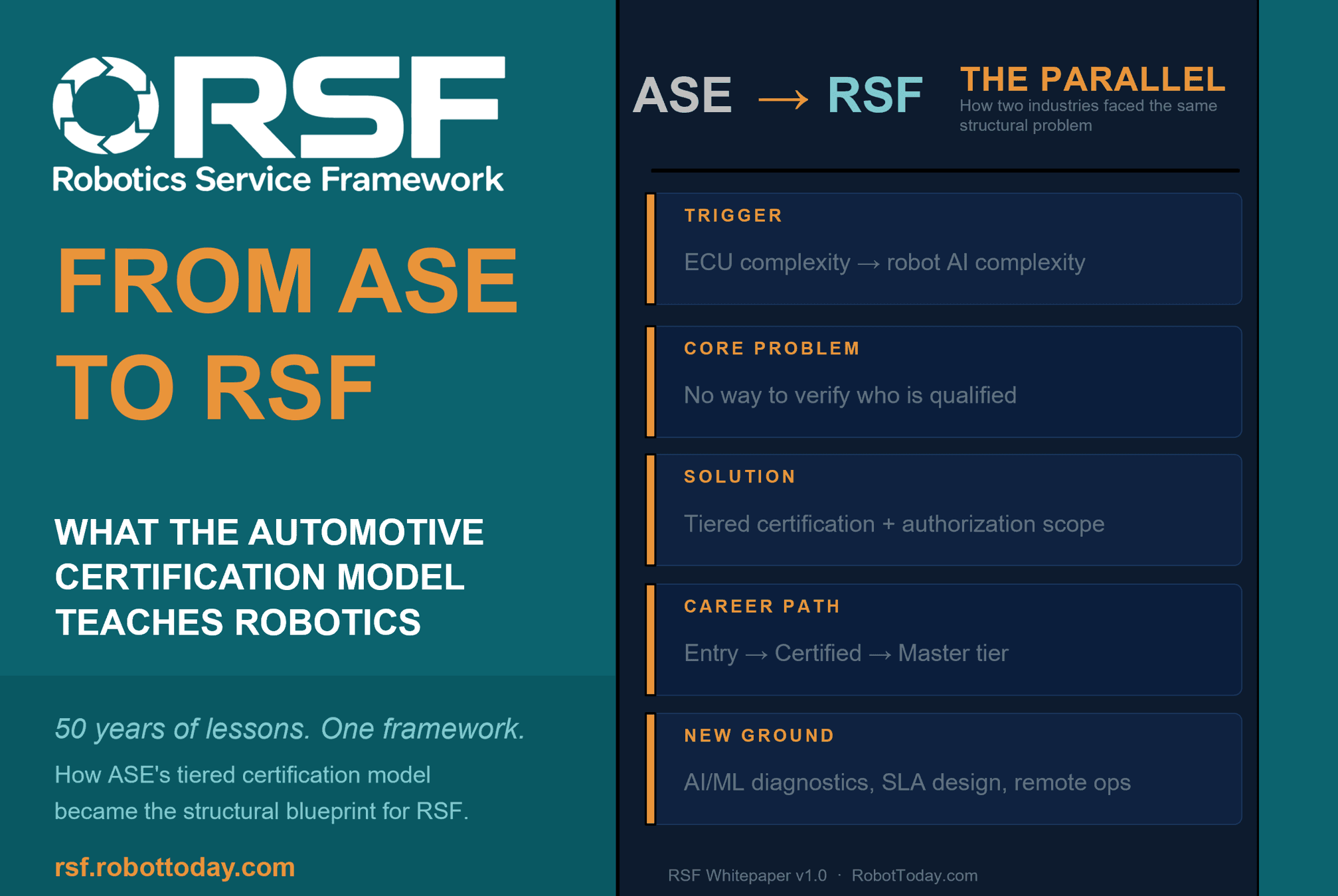
Robotics needs a service framework.
RSF defines a common language for robot service capability, lifecycle operations, certification pathways, and service-provider networks.