


The collaborative robot industry is poised for significant transformation in 2026, influenced by evolving manufacturing structures and workforce expectations. As companies shift towards higher mix and lower volume production, there is an increasing emphasis on integrating collaborative robots into operational workflows rather than treating them as standalone automation solutions. This change is driven by the need for stable quality and scalable growth in production environments.
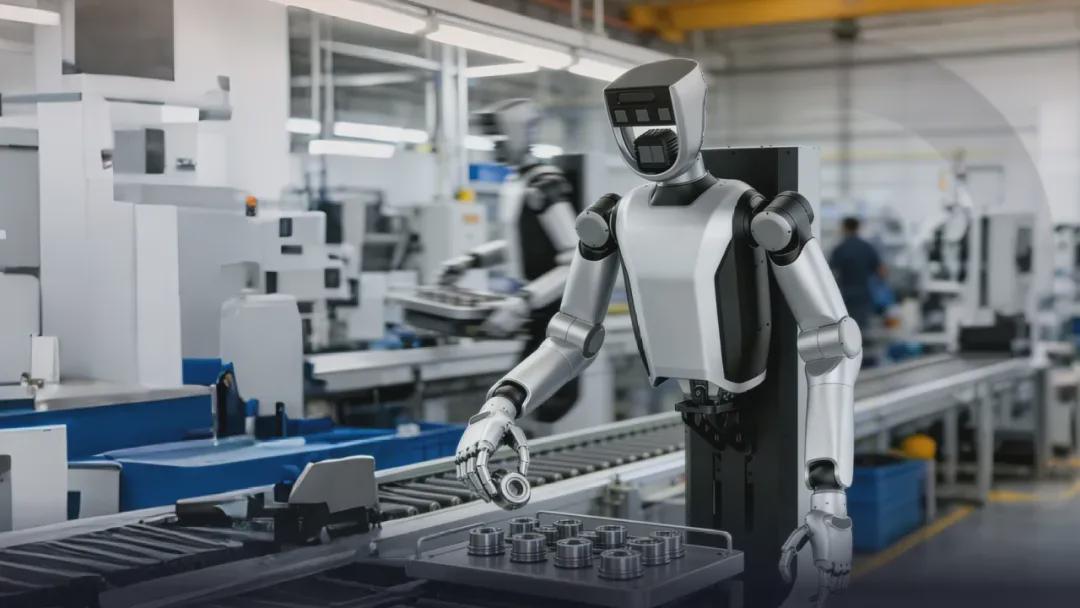
Key trends for 2026 include a focus on practical intelligence, where manufacturers prioritize robots that offer stable operation and predictable performance over complex features. Additionally, the demand for flexible deployment is rising, as production lines become more dynamic, necessitating robots that can be easily redeployed and adapted without extensive reprogramming. Integration capabilities are also crucial, with robots needing to work seamlessly alongside vision systems and existing automation tools.
Inspection automation is emerging as a rapidly growing application, enhancing efficiency and maintaining quality, particularly for small-batch production. Solutions like the JAKA AL are designed for high compatibility with external devices, facilitating non-destructive testing and automated measurements. Furthermore, workforce optimization is becoming a priority, as delegating repetitive inspection tasks to robots reduces operator fatigue and allows skilled workers to concentrate on more complex responsibilities.
In summary, the trends shaping the collaborative robot industry in 2026 reflect a shift towards practicality, flexibility, and integration, addressing real manufacturing challenges and enhancing operational efficiency. JAKA is committed to aligning its solutions with these industry directions to ensure long-term value in evolving production settings.


























Leave a comment